 Intellect Plus
History
21,006 cards. Each one is a 40-second story with a five-minute read behind it. Page 254 of 351.
Subtopics: 19th century · 20th century · Africa · Age of Exploration · Ages & eras · Ancient · Ancient China · Ancient egypt · Ancient greece · Ancient rome · Ancient trade · Archaeological discoveries · Archaeology · Astronomy · Australia · Auxiliary historical sciences · Babylon · Basics · Born on this day · Bronze age · Buddhism · Case studies · Chefs, bartenders and winemakers · China · Cities · Climate · Columbus · Contemporary (1945-) · Cosmetics people · Crime · Criminals · Decipherment · Deep time · Disasters · Early modern · Education · Egypt · Empires · Empires & civilisations · Exploration · Explorers · Extinction · Fandom, conventions and festivals · History by continent and large region · History by continent and region · History by country · History by country, small region and city · History by ethnicity · History by subject matter · History by topic · Inca · India · Industrial Revolution · Japan · Kings & queens · London · Mass hysteria · Medicine · Medieval kingdoms · Medieval life · Mediterranean · Mercedes-Benz History · Mesopotamia · Middle ages · Military leaders and theorists · Military leaders, personnel, and theorists · Ming dynasty · Misconceptions · Modern · Modern (1800-1945) · Napoleon · Navigation · North africa · Other · Pacific · Pharaohs · Philippines · Pirates · Post-classical · Prehistory · Propaganda · Public health · Rebels, revolutionaries and activists · Renaissance · Researched · Second world war · Shipwrecks · Silk Road · South america · Tradespeople · UK & Ireland: history · United states · Vikings · Volcanoes · Women in history
 How a nineteenth-century party organ became Canada's self-styled national newspaper of record.Founded in 1844 by a Father of Confederation, The Globe and Mail has evolved from a partisan weekly into a national institution. Through mergers, corporate acquisitions, and a per…
 The Mongol Empire's finest warrior was passed over for the throne, then died mysteriously.Tolui, the youngest son of Genghis Khan, was a master of ruthless military efficiency who broke the Khwarazmian Empire. Despite his battlefield brilliance and status as the tradit…
 Why the Roman Triumphal Arch Became the Ultimate Symbol of Imperial PowerOriginally a Roman invention to celebrate military triumph, the triumphal arch evolved from a functional gateway into a potent tool of political propaganda. From Renaissance pagea…
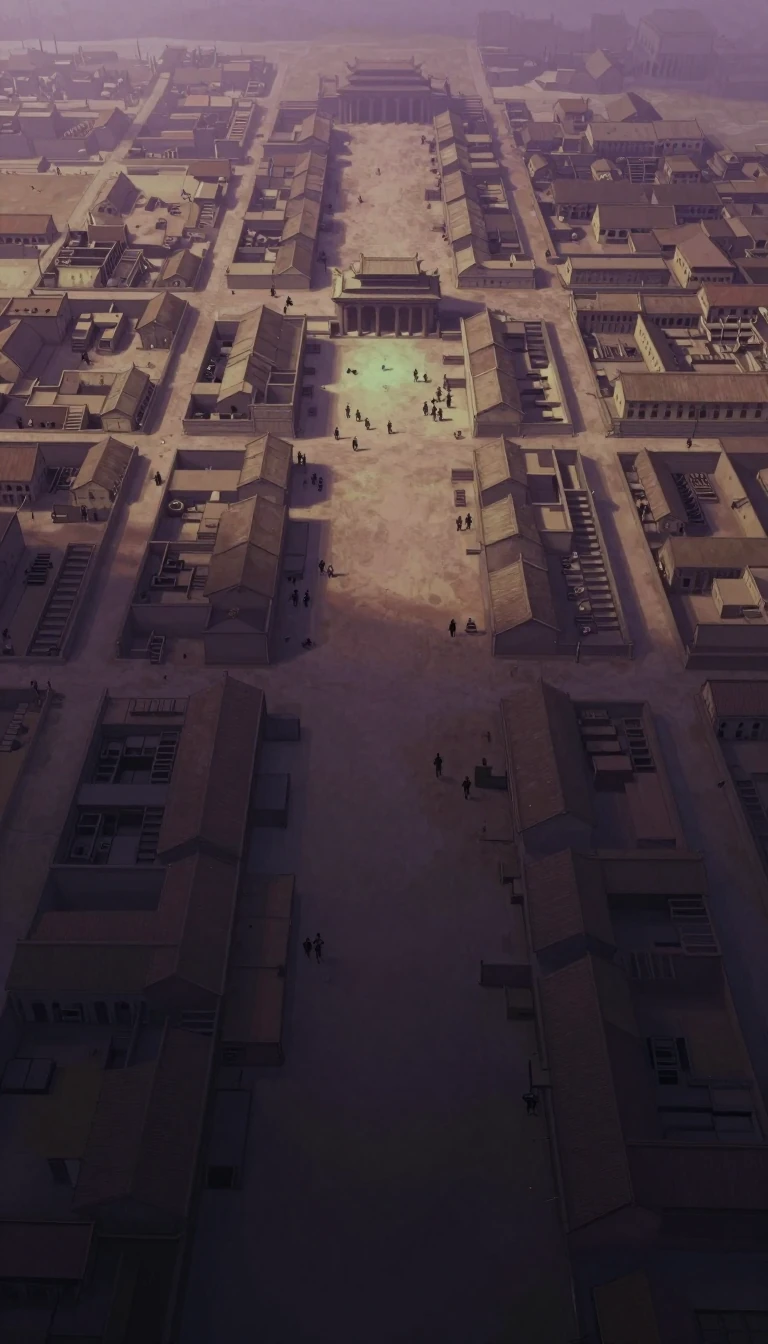 The Temple of Artemis was a marvel that survived floods, fire, and shifting empiresKnown as one of the Seven Wonders, the Temple of Artemis in Ephesus was a political and religious powerhouse. While legends credit Amazonian warriors with its origin, the site end…
 How a widowed princess engineered the rise of the world's most powerful dynastySorghaghtani Beki was a Keraite princess who navigated the treacherous politics of the Mongol Empire to secure the throne for all four of her sons. By mastering imperial administr…
 How a city of Spartan outcasts became a Mediterranean powerhouse and naval hubFounded by the sons of unmarried Spartan women, Taranto evolved from a Greek colony into a sovereign power of Magna Graecia. Today, this Italian port city balances its ancient her…
 How a remote Circassian coastline became Russia's unofficial summer capital and Olympic stageSochi, once the heart of Ubykhia, transformed from a site of imperial conquest and genocide into a sprawling, subtropical resort. From Stalin’s favorite dacha to the record-breaki…
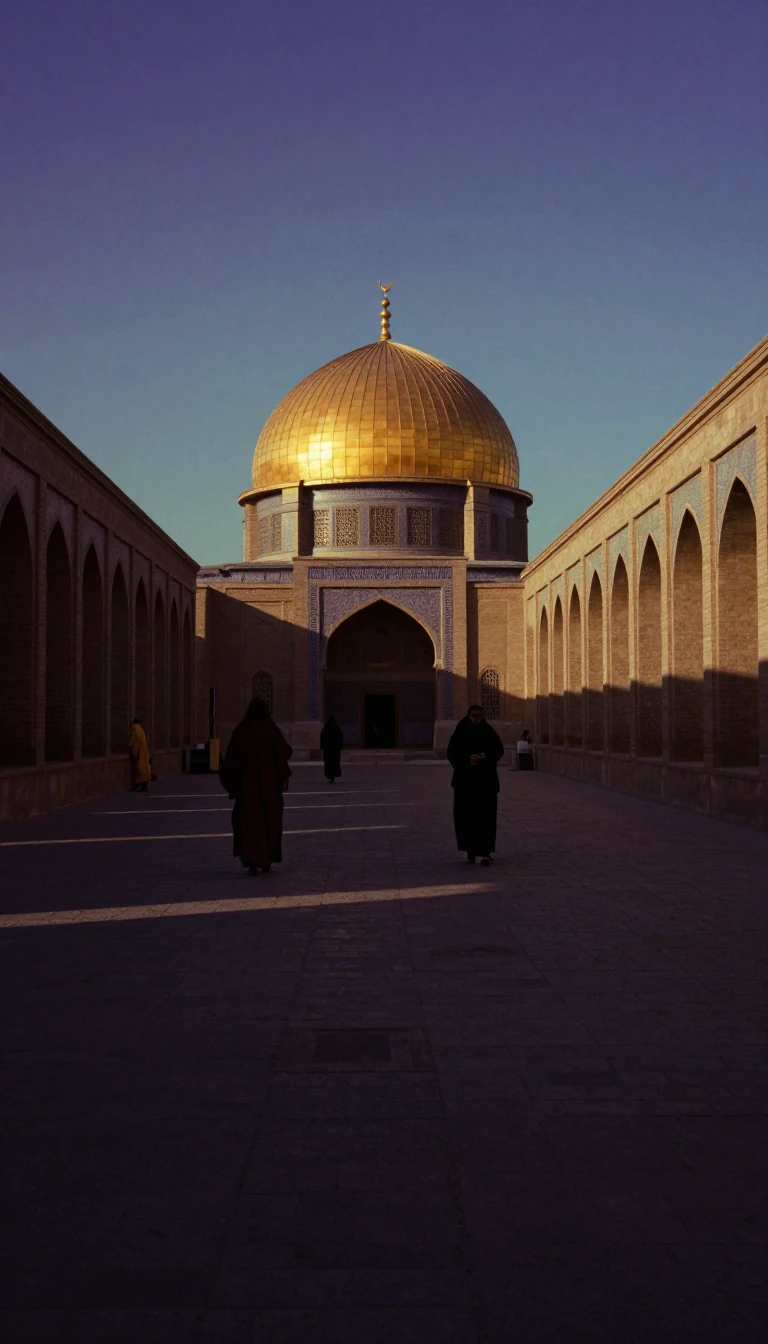 From moral strength to absolute power: the evolving history of the title sultanOriginally an Arabic term for abstract moral authority, the title sultan transformed into a designation for sovereign rulers across the Muslim world. While often confused with kin…
 The Sultanate of Zanzibar: A maritime empire that ended in a 38-minute war.For over a century, the Sultanate of Zanzibar exerted influence across the East African coast, balancing between Omani roots and European colonial ambitions. From its origins as a…
 How a provincial outsider transformed the Roman Empire into a rigid military monarchyBorn in modern-day Libya, Septimius Severus rose from obscurity to seize the Roman throne in 193. By shifting power from the Senate to the legions and expanding the empire to its …
 Was the pharaoh Seti I a victim of his own son's historical revisionism?Seti I is often remembered as the father of Ramesses the Great, but his own reign was a masterclass in restoring Egyptian sovereignty. While modern scholars have dismantled myths …
 How the Safavid Empire transformed Iran into a modern, meritocratic, and Shia stateRuling from 1501 to 1736, the Safavid dynasty fundamentally reshaped Iranian identity. By establishing Twelver Shi'ism as the official state religion and creating a complex, merit…
 The shifting identity of the Saracen: from desert tribes to a global religious labelFor centuries, the term Saracen served as a catch-all for Europeans to describe Muslims, yet its origins remain shrouded in mystery. Far from a self-defined identity, this label e…
 Why Shaanxi is the true cradle of Chinese civilization and its modern industrial heartShaanxi is more than a province; it is the historical epicenter of China. From the ancient capitals of the Zhou and Tang dynasties to the revolutionary base at Yan'an, this region…
 How a revolutionary vision for a people's country reshaped China's modern political identityBorn from the 1912 collapse of two millennia of imperial rule, the Republic of China attempted to forge a modern state amidst warlordism, foreign invasion, and civil war. Its lega…
 Why Italy’s twenty regions are far more than just simple administrative lines on maps.Italy is a unitary republic, yet its twenty regions operate as autonomous entities with their own statutes and governments. Born from a 1948 constitution but delayed until 1970, t…
 The Roman emperor was never a formal office, but a collection of stolen powers.The title of Roman emperor did not exist as a legal position. Instead, it was a fragile, improvised accumulation of Republican titles and military command. Legitimacy was a post-f…
 Why the military regiment is both a tactical powerhouse and a stubborn administrative relicThe regiment is a military paradox. It serves as a fundamental tactical building block for combat, yet it functions as a permanent, tradition-bound family that manages a soldier’s…
 The Rhineland: A fragmented industrial heartland forged by centuries of shifting borders and empiresThe Rhineland is not a single state, but a loosely defined industrial powerhouse along the Rhine. Once a patchwork of petty principalities under the Holy Roman Empire, it was radi…
- The Roman calendar was a political tool that once stretched to 446 days long.Before the Julian reform, the Roman calendar was a chaotic, often manipulated system that drifted seasons out of alignment. Pontiffs frequently failed to intercalate properly, dri…
 Why did the Romans elect two leaders to share one year of absolute power?The Roman consulship was designed to prevent the return of kings. By forcing two men to share supreme authority, each with the power to veto the other, Rome created a system of ch…
 How a Tribe of Meccan Merchants Became the Architects of the Islamic CaliphateBefore Islam, the Quraysh were an elite mercantile tribe controlling trade routes across the Arabian Peninsula. After years of bitter conflict with Muhammad, they underwent a rema…
 How a shepherd-warrior tribe transformed into a dynasty that defined modern Iran's bordersThe Qajar dynasty ruled Iran from 1789 to 1925, evolving from a Turkic tribal force into a sophisticated Perso-Islamic monarchy. Despite their rise to power, they faced relentless…
 How a 15th-century African giraffe became a legendary Chinese omen of prosperityThe qilin is a mythical chimerical beast said to herald the arrival of sages or benevolent rulers. While its origins trace back to ancient poetry, the creature’s modern identity w…
 Why history often erased the power of women who ruled in their own right.A queen regnant is a monarch who rules in her own right, holding full sovereign power. Unlike a queen consort, who shares a husband's rank, a queen regnant possesses the authority…
 Rana Sanga: The scarred warrior who nearly stopped the Mughal Empire in its tracksRana Sanga was the last independent Hindu sovereign to command vast swathes of northern India. A veteran of countless battles, he lost an eye, an arm, and the use of a leg, yet he…
 Is the President of Iran truly the head of state or a subordinate official?While the President of Iran holds the title of head of state in international records, the office functions under the strict authority of the Supreme Leader. This unique executive…
 Was the Pergamon Altar actually the throne of Satan mentioned in the Book of Revelation?Pergamon was a powerhouse of the Hellenistic world, renowned for its library and monumental architecture. Yet, its most famous relic, the massive Pergamon Altar, carries a dark le…
 Did a mysterious ancient plague really bring the Byzantine Empire to its knees?Beginning in 541, a devastating epidemic swept through the Mediterranean, forever altering the trajectory of the Byzantine Empire. While traditional accounts describe a cataclysmi…
 How a Timurid prince built a global economic superpowerFrom a small conquest in 1526 to controlling a quarter of the world's population, the Mughal Empire once defined the global economy. Discover how this dynasty of Timurid descendan…
 The teenage emperor whose sudden death ended the direct male Romanov dynasty in 1730Peter II of Russia ascended the throne at eleven, only to spend his short reign trapped between warring court factions. A neglected orphan who despised statecraft, he preferred hu…
 The Praetorian Guard: From Elite Imperial Bodyguards to Kingmakers of the Roman EmpireOriginally established to protect Roman generals, the Praetorian Guard evolved into a volatile political force. These elite soldiers eventually gained the power to assassinate emp…
- Padua: The Ancient Trojan City That Became a Hub of Science and ArtLegend claims this northern Italian city was founded by a Trojan prince, but its true legacy lies in its intellectual and artistic defiance. From hosting one of the world's oldest…
 The Ostrogothic Kingdom: A Brief, Sophisticated Attempt to Rebuild the Western Roman EmpireBetween 493 and 553, the Ostrogoths ruled Italy under Theodoric the Great, attempting to blend Germanic military power with Roman administrative tradition. While Theodoric success…
 The Pahlavi dynasty rose from a military coup to define Iran's modern trajectory.Founded by a non-aristocratic soldier, the Pahlavi dynasty transformed Iran through rapid secularization and nationalism before its collapse in 1979. This brief, intense era of mo…
- The Pahlavi dynasty transformed Iran from a fragmented state into a modern regional power.From 1925 to 1979, the Pahlavi dynasty reshaped Iran through rapid modernization, secularization, and military expansion. Yet, this era of economic growth and infrastructure devel…
- The Nicene Creed was designed as a secret token to distinguish believers from heretics.Originally called a symbolon, the Nicene Creed functioned like a broken object whose two halves, when joined, verified a person's identity. Adopted to resolve the Arian controvers…
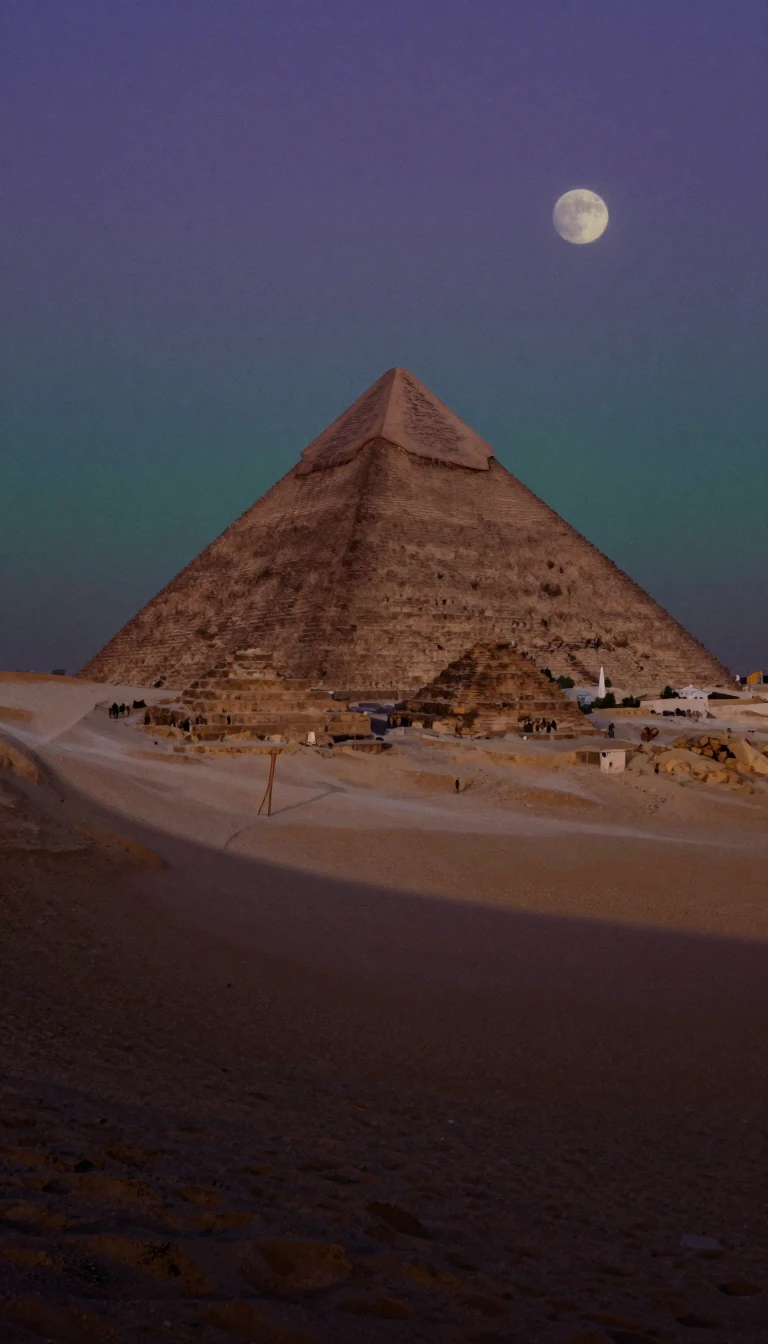 Why the Old Kingdom of Egypt is literally written in stoneSpanning roughly 2700 to 2200 BC, the Old Kingdom represents Egypt's first sustained peak of civilization. Often called the Age of the Pyramids, this era transformed the Nile Vall…
- Did the Western Roman Empire really fall in 476, or was it just rebranded?In 476 AD, a barbarian officer named Odoacer deposed the last Western Roman emperor. While tradition marks this as the empire's collapse, Odoacer ruled with the Roman Senate's sup…
- Beyond the Cloister: The Ancient and Diverse Traditions of Monastic LifeMonks are often imagined as solitary figures in quiet prayer, yet the reality of monasticism spans thousands of years and vastly different cultures. From the ascetic wanderers of …
 Mummification is a global phenomenon that predates the pyramids by thousands of yearsWe often associate mummies with the golden sands of Egypt, but these preserved remains appear on every continent. From deliberate burials in Southeast Asia dating back 12,000 year…
 Why Ancient Greeks Believed Music Could Literally Shape Your Moral CharacterIn ancient Greece, music was not merely entertainment; it was a powerful tool for ethical development. Philosophers like Plato and Aristotle argued that specific musical modes, or…
- How Spain’s monarchy survived a dictatorship to become a symbol of democratic unityThe Spanish monarchy is a constitutional paradox. Once the center of a global empire, it was dismantled, restored by a dictator, and eventually redefined as a democratic arbiter. …
 Is Mongolian one language or a complex web of shifting, disputed dialects?Mongolian is not a single, static tongue, but a vibrant continuum spanning Mongolia, China, and Russia. While state-sanctioned standards exist in Ulaanbaatar and Inner Mongolia, l…
 The Mongol Empire was a brief, explosive chapter in a much longer, complex history.While the 13th-century Mongol Empire is famous for its vast reach across Eurasia, it was merely one phase in a deep history of nomadic confederations. From the ancient Donghu to t…
 The spiritual leader who spent forty-four years in silence and claimed to be GodMeher Baba was a 20th-century Indian figure who claimed to be the Avatar, the reincarnation of major religious prophets. After beginning a period of silence in 1925, he communicat…
 From ancient curses to modern plastic, the volatile history of naphtha explainedNaphtha is a versatile hydrocarbon mixture that has shaped human history for millennia. Once invoked in ancient Mesopotamian curses and used as a mysterious, fire-starting liquid …
- Maat: The Ancient Egyptian Force That Kept The Universe From Collapsing Into ChaosIn ancient Egypt, the cosmos was not merely a physical space but a delicate structure maintained by Maat. Representing truth, justice, and moral balance, this foundational concept…
 How a Greek kingdom became a contested crossroads of empires and national identitiesMacedonia is more than a geographic region; it is a historical palimpsest. From the ancient kingdom of Philip II and Alexander the Great to a centuries-long Ottoman province, this…
 Was Rome’s greatest architect and general actually the secret architect of the empire?Marcus Vipsanius Agrippa was more than just Augustus’s right-hand man. He was the military genius behind the Battle of Actium, the engineer who turned Rome into a city of marble, …
 From Neolithic stone to parliamentary symbol, the mace is history's most enduring blunt weapon.The mace evolved from a simple Paleolithic club into a sophisticated tool of war designed to crush plate armor. While its combat utility faded, it transformed into a powerful embl…
 The Mahdi: A Messianic Figure Across Centuries of Islamic Theology and Political AmbitionThe Mahdi, or The Guided One, is a central figure in Islamic eschatology, representing a messianic leader destined to restore justice before the end of the world. While Sunni and …
 How a minor underworld deity transformed into the supreme king of the Mesopotamian gods.Marduk began as an obscure, sparsely attested figure in the third millennium BC. Yet, through centuries of political maneuvering, syncretism, and epic literature, he ascended to b…
 Why Britain’s most famous classicist insists that the ancient world is never really deadMary Beard transformed the study of Ancient Rome from an ivory tower pursuit into a public conversation. By challenging traditional narratives and embracing her role as a media-sa…
- How a medieval Baltic trade hub became the cradle of Northern European commerceLübeck rose from a Slavic settlement to the de facto capital of the Hanseatic League. For centuries, its unique legal code governed trade across the Baltic, shaping the economic l…
 The Greek underworld was not a hell for all soulsAncient Greeks didn't view death as an automatic descent into eternal torment. Instead, their afterlife was a complex geography of rivers and meadows where the fate of your soul d…
 Proclaimed in 1897, the short-lived Korean Empire attempted a rapid, ambitious modernization.Seeking independence from foreign interference, King Gojong transformed Joseon into the Korean Empire. Through the Gwangmu Reform, he pursued Western-style industrialization, mili…
 When Crusaders Seized Constantinople, They Created an Empire That Lasted Only Fifty-Seven YearsIn 1204, the Fourth Crusade abandoned its mission to Jerusalem, instead sacking Constantinople and establishing the Latin Empire. This short-lived feudal state attempted to replac…
 Lü Bu: The legendary warrior who betrayed his way to a violent, lonely endRenowned for his martial prowess and his legendary steed, the Red Hare, Lü Bu was a formidable warlord during the late Eastern Han dynasty. Yet, his legacy is defined as much by h…
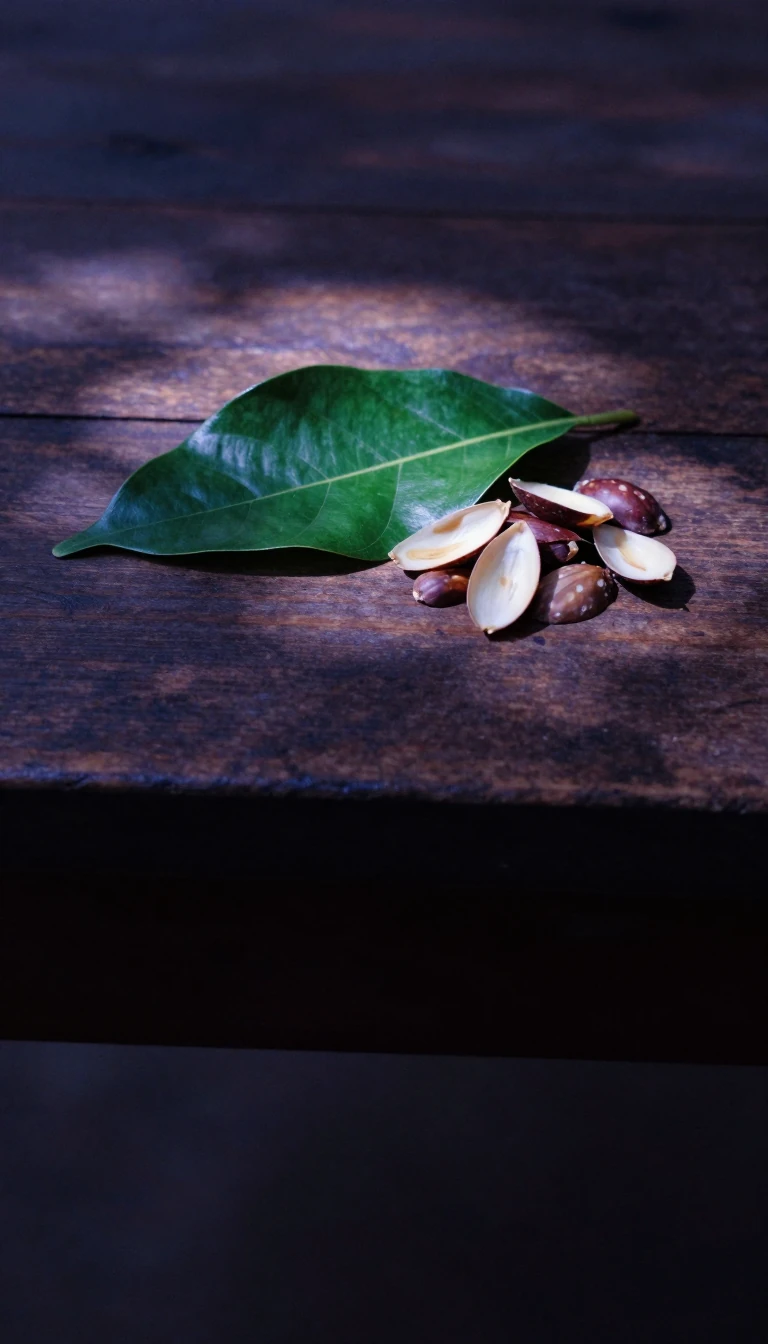 The bitter seed that built empires and defined the modern global soda industryNative to West African rainforests, the kola nut is a potent stimulant that has served as a sacred ceremonial offering, a tool for social mobility, and the original namesake for t…