 Intellect Plus
Space
9,120 cards. Each one is a 40-second story with a five-minute read behind it. Page 101 of 152.
Subtopics: Apollo · Asteroids · Astronauts · Astronomical objects · Astronomical technology · Astronomy · Astronomy and geodesy · Astronomy basics · Big bang · Black holes · Celestial mechanics · Celestial sphere · Comets · Constellations · Cosmology · Dark energy · Dark matter · Deep time · Exoplanets · Exploration · Future Frontier · Galactic and extragalactic astronomy · Galaxies · Gravity · Impacts · Interstellar · Jupiter · Light · Mars · Mars exploration · Meteorites & asteroids · Moon · Moon exploration · Moons · Navigation and timekeeping · Nebulae · Observational astronomy · Observatories · Physical cosmology · Physics · Planetary science · Planets · Quantum · Relativity · Rockets & launch vehicles · Satellites · Saturn · Seti · Space · Space agencies · Space probes · Space stations · Space telescopes · Spacecraft · Spaceflight · Stars · Stellar astronomy · Sun & solar physics · Supernovae · Telescopes · Volcanoes · Weather
 Traveling 14,000 kilometers in under four minutesExperience the staggering velocity of orbital travel through a time-lapse captured from the International Space Station. ESA astronaut Alexander Gerst captures what it looks like …
 How engineers prepare Orion's solar wings for the most powerful rocket ever builtTo ensure NASA's Orion Moon module survives its journey, ESA engineers are subjecting its fragile solar arrays to extreme vibrations and intense sound to simulate the rigours of l…
 Inside the rare facility building Europe's next generation of rocketsThis video offers a rare look inside the Avio rocket factory south of Rome. Discover how engineers are constructing the lightweight Vega launcher and the future of European space …
 Europe's independent leap into global satellite navigationWatch how Europe moved from experimental test satellites to a functional constellation, securing its own sovereign position in the global navigation landscape.
 The rarest materials on Earth may have arrived from deep spaceDiscover how a daring mission to a distant asteroid brought back microscopic treasures that are now reshaping our understanding of the cosmos. This video explores the journey of t…
- A rare look inside one of Europe's few rocket factoriesGo behind the scenes at the Avio plant in Colleferro, Italy. This video explores the production of next-generation carbon fibre European launchers and the site where the lightweig…
 How Europe is completing its independent satellite navigation constellationThis video explores the progress of the Galileo system, featuring insights from ESA officials on how the constellation is reaching its full operational capacity and providing high…
 Precision and peril: how astronauts prepare for the void of spaceStepping outside the International Space Station is a high-stakes dance where every second is choreographed. Beyond the thrill of exploration lies a rigorous process of risk manag…
 Why fluid behavior in microgravity requires a high-tech upgradeWatch ESA astronaut Alexander Gerst install a new video management unit within the Fluid Science Laboratory to refine how we observe matter in orbit.
 How the most complex observatory ever built will redefine our view of the cosmosDiscover the mission of the James Webb Space Telescope, an international collaboration designed to peer into the atmospheres of distant exoplanets and uncover the origins of galax…
 How a satellite captures the invisible movement of our atmosphereWind is the planet's primary heat distribution system, but measuring it globally in real-time is a massive technical challenge. This video explains how the ESA's Aeolus mission pr…
- How scientists safeguard the legacy of the Rosetta missionEven years after the final data collection from Comet 67P/Churyumov-Gerasimenko, the work continues. This video explores the complex process of archiving and making mission data a…
 How a laser from space can map the Earth's windsThis video explores the final preparations for the Aeolus mission at the European Spaceport in Kourou, French Guiana. Discover how this state-of-the-art satellite uses advanced la…
 Experience Earth's vast landscapes in just 260 secondsWitness a breathtaking orbital journey from Alaska to the Andes. This time-lapse, captured from the International Space Station, compresses thousands of images into a rapid, sweep…
- Why the Canary Islands are our rehearsal for MarsTo reach other worlds, we must first master the extreme environments of our own. Pangaea-X is a high-stakes test campaign where astronauts and engineers simulate planetary explora…
 Will Comet 67P/Churyumov-Gerasimenko return to our skies?After the historic Rosetta mission, astronomers are preparing for the next close approach of Comet 67P. Discover how scientists are comparing past close-up data with future Earth-…
 How astronauts learn to hunt for life across the solar systemThe European Space Agency is training astronauts to act as planetary geologists. This video explores how the Pangaea course prepares crews to identify significant rock samples and…
 A rare look inside the cleanroom preparing for MercuryGo behind the scenes at Europe's Spaceport in Kourou to see the BepiColombo mission undergoing its final preparations for its journey to the inner Solar System.
 How a European camera network tracks bright meteors through the atmosphereThis video introduces the FRIPON network, a system of over one hundred specialized cameras across Europe designed to monitor the skies for bright fireballs and track their descent.
 The evolution of Europe's heavy-lift capabilities with the Vega-CExplore how the European Space Agency is scaling up its launch capacity without increasing costs. This video details the engineering leap from the original Vega to the more powerf…
 How astronauts might control robots from orbit to prepare for deep space explorationThis video demonstrates how astronauts can remotely operate robotic systems from space. By testing control systems and network stability, scientists are preparing for future missi…
- How a hotel room became the foundation of Europe's largest environmental archiveBefore it was a cornerstone of Earth observation, ESA's ESRIN centre operated out of a local Italian hotel. Today, this institution manages the vital data streams from satellites,…
 From classroom to deep water: Matthias Maurer's journey to the starsWatch the highlights of Matthias Maurer's rigorous three-year training programme. This video captures the intense preparation required to transform a German citizen into a qualifi…
- The legacy of a decade-long voyage into the deep solar systemWhile Rosetta's physical journey ended in 2016, its scientific life is only beginning. This video explores how researchers are still extracting secrets from the mission's vast dat…
- The European backbone of humanity's furthest journey into deep spaceExplore the engineering behind the European Service Module, the life-support system designed to sustain astronauts as they travel beyond the Moon. This video details how European …
 A joint mission to explore the mysteries of MercuryWitness the launch of BepiColombo, a collaborative venture between ESA and JAXA designed to investigate the smallest and least understood planet in our inner solar system.
 How Luca Parmitano's mission name was inspired by fellow ESA astronautsThis video recap from ESA’s ESRIN establishment in Italy captures the moment astronaut Luca Parmitano unveiled the name and patch for his 2019 International Space Station mission.
- How Europe's next polar-orbiting weather satellite prepares for launchWatch ESA project manager Stéfane Carlier explain the mission of MetOp-C, a sophisticated satellite designed to provide the critical atmospheric data needed for global weather for…
- Can machines see the changing face of our planet from space?As satellite imagery reaches unprecedented resolutions, the sheer volume of data has become too vast for human eyes alone. By training artificial intelligence on massive datasets,…
 A mission to study the solar system's planetary misfitThe BepiColombo mission is embarking on a journey to Mercury to investigate the planet's mysterious features and cratered surface in unprecedented detail.
- How a bug-eyed telescope could protect Earth from asteroid impactsThe European Space Agency is developing Flyeye, an automated telescope designed to scan the night sky for dangerous comets and asteroids.
- How the Sun's activity shapes life on EarthSpace weather is more than a celestial curiosity; it is a constant interaction between our Sun and our planet. This video features three leading European scientists explaining how…
- How a constellation of three satellites powers global weather forecastingDiscover how the MetOp programme uses a sequence of polar-orbiting satellites to monitor our atmosphere and provide the essential data required for numerical weather prediction.
- Bridging the gap between orbital science and commercial realityDiscover how ɸ-week unites the architects of future space ventures with the scientists defining Earth observation today.
- How the Sun's raging activity impacts our modern infrastructureExplore the science of space weather and learn how solar events like flares and coronal mass ejections can threaten the satellites and networks essential to our global economy.
 How solar activity threatens our modern satellite navigation systemsDuring European Space Weather Week 2018, three leading scientists shared insights into the Sun's impact on Earth, exploring the mechanics of space weather and its potential to dis…
- Two orbits in 15 minutes: a 20-year visual odyssey from orbitExperience the International Space Station's journey from a new vantage point. This video showcases a record-breaking timelapse captured by ESA astronaut Alexander Gerst, offering…
 How ESA is bridging the gap between space science and commercial investmentDiscover the vision behind ESA's Φ-week, an initiative designed to transform Earth observation research into the space business opportunities of the future.
- A 50-kilogram classroom is heading into orbit this DecemberThe European Student Earth Orbiter (ESEO) marks a milestone in space education, moving from university labs to a SpaceX Falcon 9 rocket. This micro-satellite offers a rare look at…
- Beyond satellites: exploring the next frontier of Earth observationDiscover how the European Space Agency is bridging the gap between space science and commercial enterprise, focusing on the emerging technologies shaping the future of our planet.
- How a student-led mission is training the next generation of space engineersWatch an animation of the European Student Earth Orbiter, a micro-satellite project designed to give university students hands-on experience with real space technology and mission…
- Can the ExoMars mission uncover signs of life on the Red Planet?This video explores the ambitious ExoMars mission, a collaborative effort between the ESA and Roscosmos designed to search for evidence of past or present life on Mars.
- How can we simulate landing a spacecraft on a distant asteroid?Watch how a team of engineering students used a drop tower in Germany to replicate the low-gravity environment of an asteroid for a CubeSat landing experiment.
- Why haven't we found proof of extraterrestrial life yet?Astrophysicist Avi Loeb argues that our failure to detect alien life is not due to a lack of presence, but a lack of dedicated resources and scientific focus.
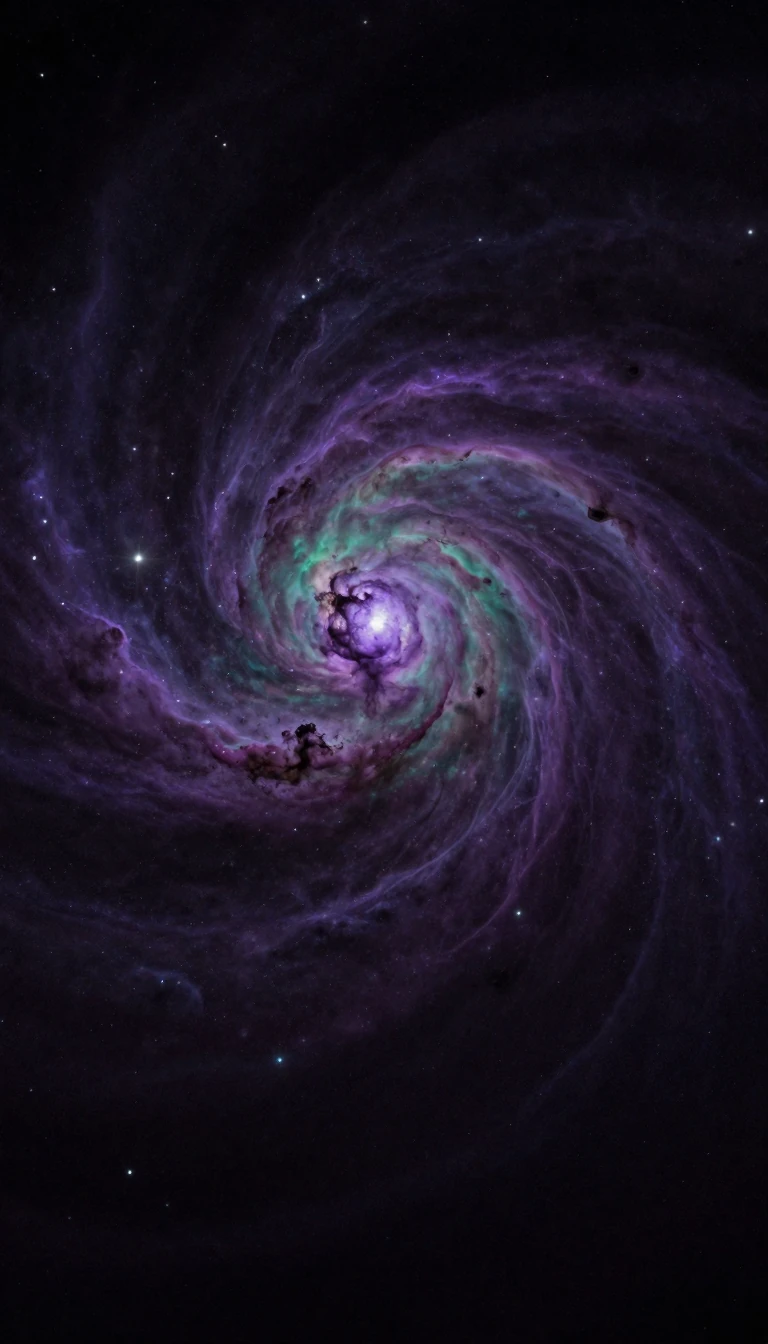 Before the Big Bang: the story of the universeThe Big Bang names the universe evolving from a hot, dense state; inflation may have come before it, and what happened before inflation is still unknown.
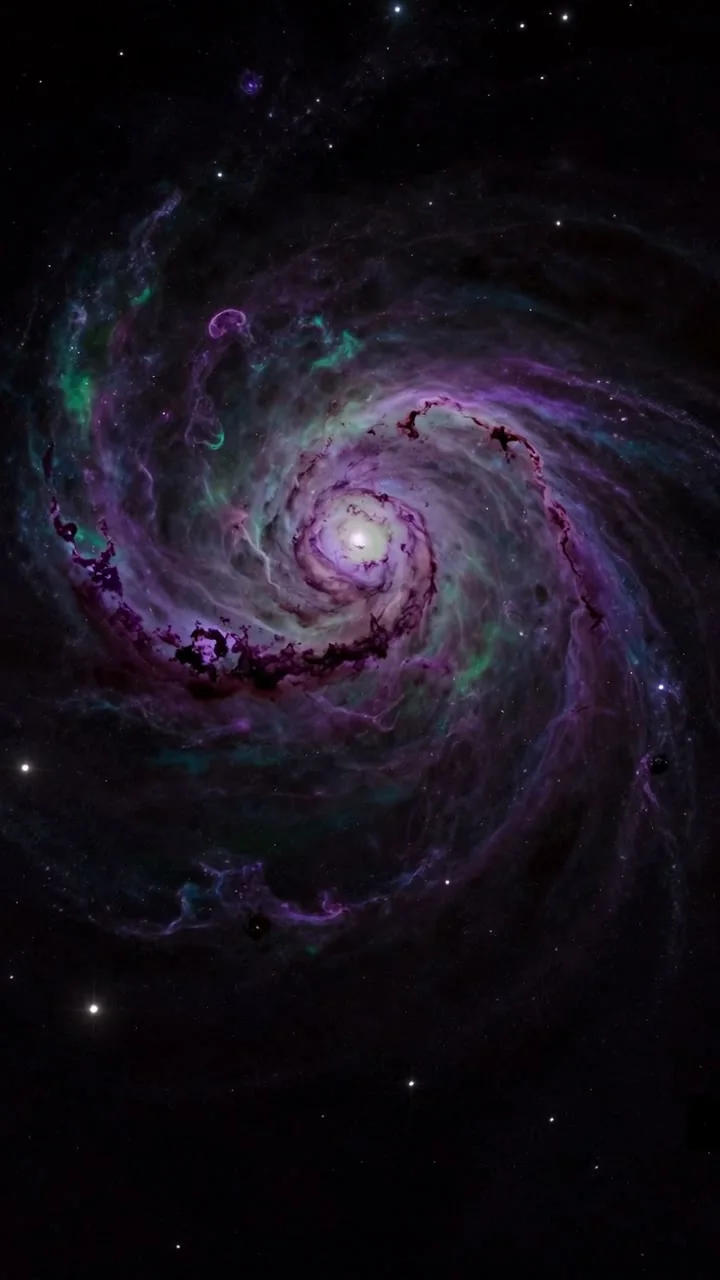 Why the visible universe reaches 46.5 billion light-years in every directionRadius about 46.5 billion light-years; light has had time to reach Earth since expansion began
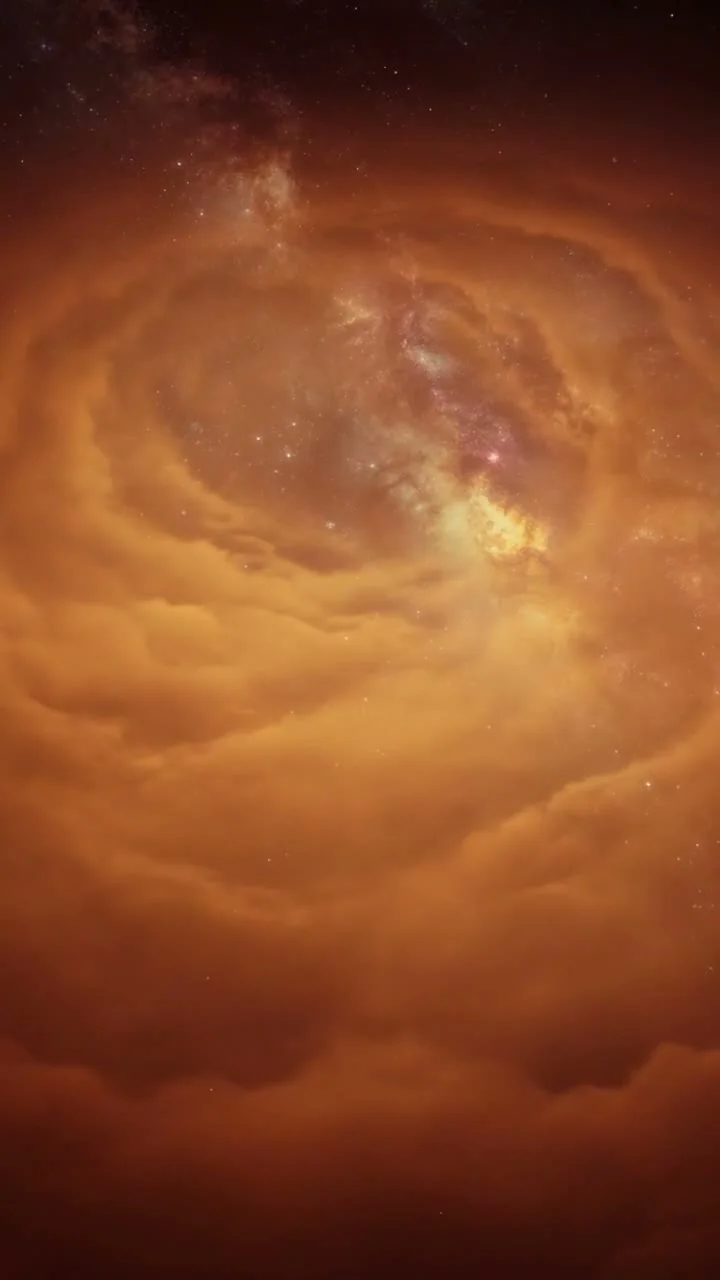 The cosmos made its first atoms only after 380,000 years of fogAround 380,000 years after the start, electrons were captured forming atoms, the universe became transparent and the cosmic microwave background was produced
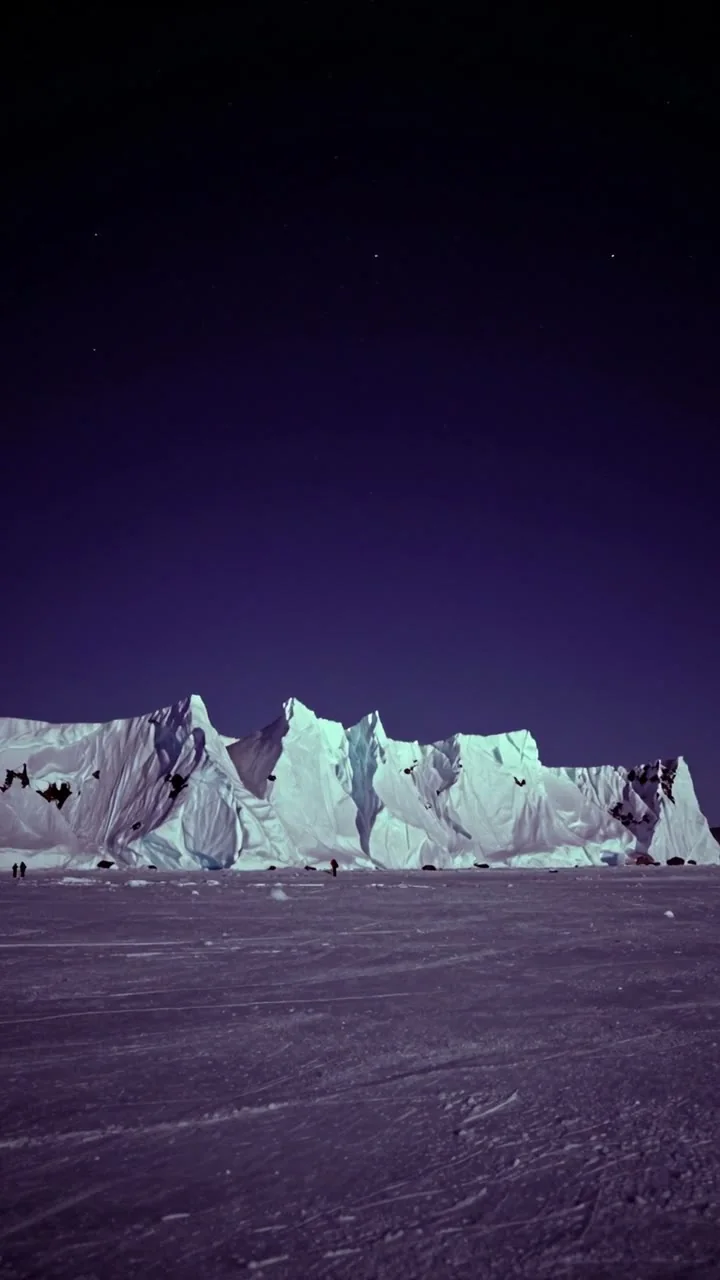 The best stargazing spot on Earth may be a ridge in Antarctica2009 study: best ground-based observatory location is Ridge A in central Eastern Antarctica with least disturbance
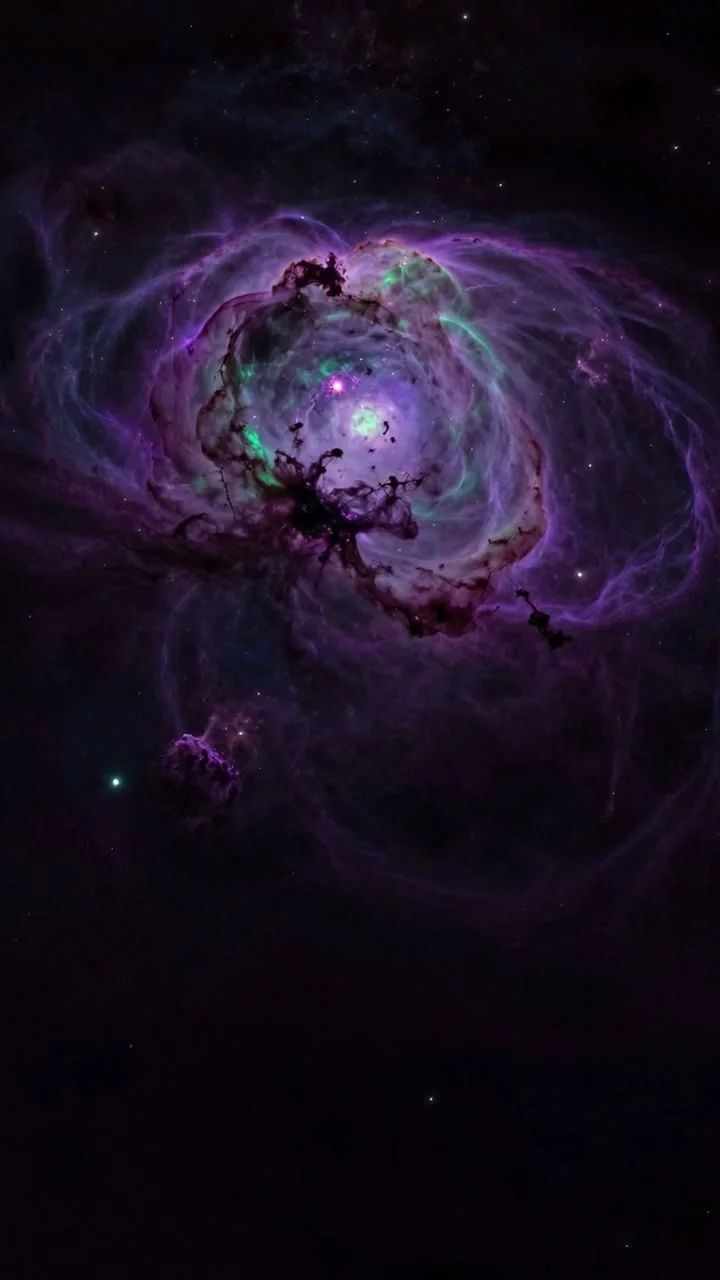 To an astronomer, oxygen and carbon count as metalsAstronomers call all elements except hydrogen and helium metals, distinct from the chemical definition; many are nonmetals in chemistry
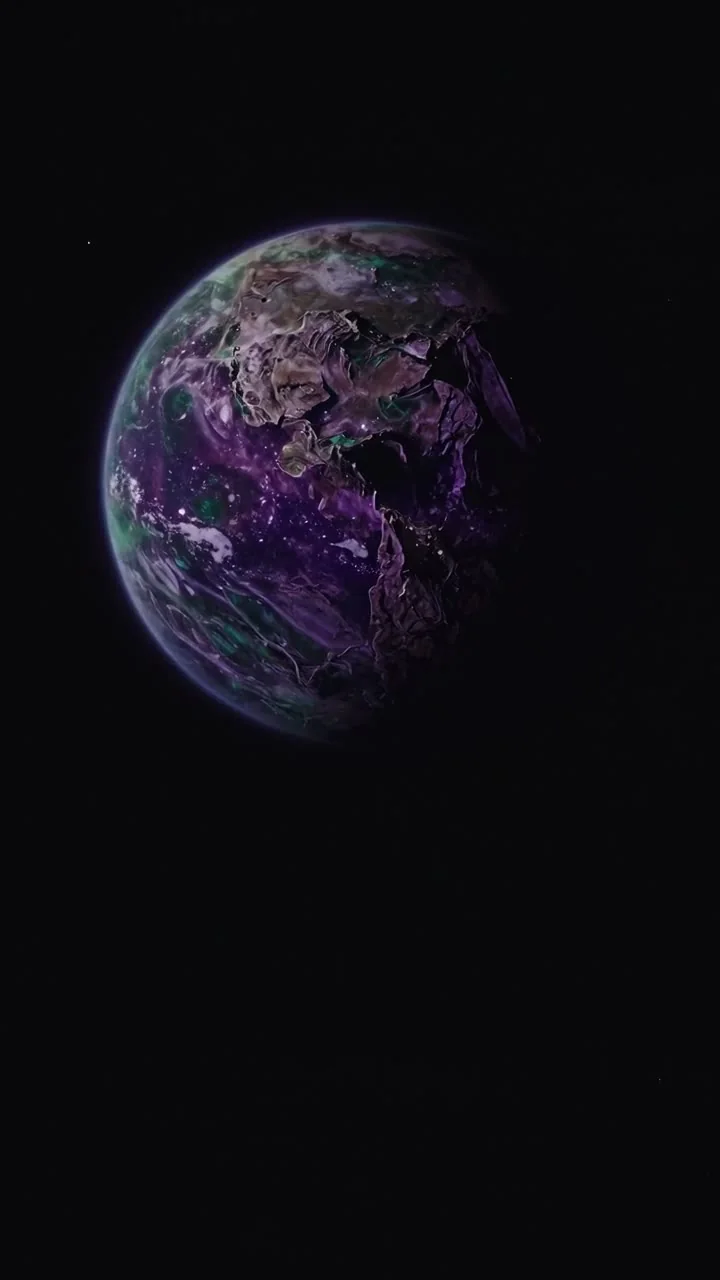 Rocky worlds much bigger than Earth may be surprisingly rare2016 modelling suggested the rocky-to-mini-Neptune transition near Earth and Venus; rocky worlds much larger rare; as of 2024 about 4.4 Earth masses and 1.6 Earth radii
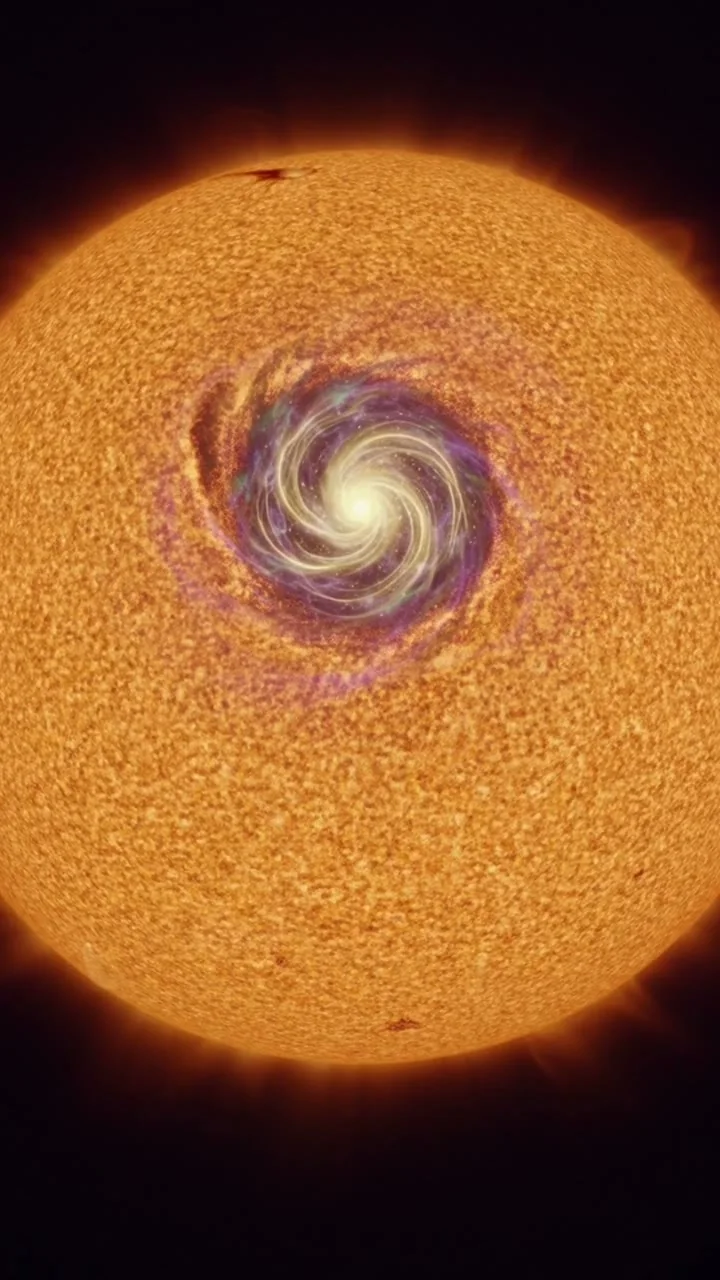 Stars run internal dynamos that flip their magnetic poles on a scheduleThe Sun's main field reverses every 11 years, period about 22; sunspot activity maximum near reversal, with plasma ejection
 The Moon passing in front of 3C 273 cracked the quasar mystery1962 breakthrough: 3C 273 lunar occultations measured by Hazard and Bolton at Parkes let Maarten Schmidt find the counterpart and obtain a spectrum with the 200-inch Hale Telescop…
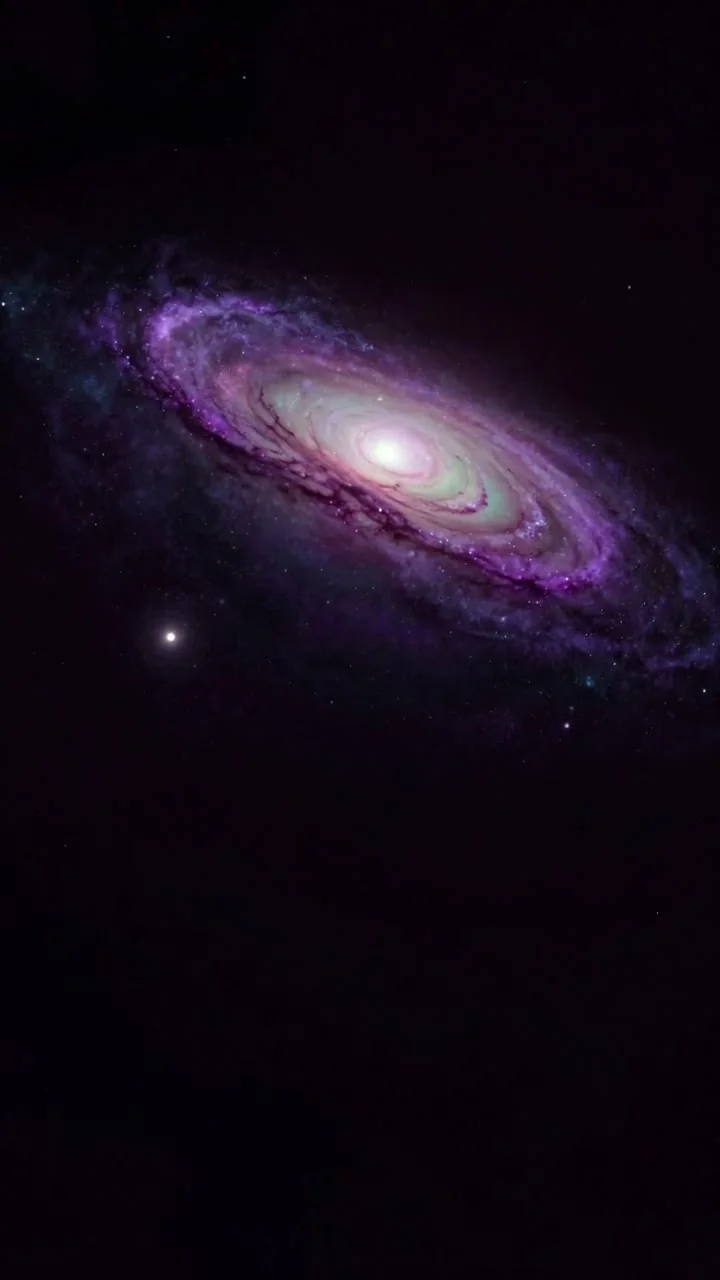 Radio galaxies blow lobes of plasma far beyond their visible starsRadio galaxy has radio emission beyond visible structure; lobes powered by AGN jets; synchrotron process; hosts almost exclusively large ellipticals; detectable at large distances…
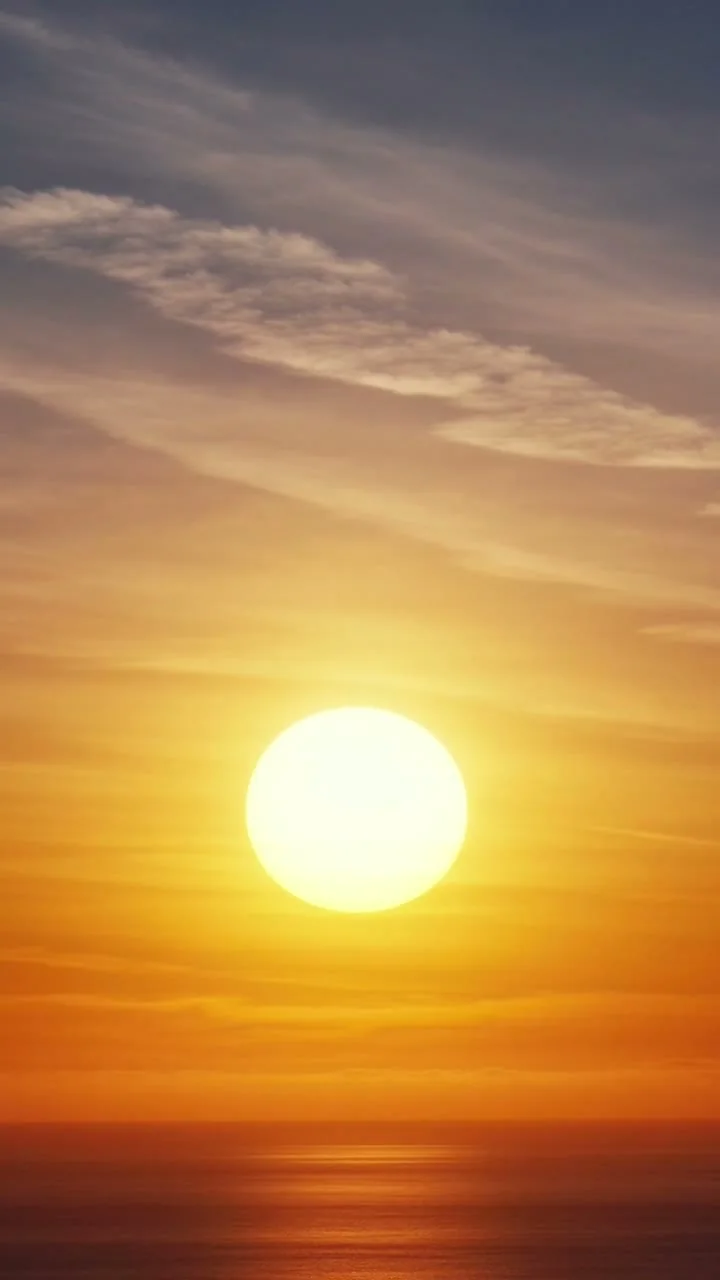 Why Earth gets more daylight than darkness over a yearMore daytime than nighttime over a year due to the Sun's size and refraction; Sun 31-33 arcminutes; half visible at sunset; about three minutes; refraction about six minutes
- Apollo 14 returned the Apollo program to the Moon after the near-disaster of Apollo 13.Following the aborted Apollo 13 mission, the crew of Apollo 14 successfully touched down in the Fra Mauro highlands. This mission, commanded by the first American in space, Alan S…
- Becoming a NASA astronaut requires more than just the right stuff and grit.The path to space is rigorous, demanding specific academic credentials and physical standards. While the iconic image of the military test pilot persists, today’s corps is a diver…
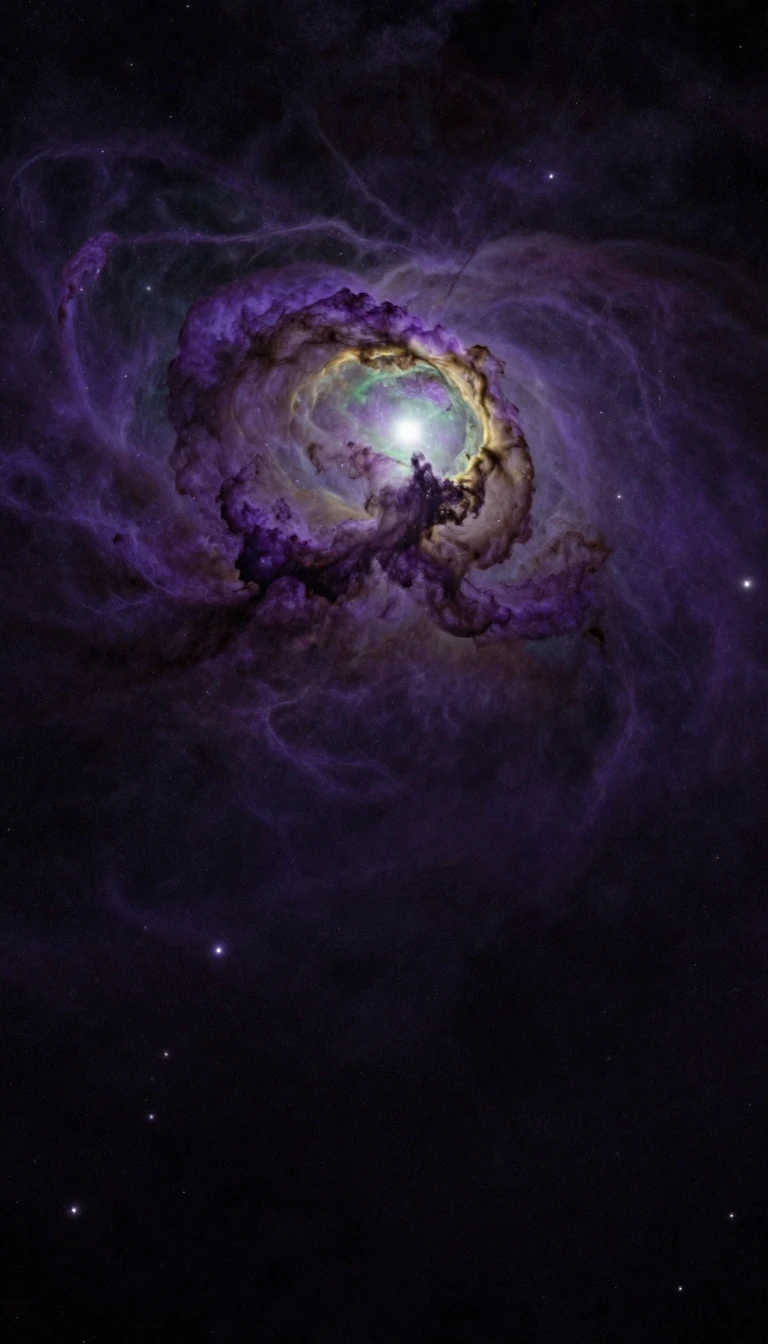 This tiny asteroid orbiting between Saturn and Uranus possesses its own ring systemMost rings in our solar system belong to gas giants, but 10199 Chariklo defies this rule. As the largest known centaur, this icy body maintains two narrow, mysterious rings. Astro…
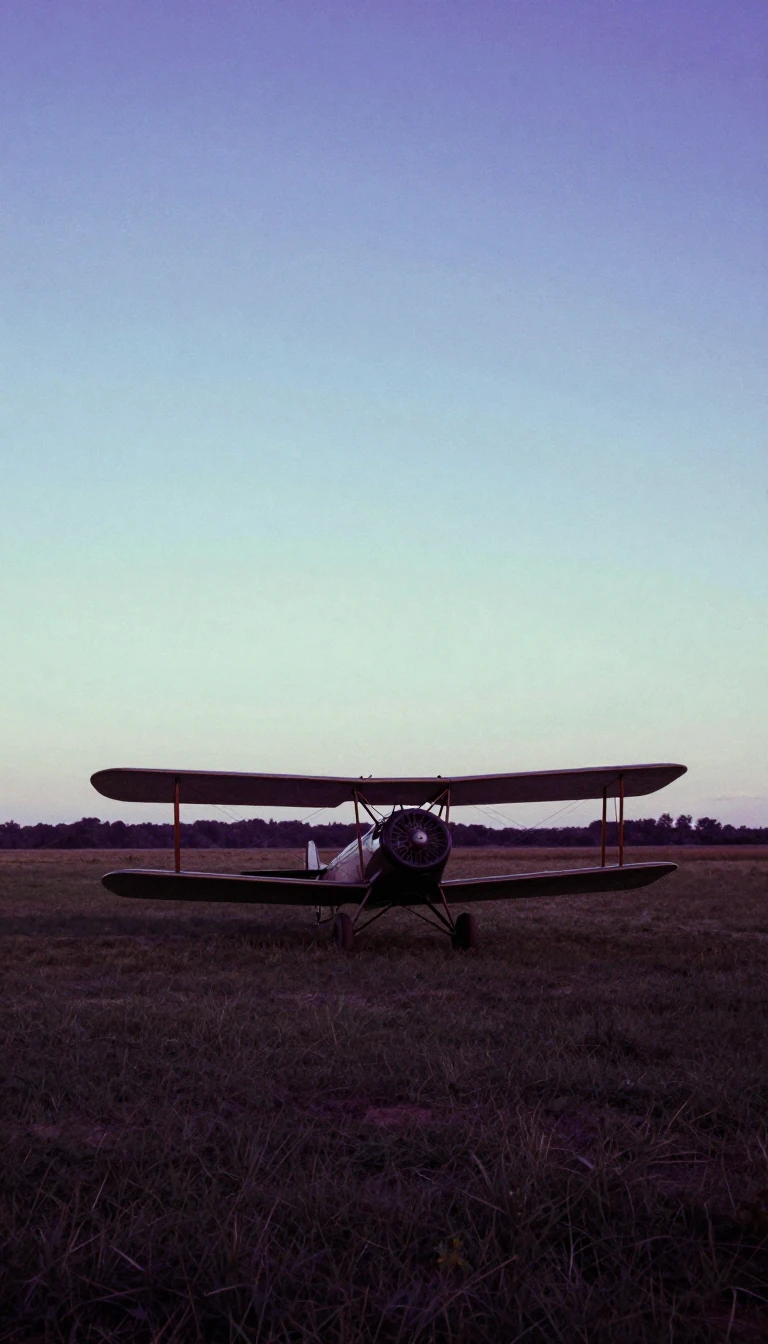 More than just a plane, Air Force One is a flying command center.Air Force One is a powerful symbol of the American presidency, but it is also a highly specialized machine. Beyond its iconic exterior, this aircraft functions as a mobile command…
 The tragic fire that claimed three astronauts and defined the Apollo program's futureOn January 27, 1967, a preflight test for the first crewed Apollo mission turned fatal. A fire swept through the command module, killing astronauts Gus Grissom, Ed White, and Roge…
- How Arabic diacritics turn a skeletal script into a precise phonetic guideArabic is a modified abjad where vowels are often omitted, leaving readers to rely on context. To bridge this gap, a system of diacritics called tashkīl provides the missing phone…