 Intellect Plus
Space
9,120 cards. Each one is a 40-second story with a five-minute read behind it. Page 103 of 152.
Subtopics: Apollo · Asteroids · Astronauts · Astronomical objects · Astronomical technology · Astronomy · Astronomy and geodesy · Astronomy basics · Big bang · Black holes · Celestial mechanics · Celestial sphere · Comets · Constellations · Cosmology · Dark energy · Dark matter · Deep time · Exoplanets · Exploration · Future Frontier · Galactic and extragalactic astronomy · Galaxies · Gravity · Impacts · Interstellar · Jupiter · Light · Mars · Mars exploration · Meteorites & asteroids · Moon · Moon exploration · Moons · Navigation and timekeeping · Nebulae · Observational astronomy · Observatories · Physical cosmology · Physics · Planetary science · Planets · Quantum · Relativity · Rockets & launch vehicles · Satellites · Saturn · Seti · Space · Space agencies · Space probes · Space stations · Space telescopes · Spacecraft · Spaceflight · Stars · Stellar astronomy · Sun & solar physics · Supernovae · Telescopes · Volcanoes · Weather
 How a car-sized robot is rewriting the history of life on the Red PlanetNASA's Curiosity rover has spent over 5,000 Martian days exploring Gale Crater, hunting for the chemical building blocks of life. From drilling into ancient mudstone to capturing …
 Why December is the most misnamed month in our modern calendarDecember is the twelfth month of the year, yet its name is derived from the Latin word decem, meaning ten. This linguistic relic persists because the original Roman calendar began…
 The digital clock existed long before the LED screen became a household standardWe associate digital clocks with glowing electronic displays, but the concept of reading time through numerals rather than hands dates back to the 19th century. From mechanical ju…
 How radio waves became the invisible compass that turned the tide of global war.Radio direction finding allows us to pinpoint the source of a signal by measuring its arrival angle. From early mechanical loops to modern phased arrays, this technology evolved f…
 How a Sidewalk Astronomer Revolutionized Deep-Sky Viewing with Porthole Glass and PlywoodIn 1965, John Dobson transformed amateur astronomy by stripping away the complex, expensive mounts of traditional telescopes. By using simple materials like cardboard tubes and Te…
 For millennia, humanity has used celestial diaries to track the movements of the heavens.An ephemeris is a table or digital tool that predicts the trajectory of celestial bodies. From ancient Babylonian clay tablets to modern NASA software, these logs have guided navi…
 How equatorial mounts turn a simple telescope into a precision time machineTo track a star, you must fight the Earth's rotation. While simple mounts require constant, complex adjustments, the equatorial mount aligns with the planet's axis to follow the h…
 The Extremely Large Telescope will redefine our view of the distant, dark universePerched atop Chile's Cerro Armazones, the Extremely Large Telescope is an engineering marvel designed to capture light with unprecedented sensitivity. By utilizing a massive segme…
 Why the lens closest to your eye is the secret to clear magnificationAn eyepiece is more than just a magnifier; it is a complex optical system that determines how you perceive the universe. By swapping these lenses, you can shift from wide-angle vi…
 Why Friday is named after a goddess, a planet, or a simple numberAcross the globe, Friday is defined by its position in the week, its religious weight, or its celestial associations. From the Germanic goddess Frigg to the Roman planet Venus, an…
- How a spinning space observatory mapped one billion stars in our Milky Way galaxyLaunched in 2013, the Gaia mission spent over a decade creating the most precise three-dimensional map of our galaxy. By spinning in space and observing one billion stars dozens o…
 How a decommissioned NASA telescope mapped the ultraviolet history of our evolving universeLaunched in 2003, the Galaxy Evolution Explorer (GALEX) spent nearly a decade peering into the ultraviolet cosmos. By measuring star formation across 10 billion years of history, …
 How a desperate gravity-assist maneuver saved the Galileo mission from the scrap heapAfter the Challenger disaster grounded the Space Shuttle, the Galileo mission to Jupiter faced cancellation. With its powerful Centaur upper stage canceled, engineers devised a ra…
 Why Europe built its own satellite network to escape American military controlGalileo is the European Union's independent answer to GPS. Designed for civilian use, it provides high-precision positioning without the risk of being disabled by foreign military…
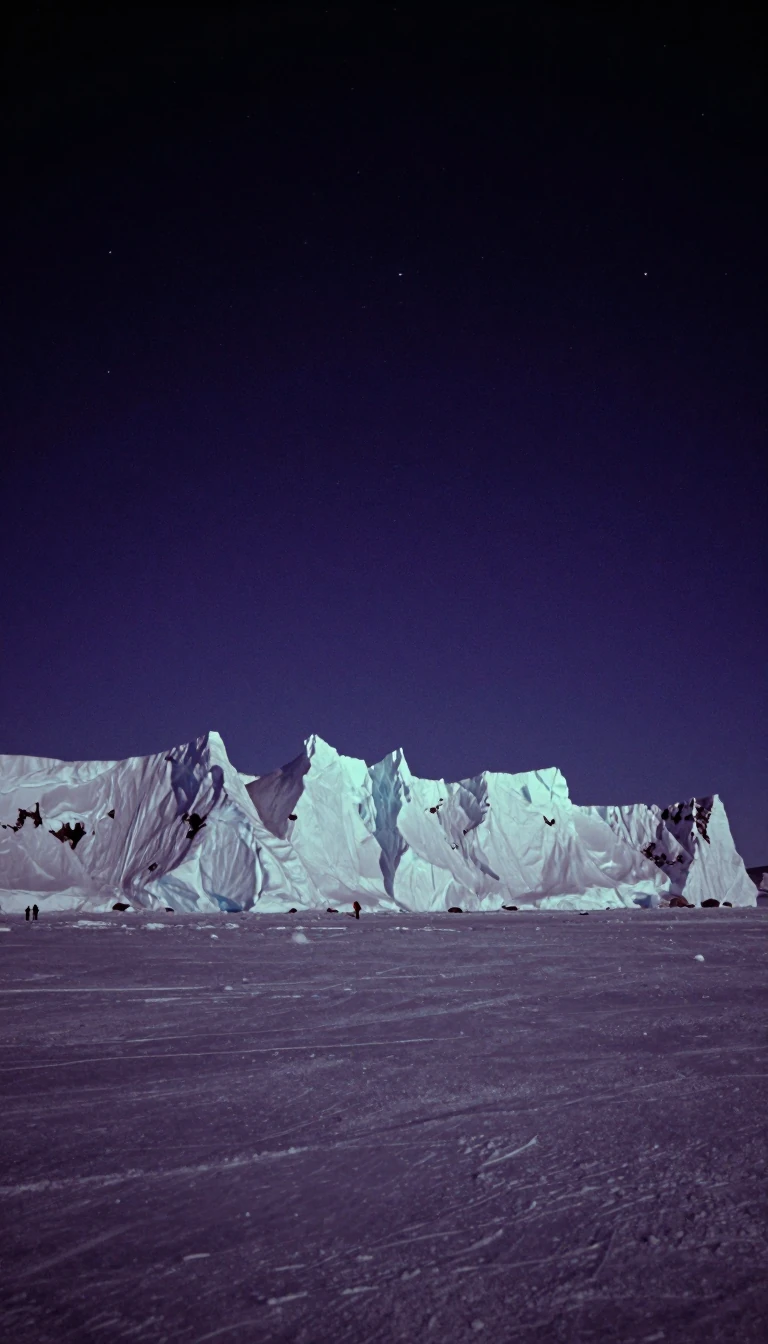 Two massive telescopes in Hawaii and Chile peer into the deepest corners of space.The Gemini Observatory operates twin 8.1-meter telescopes that provide near-total coverage of the night sky. By utilizing advanced adaptive optics to cancel out atmospheric distor…
- A new giant in the Chilean desert will peer deeper into space than everThe Giant Magellan Telescope is set to redefine ground-based astronomy. By combining seven massive mirrors into a single, colossal light-gathering surface, this instrument will ac…
 Why the world's largest steerable radio telescope hides in a quiet West Virginia valleyStanding 485 feet tall, the Robert C. Byrd Green Bank Telescope is a marvel of engineering that scans the cosmos for everything from neutron stars to potential extraterrestrial si…
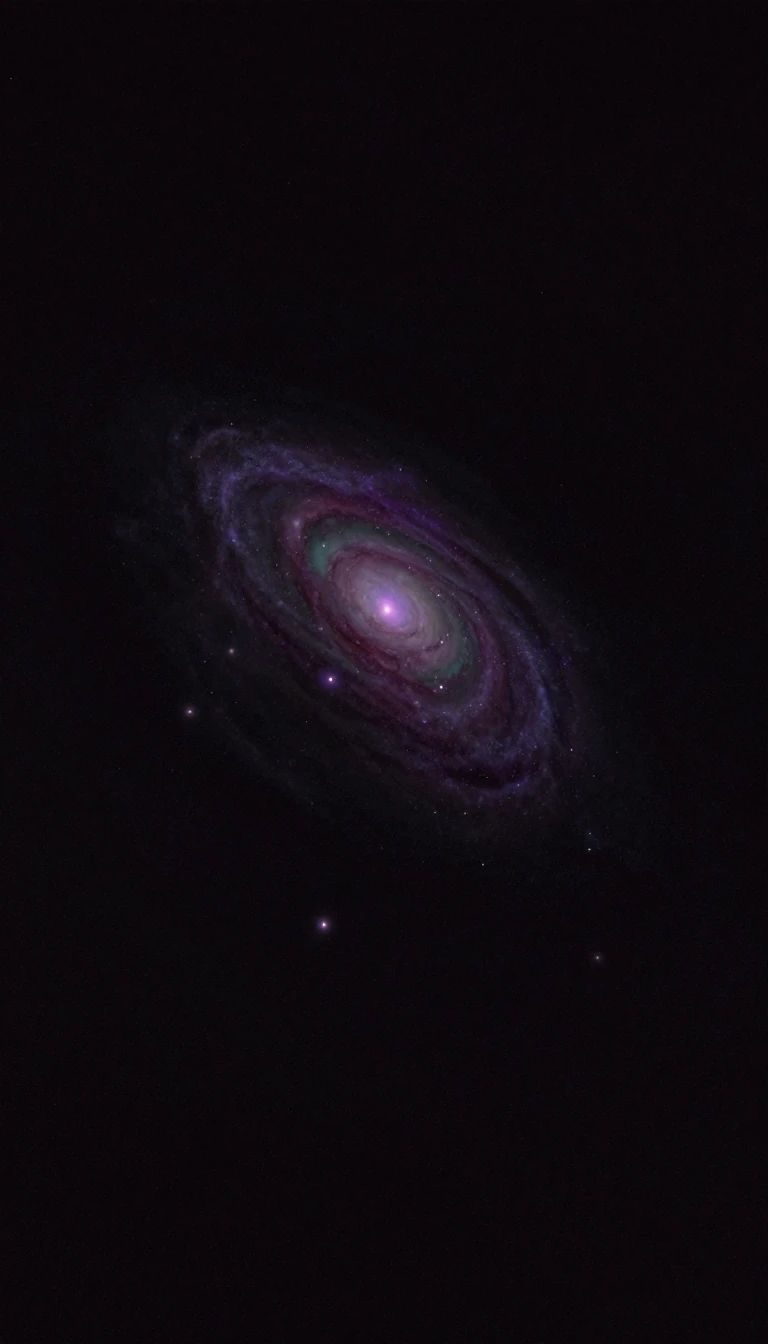 The space telescope that mapped the universe's coldest, dustiest corners for four yearsLaunched in 2009, the Herschel Space Observatory was the largest infrared telescope ever sent into space at the time. By peering through thick cosmic dust, it revealed how stars f…
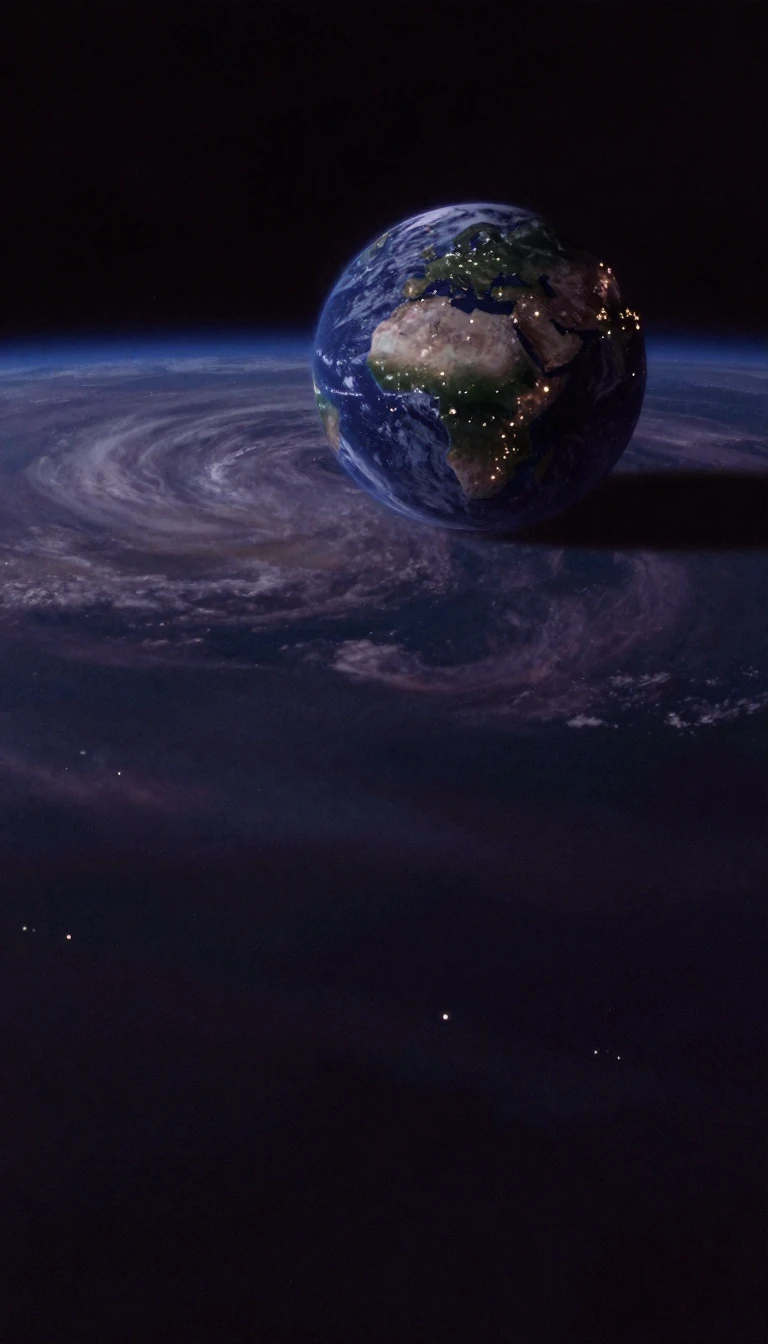 How a failed satellite launch rewrote our understanding of the scale of the universeLaunched in 1989, the Hipparcos satellite was intended for a geostationary orbit but became stranded in a geostationary transfer orbit after a motor failure. Despite this setback,…
 The hourglass was once the most reliable way to track time on the ocean.Before mechanical clocks dominated, the hourglass served as a vital tool for mariners and everyday life. Immune to the motion of ships and temperature shifts that plagued water cl…
 Buried deep in Antarctic ice, a massive telescope listens for the universe's smallest particles.The IceCube Neutrino Observatory uses the frozen depths of the South Pole to capture elusive subatomic particles called neutrinos. By monitoring light flashes within a cubic kilom…
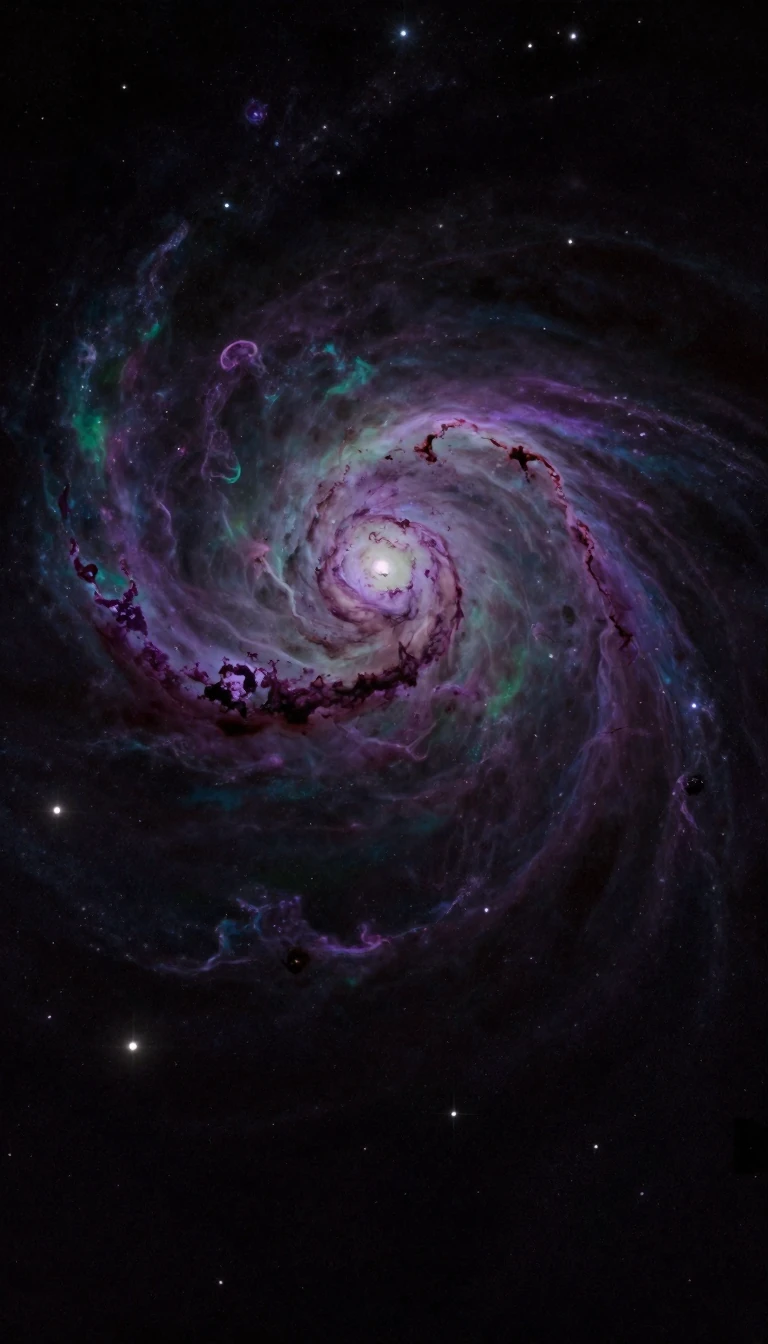 Why infrared telescopes are the only way to see the universe's hidden historyVisible light is easily blocked by cosmic dust, hiding the birth of stars and the dawn of time. Infrared telescopes pierce through these opaque clouds, revealing the heat of young…
- Why the world's most precise clock is a weighted average of hundreds of othersInternational Atomic Time, or TAI, is the gold standard for global timekeeping. Rather than relying on a single device, it aggregates data from over 450 atomic clocks across 80 la…
- Why reaching the nearest star might require waiting for a better rideInterstellar travel remains a staple of science fiction, but the physics of crossing vast cosmic distances are daunting. With current technology, a voyage to our closest stellar n…
 Ion thrusters are too weak to launch a rocket, but they can cross the galaxy.Ion engines produce force equivalent to holding a single sheet of paper, making them useless for liftoff. Yet, by accelerating xenon ions to extreme speeds, they offer hyper-effic…
 A simple wooden pole that once guided sailors across the vast, unknown oceansBefore the precision of the sextant, navigators relied on the Jacob's staff to measure the heavens. This deceptively simple tool, consisting of a sliding cross-piece on a graduate…
 Why did the Roman year suddenly shift its start to the middle of winter?January is the first month of our calendar, but it was not always the start of the year. For centuries, the Roman year began in March. The shift to January 1 was a tactical, emerg…
 Why the seventh month of our year was once known as the fifthBefore it was named for a Roman dictator, July held a different title reflecting its original place in the calendar. While we now recognize it as the start of the year's second ha…
- Why June is the most astronomically significant month for our planet's seasonal cycleJune marks a celestial turning point, hosting the summer solstice in the Northern Hemisphere and the winter solstice in the Southern. This month dictates the extremes of daylight,…
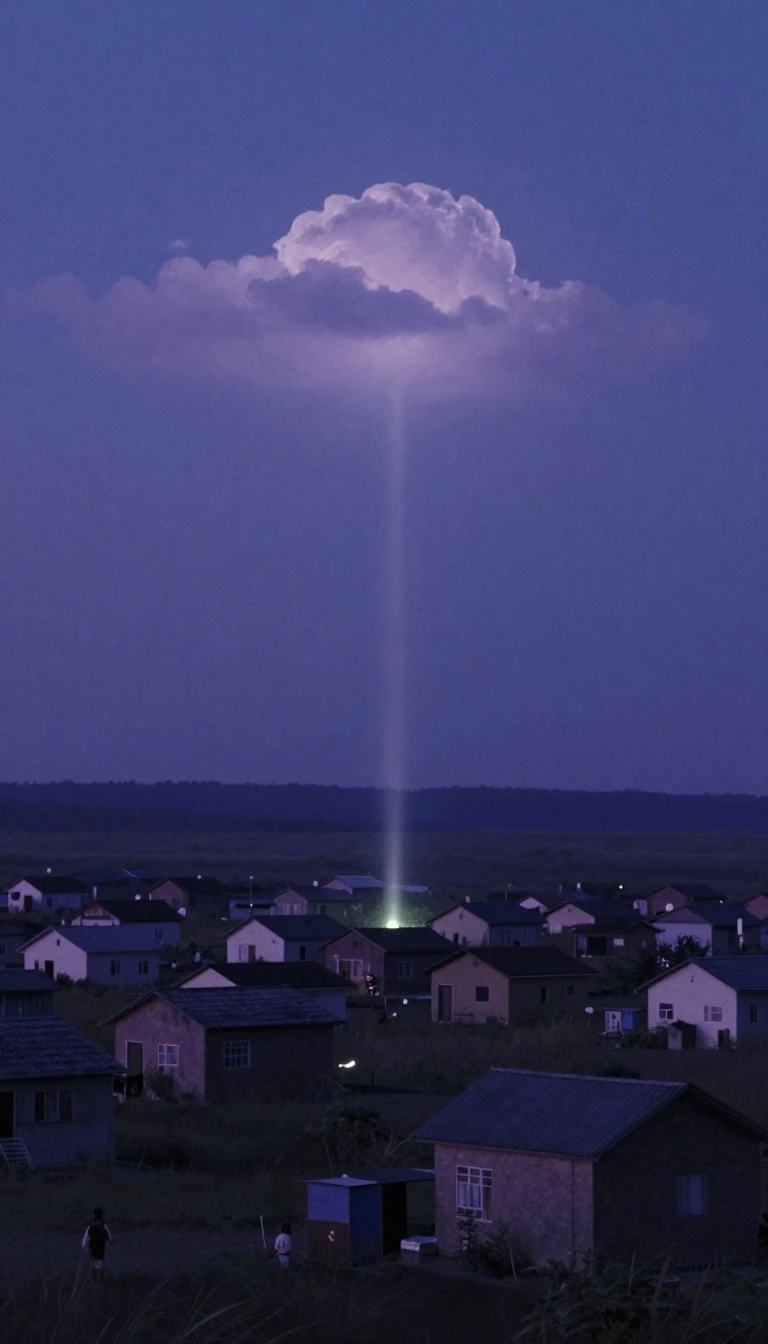 Before Kepler, we knew of zero planets orbiting stars outside our solar system.NASA’s Kepler space telescope transformed our understanding of the cosmos by proving that planets are everywhere. By monitoring the brightness of hundreds of thousands of stars, i…
- Why this Arizona mountain telescope uses two massive mirrors to see the deep universePerched on a 10,700-foot peak in Arizona, the Large Binocular Telescope functions like a giant set of eyes. By pairing two 8.4-meter mirrors on a single base, it achieves the ligh…
- Beyond the rocket: How a digital launchpad is transforming life inside UK prisonsWhile launch pads are traditionally associated with vertical rocket takeoffs, a new digital platform in the UK is using the name to launch prisoner rehabilitation. By providing se…
- Why the world’s most precise clocks occasionally need a mysterious extra secondTo keep our atomic clocks in sync with the Earth’s wobbly rotation, humanity occasionally inserts a leap second. It is a necessary correction for precision timekeeping, yet it cre…
- The Low-Frequency Array is a massive, continent-spanning telescope that exists entirely in software.Unlike traditional radio telescopes that rely on giant, moving parabolic dishes, the Low-Frequency Array (LOFAR) uses thousands of simple, stationary antennas spread across Europe…
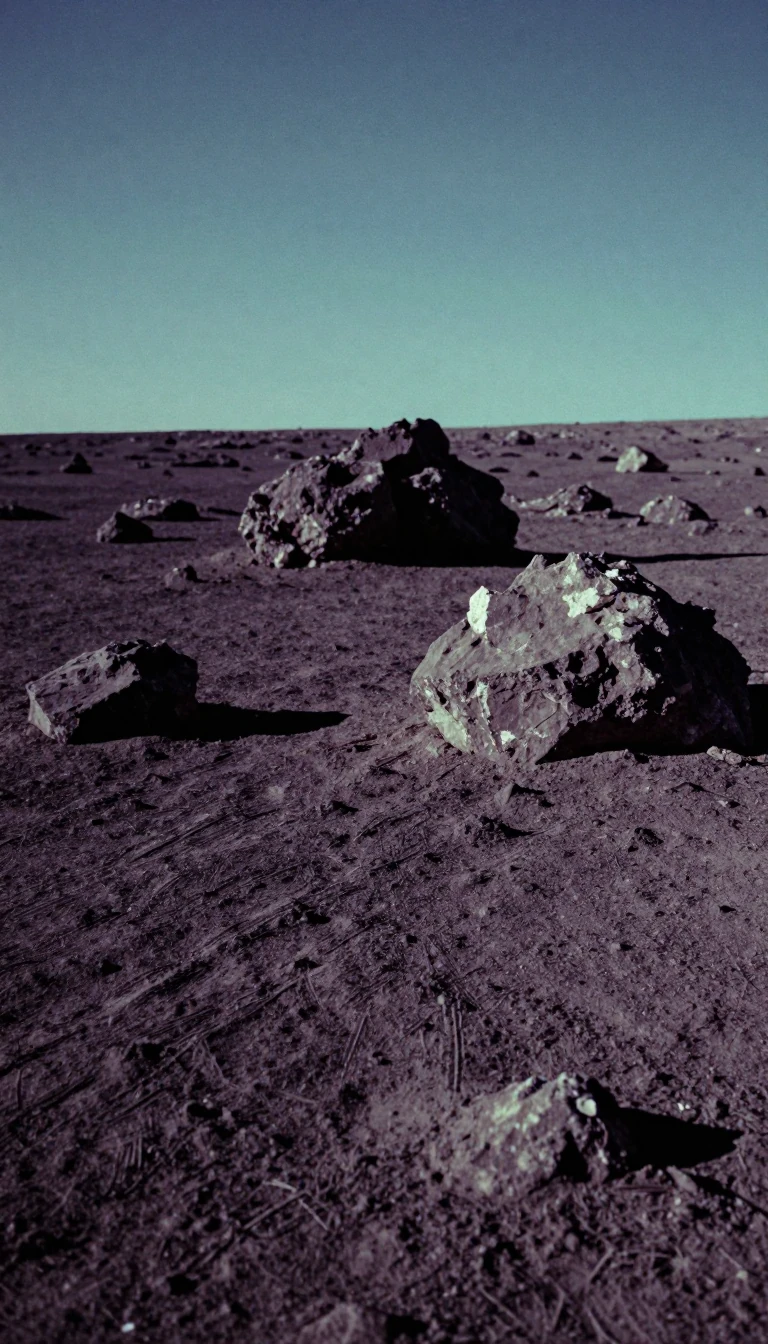 In 1959, a Soviet probe became the first human-made object to touch the Moon.The Space Age was barely underway when the Soviet Union successfully landed Luna 2 on the lunar surface. This mission proved that reaching another celestial body was possible, whi…
- How a Soviet probe proved the Moon was solid enough for human footstepsBefore 1966, experts feared the lunar surface was a treacherous, bottomless pit of dust that would swallow any spacecraft whole. Luna 9 changed everything. By successfully landing…
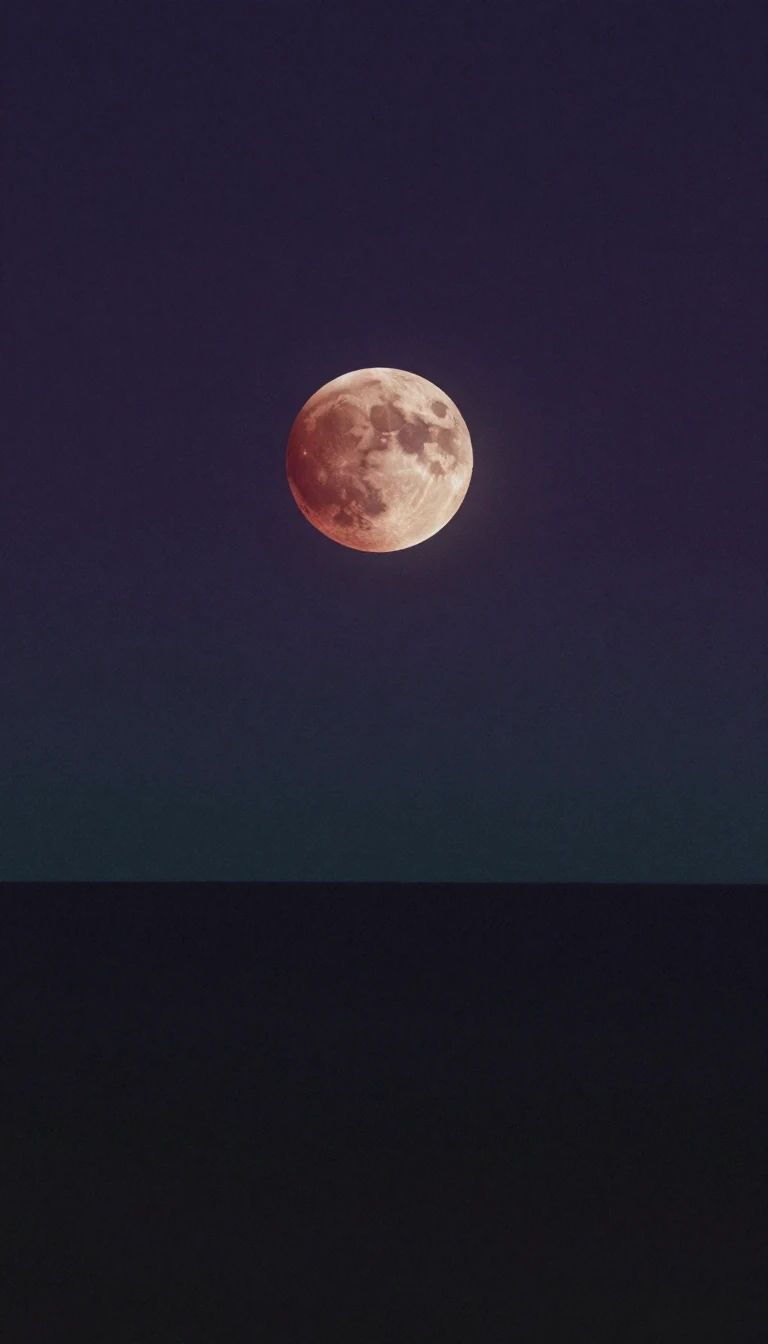 Why your calendar might be drifting through the seasons without you noticingA pure lunar calendar tracks the Moon, not the Sun. Because twelve lunar cycles fall about eleven days short of a solar year, these calendars drift through the seasons every thirt…
- Why ancient civilizations synchronized the moon's phases with the sun's annual journeyLunisolar calendars reconcile two celestial rhythms that refuse to align. By tracking lunar months while anchoring the year to the solar cycle, these systems ensure seasons remain…
- The Soviet robot that spent decades silent on the Moon before waking up againIn 1970, the Soviet Union landed Lunokhod 1, the first remote-controlled rover to traverse another world. Designed for a three-month mission, it operated for nearly a year before …
 Why did the Roman calendar once treat March as the first month of the year?Long before January took the lead, March served as the annual starting point for the Roman calendar. Named for the god of war, it signaled the return of military campaigns and agr…
 How a missing hyphen and a desperate redesign birthed our first look at VenusIn 1962, the United States raced to reach Venus before a launch window closed. After a catastrophic rocket failure caused by a simple coding error, engineers scrambled to salvage …
- Mars is the only planet in our solar system inhabited entirely by robots.For decades, NASA has deployed increasingly sophisticated rovers to the Red Planet. These autonomous explorers have transformed our understanding of Mars from a barren, frozen des…
 Is May named for a goddess of fertility or the wisdom of the elders?The fifth month of the year carries two distinct origin stories. While many associate the name with the Greek goddess Maia, Roman poet Ovid offered a competing theory: that the mo…
- How a clever gravity-assisted flight path finally unlocked the secrets of MercuryFor decades, Mercury remained the solar system's most elusive inner planet. Reaching it required overcoming the Sun's immense gravity, which accelerates incoming probes too quickl…
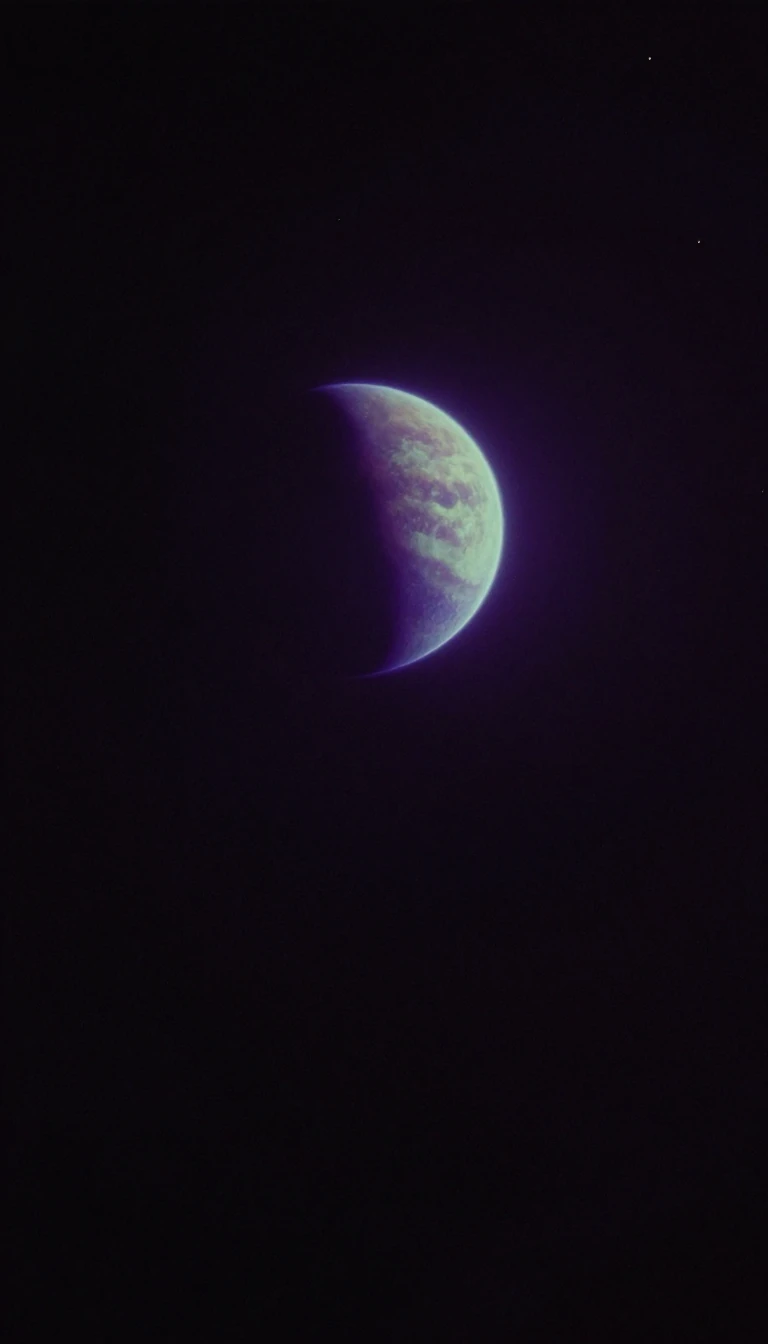 Why does the world collectively dread the arrival of the first day of the week?Across cultures, Monday is a day of profound contradiction. While it is linguistically rooted in the moon and ancient celestial worship, modern society often treats it as a source…
 How a visionary with debilitating emotional struggles reshaped our view of the cosmosPerched atop a 5,710-foot summit in California, the Mount Wilson Observatory stands as a monument to George Ellery Hale. Beyond its historic telescopes, the site reveals the compl…
- Why Isaac Newton’s 1668 telescope design remains a favorite for amateur astronomers todaySir Isaac Newton built the first functional reflecting telescope to prove his theory that white light is a spectrum of colors. By replacing lenses with mirrors, he eliminated the …
 Why is the eleventh month named after the Latin word for nine?November is the eleventh month of our modern calendar, yet its name preserves a relic of ancient Roman timekeeping. Derived from the Latin novem, meaning nine, the name reveals th…
- Before the sextant, the octant revolutionized navigation by using mirrors to measure celestial angles.The octant, an early eighteenth-century innovation, allowed navigators to determine their position by measuring the angle between the horizon and celestial bodies. By using a clev…
 Why October is the eighth month of the year despite being the tenthOctober is a linguistic relic of a time when the year was shorter. Named for the Latin word for eight, it was the eighth month in the ancient Roman calendar. When later reformers …
 How a 90-day mission became a 15-year odyssey on the Martian surfaceDesigned to survive just 90 sols on Mars, the Opportunity rover defied expectations by operating for over 5,000 days. This solar-powered explorer traveled across craters, survived…
 Beyond the atmosphere: How humanity builds and sustains a permanent presence in orbitOrbital spaceflight is more than just reaching the stars; it is the complex engineering of sustainable environments. From the International Space Station to the upcoming lunar Gat…
- Can ships be safely steered from thousands of miles away without a captain onboard?Piloting relies on fixed points of reference to navigate water, air, or land. Traditionally, this requires a navigator to be physically present. However, a 2024 Danish initiative …
- Pioneer 10 is a ghost ship drifting toward the eye of the bullLaunched in 1972, Pioneer 10 was the first human-made object to traverse the asteroid belt and leave our solar system. Carrying a gold plaque for extraterrestrials, this silent sc…
- Pioneer 11 was the first human-made object to visit Saturn and survive its rings.Launched in 1973, Pioneer 11 acted as a pathfinder for the outer solar system. By using Jupiter’s gravity to slingshot toward Saturn, it revealed the gas giants in unprecedented d…
 Before the wristwatch, the pocket watch was the ultimate tool for precision and status.For centuries, the pocket watch was the standard for men, evolving from heavy, drum-shaped brass cylinders into sophisticated instruments of extreme accuracy. While now a niche ac…
 Why the present moment is a stubbornly persistent illusion in modern physicsWe intuitively feel that 'now' is a universal, objective anchor point for all sentient beings. Yet, modern physics suggests that absolute simultaneity does not exist. If your pres…
- The primary mirror is the heart of a telescope, gathering light from the cosmos.A primary mirror acts as the main light-collecting surface for reflecting telescopes, using a polished, curved shape to focus incoming rays. From ancient metal disks to modern spa…
- Project Gemini: The Two-Man Bridge That Paved the Way to the MoonBefore Apollo could land on the Moon, NASA needed to master the mechanics of space travel. Project Gemini, a two-man program running from 1961 to 1966, served as the essential pro…
- Project Mercury: From America's First Steps Into Space to NATO's Modern Innovation LabThe name Project Mercury belongs to two distinct legacies. One defined the dawn of the Space Race, launching the first Americans into orbit. The other is a contemporary NATO initi…