 Intellect Plus
Space
9,120 cards. Each one is a 40-second story with a five-minute read behind it. Page 102 of 152.
Subtopics: Apollo · Asteroids · Astronauts · Astronomical objects · Astronomical technology · Astronomy · Astronomy and geodesy · Astronomy basics · Big bang · Black holes · Celestial mechanics · Celestial sphere · Comets · Constellations · Cosmology · Dark energy · Dark matter · Deep time · Exoplanets · Exploration · Future Frontier · Galactic and extragalactic astronomy · Galaxies · Gravity · Impacts · Interstellar · Jupiter · Light · Mars · Mars exploration · Meteorites & asteroids · Moon · Moon exploration · Moons · Navigation and timekeeping · Nebulae · Observational astronomy · Observatories · Physical cosmology · Physics · Planetary science · Planets · Quantum · Relativity · Rockets & launch vehicles · Satellites · Saturn · Seti · Space · Space agencies · Space probes · Space stations · Space telescopes · Spacecraft · Spaceflight · Stars · Stellar astronomy · Sun & solar physics · Supernovae · Telescopes · Volcanoes · Weather
 Why the world's most iconic radio telescope fell into its own dishFor over fifty years, the Arecibo Observatory in Puerto Rico dominated radio astronomy. Its massive 305-meter reflector made history, from detecting the first extrasolar planets t…
 For centuries, humanity believed the stars and planets were embedded in rotating, physical spheres.Before modern physics revealed the vast, empty vacuum of space, scholars envisioned the universe as a series of nested, solid orbs. From Aristotle to the Renaissance, this elegant…
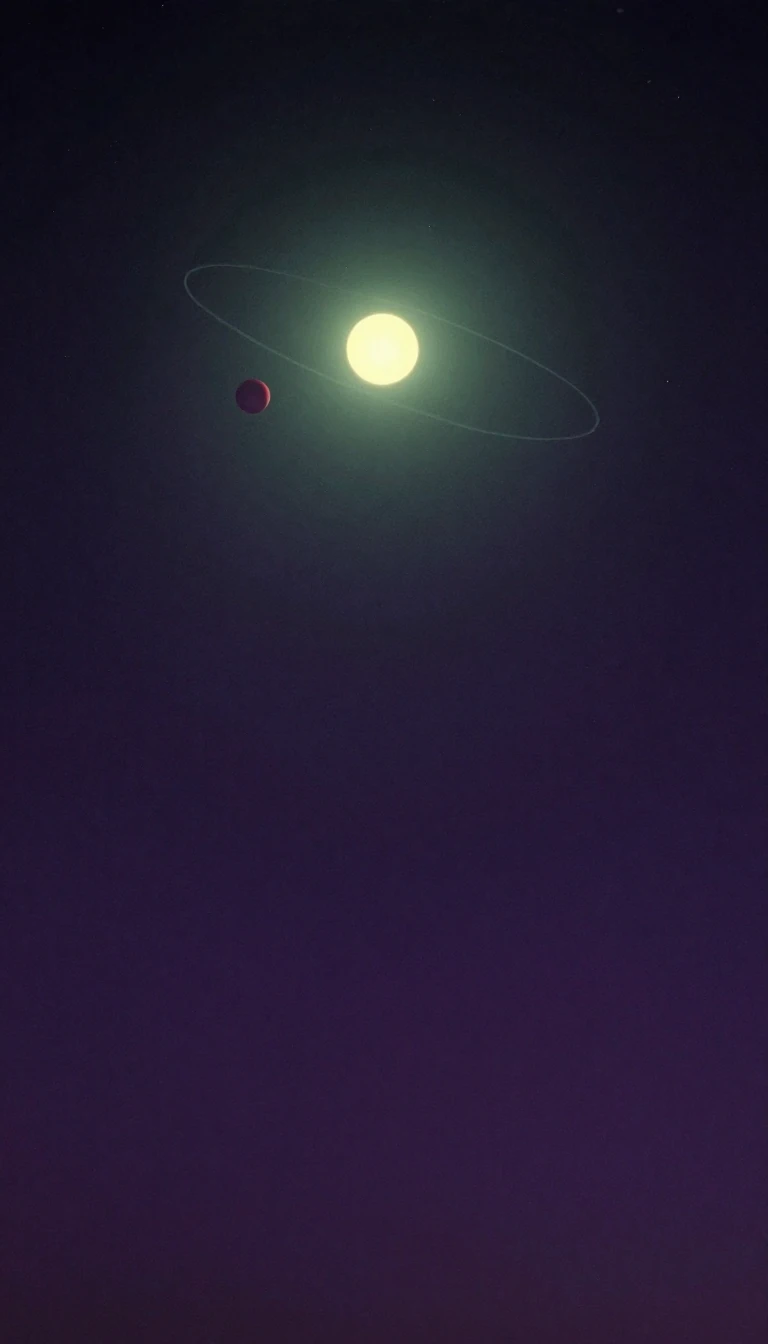
 Could a hidden planet be lurking on the opposite side of the Sun?The concept of a Counter-Earth, or Antichthon, has fascinated thinkers from ancient Greek philosophers to modern science fiction writers. While once proposed to balance the cosmos…
 How a failed jazz drummer became the youngest Oscar-winning director in historyDamien Chazelle once believed he lacked the talent to be a great jazz drummer, so he pivoted to filmmaking. This shift led him to create Whiplash, a visceral exploration of musica…
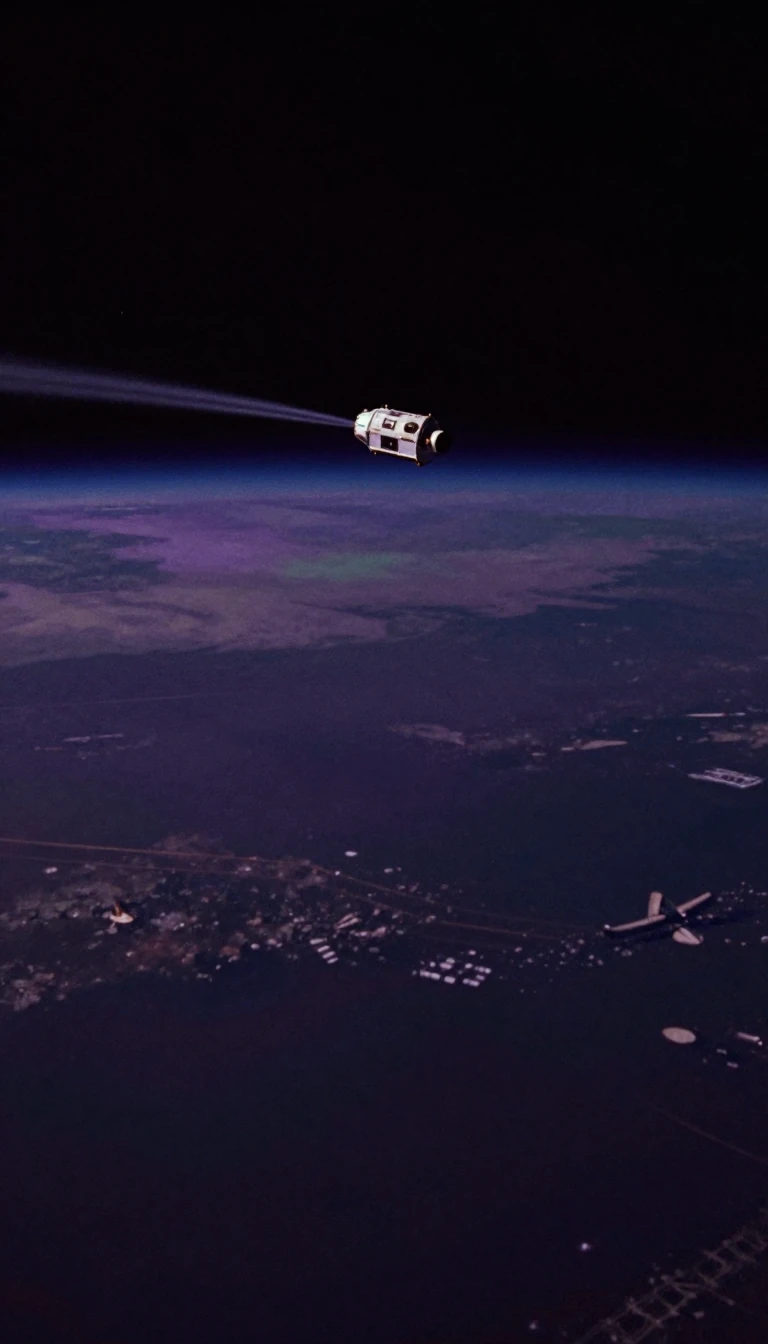 Why space travel is less about speed and more about your fuel budgetIn space, you cannot simply steer like a car. Instead, navigation is defined by delta-v, a measure of the total impulse a spacecraft can generate. It is the ultimate currency of o…
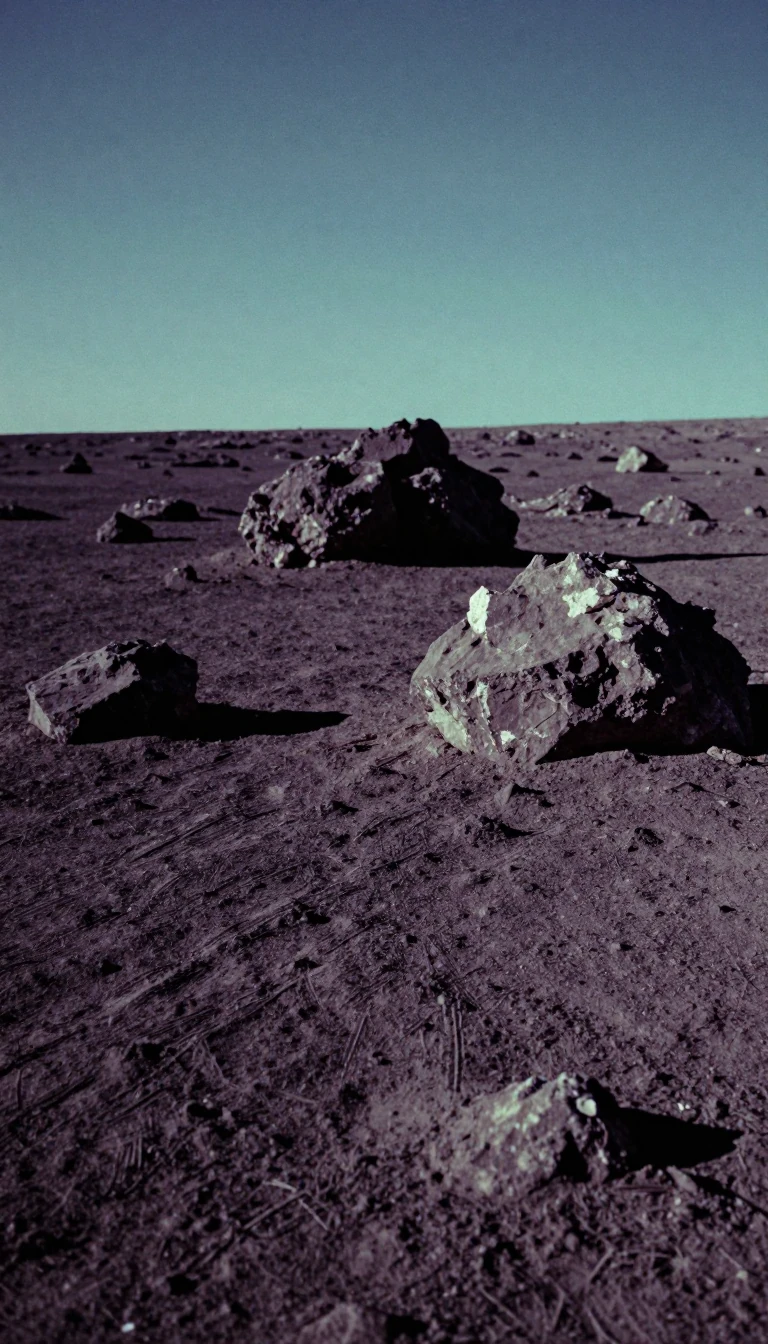 Hyperion is a tumbling, sponge-like moon that refuses to lock its gaze on Saturn.Most moons in our solar system are tidally locked, showing only one face to their parent planet. Hyperion, a jagged, potato-shaped moon of Saturn, defies this norm. It tumbles thr…
 NASA’s Ingenuity helicopter was meant to fly five times, but it soared for seventy-two.Designed as a short-term technology experiment, the Ingenuity Mars Helicopter defied all expectations. After its historic first flight in 2021, it evolved into an essential aerial…
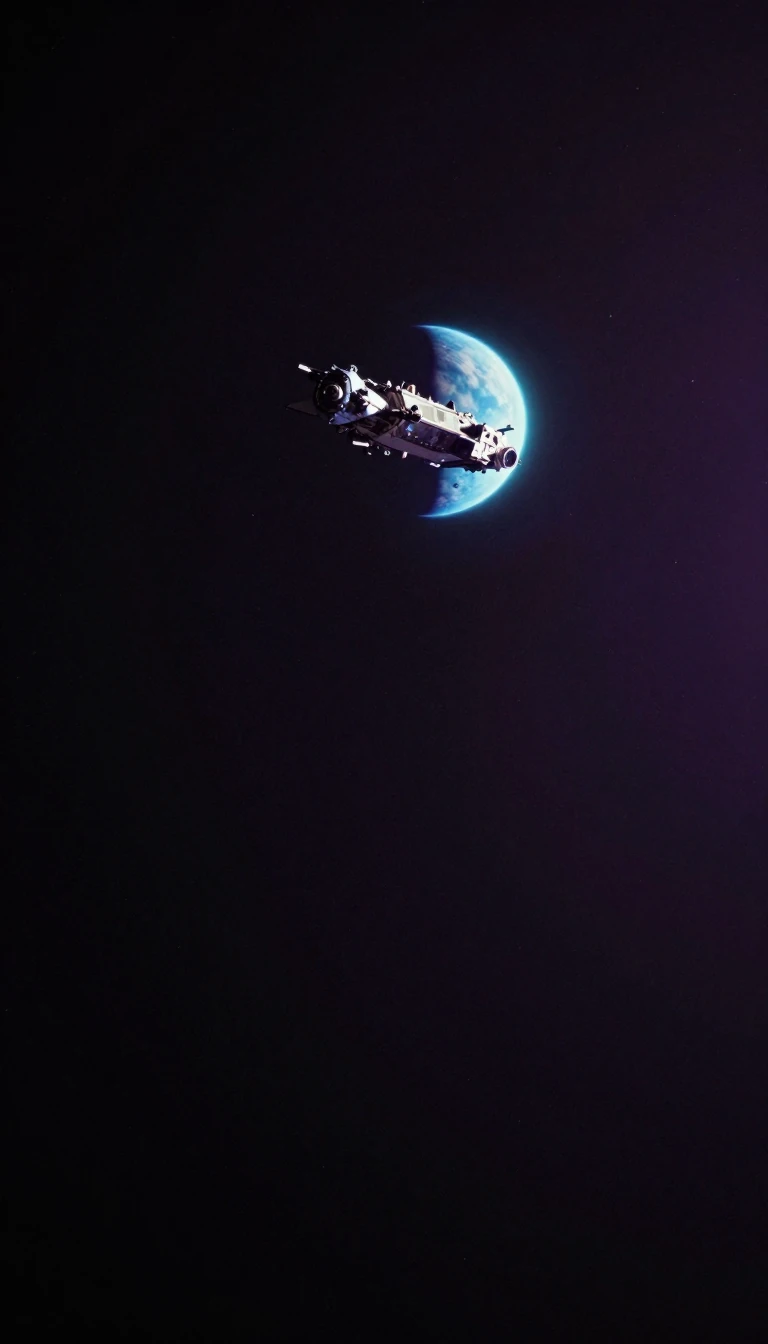 Nearly 80 government space agencies exist, but what defines their true reach?Space exploration is no longer the exclusive domain of a few superpowers. Today, nearly 80 government agencies worldwide are actively engaged in space systems and exploration. Fro…
 What makes a planet? The surprising science of gravity and shape in our solar systemBeyond the eight official planets, our solar system is filled with gravitationally rounded objects. While the International Astronomical Union uses strict rules for planethood, ge…
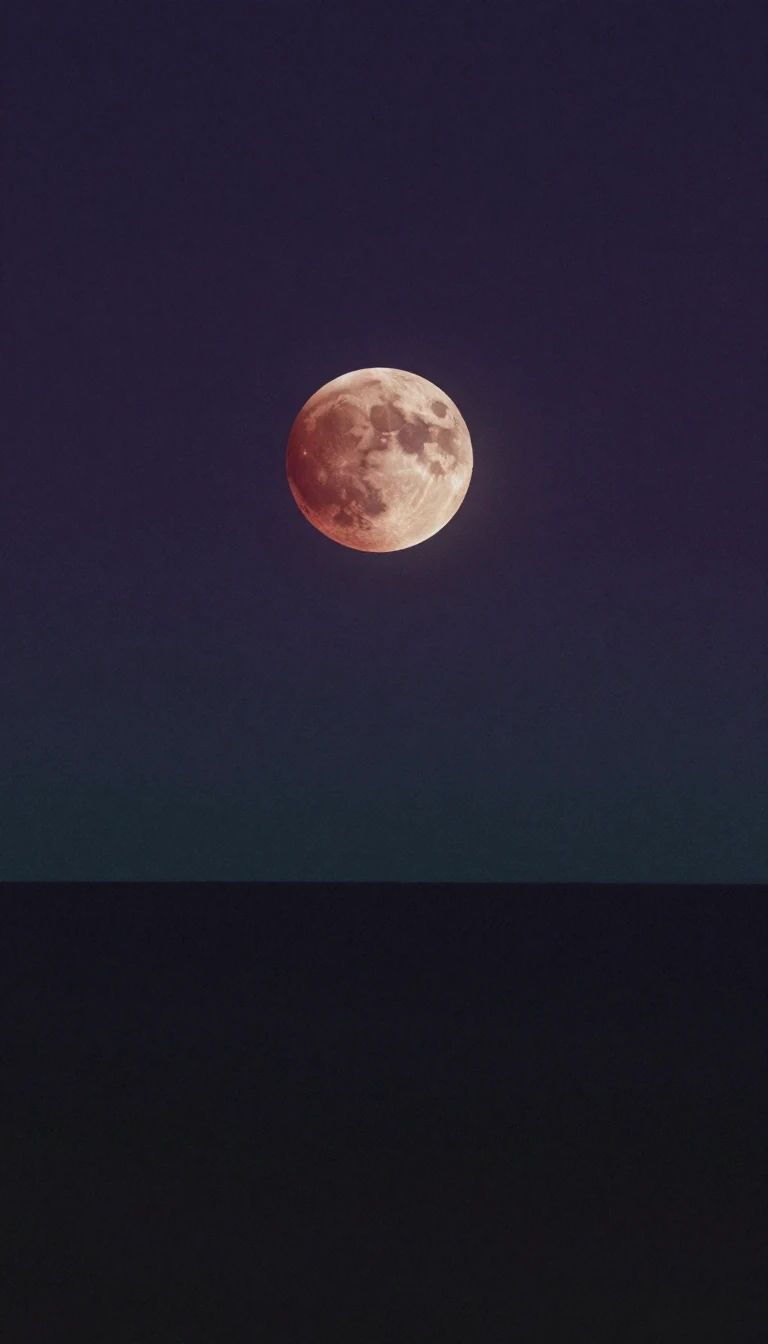 Two hundred twenty-four solar eclipses will grace our skies throughout the twenty-first century.The twenty-first century is a busy time for celestial mechanics. Between 2001 and 2100, Earth will experience 224 solar eclipses. While many are partial, the rarest and most drama…
- Mysterious Little Red Dots may be the missing link in early black hole growthThe James Webb Space Telescope has uncovered a strange population of compact, intensely red objects in the early Universe. These Little Red Dots appear in abundance shortly after …
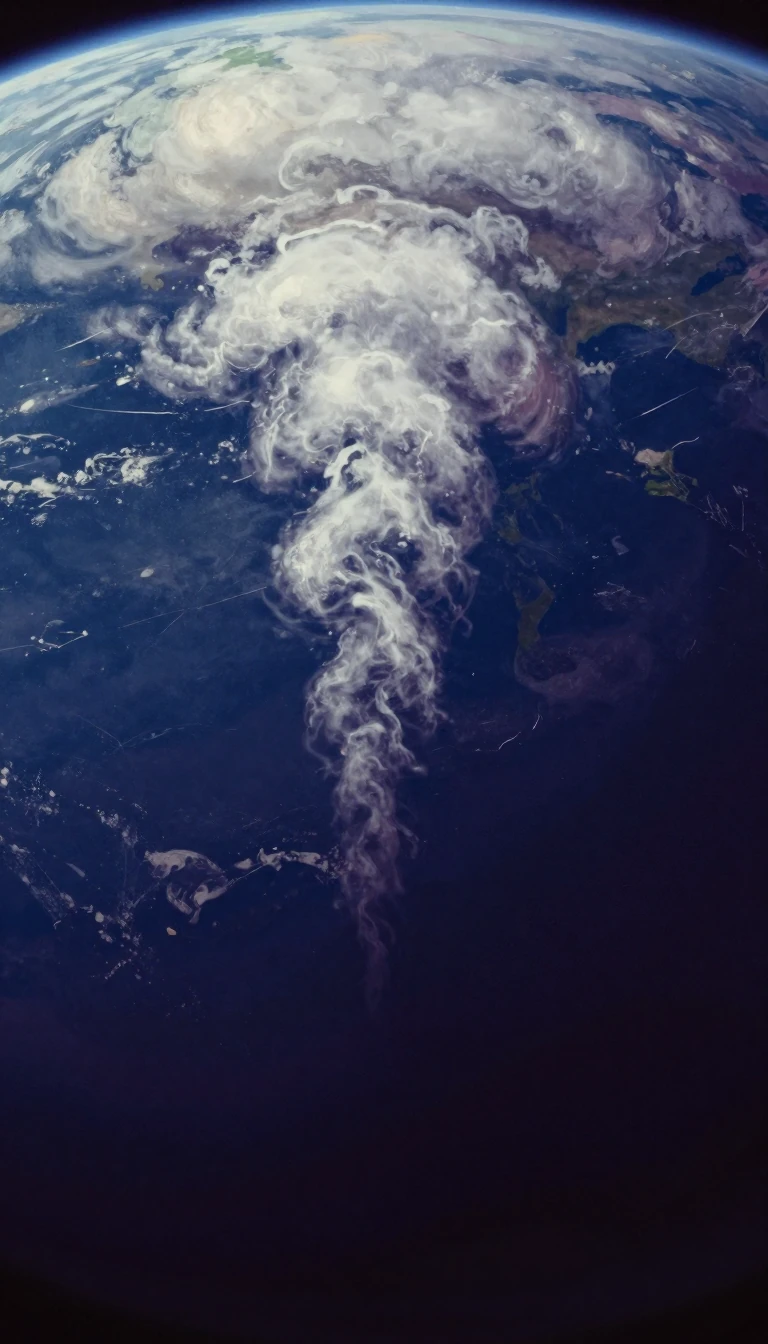 Why seeing Earth from space triggers a profound, life-altering shift in human perspectiveAstronauts often return from orbit with a transformed worldview, describing a state of awe that dissolves borders and political divides. Known as the overview effect, this phenome…
 Saturn’s outermost ring is a massive, invisible cloud of debris from a captured moon.Phoebe is a strange, dark wanderer orbiting Saturn in the wrong direction. Far from being a native moon, this irregular satellite likely originated in the distant reaches of the s…
 The lensless camera that captures the sun's path across the sky over monthsA pinhole camera is a simple light-proof box that uses a tiny aperture instead of a lens to project images. This ancient optical phenomenon, known as the camera obscura effect, al…
- Why ancient astrologers viewed the seven wandering stars as divine architects of human lifeLong before telescopes, ancient observers identified seven celestial bodies moving against the fixed stars. These planets, including the Sun and Moon, were not merely distant rock…
 How a secret printing language sparked the desktop publishing revolution and changed modern computing.Before PostScript, printers were limited to rigid, stamped characters. By treating every page as a programmable set of curves and lines, Adobe’s invention allowed for high-quality…
 How a small New Zealand startup became a global powerhouse in space infrastructureFounded in a garage-like spirit, Rocket Lab evolved from a niche sounding rocket maker into a vertically integrated space giant. By mastering small-lift launches and aggressive ac…
- Why rocket scientists intentionally burn fuel inefficiently to reach orbit fasterRocket engines are not just about raw power; they are delicate balancing acts of chemistry and physics. While you might expect maximum efficiency to be the goal, engineers often r…
 How a humble truck axle manufacturer became the titan of the Space Shuttle eraRockwell International began as a modest bearing business in 1919, yet it evolved into a sprawling industrial giant. By the 1980s, it dominated American aerospace, building the Sp…
 How Einstein’s first major breakthrough in gravity explains everything from Earth to black holes.In 1916, Karl Schwarzschild solved Einstein’s field equations to describe gravity around a spherical mass. This elegant mathematical framework, known as the Schwarzschild metric, …
- Why a simple rubber ring caused the catastrophic destruction of the Space Shuttle ChallengerOn January 28, 1986, the Space Shuttle Challenger exploded 73 seconds after liftoff, claiming the lives of seven astronauts. The disaster, which grounded the U.S. space program, w…
- The Space Shuttle Columbia disaster was caused by a piece of falling foamOn February 1, 2003, the Space Shuttle Columbia disintegrated during reentry, killing all seven crew members. While the tragedy occurred in the final minutes of a 16-day research …
- Born from tragedy, how Endeavour became the most advanced of NASA's space shuttlesEndeavour was the final space shuttle ever built, constructed to replace the lost Challenger. Named by American schoolchildren after Captain James Cook's historic research vessel,…
- The Space Shuttle was designed as a reusable truck but became a space station builder.NASA’s Space Shuttle program, which spanned 135 missions between 1981 and 2011, transformed human spaceflight. Originally conceived as a frequent, reusable space truck, the fleet …
- A spy scandal and a last-minute launch: The drama behind SpaceX Crew-12SpaceX Crew-12 was more than a routine trip to the International Space Station. Before the mission launched in February 2026, a major security breach involving a Russian cosmonaut…
- From a remote Texas beach to a private city, how Starbase became a spaceport.SpaceX transformed a quiet stretch of land near Boca Chica Beach into Starbase, a dedicated industrial complex for the Starship launch vehicle. Now an incorporated city, this site…
- How SpaceX's Starship HLS will return humanity to the lunar surface for ArtemisNASA has selected SpaceX to develop the Starship Human Landing System, a specialized lunar lander designed to transport astronauts from orbit to the Moon. This ambitious project m…
- Why the Sci-Fi Channel rebranded to the sensational, trademark-protected name Syfy in 2009When the Sci-Fi Channel rebranded as Syfy in 2009, the move sparked widespread mockery and confusion. Beyond the phonetic jokes, the change was a calculated business maneuver to s…
 Why the Romans worshipped two different versions of the same Earth goddessIn ancient Rome, the divine personification of the Earth was split between two identities: Tellus and Terra. While often conflated, they represented distinct religious traditions.…
 Why the iconic 140-character limit was once the heartbeat of digital brevityBorn from the constraints of SMS text messaging, the original 140-character limit defined a generation of online discourse. While the platform has evolved into X, with expanded li…
 How the Soviet Union survived the crushing, furnace-like surface of VenusBetween 1961 and 1984, the Soviet Venera program sent eighteen probes to Venus. Facing atmospheric pressures nearly 100 times that of Earth and temperatures exceeding 460 degrees …
 The Vermilion Bird is a celestial guardian, not just a legendary fire-breathing creature.In Chinese astronomy, the Vermilion Bird is one of the Four Symbols, representing the south, summer, and the element of fire. Often confused with the legendary fenghuang, this spi…
 For decades, astronomers were convinced a hidden planet orbited between Mercury and the Sun.In the 19th century, the brightest minds in physics were certain a planet named Vulcan existed. It was the only way to explain Mercury's erratic orbit using Newtonian gravity. Yet…
 Why white noise is a statistical model, not just a hissing soundWhite noise is often mistaken for simple static, but it is actually a precise mathematical concept. Defined by a flat power spectral density, it represents random signals with equ…
 How active optics broke the size limit for the world's most powerful telescopesFor decades, telescope mirrors were limited to six meters because they were too heavy to support their own weight without sagging. Active optics changed everything in the 1980s by…
 Why your alarm clock snooze button is stuck at exactly nine minutesThe nine-minute snooze duration on your phone is a mechanical relic from 1956. Early gear-driven clocks could not align teeth to hit exactly ten minutes, forcing engineers to choo…
 Why the simplest way to point a telescope is also the most complexThe altazimuth mount is a marvel of mechanical simplicity, supporting instruments on two perpendicular axes. While it powers everything from camera tripods to massive research tel…
- How astronomers build a telescope the size of Earth using simple math and rotation.Aperture synthesis allows scientists to capture images with the clarity of a massive, planet-sized lens without building one. By combining signals from multiple smaller telescopes…
- Why the fourth month of our year has been a shape-shifter for millenniaApril is more than just a calendar entry; it is a historical survivor. From its uncertain Latin roots to its fluctuating length under Roman emperors, the month has been redefined …
- Why the world's most iconic radio telescope finally succumbed to a hidden structural decayFor over fifty years, the Arecibo Observatory in Puerto Rico reigned as the planet's largest radio telescope. Its massive dish facilitated groundbreaking discoveries, from exoplan…
 Artificial gravity is not just a sci-fi switch, but a complex engineering challenge.In movies, astronauts walk through spacecraft as if they were on Earth. In reality, creating artificial gravity is a complex hurdle for long-duration missions. Scientists are inve…
- Could asteroid mining finally solve the problem of scarcity on our finite planet?Asteroid mining is no longer just science fiction. With reusable rockets lowering the cost of space access, companies are eyeing near-Earth objects for water, metals, and rare min…
- Beyond the Atmosphere: Why Astronautics Is the Ultimate Engineering ChallengeAstronautics is the demanding practice of sending spacecraft into the void, where engineers must overcome extreme vacuum, radiation, and thermal shifts. It is a field defined by t…
- How a shared global standard keeps ships and astronomers on the right pathThe Astronomical Almanac is the definitive guide to the positions of celestial bodies. Born from a 1981 merger of British and American publications, this essential resource provid…
 From ancient scrolls to digital databases, how we map the infinite night skyFor millennia, astronomers have meticulously cataloged the heavens to make sense of the cosmos. From Ptolemy’s ancient star charts to modern, computer-generated surveys, these lis…
- Astronomical filters are the secret to seeing beyond the limitations of human vision.By selectively blocking specific wavelengths of light, astronomers can transform a blurry, washed-out view into a high-contrast window into the cosmos. Whether you are observing t…
- How astronomers use arrays of separate telescopes to mimic a single massive lensBy linking multiple telescopes together, astronomers create an astronomical interferometer. This technique simulates a single, gargantuan telescope with an aperture as wide as the…
- Why astronomers count time differently than historians and why it matters for the starsTo calculate the interval between ancient events, astronomers ignore the historical BC/AD system in favor of a decimal integer sequence. By inserting a year zero, they simplify co…
 August was not lengthened to match July, despite what you might have heardThe story that Emperor Augustus added days to his namesake month to rival Julius Caesar is a medieval myth. In reality, the month was already 31 days long when it was renamed in 8…
 Why 16th-century navigators turned their backs to the sun to find their way homeBefore the sextant, sailors relied on the backstaff to measure solar altitude. By keeping the sun at their back, they avoided the blinding glare of direct observation. Invented by…
 The world's most famous spaceport was built under a false name to deceive enemies.Hidden in the remote Kazakh desert, the Baikonur Cosmodrome launched the first satellite and the first human into orbit. Yet, for decades, its true location remained a state secre…
 China's BeiDou satellite network now rivals the global dominance of American GPS technologyNamed after the Big Dipper, China's BeiDou system has evolved from a regional experiment into a sophisticated global navigation constellation. By providing precise timing and geol…
 Can you see the Milky Way? The Bortle scale measures your night sky quality.Light pollution is erasing the stars, but how do you quantify the darkness of your backyard? In 2001, astronomer John E. Bortle introduced a nine-level scale to help observers eva…
 Why brightness temperature is not actually a measure of heatIn astronomy and physics, brightness temperature is a powerful tool for describing radiation intensity, yet it is rarely the literal temperature of an object. While it provides a …
- Why the Buddhist calendar is slowly drifting away from the seasons of the yearAcross Southeast Asia, the Buddhist calendar serves as a vital guide for religious life. Yet, because it relies on sidereal years—which are slightly longer than the tropical years…
- How folding light with two mirrors created the modern era of deep space observationBy bouncing light between a concave primary and a convex secondary mirror, the Cassegrain reflector folds an optical path into a compact, powerful package. This clever geometry al…
- China's Chang'e program is methodically building a permanent robotic and crewed lunar presence.From the first robotic orbiters to the world's first far-side lunar landing, China's Chang'e program has evolved into a sophisticated multi-phase lunar strategy. Now, the nation i…
 Why do our clocks run clockwise? The answer lies in the shadow of the sun.The familiar clockwise rotation of clock hands is not a technical necessity, but a historical echo. Because mechanical clocks originated in the Northern Hemisphere, they were desi…
- Before magnetic needles, navigators charted the world using the rising and setting of stars.Long before modern GPS, ancient mariners relied on a sidereal compass rose to find their way across open oceans. By tracking the rising and setting positions of specific stars, th…
 How a 1989 satellite captured the first baby picture of our entire universeLaunched in 1989, NASA’s Cosmic Background Explorer (COBE) transformed cosmology into a precision science. By mapping the oldest light in existence, it confirmed the Big Bang theo…