 Intellect Plus
Space
9,120 cards. Each one is a 40-second story with a five-minute read behind it. Page 106 of 152.
Subtopics: Apollo · Asteroids · Astronauts · Astronomical objects · Astronomical technology · Astronomy · Astronomy and geodesy · Astronomy basics · Big bang · Black holes · Celestial mechanics · Celestial sphere · Comets · Constellations · Cosmology · Dark energy · Dark matter · Deep time · Exoplanets · Exploration · Future Frontier · Galactic and extragalactic astronomy · Galaxies · Gravity · Impacts · Interstellar · Jupiter · Light · Mars · Mars exploration · Meteorites & asteroids · Moon · Moon exploration · Moons · Navigation and timekeeping · Nebulae · Observational astronomy · Observatories · Physical cosmology · Physics · Planetary science · Planets · Quantum · Relativity · Rockets & launch vehicles · Satellites · Saturn · Seti · Space · Space agencies · Space probes · Space stations · Space telescopes · Spacecraft · Spaceflight · Stars · Stellar astronomy · Sun & solar physics · Supernovae · Telescopes · Volcanoes · Weather
 Beyond Earth: Could distant worlds be composed of mountains of solid diamond?While Earth is a silicate-oxygen world, theoretical carbon planets suggest a vastly different chemistry. These hypothetical spheres, potentially rich in graphite and diamond, woul…
 Once part of a legendary ship, Carina now holds the sky's most unstable star.Carina, the keel of the mythical Argo Navis, is a southern constellation defined by extreme stellar drama. From the massive, erratic outbursts of Eta Carinae to the distant, viole…
 A cosmic bullseye, the Cartwheel Galaxy reveals the violent aftermath of a galactic collisionLocated 500 million light-years away, the Cartwheel Galaxy looks like a wagon wheel frozen in space. This rare ring structure is not a natural state but the aftermath of a high-sp…
- A cosmic monster hiding in plain sight reveals the secrets of stellar deathAstronomers recently combined data from NASA’s Chandra and Webb telescopes to demystify a strange structure within the Cassiopeia A supernova remnant. Known as the Green Monster, …
 What appears as a single star in Gemini is actually a complex sextuplet system.To the naked eye, Castor looks like a solitary, bright-white beacon in the constellation Gemini. Yet, this celestial twin is a master of disguise. Hidden within its light are six …
 The Cat's Eye Nebula is a complex fossil record of a dying star's final gasps.Deep in the constellation Draco lies NGC 6543, a planetary nebula that defies simple classification. Far from a uniform cloud, it displays a baffling array of concentric rings, hi…
 How humanity evolved from drawing myths in the stars to mapping the entire cosmosCelestial cartography, or uranography, is the science of mapping the heavens. From ancient Egyptian tomb ceilings to modern computer-automated space telescopes, our methods for tr…
 The celestial equator is an imaginary map line that anchors our view of space.If you projected Earth's equator into the infinite void, you would find the celestial equator. This great circle serves as the primary reference for mapping the stars, acting as a…
 Centaurs are cosmic drifters caught between the icy Kuiper belt and the giant planets.Named for the mythological hybrids, Centaurs are small, unstable bodies that blur the line between asteroids and comets. They originate in the distant Kuiper belt but are nudged i…
- Is the Centaurus A/M83 Group one massive cosmic structure or two separate neighbors?Astronomers have long debated whether the Centaurus A and M83 galaxies belong to a single, unified group or two distinct systems. While they sit at different distances, their phys…
 Cepheus: The Northern King Who Guards a Universe of Giants and Supermassive Black HolesNamed for a mythological king of Aethiopia, the constellation Cepheus is a celestial powerhouse. It hosts the prototype for pulsating variable stars, massive red supergiants that …
 Why this ancient sea monster constellation is a treasure trove for deep space observersCetus, the celestial sea monster, hides far more than mythology in its depths. While ancient cultures saw a whale or a jaguar, modern astronomers find a gateway to the distant uni…
- Why do some stars display chemical compositions that defy their own birth records?Most stars reflect the chemical makeup of the gas clouds from which they formed. Yet, a small percentage of hot main-sequence stars exhibit bizarre surface abundances, appearing t…
 Why the Sun wears a hidden red veil visible only during total eclipsesThe Sun is surrounded by a mysterious, thin layer called the chromosphere. Normally invisible because the photosphere is too bright, this layer reveals its vibrant red hue only wh…
- Could these scorched, metallic worlds be the exposed cores of evaporated gas giants?Chthonian planets are a hypothetical class of celestial objects born from catastrophe. When a gas giant drifts too close to its host star, intense radiation strips away its hydrog…
 New space telescope data reveals the true feeding habits of a massive black holeFor decades, astronomers believed that superheated outflows were the primary source of infrared light in the Circinus galaxy. However, high-resolution observations from the James …
 Circumstellar discs are the cosmic nurseries where planets are born and stars are fed.These rotating rings of gas and dust surround stars, acting as both a fuel source for stellar growth and the raw material for planetary systems. From the chaotic formation of prot…
 What does it actually mean for a planet to clear its orbital neighbourhood?In 2006, the International Astronomical Union defined a planet by its ability to clear its orbital zone of other bodies. But what does this mean, and is it even possible? Scientis…
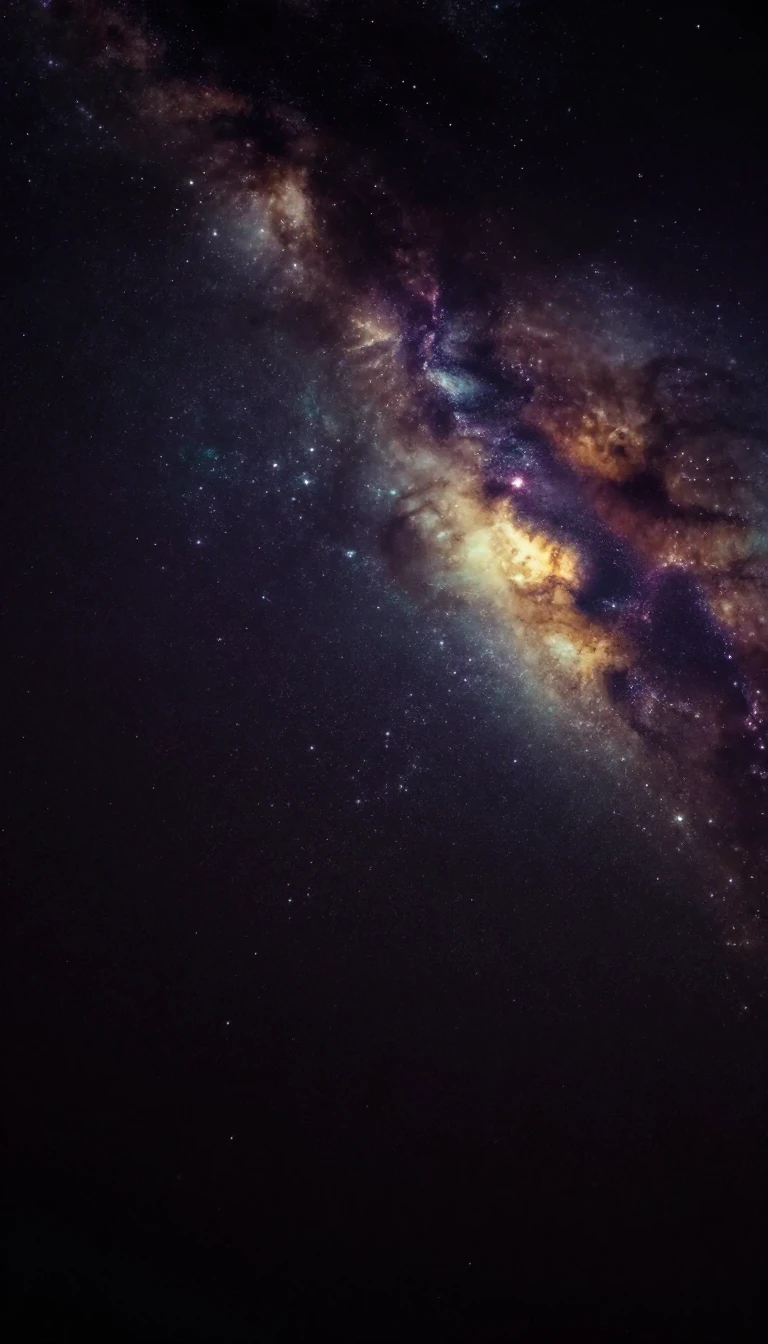 How stars use carbon, nitrogen, and oxygen to turn hydrogen into helium energyWhile the Sun relies on the proton-proton chain, more massive stars utilize the CNO cycle. This elegant, catalytic process uses carbon, nitrogen, and oxygen as intermediaries to f…
- Celestial companions can share an orbit, dancing in a stable 1:1 gravitational resonance.Objects in a co-orbital configuration share the same distance from their primary, locked in a 1:1 mean-motion resonance. From trojans trailing 60 degrees behind to moons swapping …
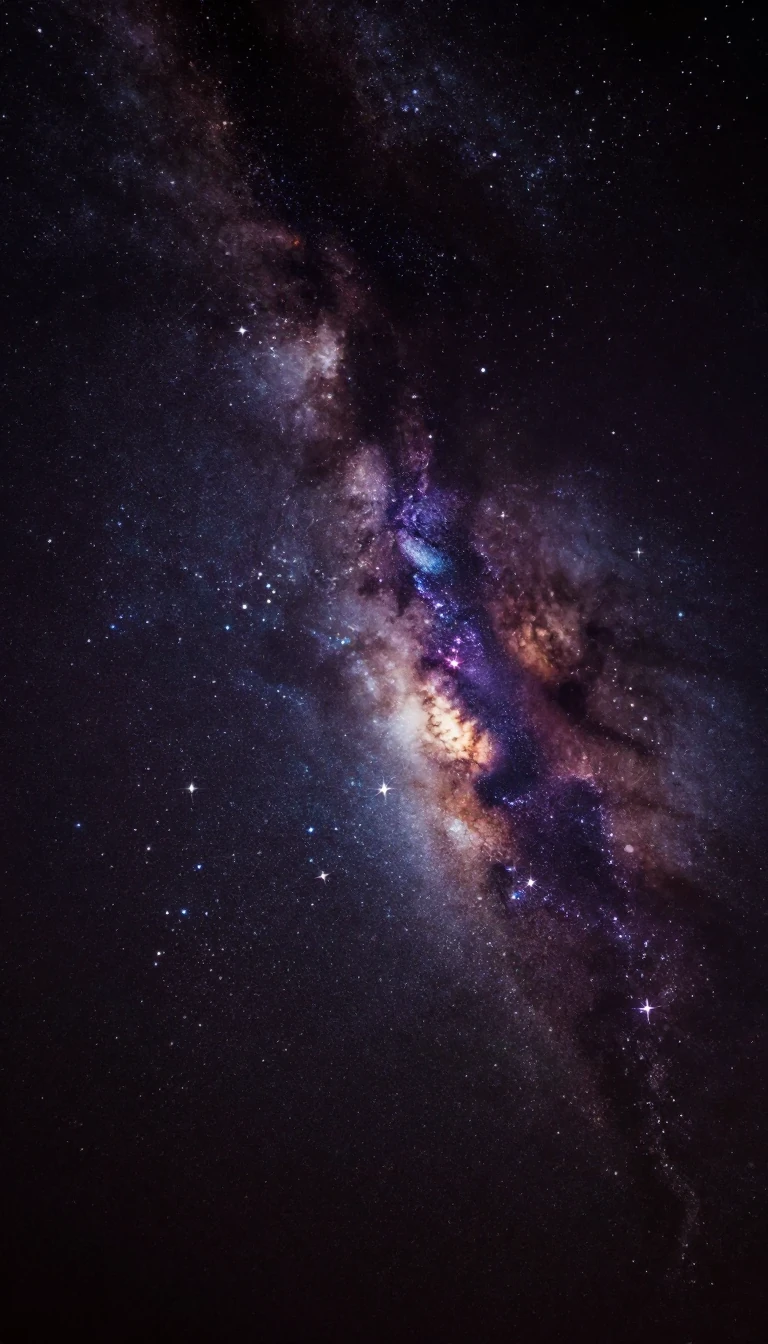 The Coalsack Nebula is a vast, starless void in the southern night sky.To the naked eye, the Coalsack Nebula appears as a striking, ink-black patch against the brilliant Milky Way. Far from being an empty hole in space, this dense cloud of interstell…
 The celestial dove that was born from a mistranslated ancient textColumba, the constellation representing Noah's dove, was not recognized by ancient astronomers. Its existence is largely the result of a 17th-century mistranslation of a Christian…
 Coma Berenices is the only modern constellation named after a real historical person.While most constellations trace back to mythological beasts or ancient gods, this northern star cluster commemorates a queen's sacrifice. Named for Berenice II of Egypt, the const…
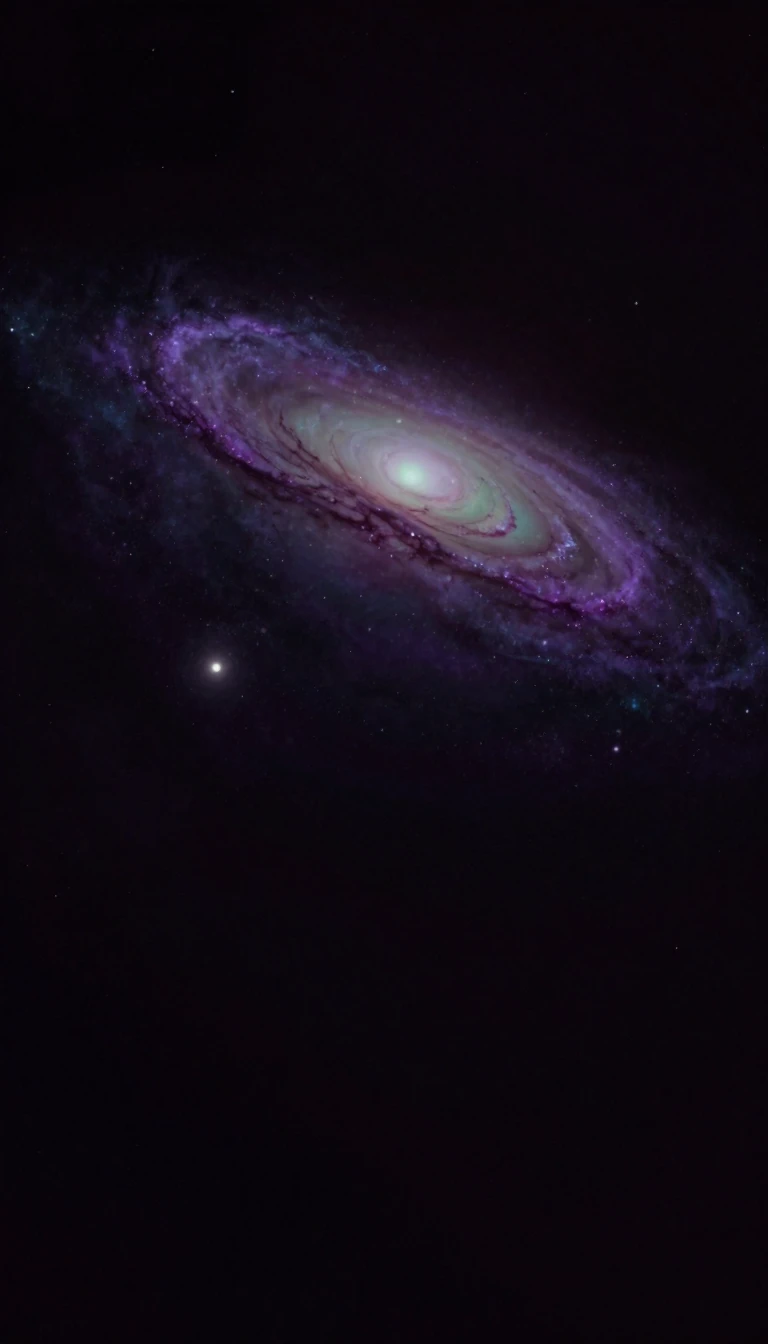 Why the massive Coma galaxy cluster holds a secret far heavier than its starsLocated 300 million light-years away, the Coma cluster is a colossal gathering of over 1,000 galaxies. Yet, its visible stars tell only a fraction of the story. By analyzing how t…
 When a comet turned into a string of pearls and smashed into JupiterIn 1994, the world watched as Comet Shoemaker-Levy 9, a celestial body shattered into 21 fragments, collided with Jupiter. This historic event marked the first time scientists pre…
 When stars collide in a shared gas cloud, they create a cosmic runaway process.In binary star systems, a dramatic event known as a common envelope phase can occur. When one star expands or orbits shrink rapidly, a runaway transfer of mass engulfs both stars …
 Why the distance between galaxies is a moving target in our expanding universeIn cosmology, the distance between two galaxies is not a single number. Because the universe expands, we use two distinct measures: comoving distance, which stays constant as spac…
 Why supercomputers are the only way to watch the universe evolve in real timeAstrophysics is no longer just about looking through telescopes. Because many cosmic events occur over millions of years or involve extreme conditions like black holes, researcher…
- The Southern Crown is a celestial wreath with a history spanning from turtles to boomerangs.Corona Australis, the Southern Crown, is a faint but distinctive horseshoe-shaped constellation bordering the Milky Way. While modern astronomy defines it by rigid boundaries, anc…
- The Northern Crown: A celestial arc steeped in ancient myth and violent cosmic historyCorona Borealis, the Northern Crown, is a small but iconic constellation in the Northern Celestial Hemisphere. While its semicircular arc of stars has inspired diverse cultural le…
 Can a single eruption from the Sun disable electrical grids across our entire planet?A coronal mass ejection is a massive eruption of magnetized plasma from the Sun that can trigger intense geomagnetic storms on Earth. These solar outbursts, which occur more frequ…
 Why did the god Apollo cast a raven, a cup, and a snake into space?The constellation Corvus, Latin for raven, occupies a small patch of the Southern Celestial Hemisphere. While its four brightest stars form a distinct cross-shape, its true intrig…
- Astronomers are facing a cosmic dust budget crisis, and the answer lies in stars.There is far more dust in the universe than our current models can explain. This missing material is not just space debris; it is the essential building block for stars, planets, …
- Meteorites are time capsules revealing the chemical origins of our solar systemCosmochemistry examines extraterrestrial materials to decode how planets formed and what the early solar system looked like. By analyzing meteorites and space samples, scientists …
- Why the observable universe is shrinking into a lonely, invisible island of stars.We live within two distinct cosmic boundaries that define our reality. The particle horizon marks the limit of what we can see from the past, while the event horizon dictates what…
- The Cup in the sky: why ancient myths cast a vessel among the starsCrater is a modest southern constellation, yet it carries the weight of ancient warnings. Representing a cup perched atop the water snake Hydra, it serves as a celestial monument …
 This dying star is a cosmic factory for the building blocks of lifeCW Leonis, the closest carbon star to Earth, is currently shedding its outer layers into space. These sooty, carbon-rich clouds are not just cosmic debris; they are the essential …
- Cygnus A is a cosmic powerhouse that carves massive holes in the intergalactic medium.Located 500 million light-years away, Cygnus A is one of the most intense radio sources in the universe. Beyond its brilliant radio lobes, this galaxy hides a supermassive black h…
- Cygnus, the celestial swan, holds the secrets of black holes and distant exoplanets.Spanning the Milky Way, the constellation Cygnus is far more than a mythological bird. It is a powerhouse of high-energy physics, home to the first identified black hole, the most…
- A twenty-thousand-year-old stellar explosion continues to race through space at breakneck speeds.The Cygnus Loop is a massive, bubble-shaped supernova remnant in the constellation Cygnus. Born from a star that detonated millennia ago, this nebula is still expanding into the s…
- Are distant galaxy clusters being pulled by something outside our visible universe?Astronomers have observed massive galaxy clusters streaming at a million miles per hour toward a specific patch of sky. This collective motion, known as dark flow, defies standard…
- Dark matter haloes are the invisible scaffolding upon which all galaxies are built.These massive, unseen structures envelop galaxies, extending far beyond their visible edges. While we cannot observe them directly, their gravitational influence on stars and gas …
- Dawn is not just a moment, but a precise sequence of three distinct light phases.We call it dawn, but astronomers divide this transition into three specific stages: astronomical, nautical, and civil. Each phase is defined by the Sun's position relative to the …
 Why daylight persists even after the sun dips below the local horizonDaylight is more than just direct sunshine; it is a complex blend of scattered radiation and reflected light. Surprisingly, the Earth experiences daylight for slightly more than h…
- Why the Equator stays warm while the poles freeze despite six months of sunlight.Daytime is not just the presence of the Sun, but a complex dance of geometry and atmosphere. While we often think of daylight as a simple binary, the Earth's tilt creates a dramat…
 Debris disks prove that planetary systems are often messy, violent, and constantly evolvingA debris disk is a circumstellar ring of dust and rubble orbiting a mature star. Far from being static, these disks are the remnants of planetary formation or the result of violen…
 Declination is the celestial equivalent of latitude, mapping the stars above our heads.To navigate the night sky, astronomers use declination, an angular measurement that mirrors geographic latitude projected onto the heavens. By defining a star's position relative …
- Why the definition of a planet is one of astronomy's most contentious debatesFor centuries, humanity viewed the heavens through a simple lens, counting seven planets. Today, the definition is a battlefield. When the discovery of Eris in 2005 challenged Plu…
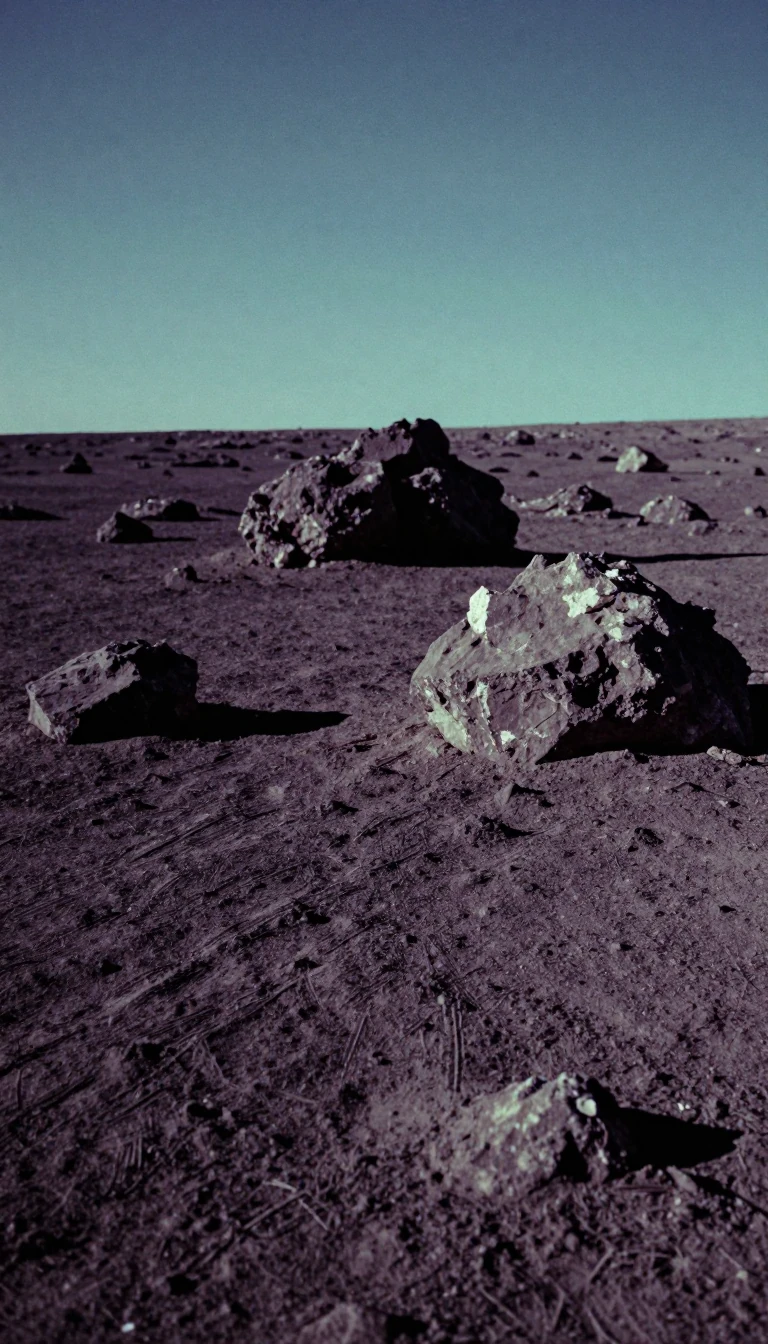 A single, violent impact may have blanketed the Martian moon Deimos in dust.Deimos is a lumpy, ellipsoidal moon of Mars, famously smoother than its companion, Phobos. While scientists long debated the origin of the thick, fine-grained debris covering its …
- Why two of the brightest stars in the dolphin constellation are named backwardsDelphinus is a small, faint constellation in the Northern Celestial Hemisphere, yet it hides a peculiar secret. Its two brightest stars, Sualocin and Rotanev, bear names that are …
- Deneb is a luminous blue supergiant that will eventually serve as our pole star.Deneb is the brightest star in Cygnus and a key vertex of the Summer Triangle. Despite its prominence, its exact distance from Earth remains a subject of intense scientific debate…
- Why spiral galaxy arms are not physical structures but cosmic traffic jamsFor decades, astronomers struggled to explain why spiral arms in galaxies do not wind up and disappear. The answer is not material, but a density wave—a phenomenon similar to a hi…
- Is Saturn's icy moon Dione hiding a vast, ancient ocean beneath its frozen crust?Dione is a world of contradictions. While its surface is a deep-frozen landscape of ancient craters and towering ice cliffs, scientists suspect a liquid ocean may churn miles bene…
 Dorado: The Southern constellation that holds a galaxy and the South Ecliptic poleNamed for the mahi-mahi, this Southern Sky constellation is far more than a celestial fish. It serves as a cosmic anchor, housing the South Ecliptic pole and the majority of the L…
- Are those two stars dancing together or just passing each other in the night?When you look at a double star through a telescope, you might be seeing a gravitational dance between two suns or merely a trick of perspective. Distinguishing between a true bina…
- The first planetary nebula ever discovered might be a preview of our Sun's future.Spotted in 1764 by Charles Messier, the Dumbbell Nebula is a glowing, colorful display created by a dying star. Despite its name, it is not a planet; it is a complex cloud of gas …
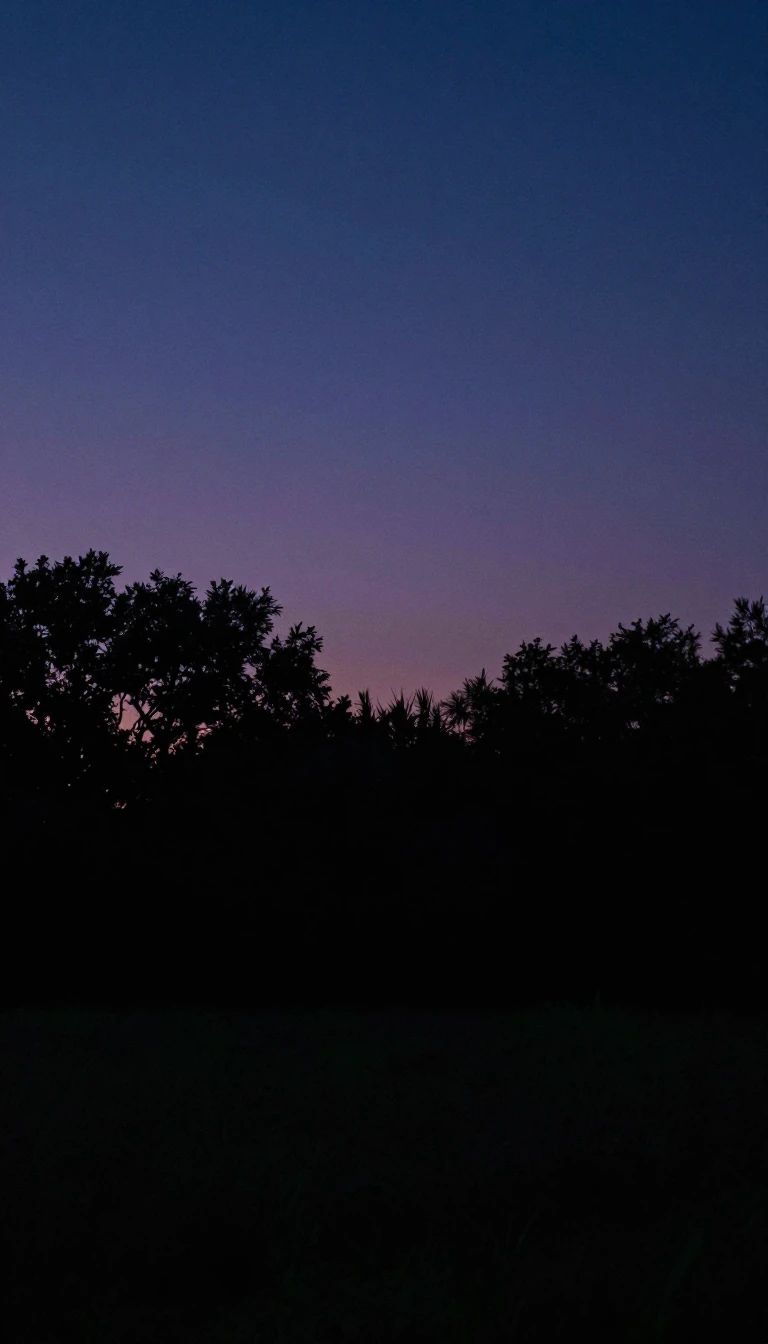 Why the sky shifts from orange to black as the sun descends below the horizonDusk is not merely the arrival of night, but a precise sequence of celestial geometry. As the sun sinks below the horizon, the atmosphere undergoes three distinct stages of twilig…
 Are dwarf elliptical galaxies the primordial building blocks of our massive cosmic neighbors?Dwarf elliptical galaxies are the most common galaxy type in the nearby universe, yet their origins remain a subject of intense debate. Are these small, faint systems the ancient,…
 The dark, icy moon orbiting Eris hides a secret about its violent, lawless originsDiscovered in 2005, Dysnomia is the second-largest moon of any dwarf planet. While its parent body, Eris, is famously reflective, this moon is as dark as coal. Astronomers believe…
- Are we alone, or is the universe teeming with hidden Earth-like worlds?Searching for an Earth analog—a planet or moon with conditions similar to our own—is the holy grail of astrobiology. While we have yet to find a true twin, statistical models sugg…