 Intellect Plus
History
21,004 cards. Each one is a 40-second story with a five-minute read behind it. Page 229 of 351.
Subtopics: 19th century · 20th century · Africa · Age of Exploration · Ages & eras · Ancient · Ancient China · Ancient egypt · Ancient greece · Ancient rome · Ancient trade · Archaeological discoveries · Archaeology · Astronomy · Australia · Auxiliary historical sciences · Babylon · Basics · Born on this day · Bronze age · Buddhism · Case studies · Chefs, bartenders and winemakers · China · Cities · Climate · Columbus · Contemporary (1945-) · Cosmetics people · Crime · Criminals · Decipherment · Deep time · Disasters · Early modern · Education · Egypt · Empires · Empires & civilisations · Exploration · Explorers · Extinction · Fandom, conventions and festivals · History by continent and large region · History by continent and region · History by country · History by country, small region and city · History by ethnicity · History by subject matter · History by topic · Inca · India · Industrial Revolution · Japan · Kings & queens · London · Mass hysteria · Medicine · Medieval kingdoms · Medieval life · Mediterranean · Mercedes-Benz History · Mesopotamia · Middle ages · Military leaders and theorists · Military leaders, personnel, and theorists · Ming dynasty · Misconceptions · Modern · Modern (1800-1945) · Napoleon · Navigation · North africa · Other · Pacific · Pharaohs · Philippines · Pirates · Post-classical · Prehistory · Propaganda · Public health · Rebels, revolutionaries and activists · Renaissance · Researched · Second world war · Shipwrecks · Silk Road · South america · Tradespeople · UK & Ireland: history · United states · Vikings · Volcanoes · Women in history
 The polymath who invented modern photography but spent his later years fighting in courtWilliam Henry Fox Talbot was a brilliant scientist who pioneered the calotype process, enabling the mass production of photographic prints. Yet, his legacy is shadowed by a contro…
 Did a pioneer of industrial efficiency inadvertently modernize the mechanics of slave labor?Henry Gantt is synonymous with the project management charts that track modern infrastructure, from the Hoover Dam to global highways. Yet, his quest for industrial efficiency was…
 The 'Hobbit' of Flores: A tiny human species that survived for millenniaIn 2003, a team searching for modern human migration paths instead uncovered something startling: the remains of a small-statured, archaic human. Known as Homo floresiensis, these…
- The 18th-century polymath who claimed he could visit heaven and converse with angels.Emanuel Swedenborg was a celebrated Swedish scientist and engineer who spent decades designing flying machines and studying anatomy. Yet, at age 57, he pivoted entirely, claiming …
 Eli Whitney did not invent interchangeable parts, but he certainly mastered the art of promotion.While history books often credit Eli Whitney with the invention of interchangeable parts and the cotton gin, the reality is more nuanced. Whitney was a brilliant opportunist who p…
 Cyrus W. Field: The man who connected continents and lost his entire fortuneBefore he was a legend of global communication, Cyrus W. Field was a paper merchant who paid off his failed firm's debts out of personal honor. His relentless drive eventually lai…
 Charles Sturt spent his life chasing a mythical Australian inland sea that never existed.British officer Charles Sturt led multiple grueling expeditions into the Australian interior, driven by the conviction that a vast inland sea lay at the continent's heart. While h…
 From Federalist broadsheet to tabloid titan: The turbulent history of the New York PostFounded by Alexander Hamilton in 1801, the New York Post has evolved from a respected broadsheet into a provocative, tabloid-style powerhouse. Now the third-largest newspaper in t…
 The chemist who fed half the world while fighting the rise of Hitler.Carl Bosch transformed a tabletop experiment into an industrial titan, creating the Haber-Bosch process. Today, this method supports nearly half of the global population by synthe…
 Athanasius Kircher: The 17th-century polymath who claimed to know everythingA Jesuit scholar and scientific celebrity, Athanasius Kircher was a one-man intellectual clearing house whose interests spanned from deciphering hieroglyphs to studying volcanoes.…
 How a Magazine Built the American Right and Defined Its Boundaries for DecadesFounded in 1955 by William F. Buckley Jr., National Review transformed a fragmented collection of conservative thinkers into a cohesive movement. By championing fusionism and purg…
 The Union general whose failed carbine business gave us the term sideburnsAmbrose Burnside was a reluctant commander who rose to high rank despite a string of military disasters. While his battlefield legacy remains controversial, his name lives on in t…
 Before the cars, Adam Opel built a sewing machine empire from a cow stall.Adam Opel began his career as a locksmith, but a trip to Paris sparked an obsession with sewing machines. He returned to Rüsselsheim to build them in a borrowed cow stall. His wif…
 Did a ninth-century polymath really attempt to fly using vulture feathers?Abbas ibn Firnas, an Andalusi polymath, is famous for a legendary flight attempt in Córdoba. While stories describe him leaping from a height wearing wings of feathers, historians…
 The electrical engineer who steered Libya through its first democratic transition in decadesBefore becoming Libya's interim prime minister in 2011, Abdurrahim El-Keib was a distinguished academic and power systems expert. His career spanned decades of research into elect…
 Why the Mongol Empire’s unstoppable war machine finally stalled at Europe’s stone wallsThe Mongol invasion of Europe in the 13th century was a masterclass in tactical adaptation, yet it ultimately faltered. While their diverse, multi-ethnic army decimated open-field…
 Is the mixed economy a modern invention or a relic of ancient history?We often view the mixed economy as a post-war compromise between capitalism and socialism. Yet, this model of blending private enterprise with state intervention has roots stretch…
 How a Montreal University Became the Unwitting Hub for CIA Mind Control ExperimentsMcGill University is a prestigious Canadian institution, but its history includes a dark chapter involving the CIA. In the 1950s, researchers at the university’s Allan Memorial In…
 How a textile powerhouse transformed into a hub for the Massachusetts MiracleLowell, Massachusetts, once defined by its massive textile mills, reinvented itself through industrial decline and cultural renewal. From the cradle of the American Industrial Rev…
 The last ice age reshaped our world, from the Great Lakes to the Baltic SeaThe Last Glacial Period, ending roughly 11,700 years ago, was not a single frozen block of time. It was a dynamic era of advancing and retreating ice that carved the modern landsc…
 How the Kingdom of Mysore became a pioneer of modern technology in IndiaLong before the tech hubs of today, the Kingdom of Mysore was already a center for innovation. From early rocket artillery that challenged British forces to the launch of Asia's f…
 How a wartime emergency cargo ship became the foundation of modern global shipping empiresMass-produced at an unprecedented scale to sustain the Allied war effort, the Liberty ship was a triumph of industrial speed over design elegance. Though initially mocked as an ug…
 The quiet queen who secured the Tudor line through a tragic, short-lived reignJane Seymour remains the only spouse of Henry VIII to receive a royal funeral, yet her brief time as queen was defined by a desperate quest for a male heir. Her sudden death follo…
 Why is the most famous builder of antiquity a historical ghost today?Khufu commissioned the Great Pyramid of Giza, yet he remains an enigma. While his architectural legacy is a wonder of the world, his personal history is obscured by lost records a…
 For four centuries, the Catholic Church maintained an official blacklist of forbidden literature.The Index Librorum Prohibitorum was a sweeping catalog of publications deemed dangerous to faith and morality. From 1560 to 1966, it restricted what Catholics could read, shaping …
 Before television, the world gathered around the radio to hear the impossible happen.In the early 20th century, radio transformed from a niche hobby for amateur enthusiasts into the first true electronic mass medium. By the 1930s, it had become a central pillar of…
 Did a royal physician invent the hookah to save Mughal noblemen from tobacco?The hookah, a global social staple, emerged in Mughal India as a sophisticated attempt to purify smoke through water. Once a status symbol for the elite, this centuries-old invent…
 Heinz Guderian and the Myth of the Sole Architect of Modern Panzer WarfareHeinz Guderian is often remembered as the singular genius behind the German blitzkrieg and the panzer division. Yet, historical evidence suggests his role was far more collaborati…
 How four small Asian economies transformed into global powerhouses in just three decadesBetween the 1950s and 1990s, Hong Kong, Singapore, South Korea, and Taiwan achieved rapid industrialization and sustained growth rates exceeding 7 percent annually. Often called t…
 The high-ranking Nazi official who crumbled into a sobbing mess during his trialErnst Kaltenbrunner was a towering, scarred SS general who orchestrated the Holocaust as chief of the Reich Security Main Office. Yet, when faced with the reality of the Nuremberg…
 Dalmatia is a historical region defined by shifting borders and ancient tribal rootsTracing the history of the eastern Adriatic coast reveals a complex tapestry of Roman provinces, Venetian maritime power, and Ottoman expansion. Today, this region is a historical…
 How a remote English county became the unlikely cradle of the Industrial RevolutionDerbyshire is more than just a scenic landscape of limestone dales and gritstone moors. Its unique geography—characterized by fast-flowing streams and rich mineral deposits—made i…
 Is the ancient game of Chaturanga the true ancestor of modern chess?Before chess conquered the world, India played Chaturanga. This ancient strategy game, named after the four divisions of a traditional army, likely served as the foundational blue…
 The pound sterling began as a literal weight of silver, not a coin.For centuries, the British pound was merely a unit of account representing 240 silver pennies. It took 500 years for the penny to be the only coin minted, and even longer for the …
 Why the study of ancient Greek and Roman culture shaped Western civilization for centuries.Classics, the study of ancient Greek and Roman antiquity, once served as the bedrock of elite Western education. From the Renaissance to the 18th century, these classical models d…
 How a small Massachusetts city evolved from a Puritan outpost to a global innovation hub.Cambridge began as a colonial settlement for Puritan ministers, but today it is the epicenter of biotech and software breakthroughs. From the invention of the first network router…
 How a group of Manhattan Project scientists turned a clock into a global warningFounded in 1945 by scientists who built the atomic bomb, the Bulletin of the Atomic Scientists was created to warn humanity about the nuclear arms race. Its most famous creation, …
 Why burning books is a desperate, symbolic act of those who feel like victimsFor thousands of years, rulers and extremists have turned to fire to silence dissent. While the technology of destruction has evolved from simple bonfires to the erasure of digita…
 The Oldowan industry: How early hominins mastered stone technology millions of years agoLong before the sophisticated handaxes of the Acheulean, early hominins were crafting simple, sharp-edged stone tools. These Oldowan implements, dating back nearly three million y…
 The Stasi maintained more surveillance over its own citizens than any secret police in history.The East German Stasi was a pervasive intelligence machine that infiltrated nearly every facet of daily life. By 1989, it employed over 91,000 full-time staff and managed a stagge…
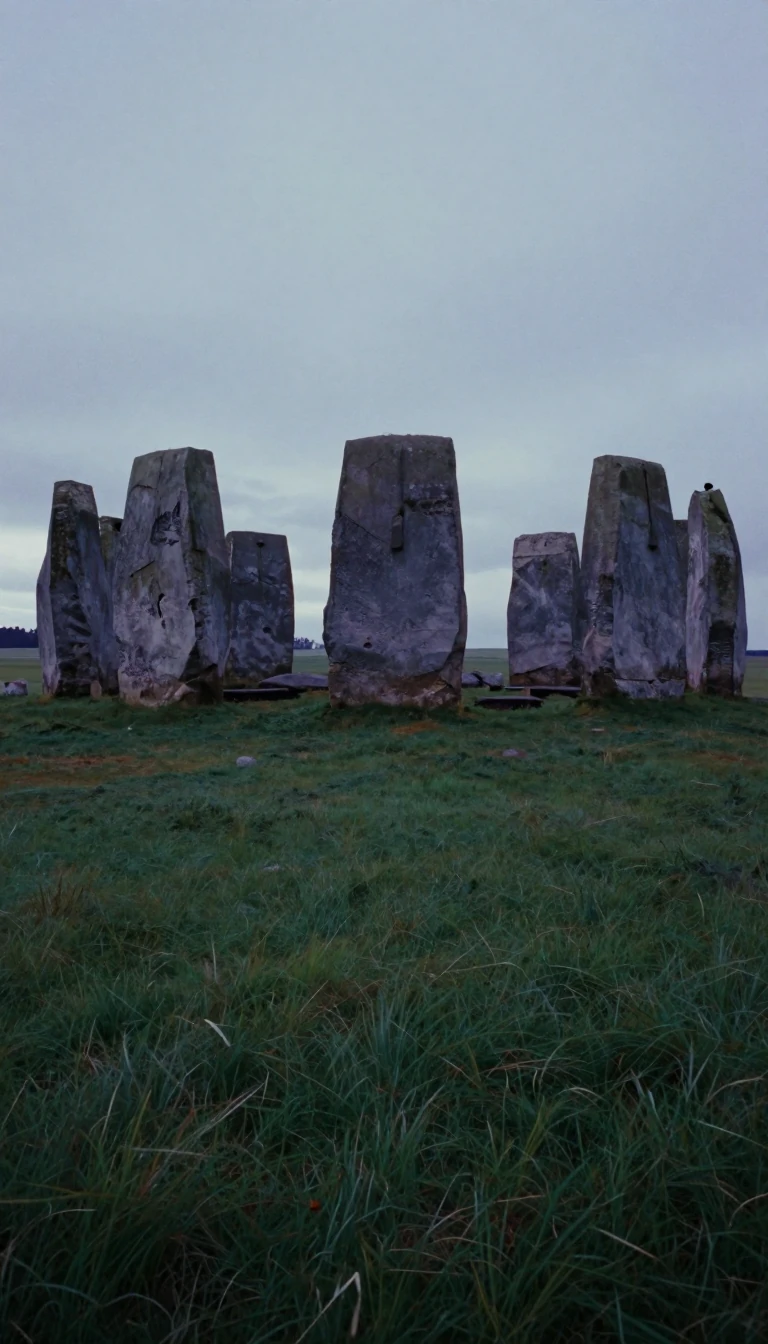 Europe's most complete Neolithic village was revealed by a storm in 1850Hidden for millennia beneath coastal sand dunes, Skara Brae is a remarkably preserved stone settlement on Orkney. While popular myths suggest a sudden, catastrophic abandonment, t…
 The word spa does not mean health through water, despite popular commercial claims.While many believe spa is a Latin acronym for salus per aquam, this is a modern backronym. The term actually originates from the town of Spa, Belgium, where ironmaster Collin le L…
 Why NPR’s flagship news program was designed to air in the afternoon, not morning.Premiering in 1971, All Things Considered became the cornerstone of National Public Radio. While today it is a staple of the afternoon commute, its original timeslot was a practic…
- From ancient Germanic law to modern East Africa, the shilling has endured for centuries.The shilling is more than a relic of British imperial history. Rooted in the Proto-Germanic word for splitting or dividing, this unit of account has evolved from a gold coin in la…
 From Resistance roots to global news giant: the story of Agence France-PresseBorn from the ashes of World War II, Agence France-Presse evolved from a French Resistance initiative into one of the world's most expansive news networks. Today, it operates acro…
 From Tang Dynasty woodblocks to modern poker, the evolution of the playing card.Playing cards are more than just tools for games; they are historical artifacts that have traveled from 9th-century China to the gaming tables of the Mamluk Empire and eventually …
 A Roman Emperor who traded his crown for a dagger to save his peopleMarcus Salvius Otho ruled Rome for only 91 days. Known for his vanity and close ties to Nero, he seized power through a bloody coup. Yet, when faced with a crushing military defea…
- Buried by sand, Rome’s ancient port city reveals secrets that the capital cannot.Ostia Antica was once the bustling maritime gateway to Rome, essential for grain and military might. Abandoned and eventually swallowed by sand dunes, the site remained remarkably…
 How a Dutch City Traded Tax Exemptions for the Birth of Modern ScienceLeiden is a city defined by its intellectual legacy, famously choosing to establish a university over tax relief following a brutal 1574 siege. This City of Discoveries, home to t…
 The KGB was more than a spy agency; it was a sprawling military state apparatus.Operating from 1954 to 1991, the KGB functioned as the Soviet Union's primary security arm, blending foreign intelligence with internal policing. It was a militarized organization…
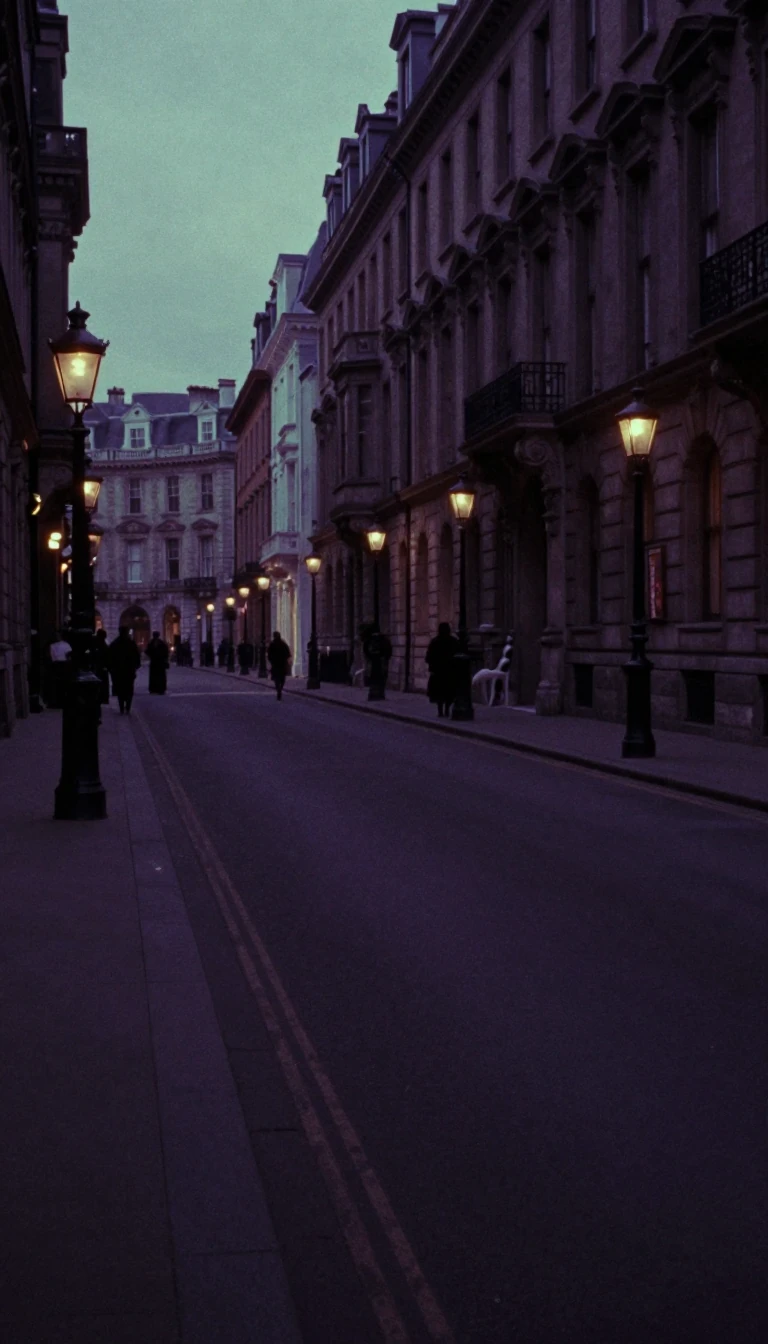 Why modern cities are legally obligated to protect their own historical patrimonial legacyHistoric preservation is a twentieth-century philosophical concept that views cities as products of centuries of development. Rather than protecting wilderness, it focuses on the …
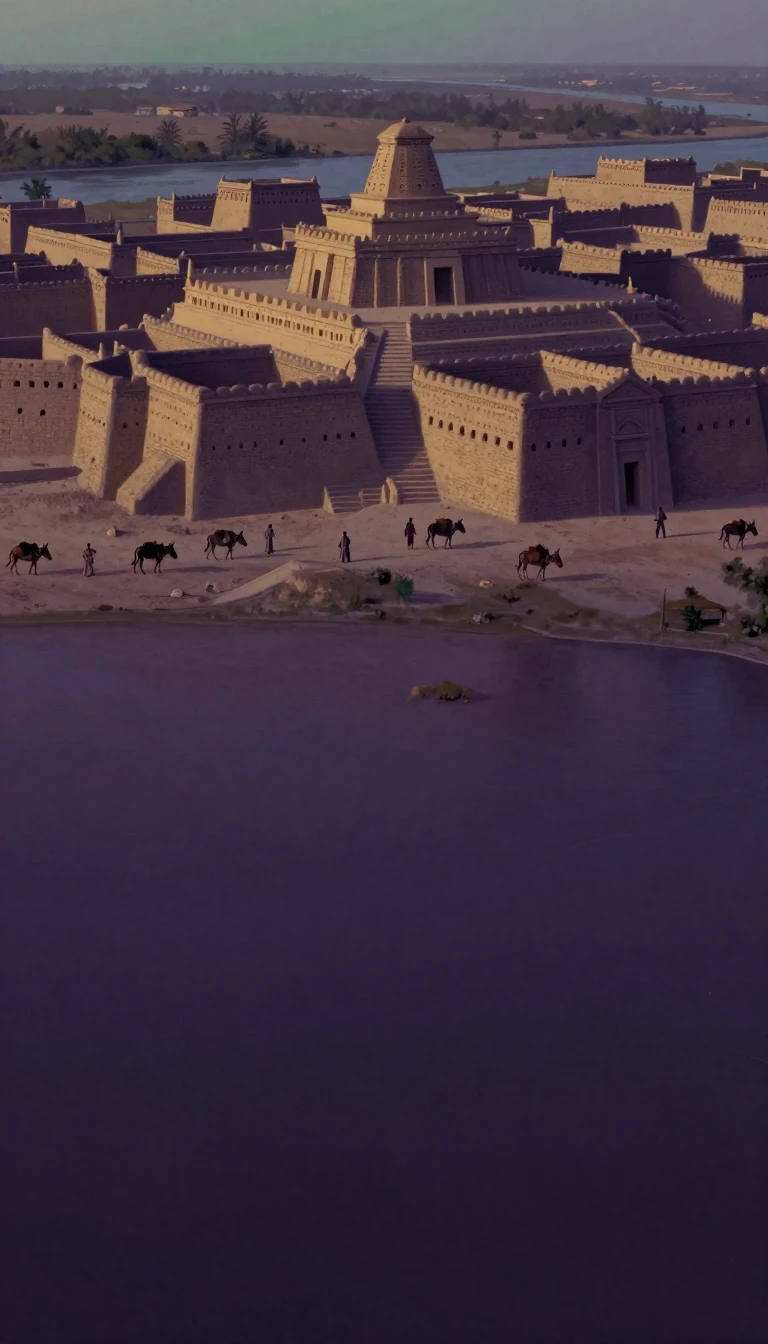 Why did a US general risk his career to save a German city from destruction?In March 1945, as Allied forces closed in on Germany, Brigadier General William A. Beiderlinden faced a choice: follow orders to shell Heidelberg or negotiate its surrender. By se…
 The Kongo Kingdom was a sophisticated state long before the arrival of European ships.The Kongo people, a Bantu-speaking group along the Atlantic coast of Central Africa, established advanced socio-political systems and kingdoms centuries before Portuguese contact …
 The Grand Tour was an aristocratic rite of passage, not a simple vacation.Between 1660 and the 1840s, young European elites embarked on a months-long journey across the continent to polish their manners and study classical antiquity. While often framed …
 How South West Africa operated under a bizarre three-tier system of ethnic governanceFor decades, South West Africa existed in a legal limbo between German colonial rule and South African administration. During the 1980s, the territory implemented a complex, multi…
 From homing pigeons to global wire giant: the evolution of the Reuters news agencyEstablished in 1851 by Paul Reuter, the agency began by using homing pigeons and electric telegraphy to transmit commercial news. Today, it stands as one of the world's largest ne…
 How a Scottish Presbyterian Settlement Transformed into New Zealand's Cultural and Economic PowerhouseFounded in 1848 by the Free Church of Scotland, Otago evolved from a strict religious colony into a gold-rich boomtown. Today, this southern New Zealand region balances rugged alp…
 Sweden's oldest university began as a medieval ecclesiastical hub for the Catholic ChurchFounded in 1477, Uppsala University predates all other Nordic academic institutions. Originally chartered by a papal bull to mirror the University of Bologna, it evolved from a th…
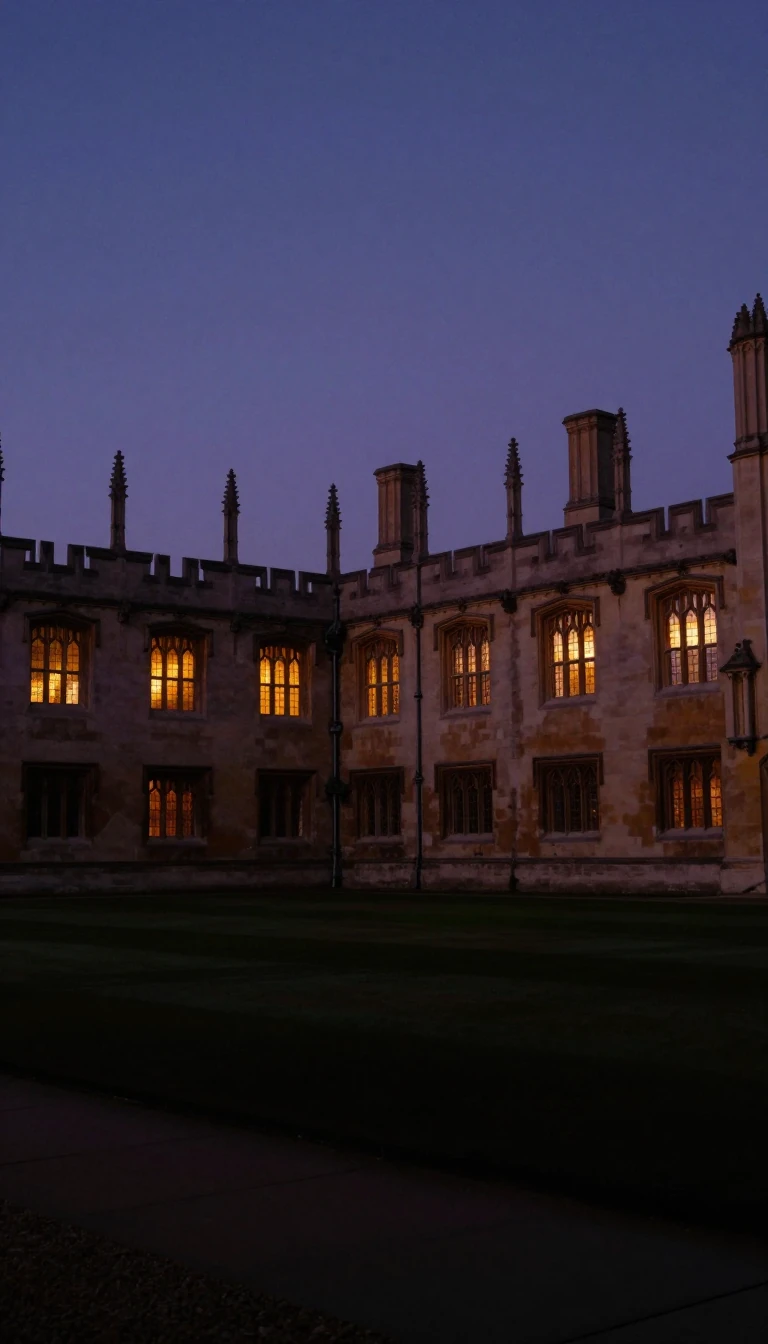 How a British penal colony evolved into Australia's most populous and powerful state.Founded in 1788 as a remote destination for convicts, New South Wales transformed from a struggling agricultural outpost into the economic engine of a new nation. From gold rushes…
 How a medieval Spanish university shaped the modern world and birthed a dark legend.Founded in 1218, the University of Salamanca became the intellectual engine of the Spanish Empire. While its scholars debated the morality of colonization and reformed the calenda…