 Intellect Plus
History
21,004 cards. Each one is a 40-second story with a five-minute read behind it. Page 232 of 351.
Subtopics: 19th century · 20th century · Africa · Age of Exploration · Ages & eras · Ancient · Ancient China · Ancient egypt · Ancient greece · Ancient rome · Ancient trade · Archaeological discoveries · Archaeology · Astronomy · Australia · Auxiliary historical sciences · Babylon · Basics · Born on this day · Bronze age · Buddhism · Case studies · Chefs, bartenders and winemakers · China · Cities · Climate · Columbus · Contemporary (1945-) · Cosmetics people · Crime · Criminals · Decipherment · Deep time · Disasters · Early modern · Education · Egypt · Empires · Empires & civilisations · Exploration · Explorers · Extinction · Fandom, conventions and festivals · History by continent and large region · History by continent and region · History by country · History by country, small region and city · History by ethnicity · History by subject matter · History by topic · Inca · India · Industrial Revolution · Japan · Kings & queens · London · Mass hysteria · Medicine · Medieval kingdoms · Medieval life · Mediterranean · Mercedes-Benz History · Mesopotamia · Middle ages · Military leaders and theorists · Military leaders, personnel, and theorists · Ming dynasty · Misconceptions · Modern · Modern (1800-1945) · Napoleon · Navigation · North africa · Other · Pacific · Pharaohs · Philippines · Pirates · Post-classical · Prehistory · Propaganda · Public health · Rebels, revolutionaries and activists · Renaissance · Researched · Second world war · Shipwrecks · Silk Road · South america · Tradespeople · UK & Ireland: history · United states · Vikings · Volcanoes · Women in history
 Is the Holy Spirit a person, a force, or a divine breath of life?In Christian theology, the Holy Spirit is the third member of the Trinity, yet its identity remains a complex subject of study. Often linked to Jewish concepts of divine breath, t…
 Why did 129 men vanish into the Arctic ice during a Victorian naval crusade?In 1845, Captain Sir John Franklin led two state-of-the-art ships into the Canadian Arctic to map the Northwest Passage. They never returned. For over a century, their fate remain…
 Was the last Roman emperor a child figurehead named after Rome's legendary founders?Romulus Augustulus, a minor placed on the throne by his father, ruled for only ten months before his deposition in 476. Though often cited as the final Western Roman emperor, his …
 How a 37th-generation descendant of Muhammad lost his kingdom by refusing to compromiseHussein bin Ali, the Sharif of Mecca, gambled his sovereignty on a promise of Arab independence. When the British Empire pivoted toward the mandate system after World War I, Husse…
 Did a balsa raft really prove that ancient South Americans settled the Pacific islands?In 1947, Thor Heyerdahl sailed a primitive balsa raft across the Pacific to prove that ancient South Americans could have reached Polynesia. While the voyage was a global sensatio…
 The Rajput princess who became the most powerful woman in the Mughal EmpireMariam-uz-Zamani was far more than a political pawn in a royal marriage. As the chief consort of Emperor Akbar, she broke conventions by maintaining her Hindu faith within the pal…
 Before Arabic digits, the Greeks used their own alphabet to calculate the cosmos.Ancient Greeks did not just use letters for words; they used them for math. By assigning numerical values to the Greek alphabet, they created a system that powered everything from…
 Cartagena: The Mediterranean port that survived empires, revolutions, and industrial collapseFounded as a strategic Carthaginian stronghold, this Spanish city has served as a Roman capital, a Byzantine outpost, and the final Republican bastion of the Spanish Civil War. Fr…
 How the French First Republic was born from prison massacres and royal treasonThe French First Republic emerged not from a peaceful transition, but from the chaos of the 1792 insurrection and the brutal September Massacres. As the monarchy collapsed, the ne…
 The Viceroy: A Royal Substitute Who Ruled Empires Across the GlobeA viceroy is not a noble rank but a royal appointment, acting as the direct representative of a monarch in distant territories. From the Spanish Americas to British India, these o…
 The Weimar Republic was a fragile democratic experiment born from imperial collapse and war.Emerging from the ashes of World War I, the Weimar Republic was Germany’s first constitutional democracy. Yet, it was haunted by economic ruin, political violence, and the shadow …
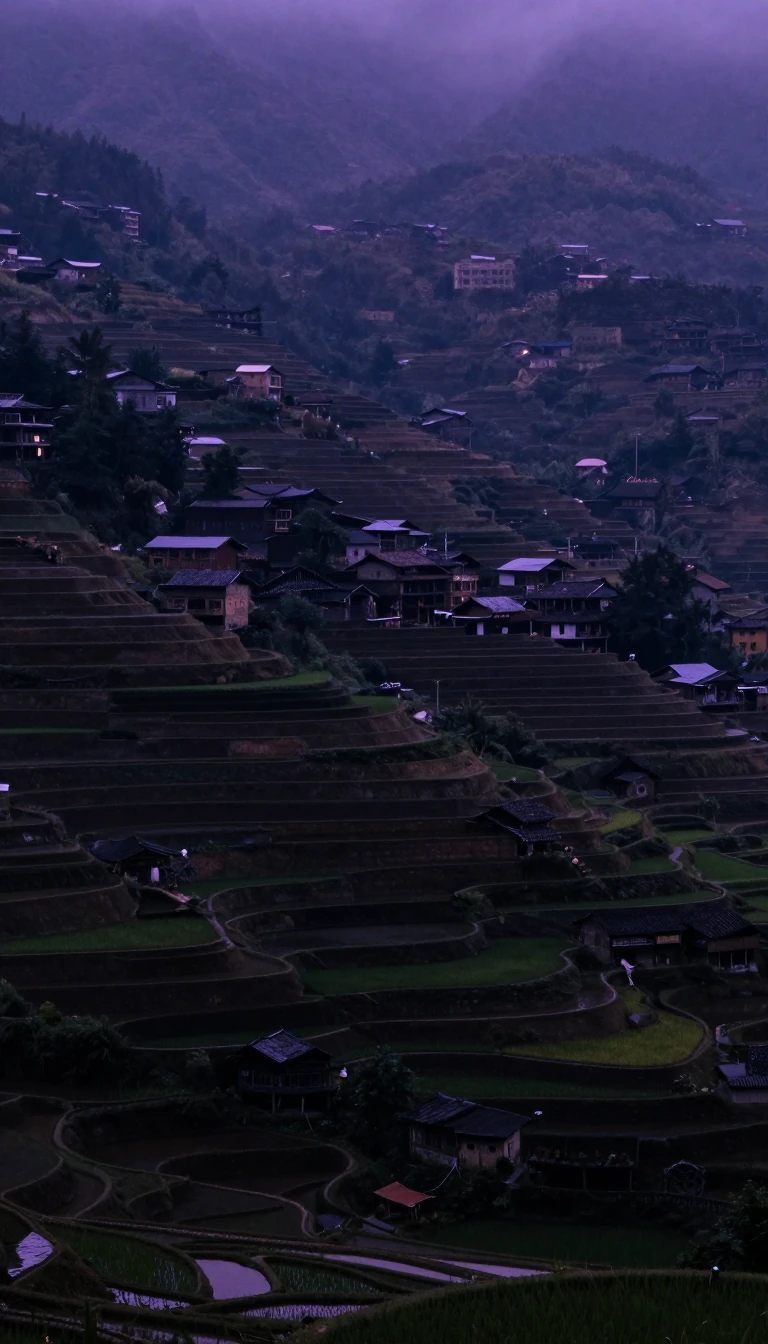 How a frontier outpost became Taiwan's high-tech heartlandLong before the arrival of massive semiconductor parks, this northwestern Taiwanese territory was a landscape of shifting borders and tribal migrations. From Spanish missionaries …
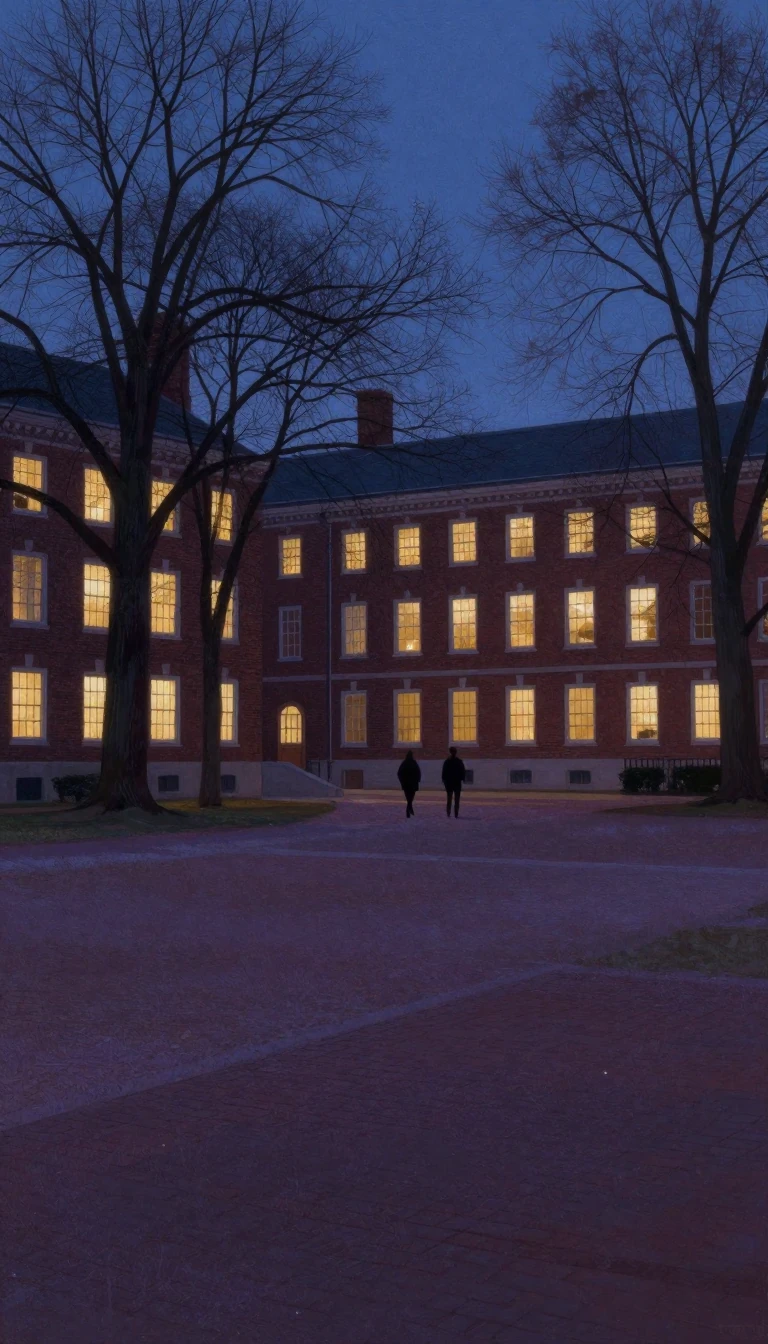 From a Funicular to a Modern Research Hub: The Evolution of Western Michigan UniversityFounded in 1903 as a modest teacher-training school, Western Michigan University has transformed into a sprawling research institution. From its early days operating a unique funi…
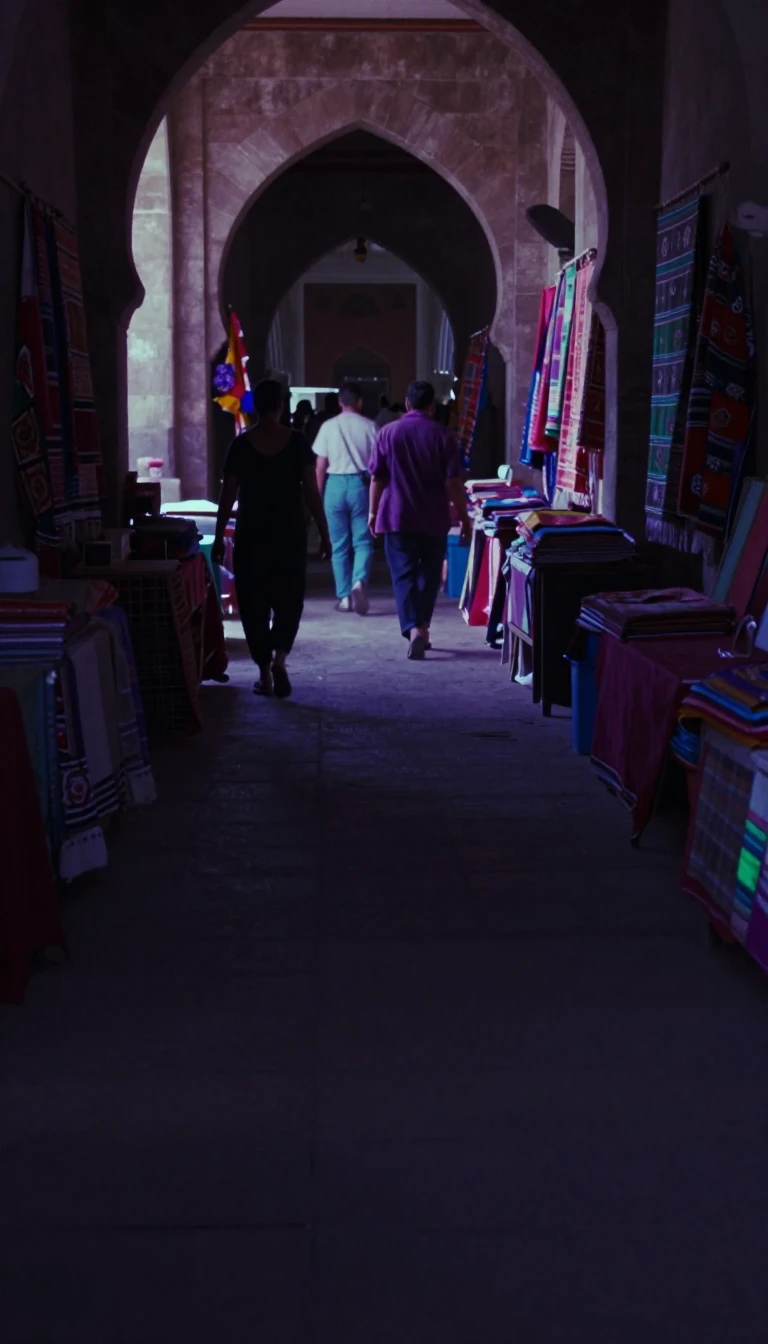 The secret, covert launch of Ukraine's modern national currencyIn September 1996, the Ukrainian hryvnia appeared almost overnight. To combat hyperinflation, the government executed a stealthy currency reform, replacing the volatile karbovanet…
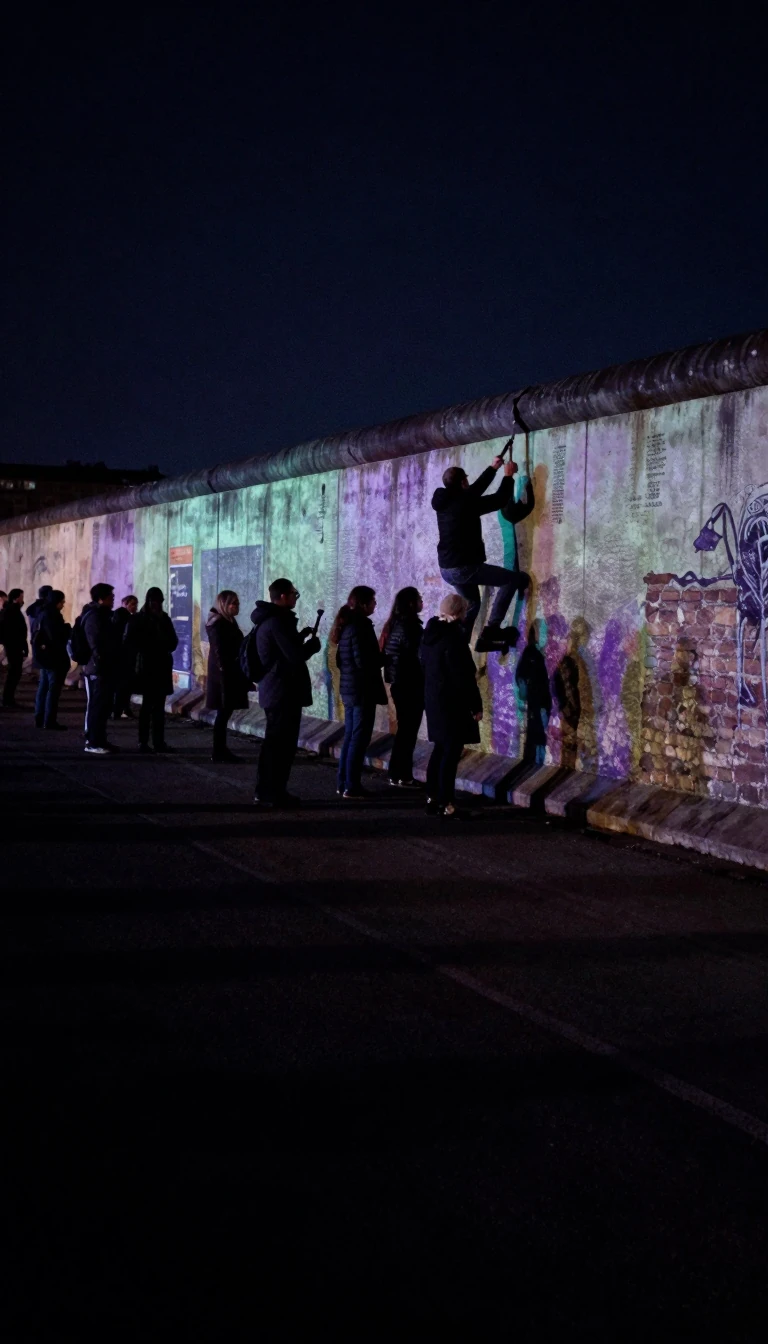 How a tailor’s son built a wall to keep his country from disappearingWalter Ulbricht, the architect of East Germany, was a hardline communist who rose from humble beginnings to command a state. Facing a mass exodus of citizens fleeing to the West, …
 The German Peasants' War was Europe's largest popular uprising before the 1789 French Revolution.In 1524, German peasants launched a massive revolt against tightening serfdom and rising taxes. Despite adopting democratic military structures and wagon-fort tactics, they faced …
- Two distinct universities share a name, one in Washington and one in London.American University in Washington, D.C., is a research powerhouse rooted in public service and Cold War history. Meanwhile, Richmond American University London offers a unique dua…
 The anarchist experiment that briefly transformed southern Ukraine into a stateless, self-governing society.During the chaos of the Ukrainian War of Independence, Nestor Makhno led a peasant-based movement to build a society without landlords or political masters. By establishing free s…
- The Contras were anti-communist rebels funded by the U.S. to fight Nicaragua's Sandinista government.During the Cold War, the Contras waged a decade-long guerrilla insurgency against Nicaragua's Marxist Sandinista government. Heavily backed by the United States, the movement beca…
 How a Soviet-designed tank became the backbone of China's armored military forceThe Type 59 was China's first domestically produced main battle tank, born from a 1956 agreement with the Soviet Union. Over decades, this versatile platform evolved from a basic …
 How a Portuguese Princess Became the Most Powerful Regent in Renaissance SpainIsabella of Portugal was more than a royal consort; she was the strategic backbone of the Spanish Empire. While her husband, Charles V, campaigned across Europe, Isabella governed…
 How a Mexican state was named for a hero of independenceMorelos, Mexico's second-smallest state, carries the name of a legendary insurgent leader who defended Cuautla against royalist forces. Beyond its namesake, the region holds a dee…
 From Roman Masters to Mafia Bosses: The Surprising Evolution of the Title DonDerived from the Latin dominus, the honorific Don has traveled from classical antiquity to modern pop culture. Once a rigid marker of royal blood and aristocratic lineage, it has …
 Why the 1529 Siege of Vienna Was the Limit of Ottoman Logistical ReachWhen Suleiman the Magnificent marched on Vienna in 1529, he brought over 75,000 men to the gates of the Holy Roman Empire. Yet, despite his overwhelming force, the Sultan failed t…
 How Spain governed the Philippines from across the Pacific for over two centuriesFor nearly three hundred years, the Spanish Empire managed its Philippine territories through a complex administrative arm based in Mexico City. This distant oversight shaped the …
 From Victorian corsets to dark eccentricity: the unconventional path of Helena Bonham CarterBorn into a lineage of British political power and European aristocracy, Helena Bonham Carter defied expectations by rejecting formal acting training. Instead, she cultivated a ca…
 How China's highest-paid actress vanished into a state-sanctioned residential surveillance programFan Bingbing rose from a supporting role in a costume drama to become a global fashion icon and China's top-earning celebrity. Yet, at the height of her fame in 2018, she disappea…
 From MIT dropout to Hollywood icon: The intense career of James WoodsBefore he became a celebrated character actor known for his jittery, high-stakes performances, James Woods was an MIT undergraduate with ambitions of becoming an eye surgeon. He l…
 How a brilliant Indian polymath founded a monastery of anarchism in CaliforniaLala Har Dayal was a scholar who turned down a prestigious civil service career to lead a global revolution. From industrial unionism in the United States to secret intelligence o…
 Founded in 1875, this reformist movement reshaped Hinduism by rejecting idol worship and caste.Arya Samaj emerged in 19th-century India as a monotheistic movement dedicated to the infallible authority of the Vedas. By banning idol worship and championing social reforms like…
 From catering assistant to political rebel: the multifaceted career of Bengali superstar DevDeepak Adhikari, known as Dev, transformed from a struggling actor who faced a fourteen-month work drought into one of Bengali cinema's highest-paid icons. Beyond the silver scree…
 The man who dismantled apartheid: F. W. de Klerk’s complex and controversial political legacyAs South Africa’s final state president under white-minority rule, F. W. de Klerk executed a historic pivot. He dismantled the apartheid system, legalized banned political parties…
 How a lawyer for the poor became a millionaire through political influencePierre Laval rose from humble beginnings as a defender of trade unionists to become a central figure in French politics. Yet, his career was defined by a massive, rapid accumulati…
 The Mesopotamian ruler who declared himself a god and claimed the entire worldNaram-Sin of Akkad was the first Mesopotamian king to claim divinity, styling himself the God of Akkad and King of the Four Quarters. Ruling around 2255–2218 BC, he expanded his e…
 How Napoleon’s blockade of Britain accidentally sparked Italy’s industrial revolutionWhen Napoleon enforced the Continental System to cripple British trade, he intended to protect French manufacturing. Instead, the blockade inadvertently forced the Kingdom of Ital…
 The Six Arrows: How Mustafa Kemal Atatürk Engineered a Modern Republic from Ottoman RuinsKemalism was not merely a political platform but a radical, state-led project to transform Turkey into a secular, modern nation. By enshrining six core principles into the constit…
 Was Raúl Castro the pragmatic architect behind Cuba's shift from revolutionary fervor to reform?Long overshadowed by his brother Fidel, Raúl Castro transitioned from a guerrilla commander to a leader who introduced market-oriented economic changes. While often viewed as a ha…
- How a Venezuelan Marxist became the world's most wanted international political terroristIlich Ramírez Sánchez, known as Carlos the Jackal, orchestrated a decade of global violence from 1973 to 1985. Supported by Cold War intelligence agencies, he moved from guerrilla…
 The Great Chinese Famine was a man-made disaster of unprecedented, catastrophic proportions.Between 1959 and 1961, tens of millions perished in China. While often attributed to natural disasters, the famine was primarily driven by radical state policies, economic mismana…
- Beyond the underdog myth, who was the real Goliath of the ancient world?While modern culture uses the name Goliath to describe any underdog struggle, the biblical giant was a complex figure rooted in ancient Philistine history. Far from a simple fable…
 How a taciturn Massachusetts lawyer became the unlikely face of the Roaring Twenties.Known as Silent Cal, Calvin Coolidge rose from a small-town lawyer to the 30th U.S. president. His career was defined by a decisive response to the 1919 Boston police strike, whic…
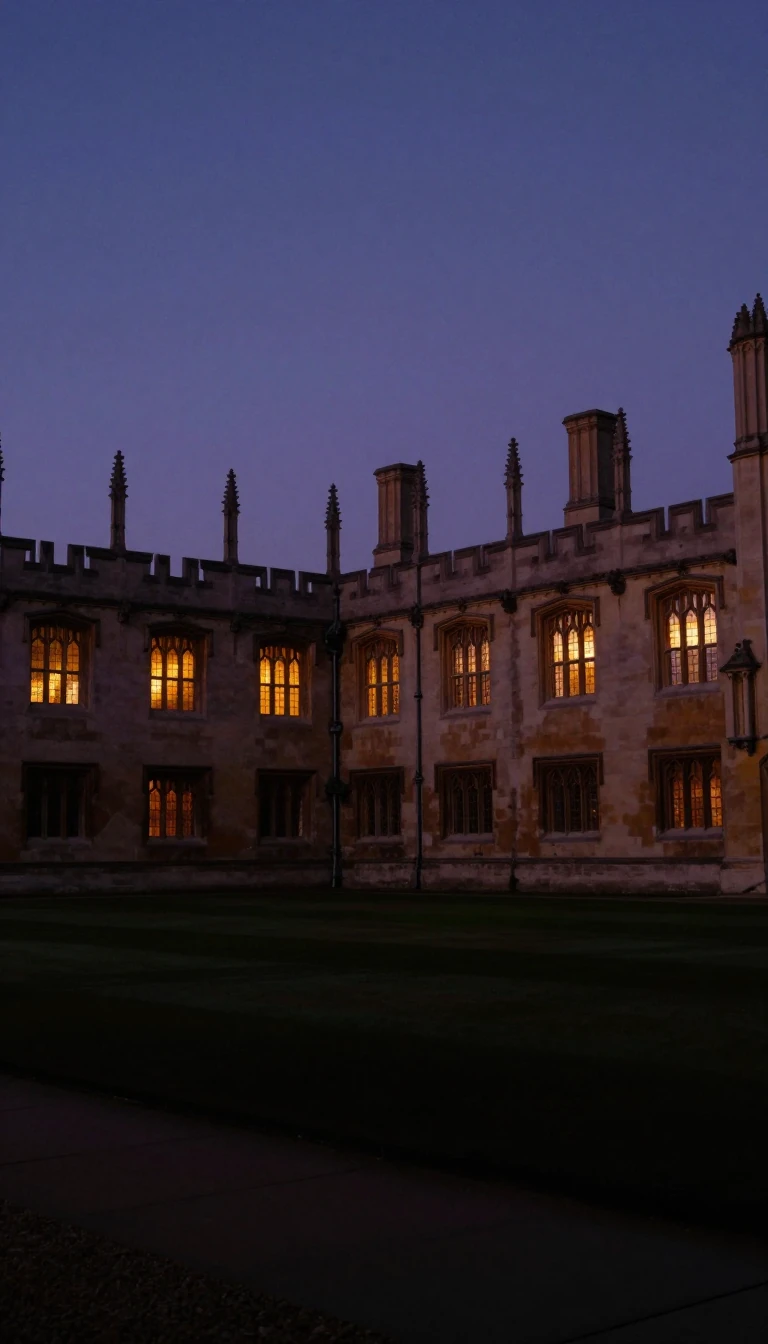 The University of Melbourne: A Historic Institution Navigating Modern Tensions and Structural ChangeFounded in 1853, the University of Melbourne has evolved from a small colonial college into a global research powerhouse. Yet, its journey is marked by intense internal debates ov…
- Why Japan's most influential private university is obsessed with the number 125Founded in 1882, Waseda University is a powerhouse of Japanese leadership, producing prime ministers, CEOs, and literary icons. Its identity is deeply rooted in the founder's theo…
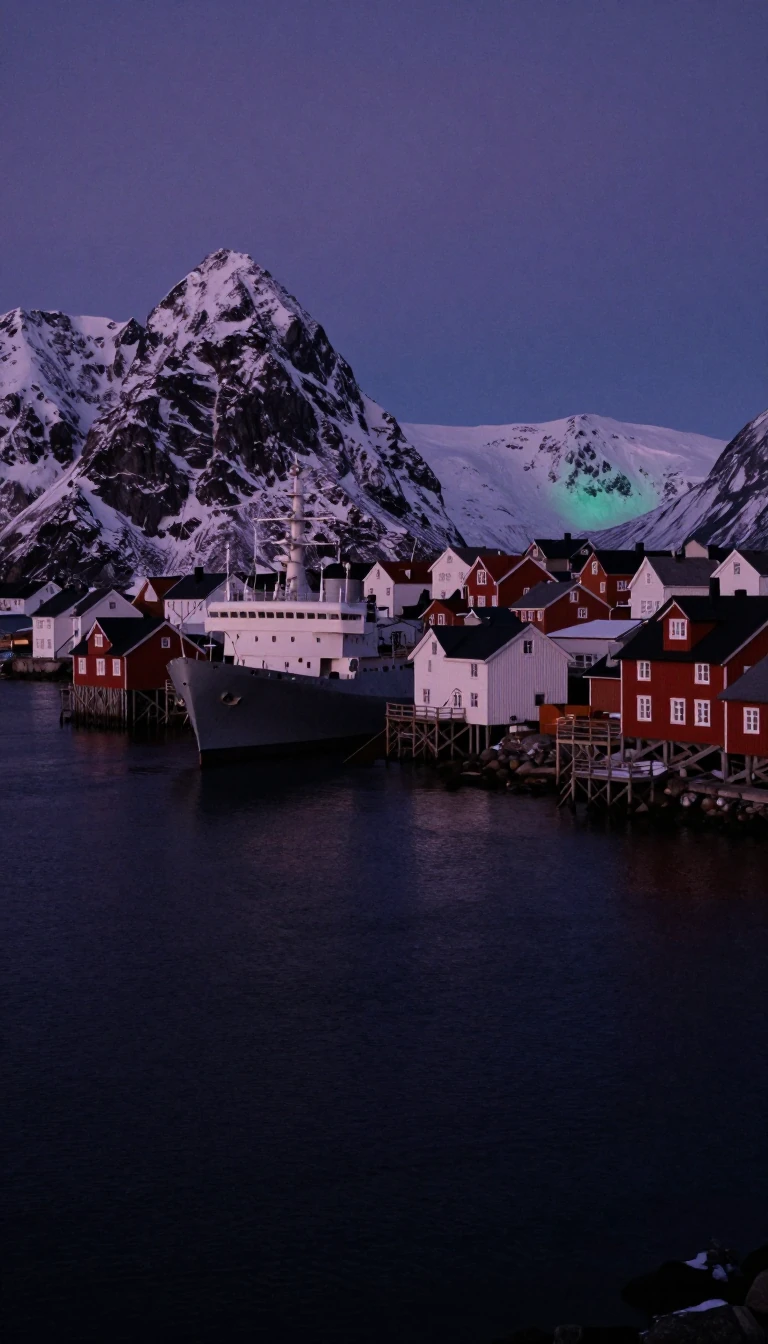 Why did Captain James Cook name a New Zealand region the Bay of Plenty?When James Cook arrived on the North Island, he encountered a stark contrast between the sparse resources of Poverty Bay and the abundant food supplies he observed in the nearby c…
- Baguio: The American-built mountain retreat that became a center of Philippine political historyEstablished as the only American hill station in Asia, Baguio was designed to offer colonial officials a reprieve from tropical heat. Today, this highland city is known for its co…
 The Volkssturm: How Nazi Germany armed its elderly and children for a final standIn the final months of World War II, Nazi Germany mobilized a desperate militia of teenagers, the elderly, and the unfit. Known as the Volkssturm, this ragtag force was intended t…
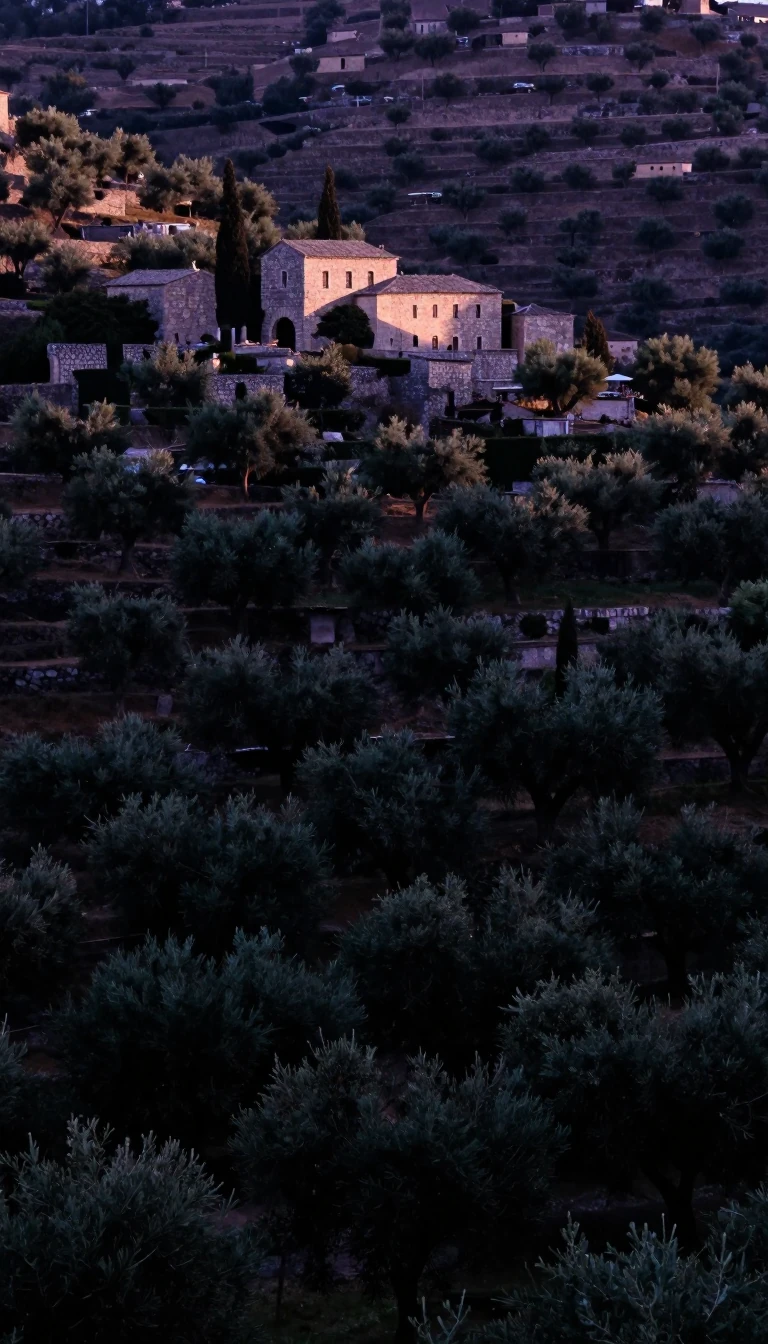 From ancient olive groves to a modern geopolitical flashpoint, the story of IdlibIdlib has transformed from a quiet Ottoman-era agricultural hub into a central theater of the Syrian conflict. Once famous for its expansive olive groves and soap production, the …
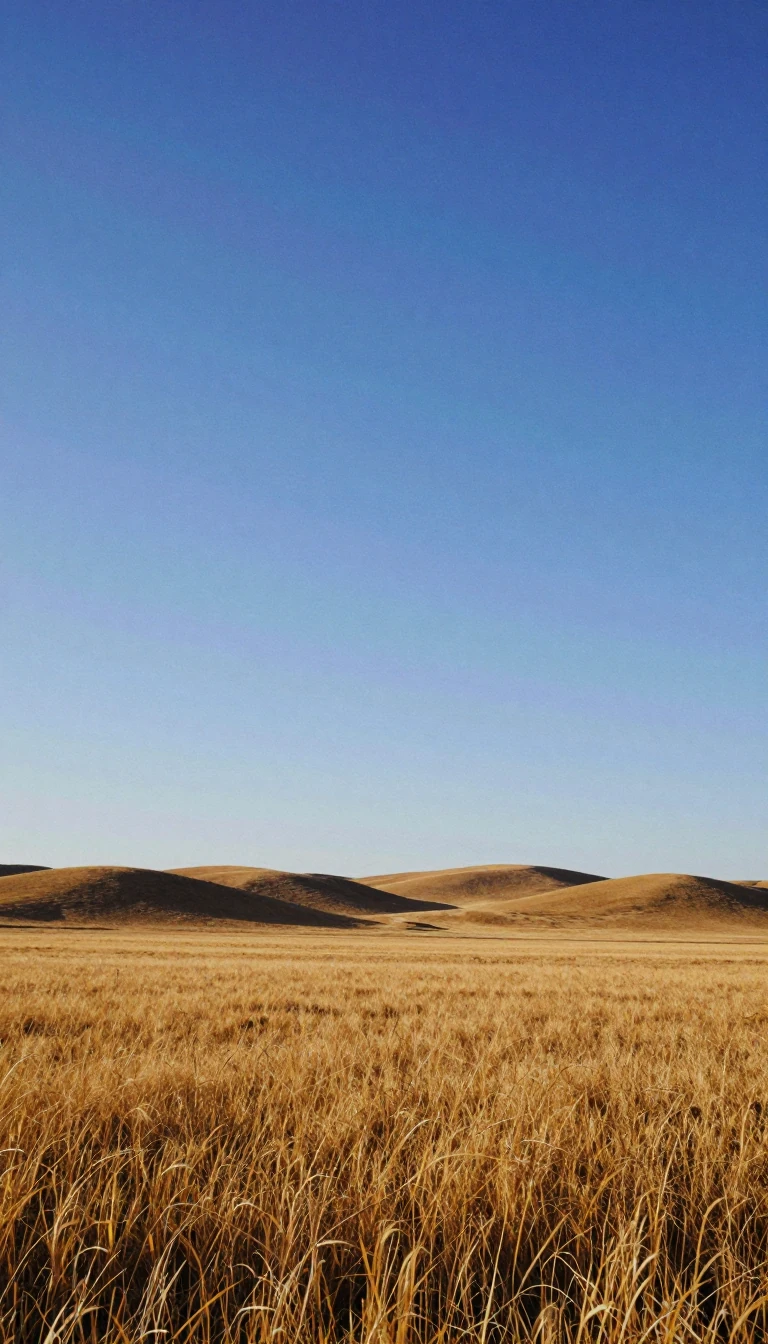 The Republic of Texas was a sovereign nation defined by conflict and shifting borders.From 1836 to 1846, Texas existed as an independent country, yet its borders were never fully settled. Caught between the ambitions of settlers, the resistance of Mexico, and the p…
 How a group of mercenary pilots became the most effective Allied force in AsiaBefore the United States officially entered World War II, a private band of American volunteers took to the skies over China and Burma. Operating under the banner of the Republic …
 How a state-mandated war on nature triggered one of history's deadliest man-made faminesIn 1958, Mao Zedong launched a campaign to eradicate rats, flies, mosquitoes, and sparrows to boost public health and grain yields. The effort to wipe out sparrows backfired spect…
 How a medieval king spent more on a chest than on his entire chapelKing Louis IX of France commissioned Sainte-Chapelle to house his collection of Passion relics, including the Crown of Thorns. While the chapel itself cost 40,000 livres to build,…
 The dissolution of Ethiopia's most diverse and rural regional stateOnce a massive mosaic of over 45 indigenous ethnic groups, the Southern Nations, Nationalities, and Peoples' Region has vanished. Formed in 1992 from five distinct regions, this s…
 How a small North Carolina college transformed into a nationally recognized, selective universityFounded in 1889, Elon University evolved from a regional religious college into a selective institution with national reach. By prioritizing academic standards and strategic growt…
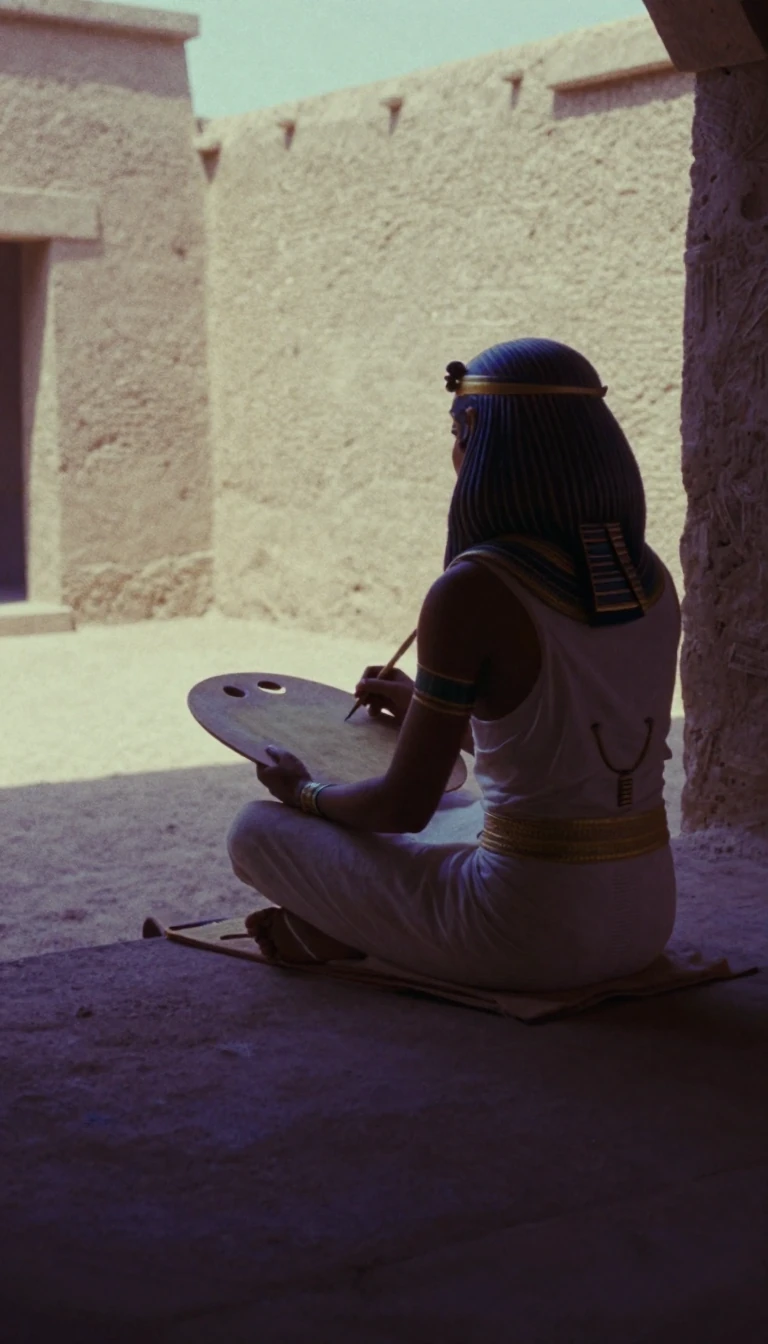 Beyond the Pharaohs: The Ancient Engineering and Archery Mastery of the Nubian PeopleLong before the Aswan High Dam reshaped the Nile, the Nubians were a formidable civilization in the central valley. Renowned as elite archers and architects of a complex society, …
 Did the Roman Republic actually exist as a stable, well-governed political community?The Roman Republic is often idealized as a model of separated powers, yet its reality was far more complex. Ancient thinkers debated whether it was a true republic or a fragile ex…
 The boy who was too much of a Caesar for RomeHe was the biological son of Julius Caesar and the last Pharaoh of Egypt. But in the high-stakes power struggle between Rome and Alexandria, his very existence was a political dea…
 How a former school teacher became the first tribal president of independent IndiaBorn in a remote village, Droupadi Murmu rose from a clerk and teacher to become the 15th President of India. As the first tribal leader and the youngest person to hold the office…
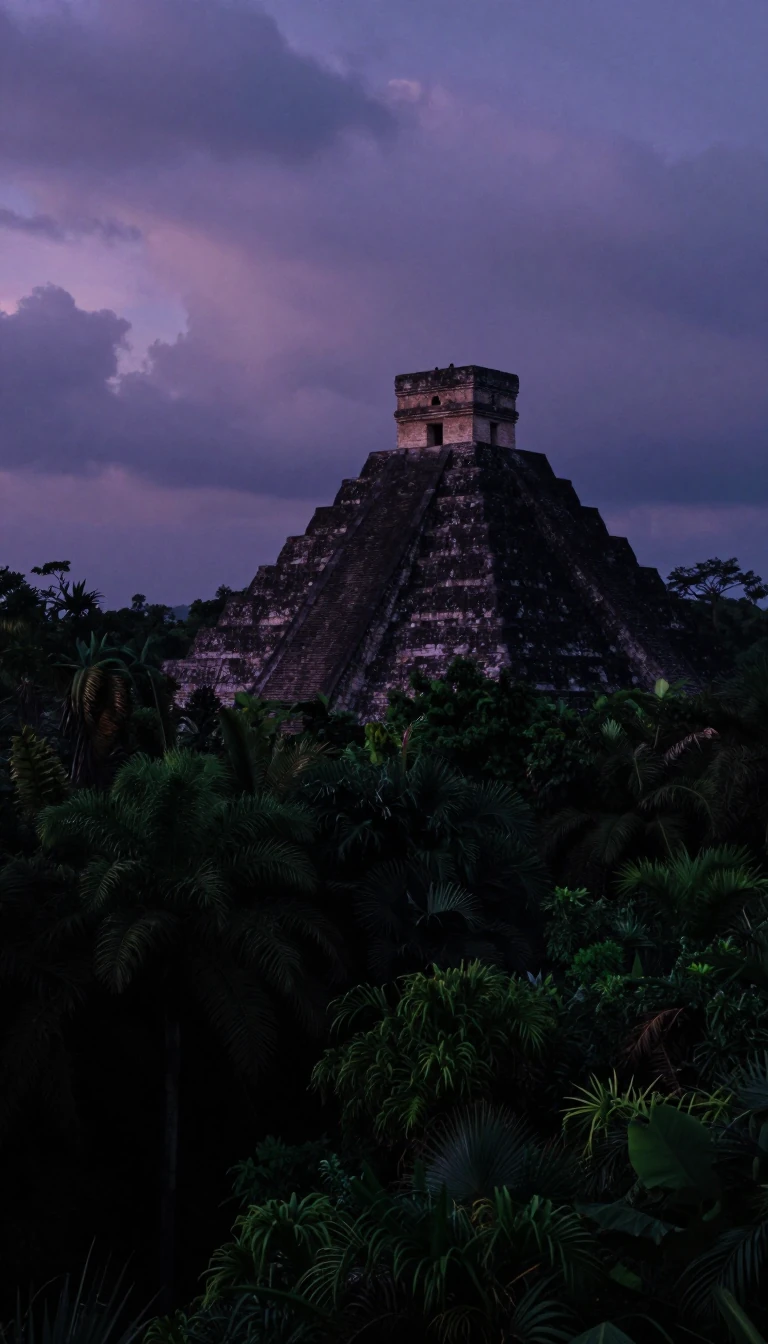 Why did the Inca emperor Pachacuti transform a town into a royal estate?Ollantaytambo was more than a fortress; it was a sophisticated royal estate built by Emperor Pachacuti in the mid-15th century. Featuring advanced irrigation, high-prestige terrac…
 From a penniless wanderer to the papacy, the remarkable ascent of Aeneas Silvius Piccolomini.Born into an impoverished noble family, Aeneas Silvius Piccolomini rose from a humble secretary to become Pope Pius II. A Renaissance humanist and diplomat, he navigated the treac…
 The Sapa Inca was not just a king but a living god of the AndesThe Sapa Inca ruled the vast Tawantinsuyu as the divine son of the sun god, Inti. Far from a simple monarch, he was a master engineer, a social benefactor, and a spiritual icon. H…