 Intellect Plus
History
21,004 cards. Each one is a 40-second story with a five-minute read behind it. Page 227 of 351.
Subtopics: 19th century · 20th century · Africa · Age of Exploration · Ages & eras · Ancient · Ancient China · Ancient egypt · Ancient greece · Ancient rome · Ancient trade · Archaeological discoveries · Archaeology · Astronomy · Australia · Auxiliary historical sciences · Babylon · Basics · Born on this day · Bronze age · Buddhism · Case studies · Chefs, bartenders and winemakers · China · Cities · Climate · Columbus · Contemporary (1945-) · Cosmetics people · Crime · Criminals · Decipherment · Deep time · Disasters · Early modern · Education · Egypt · Empires · Empires & civilisations · Exploration · Explorers · Extinction · Fandom, conventions and festivals · History by continent and large region · History by continent and region · History by country · History by country, small region and city · History by ethnicity · History by subject matter · History by topic · Inca · India · Industrial Revolution · Japan · Kings & queens · London · Mass hysteria · Medicine · Medieval kingdoms · Medieval life · Mediterranean · Mercedes-Benz History · Mesopotamia · Middle ages · Military leaders and theorists · Military leaders, personnel, and theorists · Ming dynasty · Misconceptions · Modern · Modern (1800-1945) · Napoleon · Navigation · North africa · Other · Pacific · Pharaohs · Philippines · Pirates · Post-classical · Prehistory · Propaganda · Public health · Rebels, revolutionaries and activists · Renaissance · Researched · Second world war · Shipwrecks · Silk Road · South america · Tradespeople · UK & Ireland: history · United states · Vikings · Volcanoes · Women in history
 A resonator of memory designed to evoke deception, fear, and solemnityLocated in Washington, D.C., the United States Holocaust Memorial Museum is far from a typical monument. Designed by architect James Ingo Freed to act as a "resonator of memory," …
 Moscow's State Historical Museum was built to define Russian identity through its architectural design.Founded in 1872, this iconic red-brick landmark between Red Square and Manege Square houses millions of artifacts. From prehistoric relics to Romanov treasures, the museum serves …
 Singapore's oldest museum preserves the nation's soul through everything from trains to coffee machines.The National Museum of Singapore is a time capsule of a nation, housing artifacts that range from 19th-century colonial relics to decommissioned train parts. As the country's olde…
 How a national institution evolved from colonial roots to a modern cultural guardianThe National Museum of the Philippines has transformed from a 19th-century colonial library into a sprawling network of cultural sites. Today, it manages a complex in Manila while…
 The Elephant Museum: Two Centuries of Preserving Indonesia's Vast Cultural and Historical HeritageKnown as the Elephant Museum for the bronze statue in its forecourt, the National Museum of Indonesia holds over 140,000 objects. From prehistoric fossils to Hindu-Buddhist stone …
 A fortress for history: how Korea’s flagship museum protects 310,000 national treasuresThe National Museum of Korea is a marvel of modern engineering, built to withstand magnitude 6.0 earthquakes and featuring a natural lighting system that replaces artificial bulbs…
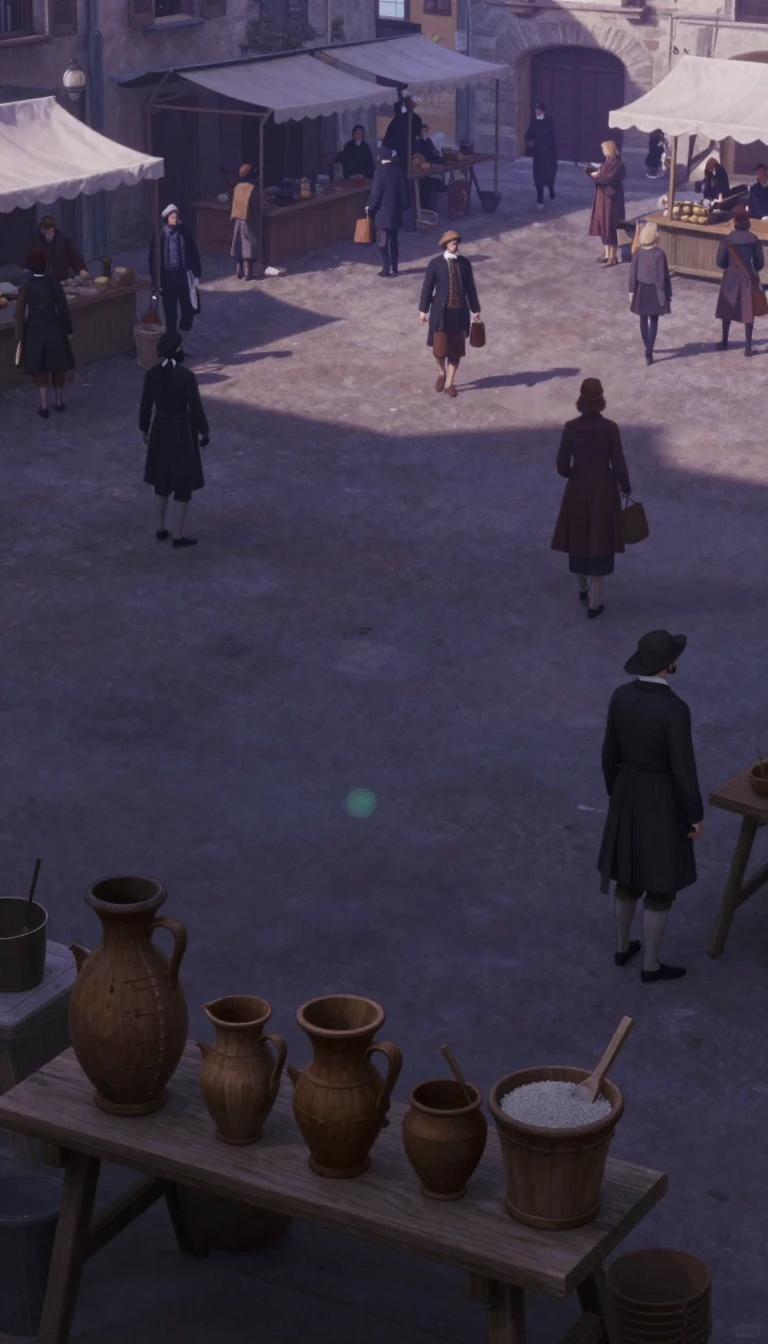 The House of Slaves: A monument or a myth?On Gorée Island, a single doorway serves as a profound site of pilgrimage for millions. Yet, historians are deeply divided over whether this building was a massive transit hub or …
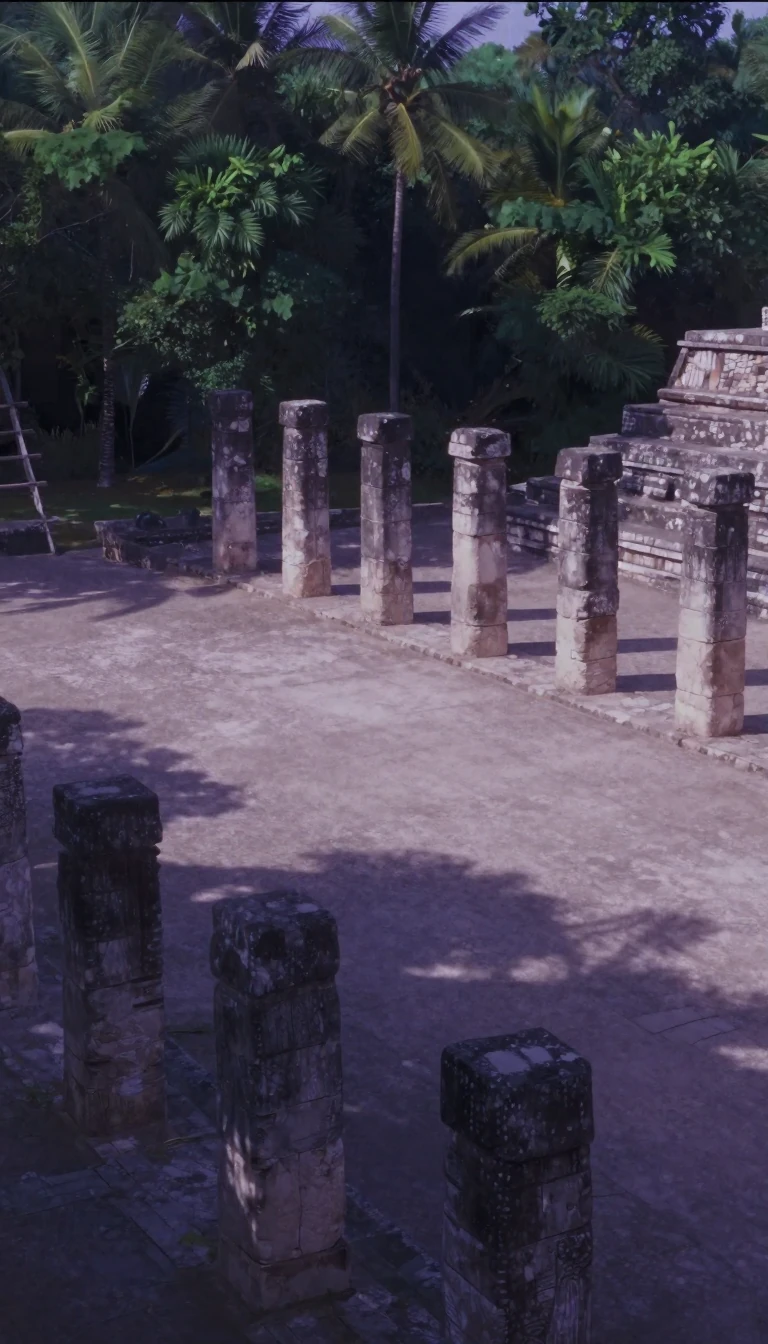 A colonial palace in Mexico City hides an Aztec serpent in its foundationThe Museum of Mexico City occupies a former aristocratic palace, a structure that survived for centuries as a private residence. Beyond its Baroque facade and ornate courtyards, t…
 The architectural evolution from hillside semi-circles to full arenasWhile we often group ancient theaters together, the transition to the amphitheatre marked a radical shift in how humans consumed spectacle. Moving away from natural hillsides towa…
 How a royal arsenal transformed into one of Russia's most prestigious treasure housesThe Kremlin Armoury began in 1508 as a functional royal arsenal, tasked with crafting and storing weapons for the tsars. Over centuries, it evolved from a workshop for elite gunsm…
 How a Jerusalem Hillside Became a Global Repository for Human History and CultureEstablished in 1965, the Israel Museum is an encyclopedic institution housing nearly 500,000 objects. From prehistoric artifacts to contemporary art, its sprawling Jerusalem campu…
- Why your local historic house museum might be telling you a curated lieHistoric house museums are often framed as frozen moments in time, but they are actually active constructions of memory. By choosing which stories to preserve and which to ignore,…
 The Ukrainian flag’s blue and yellow hues carry centuries of history and practical designUkraine’s national flag, defined by two horizontal bands of blue and yellow, is more than a modern symbol. Its roots stretch back to pre-Christian traditions and medieval battles.…
 Between 1965 and 1966, Indonesia experienced one of the 20th century's most brutal massacres.Following a failed coup, the Indonesian military and local vigilantes launched a systematic purge of the Communist Party of Indonesia. Estimates suggest between 500,000 and 3 mill…
 From Royal Treasury to Modern Landmark: The Evolution of France's National LibraryThe Bibliothèque nationale de France began as a small collection of manuscripts belonging to King Charles V in the 14th century. Today, it stands as a massive repository of French…
 How the Allied powers partitioned Germany after the Second World WarFollowing Nazi Germany's unconditional surrender, the nation was split into distinct zones of control. This video explores the administrative decisions that divided the country an…
 The consolidation of power through the conquest of the Roman frontiersThis documentary explores how Augustus secured his rule by campaigning across diverse territories, from the mountains of Spain to the deserts of Yemen. It provides a comprehensive…
 The stolen library that became a Russian national treasureIn 1794, the Russian Empire seized the famous Załuski Library in Warsaw. Today, its remnants form the foundation of the National Library of Russia, a massive collection that survi…
 How the Great Illyrian Revolt threatened the early Roman EmpireExplore the scale of the Great Illyrian Revolt, a massive uprising that challenged the stability of the Roman Empire during the reign of Augustus.
 How Scipio Africanus secured victory at the Battle of ZamaExplore the strategic brilliance of the Second Punic War's decisive moment. This documentary examines the 202 BC clash where Scipio Africanus confronted Hannibal to reshape the an…
 Was the collapse of European empires truly the definitive end of colonialism?We often view the twentieth-century dissolution of European empires as a clean break, but history suggests otherwise. While decolonization fundamentally reorganized our global lan…
 How a series of sieges and a religious relic reshaped the LevantAfter years of grueling warfare and starvation, a fragmented force of knights and peasants achieved the impossible. From the deceptive fall of Antioch to the bloody capture of Jer…
 The legendary circumnavigation of Sir Francis DrakeExplore the epic voyage of the Elizabethan Age's most renowned seaman. This video details the 1577–80 journey that saw Francis Drake sail around the globe.
 The strategic importance and bombing of TaiwanExplore the historical significance of Taiwan during the Japanese colonial era and the period when American forces targeted its shores as the Japanese war effort began to decline.
 Are medals just glorified coins, or symbols of something far more profound?Medals are more than mere metal discs. From ancient Roman political gifts to modern military decorations and religious tokens, these objects have evolved from currency-like tokens…
 How a landlocked manufacturing town became the industrial heart of the British EmpireBirmingham lacked the river access that defined medieval trade, yet it transformed into the engine room of the Industrial Revolution. By leveraging a diverse base of metalworking …
- How a temporary military ration stop created a permanent home for two rival tribes.The Wind River Indian Reservation was intended exclusively for the Eastern Shoshone. Yet, through a series of bureaucratic oversights and broken promises, the Northern Arapaho wer…
 Why Worcestershire’s ecclesiastical power prevented the rise of a traditional local aristocracyWorcestershire is more than just the home of a famous condiment. Once a landscape dominated by monastic foundations, the county’s unique medieval history saw the church control ov…
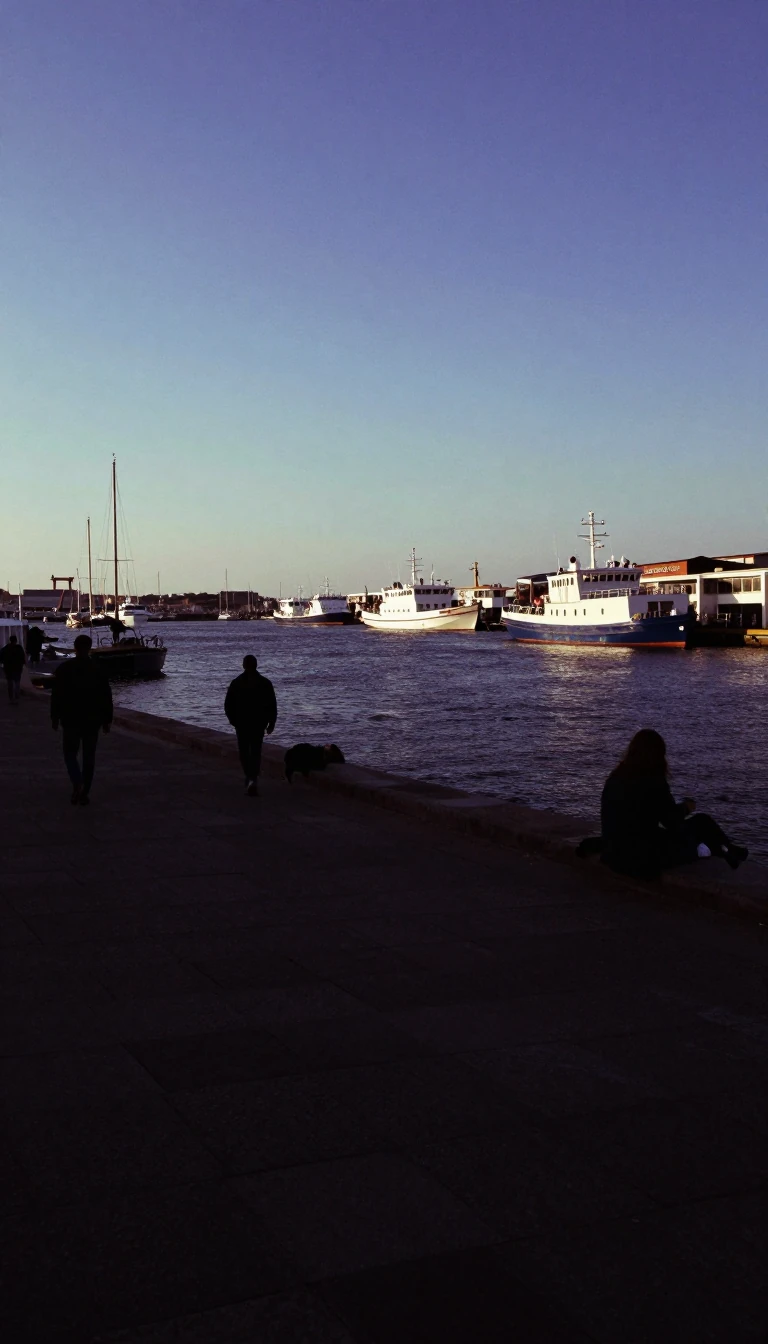 Was the Maritimes' legendary Golden Age actually a period of widespread prosperity for everyone?The Maritimes are often remembered as a booming hub of 19th-century industry and shipping. Yet, modern historians argue this so-called Golden Age was a myth, suggesting that the e…
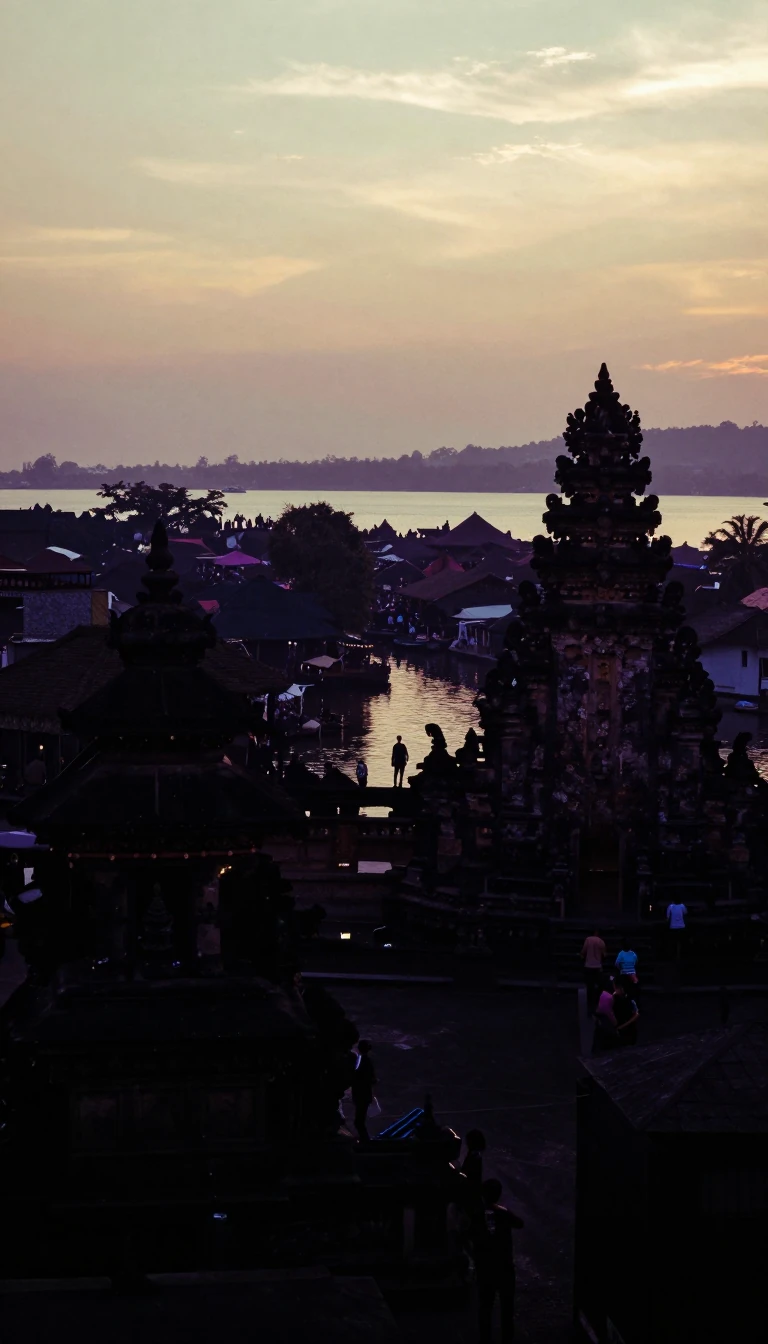 How a colonial outpost became the crucible of modern Mexican statehoodPerched on the Mexican Plateau, the city of Querétaro is far more than a well-preserved colonial gem. From hosting the signing of the treaty that ended the Mexican War to serving …
- Prussia was once a Baltic pagan land before becoming a German-led European powerThe name Prussia refers to three distinct entities: a Baltic tribal region, a Hohenzollern-ruled kingdom, and a modern German state. Its evolution from a pagan territory on the Ba…
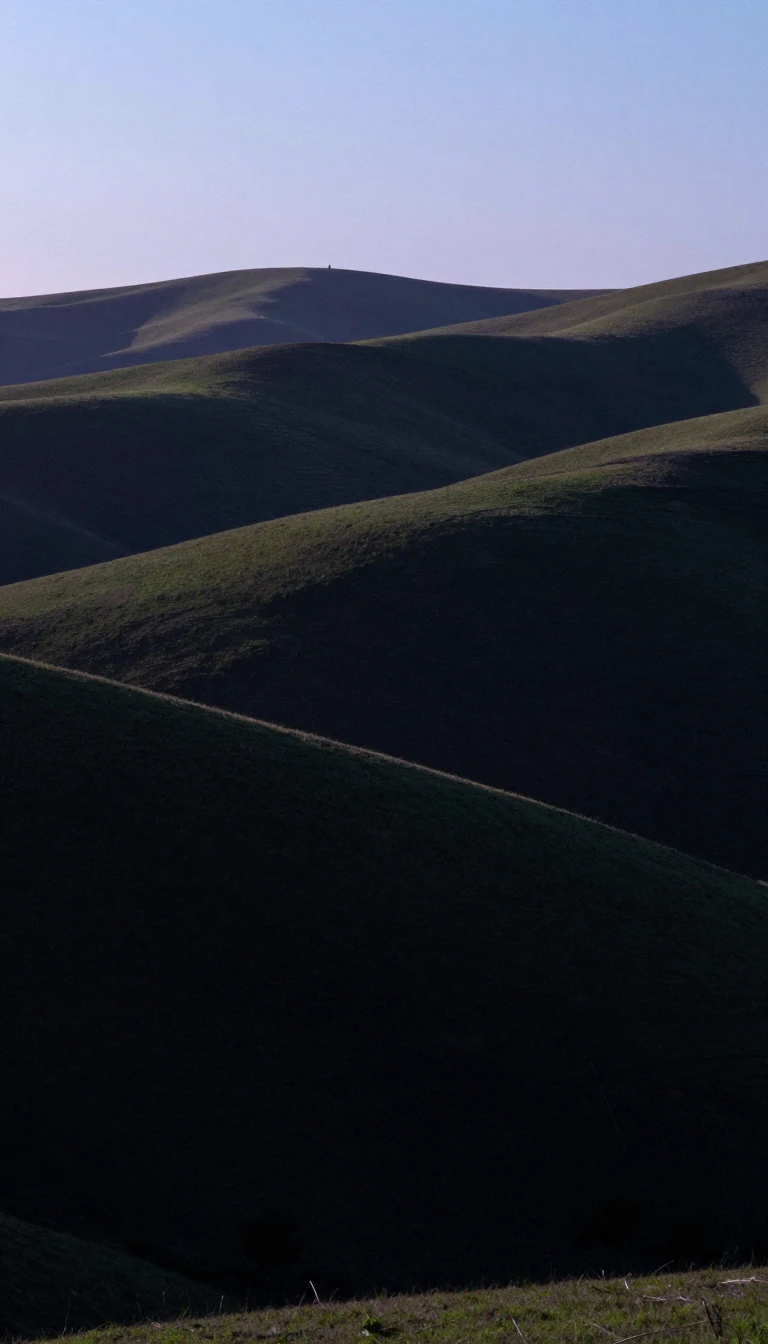 How a quiet English county shaped the American presidency and the Industrial RevolutionNorthamptonshire is more than a pastoral landscape of foxhunts and rolling hills. From its origins as a Danish frontier to its role as a hub for the footwear industry, this East M…
 The strategic harbor that sparked two major wars and changed Asian history foreverLüshunkou, a natural port at the tip of the Liaodong Peninsula, was once the world's most contested naval prize. Known internationally as Port Arthur, this location became the fla…
 The toupée: A centuries-old attempt to mask aging that is now fading awayOriginating from the French word for a tuft of hair, the toupée evolved from an 18th-century fashion accessory into a 20th-century industry worth millions. Yet, despite innovation…
 Livonia was a medieval Baltic power that shaped the modern borders of Northern Europe.Originally a small territory inhabited by Finno-Ugric people, Livonia expanded into a vast medieval entity through crusades and German influence. While the name once defined a spr…
 Why a Ukrainian region was renamed to honor a writer three centuries laterIn 1962, the Soviet authorities renamed a historic region and its capital city to honor the Ukrainian writer Ivan Franko. This decision, timed to coincide with the city's 300th an…
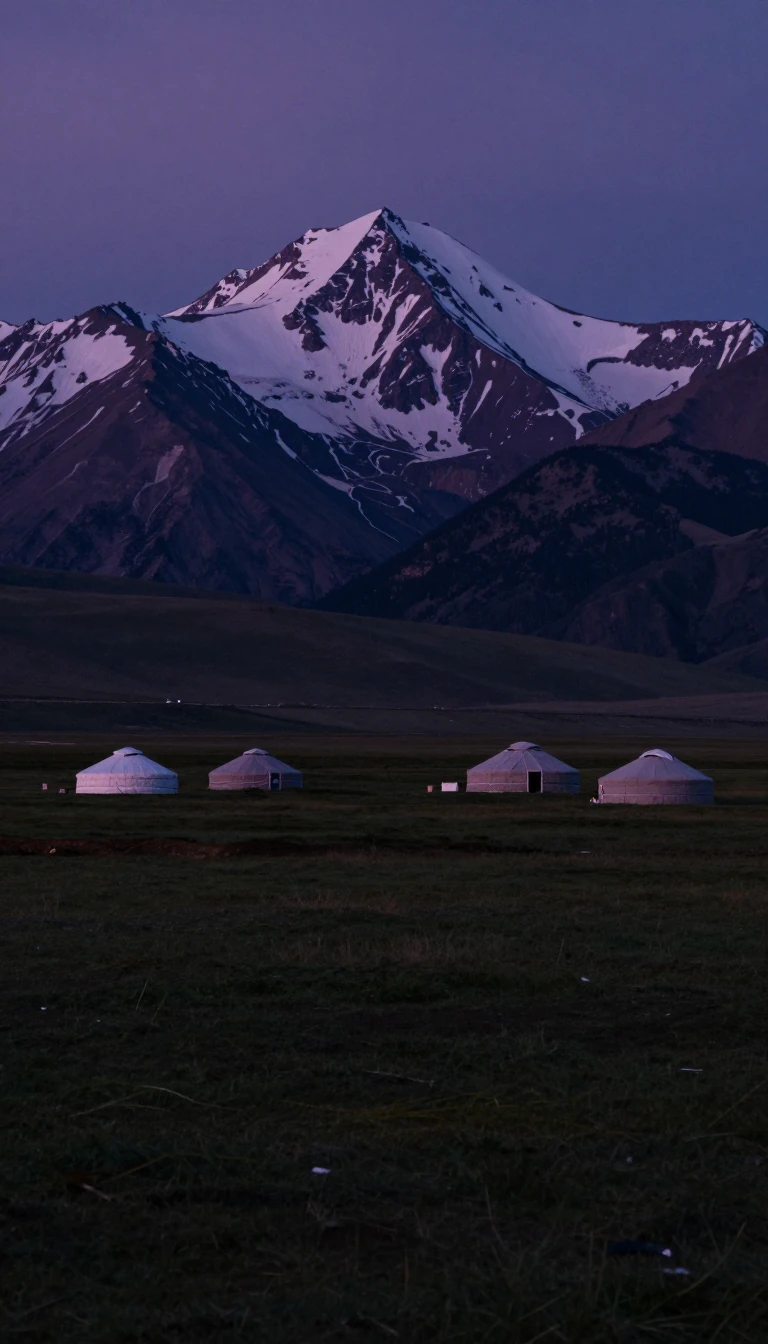 How a Siberian republic became a demographic mosaic through centuries of forced migrationKhakassia, a mountainous republic in southern Siberia, holds a complex history of shifting borders and populations. Once the heart of the Yenisei Kirghiz state, it transformed int…
- How a Caribbean archipelago fought for independence and won a unique autonomous statusGuna Yala is a self-governing indigenous territory in Panama, home to the Guna people. Once known as San Blas, this region emerged from a 1925 uprising against cultural suppressio…
 How the Flathead Nation reclaimed its land and power in the American WestThe Flathead Indian Reservation is a sovereign landscape of mountains and valleys in Montana, home to the Confederated Salish and Kootenai Tribes. Once fractured by federal allotm…
 How a utopian socialist commune in the Guyanese jungle became a site of mass death.Jim Jones promised a paradise of racial equality and apostolic socialism in the jungle of Guyana. Instead, his Peoples Temple commune became a site of absolute control and terror.…
 How a religious divide split a Swiss canton into two distinct, enduring political entities.For centuries, the region of Appenzell was a singular territory under the control of the Abbey of St. Gall. Following the Reformation, deep-seated religious tensions forced a peac…
 Was the Sukhothai Kingdom truly the dawn of the Thai nation?Sukhothai, meaning dawn of happiness, is often cited as the origin of the Thai state. Yet, archaeological evidence suggests a more complex history of shifting local powers, Khmer …
 A Chilean bog site shattered the timeline of how humans first reached the Americas.For decades, the Clovis-first theory dominated archaeology, claiming humans arrived in the Americas only 13,000 years ago. Then came Monte Verde. Preserved in an anaerobic Chilean…
 Hattusa: The Bronze Age Metropolis That Once Ruled the Heart of AnatoliaPerched on a rugged slope in modern Turkey, Hattusa served as the formidable capital of the Hittite Empire. This sprawling city featured massive fortifications, intricate temple c…
 Why did an Assyrian king build a massive capital only to abandon it?Dur-Sharrukin was a marvel of ancient urban planning, constructed in just a decade to serve as the seat of Sargon II. Yet, almost immediately after its dedication in 706 BCE, the …
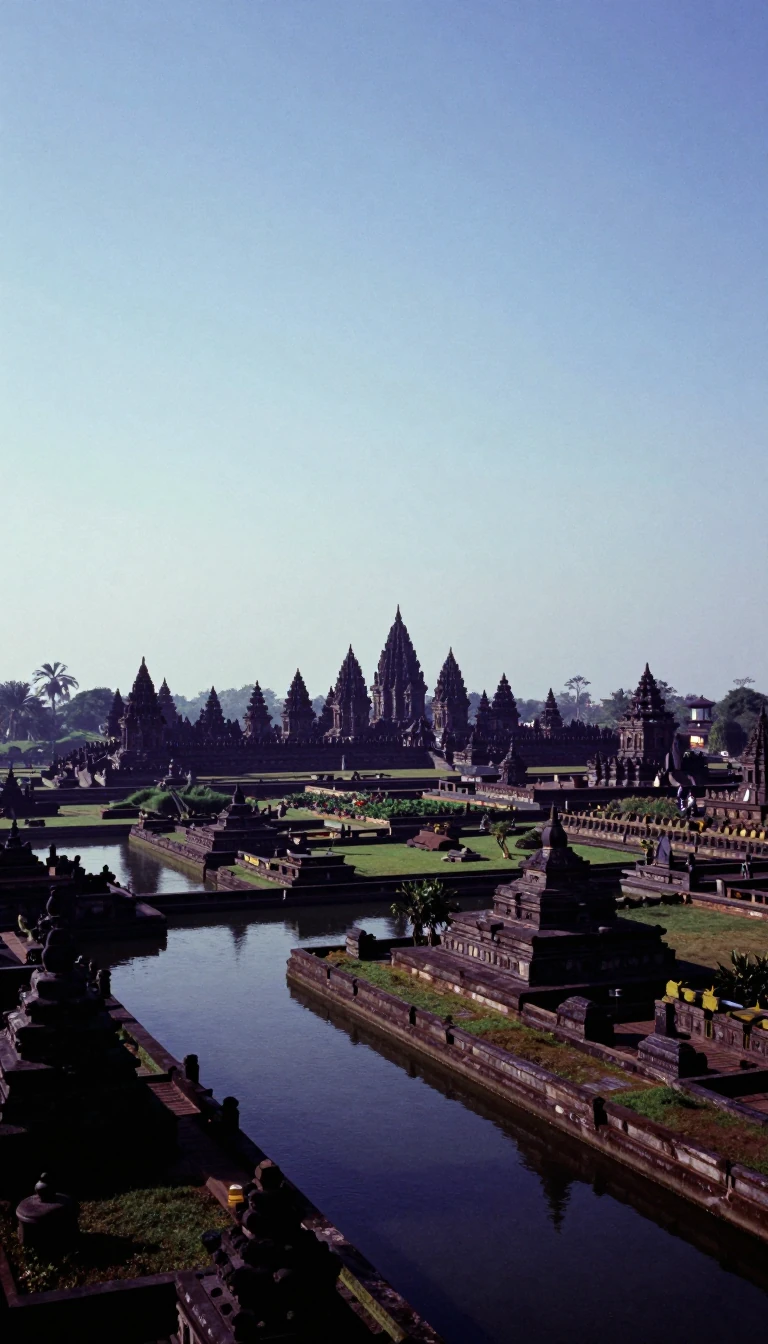 How did Ancestral Puebloans construct North America's largest buildings before the 19th century?In the arid canyons of New Mexico, the Ancestral Pueblo people engineered massive stone complexes that remained unmatched in scale for centuries. These architectural feats, built …
- How a nineteenth-century German geographer’s theories helped shape the darkest chapters of historyFriedrich Ratzel, a pivotal figure in modern geography, introduced the concept of Lebensraum, or living space. While he intended to study how human groups relate to their physical…
 Why the Old World is more than just a name for three continentsThe term Old World emerged after 1493, serving as a European label to distinguish Afro-Eurasia from the newly encountered Americas. Yet, beyond geography, it defines a historical …
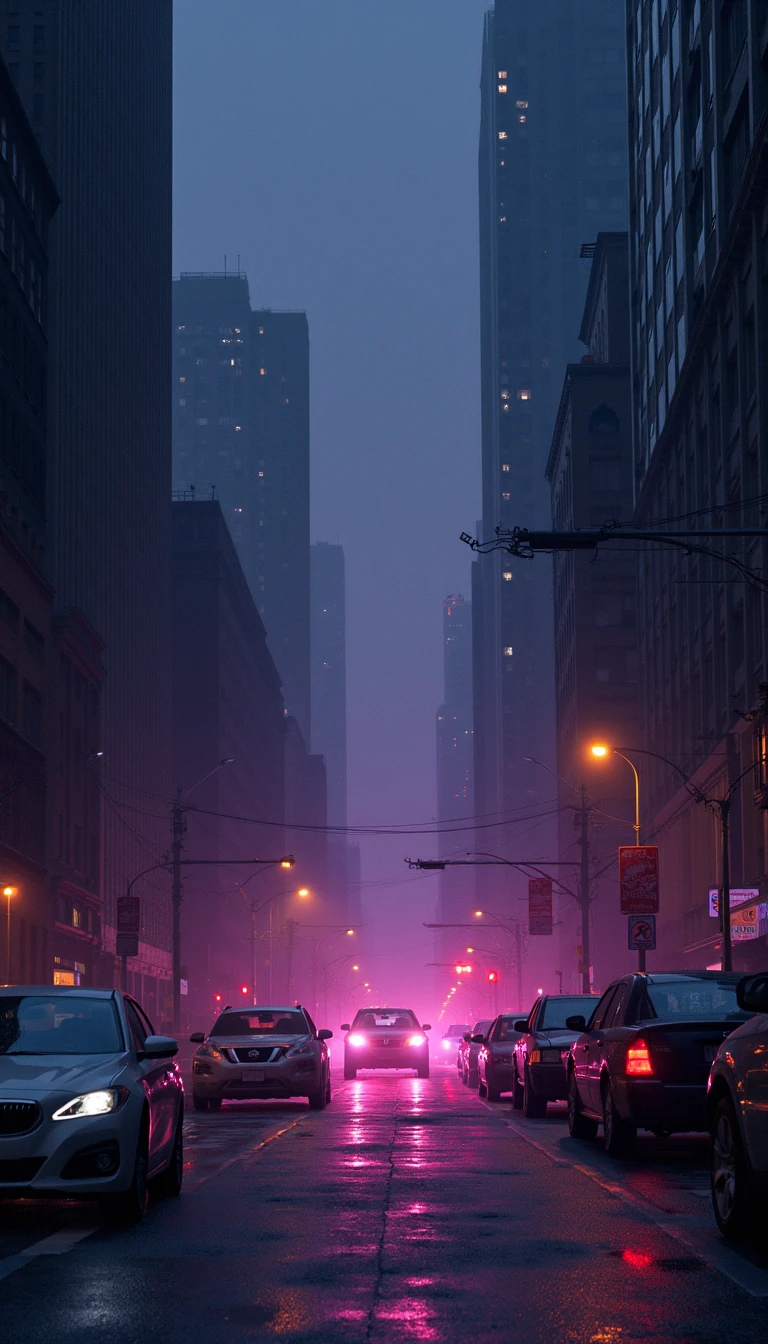 Your street address is a surprisingly recent invention designed for state control and efficiency.For most of human history, buildings lacked numbers. The modern address emerged from Enlightenment-era campaigns for census-taking and military conscription. While we now rely on …
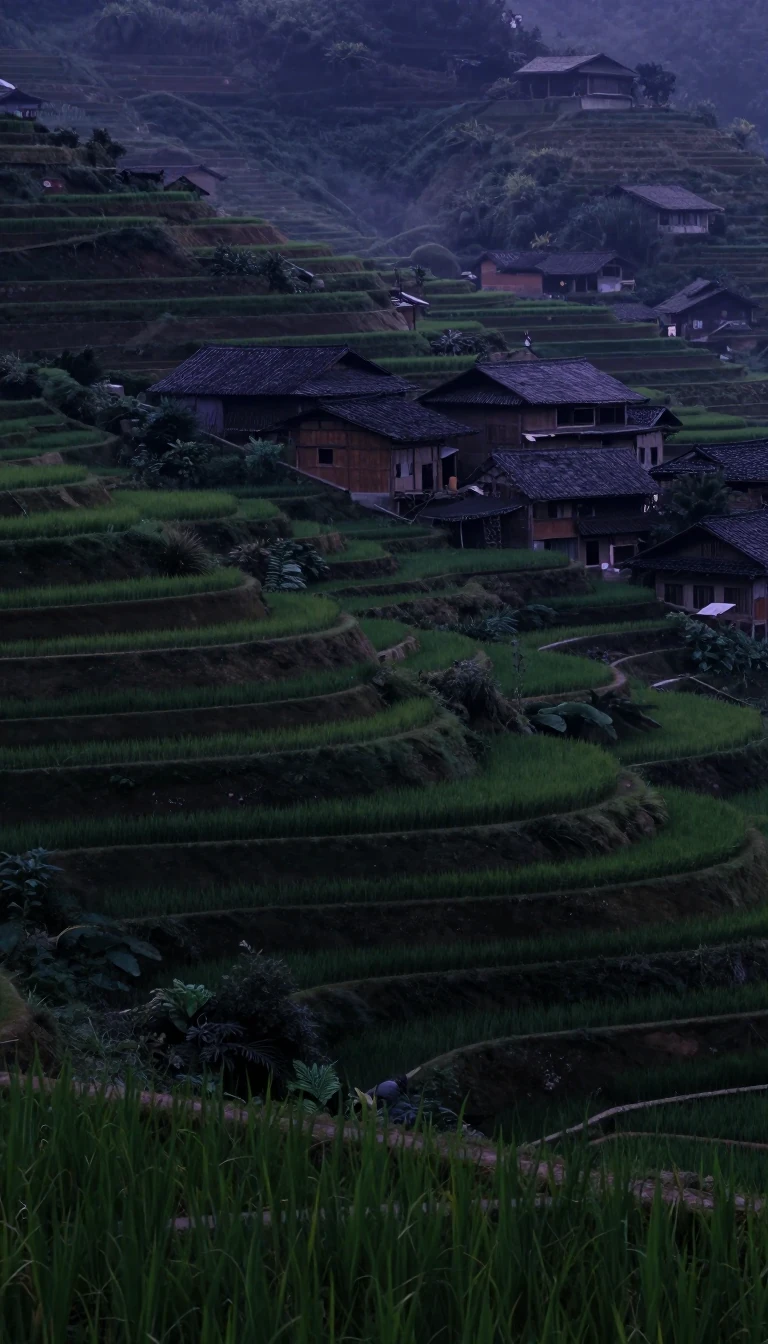 How a remote northeastern corner of Taiwan became a sacred place for democracyYilan County is more than just a scenic alluvial plain defined by its rivers and mountains. Once home to indigenous Kavalan and Atayal tribes, this region evolved through centurie…
 The real King Macbeth was a generous ruler, not a Shakespearean tyrantWe know him as a bloodthirsty usurper driven by dark prophecies. But historical records tell a different story of the 11th-century King of Alba. Far from a murderous villain, cont…
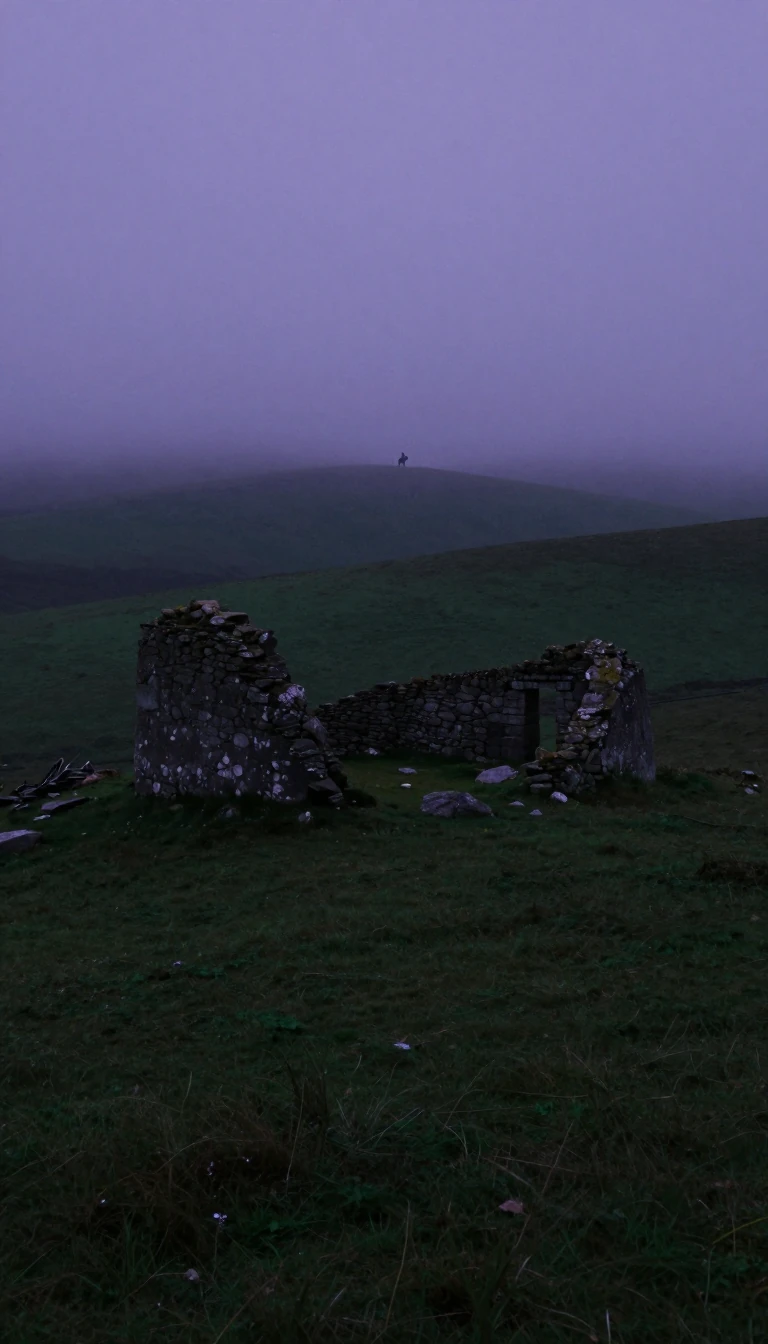 The Sailor King who preferred hackney cabs to royal pomp and ceremonyAscending the throne at 64, William IV was an unlikely monarch who spent his youth as a midshipman. Known for his informality and disdain for royal extravagance, he famously threa…
 How a Southeast Asian province holds the genetic key to a distant African island.South Kalimantan, a province in Indonesia, is the ancestral home of the Banjar people. Genetic evidence suggests these seafaring traders migrated from Borneo to Madagascar over 1,…
 The Australian SASR: From Jungle Phantoms to High-Stakes Maritime Counter-Terrorism SpecialistsFormed in 1957, the Australian Special Air Service Regiment evolved from a small company into a premier special forces unit. Known for their stealth in Vietnam, these operators ha…
- Did the Protestant work ethic actually build modern capitalism, or is it a myth?Max Weber famously argued that Protestant values fueled the rise of capitalism through discipline and frugality. Yet, historians and economists have spent over a century challengi…
- Why a pacifist musician became the most dangerous wireless operator in occupied FranceNoor Inayat Khan was a sensitive, harp-playing pacifist who seemed an unlikely spy. Yet, she became the first female wireless operator sent into Nazi-occupied France. Despite warn…
 How a Victorian social experiment became the United Kingdom’s largest private landownerFounded in 1895 to protect threatened landscapes and historic buildings, the National Trust has evolved from a small, amateur-led society into a massive conservation charity. Toda…
 How Nonconformist Protestants shaped modern British politics and civil rights for centuriesBeginning in 1662, thousands of clergy were ejected from the Church of England for refusing to conform. These Nonconformists, barred from public office and university degrees, bui…
- From migrant farmworker to NASA astronaut: the extraordinary trajectory of José M. HernándezJosé M. Hernández spent his childhood moving between California and Mexico, harvesting crops alongside his family. He did not learn English until age 12, yet he eventually overcam…
 George Mason: The reluctant Founding Father who shaped the American Bill of RightsA country squire who preferred his Virginia estate to the halls of power, George Mason became a pivotal architect of American liberty. Though he famously refused to sign the U.S. …