 Intellect Plus
History
21,004 cards. Each one is a 40-second story with a five-minute read behind it. Page 226 of 351.
Subtopics: 19th century · 20th century · Africa · Age of Exploration · Ages & eras · Ancient · Ancient China · Ancient egypt · Ancient greece · Ancient rome · Ancient trade · Archaeological discoveries · Archaeology · Astronomy · Australia · Auxiliary historical sciences · Babylon · Basics · Born on this day · Bronze age · Buddhism · Case studies · Chefs, bartenders and winemakers · China · Cities · Climate · Columbus · Contemporary (1945-) · Cosmetics people · Crime · Criminals · Decipherment · Deep time · Disasters · Early modern · Education · Egypt · Empires · Empires & civilisations · Exploration · Explorers · Extinction · Fandom, conventions and festivals · History by continent and large region · History by continent and region · History by country · History by country, small region and city · History by ethnicity · History by subject matter · History by topic · Inca · India · Industrial Revolution · Japan · Kings & queens · London · Mass hysteria · Medicine · Medieval kingdoms · Medieval life · Mediterranean · Mercedes-Benz History · Mesopotamia · Middle ages · Military leaders and theorists · Military leaders, personnel, and theorists · Ming dynasty · Misconceptions · Modern · Modern (1800-1945) · Napoleon · Navigation · North africa · Other · Pacific · Pharaohs · Philippines · Pirates · Post-classical · Prehistory · Propaganda · Public health · Rebels, revolutionaries and activists · Renaissance · Researched · Second world war · Shipwrecks · Silk Road · South america · Tradespeople · UK & Ireland: history · United states · Vikings · Volcanoes · Women in history
 Can a 18th-century hewn log home survive the modern era?This exploration moves beyond the aesthetic of log cabins to examine the structural reality of 18th-century hewn homes. It provides a firsthand look at how these massive timber st…
 What was served at the 1853 dinner inside a dinosaur?Step back into the mid-19th century to explore a unique historical dining experience. This video examines the menu and context of a dinner held in 1853 within a dinosaur.
 What was the final meal served to President John F. Kennedy in 1963?This video examines the historical details surrounding the last meal consumed by President John F. Kennedy on November 22, 1963. It provides a focused look at the culinary context…
 Tracing the origins of Halloween sweets and the very first Halloween partyMax Miller explores the history of traditional Halloween confections and the origins of the first Halloween party. This video provides a look at how these seasonal treats and cele…
 How a single naval battle ended a century of Roman civil warIn 31 BCE, the Mediterranean stood at a breaking point. A clash of fleets off the coast of Greece pitted Octavian against the combined forces of Mark Antony and Cleopatra, decidin…
 The fall of Babylon marked the birth of the world's first superpower.In 539 BC, the gates of Babylon—the ancient world's greatest city—swung open to a new master. This wasn't just a conquest; it was the birth of the Achaemenid Empire. By adopting a…
 How did a land-locked Sparta topple the greatest maritime empire in the Greek world?Athens entered the Peloponnesian War with unmatched wealth and a formidable fleet. Yet, through a combination of strategic overextension, internal political volatility, and the ev…
- The Great Breach in Menkaure's Pyramid was likely an entrance search, not an act of destructionFor centuries, historians have blamed Sultan Uthman for damaging Menkaure's pyramid in 1196. But the physical evidence tells a different story. Rather than an attempt to demolish …
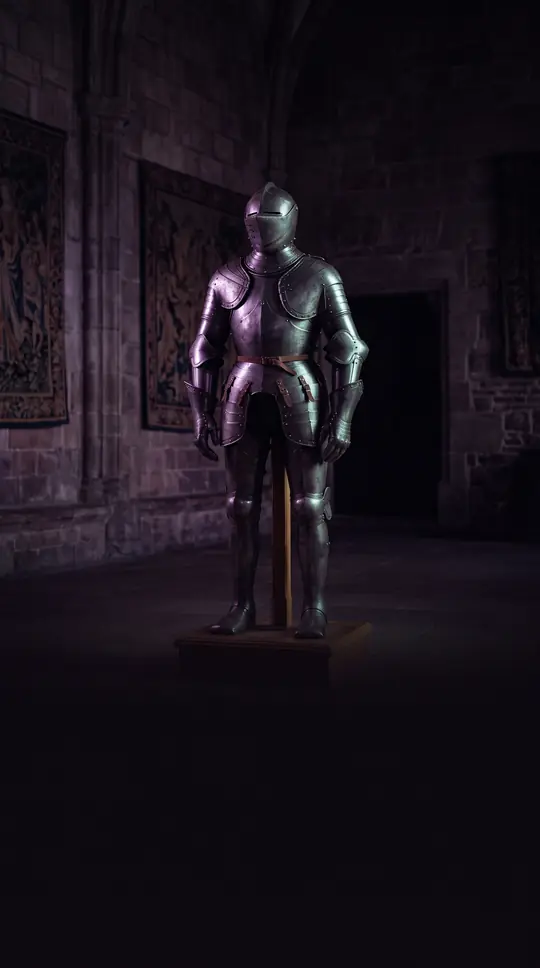 Before the printing press, Rome already had a daily gazetteImagine walking through an ancient Roman forum and finding out what happened yesterday. While we often think of news as a modern invention, the Romans developed sophisticated syst…
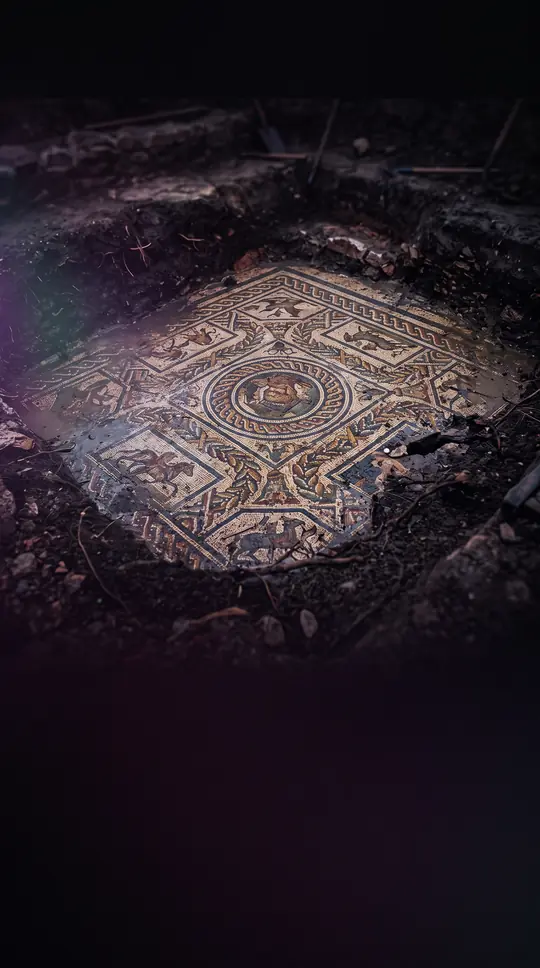 A forgotten massacre in the Wyoming Valley during the American RevolutionIn 1778, a brutal and largely overlooked conflict took place in the Wyoming Valley of Pennsylvania. While the war for independence is often defined by major battles, this frontier…
 How the mighty British Empire lost its grip on IrelandFollowing World War I, Great Britain emerged as a global victor with an expanded empire. Yet, within two years, Irish republicans successfully won their independence. This rapid s…
 How a secret mission targeted a high-profile commander in TunisIn 1988, Israeli special forces launched a daring raid 1,500 miles from home. This documentary details the intelligence and deceptive tactics used to infiltrate a heavily guarded …
 A wounded pilot, an enemy bay, and a mission to bring him homeIn September 1944, an American pilot was left stranded in enemy waters after his plane was hit by anti-aircraft fire. This video recounts the high-stakes rescue operation driven b…
 How a vanished tram network once helped modernise CairoThis research lecture examines the inaugural project of Shubra's Archive, tracing the history of Cairo's lost tramlines and their role in the capital's modernisation.
- The real-world history behind the costumes of Chief of WarExplore how high-budget television drama draws from authentic historical artifacts. This video examines the connection between the Apple TV+ series and a major exhibition at the B…
 How the Soviet Union planned to dismantle NATO in just one weekExplore the chilling strategic doctrine of the Soviet Union, which aimed to achieve a total victory over NATO forces within a seven-day window.
 Why three unusual river crossings remain governed by Victorian-era lawsExplore the strange legal history of three crossings over the Manchester Ship Canal, where ancient permissions and complex legal wrangling still dictate how people move across the…
 Beyond the bathing scene: how Bathsheba orchestrated the rise of a biblical king.Bathsheba is often remembered for a single, scandalous encounter with King David. Yet, the historical record reveals a far more formidable figure. She was a master of court intrig…
 Why Enlightenment thinkers used fairy tales to smuggle dangerous ideas past royal censorsUnder the absolute monarchy of Louis XIV, critical thought was a dangerous pursuit. To bypass strict censorship, philosophers like Voltaire invented the philosophical tale—a hybri…
- A virtual journey through the cradle of MesopotamiaJoin Jean Evans for a guided tour of Iraq's diverse landscapes and ancient sites, inspired by her 2019 expedition to reopen excavations at Nippur.
- How archaeological context brings Roman marble sculptures back to lifeDiscover how the Institute for the Study of Ancient Cultures uses archaeological context to reconstruct the histories of Roman sculptures, many of which are being displayed togeth…
 Why did a religious leader launch a global newspaper to counteract public fear?Founded in 1908 by Mary Baker Eddy, The Christian Science Monitor was designed to provide a healing alternative to the sensationalist, fear-inducing journalism of its era. While i…
 The paradox of Al Capone's public charityWhile running a criminal empire, Al Capone famously provided free meals to the hungry. This video explores the historical context of his soup kitchens and the complex reality behi…
 The nursery rhyme that became a global anthem of revolutionMost people know Frère Jacques as a simple children's round about a sleepy monk. Yet, this unassuming melody has traveled from 18th-century French manuscripts to the protest chant…
 The fierce rivalry that shaped the future of flightWhile the Wright Brothers are celebrated as pioneers, their intense legal and technical battle with Glenn Curtiss nearly crippled the infant aviation industry.
 The women who were captivated by one of history's greatest monstersExplore the toxic relationships and intense infatuations that defined Adolf Hitler's connections with women, and how these personal dynamics influenced the Third Reich.
 How a Fortress's Name Shifted From Kurds to Knights to Global IconThe very name of Krak des Chevaliers masks a complex history of cultural appropriation and strategic importance. From its initial Kurdish garrisoning to its association with the K…
 The transformation of a global empire before the Great WarExplore the internal dynamics of Great Britain as it navigated a rapidly changing world and a massive colonial empire in the years leading up to 1914.
 Tracing the 1915 Gallipoli landings at ANZAC Cove and Suvla BayJoin Indiana Neidell and guide Can Balcioglu as they explore the northern landing sites of the Gallipoli campaign, revisiting the locations where the ANZAC forces arrived during t…
- Could a unified command have changed the course of the Great War?As Germany prepares a massive spring offensive, the Allied powers struggle to establish a single, cohesive leadership structure to counter the threat.
 Three creative icons whose lifelong bond was forged in the aftermath of global conflict.Discover the story of a trio of twentieth-century cultural luminaries—a painter, an artist, and a writer—whose meeting at the conclusion of the Second World War sparked a deep, en…
 The colossal Statue of Zeus at Olympia was so large it threatened to unroof its temple.Crafted by the legendary sculptor Phidias, this chryselephantine masterpiece stood nearly 12 meters tall. It was a marvel of the ancient world, designed to inspire awe in every vi…
 A Tokyo shrine for the war dead that became a flashpoint for international diplomacy.Founded in 1869 to honor those who died serving the Emperor, Yasukuni Shrine now holds the names of over 2.4 million people. Yet, its inclusion of convicted war criminals has tran…
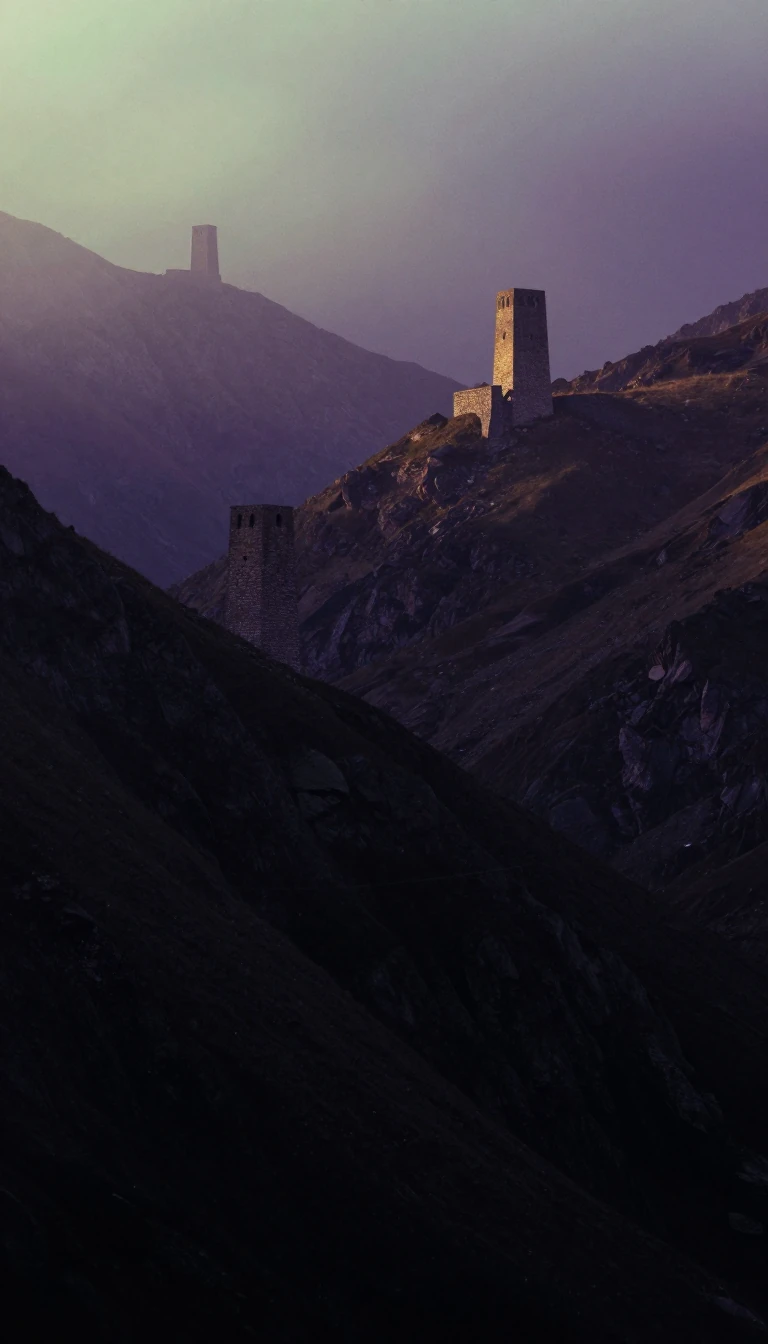 Beyond the Battlefield: The Watchtower as a Symbol of Control and Cultural MemoryFrom the ancient stone qasaba of the Asir mountains to the modern flak towers of World War II, the watchtower has served as a sentinel for civilizations. While these structures on…
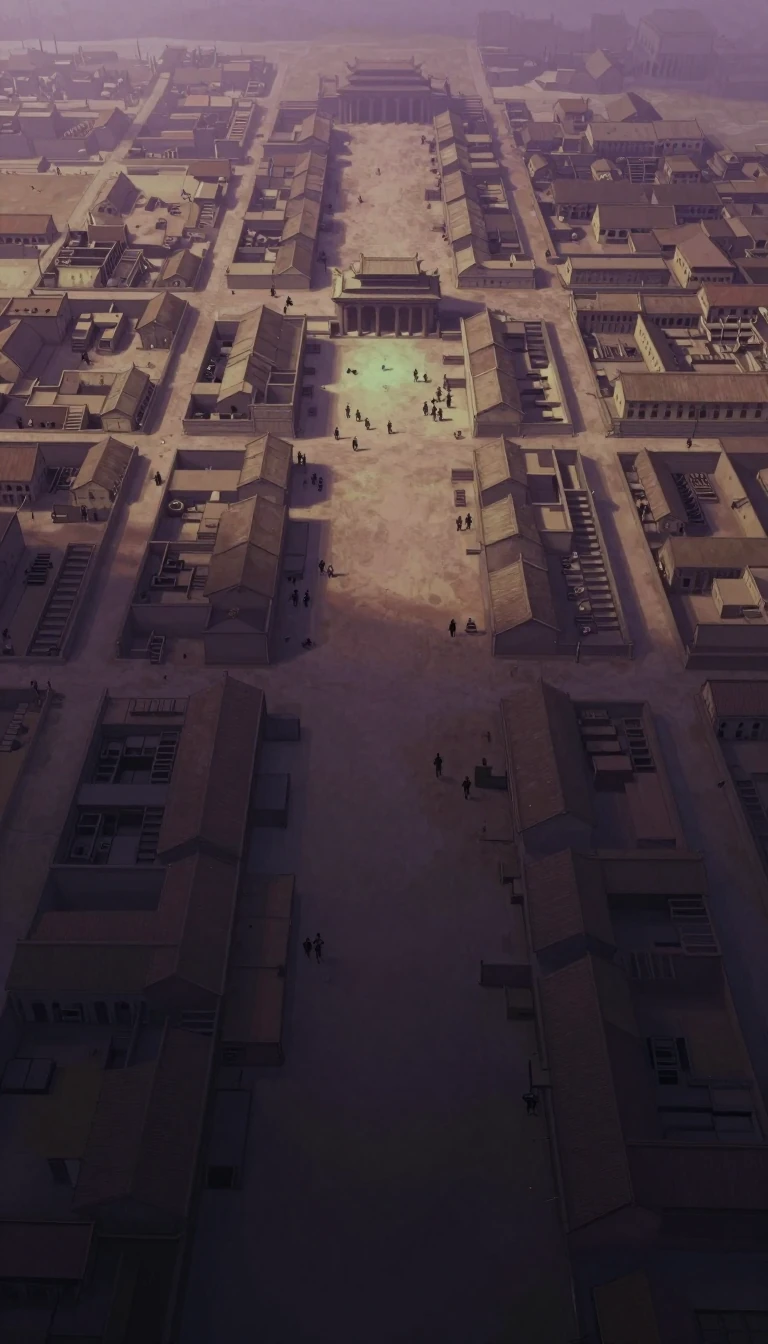
 The Temple of Confucius: A Two-Millennium Architectural Evolution in QufuIn the birthplace of China's most influential philosopher, a sprawling complex has evolved over 2,000 years. From a humble family home to a monumental imperial-style site, this ar…
 Journey through the prehistoric past inside the Smithsonian's renovated hallsExplore the wonders of the David H. Koch Hall of Fossils. This live look at the National Museum of Natural History reveals extraordinary specimens, including the nation's iconic T…
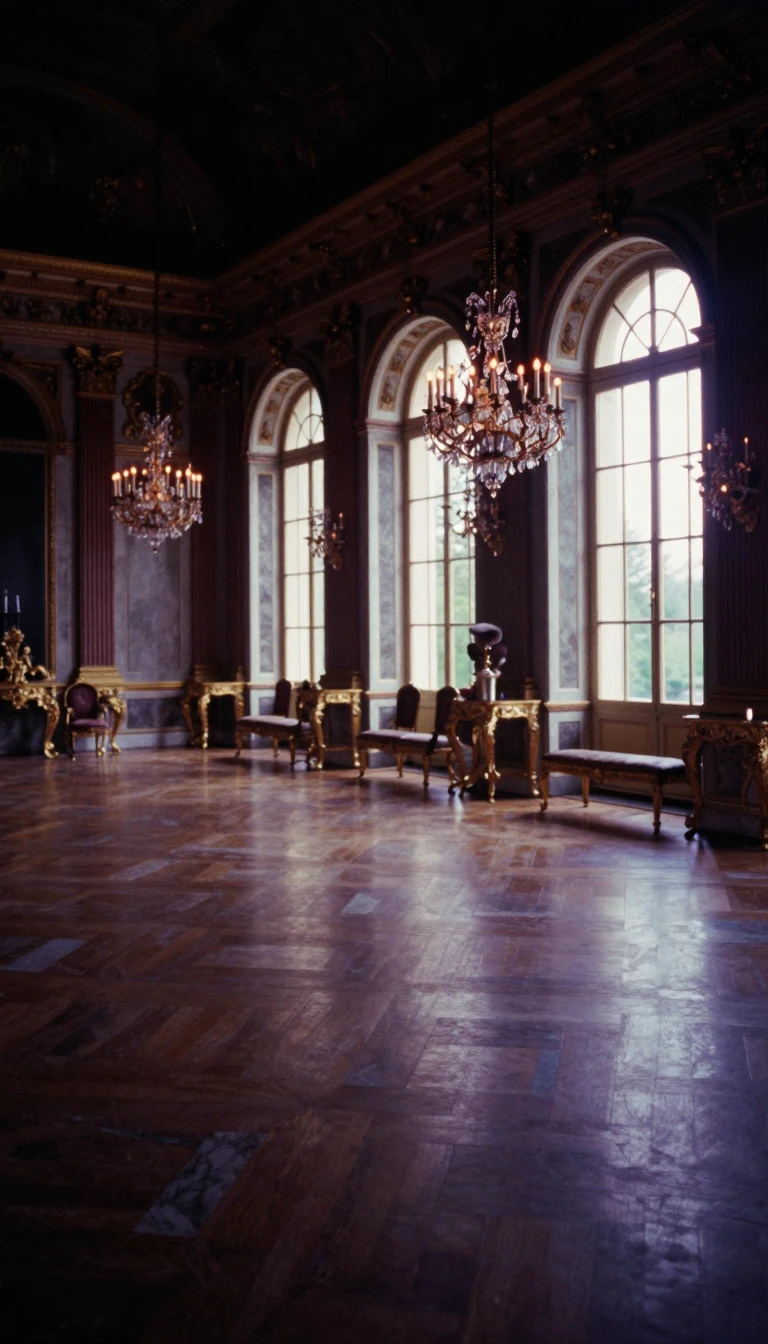 The Prussian King built a palace designed to die with himForget the grand displays of imperial power. In 1745, Frederick the Great began constructing Sanssouci—not as a seat of government, but as a private, single-storey escape. This 'c…
 Why ancient civilizations carved entire temples and cities directly into solid mountain rockRock-cut architecture is the art of excavating buildings and sculptures from natural stone rather than constructing them from blocks. From the tombs of ancient Egypt to the elabor…
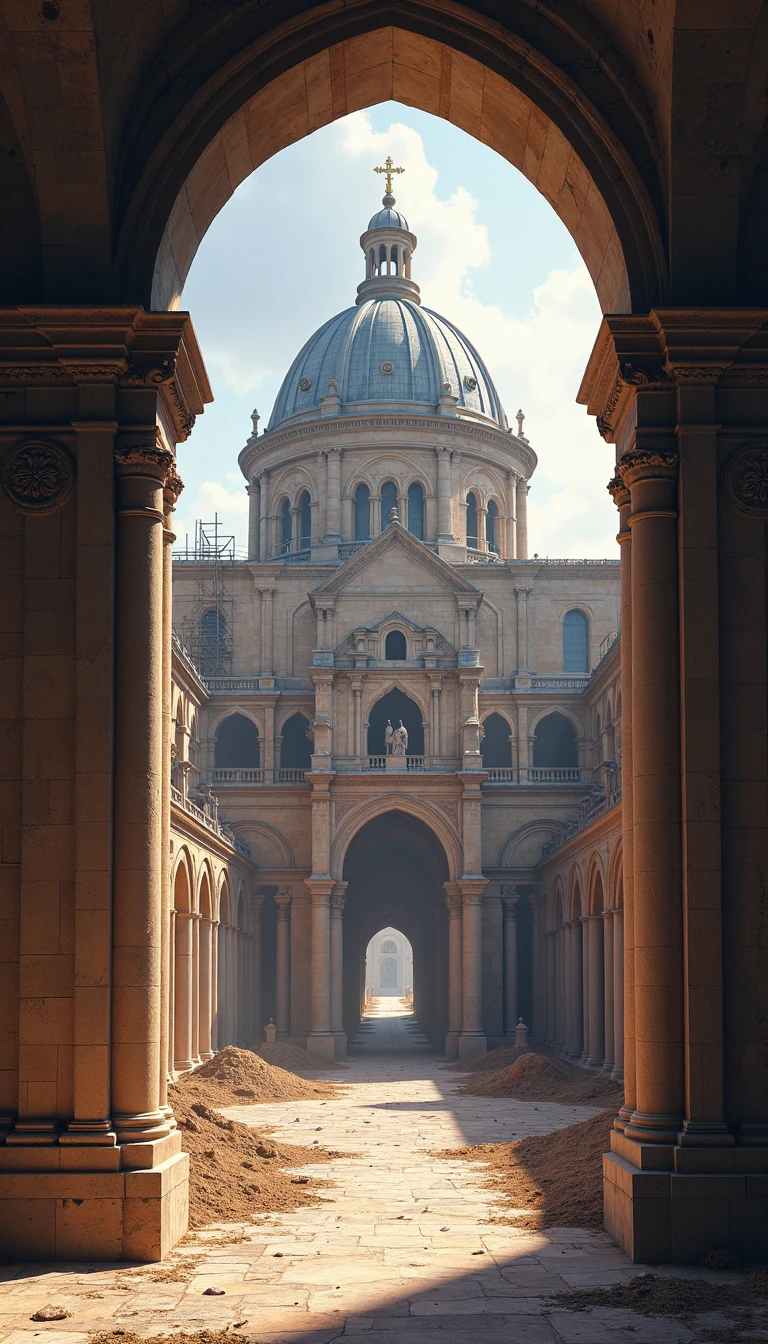 Is Saint Basil's Cathedral a masterpiece of Russian architecture or a mysterious foreign import?Rising from Moscow's Red Square like a bonfire, Saint Basil's Cathedral defies easy categorization. Built by order of Ivan the Terrible between 1555 and 1561, this iconic structur…
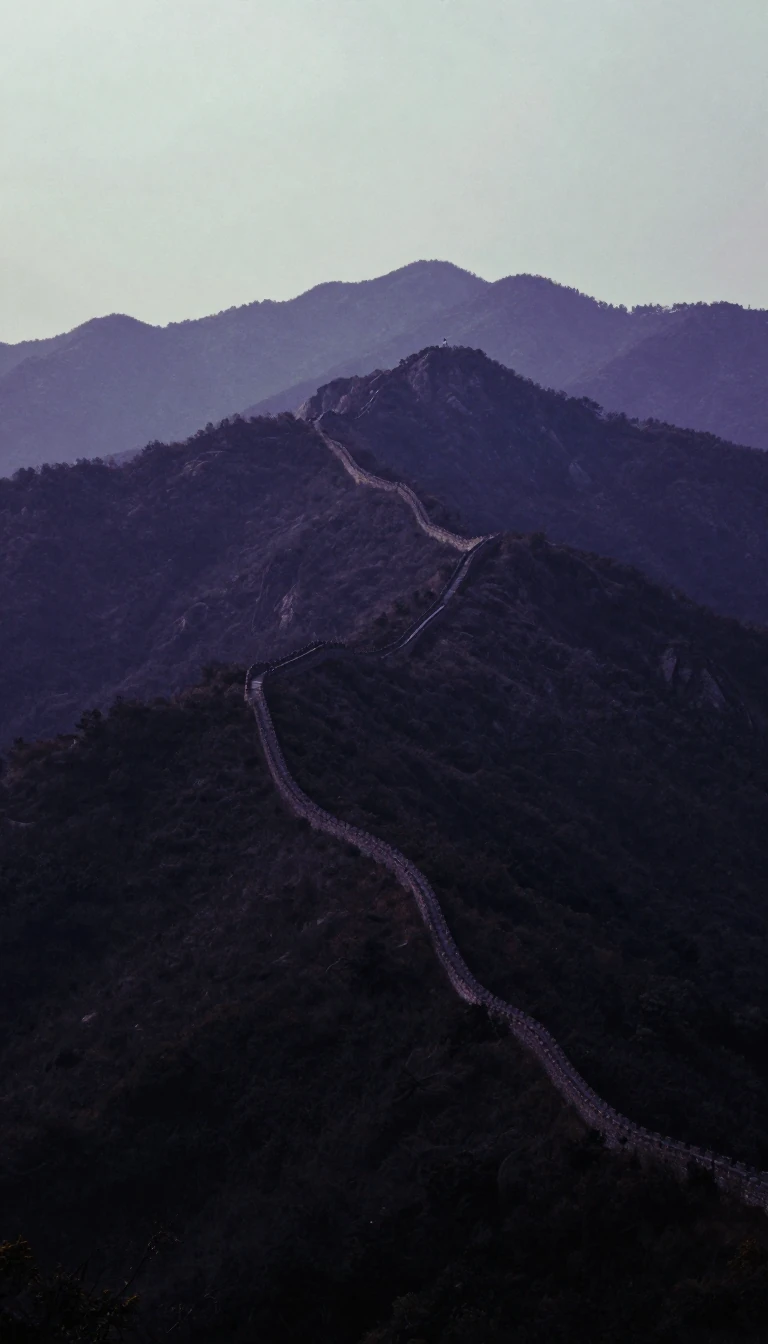 Why China's Ming emperors built their final resting place in a geomantic fortressThe Ming tombs are not merely graves but a massive, 40-square-kilometer architectural machine designed to harmonize with the earth. By applying strict feng shui principles, the Yo…
- Registan Square: The Heart of the Timurid Empire and a Masterpiece of Islamic ArchitectureIn the city of Samarkand lies a historic public square that once served as the commercial, educational, and ceremonial hub of the Timurid Empire. Famed for its soaring iwans, turq…
 How Peter the Great Built a Versailles Rival Without Using a Single PumpPeterhof Palace was designed to project Russian power over the Baltic Sea, but its most impressive feature is hidden in plain sight. While the estate mimics the grandeur of French…
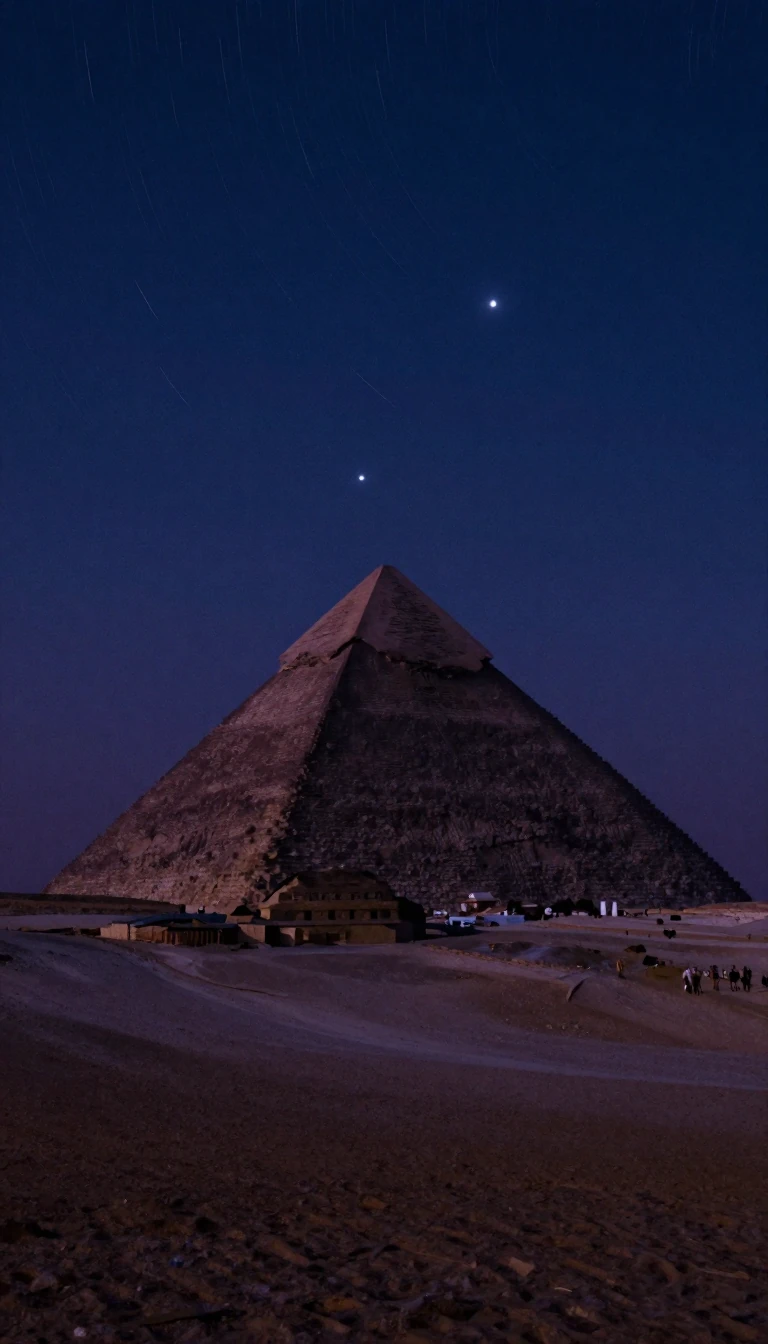 The Pillars of Ashoka: Ancient Monolithic Monuments That Defined an Empire's Moral LandscapeErected by the 3rd Mauryan Emperor Ashoka the Great, these massive stone columns served as public proclamations of Buddhist morality. Ranging up to 50 tons and 15 meters in height…
- Why Milan’s iconic cathedral took five centuries to reach its final formConstruction of the Milan Cathedral began in 1386, but the project spanned half a millennium, finally concluding in 1965. This architectural marathon resulted in a visual contradi…
 How a national movement built a forest and shrine for a Japanese EmperorFollowing the 1912 death of Emperor Meiji, Japan mobilized its entire citizenry to construct a grand Shinto shrine in Tokyo. This massive project, completed in 1920, relied on don…
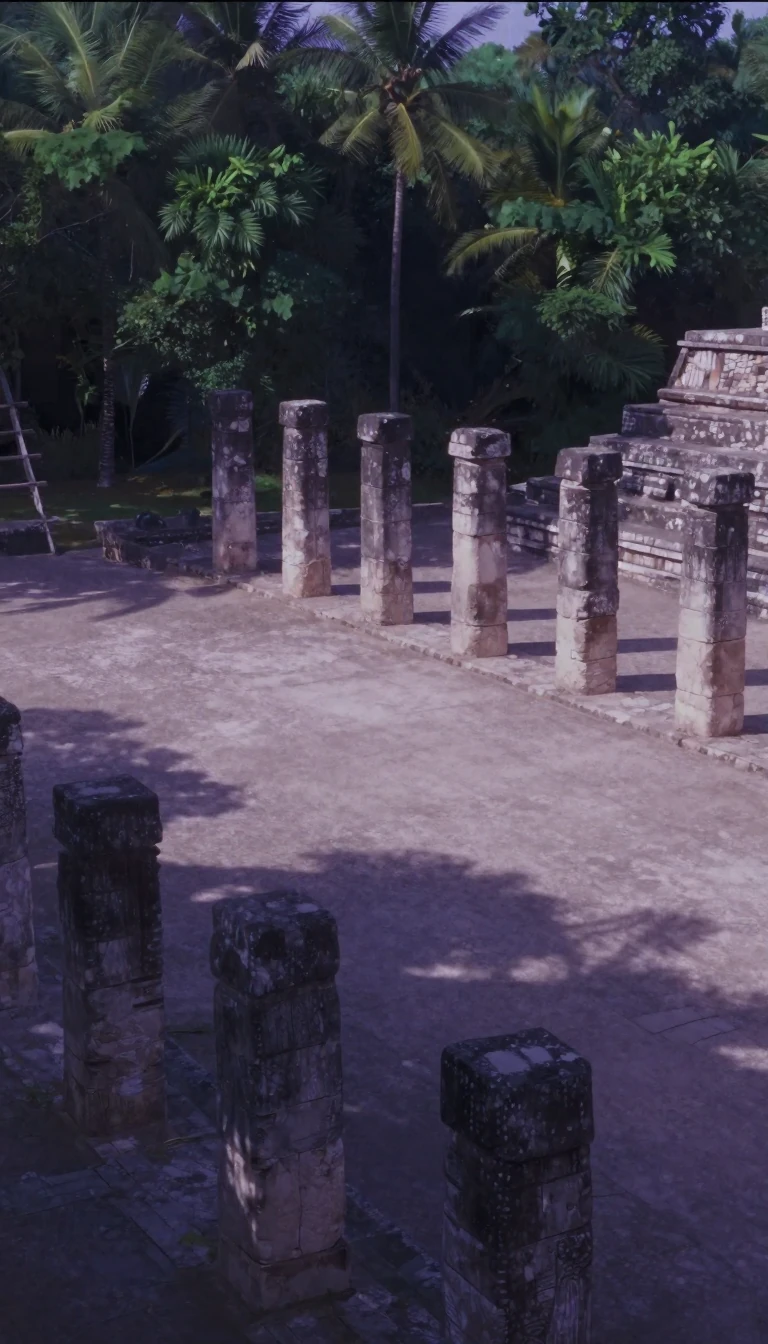 More than just pyramids: the hidden language of Maya stone monumentsWhile the towering step pyramids of the Maya are iconic, their true complexity lies in the details. From limestone reliefs to carved stelae, every architectural fragment served as…
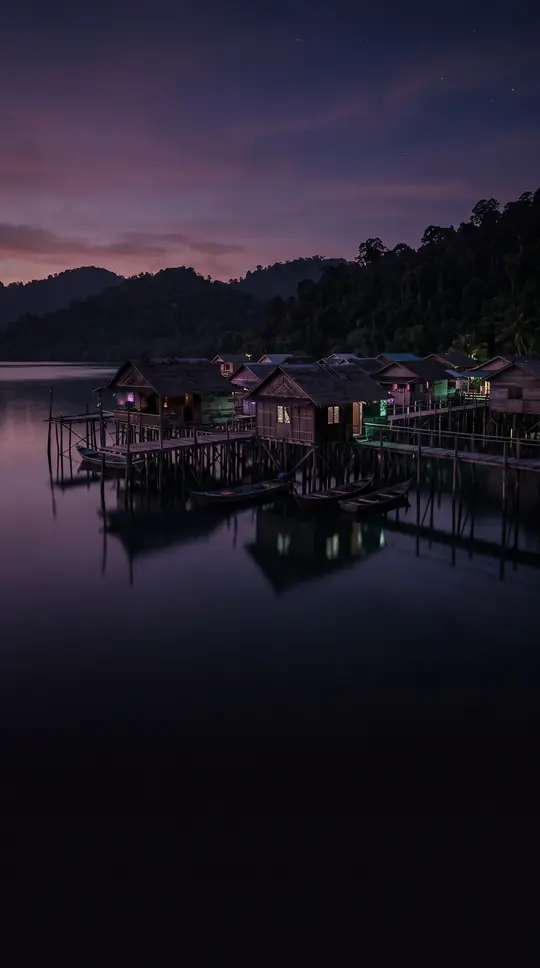 What if the Confederacy were to reunite in the modern era?This video explores the hypothetical geopolitical, economic, and social implications of a reunited Confederacy in today's world, examining how such a massive shift would impact gl…
- Why Khmer architects built stone mountains to house the gods in the jungleKhmer architecture transformed the landscape of Southeast Asia between the 8th and 15th centuries. By blending Indian influences with local artistic traditions, these builders cre…
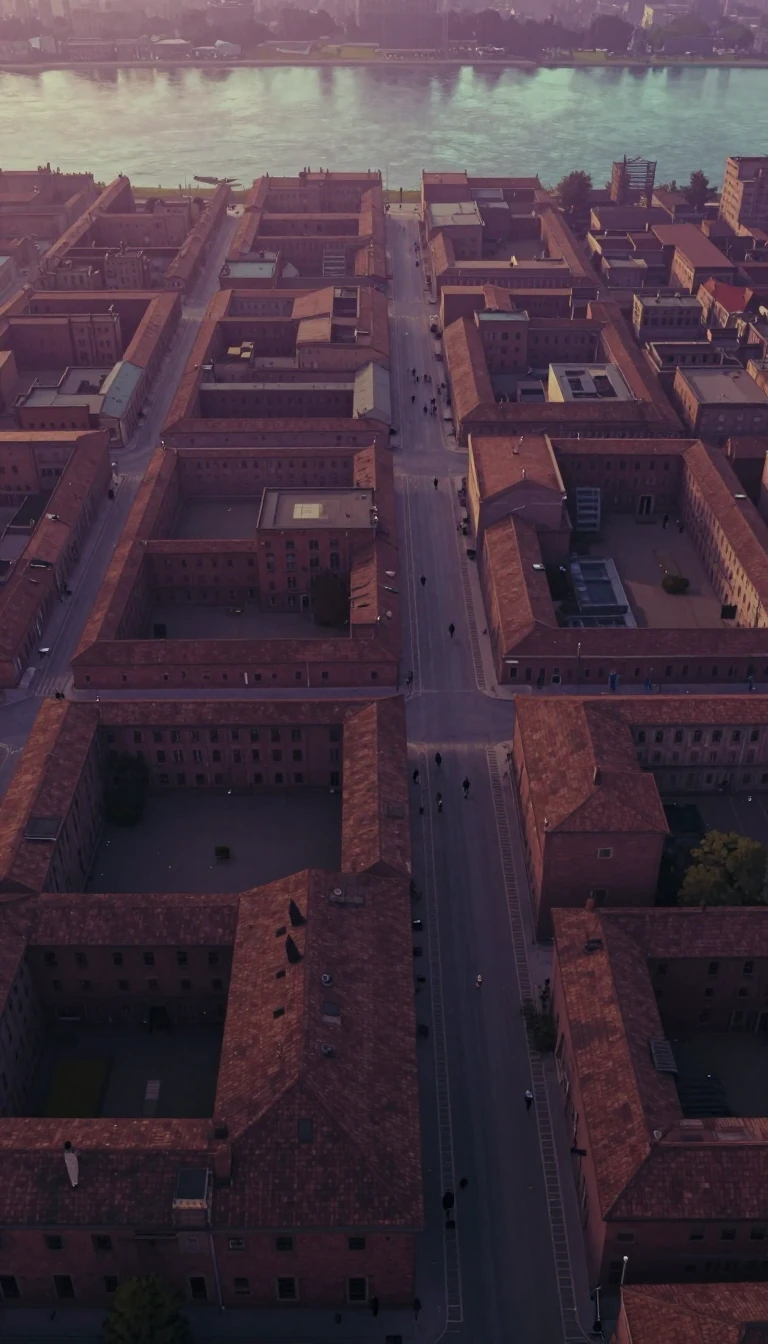 Bangkok's Grand Palace was once a city within a city built from salvaged bricks.Established in 1782, the Grand Palace served as the administrative and religious heart of Siam. Initially constructed from wood, the complex evolved into a sprawling masonry fortr…
 How a single city became history's most enduring metropolisExplore the evolution of Rome, a civilization that transformed from a foundation over 2,800 years ago into a global architectural icon and a bustling center of the ancient world.
- Gyeongbokgung: How a Royal Palace Became a Symbol of Korean Resilience and RestorationEstablished in 1395, Gyeongbokgung served as the primary palace of the Joseon dynasty. After centuries of fire, political turmoil, and systematic colonial demolition, the site is …
 How Maya textile traditions evolve while maintaining their deep cultural rootsBarbara Knoke de Arathoon discusses the preservation of highland Maya weaving and costume practices. This talk highlights how these vibrant textile traditions adapt over time whil…
- A 1940 glimpse into Oceania: from Australian wildlife to Fijian fire-walking ritualsThis archival footage captures a 1940 expedition across Oceania, documenting the natural landscapes and cultural practices of Australia, New Zealand, Fiji, and Samoa. It serves as…
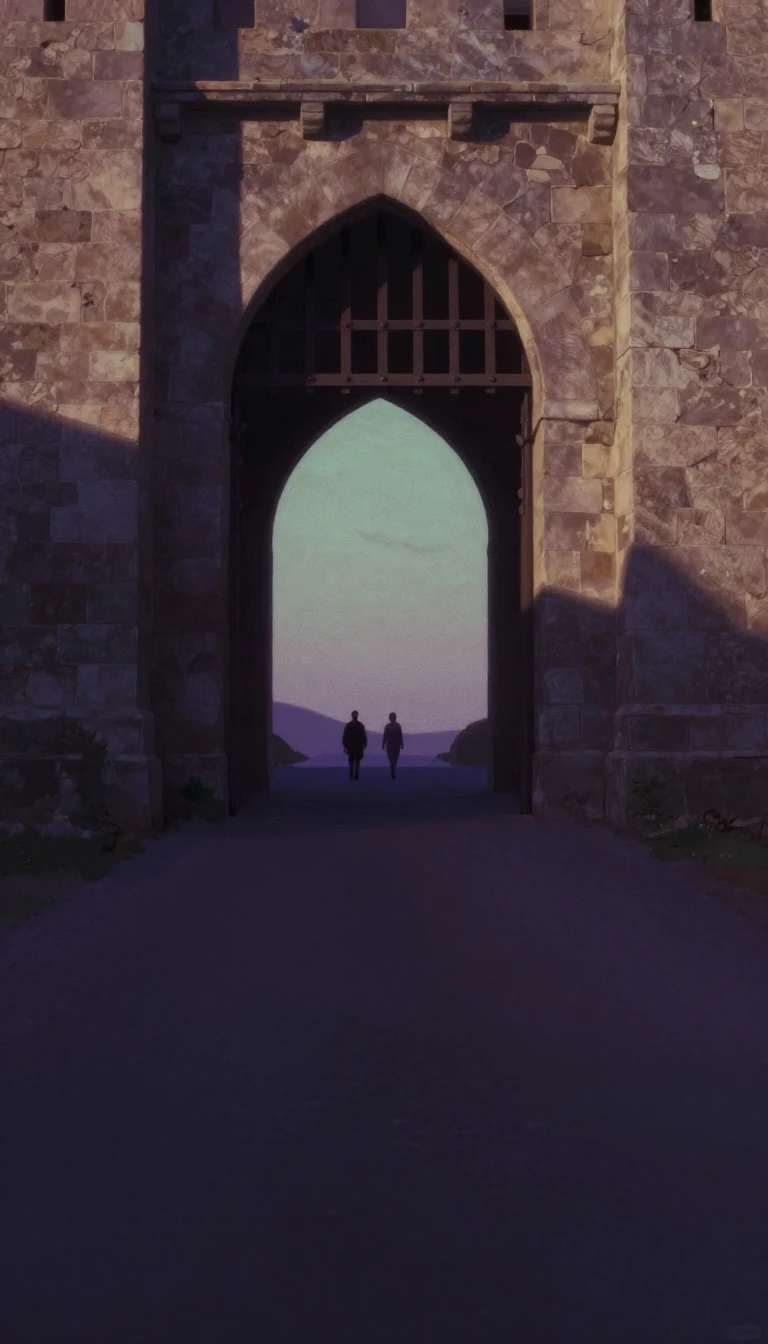 Beyond the barrier: how the humble gate evolved from a simple gap to fortificationA gate is far more than a door. While we often think of them as simple swinging barriers, the concept originated as a mere hole in a wall. From defensive iron grilles in medieval …
 Beyond survival: redefining Native American identity through the lens of survivanceThis video explores the concept of the 'Postindian,' a framework developed by Anishinaabe writer Gerald Vizenor to reject narratives of Native American absence and focus on active…
- Uncovering the complexities of political life in the ancient Maya worldExplore the dynamics of cohesion and conflict in the Late Classic Piedras Negras region through a deep dive into recent Maya research and archaeological findings.
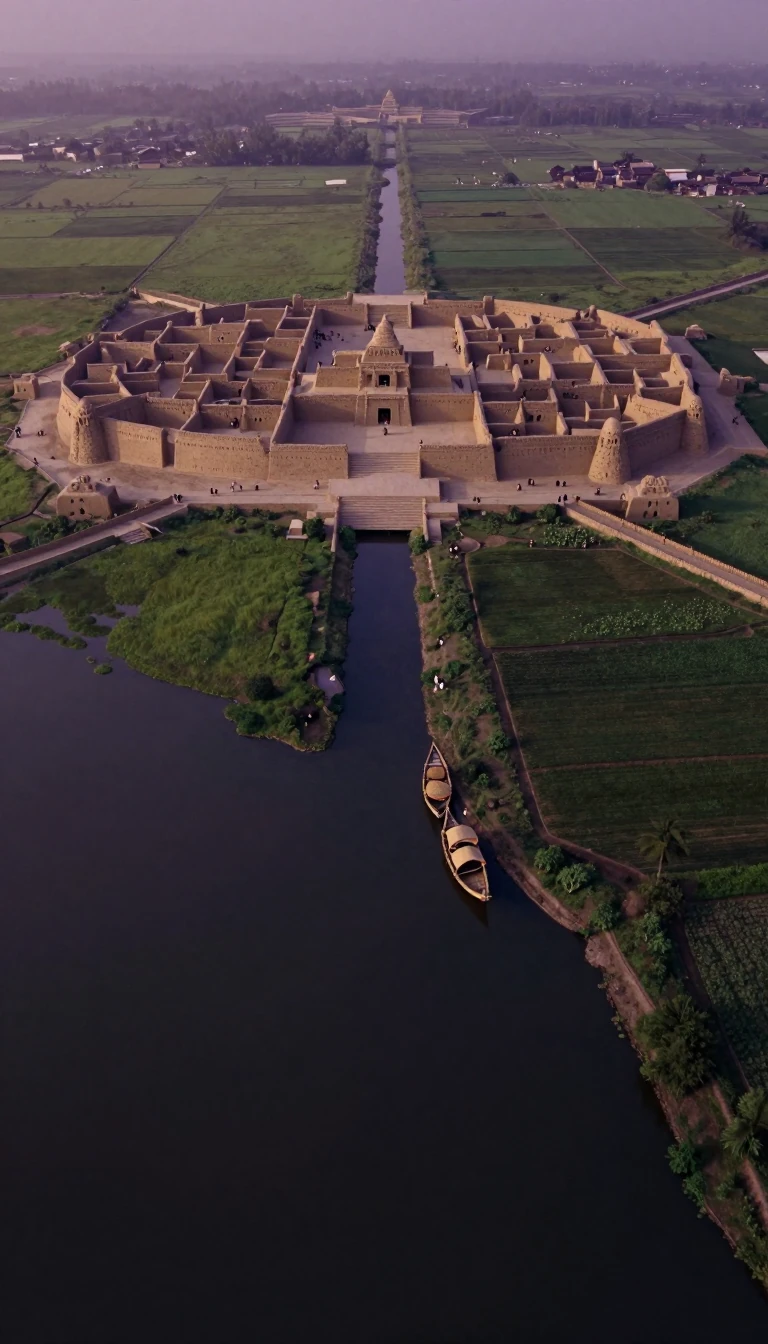 Why was a massive European stone fortress built on the coast of West Africa?In 1482, the Portuguese constructed Elmina Castle to dominate the regional gold trade. Yet, this architectural marvel—the oldest surviving European building in Sub-Saharan Africa—…
- Chapultepec Castle: The Only Royal Palace in North America Inhabited by MonarchsPerched atop a sacred Aztec hill in Mexico City, this fortress has served as a military academy, imperial residence, and presidential home. Despite its fame, the popular reference…
 Beyond the church, bell towers have long served as civic symbols of municipal power.While we associate bell towers with religious rituals, these structures have historically functioned as secular landmarks, municipal vaults, and even weather-defying sentinels. Fr…
 From Byzantine domes to modern seismic struggles, Turkey's architectural history is a complex evolution.Turkey's architectural landscape spans millennia, from ancient Greco-Roman sites to the grand imperial mosques of the Ottoman era. Yet, the nation's modern trajectory has been def…