 Intellect Plus
History
21,004 cards. Each one is a 40-second story with a five-minute read behind it. Page 243 of 351.
Subtopics: 19th century · 20th century · Africa · Age of Exploration · Ages & eras · Ancient · Ancient China · Ancient egypt · Ancient greece · Ancient rome · Ancient trade · Archaeological discoveries · Archaeology · Astronomy · Australia · Auxiliary historical sciences · Babylon · Basics · Born on this day · Bronze age · Buddhism · Case studies · Chefs, bartenders and winemakers · China · Cities · Climate · Columbus · Contemporary (1945-) · Cosmetics people · Crime · Criminals · Decipherment · Deep time · Disasters · Early modern · Education · Egypt · Empires · Empires & civilisations · Exploration · Explorers · Extinction · Fandom, conventions and festivals · History by continent and large region · History by continent and region · History by country · History by country, small region and city · History by ethnicity · History by subject matter · History by topic · Inca · India · Industrial Revolution · Japan · Kings & queens · London · Mass hysteria · Medicine · Medieval kingdoms · Medieval life · Mediterranean · Mercedes-Benz History · Mesopotamia · Middle ages · Military leaders and theorists · Military leaders, personnel, and theorists · Ming dynasty · Misconceptions · Modern · Modern (1800-1945) · Napoleon · Navigation · North africa · Other · Pacific · Pharaohs · Philippines · Pirates · Post-classical · Prehistory · Propaganda · Public health · Rebels, revolutionaries and activists · Renaissance · Researched · Second world war · Shipwrecks · Silk Road · South america · Tradespeople · UK & Ireland: history · United states · Vikings · Volcanoes · Women in history
 How a devastating 1904 fire transformed a Norwegian town into an architectural masterpieceIn the dead of night in 1904, a gale-driven fire leveled nearly every building in Ålesund, Norway. From the ashes, the town was reborn in a remarkably consistent Art Nouveau style…
 The invisible collapse of the world's second-largest economyFor decades, the Soviet Union stood as a global industrial titan, outpacing Western Europe in per capita growth. Yet, beneath the surface of five-year plans, a systemic failure wa…
 Why the end of the 19th century felt like a total societal collapseThe fin de siècle was more than just a calendar event. It was a cultural fever dream defined by pessimism, decadence, and a desperate search for meaning. As the 1890s closed, arti…
 How the Pacific Northwest supported one of history's most densely populated hunter-gatherer societiesThe Pacific Northwest Coast was once home to the highest population density of Indigenous peoples ever recorded in Canada. Supported by abundant salmon, cedar forests, and sea mam…
 How the Bolsheviks transformed from death penalty abolitionists into architects of mass state terrorIn 1917, the Bolsheviks initially abolished the death penalty, hoping to avoid the violence of the past. Yet, within a year, they launched the Red Terror, a systematic campaign of…
 The bikini was named after a nuclear explosion siteIn July 1946, a French designer launched the modern bikini just four days after the United States conducted its first peacetime nuclear test at Bikini Atoll. This bizarre naming c…
 The Soviet Union's most influential newspaper was once a tool for political survivalPravda, meaning truth, served as the primary voice of the Soviet Communist Party for decades. Yet, its origins were far from official. Before becoming a state mouthpiece, the pape…
 The First Emperor of China created a unified empire that lasted only four years.Qin Shi Huang, the First Sovereign Emperor, forged a centralized state through brutal legalism and total standardization. Yet, his grand vision of a dynasty spanning ten thousand …
 How a Roman aristocrat’s letters accidentally shaped modern volcanology and political sciencePliny the Younger was a Roman magistrate whose surviving correspondence offers a rare, intimate look at imperial life. From his eyewitness account of the Vesuvius eruption to his …
 Benjamin Franklin’s most famous publication was largely a collection of borrowed, sharpened wit.Poor Richard's Almanack was a colonial bestseller, selling 10,000 copies annually. While often credited entirely to Franklin, he wrote only about one in ten of its famous proverbs…
 The NKVD was the Soviet Union's all-encompassing engine of terror and state control.Between 1934 and 1946, the NKVD functioned as both a standard police force and a ruthless secret service. It managed everything from firefighting and highways to the Gulag labor c…
 The wartime bureaucrat who became the architect of Japan's modern political dynastyNobusuke Kishi was a central figure in Japan's wartime regime, a suspected war criminal, and a ruthless political operator. Yet, he emerged from prison to become prime minister, f…
 How a Secular Experiment in Greenwich Village Became a Global Academic PowerhouseFounded in 1831 to offer merit-based education in New York City, NYU has evolved from a local institution into a sprawling, multi-continental system. Today, it stands as a massive…
 How a Quaker whaling hub became the wealthiest city in North AmericaNew Bedford, Massachusetts, transformed from a modest colonial settlement into a global maritime powerhouse. By the mid-19th century, its whaling fleet made it the richest city pe…
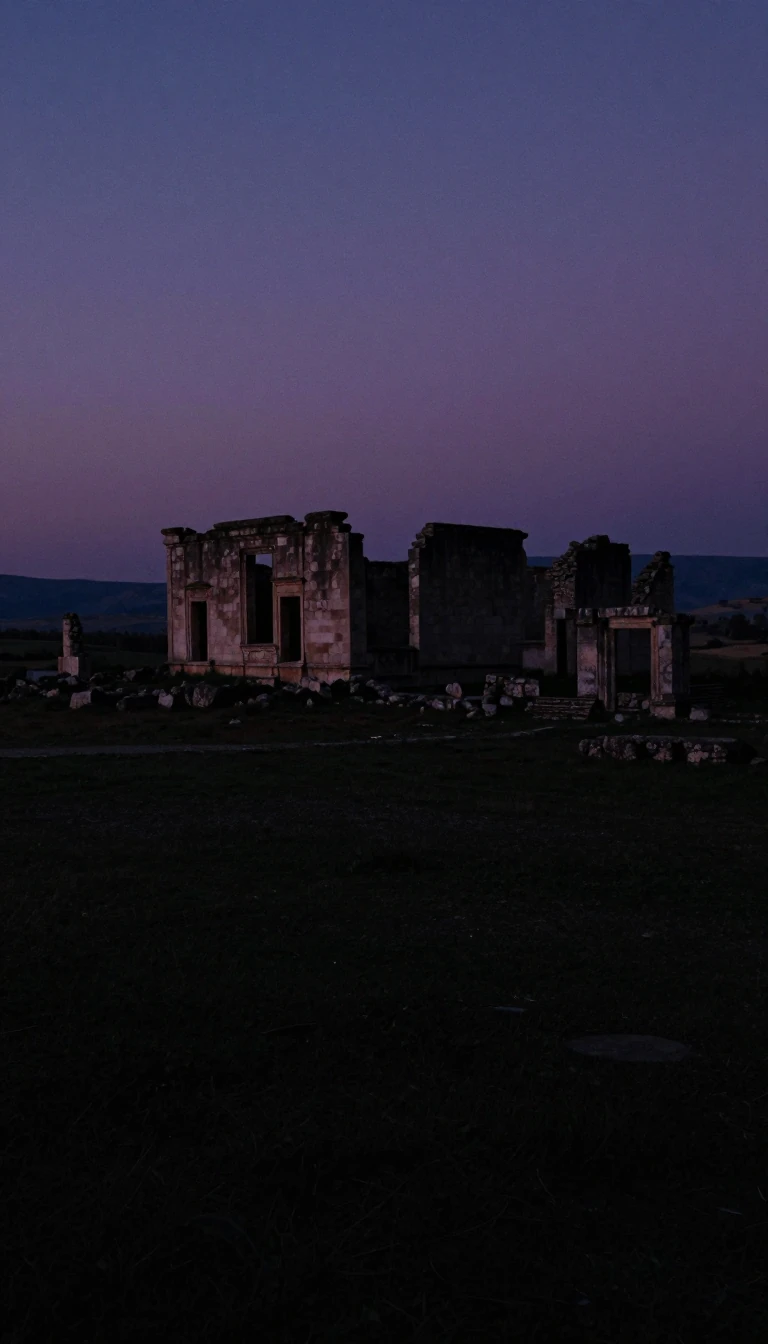 How an ancient civilization carved a 20,000-person metropolis beneath the volcanic earthDeep beneath the Turkish town of Derinkuyu lies an architectural marvel: an eight-story underground city carved into soft volcanic tuff. Capable of sheltering 20,000 people, this …
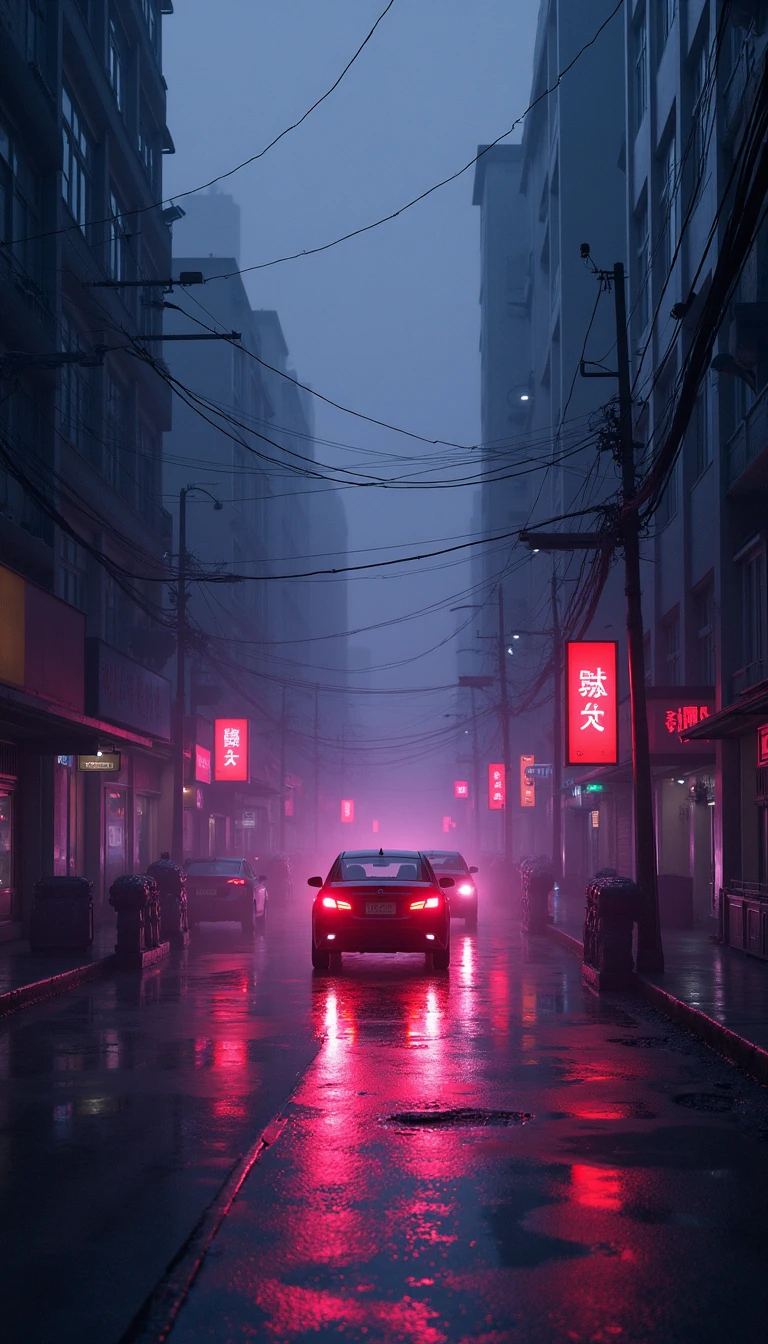 How a collection of 700,000 imperial treasures survived war, exile, and political controversy.The National Palace Museum in Taipei holds the world's most significant collection of Chinese art, yet its existence is a product of survival. Relocated during the Chinese Civil W…
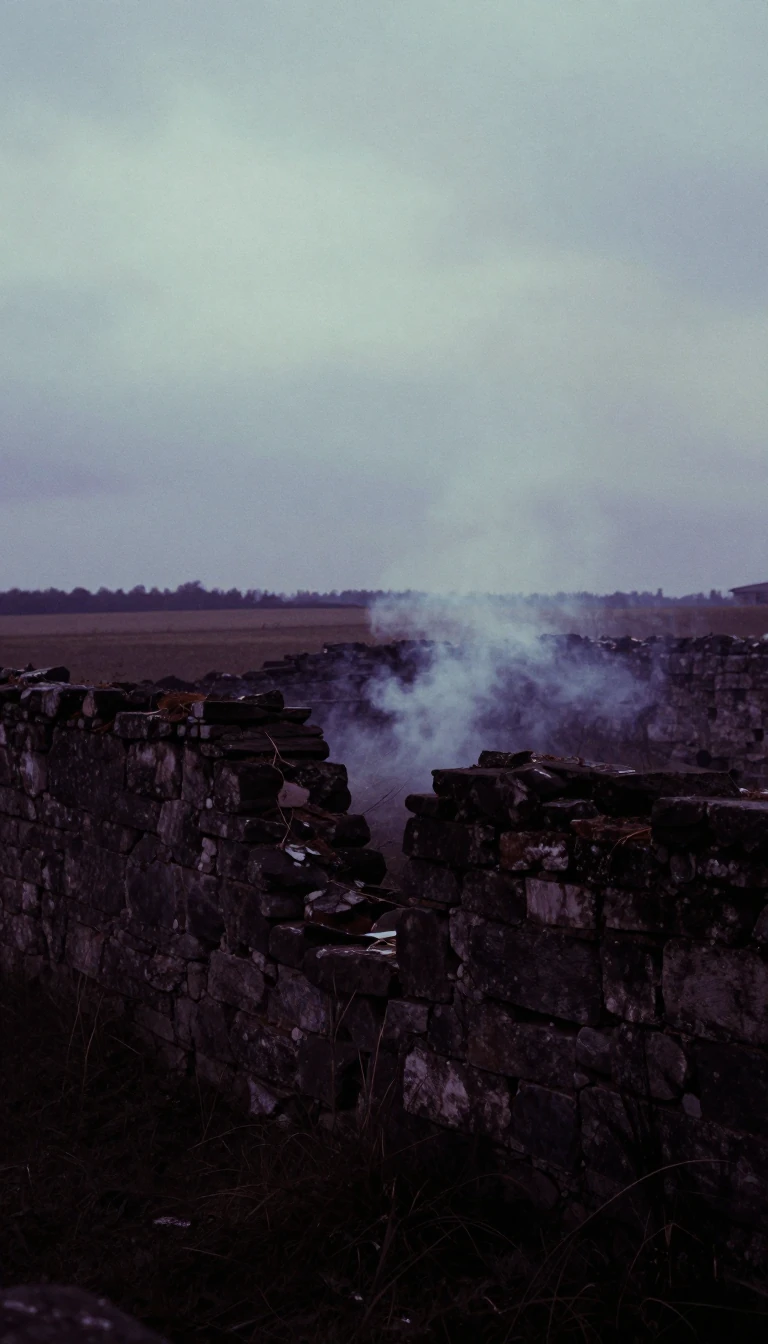 A minor railway explosion triggered the Japanese occupation of Manchuria and a puppet stateOn September 18, 1931, Japanese officers staged a false flag attack on a railway line near Mukden. Though the blast was too weak to stop a train, it provided the pretext for a ful…
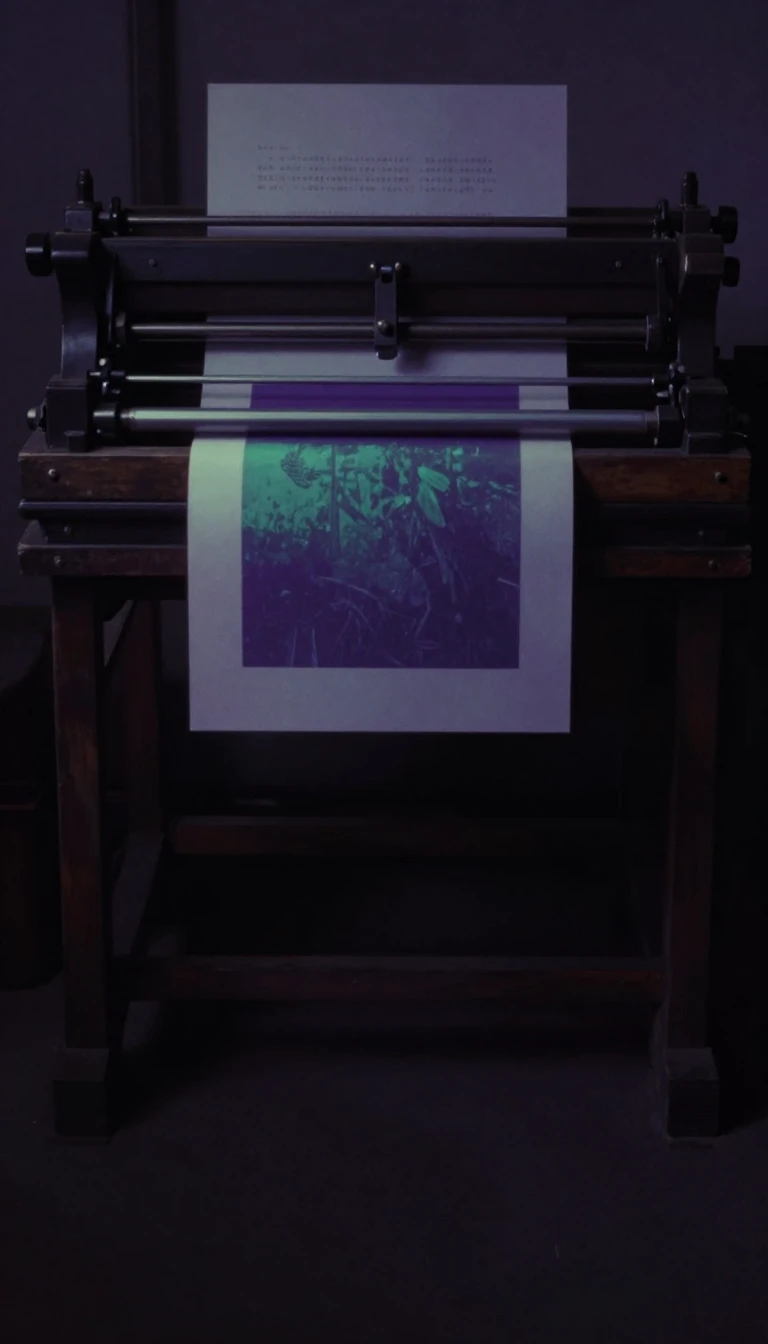 The printing press was not a singular invention but a global, centuries-long evolution.While Johannes Gutenberg is often credited with the printing press, movable type technology emerged in China and Korea centuries earlier. From ceramic pieces in the 11th century t…
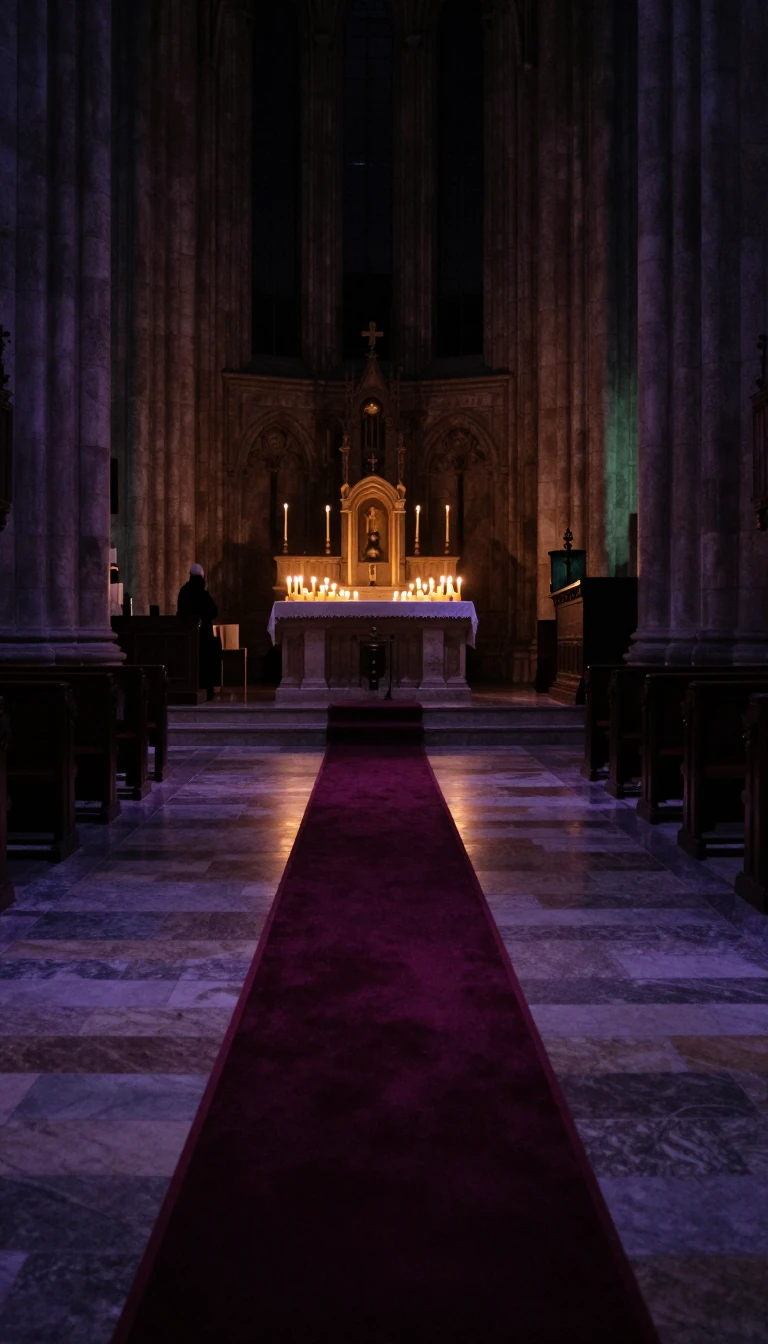 The Moscow Metro: A Communist Cathedral of Engineering and Socialist RealismOpened in 1935 as a symbol of Soviet modernity, the Moscow Metro is more than a transit system. It is an underground palace of marble, chandeliers, and ideological art. Designed t…
 Nadezhda Krupskaya was far more than Lenin's wife; she was a revolutionary architect.Often reduced to a footnote in her husband's shadow, Nadezhda Krupskaya was a central figure in the Bolshevik party and the primary architect of the Soviet educational and library…
 Was Milan Kundera a secret police informant or just a victim of history?The celebrated author of The Unbearable Lightness of Being spent his life avoiding political labels, yet he was haunted by a 1950 police report accusing him of denouncing a defect…
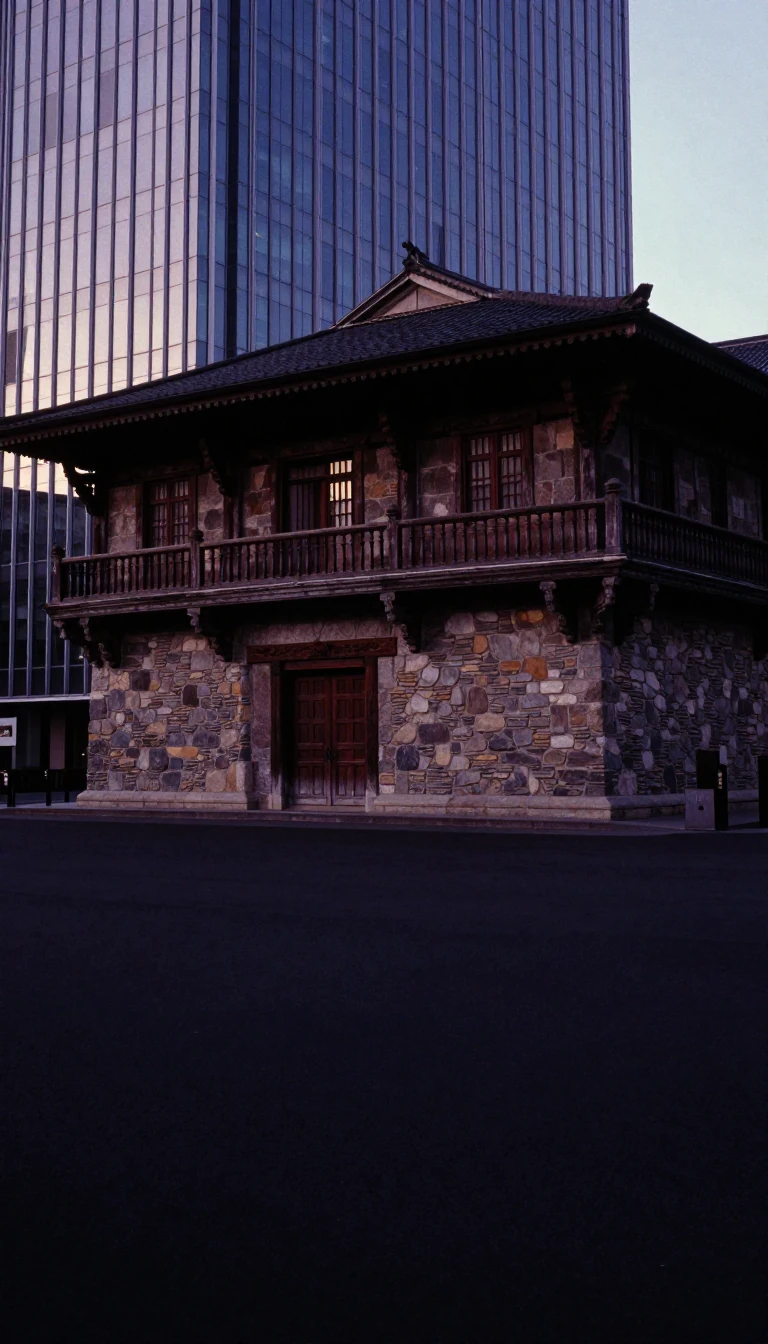 Medieval military orders were the original hybrid of monastic devotion and professional warfare.Emerging during the Crusades, military orders combined the strict religious vows of monks with the martial purpose of knights. These organizations managed vast estates across Euro…
 The woman who saved Anne Frank's diary insisted she was no hero at all.Miep Gies was an ordinary office worker who risked execution to hide eight people from the Nazis for over two years. After their arrest, she recovered Anne Frank's diary, keeping …
- Why the grandest tombs in history are more than just final resting placesA mausoleum is far more than a simple grave. It is a free-standing, monumental structure designed to house the remains of the departed in a dedicated chamber. While often confused…
 The Man in the Iron Mask was likely a valet, not a royal twin.History remembers a mysterious prisoner hidden behind a black velvet mask, a legend later misreported as iron. While fiction paints him as Louis XIV's secret twin, official docume…
 Can a single map capture the brutal, tragic scale of Napoleon's failed Russian campaign?Charles Joseph Minard’s 1869 map of Napoleon’s 1812 invasion is widely hailed as the greatest statistical graphic ever drawn. By layering six distinct types of data into one elega…
 Louisa May Alcott: The Transcendentalist Tomboy Who Wrote Her Way Out of PovertyBefore Little Women made her a household name, Louisa May Alcott lived a life of radical experiments, grueling labor, and secret sensation novels. Raised among giants like Emerson…
 How a Tuscan city preserved its independence for five centuries behind massive stone wallsLucca is a rare survivor of the Italian city-state era, maintaining its autonomy until the French Revolution. While its neighbors fell to conquest, Lucca guarded its sovereignty b…
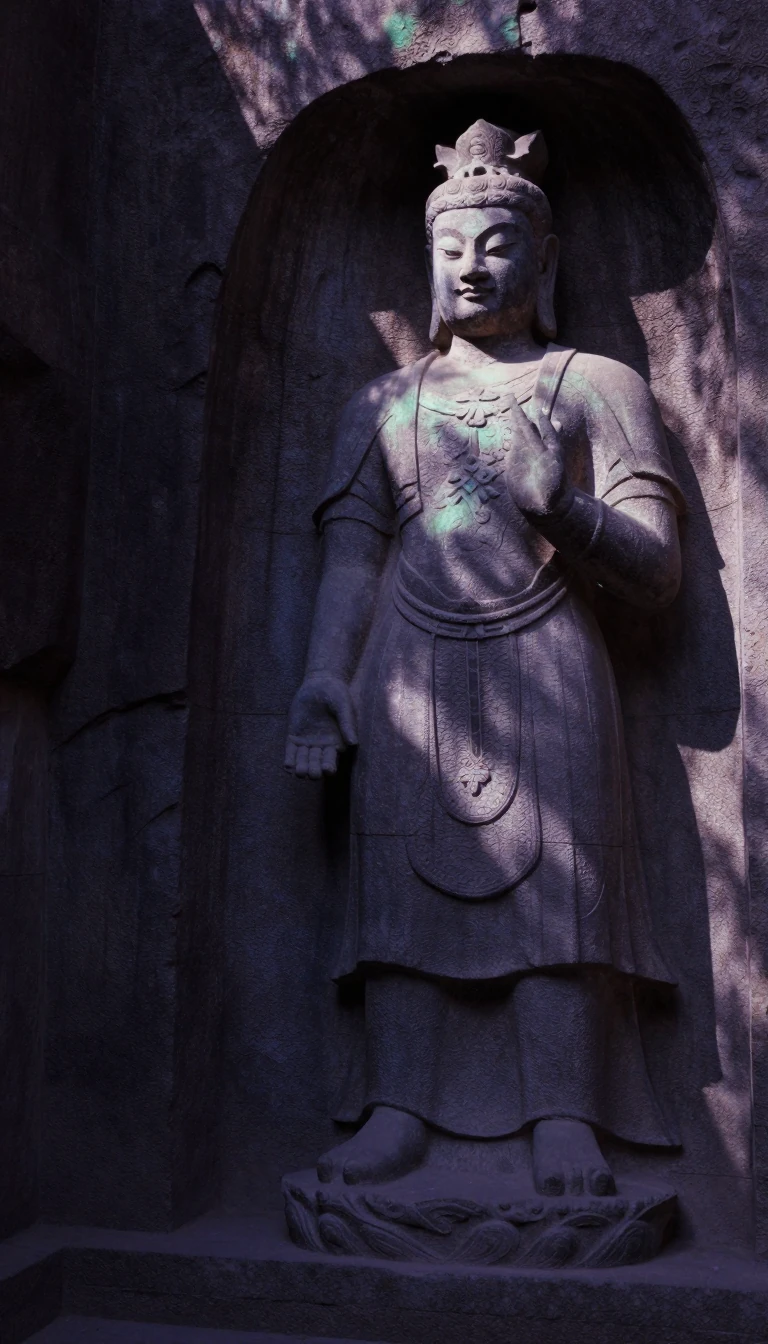 How a medieval Indian emperor built a mountain of granite to honor his godConstructed between 1003 and 1010 CE, the Brihadishvara Temple in Thanjavur stands as a monumental feat of Chola engineering. Built entirely from granite without mortar, its tower…
 The myth of the Guernica massacre: how propaganda shaped a historical tragedyOn April 26, 1937, the Basque town of Guernica was devastated by aerial bombardment. While the attack became a global symbol of civilian suffering, early reports of the death toll…
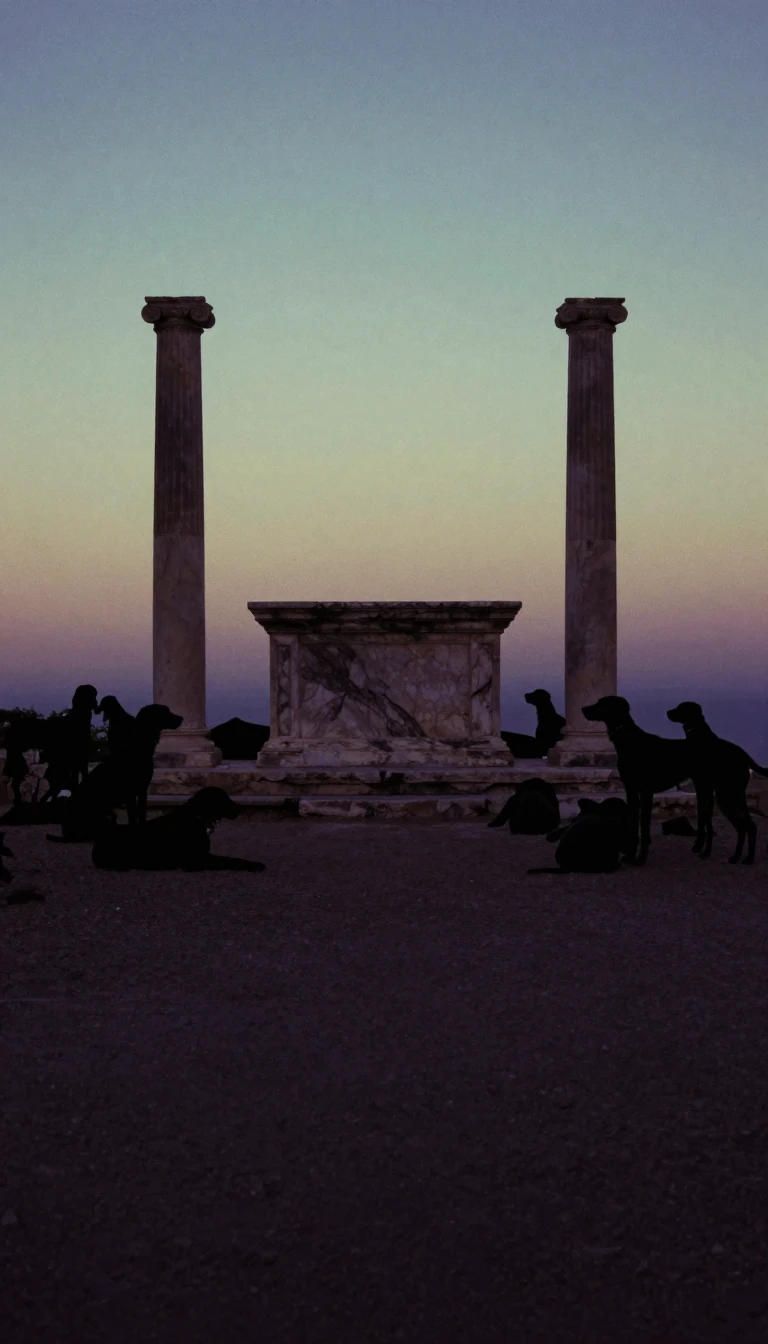 Larissa: The Ancient Fortress City That Shaped Greek History and MythologyLarissa, the capital of Thessaly, is far more than a modern transport hub. With roots stretching back to the Paleolithic era, this city has been a fortress, a democratic polis, an…
 Why the man who invented the equals sign died in a debtor's prisonRobert Recorde was a brilliant Tudor polymath who gave the world the equals sign, arguing that no two things could be more alike than two parallel lines. Despite serving as a roya…
 From Communist Leader to Holocaust Denier: The Radical Evolution of Roger GaraudyRoger Garaudy was a prominent French communist and resistance fighter who rose to the heights of party leadership. Yet, his life took a series of startling turns, moving from Marx…
 How Ricarda Huch defied the Nazis while remaining in the heart of GermanyRicarda Huch was a pioneering historian and the first woman to join the Prussian Academy of Arts. When the Nazis seized power in 1933, she refused to sign a declaration of loyalty…
 The aristocratic visionary who dreamed of a united Europe long before the European Union.Richard von Coudenhove-Kalergi was a polyglot count who spent nearly half a century campaigning for a federated Europe. From his early manifesto in 1923 to his influence on post-w…
 The revolutionary who dreamed of a multi-ethnic Balkan republic before the Greek War beganLong before Greece achieved independence, Rigas Feraios envisioned a unified, democratic Balkan state. A writer and political thinker, he translated the ideals of the French Revol…
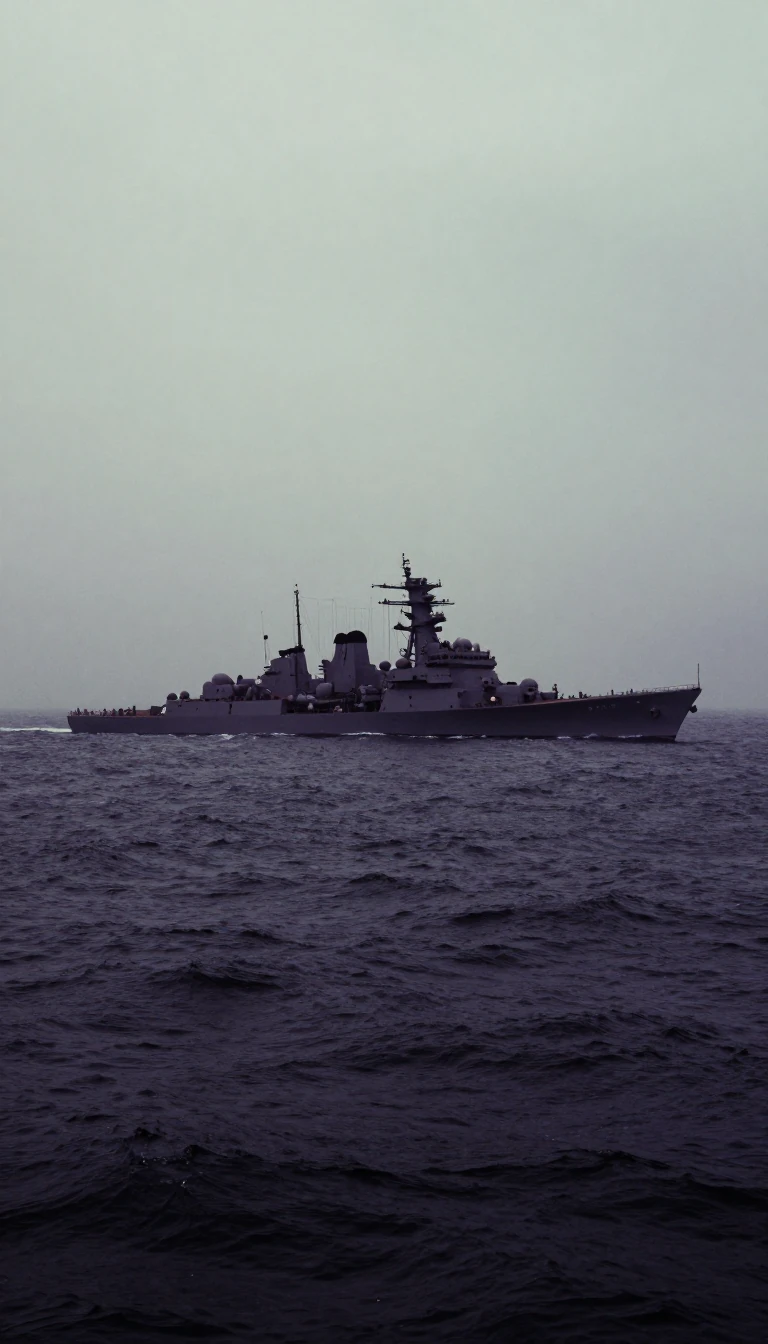 How a giant catfish and a gold crisis ended Japan's feudal eraBetween 1853 and 1867, Japan collapsed its centuries-old isolationist policy under intense foreign pressure. The resulting economic chaos, fueled by a massive gold drain and natur…
 Pope Eugene IV: A turbulent papacy defined by exile, conciliar struggle, and moral ambiguityElected in 1431, Pope Eugene IV spent nearly a decade in exile, fled Rome disguised as a monk, and battled the Council of Basel for supremacy. His legacy remains a complex tapestr…
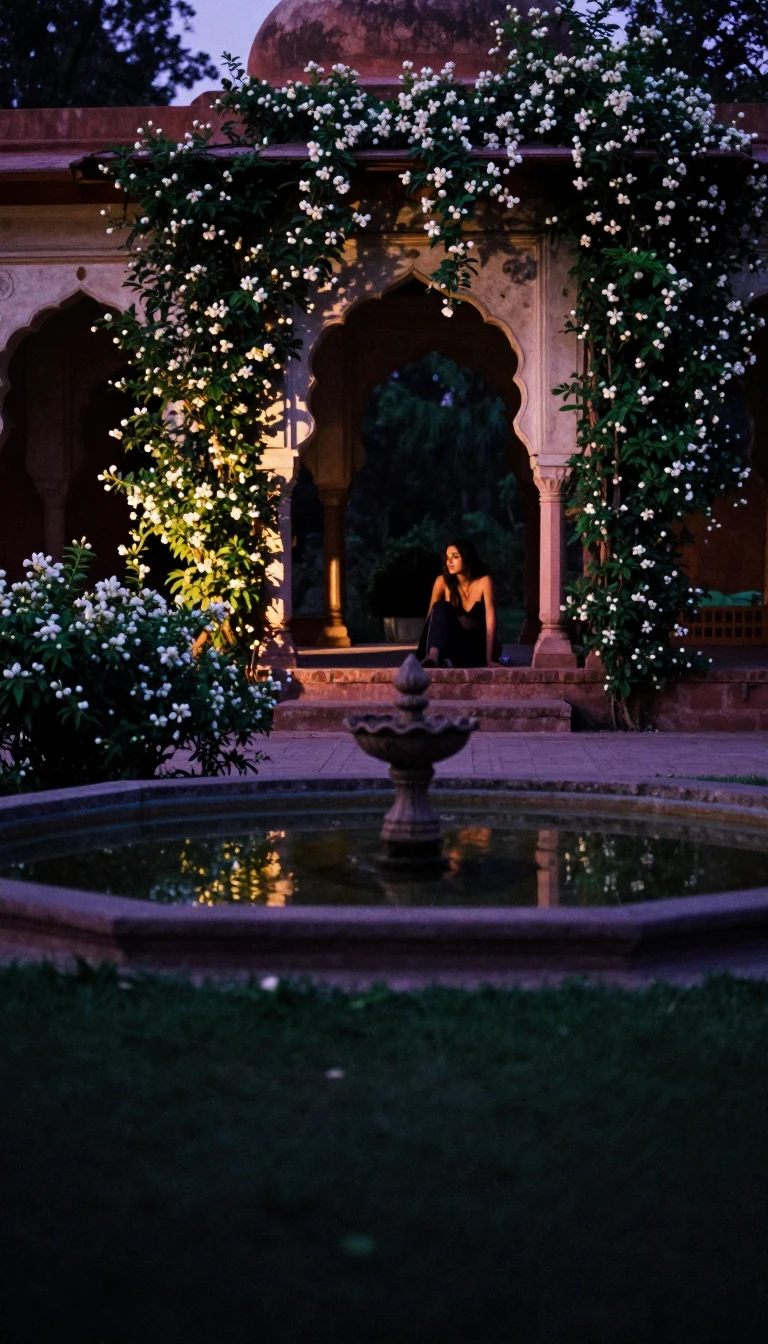 Was the most famous woman in Islamic history a real person or a myth?Rabia Basri is celebrated as a foundational Sufi saint, yet historians struggle to find concrete evidence of her existence. While her name appears in early local records, no writt…
 The only English pope in history rose from obscurity to reshape medieval EuropeBorn Nicholas Breakspear in Hertfordshire, this humble canon rose to become Pope Adrian IV in 1154. His brief, turbulent reign saw him navigate a minefield of Roman republicanism,…
 The architect who built the Nazi war machine and then successfully rebranded himselfAlbert Speer was Hitler’s favorite architect and later his minister of armaments. After the war, he avoided the death penalty by crafting a persona as an apolitical technocrat. Fo…
 How a legendary Greek general used a hidden net to win a warPittacus of Mytilene was one of the Seven Sages of Greece, a military leader who famously defeated his enemies with unconventional tactics. After securing peace through a single c…
- The papal secretary who rescued the ancient world from monastic dustPoggio Bracciolini was a papal scribe who spent his life navigating the volatile politics of the Roman Curia. Yet, his true legacy lies in the forgotten corners of European monast…
- The Dutch Pope who tried to reform a corrupt Church from the insideAdrian VI was the only Dutchman to lead the Catholic Church, ascending to the papacy in 1522. A former theology professor and tutor to Emperor Charles V, he inherited a Vatican cr…
 How a diplomat in seclusion wrote the definitive epic of his fractured homelandIvo Andrić, a Yugoslav diplomat, spent World War II in quiet isolation in Belgrade. During this forced retreat, he produced three monumental works that captured the complex histor…
 From Roman Fort to Industrial Powerhouse: The Enduring Legacy of Switzerland's WinterthurOnce a Roman outpost and later a Habsburg stronghold, Winterthur evolved into a pivotal Swiss industrial hub. Beyond its history of textile machinery and rail manufacturing, the c…
 Was the most powerful church leader of the ninth century a master of deceit?Photios I of Constantinople was a brilliant scholar and the leading light of his era, yet his rise to power was marked by political intrigue and a legendary practical joke. Whethe…
 The Roman courtier who spent his final hours mocking the emperor with his own deathGaius Petronius Arbiter was Nero’s ultimate arbiter of taste, a man whose life of calculated indulgence masked a sharp, satirical mind. When he finally fell out of favor, he orche…
- The Korean revolutionary who became America's first Asian-American doctor and a political pioneerPhilip Jaisohn lived a life of extraordinary reinvention. After a failed 1884 coup decimated his family, he fled to the United States, becoming its first naturalized Korean citize…
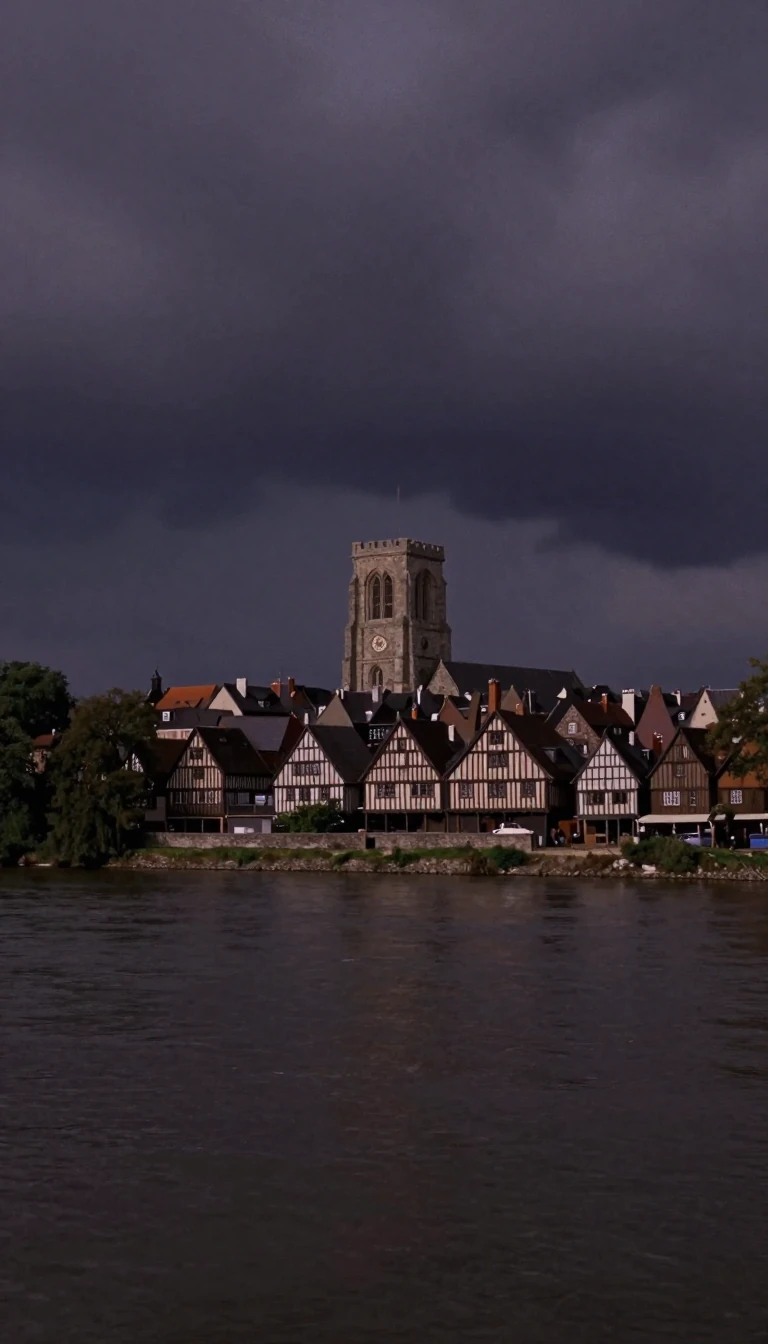 Is England a country or a concept? The complex reality of a historic landEngland is the largest part of the United Kingdom, yet it lacks a formal government or constitution of its own. While it shaped a global industrial empire and a distinct cultural …
 Was the tyrant of Corinth actually one of the Seven Sages of Greece?Periander transformed Corinth into a wealthy trading powerhouse, yet his legacy remains deeply divided. While some ancient sources honor him as a wise philosopher, others remember…
 From Prussian Battlefield Honor to Modern Emblem, the Iron Cross Endures Through CenturiesThe Iron Cross is more than a military medal; it is a symbol that has evolved from a 19th-century Prussian decoration into a complex cultural icon. Spanning from the Napoleonic Wa…
 The paralyzed poet who married the future secret wife of King Louis XIVPaul Scarron was a celebrated French wit and novelist whose life was defined by extreme physical suffering and literary innovation. Despite being permanently disabled and confined…
 How a self-taught boy became the father of modern scientific SlavisticsPavel Jozef Šafárik, a Slovak polymath, rose from humble origins to define the history and ethnography of the Slavic people. By applying rigorous scientific methods to linguistics…
 Why the most translated Greek author was branded a heretic and a BolshevikNikos Kazantzakis was a literary titan who navigated the volatile politics of the 20th century. Nominated for the Nobel Prize nine times, he challenged the Greek Orthodox Church a…
 The United Nations headquarters was almost a futuristic city called X CityBefore the United Nations settled on its iconic East River site, the land was slated for a futuristic complex called X City. When that project failed, the UN transformed the forme…
- Nikolai Bukharin: The Bolshevik theorist who helped build Stalinism before becoming its victimOnce Vladimir Lenin’s most valued theorist, Nikolai Bukharin helped craft the doctrine of socialism in one country that defined Stalin’s rise. Yet, the man who once championed par…
- The Russian prodigy who defined a generation before dying at twenty-fiveNikolay Dobrolyubov was a literary titan and revolutionary firebrand whose influence reached Karl Marx and Lenin. Despite a life cut short by tuberculosis at age twenty-five, his …
 Nicolae Iorga: The Prodigious Polymath Who Shaped Romanian Identity Through History and PoliticsA child prodigy and relentless intellectual, Nicolae Iorga dominated Romanian academic and political life for decades. From his early days as a brilliant student to his role as pr…
 The fourteenth-century bishop who anticipated modern physics and economics centuries before his timeNicole Oresme was a polymath who mapped the geometry of motion and challenged the divine right of kings. Long before the scientific revolution, he visualized velocity as a graph, …