 Intellect Plus
History
21,004 cards. Each one is a 40-second story with a five-minute read behind it. Page 238 of 351.
Subtopics: 19th century · 20th century · Africa · Age of Exploration · Ages & eras · Ancient · Ancient China · Ancient egypt · Ancient greece · Ancient rome · Ancient trade · Archaeological discoveries · Archaeology · Astronomy · Australia · Auxiliary historical sciences · Babylon · Basics · Born on this day · Bronze age · Buddhism · Case studies · Chefs, bartenders and winemakers · China · Cities · Climate · Columbus · Contemporary (1945-) · Cosmetics people · Crime · Criminals · Decipherment · Deep time · Disasters · Early modern · Education · Egypt · Empires · Empires & civilisations · Exploration · Explorers · Extinction · Fandom, conventions and festivals · History by continent and large region · History by continent and region · History by country · History by country, small region and city · History by ethnicity · History by subject matter · History by topic · Inca · India · Industrial Revolution · Japan · Kings & queens · London · Mass hysteria · Medicine · Medieval kingdoms · Medieval life · Mediterranean · Mercedes-Benz History · Mesopotamia · Middle ages · Military leaders and theorists · Military leaders, personnel, and theorists · Ming dynasty · Misconceptions · Modern · Modern (1800-1945) · Napoleon · Navigation · North africa · Other · Pacific · Pharaohs · Philippines · Pirates · Post-classical · Prehistory · Propaganda · Public health · Rebels, revolutionaries and activists · Renaissance · Researched · Second world war · Shipwrecks · Silk Road · South america · Tradespeople · UK & Ireland: history · United states · Vikings · Volcanoes · Women in history
 Claude Lanzmann rejected archival footage to force a confrontation with the Holocaust's reality.For his nine-and-a-half-hour masterpiece Shoah, Claude Lanzmann banned all archival war footage. Instead, he relied on grueling, firsthand oral testimony and contemporary site vis…
 How a man who lived to ninety-nine bridged the gap between two centuries.Bernard Le Bovier de Fontenelle was the ultimate intellectual bridge, connecting the literary giants of the seventeenth century to the Enlightenment thinkers of the eighteenth. A …
 The Dark Nymph of Delphi: Uncovering the Mysterious Origins of the Oracle’s EponymIn the shadow of Delphi, a figure known as Melaina—the black or dark one—emerges from the ancient mists of Greek mythology. As a prophetic nymph of the Corycian springs, she stand…
 Kydoimos: The Ancient Greek Personification of Battlefield Chaos and UproarIn the brutal landscape of Greek mythology, Kydoimos embodies the sensory overload of war. More than just a soldier, he is the living spirit of the din, confusion, and hubbub that…
 Did ancient explorers mistake Himalayan marmots for giant, gold-digging ants in the desert?Classical texts describe fox-sized ants that unearthed gold in the sands of India. While long dismissed as pure mythology, modern researchers suggest these creatures were not inse…
 Eucleia: The elusive goddess of good reputation who shaped ancient Greek civic lifeWas Eucleia a distinct deity or merely a title for Artemis? Across the ancient Greek world, she appeared as both a personified abstraction of glory and a protector of marriage. Fr…
 The Titan in Warrior Garb: Uncovering the Forgotten Myth of AnytosIn the shadow of the great Olympian deities lies Anytos, a Titan whose legacy is preserved not in grand epics, but in the fragmented marble of an ancient Arcadian temple. Once tas…
 Why the origins of Egyptian civilization remain buried under layers of Nile siltBefore the rise of the pharaohs, a long, gradual evolution shaped Egypt. While we often look to the grand monuments of later dynasties, the true story of Predynastic Egypt lies in…
 Why do some people believe the Earth is only 10,000 years old?Young Earth creationism asserts that the planet and all life were created by God within the last 10,000 years. This belief, rooted in a literal reading of Genesis, challenges the …
 Why the ancient Greeks banned chariot racing to honor a fallen heroAbderus was a divine youth whose tragic death during the Eighth Labor of Heracles left a permanent mark on Greek tradition. While his life remains shrouded in mythic ambiguity, th…
 Why did an ancient Greek king force an entire city to change its fashion?In the ancient city of Megara, the death of Queen Abrota triggered a strange royal decree. Her husband, King Nisos, commanded all women to adopt her specific style of dress to hon…
- When a species shrinks to a handful, its entire evolutionary future changes forever.A population bottleneck is a sharp, sudden reduction in a population's size, often triggered by environmental disasters or human activity. This event acts as a genetic filter, lea…
 The Natufian culture: Prehistoric innovators who brewed beer and baked bread before farmingLong before the dawn of agriculture, the Natufian people of the Levant established permanent settlements and complex social rituals. Flourishing between 15,000 and 9,500 BC, these…
 NBC News pioneered the television era, yet its history is marked by internal turmoil.From the first regularly scheduled newscast in 1940 to the high-stakes corporate spin-offs of 2025, NBC News has defined American broadcast journalism. Yet, behind the iconic broa…
 Two massive waves of migration shaped the human history of the vast Pacific regionOceania was not settled in a single journey. Instead, it was populated by two distinct, millennia-spanning expansions. The first brought hunter-gatherers to Sahul over 50,000 year…
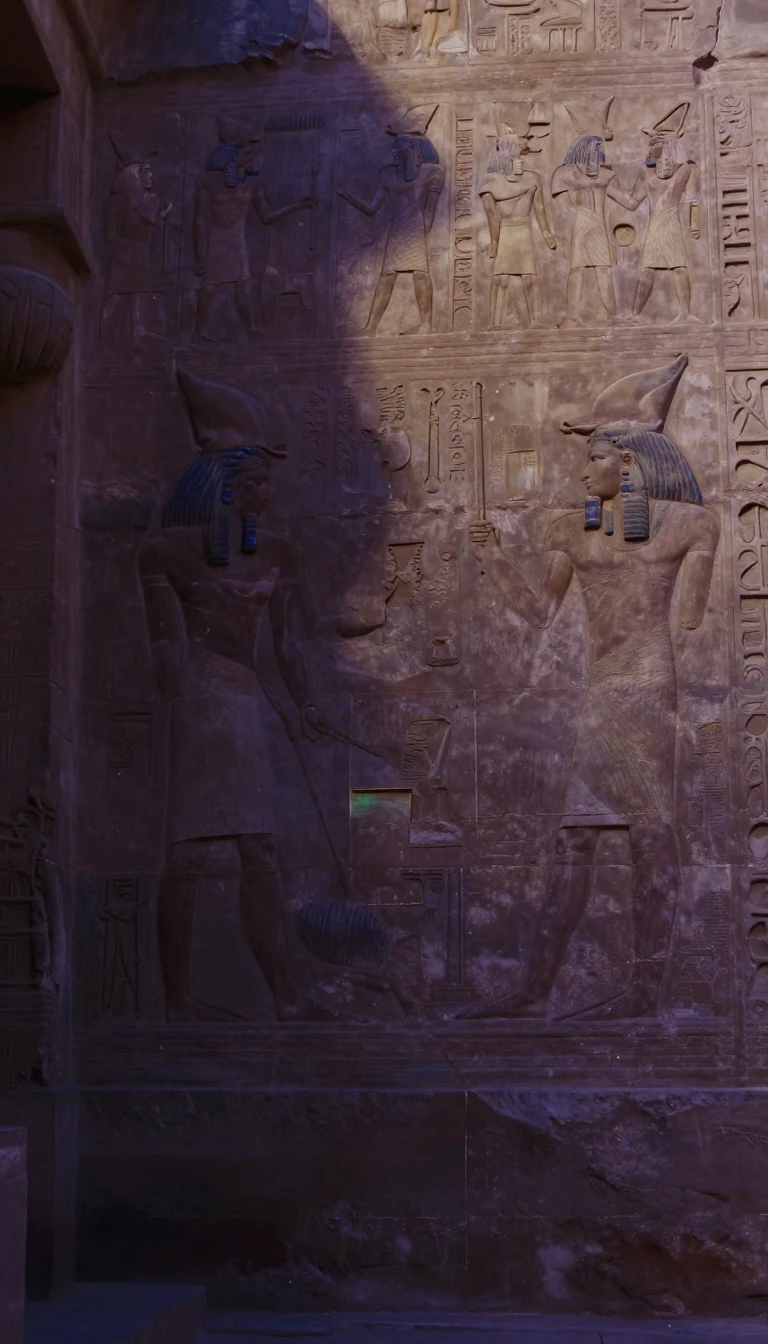 The ancient adze remains a masterclass in human engineering and cultural survivalFor millennia, the adze has shaped civilizations, from carving sacred Egyptian statues to crafting Pacific canoes. While modern power tools have largely replaced this perpendicula…
 Why did the world's largest animals vanish while others survived the ice age?During the Pleistocene, giants like the woolly rhinoceros and Australia's massive Diprotodon roamed the Earth. As the last ice age ended, these creatures largely disappeared. Whil…
 How a nomadic confederation from the steppe became the architects of northern ChinaThe Xianbei were once a splinter group of the Donghu, driven into the mountains by the Xiongnu. Within centuries, they transformed from nomadic raiders into the ruling elite of no…
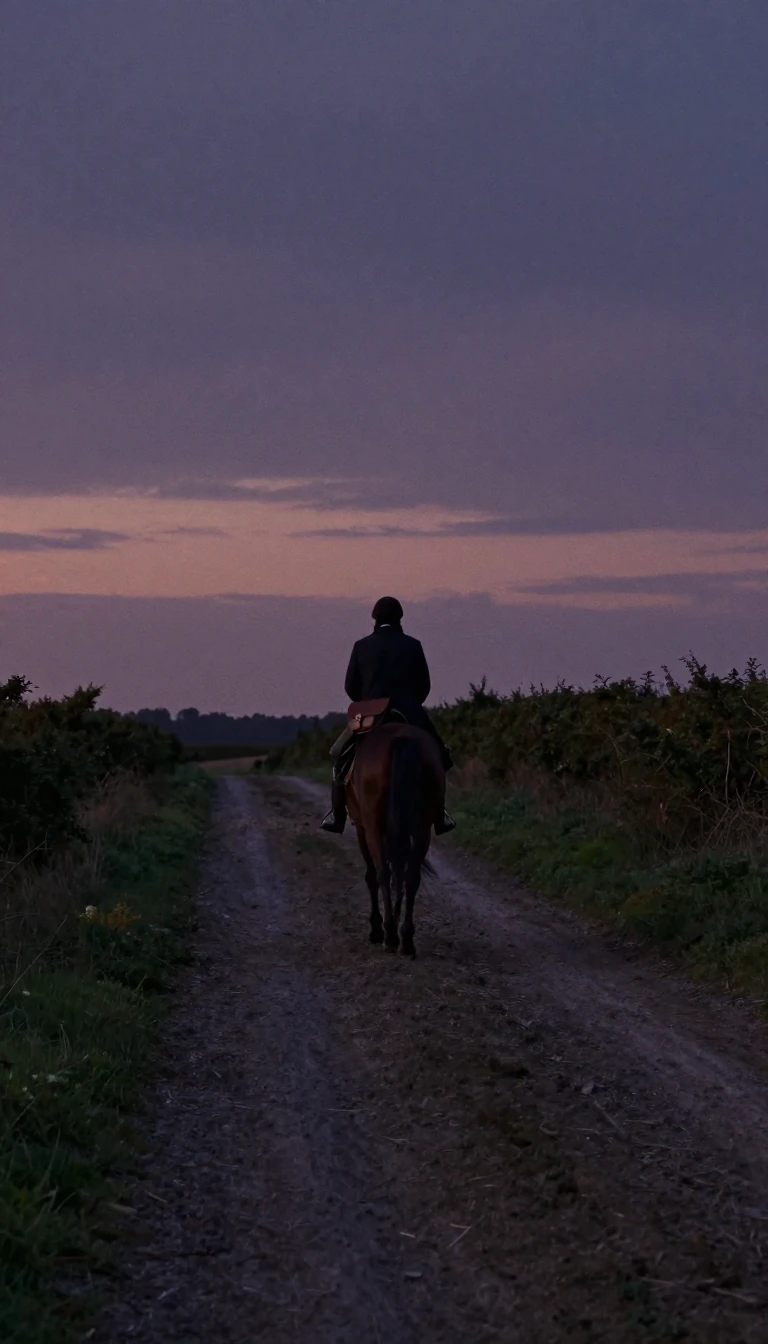 From household servants to legendary archers, the yeoman defined the English middle rank.The yeoman was a versatile social class in medieval England, bridging the gap between peasants and gentry. Whether serving as elite longbowmen in the Hundred Years' War, household…
 Why the Maghreb is a land of paradox, shaped by mountains and desert barriers.The Maghreb, or the West, is a region defined by its geography rather than political borders. Stretching across North Africa, it is a narrow strip of habitable land squeezed betwe…
- Vairocana is the cosmic Buddha whose body encompasses the entire infinite universe.In Mahayana and Vajrayana Buddhism, Vairocana is not merely a historical figure but the supreme, omnipresent Dharma-body of all Buddhas. Often called the Great Sun, he represents …
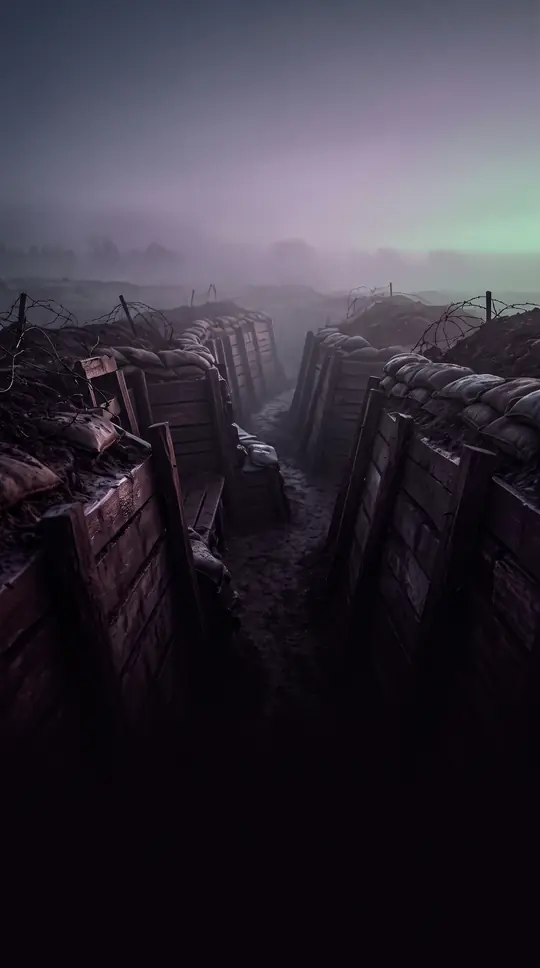 The elite Byzantine bodyguards who swore loyalty to the throne, not the man.For centuries, the Byzantine emperors entrusted their lives to the Varangian Guard, a band of foreign mercenaries from Scandinavia and later England. These axe-wielding warriors w…
 The Visigoths were never called Visigoths until a literary device invented their nameThe people who famously sacked Rome in 410 did not call themselves Visigoths. This term was a later invention, likely coined by the writer Cassiodorus to distinguish the Goths of …
 The Varangians were elite mercenaries who traded silver and served Byzantine emperors for centuries.From the 8th century, Swedish warriors known as Varangians navigated the river systems of Eastern Europe. They built the state of Kievan Rus, traded luxury goods for Islamic silve…
 Warlordism is not just chaos; it is a persistent, alternative model of human governance.We often view warlords as symbols of state failure, but history suggests they are a default condition of humanity. From feudal Europe to modern decentralized states, these leaders…
 Are the Tungusic languages a distinct family or just a product of ancient contact?Spoken by fewer than 70,000 people across Siberia and China, the Tungusic languages remain a linguistic puzzle. While some scholars group them into a broader Altaic family alongsi…
 How Spain maintained a colonial foothold in Morocco long after its empire collapsedFollowing the loss of its global empire, Spain turned to northern Morocco to preserve its diplomatic standing in Europe. By establishing a protectorate in 1912, Spain secured a st…
 The Tungusic peoples of Siberia and the Amur region share a complex, fractured history.Spanning from the Yenissey River to the Pacific, Tungusic-speaking groups range from nomadic reindeer herders in the frozen north to sedentary fishermen in the Amur-Ussuri region.…
 How a tiny, independent socialist republic in North Asia vanished into the Soviet UnionBetween 1921 and 1944, the Tuvan People's Republic existed as a partially recognized state nestled between Russia and Mongolia. Despite its brief independence, it became a fervent…
- Was the legendary Temple of Solomon a real structure or a symbolic masterpiece?The First Temple of Jerusalem remains one of history's most elusive architectural mysteries. While the Hebrew Bible credits King Solomon with its construction in the 10th century …
 Soju: How a Mongol-Introduced Spirit Became the World's Most Popular Bottled LiquorTracing its roots to 13th-century Mongol invasions, soju has evolved from a high-proof rice spirit into a global phenomenon. Once a traditional craft, it was reshaped by governmen…
 The systematic purge of Singaporean Chinese that Japan refused to call a massacre.Following the fall of Singapore in 1942, the Japanese military launched Sook Ching, a brutal operation to eliminate perceived anti-Japanese elements. While intended to target acti…
 How a Serbian Statesman Shaped the Unlikely Union of the South SlavsThe dream of a unified South Slavic state, or Yugoslavia, was long a volatile ambition. Nikola Pašić, a dominant Serbian political figure, initially resisted the idea of an equal …
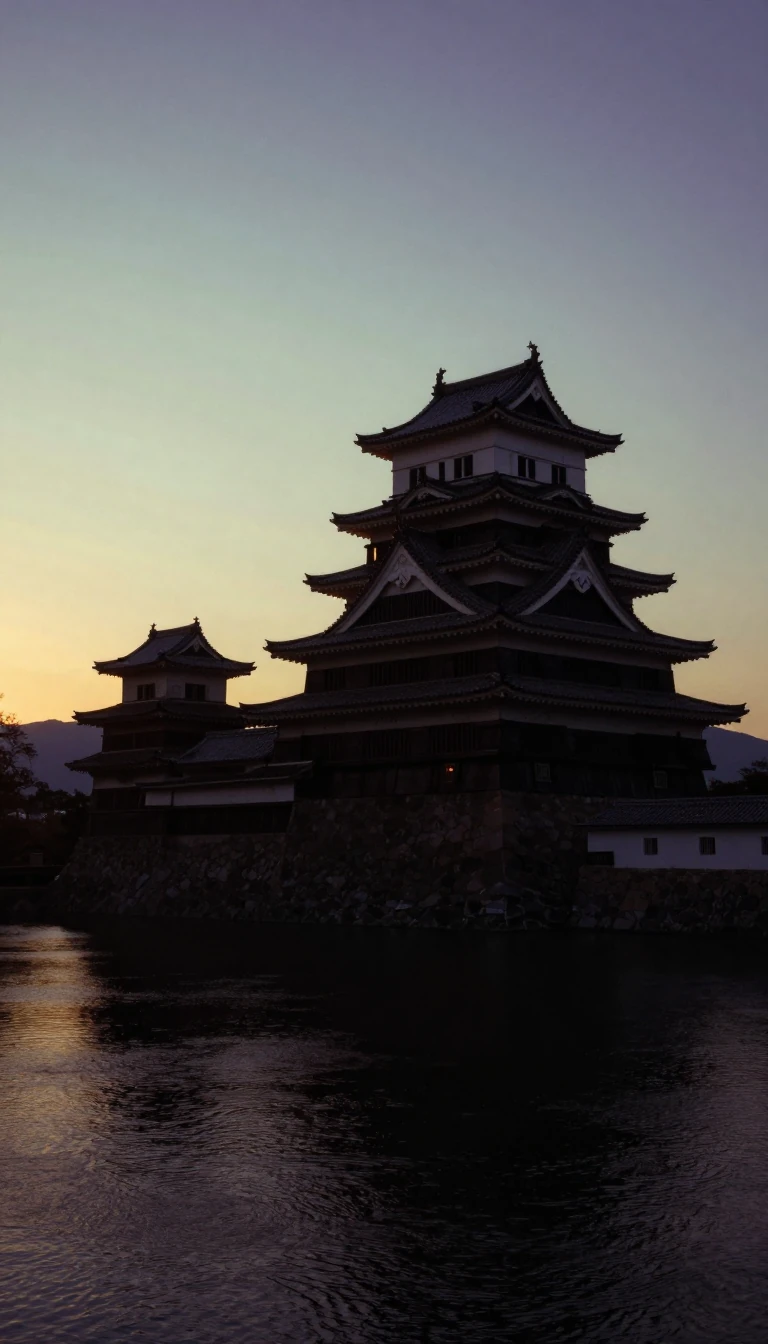 The 1614 Siege of Osaka: How a Bronze Bell Ended a DynastyWhen the Toyotomi clan renovated a temple, they inscribed a bell with a message of peace. The Tokugawa shogunate saw it as a coded threat, triggering a brutal two-part siege. This…
 The last samurai revolt: How Japan’s modernization ended an era of military nobilityIn 1877, Japan faced its final internal conflict as disaffected samurai rose against the imperial government they had helped install. Led by restoration hero Saigō Takamori, the S…
 How a Twelve-Year Civil War Transformed the Early Islamic Caliphate ForeverFollowing the death of Mu'awiya I in 680, the Islamic community fractured into a brutal twelve-year struggle for power. This Second Fitna saw three distinct factions battle for co…
- How did a northern name travel south to define a modern German state?The name Saxony once belonged to a vast region of northern Germany, yet today it identifies a mountainous state in the east. This geographical migration reveals a complex history …
 Sanae Takaichi: Japan’s first female prime minister and self-styled Iron LadySanae Takaichi, a former heavy metal drummer and motorcycle enthusiast, has shattered Japan’s political glass ceiling. As the nation’s first female prime minister, she brings a ha…
 Why a European Archduke tried to save Mexico's indigenous communities through imperial decreeIn 1864, Austrian Archduke Maximilian arrived in Mexico to rule a fragile empire. While history remembers him as a failed French puppet, his governance revealed a strange paradox:…
 The Second Spanish Republic: A bold democratic experiment that collapsed into civil warProclaimed in 1931 after the monarchy fell, Spain’s Second Republic promised secular education, land reform, and women’s suffrage. Yet, the young democracy struggled to bridge dee…
- Was Noah’s son Shem the true architect of ancient Near Eastern civilization?In biblical tradition, Shem is the son of Noah and the patriarch of the Near East. Yet, beyond the scriptures, he emerges as a complex figure—a prophet, a potential king, and even…
 The last Ottoman Sultan: A scholarly prince who lost an empire to historyMehmed VI ascended the throne during the twilight of the Ottoman Empire, inheriting a crumbling state and Allied occupation. Though he was a perceptive intellectual who sought to …
 The ancient Maya tracked time with a precision that rivals modern astronomical standards.The Maya did not just watch the sky; they mapped it into a sophisticated, interlocking system of cycles. By combining solar years with sacred counts and long-term chronological ma…
 Crowned as king at age eleven, Mary of Hungary faced a lifetime of betrayal.Ascending the throne as a child monarch in 1382, Mary of Hungary navigated a volatile landscape of dynastic ambition and violent rebellion. Despite being crowned king, her authori…
 How a modern filmmaker uses Arthurian myth to confront our contemporary agricultural crisesPeter Treherne’s debut film, Matter of Britain, reimagines the Holy Grail legend through the lens of modern environmental decay. By blending documentary footage with staged perfor…
- How King Manuel I transformed Portugal into the world's wealthiest maritime superpowerAscending the throne in 1495, Manuel I turned Portugal into a global titan. By sponsoring daring expeditions and establishing rigid trade monopolies, he secured control over spice…
 Manorialism was the medieval engine of land ownership, binding peasants to the soil.Far from a simple feudal relic, manorialism was a complex economic system that governed rural life for centuries. It transformed Roman villa structures into a rigid hierarchy of l…
- How a boatbuilder’s son ignited a revolution to purify Islam in 19th-century SudanIn 1881, a Sufi ascetic named Muhammad Ahmad declared himself the Mahdi, a divinely guided reformer destined to end an era of darkness. His movement united disgruntled merchants, …
 Why the name Macedonia describes a region, a kingdom, and a modern international conflict.The name Macedonia carries layers of history, from an ancient kingdom to a contested Balkan crossroads. Today, the region is split between three nations, but its identity remains …
 Macedonian is the only South Slavic language with three distinct definite articlesAs a member of the Balkan sprachbund, Macedonian evolved through centuries of intense cultural exchange. It stands apart from its Slavic cousins by shedding noun cases and the inf…
 Mallorca was once a battleground for empires, from the Vandals to the Spanish Bourbons.Before it became a Mediterranean holiday destination, Mallorca served as a strategic prize for shifting powers. Over centuries, the island endured Vandal raids, Byzantine reconque…
- How a caste of slave soldiers seized an empire and ruled for centuriesThe Mamluks were not merely soldiers; they were a military elite of enslaved men who rose to become masters of Egypt and Syria. From 1250 to 1517, these former captives establishe…
 How a desperate Napoleon sold a continent to the United States for penniesIn 1803, the United States doubled its size in a single stroke, acquiring 828,000 square miles of territory for roughly four cents an acre. What began as a modest mission to purch…
 Lotharingia: The Forgotten Kingdom That Defined the Border Between France and GermanyLotharingia was a short-lived medieval kingdom that stretched from the North Sea to Italy. Created in 855, it lacked linguistic or ethnic unity, serving instead as a political pri…
 Were the Lollards the original architects of the English Protestant Reformation?Emerging in the 1380s as followers of Oxford theologian John Wycliffe, the Lollards challenged the medieval Church by rejecting transubstantiation and demanding access to the Bibl…
 India is a linguistic mosaic where hundreds of languages coexist without a national language.India hosts hundreds of distinct languages, yet the Constitution designates no official national language. Instead, the Union uses Hindi and English for administration, while 22 s…
 Was the greatest knight of Arthurian legend actually a Hungarian king in disguise?Lancelot is the quintessential Round Table hero, yet his origins remain a tangled web of folklore and political maneuvering. While Chrétien de Troyes defined his courtly romance, …
 The short-lived maritime kingdom that transformed Taiwan into a bastion of Ming loyalism.Between 1662 and 1683, the Kingdom of Tungning served as a defiant, ethnic Han state on Taiwan. Founded by the Ming loyalist Koxinga after he ousted Dutch colonial forces, this ma…
- How the Polish monarchy evolved from a royal possession into a shared national institutionThe Kingdom of Poland began as a personal fiefdom of the Piast dynasty, but it transformed into a unique political entity where the state existed independently of any single ruler…
 How a Germanic migration shattered Roman unity and paved the way for the FranksIn 568, the Lombards swept into Italy, ending centuries of Roman political unity. Their kingdom, centered in Pavia, became a persistent rival to the papacy. This friction eventual…