 Intellect Plus
History
21,004 cards. Each one is a 40-second story with a five-minute read behind it. Page 241 of 351.
Subtopics: 19th century · 20th century · Africa · Age of Exploration · Ages & eras · Ancient · Ancient China · Ancient egypt · Ancient greece · Ancient rome · Ancient trade · Archaeological discoveries · Archaeology · Astronomy · Australia · Auxiliary historical sciences · Babylon · Basics · Born on this day · Bronze age · Buddhism · Case studies · Chefs, bartenders and winemakers · China · Cities · Climate · Columbus · Contemporary (1945-) · Cosmetics people · Crime · Criminals · Decipherment · Deep time · Disasters · Early modern · Education · Egypt · Empires · Empires & civilisations · Exploration · Explorers · Extinction · Fandom, conventions and festivals · History by continent and large region · History by continent and region · History by country · History by country, small region and city · History by ethnicity · History by subject matter · History by topic · Inca · India · Industrial Revolution · Japan · Kings & queens · London · Mass hysteria · Medicine · Medieval kingdoms · Medieval life · Mediterranean · Mercedes-Benz History · Mesopotamia · Middle ages · Military leaders and theorists · Military leaders, personnel, and theorists · Ming dynasty · Misconceptions · Modern · Modern (1800-1945) · Napoleon · Navigation · North africa · Other · Pacific · Pharaohs · Philippines · Pirates · Post-classical · Prehistory · Propaganda · Public health · Rebels, revolutionaries and activists · Renaissance · Researched · Second world war · Shipwrecks · Silk Road · South america · Tradespeople · UK & Ireland: history · United states · Vikings · Volcanoes · Women in history
 Why this massive American university built its library undergroundTo protect the nation's oldest continuous agricultural experiment, the University of Illinois took a radical architectural approach. By burying its Undergraduate Library, the camp…
 How a single poem mapped the violent birth of the entire universeBefore the abstract physics of today, there was the Theogony. Composed by Hesiod around 730–700 BC, this epic poem provides a staggering genealogical map of the cosmos, tracing ev…
 The man who presided over a crucifixion is more than a villainHistory often flattens Pontius Pilate into a two-dimensional antagonist of the New Testament. Yet, behind the iconic image of the hand-washing judge lies a complex Roman bureaucra…
 The history of African territory is often defined by foreign claims, not local expansionWhile the late 19th century saw European powers claim nearly the entire continent, the history of African territory is far more complex. From ancient Mediterranean empires to the …
 The debt trap that replaced slavery in the American SouthAfter the American Civil War, a new labor system emerged that promised freedom but delivered economic bondage. Through a complex web of credit, high interest, and manipulated harv…
 The ancient brotherhood that saw the universe as a mathematical symphonyLong before modern physics, a secretive Greek order believed that reality was composed of numbers. Part mathematical school, part religious cult, Pythagoreanism blended rigorous g…
 How a fascination with science fiction led to a Nobel Prize in economicsBefore he was a world-renowned economist, Paul Krugman was inspired by Isaac Asimov’s Foundation novels. He sought a real-world version of 'psychohistory'—a way to predict the fut…
 The massive invasion that changed the course of the Second World WarIn June 1941, Nazi Germany launched the largest military offensive in human history. While the initial blitzkrieg shattered Soviet armies, a series of intelligence failures and a …
 How a fringe movement exploited economic despair to seize total powerThe Nazi Party didn't seize control overnight through sheer force alone. They leveraged the wreckage of the Great Depression, using a calculated mix of socialist rhetoric, paramil…
 The land grab that fueled the American Civil WarIn 1848, the United States acquired more than half of Mexico’s territory. This massive expansion wasn't just a geographic shift; it triggered a domestic political firestorm over s…
 Why the math of human growth might always outrun our food supplyIn 1798, Thomas Malthus proposed a chilling economic reality: population expands geometrically, but food grows only arithmetically. This imbalance creates a trap where progress is…
 Did Gus Grissom accidentally sink his own spacecraft 60 years ago?For decades, a cloud of suspicion hung over astronaut Gus Grissom. After his Liberty Bell 7 capsule flooded and sank in the Atlantic, many believed he had clumsily triggered the h…
 Was this flamboyant poet and war hero the true architect of Italian fascism?Gabriele D'Annunzio was a literary sensation who transformed from a decadent poet into a nationalist warlord. He occupied the city of Fiume in 1919, establishing a bizarre, music-…
 Is the film score a modern art form or a mechanical necessity?Film music is often dismissed as mere background, yet it is a complex craft of precise timing and emotional engineering. From the early days of drowning out projector noise to the…
 Why a single black swan can dismantle an entire scientific theory foreverFor a theory to be truly scientific, it must risk being proven wrong. Karl Popper argued that science does not advance by confirming truths, but by relentlessly attempting to fals…
 The engineer who rose from a village to Egypt's presidencyBefore he was the face of the Muslim Brotherhood, Mohamed Morsi was a materials science professor in the United States. His journey from a modest Egyptian village to the highest o…
 Why English word order is rigid while other languages let you scramble sentencesIn English, changing the order of words often destroys the meaning of a sentence. In highly inflected languages, however, word order is flexible because suffixes tell you exactly …
 Why Epiphany is the original celebration of Christ’s manifestation to the worldDerived from the Greek word for manifestation, Epiphany is one of the oldest Christian festivals. While Western traditions focus on the visit of the Magi, Eastern churches emphasi…
 How a 1969 split transformed the Irish Republican Army into a paramilitary forceBorn from the chaos of Northern Ireland's sectarian violence, the Provisional IRA emerged as a hardline splinter group. Rejecting political compromise, they sought to force Britis…
 The Communist Party of the Soviet Union: A Century of Power and ParadoxBorn from a 1903 factional split, the Communist Party of the Soviet Union evolved from an underground revolutionary group into the sole governing force of a superpower. For nearly…
 Why the term Dark Ages is a historical misnomer rejected by modern scholarsThe label Dark Ages suggests a lost era of intellectual void, yet this period birthed Gregorian chants, the Book of Kells, and the Aachen Cathedral. Historians now largely abandon…
 The Republic of China presidency evolved from a ceremonial figurehead to a powerful executive role.Once envisioned as a parliamentary republic with a symbolic head of state, the presidency of the Republic of China has undergone a radical transformation. Today, it is a directly …
 Why the head of government in a parliamentary system is rarely the head of stateIn a parliamentary system, the executive branch relies on the confidence of the legislature to function. Unlike presidential models where power is balanced, the prime minister is …
 From Captured Biplanes to Stealth Supremacy: The Rapid Evolution of China's Air ForceOnce a collection of salvaged aircraft and ground-force remnants, the People's Liberation Army Air Force has transformed into a global aerospace power. By systematically integrati…
- Why a failed 1980 hostage rescue mission fundamentally reshaped the American militaryOperation Eagle Claw was an ambitious, high-stakes attempt to rescue 52 American hostages in Tehran. When the mission collapsed in the Iranian desert, it resulted in tragedy and p…
 Was the legendary King Minos a single ruler or a title for Cretan priests?In Greek myth, Minos was the powerful, terrifying king of Crete who demanded Athenian youths for his labyrinth. Yet, historians and archaeologists struggle to find evidence he eve…
 The fatal trap: how a consulate visit became a deadly ambushIn October 2018, Saudi journalist Jamal Khashoggi entered the Saudi consulate in Istanbul to secure marriage documents. He never walked out. What followed was a global scandal inv…
- Mahmoud Ahmadinejad: The Populist Engineer Who Polarized Iran and the Global StageRising from a humble background to the presidency of Iran, Mahmoud Ahmadinejad defined his 2005–2013 tenure through aggressive anti-Western rhetoric, nuclear defiance, and interna…
 Operation Downfall was the planned Allied invasion of Japan that never happened.Before the atomic bombings and Japan's surrender, the U.S. and British Empire prepared for the largest amphibious assault in history. Operation Downfall aimed to force a total sur…
 Who truly commands the British military when the King is only the figurehead?While King Charles III holds the title of Head of the Armed Forces, he does not exercise operational control. Instead, constitutional convention delegates the power to deploy mili…
 From Northern Mayor to Prime Minister: The Political Evolution of Andy BurnhamAndy Burnham’s path to 10 Downing Street is a study in regional advocacy turned national leadership. After years as a cabinet minister and two failed bids for the Labour Party lea…
 How a single day of market chaos reshaped the British economy for decadesOn 16 September 1992, the British government faced a humiliating defeat against currency speculators. Forced to withdraw the pound from the European Exchange Rate Mechanism, the U…
- How a Thai construction magnate became the nation’s 32nd prime ministerAnutin Charnvirakul, an engineer turned politician, rose to Thailand’s premiership in 2025 following a period of intense political instability. Known for steering the country thro…
 The shifting definition of betrayal: from broken vows to broken nationsTreason was once a personal crime of intimacy, covering everything from murdering a husband to adultery with a queen. Today, it is a matter of national security. Explore how the l…
 The deadliest shooting rampage in Canadian history was committed by a man impersonating police.In April 2020, Gabriel Wortman terrorized Nova Scotia for thirteen hours, killing 22 people while driving a replica RCMP cruiser. The rampage, which began in the rural community o…
 Why the Allies invaded a neutral nation to secure a vital railway in 1941In August 1941, British and Soviet forces launched a surprise, multi-pronged invasion of neutral Iran. Codenamed Operation Countenance, the offensive aimed to secure critical oil …
 How a precarious anchorage beneath Table Mountain became South Africa’s legislative powerhouseCape Town was never an ideal harbor, yet it became the mother city of South Africa. Forced to settle on a storm-exposed bay to access fresh water, Dutch settlers built a thriving …
 How Napoleon used a forced alliance to dismantle the thousand-year-old Holy Roman EmpireIn 1806, Napoleon Bonaparte coerced German princes into a military alliance that fundamentally reshaped Central Europe. By creating the Confederation of the Rhine, he effectively …
 How a Cold War Proxy Conflict Transformed the Congo Into a Long-Term DictatorshipFollowing independence from Belgium in 1960, the Republic of the Congo collapsed into a series of civil wars and secessionist movements. As the United States and the Soviet Union …
- How the Comanche built a sprawling, horse-powered empire in the American SouthwestBefore the 1860s, a vast, shifting territory known as Comancheria dominated the Southern Plains. Far from a simple tribal land, historians now view this region as an economic empi…
 How a reluctant Duchess became the indomitable Queen Mother of the British EmpireBorn into nobility, Elizabeth Bowes-Lyon initially rejected royal life, fearing the loss of her personal freedom. Yet, she became a central pillar of the British monarchy, serving…
 How a London merchant company became the de facto sovereign of the Indian subcontinent.Beginning as a modest trading venture in 1600, the British East India Company evolved into a powerful administrative force that governed vast swathes of India. By blending militar…
 Beneath the scenic beauty of Idaho's Lake City lies a complex, toxic legacy.Coeur d'Alene is a premier destination for golfers and outdoor enthusiasts, known for its stunning lakefront and mountain vistas. Yet, this idyllic landscape masks a history of la…
 Colonial Brazil was a commercial venture that evolved into a massive, slave-dependent export empire.Unlike the Spanish conquest of Mexico and Peru, Portugal initially viewed Brazil as a mere trading post. Lacking established civilizations to conquer, the Portuguese turned to pri…
 The Roman scholar who died documenting the world's wondersBefore the Middle Ages, one man’s massive encyclopedia served as the definitive authority on science. Pliny the Elder didn't just record the natural world; he attempted to capture…
 Golden Goa: How a tiny coastal enclave became the center of a global empireFor over four centuries, Goa served as the crown jewel of Portugal’s eastern empire. From its bustling bazaars filled with Chinese silk and African gold to its viceregal courts, t…
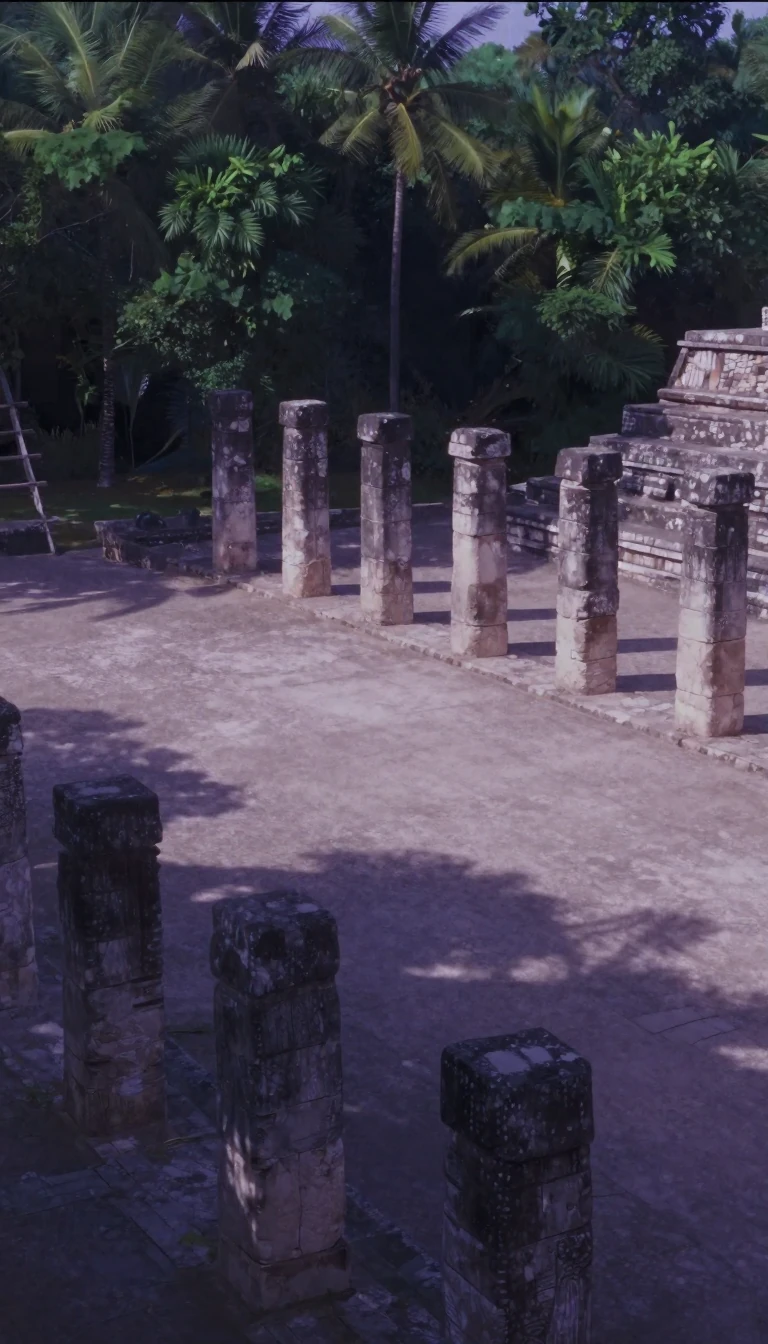 The Classic Maya collapse was not a total disappearance but a profound political transformation.The image of a vanished civilization is a myth. While southern city-states like Tikal and Copán were abandoned between the 7th and 9th centuries, Maya culture persisted, shifted n…
 Is China Proper a real place or just a convenient Western invention?The term China proper suggests a clear core of traditional Han civilization, distinct from frontier territories. Yet, this concept lacks a fixed definition and has shifted across …
 The mythical Christian king who never existed but drove centuries of global explorationFor hundreds of years, European Christians were obsessed with finding a legendary priest-king named Prester John. Believed to rule a vast, opulent empire in the East, he was expec…
 For centuries, mapmakers populated the oceans with islands that never actually existed.From the dawn of cartography until the modern era, phantom islands haunted our maps. Born from optical illusions, navigational guesswork, and outright fabrication, these ghost lan…
 How the Polish People's Republic navigated the iron grip of Soviet-style communismFollowing World War II, Poland was reshaped into a communist state under Soviet influence. Despite the regime's efforts to enforce total control through secret police and politica…
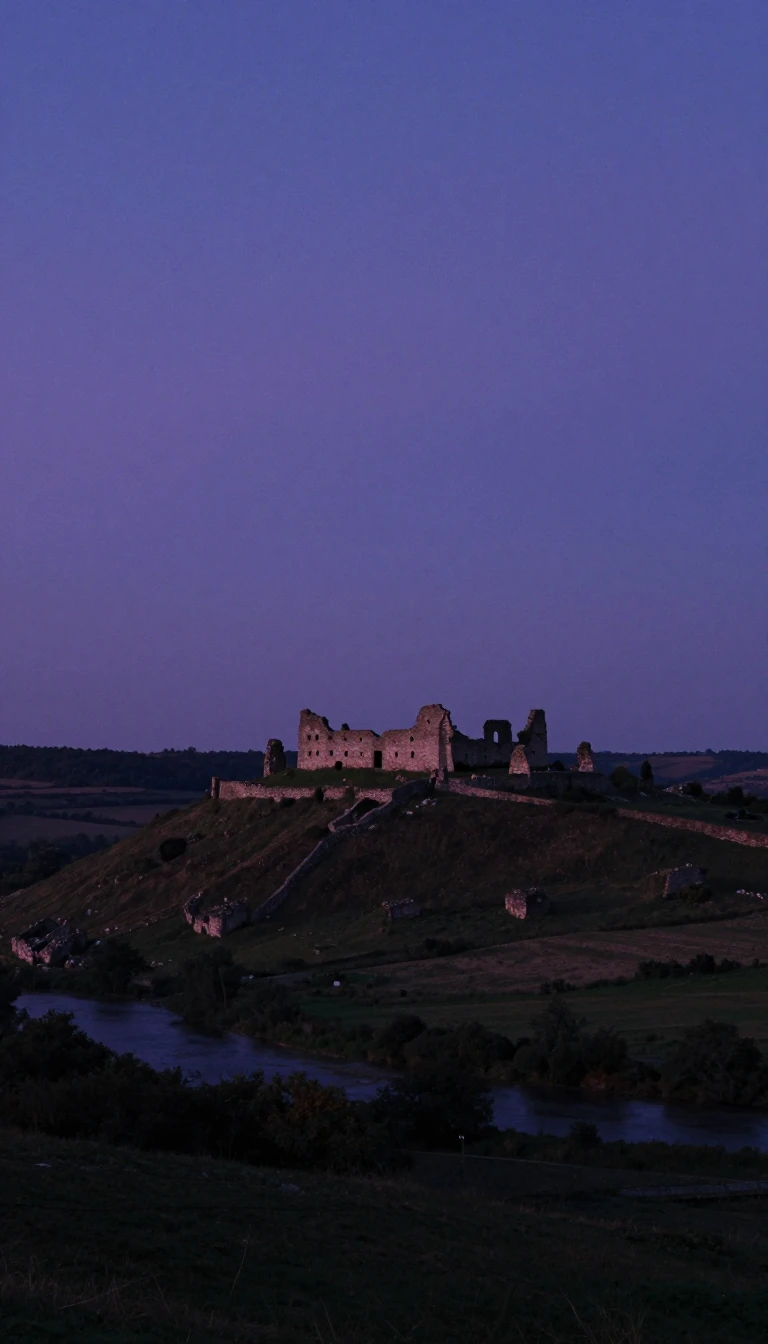 Chittor Fort was a self-sustaining fortress capable of supporting 50,000 soldiers for four years.Perched on a 180-meter-high plateau, this massive Indian stronghold once relied on 84 sophisticated water bodies to survive brutal, months-long sieges. While its history is define…
 Was the Carolingian Emperor Charles the Bald actually a man with a full head?Charles the Bald, king of West Francia and emperor of the Carolingian Empire, remains a historical enigma. Despite his famous moniker, contemporary evidence suggests he was not ha…
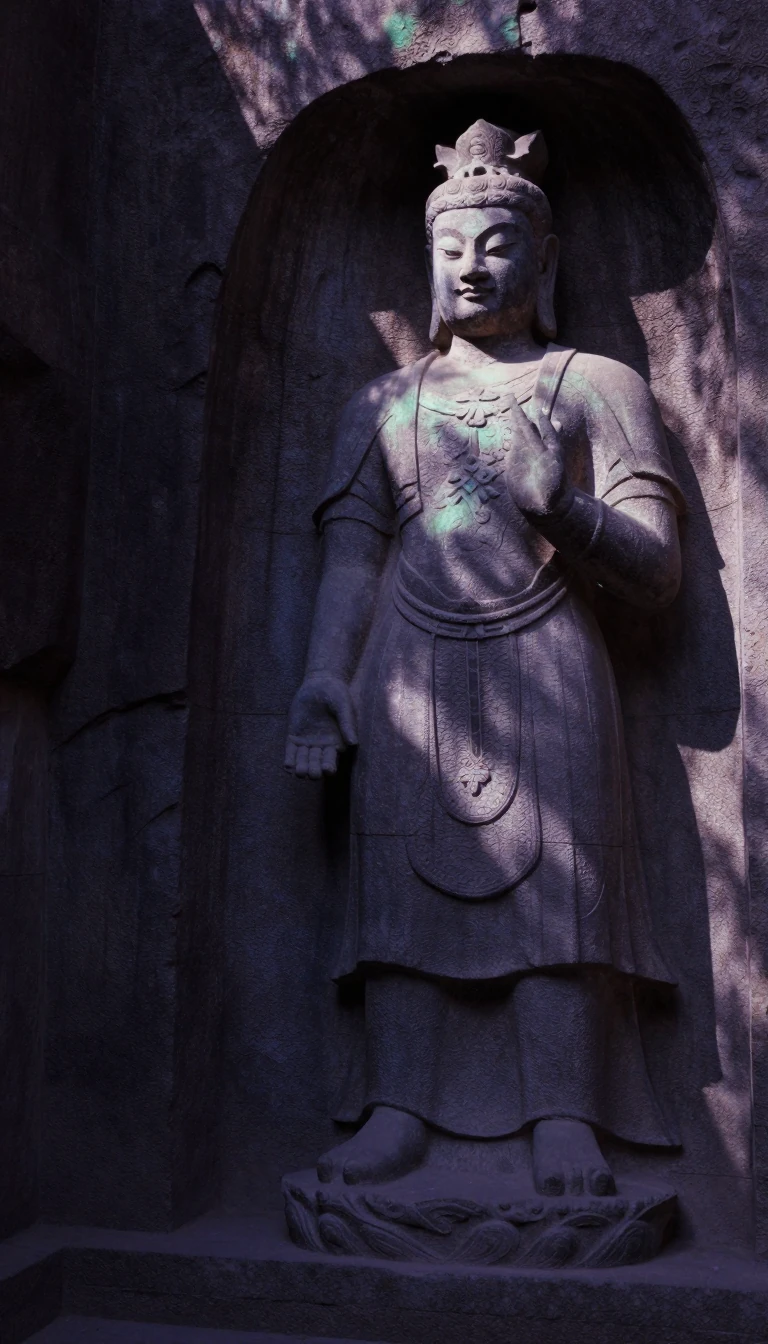 A 12th-century masterpiece of stone, built to endure a millennium of shifting empires.Commissioned in 1117 CE, the Chennakeshava Temple in Belur stands as a testament to Hoysala architectural ingenuity. Crafted from soft soapstone that hardens over time, this sacre…
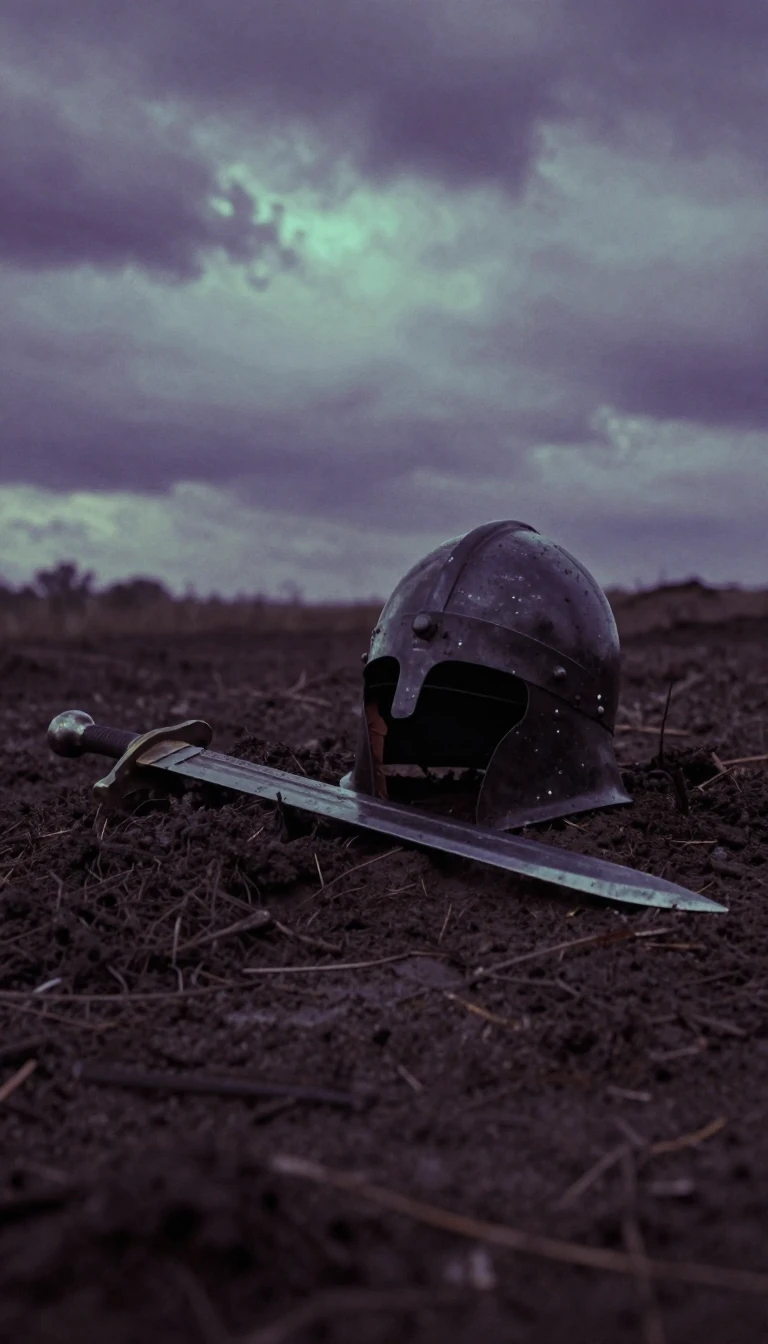 How the King of Bourges transformed a desperate, fractured realm into a unified power.Charles VII inherited a throne in ruins, mocked as the King of Bourges while English forces occupied his capital. Yet, through the unlikely catalyst of Joan of Arc and radical mil…
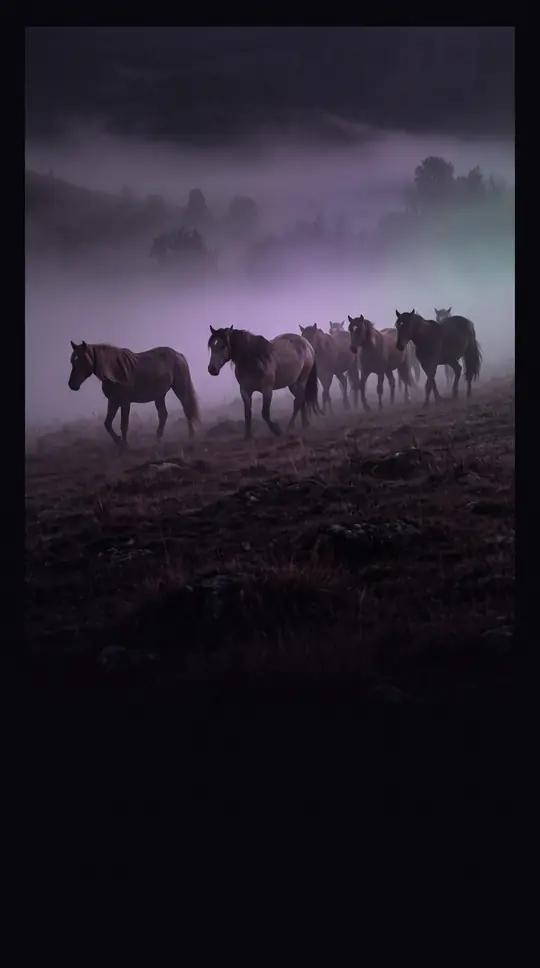 How horses and firearms transformed the Lords of the PlainsBefore the 18th century, the Niitsitapi moved across the Great Plains using dogs to pull sleds. The arrival of horses and guns changed everything, turning a migratory group of hun…
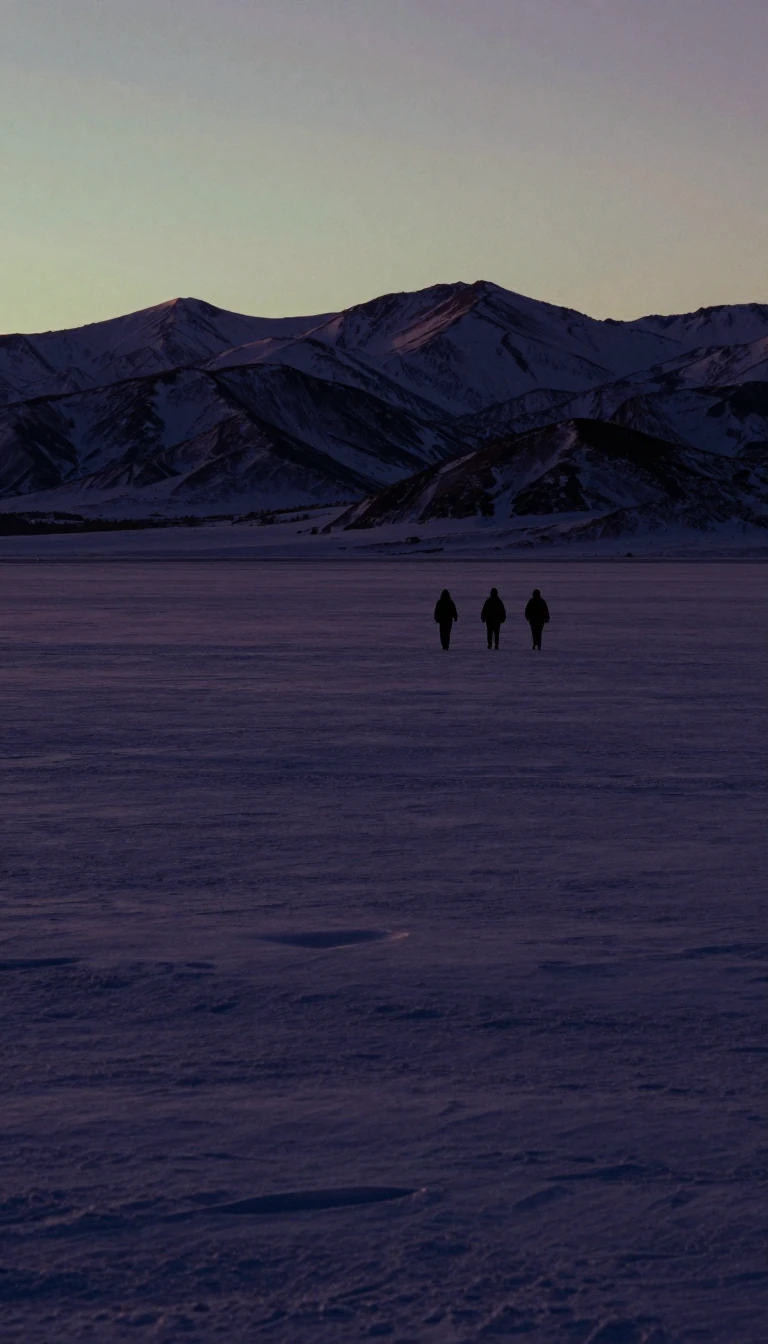 Did a warmer climate allow Vikings to settle North America centuries before Columbus?Norse explorers reached North America long before the 15th century, establishing a base in Newfoundland by 1021 AD. Their expansion across the North Atlantic was not merely a feat…
 Why did the British build a prison where every inmate was kept in isolation?The Cellular Jail in the Andaman Islands was designed as a panopticon, using a wheel-spoke layout to ensure total solitary confinement. By physically preventing communication betw…
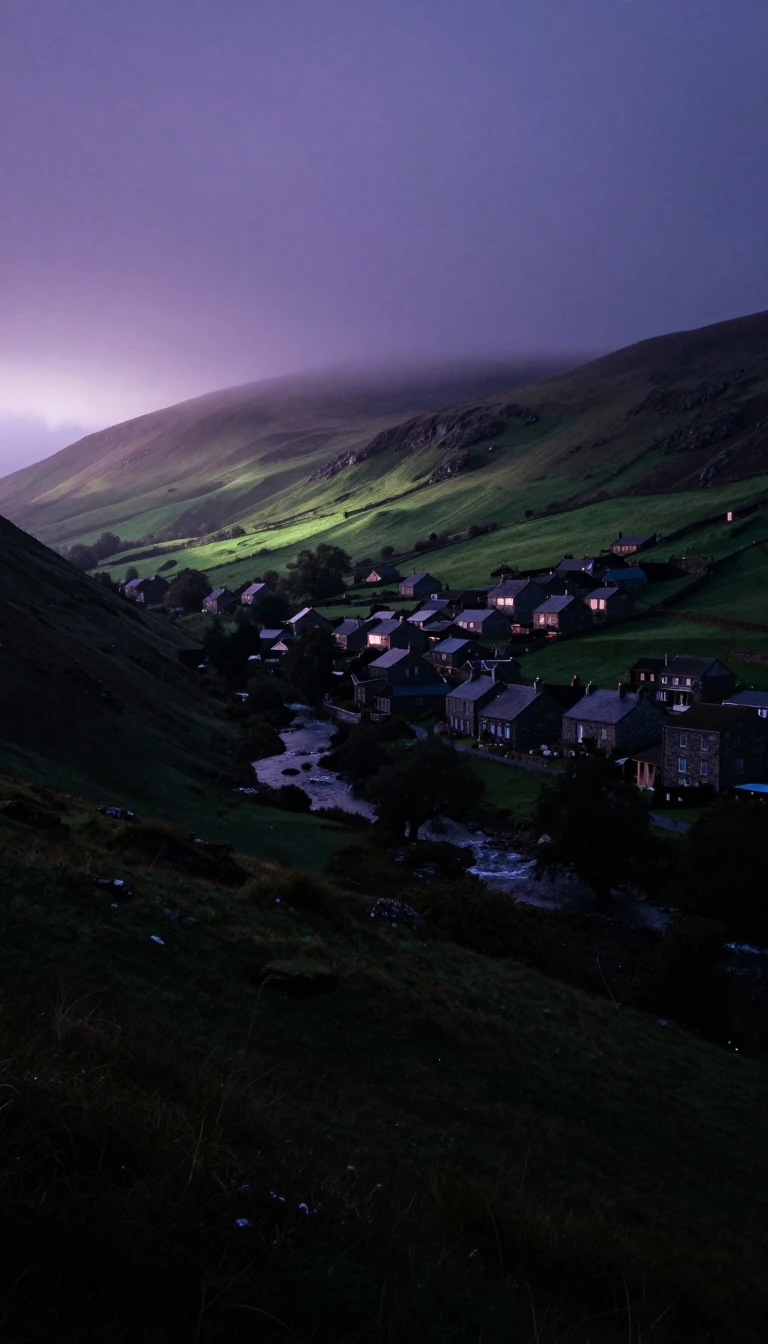 Why ancient Greeks called the founders of Chalcedon the blindFounded in 685 BC, the maritime town of Chalcedon was mocked by contemporaries for its location. While the nearby settlement of Byzantium claimed the superior position on the Bosp…
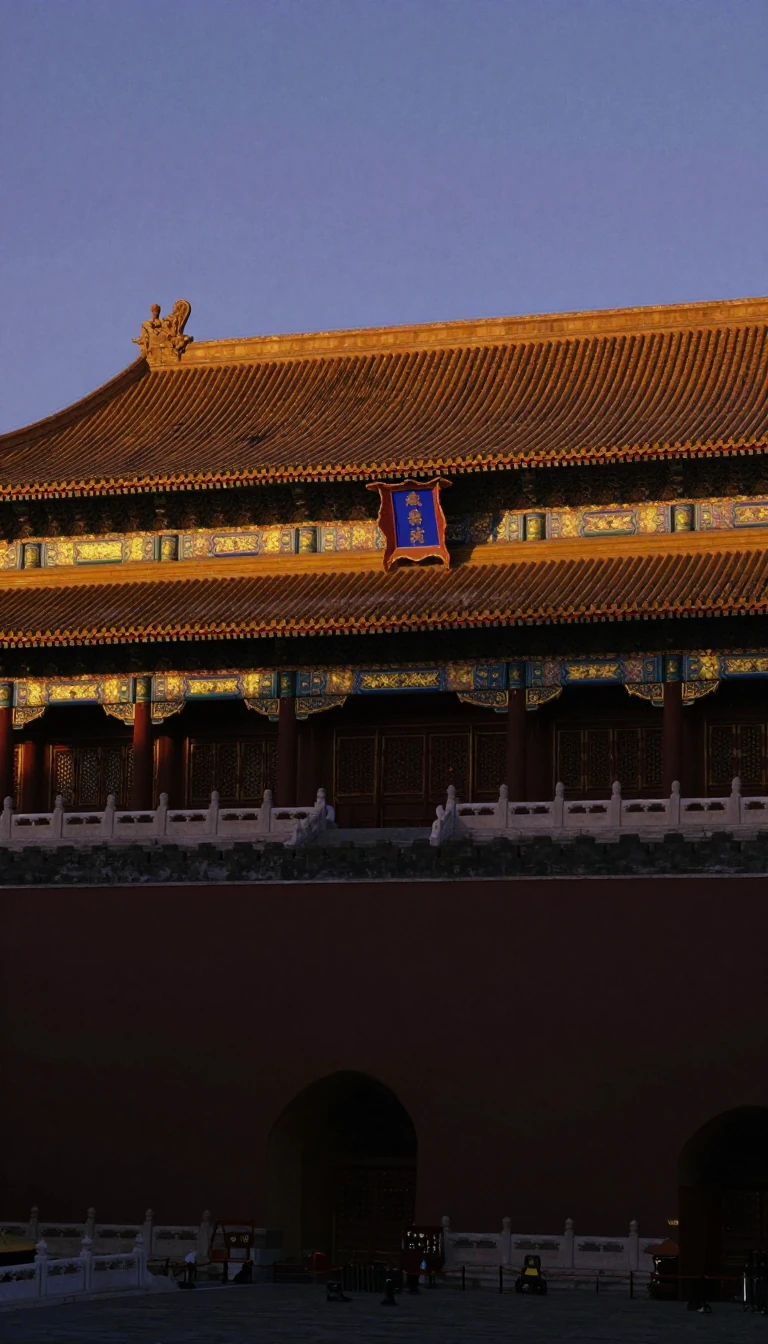 The Kamakura Period: How Japan Shifted from Imperial Refinement to Stoic Warrior RuleBetween 1185 and 1333, Japan underwent a seismic transformation. The imperial court in Kyoto lost its grip on power as a new, disciplined warrior class seized control. This era es…