 Intellect Plus
History
21,004 cards. Each one is a 40-second story with a five-minute read behind it. Page 263 of 351.
Subtopics: 19th century · 20th century · Africa · Age of Exploration · Ages & eras · Ancient · Ancient China · Ancient egypt · Ancient greece · Ancient rome · Ancient trade · Archaeological discoveries · Archaeology · Astronomy · Australia · Auxiliary historical sciences · Babylon · Basics · Born on this day · Bronze age · Buddhism · Case studies · Chefs, bartenders and winemakers · China · Cities · Climate · Columbus · Contemporary (1945-) · Cosmetics people · Crime · Criminals · Decipherment · Deep time · Disasters · Early modern · Education · Egypt · Empires · Empires & civilisations · Exploration · Explorers · Extinction · Fandom, conventions and festivals · History by continent and large region · History by continent and region · History by country · History by country, small region and city · History by ethnicity · History by subject matter · History by topic · Inca · India · Industrial Revolution · Japan · Kings & queens · London · Mass hysteria · Medicine · Medieval kingdoms · Medieval life · Mediterranean · Mercedes-Benz History · Mesopotamia · Middle ages · Military leaders and theorists · Military leaders, personnel, and theorists · Ming dynasty · Misconceptions · Modern · Modern (1800-1945) · Napoleon · Navigation · North africa · Other · Pacific · Pharaohs · Philippines · Pirates · Post-classical · Prehistory · Propaganda · Public health · Rebels, revolutionaries and activists · Renaissance · Researched · Second world war · Shipwrecks · Silk Road · South america · Tradespeople · UK & Ireland: history · United states · Vikings · Volcanoes · Women in history
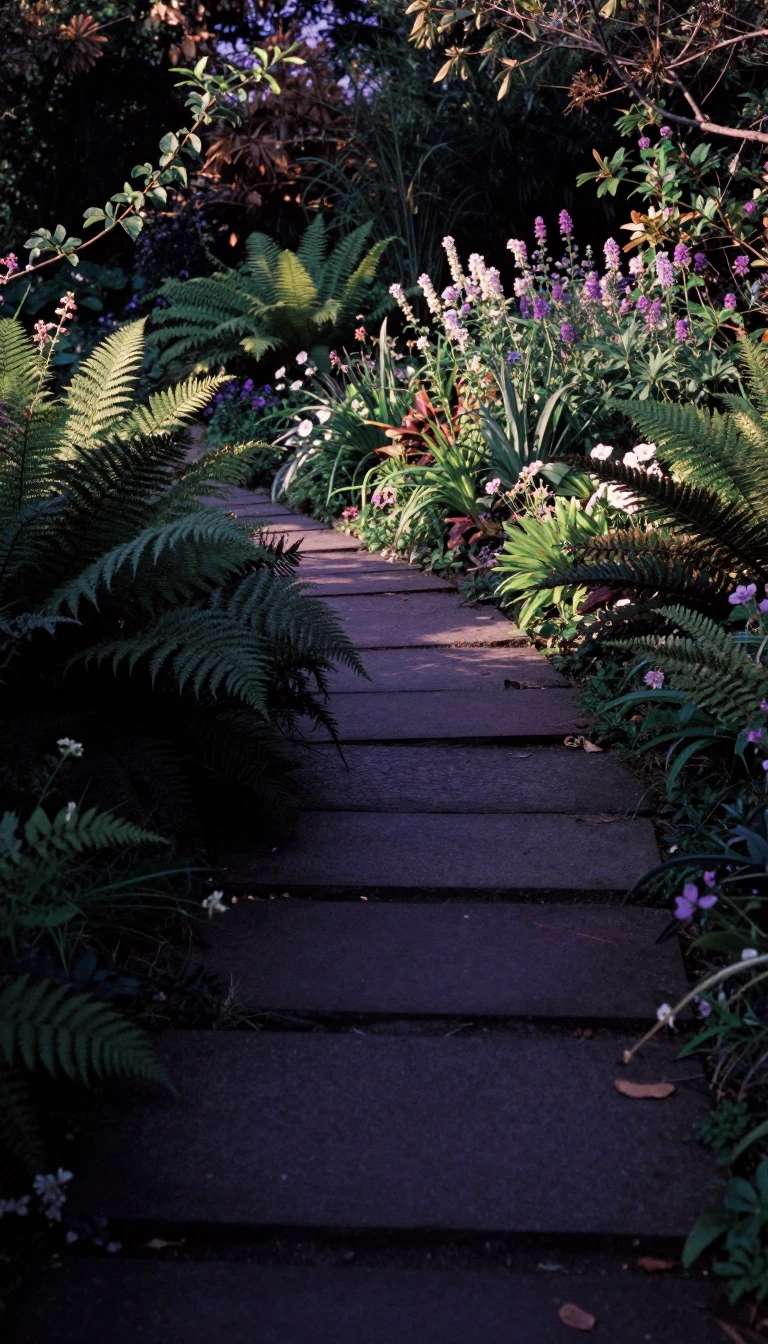 How a tropical garden helped Singapore become the world's leading rubber producerFounded in 1859, the Singapore Botanic Gardens evolved from a colonial pleasure park into a global scientific powerhouse. By perfecting rubber extraction techniques and pioneering…
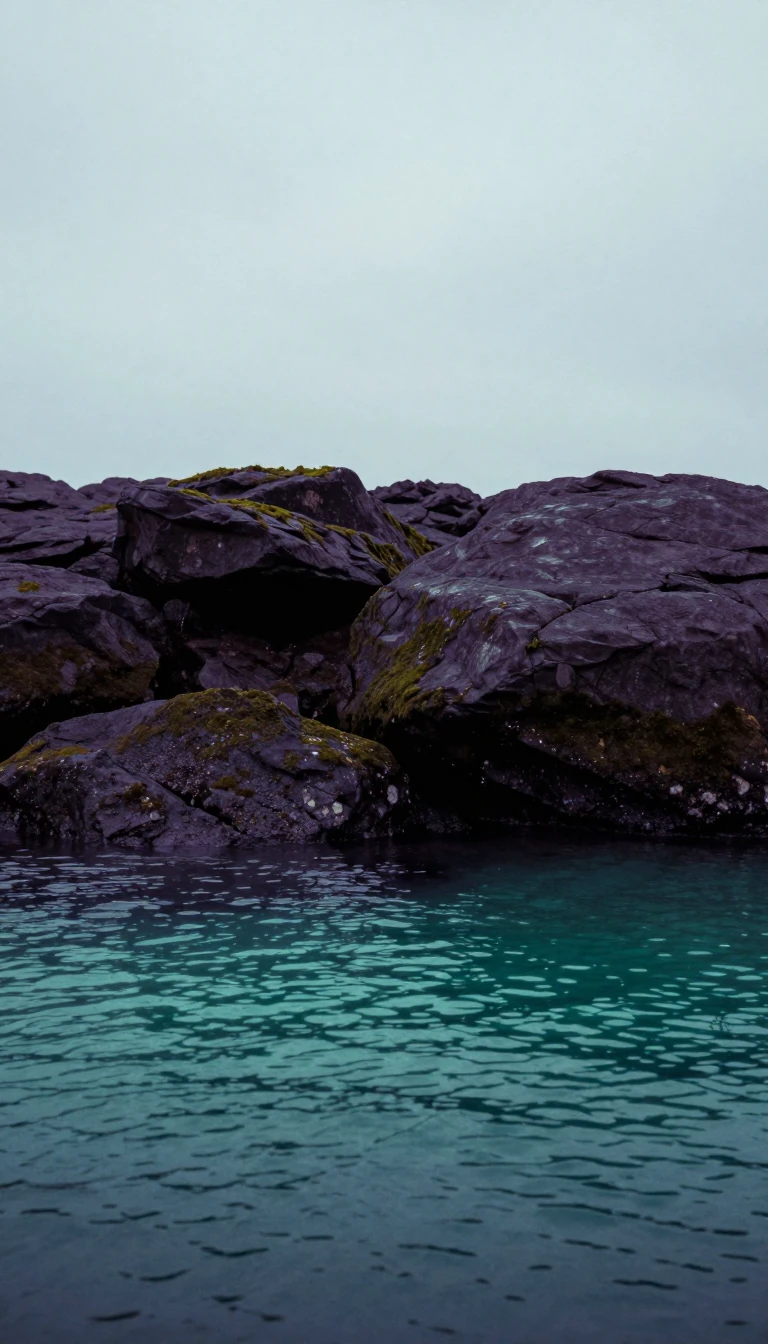 How a desolate, storm-lashed rock became a sanctuary for early Christian monksRising 218 meters out of the Atlantic, Skellig Michael is a jagged, twin-pinnacled crag off the coast of Ireland. Once home to a remote monastery founded between the 6th and 8th c…
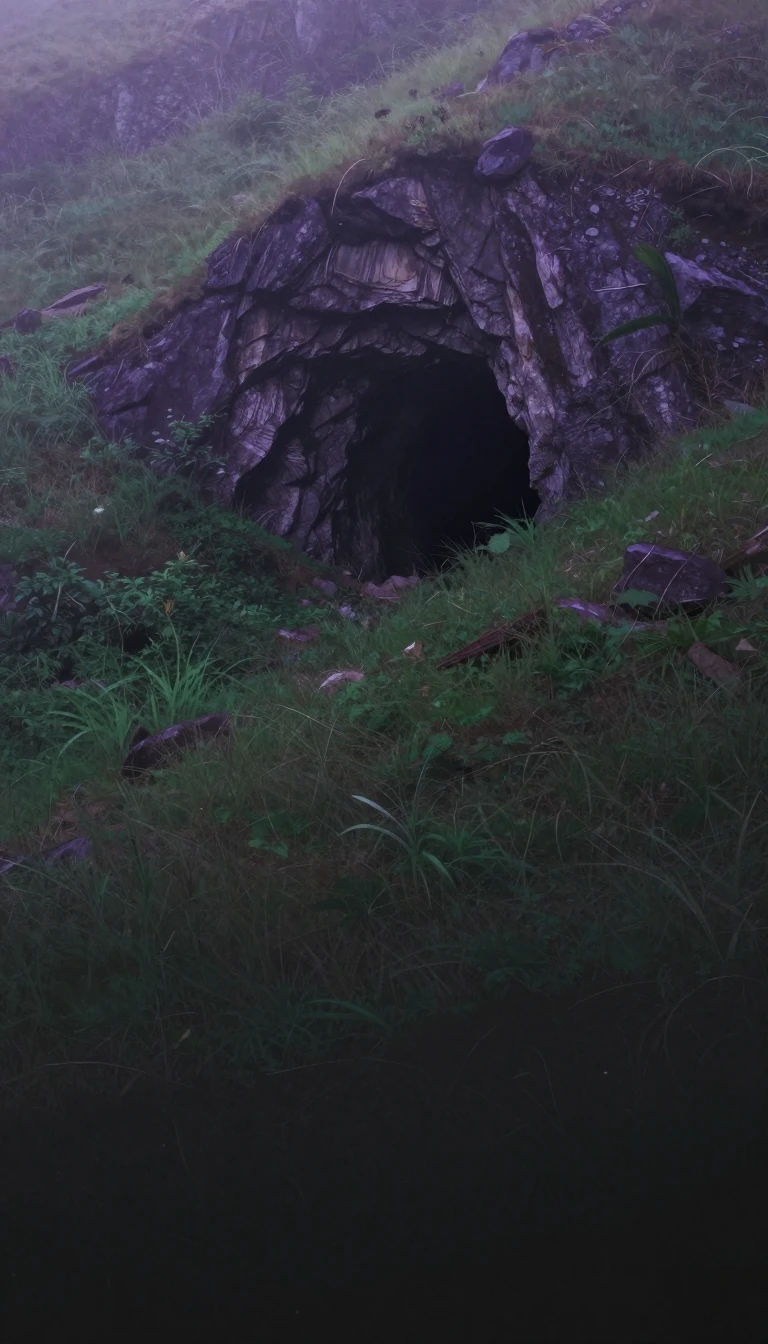 A Russian cave holds the world's only prehistoric painting of a two-humped camelDeep in the Ural Mountains, the Shulgan-Tash Cave preserves Paleolithic art that shattered the belief that such masterpieces were exclusive to Western Europe. Beyond its famous ma…
 The Burnt City: A Bronze Age Metropolis Hidden in the Iranian DesertShahr-e Sukhteh was once a sprawling urban center, thriving long before the rise of better-known civilizations. From the world's oldest animation to sophisticated brain surgery an…
 How a Sultan’s architectural ambition created the crowning masterpiece of the Ottoman EmpireCommissioned by Sultan Selim II and built by the legendary architect Mimar Sinan, the Selimiye Mosque in Edirne remains a pinnacle of Islamic design. Completed in 1575, this archi…
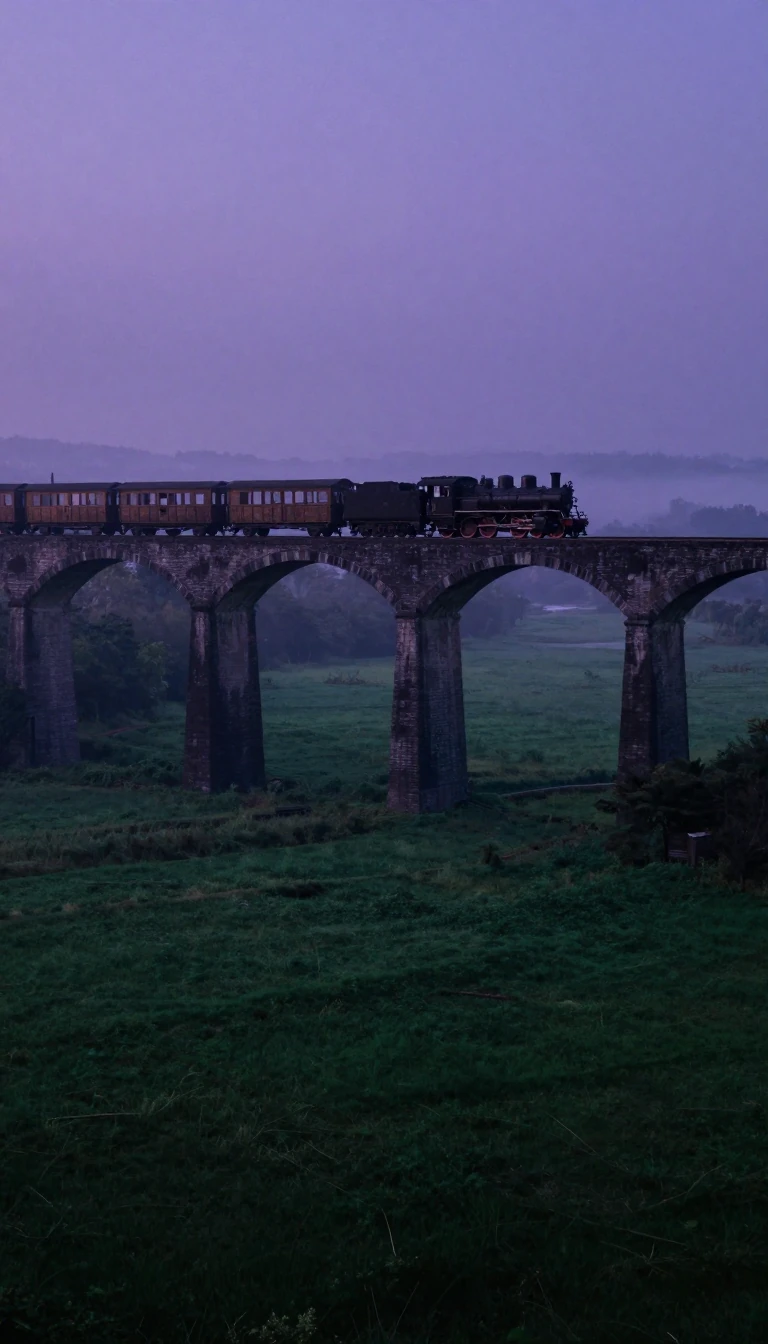 How Austria conquered the Alps with stone, steam, and a vision of landscape gardeningCompleted in 1854, the Semmering Railway was the world's first true mountain railway. It forced engineers to invent entirely new surveying methods and locomotive designs to conque…
 How a sandbagged wall saved Leonardo da Vinci’s masterpiece from total destruction in 1943The Santa Maria delle Grazie in Milan is a UNESCO World Heritage site, but its most famous treasure, The Last Supper, nearly vanished during World War II. When Allied bombs struck…
 The 1569 Macau institution that served as a lifeline for sailors and their familiesIn the heart of Senado Square stands a historic monument that once functioned as the primary social safety net for early Macau. Established by the Bishop of Macau, Belchior Carnei…
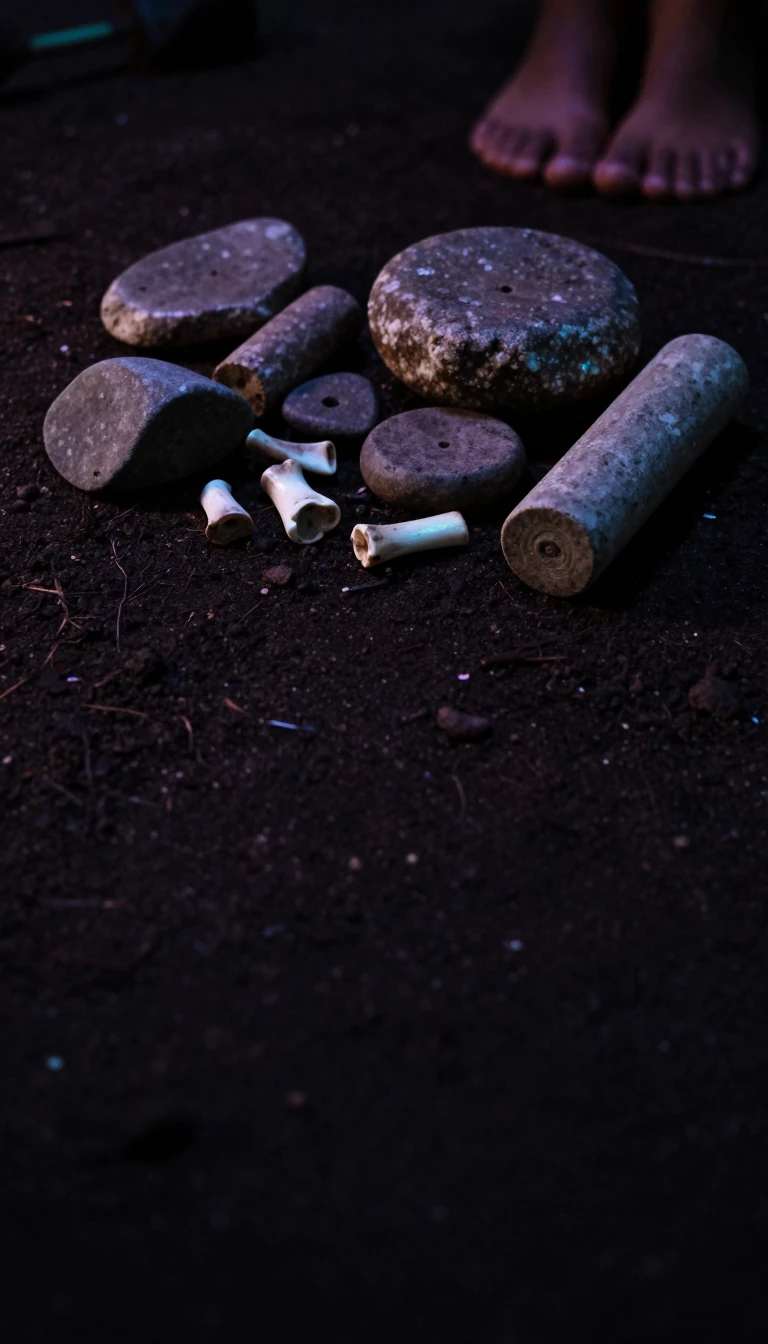 Why this Indonesian dome is the world's most important site for human evolutionDeep in Central Java, a geological dome eroded by time has revealed a treasure trove of human history. Sangiran is widely considered the most fruitful site on Earth for studying f…
 Was Haiti’s grandest royal palace built on the site of a political assassination?Constructed between 1810 and 1813, the Palace of Sans-Souci served as the opulent seat of King Henri Christophe. Beyond its architectural splendor, the site is shrouded in a dark …
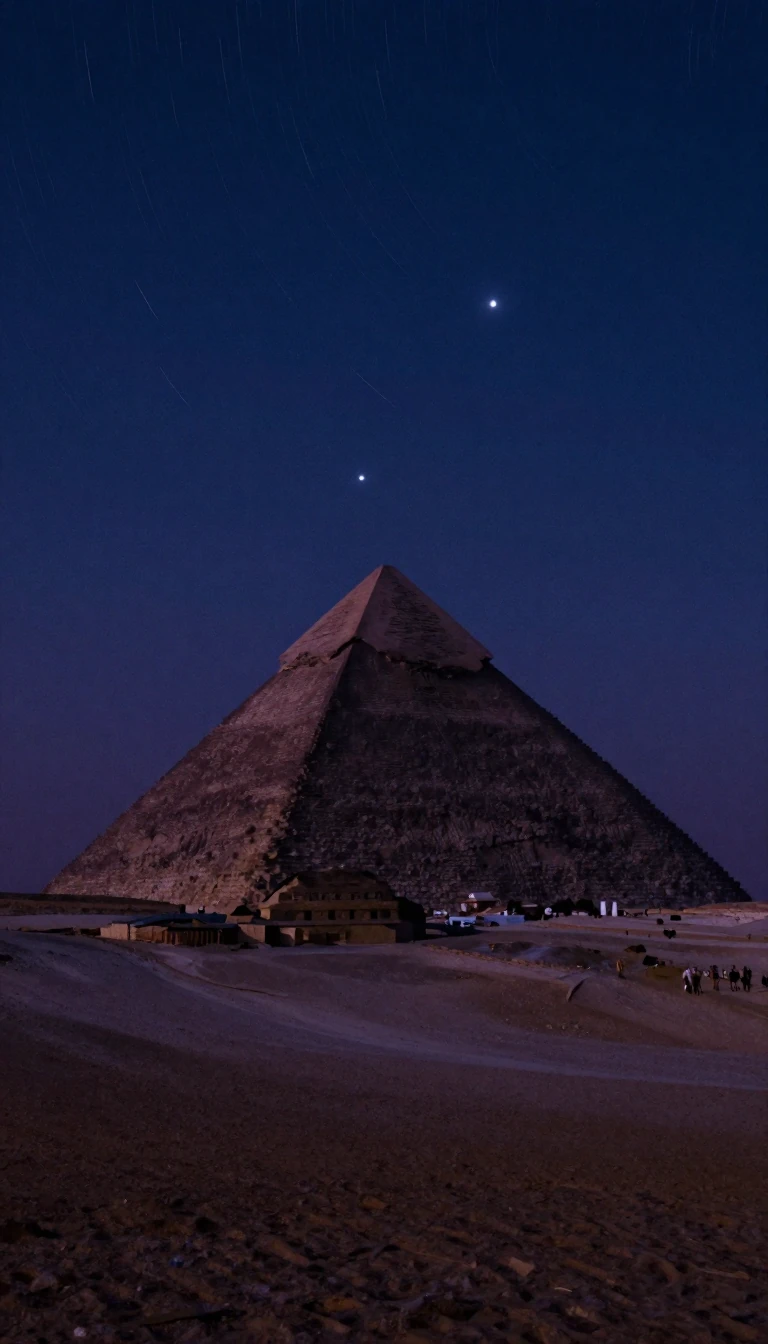 How a simple brick mound became the blueprint for ancient Indian Buddhist architectureThe Great Stupa at Sanchi began as a modest brick structure commissioned by Emperor Ashoka in the 3rd century BCE. Over centuries, it evolved into an elaborate stone complex, serv…
 How a Victorian wool tycoon built a model village to escape the city slumsIn 1851, industrialist Titus Salt began constructing a revolutionary model village in West Yorkshire to provide his textile workers with clean housing and social amenities. Today,…
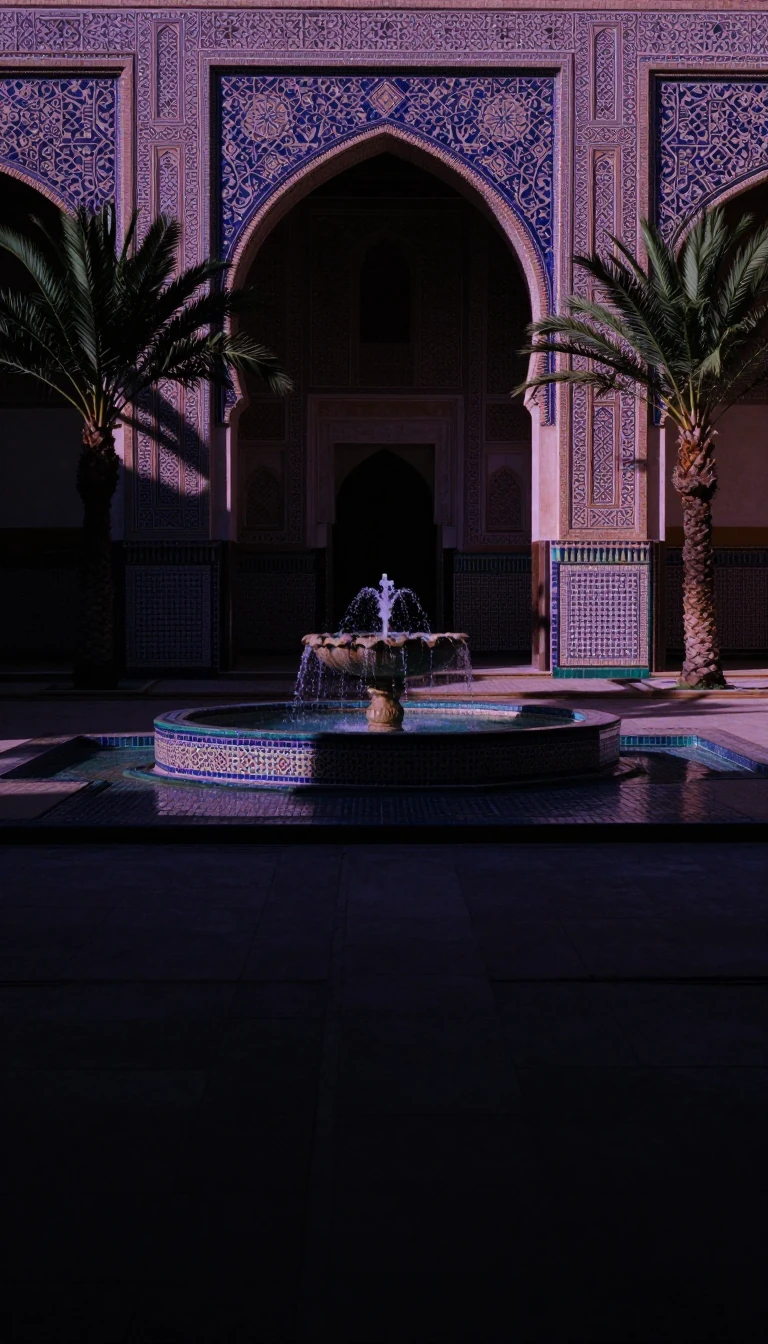 Why did a medieval caliphate build a massive capital only to abandon it?Founded in 836 CE as a grand administrative center, Samarra was once the heart of the Abbasid Empire. Yet, within decades, the caliphs retreated to Baghdad, leaving behind a spraw…
 Before Angkor, the Chenla Kingdom built a sprawling forest capital of brick and stone.Deep in the Cambodian forest lies Sambor Prei Kuk, a vast 1,000-acre complex of 150 Hindu temples. Established as the capital Isanapura in the 7th century, this Pre-Angkorian site…
 The Sado Gold Mine: A World Heritage Site Built on Contested Historical NarrativesFor centuries, the Sado mines fueled Japan's economy, from Tokugawa shogunate currency to wartime military supplies. Today, the site is a UNESCO World Heritage treasure, yet its r…
- Why Renaissance pilgrims climbed Italian mountains to visit a miniature JerusalemIn the late sixteenth and seventeenth centuries, architects in northern Italy transformed mountain slopes into sacred landscapes. These nine sites, known as Sacri Monti, were desi…
 How a remote Alpine monastery became a masterpiece of Carolingian art and powerPerched on a vital mountain pass, the Abbey of Saint John in Müstair served as both a strategic fortress and a canvas for the Carolingian Renaissance. Its walls hold some of the m…
 The Brooding Soldier: A silent sentinel marking the site of the first poison gas attack.In April 1915, the Canadian First Division faced the first large-scale poison gas deployment of the Western Front. Today, a towering, mournful monument in Belgium stands where the…
 How the Joseon Dynasty built a bridge between the living and the deadFor over five centuries, the Joseon Dynasty constructed elaborate royal tombs across the Korean Peninsula to assert authority and honor ancestors. These sites are not merely buria…
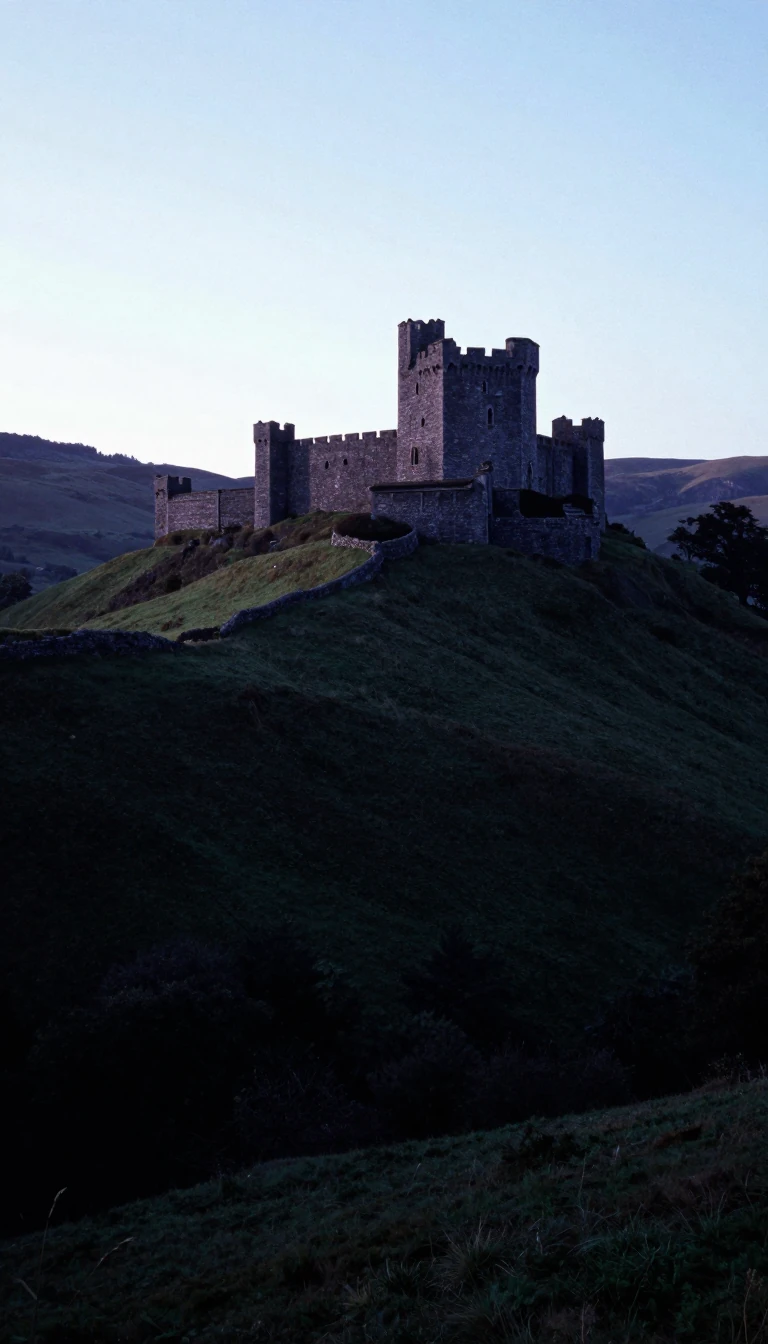 Why medieval fortresses in Languedoc are now celebrated as royal monumentsKnown popularly as Cathar castles, these rugged Languedoc fortifications were recently designated a UNESCO World Heritage Site. While often associated with the dispossessed Cathar…
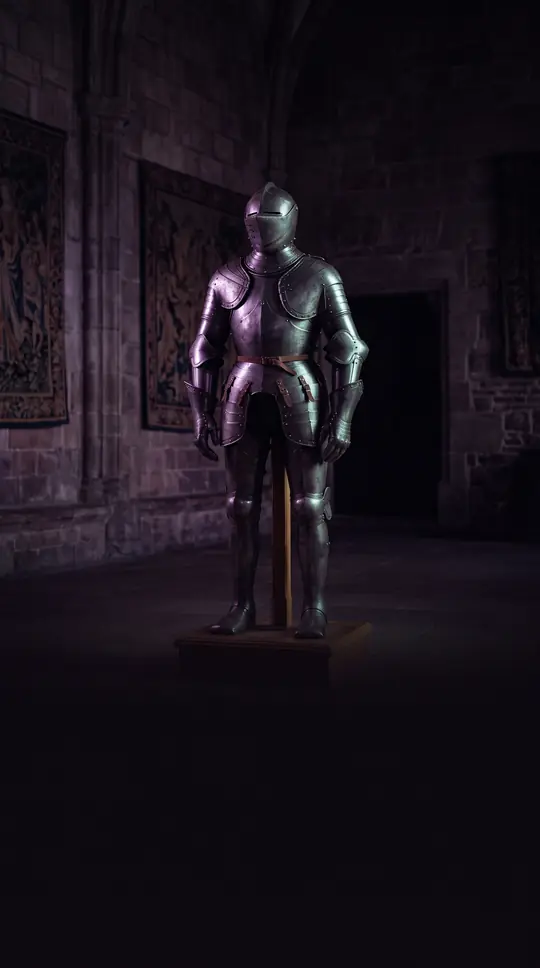 How a royal gallery of paintings became one of the world's premier armour collectionsThe Royal Armoury of Turin is a testament to the Savoy family's obsession with military history and prestige. Once a gallery for royal art, this UNESCO World Heritage site was tra…
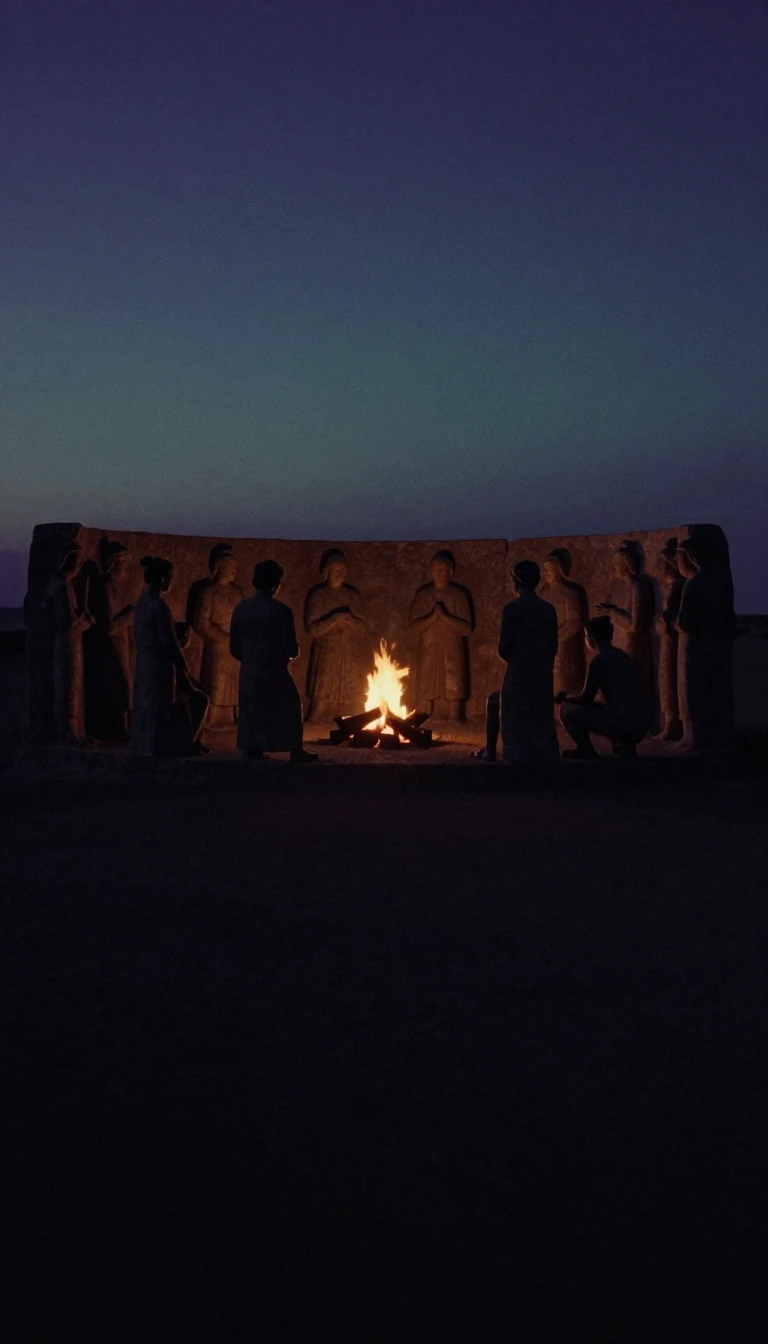 Italy's vast rock art gallery reveals eight millennia of human thought and ritualIn the Province of Brescia, Italy, lies the world's most extensive collection of prehistoric petroglyphs. Spanning over 8,000 years, these hundreds of thousands of carvings on gla…
- Why ancient Swedish rock carvings are now 25 meters above the seaIn Tanum, Sweden, thousands of Bronze Age petroglyphs reveal a society of master mariners and ritualists. Though these carvings were etched along the coastline millennia ago, they…
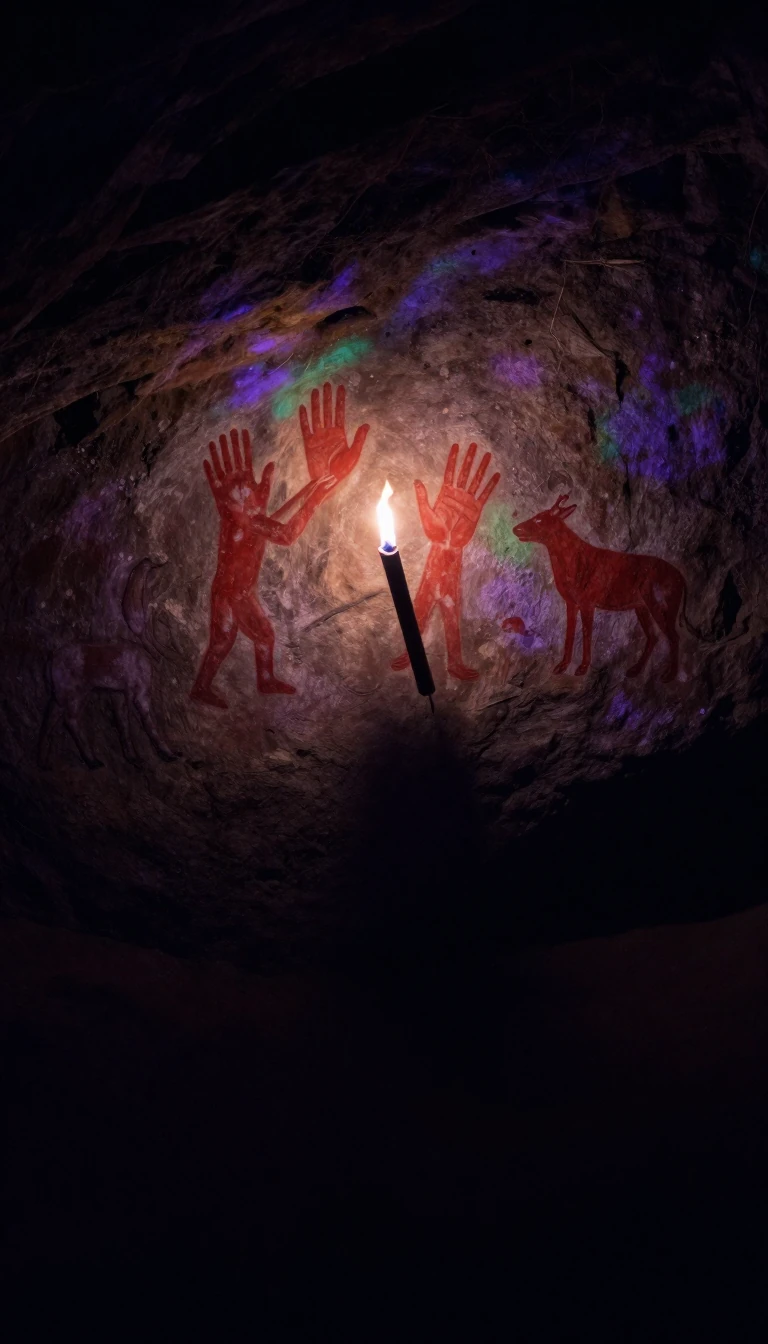 Did a race of giants create the ancient murals of Baja California?Hidden within the remote mountain ranges of Mexico, hundreds of prehistoric rock shelters house an extraordinary collection of ancient art. While early legends once attributed the…
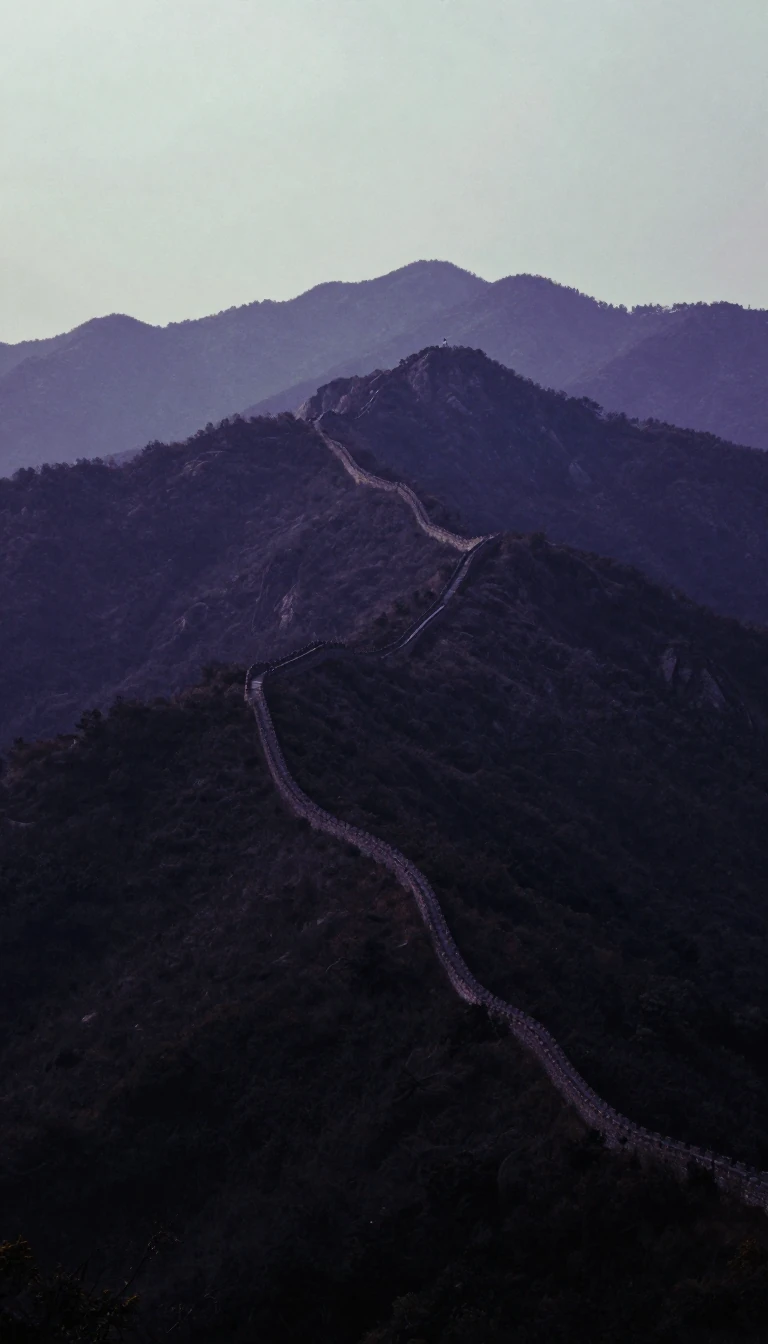 Why did the Romans build a massive stone fortress around the town of Lugo?Stretching over two kilometers, the Roman walls of Lugo remain a remarkably intact relic of the third century. Built to protect the colonia of Lucus Augusti from invaders, these f…
- Why ancient hunters in Norway carved thousands of images into the rising shorelineDiscovered in 1973, the rock art of Alta reveals a sophisticated hunter-gatherer culture that thrived for five millennia. These thousands of carvings, etched into stone with quart…
 Is this ancient mountain observatory a genuine scientific discovery or a modern archaeological myth?High in the mountains of Gran Canaria lies Risco Caído, a collection of prehistoric caves and temples designated as a UNESCO World Heritage Site in 2019. While celebrated for its …
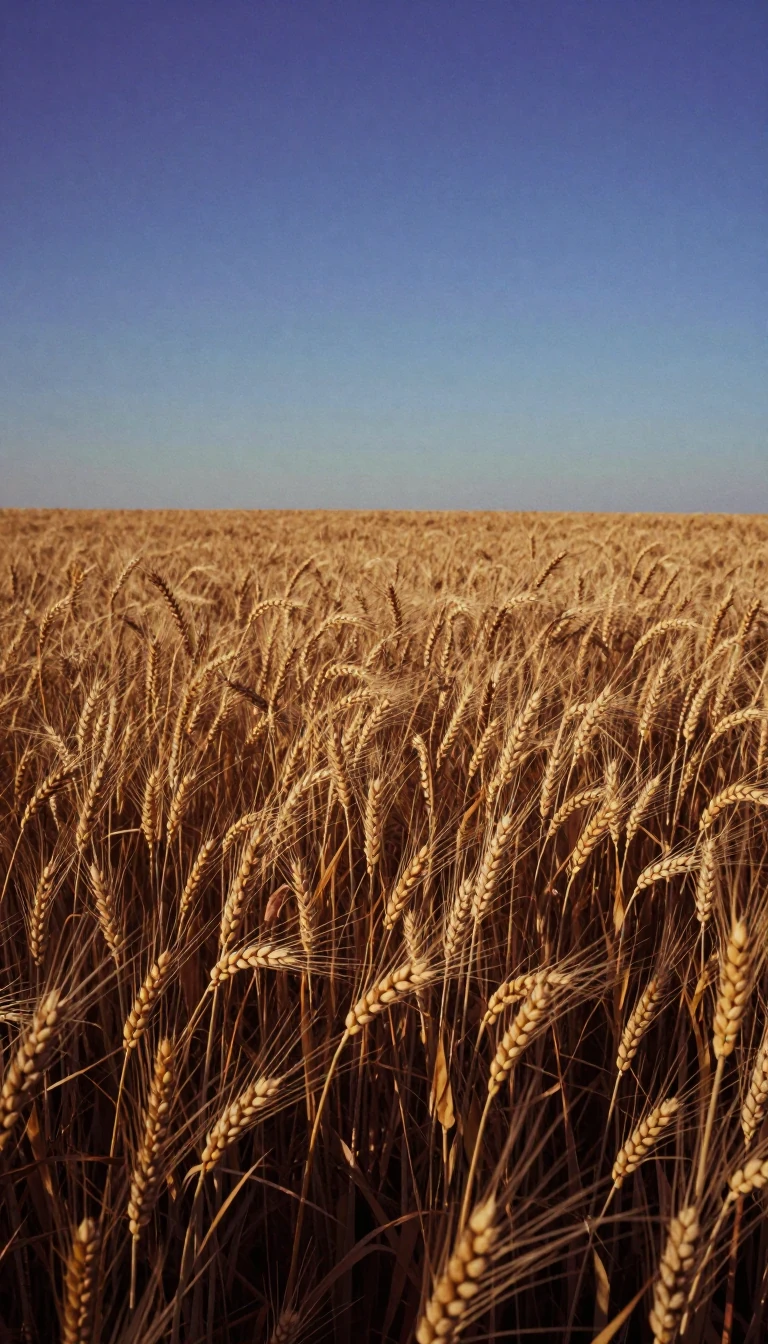 How a Norwegian valley transformed global agriculture through the power of falling waterIn the early 20th century, a remote Norwegian valley became the epicenter of a new global industry. By harnessing massive hydroelectric power to fix atmospheric nitrogen, Norsk Hy…
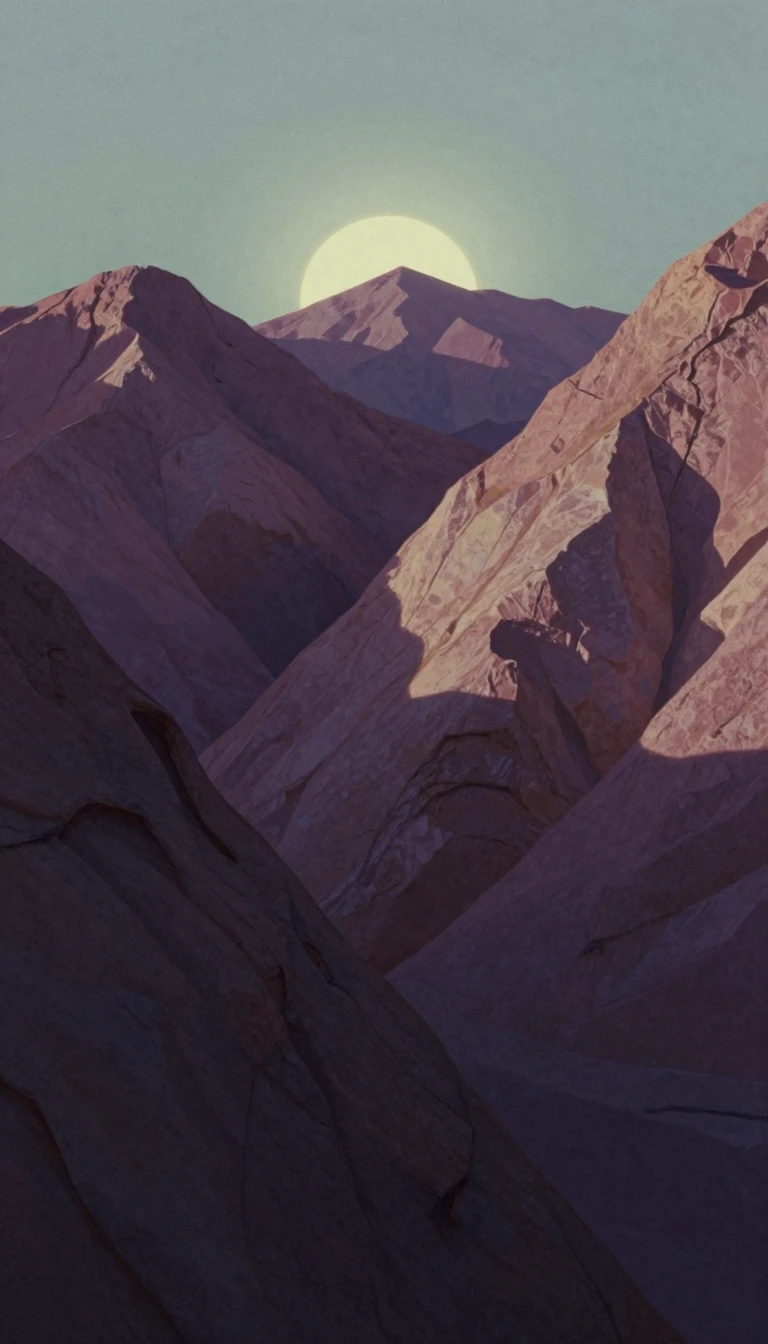 Eight millennia of human history are etched into the Saudi Arabian desert rock facesIn the arid expanse of the Ha'il region, ancient populations carved their stories into stone. These petroglyphs, spanning 8,000 years, serve as a visual chronicle of human resilie…
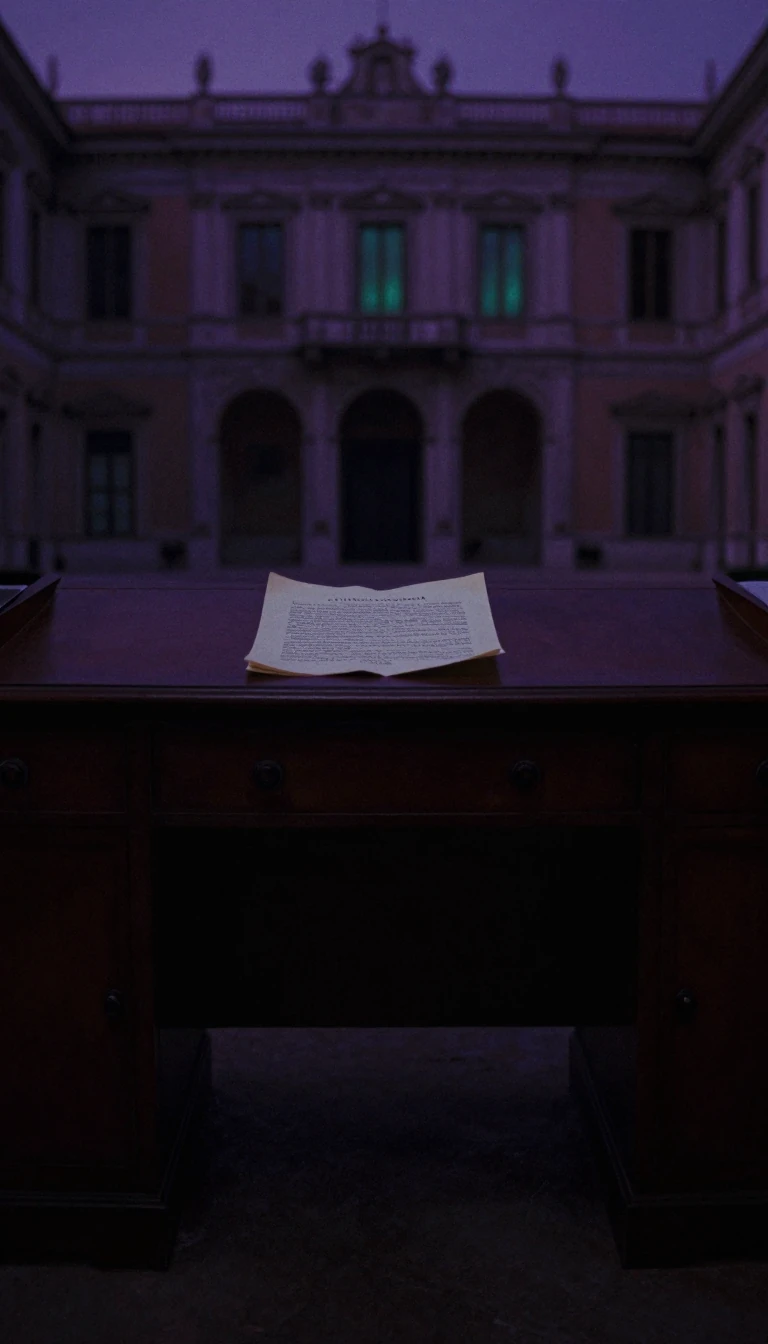 How the House of Savoy used architecture to cement their absolute power in ItalyIn 1562, the Duke of Savoy moved his capital to Turin, launching a massive architectural campaign. By commissioning the finest architects to build lavish palaces and hunting lodge…
 The Philippine Rice Terraces are not ancient relics but products of colonial resistance.Long believed to be over 2,000 years old, the iconic rice terraces of the Philippine Cordilleras are actually much younger. Recent archaeological evidence suggests these engineeri…
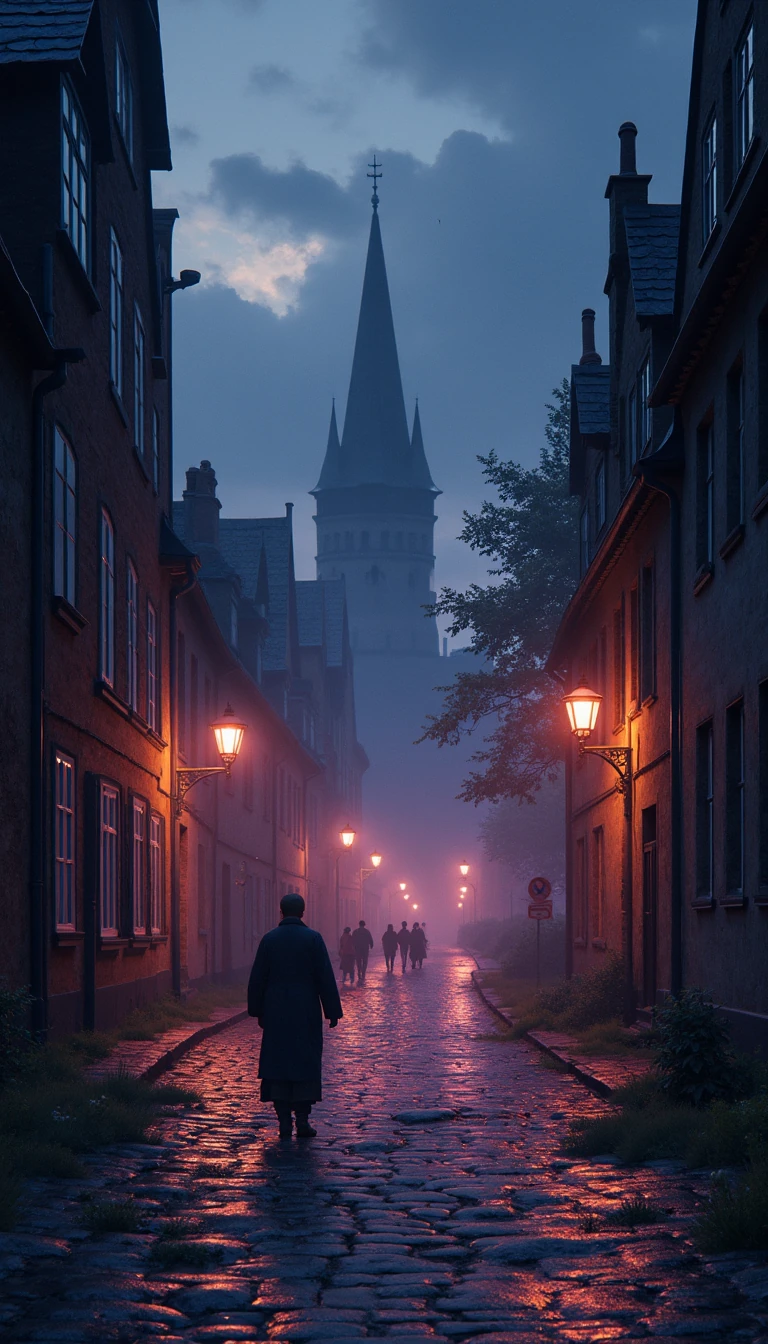 How a tiny island in Lake Constance became a medieval intellectual powerhouseIn 724, a remote island in Southern Germany was transformed from an abandoned site into a thriving center of Carolingian and Ottonian culture. Reichenau Abbey fostered poets, scho…
- How a remote island monastery became the intellectual powerhouse of the Carolingian EmpireFounded in 724 on a strategic German island, Reichenau Abbey evolved from a modest Benedictine settlement into Europe's premier center for illuminated manuscripts. By leveraging i…
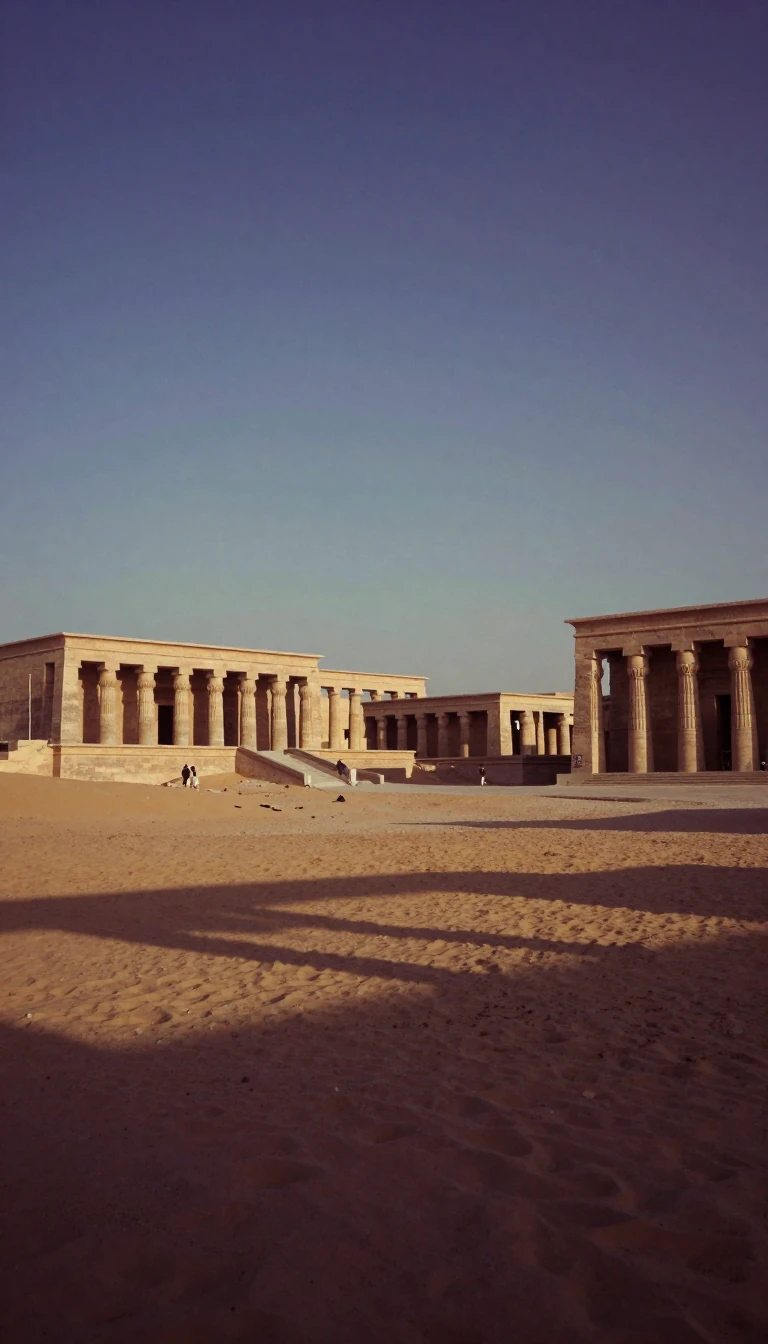 A desert trade hub in Saudi Arabia reveals a surprising Hellenistic pastQaryat al-Faw, once the capital of the Kingdom of Kinda, was a thriving trade center on the edge of the Empty Quarter. Recently designated a UNESCO World Heritage Site, this ancie…
 A victory tower built from the ruins of twenty-seven demolished ancient templesThe Qutb Minar complex in Delhi is a layered chronicle of power, where Islamic monuments rise directly from the foundations of destroyed Hindu and Jain temples. Beyond its famous …
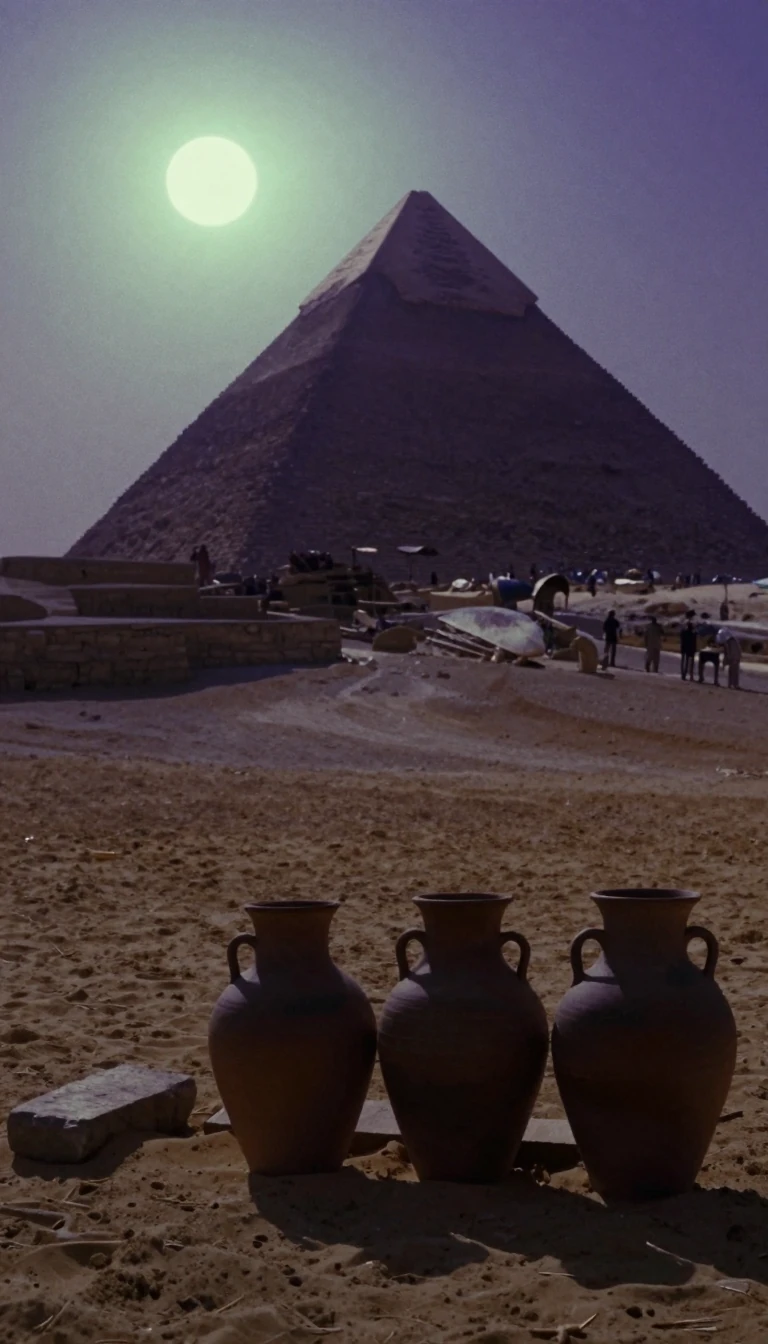 How a society of hunter-gatherers built North America's most complex prehistoric earthwork monumentIn northeastern Louisiana, the Poverty Point site defies standard archaeological wisdom. While most ancient monumental structures were built by agricultural societies with food su…
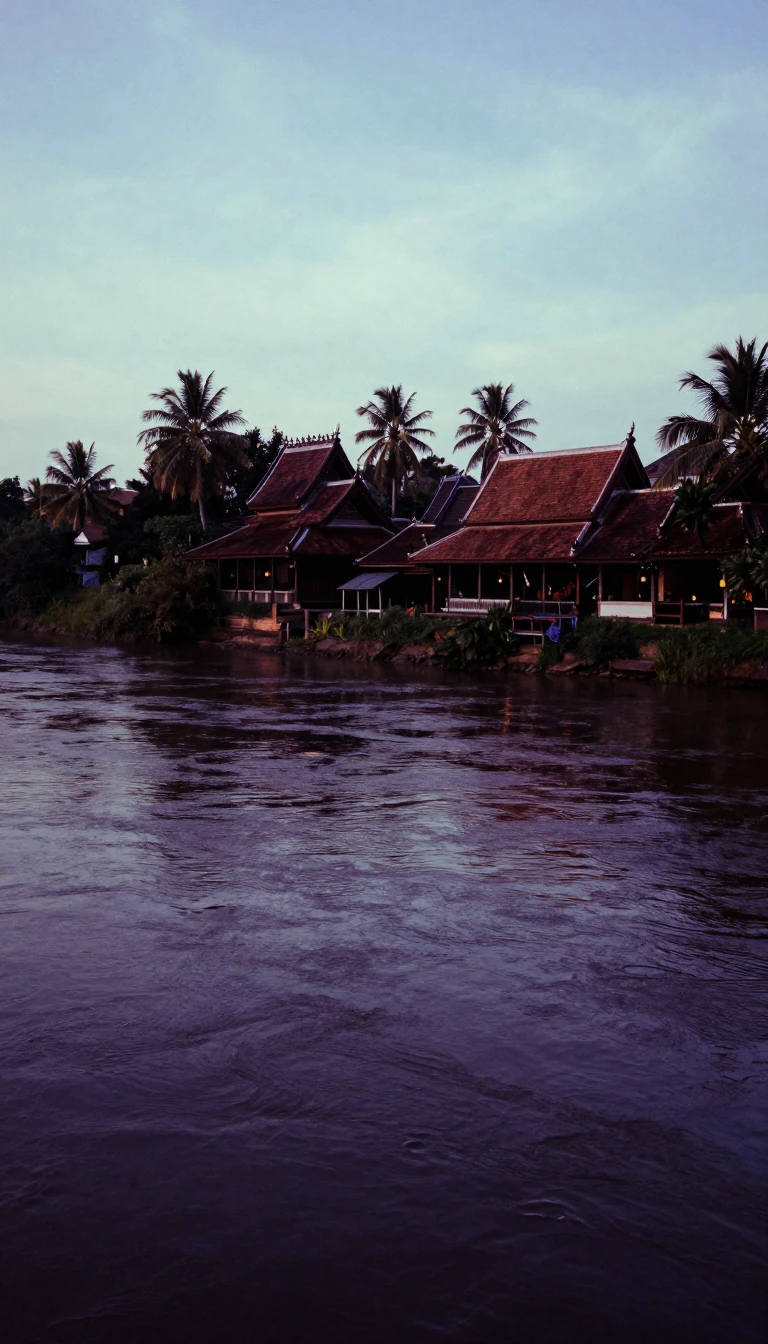 A sacred Khmer temple perched on a cliff became the center of a geopolitical storm.Perched 525 meters above the Cambodian plains, Preah Vihear is an architectural marvel of the Khmer Empire. Yet, this ancient sanctuary is better known for a century-long border d…
- Why prehistoric stilt houses were never actually built over the open waterFor centuries, the image of ancient lake dwellings perched above shimmering water has captivated the imagination. Yet, archaeological evidence reveals a more practical reality. Th…
- How a dam project accidentally revealed the world's largest open-air Paleolithic art gallery.In the 1990s, a massive dam project in Portugal threatened to submerge thousands of ancient rock engravings. The resulting public outcry, fueled by the slogan The carvings don't k…
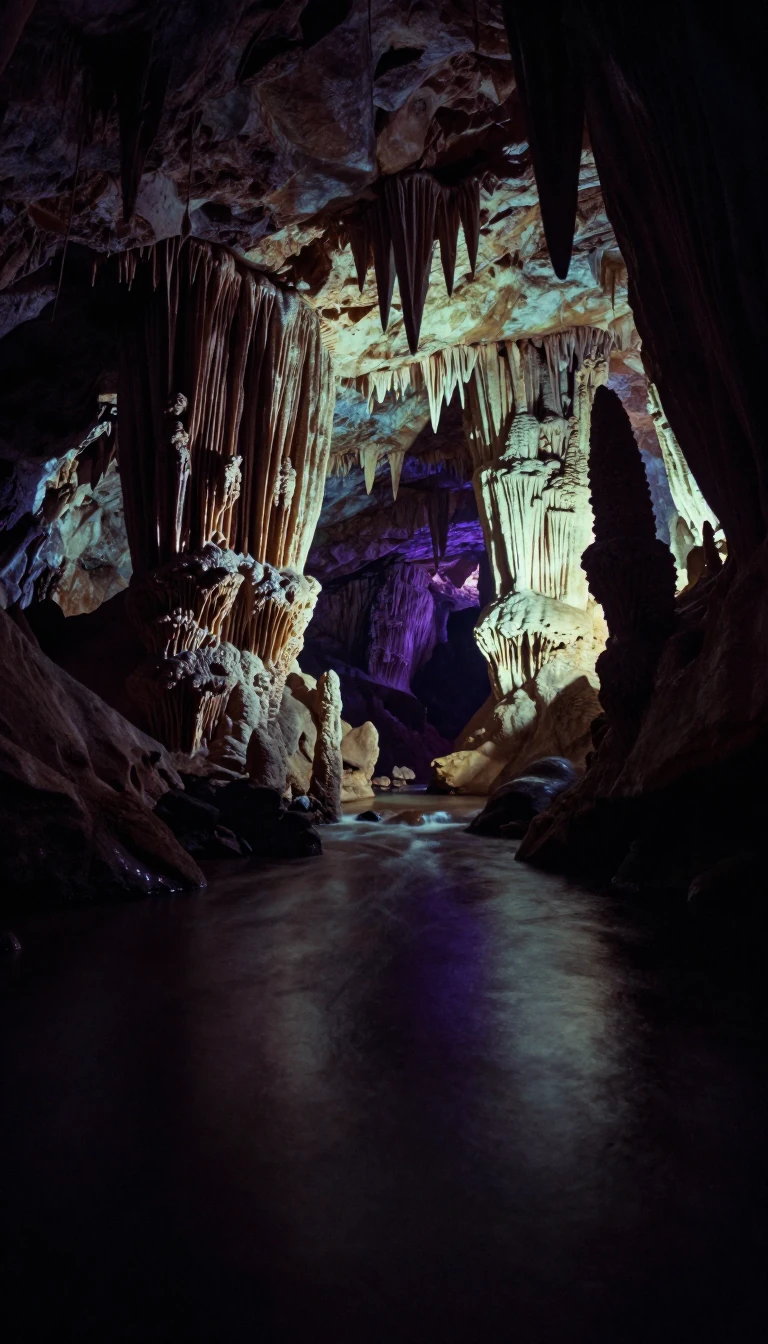 How a small French valley became the undisputed capital of prehistoric human historyThe Vézère valley in France holds over 150 prehistoric sites, including 25 decorated caves that fundamentally reshaped our understanding of human antiquity. Once dismissed as mode…
 The Carolingian fortress that became a sanctuary for ancient Roman literature and English novelsFounded in 822, the Princely Abbey of Corvey was a powerhouse of the Holy Roman Empire. From its strategic position on the Weser river, it evolved from a monastic center of Caroli…
 A memorial built in the wrong place for the wrong army's missing soldiersThe Pozières Memorial in France stands as a haunting paradox. Though it honors over 14,000 soldiers who vanished during the 1918 Spring Offensive, the site sits on the wrong side …
 The solitary resting place for Portugal's fallen soldiers in the French countrysideTucked away in Pas-de-Calais, the Portuguese Military Cemetery at Richebourg stands as a singular monument to a nation's sacrifice during the First World War. It remains the only …
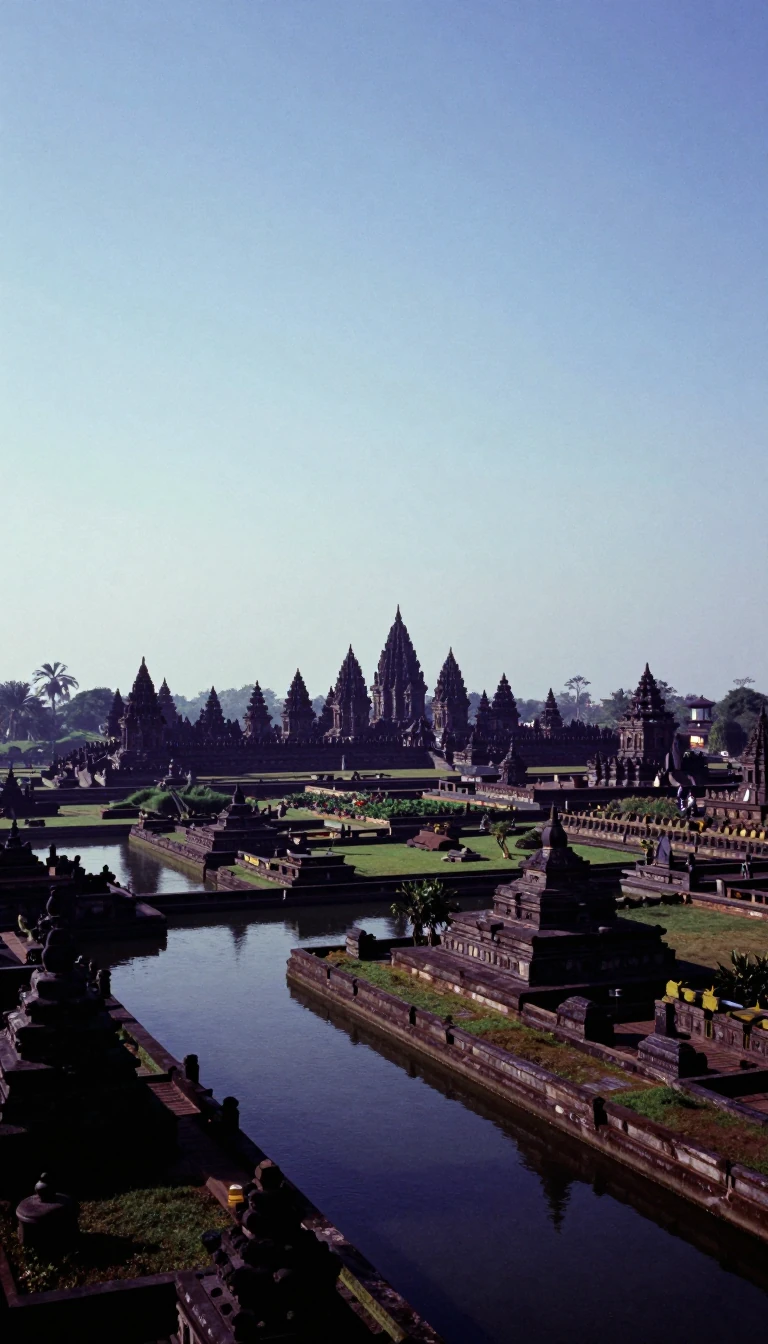 How a remote Andean mountain became the engine of the global Spanish EmpirePerched at over 4,000 meters, Potosí was once the world's second-largest city, fueled by the staggering silver wealth of Cerro Rico. This high-altitude mining hub transformed glob…
 How a medieval Sri Lankan kingdom mastered water to achieve total self-sufficiencyPolonnaruwa was once a thriving medieval capital where engineering brilliance turned the landscape into a self-sustaining powerhouse. From its origins as a military outpost to its…
 How a Roman engineering marvel survived two millennia of neglect and human interferenceThe Pont du Gard is a masterpiece of Roman ingenuity, built to carry water across a rugged French landscape. Though it fell into disuse and suffered centuries of looting and milit…
- How a Belgian forest became a permanent piece of British imperial soilDeep within the Ypres Salient lies Ploegsteert Wood Military Cemetery, a site where the earth itself was ceded to the United Kingdom in perpetuity. This burial ground, born from t…
- How a Cistercian monastery became the final resting place for the kings of AragonFounded in 1151, Poblet Abbey served as more than a spiritual retreat. It was a strategic power center and the royal pantheon for the Crown of Aragon. Despite surviving centuries …
- A Polygon of Remembrance: The Quiet Geometry of the First World WarTucked away in the Ypres Salient of Belgium, the Polygon Wood Cemetery stands as a somber testament to the shifting frontlines of the First World War. Designed by Charles Holden, …
- Why this 19th-century Welsh wonder is held together by ox bloodCompleted in 1805, the Pontcysyllte Aqueduct remains the highest canal bridge in the world. This industrial marvel, which carries narrowboats 127 feet above the River Dee, relies …
- Ancient stone carvings in Karelia reveal the spiritual lives of Neolithic huntersDeep in the Russian wilderness, thousands of prehistoric rock carvings offer a rare window into the Neolithic era. Spanning two distinct clusters near Lake Onega and the White Sea…
 How a poet’s garden became the blueprint for Germany’s most influential landscape parkThe Park an der Ilm in Weimar is more than a green space; it is a living monument to the 18th-century Classical Weimar movement. Shaped by the vision of Johann Wolfgang von Goethe…
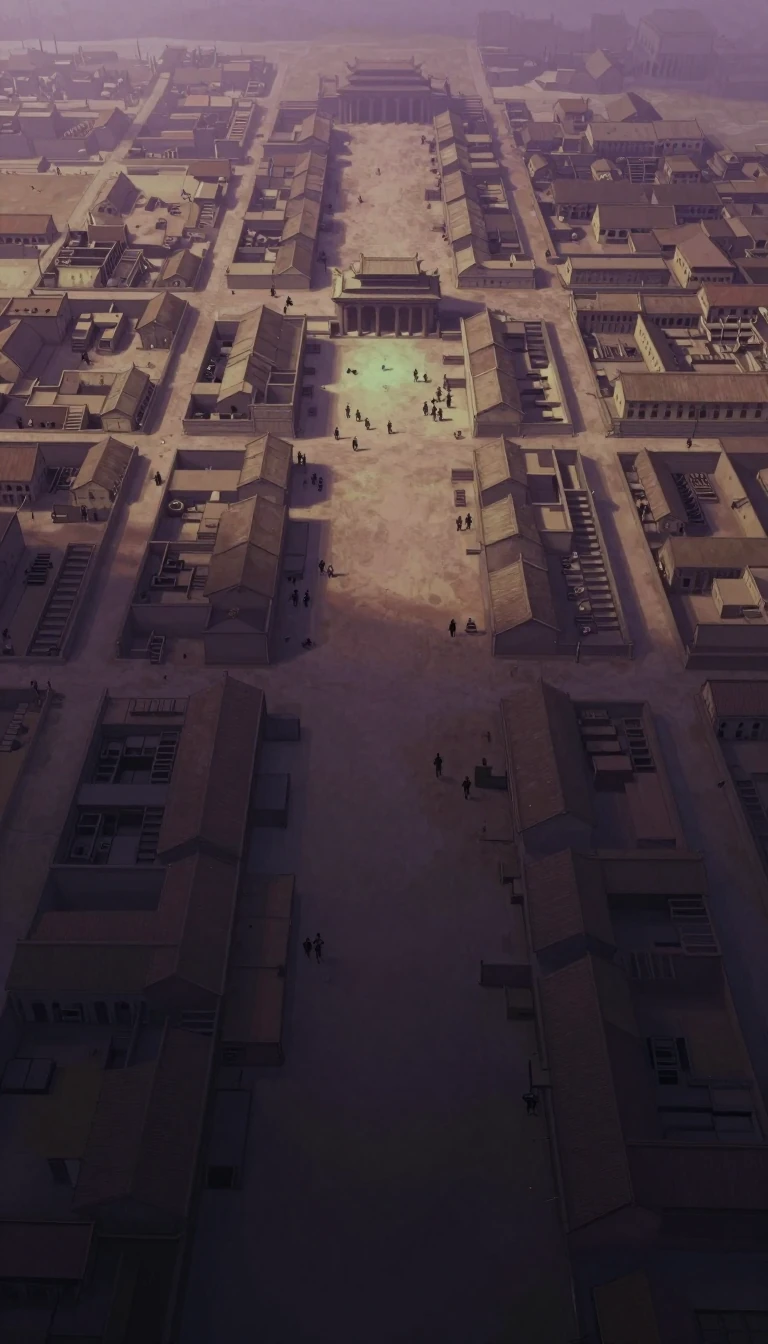 How a Macedonian gold-mining outpost became a miniature Rome and a Christian cradle.Founded by Philip II to secure gold and strategic mountain passes, Philippi evolved from a Macedonian garrison into a Roman colony and a pivotal site for early Christianity. Thoug…
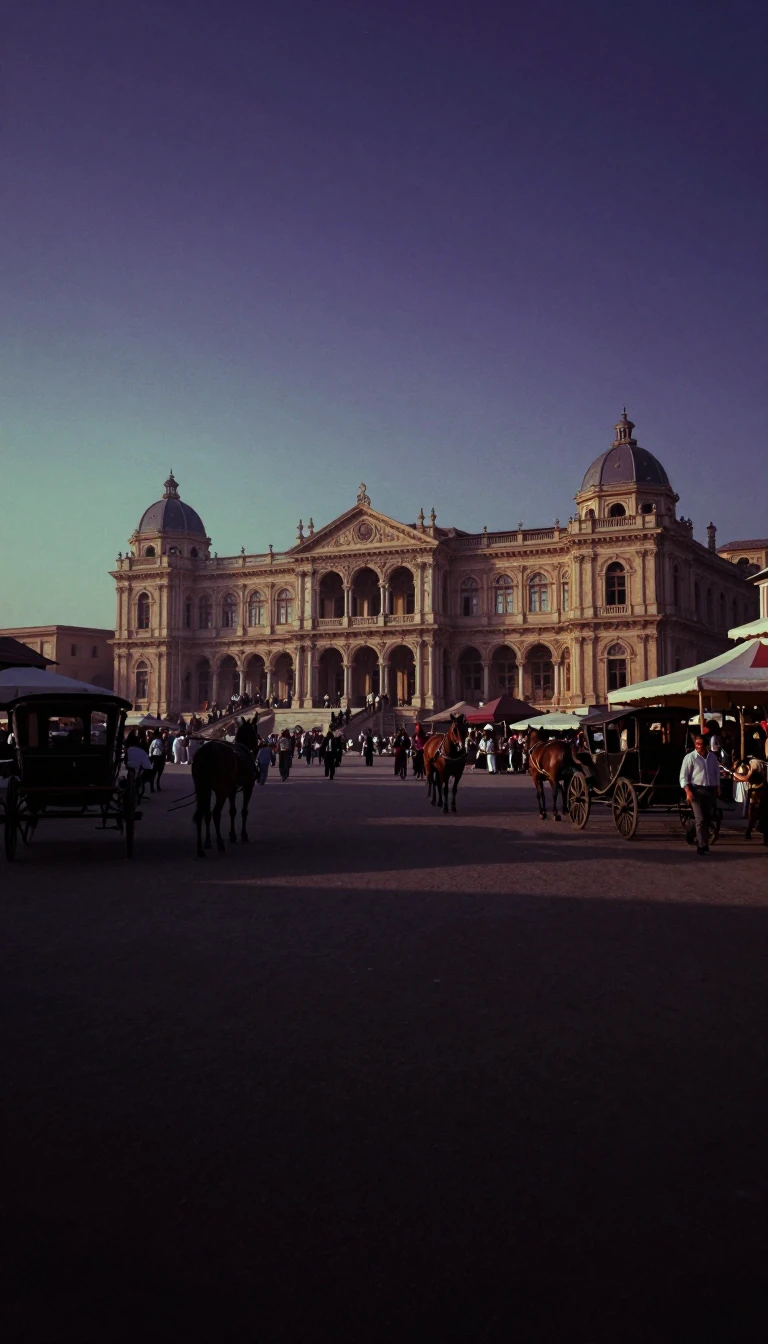 How a divided border once severed a unified landscape of Prussian grandeurSpanning over 2,000 hectares, this UNESCO World Heritage site is more than just a collection of royal estates. It is a complex historical tapestry where monarchic ambitions and mo…
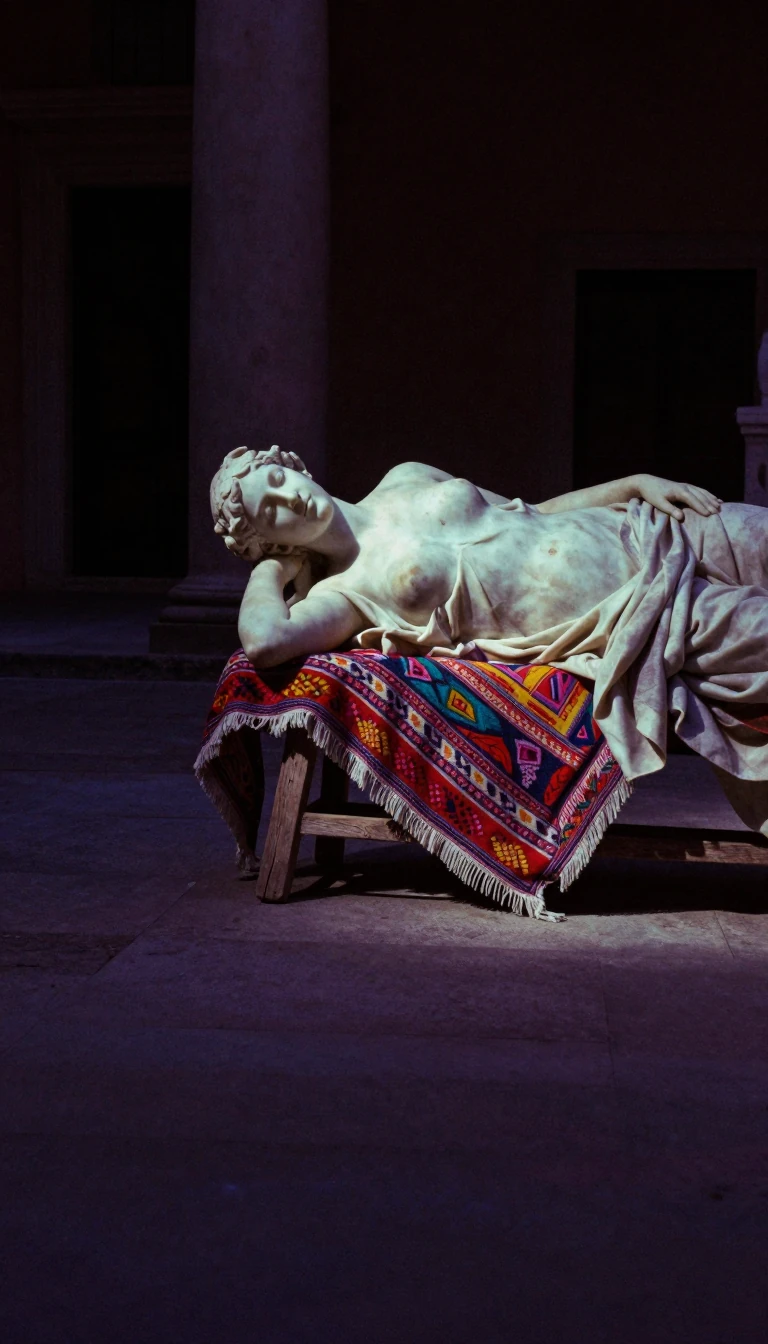 How a Genoese Palace Transformed Through Centuries of Elite Marriage and Architectural AmbitionLocated in the heart of Genoa, the Palazzo Cosmo Centurione stands as a masterpiece of Baroque design. Once a private residence for noble families, this UNESCO World Heritage site…
- How a Genoese banker’s private home became a mandatory state guesthouse for visiting dignitariesIn the sixteenth century, the Republic of Genoa forced its wealthiest citizens to open their doors to visiting royalty and diplomats. Among these elite residences was the Palazzo …
- How a Genoese palace used frescoes of Cleopatra and Columbus to secure social statusPalazzo Belimbau in Genoa is more than a UNESCO World Heritage site. Its 17th-century frescoes were a calculated political statement, using the legends of Cleopatra and Christophe…
 Why the world's oldest academic botanical garden was built behind a high wallFounded in 1545 to cultivate medicinal herbs, the Orto Botanico di Padova remains in its original location in Italy. Its unique circular design was once protected by a high wall t…
- How a medieval marketplace transformed into the heart of the Holy Roman EmpireThe Old Town of Prague began as a humble 9th-century trading hub on the banks of the Vltava. Through strategic trade and royal favor, it evolved into a fortified medieval powerhou…
 Was this ancient Parthian fortress a royal palace or a grand imperial tomb?Located near modern Ashgabat, Nisa was once a thriving hub of the Parthian Empire. While often cited as the first seat of the Arsacid dynasty, its true purpose remains a mystery. …