 Intellect Plus
History
21,004 cards. Each one is a 40-second story with a five-minute read behind it. Page 264 of 351.
Subtopics: 19th century · 20th century · Africa · Age of Exploration · Ages & eras · Ancient · Ancient China · Ancient egypt · Ancient greece · Ancient rome · Ancient trade · Archaeological discoveries · Archaeology · Astronomy · Australia · Auxiliary historical sciences · Babylon · Basics · Born on this day · Bronze age · Buddhism · Case studies · Chefs, bartenders and winemakers · China · Cities · Climate · Columbus · Contemporary (1945-) · Cosmetics people · Crime · Criminals · Decipherment · Deep time · Disasters · Early modern · Education · Egypt · Empires · Empires & civilisations · Exploration · Explorers · Extinction · Fandom, conventions and festivals · History by continent and large region · History by continent and region · History by country · History by country, small region and city · History by ethnicity · History by subject matter · History by topic · Inca · India · Industrial Revolution · Japan · Kings & queens · London · Mass hysteria · Medicine · Medieval kingdoms · Medieval life · Mediterranean · Mercedes-Benz History · Mesopotamia · Middle ages · Military leaders and theorists · Military leaders, personnel, and theorists · Ming dynasty · Misconceptions · Modern · Modern (1800-1945) · Napoleon · Navigation · North africa · Other · Pacific · Pharaohs · Philippines · Pirates · Post-classical · Prehistory · Propaganda · Public health · Rebels, revolutionaries and activists · Renaissance · Researched · Second world war · Shipwrecks · Silk Road · South america · Tradespeople · UK & Ireland: history · United states · Vikings · Volcanoes · Women in history
 The world's largest French military cemetery sits atop a ridge of immense strategic importance.Dominating the flat Douai plain, Notre Dame de Lorette is more than just a burial ground. It is a site of intense First World War history, where three major battles unfolded. Toda…
- A silent stone sentinel stands guard over the lost soldiers of the Yser River.In the Belgian port of Nieuwpoort, a striking eight-metre pylon commemorates 547 British soldiers who vanished without a trace during the First World War. This monument, guarded b…
 How a Scottish village proved that industrial profit and human welfare could coexistFounded in 1785, New Lanark transformed from a water-powered cotton mill settlement into a global beacon of social reform. By prioritizing worker housing, education, and health, m…
- A French memorial honors thousands of Indian soldiers who fought in the Great WarIn the Pas-de-Calais region of France stands a circular stone monument dedicated to the thousands of Indian soldiers who perished during the First World War. Designed with a blend…
 The Nazca Lines were not built by aliens, but by people with simple tools.For decades, the Nazca Lines have been shrouded in mystery, with some even claiming they were landing strips for extraterrestrial visitors. In reality, these massive geoglyphs in …
 How Neolithic miners in Belgium built an underground industrial complex 6,000 years agoDeep beneath the Belgian village of Spiennes lies a vast, ancient network of flint mines. Active for over two millennia, this site reveals the sophisticated transition from surfac…
 How a Southern Italian Museum Unlocks the Secrets of Ancient Greek Cults and CultureLocated in Capaccio-Paestum, the National Archaeological Museum of Paestum serves as a vital repository for artifacts from the ancient city of Poseidonia. Beyond housing exquisite…
 Why these four caves in Israel are considered a cradle of human evolutionTucked into the Carmel mountain range near Haifa, the Nahal Me'arot caves offer a rare, preserved window into our ancient past. Recognized by UNESCO for their outstanding universa…
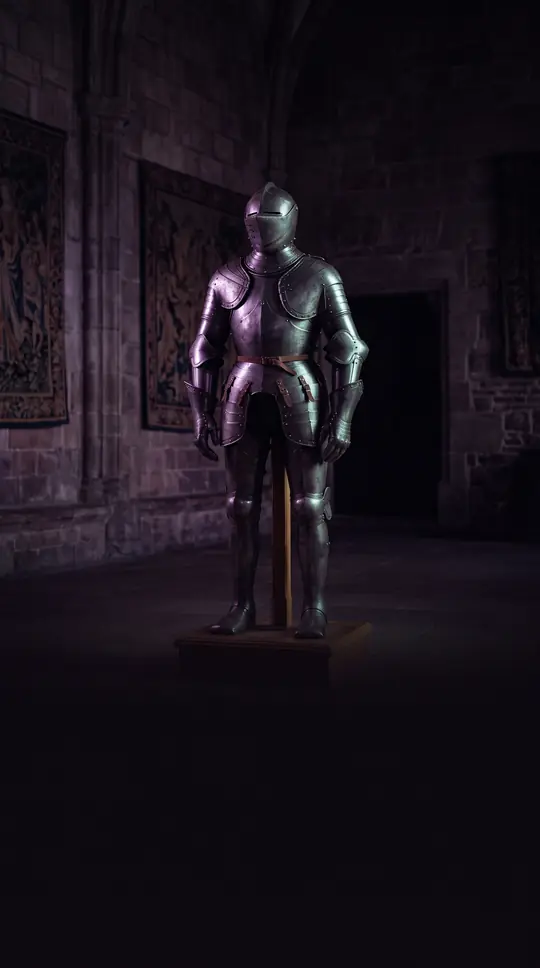 Was Nalanda really the world's first university, or just a legendary monastic center?Nalanda thrived for nearly a millennium as a premier Buddhist center of learning in ancient India. While often celebrated as the world's first residential university, scholars deb…
 Why a tiny Belgian cemetery holds a permanent piece of British territoryTucked away near the woods of Ploegsteert lies Mud Corner Cemetery, a modest burial site with only 85 graves. While small, this patch of land carries significant historical weight…
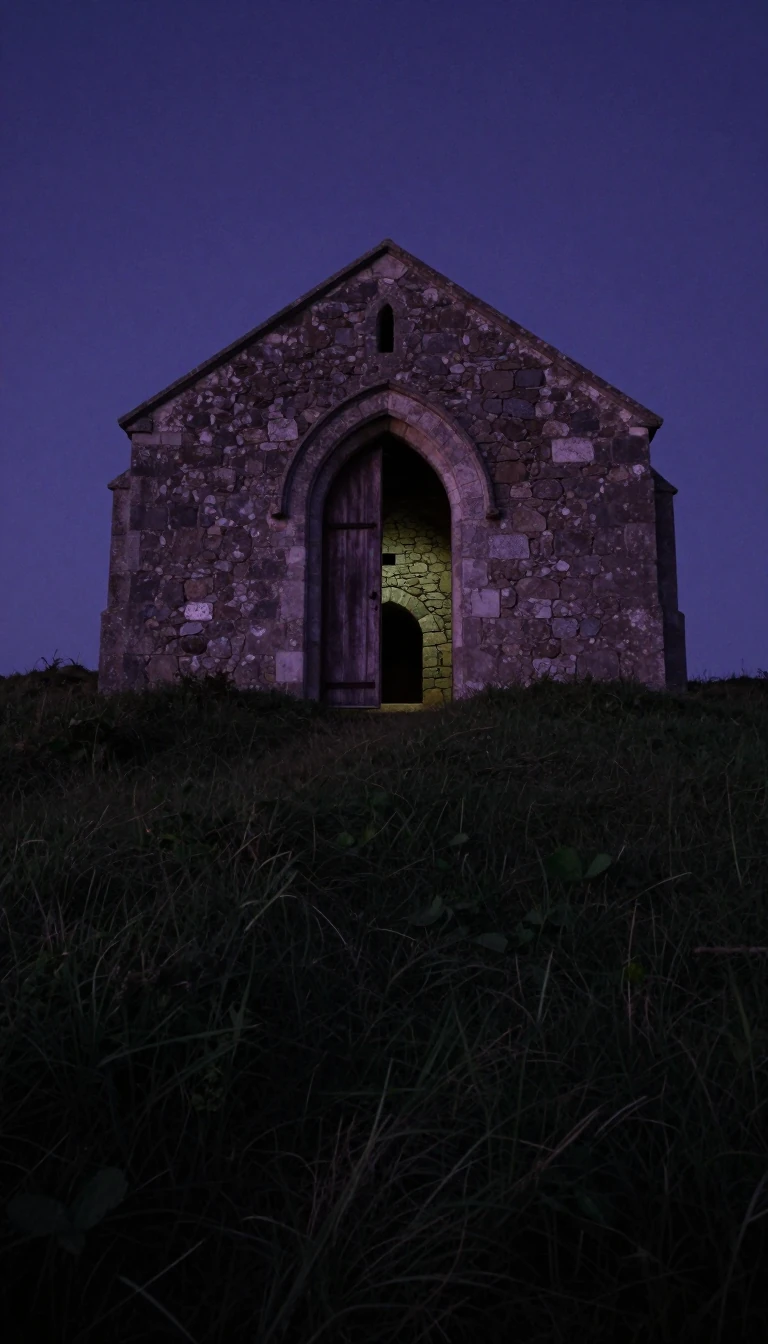 Why did 16th-century architects build a church that looks like a fortress?In the heart of Belarus stands the Church of the Nativity of the God's Mother, a rare survivor of the Grand Duchy of Lithuania. Built as a fortified temple, its thick walls and co…
 The school that became a tomb: inside Rwanda's haunting Murambi Genocide Memorial CentreIn 1994, thousands of Tutsis sought refuge at the Murambi Technical School, believing they would be protected by French troops. Instead, they were lured into a trap, starved, and …
 A Medieval Italian Cathedral Hides One of the Earliest Depictions of King ArthurModena Cathedral is a Romanesque masterpiece, but its most intriguing secret lies on a side portal. The Porta della Pescheria features a stone carving that predates most written A…
 The Moidams of Assam are sacred earthen mounds built to house Ahom royalty forever.Deep in the landscape of Assam lie the Moidams, traditional tumuli of the Ahom dynasty. These hemispherical mounds, once filled with treasures and attendants to serve kings in the…
 Why Mexico’s 16th-century fortress temples were built with massive open-air atriumsSixteen monasteries on the slopes of the Popocatépetl volcano served as the architectural blueprint for evangelization across New Spain. These fortress-like complexes utilized vas…
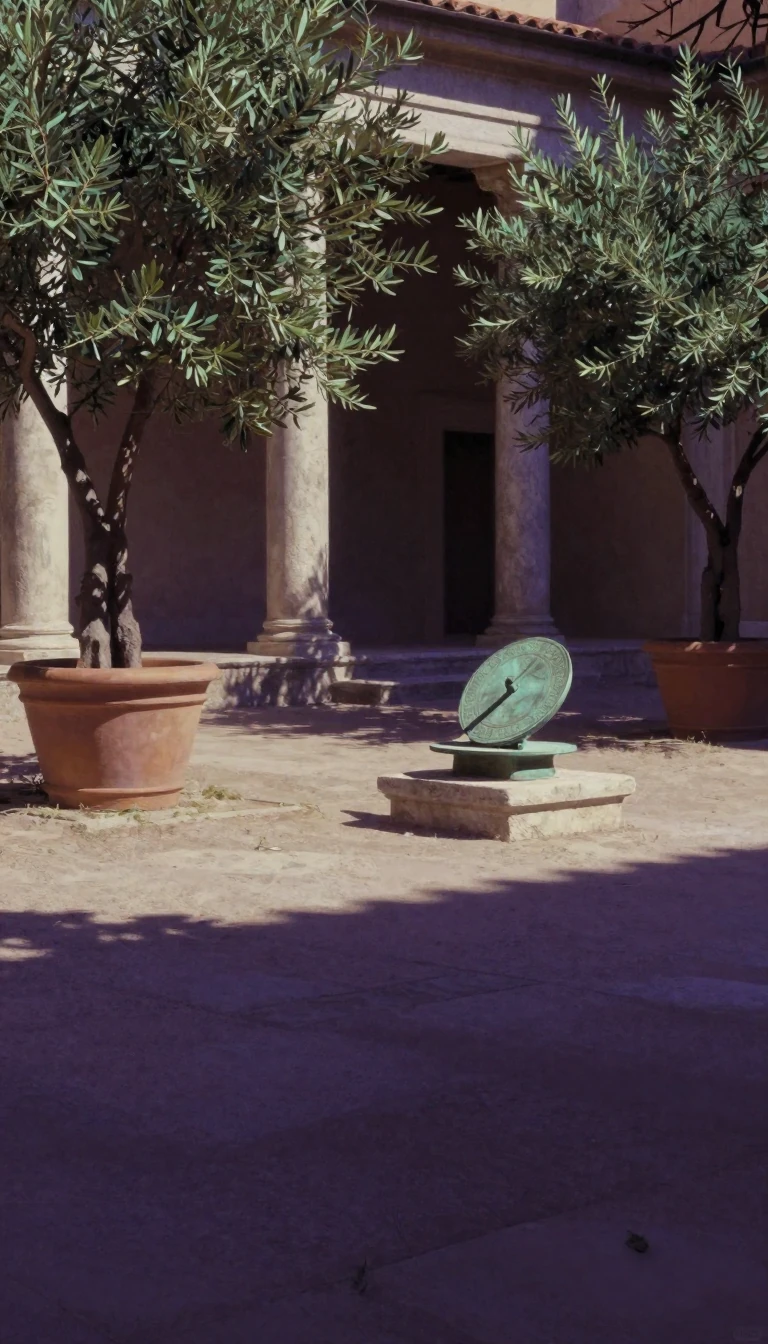 How a temporary capital transformed into a modernist architectural masterpiece in two decadesWhen Kaunas became Lithuania's temporary capital in 1919, it was a militarized provincial town. By 1940, it had evolved into a thriving European center. This rapid transformation …
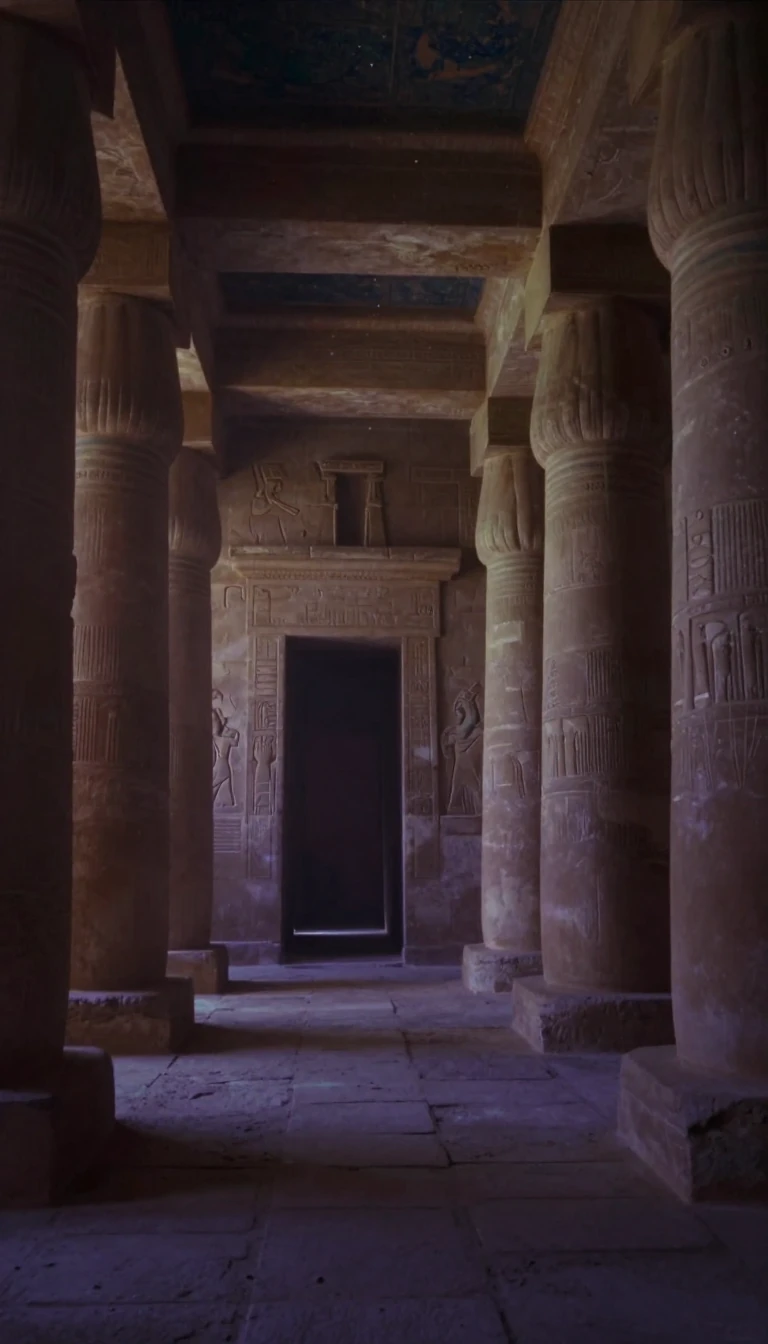 A hidden library of 50,000 ancient scrolls was sealed in a Chinese desert caveIn 1900, a Taoist monk clearing sand from the Mogao Caves discovered a secret, walled-up chamber. Inside lay a massive, disordered hoard of thousands of manuscripts dating back to…
 How a shepherd’s discovery in the Spanish wilderness shaped the history of the AmericasIn the 13th century, a shepherd found a hidden statue of the Virgin Mary in the Spanish countryside. That chance discovery sparked the creation of a royal monastery that would bec…
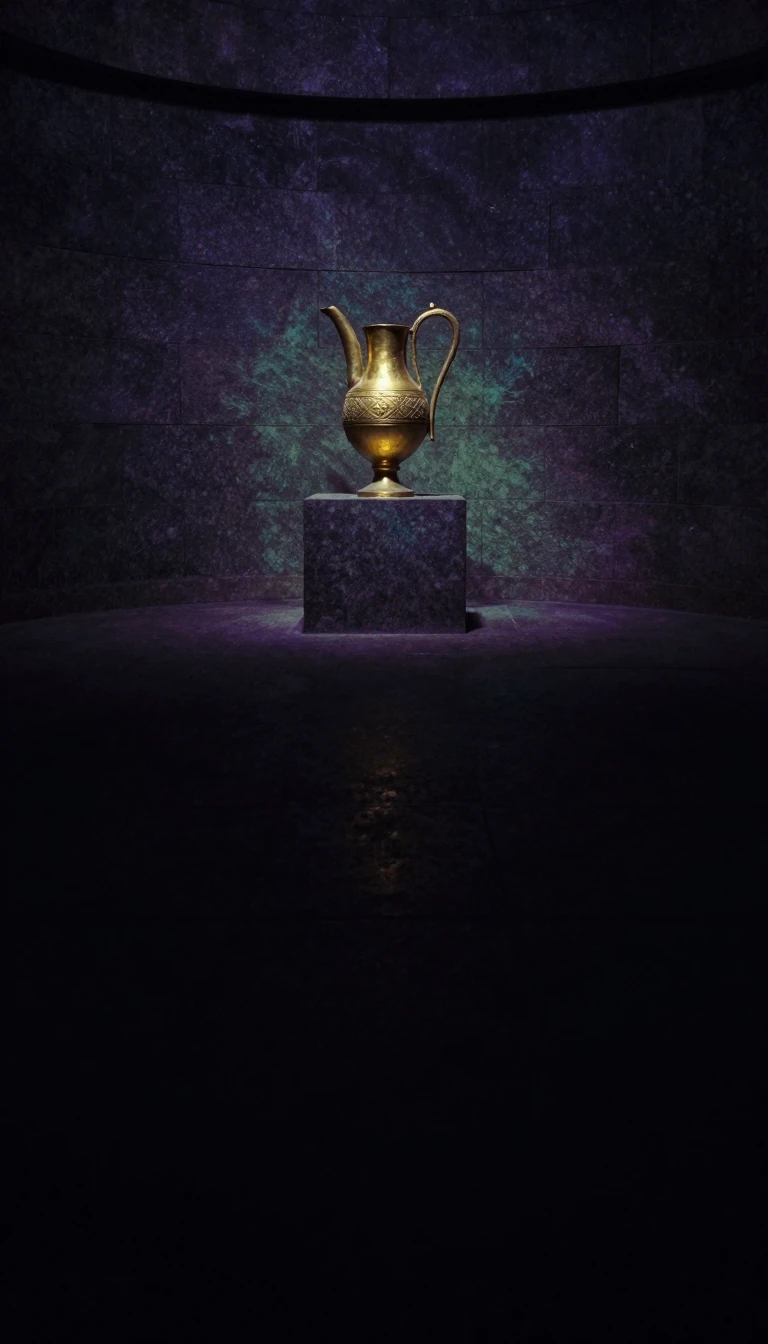 Why archaeologists are rethinking the famous 'palaces' of the ancient Minoan civilizationMinoan palaces are iconic Bronze Age complexes, yet the name is a misnomer. These structures were likely not royal residences, but rather complex hubs for administration, ritual, …
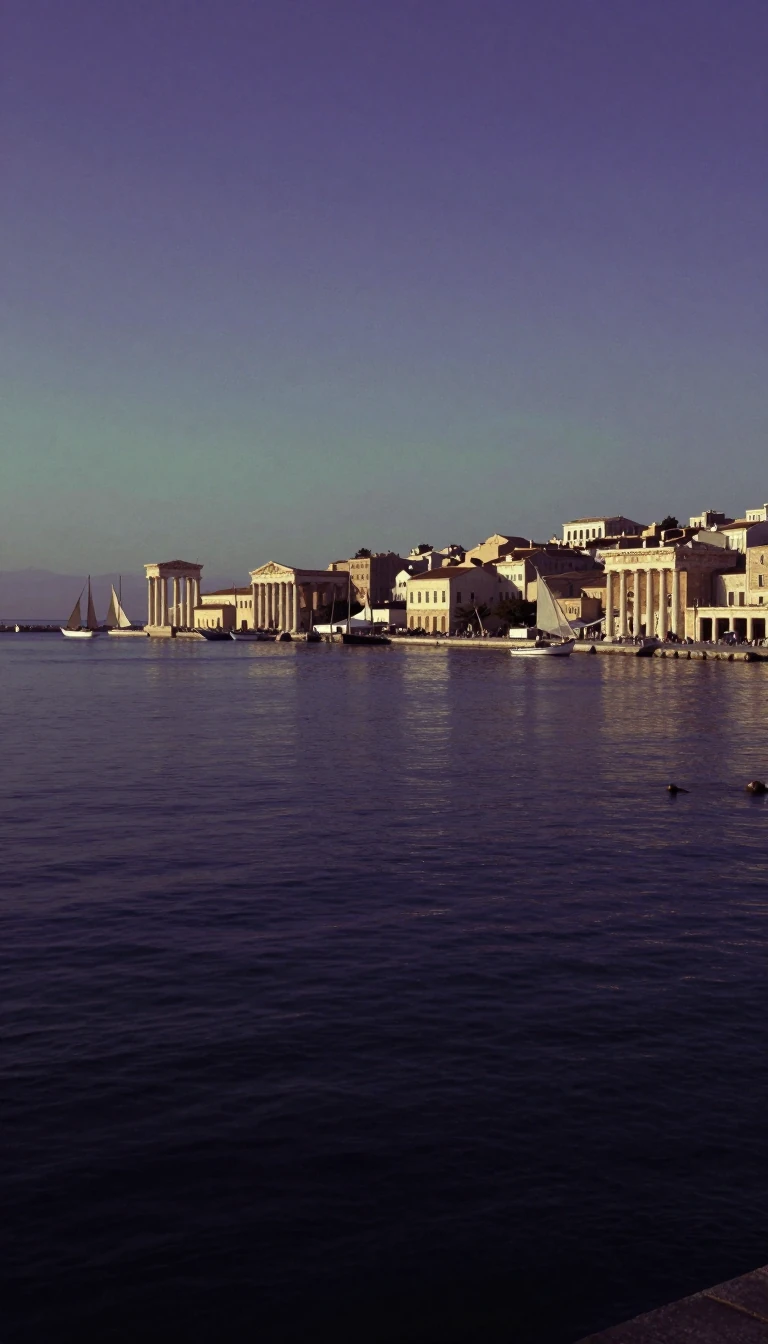 Were Malta’s ancient megalithic temples built by giants, or by a sophisticated Neolithic culture?Long before the pyramids, Neolithic builders on Malta constructed massive stone temples that once fueled legends of giants. These structures, dating back to 3600 BC, represent a r…
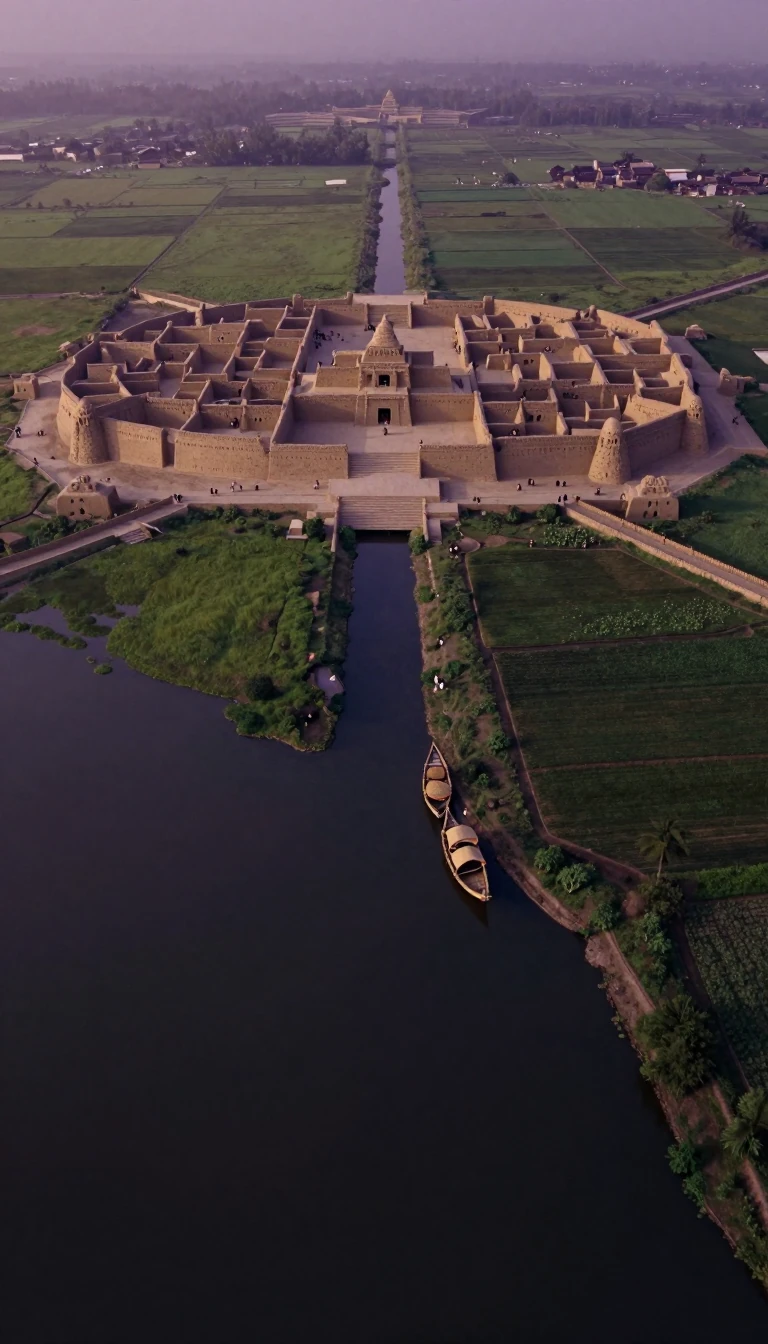 The lost African metropolis that once rivaled the great towns of EuropeLong before modern borders, a massive mountain city served as the heart of the Kingdom of Kongo. At its peak, this sprawling capital was perhaps the largest urban center in sub-eq…
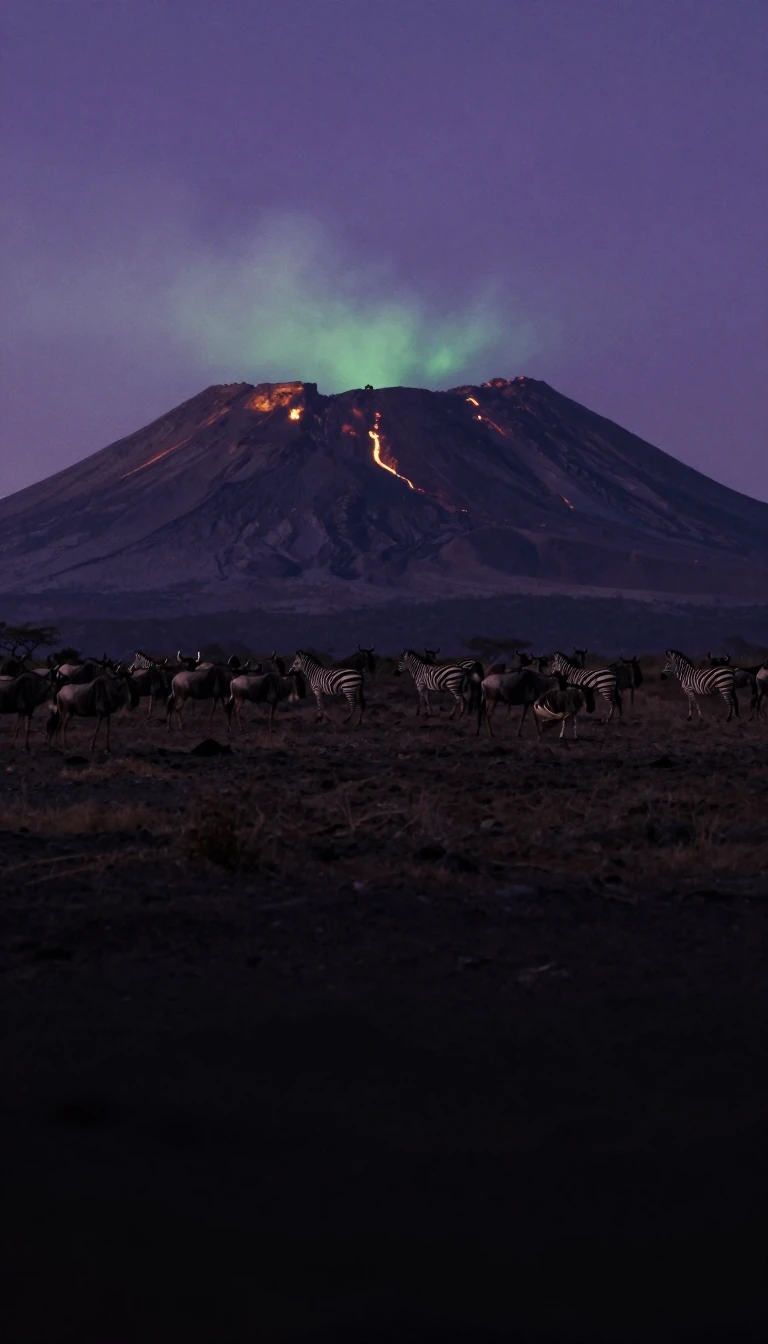 How volcanic eruptions preserved millions of years of human history in EthiopiaLocated 50 kilometers from Addis Ababa, Melka Kunture is a treasure trove of early human activity. For millions of years, the Awash River and nearby volcanic activity have buried …
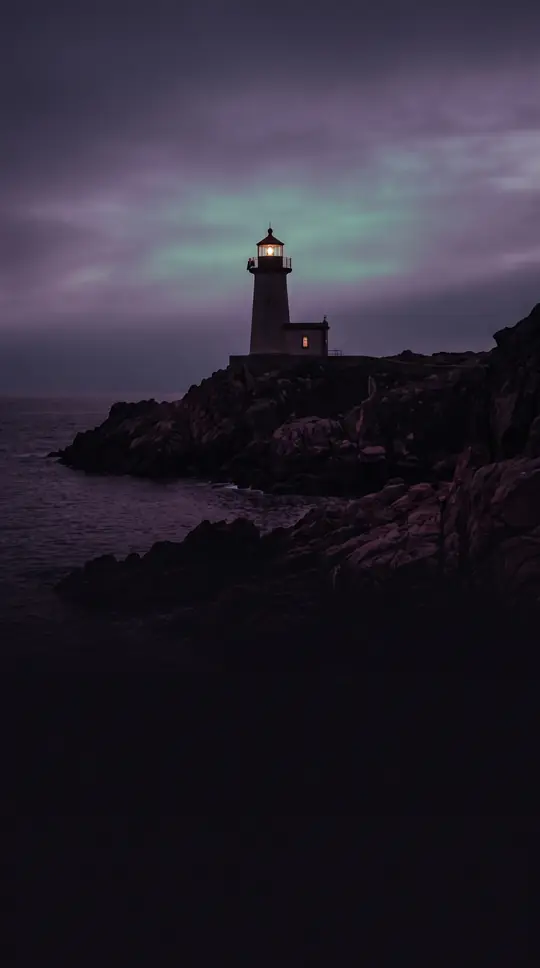 Why did thousands of people abandon their cliff-side homes in Mesa Verde?For seven centuries, the Ancestral Puebloans thrived in the American Southwest, building massive cliff dwellings and complex societies. Then, by 1285, they vanished. Driven by a p…
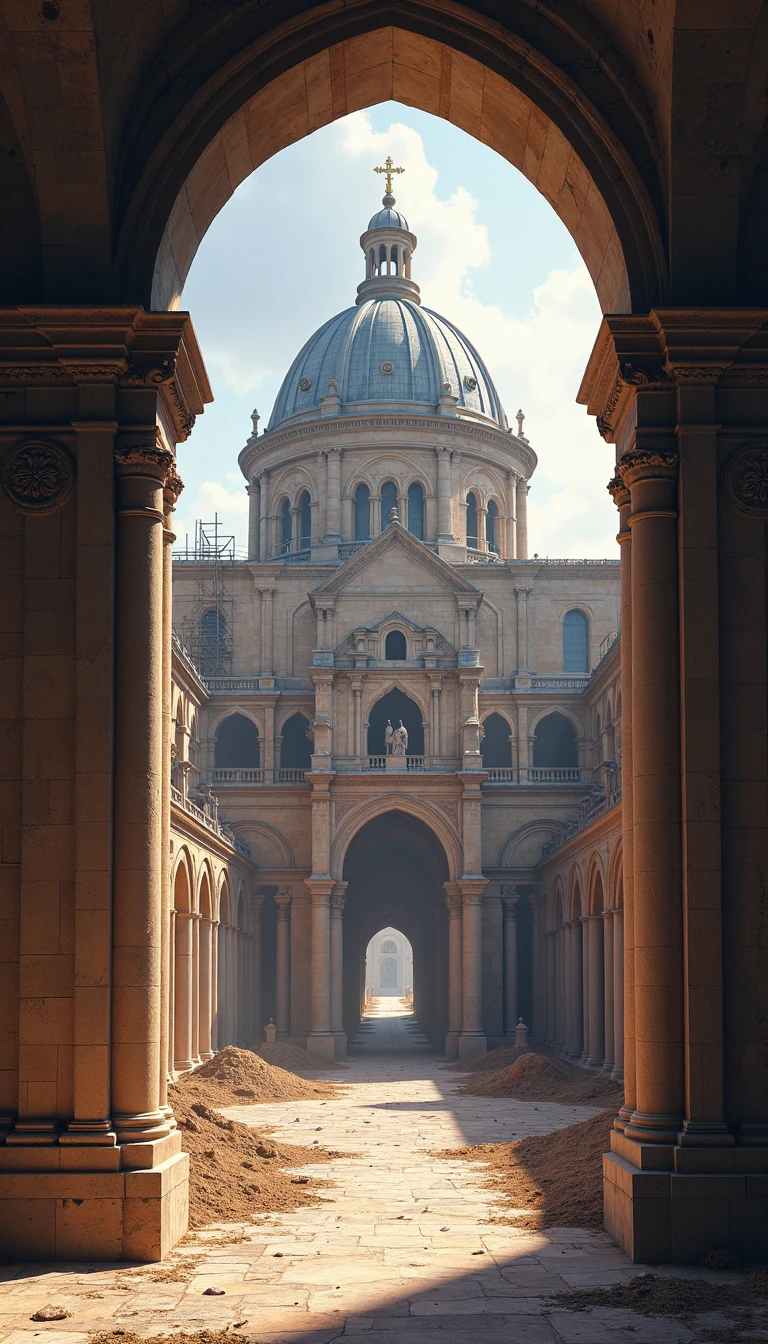 Can a collection of four medieval churches bridge the gap between East and West?The Medieval Monuments in Kosovo represent a unique architectural synthesis, blending Byzantine and Romanesque traditions into the distinct Palaiologian Renaissance style. Founded…
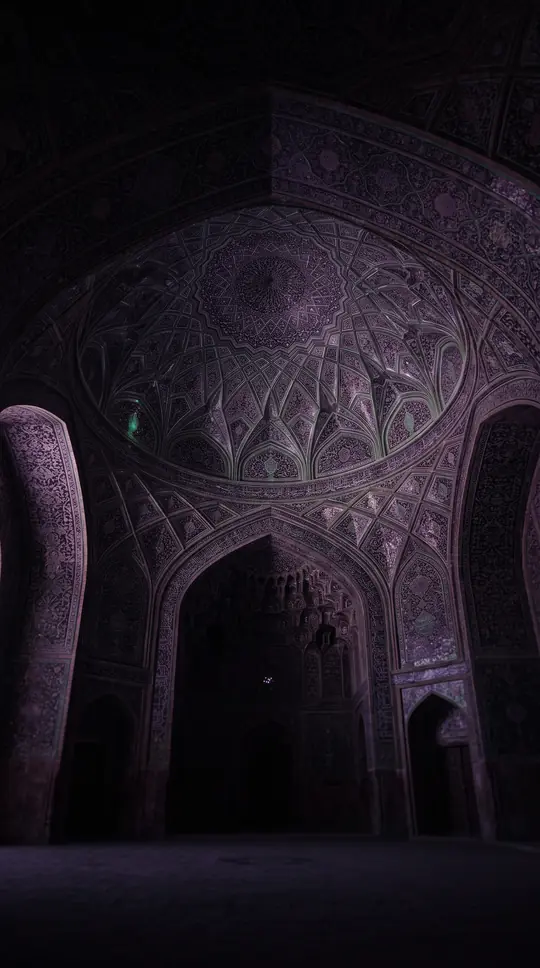 A monumental tomb in Kazakhstan that defined the aesthetic of an entire empireCommissioned by Timur in 1389, this unfinished mausoleum in Turkestan became the prototype for Timurid architecture. Its innovative double-dome construction and intricate tile wor…
 How a medieval monastery became a masterclass in water engineering and survivalFounded in 1147, Maulbronn Monastery is the best-preserved Cistercian complex in Europe. Beyond its Romanesque and Gothic architecture, the site hides a sophisticated medieval wat…
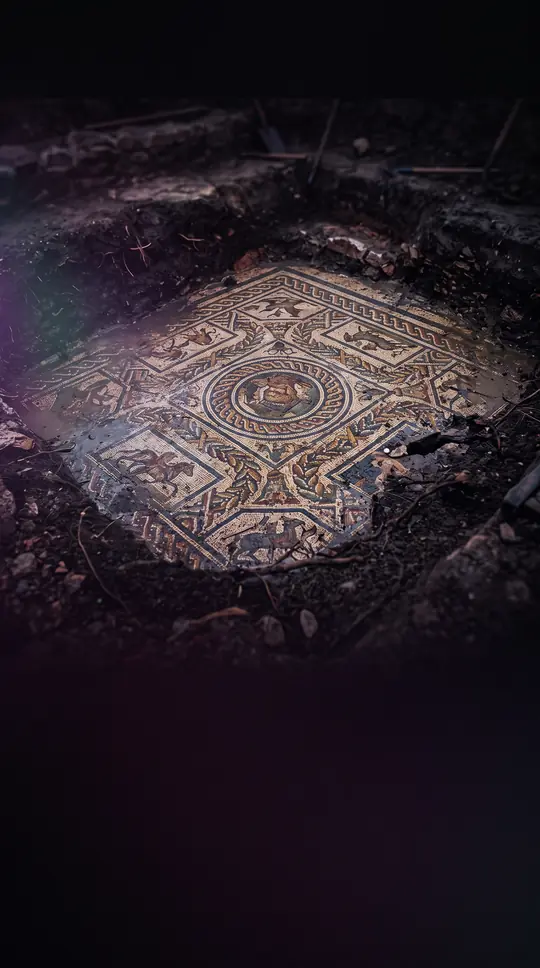 Is the legendary tomb of China's first emperor a masterpiece or a historical fabrication?Beneath a massive, pyramid-shaped mound in Xi'an lies the final resting place of Qin Shi Huang. While ancient texts describe a subterranean palace filled with mechanical rivers of…
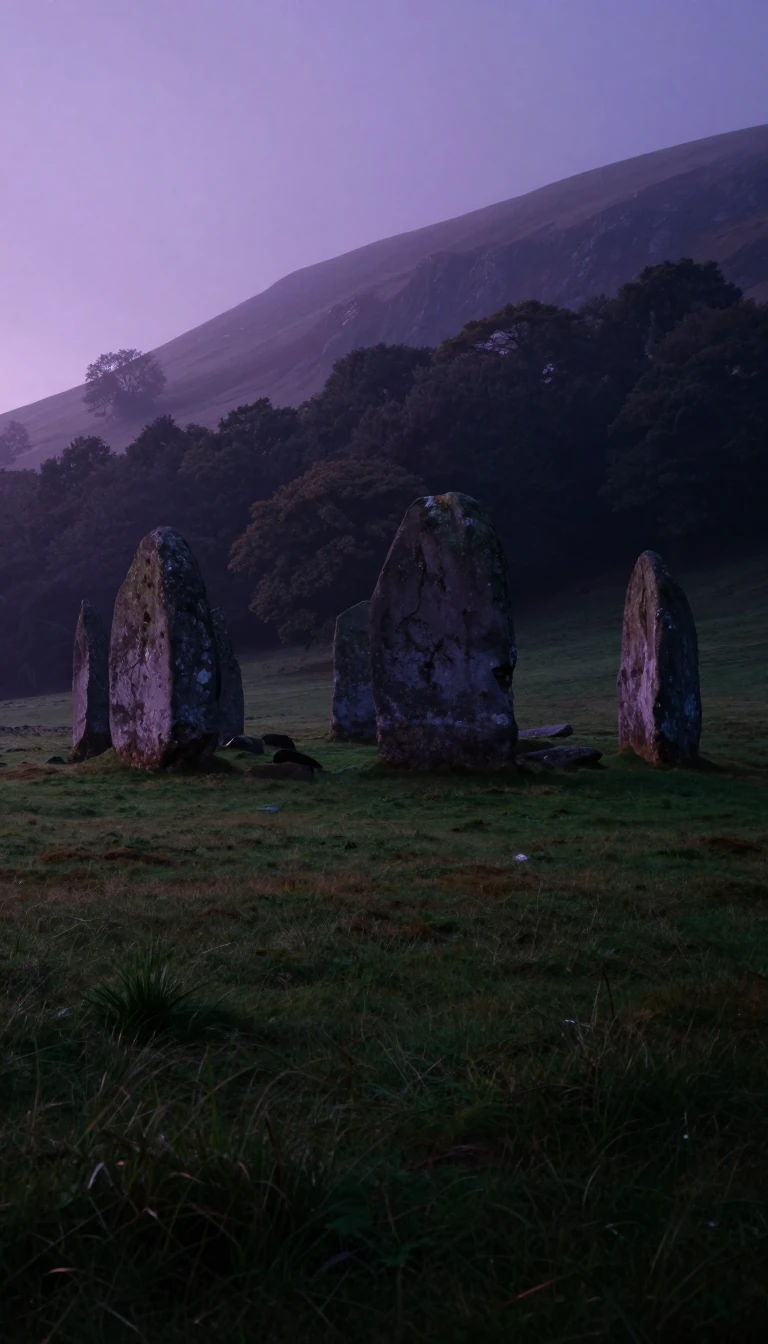 The medieval fortress defended by only forty soldiers against the encroaching Ottoman EmpirePerched high above the city of Prilep, North Macedonia, lie the ruins of Markovi Kuli. Named for a legendary Serbian prince, this ancient site has served as a Hellenistic settleme…
- Malia: The Ancient Minoan Palace That Kept Its Secrets Buried for MillenniaOn the northern coast of Crete lies Malia, a sprawling archaeological site featuring the third-largest Minoan palace. Occupied for over two millennia, this site has yielded myster…
- How a Roman temple in France became the blueprint for American government buildingsThe Maison carrée in Nîmes is one of the best-preserved Roman temples in existence. Its enduring influence spans centuries and continents, serving as the direct architectural insp…
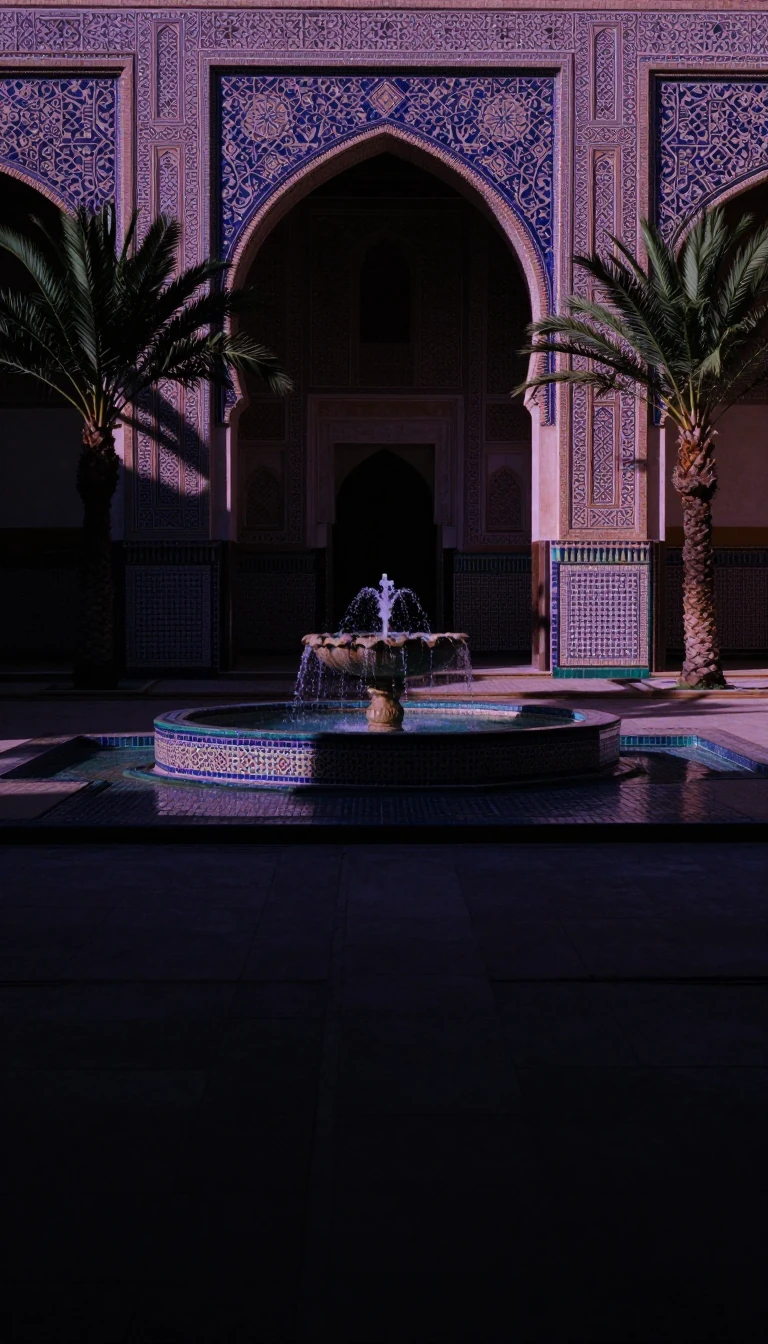 A radiant city built to project the absolute power of a new caliphateIn the 10th century, Abd ar-Rahman III transformed the Iberian landscape by constructing a massive, terraced palace-city near Córdoba. Designed as a physical manifestation of his …
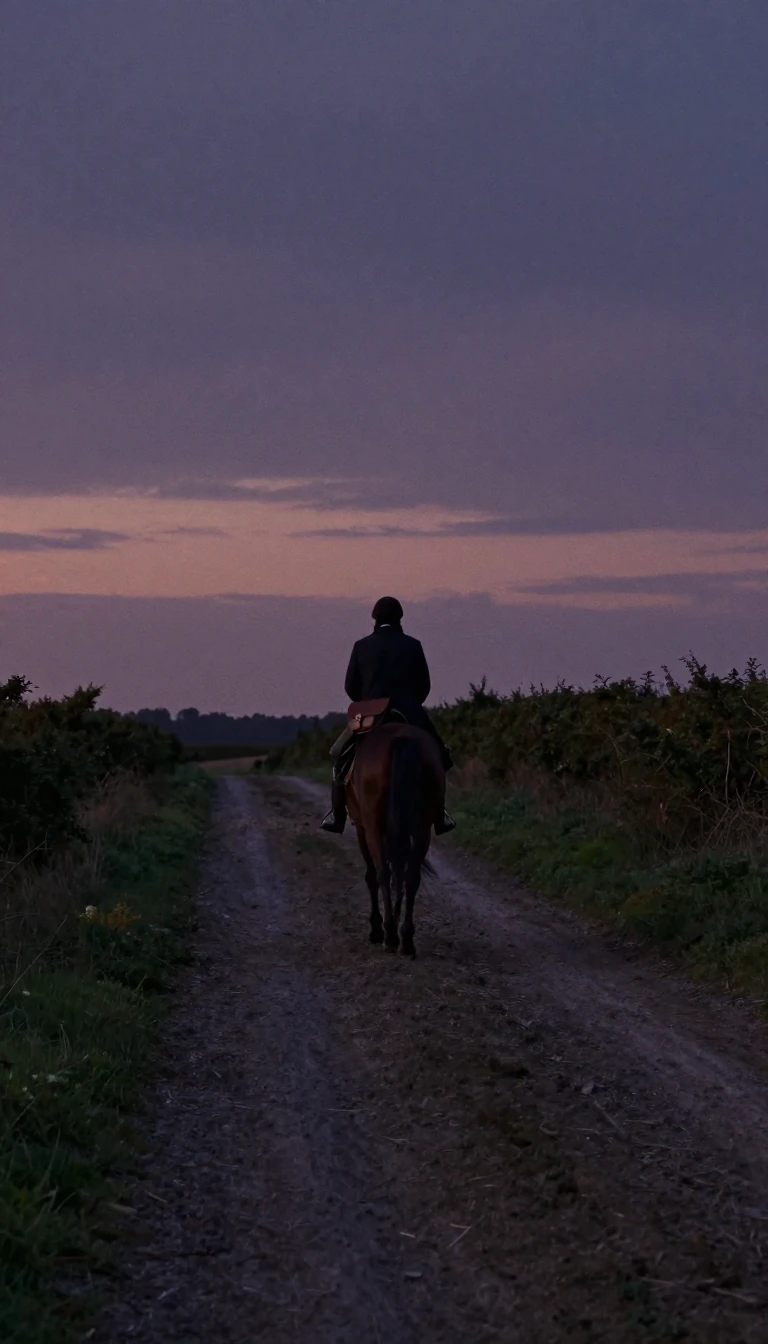 Who is the mysterious horseman carved into a vertical Bulgarian cliffside?High above the Bulgarian village of Madara, a life-sized horseman is etched into a sheer cliff face. This medieval rock relief, a UNESCO World Heritage site, remains an enigma. Sc…
 How a single Spanish cathedral became a living museum of eight centuries of architectureLugo Cathedral is a structural timeline of north-western Spain. Originally commissioned in 1129 to replace a decaying pre-Romanesque church, the basilica evolved over centuries. F…
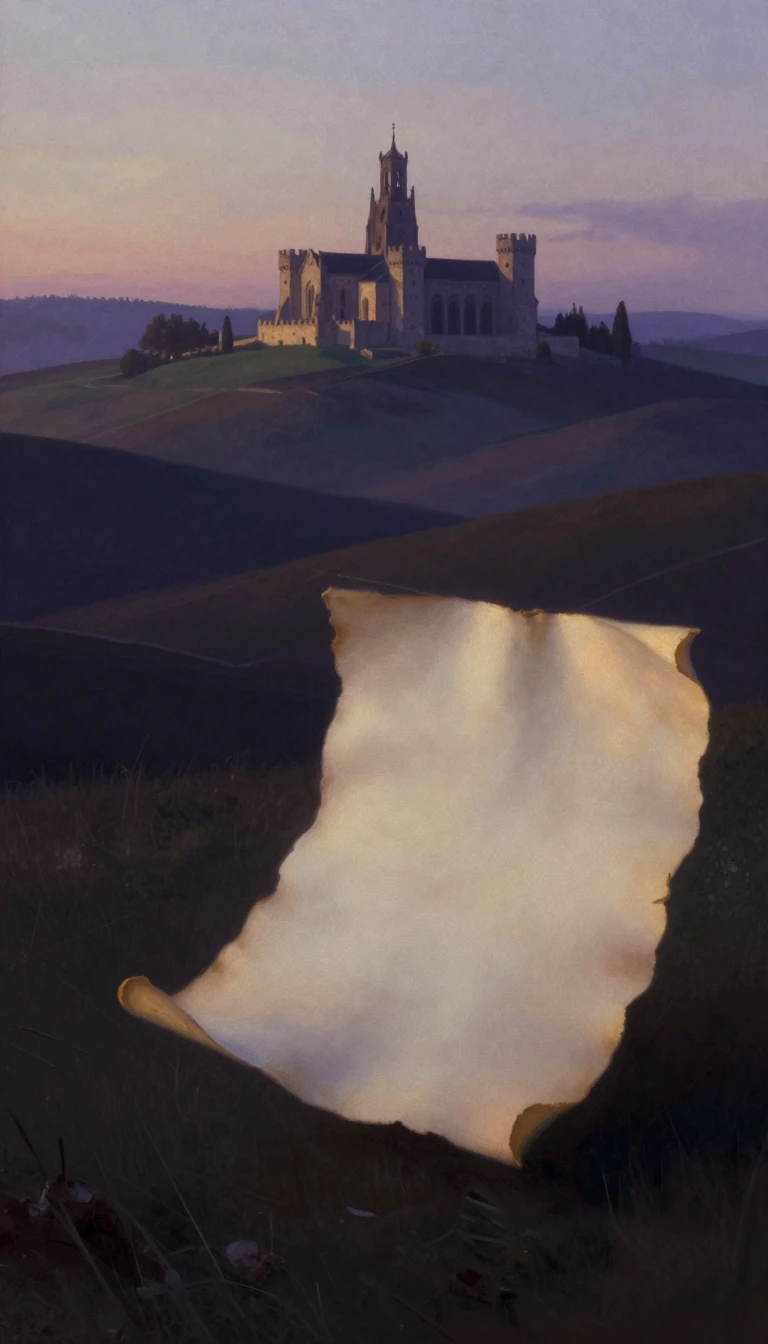 How a ruined Carolingian abbey became a digital pioneer of medieval historyFounded in 764, Lorsch Abbey was once a powerhouse of the Carolingian Empire, housing a world-class library and royal tombs. Today, its 9th-century gatehouse stands as a rare arch…
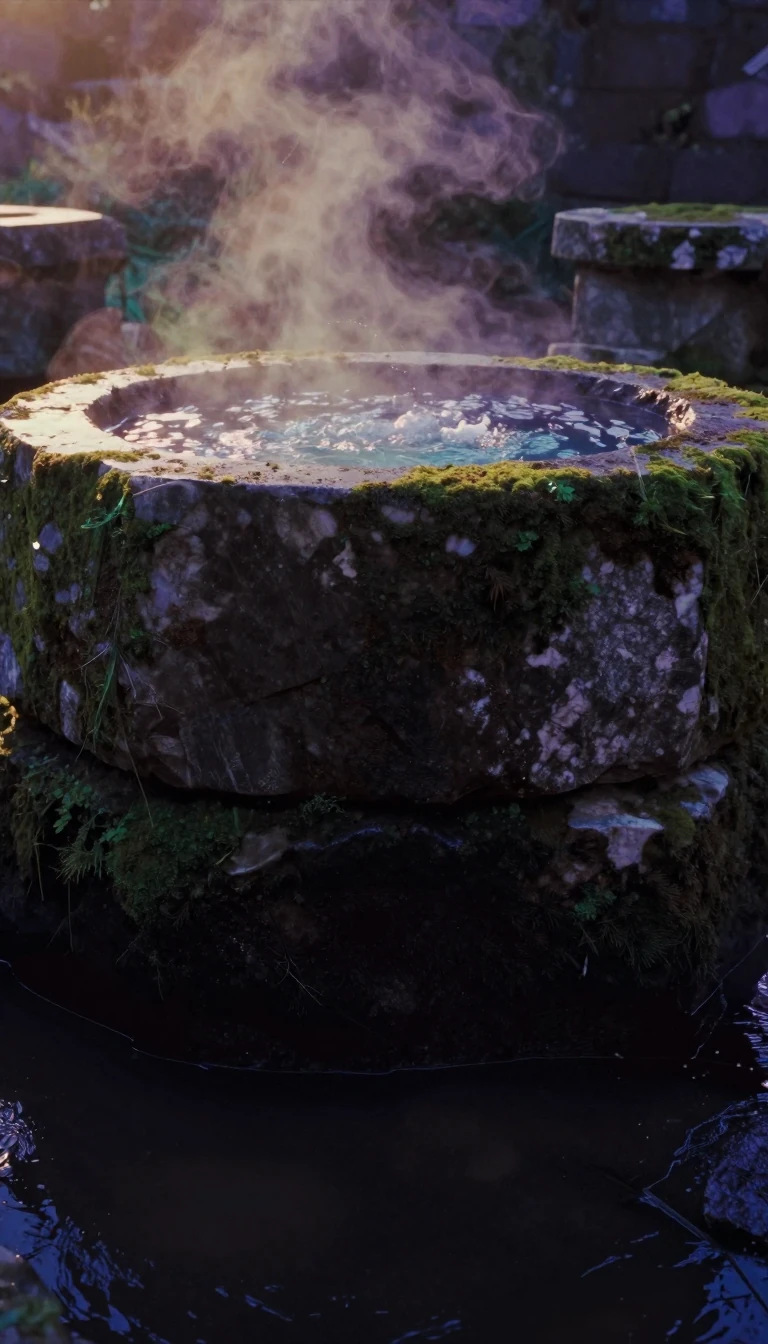 The Roman Empire's northern frontier was a river, not a wall of stone.Unlike the famous fortified barriers of antiquity, the Lower Germanic Limes relied on the Rhine as a porous, navigable boundary. Stretching 400 kilometers, this complex frontier f…
 How Winston Churchill steered Britain through the darkest hours of the Second World WarThis documentary examines the leadership of Winston Churchill during World War II. It tracks the strategic challenges from the evacuation at Dunkirk to the D-Day landings, highlig…
- Four Rwandan memorial sites are now recognized as UNESCO World Heritage landmarksIn 1994, Rwanda endured a genocide that left an indelible mark on its landscape and history. Today, four specific locations serve as solemn reminders of these events. Recently, th…
 A Gothic Masterpiece Built on the Ethical Foundations of Medieval Mediterranean CommerceConstructed between 1482 and 1533, the Lonja de la Seda in Valencia stands as a testament to a city at the height of its mercantile power. Beyond its stunning twisted columns and …
 Why a towering basalt monolith in Mauritius became a symbol of human resistanceRising 556 metres above the Indian Ocean, Le Morne Brabant is more than a stunning peninsula and a famous underwater waterfall illusion. It is a site of profound historical weight…
- A thousand years ago, Norse explorers established a remote base camp in North America.Long before Columbus, Norse settlers built a sod-walled outpost on the northern tip of Newfoundland. Discovered in the 1960s, this site remains the only undisputed evidence of Eur…
- A quiet Belgian railway cutting holds the stories of over 850 fallen soldiersTucked away in the Ypres Salient, Larch Wood Cemetery serves as a permanent memorial to the First World War. Established by Commonwealth troops in 1915, this site evolved from a b…
- The 12th-century relic that vanished from Ethiopia and resurfaced in a Belgian collectionThe Lalibela Cross is more than a religious heirloom; it is a 7-kilogram symbol of Ethiopian history. Stolen in 1997, the artifact embarked on a two-year journey across borders be…
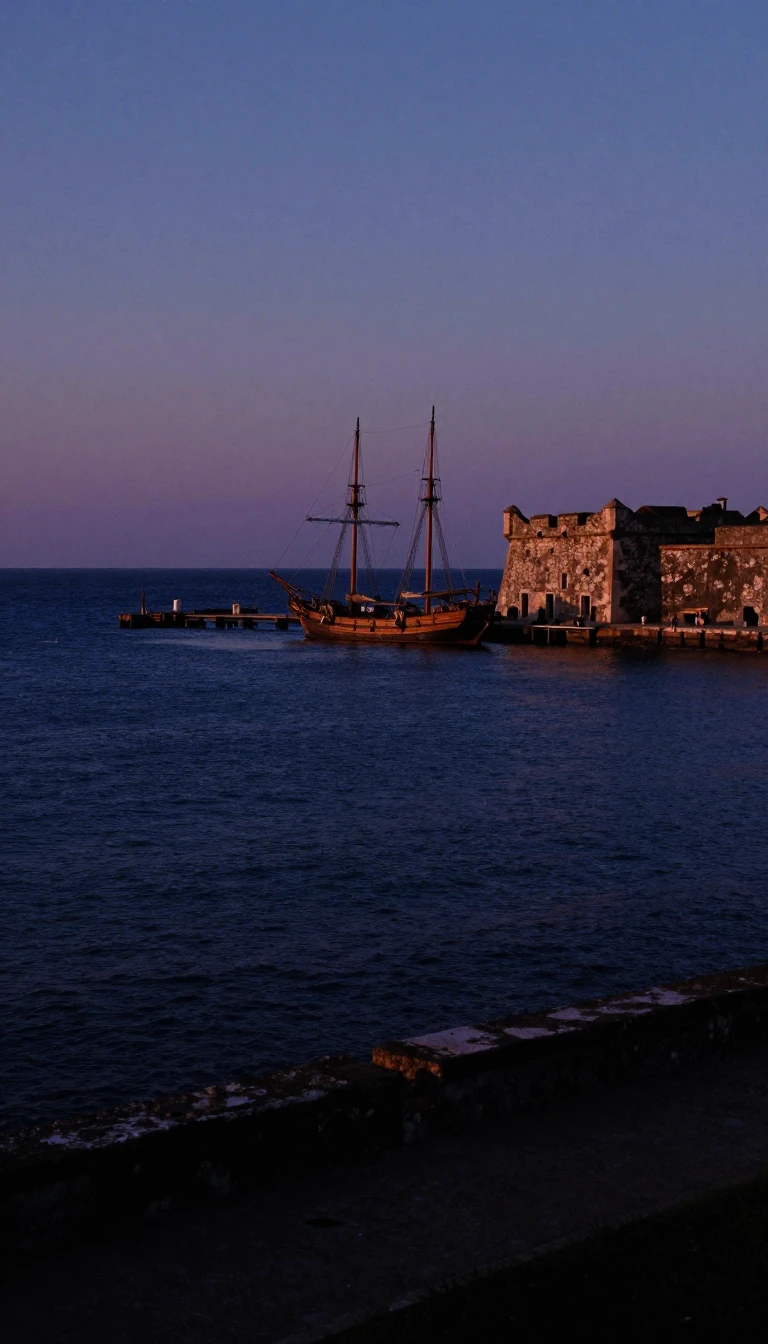 How Spanish colonial fortifications became the oldest executive residence in the Western HemisphereIn the heart of Puerto Rico lies a defensive network that evolved from a 16th-century military stronghold into a dual-purpose historic treasure. While these massive stone walls on…
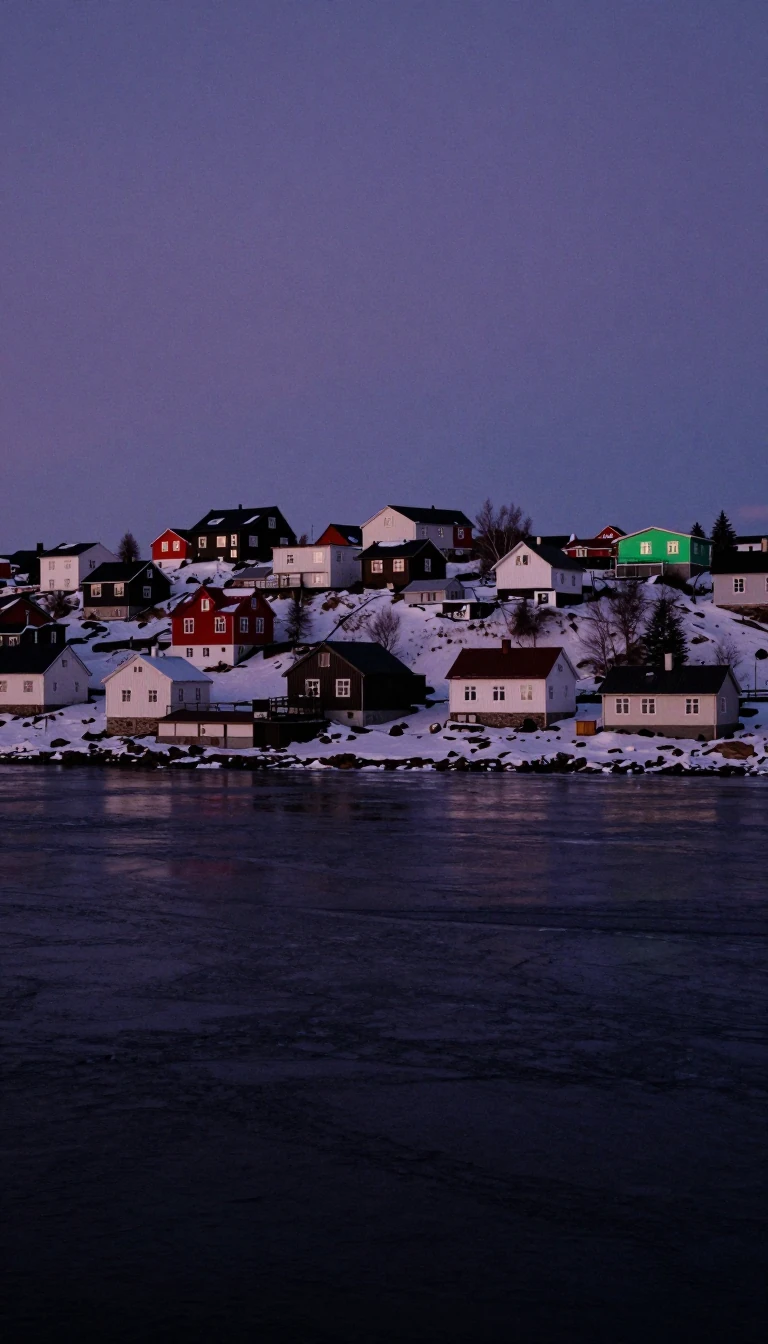 How Norse settlers and Inuit farmers turned the Arctic edge into a thriving landscapeKujataa, a sub-arctic region in Greenland, represents the earliest known instance of farming in the Arctic. It serves as a rare historical bridge, showcasing the ancient Norse exp…
 Nine thousand years ago, humans in Papua New Guinea were already master engineersDeep in the Wahgi Valley, the Kuk Swamp reveals a startling secret: prehistoric people were actively draining land and cultivating crops as early as 9,000 years ago. This site, no…
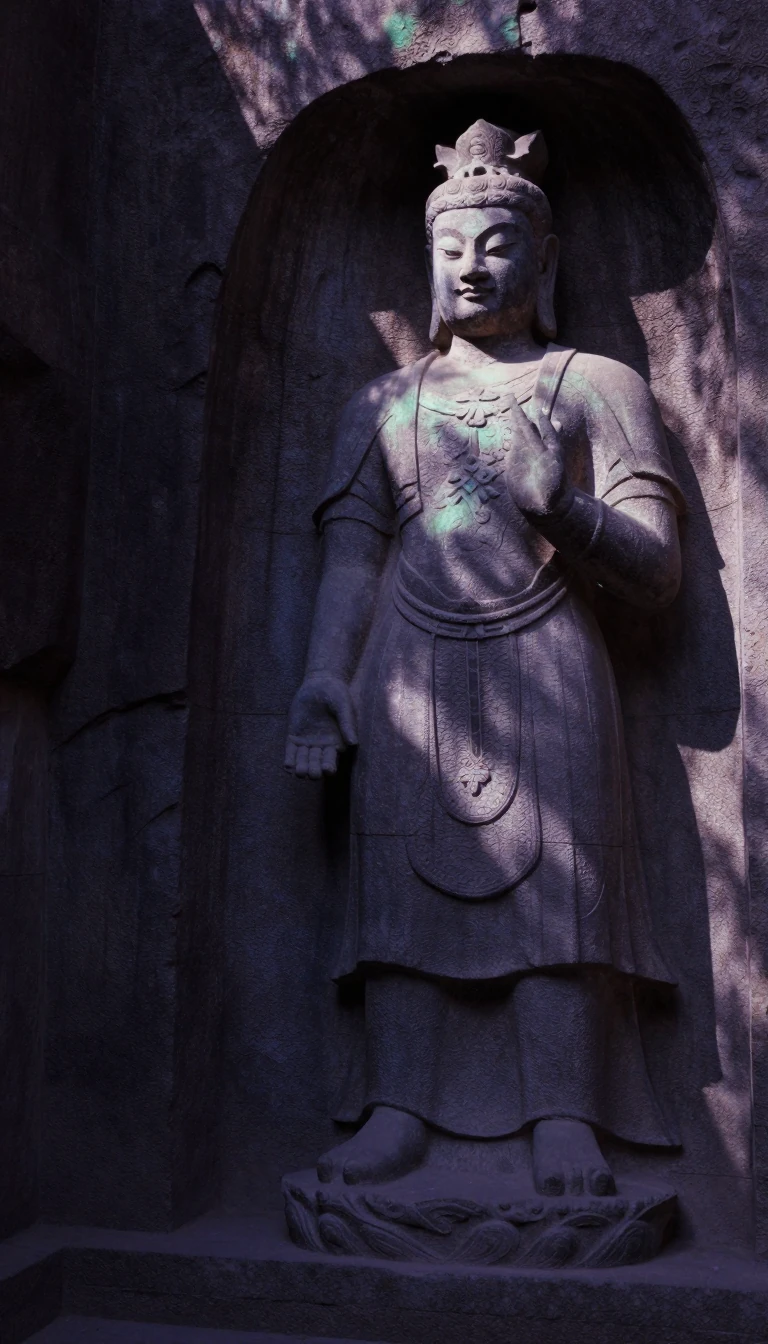 A colossal stone chariot built to chase the sun across the Indian coastlineConstructed in the 13th century, the Konark Sun Temple stands as a monumental architectural marvel. Designed as a massive chariot for the deity Surya, the structure features intri…
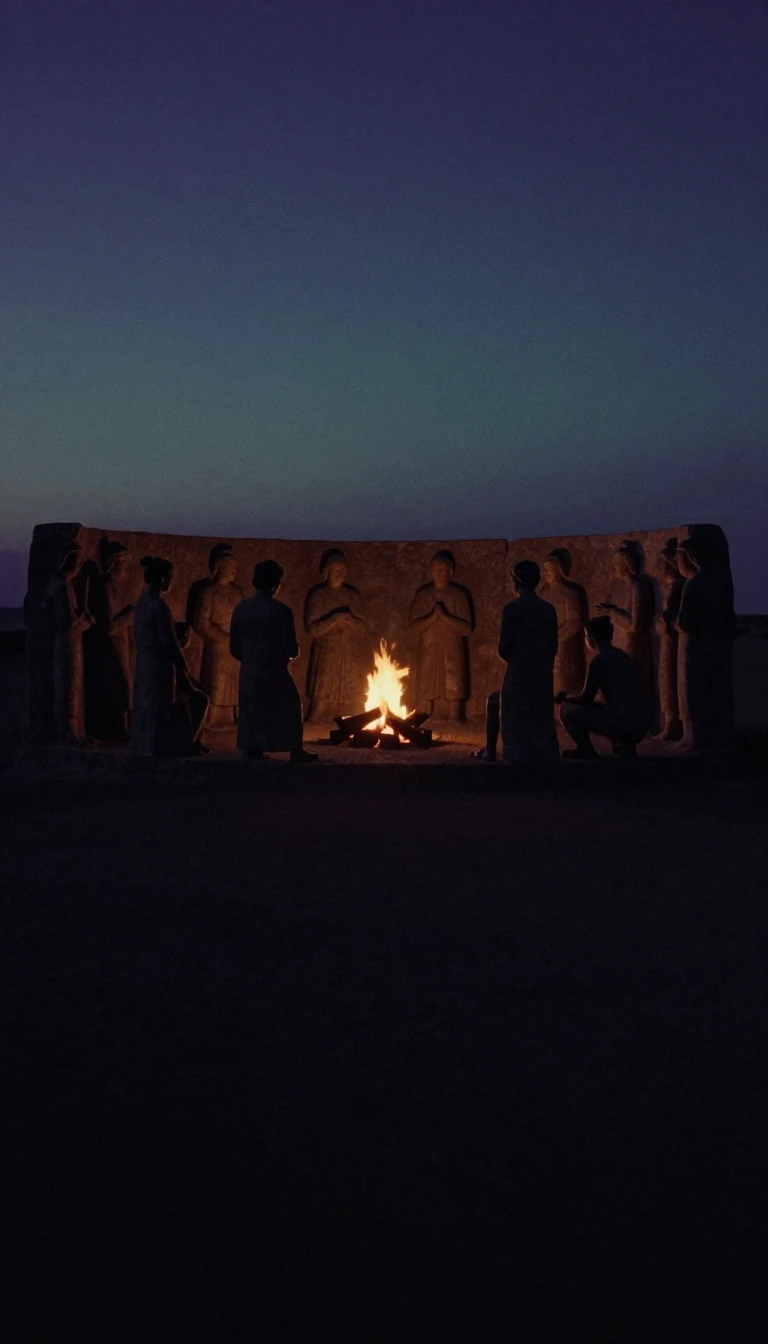 Is this Bronze Age mountain summit a sophisticated ancient observatory or just random rocks?Perched high in North Macedonia, the Kokino archaeological site is a puzzle of stone thrones and mysterious markers. While some researchers claim it served as a precise megalithic…
- How a 300-year-old wooden masterpiece was saved by taking it completely apartKizhi Pogost, a 17th-century Russian architectural marvel, was built entirely without nails. When its massive wooden structure began to collapse under its own weight, experts made…
- The Kigali Genocide Memorial: A Final Resting Place and a Global LessonLocated in Gisozi, the Kigali Genocide Memorial serves as both a solemn burial site for over 250,000 victims of the 1994 genocide and a vital educational hub. Managed by the Aegis…
- Why did a thriving Neolithic society suddenly abandon its fortified village 8,000 years ago?Perched on a Cypriot hillside, the prehistoric settlement of Khirokitia reveals a sophisticated, walled society that flourished for millennia before vanishing. With its unique rou…
 Can a single citadel bridge the divide between two distinct religious and political histories?The Kazan Kremlin is a complex architectural palimpsest where Russian Orthodox cathedrals and Islamic mosques stand side by side. Declared a World Heritage Site in 2000, this hist…
- How a challenging landscape forced an architectural revolution in the ancient Kingdom of ButuaWhen the Torwa dynasty built their capital at Khami, they faced a geological hurdle: the local laminar granite was too brittle for traditional free-standing walls. Their solution …
- Why did Korea’s royal ancestors hide in a commoner’s house during a war?Jongmyo is the oldest preserved royal Confucian shrine, a sacred space in Seoul where Joseon dynasty kings and queens are honored. While the site is a UNESCO World Heritage treasu…
 How did a hunter-gatherer society thrive for ten millennia without ever turning to farming?The Jōmon Prehistoric Sites in Northern Japan challenge our standard narrative of human development. Spanning seventeen locations across Hokkaidō and northern Tōhoku, these sites …
 Were the Jesuit missions of the Guaraní a socialist utopia or a colonial trap?In the 17th century, the Jesuit Order established autonomous settlements for the Guaraní people across South America. These missions, known as reductions, promised protection from…
- A grand Portuguese monument built on the profits of global spice trade expansionThe Jerónimos Monastery stands as a limestone testament to Portugal's Age of Discovery. Funded by a dedicated tax on trade from Africa and the Orient, this architectural marvel se…
 Why China's imperial tombs were designed to harmonize with the natural landscapeThe Ming and Qing imperial tombs are more than burial sites; they are architectural manifestations of the Mandate of Heaven. By blending traditional Feng Shui with rigid imperial …
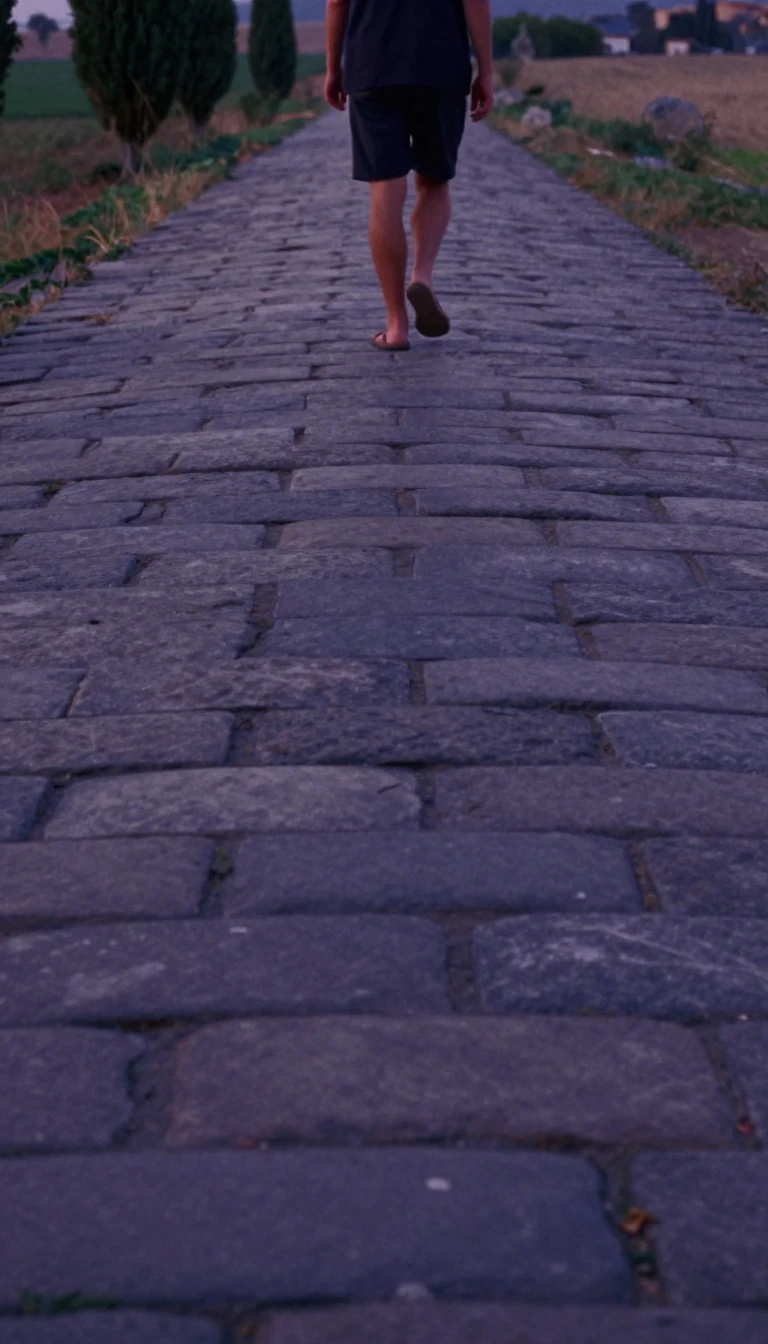 The Inca Empire built a 40,000-kilometre road network without using a single wheel.Spanning six modern countries, the Qhapaq Ñan was the most advanced transportation system in pre-Columbian South America. This massive network of roads, bridges, and stairways con…
 How a colonial state house became the birthplace of American democracy and global liberty.Completed in 1753, Philadelphia’s Independence Hall served as the stage for the most pivotal moments in American history. From the adoption of the Declaration of Independence to t…
 How a glacial flood created the cradle of the Industrial Revolution in EnglandThe Ironbridge Gorge is more than a scenic landmark; it is a geological accident that sparked global industry. Formed when an ancient ice-dammed lake burst through the hills, the …