 Intellect Plus
History
21,004 cards. Each one is a 40-second story with a five-minute read behind it. Page 265 of 351.
Subtopics: 19th century · 20th century · Africa · Age of Exploration · Ages & eras · Ancient · Ancient China · Ancient egypt · Ancient greece · Ancient rome · Ancient trade · Archaeological discoveries · Archaeology · Astronomy · Australia · Auxiliary historical sciences · Babylon · Basics · Born on this day · Bronze age · Buddhism · Case studies · Chefs, bartenders and winemakers · China · Cities · Climate · Columbus · Contemporary (1945-) · Cosmetics people · Crime · Criminals · Decipherment · Deep time · Disasters · Early modern · Education · Egypt · Empires · Empires & civilisations · Exploration · Explorers · Extinction · Fandom, conventions and festivals · History by continent and large region · History by continent and region · History by country · History by country, small region and city · History by ethnicity · History by subject matter · History by topic · Inca · India · Industrial Revolution · Japan · Kings & queens · London · Mass hysteria · Medicine · Medieval kingdoms · Medieval life · Mediterranean · Mercedes-Benz History · Mesopotamia · Middle ages · Military leaders and theorists · Military leaders, personnel, and theorists · Ming dynasty · Misconceptions · Modern · Modern (1800-1945) · Napoleon · Navigation · North africa · Other · Pacific · Pharaohs · Philippines · Pirates · Post-classical · Prehistory · Propaganda · Public health · Rebels, revolutionaries and activists · Renaissance · Researched · Second world war · Shipwrecks · Silk Road · South america · Tradespeople · UK & Ireland: history · United states · Vikings · Volcanoes · Women in history
 The Brazilian engineer who fought to protect the sublime Iguaçu Falls in 1876Long before Iguaçu National Park was officially established, visionary engineer André Rebouças campaigned to preserve the area as a pristine sanctuary for future generations. Insp…
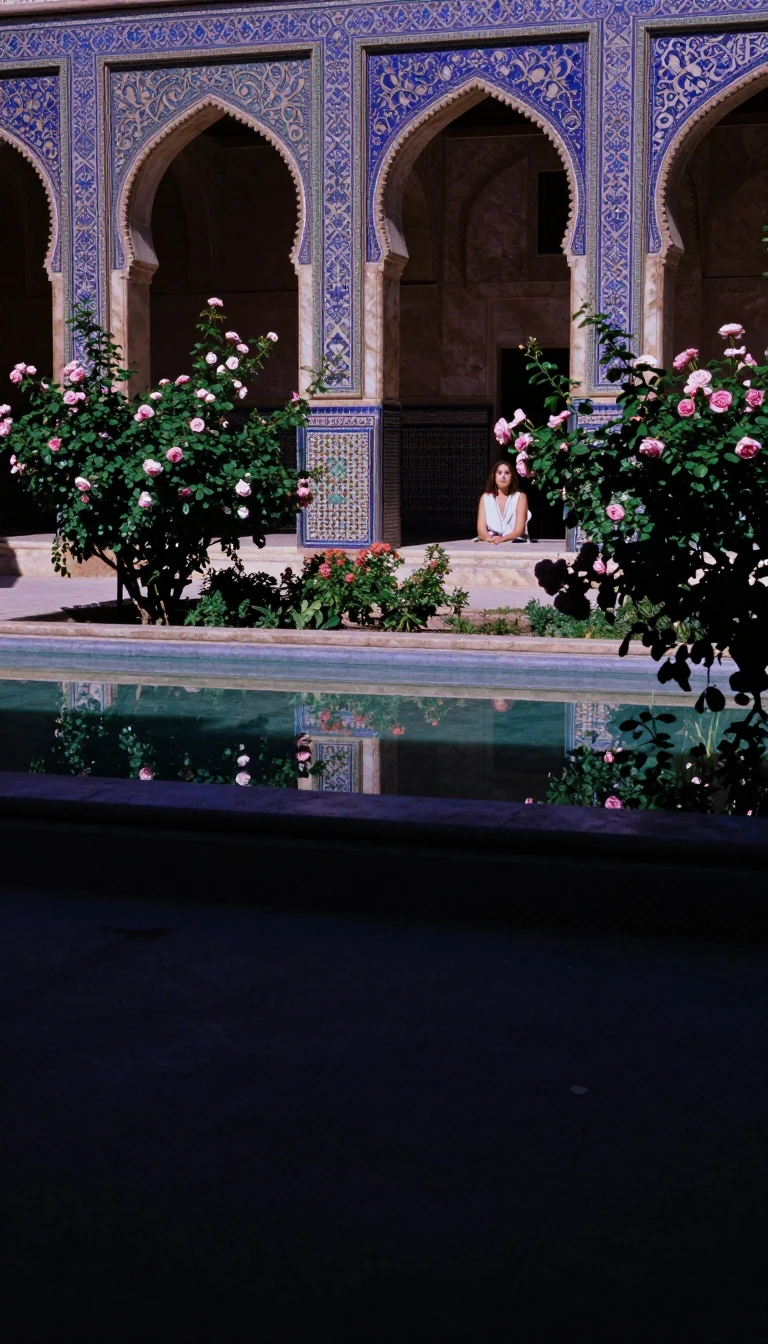 A Mughal Empress built a paradise on earth to honor her late husband's legacy.Commissioned in 1558 by Empress Bega Begum, Humayun's tomb transformed Indian architecture. As the first garden-tomb on the subcontinent, it blended Persian design with local red …
 How a German chemical breakthrough turned these Chilean mining towns into ghost townsDeep in the Atacama Desert, two former saltpeter refineries stand as silent monuments to a vanished global industry. Once bustling hubs of nitrate production, these towns were dec…
 A Battlefield Shell-Hole Transformed Into a Final Resting Place for Fallen SoldiersLocated within the Beaumont Hamel Newfoundland Memorial Park, Hunter's Cemetery is not a traditional burial ground. It is a repurposed shell-hole from the First World War, serving…
 A quiet corner of Belgium where history rests in the Ypres SalientTucked away in the village of Ploegsteert, the Hyde Park Corner Cemetery serves as a poignant reminder of the First World War. This small burial ground, established by soldiers in…
 How a 200-year-old blueprint saved a Korean fortress from disappearing into historyBuilt in the late 18th century to house a royal tomb, Suwon Hwaseong Fortress was nearly lost to the ravages of war. Its remarkable survival and UNESCO status today rely on an inc…
 Why did ancient hunter-gatherers build massive, precise geometric earthworks across the Ohio landscape?The Hopewell Ceremonial Earthworks are a collection of eight monumental sites in Ohio, built between 1 and 400 CE. These geometric structures, spanning several acres, reveal a sop…
 The Baroque Masterpiece Built by Citizens Who Paid the Ultimate Price for Their ArtThe Holy Trinity Column in Olomouc is more than a UNESCO-listed monument; it is a testament to local pride and tragic sacrifice. Built between 1716 and 1754, this massive sculptur…
 Why this Hungarian village was built to survive the Mongol invasion and Ottoman ruleTucked into the Cserhát Mountains, Hollókő is a living time capsule of Palóc culture. Named for a raven-stone, this village evolved from a 13th-century defensive outpost into a pr…
 How a lost Japanese capital became a monument to the Buddhist Pure LandIn the twelfth century, Hiraizumi was a thriving power center in northeastern Japan, ruled by the Northern Fujiwara clan. Today, its surviving temples and gardens serve as a profo…
 Why Kyoto survived the firebombing that destroyed almost every other major Japanese cityKyoto holds the largest concentration of cultural properties in Japan, having escaped the widespread destruction of World War II. While other cities were razed, Kyoto was spared d…
 How a medieval Russian republic escaped Mongol destruction to preserve its unique architectural heritageWhile much of medieval Rus fell to Mongol invasions, Novgorod remained largely untouched. This isolation allowed the city to flourish as a cultural powerhouse, fostering the birth…
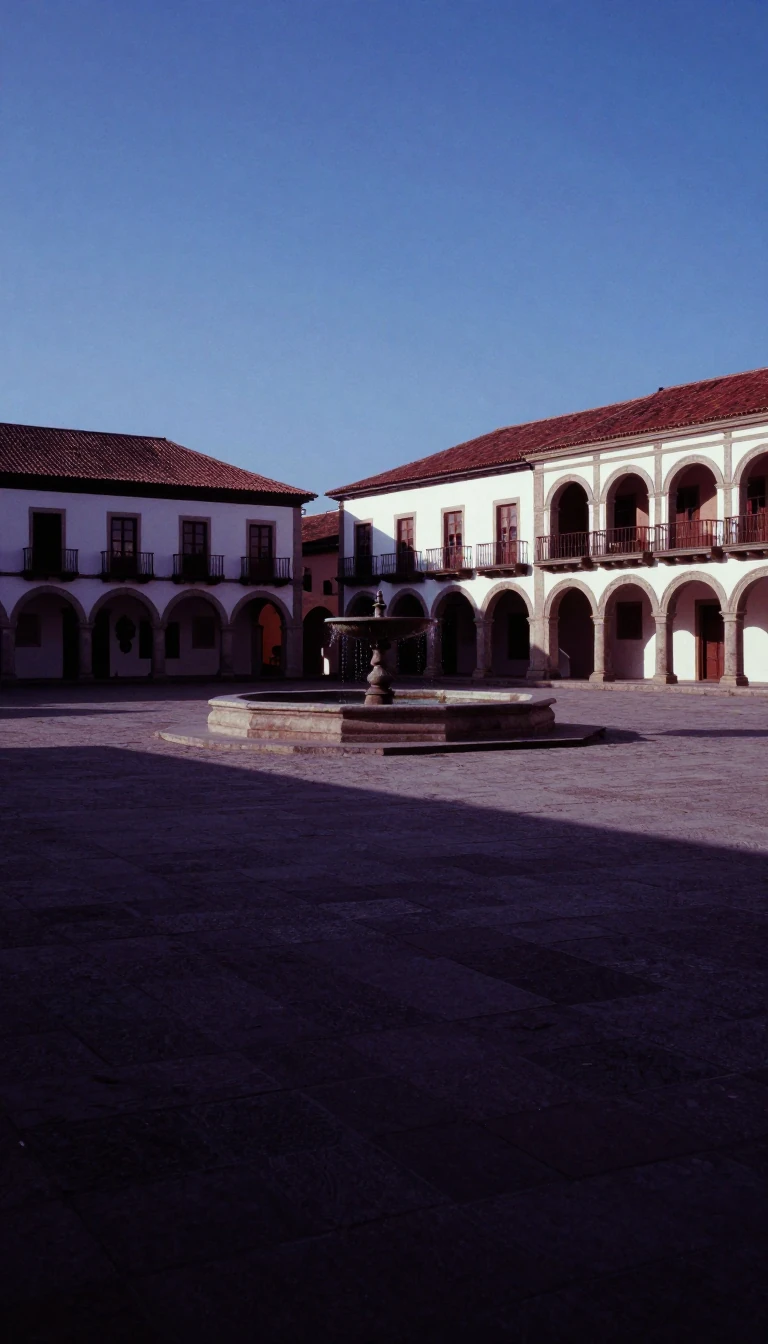 Why the City of Kings was paved with silver for its colonial viceroysFounded by Francisco Pizarro in 1535, Lima served as the administrative heart of Spanish South America. Beyond its grand architecture, the city once displayed its immense colonial…
 Why this skeletal ruin in Hiroshima remains a global symbol of peace and destructionThe Genbaku Dome is a haunting survivor of the first atomic bomb used in war. While the city around it was obliterated on August 6, 1945, this former exhibition hall remained stan…
 Why Japan's most famous fortress was designed to be a confusing, deadly mazeHimeji Castle is Japan's largest and most pristine feudal fortress, yet its most ingenious feature is not its brilliant white walls. It is a deliberate, disorienting labyrinth of …
 How two small European towns powered the global extraction of gold and silverMercury was once the lifeblood of global precious metal production, linking distant continents through a complex industrial network. Today, the mines of Almadén in Spain and Idrij…
 Why Bavaria’s most ambitious palace was built to honor a French kingKing Ludwig II of Bavaria spent millions to recreate the grandeur of Versailles on a remote island. Though he only stayed for a few days, his unfinished masterpiece became a monum…
 Why these ancient Scottish monuments are now facing an existential threat from climate changeThe Heart of Neolithic Orkney is a collection of four prehistoric sites that define Northern Europe’s ancient landscape. From chambered cairns to stone circles, these monuments ha…
 How a daring military coup ended Europe's longest-running dictatorship in just one day.This documentary recounts the Carnation Revolution, a remarkable 1974 uprising where Portuguese military officers dismantled 48 years of authoritarian rule. It examines the strate…
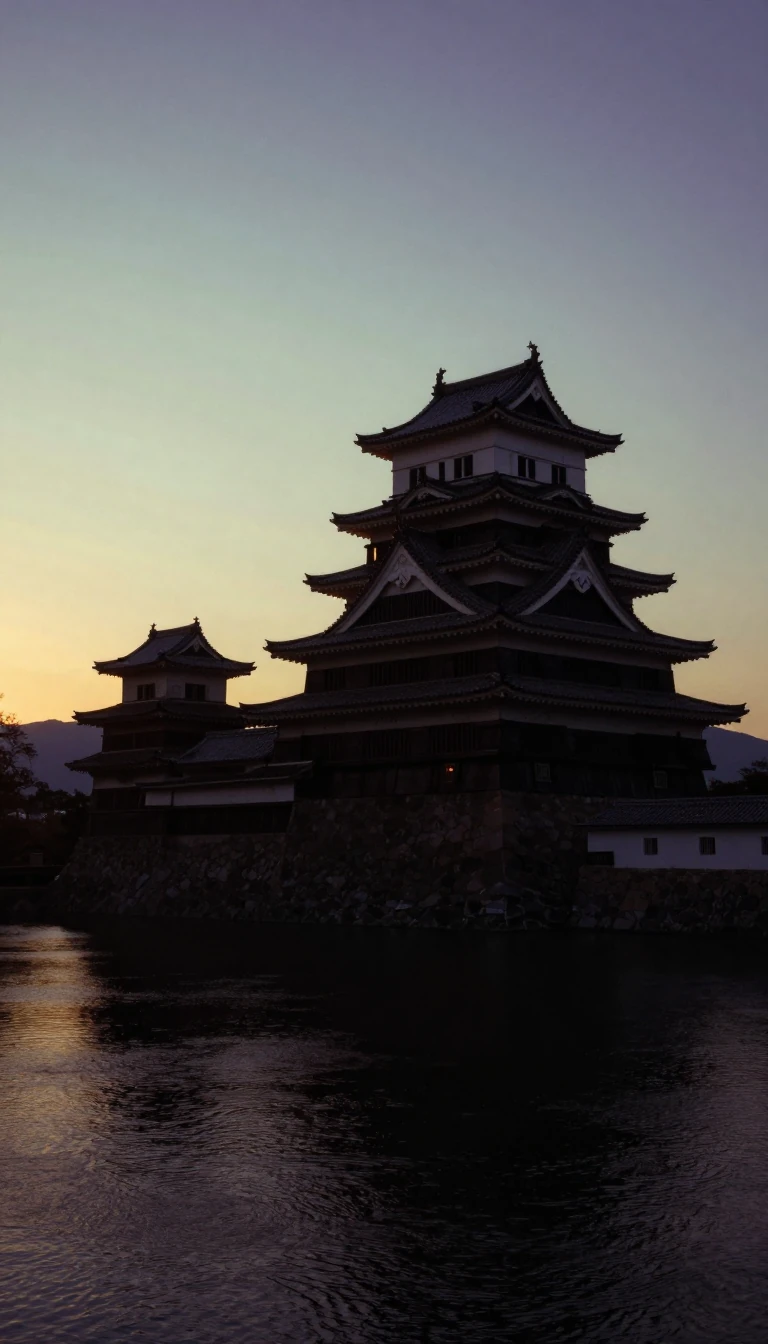 How ancient Okinawan stone fortresses became a bridge between two great Asian empiresThe Ryukyu Kingdom once thrived as a vital economic junction, blending Japanese and Chinese influences through its unique gusuku architecture. These stone fortifications, built by…
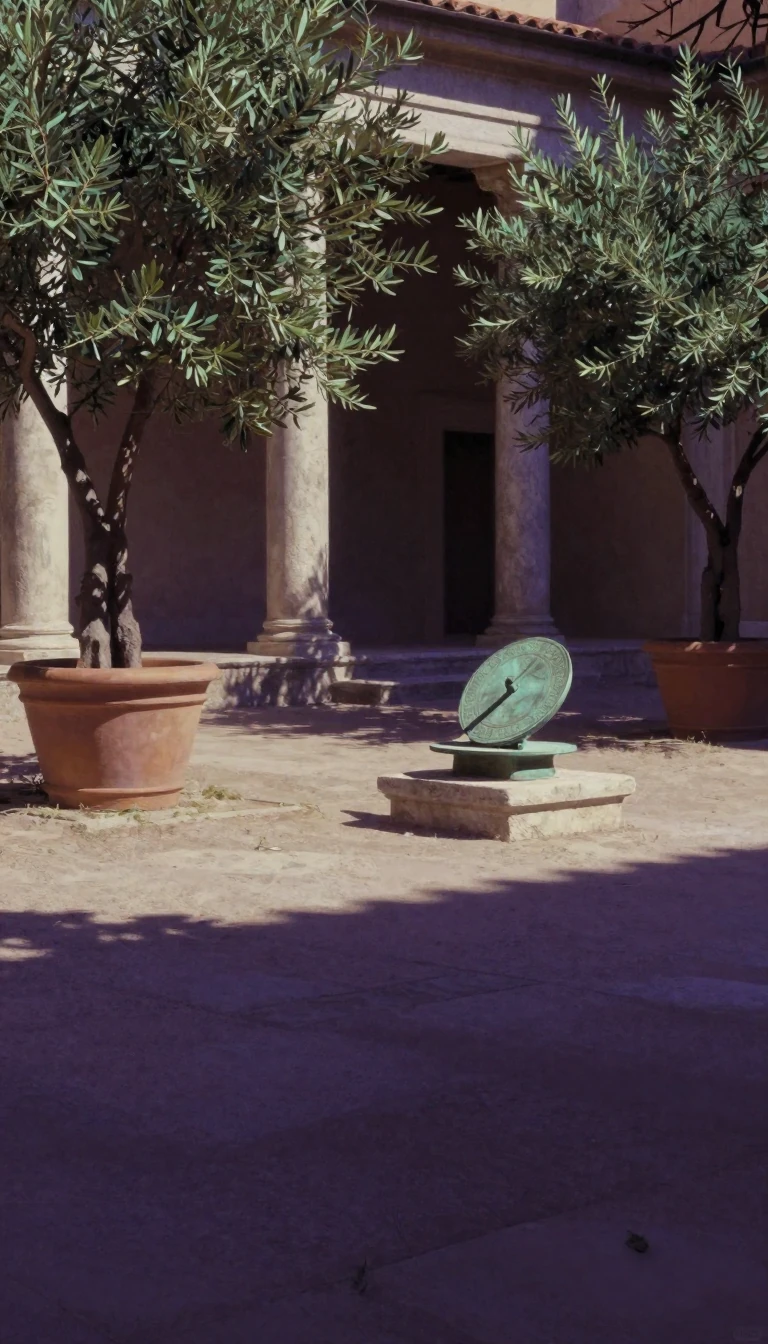 How Emperor Hadrian Recreated His Global Travels Within a Single Roman Palace ComplexSpanning over a square kilometre near Tivoli, Hadrian's Villa was more than an imperial residence. Built starting around 118 AD, this architectural masterpiece featured structures…
 How a seventeenth-century drainage tunnel became a vital piece of world heritageDeep beneath the Harz mountains, the Grünhirscher Stollen once served as a critical lifeline for silver mining. This massive water drainage adit, begun in 1691, eventually became …
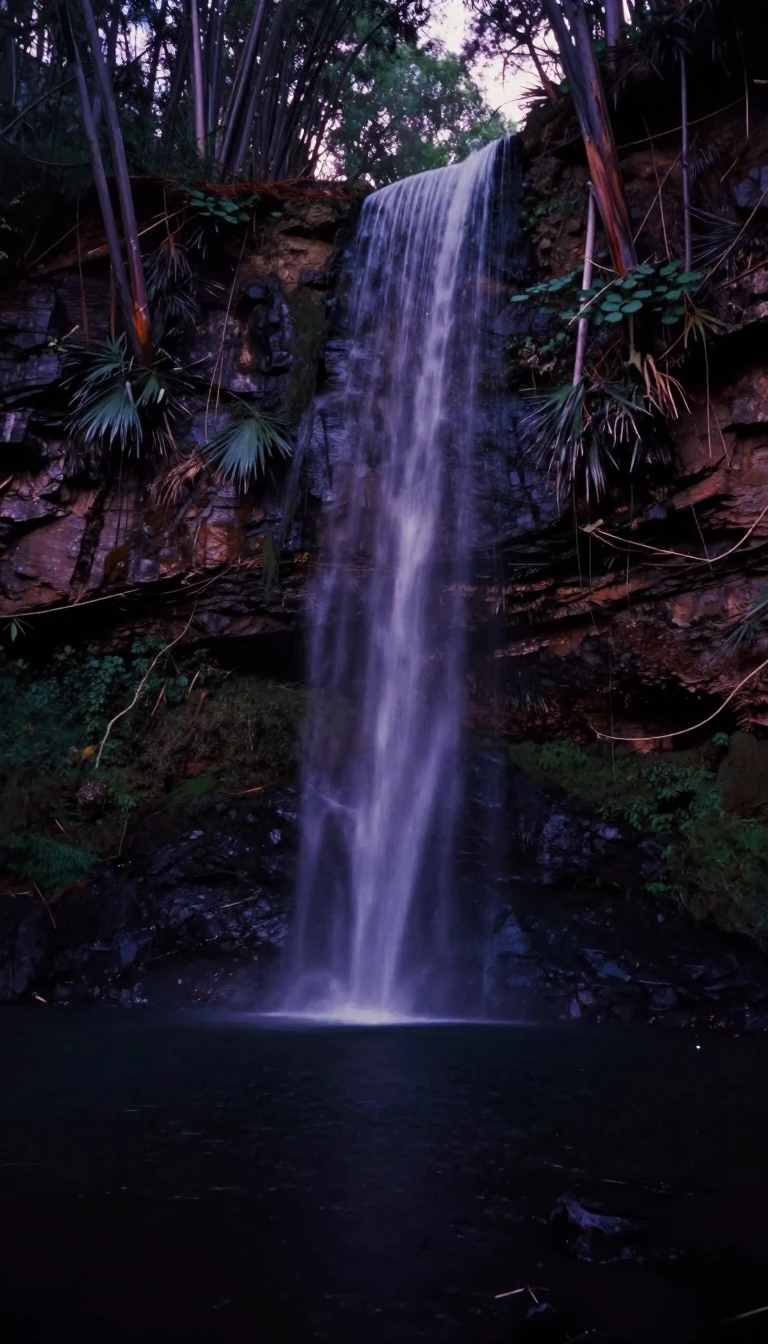 Why did it take nearly forty years to protect the Grand Canyon as a park?The Grand Canyon is an American icon, yet its path to national park status was surprisingly rocky. Despite early advocacy from figures like Benjamin Harrison and Theodore Roosevel…
- Why did ancient Koreans move 280-ton stones to mark the graves of their elite?The Korean Peninsula holds roughly 40% of the world's dolmens, with over 35,000 of these megalithic structures scattered across the landscape. Designated as a UNESCO World Heritag…
 Hidden beneath North Korean soil lie the vibrant, painted masterpieces of a lost kingdom.The Complex of Koguryo Tombs offers a rare, vivid window into the daily life and mythology of an ancient Korean powerhouse. While thousands of these burial sites exist, only a fra…
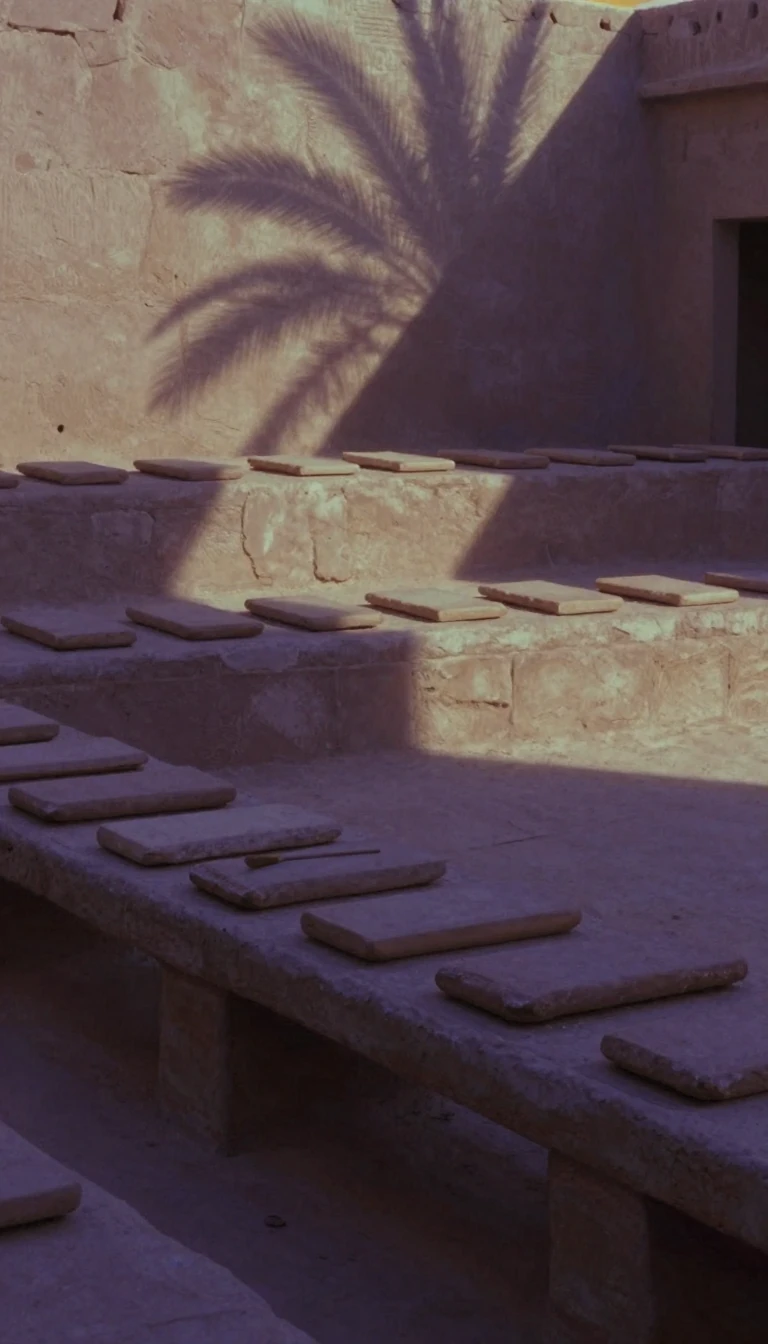 What 40,000 years of human history looks like carved into Azerbaijani stoneIn the semi-arid highlands of Azerbaijan, over 6,000 petroglyphs reveal the evolution of human life from the Upper Paleolithic to the Middle Ages. From ancient ritual dances and h…
 How a 16th-century merchant exchange became the world's greatest treasure trove of imperial history.In Seville, a Renaissance building once used by traders to escape the heat now guards the secrets of an empire. Created in 1785, the General Archive of the Indies holds millions o…
 A silent witness to the brutal four-day struggle for Vimy Ridge in 1917Tucked away within the expansive Canadian National Vimy Memorial Park in France, this modest burial site holds the remains of over one hundred soldiers. Unlike many other battlefi…
 Seven ancient burial complexes reveal the hidden history of the Gaya confederacySpanning from the 1st to the late 6th century CE, the Gaya Tumuli represent a sophisticated funerary tradition in South Korea. These seven distinct burial complexes offer a rare w…
 Why medieval Georgia built a monastery designed to shine across the entire countryFounded in 1106, Gelati Monastery was more than a religious site; it was a beacon of the Georgian Golden Age. Built to reflect sunlight from its stone walls, this UNESCO-listed co…
 Why did a Roman Emperor build a massive palace in the middle of nowhere?For centuries, explorers mistook the sprawling ruins of Gamzigrad for a military fortress. In reality, it was Felix Romuliana, a lavish imperial residence commissioned by Emperor …
- How the First World War changed the way humanity buries its fallen soldiersAcross 700 kilometers of the Western Front, 139 cemeteries and memorials stand as a UNESCO World Heritage site. These locations represent a historic shift in how nations treat the…
- The Caribbean military hub that hosted a future American president and birthed a nationLocated in Barbados, the Garrison Historic Area served as a vital British military headquarters for centuries. Beyond its strategic barracks and historic cannons, this site hosted…
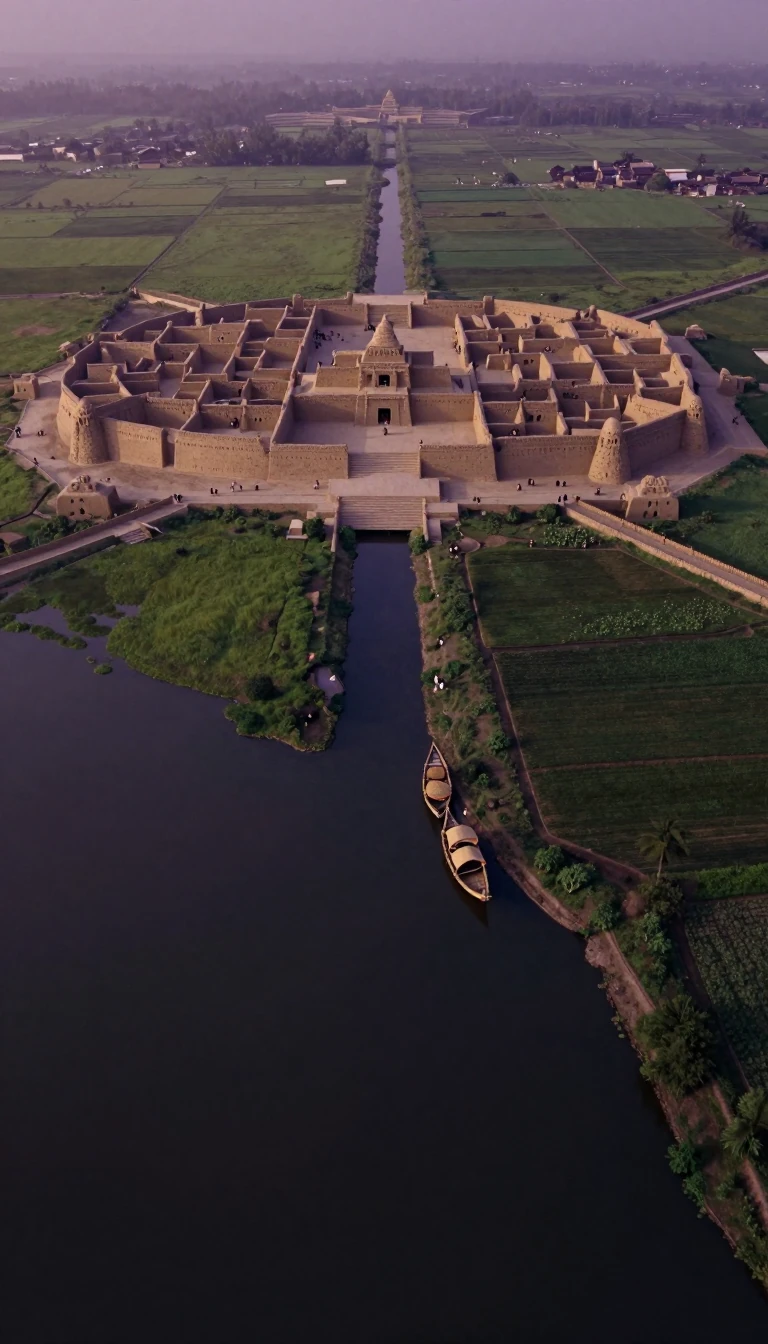 The Renaissance fortress in Kenya designed to look like a human bodyConstructed in the late 16th century to secure trade routes, Fort Jesus is a masterpiece of military engineering. Shaped like a person lying on their back, the structure has survi…
 A Scottish engineering marvel that redefined the limits of steel and human enduranceSpanning the Firth of Forth, this iconic cantilever railway bridge remains a testament to Victorian ambition. Completed in 1890, it was the first major British structure built fro…
 How a single German sergeant captured a massive French fortress without firing a shotFort Douaumont was the keystone of Verdun's defenses, a sprawling concrete behemoth designed to be impregnable. Yet, in February 1916, it fell to a small German raiding party that…
 Why France’s most famous military architect built a city nicknamed the beautiful useless oneSébastien Le Prestre de Vauban designed 150 fortifications for King Louis XIV, yet his legacy is defined by a curated network of twelve UNESCO-listed sites. From hexagonal new tow…
 Can a colonial mission be a utopia? The surprising Baroque syncretism of Mexico's Sierra Gorda.Built between 1750 and 1760, the five Franciscan missions of the Sierra Gorda represent a unique architectural fusion. While Junípero Serra envisioned a Franciscan utopia, the str…
 Why a Belgian fortress became the ultimate test of early twentieth-century heavy artilleryBuilt as a marvel of unreinforced concrete, the Fort de Loncin was designed to withstand the heaviest shells of its era. Yet, its experimental construction and vulnerable magazine…
 How a massive Sasanian wall used Byzantine gold to seal the Caucasus Mountains shutThe Derbent fortifications were a feat of ancient engineering designed to block nomadic incursions from the north. Built by the Sasanian Empire, this complex of walls and citadels…
 How a riotous expulsion of monks created England's wealthiest and finest monastic ruinFounded in 1132 after a violent dispute at York, Fountains Abbey grew from a harsh winter survival story into the richest Cistercian house in England. Today, these sprawling Roman…
 The medieval urban sanctuaries that offered women a life of independence and faithBeguinages were unique architectural complexes in the Low Countries where lay women lived in community without taking traditional religious vows. These walled sanctuaries provided…
- The 18th-century fort built by two governments who refused to agree on designFort Berkeley stands at the entrance to Antigua's English Harbour, a silent witness to colonial friction. Originally a simple government outpost, its expansion in 1745 became a di…
 How a strategic Caribbean battery evolved into a vital UNESCO World Heritage siteGuarding the entrance to English Harbour in Antigua, Fort Charlotte began as a modest battery in 1745. Over decades, it transformed from a simple gun platform into a critical defe…
 The Ethiopian fortress that broke a centuries-old tradition of nomadic imperial ruleFor generations, Ethiopian emperors lived in tents, constantly traveling to manage their lands. In the 17th century, Emperor Fasilides abandoned this nomadic lifestyle to establis…
- The quiet Belgian field where a famous war poem was born in 1915Tucked away near Ypres, the Essex Farm Cemetery holds the resting places of over 1,200 soldiers from the First World War. Beyond its rows of headstones, this site marks the exact …
 Why did Emperor Akbar build a magnificent capital only to abandon it shortly after?Founded in 1571 as the seat of the Mughal Empire, Fatehpur Sikri was a marvel of red sandstone and syncretic architecture. Yet, by 1585, the Emperor moved on, and the city was ent…
 The Swedish copper mine that fueled an empire and accidentally birthed modern corporate law.For a millennium, the Falun Mine in Sweden supplied two-thirds of Europe's copper, bankrolling the nation's rise as a great power. Beyond its industrial output, the mine pioneered…
 How a small Swedish village became the global epicenter of 18th-century iron productionLong before industrialization swept the globe, a remote site in Västmanland County was setting the standard for metallurgy. Engelsberg Ironworks, established in its formal state i…
 A fire nearly erased Germany's literary heart, but a human chain saved the rest.In 2004, a smoldering electrical fault ignited the Duchess Anna Amalia Library, destroying thousands of irreplaceable volumes. Yet, in a desperate race against the flames, locals …
- Was the legendary seven-walled capital of the Medes merely a myth or a reality?Ecbatana, the ancient capital of the Median empire, was famously described by Herodotus as a fortress of seven concentric, color-coded walls. While historians and archaeologists n…
 This 18th-century Swedish opera house hides a world of mechanical stage magicHidden behind a plain, manor-like exterior lies the Drottningholm Palace Theatre, a rare survivor of the 1700s. It remains fully functional, using original 18th-century stage mach…
- How the Netherlands turned its own landscape into a formidable defensive military barrierThe Dutch Water Defence Lines represent a unique feat of engineering, transforming the very terrain of the Netherlands into a strategic shield. By manipulating water levels, the D…
- The world's oldest surviving Islamic monument was built to rival Christian architecture in Jerusalem.Commissioned by the Umayyad Caliph Abd al-Malik in 691 CE, the Dome of the Rock is an octagonal masterpiece of early Islamic design. While it stands as a unique cultural document,…
 Ancient Sardinian rock-cut tombs predate the iconic false doors of Ancient EgyptKnown as the House of the Fairies, these prehistoric chamber tombs were carved into Sardinian rock between 3400 and 2700 BC. Beyond their architectural complexity, these sites rev…
- A medieval Anatolian masterpiece built by a local dynasty remains an architectural enigmaConstructed in 1228, the Divriği Great Mosque and Hospital is celebrated for its intricate, high-relief stone carvings and eclectic design. While UNESCO recognized its global sign…
 How Roman soldiers built a thriving mountain metropolis on a rugged Algerian plateauPerched 900 metres above sea level, the ancient city of Cuicul stands as a masterclass in Roman urban adaptation. Originally a military outpost, this site evolved into a prosperou…
 How a Grand Duke’s dream of art and trade created a modern masterpieceIn 1899, the Grand Duke of Hesse launched an ambitious experiment: merging fine art with industrial trade to revitalize his land. This vision birthed the Darmstadt Artists' Colony…
- How an 18th-century Duke brought an active volcano to the German countrysideDuke Leopold III of Anhalt-Dessau transformed his lands into an Enlightenment-era masterpiece, blending naturalistic gardens with architectural wonders. Among his most eccentric c…
 The Derwent Valley is the birthplace of the modern factory and industrial community system.In the 18th century, the Derwent Valley transformed global manufacturing. By applying water power to cotton spinning, Richard Arkwright created a template for continuous productio…