 Intellect Plus
Ideas & Philosophy
17,867 cards. Each one is a 40-second story with a five-minute read behind it. Page 246 of 298.
Subtopics: Abrahamic religions · Artificial intelligence · Attention · Classic philosophy · Cognitive biases · Consciousness · Cooperation · Cynicism · Decision making · Decision theory · Descartes · Dharmic religions · Dreams · Eastern philosophy · Eastern religions · Epistemology · Ethics · Evidence · Existentialism · Fairness · Famous psychology experiments · Free will · Game theory · Greek mythology · Historians · Identity · Infinity · Justice · Logic · Logical fallacies · Mathematics · Medieval philosophy · Mind · Mythology · Mythology of the ancient world · Other religions · Paradoxes · Philosophers · Philosophers, historians, political and social scientists · Philosophy · Philosophy of mind · Philosophy of science · Political philosophy · Probability · Psychology · Reality · Religion · Religion and spirituality · Religious figures · Self knowledge · Statistics · Stoicism · Strategy · Taoism · Thought experiments · Trivia & curiosities · Truth · Utopias & ideal worlds · Wellbeing · World religions · Writers
 How a failed screenwriter became the most experimental director in Hollywood historySteven Soderbergh defies the traditional Hollywood career path by oscillating between idiosyncratic independent projects and massive commercial blockbusters. From his early days a…
 Why C.S. Lewis believed the safest path to hell is a gentle slopeIn his satirical masterpiece, C.S. Lewis explores human temptation through the eyes of a senior devil mentoring his incompetent nephew. By flipping the perspective, Lewis reveals …
 How Rod Serling used science fiction to bypass network censors and define television history.Rod Serling created The Twilight Zone to escape the stifling interference of television sponsors who routinely censored his scripts. By wrapping controversial social commentary in…
 How a Wisconsin lawyer became the most formidable third-party threat in American historyRobert M. La Follette, the legendary Fighting Bob, transformed Wisconsin into a laboratory for progressive reform. From battling railroad monopolies to pioneering the direct prima…
 The SD: How a Small Intelligence Agency Became the Architect of Nazi TotalitarianismStarting in a single apartment in 1931, the Sicherheitsdienst (SD) evolved from a modest Nazi Party intelligence unit into a sprawling, lethal bureaucracy. By systematically infil…
 Beyond the Bard: How a medieval market town became a global cultural iconStratford-upon-Avon is famous as the birthplace of William Shakespeare, but its identity runs much deeper than literary history. Founded as a thriving market town in 1196, this Wa…
 Tariqa: The ancient Islamic path to direct, mystical knowledge of the divineIn Sufism, a tariqa is more than a religious order; it is a structured spiritual road toward ultimate reality. By following the guidance of a sheikh and adhering to a specific rit…
 The Republican People's Party: A Century of Shaping the Turkish Republic's Turbulent PathFounded by Mustafa Kemal Atatürk, the Republican People's Party is Turkey's oldest political institution. From its origins as a wartime resistance movement to its role as a one-pa…
 Did a 6th-century historian secretly document a demon-possessed emperor to save his own life?Procopius of Caesarea was the primary chronicler of Emperor Justinian I, yet he left behind a scandalous manuscript that remained hidden for centuries. While his official historie…
 Can the human mind perceive distant, hidden locations through a process called remote viewing?Remote viewing is the practice of attempting to sense distant or unseen subjects using only the mind. While once the focus of a $20 million U.S. government program, scientific con…
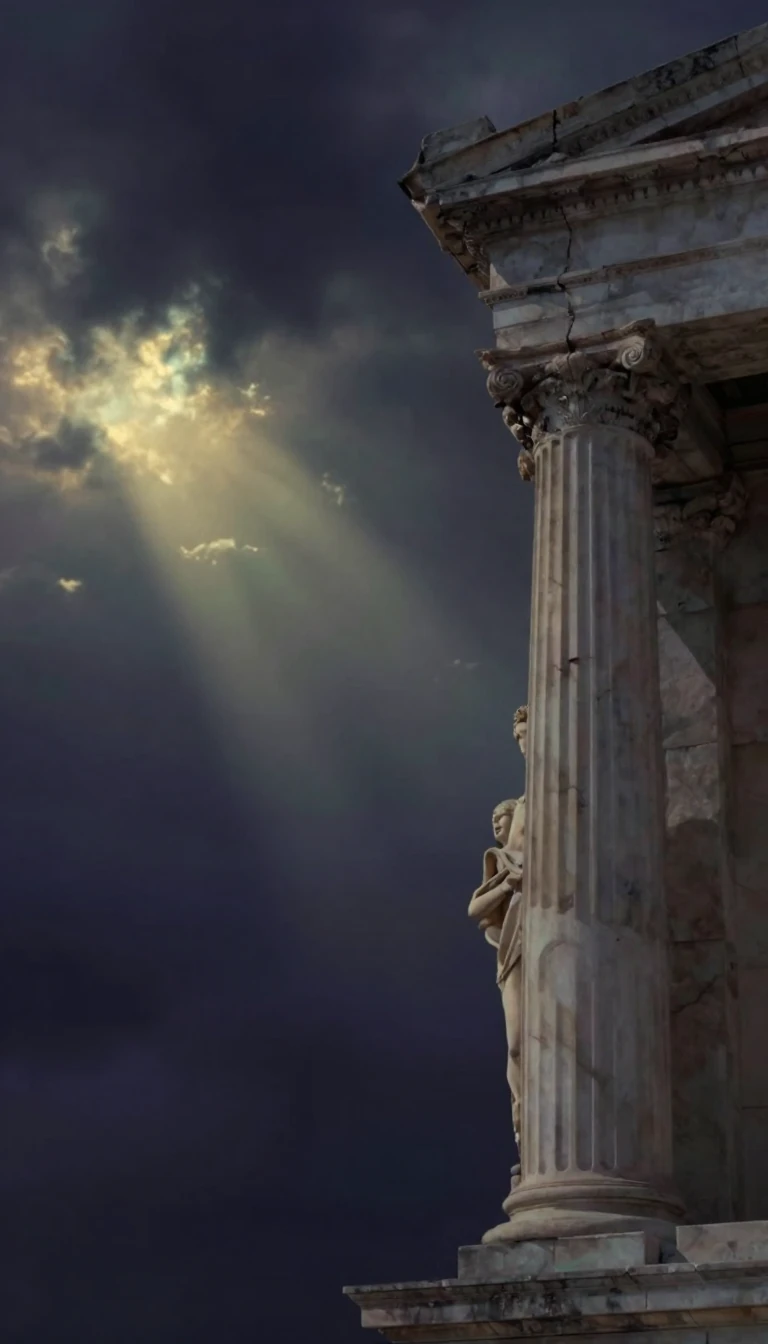 Why a 19th-century sonnet about a ruined statue still haunts modern tyrants and artists.Percy Bysshe Shelley’s Ozymandias remains a definitive meditation on the fragility of power. Born from a friendly literary competition, this brief sonnet captures the inevitable d…
 Why a show about fairy tales was actually a deliberate experiment in modern optimismCreated by writers from Lost, this fantasy drama reimagined classic icons to explore human resilience. By grounding magical figures in the struggles of a seaside town, the series …
 How a 14th-century Sufi saint transformed the spiritual landscape of medieval DelhiNizamuddin Auliya, a revered Sufi saint, redefined the Chishti order by championing human love and social equality. His influence was so profound that it shifted the focus of Delh…
 How a teenager revolutionized pop music by refusing to play by the industry's rules.Kate Bush emerged in 1978 as the first woman to top the UK charts with a self-written song. By asserting total creative control over her production, choreography, and business, sh…
 Why the Florence of the South is carved from its own soft, golden earthLecce is a city defined by its unique limestone, a material so pliable it allowed for the creation of an architectural style so distinct it earned the city its famous moniker. Bey…
 The Archangel of Terror: How a 26-Year-Old Radical Shaped the French RevolutionLouis Antoine de Saint-Just was the youngest deputy in the French National Convention, rising from a provincial troublemaker to the ruthless enforcer of the Reign of Terror. A clo…
 From Shakespearean stage to digital resurrection, the versatile career of Sir Ian HolmSir Ian Holm was a master of transformation, moving seamlessly from intense Shakespearean roles to iconic science fiction and fantasy performances. A decorated actor knighted for …
 Can a monster-to-human ray fix family drama in the final Hotel Transylvania film?In the fourth installment of the animated franchise, a malfunctioning invention turns Dracula into a human and his son-in-law into a dragon. As they race to reverse the transforma…
 How Genndy Tartakovsky defied CGI realism to create a unique, squash-and-stretch monster comedy.When Genndy Tartakovsky took over as the sixth director of Hotel Transylvania, he rejected the industry's obsession with photorealism. Instead, he forced computer-generated charac…
- Why Lewis Carroll’s most famous nonsense poem is a masterclass in linguistic ambiguityJabberwocky is more than a collection of whimsical sounds. First appearing in 1871, this dreamscape poem introduced words like chortle and galumphing into English. While it depict…
 From Screen Star to Director: The Artistic Evolution of Frances O'ConnorBorn in England and raised in Australia, Frances O'Connor built a prolific career as a versatile actress before stepping behind the camera. From her early independent film breakth…
- The genitive case is more than just possession; it is a linguistic Swiss Army knife.While often associated with ownership, the genitive case is a versatile grammatical tool used to describe relationships, agents, and descriptions. From the Saxon genitive in Engli…
- Before Westeros, George R. R. Martin wrote monster stories for pennies in New JerseyLong before he became the architect of epic fantasy, George R. R. Martin was a child selling sinister turtle tales to neighborhood friends. His path to literary fame was anything …
 Why Ancient Greek citizen-soldiers abandoned individual heroics for a wall of bronze shieldsHoplites were not professional soldiers, but farmers and artisans who transformed Ancient Greek warfare. By locking shields in a disciplined phalanx, they replaced the chaotic her…
 Why do writers rely on the god from the machine to fix impossible plots?The deus ex machina is a classic storytelling shortcut where an unlikely force suddenly resolves a hopeless situation. While often dismissed as a sign of lazy writing, this ancien…
 How a student film about fatherhood became a cornerstone of surrealist midnight cinemaDavid Lynch spent five years crafting his debut feature, Eraserhead, in a disused stable. What began as a low-budget project about a man caring for a deformed child evolved into a…
 The Fall of Man: A Mythological Transition from Innocent Obedience to Human Self-AwarenessThe Fall of Man describes the first humans transitioning from innocent obedience to guilty disobedience. While Christian traditions often view this as the origin of original sin, …
 Dhikr is the ancient Islamic practice of using repetitive remembrance to find inner peace.Dhikr, or remembrance of God, is a foundational Islamic practice involving the rhythmic recitation of sacred phrases. Whether performed silently or in collective ceremonies, this …
 The Roman equites were not just cavalrymen, but the empire's original administrative power brokers.Often called knights, the equites evolved from a small cavalry unit into a wealthy, influential class that monopolized Roman military and political life. While they started as hor…
- Was India's fifth president a willing architect of authoritarianism or a mere rubber stamp?Fakhruddin Ali Ahmed remains a polarizing figure in Indian history. While he held high office during the nation's most controversial political period, his legacy is defined by his…
 How an accidental singer became the most recorded artist in music historyAsha Bhosle never planned to be a star. After her father died, she began singing to support her family, eventually evolving from a background vocalist into a genre-defying icon. W…
- How Tim Burton’s 2005 film brought Roald Dahl’s dark chocolate factory to lifeTo capture the tactile magic of Roald Dahl’s classic, Tim Burton rejected modern digital shortcuts. He built a massive, functional chocolate river, trained real squirrels, and cas…
 Was the infamous Queen of Mycenae a cold-blooded murderer or a grieving mother?Clytemnestra remains one of Greek mythology's most notorious figures, remembered primarily for orchestrating the brutal death of her husband, King Agamemnon. Yet, ancient accounts…
 Why the 2012 apocalypse was a modern invention, not an ancient Mayan prophecyThe 2012 phenomenon promised a cataclysmic end to the world, rooted in the supposed conclusion of the ancient Maya Long Count calendar. Yet, scholars confirm the Maya never predic…
 Was the author of the Gospel of Matthew actually a tax collector?Matthew the Apostle is traditionally credited with writing the first Gospel, yet modern scholars remain divided. While early Church Fathers insisted he penned the text in Hebrew, …
 Why the Tridentine Mass remains a flashpoint for modern Roman Catholic identityFor centuries, the Tridentine Mass defined Roman Catholic worship, characterized by Latin liturgy and priests facing away from the congregation. Since the Second Vatican Council, …
- Was Judas Iscariot actually Jesus' most trusted confidant and secret messenger?For 1,700 years, the Gospel of Judas was a lost heresy. Rediscovered in a limestone box in Egypt, this ancient text flips the script on the most infamous betrayal in history, port…
 Is the Gospel of Mark a historical record or a carefully crafted literary tragedy?As the earliest of the four canonical gospels, Mark offers a raw, urgent portrait of Jesus. Yet, scholars debate whether its narrative structure is a faithful account of history o…
 Logos: The ancient concept that bridges the gap between human reason and cosmic order.For millennia, the term logos has shifted from a simple Greek word for discourse to the divine principle holding the universe together. Whether as Aristotle’s tool for persuasion,…
 LaVeyan Satanism is not devil worship, but a philosophy of radical self-interest and egoism.Founded in 1966, the Church of Satan rejects the supernatural entirely. Instead of worshipping an evil entity, adherents view Satan as a symbolic archetype of human pride and inst…
- Why did one of America's sharpest critics call democracy the worship of jackasses?H. L. Mencken was a master of American prose who spent decades skewering the cultural and political landscape of the United States. A self-described elitist and atheist, he champi…
 Is the universe a machine, or does it have a secret purpose?Teleology is the philosophical study of purpose. While ancient thinkers like Aristotle believed nature itself possessed intrinsic goals, modern science largely replaced this with …
 Why do near-perfect human replicas trigger a deep, visceral sense of revulsion?The uncanny valley is the eerie dip in our emotional response when an artificial entity looks almost, but not quite, human. As realism increases, our empathy grows—until the entit…
 Why the best way to solve a complex problem is often to ignore information.We are taught that more data leads to better decisions, but heuristics prove otherwise. By intentionally ignoring parts of a problem, these mental shortcuts allow humans and machi…
 Solarpunk is the optimistic, DIY-driven rebellion against our current climate-fatigued, dystopian media landscape.While cyberpunk envisions a grim future of technological alienation, solarpunk offers a bright, sustainable alternative. This genre uses renewable energy and maker-hero ethics to …
 Why that tiny bracketed word in your text is often a sign of arroganceYou have likely seen the word sic tucked into brackets within a quotation. It is meant to signal that an error in the original text was transcribed faithfully. Yet, its use has ex…
 Why the famous pyramid of human needs might be more myth than scienceProposed in 1943 by Abraham Maslow, the hierarchy of needs is a staple in business, education, and social work. Yet, despite its iconic status as a pyramid—a shape Maslow never ac…
- Does the philosophy of attachment parenting actually improve child development or just parent stress?Attachment parenting emphasizes constant physical closeness and responsiveness to build secure bonds. While proponents argue this creates a synergetic, biological ideal for infant…
 Can a Philosophy Based on Poetry Teach You How to Like the World?Founded by poet Eli Siegel in 1941, Aesthetic Realism argues that our deepest human desire is to genuinely appreciate the world. By viewing reality as a structure of balanced oppo…
 Is it physically possible to create a hole in a body of water?This video explores the scientific possibility of creating a hole in water. It examines the physical properties of liquids and the challenges involved in displacing water to form …
 How nature's own defenses could revolutionize snakebite treatmentEvolutionary biologist Sean B. Carroll explores the lethal origins of venom and a groundbreaking new approach to antivenom that looks to the snakes themselves for the cure.
 A pest is not a biological category, but a subjective label of human inconvenience.The definition of a pest is entirely dependent on perspective. An elephant is a majestic creature in the wild, but a destructive nuisance to a farmer whose crops it tramples. Beca…
 Yad Vashem is not just a memorial, but a massive repository of individual lives.Established in 1953, this Jerusalem institution serves as the official Holocaust memorial for Israel. Beyond its role as a site of remembrance, it functions as a global research c…
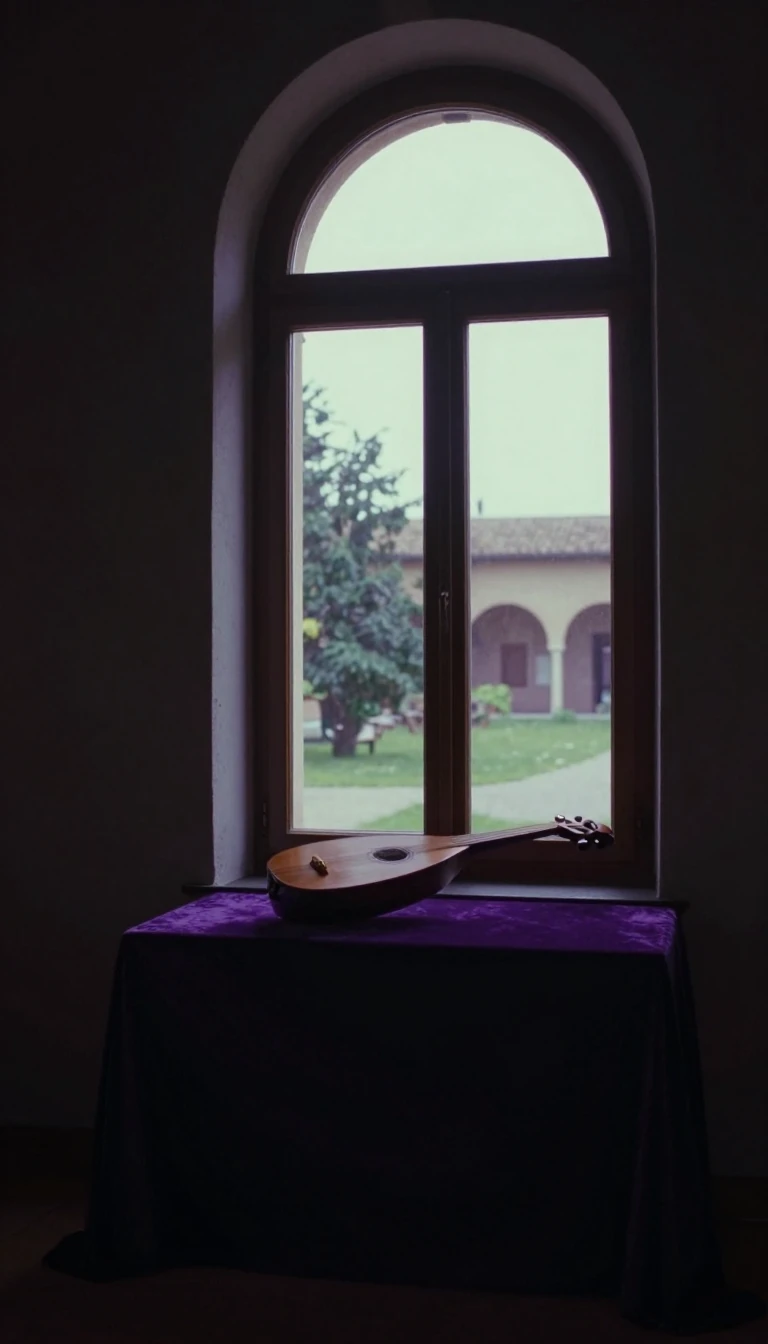 The zither is not just one instrument, but a vast family of stringed wonders.Often mistaken for a simple folk relic, the zither is a diverse class of instruments ranging from the ancient Chinese guqin to the modern concert zither. Whether played flat on a …
 How Sanjay Leela Bhansali turned personal tragedy into a signature aesthetic of Indian cinemaSanjay Leela Bhansali is a master of visual splendor, known for his grand period dramas and musical vision. Yet, his path to success was forged in the fires of personal loss and f…
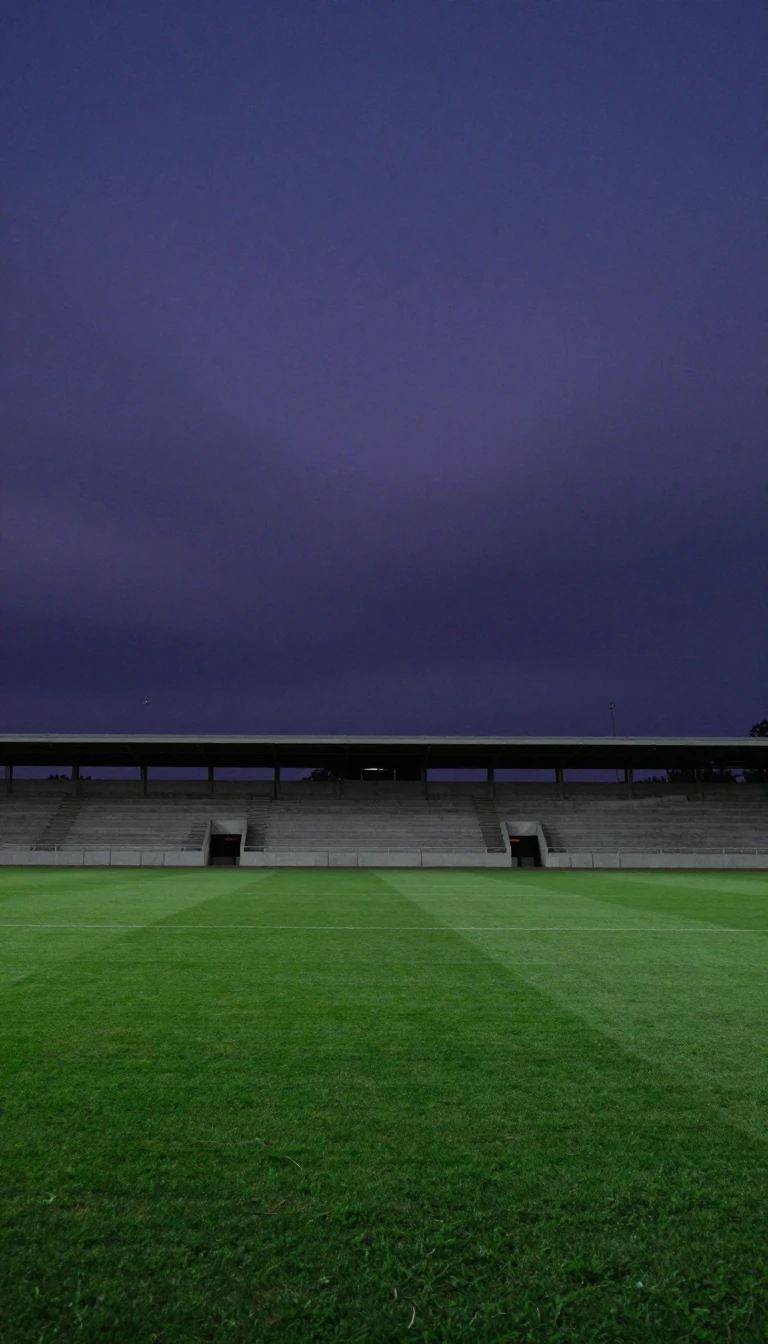 Why Kolkata built a massive stadium to escape the constraints of its historic grounds.In 1984, Kolkata faced a sporting crisis. Its traditional Maidan club grounds were too small for the massive crowds, and the iconic Eden Gardens struggled to balance cricket and f…
 The Rosary is more than a string of beads; it is a meditative cycle.Often mistaken for a simple counting tool, the Rosary is a structured meditative practice centered on the life of Christ. By cycling through specific prayers and reflecting on key…
 Is the actor a creative artist or merely a vessel for the playwright's words?The Royal Academy of Dramatic Art, established in 1904, remains the gold standard for acting training. Yet, the very nature of the craft it teaches remains a subject of intense de…
 The Russian nobility was not a static caste but a fluid, state-manufactured social project.Far from a rigid hereditary elite, the Russian nobility was a dynamic, state-engineered class. By the 19th century, commoners frequently ascended into its ranks, while ancient ari…
- Why Japan uses three different systems to write its language in Latin scriptJapanese is traditionally written with kanji and kana, but the use of Latin script—known as rōmaji—is surprisingly common. From early Jesuit dictionaries to modern computer input …