 Intellect Plus
Science
17,267 cards. Each one is a 40-second story with a five-minute read behind it. Page 97 of 288.
Subtopics: Acids and bases · Algebra · Alloys and ceramic compounds · Analysis · Applied mathematics · Atomic and molecular physics · Atoms · Basics · Biochemistry · Biochemistry and molecular biology · Biological processes and physiology · Biology · Biology and health sciences: General · Biology basics · Calculus and analysis · Cell biology · Cells · Chemical elements · Chemistry · Climate · Cold · Color · Computer scientists and programmers · Condensed matter physics · Discrete mathematics · Earth science · Electricity & magnetism · Electromagnetism · Elements · Entropy · Everyday Science Questions · Evolutionary biology · Famous equations · Famous experiments · Found by OrchestratorBot · Foundations · Functions · Future Frontier · Genetics and molecular biology · Geology · Geometry · Glass · Global Curiosity Questions · Heat · How Did the Dinosaurs Become Extinct? · How Things Work: Gas from Source to Supply · How Things Work: The Journey of Crude Oil · Human body & genes · Ice · Infinity · Inventors and engineers · Isotopes · Light · Magnetism · Materials · Mathematicians · Maths · Measurement · Mechanics · Microbiology · Minerals & crystals · Molecular compounds · Nature: How Long Can It Live? · Nuclear physics · Number theory · Optics & light · Organic compounds · Other · Particle physics · Physics · Physics basics · Pre-modern figures · Prime numbers & number theory · Probability · Proof · Pseudoscientists · Quantum · Quantum Biology · Reactions and synthesis · Relativity · Research methods · Researched · Salts and ions · Science basics · Scientific discoveries · Scientific instruments · Scientists, inventors and mathematicians · Separation processes · Social scientists · Stars · Statistics and probability · Theoretical computer science · Theory · Thermodynamics · Thermodynamics & heat · UK & Ireland: science · Units & measurement · Volcanoes · Water · Waves · Women in science
 A career in French politics spanning nearly two decades of high-level government serviceBruno Le Maire has navigated the volatile landscape of French governance for years, serving as a minister under multiple presidents. From managing agriculture to overseeing the na…
 El Salvador’s bold experiment to make bitcoin legal tender has officially come to an end.In 2021, El Salvador became the first nation to adopt bitcoin as legal tender, aiming to modernize its economy and boost remittances. By 2025, the policy was rescinded after resea…
 How a small 19th-century tea shop became the legendary Waitrose of the NorthFounded in 1847 by a 19-year-old tea merchant, Booths has defied industry consolidation for over 175 years. While rivals like Safeway were swallowed by giants, this family-owned N…
 Beyond the quiet streets of Bethel, Connecticut lies a history of industry and innovation.Settled in 1700 and incorporated in 1855, this Fairfield County town is more than a suburban waypoint. From hosting the first U.S. vodka distillery to serving as the long-time hea…
 Aveyron is a rugged French department defined by ancient history and prehistoric stone monuments.Nestled in the south of the Massif Central, Aveyron is a rural landscape where prehistoric dolmens outnumber those in any other French department. From the discovery of a feral ch…
 The Belanjong pillar reveals the ancient roots of Bali's ornate and complex writing systemDescended from the ancient Brahmi script, the Balinese script is among the most elaborate writing systems in Southeast Asia. While largely supplanted by the Latin alphabet today, …
 Can a university degree double as a rigorous training ground for military leadership?The Army Reserve Officers' Training Corps transforms college students into commissioned officers by blending academic study with intense leadership development. From computer scie…
- How a diaspora of merchants and artisans became a pillar of Russian cultural lifeArmenians have maintained a presence in Russia since the Late Middle Ages, evolving from traveling traders into a vital, highly educated minority. Today, they represent the larges…
 Why a simple braking maneuver turned a routine landing into a fatal aviation disasterWhen Atlantic Airways Flight 670 failed to deploy its spoilers upon landing in Norway, the pilots faced a critical choice. By engaging emergency brakes to compensate, they inadver…
 Is the AI Cold War a genuine geopolitical shift or a self-fulfilling prophecy?The narrative of an AI Cold War between the United States and China has reshaped global industrial policy and trade. While proponents argue this rivalry is essential for national …
 Why Arizona’s Phoenix area abandoned geographic boundaries to save its telephone number supplyFor decades, the Phoenix metropolitan area managed its rapid growth by carving itself into smaller geographic slices. But as the digital age demanded more numbers, this strategy h…
 How a century-old amateur sports giant lost its grip on the Olympic stageFounded in 1888 to standardize American athletics, the Amateur Athletic Union once held total authority over U.S. Olympic participation. Yet, by the late 20th century, internal ri…
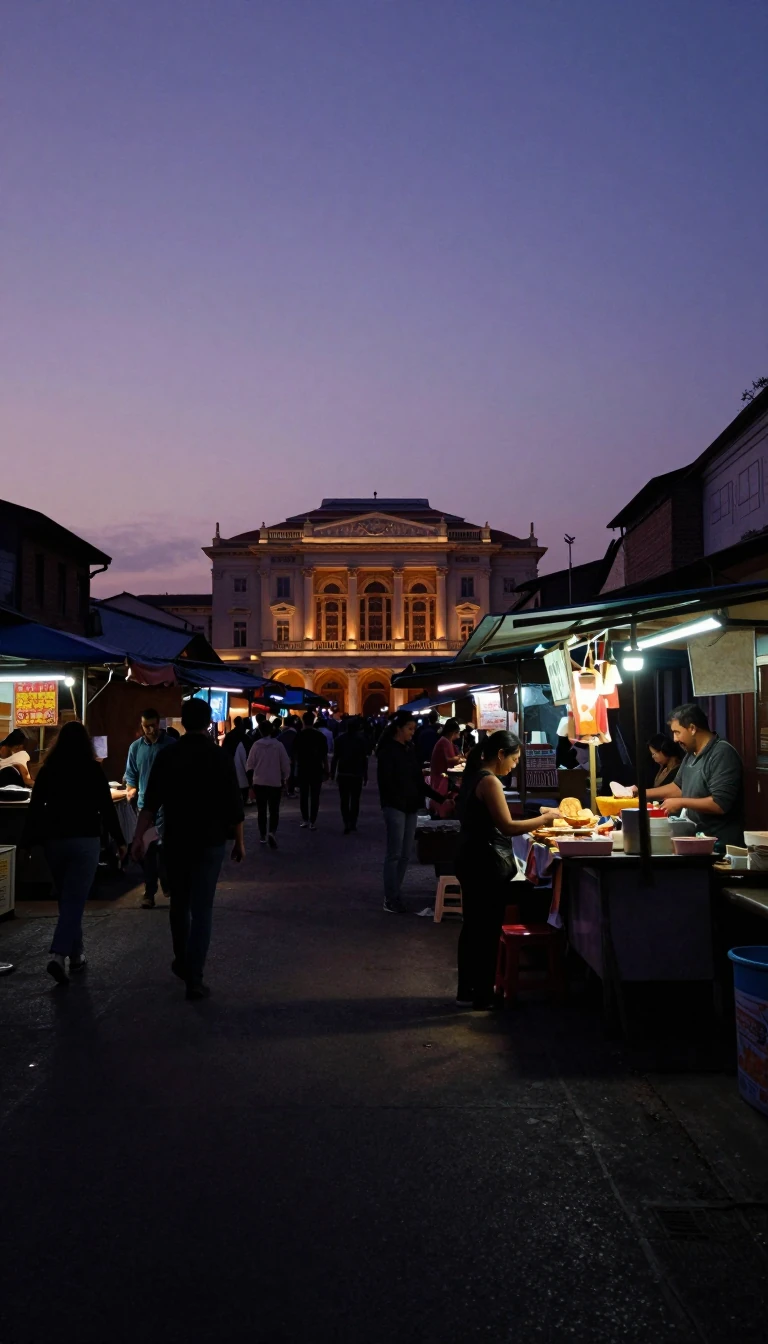 How a former department store boss became a key figure in British regional politics.Before entering politics, Andy Street spent decades climbing the corporate ladder at John Lewis, eventually leading the company through a period of significant growth. His transit…
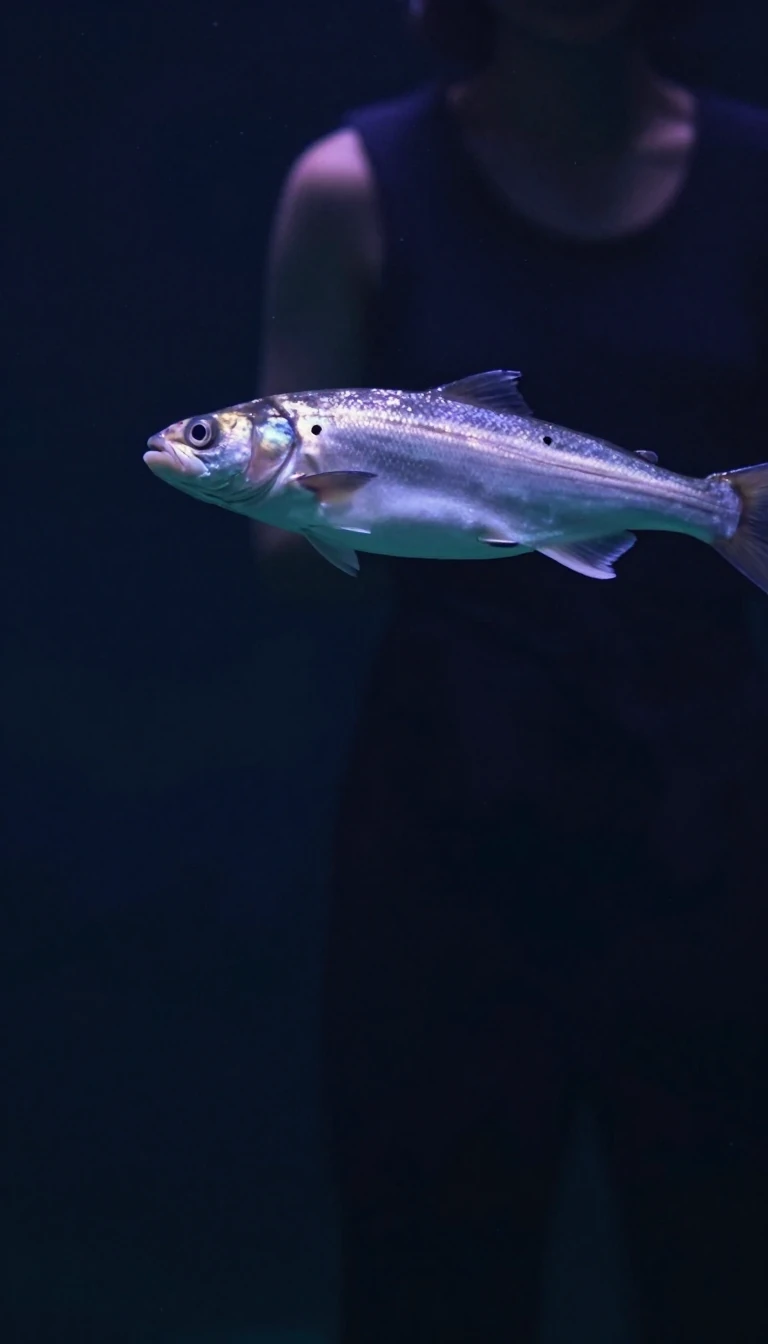 The American shad is a sonic anomaly that can hear sounds beyond human perceptionBeyond its reputation as a historic food source, the American shad possesses a remarkable biological secret: it can detect ultrasound frequencies above 50 kHz. This sensory capabi…
 How a physicist-turned-politician became the European Union's first Commissioner for Defence and Space.Andrius Kubilius, a former Lithuanian Prime Minister, has spent decades navigating the volatile intersection of Baltic security and Russian relations. From implementing painful ec…
 How the International Whaling Commission distinguishes indigenous subsistence hunting from commercial whaling operationsWhile the 1986 global moratorium halted commercial whaling, indigenous subsistence whaling remains permitted under international law. This practice is not defined by profit but by…
 The A38 is England's longest two-digit road, stretching 292 miles from Cornwall to Mansfield.Tracing a path from Bodmin to the northern Midlands, the A38 is a vital artery of English travel. Once the primary holiday route to the southwest, it now serves as a complex mix o…
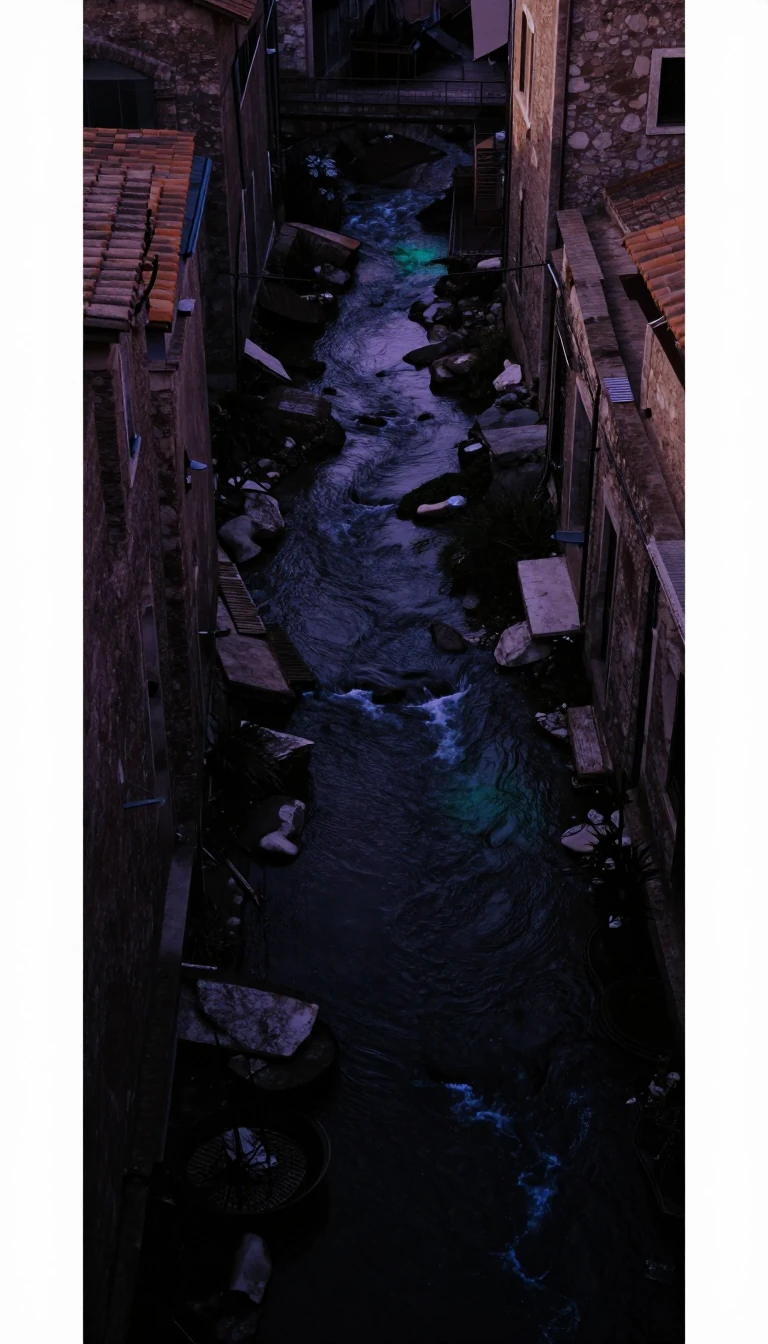 Why a major Northern English road is an anomaly of geography and safetyThe A66 is a vital trans-Pennine artery with a history of danger and complex engineering. Spanning from the North Sea coast to the Irish Sea, it follows ancient Roman paths while …
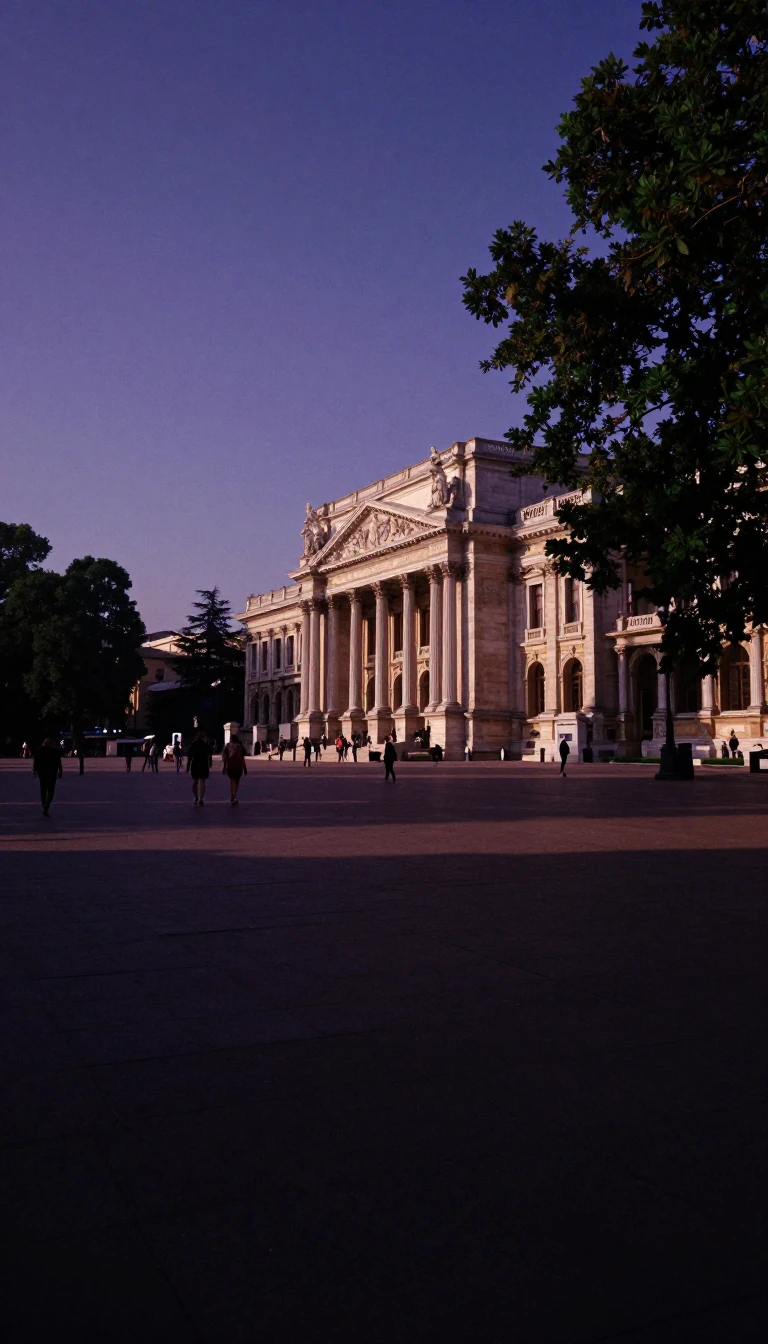 How Soviet mathematicians tried to save a command economy using the language of profitIn the 1960s, Soviet planners faced a paradox: their rigid, centralized system stifled innovation. Led by figures like Evsei Liberman, reformers attempted to introduce market-styl…
 How a fake peer-review ring forced a major academic publisher to rethink its standardsIn 2014, a massive fraud involving fabricated identities and manipulated reviews shook the academic world. A physicist orchestrated a peer-review ring, tricking a prominent journa…
 Mitochondrial DNA may not accurately reflect the evolutionary history of speciesResearchers who study mitochondrial DNA (mtDNA) have long used it to map the history of species. However, a review of mitochondrial biology suggests that relying solely on this ge…
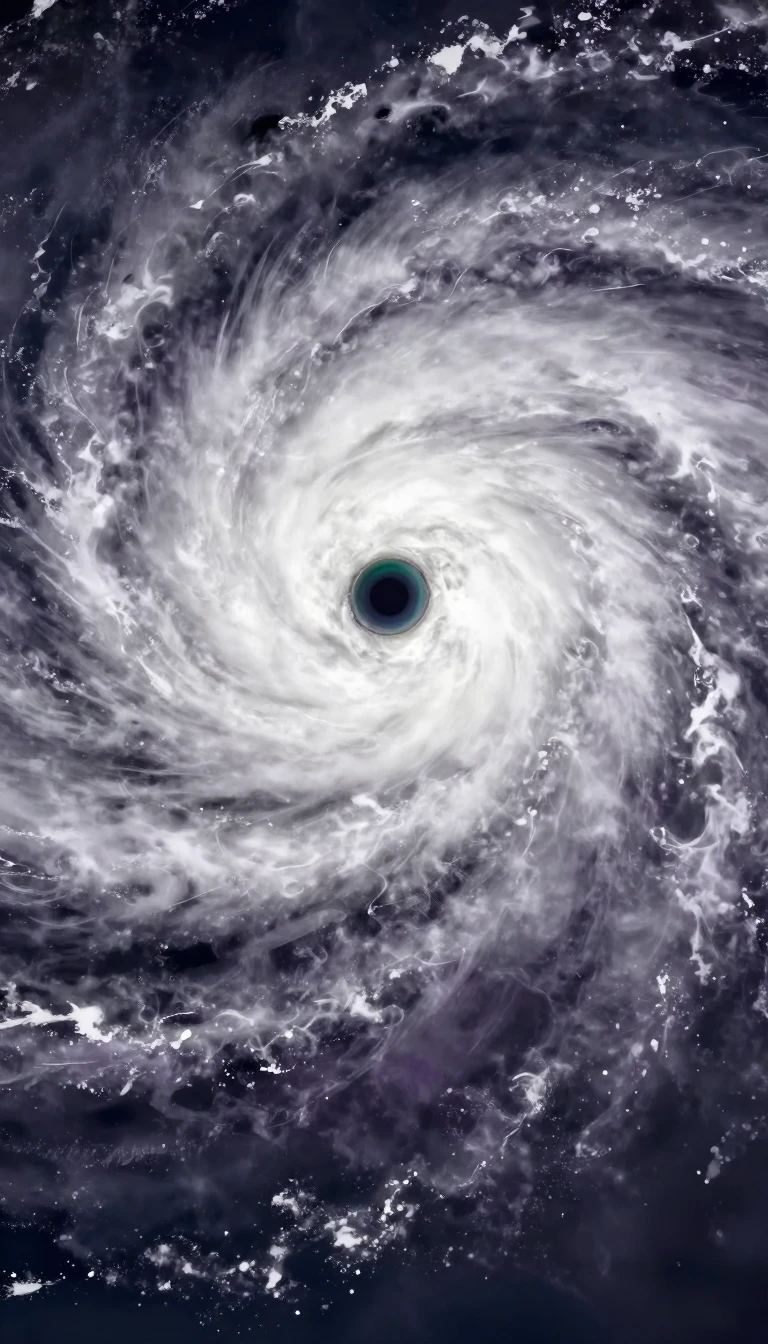 Hurricane Delta set records for speed and frequency during the historic 2020 Atlantic seasonIn a year that exhausted the standard list of storm names, Hurricane Delta emerged as a record-breaking phenomenon. It intensified from a tropical depression to a Category 4 hurri…
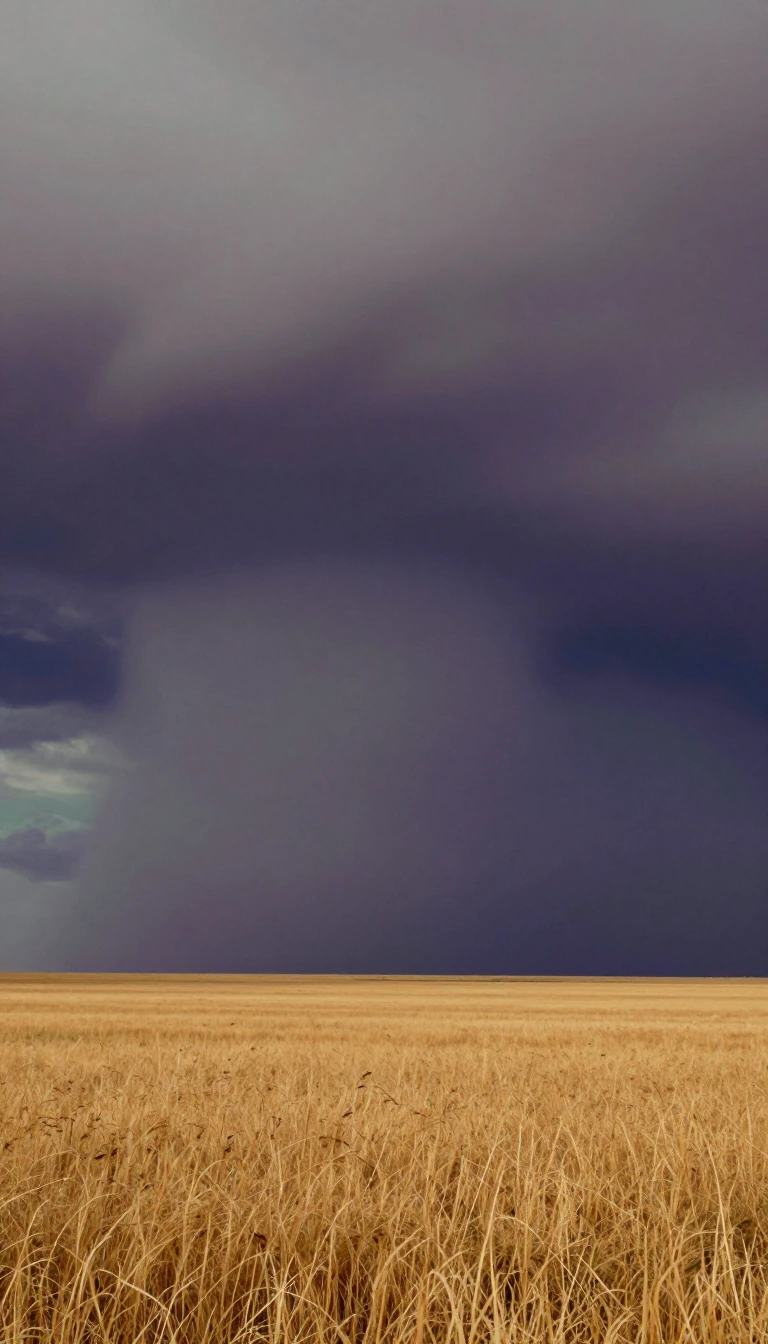 Why a catastrophic EF4 tornado in Mississippi fell just short of an EF5 rating.On March 24, 2023, a violent multi-vortex tornado tore through Rolling Fork, Mississippi, leveling buildings and claiming 17 lives. While radar data and ground damage suggested ex…
 Can a physicist use the mind to see across distances, or is it pseudoscience?Russell Targ, a physicist who contributed to early laser research, spent decades investigating remote viewing—the alleged ability to perceive distant or hidden targets using only …
 Improving how physicists identify and measure light and electrons in particle collisionsResearchers analyzing data from the CMS experiment at the Large Hadron Collider found that new reconstruction techniques significantly improve the precision of measuring electrons…
 The length of time between measurements significantly impacts the results of longitudinal studiesResearchers who use panel designs to study how variables influence each other over time found that the specific interval between measurements can change the results. The study hig…
 From laser physics to psychic research, the controversial career of Harold E. PuthoffHarold E. Puthoff is a trained electrical engineer who transitioned from laser research to investigating paranormal phenomena. His career spans decades of high-profile, often cont…
 Before digital sensors, the electroscope was our first window into the invisible world of electricity.Long before modern electronics, scientists needed a way to detect the silent, invisible force of electric charge. The electroscope, the very first electrical measuring instrument,…
 Plant-based proteins may require higher intake to match muscle growth of animal sourcesResearchers exploring sports nutrition have observed that consuming plant-derived proteins, such as soy or wheat, often results in lower muscle protein synthesis compared to eatin…
- Why do aircraft wings sometimes vibrate until they tear themselves apart in mid-air?Aeroelasticity is the hidden physics governing how structures like airplane wings interact with air currents. When these forces synchronize, they can trigger violent, self-sustain…
 Iceland is a geological paradox, sitting atop a volatile rift between two tectonic plates.Iceland is not just a remote island; it is a living laboratory of Earth's internal forces. Straddling the Mid-Atlantic Ridge, this volcanic landscape accounts for roughly one-thir…
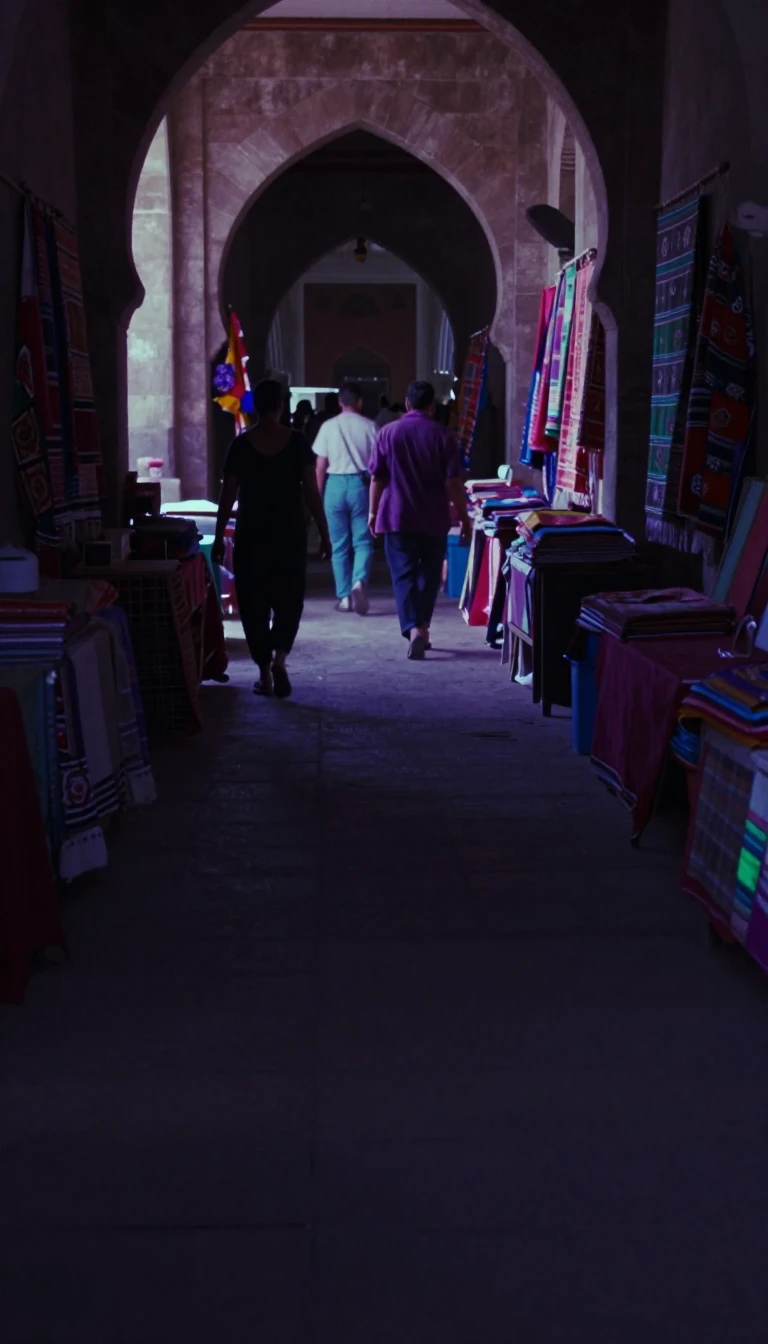 The British crown was a global standard for trade before becoming a collector's curiosity.Once a heavy silver workhorse of international commerce, the British crown evolved from a circulating currency into a commemorative relic. While its physical dimensions defined a …
 Why some comets vanish from our skies and how astronomers track their elusive pathsPeriodic comets are celestial travelers with predictable orbits, yet many simply disappear. While we can forecast their return with high precision, gravitational tugs from planets…
 Toronto's photonic approach to quantum computing is rewriting the rules of light-based processingQuantum computing is often associated with supercooled circuits, but one Canadian firm is betting on light. By leveraging squeezed states of light rather than traditional single p…
 A Polish city is physically growing larger every year thanks to the Baltic SeaŚwinoujście is a unique maritime city spread across three islands in northwestern Poland. Beyond its strategic port and historic fortifications, the city possesses a rare geologic…
 The electron's magnetic moment is one of the most precisely verified predictions in physics.Classical physics predicts a simple magnetic value for particles, but quantum mechanics reveals a subtle, persistent discrepancy known as the anomalous magnetic moment. This tiny …
 How a former coal company headquarters became a hub for modern scientific researchThe University of Scranton has transformed from a small 1888 college into a modern Jesuit institution. Its campus evolution reflects a broader shift in academic infrastructure, mo…
 By rotating two layers of graphene, physicists can turn insulators into superconductors at will.Twistronics is the study of how the angle between stacked two-dimensional materials fundamentally alters their electrical behavior. By rotating graphene layers to a precise magic …
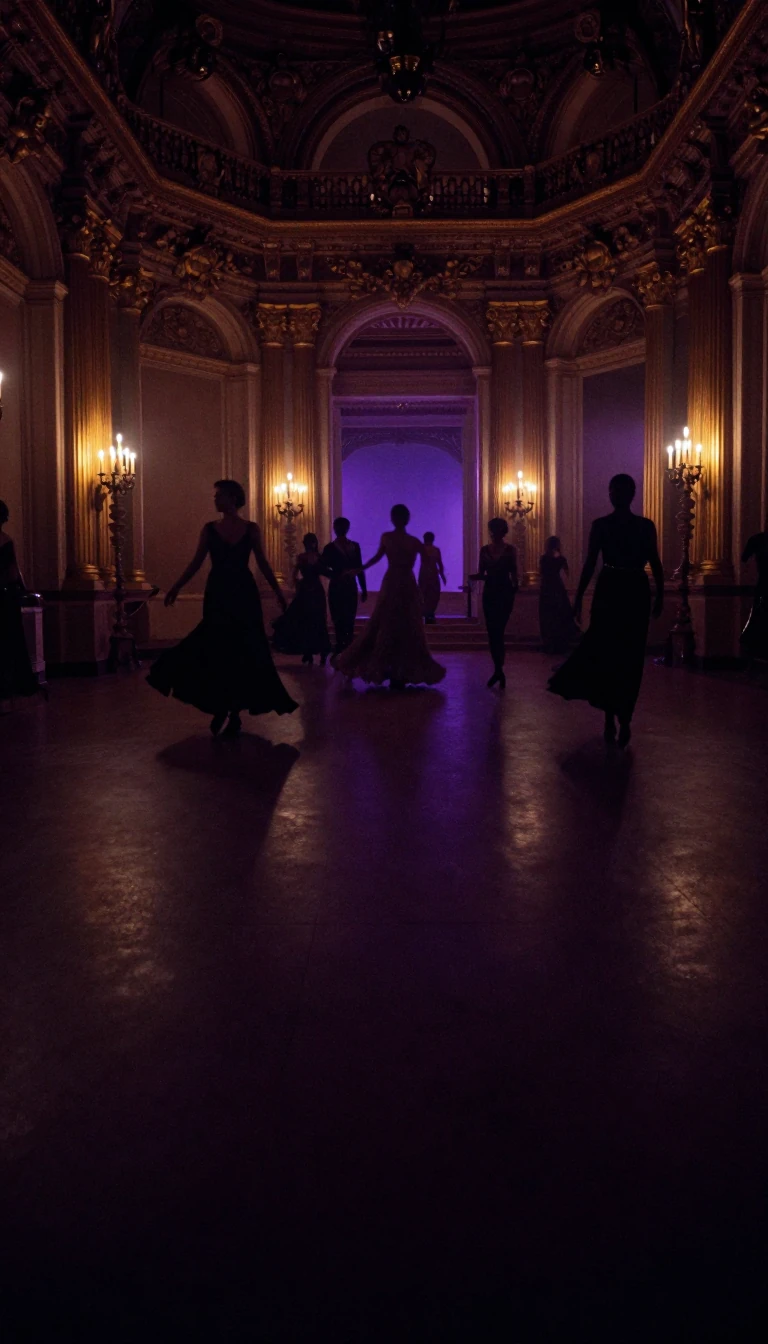 A Victorian mansion in London hides a bizarre, gilded frieze of fifty-four literary characters.Built in 1895 for William Waldorf Astor, Two Temple Place is a Neo-Tudor stronghold on the Thames. Beyond its Portland stone facade lies an opulent interior where mahogany carving…
 A town built to be demolished, Twizel survived to become a thriving tourist hub.Founded in 1968 as a temporary base for hydroelectric construction, Twizel was designed to be dismantled once the work finished. Instead, residents fought to save their home from …
 How U. R. Ananthamurthy used literature to challenge the rigid structures of Indian societyA pioneer of the Kannada Navya movement, U. R. Ananthamurthy was a literary giant who dissected the psychological tensions within traditional Brahmin families. Beyond his celebrat…
 London's first skyscraper was designed to mimic a bank's logo from the sky.Tower 42, formerly the NatWest Tower, redefined the London skyline in 1980. Its unique cantilevered structure, designed to resemble the bank's three-chevron logo, was a feat of en…
 Layered chromium triiodide crystals exhibit massive tunneling magnetoresistance, reaching an extraordinary 10,000% magnitude.Tunneling magnetoresistance is a quantum phenomenon where electrical resistance shifts based on the magnetic alignment of a junction. While traditional devices use complex thin-fi…
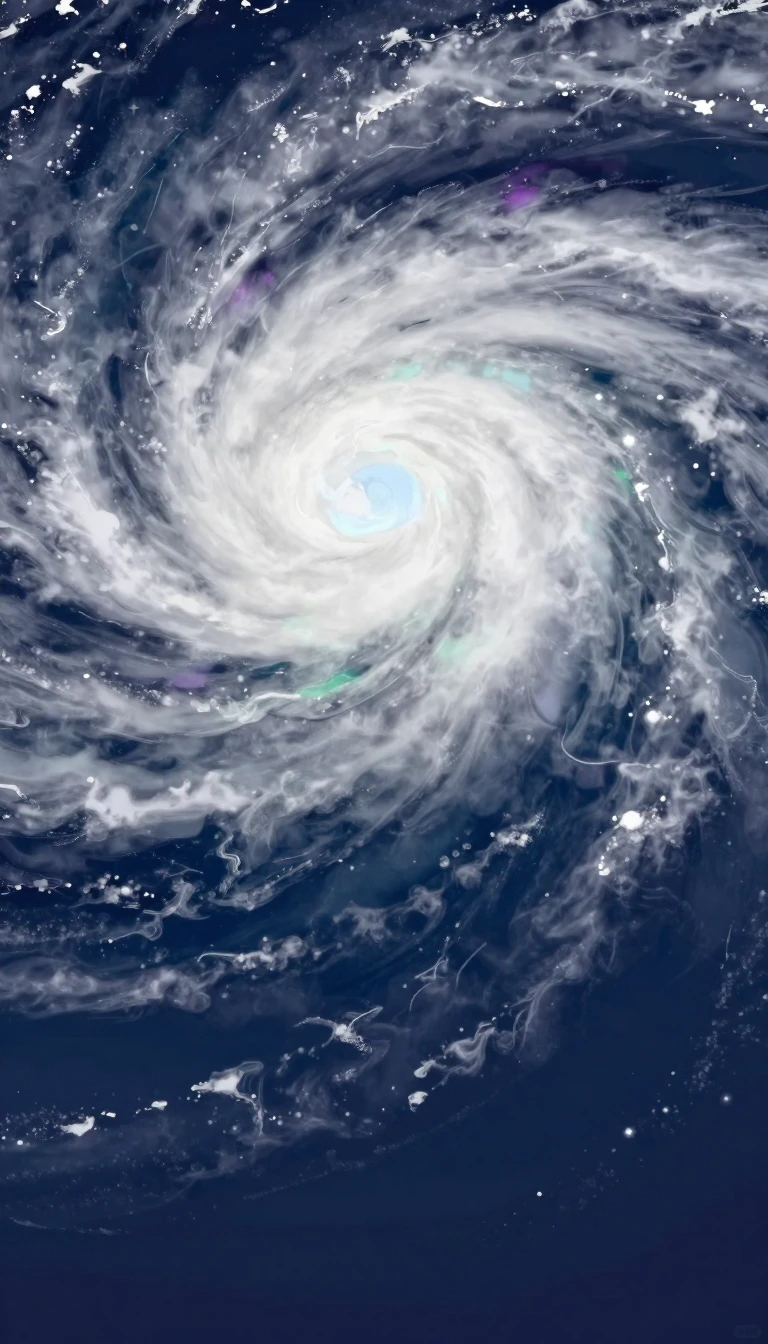 Why a weak tropical storm became the most expensive disaster in Texas historyTropical Storm Allison was never a hurricane, yet it caused catastrophic flooding and billions in damages. By stalling over the Gulf Coast, this slow-moving system defied expectat…
- A retired Rear Admiral is now leading the charge to normalize UAP researchTimothy Gallaudet, a former high-ranking naval oceanographer, has transitioned from military command to the forefront of the search for unidentified anomalous phenomena. By advoca…
 Is Britain’s most influential news show actually a secret signal for nuclear submarine commanders?BBC Radio 4's Today programme shapes the national political agenda every morning, but its reach may extend to the ocean floor. Historian Peter Hennessy suggests that if the show v…
 How one investigative journalist turned unauthorised biographies into a high-stakes legal battlefieldTom Bower has built a career exposing the powerful, from media moguls to politicians. His relentless investigative style has triggered lawsuits, threats, and even alleged surveill…
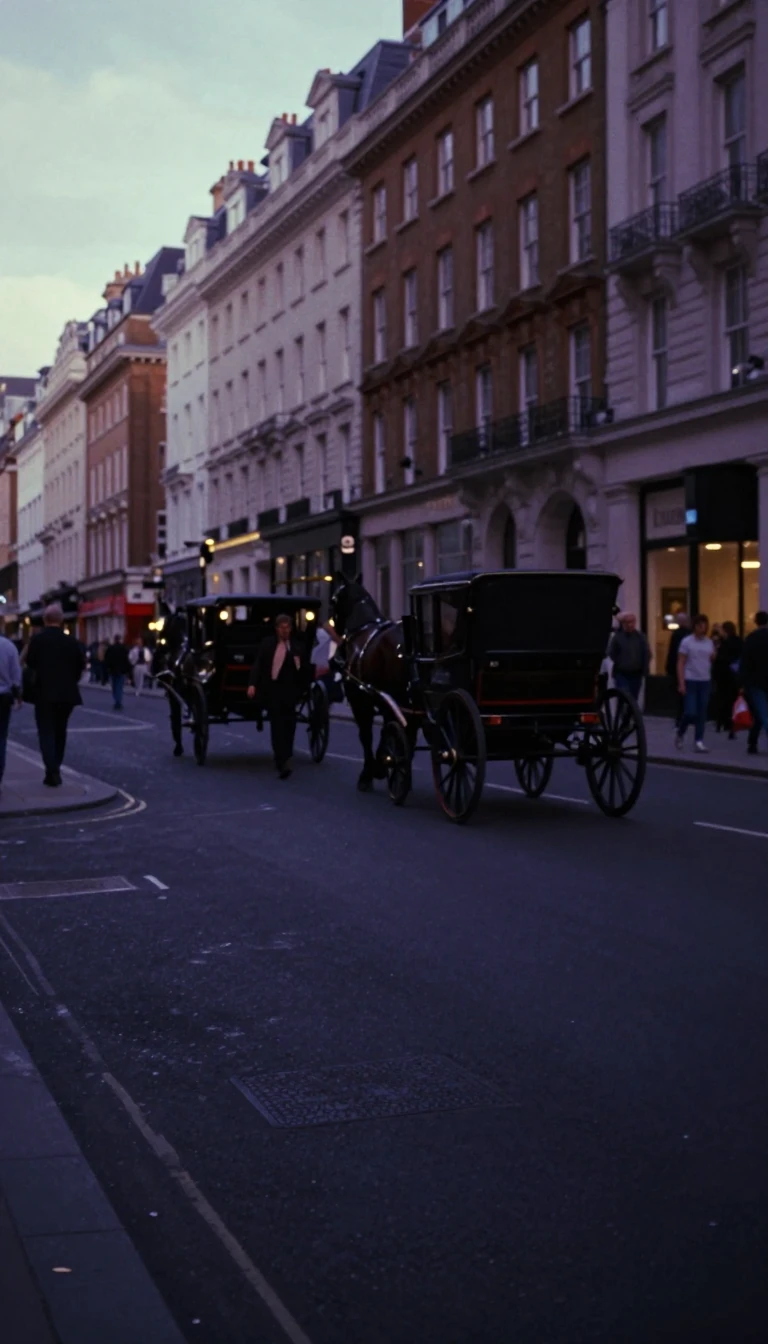 How London's busiest Central line station evolved from Victorian lifts to a modern masterpieceTottenham Court Road station is a masterclass in urban engineering and artistic integration. Once a congested Victorian relic, it has transformed into a massive subterranean hub. …
 Beneath the Arctic ice, nations are racing to claim the seabed as their ownWhile the North Pole remains international territory, the surrounding ocean floor is the subject of intense geopolitical maneuvering. Arctic coastal states are leveraging geologic…
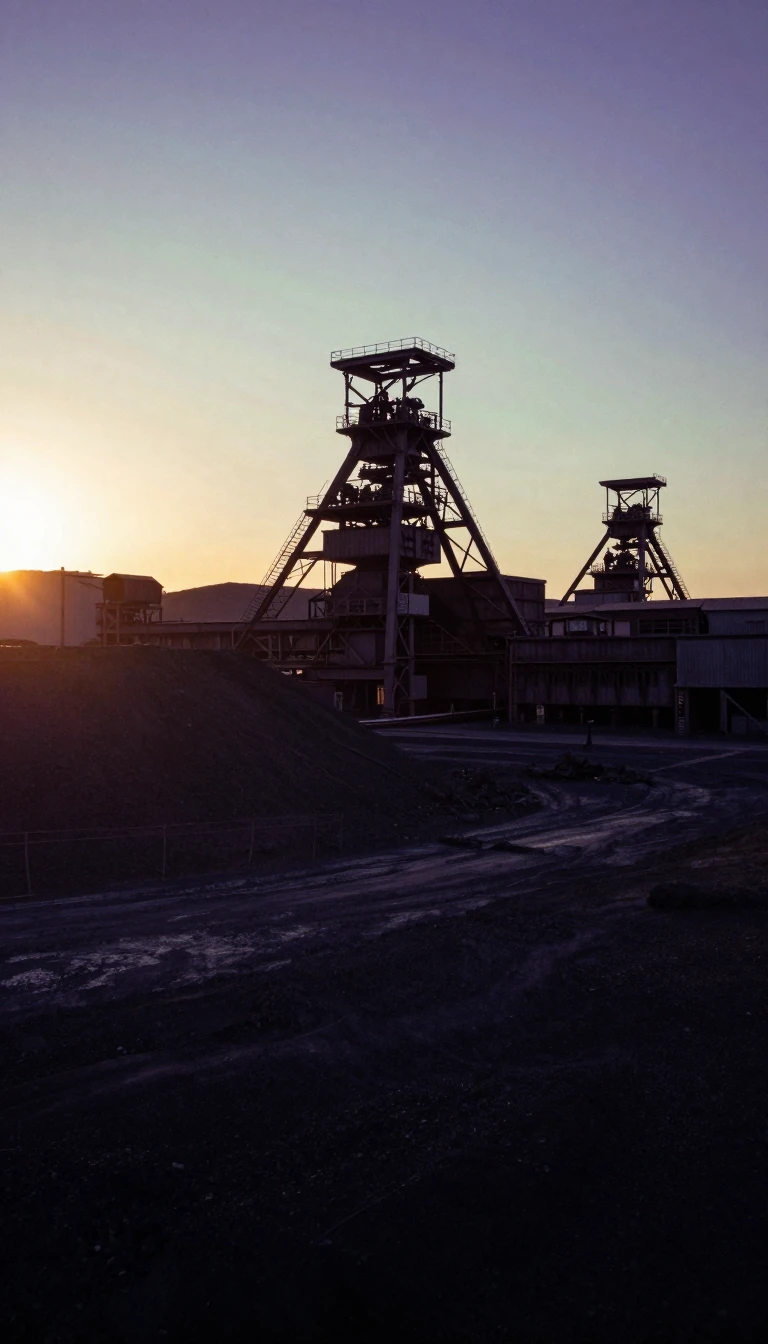 How a Canadian mining giant navigated a century of industrial evolution and environmental reckoningTeck Resources began as a gold miner in 1913 and grew into a global powerhouse for steelmaking coal, copper, and zinc. Yet, its journey is marked by massive infrastructure project…
 Why the Church of Jesus Christ of Latter-day Saints builds hundreds of sacred templesLatter-day Saint temples are not for weekly worship, but are sacred spaces where members perform essential ordinances for the living and the dead. With 385 temples in various phas…
- The world's oldest Jewish newspaper faces a crisis of credibility and unknown ownershipFounded in 1841, The Jewish Chronicle is a historic institution in British journalism. Yet, recent years have seen the publication embroiled in scandals involving fabricated stori…
 From a one-year secretarial school to a sprawling university, Stevenson’s rapid evolution is remarkable.Founded in 1947 to train medical secretaries, Stevenson University has undergone a radical transformation. Once a small, women-only commuter college, it now operates two major cam…
- How Sweden’s Peace Research Institute became the world’s most cited authority on global armamentsFounded in 1966 to commemorate 150 years of Swedish peace, the Stockholm International Peace Research Institute has evolved into a global powerhouse. By providing impartial, data-…
 Is the complexity of life driven by natural selection or something more fundamental?Stuart Kauffman argues that biological order emerges as much from self-organization as from Darwinian selection. By applying physics-based models to gene networks and evolution, h…
 The Somme is a quiet, steady river shaped by ancient chalk and rising waterWhile history remembers the Somme for the devastating battles fought along its banks, the river itself is a geological marvel. Its gentle, constant flow is not merely a product of…
 For the tenacious, no road is impassable: The turbulent history of Spyker CarsSpyker Cars, a Dutch luxury brand defined by its aviation-inspired design and persistent financial instability, has navigated a chaotic two-decade journey. From acquiring Saab to …
- The title 'secretary of state' means almost everything—and nothing—depending on where you are.From a powerful foreign minister in Washington to a junior bureaucrat in Lisbon, the term secretary of state is a global linguistic chameleon. It originated in 17th-century Englan…
 A Romantic composer who survived two world wars and the collapse of his world.Sergei Bortkiewicz was a master of Romantic piano music whose life was defined by displacement. From fleeing the Russian Revolution to enduring the freezing winters of wartime Vie…
 How a Rising Political Star Lost His Doctorate and Career to Academic PlagiarismKarl-Theodor zu Guttenberg was once Germany's most popular politician and a future chancellor in waiting. Yet, his rapid ascent collapsed in 2011 when a scandal involving his doct…