 Intellect Plus
Health
6,621 cards. Each one is a 40-second story with a five-minute read behind it. Page 18 of 111.
Subtopics: Ageing & longevity · Anaesthesia · Anatomy and morphology · Bacteria · Biology · Blood · Bones & muscles · Brain · Clinical trials · Consciousness · Diabetes · Diagnosis · Digestion · Dreams · Drugs and medication · Epidemiology · Ethics · Exercise · Exercise & fitness · Eyes & vision · First aid · Future Frontier · Germ theory · Global health · Health and fitness · Health, medicine and disease · Heart & circulation · History of medicine · Hormones · Hygiene · Immunology · Infection · Medical basics · Medical history · Medical procedures · Medicine · Medicines · Memory · Mental health · Mind · Morbidity · Neuroscience · Nutrition · Pandemics & epidemics · Psychiatry · Public health · Researched · Skin & hair · Sleep · Surgery · Teeth & dentistry · Vaccines · Vitamins
 How global organizations leverage celebrity influence to turn public attention toward critical health missionsGoodwill ambassadors are not just famous faces. Handpicked by leaders like the WHO Director-General, these figures from sport, arts, and politics volunteer their time and expertis…
 A remote military outpost on limestone bluffs became the birthplace of modern gastric science.Perched 150 feet above the Straits of Mackinac, Fort Mackinac served as a strategic British and American stronghold for over a century. Beyond its military history, the fort becam…
 Long-term eating habits shape the gut microbiome's ability to manage inflammationResearchers who analyzed the gut microbiomes of 1,425 people across four different health groups found that long-term dietary patterns significantly influence the balance of bacte…
- Beyond public transit: how buses are being repurposed for critical medical care and researchBuses are evolving from simple urban transport into sophisticated mobile platforms. Whether serving as high-tech laboratories for monitoring city air quality or as emergency vehic…
 How a rural New York county became a powerhouse for international clinical research trialsSt. Lawrence County is New York's largest county by area, yet it is often overlooked in medical research. Despite typical rural barriers like limited staffing and time, St. Lawren…
 Can the trauma of frontline work be managed through better family-inclusive policy and support?Frontline workers face constant exposure to high-stress events, yet the ripple effects on their families remain poorly understood. While psychological impacts on the workers thems…
 The Neanderthal type specimen was once dismissed as a Russian soldier with rickets.Discovered in 1856, the first recognized Neanderthal fossil sparked a fierce scientific debate. While some saw an ancient, distinct human relative, others insisted the bones belon…
 Why a 17th-century bishop blamed new fashion trends for the spread of plagueLancelot Andrewes, a prominent scholar and advisor to King James I, offered a unique medical diagnosis for the 1603 plague outbreak. He argued that the epidemic was a divine respo…
 Can virtual reality help patients regain control over limbs affected by neurological disorders?Functional neurological disorder disrupts the brain's ability to integrate sensory feedback, often leaving patients with a diminished sense of agency. New research explores whethe…
 Can synthetic hormones solve the mystery of why captive penguins stop molting properly?Penguins rely on annual molts to maintain their waterproofing and regulate body temperature. When this process goes wrong, it creates serious health risks. Researchers are now tes…
 How public figures navigate the personal and political after coming out later in lifeGuido Westerwelle made history as Germany's first openly gay Vice-Chancellor, yet his journey reflects broader societal shifts regarding identity. While his political career was d…
 Does carrying a firearm increase suicide risk among adolescents, regardless of state gun laws?Research indicates that adolescents who carry firearms are significantly more likely to attempt suicide, a trend that persists even when accounting for the stringency of state-lev…
 Why the Franklin Delano Roosevelt Memorial became a battleground over disability and public memoryThe Franklin Delano Roosevelt Memorial in Washington, D.C., was designed to honor a president, but it became a site of intense debate over how to represent disability. While early…
 How a sprawling New York suburb became a national leader in emergency medical safety.Colonie, New York, transformed from a collection of rural farms into a densely populated suburb. Beyond its suburban expansion, the town has gained recognition for its exceptional…
- How a British politician’s career spanned from reclassifying magic mushrooms to chairing health trusts.Caroline Flint served as a prominent Labour MP for over two decades, navigating complex government roles from public health to energy. Her career path offers a unique window into …
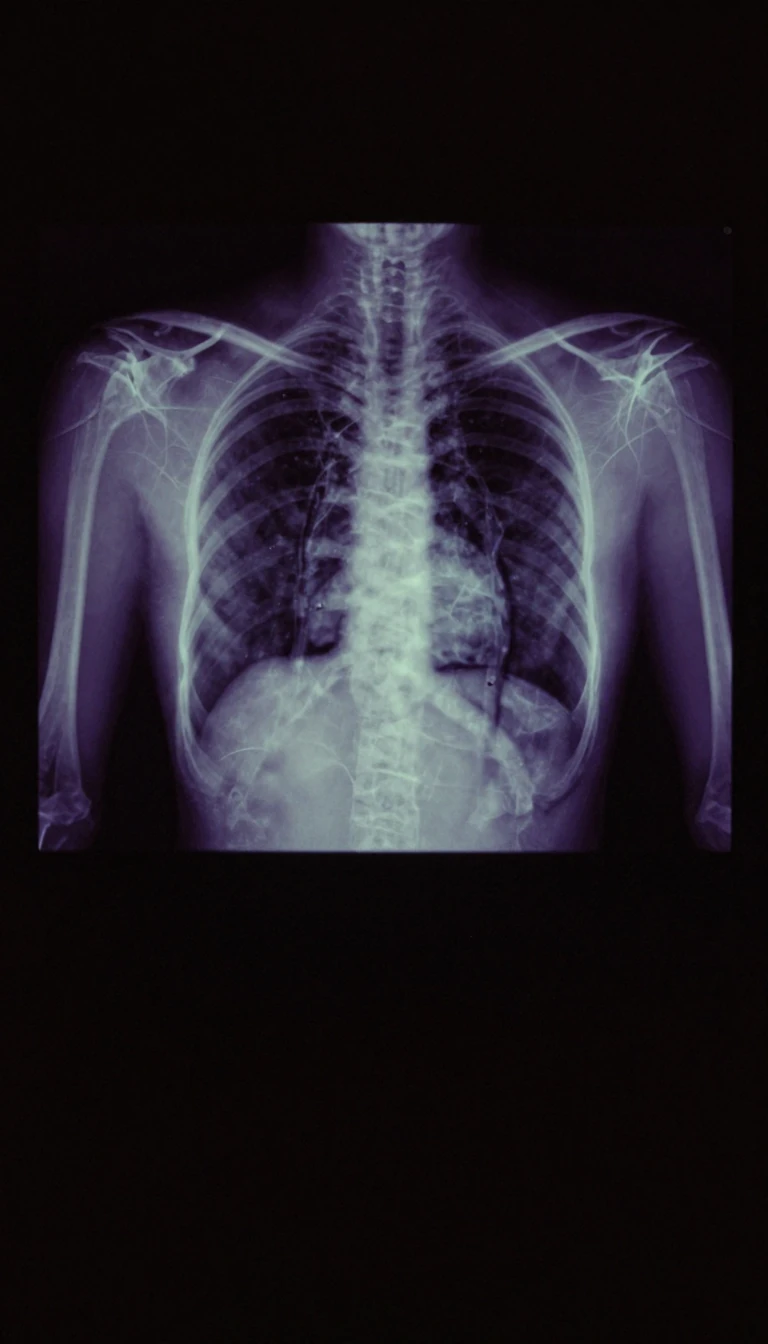 Mapping the complex web of connections within the macaque brainResearchers mapping the macaque cerebral cortex identified 1,615 interareal pathways using retrograde tracer injections in 29 specific brain areas. The study revealed that one-thi…
 Combination immunotherapy shows long-term survival benefits for patients with advanced melanomaA long-term study of patients with advanced melanoma found that a combination of two immunotherapy drugs, nivolumab and ipilimumab, significantly extended survival compared to usi…
- Medicaid expansion improves healthcare access and mental health but shows limited physical health gainsResearchers analyzed data from the Oregon Medicaid lottery to see how expanding health coverage affects clinical outcomes. The study followed 6,387 adults who were randomly select…
 The diverse roles of cilia in human health and diseaseResearchers exploring the wide range of ciliopathies have identified hundreds of genes associated with the dysfunction of cilia, which are nearly ubiquitous cellular organelles. B…
 Choosing the right randomization method is vital for valid clinical trial resultsResearchers who analyzed various methods for assigning patients to different treatments found that the specific type of randomization used significantly impacts the reliability of…
 Plant-based dietary shifts could reduce global mortality and greenhouse gas emissionsResearchers using a global health and emissions model found that transitioning toward more plant-based diets could reduce global mortality by 6% to 10% by 2050. The study also obs…
 Can a welfare safety net prevent childhood trauma and domestic violence?While often debated as a mere cash transfer, Temporary Assistance for Needy Families (TANF) may function as a critical shield against childhood adversity. Emerging research sugges…
 The 1875 psychiatric commitment of Mary Todd LincolnBefore modern mental health standards, the wife of Abraham Lincoln was held in a Batavia sanitarium against her will. Her four-month stay at Bellevue Place highlights a somber era…
 The hidden viral diversity lurking within shelter dog populationsWhile most people know canine parvovirus as a singular threat, recent research reveals a complex landscape of different viral species. In a Turkish animal shelter, researchers dis…
- Why saying no to a huge request makes you more likely to say yesThe door-in-the-face technique is a psychological maneuver where a persuader starts with an intentionally outrageous demand. When you reject it, they pivot to a smaller, more reas…
 The fall of a cardiologist from peer-reviewed science to retracted reportsHow does a high-ranking medical professor lose his board certifications? Peter McCullough's transition from an established cardiovascular expert to a prominent source of COVID-19 …
 Beyond Weight Loss: The Hidden Biological Remodeling of White Adipose TissueWhen we think of white adipose tissue (WAT), we usually think of weight. But your fat cells are doing much more than just storing energy. They are undergoing complex structural an…
- The Buddhist practice of nianfo: a ritual of memory and rebirthNianfo is more than a simple repetition of a name; it is a sophisticated Buddhist mindfulness practice designed to navigate the transition from life to death. By focusing on the B…
 Can the government ban a plant grown only in your backyard?In 2005, the Supreme Court decided that federal power could reach into your private garden. The ruling established that even if a state legalizes medicinal cannabis, the federal g…
- The invisible cargo of the frontier: how cattle drove disease across AmericaThe 19th-century cattle drives were a logistical marvel, moving 27 million head of livestock across the American West. But these massive migrations did more than transport meat; t…
- How California's massive agricultural footprint impacts public health and soilCalifornia produces a staggering portion of the nation's produce, but this scale comes with a hidden cost. From dust-borne health risks to water pollution, the state's farming met…
- The machinery behind the synthesis of vitamin B12In 1972, a Nobel laureate's team faced a wall: they could synthesize vitamin B12, but they couldn't purify the specific isomers needed for the final stages. The solution required …
 The Department of Defense's only Level 1 trauma centerIn the vast landscape of military medicine, one facility stands alone as the pinnacle of emergency care. Brooke Army Medical Center is the only Level 1 trauma center in the entire…
- The world's longest continuous lockdown: Victoria's fight against COVID-19When the first case arrived in Australia on January 25, 2020, few could have predicted a state of emergency that would reshape daily life for over a year. From mandatory masks to …
- Violence without an actor: how social structures cause physical harmCan a system be violent without a single person pulling a trigger? Sociologists argue that structural violence is an avoidable impairment of human needs. It isn't just a lack of r…
 The river that feeds a culture is poisoning its peopleFor the Penobscot people, the river is a relative—a source of life, history, and sustenance. But for 150 years, industrial waste has turned this sacred waterway into a toxic corri…
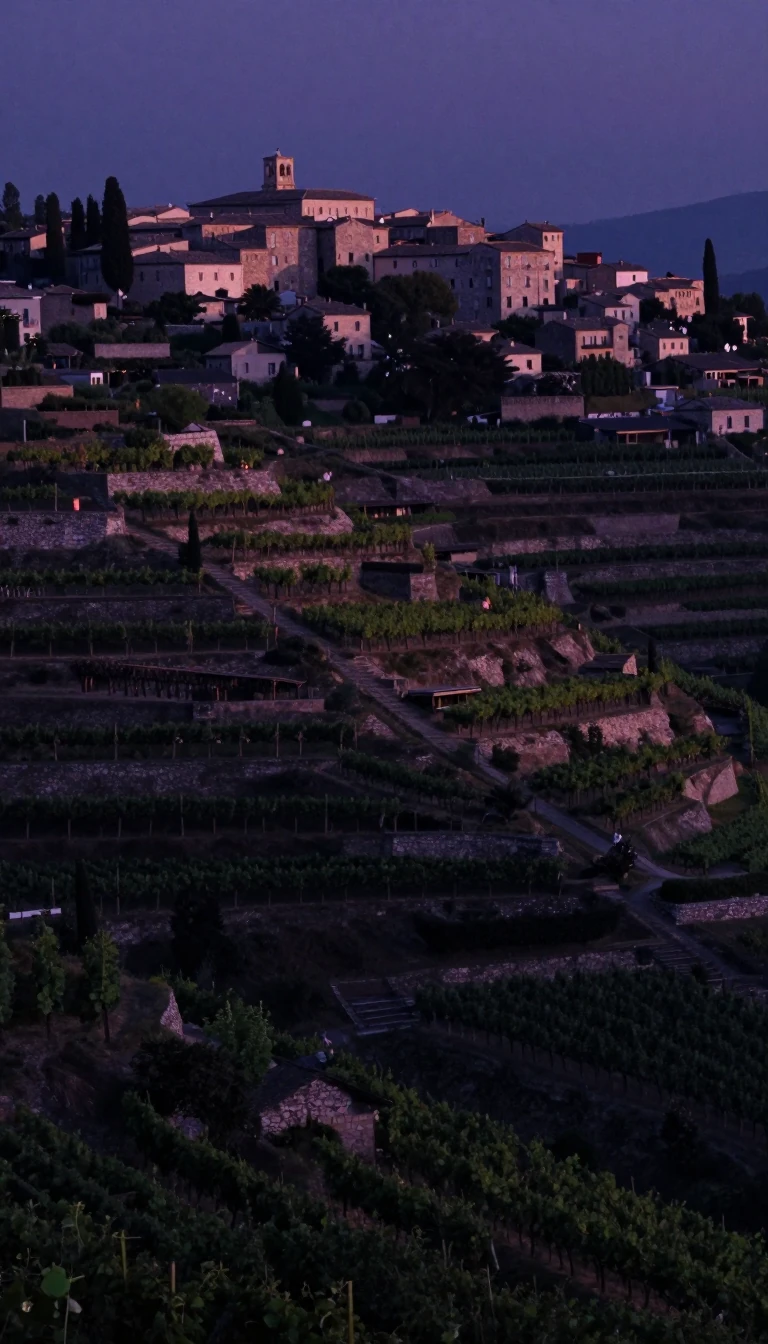 Italy is not a people, but a geographical expressionDespite its unified borders, Italy lacks a single genetic identity. Instead, the peninsula serves as a living map of human migration, where Neolithic farmers, Roman colonists, and…
 Can wearable tech monitor sleep in the chaos of an ER?When patients are admitted from the emergency department, sleep loss can trigger severe complications like delirium. However, capturing objective data in such a high-disruption en…
 From a 19th-century plantation to a top-ranked medical pipelineOakwood University stands as a unique intersection of faith, history, and high-level academic achievement. Founded on the site of a former plantation, it has evolved into a premie…
 When the regulators are the ones being regulatedFor nearly 87 years, a single body governed Indian medical education. But as private colleges surged in the 1980s, the system faced a crisis of integrity. Critics argued the very …
 The long journey from 'sociopathic disturbance' to a natural human variationFor decades, homosexuality was classified as a mental disorder in major psychiatric manuals. It took a century of rigorous research, shifting paradigms, and cultural pressure to d…
- Can a spiritual blessing actually change the chemistry of livestock?From ancient Jewish rituals to modern poultry farming, the act of 'blessing' animals has moved from the purely symbolic to the scientific. A recent pilot study suggests that biofi…
 How a single city's health choices can impact neighboring countiesPublic health is rarely a localized issue. In Virginia, a drop in vaccination rates in a major urban hub like Richmond can create a ripple effect, driving up disease costs and eco…
 Can a three-week spa stay permanently improve joint mobility?For patients struggling with knee osteoarthritis, the healing power of water might be more than just a relaxing escape. A randomized controlled trial suggests that a brief, three-…
- Is showing up for work a badge of honor or a health hazard?We often praise the employee who powers through a fever, but the science of presenteeism reveals a complex duality. It isn't just about being 'reliable'; it can be a performative …
 The high-tech shoe fitting that risked radiation burns for better fitFrom the 1920s to the 1970s, shoppers could peer into an X-ray machine to see their bones wiggling inside a new pair of shoes. It was marketed as a miracle of precision, but it le…
- The corkscrew bacteria that use internal motors to drill through tissueSpirochaetes are among the most invasive pathogens known to science. Unlike most bacteria that swim using external tails, these organisms house their motors inside their bodies. T…
- The brain's back end can swell when blood pressure breaks a barrierPosterior reversible encephalopathy syndrome (PRES) is a neurological emergency where the brain's posterior lobes become swollen. It often strikes suddenly, causing seizures or vi…
 How your abdomen becomes a living filter for life-sustaining dialysisFor people with kidney failure, the body's own lining can be repurposed into a sophisticated filtration system. Peritoneal dialysis uses the peritoneum—a membrane in the abdomen—t…
- Why a 360-degree stomach wrap might stop your reflux—and your burpsWhen acid reflux becomes chronic, surgeons can physically remodel your anatomy. By wrapping the top of your stomach around your food pipe, they create a new valve. But this mechan…
 The human eye has no frame rateWe often assume our brains capture reality like a camera, recording life at a fixed speed. In reality, the eye-brain system is an elastic processor. By understanding the flicker f…
 Homesickness is not just missing home; it is a complex psychological adjustmentFor many, moving away triggers a profound sense of distress that goes beyond simple nostalgia. It is a normative psychological response to change, affecting how you think, behave,…
 Why flu season isn't just a matter of cold weatherWhile we associate the flu with winter, the virus circulates year-round. The seasonal surge is a complex interplay of human behavior, atmospheric physics, and even a unique biolog…
 The brain builds a mental map to store your life's detailsExplicit memory is the conscious effort to remember facts and personal experiences. It isn't just a static filing cabinet; it is a dynamic system that links new events to old ones…
- The universal language of medical imaging holds your vital data hostageIn the 1980s, a doctor's X-ray was often trapped inside the specific machine that took it. Today, a global standard ensures that an MRI from one manufacturer can be read by anothe…
 The Paradox of Anonymity: How Digital Privacy Shapes Adolescent IdentityAnonymity on social media offers a double-edged sword: it provides the freedom to explore one's identity without judgment, yet it simultaneously creates a breeding ground for cybe…
 When your immune system forgets how to turn offNormally, your immune system acts like a security team that leaves once the threat is neutralized. In Castleman disease, the alarm stays on. This constant state of high alert caus…
- The 'Queer Apologetic': Why Bisexuality is Often Erased by Both SidesBisexuality is frequently treated as a 'phase' or a 'cop-out' rather than a stable identity. From historical book burnings to modern legal invisibility, this erasure creates a uni…
- The invisible inflammation that can fuse the human spineAxial spondyloarthritis is an immune-mediated disease that targets the axial skeleton, primarily the spine and pelvis. While it often strikes in the teens and 20s, its effects are…
- The man who taught doctors to re-open the heart's highwaysBefore 1974, a blocked artery was often a terminal sentence. Then Andreas Grüntzig pioneered a way to physically stretch them open from the inside. His invention transformed a dea…