 Intellect Plus
History
21,004 cards. Each one is a 40-second story with a five-minute read behind it. Page 128 of 351.
Subtopics: 19th century · 20th century · Africa · Age of Exploration · Ages & eras · Ancient · Ancient China · Ancient egypt · Ancient greece · Ancient rome · Ancient trade · Archaeological discoveries · Archaeology · Astronomy · Australia · Auxiliary historical sciences · Babylon · Basics · Born on this day · Bronze age · Buddhism · Case studies · Chefs, bartenders and winemakers · China · Cities · Climate · Columbus · Contemporary (1945-) · Cosmetics people · Crime · Criminals · Decipherment · Deep time · Disasters · Early modern · Education · Egypt · Empires · Empires & civilisations · Exploration · Explorers · Extinction · Fandom, conventions and festivals · History by continent and large region · History by continent and region · History by country · History by country, small region and city · History by ethnicity · History by subject matter · History by topic · Inca · India · Industrial Revolution · Japan · Kings & queens · London · Mass hysteria · Medicine · Medieval kingdoms · Medieval life · Mediterranean · Mercedes-Benz History · Mesopotamia · Middle ages · Military leaders and theorists · Military leaders, personnel, and theorists · Ming dynasty · Misconceptions · Modern · Modern (1800-1945) · Napoleon · Navigation · North africa · Other · Pacific · Pharaohs · Philippines · Pirates · Post-classical · Prehistory · Propaganda · Public health · Rebels, revolutionaries and activists · Renaissance · Researched · Second world war · Shipwrecks · Silk Road · South america · Tradespeople · UK & Ireland: history · United states · Vikings · Volcanoes · Women in history
 The Polish presidency was once a tool for regime survival, not democratic representation.The office of the Polish president has undergone radical transformations, shifting from an authoritarian instrument in the 1920s to a Soviet-era collective leadership, and finally…
 The Prince of a Kingdom That No Longer Exists and His Modern LifeBorn in London to an exiled royal family, Prince Philippos of Greece and Denmark navigates a world where his titles are largely ceremonial. From his career in finance to his recen…
- A Royal Escape: How Princess Haya Challenged the Ruler of Dubai in British CourtsPrincess Haya bint Hussein, an Olympic equestrian and daughter of Jordan's King Hussein, once lived at the heart of Dubai's ruling family. Her 2019 flight to London triggered a la…
 Why a global network of progressive parties emerged from a broken membership feeIn 2013, a new political international launched to challenge the established Socialist International. Born from a German party's refusal to keep paying dues to an organization it …
 Was the Progressive Era a fight for democracy or a quest for elite control?Early 20th-century American progressivism sought to fix the chaos of rapid modernization through scientific efficiency, regulation, and moral reform. Yet, this movement was deeply…
 Protohistory: The shadowy bridge between silent prehistory and the dawn of written recordsProtohistory describes the elusive era when a society lacks its own writing system but appears in the records of literate neighbors. It is a transitional space where archaeology m…
 Provenance is the invisible paper trail that transforms a simple object into history.Provenance is more than a list of owners; it is the documented life story of an object. From art to archives, this chain of custody authenticates value and reveals hidden truths. …
 Why these medieval warriors wore crimson headwear to signal their absolute, divine devotionThe Qizilbash were a militant coalition of Turkic tribes who fueled the rise of the Safavid dynasty in 1501. Named for their distinctive twelve-gored red caps, these warriors view…
 The quartermaster is a logistical powerhouse, a ship navigator, or a pirate's checkmate.The title of quartermaster is a linguistic chameleon. Depending on the century, the service, or the flag, the role shifts from managing a monarch's sleeping quarters to steering a…
- Born a Greek princess, Queen Sofía became the enduring face of the Spanish monarchy.Born into the Greek royal family in 1938, Sofía navigated exile, a high-profile marriage to Juan Carlos I, and the transition of Spain from dictatorship to democracy. Despite deca…
 How a single decade transformed Quebec from a traditional society into a modern state.In the 1960s, Quebec underwent a rapid, state-led transformation known as the Quiet Revolution. By dismantling the Catholic Church’s control over education and social services, an…
 Is the Qur'an the only source of Islamic law, or is it incomplete?Quranism is an intellectual movement that rejects the religious authority of Hadith, asserting the Qur'an is the sole, self-sufficient guide for Islamic life. While mainstream tra…
 The 1884 novel that defined decadence and poisoned the mind of Dorian GrayJoris-Karl Huysmans abandoned the gritty realism of his peers to write a plotless, neurotic masterpiece. À rebours follows an isolated aristocrat who rejects society to curate a l…
 Why the Greek Orthodox Church remains the bedrock of modern Greek national identityDespite centuries of Ottoman rule and a modern secular constitution, the Church of Greece maintains a unique, central position in the nation. It is not merely a religious institut…
 Why a splinter group claims they are the only true Sinn Féin partyWhile the mainstream Sinn Féin party moved toward parliamentary politics and peace, a faction broke away in 1986 to preserve what they viewed as traditional republicanism. Known a…
 The exiled prince who spent decades preparing for a throne he says he rejectsReza Pahlavi, the eldest son of Iran's last shah, has spent nearly half a century in exile advocating for regime change. While he once declared himself king, he now positions hims…
 From virtual worlds to the Mariana Trench, Richard Garriott defines the modern explorerRichard Garriott is a pioneer of computer role-playing games who transformed his gaming fortune into a career as a private astronaut. Beyond his digital legacy, he has claimed pri…
 The barbarian general who ruled the Western Roman Empire through a series of puppetsRicimer was a Germanic commander who held the real power in the Western Roman Empire for seventeen years. Unable to take the throne himself due to his Arian faith, he installed an…
 Can a self-described progressive capitalist bridge the divide in American politics?Ro Khanna, a Silicon Valley congressman with deep ties to the tech industry, is carving a unique path through Washington. By championing an abundance agenda and challenging corpor…
 The Roman military machine relied on mass-produced gear that was not always high quality.Roman military dominance was built on standardized equipment, but the reality was often far from the myth of superior craftsmanship. Driven by the relentless demands of civil wars…
 How a six-year-old girl became the face of American school desegregation in 1960In 1960, Ruby Bridges walked into an all-white New Orleans elementary school, escorted by federal marshals through a screaming mob. Her quiet bravery turned a six-year-old into a …
- How a former Bulgarian president swept to power by promising to clean houseRumen Radev, Bulgaria’s president from 2017 to 2026, recently secured a sweeping parliamentary victory with his new party, Progressive Bulgaria. By positioning himself as an anti-…
 How a century of Russian rule transformed the Armenian national identity and landscapeWhen Eastern Armenia fell under Russian control in 1828, it ended centuries of Iranian dominance. This shift did more than redraw borders; it sparked a complex era of cultural rev…
 The Nightingale of South India recorded 48,000 songs without formal classical training.Sistla Janaki, known as the Queen of Expression and Modulation, dominated Indian playback singing for six decades. Despite lacking formal classical training, she recorded in over …
- How a Japanese silk company became a global empire built on the power of cute.Founded in 1960 as a silk merchant, Sanrio transformed into a global powerhouse by mastering the economics of kawaii. From rubber sandals to the iconic Hello Kitty, the company bu…
 How a visionary 18th-century ruler built a scientific legacy amidst imperial collapseSawai Jai Singh II transformed a minor kingdom into a powerhouse of architecture and astronomy. While the Mughal Empire crumbled around him, he founded the planned city of Jaipur,…
 The 169-day collapse of the Second Czechoslovak Republic: A state dismantled from within and without.Following the 1938 Munich Agreement, Czechoslovakia was transformed into a fragile, truncated rump state. Over just five months, internal ethnic tensions and relentless pressure f…
 The tall, stiff military cap that defined the nineteenth-century battlefield and the parade ground.Originating from Hungarian shepherd headgear, the shako became the iconic silhouette of European armies during the Napoleonic era. While it provided minimal protection against wea…
 How a satirical cartoonist turned regional resentment into a powerful Indian political dynastyFounded in 1966 by Bal Thackeray, Shiv Sena began as a nativist movement to protect middle-class jobs for Maharashtrians in Mumbai. Over decades, it evolved from an anti-migrant p…
 Shugendō: The Ancient Japanese Path of Spiritual Power Through Mountain AsceticismShugendō is a unique Japanese religious tradition that blends Esoteric Buddhism, Shinto, and mountain worship. Practitioners, known as Yamabushi, seek spiritual power and compassi…
 Who are the Siberian Tatars, the indigenous people often hidden by census data?Siberian Tatars are the indigenous Turkic-speaking inhabitants of Western Siberia, distinct from the more recent Volga Tatar immigrants. Though they have lived in the region for c…
- How a UNESCO World Heritage site became the target of a calculated military siegeIn 1991, the Yugoslav People's Army launched a brutal campaign against Dubrovnik, a coastal city with no significant military defenses. The siege, driven by territorial ambitions …
- A Prussian Princess in Athens: How Sophia of Prussia Navigated Royal Duty and ExileBorn into the heart of the German Empire, Sophia of Prussia became a central figure in Greek history. Her life was defined by the complex web of European royal alliances, a contro…
 The Soviet ruble was a currency defined by constant revaluations and hidden silver origins.Born from silver ingots and chopped into pieces, the Soviet ruble became a tool of state control. Through decades of hyperinflation, confiscatory reforms, and wartime shortages, t…
- What is the Sovintern, the Moscow-led alternative to the traditional Socialist International?Founded in Moscow in 2026, the Sovintern is a political network uniting left-wing parties under a banner of anti-imperialism and 21st-century socialism. While it claims to offer a…
 The Space Age began not with exploration, but with the shadow of global war.While we associate the Space Age with lunar landings and satellites, its roots lie in military technology. The era was ignited by the launch of Sputnik in 1957, a feat that transf…
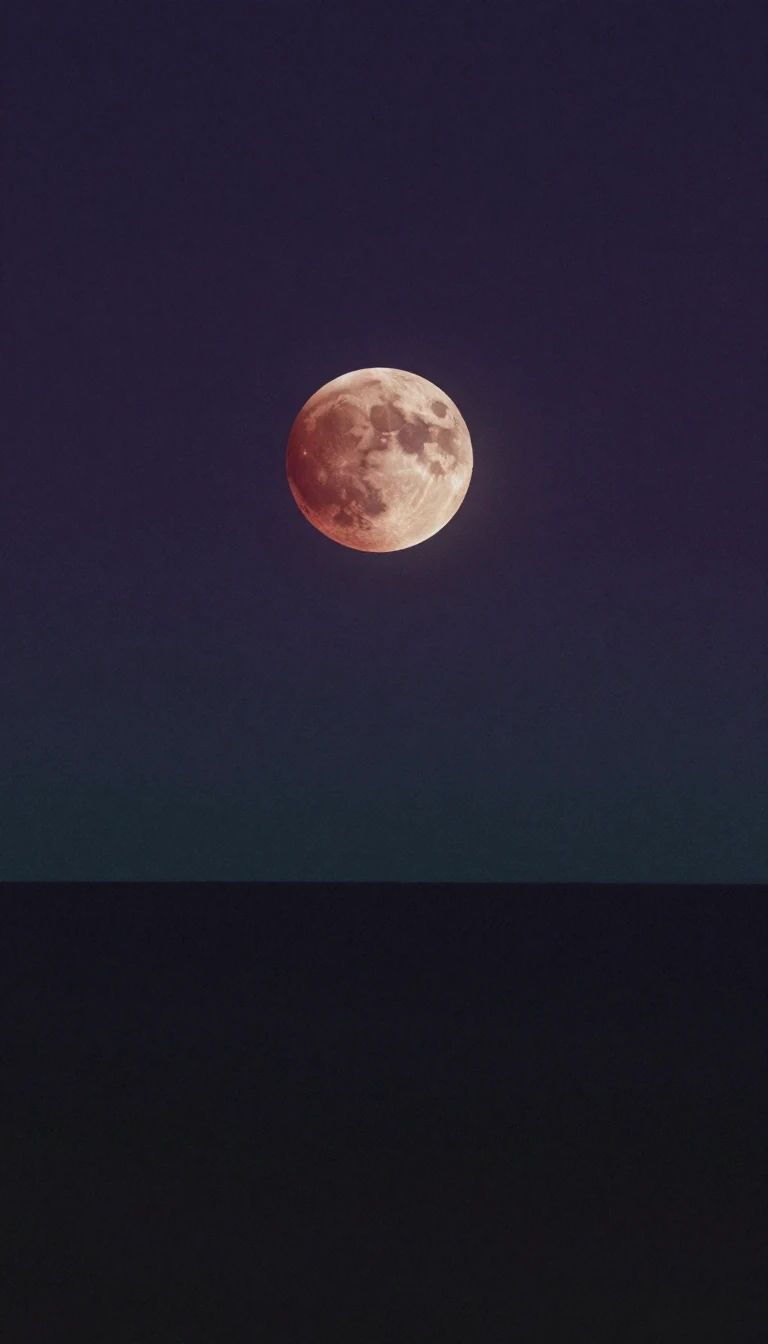 Did the Moon actually split in two, or is it a profound metaphorical sign?The Splitting of the Moon is a famous miracle attributed to the prophet Muhammad in Islamic tradition. While some believers view it as a literal, supernatural event, others interp…
 The German Empire was a complex federation of 25 states, not a monolithic power.Far from the centralized European powers of its day, the German Empire functioned as a deeply federalized union. Born from the consolidation of hundreds of fragmented territories,…
- How a Serbian Knight Became a Renaissance Prince and Saintly DespotStefan Lazarević navigated the brutal power struggles of the 15th-century Balkans, serving as an Ottoman vassal before pivoting to become a Hungarian ally. A brilliant military co…
 The Brownshirts were once a massive, radical force that Hitler eventually had to dismantle.The Sturmabteilung, or SA, was the original paramilitary wing of the Nazi Party. Known as the Brownshirts, they grew from a small group of beer-hall brawlers into a three-million-…
 Why did the most powerful religious order in Europe face total global suppression?In the 18th century, the Society of Jesus was dismantled by the very institution it served. Caught between absolute monarchs seeking total control and a rising tide of anticlerica…
- Is a supranational union the ultimate evolution of the modern nation-state or its undoing?A supranational union is a political entity that sits between a loose confederation and a unified federal state. By transferring specific sovereign powers to a central authority, …
- The absolute authority behind the Islamic Emirate of Afghanistan's supreme leader positionThe supreme leader of Afghanistan holds total power as the head of state and the ultimate source of law. This office, established in the 1990s, combines national governance with r…
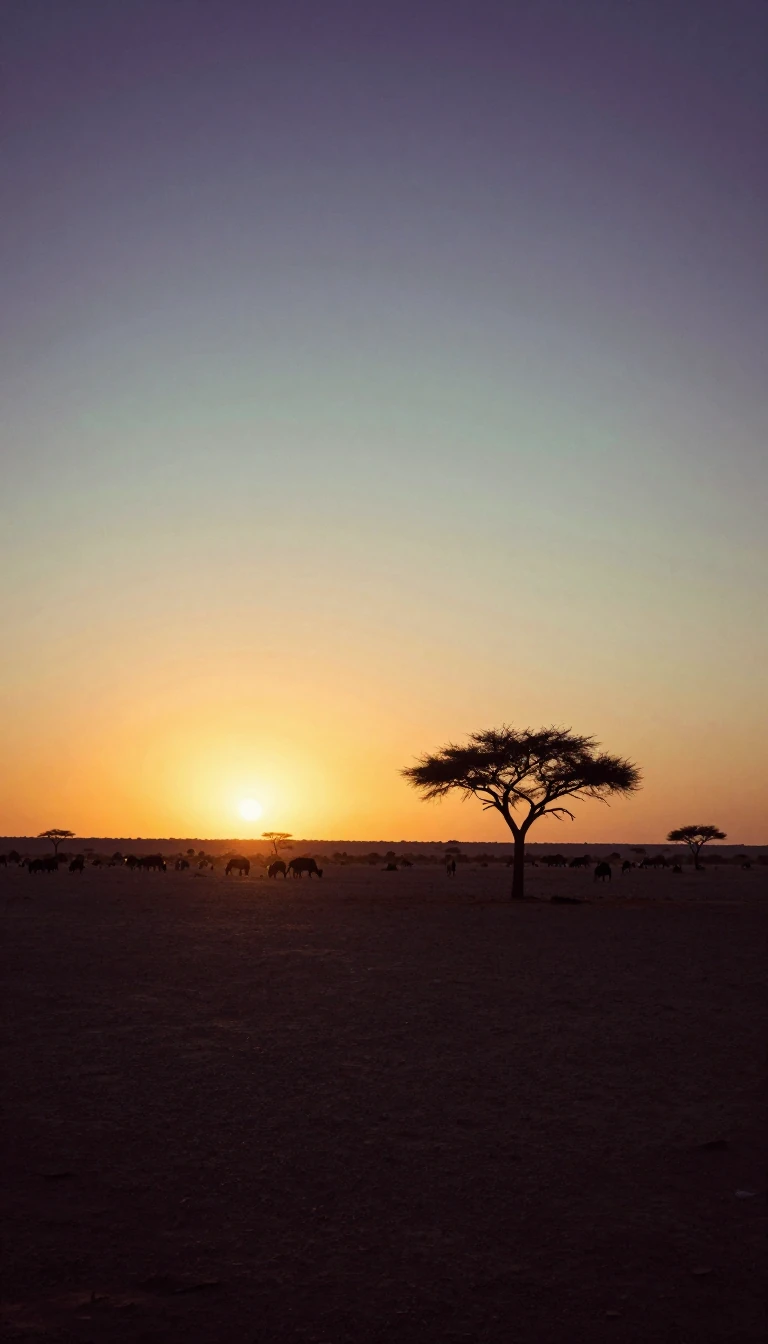 A Baltic-style resort in the Namib: How Swakopmund became a desert anomalyFounded in 1892 as a German colonial harbour, Swakopmund is a coastal city where 19th-century architecture meets the harsh Namib Desert. Once a site of colonial genocide and later…
- From Radical Coalition to Mainstream Opposition: The Turbulent Evolution of Greece's SyrizaBorn from a 2001 dialogue space, Syriza transformed from a fringe coalition of left-wing movements into a governing force that shook the eurozone. Its journey from anti-austerity …
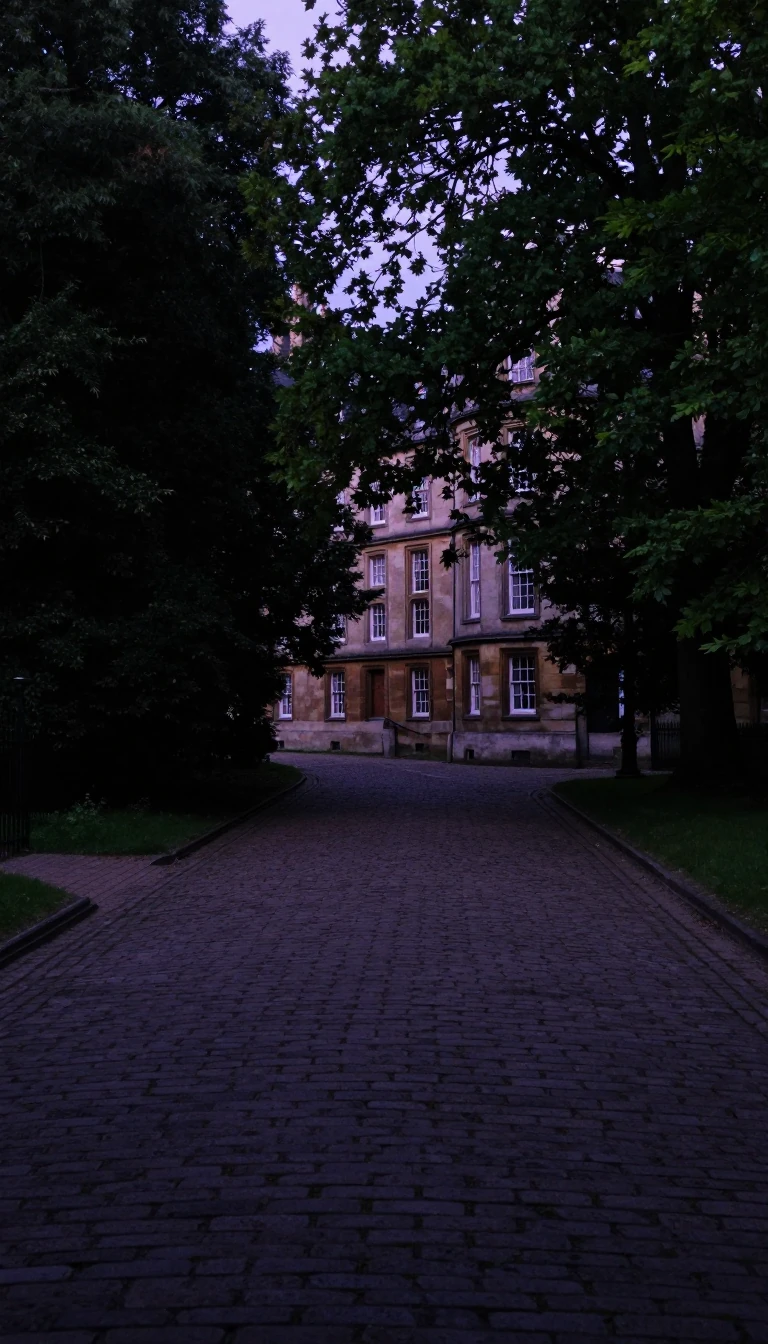 Tübingen: A medieval university city that survived the war with its fabric intactTübingen is a rare German city that escaped the devastation of the Second World War, leaving its historic medieval core remarkably preserved. Today, this university town balances …
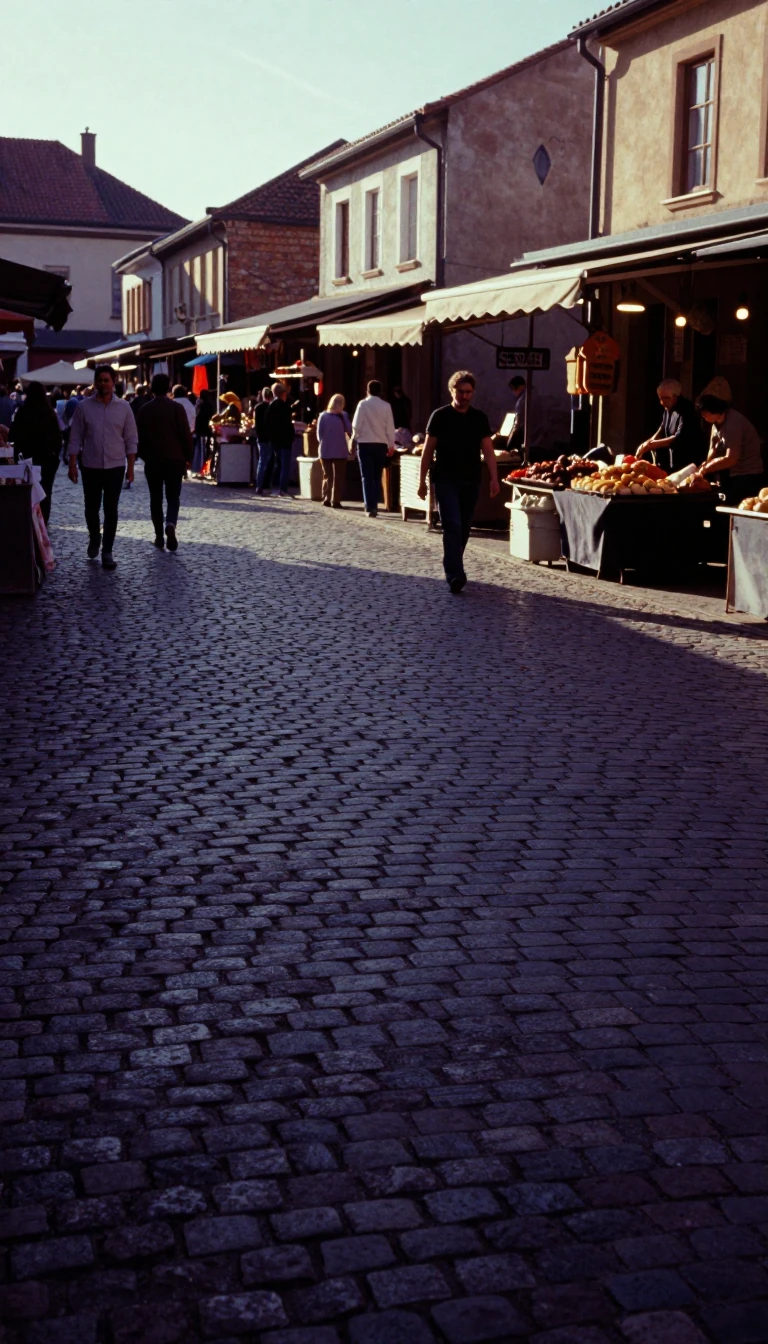 From colonial biplanes to a global hub: the turbulent evolution of Angola's national airline.Born in 1938 as a government-run transport division, TAAG Angola Airlines has navigated civil war, international blacklists, and massive fleet overhauls. Today, the state-owned ca…
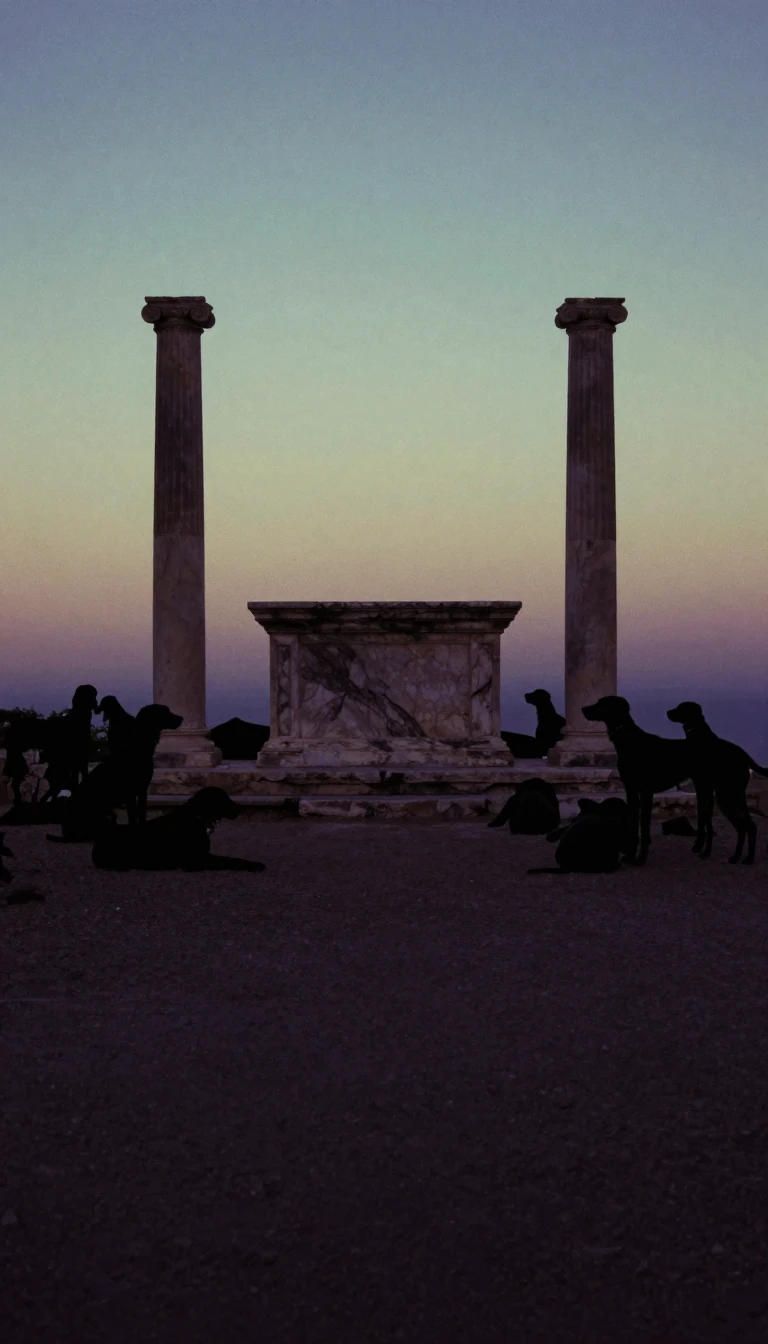 The bronze guardian of Crete was never explicitly described as a giant in antiquityTalos, the bronze protector of Crete, is often imagined as a towering mechanical giant. Yet, ancient sources offer no such description. Instead, they present a shifting figure—som…
 The Japanese tantō was a lethal samurai weapon, not the tactical knife you know.The tantō is a historic Japanese dagger that evolved from a battlefield essential to a ritual object. While modern Western tactical knives often bear the name, they lack the tradi…
 Why the ancient Egyptians worshipped a terrifying hybrid beast as a protector of lifeTaweret, the Egyptian goddess of childbirth and fertility, was no delicate deity. Depicted as a bipedal hippopotamus with lion limbs and a crocodile tail, her monstrous appearance…
- How a controversial doctor became the Reich Master of Injections for Adolf HitlerTheodor Morell, a physician known for unconventional methods, rose from a fashionable Berlin practice to become Hitler’s personal doctor. By administering a cocktail of over 70 su…
 How a minor mechanical failure at Three Mile Island triggered a national nuclear crisisOn March 28, 1979, a routine equipment malfunction at a Pennsylvania power plant spiraled into the most significant accident in American commercial nuclear history. Misleading ins…
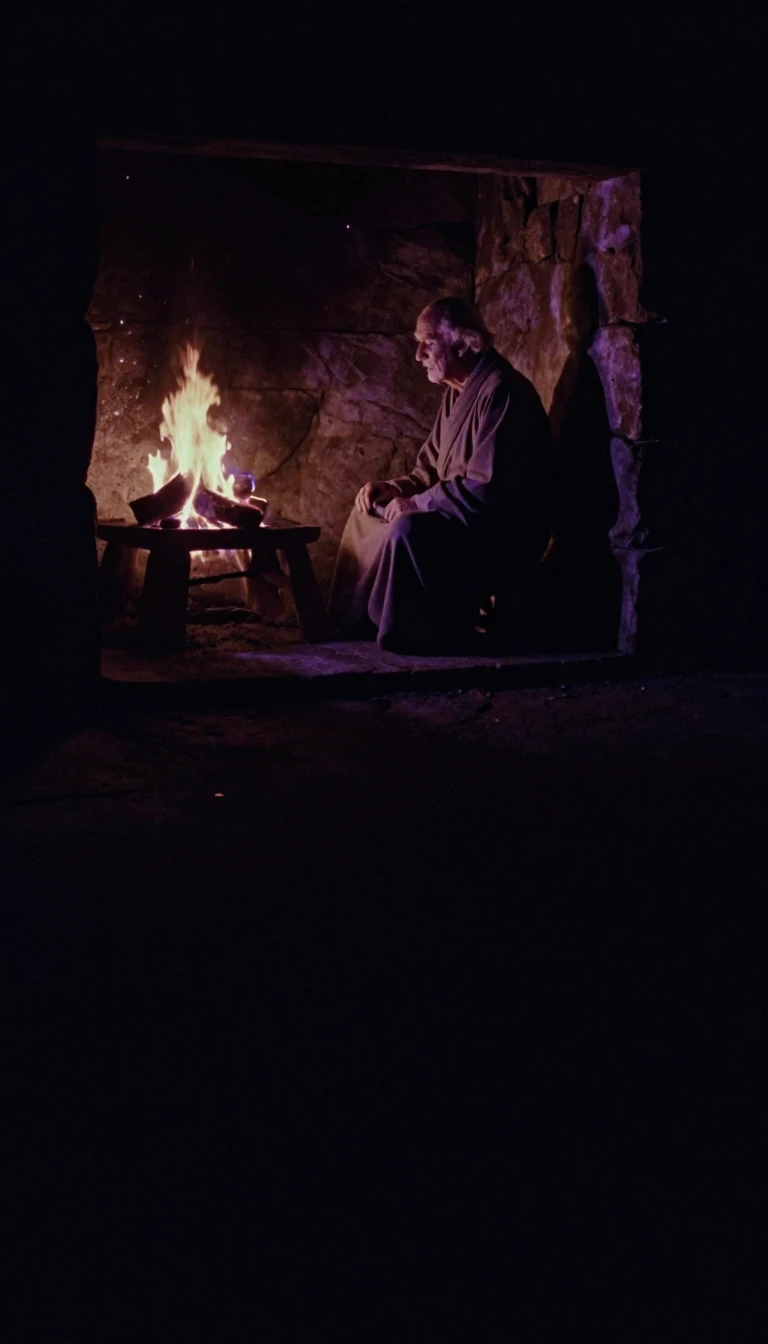 Why Zoroastrians place their dead in towers to be consumed by birds of prey.The Tower of Silence, or dakhma, is a sacred structure designed to prevent the contamination of earth, fire, and water by human remains. By exposing bodies to the elements and sca…
- How a mutiny of soldiers in Spain triggered a brief, radical experiment in democracyIn 1820, a disgruntled military expedition destined for South America turned its sights on Madrid. Their rebellion forced King Ferdinand VII to accept a liberal constitution, spar…
- Could trading justice for truth heal a nation fractured by decades of systemic violence?South Africa’s Truth and Reconciliation Commission rejected the path of the Nuremberg trials, choosing public confession over prosecution. By prioritizing restorative justice, the…
 Why the Ottoman Empire briefly traded its martial focus for a floral obsessionBetween 1717 and 1730, the Ottoman Empire entered a rare, peaceful interlude known as the Tulip Period. Under Sultan Ahmed III and Grand Vizier İbrahim Paşa, the elite turned towa…
 Turanism: The 19th-century quest to unite Eurasia through a shared, mythical linguistic pastTuranism emerged as a pan-nationalist movement claiming that Turkic, Mongolic, and Uralic peoples shared a common origin in Central Asia. By proposing a vast Ural-Altaic family, s…
 How a Nepali-born singer became the voice of three decades of Indian cinemaUdit Narayan Jha defied his father’s wishes for a medical career to pursue music in Mumbai. From humble beginnings as a Radio Nepal staff singer to becoming the only male artist t…
 The man who traveled further vertically than anyone else in human historyVictor Vescovo has reached the highest peak on every continent and the deepest point in every ocean. By combining his ascent of Mount Everest with his record-breaking dives into t…
 How a military careerist became Mexico's most controversial dictator in just seventeen monthsVictoriano Huerta rose from a military academy cadet to the presidency of Mexico through a calculated coup. His brief, seventeen-month tenure was marked by economic collapse, brut…