 Intellect Plus
History
21,004 cards. Each one is a 40-second story with a five-minute read behind it. Page 136 of 351.
Subtopics: 19th century · 20th century · Africa · Age of Exploration · Ages & eras · Ancient · Ancient China · Ancient egypt · Ancient greece · Ancient rome · Ancient trade · Archaeological discoveries · Archaeology · Astronomy · Australia · Auxiliary historical sciences · Babylon · Basics · Born on this day · Bronze age · Buddhism · Case studies · Chefs, bartenders and winemakers · China · Cities · Climate · Columbus · Contemporary (1945-) · Cosmetics people · Crime · Criminals · Decipherment · Deep time · Disasters · Early modern · Education · Egypt · Empires · Empires & civilisations · Exploration · Explorers · Extinction · Fandom, conventions and festivals · History by continent and large region · History by continent and region · History by country · History by country, small region and city · History by ethnicity · History by subject matter · History by topic · Inca · India · Industrial Revolution · Japan · Kings & queens · London · Mass hysteria · Medicine · Medieval kingdoms · Medieval life · Mediterranean · Mercedes-Benz History · Mesopotamia · Middle ages · Military leaders and theorists · Military leaders, personnel, and theorists · Ming dynasty · Misconceptions · Modern · Modern (1800-1945) · Napoleon · Navigation · North africa · Other · Pacific · Pharaohs · Philippines · Pirates · Post-classical · Prehistory · Propaganda · Public health · Rebels, revolutionaries and activists · Renaissance · Researched · Second world war · Shipwrecks · Silk Road · South america · Tradespeople · UK & Ireland: history · United states · Vikings · Volcanoes · Women in history
 Can a secret hierarchy of masters guide human evolution through a single organization?Founded in 1875, the Theosophical Society sought to synthesize science, religion, and philosophy. Its leaders believed they were preparing humanity for a World Teacher, a spiritua…
 How a wartime airfield evolved into a critical gateway for Northern GreeceThessaloniki Airport began as a collection of military airfields during the First World War. Today, it stands as a major international hub, having transformed from a modest civili…
 The word 'thing' once meant a powerful legislative assembly, not a common object.Long before it described a mundane object, the word 'thing' referred to a vital governing assembly in early Germanic societies. These gatherings, presided over by a lawspeaker, se…
 What drove a quiet, high-achieving student to attempt a political assassination in Pennsylvania?Thomas Crooks appeared to be an unremarkable young man from Bethel Park. Yet, in July 2024, he opened fire at a rally, wounding a former president and killing an attendee. Despite…
 From Hair Salon Apprentice to Global Icon: The Resilience of Tionne T-Boz WatkinsTionne Watkins, known as T-Boz, rose from an Atlanta hair salon to global stardom as a member of TLC, one of the best-selling girl groups in history. Yet, her life behind the spot…
 Why the Yugoslav leader Josip Broz Tito broke with Joseph Stalin in 1948The Tito–Stalin split was more than a mere ideological disagreement between two communist leaders. It was a high-stakes geopolitical power struggle over Balkan dominance, territor…
- How a legendary Nevada silver strike was likely built on a convenient, apocryphal mythTonopah, Nevada, is famous as the Queen of the Silver Camps, a town born from a legendary tale of a prospector throwing a rock at a stray burro. Yet, history suggests the real dis…
- How the 1919 Treaty of Saint-Germain-en-Laye dismantled an empire and reshaped modern EuropeSigned in the wake of World War I, the Treaty of Saint-Germain-en-Laye formally dissolved the Austro-Hungarian Empire. It forced a newly diminished Austria to accept war responsib…
- The world’s first comprehensive ban on nuclear weapons is now in full effectAdopted in 2017 and active since 2021, the Treaty on the Prohibition of Nuclear Weapons seeks to stigmatize and eventually eliminate atomic arsenals. While over 100 nations have e…
 The Tuskegee Airmen were an elite military unit born from systemic exclusion and protest.During World War II, Black aviators and ground crews shattered barriers to serve in the U.S. Army Air Forces. Despite facing intense racial segregation and internal sabotage, thes…
 Ultra was the secret Allied intelligence project that may have shortened World War IIAt Bletchley Park, British code breakers deciphered high-level German military communications, providing the Allies with a decisive advantage. By tapping into Enigma and Tunny mac…
 How a 1954 epic about Homer's hero became a legend of behind-the-scenes dramaThe 1954 film Ulysses brought Homer’s Odyssey to the screen with Kirk Douglas in the lead. While critics found the final product uneven, the production itself became a legendary c…
 How a daughter of refugees became a trailblazing voice in the British ParliamentUma Kumaran’s journey from a childhood shaped by the Sri Lankan Civil War to the halls of Westminster is a study in political persistence. As the first UK lawmaker of Tamil descen…
- Can two sovereign nations merge into one state while keeping their own independence?The Union State of Russia and Belarus was designed to bridge two nations through economic and military integration. Yet, despite decades of treaties and ambitious goals for a unif…
 Why the United States was originally just a lowercase description of thirteen independent statesWhen the American founders chose their nation's name 250 years ago, they were not trying to build a single, unified country. They viewed themselves as a loose confederation of sov…
- Why the United States is reviving the historic Department of War titleIn a move to signal national resolve, the United States has authorized a return to the Department of War designation. While the Department of Defense remains the legal entity, off…
- How did a Cold War containment strategy escalate into a massive American military quagmire?The United States involvement in Vietnam began with modest military advisory roles in the 1950s, but spiraled into a decade-long conflict. By 1969, over half a million American tr…
 From Banana Republics to Global Cold War Strategy: A History of U.S. Regime ChangeFor over a century, the United States has actively reshaped foreign governments to align with its national interests. From early 19th-century interventions in Latin America to Col…
 From ornate paper diplomas to biometric chips, the evolution of the American passport.The United States passport began as a simple, hand-printed sheet of paper during the Revolutionary War. Today, it is a sophisticated, high-security biometric document. While it se…
 How the U.S. Secretary of the Interior manages the nation’s vast natural resourcesThe Department of the Interior oversees most federally owned land and manages relationships with 574 recognized Native American and Alaska Native groups. From environmental policy…
- How a 19th-century Buddhist monastery evolved into a modern Sri Lankan research powerhouseTracing its roots to an 1875 monastic center, the University of Kelaniya has transformed into a pioneer of higher education. From restructuring traditional arts faculties to adopt…
 A university born from a lake: how York redefined the modern British campusEstablished in 1963, the University of York transformed a marshy, flat agricultural site into a landmark of academic innovation. By integrating a massive, plastic-bottomed lake fo…
 Is untouchability an ancient relic or a later development in South Asian social history?Untouchability is often viewed as an ancient, static feature of South Asian life, but scholars debate its origins and evolution. While legally abolished in countries like India an…
 Why Pixar chose a grumpy old man to lead a vibrant animated adventureDirector Pete Docter conceived Up as a way to escape life's irritations, eventually settling on an elderly protagonist to anchor the story. By pairing a curmudgeonly widower with …
- The ancient Hindu ritual of Upanayana marks a student's spiritual and intellectual rebirth.Upanayana is a profound rite of passage that initiates a young student into a disciplined life of learning. By connecting a pupil with a guru, this ceremony signifies a second bir…
 The aircraft carrier that survived the Pacific War, the Moon landing, and Hollywood stardom.Commissioned in 1943, the USS Yorktown (CV-10) was an Essex-class carrier that fought across the Pacific Theater. Beyond her wartime service, she evolved through the Korean and Vi…
- Why did a Roman Emperor die in a burning hut after a catastrophic defeat?Emperor Valens, an administrator who once lowered taxes for the common people, met a grim end at the Battle of Adrianople in 378. His death remains shrouded in mystery, with accou…
 How a medieval fortress city became the spiritual and historical heart of modern Bulgaria.Perched on three winding hills above the Yantra River, Veliko Tarnovo served as the formidable capital of the Second Bulgarian Empire. Once a cosmopolitan hub of culture and power…
 How Ukraine’s parliament evolved from a Soviet-era council into a modern democratic legislatureThe Verkhovna Rada, Ukraine’s unicameral parliament, traces its roots back to the Soviet Supreme Council of 1938. Yet, it has undergone a radical transformation, shedding its comm…
 How a Constitutional Shift Transformed the Swedish Monarchy’s Line of SuccessionBorn the eldest child of King Carl XVI Gustav, Victoria was briefly displaced as heir by her younger brother. A landmark constitutional amendment in 1980 restored her position, se…
 Was Vladimir founded in 990 or 1108? The date remains a point of contention.Vladimir, a historic Russian city, faces a curious identity crisis. While Soviet-era records solidified 1108 as its birth year to honor Vladimir Monomakh, modern historians and lo…
 Why Russia’s Vostok Station is the coldest and most isolated place on EarthPerched on the high East Antarctic Ice Sheet, Vostok Station holds the record for the lowest temperature ever measured on our planet. This Russian research outpost sits above a ma…
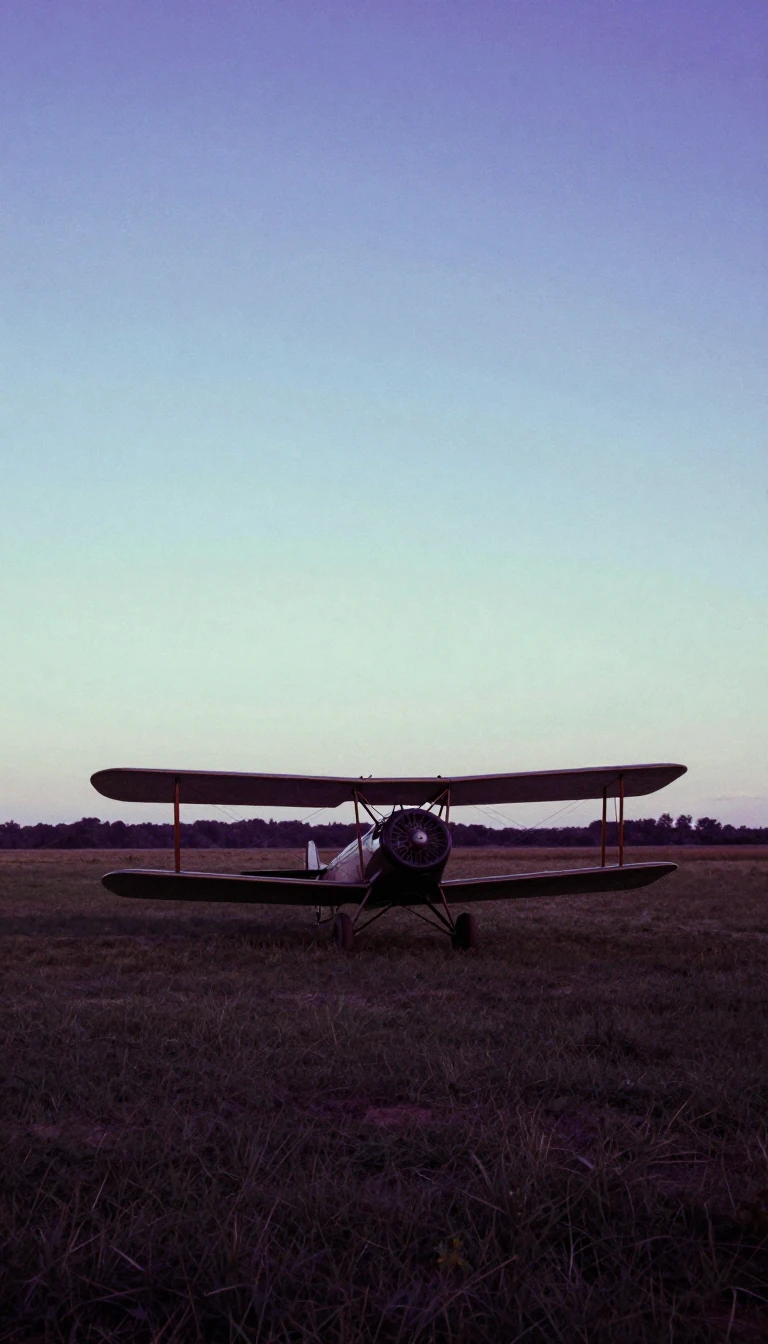 The bent-wing fighter that conquered the Pacific despite its rocky start on carriersEngineered with the largest propeller and engine of any naval fighter, the Vought F4U Corsair was a technological marvel. Yet, its radical design initially made it a nightmare for…
 Why ancient Greeks pinned corpses to the earth to prevent them from rising again.The vrykolakas is a terrifying figure of Greek folklore, a flesh-eating undead creature that haunts the living. Unlike the blood-drinking vampires of Slavic legend, this entity is…
 The Wali: How Islamic tradition defines the 'Friends of God' and their cosmic roleIn Islamic tradition, a wali is a 'friend of God'—a saintly figure endowed with divine favor and miraculous gifts. Far from mere historical relics, these figures have been central…
 How Sir Walter Scott invented the historical novel while hiding his own identityBefore he was a literary icon, Sir Walter Scott published his debut novel anonymously to protect his reputation. This gamble birthed the Waverley Novels, a series that defined his…
 How a colonial minority became a complex, shifting demographic in modern South AfricaWhite South Africans, descendants of European settlers, have navigated centuries of profound transformation. From the arrival of the Dutch in 1652 to the end of apartheid in 1994,…
 The Nazi bureaucrat who turned the German legal system into a weapon of terrorWilhelm Frick was the architect of the Third Reich's most lethal legislation. As Hitler's interior minister, he transformed the German state into a mechanism for persecution, draf…
 The Winchester 1894: How a Century-Old Lever-Action Rifle Redefined American HuntingDesigned by John Browning in 1894, the Winchester Model 1894 became the first sporting rifle to surpass seven million units sold. Renowned for its compact, reliable lever-action m…
- Roman women held no political office, yet they wielded power through private, strategic influence.While Roman women were barred from voting or holding office, they were far from powerless. By navigating complex social networks, managing property, and influencing husbands or fa…
 Why the world’s population milestones are more symbolic than scientificGlobal population milestones are celebrated with symbolic babies and official designations, yet demographers admit these dates are imprecise estimates. Because reliable data on wo…
- How Oliver Stone’s 9/11 Drama Sparked Controversy Over Accuracy and RepresentationOliver Stone’s 2006 film World Trade Center dramatized the survival of two Port Authority officers trapped in the rubble. While the production aimed for a respectful tribute, it f…
- How a 1981 comic book storyline reshaped the X-Men film franchise's entire timelineThe 2014 film X-Men: Days of Future Past bridged two distinct cinematic eras by sending Wolverine back to 1973. By preventing a pivotal assassination, the story erased a dystopian…
 How a strawberry farmer’s son rose to lead Japan’s most powerful political partyYoshihide Suga’s path to the premiership was defined by grit, not pedigree. Born to rural farmers, he worked in a cardboard factory to fund his education before pioneering modern …
 The Zamorin: How a Hindu ruler became the lord of the spice tradeThe Zamorin was the sovereign of Calicut, a vital Indian trading hub that once dominated the global spice market. Often remembered for his tense 1498 encounter with Vasco da Gama,…
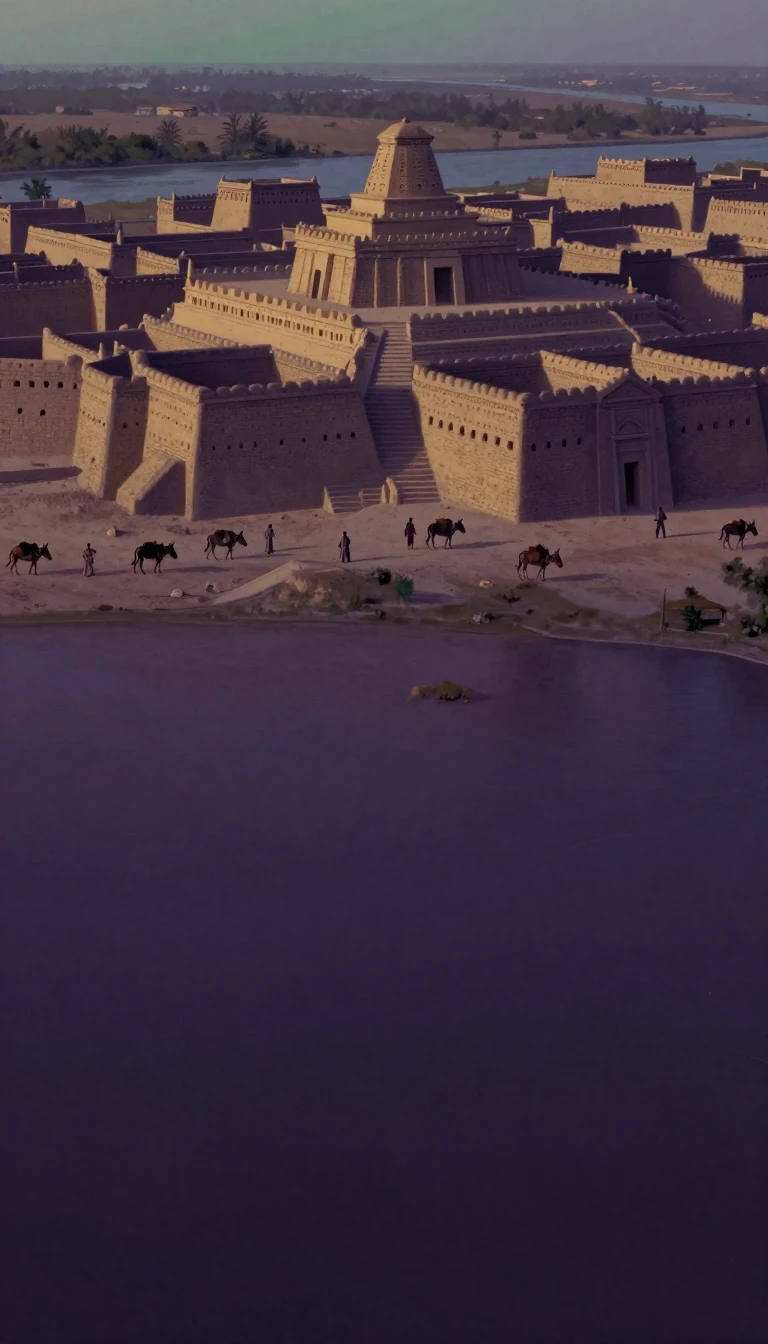 Why the modern city boulevard was once a defensive military fortificationThe term boulevard evokes images of grand, tree-lined urban avenues, but its origins are rooted in warfare. Derived from the Dutch word for bulwark, these iconic thoroughfares beg…
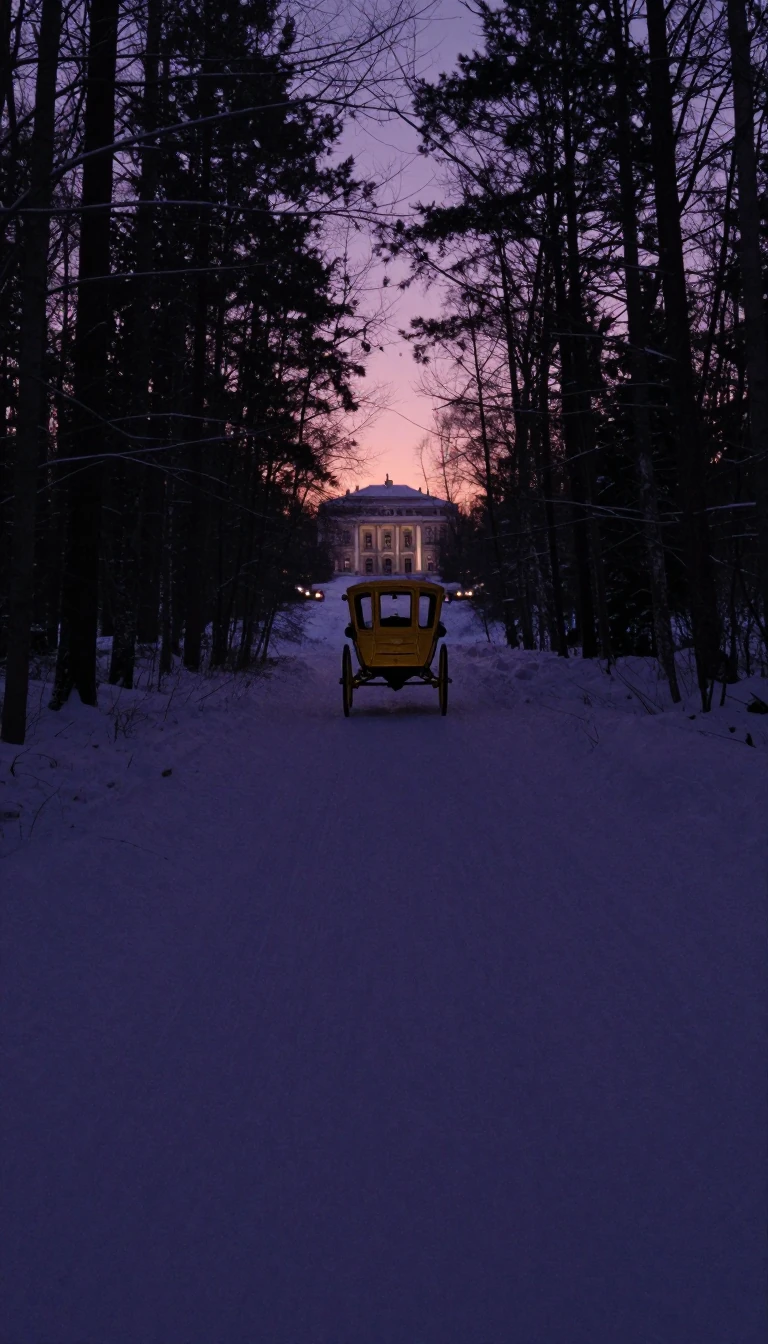 A shortcut through China that changed the course of the Russian EmpireTo bridge its vast Siberian territories, Russia built a railway through Manchuria in the early 1900s. While intended as a peaceful trade shortcut to the Pacific, the Chinese Easte…
 How a remote mountain settlement in the Western Ghats transformed into a tea empirePerched 1,600 meters above sea level, Munnar began as a wild landscape inhabited by hunter-gatherer tribes. Today, it is a sprawling hill station defined by its massive tea indust…
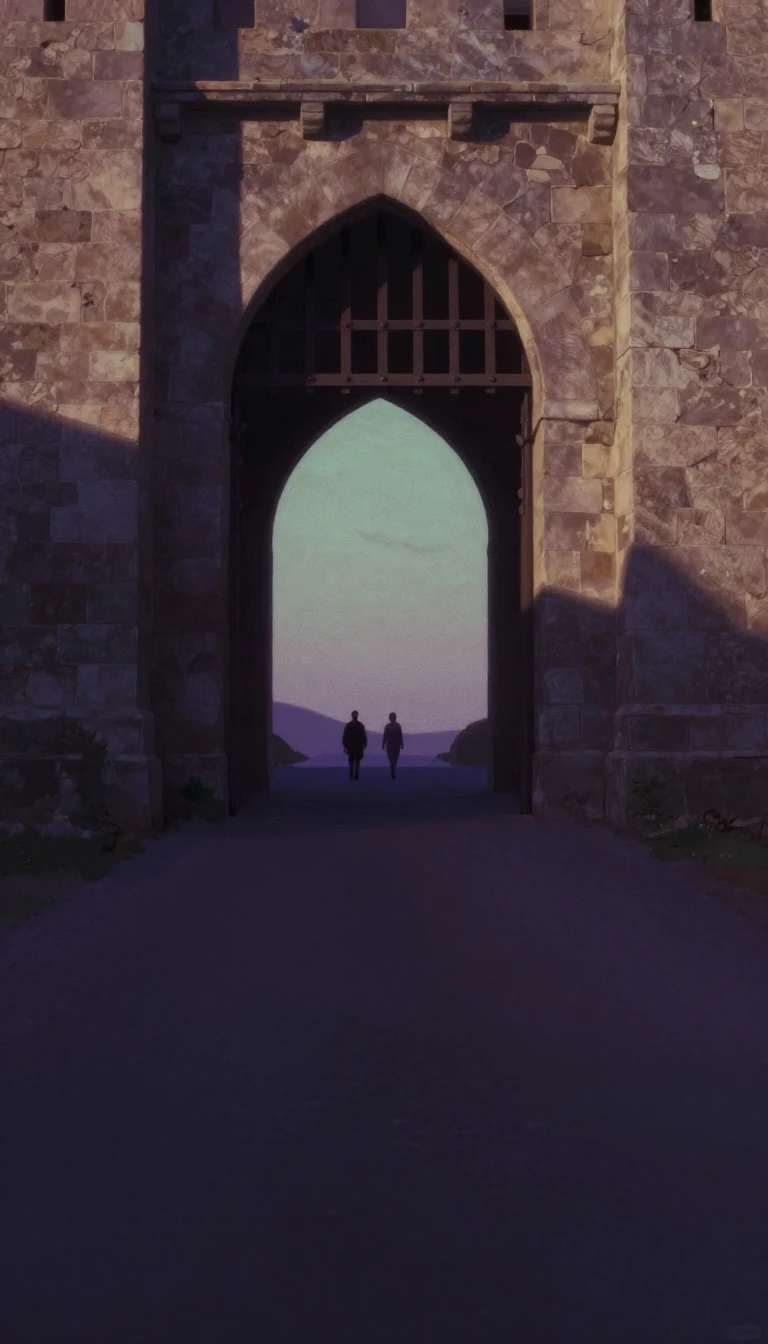 From simple earth mounds to complex artillery bastions, the rampart defined defensive warfare.A rampart is more than just a wall; it is a sophisticated defensive boundary designed to protect settlements and castles. From prehistoric earthworks to the angular bastions of th…
 The curved blade that defined centuries of cavalry warfare and modern ceremonial traditionOriginating from the Eurasian steppes, the sabre evolved from a specialized cavalry tool into a global military icon. While it once dominated battlefields from the Napoleonic Wars…
 Are sky lanterns ancient military signaling devices or a modern fire hazard?Known as Kongming lanterns, these paper balloons have traveled from 3rd-century BC military strategy to global festival staples. While they symbolize spiritual renewal and family …
 Why the most popular poet of the Victorian era was largely forgotten by historyAdelaide Anne Procter was once second only to Alfred, Lord Tennyson in popularity. Queen Victoria’s favorite poet, she was a fierce feminist activist and a master of emotional ten…
 The tragic paradox of a Soviet literary marshal who served both art and tyrannyAlexander Fadeyev was a central figure in Soviet literature, balancing the roles of celebrated novelist and ruthless state enforcer. As chairman of the Union of Soviet Writers, he…
 How Alki Zei turned the turbulence of twentieth-century Greek history into literary goldAlki Zei lived through the most volatile chapters of modern Greek history, from the rise of a military junta to years of political exile. Rather than retreating, she transformed t…
 Anshar: The primordial Mesopotamian god who became a political tool for Assyrian kingsAnshar began as an abstract, unworshipped personification of the horizon. Yet, by the first millennium BCE, Assyrian rulers transformed this ancient figure into a powerful politic…
 The Moldavian Prince Who Became the Architect of Modern Russian LiteratureAntiochus Kantemir was a diplomat, a prince, and the unlikely father of Russian poetry. Born into a noble Moldavian family, he spent his life bridging cultures, translating Enligh…
 How a failed spy became the first Englishwoman to earn her living by writing.Aphra Behn was a government agent in the 1660s, but when her mission in the Netherlands collapsed and left her penniless, she turned to the stage to avoid debtors' prison. She bec…
 How one legendary archer’s final shot defined the ancient borders of IranIn Iranian mythology, Arash the Archer is the hero who sacrificed his life to save his country. Tasked with ending a war by firing a single arrow, his shot traveled across the lan…
 Camelot is a legendary capital that never existed, yet people have hunted it for centuries.Camelot is the ultimate Arthurian symbol, yet it was absent from the earliest legends. It first appeared in 12th-century French romances, where its geography remained intentionall…
 A spy, a nationalist, and a novelist: the extraordinary life of Compton MackenzieCompton Mackenzie was a prolific writer, a British intelligence officer in Athens, and a lifelong Scottish nationalist. From his early success with the novel Carnival to his legal…