 Intellect Plus
History
21,004 cards. Each one is a 40-second story with a five-minute read behind it. Page 134 of 351.
Subtopics: 19th century · 20th century · Africa · Age of Exploration · Ages & eras · Ancient · Ancient China · Ancient egypt · Ancient greece · Ancient rome · Ancient trade · Archaeological discoveries · Archaeology · Astronomy · Australia · Auxiliary historical sciences · Babylon · Basics · Born on this day · Bronze age · Buddhism · Case studies · Chefs, bartenders and winemakers · China · Cities · Climate · Columbus · Contemporary (1945-) · Cosmetics people · Crime · Criminals · Decipherment · Deep time · Disasters · Early modern · Education · Egypt · Empires · Empires & civilisations · Exploration · Explorers · Extinction · Fandom, conventions and festivals · History by continent and large region · History by continent and region · History by country · History by country, small region and city · History by ethnicity · History by subject matter · History by topic · Inca · India · Industrial Revolution · Japan · Kings & queens · London · Mass hysteria · Medicine · Medieval kingdoms · Medieval life · Mediterranean · Mercedes-Benz History · Mesopotamia · Middle ages · Military leaders and theorists · Military leaders, personnel, and theorists · Ming dynasty · Misconceptions · Modern · Modern (1800-1945) · Napoleon · Navigation · North africa · Other · Pacific · Pharaohs · Philippines · Pirates · Post-classical · Prehistory · Propaganda · Public health · Rebels, revolutionaries and activists · Renaissance · Researched · Second world war · Shipwrecks · Silk Road · South america · Tradespeople · UK & Ireland: history · United states · Vikings · Volcanoes · Women in history
 Did the entire history of ancient civilization actually occur during the Middle Ages?Mathematician Anatoly Fomenko claims that recorded history is a massive fabrication, compressing thousands of years of events into a single millennium. By his account, the Roman E…
 How New Mexico spent sixty-two years as a territory before becoming a stateBefore it was the 47th U.S. state, New Mexico existed as an organized territory for over six decades. This long, complex period was defined by shifting borders, intense national d…
 The New Order: How Nazi Germany Planned to Remake the World MapNazi Germany's New Order was a sprawling, brutal geopolitical blueprint for a German-dominated world. Beyond the Holocaust, it envisioned a racial hierarchy, the enslavement of en…
 Does the world's most prestigious children's book award actually discourage young readers?The Newbery Medal, established in 1921, is the oldest children's book award globally. While it aims to honor literary excellence, critics argue its focus on adult-defined quality …
 The ancient Assyrian capital that hosted the greatest party in world historyIn 864 BC, King Ashurnasirpal II threw a ten-day banquet in Nimrud for nearly 70,000 guests. This massive celebration, fueled by thousands of jugs of wine and beer, marked the com…
 The Nineteenth Dynasty of Egypt: A Century of Imperial Might and Internal CollapseThe Nineteenth Dynasty, or Ramesside period, saw Egypt reach its zenith under warrior-kings who challenged the Hittite Empire. Yet, this era of military expansion and monumental p…
 The Oakland Athletics: A Century of Radical Reinvention and Constant RelocationFrom their origins as a Philadelphia powerhouse to the Moneyball revolution in Oakland, the Athletics have defined baseball innovation. Yet, despite nine World Series titles, the …
 Oljas Bektenov: The First Silovik to Lead the Government of KazakhstanBorn in 1980, Oljas Bektenov rose from a legal specialist to become Kazakhstan's prime minister in 2024. Known for his background in anti-corruption, he is the first official from…
 Afghanistan’s opium trade is collapsing, but a more dangerous synthetic market is risingOpium poppy cultivation in Afghanistan has plummeted by 20 percent in just one year, marking a sharp departure from the country's long-standing status as a global drug hub. As far…
 The King who accidentally triggered chaos theory while trying to solve celestial mechanicsKing Oscar II of Sweden was a polymath monarch who patronized Arctic exploration and literature. Yet, his most enduring intellectual legacy came from a math competition he hosted …
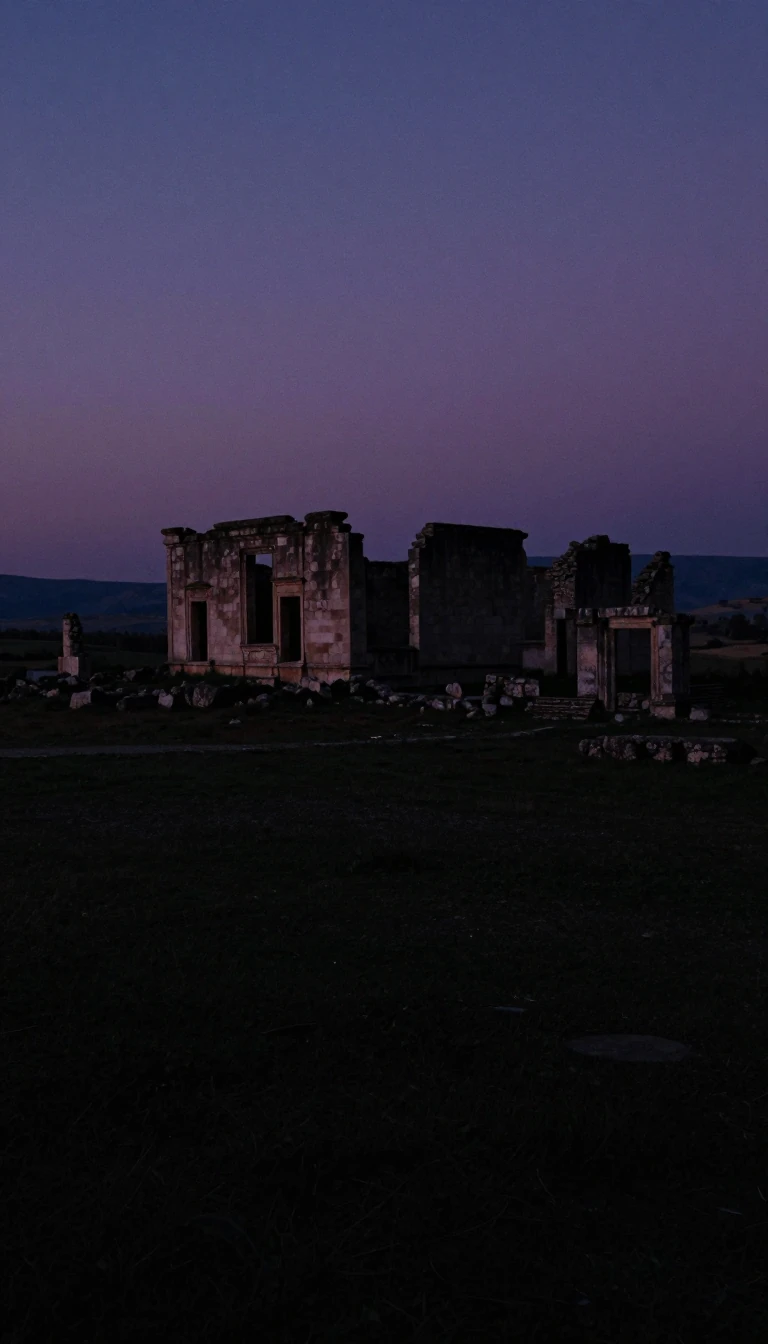 How a strategic river crossing evolved into a resilient cultural hub in eastern Croatia.Osijek has survived Roman legions, Ottoman occupation, and modern warfare to remain the heart of Slavonia. Its name, derived from the Croatian word for ebb tide, reflects its anci…
 The Paris Peace Accords promised an end to the Vietnam War, but peace never came.Signed on January 27, 1973, the Paris Peace Accords were designed to extract the United States from a grinding conflict. While the agreement mandated a ceasefire and the withdrawa…
 Paros: How a small Aegean island built the masterpieces of the ancient worldRenowned for its translucent, white marble, Paros was once the powerhouse of the Aegean. From the sculptures of Praxiteles to the strategic battles of the Persian Wars, this islan…
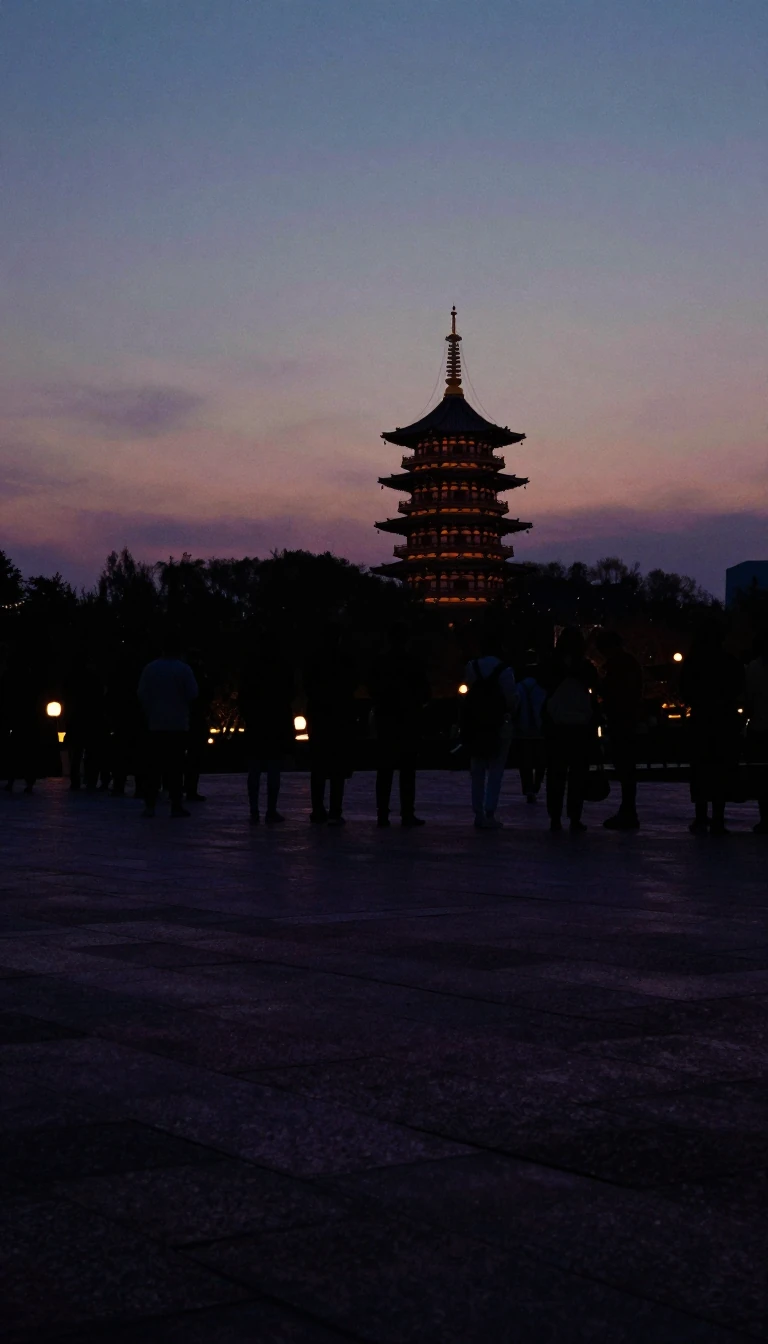 The sacred geography of Nepal's Pashupatinath Temple connects to a divine bull's anatomyPashupatinath Temple is not just a site of worship but a cosmic anchor. Mythologically, it represents the head of Shiva, with his body parts scattered across the Himalayas. This a…
 Why almost every European Union passport shares the same deep burgundy colorWhile the European Union does not issue its own passports, it has harmonized their design since the 1980s. Today, 26 of the 27 member states use a standardized burgundy cover, a v…
 How a disgraced Nazi general successfully rebranded the Waffen-SS as honorable European soldiersAfter World War II, Paul Hausser led a sophisticated campaign to rewrite history. By founding a powerful veterans' lobby, he transformed the image of the Waffen-SS from a criminal…
 Can a royal family exist without a throne, a country, or even a surname?Born into exile just months after a military coup, Pavlos, the former Crown Prince of Greece, has spent decades navigating a life defined by the loss of his nation's monarchy. Now…
- Was the Amazon queen Penthesilea a tragic warrior, a lover, or a mythic invention?Penthesilea, the daughter of Ares, remains one of antiquity's most enduring enigmas. Whether depicted as a fierce Thracian warrior, a tragic queen seeking redemption, or a romanti…
 How a revolutionary Iranian group transformed from anti-Shah militants to an exiled political forceFounded in 1965 to oppose the Shah, the People's Mojahedin Organization of Iran eventually became a major armed dissident group. After playing a role in the 1979 Revolution, they …
 Perun was the supreme Slavic thunder god, whose weapons were believed to be prehistoric stones.Long before the Christianization of Kievan Rus, Perun reigned as the highest deity of the Slavic pantheon. A god of sky, war, and law, he was thought to wield lightning bolts that…
 The first royal grandchild in five centuries born without a title or peeragePeter Phillips, the eldest grandchild of Queen Elizabeth II, occupies a unique position in British history. Born in 1977, he was the first legitimate royal grandchild in over 500 …
 Philippine mythology is a vast, non-unified tapestry of oral traditions and indigenous creation stories.Far from a single, monolithic narrative, Philippine mythology is a collection of diverse, localized beliefs shaped by centuries of migration, trade, and colonial influence. From t…
 From Spanish silver to modern fiat: the turbulent evolution of the Philippine pesoThe Philippine peso traces its lineage to the Spanish pieces of eight, yet its history is defined by colonial shifts, wartime hyperinflation, and a long struggle for central bank …
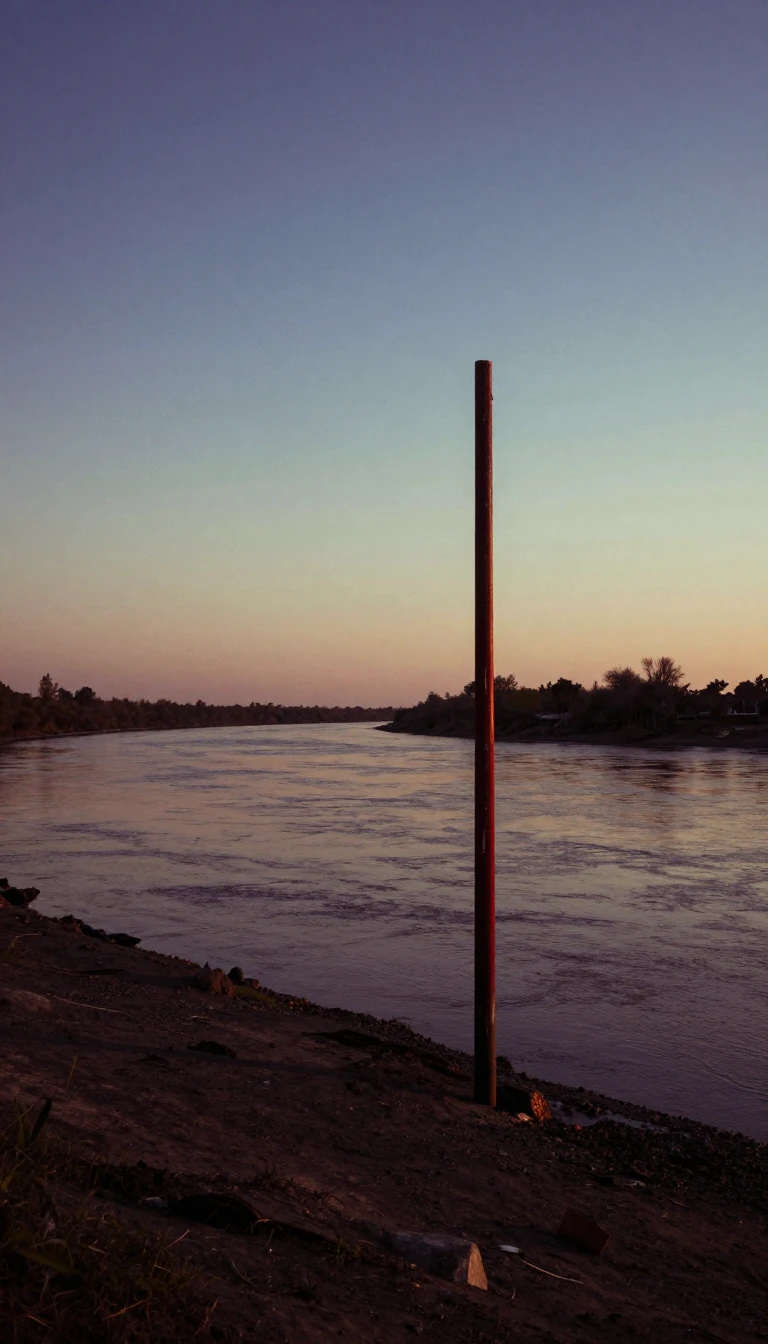 Why is a tiny city on the Missouri River the capital of South Dakota?Pierre is one of the smallest state capitals in the United States, yet it holds a central position in South Dakota history. Founded in 1880, this Missouri River town beat out larg…
 Before he led the Vatican, Pope Pius XI was an elite, record-breaking mountain climber.Ambrogio Damiano Achille Ratti was not your typical cleric. Before ascending to the papacy in 1922, he spent decades as a librarian and an avid mountaineer, conquering some of the…
 Why the shape of a country's population tells the story of its future stabilityA population pyramid is more than a chart; it is a diagnostic tool for a nation's health. By mapping age and sex, these diagrams reveal whether a country faces a demographic divid…
 Why Ancient Romans Abandoned Their First Names in Favor of Hereditary SurnamesThe Roman praenomen was a personal given name, yet it gradually vanished from public life. As Roman society evolved, these forenames became so repetitive that they lost their util…
 Before the Greeks arrived, a mysterious language shaped the foundation of their vocabulary.About 1,000 Greek words defy explanation by standard linguistic roots. These remnants point to a lost pre-Greek substrate, a language or group of languages spoken in the region be…
 Why the title of priest is actually a linguistic evolution of elderThe word priest sounds ancient, but it is a linguistic descendant of the Greek presbyteros, meaning elder. In the earliest Christian communities, this title described a council of…
 Why Presbyterian churches are governed by councils rather than individual bishops or popesPresbyterianism rejects the top-down hierarchy of bishops in favor of a conciliar system where power flows both ways. By balancing elected ruling elders with teaching ministers, t…
 The Serbian Presidency: A Parliamentary Role That Often Exceeds Its Constitutional LimitsWhile Serbia operates under a parliamentary system where the government holds primary executive power, the presidency has evolved into a position of significant influence. From it…
 Spain’s head of government is officially a president, even though the country is a monarchy.In Spain, the leader is titled President of the Government, a term that often confuses English speakers. While the role functions like a prime minister, the title reflects a compl…
 The reluctant aristocrat who dismantled the German Empire in a single, desperate monthPrince Max of Baden never wanted to be chancellor. Appointed in October 1918 to negotiate an armistice, he found himself presiding over the collapse of the German monarchy. In a f…
 Princess Ingeborg of Denmark: The Danish Royal Who Became Sweden’s Unofficial QueenBorn into the heart of Europe’s royal web, Princess Ingeborg of Denmark navigated a strictly arranged marriage to become the most beloved member of the Swedish court. Known for he…
 Project 571: The failed 1971 plot to overthrow Chairman Mao ZedongIn 1971, a clandestine document surfaced in China, outlining a desperate plan to assassinate Chairman Mao Zedong. Known as Project 571, the plot was allegedly orchestrated by the …
 How a clandestine Masonic lodge became a shadow government within the Italian statePropaganda Due, or P2, began as a legitimate Masonic lodge before transforming into a secretive, far-right criminal organization. Led by Licio Gelli, it infiltrated the highest ec…
 Why Spain’s provincial borders have remained largely unchanged since the nineteenth centurySpain’s current provincial map is a direct descendant of a territorial reorganization enacted in 1833. While the country transitioned to a system of autonomous communities in the …
- How Turkey’s 81 provinces evolved from the ashes of the Ottoman EmpireModern Turkey is divided into 81 provinces, each governed by an appointed official. Yet, this administrative map was not static. Following the 1923 founding of the Republic, the n…
 Pulcinella is the original social chameleon, a rebellious delinquent who saves everyone he meets.Originating in 17th-century Italian theater, Pulcinella is a contradictory stock character who embodies the Neapolitan everyman. Whether a cunning thief or a crass bumpkin, this b…
 The cheap, ragged magazines that defined American popular fiction for over half a century.Named for the coarse wood pulp paper they were printed on, these inexpensive magazines democratized entertainment for the working class. From 1896 to the 1950s, they served as a m…
 The Roman Senate once appointed a 74-year-old soldier to save the empire from collapse.In the chaotic year 238, the Roman Senate faced an existential crisis. To counter the barbarian threat of Maximinus, they bypassed tradition and elected two co-emperors. One was P…
- Why the Roman educator Quintilian remains the ultimate architect of the perfect oratorBorn in Hispania around 35 AD, Quintilian rose to become Rome's premier teacher of rhetoric. His twelve-volume masterpiece, Institutio Oratoria, defined the ideal orator not merel…
- Was R. C. Majumdar the architect of a new Indian historical identity or a divider?Ramesh Chandra Majumdar was a titan of twentieth-century Indian historiography, best known for his massive eleven-volume survey of the nation's past. While celebrated for his scho…
 Why the Race to the Sea was not actually a race to the coastThe Race to the Sea was a series of desperate, reciprocal attempts by Franco-British and German armies to envelop each other's northern flanks. Despite its name, neither side was …
 How a socialist firebrand exposed the brutal reality of India’s daily poverty in 1963.Ram Manohar Lohia was a relentless agitator who spent his life challenging the status quo, from colonial rule to the dominance of the English language. His most piercing moment ca…
 Is the Netherlands' most powerful region actually a myth?The Randstad, a crescent of cities housing nearly half the Dutch population, generates half the nation's GDP. Yet, influential urbanists argue this economic powerhouse does not ex…
 The ancient indoor game that birthed modern tennis remains a hidden, complex physical challenge.Long before lawn tennis became a global spectacle, a sophisticated indoor ancestor dominated the scene. Known as real tennis, this medieval game evolved from French handball into …
 Reichsführer-SS: How a Party Title Transformed into a Tool of Totalitarian TerrorThe Reichsführer-SS began as a modest title for a paramilitary commander but evolved into a position of unchecked, lethal authority. By the end of the Second World War, the office…
- Why Nazi Germany Governed the Netherlands as a Civilian Regime Instead of Military TerritoryWhen Germany occupied the Netherlands in 1940, they bypassed standard military rule in favor of a civilian administration. Hitler viewed the Dutch as a racially related kindred pe…
 Reichskommissariat Ostland: The Nazi blueprint for a Germanized empire in the EastBetween 1941 and 1945, Nazi Germany attempted to transform the Baltic states and Belarus into a permanent colonial territory. Through a brutal regime of genocide, forced Germaniza…
 How Albania survived decades of state-mandated atheism to emerge as a secular nationFor forty-five years, Albania was the world's only constitutionally atheist state. The communist regime shuttered every mosque and church, turning a historically religious society…
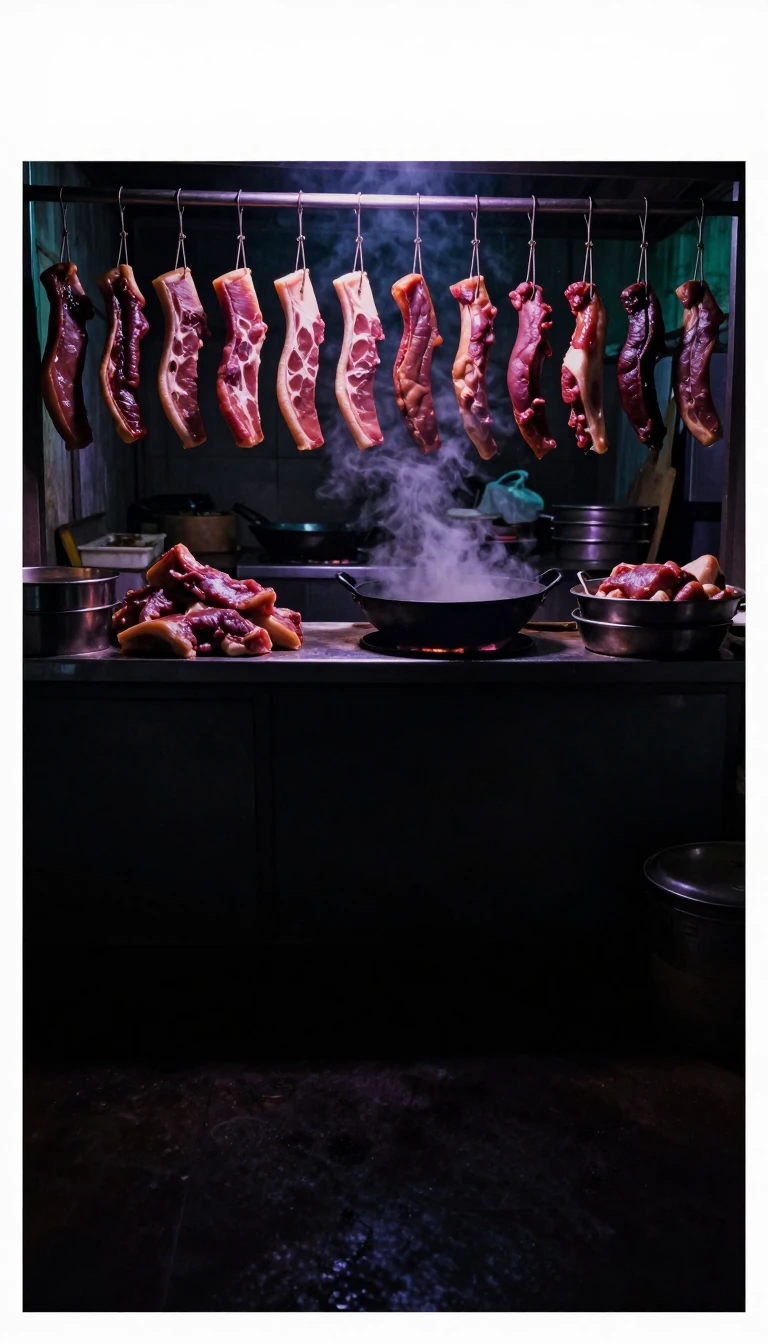 Why did ancient societies across the Near East turn against the humble pig?While pork is the most consumed meat globally today, it has faced intense religious scrutiny for millennia. From the Levant to Egypt, ancient cultures viewed the pig with suspicio…
 Why was a 15th-century duke and failed king remembered as the Good?René of Anjou held titles across Europe, yet his political ambitions frequently collapsed. Defeated in battle, imprisoned by rivals, and ousted from his kingdom of Naples, he spen…
 The 151-day Republic of Formosa: A desperate, short-lived attempt to block Japanese annexationIn 1895, as the Qing dynasty ceded Taiwan to Japan, local elites declared an independent republic to resist the transfer. Despite adopting a flag, currency, and a Parisian-style m…
- From New Zealand Army soldier to Hollywood pirate: the eclectic career of Rhys DarbyBefore he was a globally recognized comedian and the star of Our Flag Means Death, Rhys Darby was a soldier in the New Zealand Army. His journey from military life to playing a pi…
 The Richelieu-class battleships were France's final, desperate attempt to match Italian and German naval power.Designed to counter the Italian Littorio-class, these French battleships packed eight 380 mm guns into a unique, forward-facing quadruple turret arrangement. Though they were the …
 Who are the Righteous Among the Nations honored by the State of Israel?The title Righteous Among the Nations recognizes non-Jewish individuals who risked their lives to save Jews from Nazi extermination. Managed by Yad Vashem, this honor celebrates a…
 Why was Robert A. Taft, the man who never became president, a political titan?Known as Mr. Republican, Robert A. Taft was a formidable conservative strategist who defined mid-century American politics. Though he failed to secure his party's presidential nom…
 How a Midwestern manufacturing hub became a battleground for radical politics and social reform.Rockford, Illinois, was once a quintessential American industrial powerhouse. Yet beneath its reputation for heavy machinery and furniture, the city harbored a fierce streak of ac…
 Roman citizenship was a sophisticated political tool that transformed conquered enemies into loyal stakeholders.Far from a simple birthright, Roman citizenship was a tiered, evolving legal status used to stabilize an expanding empire. By granting conquered peoples a stake in the system rath…