 Intellect Plus
History
21,004 cards. Each one is a 40-second story with a five-minute read behind it. Page 135 of 351.
Subtopics: 19th century · 20th century · Africa · Age of Exploration · Ages & eras · Ancient · Ancient China · Ancient egypt · Ancient greece · Ancient rome · Ancient trade · Archaeological discoveries · Archaeology · Astronomy · Australia · Auxiliary historical sciences · Babylon · Basics · Born on this day · Bronze age · Buddhism · Case studies · Chefs, bartenders and winemakers · China · Cities · Climate · Columbus · Contemporary (1945-) · Cosmetics people · Crime · Criminals · Decipherment · Deep time · Disasters · Early modern · Education · Egypt · Empires · Empires & civilisations · Exploration · Explorers · Extinction · Fandom, conventions and festivals · History by continent and large region · History by continent and region · History by country · History by country, small region and city · History by ethnicity · History by subject matter · History by topic · Inca · India · Industrial Revolution · Japan · Kings & queens · London · Mass hysteria · Medicine · Medieval kingdoms · Medieval life · Mediterranean · Mercedes-Benz History · Mesopotamia · Middle ages · Military leaders and theorists · Military leaders, personnel, and theorists · Ming dynasty · Misconceptions · Modern · Modern (1800-1945) · Napoleon · Navigation · North africa · Other · Pacific · Pharaohs · Philippines · Pirates · Post-classical · Prehistory · Propaganda · Public health · Rebels, revolutionaries and activists · Renaissance · Researched · Second world war · Shipwrecks · Silk Road · South america · Tradespeople · UK & Ireland: history · United states · Vikings · Volcanoes · Women in history
 Roman coins were not just money; they were the Empire's primary propaganda machine.Long before mass media, Rome used coinage to broadcast imperial authority and divine status to every corner of the Mediterranean. From Julius Caesar’s revolutionary portraits to C…
 How Romila Thapar transformed our understanding of ancient India through social-historical analysisRomila Thapar is a pre-eminent historian who redefined the study of ancient India. By shifting focus from monolithic narratives to the evolution of social forces, she revealed how…
 The origins and evolving rules behind the prestigious title of Royal HighnessThe style of Royal Highness is more than a formal honorific; it is a carefully regulated marker of status within royal families. From its 17th-century origins in diplomatic disput…
 From wrought silver to modern digital symbols, the rupee has shaped South Asian history.The rupee is more than just a currency; it is a linguistic and economic legacy spanning centuries. Derived from the Sanskrit word for wrought silver, this monetary unit evolved fr…
 Is Russia a resurgent great power or a wounded empire in slow decline?Modern Russian imperialism is driven less by strength than by a desperate, nostalgic desire to reclaim lost Soviet grandeur. Rather than a rising superpower, Moscow acts as a woun…
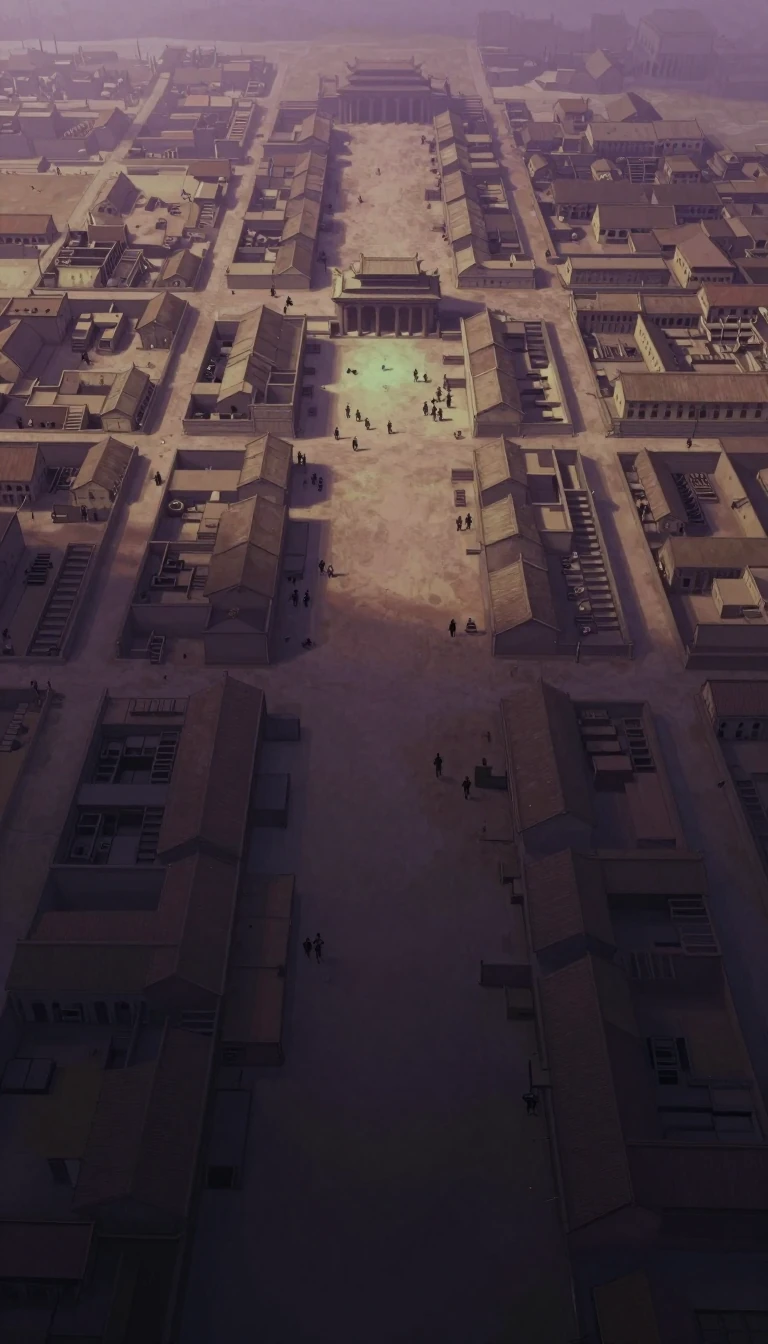
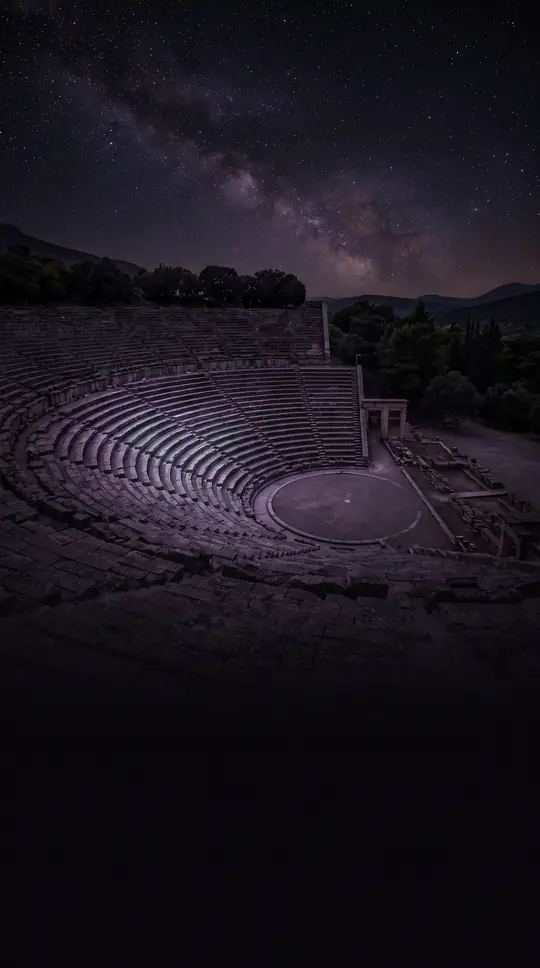 How the Russian Empire Transformed Central Asia into a Colonial Cotton PowerhouseRussian Turkestan was a vast, military-governed territory that reshaped Central Asian life through forced modernization, cotton monoculture, and rigid urban segregation. By replac…
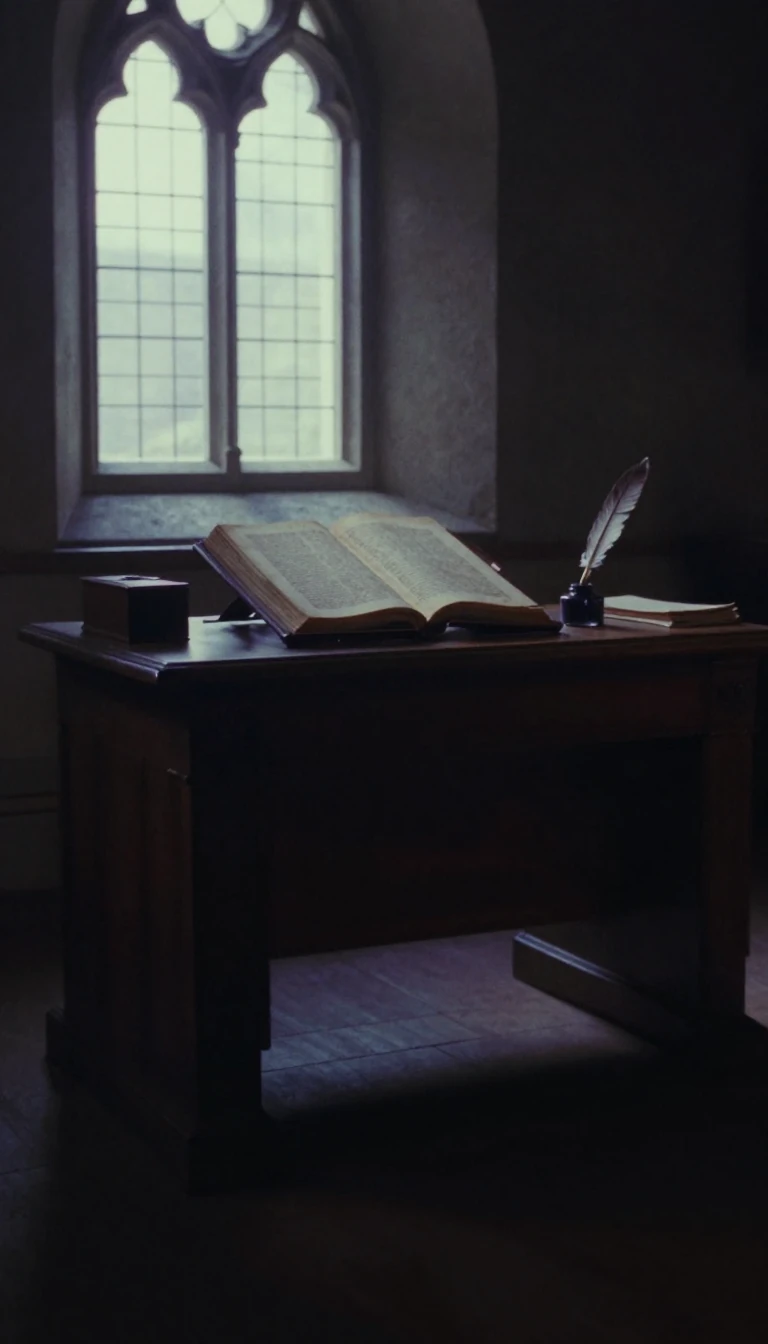 The letter S began as a tooth and once had a long, elegant twin.The nineteenth letter of the Latin alphabet has a surprisingly complex lineage. It evolved from a Semitic pictogram of a tooth into the versatile character we use today. For centu…
 Not French, not Breton, but Malouin: The defiant history of a legendary port city.Saint-Malo began as a rocky island fortress, eventually declaring itself an independent republic. Known for its fierce corsairs and a motto that rejects both French and Breton ide…
 A Century of Sacred Secrecy: The Transformation of the Salt Lake TempleFor 126 years, the Salt Lake Temple stood as a preserved monument to pioneer craftsmanship. Now, a massive seismic retrofit is fundamentally altering its historic interior. While …
 How a California frontier town evolved from a mission outpost into a global hub.San Bernardino began as a Spanish mission chapel in 1810, but its identity shifted rapidly. From a planned Mormon colony and a gold rush trading post to the birthplace of the mode…
 How a small-town mayor became the youngest governor in Alaska's historySarah Palin rose from local Wasilla politics to the national stage as the 2008 Republican vice presidential nominee. Her career is defined by a clean-government platform, clashes …
 How the self-immolation of a goddess birthed 51 sacred sites across the worldSati, the Hindu goddess of marital felicity, is best known for her tragic defiance against her father, Daksha. Her self-immolation to honor her husband, Shiva, triggered a cosmic …
 The medieval palace that became a hospital, a prison, and eventually a luxury landmark.Once the most magnificent private residence in England, the Savoy Palace was systematically dismantled by rioters in 1381. Its site later transformed into a pioneering hospital fo…
- The legendary ring of King Solomon: a symbol of power, magic, and ancient mysteryAttributed to the biblical King Solomon, this mythical signet ring supposedly granted its wearer command over demons, jinn, and the ability to speak with animals. From medieval oc…
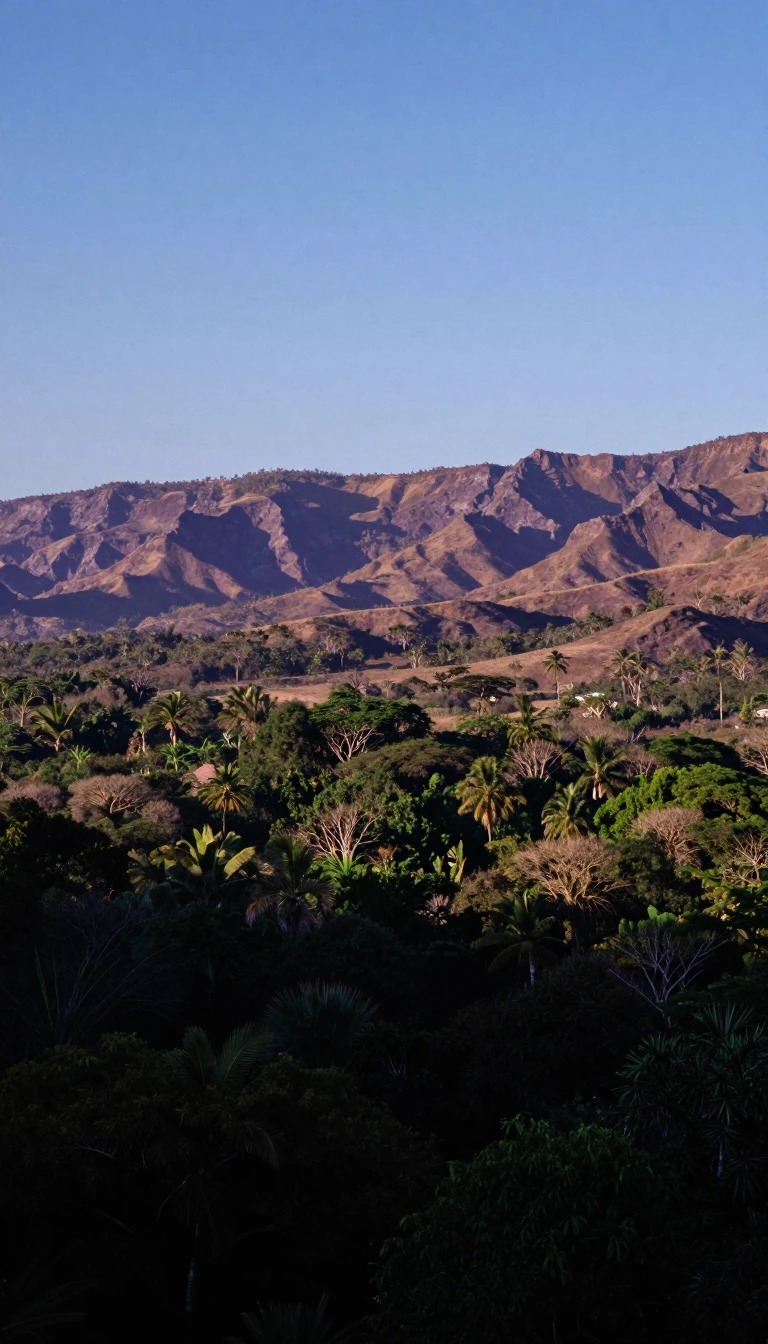 Mexico's Second Federal Republic was a volatile era of war, reform, and imperial ambitionBorn in 1846 during the Mexican-American War, the Second Federal Republic sought to restore constitutional order. Instead, it faced territorial loss, civil strife, and a series of…
 The Second International: How a Global Socialist Dream Collapsed Under the Weight of WarFormed in 1889 to unite the global working class, the Second International became the world's most influential anti-militarist force. Yet, when the Great War erupted in 1914, its …
 How a small Arizona town became the cinematic backdrop for the American WestSedona is famous for its glowing pink sandstone, but its history is equally vibrant. Before becoming a retirement hub and spiritual destination, this high-desert community served …
- Why do individuals choose the extreme, violent act of self-immolation as a political protest?Self-immolation is a disturbing, public act of protest that transforms the human body into a final, desperate message. While often viewed as a form of altruistic suicide, its hist…
 Why did a US Air Force member choose self-immolation as a political protest?In February 2024, active-duty airman Aaron Bushnell ended his life outside the Israeli Embassy in Washington, D.C. His final act, live-streamed to the public, ignited a fierce glo…
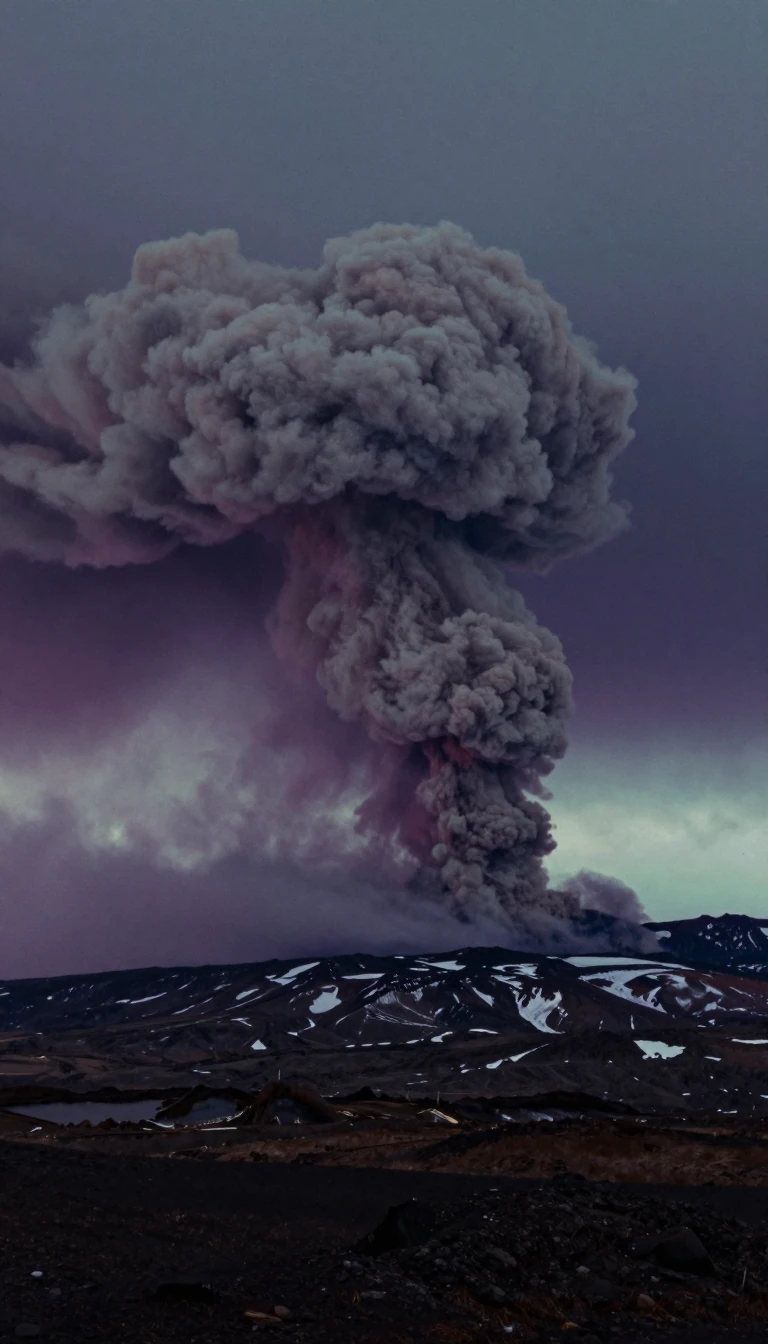 Was Iceland the last major landmass on Earth to be permanently settled by humans?Iceland stands out as the second-to-last major landmass permanently settled by humans, following only New Zealand. While medieval sagas point to a ninth-century Norse arrival, mod…
 How a lost briefcase and a desert war created a literary masterpieceT.E. Lawrence’s Seven Pillars of Wisdom is a monumental memoir of the Arab Revolt against the Ottoman Empire. Yet, the book almost never existed. After losing his entire manuscrip…
 Your signature is not a fixed identity but a fluid, often unreliable, neuromuscular performance.We treat signatures as the ultimate proof of intent and identity, yet they are surprisingly fragile. From the flourish of a pen to a simple mark, signatures are subject to high er…
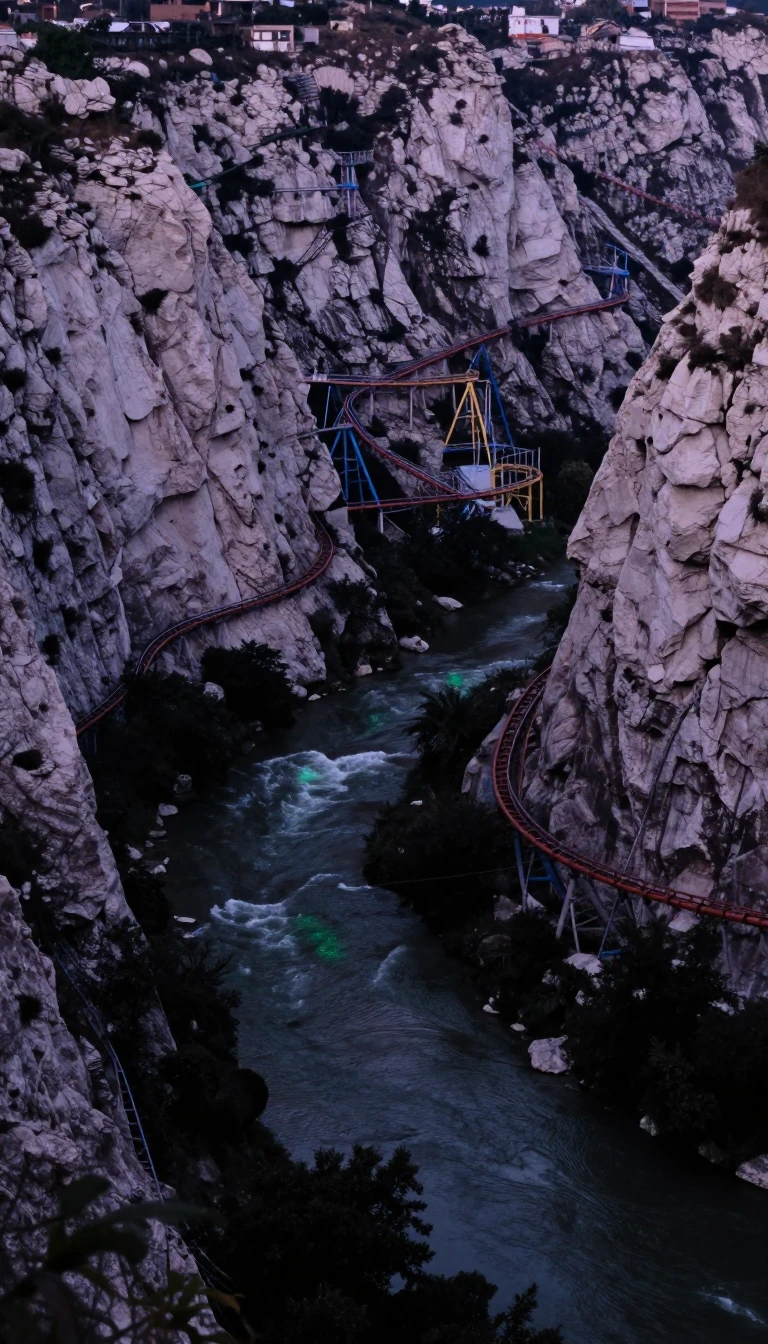 How a failed corporate expansion created a landmark of American amusement park historyMarriott Corporation once envisioned a nationwide chain of state-of-the-art theme parks to celebrate the nation's bicentennial. While most plans were abandoned, the Gurnee, Illino…
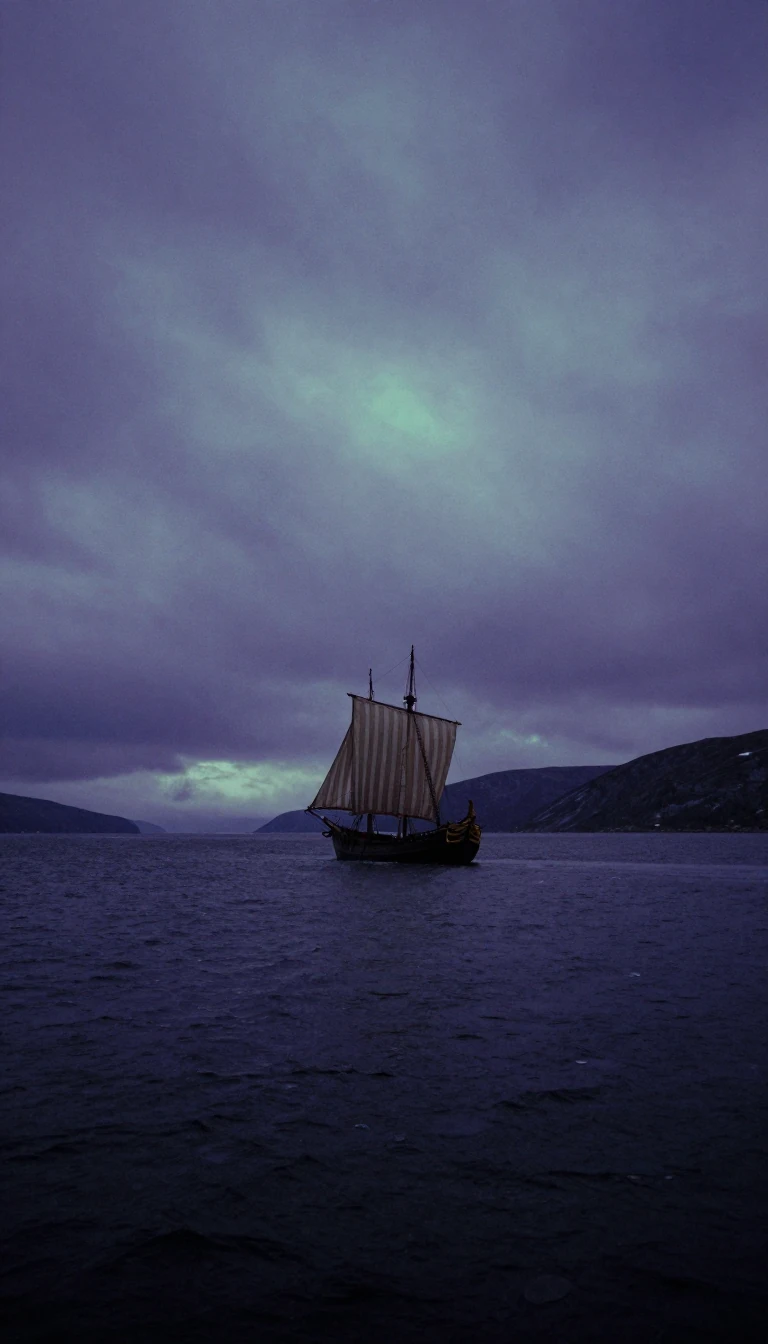 Were Viking Age poets masters of courtly praise or masters of the cutting insult?The skald was a central figure in Old Norse society, serving as both a courtly praise-singer for kings and a sharp-tongued master of the public insult. These poets navigated a com…
 How a century-old Ukrainian salute evolved from a regional greeting into a global symbolThe phrase Slava Ukraini, or Glory to Ukraine, has transformed from a niche early 20th-century greeting into a worldwide emblem of resistance. While its origins are rooted in the …
 How the horrific architecture of slave ships turned human beings into mere cargoBetween the 16th and 19th centuries, millions of Africans were forcibly transported across the Atlantic in vessels designed for maximum profit. By cramming captives into low-headr…
 How the French Socialist Party evolved from revolutionary roots to a centrist governing force.Born from a 1969 merger, France's Socialist Party dominated the Fifth Republic for decades. Yet, its journey from Marxist-influenced origins to a pragmatic, pro-European governing…
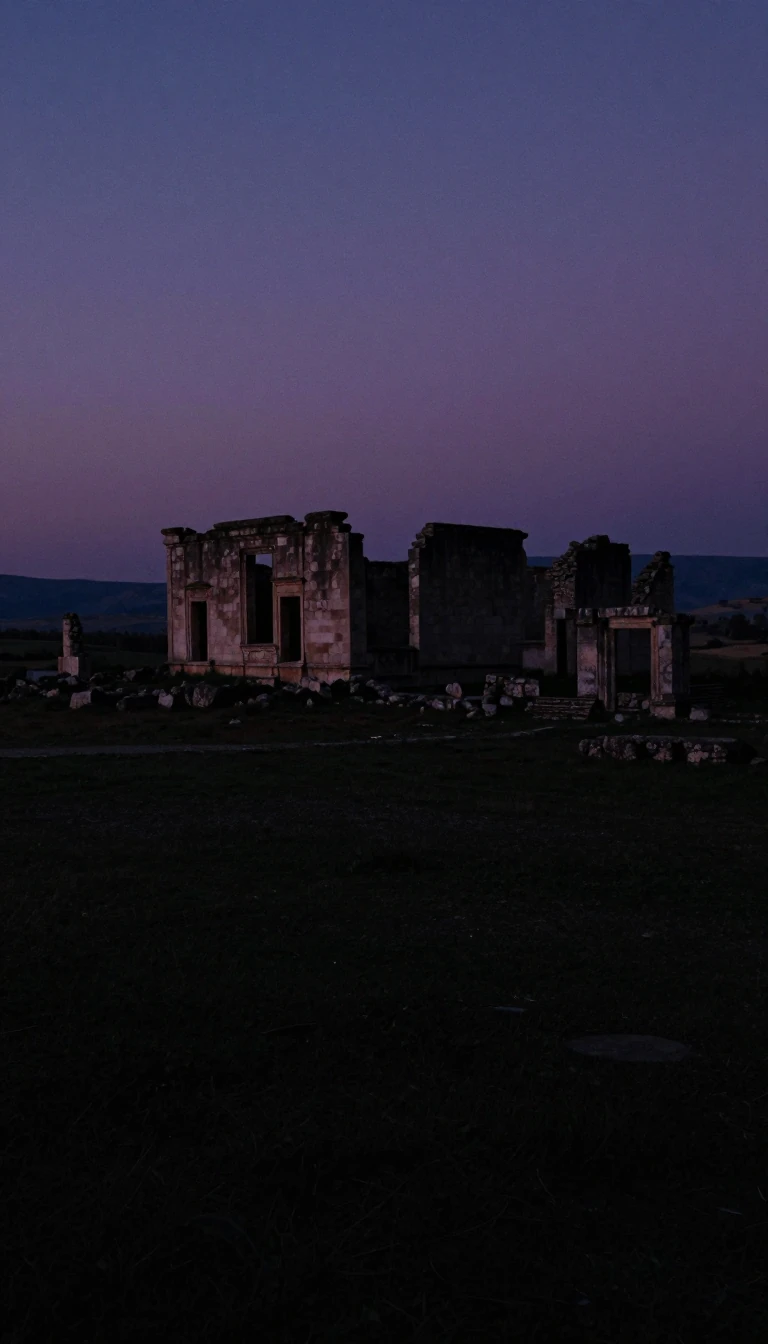 How a multi-ethnic Yugoslav republic became the epicenter of a brutal collapseThe Socialist Republic of Bosnia and Herzegovina was designed as a unique federal unit, balancing three distinct ethnic groups under communist rule. Yet, this fragile stability ev…
 From the Bronx to the Supreme Court: The life of Justice Sonia SotomayorRaised in a Bronx housing project, Sonia Sotomayor set her sights on becoming a judge at age ten. She overcame early adversity, including a childhood diabetes diagnosis and the lo…
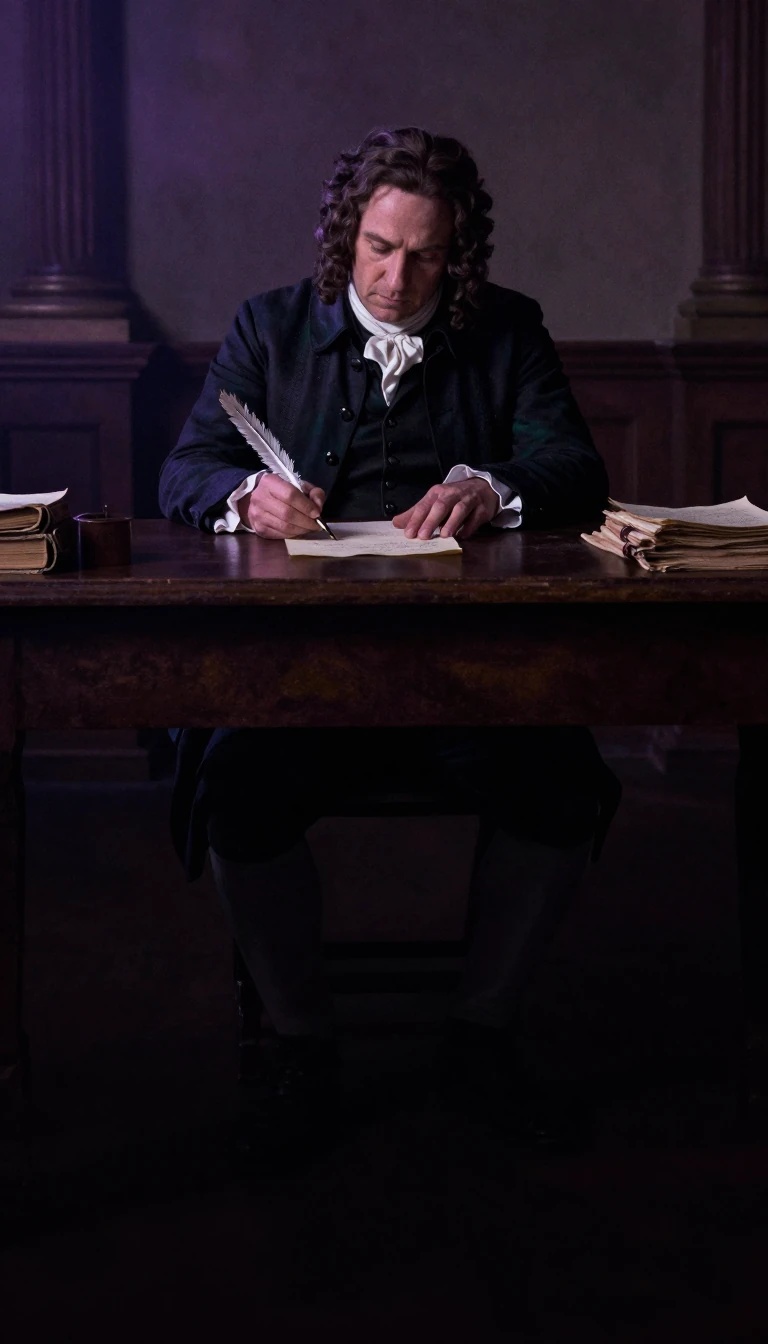 The Sons of Liberty were not a formal organization but a decentralized resistance network.Popular history depicts the Sons of Liberty as a structured, underground society with clear leadership. In reality, the name served as a convenient, unifying label for disparate g…
- Are South Slavic languages a distinct family or just a trick of geography?Spoken by roughly 50 million people, the South Slavic languages include Bulgarian, Macedonian, Slovene, and the variants of Serbo-Croatian. While often grouped together, linguists…
- The Southern colonies were built on cash crops, indentured labor, and eventually, systemic slavery.While often remembered for their plantation wealth, the Southern colonies began as a diverse experiment in religious refuge and agrarian expansion. As the demand for tobacco, rice…
 How Soviet Spies and Gulag Labor Accelerated the Creation of the Atomic BombThe Soviet atomic bomb project was a desperate, state-wide mobilization that transformed from a small research effort into a massive industrial machine. By combining stolen Wester…
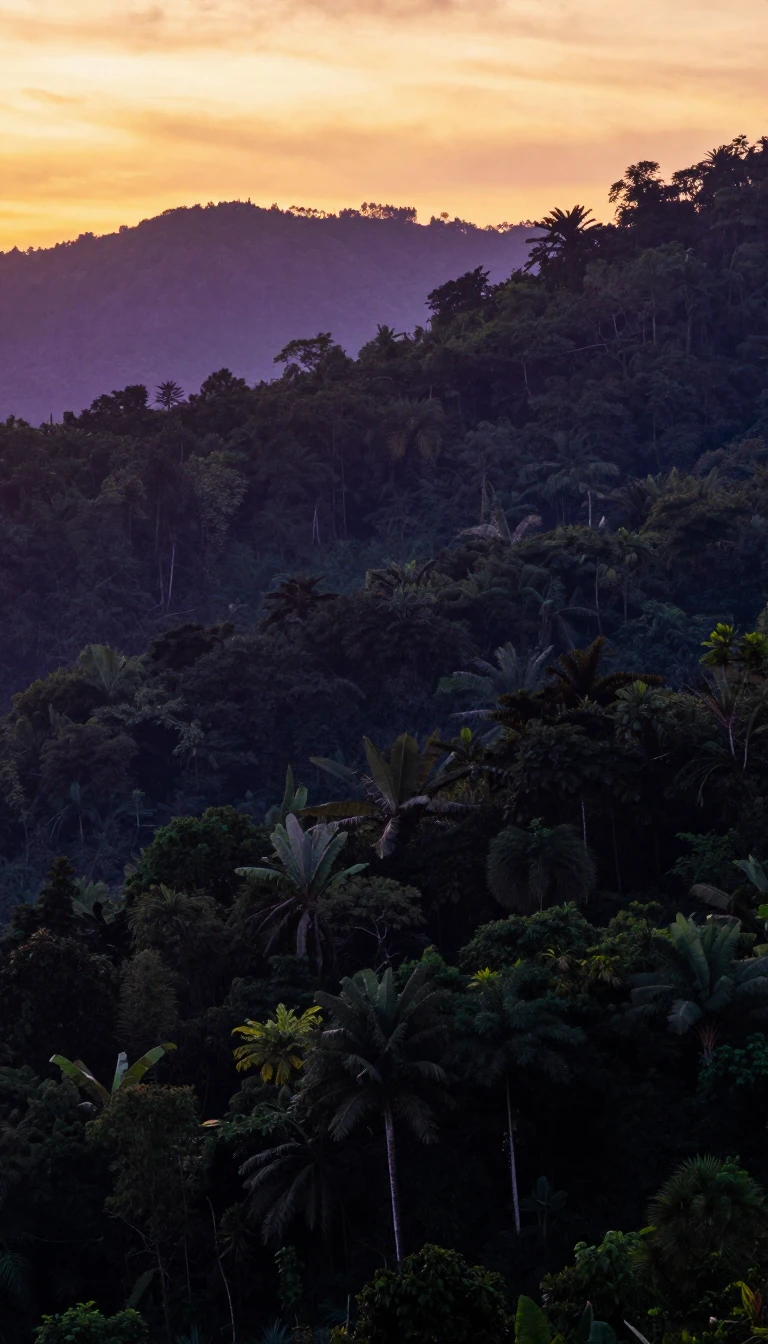 How a remote tropical colony became a modern state defined by oil and autocracySpanish Guinea was Spain's final significant tropical colony, a territory shaped by forced labor, shifting borders, and a turbulent transition to independence. Today, its successo…
 The Spartan super-warrior myth is a historical fiction that obscures their true human fallibilityWe imagine ancient Spartans as invincible, stoic killing machines raised from birth to die in battle. This image, cemented by Hollywood and the legend of Thermopylae, is largely a…
 The CIA's Third Option: Inside the Shadowy World of Covert Paramilitary OperationsWhen diplomacy fails and military force is too overt, the United States turns to the Special Activities Center. This clandestine unit executes high-stakes missions—from sabotage t…
- Spider silk is a biological marvel that outperforms high-grade steel in specific waysSpiders produce a protein fibre that is remarkably tough, flexible, and strong. By pulling liquid protein through specialized glands, they create materials that can stretch signif…
 Why the spiritual heart of 300 million Christians is a modest, hidden church.Tucked away in Istanbul, the Patriarchal Cathedral of St. George serves as the symbolic seat of the Ecumenical Patriarchate. Despite its global significance, the building remains …
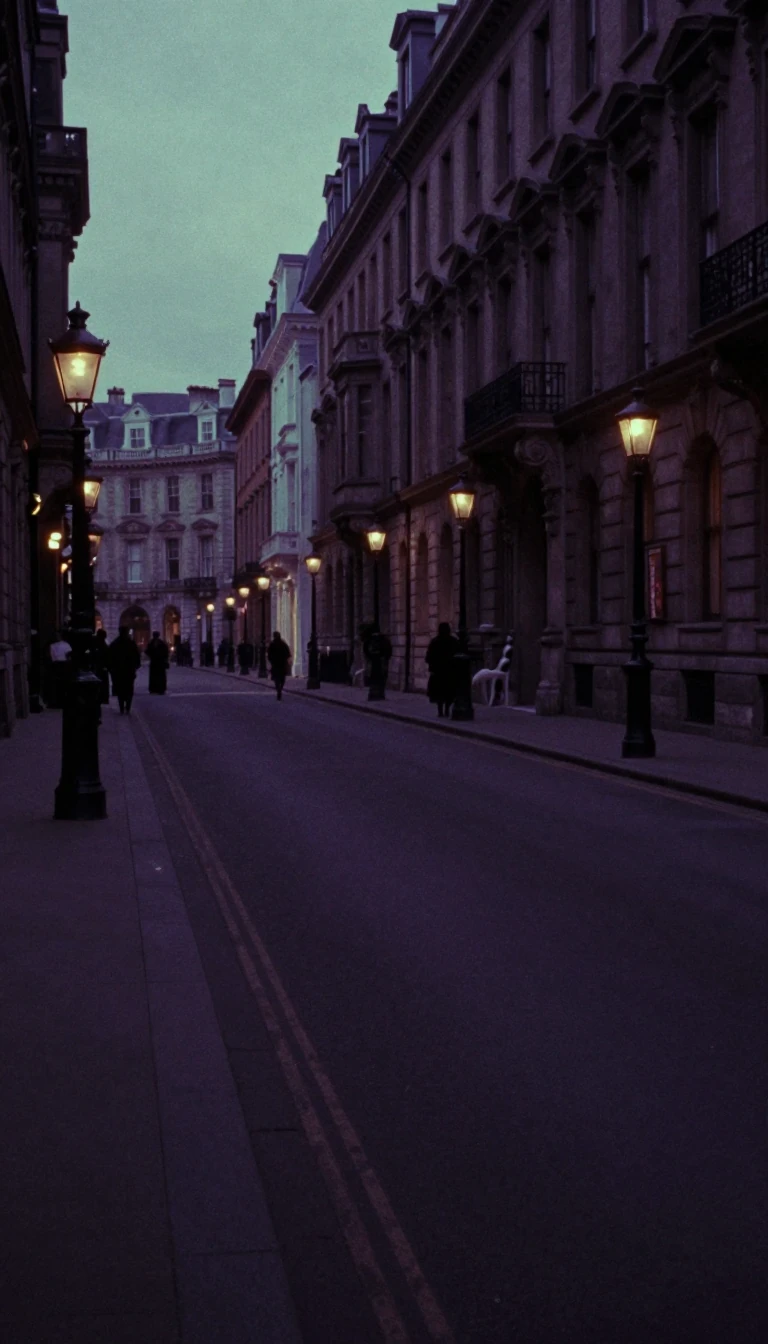 How Stalinist architecture turned the Soviet urban landscape into a permanent, theatrical stage set.From the mid-1930s to the mid-1950s, the USSR replaced functional modernism with a monumental aesthetic of power. By prioritizing grand façades and palatial interiors over practic…
 State atheism is the political project of replacing religious influence with government-mandated secular ideology.Unlike secular states that claim neutrality, state atheism actively promotes irreligion. From the Soviet Union to Cambodia, regimes have sought to dismantle religious institutions…
- How one man’s elegant prose single-handedly defined the popular image of the Crusades.Sir Steven Runciman was an eccentric polyglot who viewed himself as a writer of literature rather than a historian. His three-volume history of the Crusades remains a cultural tou…
 How Maoist China used public humiliation to consolidate power and crush political dissentStruggle sessions were meticulously staged public spectacles designed to break social trust and enforce ideological conformity. By forcing citizens to denounce neighbors, spouses,…
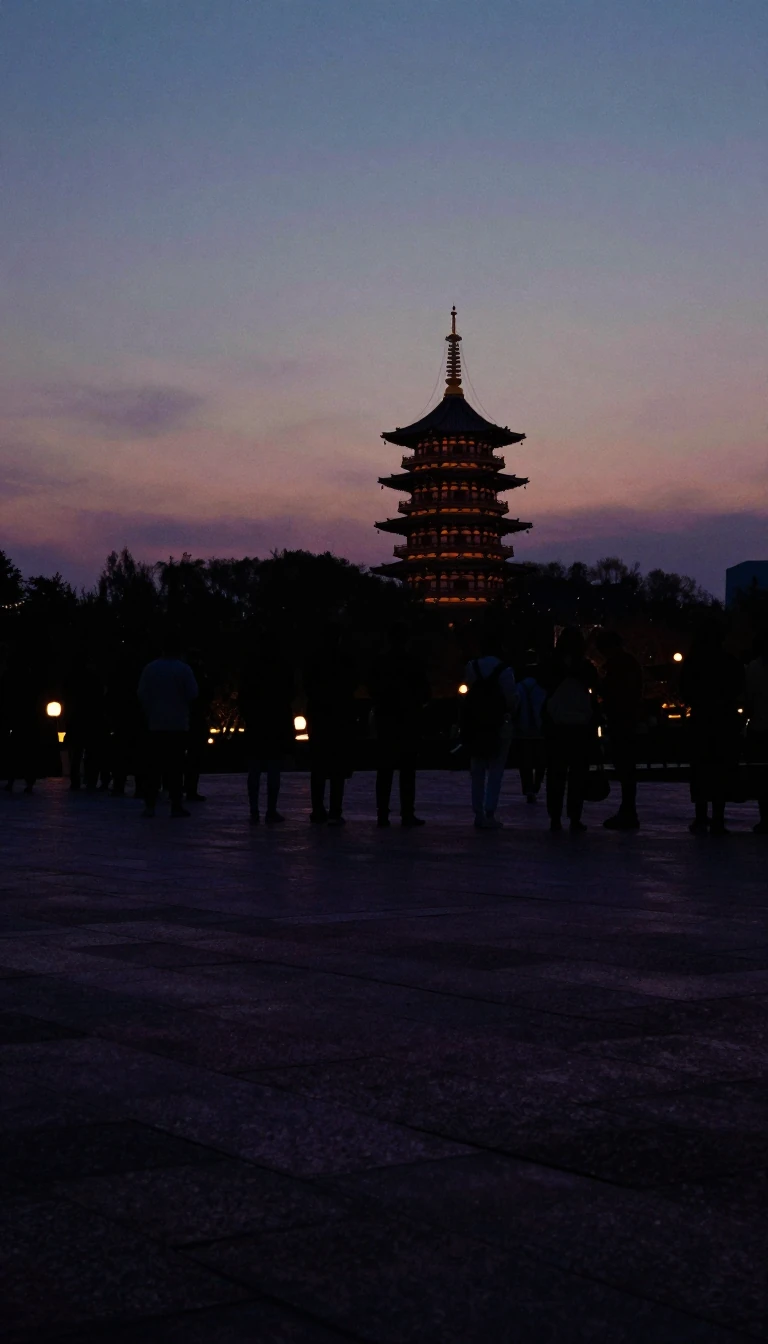 The Afghan dynasty that briefly eclipsed the Mughals and invented the modern rupeeFor less than two decades, the Sur Empire commanded northern India, challenging the mighty Mughal dynasty. Founded by the strategist Sher Shah Suri, this short-lived power reshape…
 How a Manhattan cul-de-sac became the ultimate address for the global eliteSutton Place began as a disconnected stretch of Avenue A, but transformed into a prestigious enclave for socialites and world leaders. From its origins in 1875 to its status as a …
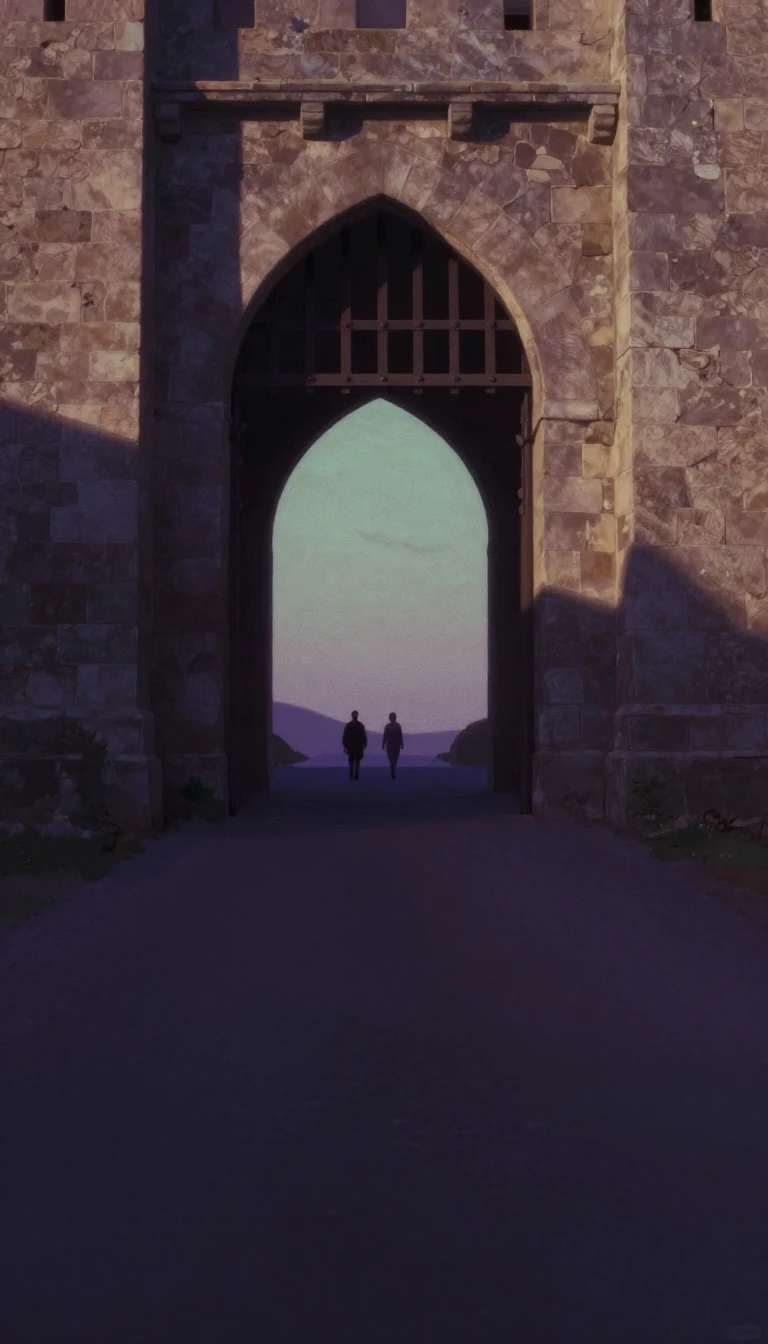 Neolithic engineers built a massive timber highway across the Somerset marshes in 3807 BC.Long before the Roman roads, Neolithic farmers in England constructed the Sweet Track, a sophisticated wooden causeway stretching over a kilometer across waterlogged peat. This fe…
- The Polish nobility was a massive, egalitarian warrior caste that rejected absolute monarchyUnlike the feudal aristocracies of Western Europe, the Polish szlachta operated as a sprawling, self-governing political nation. Comprising up to ten percent of the population, th…
 How a career police officer became the most powerful leader in modern VietnamTô Lâm rose from the ranks of the security apparatus to become Vietnam's supreme leader. By leveraging his control over the anti-corruption campaign, he consolidated power, stream…
 Why the original Tablets of Stone were shattered and then replaced by human handsThe Ten Commandments were not just divine decrees but a formal treaty. When Moses smashed the first set of stone tablets, it was a calculated legal act signaling the end of a brok…
 Why a 19th-century pill brand became the name for sensationalist journalismThe term tabloid began as a pharmaceutical trademark for compressed pills in the 1880s. By 1901, it described condensed news, eventually evolving into a shorthand for the sensatio…
 The Tarim Mummies were not the mysterious Western migrants history books once claimedFor decades, the naturally preserved mummies of the Taklamakan Desert were viewed as enigmatic Western outsiders who brought agriculture to Inner Asia. New genomic evidence shatte…
 Ancient Israel’s industrial apiaries reveal a sophisticated honey trade 3,000 years agoArchaeologists at Tel Rehov discovered the world’s oldest known apiary, featuring hundreds of clay beehives from the 10th century BCE. DNA analysis suggests these ancient resident…
 The Telugu people have shaped South Asian culture for over two millenniaFrom ancient military prowess to the largest film industry in India, the Telugu people have left an indelible mark on history. As the most populous Dravidian linguistic group, the…
 The tiny Athenian temple that survived war, destruction, and a Turkish defensive wallPerched on a steep bastion of the Acropolis, the Temple of Athena Nike is a masterpiece of Ionic architecture. Though it was demolished in 1686 to build military defenses, the str…
 How a struggling actor turned a low-budget Thai production into a global martial arts phenomenonAfter years of frustration and injury in Hollywood, Bruce Lee found his breakthrough in a remote Thai village. Filming The Big Boss was a chaotic ordeal involving yellow tap water…
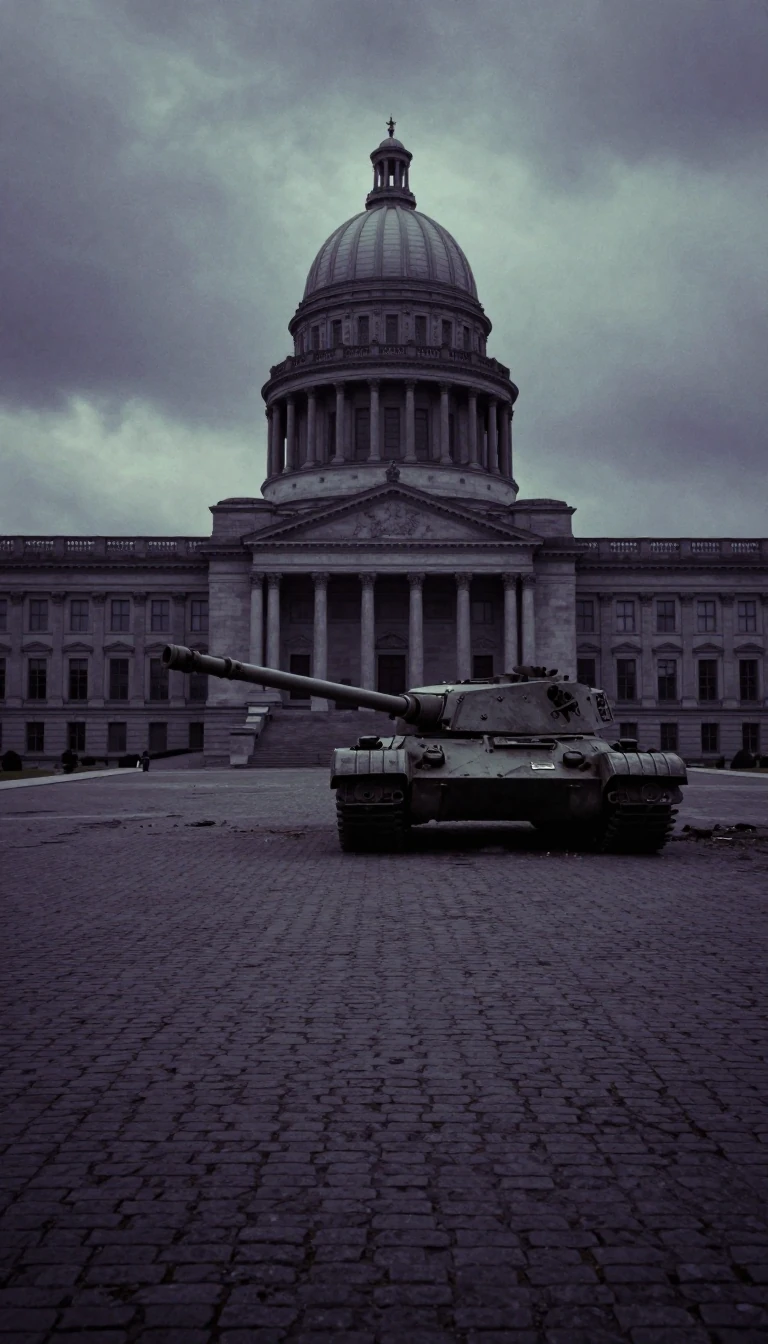 Did a failed 1986 summit actually accelerate the collapse of the Soviet Union?The 2026 film The Brink of War dramatizes the tense Reykjavík meeting between Ronald Reagan and Mikhail Gorbachev. While the summit ended in a stalemate over missile defense techn…
 Did a Hollywood film rewrite the history of the Pentagon Papers' historic publication?Steven Spielberg’s 2017 thriller The Post dramatizes the Washington Post’s decision to publish the Pentagon Papers. While critics lauded its performances and timely political para…
- How France’s historic centre-right party became a shadow of its former selfOnce the dominant force of the French Fifth Republic, the party known as Les Républicains has suffered a decade of electoral collapse and internal fracturing. From its origins as …
 How a dysfunctional family of televangelists built a sprawling empire on greed and scandalThe Righteous Gemstones chronicles the opulent, chaotic lives of a South Carolina megachurch dynasty. Led by patriarch Eli Gemstone, the family navigates internal power struggles,…
- Can a 2,400-year-old Greek tragedy still capture the raw, modern horror of war?Euripides' The Trojan Women remains a haunting meditation on the aftermath of conflict. By focusing on the displaced women of a fallen city, the play exposes the brutal reality of…
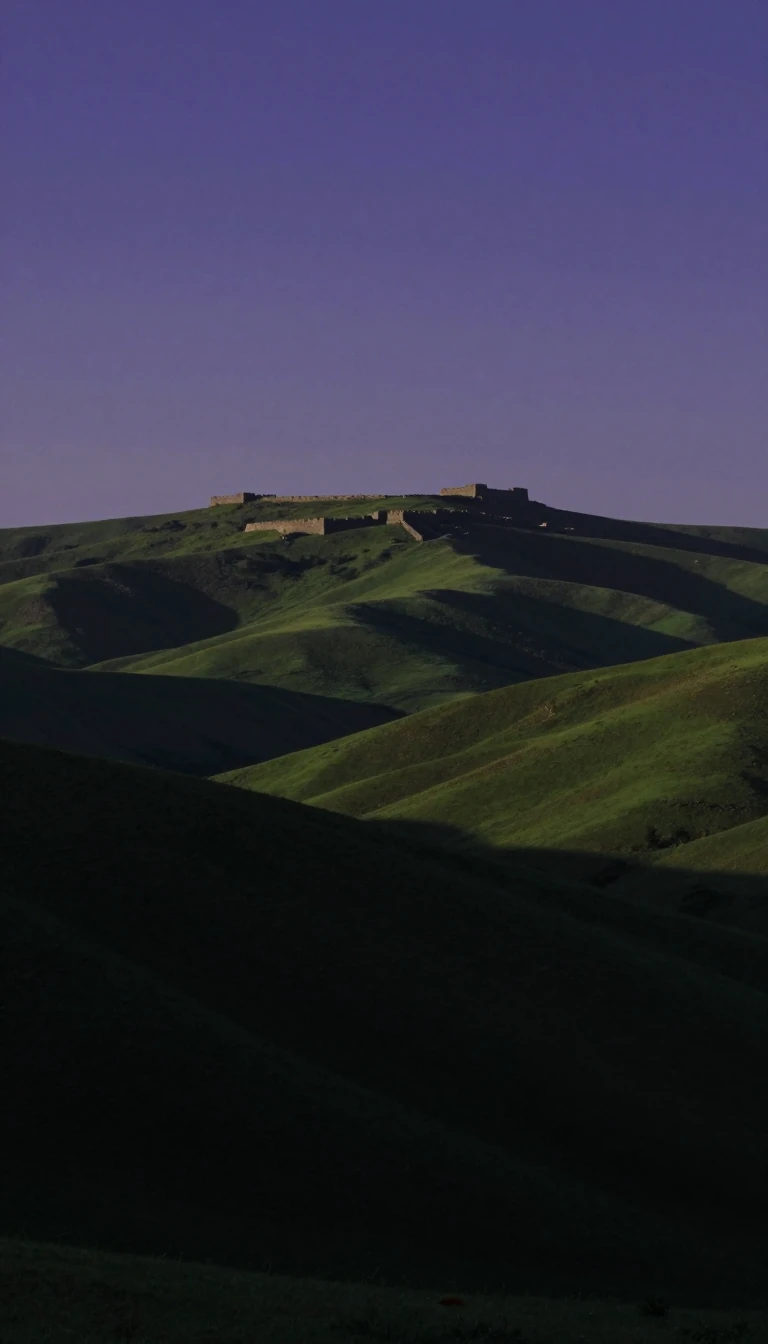 How the Byzantine Empire traded its ancient bureaucracy for a resilient military machineFacing existential threats in the 7th century, Byzantium abandoned its rigid Roman provincial system. It replaced civil governors with military commanders, creating the theme syst…