 Intellect Plus
History
21,004 cards. Each one is a 40-second story with a five-minute read behind it. Page 193 of 351.
Subtopics: 19th century · 20th century · Africa · Age of Exploration · Ages & eras · Ancient · Ancient China · Ancient egypt · Ancient greece · Ancient rome · Ancient trade · Archaeological discoveries · Archaeology · Astronomy · Australia · Auxiliary historical sciences · Babylon · Basics · Born on this day · Bronze age · Buddhism · Case studies · Chefs, bartenders and winemakers · China · Cities · Climate · Columbus · Contemporary (1945-) · Cosmetics people · Crime · Criminals · Decipherment · Deep time · Disasters · Early modern · Education · Egypt · Empires · Empires & civilisations · Exploration · Explorers · Extinction · Fandom, conventions and festivals · History by continent and large region · History by continent and region · History by country · History by country, small region and city · History by ethnicity · History by subject matter · History by topic · Inca · India · Industrial Revolution · Japan · Kings & queens · London · Mass hysteria · Medicine · Medieval kingdoms · Medieval life · Mediterranean · Mercedes-Benz History · Mesopotamia · Middle ages · Military leaders and theorists · Military leaders, personnel, and theorists · Ming dynasty · Misconceptions · Modern · Modern (1800-1945) · Napoleon · Navigation · North africa · Other · Pacific · Pharaohs · Philippines · Pirates · Post-classical · Prehistory · Propaganda · Public health · Rebels, revolutionaries and activists · Renaissance · Researched · Second world war · Shipwrecks · Silk Road · South america · Tradespeople · UK & Ireland: history · United states · Vikings · Volcanoes · Women in history
 How a network of jungle paths became a decisive military engineering marvelThe Ho Chi Minh Trail was far more than a simple footpath. It was a sophisticated, evolving logistical artery that sustained North Vietnamese forces through the most intense air b…
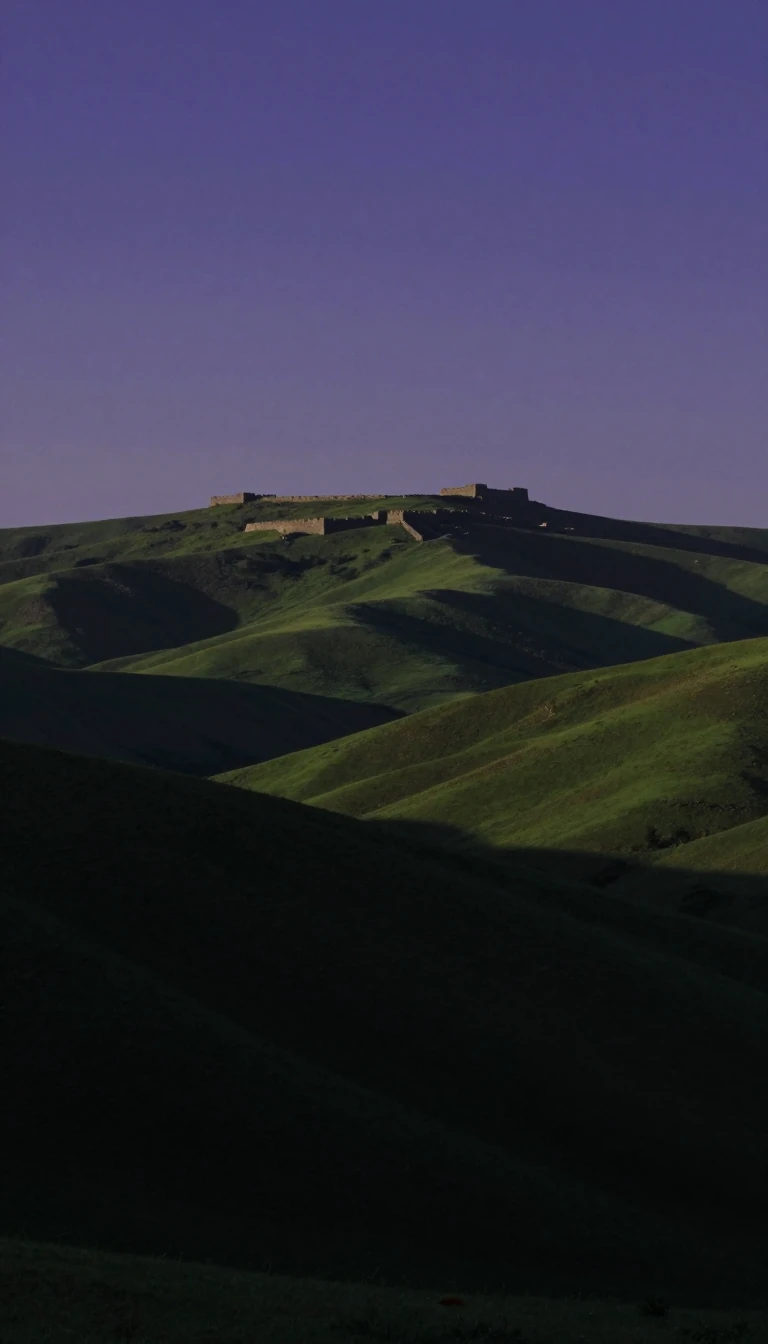 The Hohenstaufen dynasty ruled the Holy Roman Empire and redefined medieval statecraft for centuries.Rising from a Swabian castle to command the Holy Roman Empire, the Hohenstaufen dynasty—or Staufer—shaped medieval Europe. From Frederick Barbarossa’s struggle to restore imperial…
 How a Zaydi revivalist movement in northern Yemen became a global military forceThe Houthi movement began as a local Zaydi religious network in northern Yemen, seeking to preserve traditions against perceived foreign encroachment. Over two decades, it transfo…
 Why Mao Zedong invited his critics to speak before silencing them foreverIn 1956, Mao Zedong launched the Hundred Flowers Campaign, urging Chinese citizens to openly criticize the Communist Party. It was a brief, deceptive experiment in free speech. On…
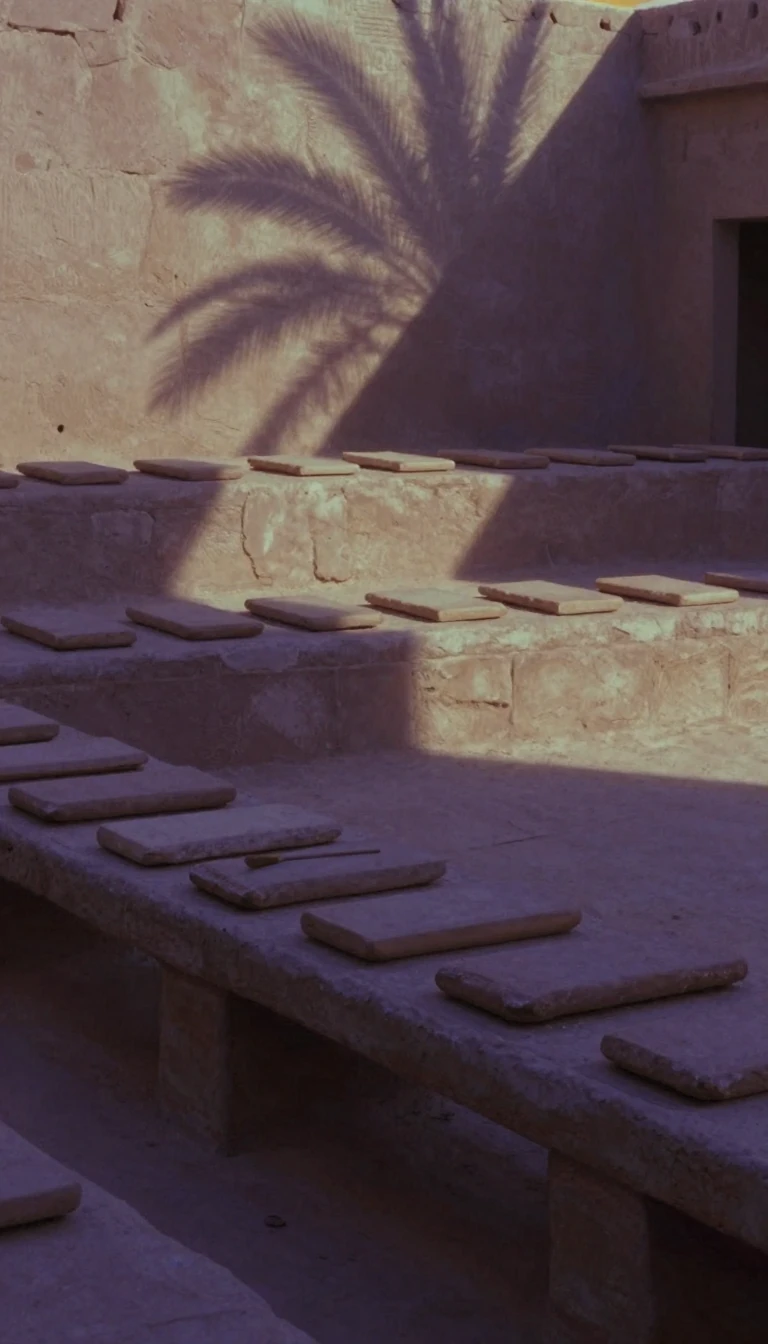 The Hurrians were the Bronze Age masters of chariots, metallurgy, and ancient musical composition.Inhabiting the Ancient Near East for a millennium, the Hurrians built powerful empires like Mitanni and shaped the mythology of their neighbors. Though their origins remain debate…
 When a loaf of bread costs ten billion: the collapse of the Zimbabwean dollarIn 2008, Zimbabwe’s currency suffered a catastrophic hyperinflationary spiral, reaching an estimated 89.7 sextillion percent year-on-year. As the government printed money to fund …
 Why the most famous speech in American history was almost never deliveredMartin Luther King Jr. arrived at the 1963 demonstration without a finalized script. While he had been refining the dream motif for years, the iconic peroration was an improvised …
 Could a stateless society function without a central executive or public police force?Between 930 and 1262, Iceland operated as a unique political experiment: a stateless society with no executive branch, no public police, and no central budget. Chieftains competed…
 The 1972 Ikiza: How a Tutsi-led regime systematically eliminated Burundi's educated Hutu elite.In 1972, Burundi descended into the Ikiza, a state-orchestrated genocide targeting the country's Hutu population. Triggered by a failed Hutu uprising, the Tutsi-dominated governme…
 How the Inca Empire mastered extreme high-altitude farming without money or a marketThe Inca Empire thrived across the Andes by managing a vast, moneyless agricultural machine. By leveraging vertical geography, state-mandated labor, and sophisticated storage, the…
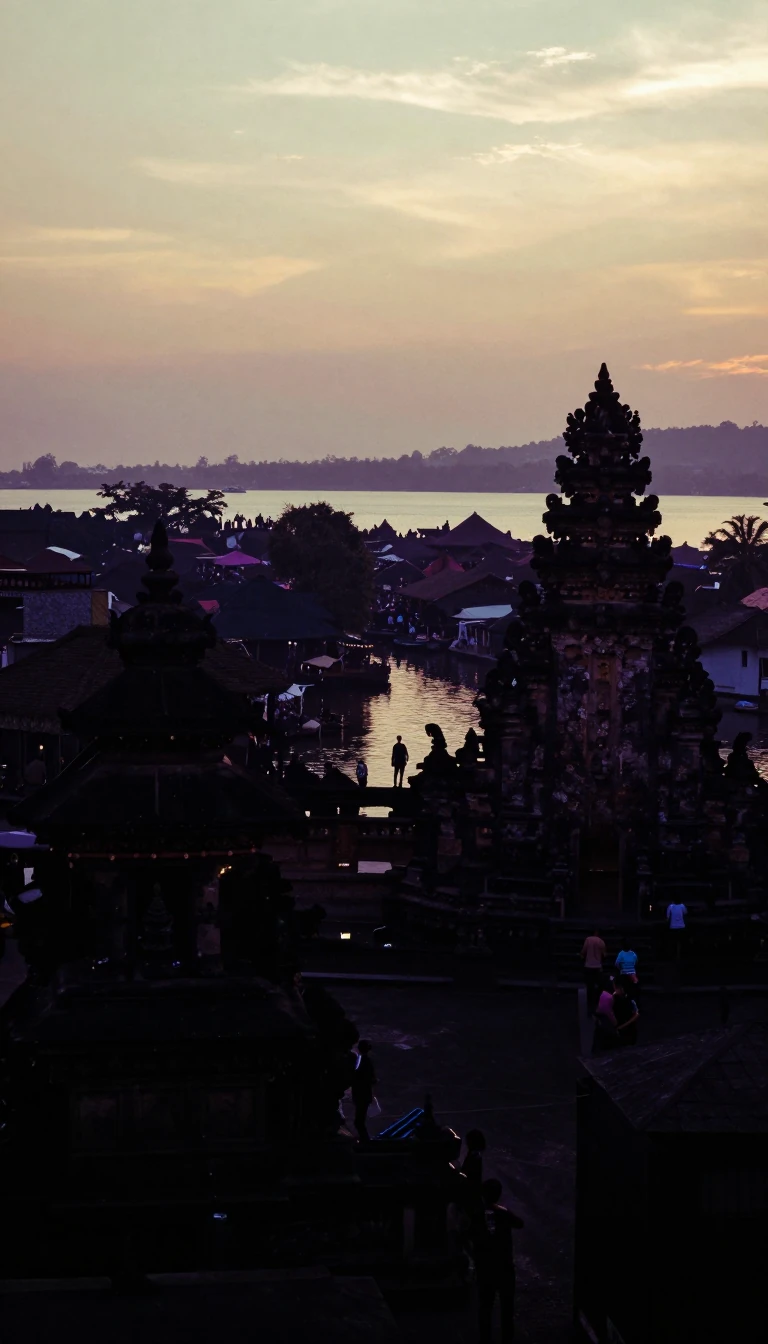 The Inca Civil War was a brutal dynastic struggle that paved the way for conquest.When the Inca emperor Huayna Capac died around 1527, he left no clear successor. His sons, Huáscar and Atahualpa, plunged the empire into a devastating civil war. This internal co…
 How ancient incense routes connected the Mediterranean to the riches of the EastLong before global shipping, a vast network of land and sea routes linked the Mediterranean to India and Arabia. Driven by an insatiable demand for frankincense and myrrh, this an…
 In 1961, India ended 451 years of Portuguese rule in a swift two-day conflict.Known as Operation Vijay, India’s military annexation of Goa, Daman, and Diu concluded centuries of Portuguese colonial presence. While India celebrated the event as a long-awaite…
 Why this ancient blue pigment became the most valuable commodity in human historyKnown as blue gold, indigo was once a rare luxury that defined global trade and sparked colonial revolts. This organic compound, derived from plants or sea snails, requires comple…
 The Indo-Parthian Kingdom: A Forgotten Empire of Syncretic Power and Cultural ExchangeFounded in the first century CE by Gondophares I, the Indo-Parthian kingdom bridged the gap between Iran and India. This syncretic empire, often called the Suren Kingdom, left beh…
 Why did the United States support Indonesia’s brutal 1975 invasion of East Timor?When Indonesia invaded East Timor in 1975, it triggered a quarter-century of occupation that claimed one-third of the population. Behind the scenes, the United States provided cru…
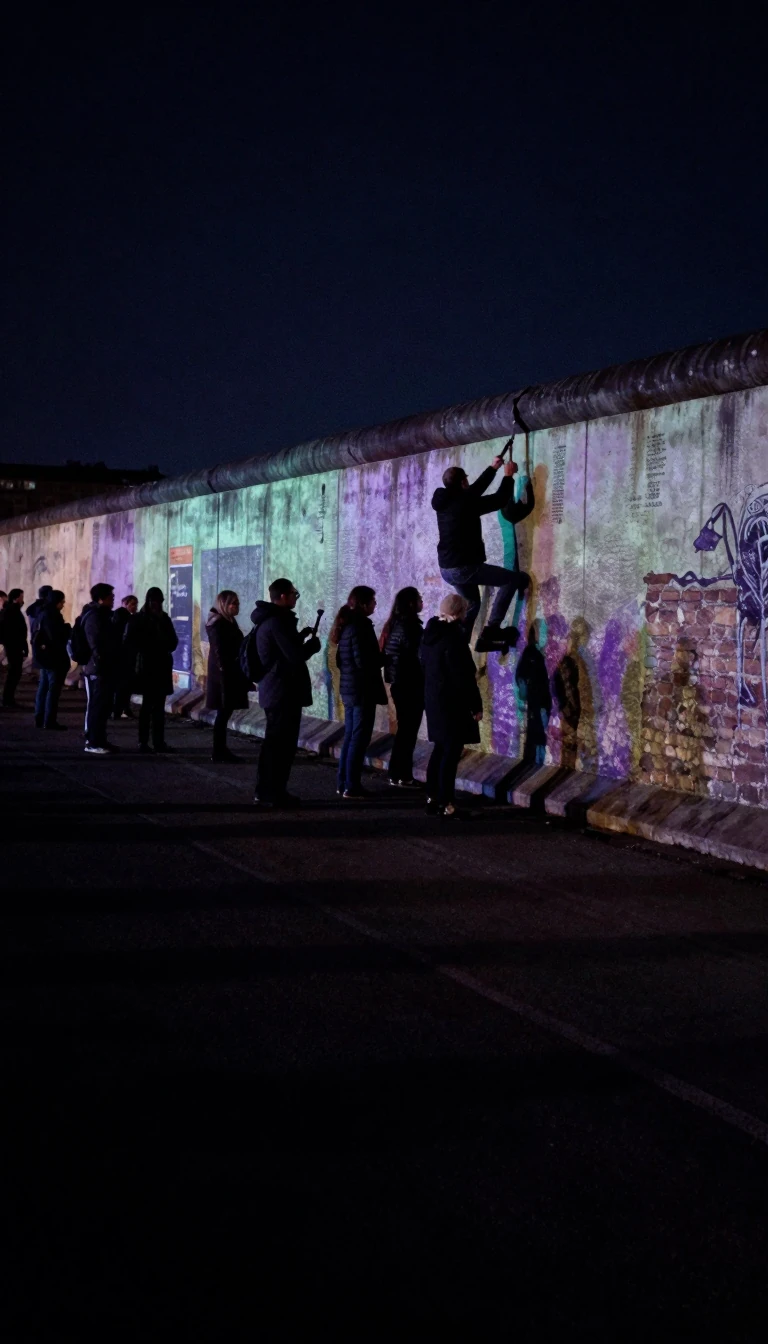 The Iron Curtain was not just a metaphor, but a 1,381-kilometre physical barrier.For 45 years, a lethal, heavily fortified frontier sliced through Germany. It was designed to stop citizens from fleeing the East, turning a national boundary into a landscape of …
 Do ideas exist in a vacuum or are they products of their time?Intellectual history examines how human thought evolves, treating ideas not as isolated sparks of genius but as deeply embedded elements of culture and society. By studying the th…
 How South African activists transitioned from peaceful civil disobedience to armed struggle against apartheid.Apartheid created a world of extreme inequality, forcing a marginalized majority to fight for survival. Initially, activists relied on nonviolent defiance, strikes, and mass prote…
 How the Holy Roman Empire survived decades without a central authorityFollowing the death of Frederick II in 1250, the Holy Roman Empire descended into the Great Interregnum. For over two decades, Germany lacked a universally recognized monarch, for…
 Why Italy's Golden Age of Cinema Was Actually a Rejection of Polished Studio SetsItalian neorealism emerged from the ruins of World War II, replacing elaborate studio sets with the raw, gritty reality of city streets. By casting non-professional actors to port…
 How Japan transformed from post-war ruin into the world's third-largest economy in decades.Following the devastation of World War II, Japan orchestrated an unprecedented economic ascent. Through heavy state intervention, strategic industrial protectionism, and the ambit…
 The 1794 treaty that saved America from war but shattered its political unityThe Jay Treaty prevented a disastrous conflict with Britain, but the price was steep. It ignited a bitter partisan war at home, permanently severing the friendship between George …
 How Jefferson’s vision of limited government collided with the reality of executive powerThomas Jefferson entered office promising reconciliation and strict constitutional limits. Yet, he soon faced the harsh exigencies of war and diplomacy. By expanding the nation’s …
 Why did nearly a million Jews leave Muslim-majority countries during the twentieth century?Between 1948 and the 1970s, approximately 900,000 Jews migrated from across Asia and Africa. This mass movement, driven by a complex interplay of Zionist pull factors and regional…
 Why Jiangnan became the beating heart of China’s historical prosperity and tradeLiterally meaning South of the River, Jiangnan is a fertile, water-rich region that transformed from an ancient agricultural frontier into China’s industrial and economic powerhou…
- How a powerful Chinese state collapsed from within, birthing the Warring States period.Jin was once a dominant force in the middle of ancient China, wielding massive armies and vast territory. Yet, its aristocratic structure proved fatal. As power shifted from dukes…
 The Jolly Roger was never a single flag, but a terrifying pirate brand identity.The iconic skull-and-crossbones is synonymous with piracy, yet it was never a universal standard. During the golden age of piracy, captains flew highly personalized banners to str…
 The Prussian Junkers: How a Landed Nobility Shaped and Then Lost a NationFrom the Middle Ages to the end of World War II, the Junkers were the formidable landed aristocracy of eastern Prussia. They dominated the military, the government, and the econom…
- A humiliated student’s quest for vengeance birthed an ancient Indian dynastyWhen Mayurasharma was insulted by a guard while studying in Kanchi, he traded his Vedic texts for a sword. This act of defiance in 345 CE sparked the rise of the Kadamba dynasty, …
 The Kassites ruled Babylon for centuries, yet their origins remain a historical mystery.For over 350 years, the Kassites dominated Mesopotamia, renaming Babylon and building a sophisticated international network. Despite their power, their language remains an unclass…
 The Kaya Confederacy: A Lost Korean Powerhouse of Iron and Ancient DiplomacyLong before Korea was unified, the Kaya confederacy thrived in the Nakdong River basin. Renowned for their advanced iron-working and strategic trade, these city-states navigated a…
 Was East Anglia the birthplace of the English language?Long before it was a quiet corner of England, East Anglia was a powerhouse of the early Anglo-Saxon world. Home to the legendary Sutton Hoo ship burial and the powerful Wuffingas …
- Why did the Kingdom of Essex, a major Anglo-Saxon power, vanish into obscurity?The Kingdom of Essex was a foundational Anglo-Saxon power, yet it left behind no chronicles and few charters. Often subservient to neighbors like Mercia or Kent, its history remai…
 How the Kingdom of Gwynedd became the final bastion of the Roman EmpireEmerging in the 5th century, the Kingdom of Gwynedd was the most resilient of the post-Roman Welsh states. Its rulers clung to the prestige of imperial Rome for centuries, navigat…
- How a rebellious lieutenant built a Hellenistic powerhouse from a stolen fortress treasury.Philetaerus, a lieutenant to one of Alexander the Great's generals, seized a massive treasury and a fortress to launch the Attalid dynasty. Over 150 years, this rump state transfo…
 How a Mediterranean island became the unlikely engine of a unified Italian stateThe Kingdom of Sardinia was a political paradox. Despite its name, the island itself was often a secondary concern to the House of Savoy, which ruled from Turin. This Piedmontese-…
 Why Germany was once a chaotic puzzle of hundreds of tiny, independent statesBefore unification, Germany was defined by Kleinstaaterei, a term for the extreme territorial fragmentation that left the region split into hundreds of sovereign principalities an…
 The hopeless 1794 insurrection that vanished a nation from the map for over a centuryIn 1794, Tadeusz Kościuszko led a desperate armed revolt to reclaim Polish sovereignty after the 1793 partition. Despite early tactical victories and a promise of freedom for the …
 The Soviet kolkhoz was a state-run production machine, not a true cooperative farm.While officially described as voluntary cooperatives, Soviet kolkhozes functioned as tools for state industrialization. Members were often paid in grain rather than cash, and the …
 Why did the United States suddenly decide to defend a nation it had previously abandoned?In early 1950, the U.S. signaled that Korea lay outside its defense perimeter. Yet, by June, American forces were committed to a massive military intervention. This pivot was not …
- The Kresy were Poland's vast eastern borderlands, a region defined by nostalgia and displacement.Once comprising nearly half of interwar Poland, the Kresy were a multi-ethnic, agricultural territory that vanished from the Polish map after 1945. Today, these lands are divided …
 The Kurdistan Workers' Party: From Marxist Insurgency to a 2025 Call for DisarmamentFounded in the late 1970s by Abdullah Öcalan, the PKK evolved from a radical Marxist group seeking an independent Kurdish state into a force demanding autonomy. After decades of v…
 Why Russia and Japan have remained technically at war for nearly eighty yearsThe Kuril Islands dispute is a lingering ghost of World War II. Despite decades of negotiations, Russia and Japan have never signed a formal peace treaty. At the heart of the dead…
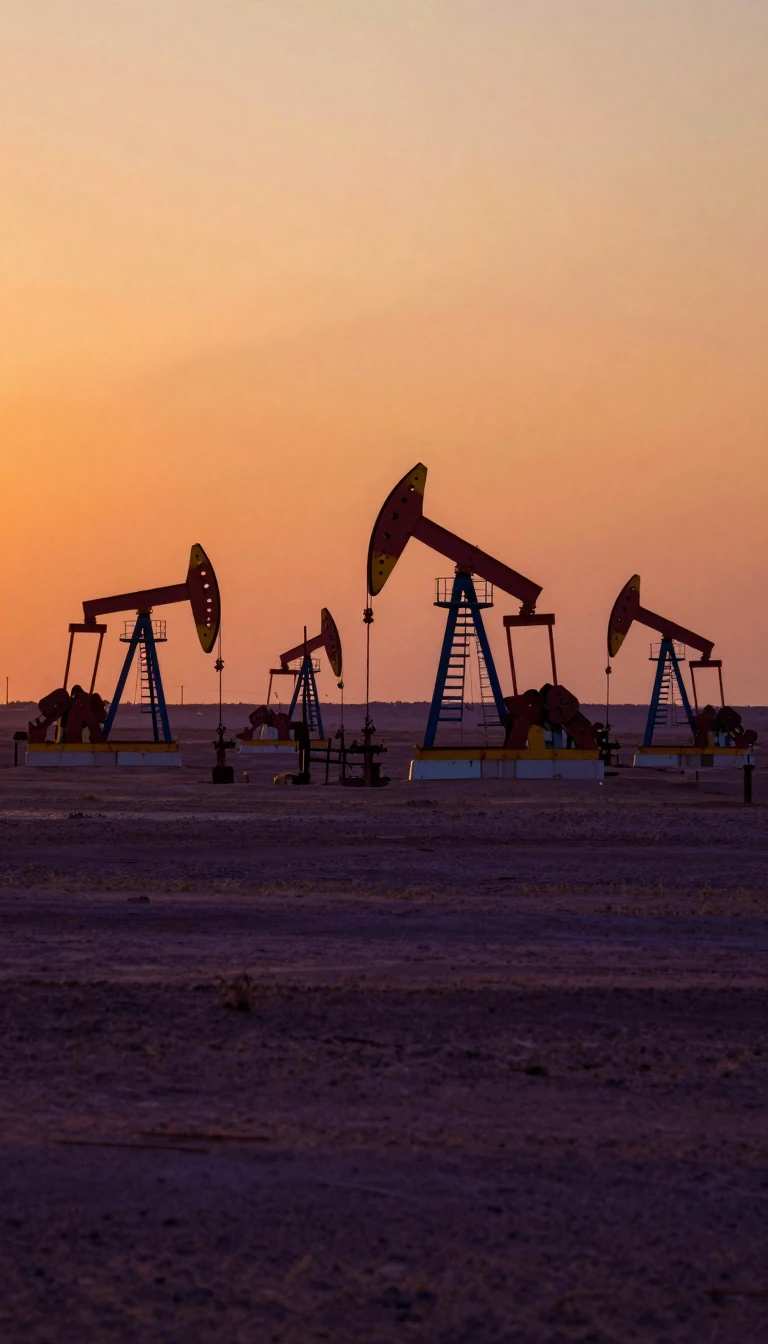 When Kuwait’s oil fields burned, experts feared a global climate catastrophe that never arrived.In 1991, retreating Iraqi forces ignited hundreds of Kuwaiti oil wells, creating a regional environmental nightmare. As smoke choked the skies, prominent scientists warned of a nu…
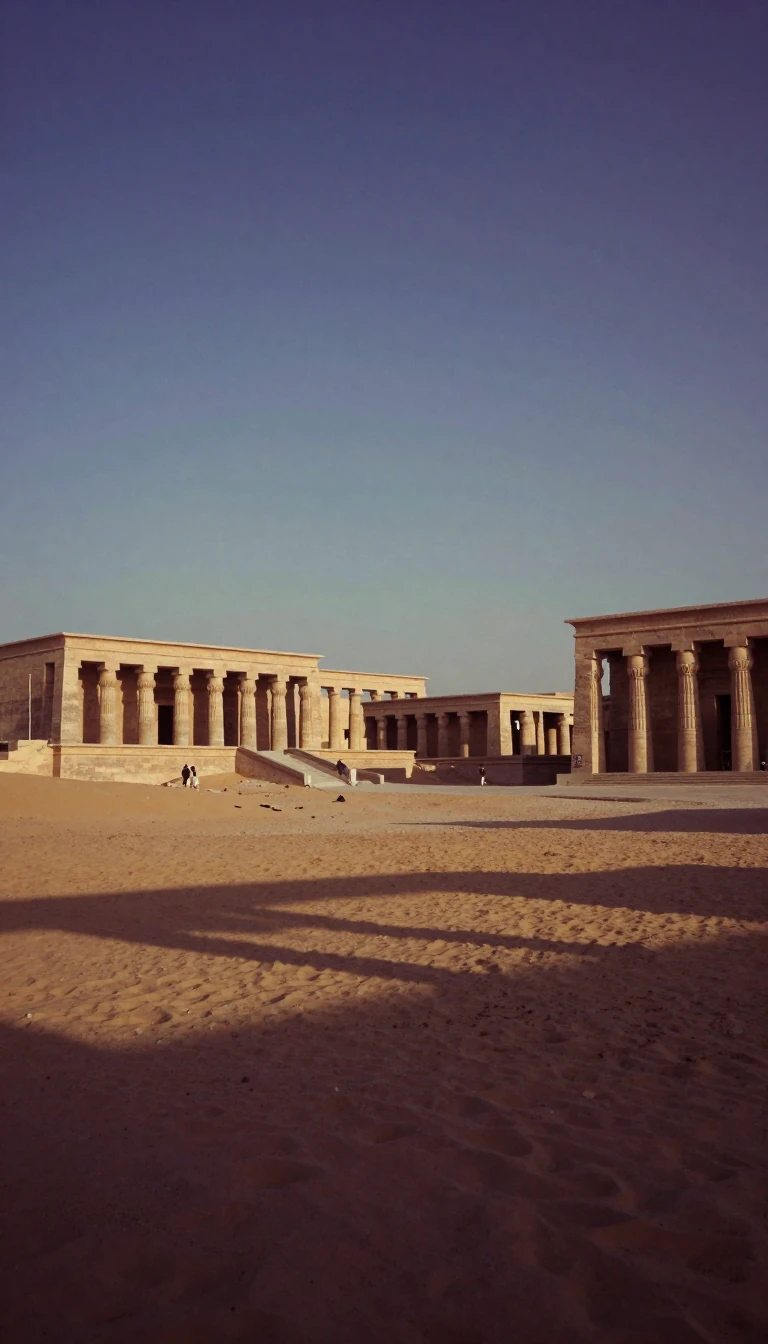 The Lakhmid Kingdom: A Forgotten Power Broker Between Rome and the Sasanian EmpireFor centuries, the Lakhmids served as the essential buffer between two warring superpowers. Based in the Iraqi city of Al-Hira, this Arab kingdom commanded a sophisticated court, …
 The Lapita people were master navigators who settled the Pacific thousands of years ago.The Lapita culture appeared suddenly in the Bismarck Archipelago 3,500 years ago, bringing advanced technology and distinctive pottery. These Austronesian migrants, who originated…
 How a pre-ceramic society in Ecuador pioneered agriculture while sea levels roseLong before pottery existed in South America, the Las Vegas culture thrived on the arid Santa Elena Peninsula. Between 8000 and 4600 BCE, these early settlers adapted to a shiftin…
 Egypt’s Late Period was a final, brilliant struggle for independence against global empires.Between 664 and 332 BCE, Egypt navigated a volatile world of shifting superpowers. While often remembered for its eventual fall to Persia and Alexander the Great, this era was def…
- How a desperate search for lost knowledge triggered a medieval intellectual revolutionIn the 12th century, European scholars faced a poverty of philosophy and science. Their solution was an ambitious, cross-cultural hunt for ancient texts hidden in Arabic and Greek…
- How Philip of Macedon used a peace treaty to conquer the Greek city-statesIn 338 BCE, Philip II of Macedon turned the strategic city of Corinth into the headquarters of a new pan-Hellenic alliance. By framing his military dominance as a mission to liber…
 The Liu-Song Dynasty: A Brief Era of Cultural Flourishing Amidst Political ChaosRuling southern China from 420 to 479 CE, the Liu-Song dynasty was a period of stark contradictions. While the era was defined by internal instability and short-lived leadership, …
 How a global rock concert turned the world's attention to the Ethiopian famineOn July 13, 1985, Live Aid united London and Philadelphia in a massive satellite broadcast to combat the Ethiopian famine. Conceived by Bob Geldof and Midge Ure, the event aimed t…
 Is local history merely national history writ small, or something far more profound?Local history is not just a miniature version of national events. It is a distinct, vital discipline that uses everything from land records to oral traditions to map the identity …
- How a rural priest’s defiance sparked a war that forged an independent Jewish stateWhen Antiochus IV Epiphanes banned Jewish rites and desecrated the Second Temple, he expected submission. Instead, he triggered a brutal guerrilla uprising led by the Hasmonean fa…
 The 1947 Malagasy Uprising: A Brutal Colonial Suppression Hidden for DecadesWhen Malagasy nationalists launched a desperate rebellion against French rule in 1947, they were met with a campaign of terror that included death flights and mass executions. Des…
- The Manila Galleons: How a 250-Year Shipping Route Forged the First Global EconomyFor two and a half centuries, massive Spanish galleons braved the Pacific to link Asia and the Americas. These vessels carried Chinese silk and Indian ivory to Mexico, returning w…
- How a desolate northeastern march became the powerhouse behind the Prussian kingdomBrandenburg began as a frontier territory of the Holy Roman Empire, defined by sandy soil and Slavic settlements. Yet, through strategic inheritance and military reform, this mode…
 Why a ship's flag is far more than just a piece of clothAt sea, flags are a complex language of authority, tradition, and etiquette. From the ensign that signals a nation's identity to the subtle, often mischievous, gin pennant used to…
 Was Ferdinand Marcos’s declaration of martial law a necessary defense or a calculated power grab?In September 1972, Ferdinand Marcos placed the Philippines under martial law, citing rising civil disorder and communist insurgency. While he promised to reform society and save t…