 Intellect Plus
History
21,006 cards. Each one is a 40-second story with a five-minute read behind it. Page 196 of 351.
Subtopics: 19th century · 20th century · Africa · Age of Exploration · Ages & eras · Ancient · Ancient China · Ancient egypt · Ancient greece · Ancient rome · Ancient trade · Archaeological discoveries · Archaeology · Astronomy · Australia · Auxiliary historical sciences · Babylon · Basics · Born on this day · Bronze age · Buddhism · Case studies · Chefs, bartenders and winemakers · China · Cities · Climate · Columbus · Contemporary (1945-) · Cosmetics people · Crime · Criminals · Decipherment · Deep time · Disasters · Early modern · Education · Egypt · Empires · Empires & civilisations · Exploration · Explorers · Extinction · Fandom, conventions and festivals · History by continent and large region · History by continent and region · History by country · History by country, small region and city · History by ethnicity · History by subject matter · History by topic · Inca · India · Industrial Revolution · Japan · Kings & queens · London · Mass hysteria · Medicine · Medieval kingdoms · Medieval life · Mediterranean · Mercedes-Benz History · Mesopotamia · Middle ages · Military leaders and theorists · Military leaders, personnel, and theorists · Ming dynasty · Misconceptions · Modern · Modern (1800-1945) · Napoleon · Navigation · North africa · Other · Pacific · Pharaohs · Philippines · Pirates · Post-classical · Prehistory · Propaganda · Public health · Rebels, revolutionaries and activists · Renaissance · Researched · Second world war · Shipwrecks · Silk Road · South america · Tradespeople · UK & Ireland: history · United states · Vikings · Volcanoes · Women in history
 Why the Thermidorian Reaction became a universal shorthand for revolutionary betrayal and conservative retreat.When Maximilien Robespierre fell in 1794, the French Revolution didn't just change leaders; it pivoted. The Thermidorian Reaction dismantled the Reign of Terror, replacing radical…
 Why Egypt's Third Intermediate Period is a misnomer for a complex eraBeginning in 1077 BC after the death of Ramesses XI, the Third Intermediate Period is often dismissed as a time of decline and instability. Yet, scholars like Kenneth Kitchen have…
 Why most time capsules are actually just expensive, buried collections of useless junkTime capsules are intended as messages to the future, but historians argue they often fail their purpose. Instead of capturing the essence of daily life, they are frequently fille…
 How humanity evolved from a flat, circular Earth to an infinite, star-filled cosmos.For millennia, our ancestors viewed the universe as a small, Earth-centered stage. Yet, through ancient observations and bold mathematical leaps, thinkers gradually dismantled thi…
 For two millennia, the study of clouds and weather relied on ancient Greek intuition.Long before modern satellites, early thinkers from India to China and the Arab world sought to decode the atmosphere. From Aristotle’s foundational observations to the invention o…
 From Assyrian crystals to atomic probes: a brief history of seeing the invisibleThe microscope did not appear overnight. It evolved from ancient magnifying lenses into sophisticated tools capable of resolving individual atoms. This journey spans millennia, mo…
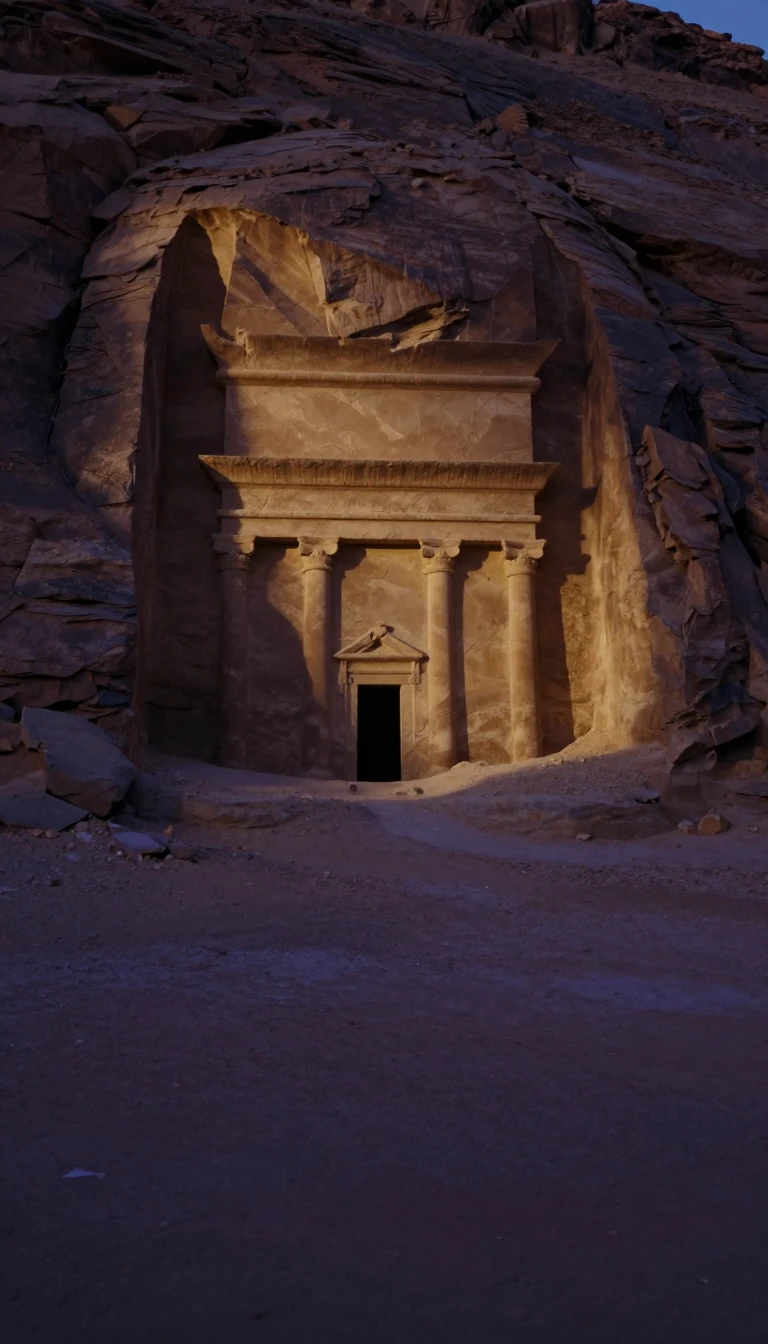 Why the most famous tomb in Egyptology was likely never meant for a kingTutankhamun’s tomb, KV62, is an anomaly in the Valley of the Kings. Smaller than other royal burials and sparsely decorated, it was likely a non-royal tomb—possibly intended for h…
 Ancient trade routes were not just for goods; they were the arteries of civilization.Long before modern globalization, ancient trade networks connected distant empires, moving more than just cargo. From the Amber Road to the Maritime Silk Road, these pathways faci…
 How the lost wisdom of Ancient Greece survived through the Middle AgesFor centuries, the original Greek texts of philosophers like Aristotle were largely unknown in Western Europe. Their survival depended on a complex relay race involving Syriac, Ar…
 Why did democratic Athens execute its most famous philosopher in 399 BCE?The trial of Socrates was not merely a dispute over abstract ideas. It was a volatile collision between a fragile democracy and a man whose associations with aristocratic enemies …
 Was China's ancient tributary system a rigid hierarchy or a flexible diplomatic invention?For centuries, China managed foreign relations through a ritualized tributary system, demanding that emissaries kowtow to the emperor as a sign of submission. Yet, modern historia…
 From ancient fishing tool to divine weapon, the trident’s three prongs hold deep meaning.The trident is more than a mythological accessory. Originally a practical harpoon for tuna, this three-pronged tool evolved into a potent symbol of authority, divine power, and mi…
 How a failed secret mission sparked the modern Ukrainian national revivalWhen a 1791 bid for independence failed, Ukrainian elites pivoted from politics to culture. This shift birthed modern Ukrainian literature and ignited a century-long struggle for …
 How a 1569 merger created one of Europe's largest and most complex statesSigned in 1569, the Union of Lublin transformed a personal alliance into the Polish–Lithuanian Commonwealth. By uniting two distinct nations under a single elected monarch and par…
 How a series of internal power struggles triggered the collapse of the Western Jin dynastyBetween 304 and 316, the Western Jin dynasty disintegrated as non-Han tribes seized control of northern China. This upheaval was not merely an external invasion but a consequence …
 How a mysterious Deccan dynasty became the power brokers of ancient IndiaEmerging from the central Deccan in the mid-3rd century, the Vakataka dynasty rose from obscure origins to become a vital political force. By securing strategic alliances with the…
 Why the study of flags is a modern discipline with ancient rootsWhile flags have signaled identity since the dawn of civilization, the formal academic study of them is surprisingly recent. Coined in 1957, the term vexillology separates the ana…
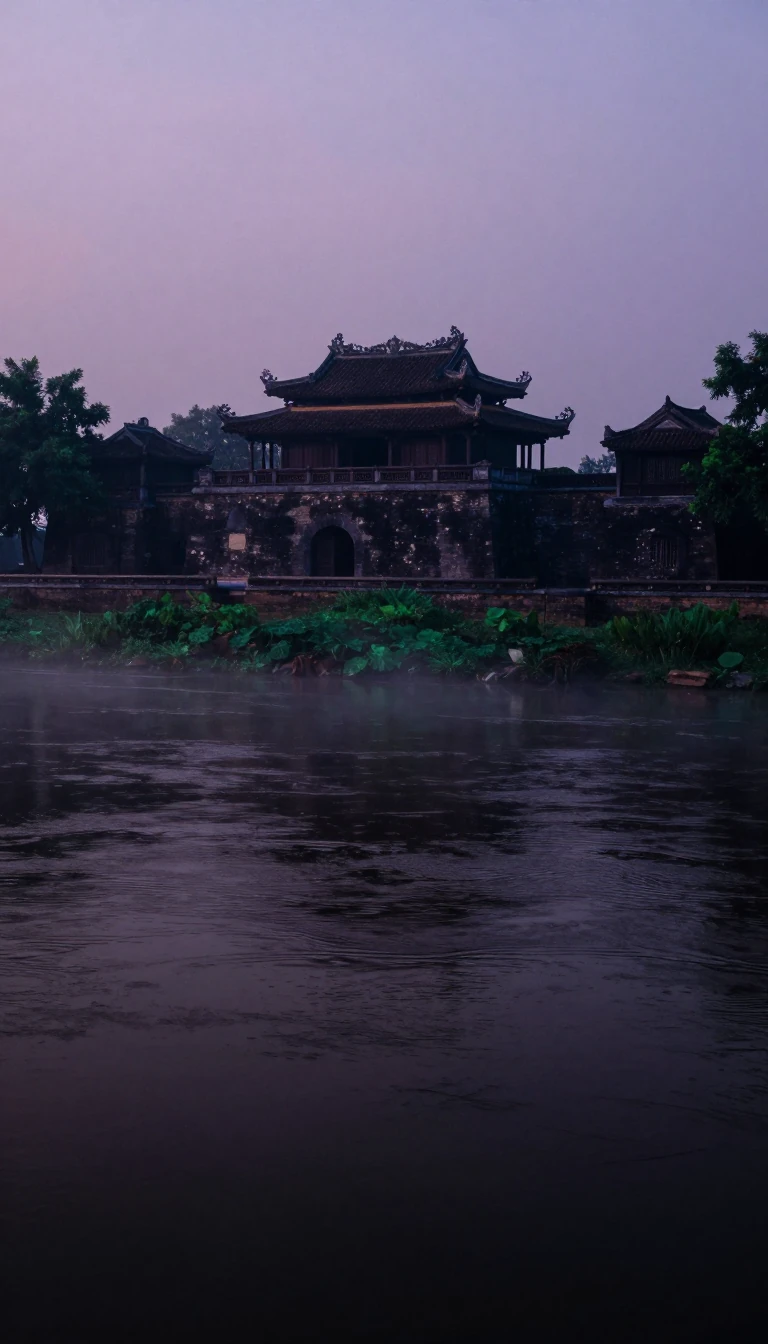 For over a millennium, Vietnam navigated Chinese rule by absorbing its innovations while resisting assimilation.Vietnam’s long period under Chinese administration was not a simple story of subjugation. Instead, it was a complex era of cultural exchange and political friction. While Chinese …
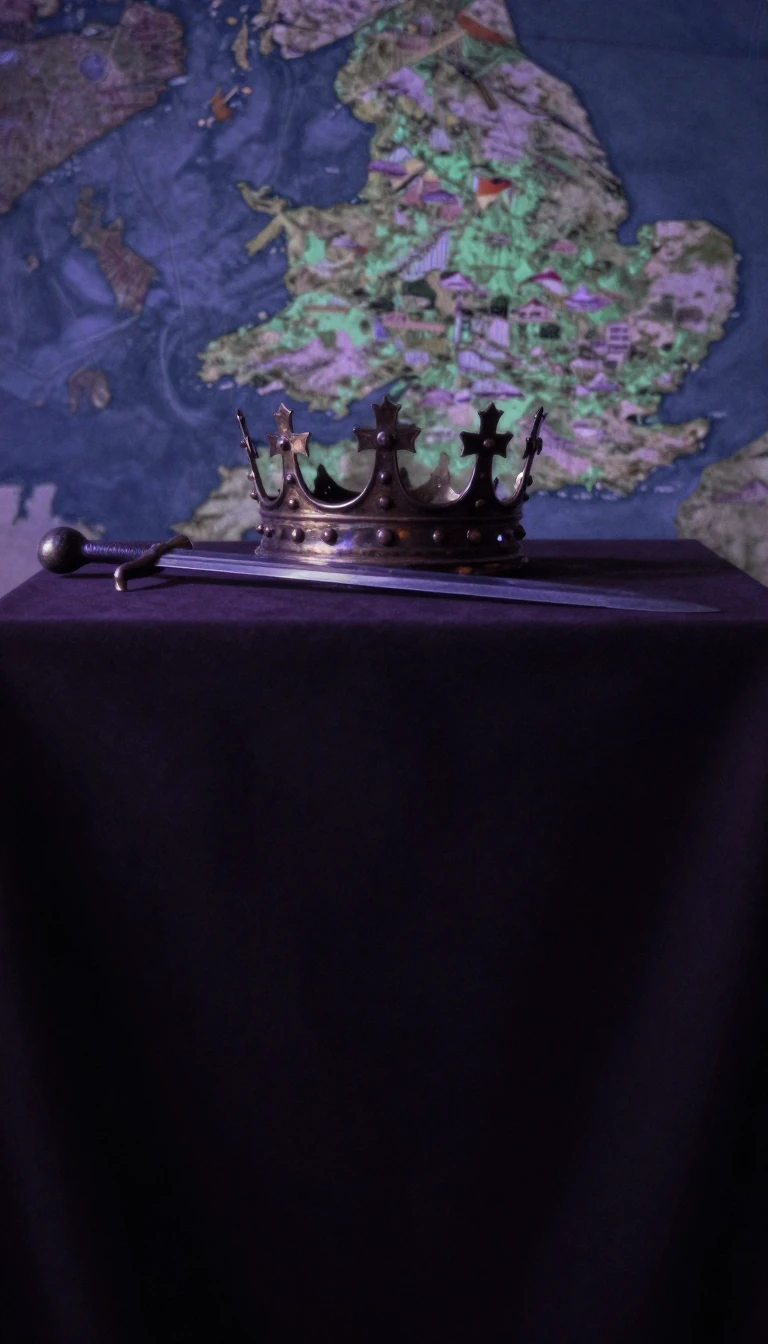 From hit-and-run raiders to kings of England: the Viking transformation of the British IslesBetween the 8th and 11th centuries, Scandinavian visitors evolved from opportunistic coastal raiders into permanent settlers and monarchs. This shift fundamentally altered the pol…
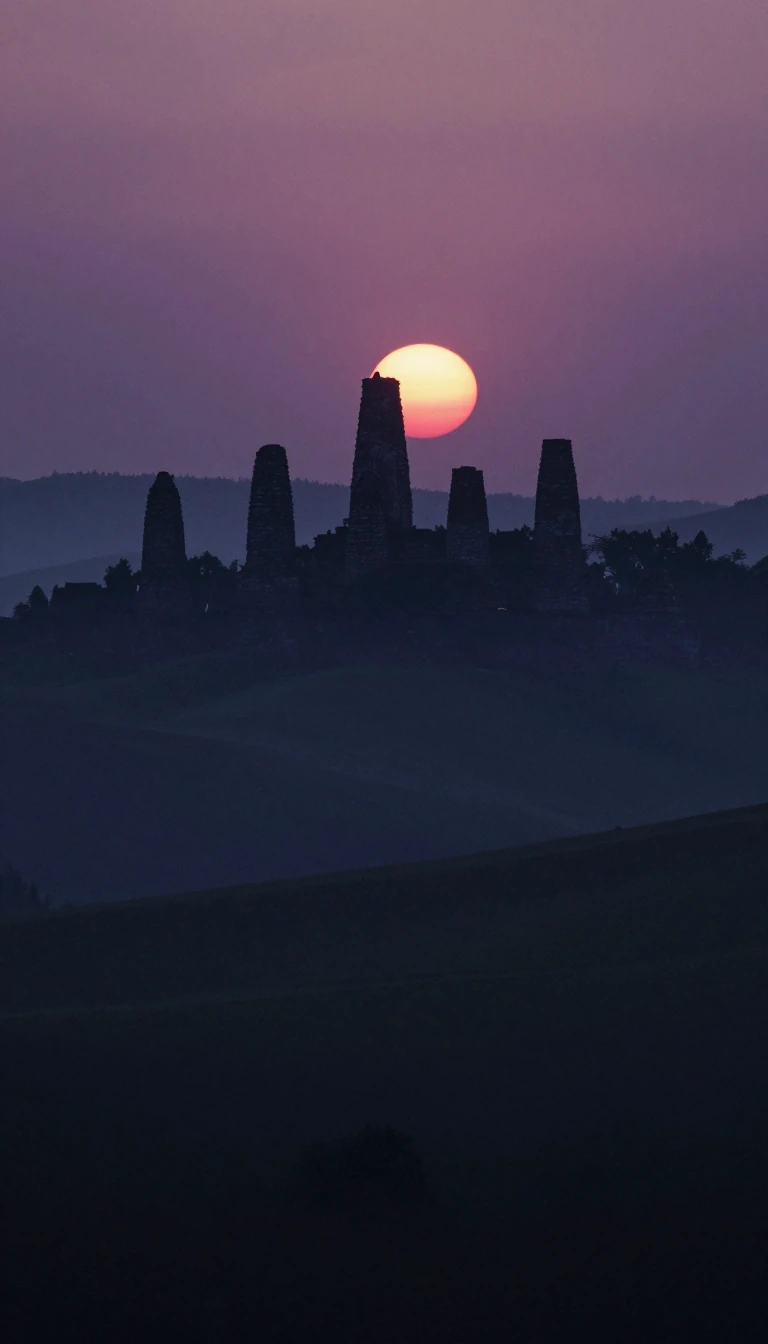 In 536, the sun lost its brightness, triggering a global catastrophe and years of darkness.Imagine a world where the sun turns pale, shadows vanish at noon, and summer heat disappears. In 536, a mysterious atmospheric veil plunged the Northern Hemisphere into a brutal, …
 How Viking merchants built a massive silver-fueled trade network across medieval EurasiaLong before globalized commerce, Viking traders connected the Baltic Sea to Baghdad. By navigating the Volga River, these merchants exchanged furs and captives for vast quantities…
 From Bronze Age markers to modern standards: the evolution of the military war flagLong before national flags flew over government buildings, armies carried field signs to identify their ranks and rally soldiers in the chaos of battle. From ancient Roman eagles …
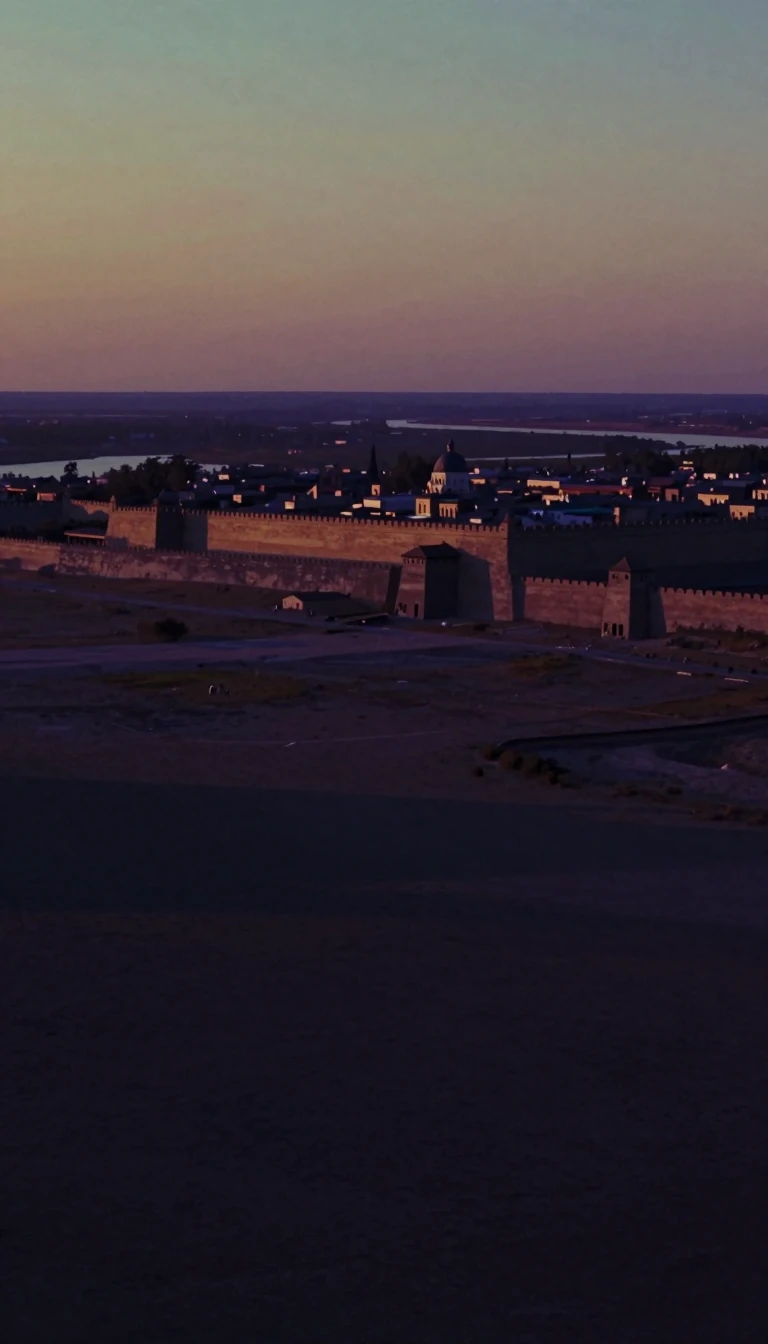 When Alexander the Great died, his generals spent fifty years tearing his empire apart.Alexander the Great left behind a vast empire but no clear successor. Upon his death in 323 BC, his former generals, the Diadochi, launched a brutal, decades-long power struggle. …
 Why a tax on whiskey nearly tore the young American republic apart in 1794.In 1791, the new U.S. government imposed its first internal excise tax on distilled spirits to settle Revolutionary War debts. For frontier farmers, who used whiskey as currency, …
- The white flag was not always a sign of surrender, but of royal allegiance.Today, a white flag is an internationally recognized symbol of truce or surrender. Yet, its origins are rooted in 12th-century French feudalism, where it served as the personal em…
 Is world history a single story of progress or a collection of disconnected pasts?World history seeks to transcend national borders, yet it struggles with a fundamental dilemma: without a master narrative, is it merely a fragmented list of regional events? From…
 How a forgotten kingdom at the Yangtze mouth reshaped Chinese military strategy foreverThe state of Wu emerged from the periphery to challenge China's ancient powers, leaving a legacy that transcends its own collapse. Its rise and fall provided the backdrop for the …
 Did a mysterious horse-riding elite conquer ancient Japan to build its massive tombs?The Yamato period is defined by colossal keyhole-shaped burial mounds, but the origins of the rulers who commissioned them remain a subject of intense debate. While some theories …
 The Northern Frontier State That Shaped Ancient China's Defense and Cultural IdentityPositioned as the northernmost state of the Zhou dynasty, Yan served as a critical buffer against steppe nomads. Its unique culture, blending Chinese traditions with nomadic influ…
- The Ancient State of Yue: A Maritime Power That Defied Traditional Chinese NormsLong before the unification of China, the state of Yue dominated the lower Yangtze region. Renowned for their legendary swords and naval prowess, the Yue people lived by a culture…
 Why the Yellow River basin was once considered the center of the worldKnown as Zhongyuan, the fertile plains surrounding the Yellow River served as the cradle of Chinese civilization for millennia. Once viewed as the absolute hub of the world, this …
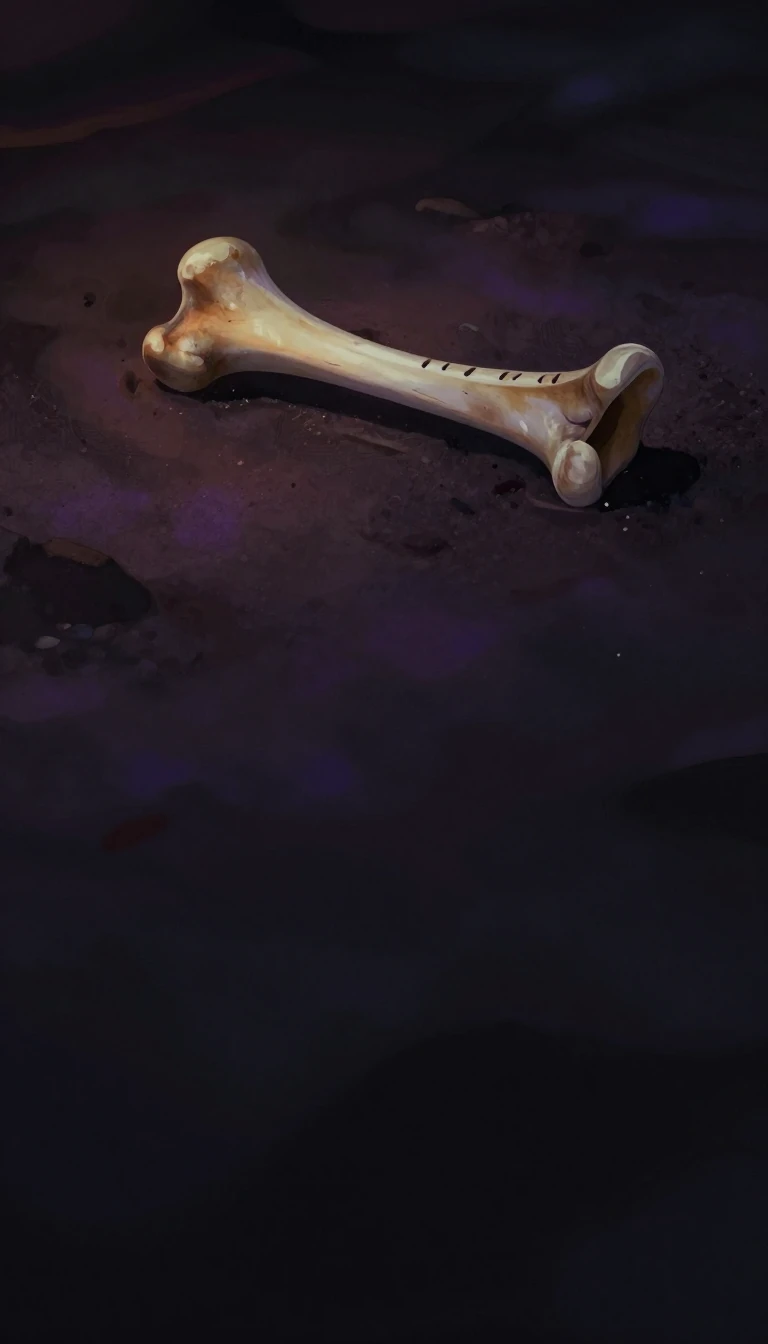 The lost remains of Peking Man may lie beneath a modern asphalt parking lotIn the 1920s, the discovery of Peking Man fossils at Zhoukoudian shattered existing timelines of human history. Yet, during the chaos of World War II, these priceless specimens va…
 Did a mysterious, archaic-looking human population survive in China until the recent past?Discovered in Southwest China, the Red Deer Cave people possessed a baffling mix of modern and ancient physical traits. While they lived as recently as 11,500 years ago, their ana…
 Are these two teeth the oldest evidence of human ancestors in China?Discovered in 1965, the Yuanmou Man remains are a puzzle of ancient evolution. While some researchers place these fossilized incisors at 1.7 million years old, others argue for a …
 Why the humble butter knife is a relic of Victorian social obsessionThe butter knife is not just a utensil; it is a survivor of a Victorian era obsessed with specialized cutlery. While we now use one tool for everything, the Victorians demanded di…
 Why your dresser might actually be a descendant of a medieval cofferThe chest of drawers is a staple of the modern bedroom, yet its origins are surprisingly ancient. Evolving from simple wooden boxes used by European nobility, this humble piece of…
 The ancient inn was a community hub, courtroom, and stable all in oneBefore modern hotels and highways, the inn was the essential infrastructure of travel. Far more than a place to sleep, these establishments served as town meeting halls, police st…
- The motel was a mid-century innovation that transformed American travel and highway culture.Born from the need for accessible roadside lodging, the motel redefined the American journey. These low-rise, car-centric havens peaked in the 1960s, offering neon-lit promises of…
 Why the steak knife became a permanent fixture of the modern dinner tableBefore the mid-twentieth century, dining knives demanded constant maintenance, from regular polishing to frequent sharpening. The rise of the specialized steak knife after World W…
 Why the word for your favorite concert hall actually means a floor of sandThe word arena evokes modern spectacles, from high-stakes basketball games to sold-out musical tours. Yet, its origins are surprisingly visceral. Derived from the Latin term for f…
 The world's most famous modeling clay began as a failed wallpaper cleanerBefore it was a staple of childhood creativity, Play-Doh was a desperate solution for cleaning coal soot off wallpaper. When natural gas heating and vinyl wallpaper rendered the p…
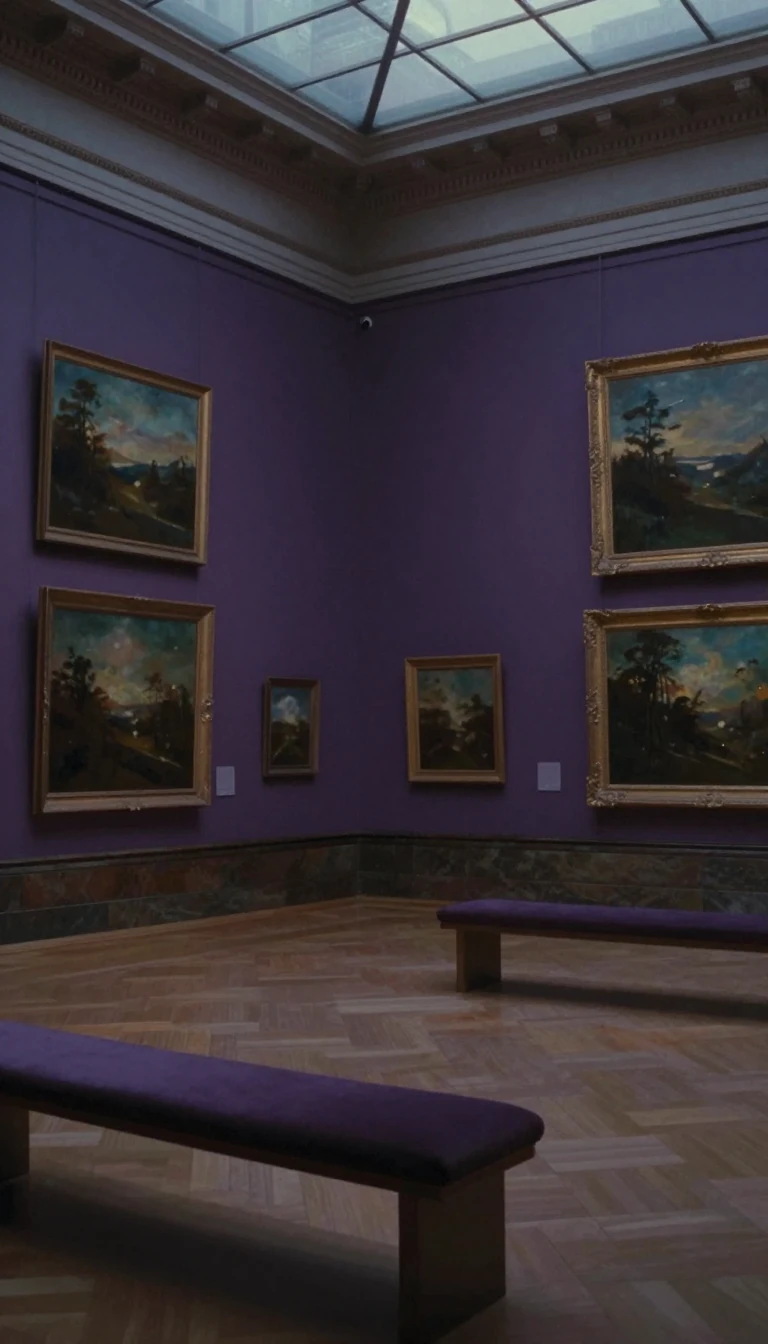 Did Lord Elgin save ancient Greek treasures or commit an act of cultural vandalism?In the early 19th century, Thomas Bruce, the 7th Lord Elgin, shipped a vast collection of Parthenon sculptures to London. While he claimed he was rescuing these masterpieces from …
 Father Christmas was once a symbol of adult feasting, not a bringer of gifts.Long before he was associated with chimneys or stockings, Father Christmas emerged as a political symbol of merrymaking during the English Civil War. He was a personification of t…
 How a single photograph captured the harrowing reality of the D-Day Normandy landingsTaken at 7:40 a.m. on June 6, 1944, this iconic image shows soldiers of the 1st Infantry Division wading through waist-deep water toward Omaha Beach. It remains one of the most ev…
 How a stolen photograph became an enduring symbol of the Holocaust's industrial-scale brutalityIn 1942, a German serviceman captured a chilling image of a mass execution in Ukraine. Intercepted by the Polish resistance and hidden for years, the photograph survived attempts …
- Three legendary brothers supposedly founded the Slavic nations after a fateful hunting tripThe myth of Lech, Czech, and Rus explains the origins of the Polish, Czech, and Ruthenian peoples. According to the legend, three brothers departed their ancestral homeland to set…
- Was the world's most famous recruitment poster actually a failure during the Great War?The iconic image of Lord Kitchener pointing at the viewer is a defining symbol of World War I. Yet, modern research suggests this poster was far less influential than its postwar …
 The daring lunch break 850 feet above Manhattan was a carefully staged publicity stunt.Eleven ironworkers dangling above the city streets in a 1932 photograph created one of the most enduring images of the 20th century. While long considered a candid moment of labor…
 The legendary Peach Boy of Japan was once a tool of wartime propagandaMomotarō, the hero born from a giant peach, is a cultural icon of bravery and kindness. Yet, his story has been radically reshaped over centuries, evolving from an Edo-period folk…
 How Eight Revolutionary Operas Became the Only Permitted Entertainment for Eight Hundred Million PeopleDuring China's Cultural Revolution, Jiang Qing engineered a radical theatrical transformation. By banning traditional Peking opera as bourgeois, she replaced it with eight model w…
 Was the man who saved over a thousand lives a hero or a profiteer?Steven Spielberg’s 1993 masterpiece Schindler’s List depicts the transformation of Oskar Schindler from a Nazi opportunist into a humanitarian. While the film is celebrated for it…
 The Phantom of the Opera was inspired by a real fire and a secret underground lake.Gaston Leroux’s iconic Gothic horror novel is more than just a ghost story. It is a blend of genuine Parisian history, architectural secrets, and a detective-style mystery. Beneat…
 The ancient anthology that defined the literary education of China for over a millenniumCompiled in the 6th century, the Wen Xuan served as the primary source of literary knowledge for generations of Chinese scholars. By prioritizing aesthetic beauty over philosophic…
- Hilary Mantel’s Wolf Hall reimagines the rise of Thomas Cromwell in Henry VIII’s courtHilary Mantel’s 2009 novel Wolf Hall offers a sympathetic, meticulously researched portrait of Thomas Cromwell, the working-class man who became Henry VIII’s most powerful ministe…
 The 1796 election created a bizarre political reality: a president and vice president from opposing parties.In the first contested U.S. presidential election, John Adams defeated Thomas Jefferson, but the electoral rules of the time forced them into an awkward partnership. This unique c…
- The 1884 election was decided by a single insult in New York CityThe presidential race between Grover Cleveland and James G. Blaine is remembered for its vicious personal attacks. While both candidates faced scandals, the election ultimately hi…
 The British Prince Who Became a Nazi: The Tragic Life of Charles EdwardBorn a British royal and grandson to Queen Victoria, Charles Edward was uprooted at fifteen to rule a German state. He spent his life caught between two worlds, eventually trading…
 How a small Massachusetts town became the cradle of American revolution and literary genius.Concord began as the first inland colonial settlement, but its legacy extends far beyond its 1635 founding. From the opening shots of the American Revolutionary War to the mid-19t…
 Why the Garden of Ireland was once a rugged refuge for Viking raidersKnown today as the Garden of Ireland for its lush landscapes, County Wicklow has a history defined by isolation and conflict. From its origins as a Norse harbor to its role as a m…
- In 1972, Idi Amin expelled Uganda's Indian minority, triggering a massive global humanitarian crisis.Within 90 days, 80,000 South Asians were forced to abandon their homes, businesses, and livelihoods. This state-sponsored expulsion, driven by rhetoric of black supremacy and econ…