 Intellect Plus
History
21,004 cards. Each one is a 40-second story with a five-minute read behind it. Page 194 of 351.
Subtopics: 19th century · 20th century · Africa · Age of Exploration · Ages & eras · Ancient · Ancient China · Ancient egypt · Ancient greece · Ancient rome · Ancient trade · Archaeological discoveries · Archaeology · Astronomy · Australia · Auxiliary historical sciences · Babylon · Basics · Born on this day · Bronze age · Buddhism · Case studies · Chefs, bartenders and winemakers · China · Cities · Climate · Columbus · Contemporary (1945-) · Cosmetics people · Crime · Criminals · Decipherment · Deep time · Disasters · Early modern · Education · Egypt · Empires · Empires & civilisations · Exploration · Explorers · Extinction · Fandom, conventions and festivals · History by continent and large region · History by continent and region · History by country · History by country, small region and city · History by ethnicity · History by subject matter · History by topic · Inca · India · Industrial Revolution · Japan · Kings & queens · London · Mass hysteria · Medicine · Medieval kingdoms · Medieval life · Mediterranean · Mercedes-Benz History · Mesopotamia · Middle ages · Military leaders and theorists · Military leaders, personnel, and theorists · Ming dynasty · Misconceptions · Modern · Modern (1800-1945) · Napoleon · Navigation · North africa · Other · Pacific · Pharaohs · Philippines · Pirates · Post-classical · Prehistory · Propaganda · Public health · Rebels, revolutionaries and activists · Renaissance · Researched · Second world war · Shipwrecks · Silk Road · South america · Tradespeople · UK & Ireland: history · United states · Vikings · Volcanoes · Women in history
 The Mau Mau Rebellion: A Brutal Struggle for Land and Freedom in Colonial KenyaBetween 1952 and 1960, a militant movement of Indigenous Kenyans challenged British rule in a conflict defined by guerrilla warfare, detention camps, and deep internal divisions. …
 How a failed military mutiny in 1961 transformed South Korea into an industrial powerhouseOn May 16, 1961, Major General Park Chung Hee led a military coup that toppled South Korea’s democratically elected government. While the event remains a deeply controversial act …
 When ten million workers and students brought France to the brink of revolutionIn May 1968, a localized student protest over dormitory rules exploded into the largest wildcat general strike in French history. As barricades rose in Paris and factories were se…
 How medieval towns traded feudal chains for self-governing power and communal defenseDuring the Middle Ages, European towns emerged from the shadow of rural lords to become autonomous hubs of power. By swearing oaths of mutual defense and securing legal charters, …
 Were the Middle Ages actually a series of renaissances rather than a dark age?Historians once dismissed the medieval era as a cultural void. Yet, scholars now identify multiple periods of intellectual renewal, from the Carolingian era to the 12th century. T…
 Was the medieval era a time of technological stagnation or a hidden industrial revolution?History once painted the Middle Ages as a dark, stagnant void. In reality, this millennium was a period of intense experimentation and recovery. From the heavy plow that unlocked …
 A broken stone slab from 840 BCE reveals the ancient politics of Moab and Israel.Discovered in 1868, the Mesha Stele is the longest Iron Age inscription from the Levant. It details King Mesha’s rebellion against the House of Omri, offering a rare, non-biblical…
 Why the world’s most precise measurement system still struggles to conquer every kitchenMetrication is a global shift toward a uniform language of measurement, yet it remains incomplete. While 95% of the world relies on the metric system, cultural attachment to tradi…
 Why did the world suddenly decide to have so many babies after 1945?The mid-20th-century baby boom was a global phenomenon, yet its origins remain fiercely debated. While some credit post-war economic prosperity, others point to marriage trends, t…
 How the Mongol Empire built the largest contiguous land polity in human historyThe Mongol army conquered vast swaths of Asia and Europe by mastering extreme mobility and advanced logistics. By rotating horses, utilizing composite bows, and integrating divers…
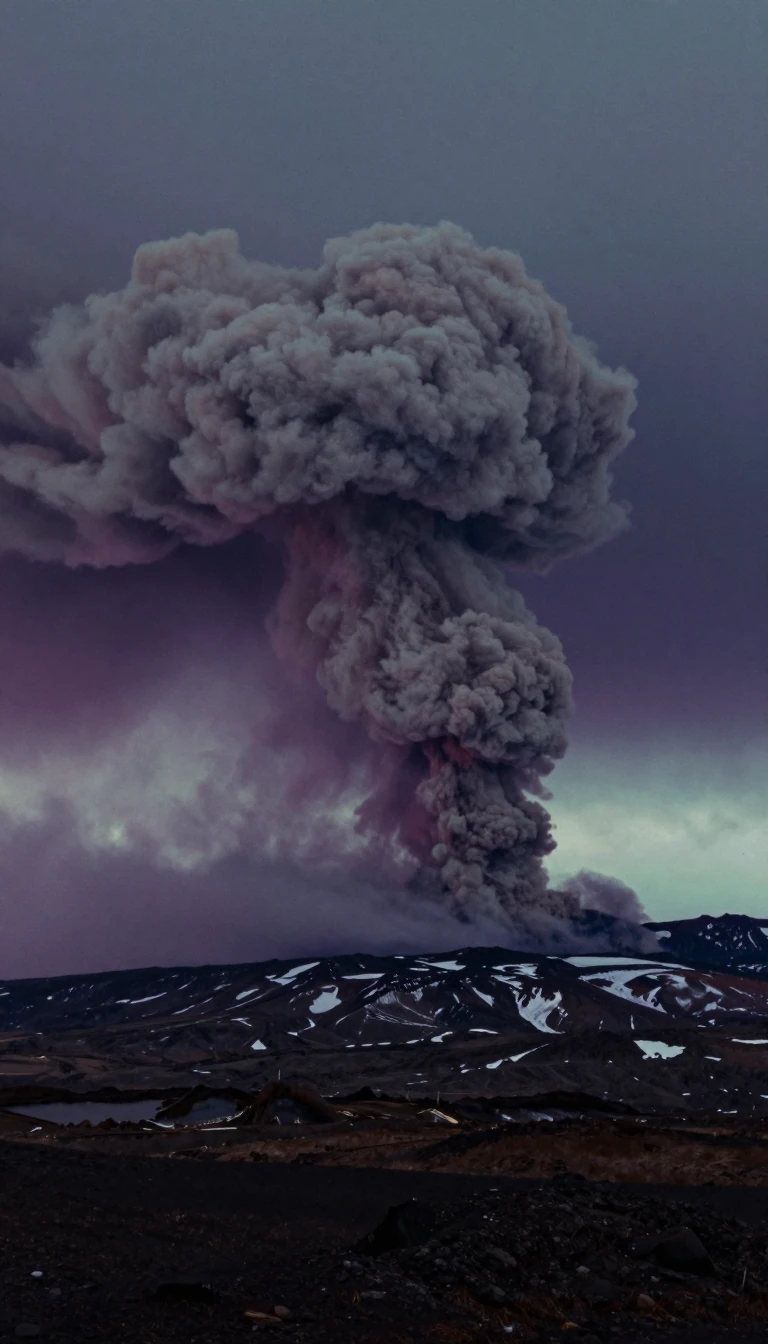 The Minoan eruption remains a chronological puzzle that continues to divide modern scientific experts.Around 1600 BC, a massive volcanic event on Thera reshaped the Aegean, burying the settlement of Akrotiri and triggering devastating tsunamis. Despite its scale, the precise timin…
 The lost kingdom of Minyue: A maritime power that defied the Han EmpireHidden in the mountains of modern Fujian, the ancient kingdom of Minyue once thrived as a fierce, independent state. From its origins as a refuge for displaced royalty to its fina…
 How South Korea transformed from a war-torn nation into a global economic powerhouseFollowing the Korean War, South Korea underwent a staggering economic metamorphosis known as the Miracle on the Han River. In just a few decades, it evolved from one of the world'…
 From imperial prince to literate clerk: the shifting legacy of the title MirzaOriginally a designation for royalty and high-ranking commanders in Persian and Mughal courts, the title Mirza has undergone a remarkable evolution. Once restricted to the descend…
 The Mixtec people have maintained a distinct civilization in southern Mexico for millennia.Spanning the mountainous regions of Oaxaca, Guerrero, and Puebla, the Mixtec culture is one of Mesoamerica's longest-running civilizations. While modern descendants preserve ancie…
 How a single bus seat refusal ignited the modern American Civil Rights MovementWhen Rosa Parks refused to surrender her seat in 1955, she triggered a citywide boycott that lasted over a year. While often remembered as a spontaneous act, the protest was a cal…
 Why a secret operation to reclaim Sabah ignited a decades-long insurgency in the PhilippinesThe Moro conflict, a struggle spanning centuries, was accelerated by the 1968 Jabidah massacre. When a clandestine military operation to seize Malaysian territory went wrong, the …
 The 2002 Moscow theater siege: A rescue operation that became a lethal tragedyIn October 2002, fifty Chechen militants seized a Moscow theater, holding hundreds of audience members hostage to demand an end to the war in their homeland. The standoff conclude…
- How a decade of guerrilla warfare ended 470 years of Portuguese colonial ruleThe Mozambican War of Independence was an asymmetric struggle between FRELIMO insurgents and the Portuguese military. Despite Portugal's clear conventional superiority, the confli…
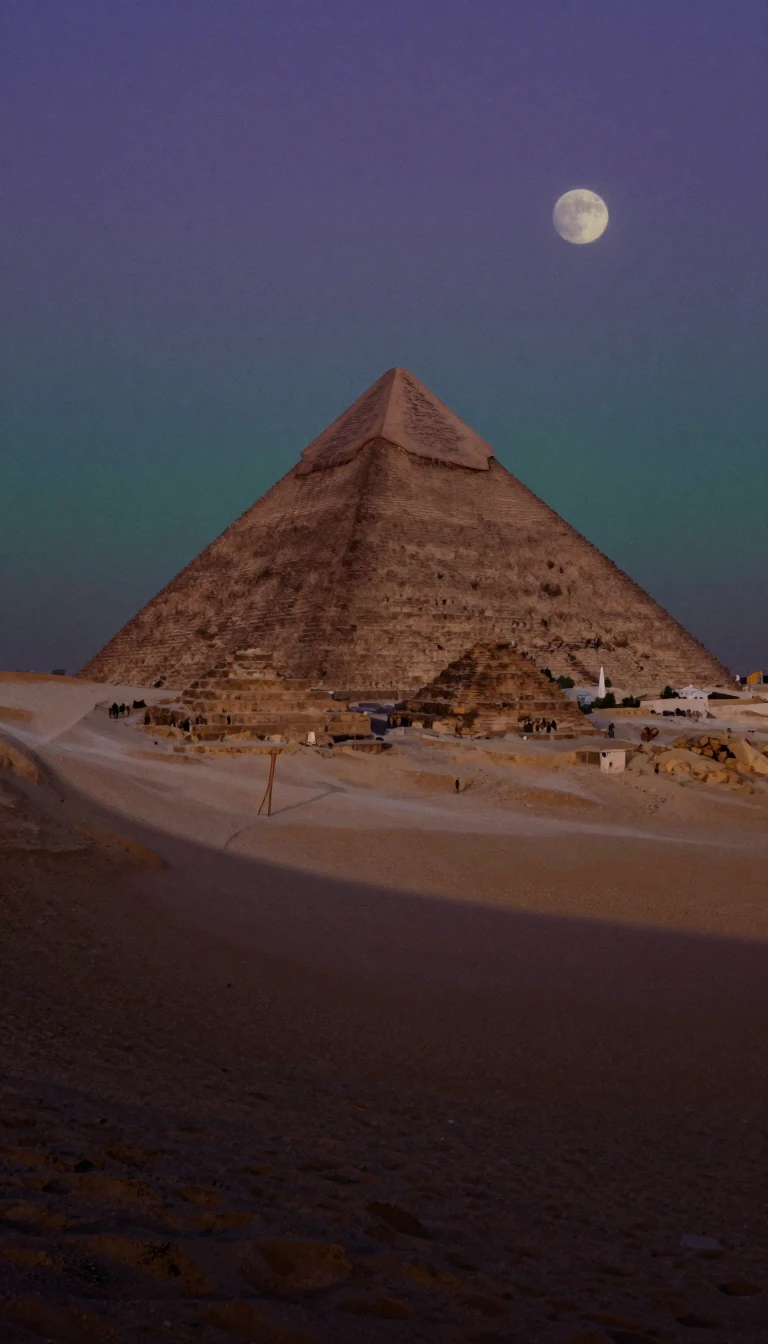 The Naqada culture laid the foundations for ancient Egypt long before the first pharaohs.Flourishing between 4000 and 3000 BC, the Naqada culture transformed Predynastic Egypt through economic specialization, advanced agriculture, and extensive trade. From their Golde…
 Why the cradle of Egyptian civilization was once mistaken for an invading forceWhen Flinders Petrie first excavated the site of Nubt in 1894, he misidentified its unique artifacts as evidence of foreign invaders. He was actually uncovering the Naqada I cultu…
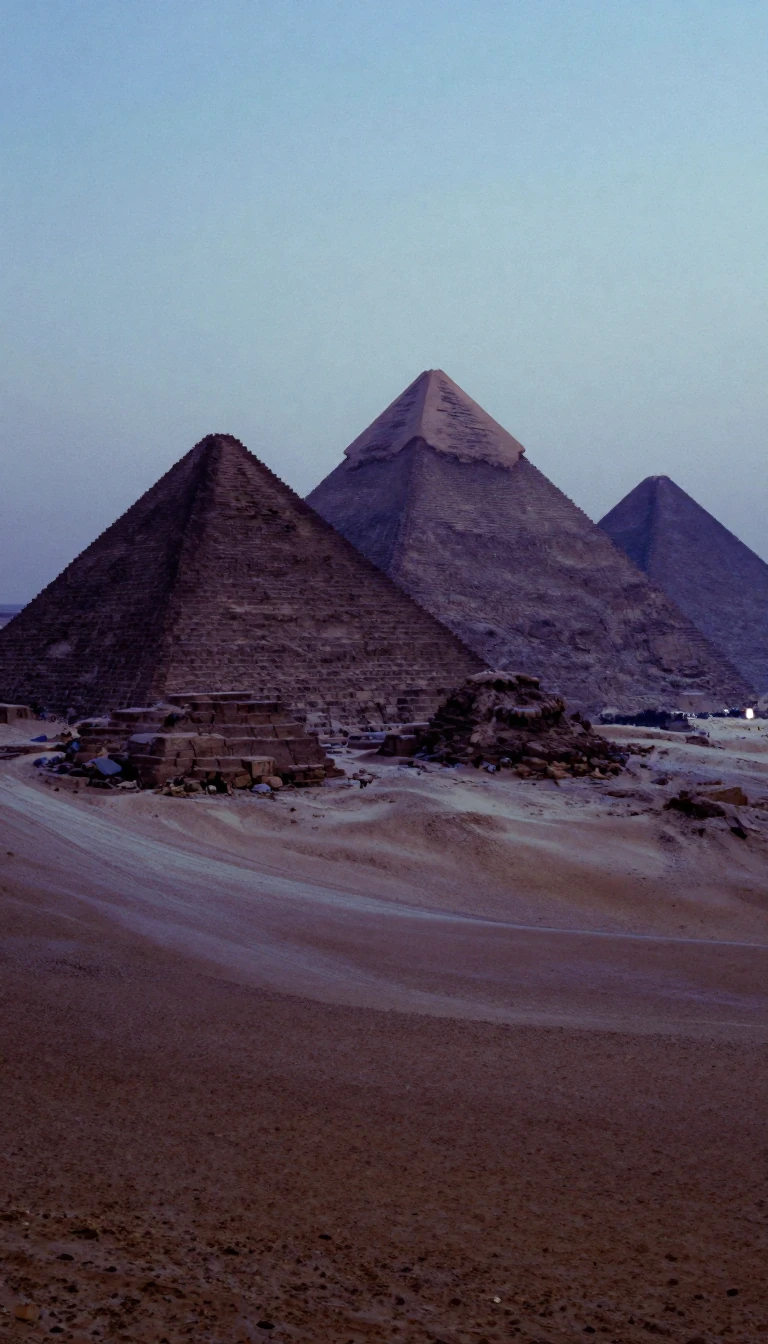 How a prehistoric Egyptian culture laid the foundations for the rise of pharaonic civilizationLong before the pyramids, the Naqada II culture flourished along the Nile. Once known as the Gerzeh culture, this pivotal era bridged the gap between simple prehistoric settlement…
- How Egypt’s Protodynastic era forged the first kings from ancient tribal conflictBefore the pharaohs, Egypt underwent a volatile transformation. During the Naqada III period, localized power structures coalesced into influential states led by named rulers. Thi…
 How did an ancient desert civilization manage to thrive for nine centuries in Peru?The Nazca culture mastered the arid landscape of southern Peru through ingenious engineering and complex ritual. From massive desert geoglyphs to sophisticated underground aqueduc…
 Did Neanderthals vanish because they were absorbed by Homo sapiens through interbreeding?Neanderthals did not necessarily die out in a violent clash with our ancestors. A compelling new hypothesis suggests they may have been gradually absorbed into the growing Homo sa…
 Did Europe’s Neolithic revolution arrive as a wave of migrants or a local shift?The transition from hunting to farming in Europe remains one of history's most debated transformations. Spreading from the Middle East starting around 7000 BCE, the Neolithic peri…
 Neustria: The forgotten western kingdom that defined the early medieval Frankish power struggleFor centuries, the Frankish realm was split between the eastern Austrasia and the western Neustria. This rivalry, marked by brutal dynastic warfare and shifting borders, shaped th…
 The New Left: How a Generation Rejected Old Dogma for Participatory DemocracyEmerging in the late 1950s, the New Left was a radical departure from traditional socialism. By rejecting Soviet bureaucracy and orthodox Marxism, this diverse movement championed…
 Is Indonesia’s current democratic decline actually a long-term echo of the New Order?Indonesia has been a democracy for over twenty-five years, yet it faces a slow, steady erosion of civic space and judicial independence. Scholars now argue that these modern strug…
 How a coordinated night of terror in Paris reshaped French security and foreign policyOn November 13, 2015, coordinated gunmen and suicide bombers struck Paris, killing at least 130 people. The attacks targeted a national stadium and several popular nightspots, mar…
 Why the study of coins is known as the Hobby of KingsNumismatics is far more than just hoarding loose change. It is a rigorous discipline tracing the evolution of currency, from ancient cowry shells to modern fiat money. Once the ex…
 The Old Prussians were a Baltic people who never formed a unified nationInhabiting the southeastern Baltic coast, the Old Prussians were a collection of independent tribes defined by their pagan traditions and fierce resistance to crusaders. Though th…
 Can one nation truly house two distinct legal, economic, and political systems simultaneously?Formulated by Deng Xiaoping in the 1980s, the one country, two systems principle was designed to integrate Hong Kong and Macau while preserving their capitalist structures. Yet, a…
 How a simple car wash probe triggered the largest corruption scandal in Brazilian historyIn 2014, a federal investigation into money laundering unexpectedly exposed a massive, systemic cartel operating within Petrobras, Brazil’s state-owned oil giant. What began as a …
 Why Kenya launched a military invasion into Somalia under the name Operation Linda NchiIn 2011, Kenya launched Operation Linda Nchi, an ambitious military incursion into southern Somalia. Officially framed as a security response to kidnappings and the threat of Al-S…
 How a bluff involving a fake live video averted a full-scale invasion of HaitiIn September 1994, U.S. forces were poised to invade Haiti to restore its ousted president. A last-minute diplomatic delegation led by Jimmy Carter faced a stalemate until they sh…
 The terrifying secret police that defined Ivan the Terrible's brutal reign in RussiaBetween 1565 and 1572, Ivan the Terrible unleashed the oprichnina, a state policy of mass repression and land confiscation. Backed by a personal guard known as the oprichniki, thi…
 Oral history captures the lived experience that written archives often leave behind.Oral history is more than just recording memories; it is a deliberate methodology for preserving the voices of people who participated in or observed past events. By capturing per…
 How a 2004 election standoff brought Ukraine to the brink of civil warThe 2004 Ukrainian presidential election triggered a massive wave of civil resistance, pushing the nation to the edge of disintegration. Driven by allegations of widespread electo…
 How a Saxon family transformed Germany into Europe’s preeminent power for over a centuryThe Ottonian dynasty rose from Saxon nobility to become the architects of a formidable military machine. By unifying German tribes and reviving the imperial title, these rulers es…
 The maritime kingdom of Paekche was the essential cultural bridge of ancient East Asia.Often overshadowed by its rivals, Paekche was a sophisticated maritime power that acted as the Phoenicia of East Asia. By mastering the seas, this Korean kingdom became the primar…
 How a single tooth and a few bone fragments rewrote the history of humanity.Paleoanthropology reconstructs our evolutionary past by merging biological evidence like petrified bones with cultural artifacts like stone tools. While once focused on Asia, the …
 Was the ancient kingdom of Panchala a fusion of five distinct tribes?Panchala was a powerhouse of ancient India, rising from the Ganges-Yamuna Doab to become one of the sixteen major mahajanapadas. While famous for its role in the Mahabharata, its …
 Can a voluntary global treaty actually stop the world from heating up too much?Adopted in 2015, the Paris Agreement shifted climate diplomacy from rigid, top-down mandates to a flexible, bottom-up framework. By requiring nearly every nation to set its own em…
 How a single ancient superpower collapsed into three warring states through internal aristocratic decayThe Partition of Jin was not a sudden event, but a decades-long erosion of central authority. As powerful ministerial families systematically usurped the ruling duke’s power, the …
 How a nationalist movement transformed into the communist force that seized control of LaosFounded in 1950, the Pathet Lao began as a nationalist group resisting French colonial rule in Indochina. By 1975, this organization had evolved into a Marxist-Leninist power that…
 Was the Pax Britannica a century of global peace or just British naval dominance?Between 1815 and 1914, the British Empire acted as the world's primary hegemon, leveraging naval supremacy to secure trade routes and suppress piracy. While often described as a p…
- How the Mongol Empire created the first truly globalized trade network in historyFollowing the brutal conquests of Genghis Khan, the Mongol Empire forged a period of unprecedented stability across Eurasia. By standardizing trade routes, protecting merchants wi…
 Pax Sinica: How China’s historical hegemony shaped two millennia of regional stabilityPax Sinica, or Chinese peace, describes historical eras where China’s dominance fostered stability across East, Southeast, and Central Asia. Spanning roughly two thousand years in…
 The 1555 Peace of Augsburg: A Fragile Truce That Shaped Modern European SovereigntySigned in 1555, the Peace of Augsburg ended decades of religious warfare in the Holy Roman Empire. By establishing the principle that a ruler’s faith dictates the religion of thei…
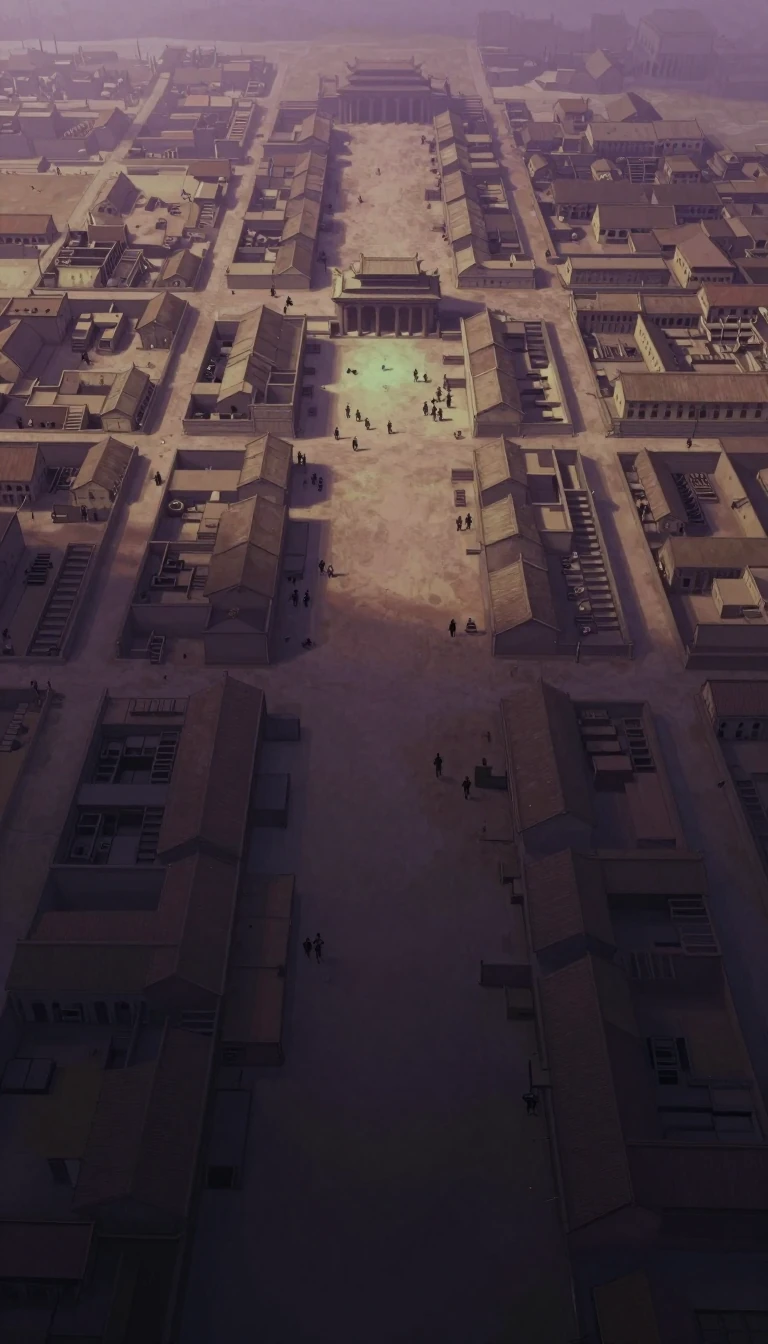 The Spartan-led Peloponnesian League was not a unified state, but a wheel of alliances.For centuries, Sparta anchored a powerful military coalition known as the Peloponnesian League. Far from a centralized government, this system functioned as a collection of indivi…
- Why dividing time into chunks is the secret to mastery and historical understandingWhether you are training for an Olympic medal or analyzing the rise and fall of civilizations, success requires structure. Periodization breaks down vast, overwhelming goals into …
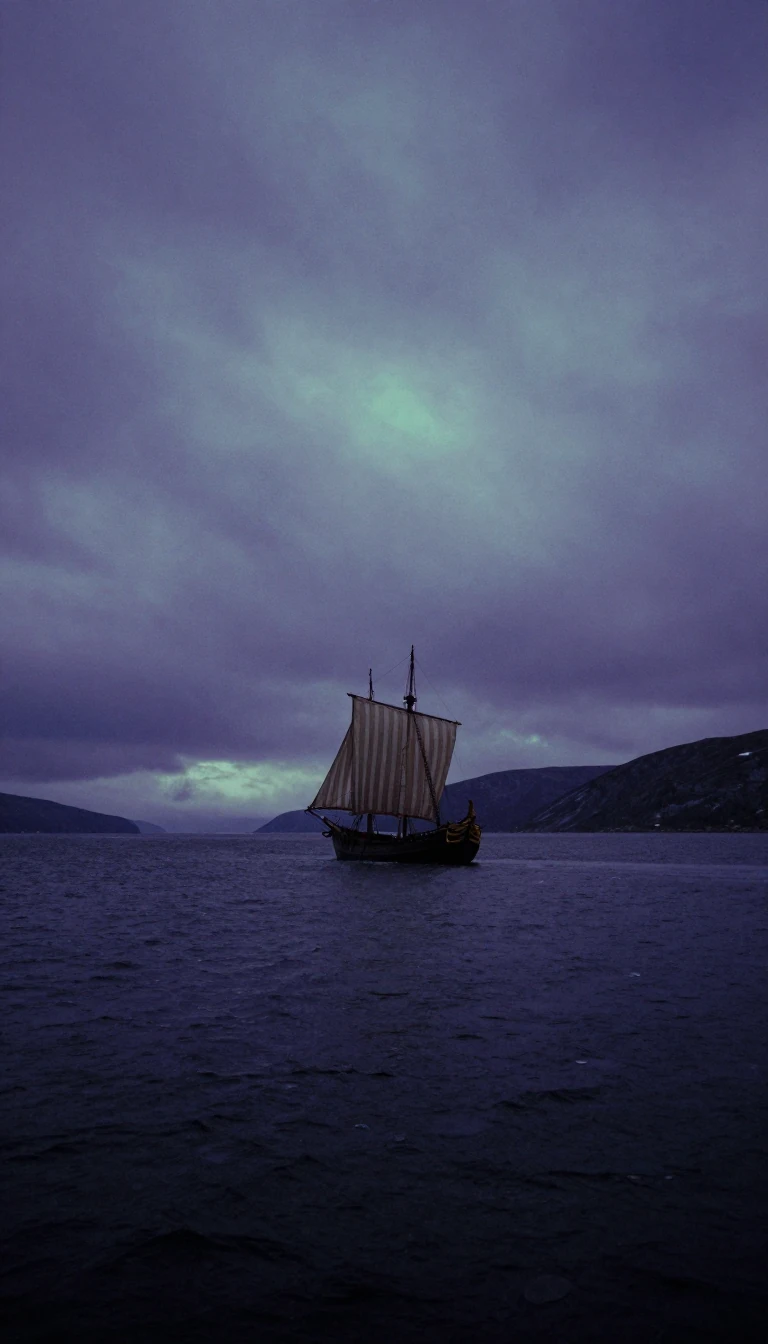 Before Norway was a unified nation, it was a patchwork of dozens of petty kingdoms.Long before the 872 unification, Norway was a fragmented landscape of small, independent realms. Rulers held power over territories ranging from mere village clusters to entire co…
 Philately is far more than just collecting stamps; it is a rigorous historical science.While many view stamp collecting as a simple pastime, philately is the scholarly study of postal systems, production techniques, and historical narratives. From analyzing security…
- Were the biblical Philistines actually Greek migrants who settled on the coast of Canaan?Long defined as the arch-enemies of the Israelites, the Philistines remain a historical enigma. While the Hebrew Bible portrays them as a distinct, aggressive power, modern schola…
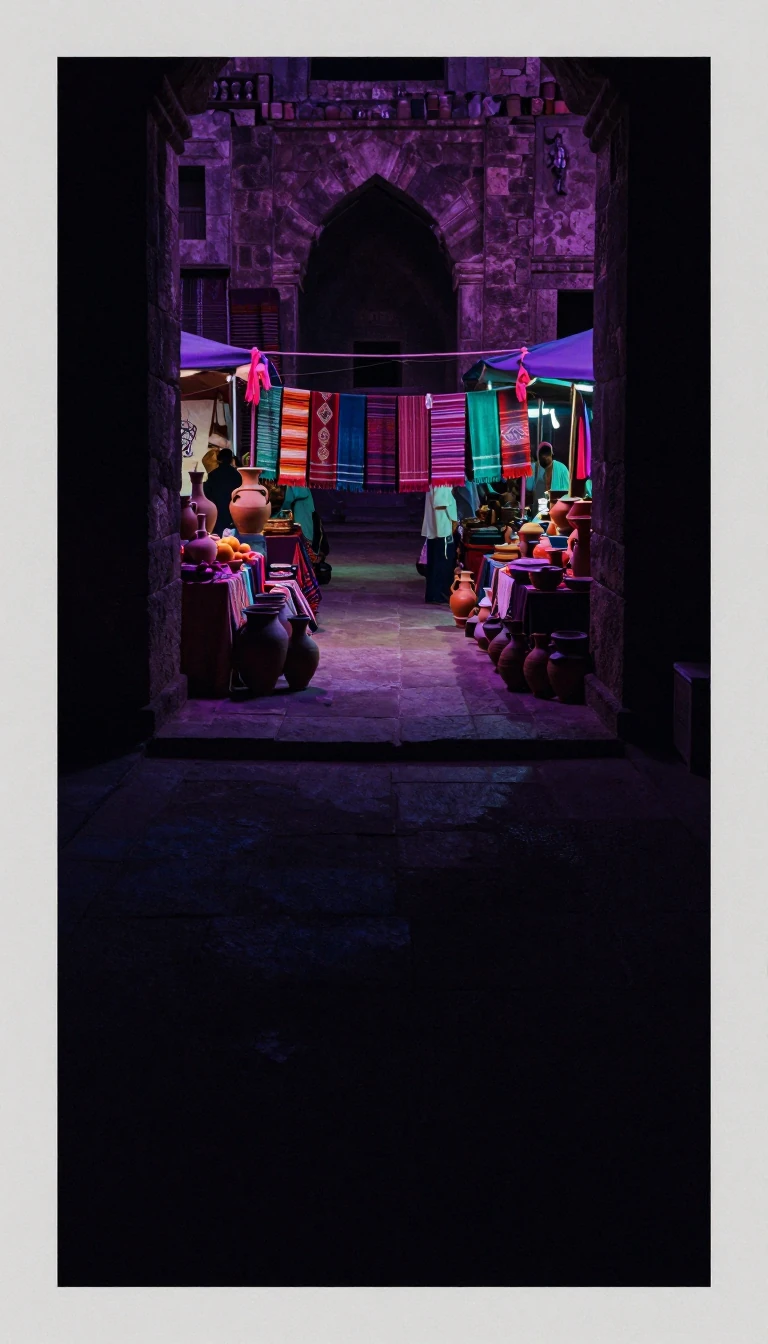 The Phoenicians built a global trade empire without ever becoming a single nation.Instead of seeking conquest, the Phoenicians prioritized profit, creating a vast mercantile network that linked the ancient world. While they never unified as a single state, thei…
 Why do Polynesian languages thrive on islands thousands of miles from the Polynesian Triangle?Scattered across Melanesia and Micronesia, about two dozen remote islands host populations that speak Polynesian languages and share ancestral traits with the Polynesian heartland…
 Portugal’s global reach once spanned from the frozen coast of Canada to South AmericaWhile Brazil is the enduring legacy of Portuguese expansion, the empire’s early ambitions stretched far beyond the tropics. From failed fishing outposts in Newfoundland to the str…
- Why a simple envelope is a historical document that reveals the world's hidden mechanicsPostal history is more than stamp collecting. It is the study of human connection through the rates, routes, and markings on mail. By analyzing the journey of a letter, historians…
 Why postmodern cinema treats the screen as a construction rather than a windowPostmodernist film rejects the idea that cinema should mirror reality. Instead, it treats movies as self-aware puzzles, using irony, fragmented timelines, and constant references …