 Intellect Plus
History
21,004 cards. Each one is a 40-second story with a five-minute read behind it. Page 275 of 351.
Subtopics: 19th century · 20th century · Africa · Age of Exploration · Ages & eras · Ancient · Ancient China · Ancient egypt · Ancient greece · Ancient rome · Ancient trade · Archaeological discoveries · Archaeology · Astronomy · Australia · Auxiliary historical sciences · Babylon · Basics · Born on this day · Bronze age · Buddhism · Case studies · Chefs, bartenders and winemakers · China · Cities · Climate · Columbus · Contemporary (1945-) · Cosmetics people · Crime · Criminals · Decipherment · Deep time · Disasters · Early modern · Education · Egypt · Empires · Empires & civilisations · Exploration · Explorers · Extinction · Fandom, conventions and festivals · History by continent and large region · History by continent and region · History by country · History by country, small region and city · History by ethnicity · History by subject matter · History by topic · Inca · India · Industrial Revolution · Japan · Kings & queens · London · Mass hysteria · Medicine · Medieval kingdoms · Medieval life · Mediterranean · Mercedes-Benz History · Mesopotamia · Middle ages · Military leaders and theorists · Military leaders, personnel, and theorists · Ming dynasty · Misconceptions · Modern · Modern (1800-1945) · Napoleon · Navigation · North africa · Other · Pacific · Pharaohs · Philippines · Pirates · Post-classical · Prehistory · Propaganda · Public health · Rebels, revolutionaries and activists · Renaissance · Researched · Second world war · Shipwrecks · Silk Road · South america · Tradespeople · UK & Ireland: history · United states · Vikings · Volcanoes · Women in history
 How a brutal border war ended the Cambodian genocide in just two weeksThe Cambodian–Vietnamese War was a complex Cold War conflict that ultimately halted the Khmer Rouge’s mass killings. While the two communist neighbors were once allies against Fre…
 How a Roman military outpost became the financial engine of the sixteenth centuryFounded by the Romans in 15 BC, Augsburg evolved from a frontier settlement into a global banking powerhouse. By the 1500s, it dominated early capitalism, bankrolled emperors, and…
 Aruba was once labeled a useless island by the Spanish before gold changed everything.Long before it became a constituent country of the Netherlands, Aruba was dismissed by Spanish explorers as an island without mineral wealth. This perception shifted dramatically …
 The end of the Great War redrew the map and birthed modern national identities.World War I did more than end a conflict; it dismantled four empires and reshaped the global order. From the emergence of new nations to the forging of independent identities in t…
 A tailor's son who became the most candid witness to 17th-century London life.Samuel Pepys rose from humble beginnings to become a powerful naval administrator, yet he is best remembered for a secret diary. Written in shorthand and code, his journals offer …
 Was Rome's god of the sea originally a master of freshwater and rain?While modern culture identifies Neptune as the Roman equivalent of Poseidon, his origins may lie in an ancient, inland deity of springs and clouds. Far from just a maritime ruler,…
 Did a secret society of sages ever exist, or was it just a literary prank?In 17th-century Europe, anonymous manifestos announced a secret brotherhood of alchemists and sages dedicated to a universal reformation of mankind. While these texts sparked a co…
 How a Factional Split Over Membership Rules Created the World's Most Influential Revolutionary MovementBolshevism began not as a grand state ideology, but as a tactical label for a minority faction within the Russian Social Democratic Labour Party. Born from a 1903 dispute over par…
 Was Richard J. Daley the last of the great American city bosses?For twenty-one years, Richard J. Daley ruled Chicago with an iron hand, transforming the city while navigating the turbulent 1960s. A master of machine politics, he saved his city…
 The bowler hat was originally engineered as a piece of high-performance protective gear.Before it became the symbol of the London gentleman or the American outlaw, the bowler hat was a functional tool. Commissioned in 1849 to solve a specific problem for gamekeepers,…
 The Aryan race is a pseudoscientific concept with no basis in biological reality.The idea of an Aryan race was a 19th-century invention that twisted linguistics into a dangerous tool for supremacy. While originally a term for noble Indo-Iranian speakers, it wa…
- The 1890 Wounded Knee Massacre: A Tragic Climax to Centuries of Colonial ConflictOn December 29, 1890, a disarmament attempt at Wounded Knee Creek spiraled into a massacre that killed hundreds of Lakota people. Often cited as the end of the Indian Wars, this e…
 How a radical 1848 convention sparked the long battle for American women's voting rightsThe fight for women's suffrage in the United States was not a sudden victory but a grueling, decades-long campaign. It emerged from the abolitionist movement, faced intense public…
 How a Mountainous Region Broke Away to Become the Only State Born from SecessionWest Virginia emerged during the American Civil War as a unique political entity, forged by western counties that refused to follow Virginia into the Confederacy. This rugged, lan…
 Why the West Indies are named after a river in South AsiaThe name West Indies is a cartographic error born from a 1492 voyage. Christopher Columbus, searching for a western route to the spice-rich East, mistakenly identified the America…
 Was Wild Bill Hickok a legendary gunslinger or a master of self-promotion?James Butler Hickok remains an icon of the American frontier, yet much of his fame was built on exaggerated tales and outright fabrications. While he was a genuine marksman, his c…
 The American author who invented the myth that medieval people thought the world flatWashington Irving was the first American writer to achieve international acclaim, yet his legacy is complex. While he championed a burgeoning national literature and gave New York…
 How a disputed territory became the first state to join the original UnionBefore it was the 14th state, Vermont existed as an independent republic for 14 years. Born from land disputes between New York and New Hampshire, this rugged territory pioneered …
 Did Columbus really prove the Earth was round to a skeptical European public?The popular image of Christopher Columbus battling a flat-earth consensus is a historical myth. By the late 15th century, the spherical nature of the planet was well-established a…
 From a discarded afterthought to the West Wing: the evolution of the American vice presidency.Once dismissed as a useless sinecure, the American vice presidency has transformed from a minor legislative role into a powerful executive office. Today, the vice president is a c…
- Virginia: The Old Dominion's Complex Legacy of Power, Rebellion, and TransformationFrom the first permanent English colony to the birthplace of American democracy, Virginia is a land of profound contradictions. It is the site of the oldest law-making body in Nor…
 How the Fokker D.VII ended the aerial stalemate of the Great WarDiscover the story of the Fokker D.VII, the revolutionary fighter aircraft that disrupted the deadlock of the skies during the First World War.
 The Secret Service began as a financial police force to stop rampant Civil War counterfeiting.Most people associate the Secret Service with the stoic agents guarding the president, but the agency was born in 1865 to save the American economy. Before it became a protective …
- Why the architect of the Constitution initially opposed a Bill of RightsJames Madison, the primary author of the Constitution, originally thought a list of rights was unnecessary and even dangerous. He feared that enumerating specific liberties would …
 The United States Capitol was built by enslaved laborers and once hosted Sunday churchThe U.S. Capitol is more than a legislative seat; it is a layered monument of shifting architectural styles and complex history. From its origins as a pedestal for a monument to i…
 The US Electoral College was never designed to be a democratic popular voteThe Electoral College was not a product of farsighted constitutional theory, but a default compromise reached after other options failed. Originally envisioned as a body of indepe…
 The shifting borders and ancient migrations of the American SouthwestLong before the Treaty of Guadalupe Hidalgo redrew the map in 1848, this vast landscape was a mosaic of Spanish provinces and resilient Indigenous empires. From the arrival of hun…
 Is the face of the American government actually a meatpacker from Massachusetts?Uncle Sam is the enduring personification of the United States, yet his origins remain shrouded in mystery. While legend links him to a 19th-century meatpacker, historical evidenc…
 Why Britain Gave Away Its American Empire in a Surprisingly Generous 1783 DealThe 1783 Treaty of Paris did more than end the American Revolutionary War; it granted the new United States vast, unexpected territories. While historians often frame this as a di…
 Before 1883, the United States operated on more than 300 different local sun times.Imagine trying to catch a train when every station clock followed its own local solar time. Before the late 19th century, American travel was a logistical nightmare of constant re…
 The Supreme Court was not always nine justices, nor did it always have a home.The highest court in the United States began with six members and no dedicated building, meeting in temporary locations like New York City and Philadelphia. While today we associa…
 American slavery was not a static institution but a volatile engine of profit and power.Far from a simple agricultural relic, chattel slavery shaped the United States from its founding. It dictated political representation, influenced the presidency for decades, and …
- How South Carolina’s History of Slavery and Secession Shaped Its Modern Economic LandscapeFrom its origins as a royal colony to the first state to secede from the Union, South Carolina has navigated a turbulent history. Today, it leverages a unique tax structure to att…
- The Second Amendment: A Constitutional Guarantee of Individual Self-Defense or Militia Power?Ratified in 1791, the Second Amendment remains one of the most debated parts of the U.S. Constitution. While often associated with modern self-defense rights, its origins are deep…
 Samuel Adams was a failed businessman who became the architect of American independence.Before he was a Founding Father, Samuel Adams was a professional disappointment. He squandered his father's money, failed at business, and struggled to collect taxes. Yet, this un…
- Why did a small Massachusetts village descend into a deadly frenzy of witchcraft accusations?Between 1692 and 1693, colonial Salem became the site of North America's most infamous witch hunt. Triggered by the strange behavior of local girls, the crisis spiraled into a leg…
 Beyond the Jazz Age: How the 1920s Built the Modern World We Inhabit TodayThe Roaring Twenties was more than just flappers and jazz. It was a decade of radical technological acceleration, where mass production, electrification, and the birth of mass med…
- Was the Reconstruction era a failed experiment or a foundational moment for American democracy?Following the Civil War, the United States attempted to integrate four million freed people into a new social and political order. This period, known as Reconstruction, redefined …
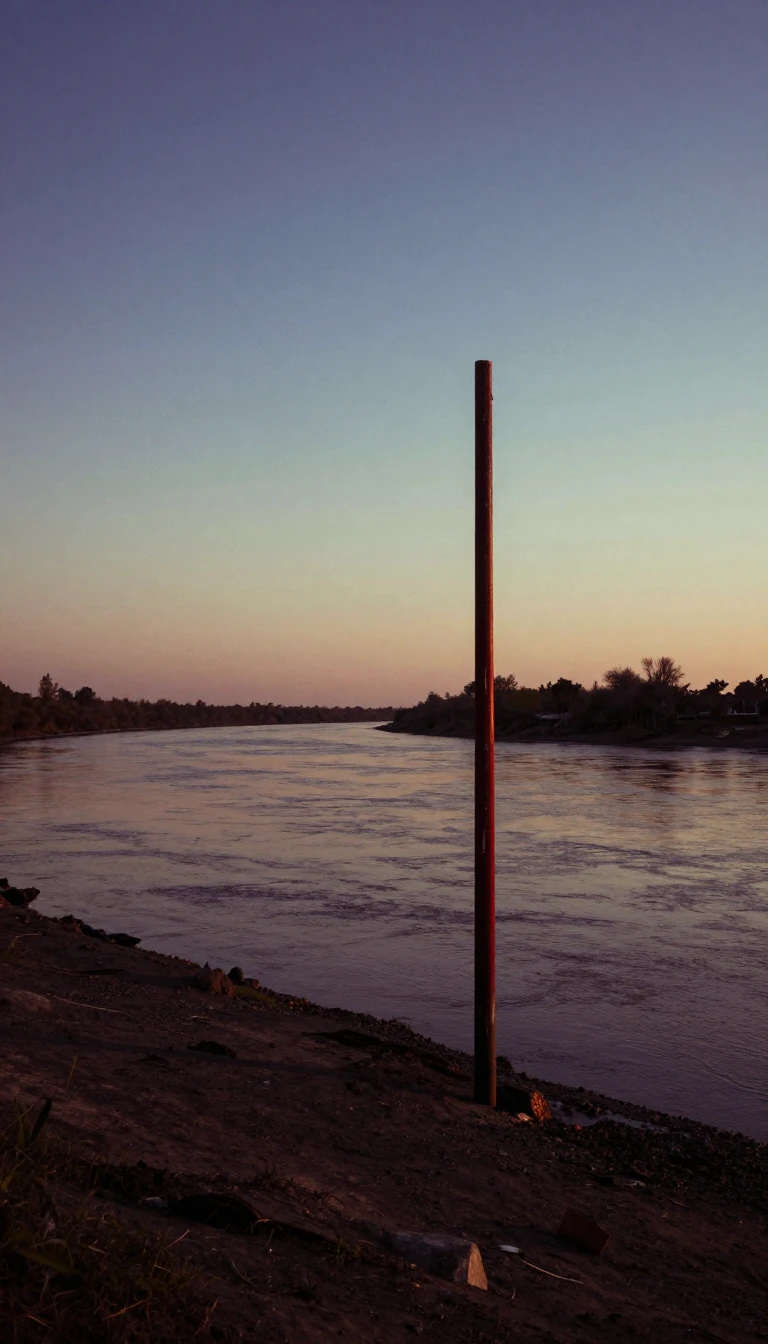 The Red River of the South: A Shifting Border That Once Sparked WarFlowing 1,360 miles through the Great Plains, the Red River is more than a waterway; it is a historical boundary that has triggered Supreme Court rulings, military standoffs, and …
 How a generation of reformers transformed the United States from the 1890s to 1920s.The Progressive Era was a period of intense social and political upheaval. Driven by an educated middle class, reformers sought to curb the excesses of rapid industrialization and…
 Why America's most famous landing site is built on a foundation of historical mythPlymouth, Massachusetts, is celebrated as the cradle of New England, yet its most iconic symbol—Plymouth Rock—lacks any historical evidence of being the Pilgrims' first step. Beyo…
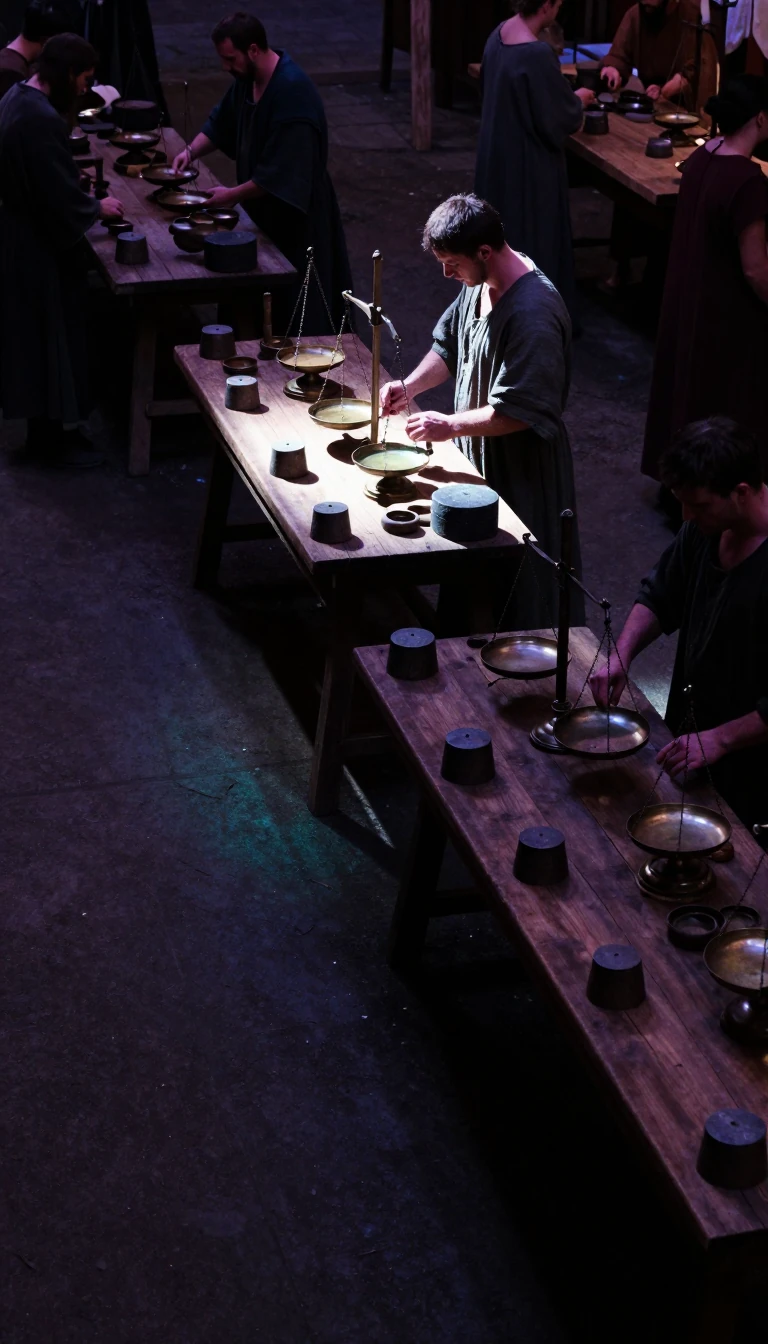 The pillory was designed to turn public humiliation into a brutal, often lethal spectacle.Long before digital shaming, the pillory served as a physical stage for societal scorn. By locking offenders into wooden frames in busy marketplaces, authorities invited crowds to…
- How a failed voyage and a deadly epidemic shaped the first New England colonyPlymouth Colony was never meant to be a permanent monument to American folklore. Born from religious persecution in England and a disastrous, leaky voyage across the Atlantic, the…
 Pocahontas was not a princess, but a child nicknamed for her playful, mischievous nature.History remembers Pocahontas as a romanticized princess, but the truth is far more complex. Born Amonute, she was the daughter of a powerful chief, not royalty. Her famous rescue …
- Why America’s two-party system was never part of the Founding Fathers' original designThe United States Constitution makes no mention of political parties. In fact, the nation's founders viewed partisan factions as a dangerous threat to stability. Yet, within years…
 How a vast North American empire was built on beaver pelts and royal decreesFrom the Gulf of Saint Lawrence to the Gulf of Mexico, New France once stretched across the continent. Driven by the lucrative fur trade and strategic alliances, this massive terr…
 Beyond the midnight ride, Paul Revere was a pioneering industrialist and master of metalWhile history remembers Paul Revere for a single night in 1775, his true legacy lies in the forge. From casting cannons and church bells to pioneering the American copper industry…
 The Pilgrims were not just religious refugees; they were also victims of corporate deception.The story of the Pilgrims is often simplified into a tale of religious freedom, but their journey was defined by economic desperation, secret contracts, and a series of failed log…
 Patrick Henry: The Orator Who Feared the Very Government He Helped CreatePatrick Henry is immortalized for his cry of liberty, yet his political legacy is defined by a deep, persistent skepticism of centralized power. While he was a primary architect o…
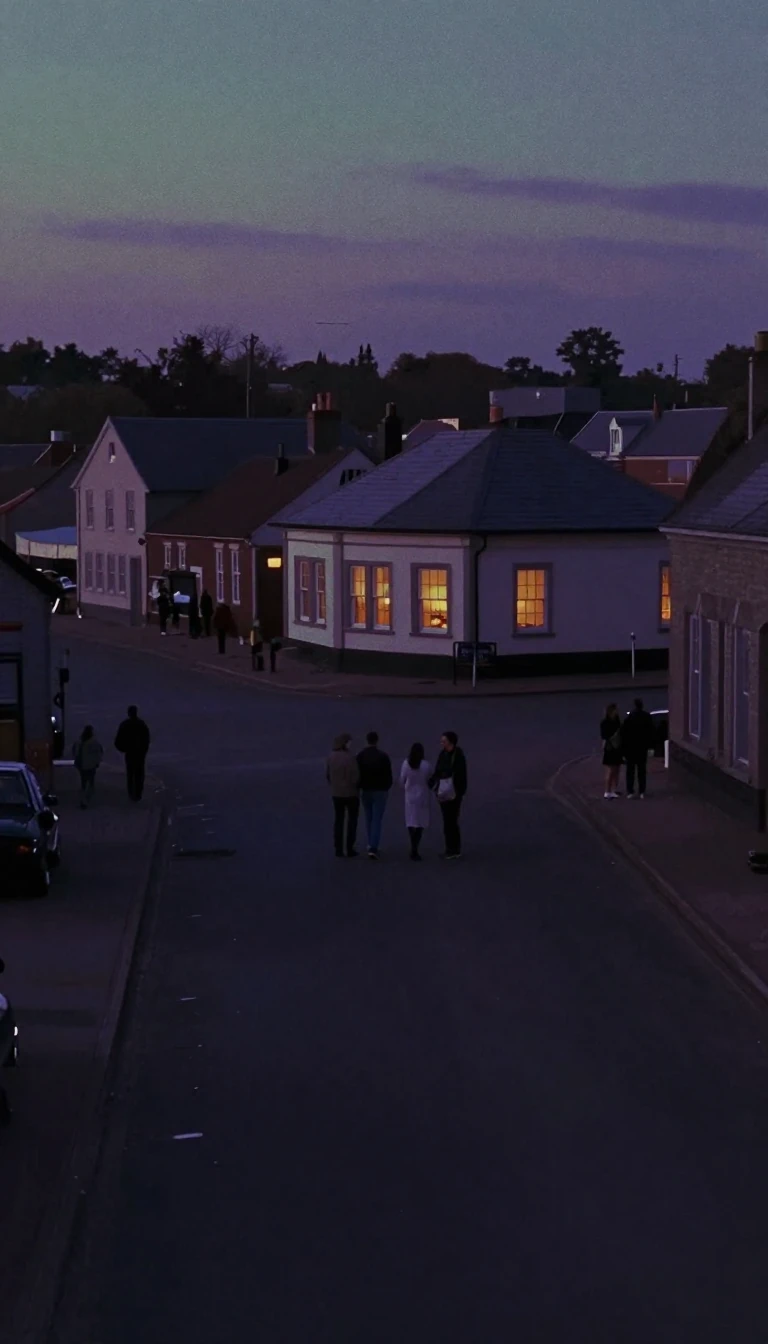 Omaha: The Upstream People Who Built a Gateway to the American WestKnown as the Gateway to the West, Omaha was founded in 1854 by speculators eyeing the Missouri River. From a frontier crossing to a global meatpacking powerhouse, this Heartland c…
 Oregon's name remains a mystery, likely born from a mapmaker's error or misheard word.Oregon is a land of geological extremes, from the deepest lake in the United States to the world's largest living organism. Yet, the origin of its name is surprisingly obscure, tr…
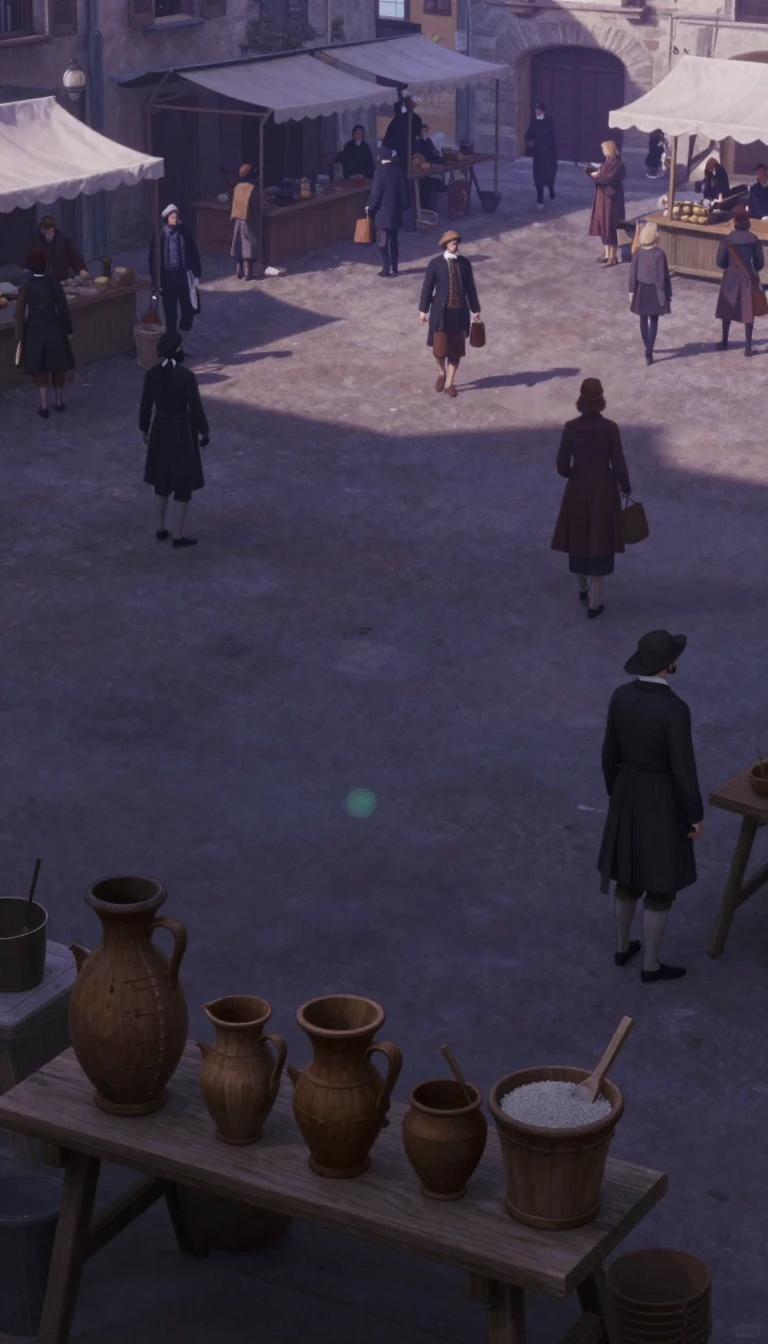 Before New York City existed, the Dutch built a multicultural hub called New Netherland.Long before the British arrived, the Dutch West India Company established a sprawling North American colony stretching from Delaware to Cape Cod. Far from a homogeneous outpost, t…
 New Spain was a global empire that connected the Philippines to the Spanish crown.Far more than a colonial outpost, New Spain functioned as a vital, three-century bridge between Asia and Europe. By leveraging the Manila galleon trade and vast silver deposits, i…
 Does a listing on the National Register of Historic Places actually protect your property?The National Register is the federal government's official catalog of culturally significant locations, yet it is largely an honorary designation. While it offers access to potent…
- Mount Vernon: From a Tobacco Plantation to America's First Historical Tourist AttractionGeorge Washington’s estate began as a modest tobacco farm before evolving into a Palladian-style mansion. Today, it stands as a preserved monument to the first U.S. president, off…
 Is the legendary Mothman of West Virginia actually just a misidentified large bird?Between 1966 and 1967, residents of Point Pleasant, West Virginia, reported a seven-foot humanoid creature with glowing red eyes. While the legend inspired books, films, and an an…
- Mississippi: How a Great River Shaped a State's Complex and Often Troubled HistoryNamed for the Ojibwe word for great river, Mississippi is a land of fertile deltas and deep historical scars. From its origins as a hub for mound-building cultures to its central …
 The Mayflower was a humble wine-hauling merchant ship, not a vessel built for exploration.Before it became an American icon, the Mayflower was a standard, 180-ton cargo ship. It spent years hauling French wine and English woolens across the Channel. When it finally cro…
- How a Puritan joint-stock company defied the English Crown for over half a centuryThe Massachusetts Bay Colony was an anomaly: a corporate venture that moved its entire headquarters to the New World. By operating from America rather than London, its Puritan lea…
- The 1963 March on Washington was a logistical triumph born from internal frictionThe March on Washington for Jobs and Freedom was not a singular, harmonious event. It was a complex, high-stakes operation built by organizers who battled FBI interference, intern…