 Intellect Plus
History
21,004 cards. Each one is a 40-second story with a five-minute read behind it. Page 272 of 351.
Subtopics: 19th century · 20th century · Africa · Age of Exploration · Ages & eras · Ancient · Ancient China · Ancient egypt · Ancient greece · Ancient rome · Ancient trade · Archaeological discoveries · Archaeology · Astronomy · Australia · Auxiliary historical sciences · Babylon · Basics · Born on this day · Bronze age · Buddhism · Case studies · Chefs, bartenders and winemakers · China · Cities · Climate · Columbus · Contemporary (1945-) · Cosmetics people · Crime · Criminals · Decipherment · Deep time · Disasters · Early modern · Education · Egypt · Empires · Empires & civilisations · Exploration · Explorers · Extinction · Fandom, conventions and festivals · History by continent and large region · History by continent and region · History by country · History by country, small region and city · History by ethnicity · History by subject matter · History by topic · Inca · India · Industrial Revolution · Japan · Kings & queens · London · Mass hysteria · Medicine · Medieval kingdoms · Medieval life · Mediterranean · Mercedes-Benz History · Mesopotamia · Middle ages · Military leaders and theorists · Military leaders, personnel, and theorists · Ming dynasty · Misconceptions · Modern · Modern (1800-1945) · Napoleon · Navigation · North africa · Other · Pacific · Pharaohs · Philippines · Pirates · Post-classical · Prehistory · Propaganda · Public health · Rebels, revolutionaries and activists · Renaissance · Researched · Second world war · Shipwrecks · Silk Road · South america · Tradespeople · UK & Ireland: history · United states · Vikings · Volcanoes · Women in history
 How did a Belfast activist transform from a militant leader into a political architect?Gerry Adams spent decades as a central figure in Irish republicanism, navigating the transition from armed conflict to constitutional politics. From his early days in Belfast to h…
 How a German Chancellor redefined national power and sparked a global political firestormGerhard Schröder governed Germany from 1998 to 2005, navigating the transition to a new capital and the complexities of post-Cold War diplomacy. His tenure was marked by controver…
 How Nazi Germany governed over half of Europe's population during the Second World WarBetween 1938 and 1945, Nazi Germany exerted control over vast swathes of the continent. Through a complex web of direct administration, military occupation, and puppet states, the…
 The Maharani who traded royal privilege for the rough and tumble of Indian politicsBorn into the royal family of Cooch Behar, Gayatri Devi became a global style icon and one of the world's most beautiful women. Yet, she defied expectations by entering politics, …
 Was the legendary Roman general Gaius Marius actually the architect of the professional army?Gaius Marius is traditionally credited with transforming the Roman military from a militia into a professional force. Yet, modern historians increasingly view these famous reforms…
 A wealthy businessman and spiritualist who ignited the Mexican Revolution against a long-term dictator.Francisco I. Madero was an unlikely revolutionary. Born into one of Mexico's richest families, he spent his youth studying business in Paris and practicing spiritism. Yet, this sm…
 A King Who Preferred Cellos and Shakespeare to the Cold Autocracy of His UncleFrederick William II of Prussia is often remembered as a footnote to his predecessor, Frederick the Great. Yet, this misunderstood monarch pivoted Prussia toward German cultural i…
- Was the Free French government a legitimate authority or a band of rebels?Following France's 1940 defeat, General Charles de Gaulle fled to London, declaring the Vichy regime illegal and treasonous. While he rallied a resistance movement from exile, man…
 How a four-year experiment in democracy paved the way for a new empireThe French Second Republic was born from the 1848 revolutionary wave that toppled King Louis-Philippe. Yet, this brief democratic interlude—defined by the motto Liberté, Égalité, …
 French Sudan was a colonial project built on military ambition rather than economic gainSpanning from 1880 to 1960, French Sudan was a territory defined by shifting borders, military outposts, and failed agricultural schemes. Though France sought to replicate the suc…
- French West Africa: A vast colonial federation governed by a single, distant authoritySpanning over four million square kilometers, French West Africa was a massive colonial federation of eight territories. From 1895 to 1958, this entity centralized power in Dakar,…
 Why the world's most iconic observation wheels are descendants of 17th-century pleasure ridesLong before George Washington Gale Ferris Jr. debuted his engineering marvel at the 1893 Chicago World's Fair, people were already spinning in the sky. From 17th-century Bulgarian…
 How a desperate, improvised air raid changed the course of World War IIIn April 1942, sixteen American bombers launched from a carrier to strike the Japanese mainland. It was a mission born of extreme improvisation, featuring makeshift sights and bro…
 How a militant movement became a pillar of the Irish political establishmentBorn from the ashes of the Irish Civil War and a short-lived flirtation with European-style fascism, Fine Gael has evolved into a centre-right, pro-European party. Today, it stand…
 The Nazi extermination camps were industrial factories designed for the systematic murder of millions.Nazi Germany established six specialized death camps in occupied Poland to carry out the Final Solution. These sites, distinct from standard concentration camps, were engineered f…
 How a desert no man's land became the Hashemite Kingdom of JordanFollowing the collapse of the Ottoman Empire, the territory east of the Jordan River existed as a political vacuum. Through a series of complex mandates and strategic treaties, Br…
 Empress Elisabeth of Austria: The Reluctant Royal Who Starved Herself for a Wasp WaistKnown as Sisi, Empress Elisabeth of Austria was a reluctant royal who found the rigid Habsburg court suffocating. To reclaim agency, she obsessed over her appearance, maintaining …
 Before the globe, humanity mapped its world through myth, power, and precise observationLong before modern cartography, humans mapped their surroundings to assert political dominance or define their place in the cosmos. From Bronze Age slabs to medieval T and O maps,…
 Napoleon's Polish client state was a military powerhouse that nearly bankrupted its own citizens.Created by Napoleon in 1807, the Duchy of Warsaw was a short-lived attempt to restore Polish sovereignty. While it offered a liberal constitution and a glimmer of independence, it…
 The Dominican Order was a revolutionary medieval experiment in urban education and intellectual life.Founded in 1216 to combat heresy through systematic study and preaching, the Dominicans broke from traditional cloistered monasticism. By moving into cities and prioritizing verna…
 How a San Francisco Supervisor Became a Titan of American Legislative HistoryDianne Feinstein broke barriers as the first female mayor of San Francisco and California's first female U.S. senator. Her career spanned decades of shifting political tides, from…
 The chaotic final days of Joseph Stalin and the deadly aftermath of his funeralWhen the Soviet leader passed away in 1953, his death triggered a power vacuum and a massive, tragic public mourning. While his inner circle scrambled to establish a collective le…
 How South Africa's Democratic Alliance evolved from anti-apartheid roots to national coalition partnerSince its 2000 formation, the Democratic Alliance has transformed from a niche opposition party into a central pillar of South African governance. By navigating complex mergers an…
 The One-Eyed Dragon who transformed a fishing village into a powerhouse of Japanese history.Date Masamune was a legendary samurai leader known for his iconic crescent-moon helmet and missing eye. Beyond his fearsome reputation as a tactician, he founded the city of Senda…
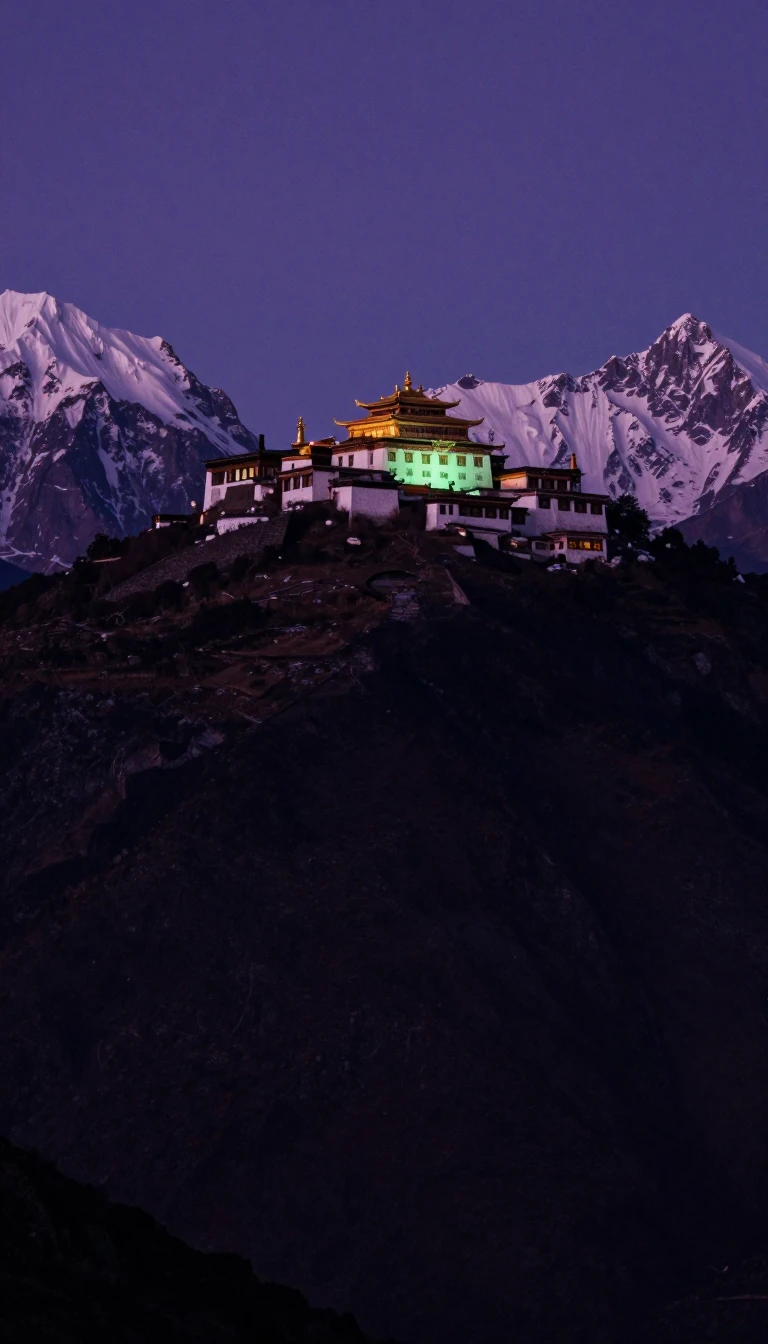 The Dalai Lama title was created by a Mongol leader, not a Tibetan monk.While the Dalai Lama is the spiritual head of Tibetan Buddhism, the title itself originated in 1578 from Altan Khan, a Mongol ruler. He bestowed the honor upon Sonam Gyatso, the t…
 Why the word county describes everything from ancient Chinese districts to modern Irish sportsThe term county is a global administrative chameleon. While it traces its roots to medieval European counts, it now labels diverse systems ranging from Chinese local government to…
 How a Roman outpost became the most advanced city in medieval EuropeOnce a Roman colony, Córdoba transformed into a global beacon of learning and culture under the Umayyad dynasty. By the 10th century, it was the second-largest city in Europe, boa…
 How a century-old labor movement became a pillar of Chilean democratic institutional politicsFounded in 1912, the Communist Party of Chile evolved from a radical industrial labor force into a unique political entity. Often misunderstood as a monolith, the party has naviga…
- The Communist Party of Vietnam: From Underground Cells to Absolute State PowerFounded by Ho Chi Minh in 1930, the Communist Party of Vietnam evolved from a clandestine revolutionary group into the sole legal authority of the nation. By navigating colonial r…
 How Britain transitioned from slave trading to colonial rule in NigeriaBritish involvement in Nigeria evolved from a dominant role in the Atlantic slave trade to a formal colonial empire. Driven by economic interests and shifting moral tides, Britain…
 How a secret society of medical students dismantled the Ottoman Empire's absolute monarchy.Born in a vineyard, the Committee of Union and Progress began as a clandestine student group seeking constitutional reform. It evolved into a powerful, authoritarian political mac…
 A university built on a plantation by convict labor, now a top research institution.Founded in 1889 on the former Fort Hill plantation of John C. Calhoun, Clemson University emerged from a contentious legislative vote. Initially a segregated military school built…
- Before ruling Spain, Charles III conquered Naples and Sicily in a nearly bloodless campaign.Born in 1716, Charles III of Spain was a master of enlightened absolutism. Long before he ascended the Spanish throne in 1759, he spent 25 years in Italy. There, he transformed fr…
 The Roman Emperor who turned an entire empire into citizens to appease the godsCaracalla is remembered as a brutal tyrant who murdered his own brother, yet he also issued the Antonine Constitution. This sweeping edict granted Roman citizenship to nearly ever…
 The ancient inns that powered global trade across Asia, Africa and Europe for centuriesLong before modern hotels, the caravanserai served as the vital heartbeat of the Silk Road. These fortified inns provided safe harbor for merchants, pilgrims, and their pack anima…
- How a Caribbean tribal title became a global shorthand for political boss ruleOriginally a Taíno term for a tribal chieftain, the word cacique was co-opted by Spanish conquistadors to describe any Indigenous leader they encountered. Over centuries, the titl…
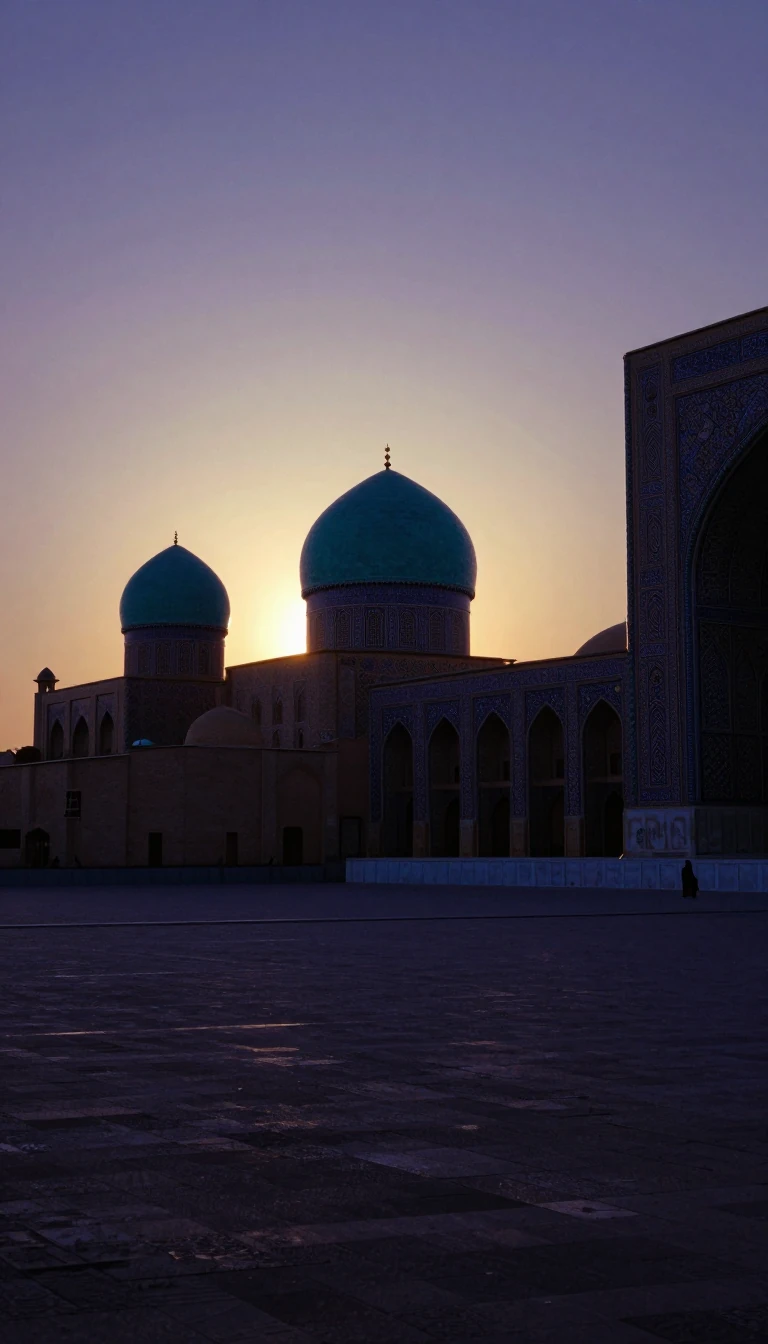 How a family of fishermen built an empire and revived ancient Persian royal gloryRising from humble origins in Daylam, three brothers conquered central and southern Iran and Iraq, establishing a powerful confederation. By blending Shi'a faith with Sasanian imp…
 How a Young Governor From Arkansas Became the 42nd President of the United StatesBefore he was the 42nd president, Bill Clinton was known as the Boy Governor of Arkansas. His path from a small-town upbringing to the White House was defined by a centrist politi…
- The Republic of Biafra: A Short-Lived State That Redefined Humanitarian Aid and Modern NationalismBetween 1967 and 1970, the Republic of Biafra attempted to break away from Nigeria, sparking a brutal civil war. While the state ultimately collapsed, its struggle left an indelib…
- How a mistaken assassination turned a 23-year-old revolutionary into an Indian folk heroBhagat Singh was an anti-colonial revolutionary whose life was defined by a tragic case of mistaken identity. After his group accidentally killed a junior police officer in Lahore…
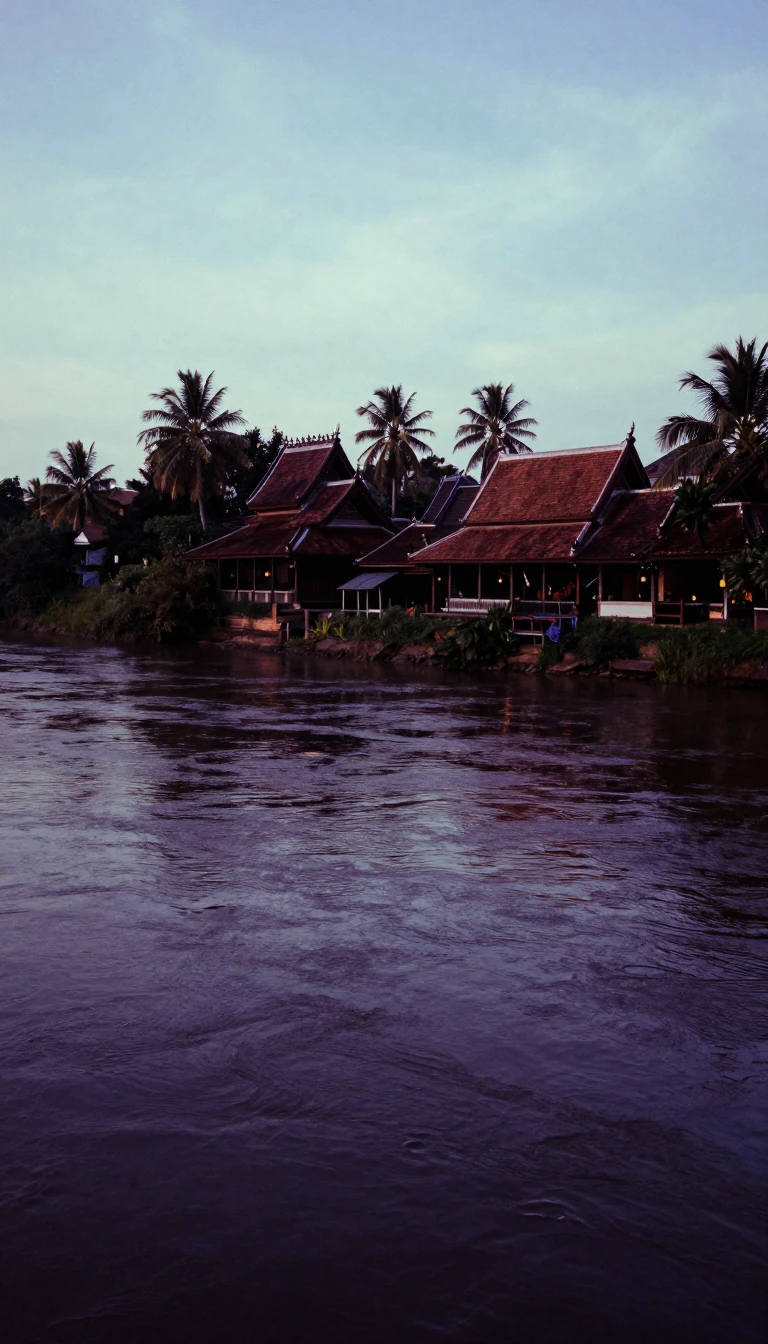 The Bengal Sultanate was a global trading powerhouse and a medieval architectural marvelBetween the 14th and 16th centuries, the Bengal Sultanate dominated the Ganges-Brahmaputra Delta as a prosperous, multiethnic monarchy. Renowned for its religious pluralism and th…
- From tribal chieftain to modern honorific: the complex, shifting history of the title BeyThe title Bey has evolved from an ancient Turkic designation for tribal leaders into a multifaceted social honorific. Spanning centuries and continents, it has signified everythin…
- Who were the Baiyue, the mysterious seafaring tribes of ancient southern China?The Baiyue were not a single unified people, but a diverse collection of ethnic groups inhabiting southern China and northern Vietnam. Known for their naval prowess, tattoos, and …
 Is the Philippine barangay an ancient indigenous tradition or a colonial Spanish invention?The barangay is the smallest administrative unit in the Philippines, with over 42,000 currently in existence. While often described as a pre-colonial political structure, some his…
 The Axis powers were a loose coalition of convenience, not a unified ideological bloc.The Axis powers, led by Germany, Italy, and Japan, initiated World War II, yet they lacked the coordination and shared vision of the Allies. While united by far-right leanings and…
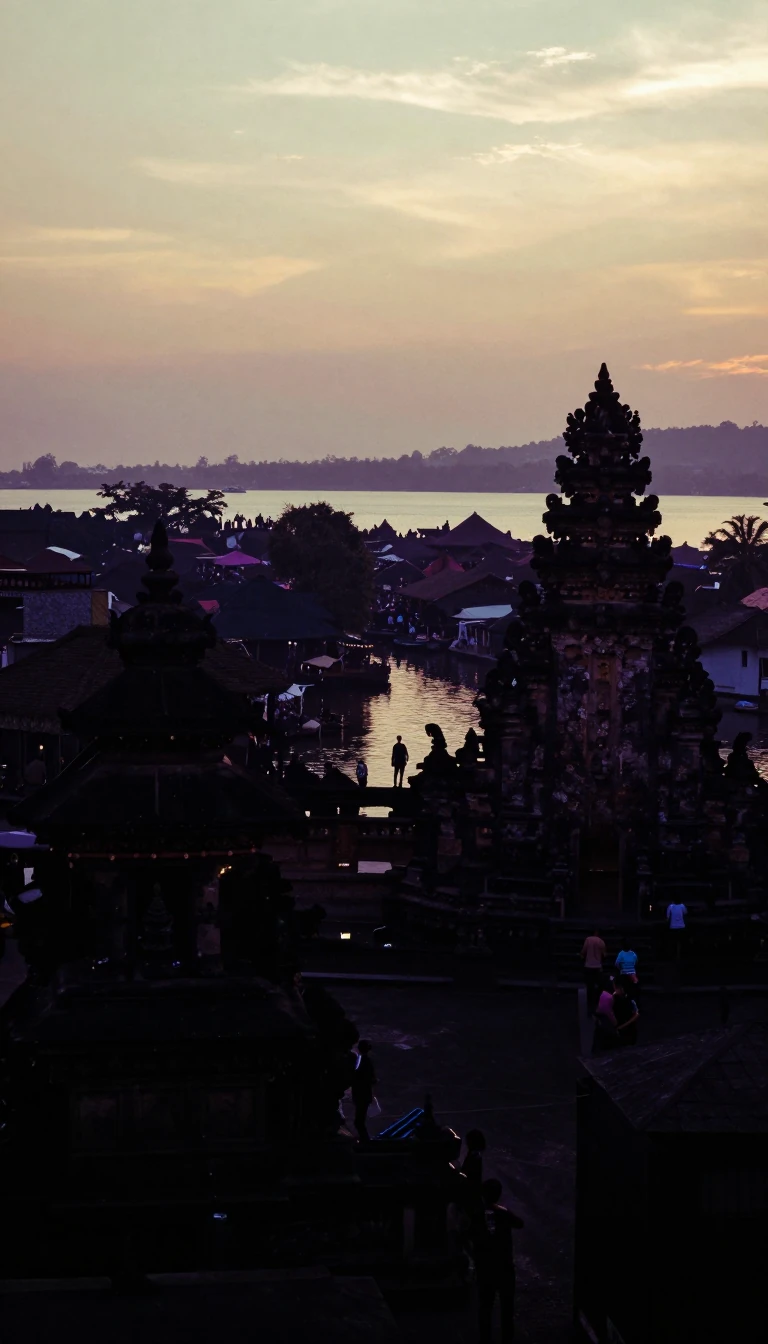 The Aztec Empire was not a single state but a volatile, three-way military alliance.Commonly called the Aztec Empire, this civilization was actually the Triple Alliance of Mexico-Tenochtitlan, Tetzcoco, and Tlacopan. Formed in 1428, this confederation dominated c…
- Ba'athism sought to unify the Arab world through a revolutionary, socialist vanguard party.Born from the intellectual circles of 1940s Syria, Ba'athism promised a cultural and political renaissance for the Arab people. It rejected Western-style pluralism in favor of a o…
 How a small Arab force dismantled Byzantine rule in Egypt between 639 and 642In 639, Amr ibn al-As led a modest force of roughly 4,000 soldiers into Egypt. Despite being vastly outnumbered by Byzantine defenders, the Rashidun Caliphate successfully ended s…
- How a local priest's son forged a divine lineage to topple an ancient empireArdashir I, the founder of the Sasanian Empire, rose from obscurity to defeat the Parthian King of Kings in 224 AD. To secure his rule, he masterfully blended religious authority …
- The Soviet survivor who navigated the Kremlin from Lenin to Brezhnev unscathedAnastas Mikoyan was the only politician to remain in power through the eras of Lenin, Stalin, Khrushchev, and Brezhnev. Known for his legendary longevity, he mastered the art of s…
 How a colonial condominium became the battleground for the soul of the Nile ValleyBetween 1899 and 1956, Sudan was governed as a condominium, a legal fiction that masked effective British control. While Egypt and the United Kingdom shared nominal sovereignty, t…
 How a small group of elites transformed into the architects of a new nationFounded in 1906 to protect Muslim interests in British India, the All-India Muslim League began as an exclusive club for the upper class. By the 1940s, it had evolved into a massi…
 The Ruthless Viceroy Who Transformed the Umayyad Caliphate Through Iron-Fisted ReformAl-Hajjaj ibn Yusuf was a polarizing figure who rose from humble origins as a schoolmaster to become the most powerful governor in the Umayyad Caliphate. His brutal suppression of…
 The Russian Tsar who lived in a fortress to escape his own peopleAlexander III ruled Russia as a staunch autocrat, yet he was known as The Peacemaker for avoiding major wars. Haunted by his father's assassination, he retreated into a heavily gu…
 The ancient title of alderman: from medieval elder to modern municipal power playerDerived from the Old English ealdorman, meaning elder man, the title of alderman has evolved into a diverse array of local government roles. While once a standard fixture in Engli…
- How a penniless teenage clerk became the architect of the American financial systemOrphaned in the Caribbean and self-educated through a small library of books, Alexander Hamilton rose from a clerkship in a colonial import-export firm to become the first U.S. Se…
 The child king who inherited a crumbling empire and lost it to a coupAscending the throne at age eleven, Ahmad Shah Qajar became the final ruler of his dynasty. His reign was defined by foreign interference, economic instability, and a government t…
- The metallurgist who built Pakistan’s nuclear program and a global black market for secrets.Abdul Qadeer Khan, a Pakistani engineer, became the face of his nation’s nuclear weapons program after stealing centrifuge designs from a Dutch consortium. Yet, his legacy is dual…
- The Frontier Gandhi who led a massive nonviolent movement in the British RajAbdul Ghaffar Khan, known as the Frontier Gandhi, founded the Khudai Khidmatgar, a nonviolent resistance movement that mobilized over 100,000 Pashtuns against British rule. Despit…
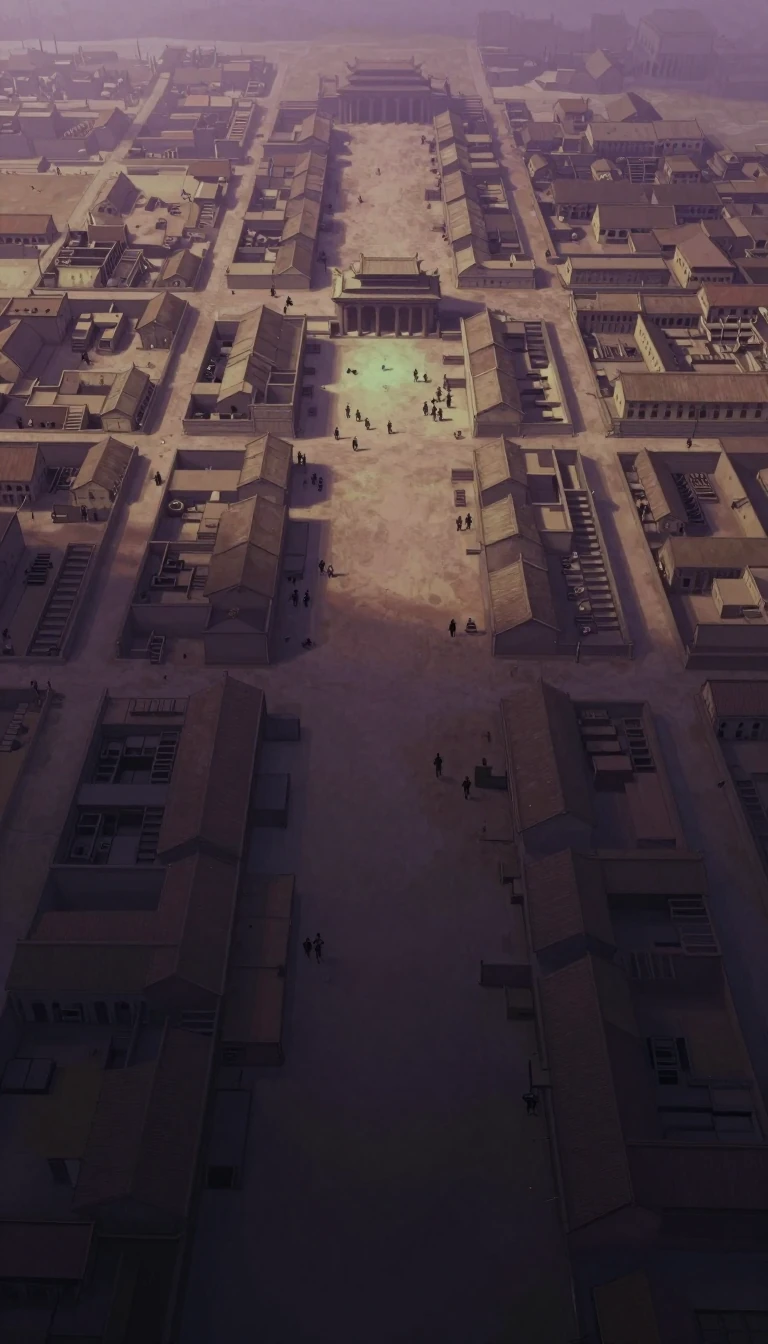 Beyond Athens: Why the Acropolis was the heartbeat of the ancient worldThe term acropolis evokes the iconic Athenian citadel, yet it describes a universal ancient blueprint. From Mayan pyramids to Iberian hilltops, these elevated fortresses served as…