 Intellect Plus
History
21,004 cards. Each one is a 40-second story with a five-minute read behind it. Page 273 of 351.
Subtopics: 19th century · 20th century · Africa · Age of Exploration · Ages & eras · Ancient · Ancient China · Ancient egypt · Ancient greece · Ancient rome · Ancient trade · Archaeological discoveries · Archaeology · Astronomy · Australia · Auxiliary historical sciences · Babylon · Basics · Born on this day · Bronze age · Buddhism · Case studies · Chefs, bartenders and winemakers · China · Cities · Climate · Columbus · Contemporary (1945-) · Cosmetics people · Crime · Criminals · Decipherment · Deep time · Disasters · Early modern · Education · Egypt · Empires · Empires & civilisations · Exploration · Explorers · Extinction · Fandom, conventions and festivals · History by continent and large region · History by continent and region · History by country · History by country, small region and city · History by ethnicity · History by subject matter · History by topic · Inca · India · Industrial Revolution · Japan · Kings & queens · London · Mass hysteria · Medicine · Medieval kingdoms · Medieval life · Mediterranean · Mercedes-Benz History · Mesopotamia · Middle ages · Military leaders and theorists · Military leaders, personnel, and theorists · Ming dynasty · Misconceptions · Modern · Modern (1800-1945) · Napoleon · Navigation · North africa · Other · Pacific · Pharaohs · Philippines · Pirates · Post-classical · Prehistory · Propaganda · Public health · Rebels, revolutionaries and activists · Renaissance · Researched · Second world war · Shipwrecks · Silk Road · South america · Tradespeople · UK & Ireland: history · United states · Vikings · Volcanoes · Women in history
 How Hiroshima Transformed a Global Sporting Event Into a Powerful Message of Lasting PeaceIn 1994, Hiroshima became the first non-capital city to host the Asian Games. By choosing a site forever marked by the 1945 atomic bombing, organizers shifted the focus from mere …
 Why the 1980 Moscow Olympics remain the most controversial games in modern historyThe 1980 Summer Olympics in Moscow were defined by a massive, US-led boycott in response to the Soviet invasion of Afghanistan. With 66 nations absent, the competition was fundame…
 Munich 1972 aimed for cheerful optimism but ended in a historic security tragedy.The 1972 Summer Olympics were designed to showcase a democratic, peaceful Germany to the world. Organizers branded them the Cheerful Games, featuring a solar logo and sky-blue uni…
 Was the 1973 Chilean coup a domestic uprising or a foreign-engineered regime change?On September 11, 1973, Chile’s military overthrew the democratically elected government of Salvador Allende, ending decades of political stability. While the coup is often linked …
 The deadliest natural disaster in U.S. history ended a city's golden age forever.In 1900, Galveston was a booming, wealthy port city that felt invincible. Then, a catastrophic Category 4 hurricane leveled the island, killing at least 8,000 people. The disaster…
 How 20th-century art reimagined the ruins of PersepolisIn this lecture, Talinn Grigor examines the artistic afterlife of Persepolis. Discover how 1930s paintings and imperial celebrations transformed ancient ruins into symbols of mode…
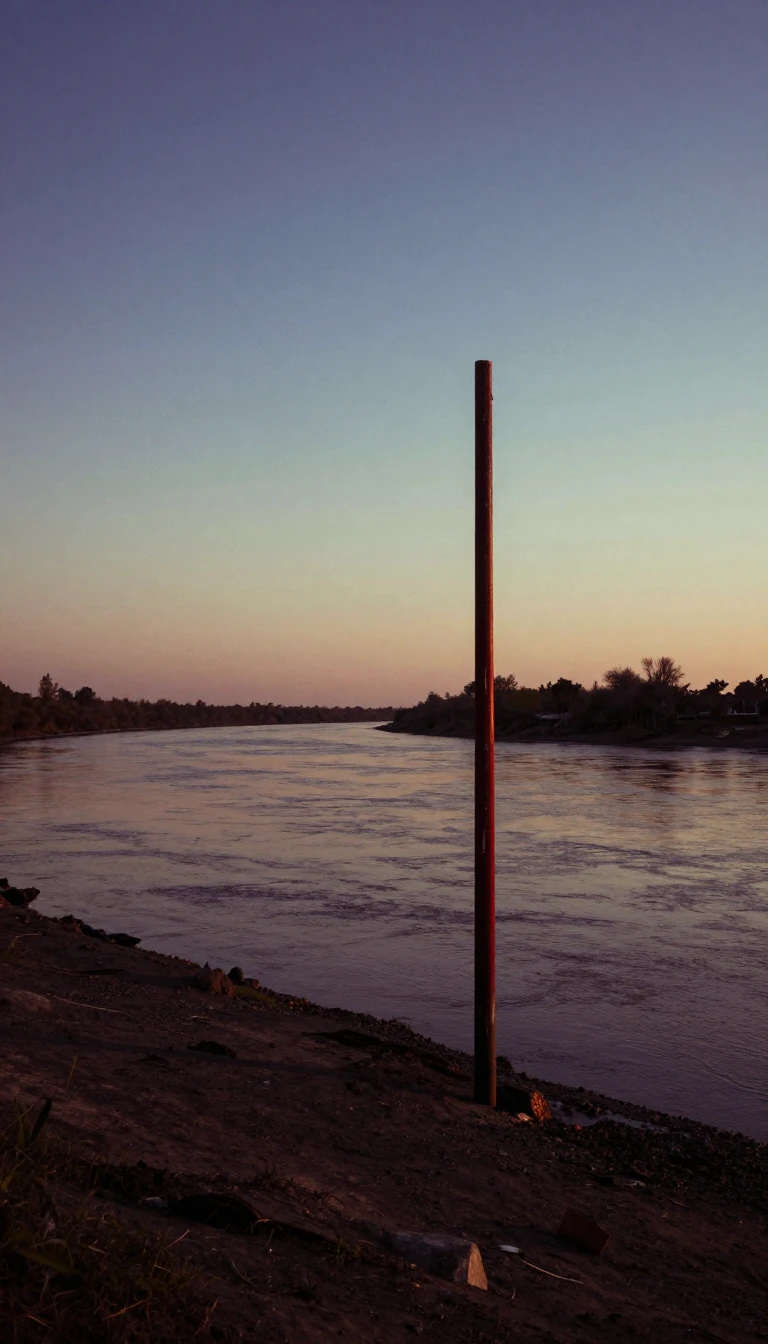 Why is Louisiana's capital named after a red stick found on a riverbank?The name Baton Rouge translates to red stick, a moniker born from a 17th-century boundary marker between two native tribes. This riverside city has since been ruled by six differe…
 The Soviet invasion of Poland was a secret deal that carved up a nationOn September 17, 1939, Soviet forces crossed into Poland, sixteen days after Nazi Germany had begun its own assault. This maneuver was not a spontaneous reaction to chaos, but the…
- The British explorer who amputated his own frostbitten fingers with an electric fretsawSir Ranulph Fiennes is a record-breaking adventurer who has survived heart attacks, extreme polar expeditions, and even a failed attempt to blow up a movie set. His life is define…
 The Mutiny on the Bounty was a desperate reaction to months of psychological tormentOn April 28, 1789, Fletcher Christian seized the HMS Bounty from Lieutenant William Bligh, casting him adrift in the Pacific. While often remembered as a simple rebellion, the mut…
 Was the New World named after an Italian explorer or a merchant from Bristol?The name America first appeared on a 1507 map, officially honoring Amerigo Vespucci. Yet, persistent theories suggest the continent might actually owe its title to an indigenous m…
- How a private club for elite explorers became a global scientific powerhouseFounded in 1888 by 33 academics and wealthy patrons, the National Geographic Society began as an exclusive Washington, D.C. club. Today, it is a massive nonprofit dedicated to sci…
 The Mosquito Coast was a kingdom that defied empires for over two centuries.Spanning the eastern seaboard of Nicaragua and Honduras, the Mosquito Coast was an independent political entity that successfully resisted Spanish conquest. By leveraging alliance…
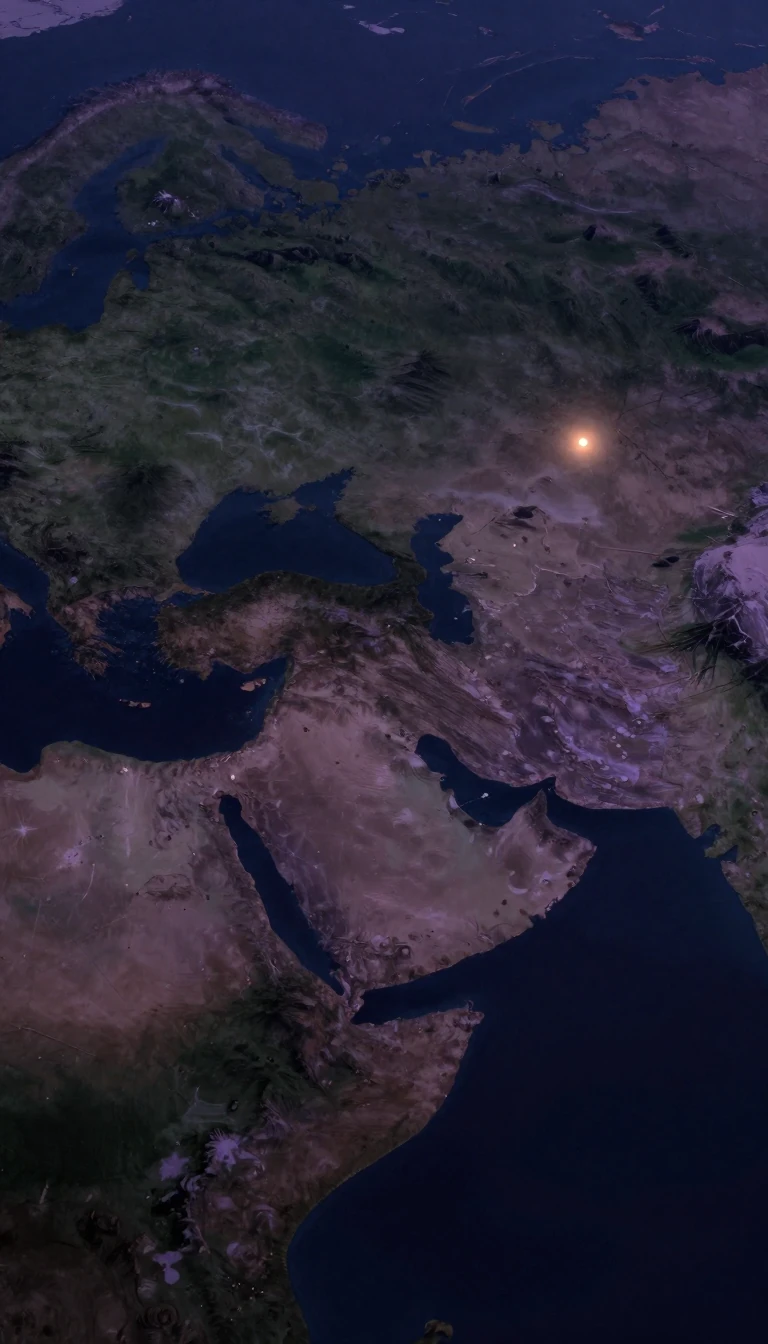 Why did Eurasian civilizations conquer the world instead of being conquered by others?Jared Diamond argues that global inequality is not a product of intellectual or genetic superiority. Instead, he posits that the rise of Eurasian dominance was driven by environme…
 Why these seven Greek islands spent centuries avoiding Ottoman rule while others fellKnown as the Heptanese, the Ionian Islands occupy a unique position in Greek history. While the rest of the Greek-speaking world succumbed to the Ottoman Empire, these islands rem…
 Why a single ancient miscalculation of Earth's size changed the course of human history.Maps are not just tools for navigation; they are powerful social instruments that shape how we perceive the world. From prehistoric mammoth tusks to the sophisticated coordinate s…
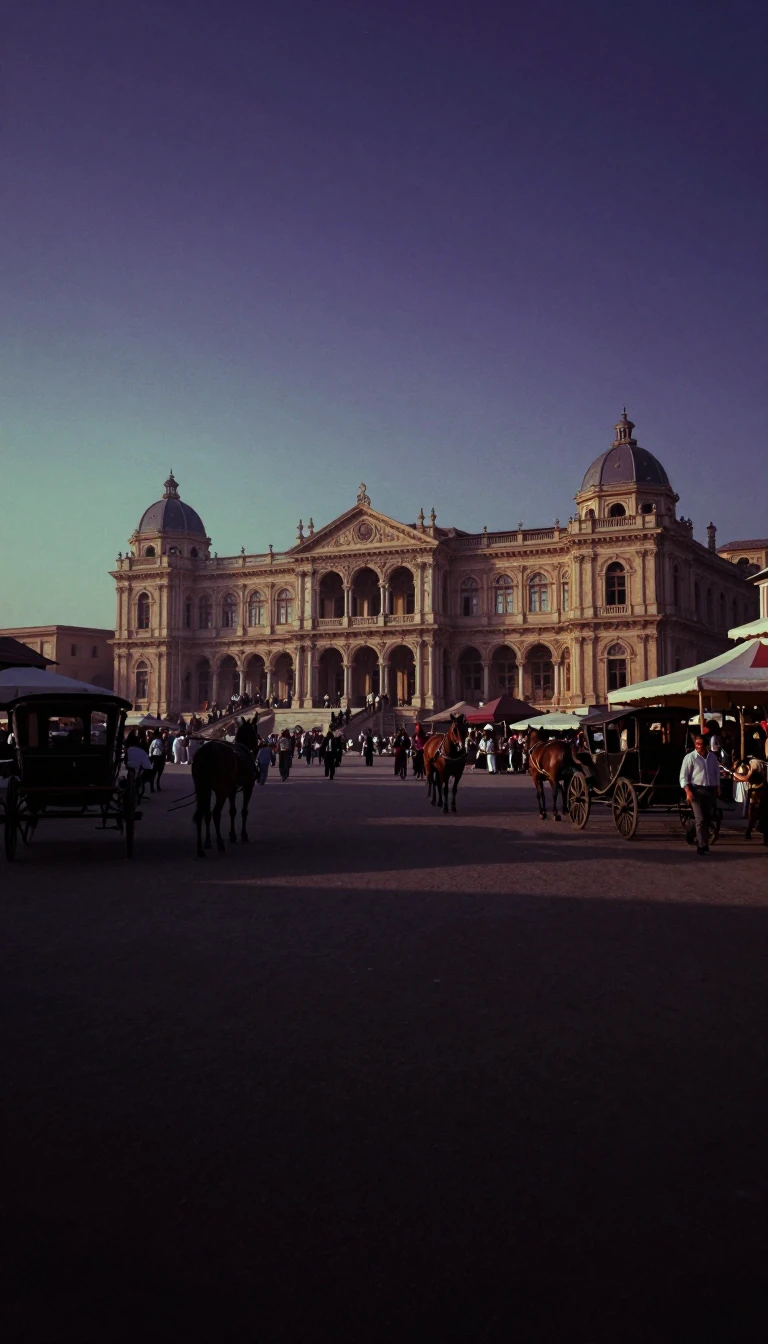 The Russian flag’s tricolour design was inspired by Dutch naval traditions in the 1600sRussia's iconic white, blue, and red flag has a history as complex as the nation itself. While often associated with modern Russian identity, its origins trace back to Peter the G…
- The Central Powers were a strategic coalition defined by their geography in central Europe.The Central Powers coalition, which fought the Allied Powers during World War I, was named for the location of its members between the Russian Empire to the east and France and th…
 Who are the Balts, and how did they survive millennia of migration and conquest?The Balts are a distinct group of Indo-European peoples whose history is defined by resilience and linguistic preservation. While many ancient tribes were absorbed by neighbors, L…
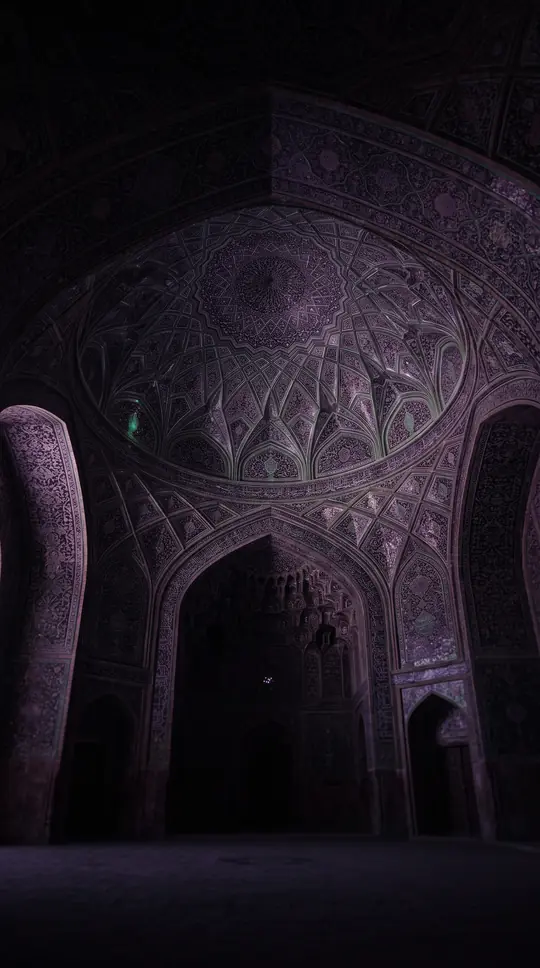 Was the purchase of Alaska really a folly, or a masterstroke of American expansion?In 1867, the United States acquired a vast, icy territory from Russia for $7.2 million. While critics mocked the deal as Seward's Folly, the purchase fundamentally reshaped Pacifi…
 Why does the 12-hour clock divide our day into two confusing cycles?The 12-hour clock splits our day into two cycles of 12, a convention rooted in ancient Egyptian sundials and water clocks. While we rely on a.m. and p.m. to navigate our schedules…
 Why did sitting on the left side of a room change global political history?The terms left and right originated from the seating arrangements in the French National Assembly during the French Revolution. Those opposing the royal veto sat on the left, whil…
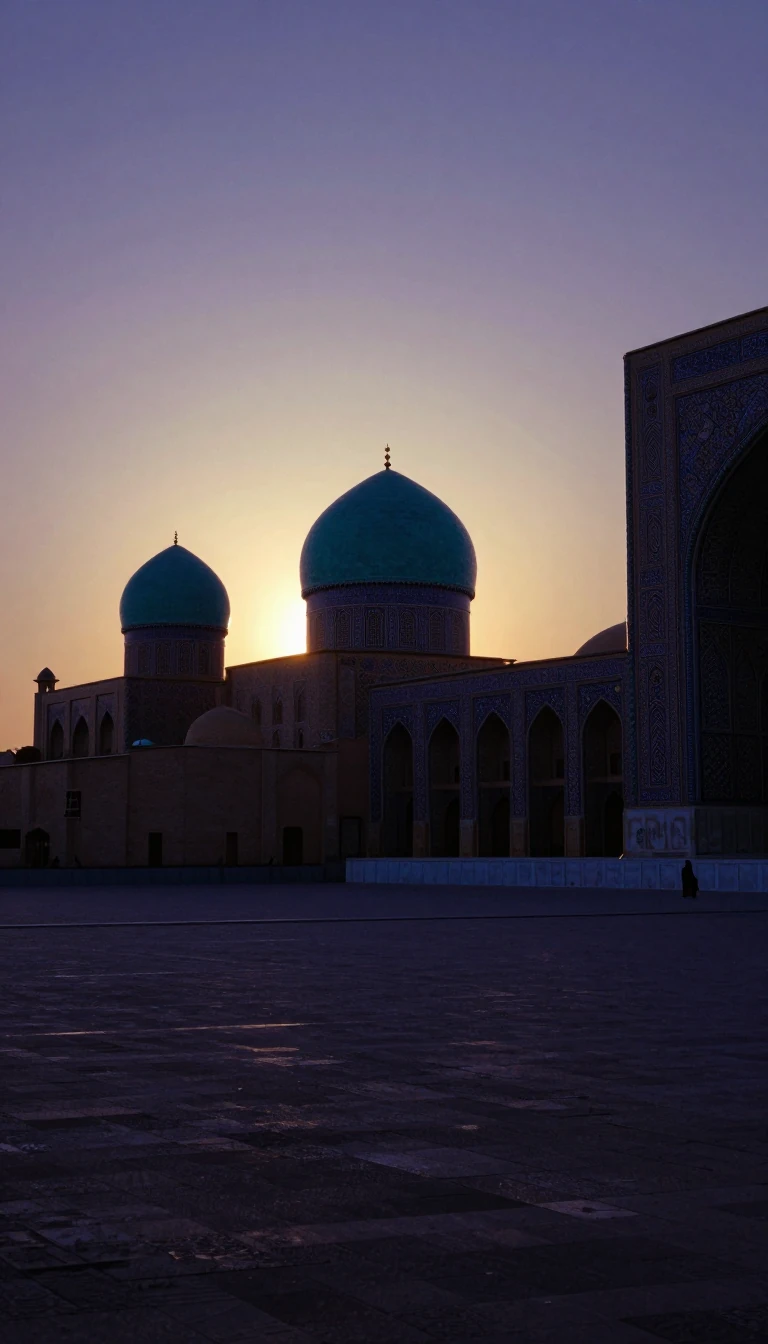 How a mid-ranking cleric became the longest-serving supreme leader in modern Iranian historyAli Khamenei rose from a mid-ranking cleric to Iran's supreme leader, holding power for 36 years. Despite lacking the traditional religious qualifications required by the constitu…
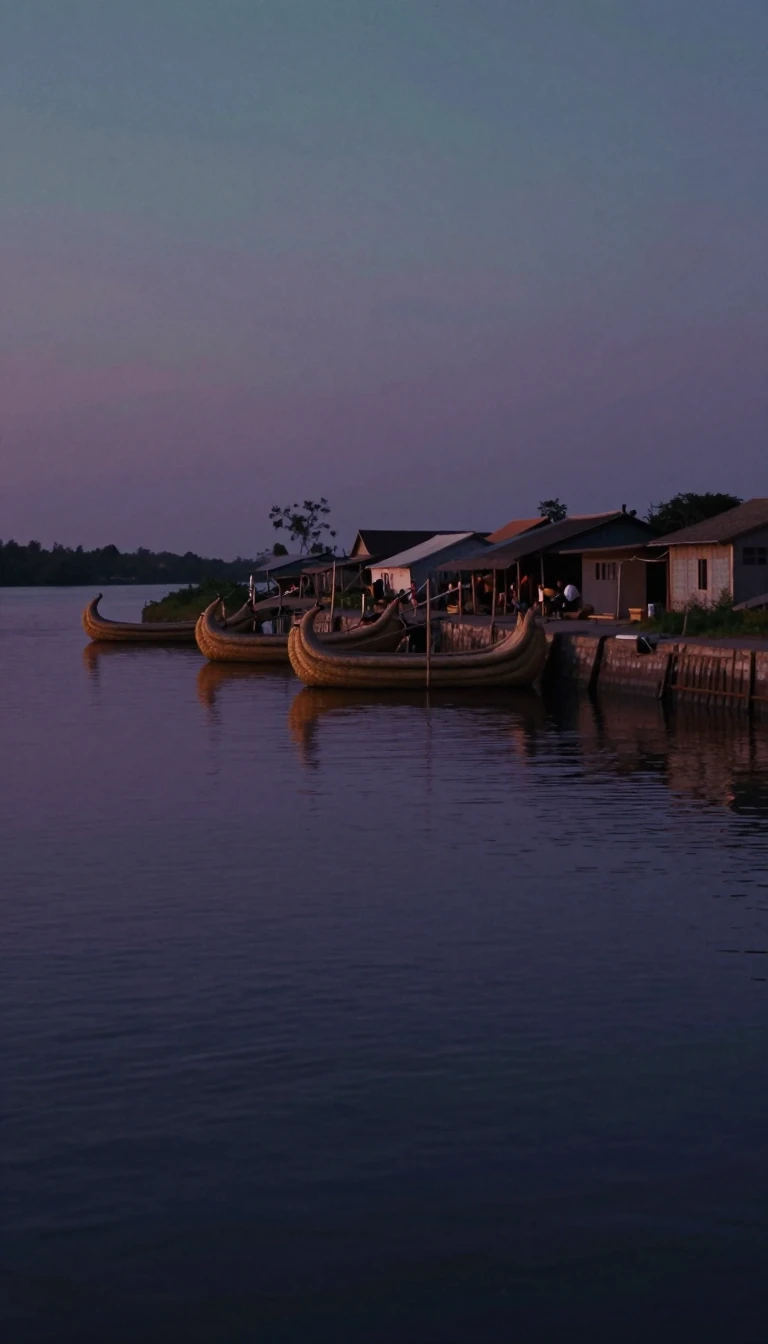 Waterford: How a Viking Trading Post Became Ireland’s Oldest and Most Resilient CityFounded by Norse raiders in 914, Waterford holds the title of Ireland’s oldest city. From surviving medieval sieges to becoming a global hub for fine glass, this southeastern port…
 Annie Oakley was a global superstar who built her career on precision, not myth.Born into poverty in rural Ohio, Annie Oakley rose to become the first female superstar of the American West. While popular culture often portrays her as a fictionalized romantic …
 Was the Golden Age of Piracy actually a short, brutal, and mythologized era?The romanticized image of the pirate is rooted in a chaotic period between 1650 and 1730. While popular culture paints a vivid picture of high-seas adventure, historians debate wh…
 Why a medieval bakery fire in 1666 nearly erased the heart of LondonIn September 1666, a small fire in a Pudding Lane bakery spiraled into a four-day catastrophe. As the City of London burned, panic, xenophobia, and administrative paralysis turned…
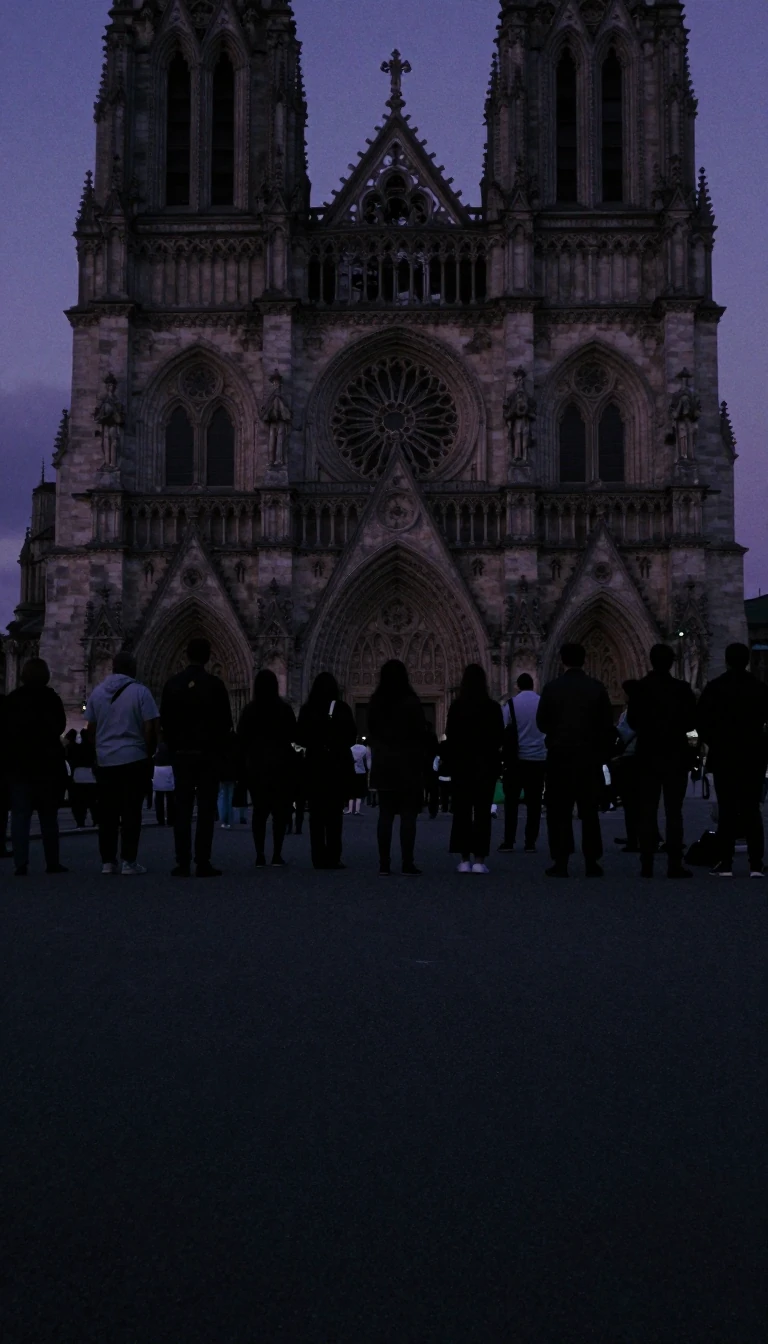 How a British King rebranded his dynasty to survive the fires of World War I.George V ascended the throne in 1910, inheriting a world of radical political upheaval. As anti-German sentiment surged during the First World War, the King made a bold move to pr…
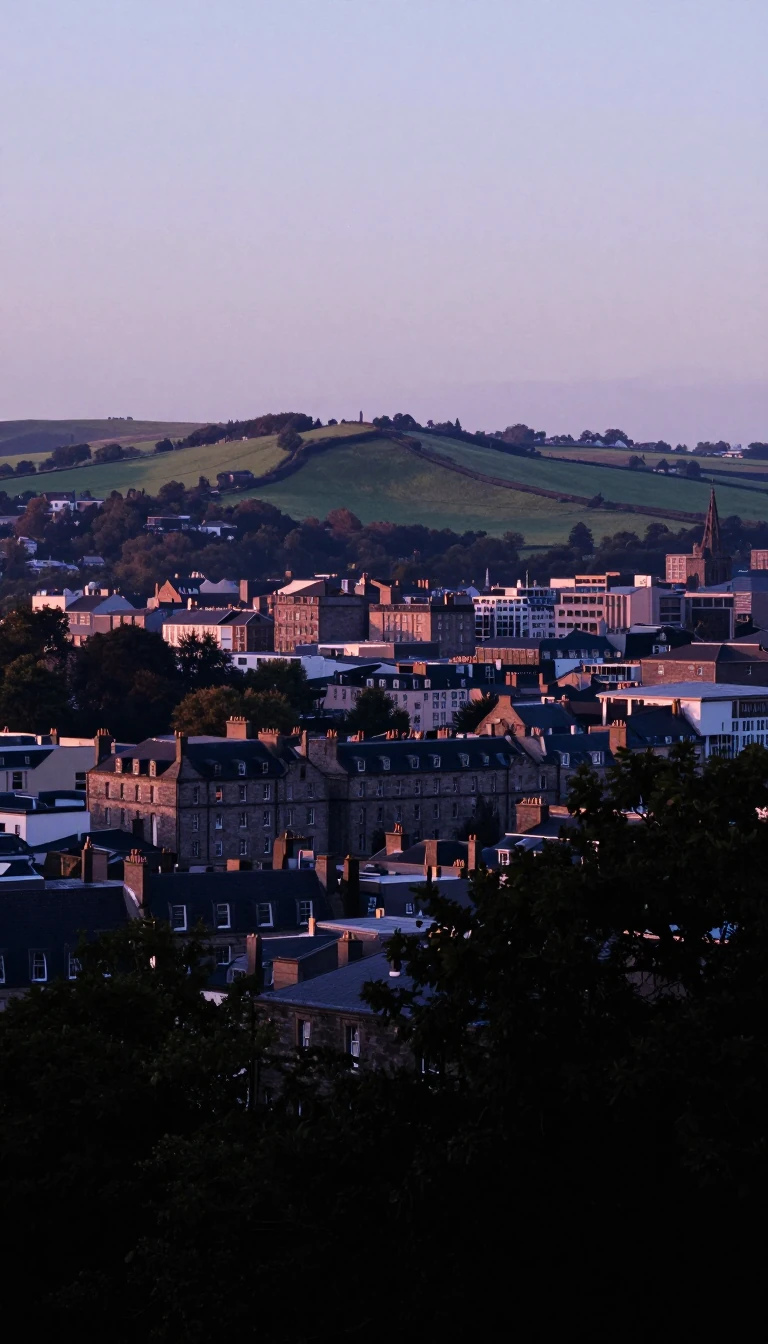 How the United Kingdom transitioned from a pre-industrial society to a modern demographic powerhouseThe United Kingdom’s population has shifted from the high-birth, high-mortality patterns of the pre-industrial era to a modern state defined by low growth and international migrat…
 Beatrix Potter was a pioneering mycologist and land conservationist, not just a children's author.While the world knows Beatrix Potter for Peter Rabbit, her true life was defined by rigorous scientific study and a massive land-preservation project. She was a self-taught expert…
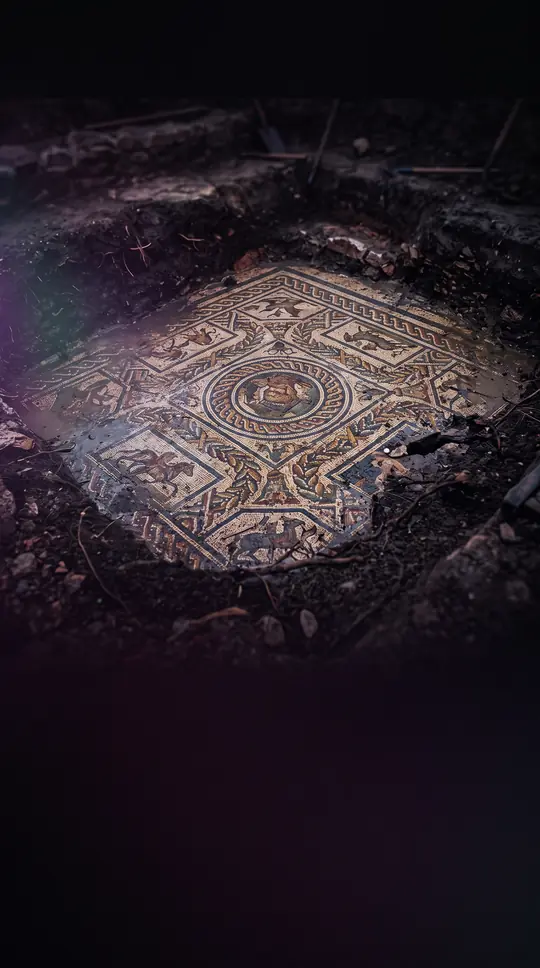 Why the Roman goddess of the home was guarded by women buried alive for failureVesta, the Roman goddess of the hearth, was rarely depicted in human form, yet her influence was absolute. Her sacred fire, maintained by the Vestal Virgins, was considered the li…
 The wigwam is a sophisticated, weather-resistant dome, not just a simple tent.Often confused with the conical tipi, the wigwam is a distinct, semi-permanent domed dwelling used by indigenous tribes across North America. Built from arched wooden poles and co…
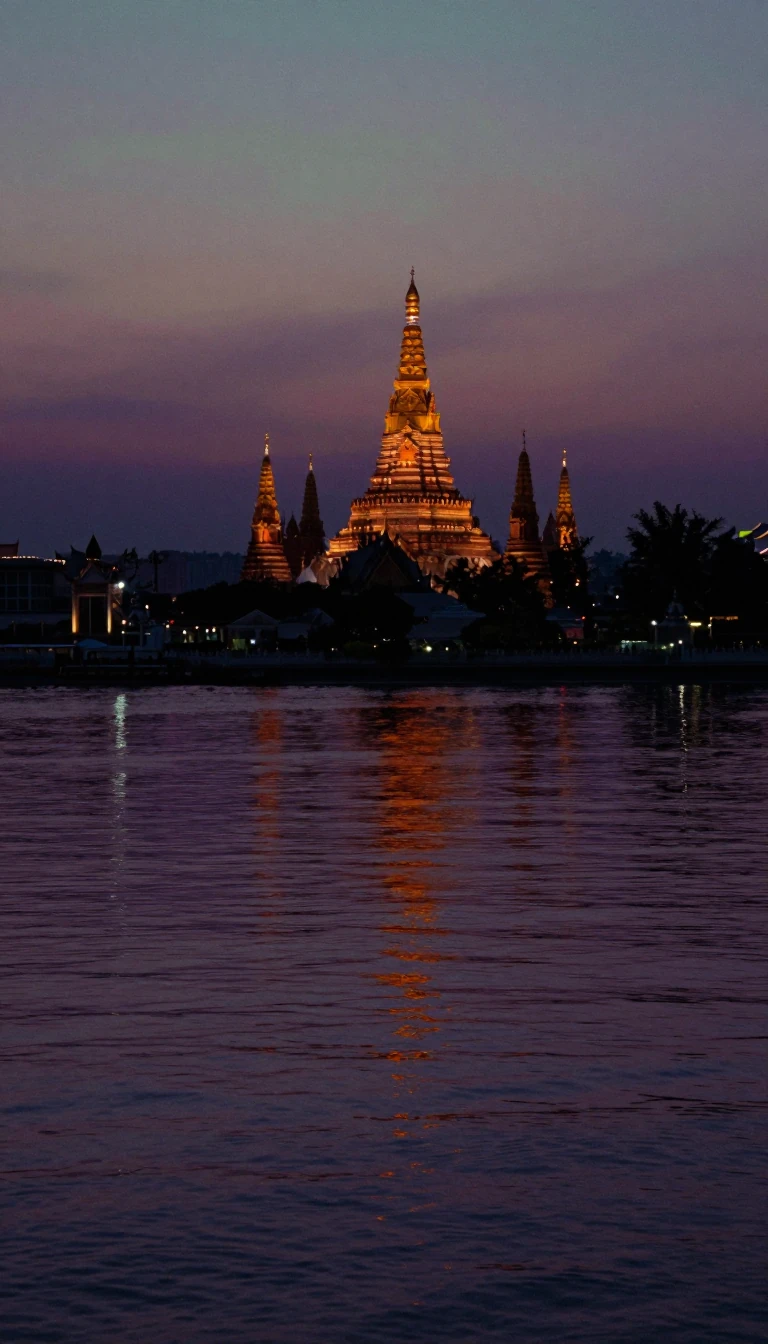 The Tatmadaw: How Myanmar's Military Evolved from Royal Army to State Within a StateLiterally translating to Royal Armed Forces, the Tatmadaw has dominated Myanmar's political landscape since 1962. Once a collection of diverse ethnic units under British colonial …
 The German Chancellor who led an economic miracle while never actually joining his party.Ludwig Erhard is the architect of West Germany's postwar economic recovery, yet he navigated the highest office in the land without ever formally joining the Christian Democratic …
 The turbulent life of Lee Harvey Oswald before he changed history in DallasBefore he assassinated President John F. Kennedy, Lee Harvey Oswald lived a life defined by instability, isolation, and ideological searching. From a troubled childhood in orphana…
- The Diplomat Who Betrayed His Father-in-Law and Paid the Ultimate PriceGaleazzo Ciano, Mussolini’s son-in-law and heir apparent, lived a life of extreme privilege before his disillusionment with the Axis war effort led him to vote for the Duce's oust…
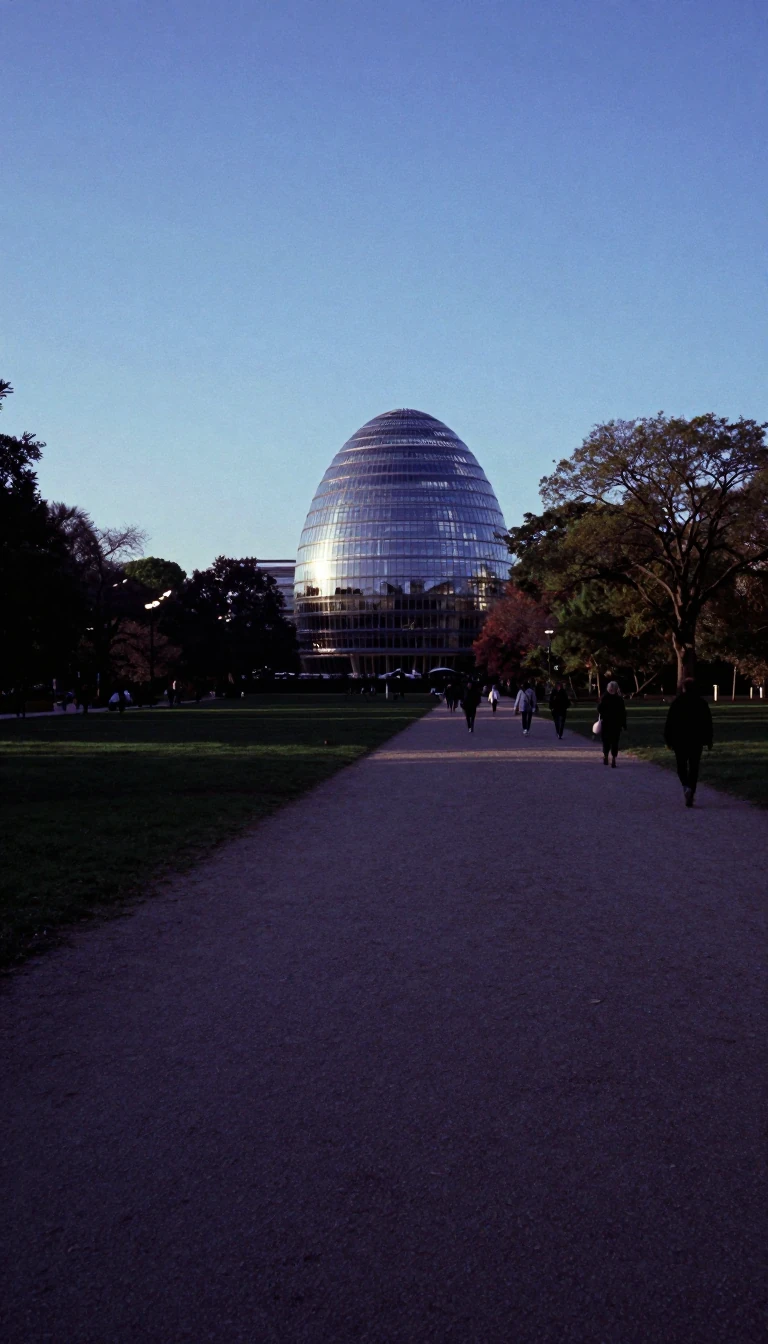 The 2021 German federal election marked a historic shift in the nation's political landscape.For the first time in the history of the Federal Republic of Germany, an incumbent chancellor chose not to seek re-election. This departure by Angela Merkel triggered a complex re…
 The Roman general who wept for his enemies while destroying their greatest cityScipio Aemilianus was a titan of the Roman Republic, a brilliant commander who razed Carthage and conquered Numantia. Yet, amidst the carnage of his greatest victories, he famousl…
 The Irish National Liberation Army: A Socialist Paramilitary Force Born from Republican SchismFormed in 1974 during the Troubles, the Irish National Liberation Army emerged as the militant wing of the Irish Republican Socialist Party. Seeking a 32-county socialist republic…
 Was James Connolly a socialist revolutionary or a nationalist martyr for the Irish Republic?Born in Scotland to Irish parents, James Connolly was a trade union firebrand who moved from syndicalist organizing in America to leading an armed insurrection in Dublin. His life…
 How a key architect of Philippine martial law became a hero of the revolution.Juan Ponce Enrile was a central figure in the Marcos administration, managing the military and the controversial declaration of martial law. Yet, in 1986, he pivoted to lead a fai…
 How a remote highland region transformed from ancient chiefdoms into a modern Indian stateMizoram, a heavily forested state in northeast India, holds a history defined by ancient megalithic sites, shifting tribal confederations, and a unique transition from British col…
 How a Mexican-governed archipelago became the crucible of a new national identityFor over two centuries, the Philippines was not governed from Madrid, but from Mexico City. This unique colonial arrangement, fueled by silver-laden galleons, eventually collapsed…
- Why do some people insist the Holocaust never happened despite overwhelming historical evidence?Holocaust denial is a fringe, antisemitic movement that rejects the reality of the Nazi genocide. By masquerading as legitimate historical revisionism, deniers attempt to rewrite …
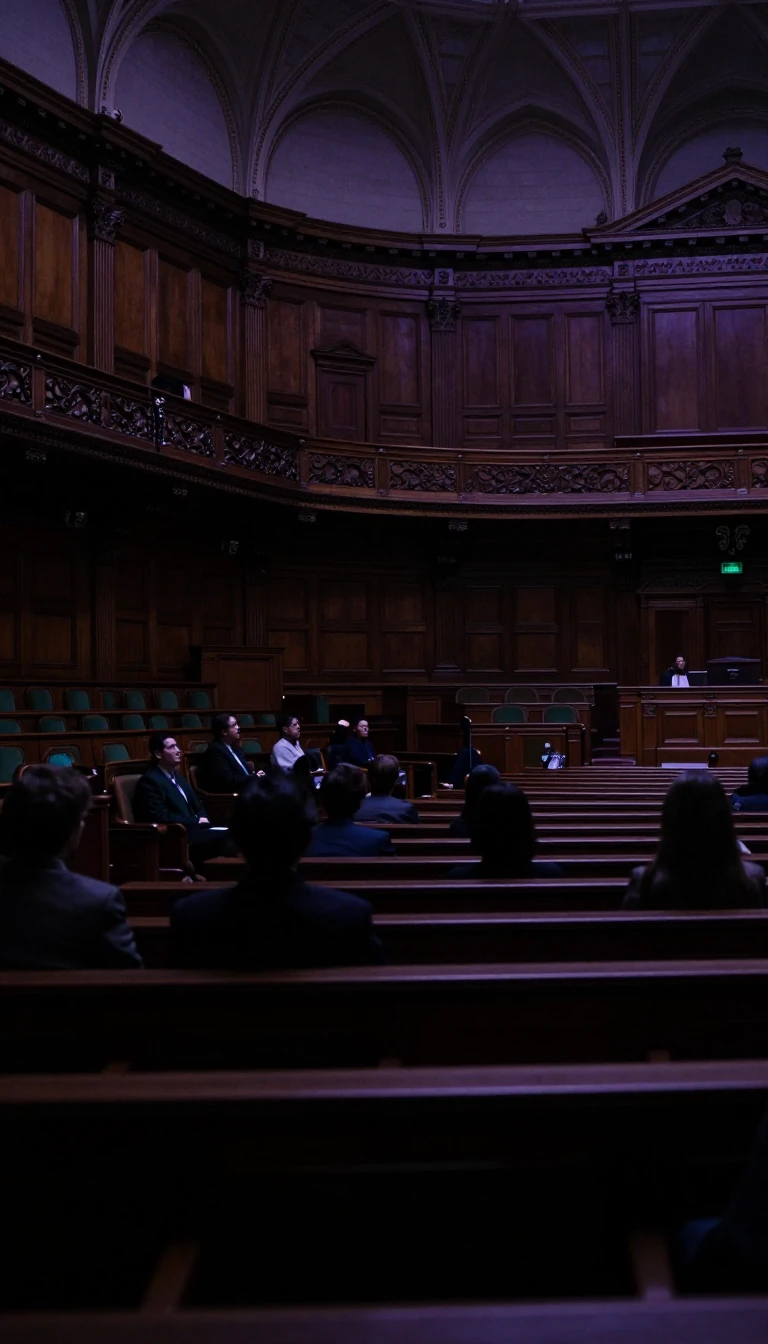 How the British Liberal Party built a welfare state before its own sudden collapseOnce a titan of British politics, the Liberal Party transformed from an aristocratic alliance into the architect of the modern welfare state. Yet, internal fractures and the rise …
- The fall of the Assad regime in 2024 did not bring peace to SyriaWhen the Assad dynasty collapsed in December 2024, many viewed it as the end of the Syrian civil war. Yet, the transition triggered a complex web of new conflicts, territorial occ…
 The Eight Years' War: Why a brutal 16th-century conflict was called a wooingBetween 1543 and 1551, England waged a savage campaign against Scotland to force a marriage between Mary, Queen of Scots, and the English heir, Edward. While later dubbed the Roug…
- The 17th-century radicals who demanded democracy before the world was ready for itDuring the English Civil War, a movement known as the Levellers challenged the status quo with radical demands for suffrage, religious freedom, and equality before the law. Though…
 How a flawed Scottish lawyer became the archetype for the ultimate literary companionJames Boswell is remembered as the greatest biographer in the English language, yet his life was defined by alcoholism, venereal disease, and severe mood swings. His secret weapon…
 Beyond the disaster, Chernobyl holds a millennium of complex history and shifting borders.Long before the 1986 nuclear catastrophe defined its global reputation, Chernobyl was a thriving center of Hasidic Judaism and a strategic medieval hunting lodge. Today, this part…
 How a Young Anti-Communist Activist Became Hungary's Longest-Serving Prime MinisterViktor Orbán rose from a student activist challenging the Soviet-backed regime to a dominant political force in Hungary. Serving as prime minister for over two decades, he reshape…
- How an economist from the mail room became Canada's longest-serving conservative prime ministerStephen Harper rose from a humble start in an oil company mail room to lead Canada for nearly a decade. As the first prime minister in years with an economics background, he resha…
 How a radical movement reshaped the map and politics of the modern Middle EastRevisionist Zionism began as a defiant challenge to mainstream Zionist leadership, demanding a Jewish state spanning both sides of the Jordan River. Though its early paramilitary …
 Why did 19th-century American politicians label Mormon polygamy a relic of barbarism?For decades, the Church of Jesus Christ of Latter-day Saints openly practiced plural marriage, sparking a fierce constitutional and moral clash with the United States government. …
- Why 19th-century museums prioritized plaster replicas of the world's greatest artDuring the 1800s, global institutions engaged in a unique era of cooperation by creating and sharing meticulous plaster casts of iconic masterpieces. This video examines the rise …
 Was John Dee a deluded occultist or the architect of the British Empire?John Dee was a brilliant mathematician and advisor to Elizabeth I who coined the term British Empire. Yet, history long dismissed him as a deluded fanatic. By blending science, al…
- Is Ilan Pappé a pioneering historian or a purveyor of historical fabrication?Ilan Pappé is a polarizing figure in Middle Eastern studies. A former Israeli academic, he advocates for a single democratic state and supports boycotting Israeli institutions. Wh…
- How a remote mountain region became the center of a geopolitical tug-of-warGilgit-Baltistan is a rugged, high-altitude territory home to five of the world's fourteen eight-thousander peaks. While its population has long sought integration with Pakistan, …
 How a lifelong political organizer became the architect of India's integral humanism ideologyDeendayal Upadhyaya was a pivotal figure in Indian politics, drafting the official doctrine for the Bharatiya Jana Sangh. His life, marked by early tragedy and a deep commitment t…
 How a North Carolina city became the final meeting place of the Confederate government.Greensboro, North Carolina, is known as the Gate City for its history as a transportation hub. Yet, its most singular historical distinction remains its role in the final days of …