 Intellect Plus
Nature
11,198 cards. Each one is a 40-second story with a five-minute read behind it. Page 186 of 187.
Subtopics: Ageing · Air · Animal behaviour · Animal breeds and hybrids · Animals · Arthropods · Atmosphere · Big cats · Bilateria, others · Birds · Botany · Cnidarians · Conservation · Coral reefs · Deep sea · Deserts · Dinosaurs · Earth science · Earth science and physical geography · Earth science basics · Earthquakes & tsunamis · Echinoderms · Ecology · Ecosystems · Endangered species · Extinct animals · Farming · Fish · Forests · Fungi · General classifications · Geology · Geomorphology · How Long Can It Live? · Ice · Individual animals · Insects · Lightning · Longevity · Mammals · Marsupials · Migration · Mollusks · Ocean · Organisms · Parasites · Physical geography · Plants · Porifera · Predators · Primates · Rainforest · Reptiles & amphibians · Researched · Sharks & rays · Spiders & arachnids · Symbiosis · Trees · UK & Ireland: nature · Vertebrates · Vision · Volcanoes · Water · Waves · Weather · Whales & dolphins · Zoology
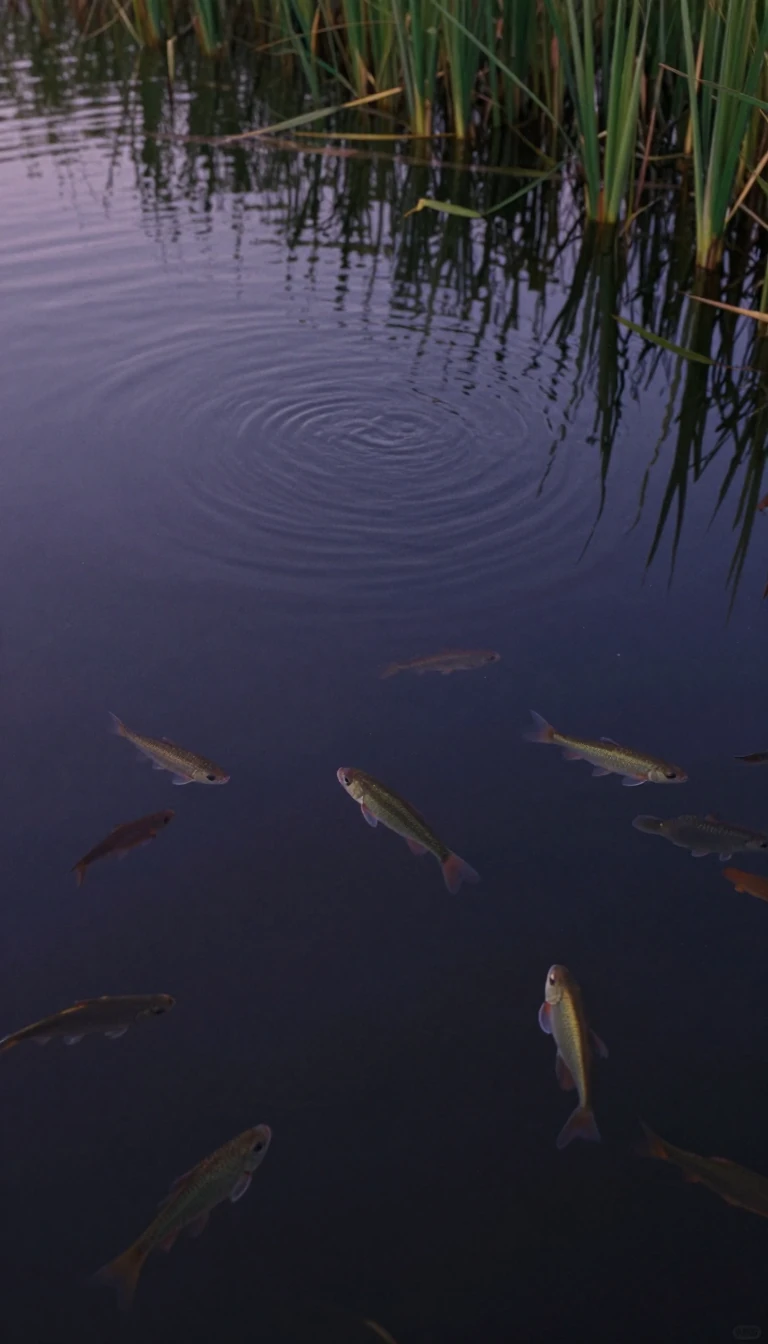 “Carp” names a crowd of cyprinids, not one fishCarp is a common label for many freshwater cyprinid fishes, a huge Eurasian-rooted ray-finned clade prized by anglers and aquaculturists alike. They sit among Ostariophysi with ca…
 Carpenter ants carve wood condos but refuse to eat the wallsCamponotus is the ant world's richest genus, with more than 1,500 described species on every continent but Antarctica. Despite the name, only a few of them actually nest in wood, …
 The cassowary is called the deadliest bird, yet ostriches kill more peopleCasuarius cassowaries are flightless ratites of New Guinea and nearby lands—three living species. The southern cassowary ranks as the world’s fourth-tallest and third-heaviest liv…
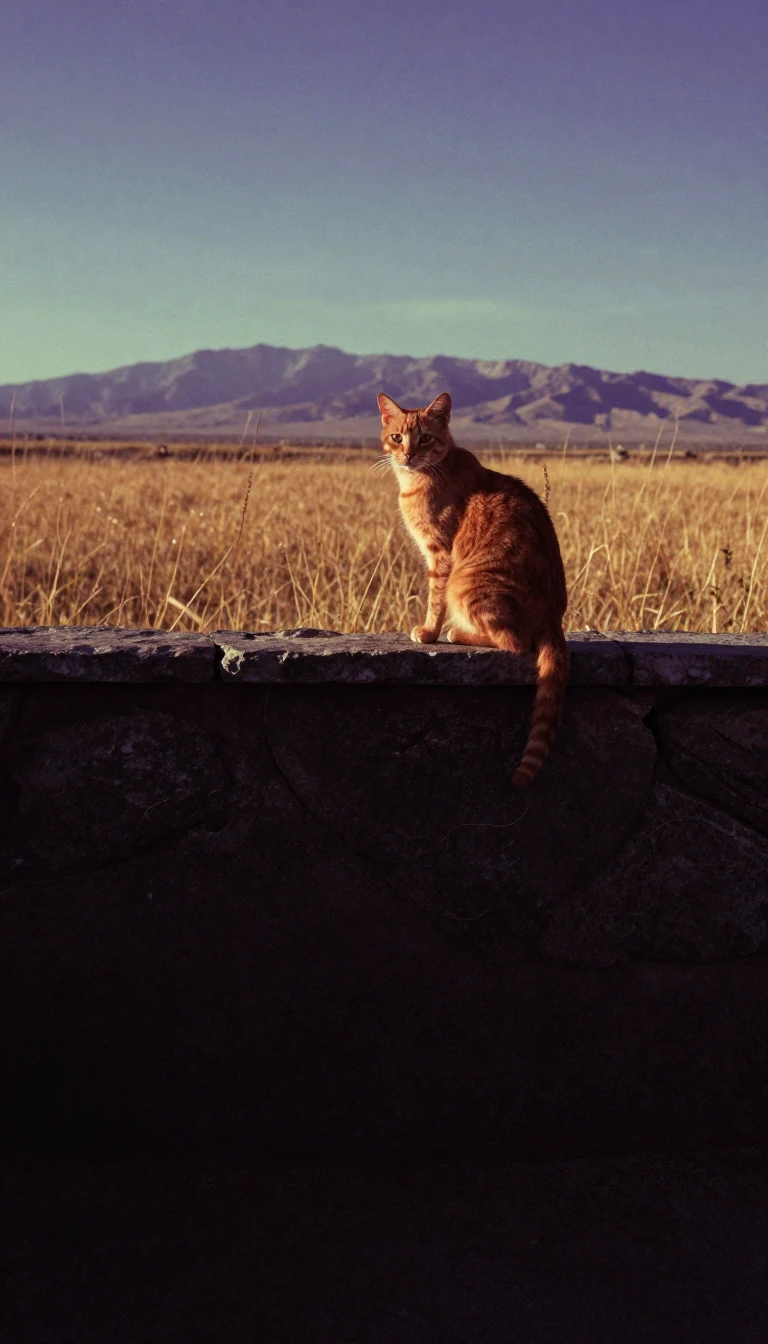 House cats joined humans in the Near East about 7500 BCEFelis catus, the domestic cat, is a small obligate carnivore in family Felidae. Archaeology and genetics place early domestication in the Near East around 7500 BCE. Globally value…
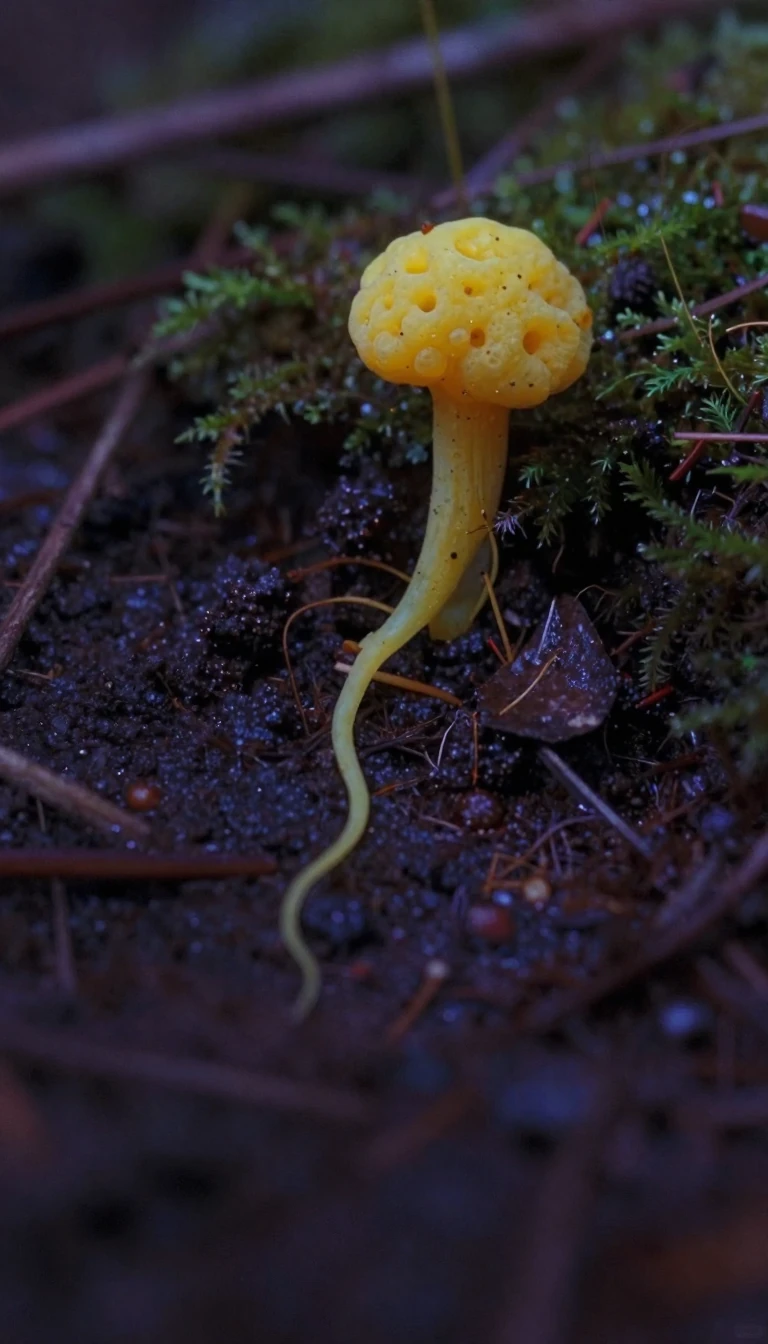 Moss animals are tiny architects of underwater coloniesBryozoans—also Polyzoa or Ectoprocta—are mostly sedentary colonial aquatic invertebrates nicknamed moss animals. Names coined around 1830–1831 nearly collided with look-alike filt…
 Budgies are a one-species genus of Australian parrotThe budgerigar (Melopsittacus undulatus)—budgie, common or shell parakeet—is a small long-tailed seed-eating parrot. It is monotypic: the only species in Melopsittacus, itself the…
 Bulbul means nightingale in Persian—but not in English birdingBulbuls belong to Pycnonotidae, medium passerines that also include greenbuls, brownbuls, leafloves and bristlebills. George Robert Gray named the group in 1840 as a thrush subfam…
 Bumblebee colonies stay small—sometimes just fifty workersMore than 250 Bombus species make up the only living bumblebee genus in family Apidae. Most are eusocial with one queen, yet nests stay far smaller than honeybee hives—sometimes o…
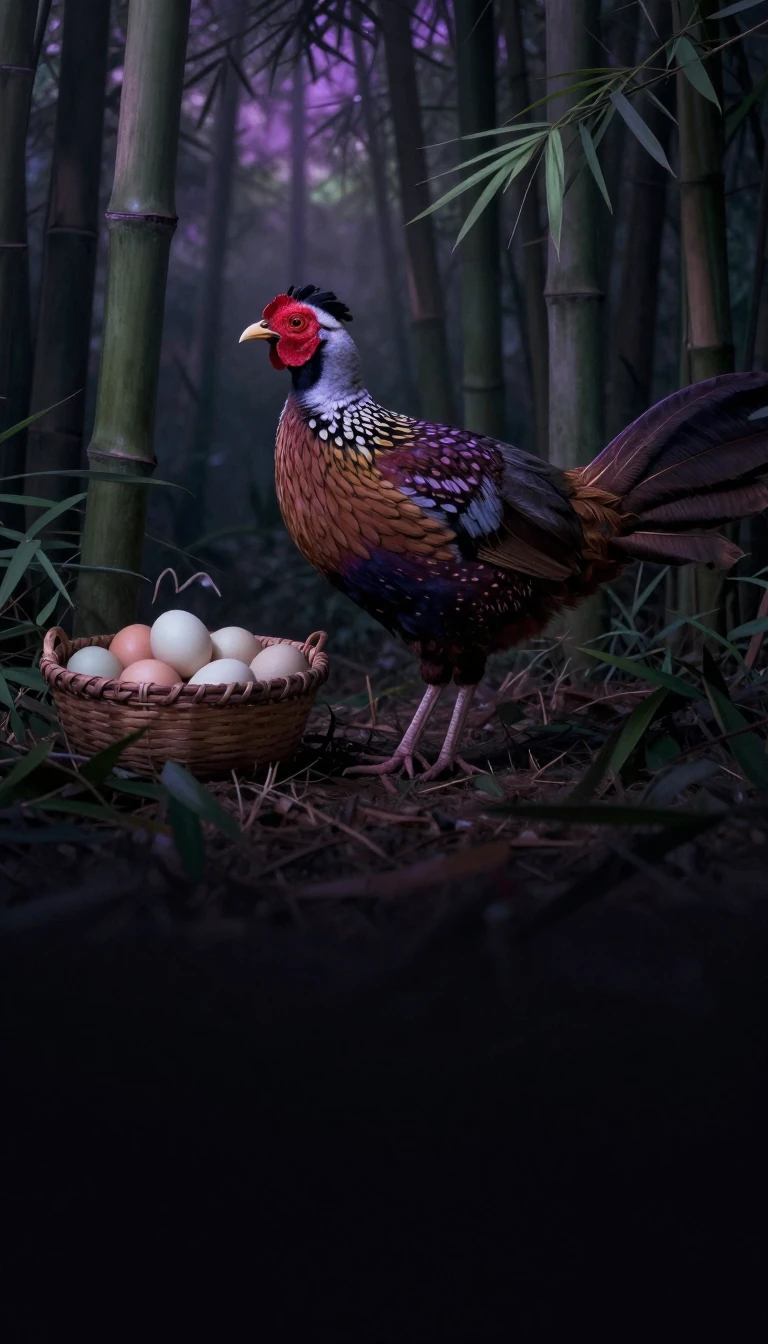 Bustards are grassland giants from forty to 150 centimetersBustards—including floricans and korhaans—are hefty ground birds of dry grassland and steppe, spanning about 40 to 150 centimeters in length. Twenty-six living species eat leaves,…
 Butterflies live four lives: egg, caterpillar, pupa, adultButterflies of superfamily Papilionoidea wear large, often vivid wings that commonly fold at rest. As holometabolous insects they pass egg, larva, pupa and winged adult. Tropics m…
- Caecilians are limbless amphibians, not snakes or wormsNamed from Latin for blind ones, caecilians are worm- or snake-shaped amphibians with tiny or absent eyes—order Gymnophiona (Apoda), the third living amphibian lineage beside frog…
 A one-millimeter worm became biology’s favorite lab animalCaenorhabditis elegans is a transparent soil nematode about a millimeter long, type species of its genus. In 1963 Sydney Brenner proposed it for neuronal development research; by …
 Caimans differ from alligators by snout and belly armorCaimans—from Taíno kaiman—are alligatorids of subfamily Caimaninae, sister lineage to true alligators. They lack a bony septum between the nostrils and wear overlapping ventral ar…
 Only the polar bear rivals the brown bear’s land sizeUrsus arctos ranges Eurasia and North America as one of Earth’s largest land carnivorans, challenged in bulk mainly by its polar cousin. Forests up to about 5,000 meters host this…
 Earth's largest animal nearly vanished before a 1966 banBlue whales stretch to about thirty meters and two hundred tonnes, outranking every known animal. Polar summer feeding and tropical winter breeding once filled the oceans—until in…
 Boas birth live young; pythons still lay eggsBoid snakes—boas—range the Americas and pockets of Africa, Eurasia, and Pacific islands. They share primitive jaw gear and pelvic spurs with pythons, yet lack postfrontal bones an…
 Five thousand years of silk start by killing a pupaBombyx mori, the domestic silk moth, exists because humans bred it from a wild relative, and it can no longer truly fly. Chinese sericulture, at least five thousand years old, usu…
- Some botflies hitch eggs onto mosquitoes to reach skinOestrid flies, known as bots, warbles, heel flies, and gadflies, raise their larvae inside mammal bodies. Only Dermatobia hominis routinely parasitizes people. Some species glue t…
- Bovids are half of all living ungulate diversityCattle, bison, buffalo, antelopes, sheep, and goats share one family: Bovidae. Its 143 living and 300 extinct species make up nearly fifty-five percent of ungulate diversity, with…
 A hinged shell cannot save turtles from pet trade raidsBox turtles—Asian Cuora and North American Terrapene—shut like trunks with hinged plastrons. They may live past forty or fifty years in verified cases, yet Asian food markets and …
 True crabs hid their tails and conquered the seafloorBrachyura—true crabs—tuck a short abdomen under a hard thorax and brandish clawed first legs. Fossils appear by the Jurassic roughly two hundred million years ago; today some seve…
 One in four animal species on Earth may be a beetleRoughly 400,000 beetle species are described—about forty percent of all known arthropods and a quarter of animal species. Estimates suggest up to 1.5 million beetle species exist.…
- This living fossil breathes through a slit on its headBichirs diverged from all other ray-finned fishes at least 330 million years ago, yet still swim African swamps with ganoid scales, fleshy pectoral fins, and paired lungs. They br…
 Nearly every animal you know shares one ancient body planBilateria includes over ninety-eight percent of known animal species—everything from worms to whales built around a head, tail, and left-right symmetry. Yet scientists still canno…
- Every living bird is a dinosaur that survived the asteroidBirds are not merely related to dinosaurs—they are the only surviving members of Dinosauria, a branch of paravian theropods. Modern birds diversified around the Cretaceous–Paleoge…
- These birds evolved costumes that fooled taxonomists for decadesMale birds-of-paradise grow absurd plumes from beaks, wings, and tails to win mates—yet so many described species were actually hybrids that Erwin Stresemann spent the 1920s and 1…
 The birds we call raptors are not one family but manyRaptors share hooked beaks, tearing talons, and lethal eyesight—yet falcons are only distantly related to hawks and eagles. Owls belong to a separate order entirely. A 2024 genomi…
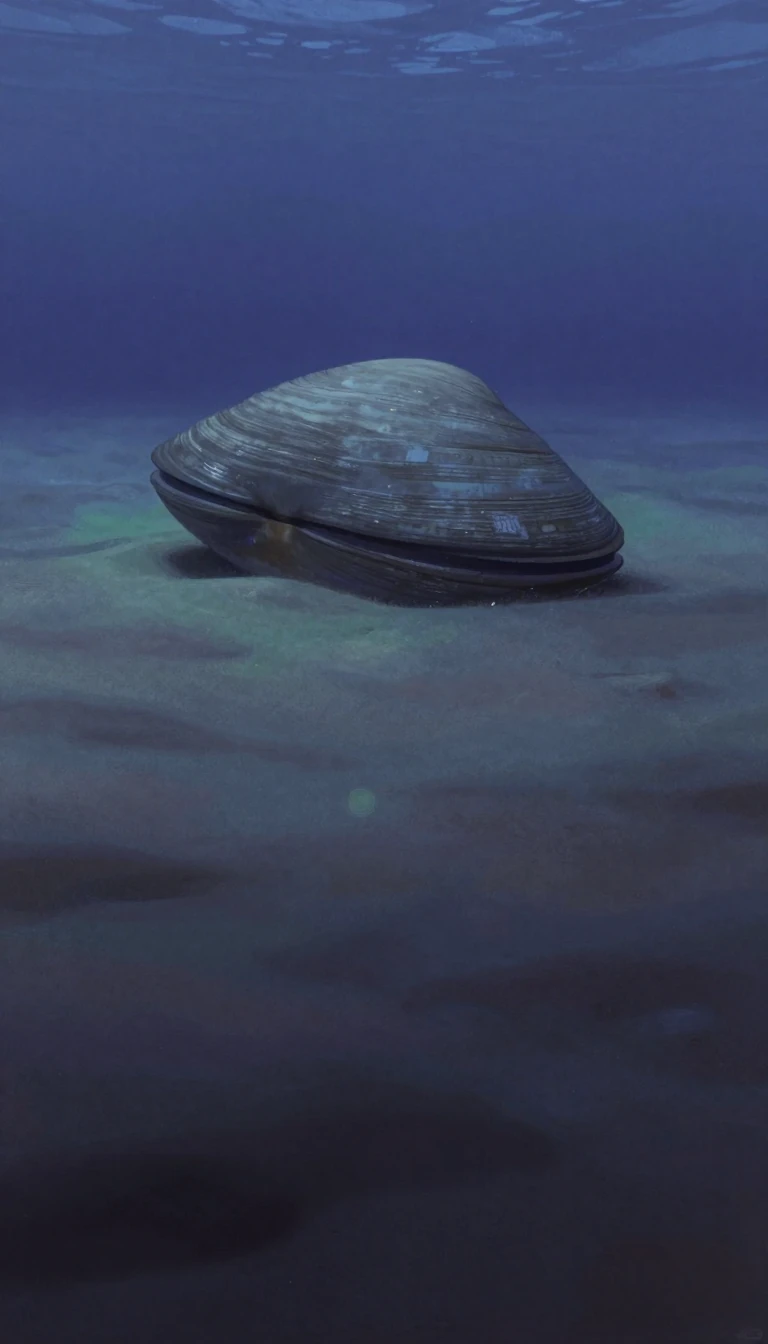 These headless molluscs built shells and human economiesBivalves—clams, oysters, mussels, scallops—enclose soft bodies in hinged calcium-carbonate valves, filtering food from water without a head or radula. About 9,200 living species s…
- A fly smaller than a fingernail can steal your sightBlack flies breed only in running water, yet adult females of some African species travel up to forty miles for blood meals. Their bites spread onchocerciasis—river blindness—caus…
 Bed bugs outlasted mid-century eradication and can starve for monthsNight-feeding Cimex bugs leave itchy welts without proven disease transmission. Egyptian fossils show they have parasitized humans for at least 3,500 years. After near wipeout in …
- Auks fly through water better than they walk on landAuks, the family of murres, guillemots, puffins, auklets and murrelets, look like northern penguins but are cousins of gulls. Every living species can fly, yet their wings are rea…
 Two Neolithic taming events made cattle from aurochsThe aurochs (Bos primigenius), extinct wild ancestor of domestic cattle, once roamed from western Europe and North Africa to India and East Asia. Neanderthals met it, Paleolithic …
 Domestic Bactrians did not descend from today's wild camelsThe two-humped Bactrian camel carried Inner Asian trade through cold, drought, and thin air. It shares genus Camelus with the dromedary and the wild Bactrian, yet genetics say the…
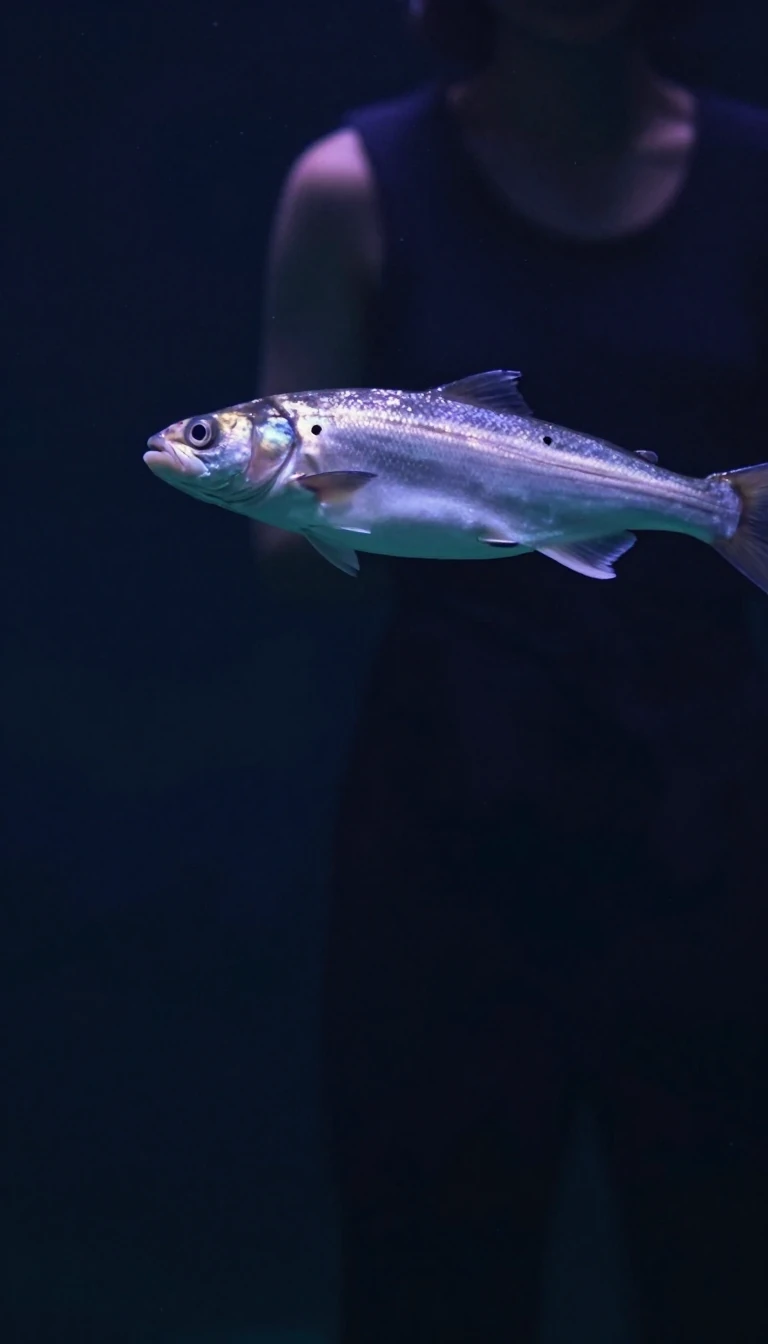 Barracudas are twenty-six species of living spearsBarracudas are long, fang-toothed ocean predators, the only genus in their family, named Sphyraenidae by Constantine Samuel Rafinesque in 1815. They look so much like freshwater p…
 Bats are the only mammals with true powered flightBats (order Chiroptera) stretch skin over elongated finger bones to fly with more agility than most birds. They are the second-largest mammal order after rodents—about twenty perc…
 Rays protrude their jaws from flattened cartilaginous bodiesBatomorphs—rays—are cartilaginous fishes sometimes ranked as superorder Batoidea; Fishes of the World treats them as division Batomorphi. Like sharks they lack true bone. Most are…
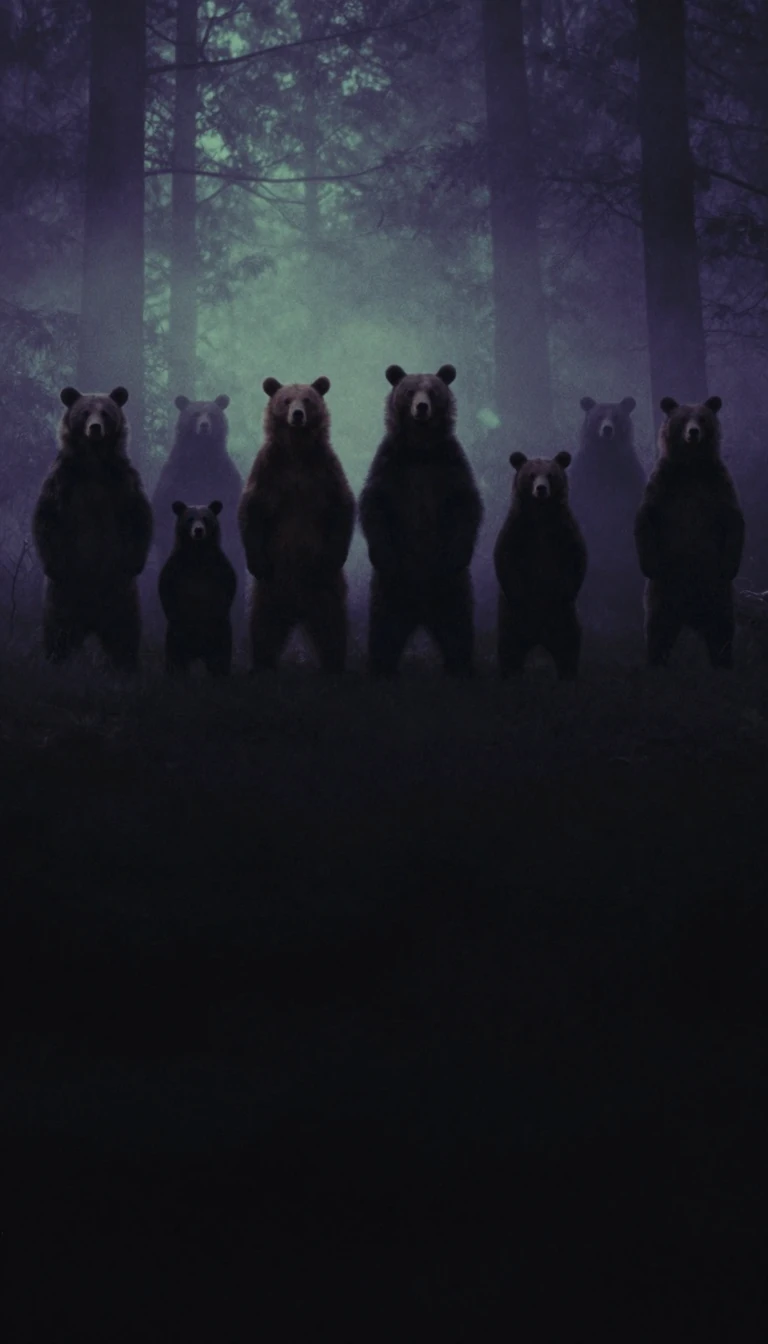 Only eight bear species still walk the EarthBears (family Ursidae) are caniform carnivorans with just eight living species spread across continents. Polar bears lean meatward, giant pandas lean bamboo-ward, and the other si…
- Earth pig is Africa's loneliest mammal orderDespite looking vaguely porcine, the aardvark is not a pig at all. It is the last living member of Tubulidentata, an obscure order defined by teeth built from tiny tubes. By night…
- Spiny sharks were not sharks, and came firstFor generations textbooks called acanthodians spiny sharks: sleek bodies, paired fins, and stiff spines ahead of every fin but the tail. Yet they are not true sharks. Unequivocal …
 The hawk genus Accipiter shrank from fifty to nineForest hawks built for zig-zag chases once crowded into one big genus called Accipiter. Molecular trees showed that pile-up was not a natural family. A 2024 reshuffle moved most s…
- Ray-finned fish own almost every living fish nicheNearly ninety-nine percent of more than thirty thousand living fish species are ray-finned actinopterygians. Teleosts alone make up over half of all living vertebrates. From deep …
 Europe's adder ranges farther north than any snakeVipera berus, the common European adder, stretches from Britain to Sakhalin and crosses the Arctic Circle—farther north than any other snake. Folklore paints it as a devilish vill…
- African buffalo herds vote with their headsSyncerus caffer is sub-Saharan Africa's sole living Syncerus species—a massive bovid with a fused horn boss in big bulls. Herds can top a thousand on floodplains. Before dusk, res…
- Twenty-six escaped bee swarms remade the AmericasIn 1956 Brazilian researchers imported African honey bees to boost yields. In 1957 twenty-six queenright swarms slipped the experimental apiary. Their hybrids with European stock—…
 Cottonmouths are vipers built for swamp edgesAgkistrodon piscivorus is North America's standout semiaquatic pit viper—the northern cottonmouth—named for a white mouth flash and a Greek-Latin label that roughly means hook-too…
 Jawless fish still swim beside the vertebratesAgnatha means without jaws: a paraphyletic grab-bag of vertebrates that never grew biting mouths. Living forms—hagfish and lampreys—total about one hundred twenty species and form…
- Alaska pollock is misnamed but feeds the worldGadus chalcogrammus schools across the North Pacific, densest in the eastern Bering Sea. Trade still calls it pollock, yet genetics pushed it back into the cod genus Gadus. Roughl…
- Albatrosses soar continents on almost no effortDiomedeidae are giant tubenose seabirds of the Southern Ocean and North Pacific, missing as breeders from today's North Atlantic. Great albatrosses stretch wingspans to two and a …
 Algae are not one family—they are many inventionsAlgae name a sprawling set of oxygen-making photosynthesizers that are not land plants. They span cyanobacteria and microscopic phytoplankton to seaweeds fifty metres long. The la…
- Only two alligator species survived—on two continentsLiving alligators are just the American and Chinese species, a late-Eocene lineage about thirty-seven million years old. The English name likely twists Spanish el lagarto, the liz…
 This turtle fishes with a worm on its tongueMacrochelys temminckii, North America's heaviest freshwater turtle, sits motionless with a pink, worm-shaped tongue lure—aggressive mimicry for passing fish. Ridged shells evoke a…
- Allosaurus was named during America's bone warsAllosaurus prowled Late Jurassic floodplains from about one hundred fifty-five to one hundred forty-three million years ago. Othniel Charles Marsh coined the name different lizard…
 Alpacas descend from vicuñas, not llamasFor centuries naturalists assumed alpacas came from llamas. DNA presented to the Royal Society in two thousand one flipped the story: Lama pacos became Vicugna pacos because alpac…
 Sixty million bison fell to five hundred forty-oneAmerican bison once ruled a grassland belt across North America. By eighteen eighty-nine commercial slaughter and cattle disease had cut tens of millions to five hundred forty-one…
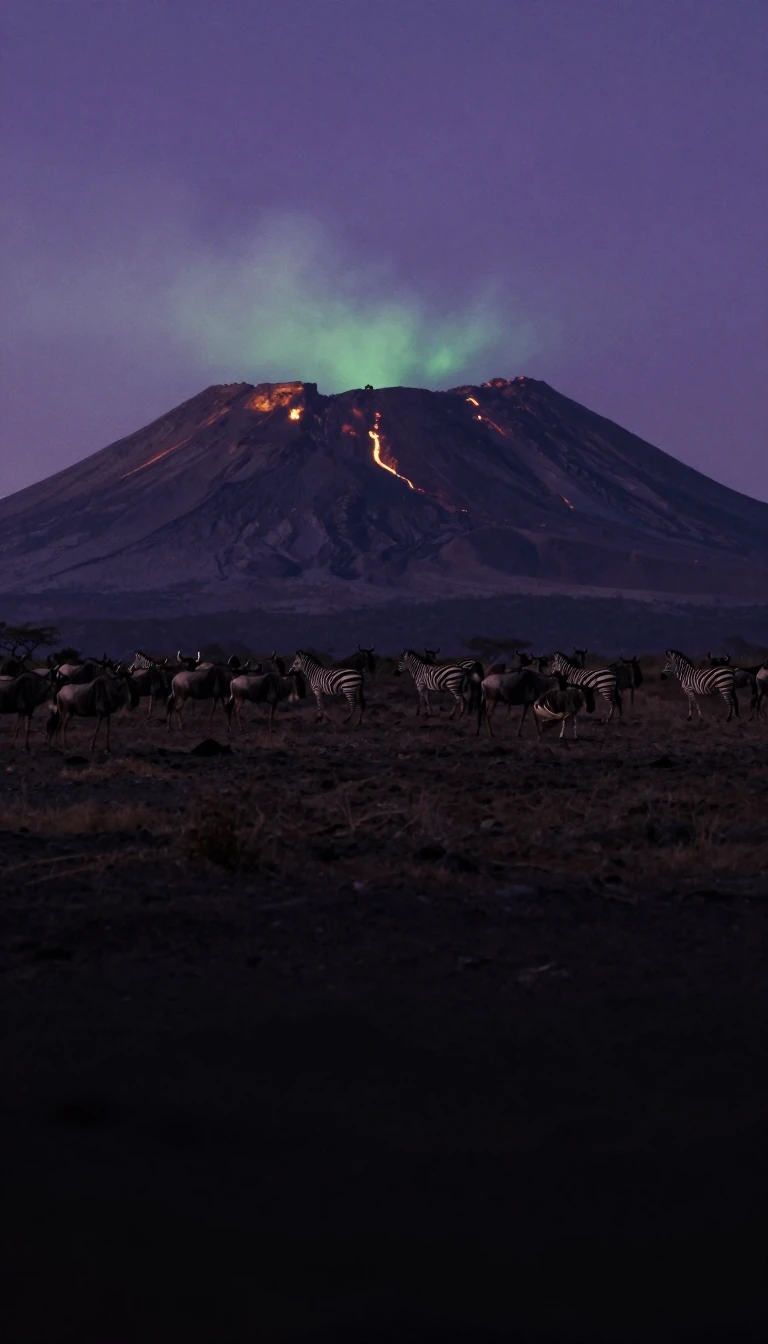 Bullfrogs hitchhiked globally on dinner platesLithobates catesbeianus, the American bullfrog, is eastern North America's giant true frog of permanent ponds and swamps. People ate it so eagerly that introductions now span more…
- America's most common landbird is a thrushThe American robin is not kin to Europe's robin; it is a true thrush, Turdus migratorius, named for a shared orange breast. Partners in Flight counted about three hundred seventy …
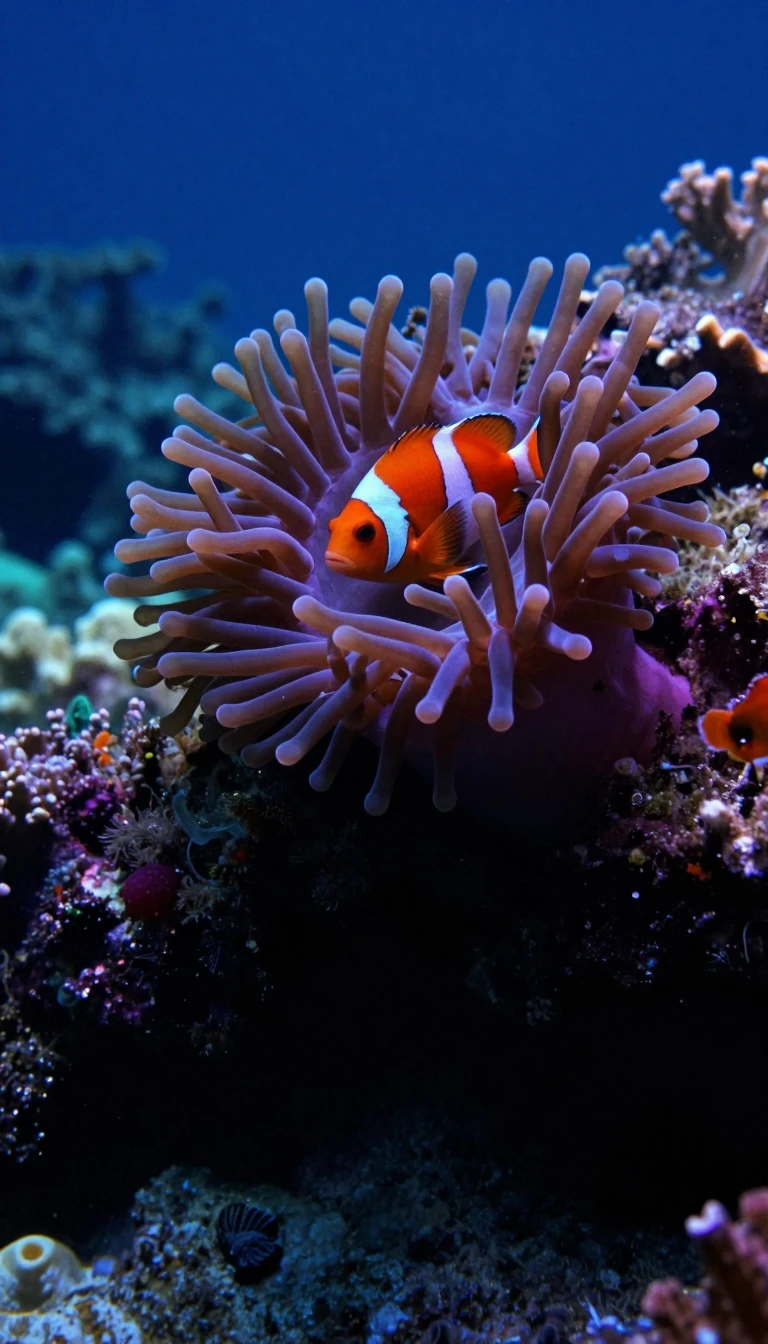 Saber-toothed anchovies once stalked Eocene seasToday's anchovies are small oily forage fish of Engraulidae—more than one hundred forty species in sixteen genera across Atlantic, Indian, and Pacific waters. Their early relative…
- Deep-sea anglerfish males fuse into living sperm banksLophiiformes hunt with a fishing-rod fin: the illicium shaft and esca lure. In some deep-sea species sexual dimorphism is extreme—females can outweigh males by orders of magnitude…
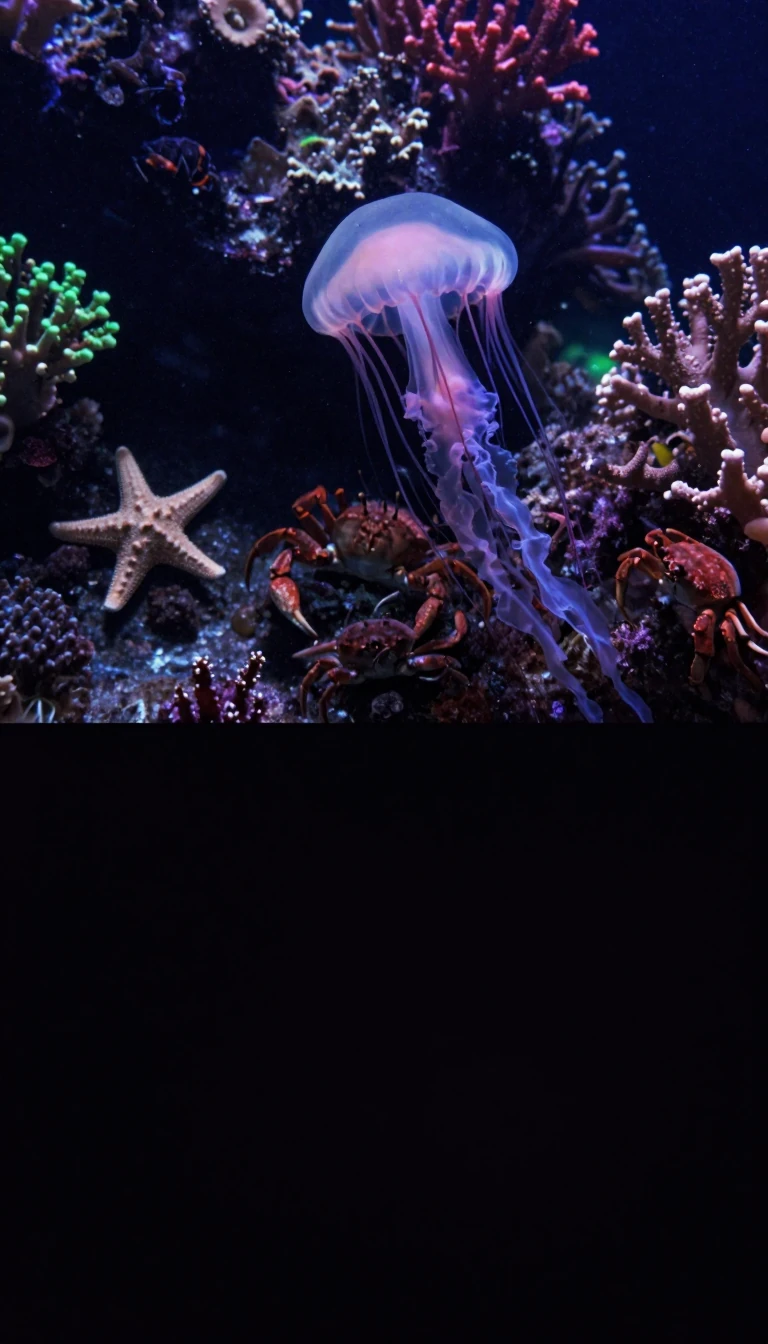 Animals began as ocean life with a shared gene kitKingdom Animalia gathers multicellular eukaryotes that eat organic matter, breathe oxygen, move with muscle cells, reproduce sexually, and pass through a blastula stage. Fossils a…
- Segmented worms rewrite their own family treeAnnelida—the little-ring phylum—holds more than twenty-two thousand living species, from earthworms and leeches to vent-dwelling polychaetes. Textbooks still recite polychaetes, o…