 Intellect Plus
Nature
11,198 cards. Each one is a 40-second story with a five-minute read behind it. Page 170 of 187.
Subtopics: Ageing · Air · Animal behaviour · Animal breeds and hybrids · Animals · Arthropods · Atmosphere · Big cats · Bilateria, others · Birds · Botany · Cnidarians · Conservation · Coral reefs · Deep sea · Deserts · Dinosaurs · Earth science · Earth science and physical geography · Earth science basics · Earthquakes & tsunamis · Echinoderms · Ecology · Ecosystems · Endangered species · Extinct animals · Farming · Fish · Forests · Fungi · General classifications · Geology · Geomorphology · How Long Can It Live? · Ice · Individual animals · Insects · Lightning · Longevity · Mammals · Marsupials · Migration · Mollusks · Ocean · Organisms · Parasites · Physical geography · Plants · Porifera · Predators · Primates · Rainforest · Reptiles & amphibians · Researched · Sharks & rays · Spiders & arachnids · Symbiosis · Trees · UK & Ireland: nature · Vertebrates · Vision · Volcanoes · Water · Waves · Weather · Whales & dolphins · Zoology
 The Phanerozoic, the eon of visible life, got its name from a mistakeGeologists named our current eon the Phanerozoic, Greek for visible life, because they once thought life itself began with it. They were wrong. Complex soft-bodied creatures flour…
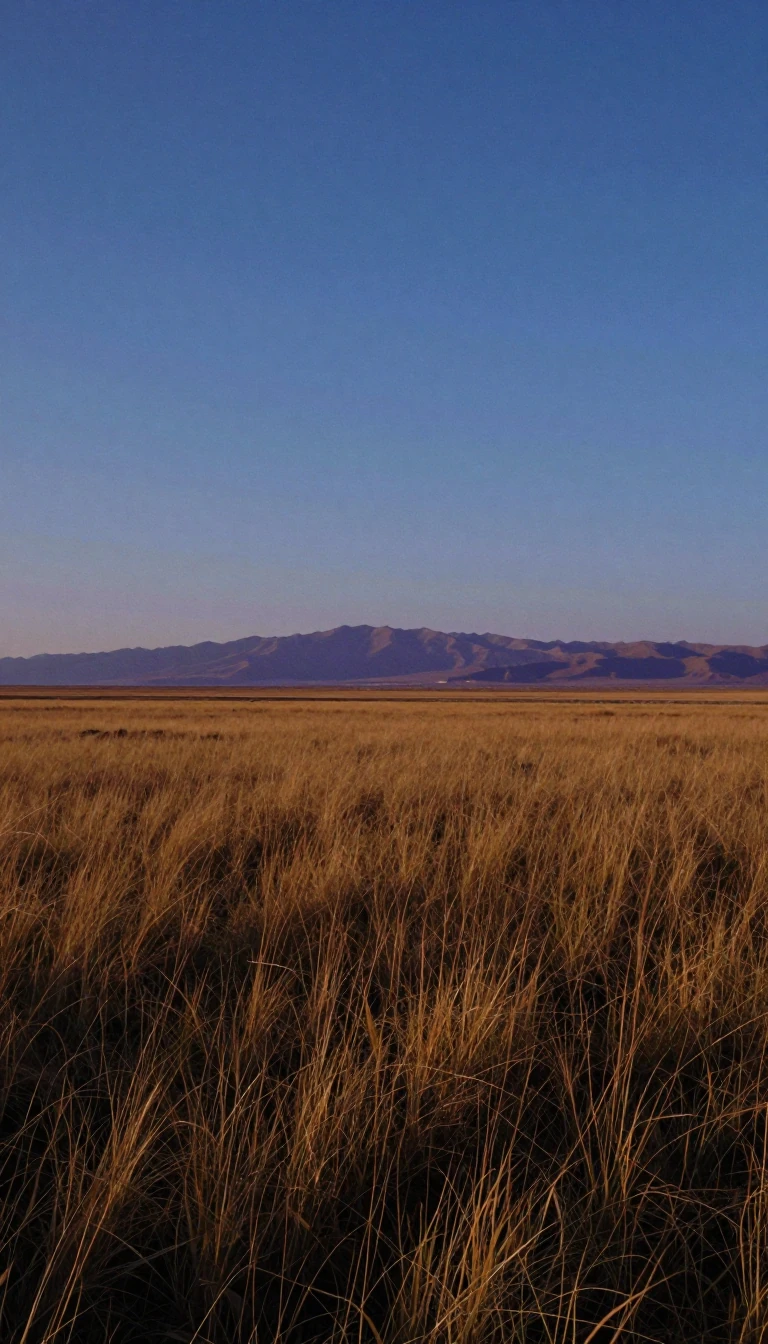 Plains cover over a third of Earth's land, and they even exist on MarsFlat land sounds like the least interesting landscape imaginable, yet plains blanket more than a third of the world's continents and feed much of humanity. They are built by river…
 The Tibetan Plateau is so high it helps steer India's monsoonAt about 5,000 metres above sea level and roughly 2.5 million square kilometres across, the Tibetan Plateau is the largest and highest tableland on Earth. It is still rising as tw…
 The polar vortex does not come to visit; its weakness lets Arctic air escapeWhen a brutal cold snap hits North America, headlines often blame the polar vortex. Scientists say that is not quite right. The vortex is a permanent ring of cold, spinning air ar…
 Dutch polders gave the country its oldest democracies and a style of politicsAround a fifth of the Netherlands was once under the sea. Keeping that reclaimed land dry demanded constant cooperation, and the water boards set up to manage it became the countr…
 Nobody agrees on where a pond ends and a lake beginsYou might think the difference between a pond and a lake is obvious, but scientists have never settled it. Definitions range from 2 hectares to 8, or rest on waves, light or roote…
- North America's tallgrass prairie was shaped for millennia by people setting firesThe prairie looks like untouched wilderness, but it was partly made by people. For 10,000 to 20,000 years, Indigenous peoples burned the tallgrass every year, and evidence suggest…
 The Precambrian covers 88 percent of Earth's history, and we know little about itNearly nine-tenths of our planet's story happened before the Cambrian, from Earth's birth about 4.6 billion years ago until hard-shelled animals appeared around 538.8 million year…
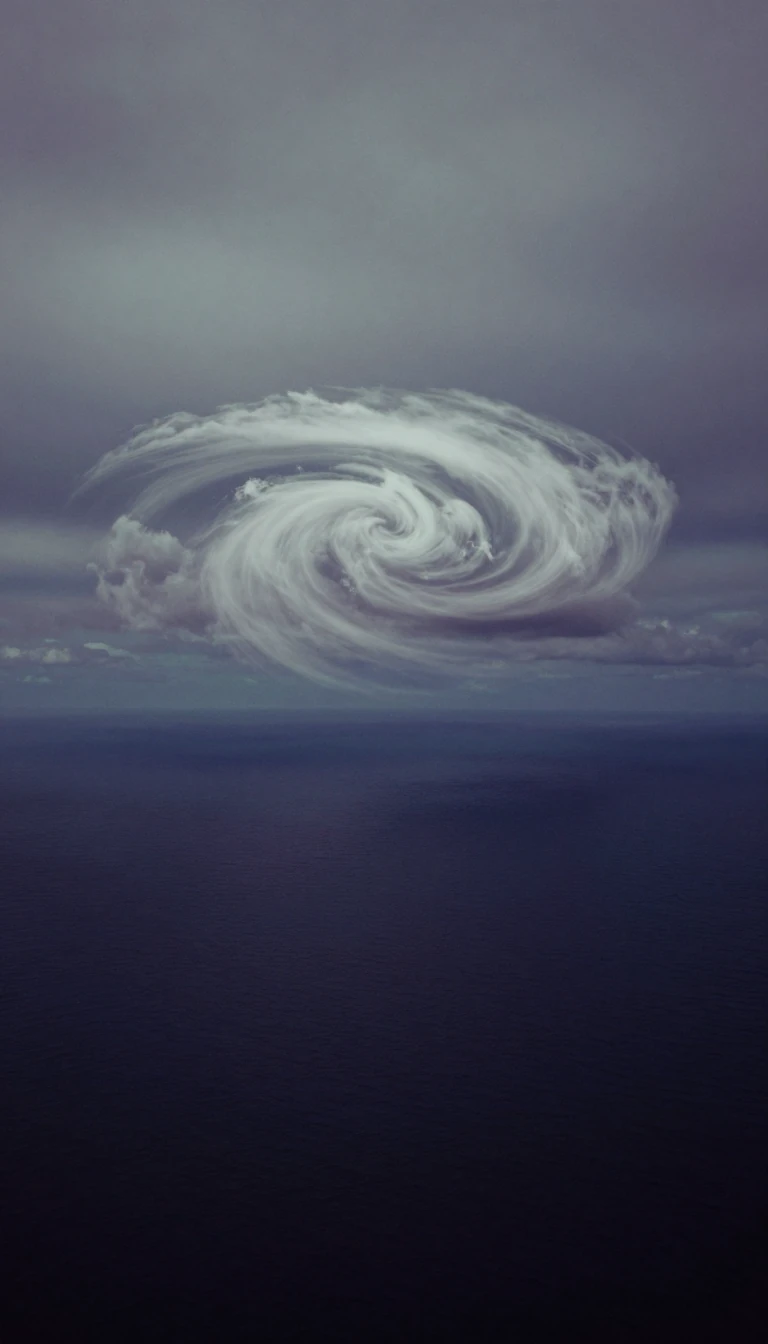 Fog is not precipitation, but on Titan it rains methanePrecipitation means anything that condenses in a cloud and then falls because gravity wins. That rules out fog and mist, which simply hang in the air. Every year about 505,000 cub…
 Pyroxene means fire stranger, a name born from a geological misunderstandingEarly mineralogists found crystals sealed inside volcanic glass and assumed they were intruders, impurities in the melt. They named them pyroxenes, from Greek words for fire and s…
 The Great Dying wiped out 81 percent of marine species in a geological blinkAbout 252 million years ago, life on Earth came closer to being erased than at any other known time. The Permian-Triassic extinction killed roughly four in five marine species and…
 Petrologists recreate crushing mantle pressures in the lab to study rocks nobody can reachSome of the most important rocks on Earth never make it to the surface intact, and those deep inside other planets are completely out of reach. Petrology, the science of how rocks…
 The Paleozoic's starting line is a burrow in NewfoundlandThe Paleozoic, the era of 'ancient life', began 538.8 million years ago and closed with the worst extinction in the history of complex life. Its official start is pinned not to a …
 Wegener was right about Pangaea but wrong about what split itAlfred Wegener argued in 1912 that all the continents had once been a single landmass. He was correct, yet the idea stalled for decades because his explanation, that Earth's spin …
 Pearls rarely start with a grain of sandThe familiar story says a pearl begins when a grain of sand slips into an oyster. That is rarely true. The usual trigger is a parasite, a scrap of organic matter, or an injury tha…
 Peat covers 3 percent of land but holds more carbon than all forestsPeatlands blanket only about 3 percent of Earth's land, yet they store up to 550 gigatonnes of carbon, some 42 percent of all soil carbon and more than every other vegetation type…
 Soil is Earth's skin, born where rock, air, water and life meetGeologists call the thin soil layer on Earth's surface the pedosphere and liken it to the dead outer layer of human skin. It forms only where four worlds interact: bedrock, air, w…
 A peninsula is literally an 'almost-island', and nature builds them many waysThe word peninsula comes from Latin for 'almost island': land wrapped in water on most sides but still tied to the mainland. The largest is the Arabian Peninsula. Some were torn o…
 Some permafrost has stayed frozen for around 700,000 yearsPermafrost is ground that stays below freezing for at least two years running, and the oldest has been frozen for roughly 700,000 years. It underlies about 11 percent of the world…
 The Permian ended in the Great Dying, the worst extinction on recordThe Permian closed 251.9 million years ago with the largest mass extinction Earth has known. Roughly 81 percent of marine species and 70 percent of land species vanished, a collap…
 Ocean trenches cover just half a percent of the sea, yet hold its deepest pointOceanic trenches are long, V-shaped gashes in the seafloor where one tectonic plate dives beneath another. More than 50 major trenches exist, covering only about 0.5 percent of th…
 Portugal ran the first long-term science project on Atlantic winds and currentsLong before oceanography had a name, Portuguese navigators were systematically mapping Atlantic winds and currents, decade after decade, under threat of death for anyone who leake…
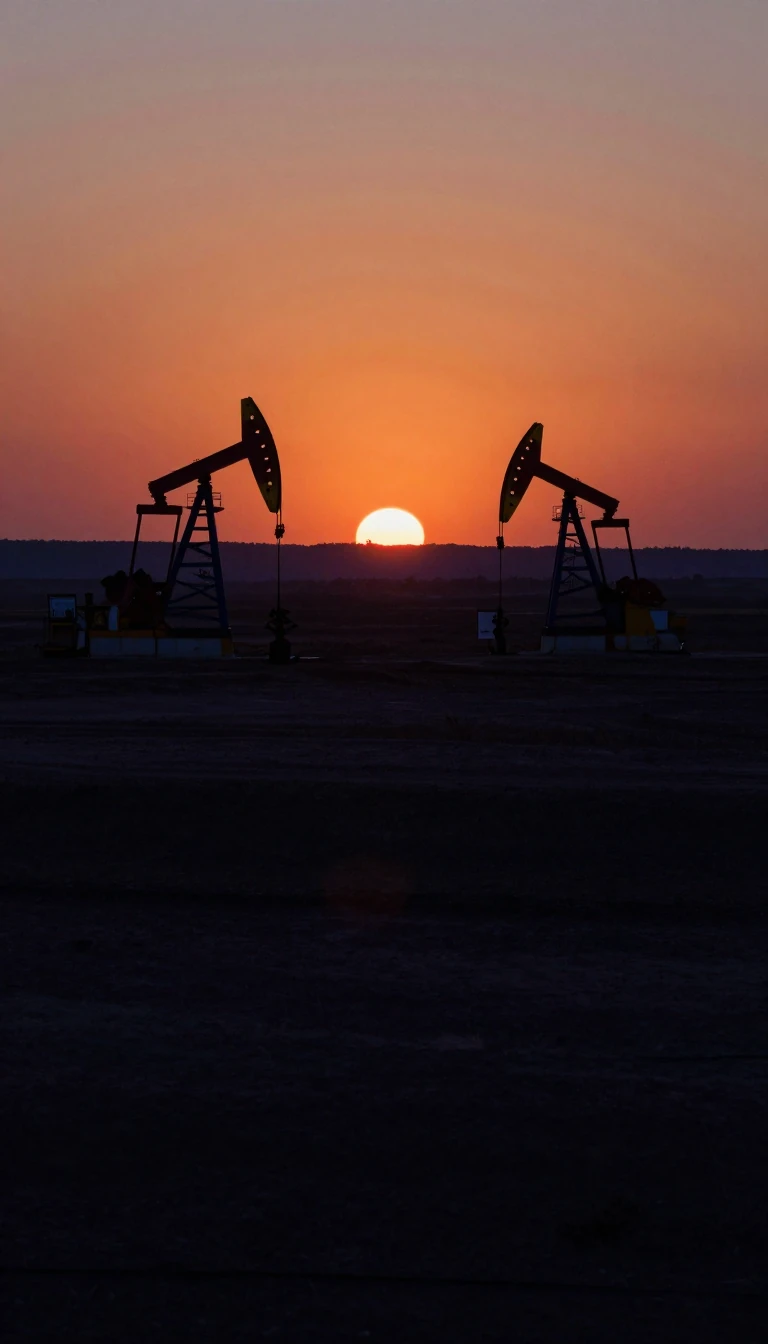 Oil shale holds trillions of barrels, yet almost nobody can profit from itA 2016 estimate put the world's oil shale resources at the equivalent of 6.05 trillion barrels, several times global proven oil reserves. Yet only Estonia and China run well-estab…
 Rock only becomes ore when mining it paysOre is not a type of rock but an economic verdict. A deposit counts as ore only when the metals or minerals it holds are worth more than the cost of digging them out and refining …
 One chlorine atom can wreck around 100,000 ozone moleculesA single chlorine atom freed from a CFC molecule in the stratosphere can destroy about 100,000 ozone molecules before it is finally locked away. That multiplier explains how refri…
 The Paleogene begins with a clay layer laid down in a few daysIn Tunisia, geologists mark the start of the Paleogene, 66 million years ago, at the rusty base of a clay band about 50 centimetres thick that settled in just days. It carries the…
 Striking oil can make a country poorer, a trap called the resource curseA sudden gush of money from mining or drilling sounds like pure luck. Yet the flood of cash can drive up prices and wreck other industries, a pattern nicknamed Dutch disease, whil…
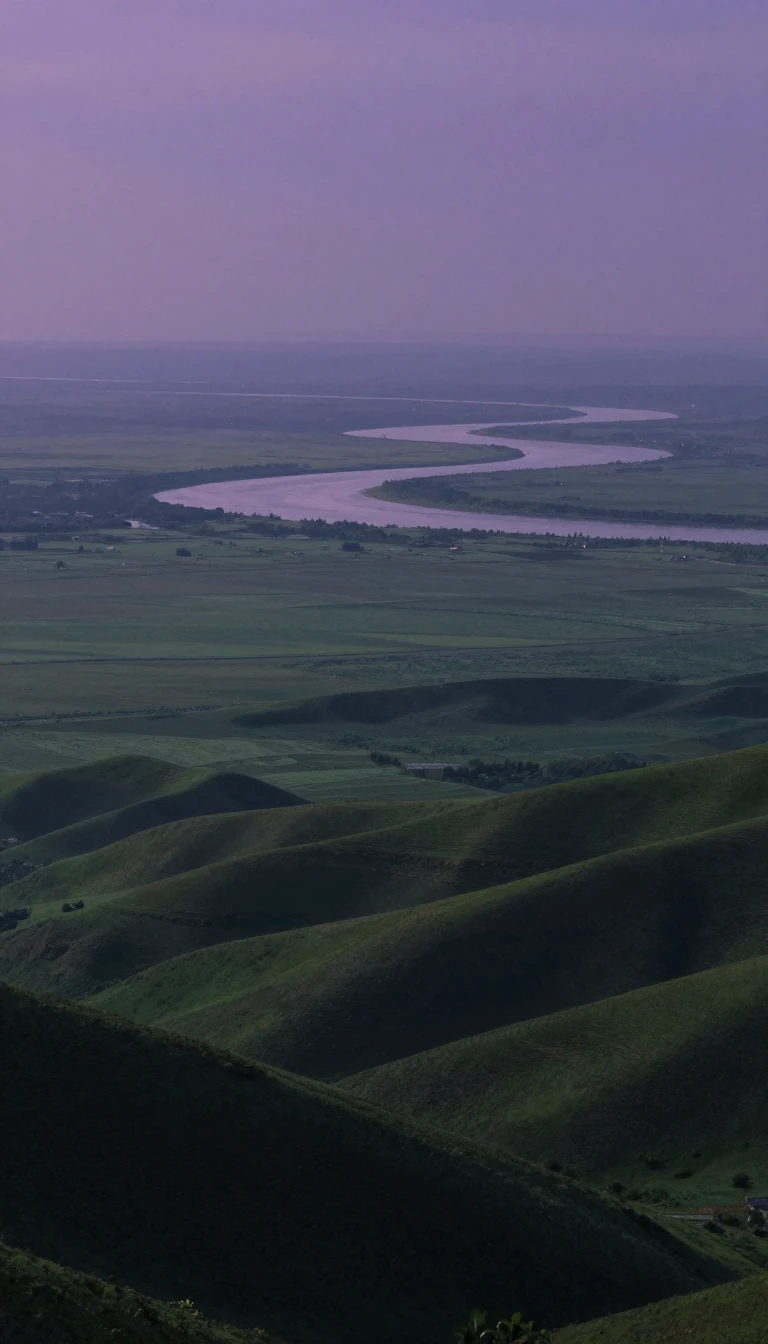 The Neogene built the grasslands, the Himalayas and, at the very end, usBetween about 23 and 2.6 million years ago, the planet slowly turned into the one we recognise. Continents settled near their present spots, the Americas joined at Panama, forests…
 Most desert oases are gardens that people built and keep aliveThe storybook oasis is a pool ringed by palms that nature simply provided. In reality, most oases are human creations. Water has to be there, but it takes wells, canals, undergrou…
 The Southern Ocean only became official around the year 2000Many people learned at school that Earth has four oceans. The familiar five-ocean map settled only recently: the U.S. Board on Geographic Names recognised the Southern Ocean, boun…
 Some deep ocean water takes about a thousand years to resurfaceWarm Atlantic water flows north, cools, grows dense and sinks near the Arctic. From there it creeps through the deep basins of the world, and the oldest of it rises again in the N…
 A mirage is no hallucination: you can photograph itThe shimmering pool on a hot road is not in your head. Air of different temperatures really bends light, so a camera records the false image too. Your brain supplies the story, re…
 The monsoon is not simply a giant sea breeze after allFor a long time the monsoon was explained as a sea breeze on a continental scale: land heats faster than water, so moist ocean air rushes inland and rains out. That picture is no …
 Glaciers work like conveyor belts, and moraines are the piles they leave behindA glacier grinds rock into everything from fine flour to boulders and carries it downhill like freight on a belt. Where the ice pauses, stalls or meets another glacier, it dumps t…
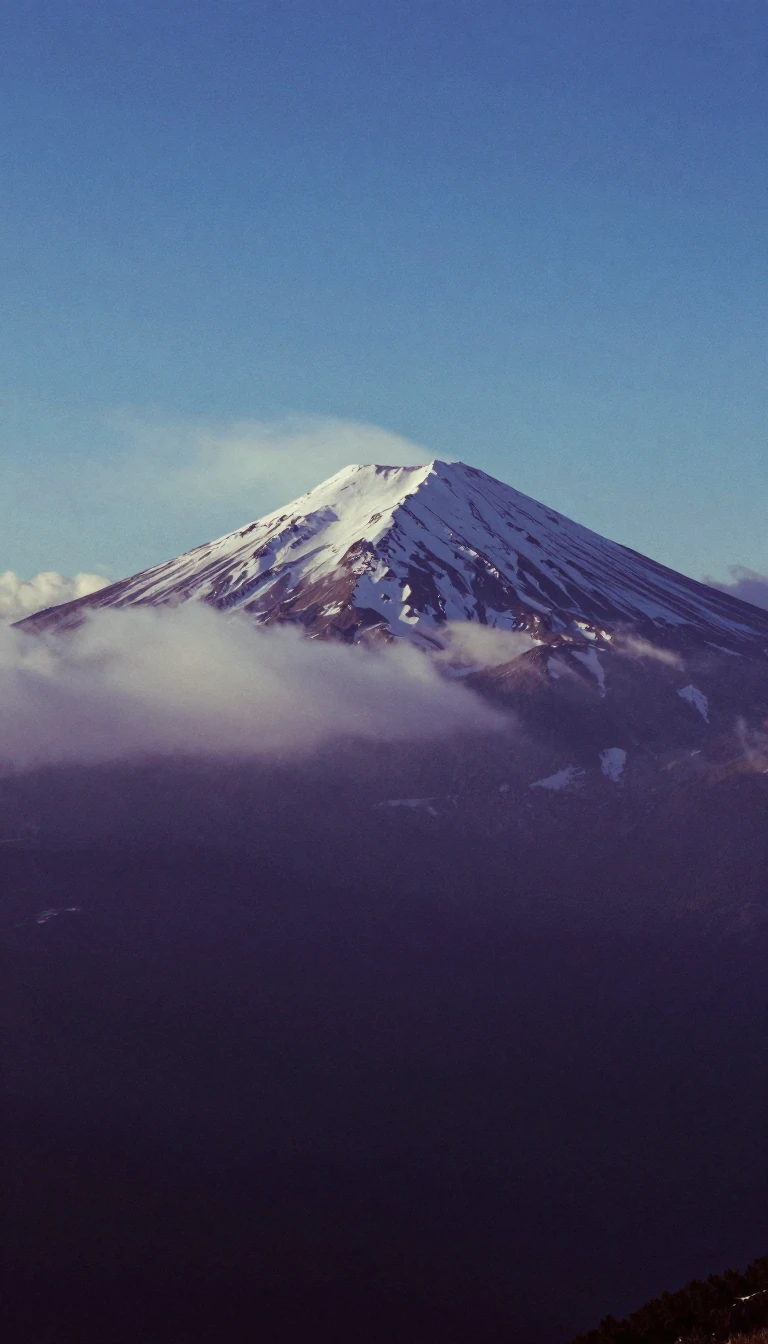 Climbing 100 metres feels like travelling 80 kilometres toward the poleWalk 100 metres uphill and, in climate terms, you have moved about 80 kilometres closer to the nearest pole. That rough rule explains why a tropical peak can wear permanent snow, …
 The widest mountain pass on Earth sits just 140 metres above sea levelMountain passes sound like thin, frozen notches, and some are: roads cross the Himalaya above 5,500 metres. But the widest pass in the world, the Palakkad Gap in Kerala, India, li…
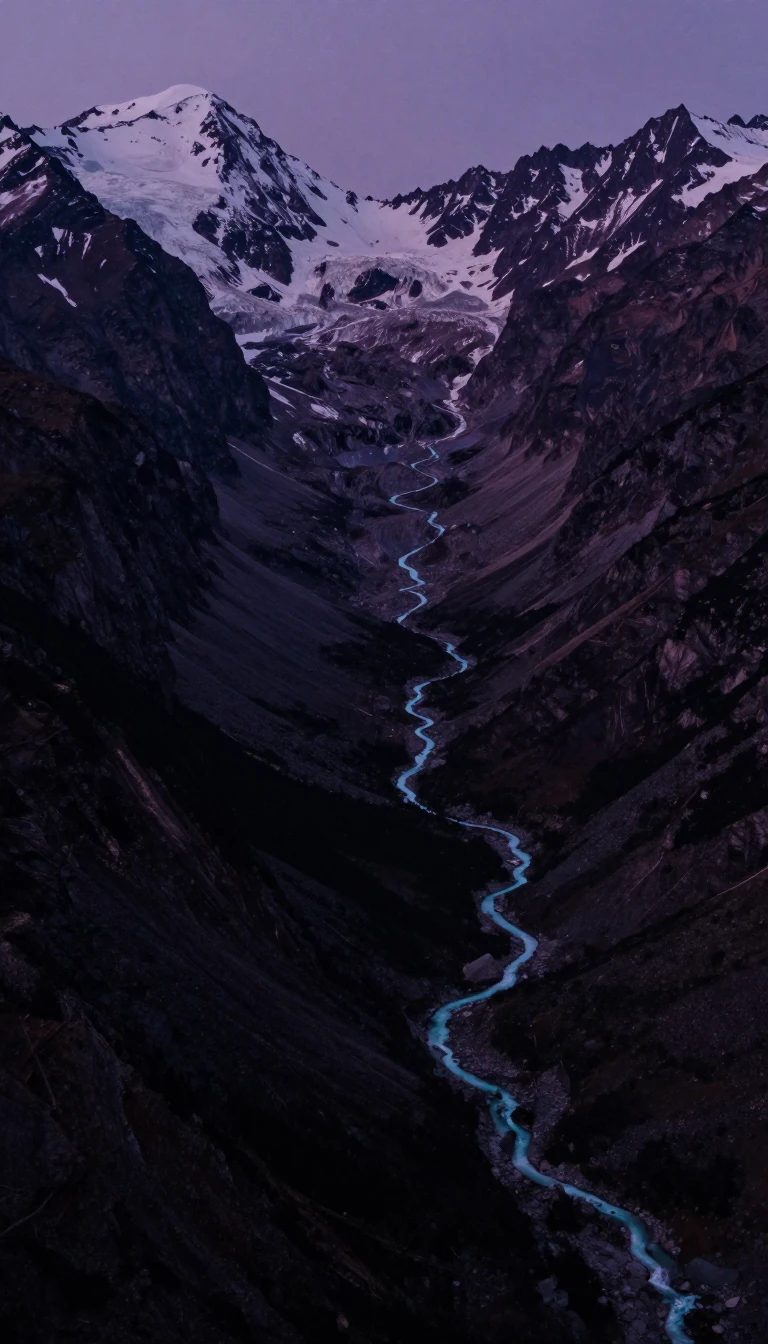 Earth's longest mountain chain runs 65,000 kilometres, almost entirely underwaterThe Andes stretch about 7,000 kilometres and are often called the longest mountain system on land. Count the submerged Ocean Ridge, though, and you get a continuous chain of peaks…
 Why many researchers say there is no such thing as a natural disasterAn earthquake in an empty desert harms nobody. It becomes a disaster only when it strikes people living in weak buildings with little preparation. Since at least 1976, critics hav…
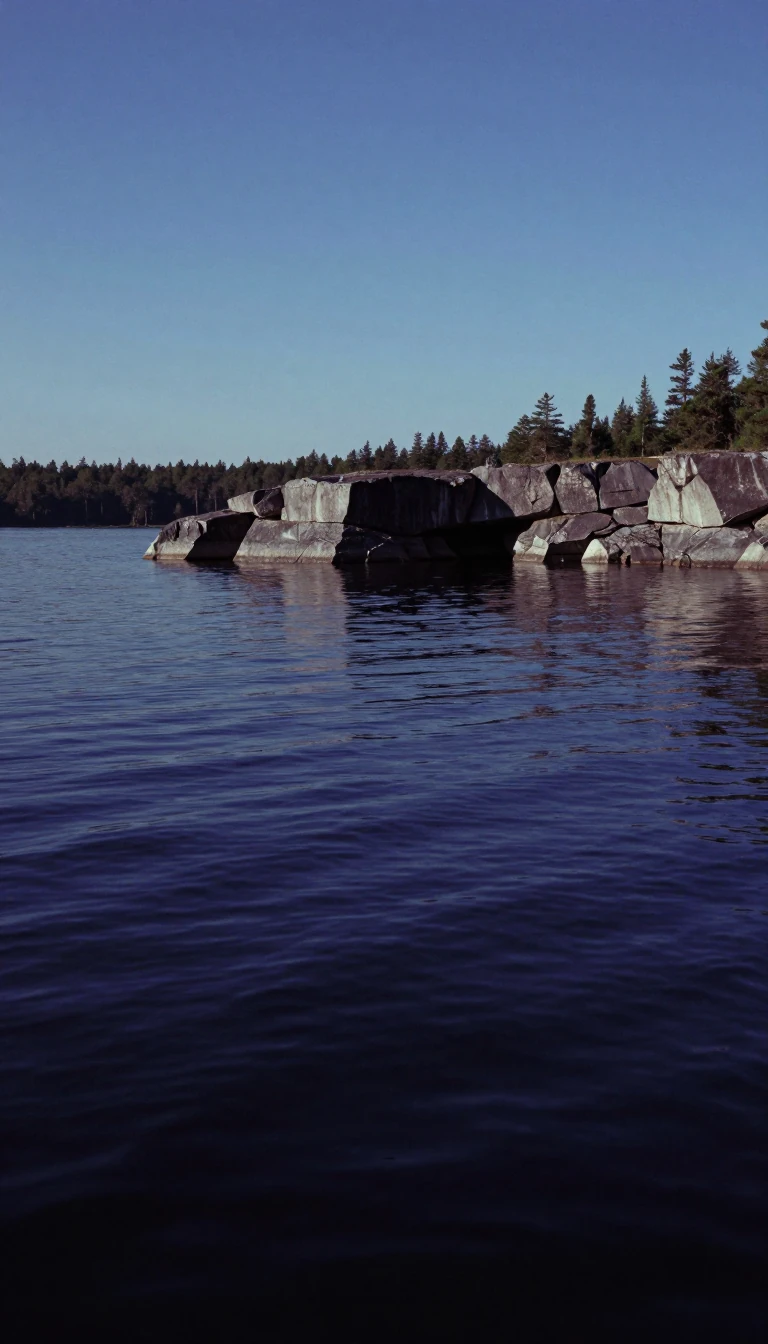 A beaver dam counts as nature, but a mud hut does notWhere does nature stop? By the usual definition, a termite mound or a beaver's dam belongs to the natural world, while a simple mud hut or a solar panel set in empty desert is art…
- Scratch tests, polarised light and X-rays: how mineralogists tell crystals apartA mineralogist's first tools are almost childlike: scratch one stone against another, check its colour and shine, see how it breaks. The advanced ones fire X-rays through powdered…
 England and Wales have lost about 97 percent of their hay meadows in a centuryA hay meadow looks wild, but it is a farming invention dating to the Iron Age, when tools for cutting hay first appeared. Left to grow each summer and mown once, these fields once…
 Einstein once lectured on why rivers wiggle, and a Turkish river named the loopsThe word meander comes from a Turkish river so twisting that ancient Greeks used its name for anything winding. In 1926 Albert Einstein proposed that Earth's rotation might start …
 A mesa is a table of rock kept standing by a hard lidSpanish speakers named these landforms after tables, and the comparison is exact: a flat top, sheer sides, and open ground all around. The secret is a hard cap of sandstone, limes…
 The Age of Dinosaurs opened and closed with two of Earth's worst catastrophesThe Mesozoic began after the Great Dying, when perhaps 90 percent or more of marine species vanished, and ended with an asteroid strike off the Yucatan. In between, over roughly 1…
 An eighteenth-century experiment turned chalk into fake marble inside a cannon barrelTo test whether pressure transforms rock, James Hall sealed chalk inside an old cannon barrel and cooked it in a foundry furnace. Instead of crumbly quicklime he got something ver…
 Iron meteorites seem common only because people notice lumps of metalAround 5 percent of witnessed meteorite falls are iron, yet in Antarctica, where nearly everything that lands can be recovered, iron makes up just 0.4 percent of finds. Metal is s…
 To meteorologists, rain and snow are technically meteors, a usage from 1563When meteorology first entered English in 1563, a writer named William Fulke used meteors to mean shooting stars, rain, snow, clouds and even earthquakes. Weather scientists still…
 The same mineral sparkles in lipstick, fills drywall seams and insulates radio capacitorsMica peels apart into sheets thinner than a tenth of a millimetre that still block electricity and shrug off heat. That odd combination puts it in capacitors, car paint, eye shado…
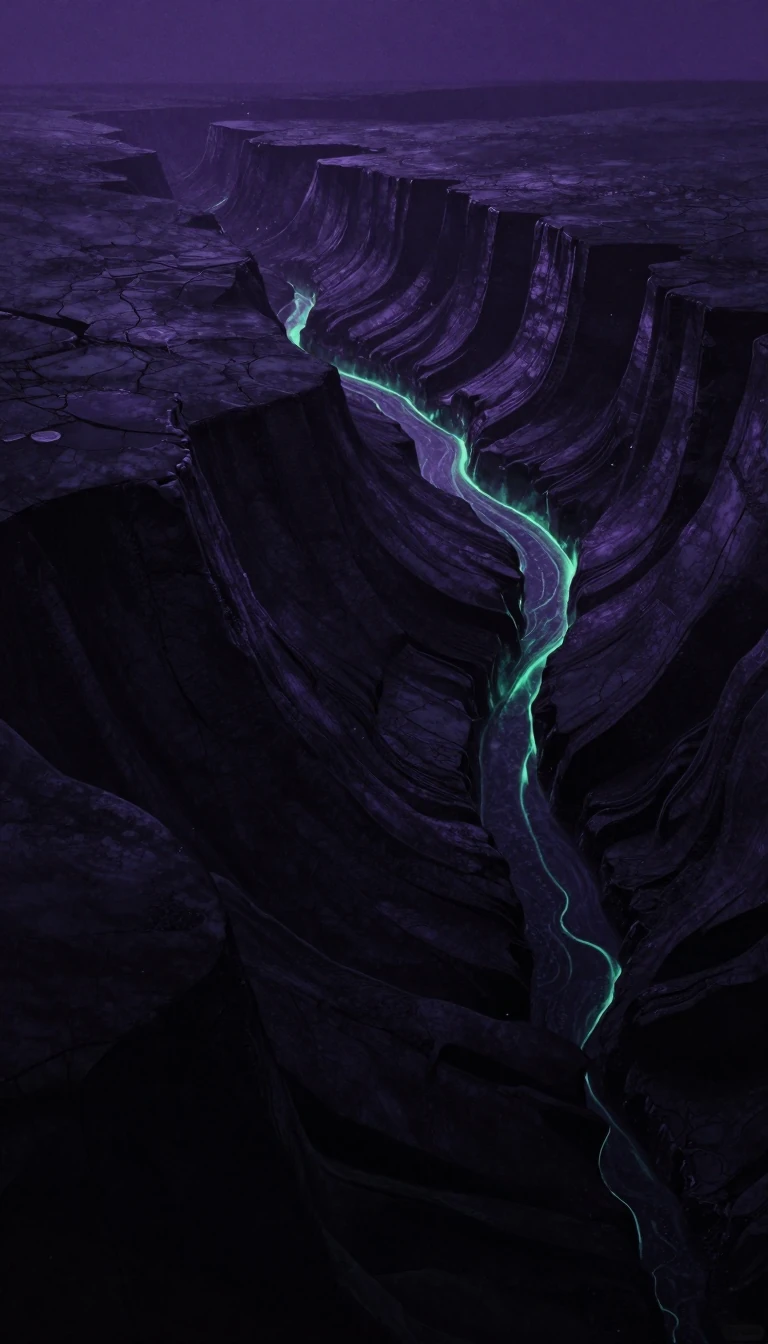 Earth's longest mountain range is hidden underwater and wraps the globe like a baseball seamA continuous chain of undersea mountains snakes through every ocean for about 65,000 kilometres, several times the length of the Andes. Along its crest the seafloor is being born,…
 Ice counts as a mineral, liquid water does not, and mercury gets a passMineralogists keep a strict rulebook. A mineral must form naturally, be solid, have ordered atoms and a fairly fixed recipe. So ice qualifies but water does not, seashells are exc…
 Marsh plants breathe through built-in snorkels running down their stemsRooted in waterlogged mud with almost no oxygen, marsh plants such as cattails and sedges survive by piping air from their leaves down to their roots through internal channels. Th…
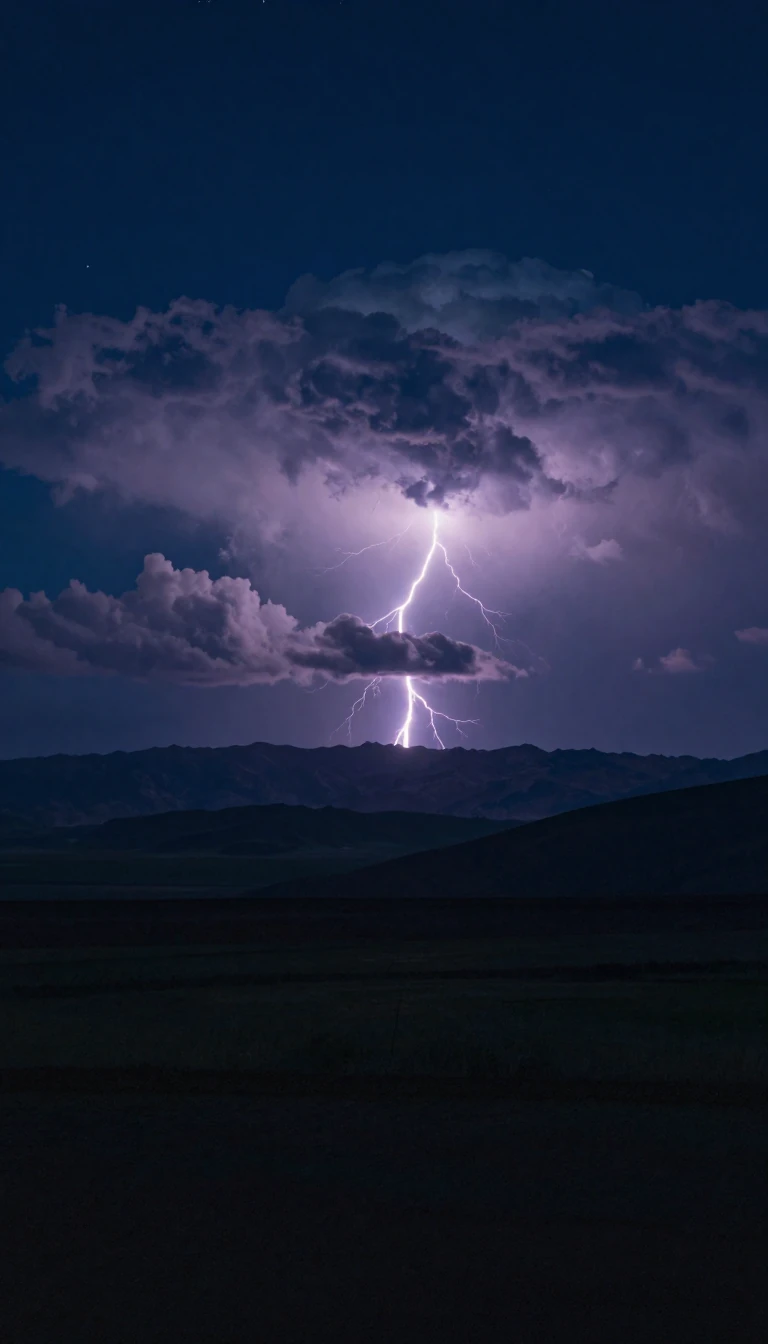 The rare positive lightning bolt can strike from clear blue skyFewer than one lightning strike in twenty is positive, but those bolts can carry up to 400,000 amps, roughly double a typical strike's peak, and travel through clear air far from …
 Much of the world's limestone is made of dead sea creaturesFor the past 540 million years, limestone has mostly been built by life: corals, shells and microscopic plankton piling up on shallow sea floors. That same rock now becomes cement…
 Limnology began as the oceanography of one Swiss lakeIn the nineteenth century François-Alphonse Forel studied Lake Geneva so thoroughly that he invented a new science to describe it. He called limnology the oceanography of lakes. T…
- Ocean floor gets recycled, but continents are nearly permanentThe oldest ocean floor on Earth is only about 170 million years old, because seafloor is constantly born at ridges and swallowed at subduction zones. Continents are too buoyant to…
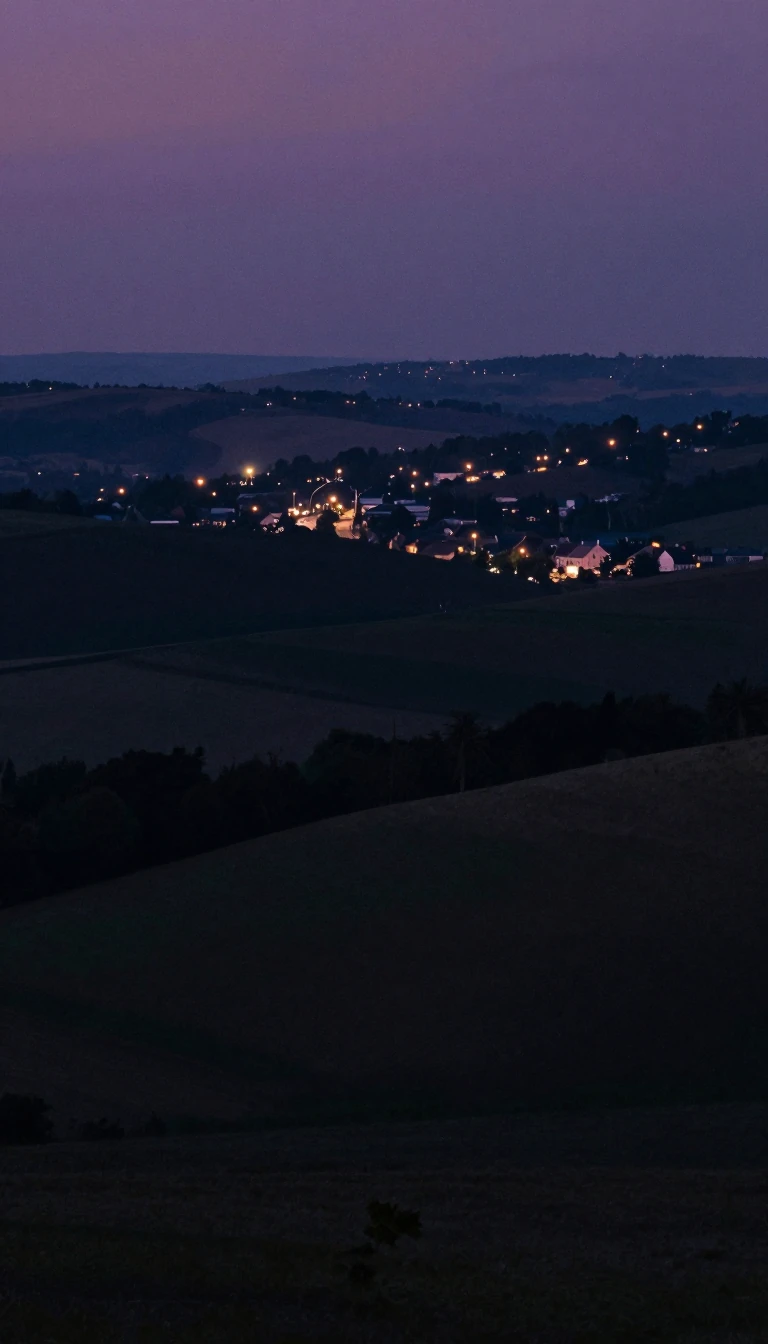 Why low pressure brings clouds, and warmer nightsA low on the weather map usually means wind, cloud and rain. It forms when air far overhead spreads apart and pulls surface air upward, partly lifting the weight pressing down. As…
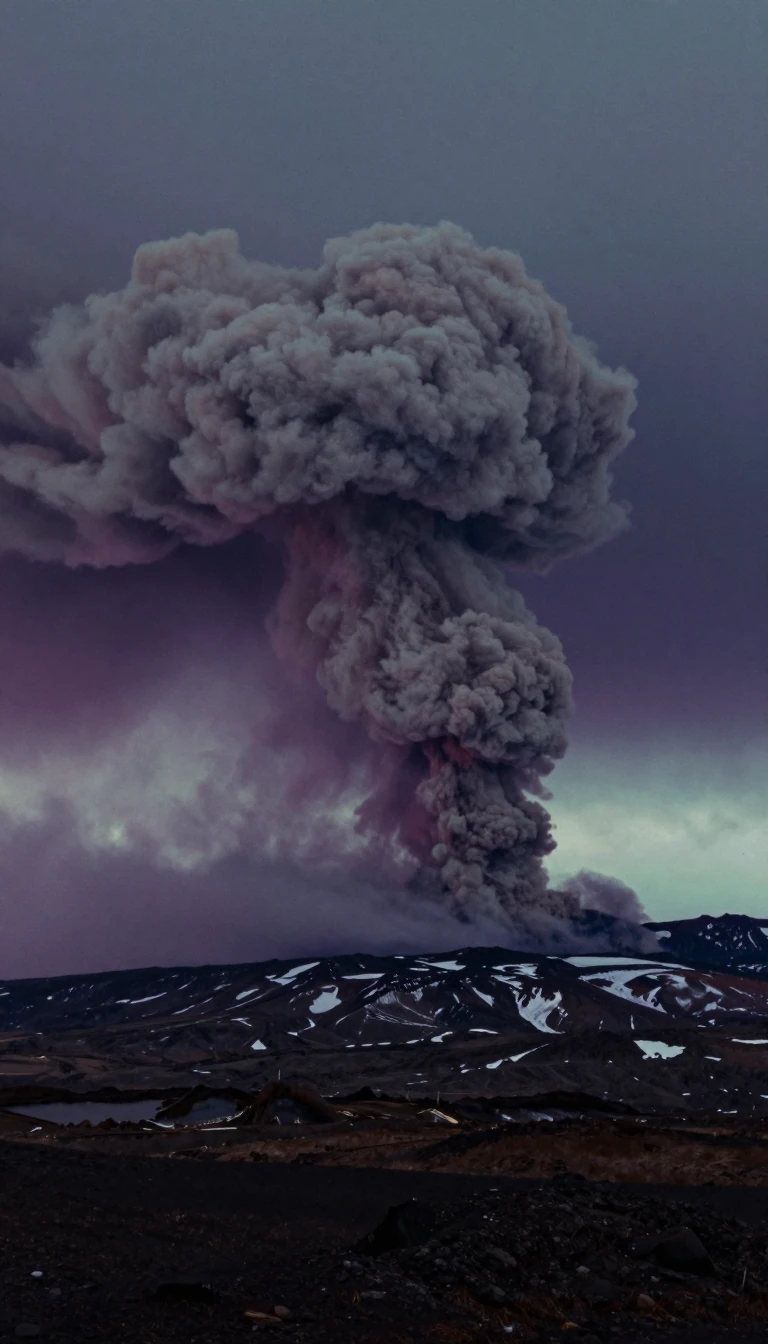 Drillers have hit live magma only three times, twice in IcelandAlmost everything known about magma comes from studying it after it erupts. Only three drilling projects have ever struck it underground: two geothermal wells in Iceland and one i…
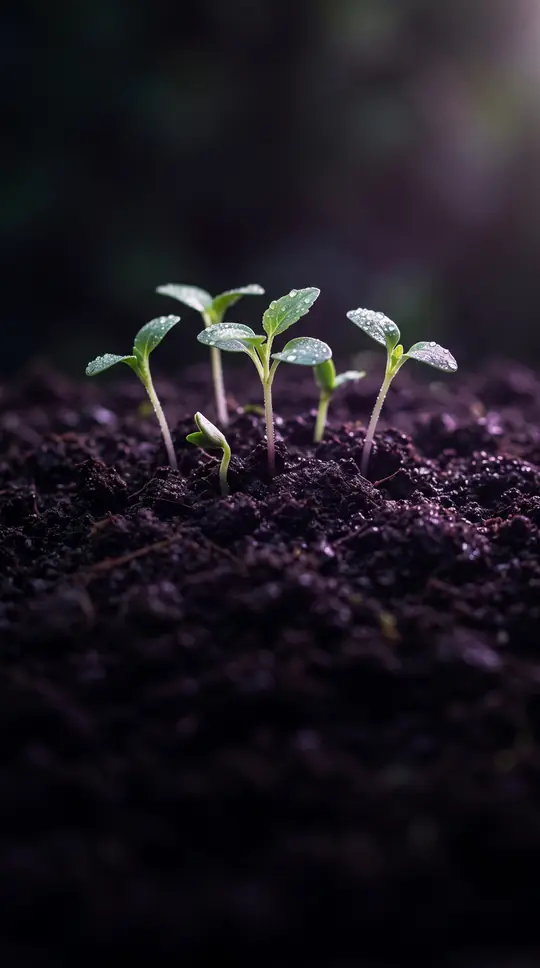 Mangrove seeds sprout on the tree, then sail off for a yearMost seeds wait for soil. Many mangroves germinate while still hanging from the parent tree, then drop a ready-made seedling into the sea. A red mangrove's floating offspring can …
- Light sinks centimetres into marble, giving statues their lifelike glowSculptors have favoured white marble for the human body since classical times for an optical reason. Calcite lets light travel between about 13 and 38 millimetres into the stone b…
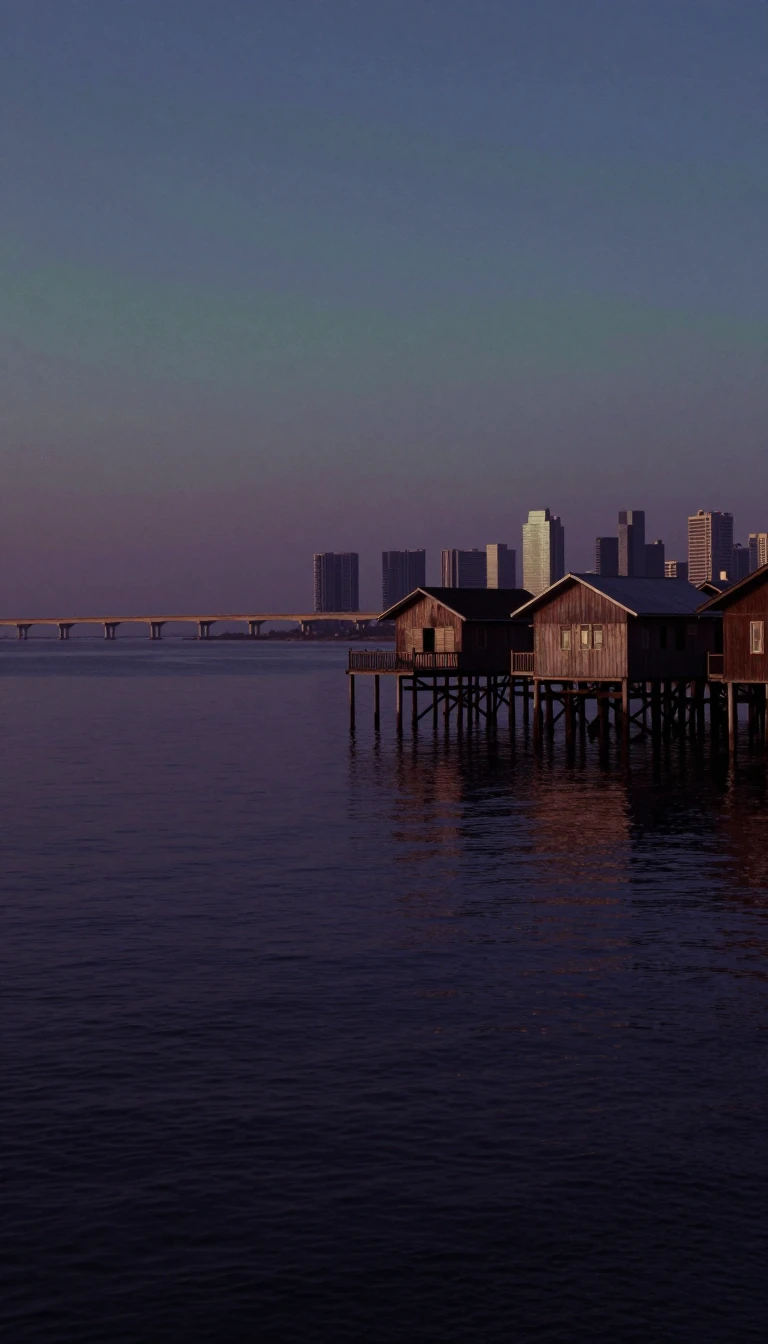 Singapore grew by a quarter in sixty years by building new landBetween 1960 and 2019, Singapore expanded from about 581 to nearly 726 square kilometres, not by conquest but by filling in the sea. People have been manufacturing land from water…