 Intellect Plus
Nature
11,198 cards. Each one is a 40-second story with a five-minute read behind it. Page 90 of 187.
Subtopics: Ageing · Air · Animal behaviour · Animal breeds and hybrids · Animals · Arthropods · Atmosphere · Big cats · Bilateria, others · Birds · Botany · Cnidarians · Conservation · Coral reefs · Deep sea · Deserts · Dinosaurs · Earth science · Earth science and physical geography · Earth science basics · Earthquakes & tsunamis · Echinoderms · Ecology · Ecosystems · Endangered species · Extinct animals · Farming · Fish · Forests · Fungi · General classifications · Geology · Geomorphology · How Long Can It Live? · Ice · Individual animals · Insects · Lightning · Longevity · Mammals · Marsupials · Migration · Mollusks · Ocean · Organisms · Parasites · Physical geography · Plants · Porifera · Predators · Primates · Rainforest · Reptiles & amphibians · Researched · Sharks & rays · Spiders & arachnids · Symbiosis · Trees · UK & Ireland: nature · Vertebrates · Vision · Volcanoes · Water · Waves · Weather · Whales & dolphins · Zoology
 The thunder lizard that vanished and returned: why Brontosaurus is finally backFor decades, the iconic Brontosaurus was dismissed as a scientific error, subsumed into the genus Apatosaurus. Despite its disappearance from formal taxonomy, the name persisted i…
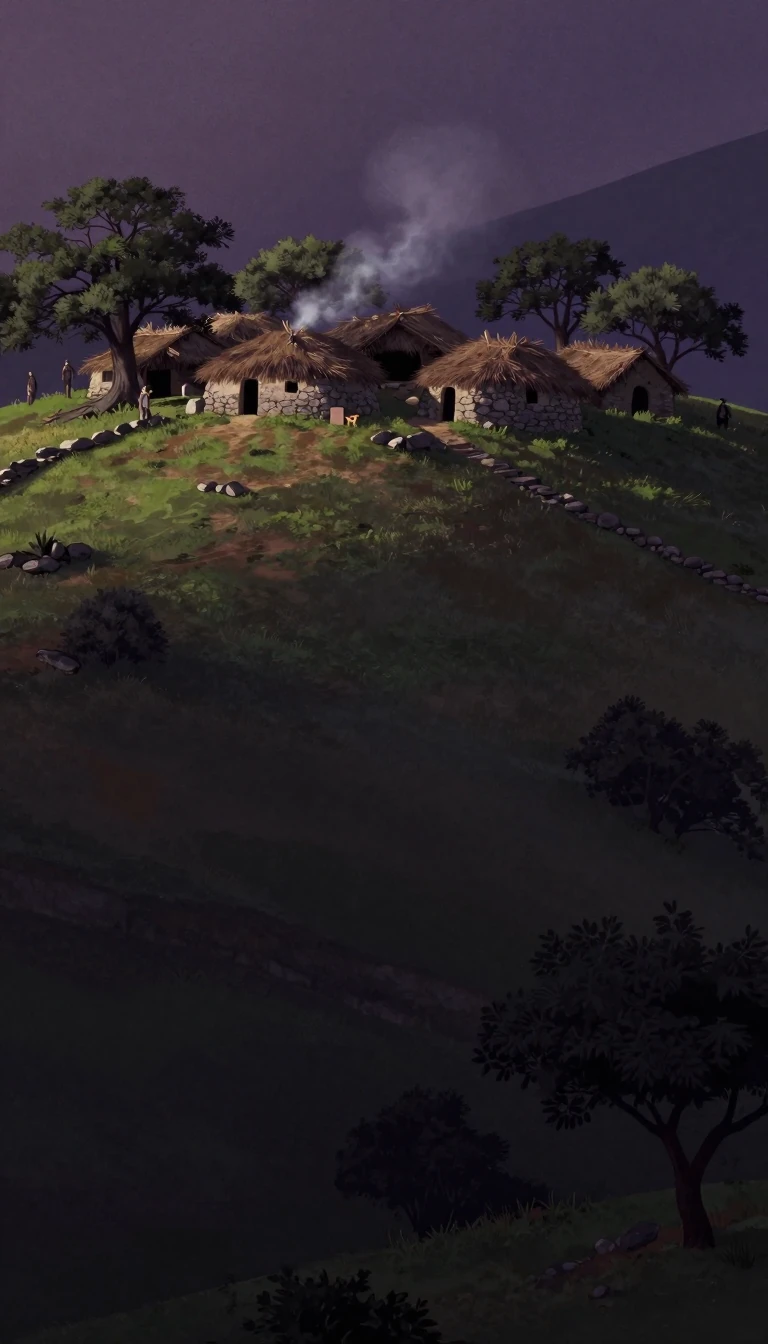 The thunder beasts of the Eocene were not the monsters legends once describedKnown as brontotheres, these odd-toed ungulates evolved from small, hundred-kilogram browsers into four-tonne giants in just twenty million years. While their name comes from Lako…
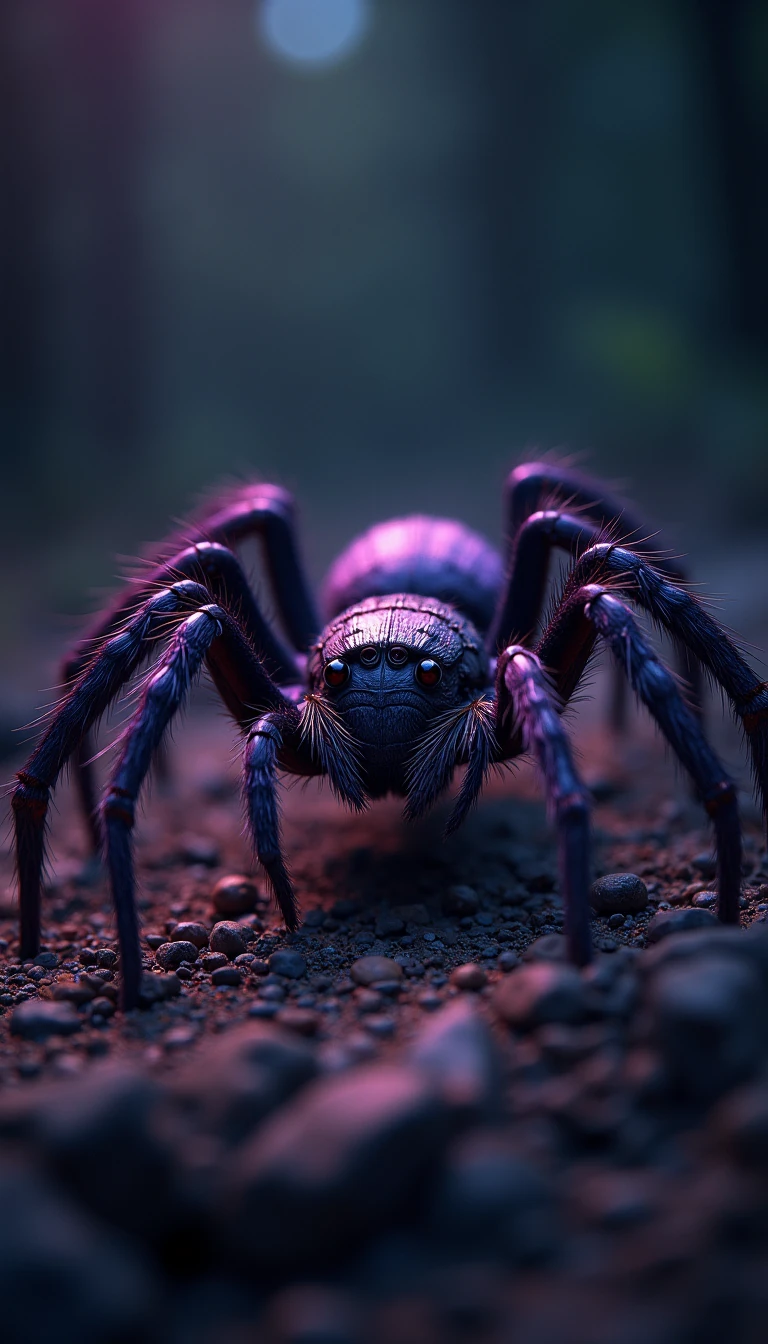 Why the brown recluse spider is North America's most misunderstood and feared arachnidThe brown recluse is one of the continent's most dangerous spiders, yet its reputation is inflated by widespread misidentification. While its venom can cause severe skin ulcers, f…
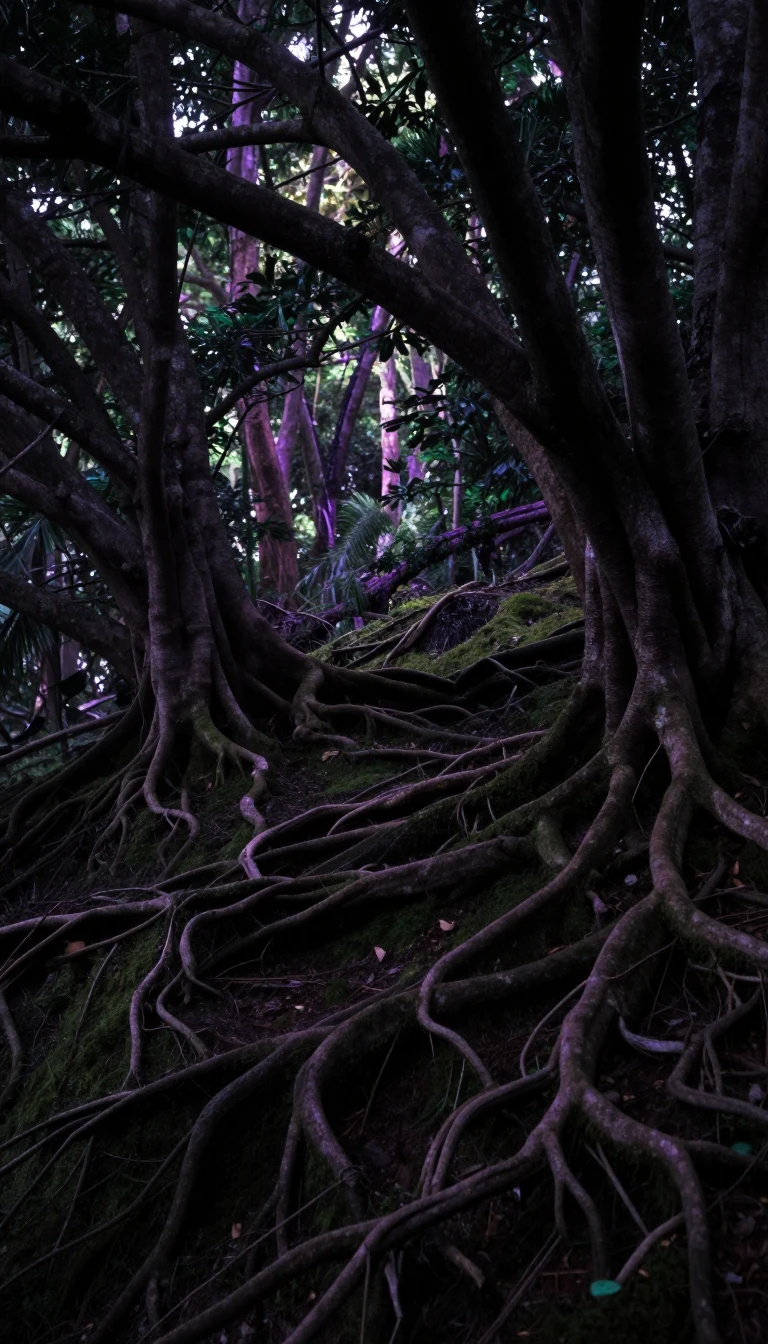 The browse line: how hungry herbivores reshape forests and silence the songbirdsBrowsing is more than just eating; it is a powerful ecological force. When herbivores like deer or koalas overpopulate, they strip forests bare, creating a visible browse line. Th…
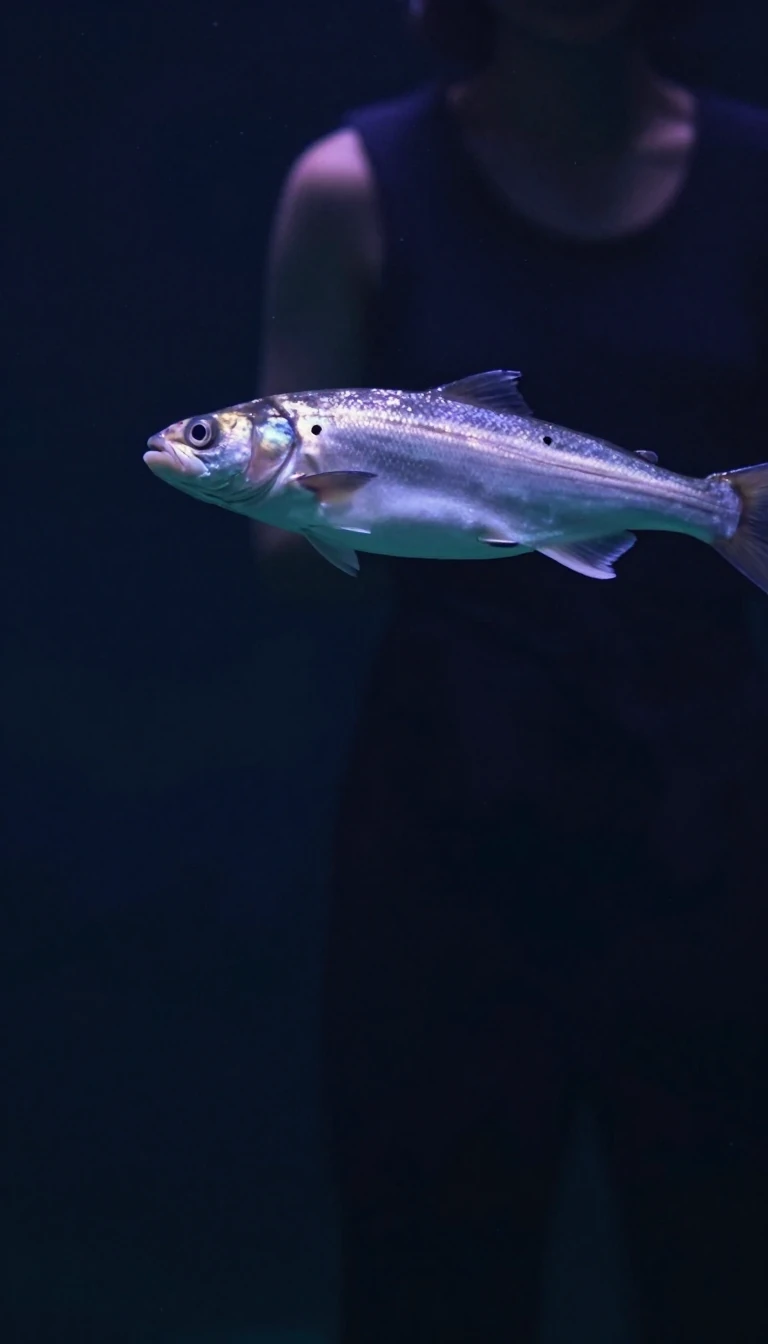 The bullhead shark is an ancient survivor that mastered the art of rocky camouflage.These small, nocturnal bottom-feeders have roamed the oceans since the Jurassic period. While their ancestors survived the extinction event that claimed the dinosaurs, these shark…
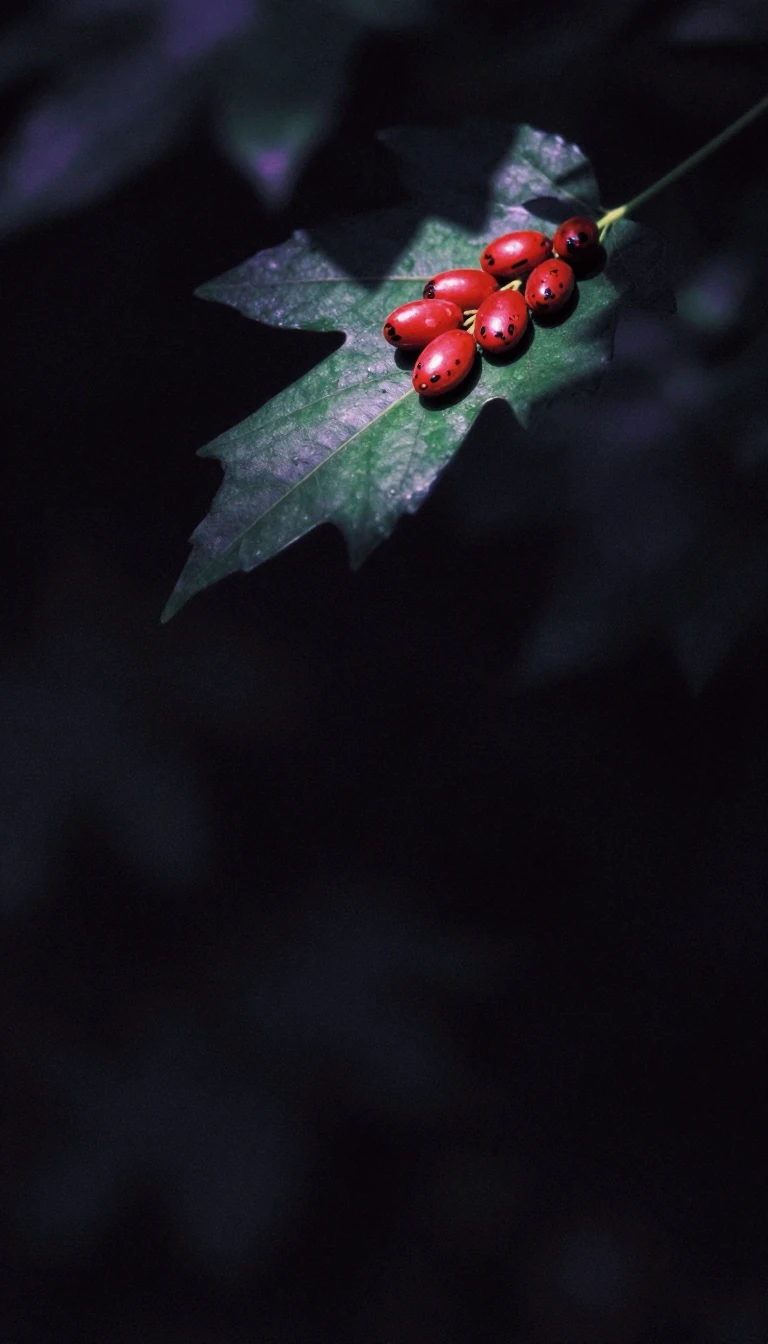 The nocturnal krait is a docile predator that hides a lethal, painless secret.Kraits are shy, nocturnal snakes native to Asia that prefer to flee rather than fight. Yet, their bite is a medical emergency. Because the venom is often painless, victims may not…
 The burbot is the only freshwater fish in the cod familyWhile most cod species roam the open ocean, the burbot thrives in cold rivers and lakes across the Northern Hemisphere. This elusive, bottom-dwelling predator is a biological outl…
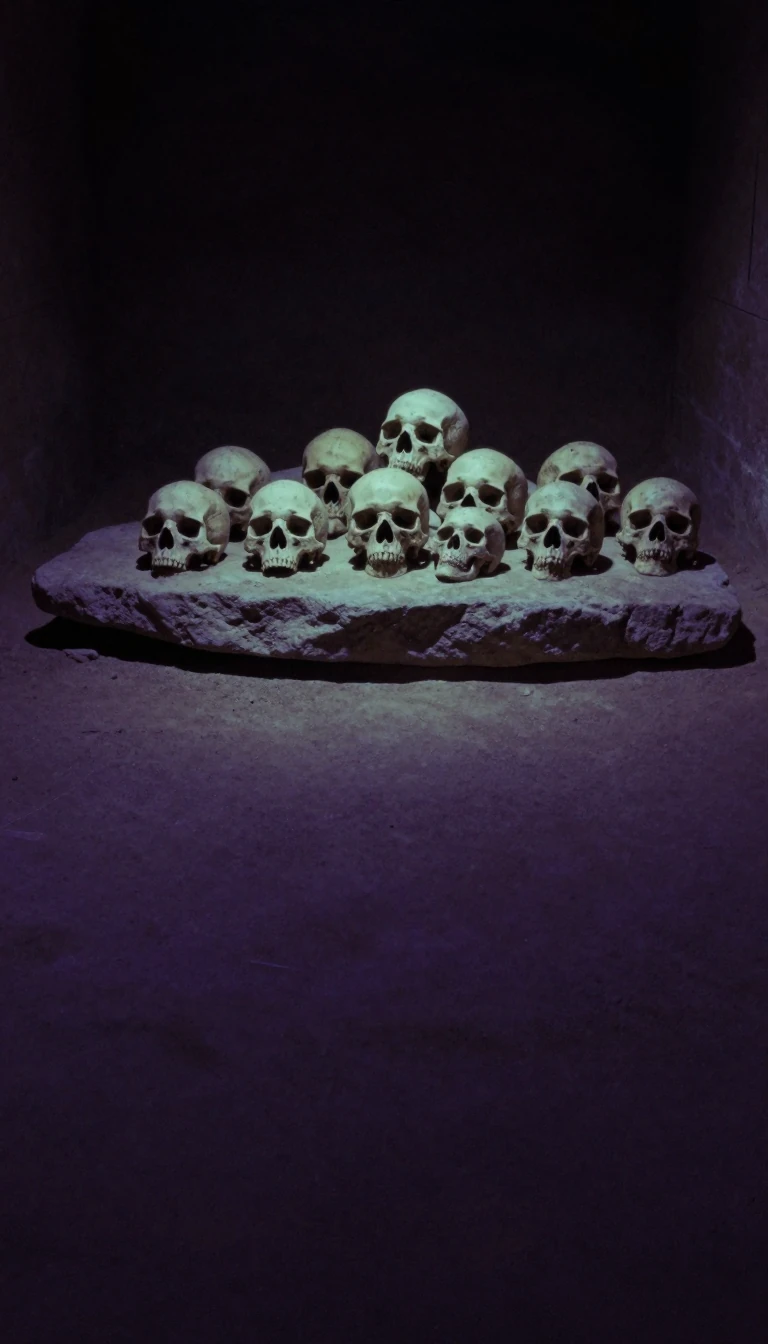 A bizarre, boss-covered skull from the Late Permian reveals an evolutionary puzzleDiscovered in South Africa in 1923, Burnetia remains one of the most enigmatic creatures of the Late Permian. With a skull defined by strange bony protuberances and ridges, this e…
 Beyond the surface: why animals build complex underground cities to survive and thriveA burrow is far more than a simple hole in the ground. From polar bears in snow to clams in rock, animals across nearly every biome engineer these subterranean spaces. Whether for…
 Why these vibrant reef dwellers are masters of the tropical underwater landscapeButterflyfish are iconic residents of tropical reefs, recognized by their thin, deep bodies and striking patterns. While they appear delicate, these quick-moving fish are highly t…
- Why the buttonquail defies every expectation you have about bird family lifeButtonquails are masters of subverting avian norms. Despite their name, they are not true quails, and their social structure flips traditional gender roles on their head. In this …
 The elusive cacomistle is a jungle-dwelling relative of the raccoon you have never seen.Hidden in the dense canopy of Central American forests, the cacomistle is a secretive, nocturnal acrobat. Often confused with its northern cousin, the ringtail, this arboreal omni…
 Why these feathered dinosaurs were once mistaken for flightless birdsCaenagnathids were once thought to be ancient flightless birds due to their jaw structure, earning them the name recent jaws. In reality, these feathered, long-necked theropods we…
- The rabbit-like ungulates of ancient Europe were not the leapers we once imaginedCainotheriidae were small, rabbit-sized artiodactyls that roamed Europe from the Late Eocene to the Middle Miocene. With their long hind legs and large ear structures, scientists …
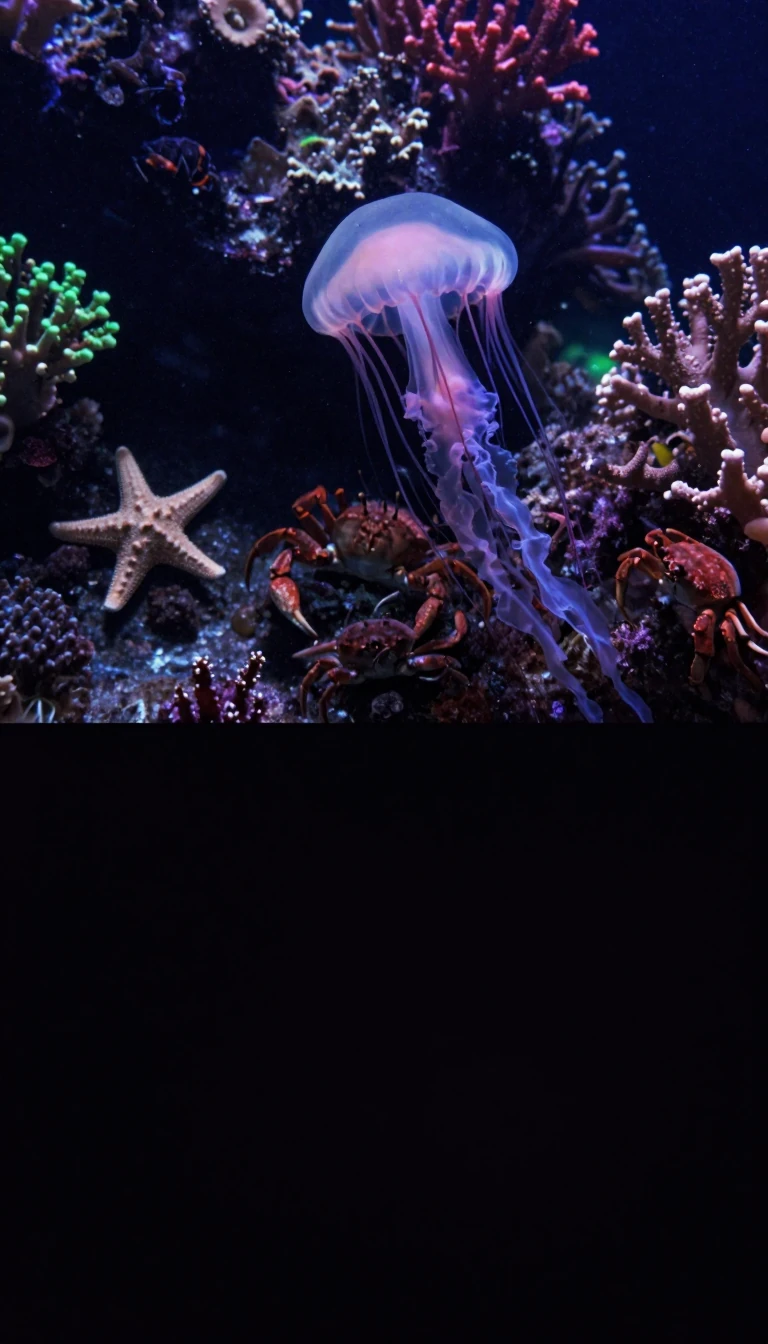 These primitive animals build their skeletons from the same material as seashells and limestone.Calcareous sponges are unique among their phylum for possessing skeletons made entirely of calcium carbonate. While most sponges rely on different structural materials, these mari…
 Once extinct in the wild, the California condor is a survivor of the Ice AgeWith a wingspan of nearly three metres, the California condor is North America’s largest bird. Once widespread across the continent, these scavengers nearly vanished entirely by t…
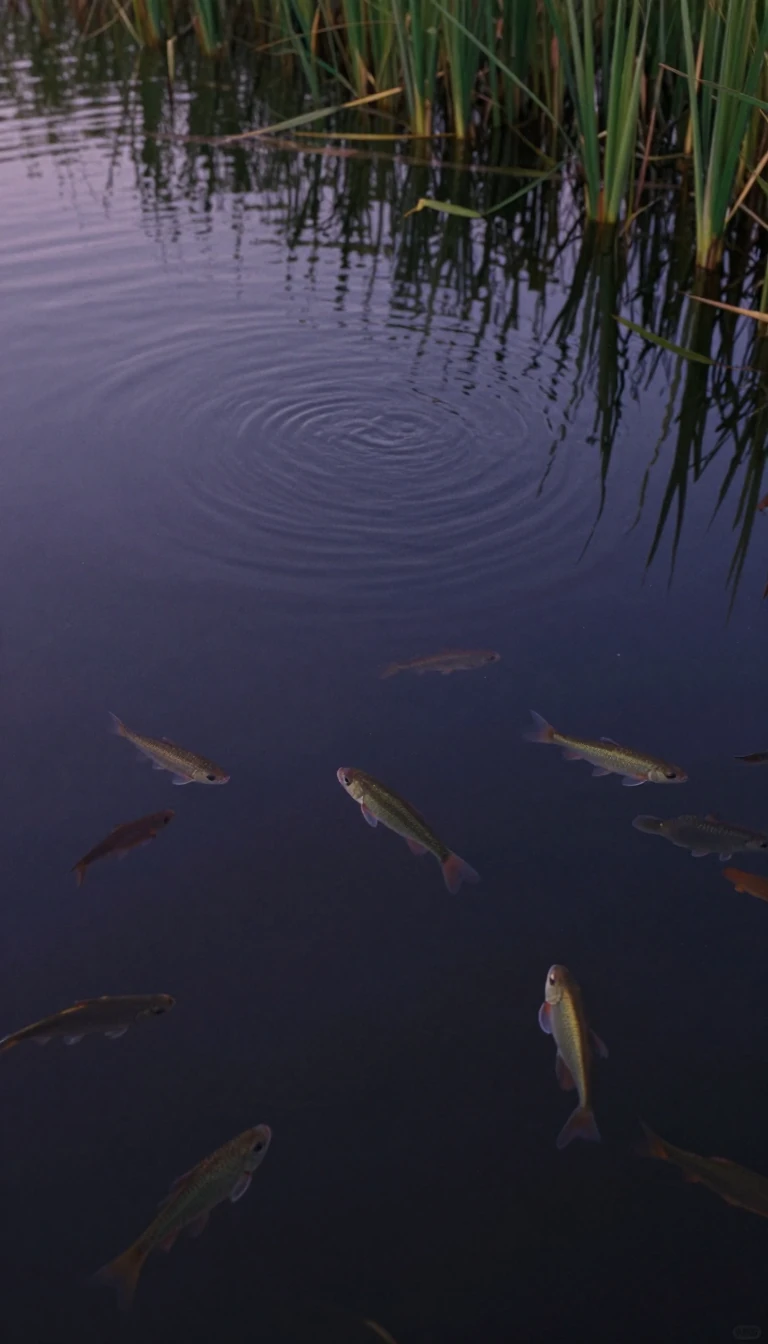 The elephantfish is an ancient, electro-sensing survivor with a genome smaller than oursWith a bizarre, plough-shaped snout and a cartilaginous skeleton, the elephantfish is a living relic. As the oldest group of jawed vertebrates, these creatures offer a rare window…
 Why the beautiful squirrels of Southeast Asia are far more than just olive-brownKnown as the beautiful squirrels, the genus Callosciurus defies the common image of a drab backyard rodent. With 15 distinct species and over 60 subspecies, these creatures displa…
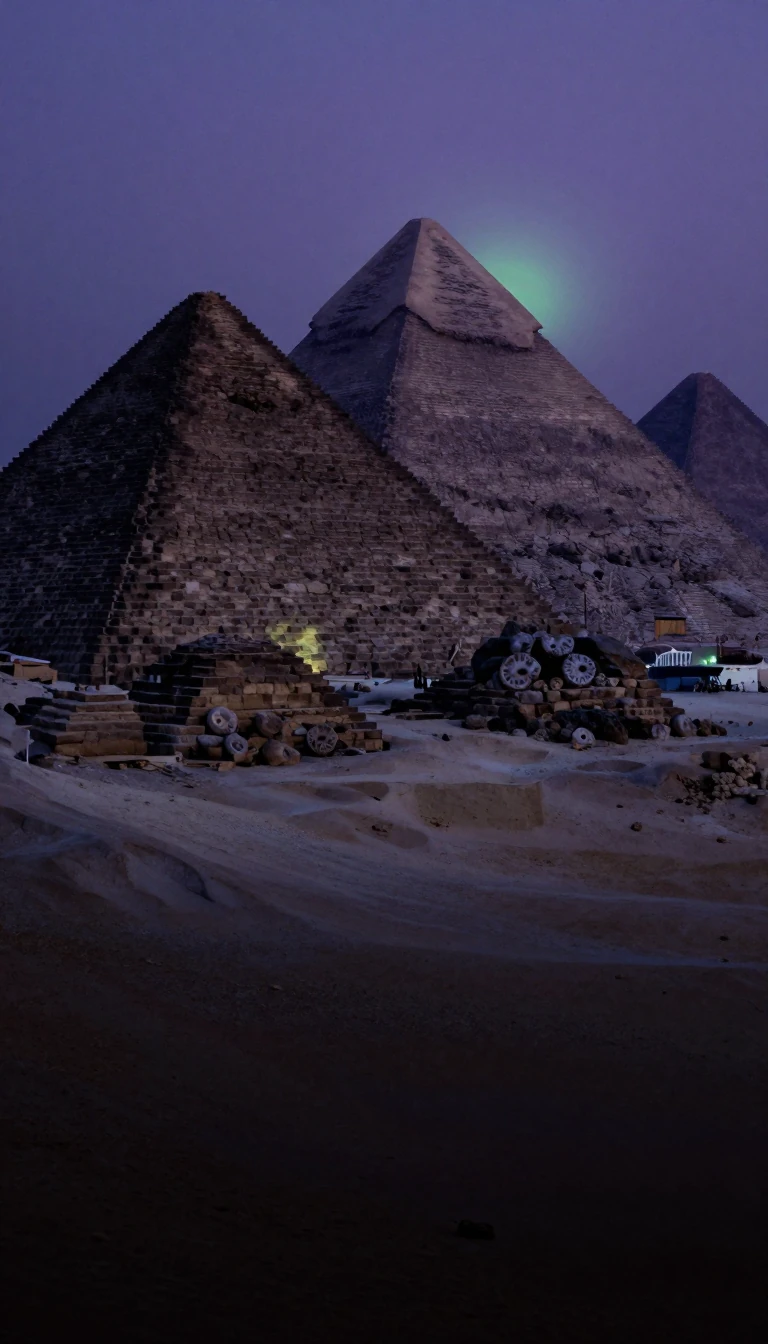 The chambered lizard: how a common dinosaur shaped our view of the giantsCamarasaurus is the most common sauropod in North America's Morrison Formation, yet its legacy is defined by a case of mistaken identity. For decades, its distinctive, robust skul…
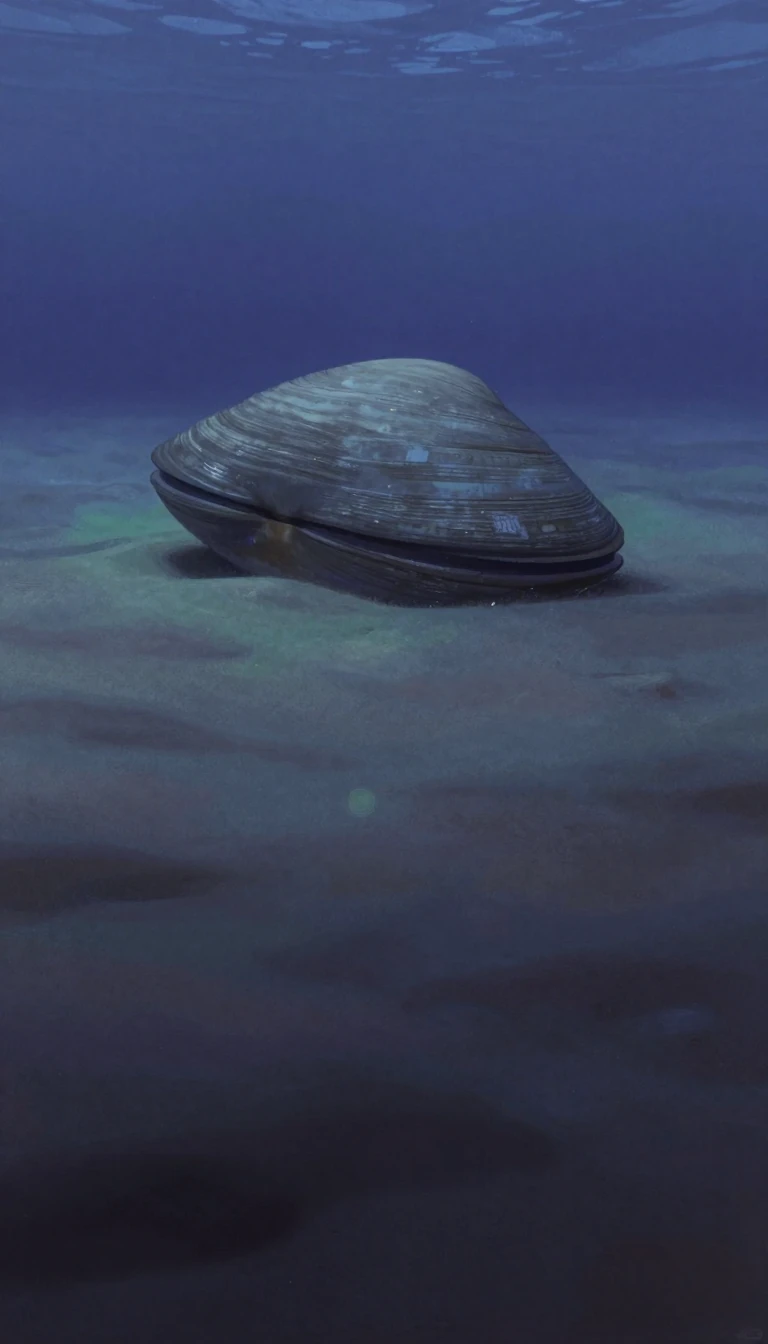 This ancient marine arthropod walked the Cambrian seafloor with a protective bivalved shieldLong before modern crustaceans evolved, Canadaspis roamed the ocean floor as a specialized benthic feeder. This bivalved arthropod used a complex array of limbs to stir up nutrien…
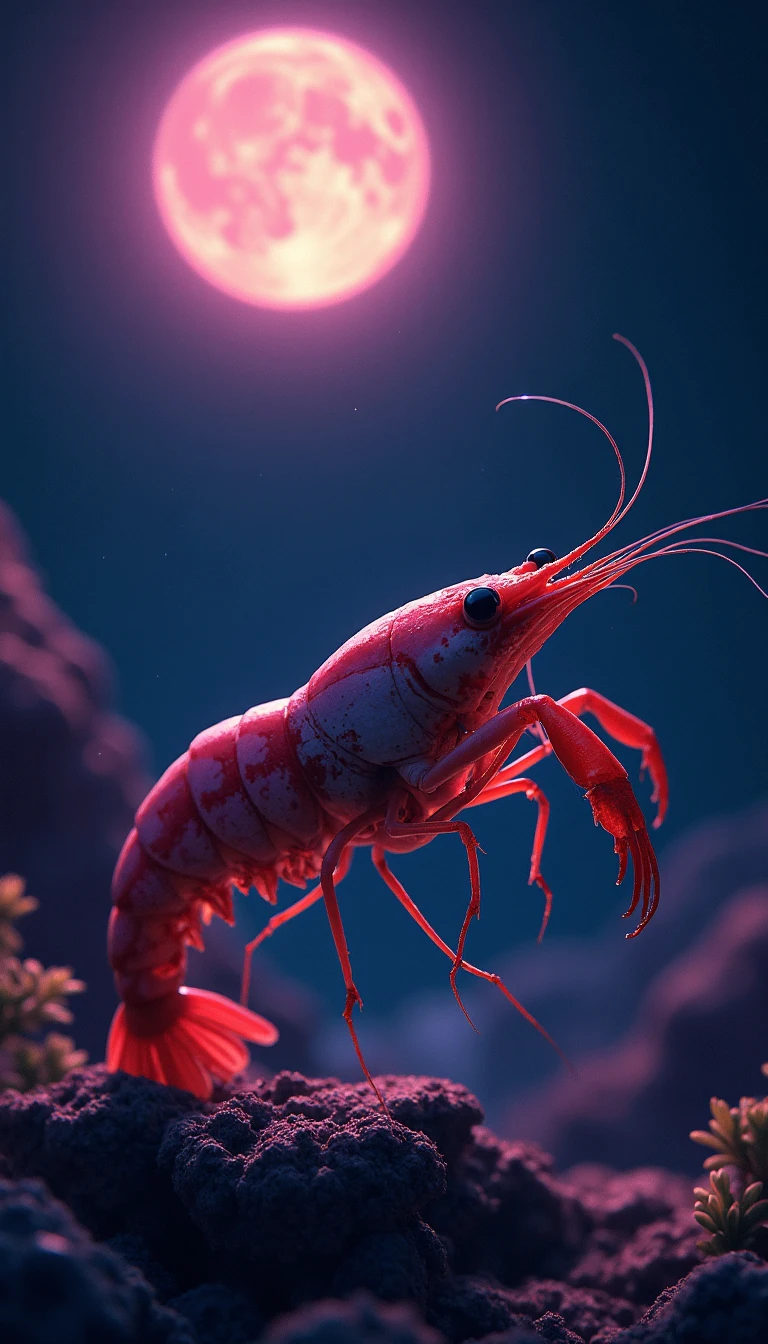 The brown crab is a master of the sea, wearing a pie crust shell.Known for its distinct pie-crust-edged carapace and black-tipped claws, the brown crab is a formidable predator of the North Atlantic. These nocturnal scavengers grow by shedding …
 Why a failed agricultural experiment created one of the world's most successful invasive pests.In 1935, Australia imported 2,400 cane toads to protect sugarcane crops from beetles. The toads ignored the beetles, thrived in the wild, and multiplied into millions. Today, thes…
 From the Sahara to the Arctic, the canine family has conquered almost every ecosystem.With 36 living species, canines are masters of adaptation. Whether they are solitary hunters in forests or pack-oriented predators on the plains, these long-legged carnivores have…
- Beyond the Goldfish Bowl: The Surprising Diversity of the Carassius GenusYou likely know Carassius as the goldfish in your aquarium, but this genus of ray-finned fish holds far more complexity. From the common crucian carp to the silver-hued Prussian c…
- The European green crab is a global invader currently being turned into dinner.Carcinus maenas is a highly successful invasive species that has colonized coastlines across the globe. From North America to Australia, this resilient crab disrupts local ecosyst…
 The black-headed cardinal beetle uses a toxic chemical gift to secure its mating successThe black-headed cardinal beetle is a striking, blood-red insect that relies on a bizarre courtship ritual. To win over a mate, males present a specialized cranial structure fille…
- True shrimp are not prawns, and their secret lies in their overlapping abdominal segments.While often confused with prawns, true shrimp belong to the infraorder Caridea. These resilient creatures inhabit nearly every aquatic environment on Earth, from deep-sea trenches…
 Carnosauria: The shifting definition of history's first giant predatory dinosaursCarnosauria was once a catch-all category for any large theropod, but modern science has transformed it into a precise, albeit debated, clade. These apex predators dominated the J…
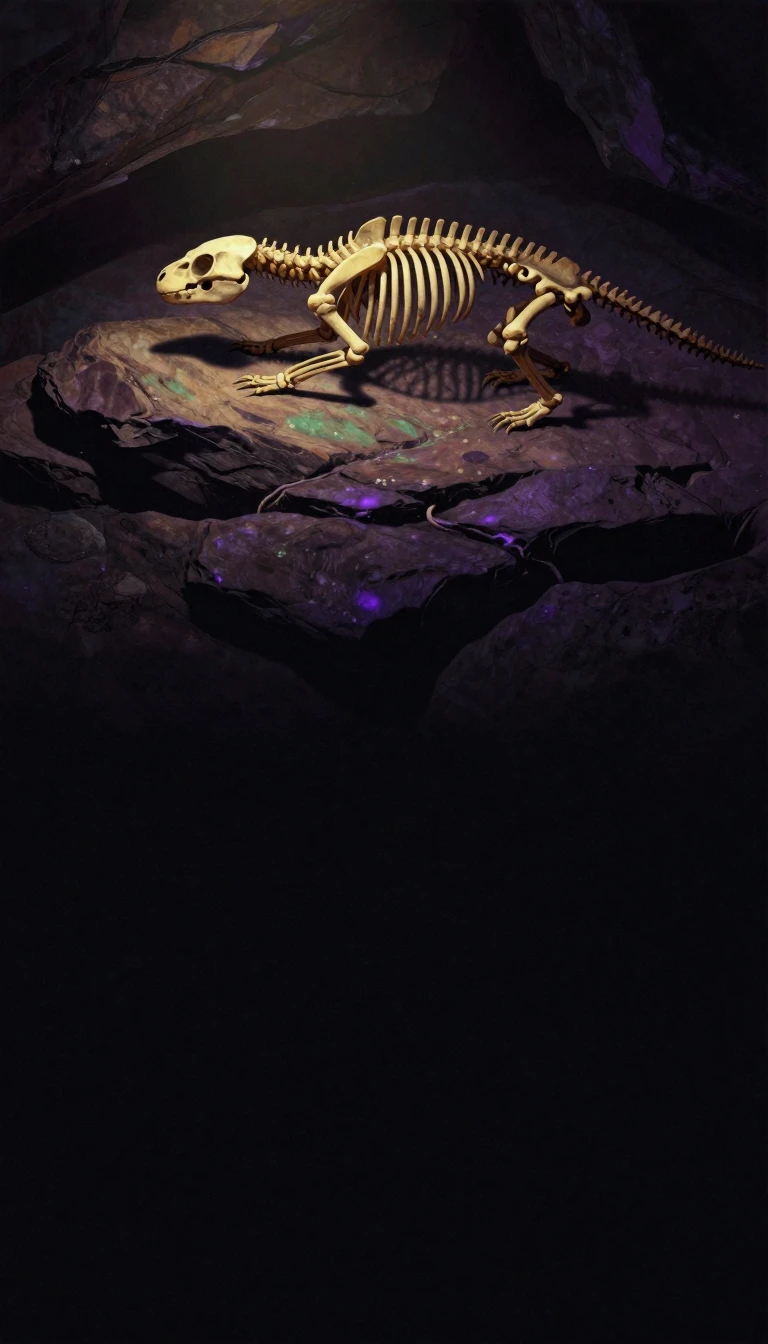 The Jurassic beaver that proves mammals were not just tiny, stagnant creaturesLong before dinosaurs vanished, a beaver-like creature named Castorocauda was already swimming through Jurassic rivers. Weighing up to 800 grams, this ancient mammal defied the id…
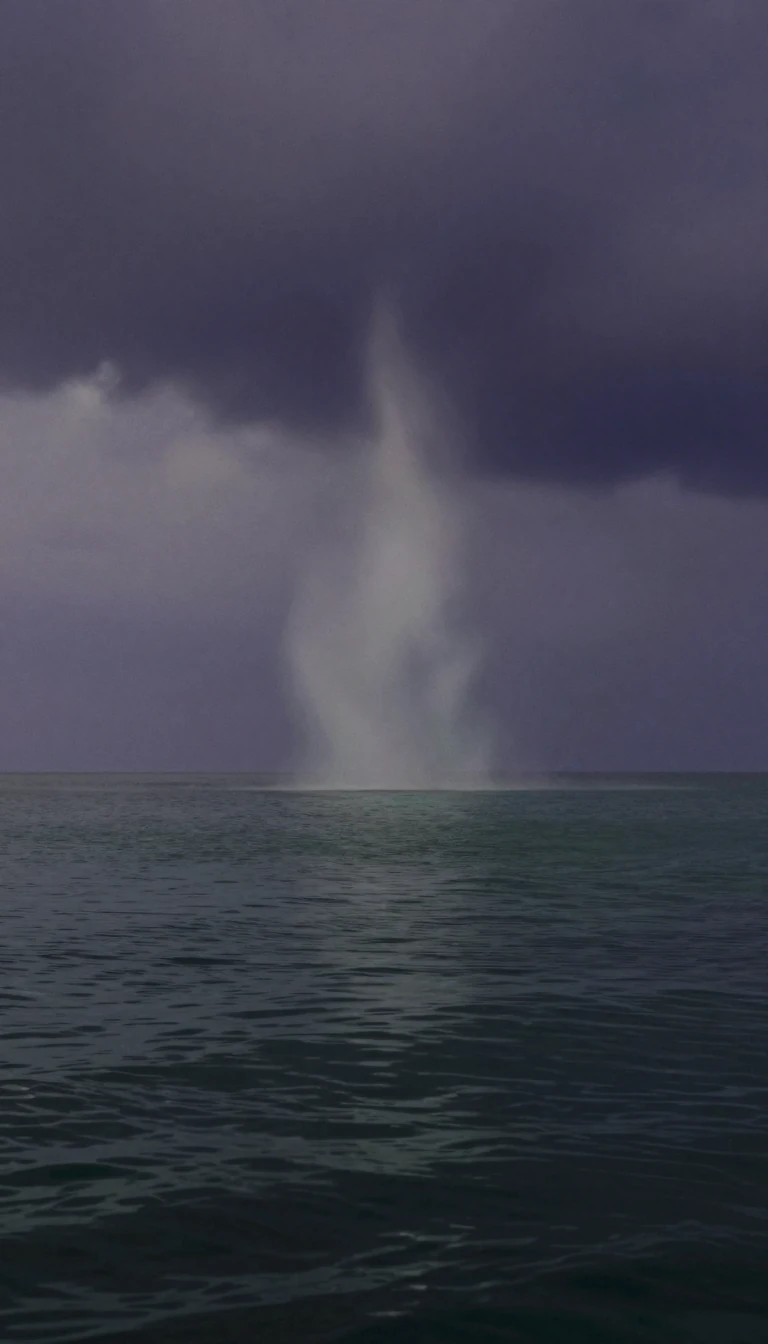 The cat flea is a global traveler that prefers your cat over your dogDespite their name, cat fleas are the most common parasite found on both cats and dogs worldwide. These wingless insects originated in Africa but have successfully colonized the g…
 Why this white heron became one of the world's most successful invasive speciesThe cattle egret has achieved a global expansion unlike almost any other bird. By abandoning traditional wetland hunting for a life alongside livestock, these clever herons turned…
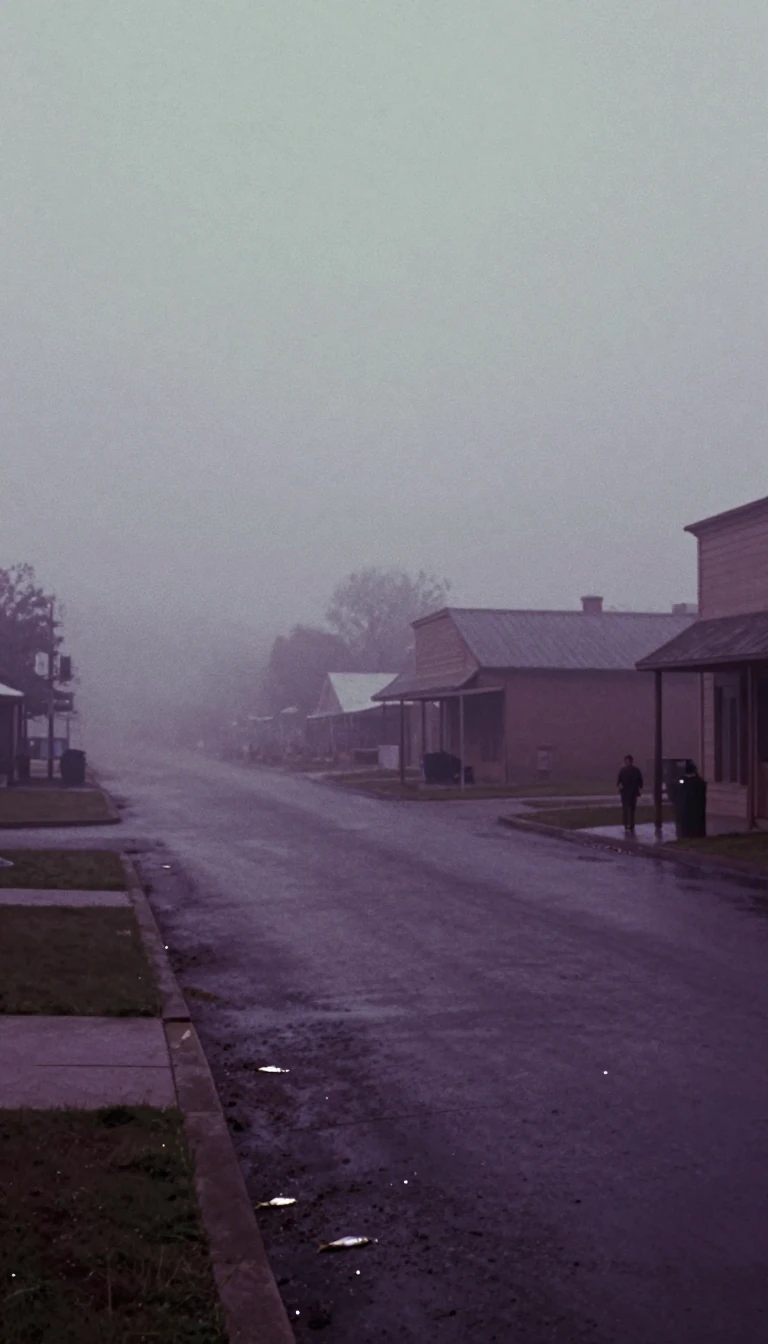 The armored, jawless fish that spent millions of years as a scientific wastebasketCephalaspis was a trout-sized, bottom-feeding vertebrate from the early Devonian period. While its heavy head shield once made it a catch-all category for any similar-looking foss…
- Was the Ceprano Man a unique species or just an early European ancestor?Discovered by a bulldozer in 1994, this Italian skull cap has sparked decades of debate. Once hailed as a new species, Homo cepranensis, recent digital reconstructions suggest it …
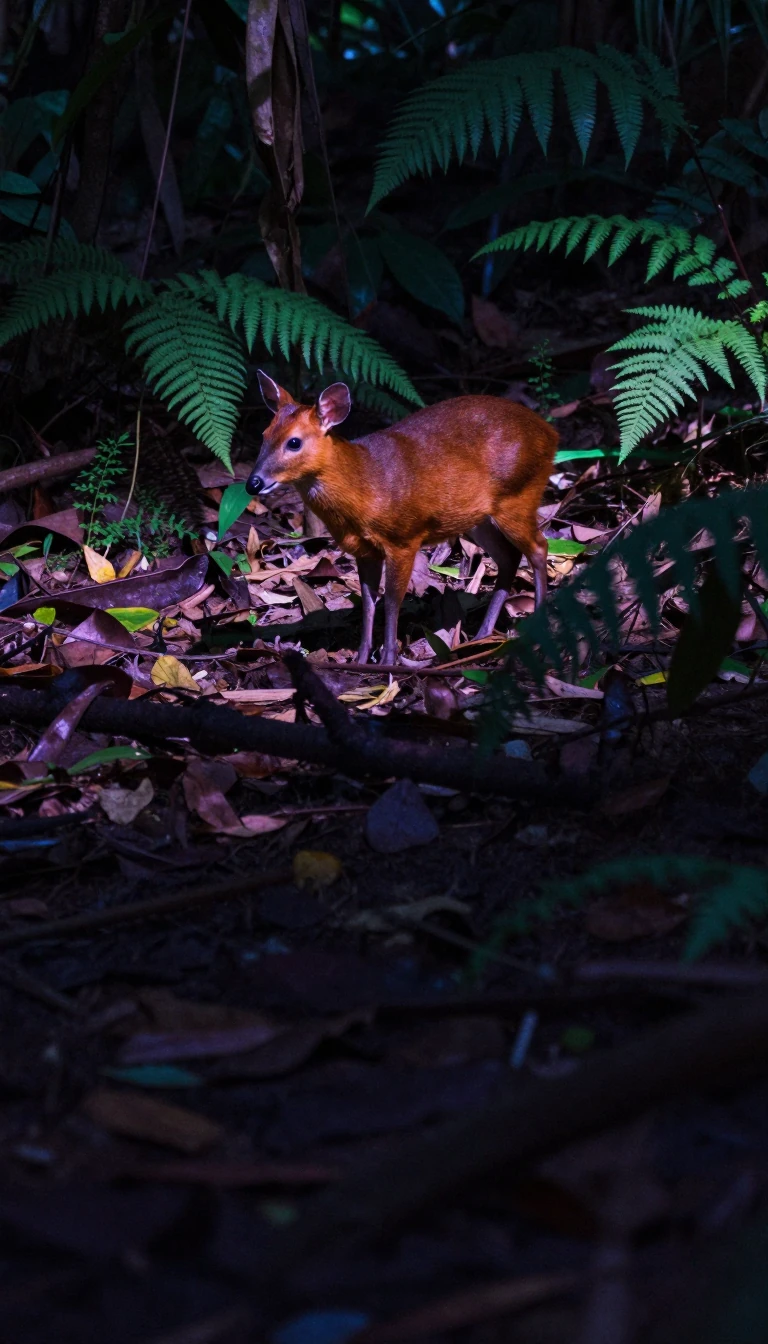 The smallest horned mammal in history was a burrowing rodent with a defensive secretLong before modern mammals evolved, a small, burrowing rodent called Ceratogaulus roamed North America with two prominent nasal horns. While these features might look like tools f…
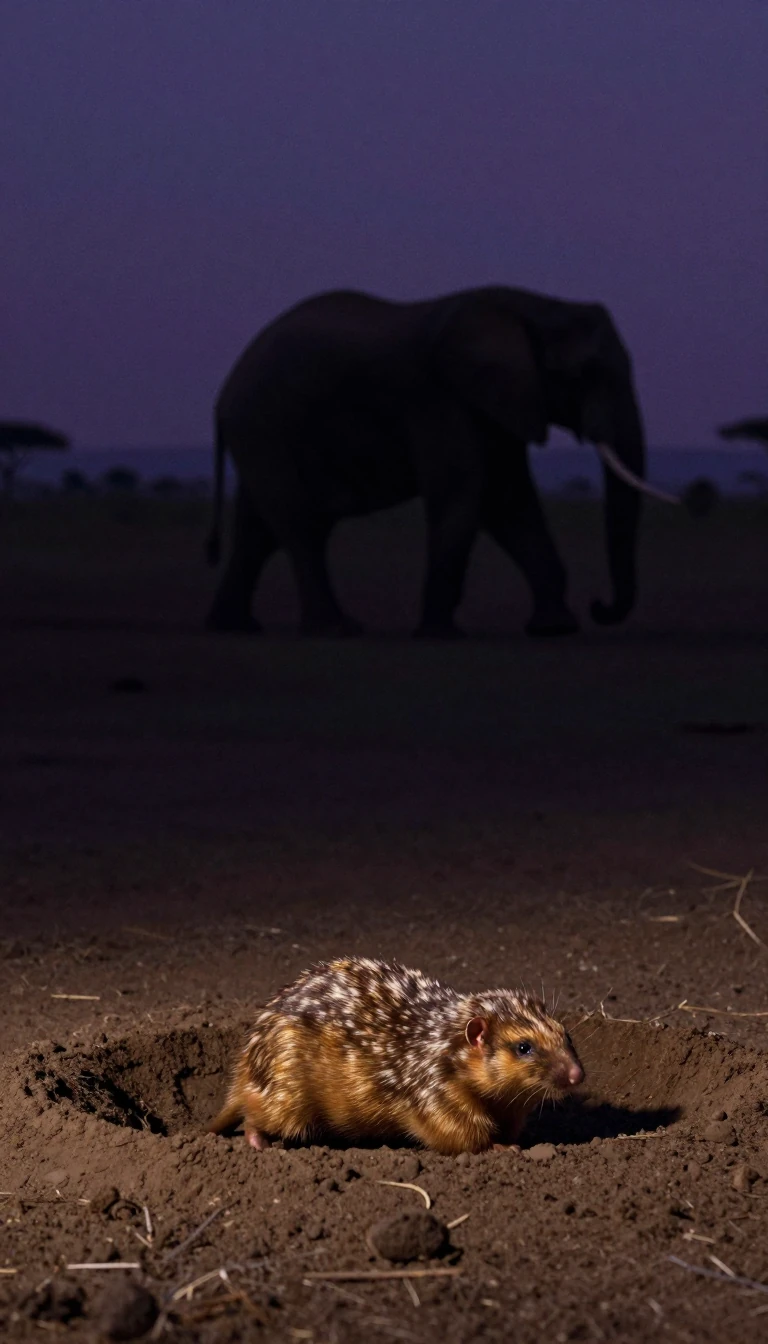 Meet the South American horned frogs, nature's most formidable and patient ambush predatorsCommonly known as horned frogs, the Ceratophryidae family consists of just three genera and twelve species. These South American amphibians are defined by their oversized heads an…
- The Horned Lizard of the Jurassic: Unmasking the CeratosaurusCeratosaurus was a formidable Late Jurassic predator defined by a prominent nasal horn and a unique row of bony plates along its back. While once thought to be a specialized hunte…
 Why these Old World monkeys are the most successful colonizers after humansCercopithecinae are a remarkably adaptable subfamily of Old World monkeys, thriving in environments ranging from tropical rain forests to snowy mountains. With roughly 71 species,…
- The stag-moose was a prehistoric giant that once roamed across the ancient northern landscape.Imagine a deer so strange it blurred the lines between species we recognize today. The genus Cervalces, including the iconic stag-moose, thrived during the Pliocene and Pleistocen…
 The tropical chicken that defies gravity and dominates the Tamaulipan brushlands with noiseOften heard before they are spotted, the Plain Chachalaca is a long-tailed, tree-dwelling bird that behaves like a tropical chicken. While most of their relatives prefer the groun…
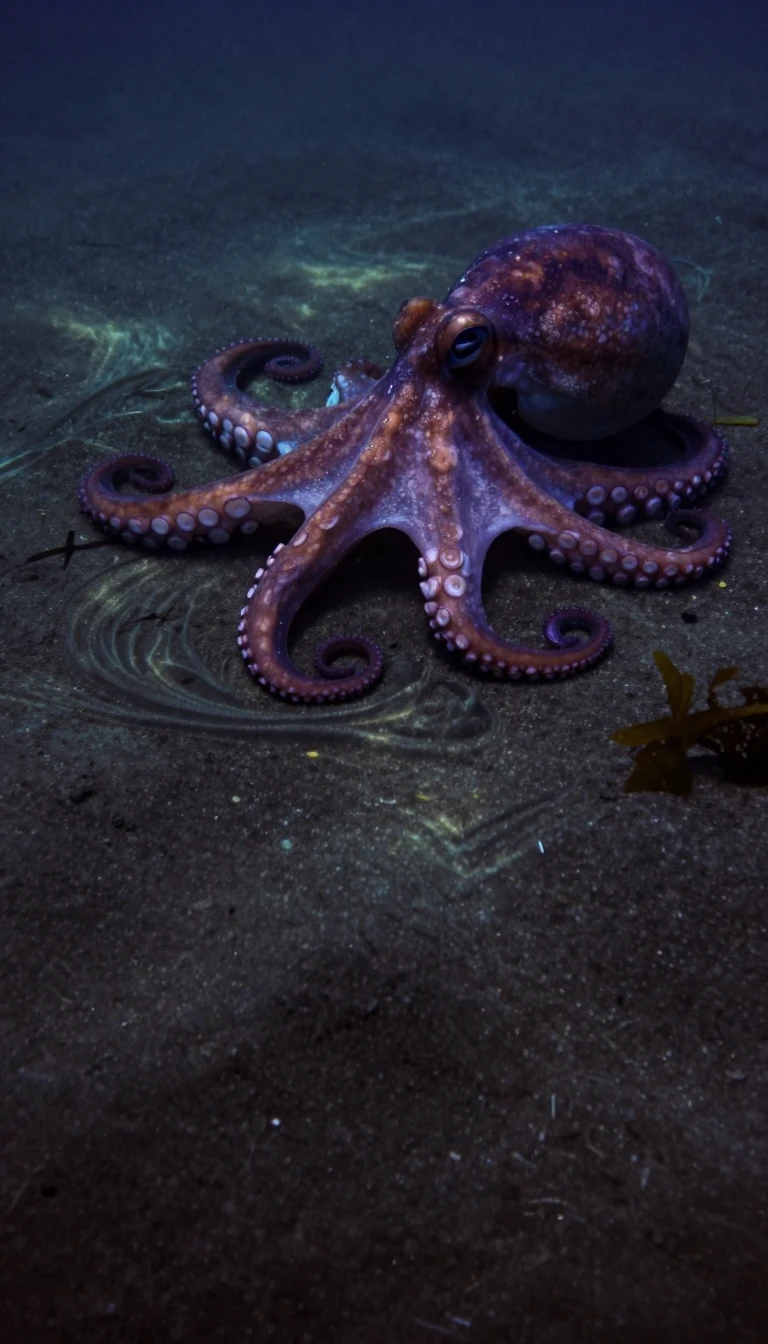 Arrowworms are transparent marine predators that defy classification within the animal kingdom.These dart-shaped carnivores, known as chaetognaths, are masters of the open ocean. Ranging from mere millimetres to over ten centimetres in length, they hunt using paralyzing neu…
- These extinct, clawed mammals were the odd-toed ungulates that defied the hoofed norm.Chalicotheres were strange, herbivorous mammals that looked like horses but sported massive, hook-like claws instead of hooves. While early researchers once mistook their fossiliz…
- The prehistoric beast that walked on its knuckles like a modern great apeChalicotherium was a bizarre, horse-related herbivore that defied typical ungulate anatomy. With elongated, clawed forelimbs and robust hindquarters, this Miocene giant moved by k…
 This crocodile-like reptile dominated freshwater ecosystems long before modern gharials took their place.Champsosaurus was a specialized, long-snouted aquatic predator that thrived across North America and Europe during the Late Cretaceous and early Paleogene. Though it resembles mod…
 The Antarctic icefish survives without red blood, defying standard vertebrate biology.In the freezing waters of the Southern Ocean, the crocodile icefish thrives despite lacking hemoglobin, the protein that gives blood its red color. Instead of red blood cells, the…
 The shifting identity of the tetra: why your aquarium fish keeps changing its nameThe Characidae family is a taxonomic puzzle that has been dismantled and rebuilt for decades. Once a massive umbrella for diverse South American fish, recent scientific revisions …
 The giant sea snail that hunts venomous starfish to save coral reefsTriton snails are not just beautiful shells; they are formidable predators. Armed with a toothy, serrated radula and paralyzing saliva, these marine mollusks actively hunt crown-o…
 Why these ancient Australian turtles tuck their heads sideways instead of pulling them backSnake-necked turtles are masters of the side-tuck, a unique defensive maneuver that sets them apart from their peers. Rather than retracting their heads directly into their shells…
- The elusive Blue Moon crayfish was hiding in plain sight within the aquarium tradeBefore scientists officially described Cherax pulcher, the species was already a global sensation in the aquarium trade. Known by names like Blue Moon and Irian Jaya, this vibrant…
 The Chinese water dragon is a charismatic lizard that is vanishing from the wildDespite its name, the Chinese water dragon is increasingly rare in China. These semi-arboreal lizards rely on pristine streamside forests, but they are being decimated by overharv…
- Why the Bering Sea snow crab population plummeted by eighty-four percent in four yearsThe snow crab, a cold-water crustacean essential to northern ecosystems and global seafood markets, has faced a catastrophic collapse. Between 2018 and 2022, populations in the Be…
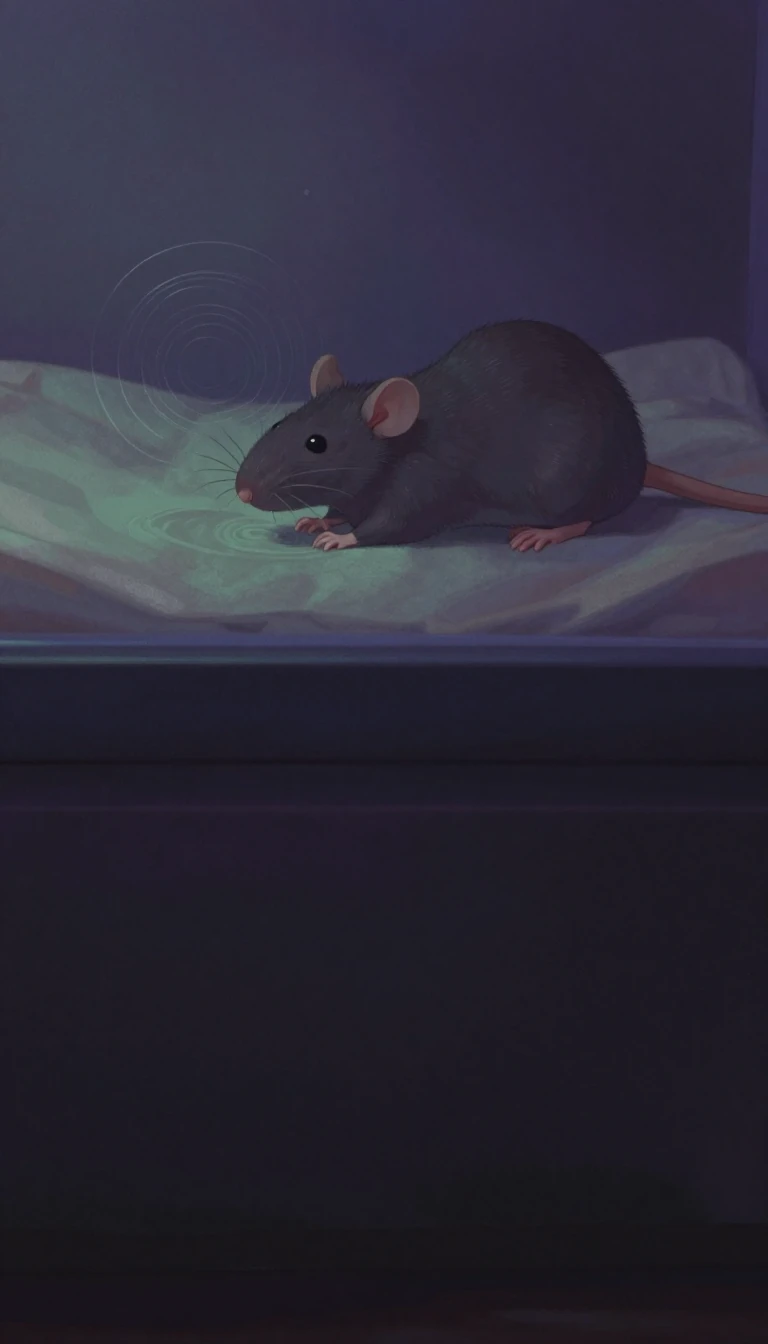 Beyond the cartoon, the chipmunk is an obsessive, master-class hoarder of forest survivalWhile pop culture paints them as singing troublemakers, chipmunks are actually sophisticated, solitary engineers. These small, striped rodents are masters of the larder, capable o…
 These African monkeys use specific vocal calls to identify different types of predatorsVervet monkeys are not just clever survivors; they are master linguists of the savanna. By deploying distinct vocalizations for leopards, eagles, and snakes, they coordinate preci…
- These ancient, crocodile-like reptiles survived the asteroid that killed the dinosaurs.Choristoderes were a diverse group of semiaquatic reptiles that thrived for over 150 million years. While they resembled modern gharials or lizards, they possessed a unique, myste…
- Millions of red crabs transform a tropical island into a moving, crimson landscape annually.Every year, millions of Christmas Island red crabs abandon their forest burrows for a synchronized, island-wide trek to the sea. This legendary migration is dictated by the lunar …
- The Pacific sea nettle is a drifting predator with a golden, venomous armamentThe Pacific sea nettle, Chrysaora fuscescens, is a striking jellyfish known for its golden-brown bell and long, trailing tentacles. While its sting can be irritating to humans, th…
- How a limbless snake transforms its body into a functional, aerodynamic flying wingThe Chrysopelea genus of Southeast Asian snakes defies biological expectations by gliding up to 100 meters between trees. Without wings or limbs, these reptiles flatten their bodi…
- Water fleas are ancient, resilient crustaceans that have mastered the art of survival.Commonly known as water fleas, Cladocera are tiny, aquatic crustaceans that thrive in freshwater environments. Despite their small size, these organisms possess a remarkable survi…
- The Clamator cuckoo is a master of deception that avoids the common eviction habit.Known in Latin as he who shouts, the Clamator genus of cuckoos employs a sophisticated brood-parasitic strategy. Unlike their infamous cousins, these large, crested birds do not p…
- Why these tiny crustaceans perform a rhythmic dance to attract their dinner guestsCleaner shrimp are not just reef scavengers; they are skilled service providers. By operating cleaning stations, these crustaceans remove parasites and dead tissue from fish, prov…
 Checkered beetles are voracious predators that can consume several times their body weight daily.Known as checkered beetles, the family Cleridae is a diverse group of predators found worldwide. While some species act as scavengers or pollen feeders, many are highly efficient …