 Intellect Plus
Nature
11,198 cards. Each one is a 40-second story with a five-minute read behind it. Page 160 of 187.
Subtopics: Ageing · Air · Animal behaviour · Animal breeds and hybrids · Animals · Arthropods · Atmosphere · Big cats · Bilateria, others · Birds · Botany · Cnidarians · Conservation · Coral reefs · Deep sea · Deserts · Dinosaurs · Earth science · Earth science and physical geography · Earth science basics · Earthquakes & tsunamis · Echinoderms · Ecology · Ecosystems · Endangered species · Extinct animals · Farming · Fish · Forests · Fungi · General classifications · Geology · Geomorphology · How Long Can It Live? · Ice · Individual animals · Insects · Lightning · Longevity · Mammals · Marsupials · Migration · Mollusks · Ocean · Organisms · Parasites · Physical geography · Plants · Porifera · Predators · Primates · Rainforest · Reptiles & amphibians · Researched · Sharks & rays · Spiders & arachnids · Symbiosis · Trees · UK & Ireland: nature · Vertebrates · Vision · Volcanoes · Water · Waves · Weather · Whales & dolphins · Zoology
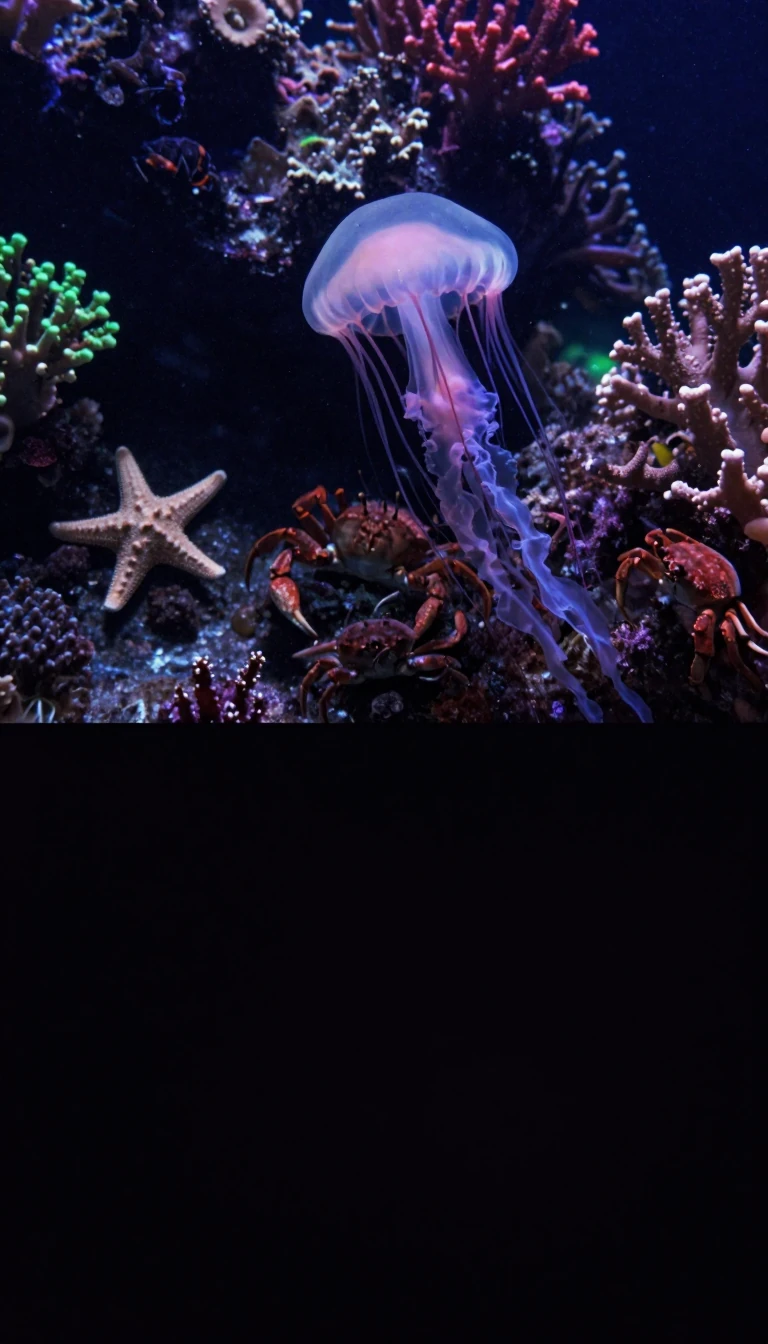 Copepods, barely two millimetres long, may outweigh every other animal groupCopepods are tiny crustaceans, usually 1 to 2 millimetres long and nearly transparent, yet some scientists think they form the largest animal biomass on the planet. Each night man…
 Raccoon dogs only conquered Europe once their fathers came alongWhen fur farmers first released pregnant raccoon dogs into the wild in 1928, few took hold. From 1929 they released pairs instead, and the species spread across much of Europe. Th…
 Flying lemurs neither fly nor count as lemurs, yet sit next to primatesColugos are often called flying lemurs, which is wrong twice over: they glide rather than fly, and they are not lemurs. Their webbed fingers once had scientists grouping them with…
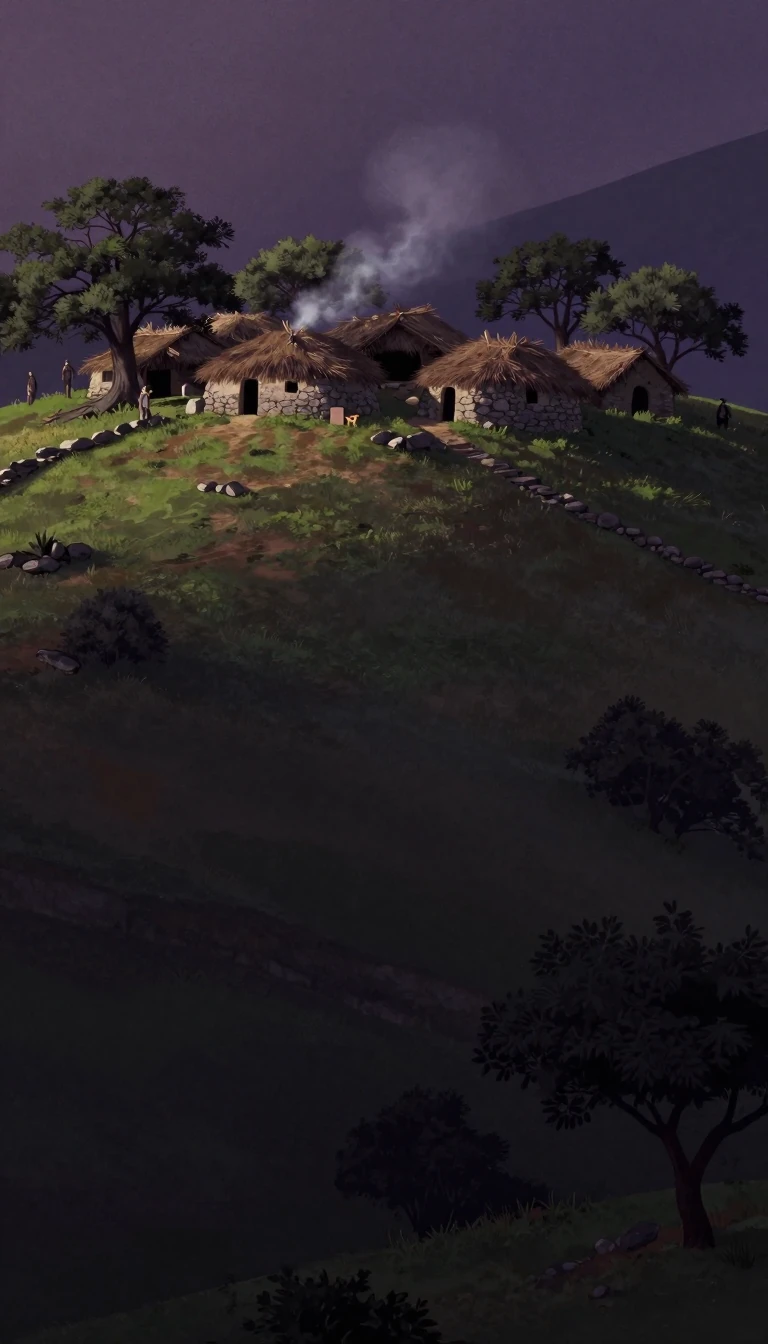 Dogs may have started as freeloaders at the edge of human campsCommensalism, a word rooted in the Latin for sharing a table, describes a partnership where one species gains and the other barely notices. Many researchers think the dog began ex…
 Why the blackbird got its name when crows and ravens are black tooEngland has plenty of black birds, from crows and rooks to ravens and jackdaws, so why did one thrush claim the name blackbird, first written down in 1486? In older English, bird …
- The cuckoo dresses like a hawk so it can sneak its eggs into nestsA female cuckoo may visit as many as 50 nests in a season, leaving eggs for other birds to raise. To get close, she looks like a predator: grey back and barred belly, much like a …
 A one-ton antelope that clicks as it walks and can clear 2.5 metresHerds of eland announce themselves with a strange clicking. One explanation is that these antelopes are so heavy their split hooves spread apart under the load and snap together a…
 Male green bottle flies find partners by the flicker of sunlight on wingsA male green bottle fly identifies a young female by timing the glints of sunlight flashing through her beating wings. In a 2017 experiment, males chose a light diode blinking 178…
 The chirping gecko on your porch light is quietly conquering the tropicsIn warm countries, a small lizard stalking moths around a porch lamp and chirping is usually the common house gecko. Harmless to people, it has hitched rides on cargo from its Asi…
 The common krait's bite can be so painless that sleepers never wakeMost dangerous snakes announce a bite with pain and swelling. South Asia's common krait often does not. Its fangs are small and its venom causes almost no damage at the site, so a…
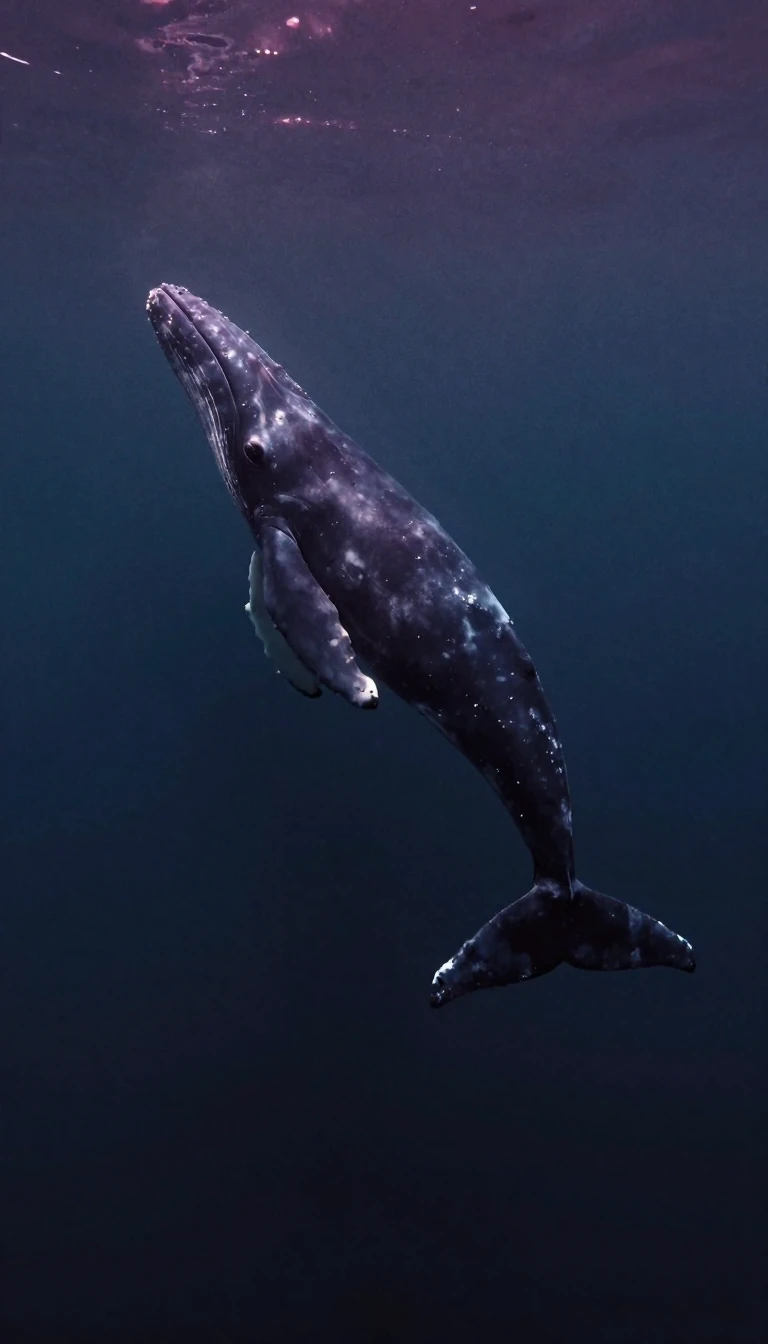 The colossal squid's giant eyes seem built to spot sperm whales comingThe colossal squid of the Southern Ocean has the biggest eyes of any animal known, up to about 30 centimetres across. A swordfish of similar weight manages with roughly 10. One id…
 A cockatiel's crest broadcasts its mood like a feathered dialWatch the crest of a cockatiel and you can read its feelings. Straight up means startled or excited, a gentle slant means relaxed, and flat against the head means angry or defensi…
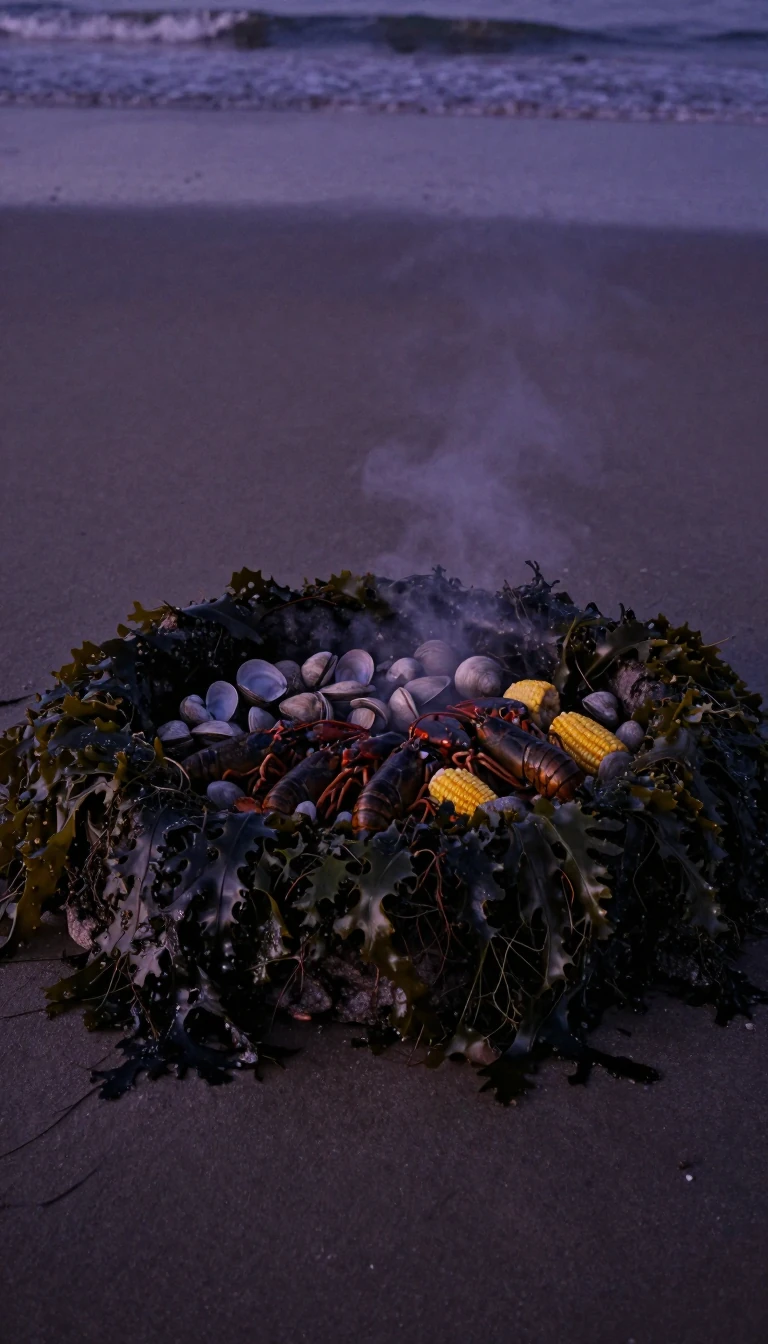 The 'cockles of your heart' may owe their name to a heart-shaped shellfishSeen end-on, a cockle's ribbed shell looks like a heart, and the family's type genus, Cardium, takes its name from the Latin for heart. That may explain why good news 'warms the c…
- Coho salmon were shipped to the Great Lakes to eat an invasive fishA Pacific fish now swims in every one of the Great Lakes. Coho salmon were first released into Lake Erie in the 1920s to control alewives, and large-scale stocking began in 1966 w…
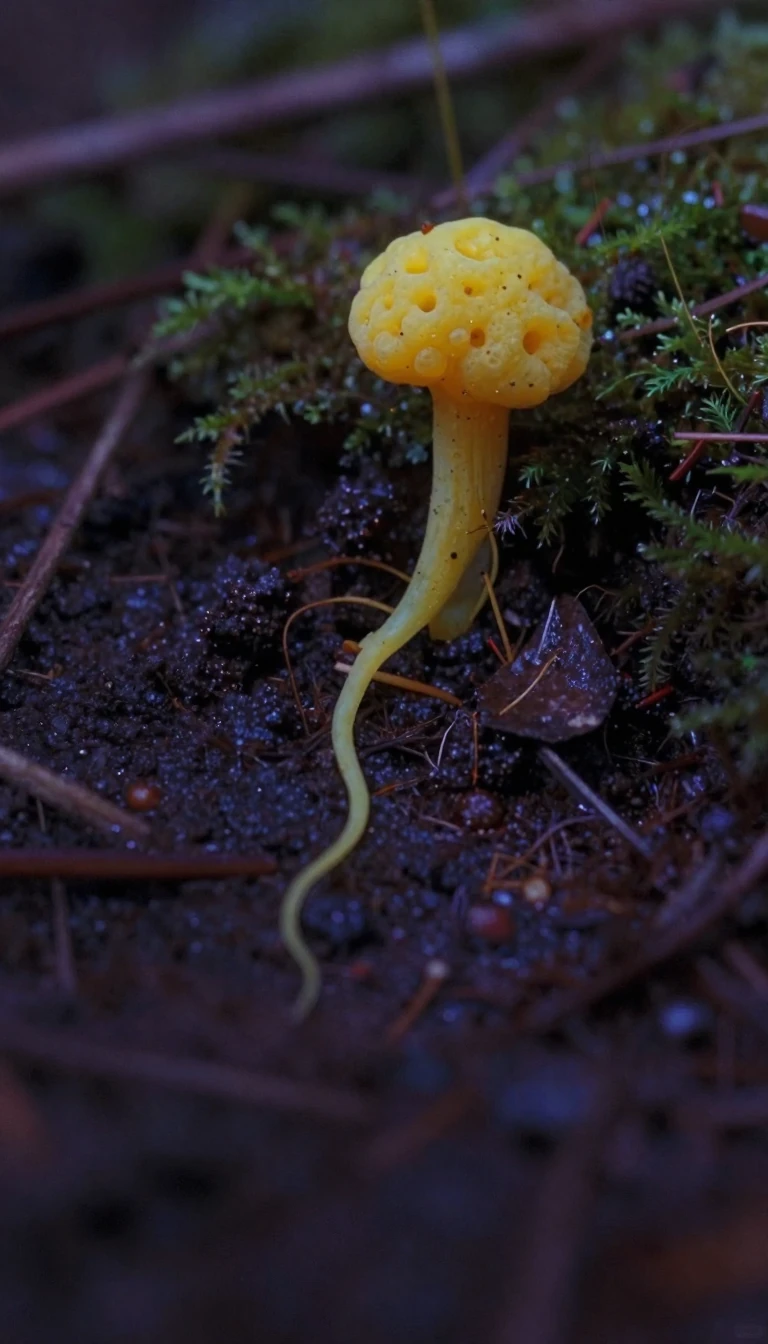 A Portuguese man o' war is a colony pretending to be one animalThe Portuguese man o' war looks like a single jellyfish, but it is really a colonial organism: many connected individuals, each specialised for tasks such as feeding, reproduction…
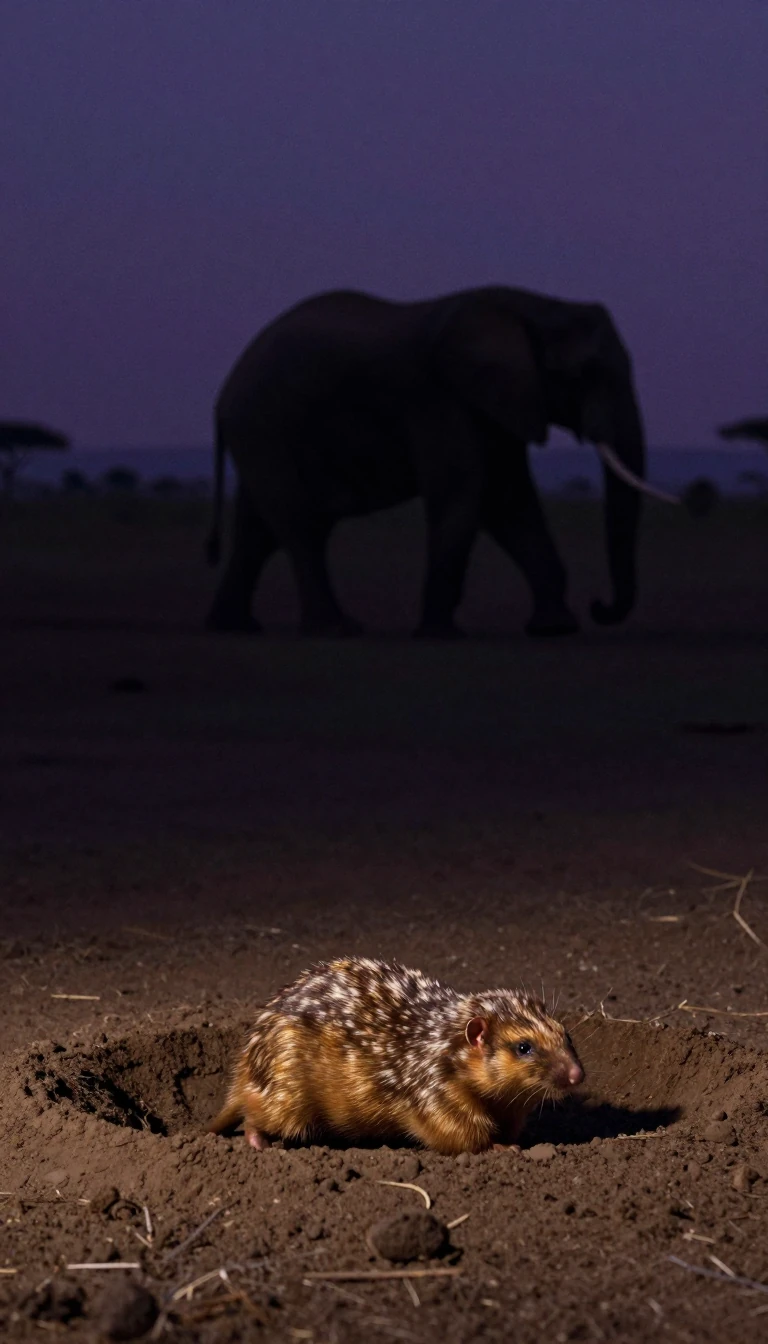 One elephant species sits on two different lists of the wildlife trade treatyUnder CITES, the global treaty policing trade in wild plants and animals, African bush elephants from Botswana, Namibia, South Africa and Zimbabwe get lighter protection than thos…
 Mushrooms are closer cousins to animals than to plantsSorting living things by looks once seemed obvious. Then biologists began grouping organisms strictly by ancestry, into clades made of one ancestor plus every one of its descendan…
 Coatis can swivel their ankles far enough to climb down trees headfirstThe coati, a long-snouted raccoon relative of the Americas, can turn its ankles beyond 180 degrees, so it descends tree trunks nose-first. Its pig-like snout rotates up to 60 degr…
- Billions of sterile flies drove a livestock parasite out of North AmericaA female New World screwworm fly mates just once and stores that sperm for life. Scientists exploited this quirk by breeding flies in factories, sterilising them with radiation an…
 Giant sequoias need fire, and a small beetle, to release their seedsA giant sequoia can hold 11,000 cones that stay green and shut for up to 20 years. Most seeds escape only when fire's rising heat dries the cones, or when longhorn beetle larvae b…
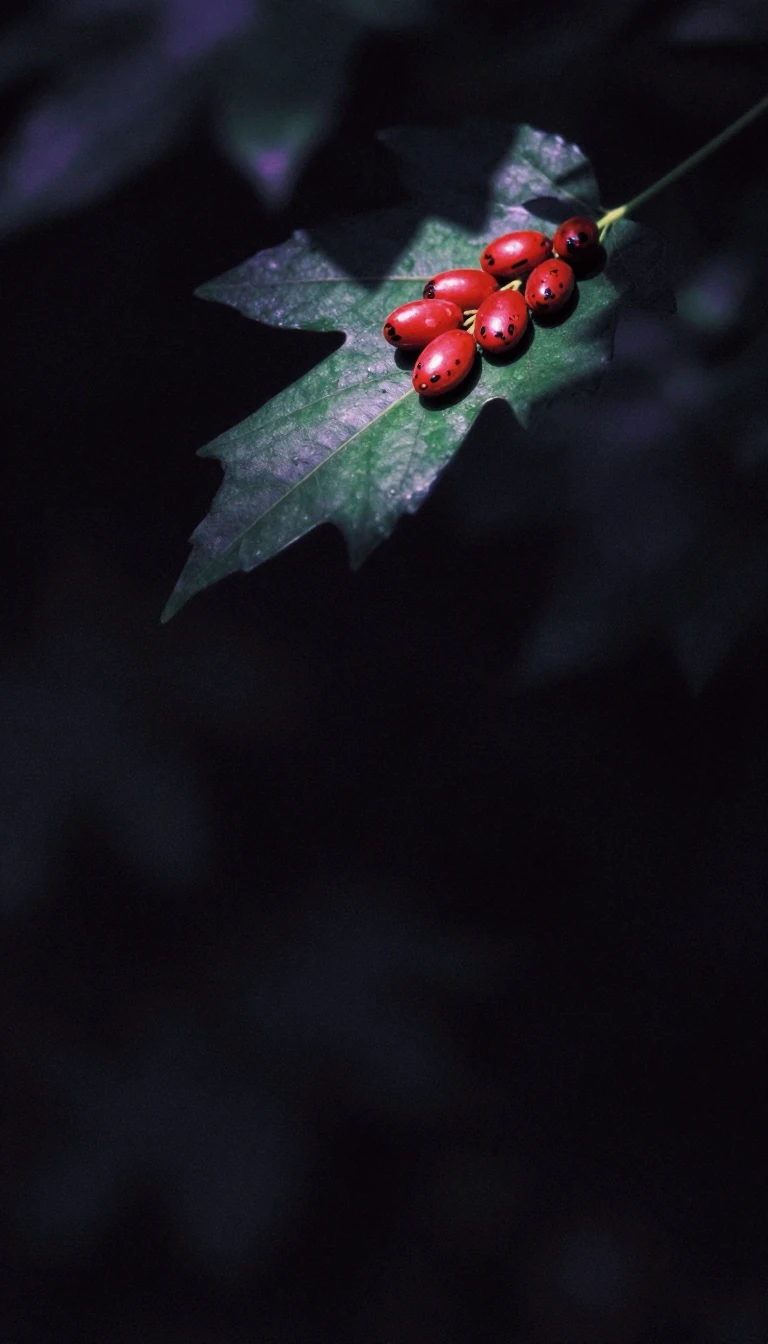 Rattan is a climbing palm that can stretch hundreds of metresThe cane in a wicker chair comes from a palm, not a vine. Rattan is a group of roughly 600 climbing palm species from the tropical forests of Asia and Africa, whose hooked spines …
 The Alpine chough nests higher than any other bird on EarthClimbers on Mount Everest have been followed by Alpine choughs at 8,200 metres. This glossy black crow with a yellow bill has nested at 6,500 metres, higher than any other bird, a…
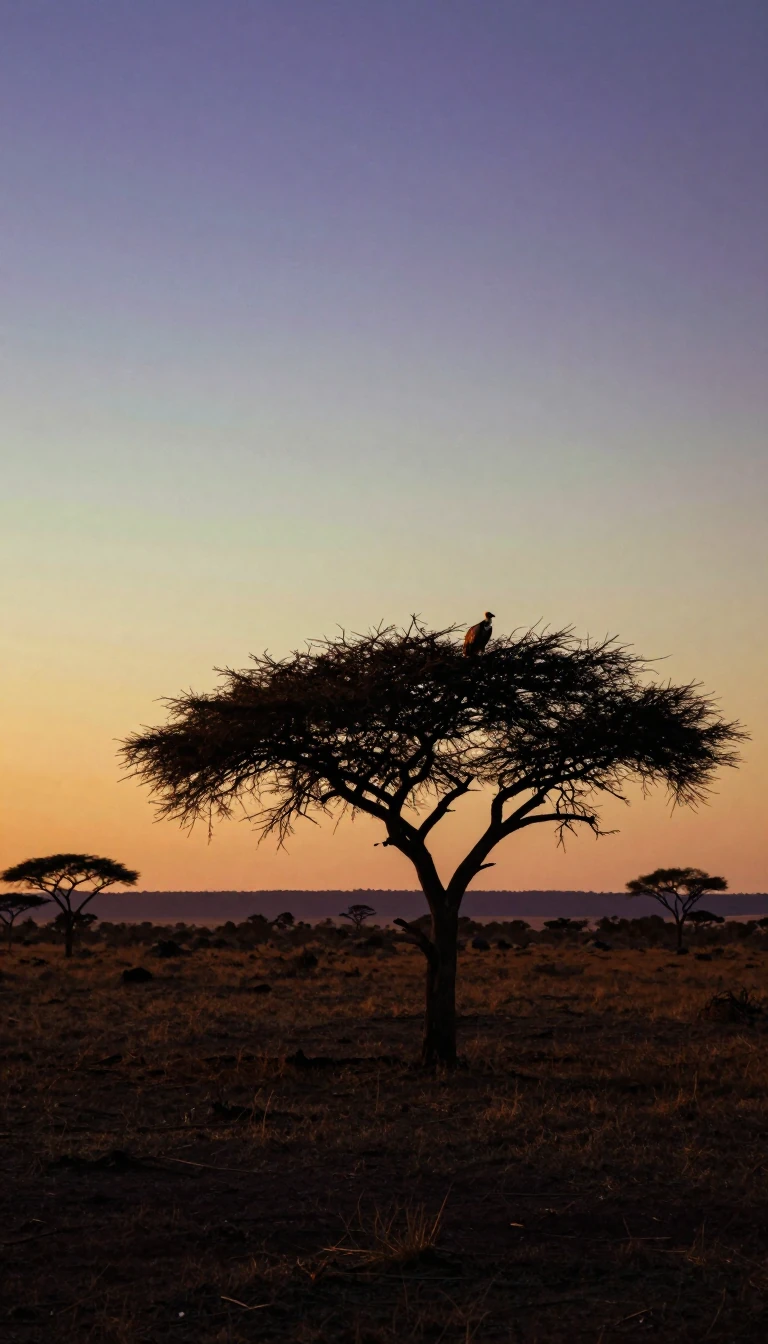 The cinereous vulture is Europe and Asia's giant with barn door wingsWith wings spanning up to 3.1 metres and a weight of up to 12.5 kilograms, the cinereous vulture is the largest Old World vulture and one of the heaviest flying birds alive. One w…
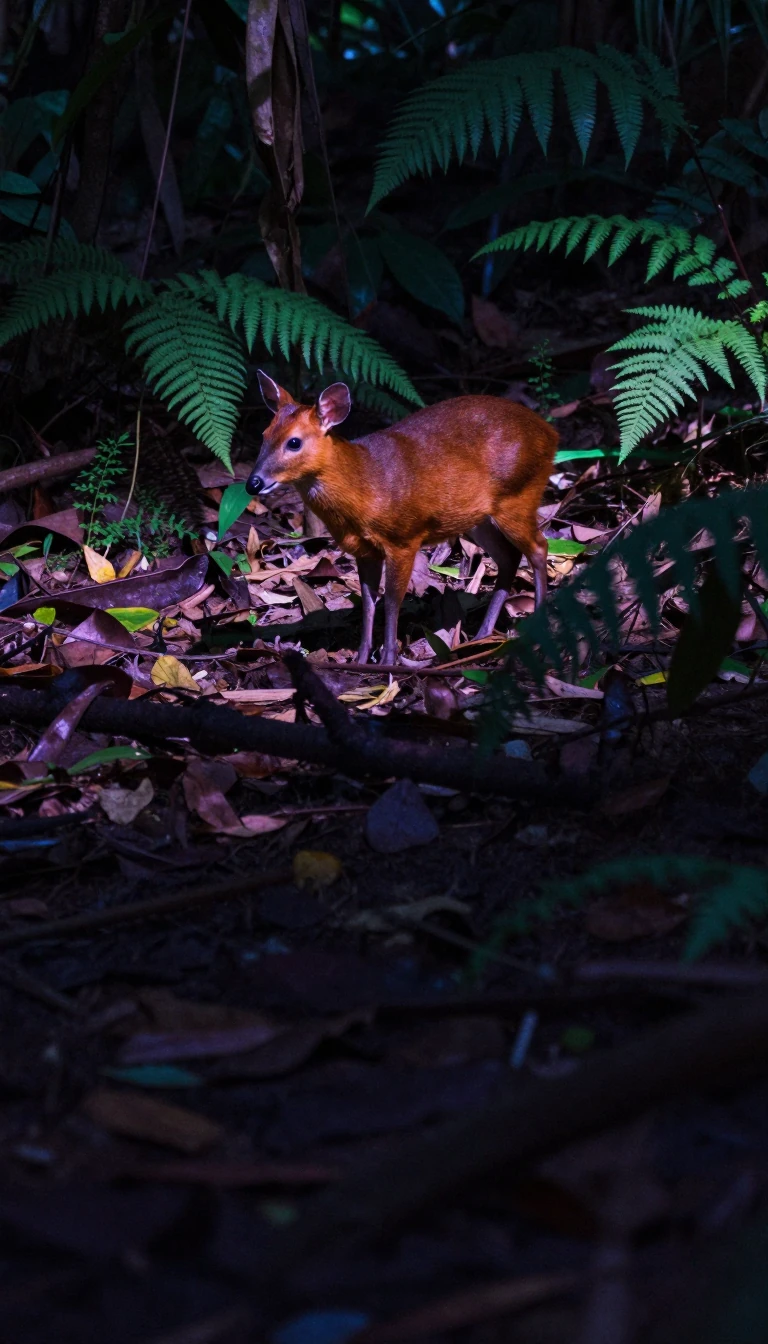 The mouse-deer is the smallest hoofed mammal, and not a deer at allThe Java mouse-deer stands about 30 centimetres tall, making it the smallest living hoofed mammal. Despite the name, chevrotains are not close relatives of true deer. They have no…
- Chiikawa began as one artist's wish to become a small crying creatureIn May 2017 the illustrator Nagano tweeted that they longed to leave modern life behind and live as a simple little being that weeps over troubles, flees them, naps and dances. Th…
 Chinook salmon swim over 3,000 kilometres up the Yukon to spawnThe largest of the Pacific salmon can top 59 kilograms, and some make astonishing journeys home. Yukon River Chinook travel more than 3,000 kilometres from the Bering Sea to spawn…
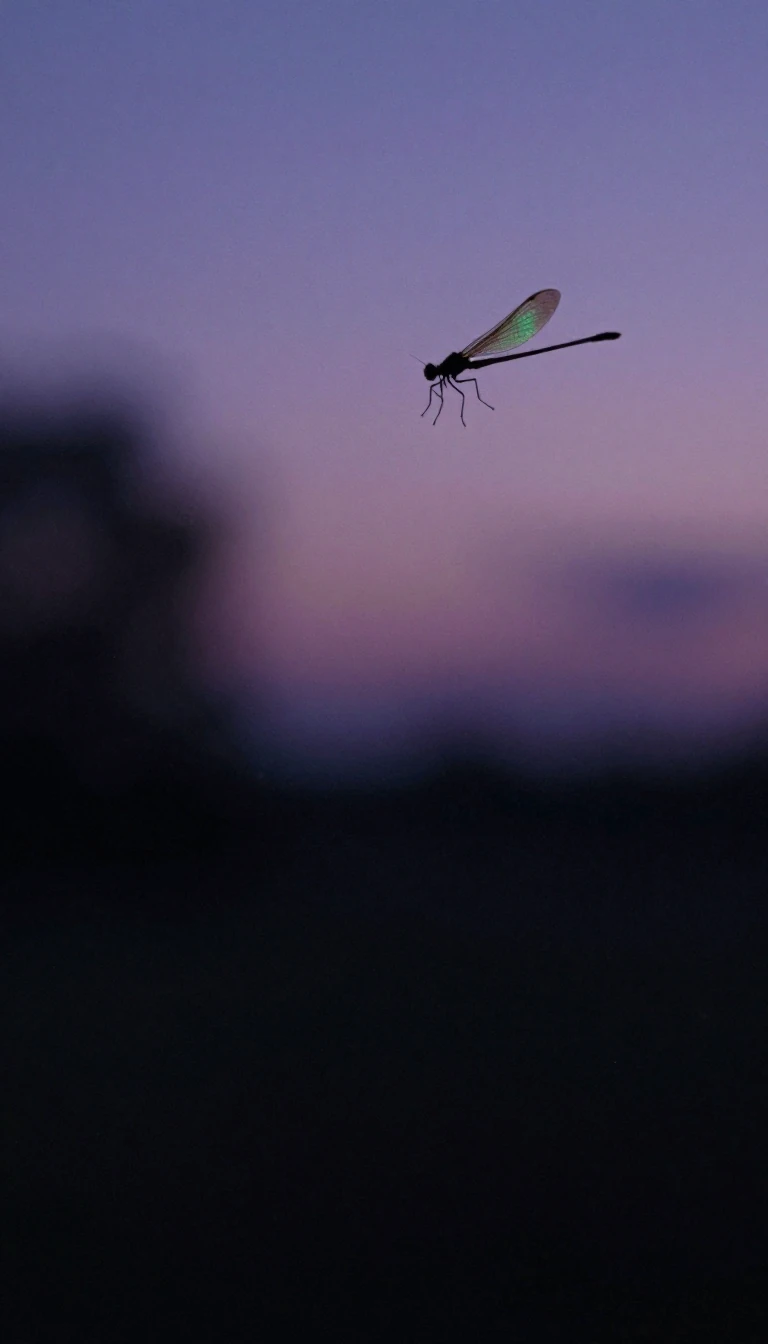 Non-biting midges are everywhere, and Antarctica's largest land animal is oneThey look like mosquitoes, go by names like chizzywinks and Canadian soldiers, and emerge in clouds thick enough to coat windshields. Yet chironomid midges cannot bite. With well …
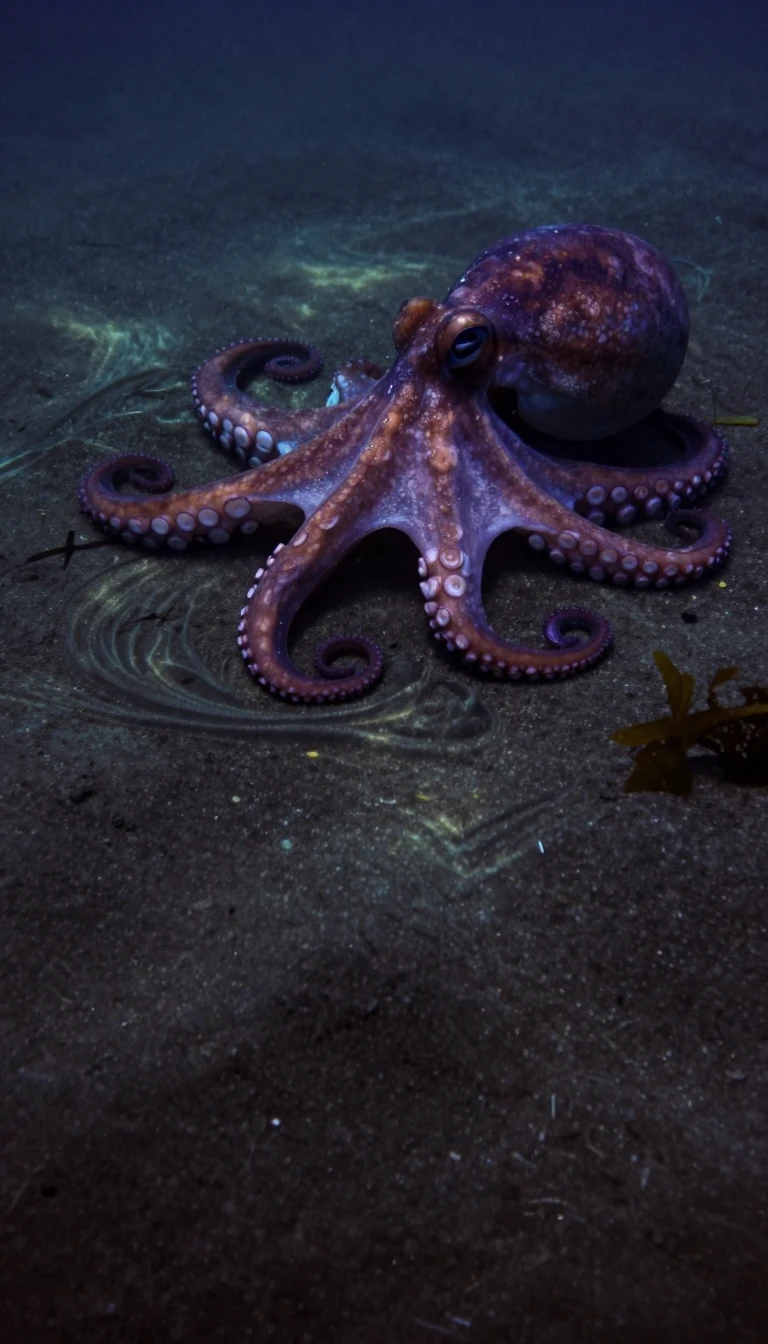 Chitons see through thousands of tiny eyes built into their shellsA chiton looks like a slow, armoured oval clamped to a rock. Its shell is made of eight overlapping plates, and in some species it is studded with thousands of tiny eyes whose len…
 Colour-blind octopuses and squid are masters of colour camouflageOctopuses, squid and cuttlefish have just one type of light receptor in their eyes, so most of them are thought to be colour blind. Yet they can repaint their skin in milliseconds…
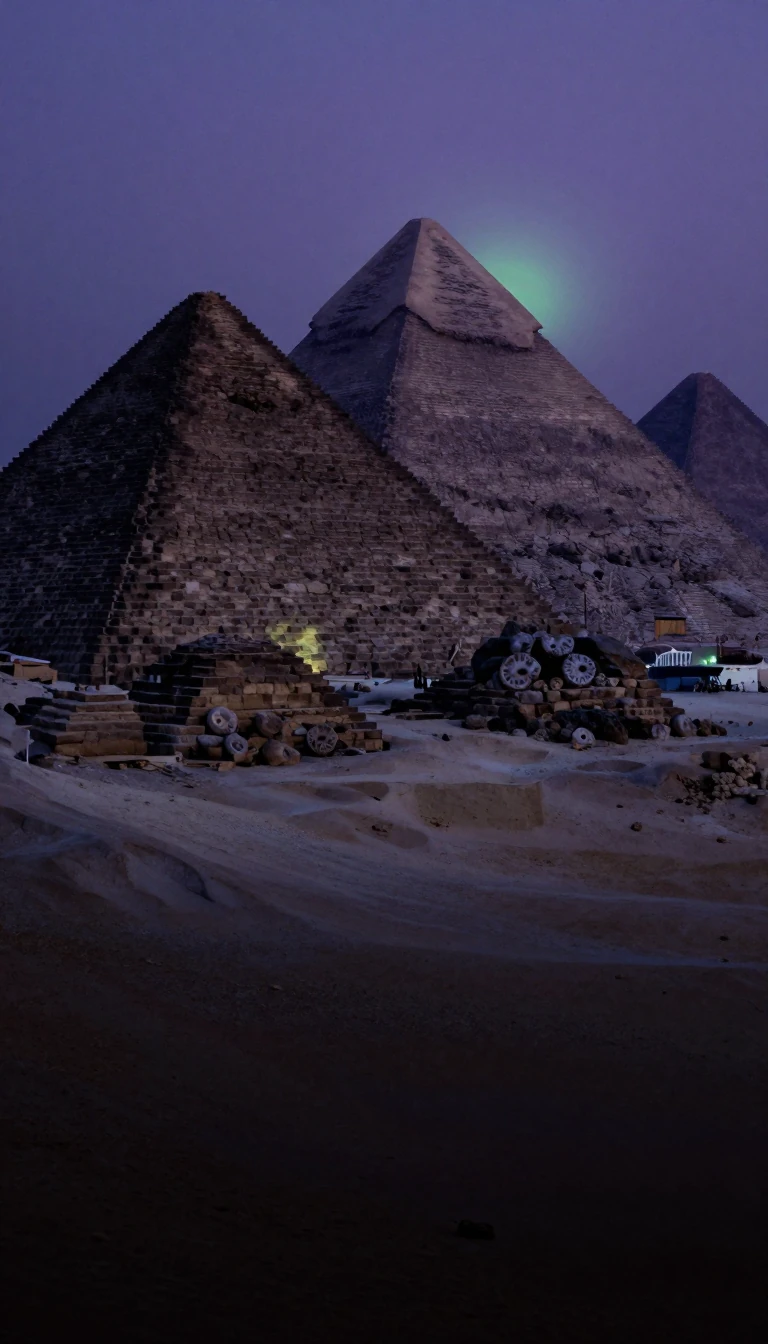 Horned dinosaurs carried a beak bone found in no other animalEvery ceratopsian, from tiny Psittacosaurus to Triceratops, had a toothless bone at the tip of its upper jaw called the rostral, which no other animal possesses. Paired with a mat…
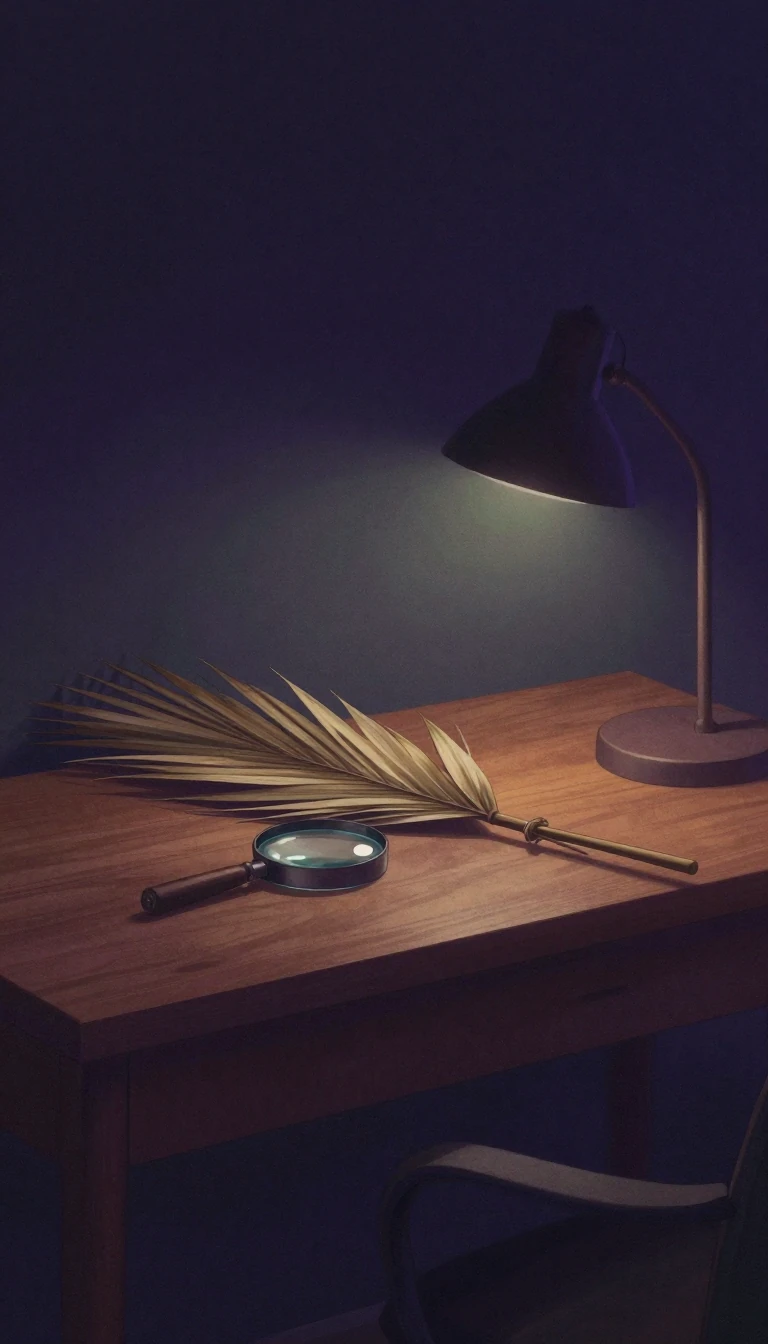 Palm oil is both the most land-efficient oil crop and a driver of deforestationPalm plantations cover about 5 percent of the world's vegetable oil farmland yet yield around 38 percent of its vegetable oil. Swapping palm for other crops would take far more la…
 Carpet sharks range from a 30-centimetre bottom dweller to the whale sharkThe biggest fish on Earth and a shark small enough to hold in two hands belong to the same order. Carpet sharks take their name from the intricate patterns many of them wear, mark…
- Carrion crows and hooded crows share almost identical genes yet rarely interbreedAcross a line running through Europe, all-black carrion crows meet grey-bodied hooded crows. Sequencing their genomes showed the two are genetically the same except for a sliver u…
- The Caspian cobra is considered the most venomous cobra in the worldFor most of the twentieth century it was filed as just another population of the Indian cobra. Genetic work later showed the Caspian cobra is its own species, split off about 3.21…
- Caterpillars are eating machines with a toolkit of disguises and chemical weaponsA tobacco hornworm can multiply its weight ten-thousandfold in under twenty days. Caterpillars exist to eat, and because so many animals want to eat them in turn, they have evolve…
- A forgotten Permian extinction wiped out reefs millions of years before the Great DyingFor decades palaeontologists lumped it in with the catastrophe that ended the Permian. Only in 1994 did they recognise a separate collapse, some 259 million years ago, that may ha…
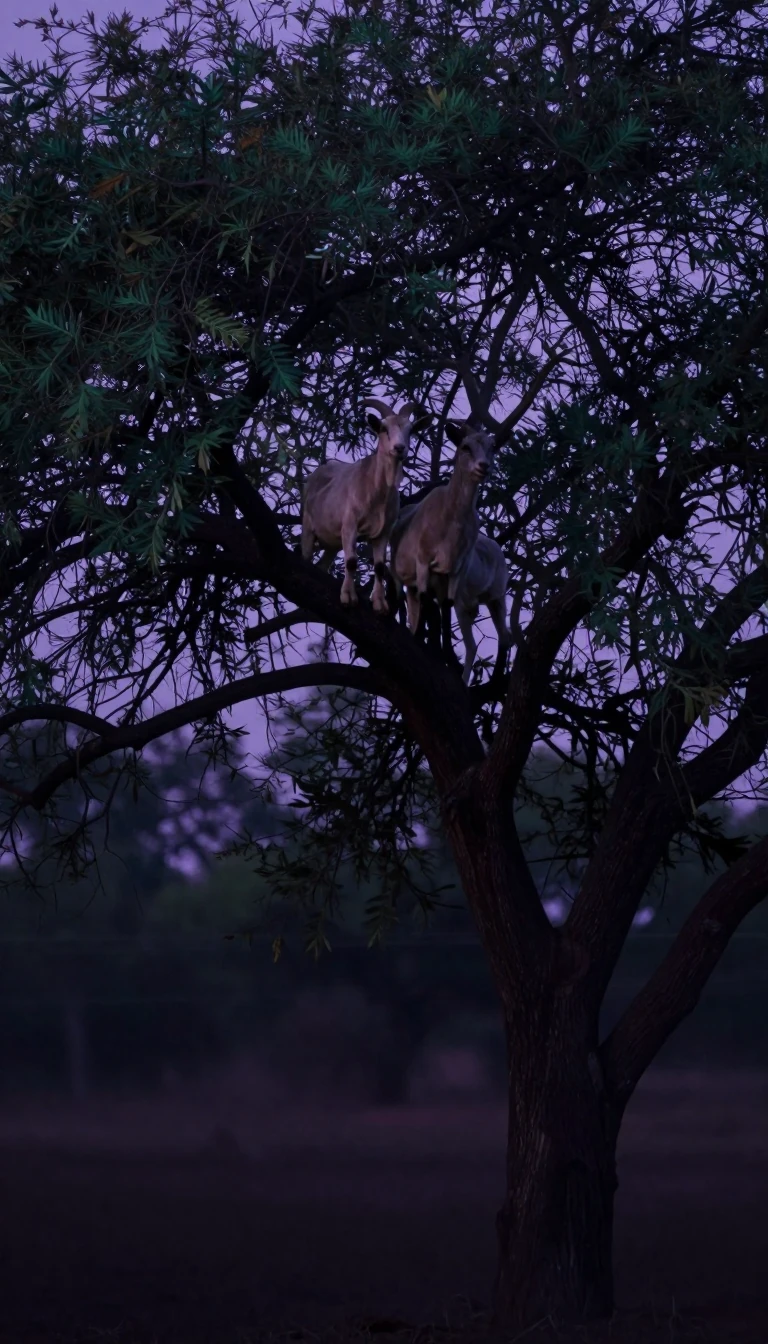 Sheep, goats and musk oxen belong to one family that loves extreme terrainA grey goral barely a metre long and a musk ox that can top 650 kilograms in captivity are close relatives. Both belong to the caprines, the group that gave us sheep and goats, an…
- The caracal can leap three metres and snatch a bird out of the airA sandy wild cat with long black ear tufts, the caracal can spring more than three metres straight up and twist in mid-air to catch a bird in flight. Its name comes from a Turkish…
 The Carboniferous turned swamp forests into coal and let insects take flightMuch of the coal that powered the industrial age grew as swamp forest between about 359 and 299 million years ago. Geologists named the period for that coal, and it was also when …
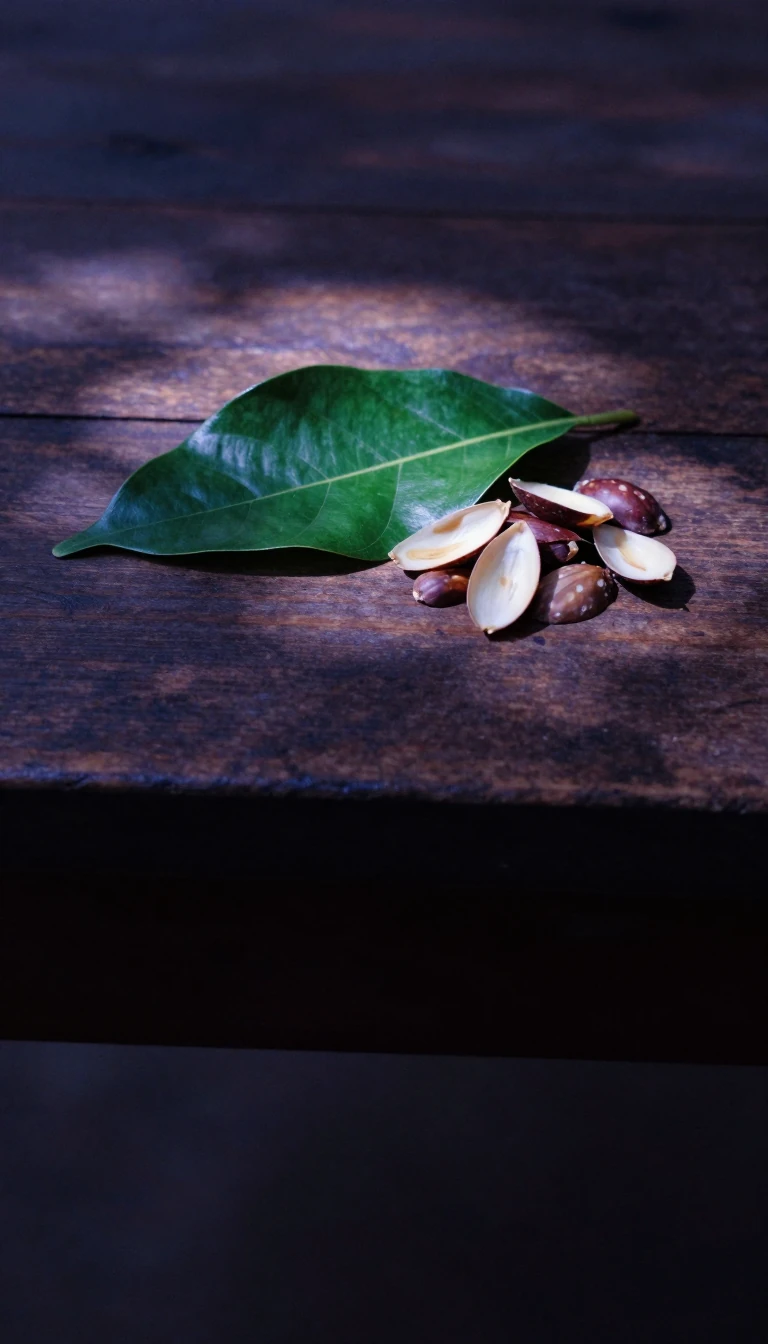 The carob tree lent its seeds' name to the jeweller's caratEvery diamond weighed in carats carries a trace of a Mediterranean tree. The word travelled through Arabic from the Greek for carob seed, meaning little horn. The same tree yields…
 Carpenter bees drill neat holes in timber but never eat the woodThat perfectly round hole, about 16 millimetres across, under a porch beam or garden bench is usually a carpenter bee's front door. The big, buzzing bee hovering nearby looks mena…
- Bill Watterson turned down fortunes to keep Calvin and Hobbes off lunchboxesAt its peak Calvin and Hobbes ran in more than 2,000 newspapers, and its syndicate was eager to sell plush tigers and cartoons. Bill Watterson fought for years to stop them, won c…
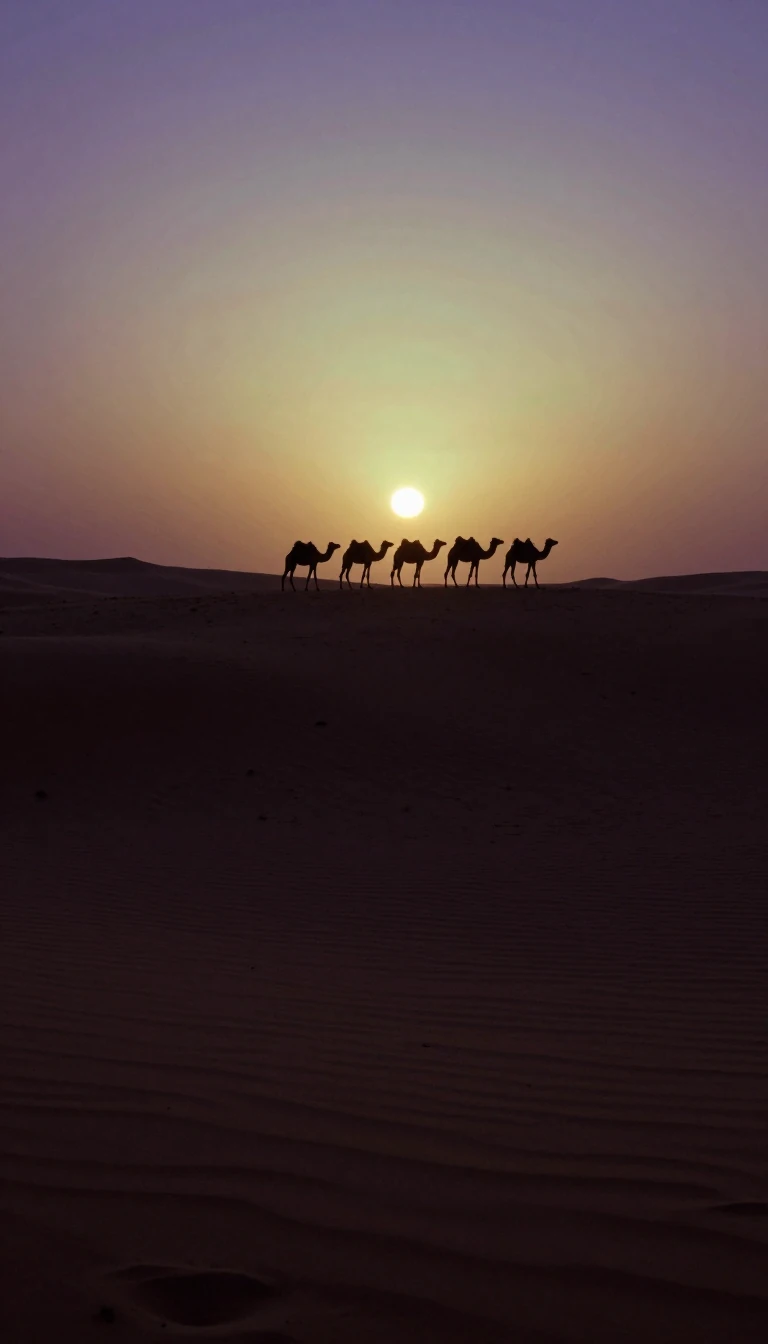 Camels and llamas are North American animals that left homeCamels evolved in North America, starting as a rabbit-sized creature with four toes on each foot. For tens of millions of years they never left. Then some crossed into Asia and ot…
- The Canada lynx rises and falls with the snowshoe hareA Canada lynx is built around one prey animal. Its huge furry paws spread up to 10 centimetres across and hold nearly twice the weight a bobcat's can before sinking in snow, perfe…
- Seals, bears, skunks and raccoons all belong to the dog side of the familySplit the meat-eating mammals down the middle and you get cat-like carnivores on one side and dog-like ones on the other. The dog-like half, Caniformia, sweeps in not only wolves …
- The dire wolf was never really a wolfFor more than a century the dire wolf sat in the same genus as wolves, dogs and coyotes. Then a 2021 genetic study showed it belonged to an ancient American lineage that had split…
 Spanish fly was a beetle poison mistaken for a love potionMale blister beetles make a blistering chemical called cantharidin and hand it to females during mating as a gift. Humans ground the beetles into Spanish fly and sold it for centu…
 California sea lions swim with their front flippers and bend backwardsIn 2004 a perfectly healthy California sea lion turned up sitting on a road in Merced County, far from the sea. The species is curious, clever and unafraid of people once used to …
 Why a blue crab turns orange-red in the cooking potA live blue crab owes its colour to a pigment called alpha-crustacyanin that grips a red one, astaxanthin, and shifts it to greenish blue. Heat destroys the first pigment, leaving…
- Bugs Bunny was named after a director nicknamed BugsThe most famous rabbit in cartoons got his name almost by accident. An animator drawing a model sheet for director Ben Hardaway, known around the studio as Bugs, labelled it Bugs'…
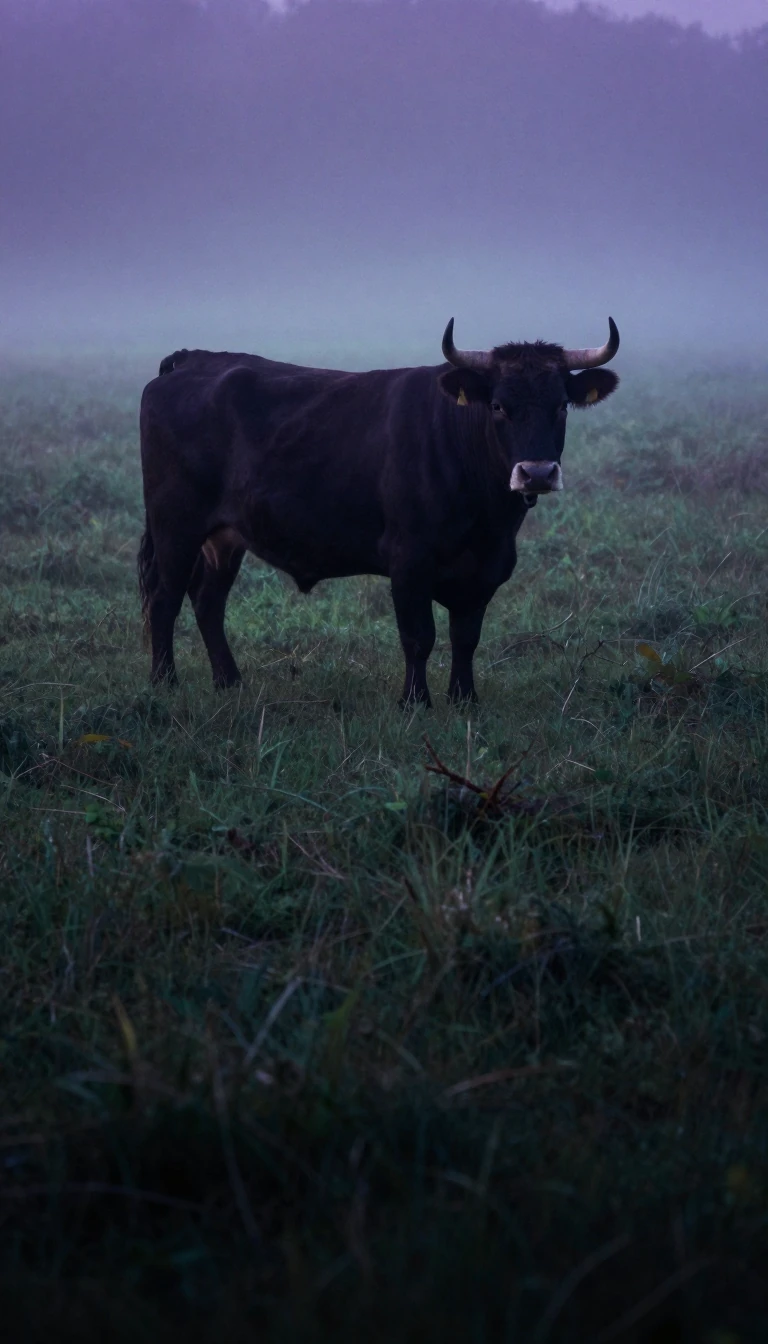 Bulls cannot see red, and the gentle ones are the most dangerousThe matador's red cape has nothing to do with the bull's charge. Cattle, like most mammals, are red–green colour blind, so it is the cape's motion that provokes them. Farming lore…
 Brittle stars can split in half and choose any arm as the frontA brittle star has no head, so when it moves it simply picks one of its five arms to lead and rows with the other four. It can switch leaders whenever it turns. Some species go fu…
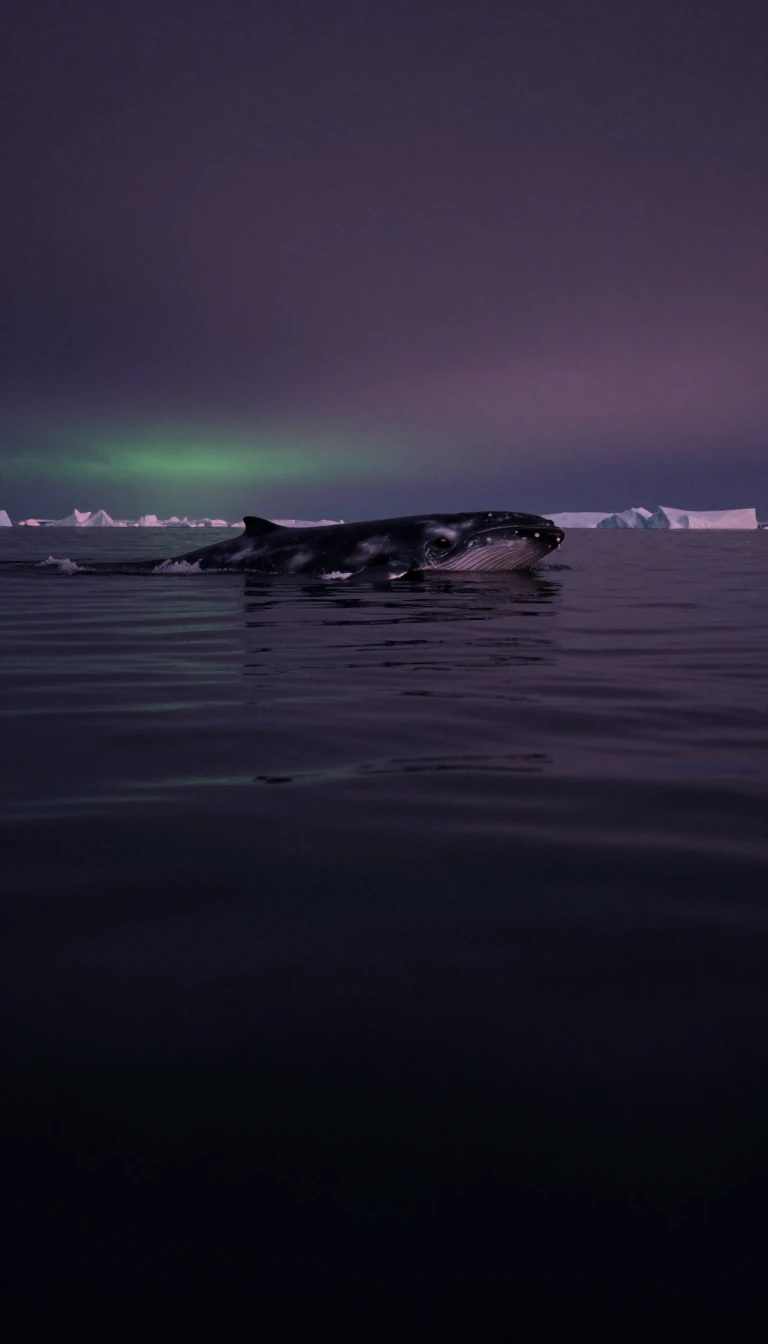 Bryde's whales hid for decades inside whalers' sei whale catchesJapanese whalers now call it the look-alike whale. For years, animals landed off Japan and Brazil as sei whales turned out to be a different species entirely, betrayed by three ri…
- The Arctic whale that headbutts ice and may live 200 yearsBowhead whales may outlive every other mammal, reaching more than 200 years. They spend their lives in Arctic and subarctic seas, smashing breathing holes through ice with a massi…
 Box jellyfish have real eyes, with lenses, and actively hunt fishMost jellyfish drift. Box jellyfish swim at up to two metres a second, turn 180 degrees in a few pulses, dodge obstacles and hunt small fish. They manage it without a brain in the…
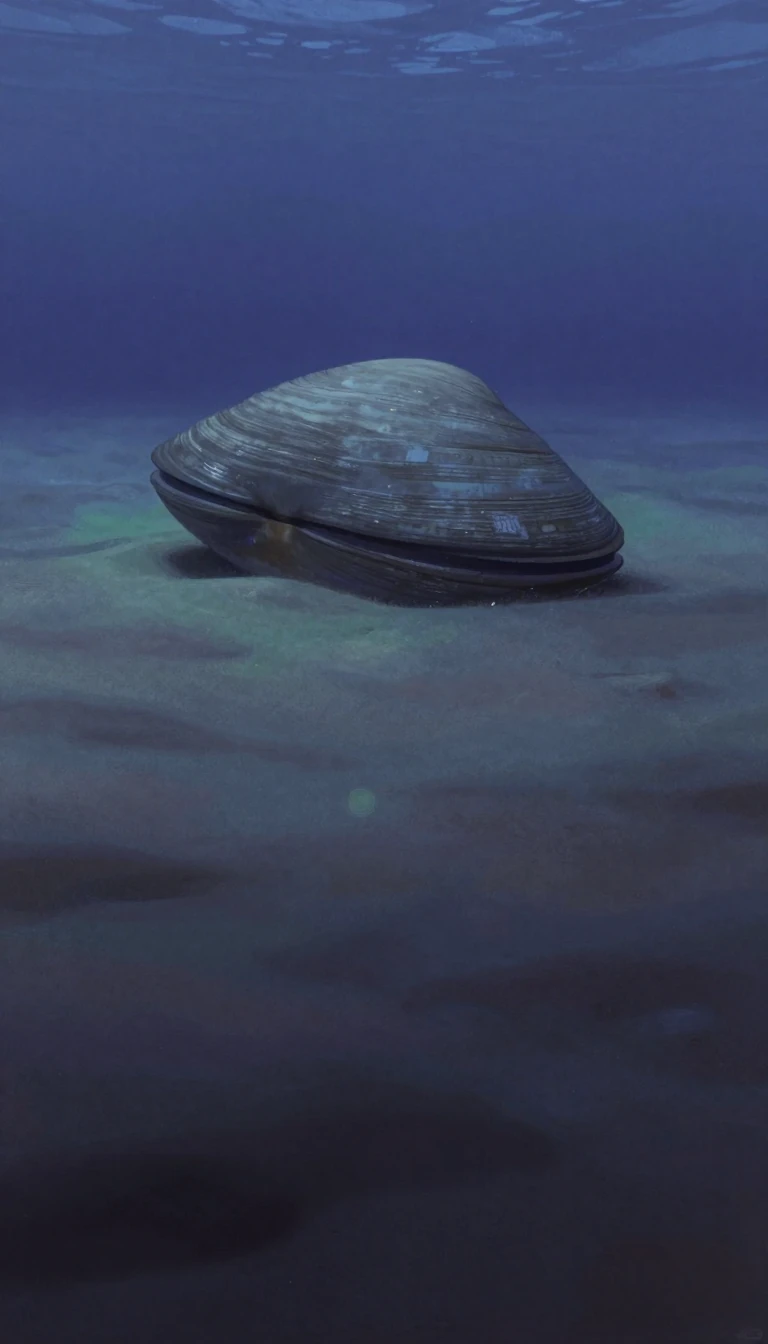 Brachiopods look like clams but lost the ancient seas to themPick up a brachiopod shell and you would swear it came from a clam. It did not. Brachiopods evolved their two-part shell independently, hinged top and bottom rather than left and …
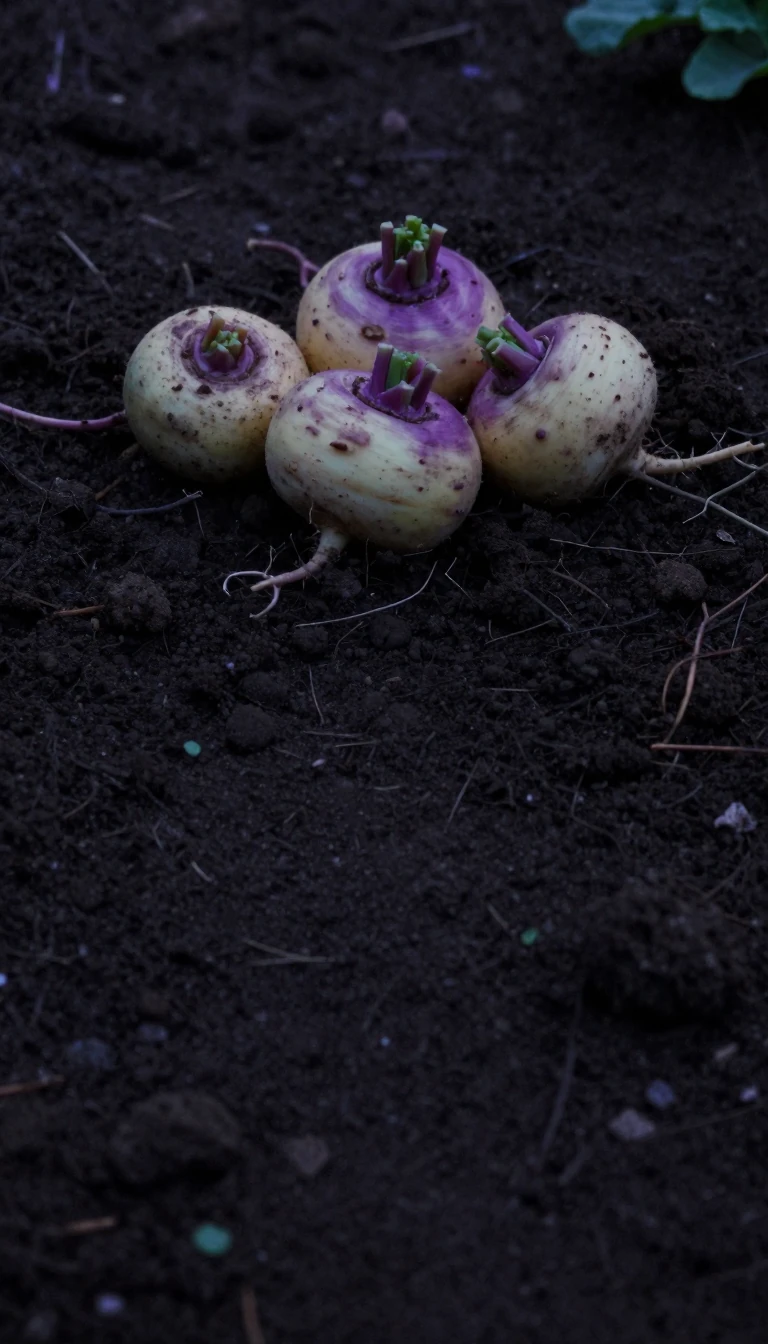 The spicy mustard plant that also pulls heavy metals out of soilBrown mustard seasons dishes from Punjab to Okinawa and gives its name to a condiment spicier than the yellow kind. The same plant also soaks up lead and cadmium from contaminated…
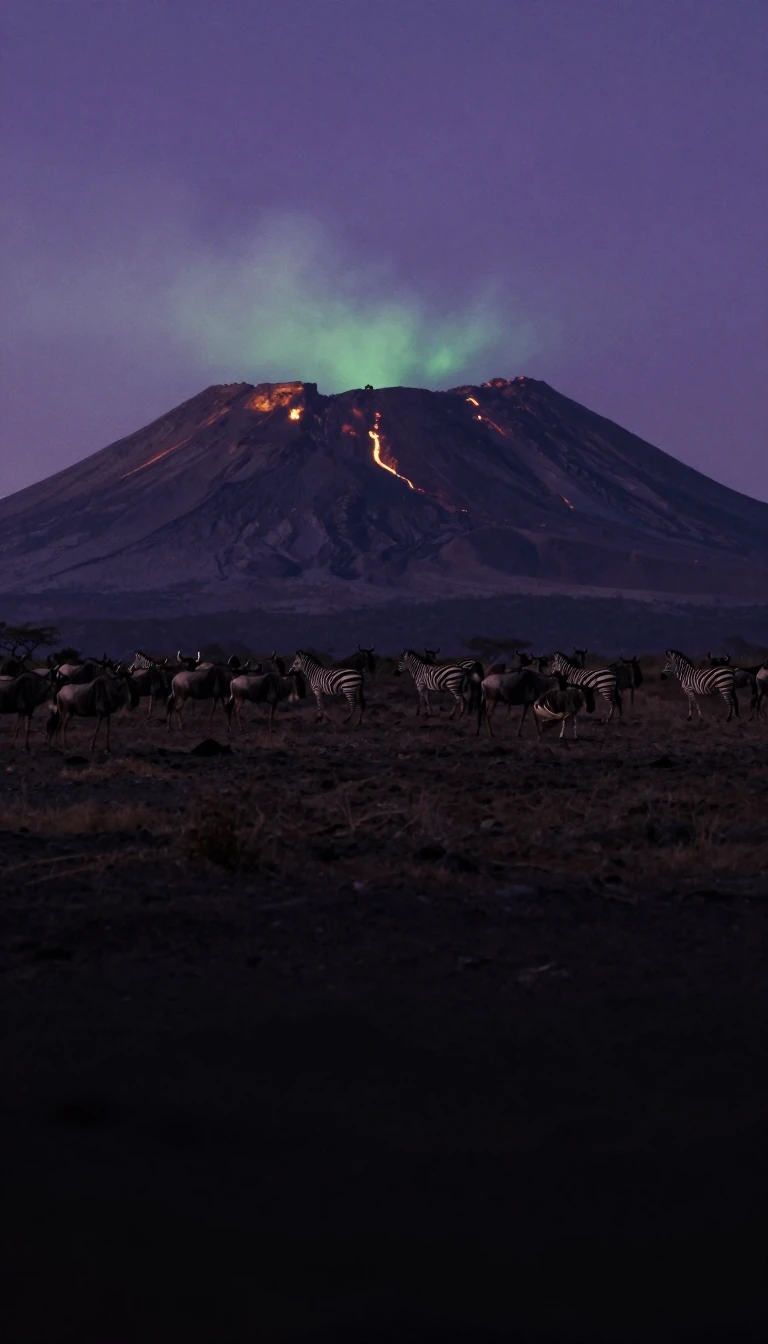 The blue wildebeest turns most of its muscle energy into motionA blue wildebeest can gallop at 80 kilometres an hour and walk 80 kilometres over five days without a drink in heat reaching 38 °C. Its locomotor muscles convert 62.6% of their en…
- More mountain bongos may live in American zoos than in KenyaThe mountain bongo, a striped chestnut antelope from central Kenya, is critically endangered, with perhaps only about 100 left in the wild as of 2013. North American zoos hold ove…
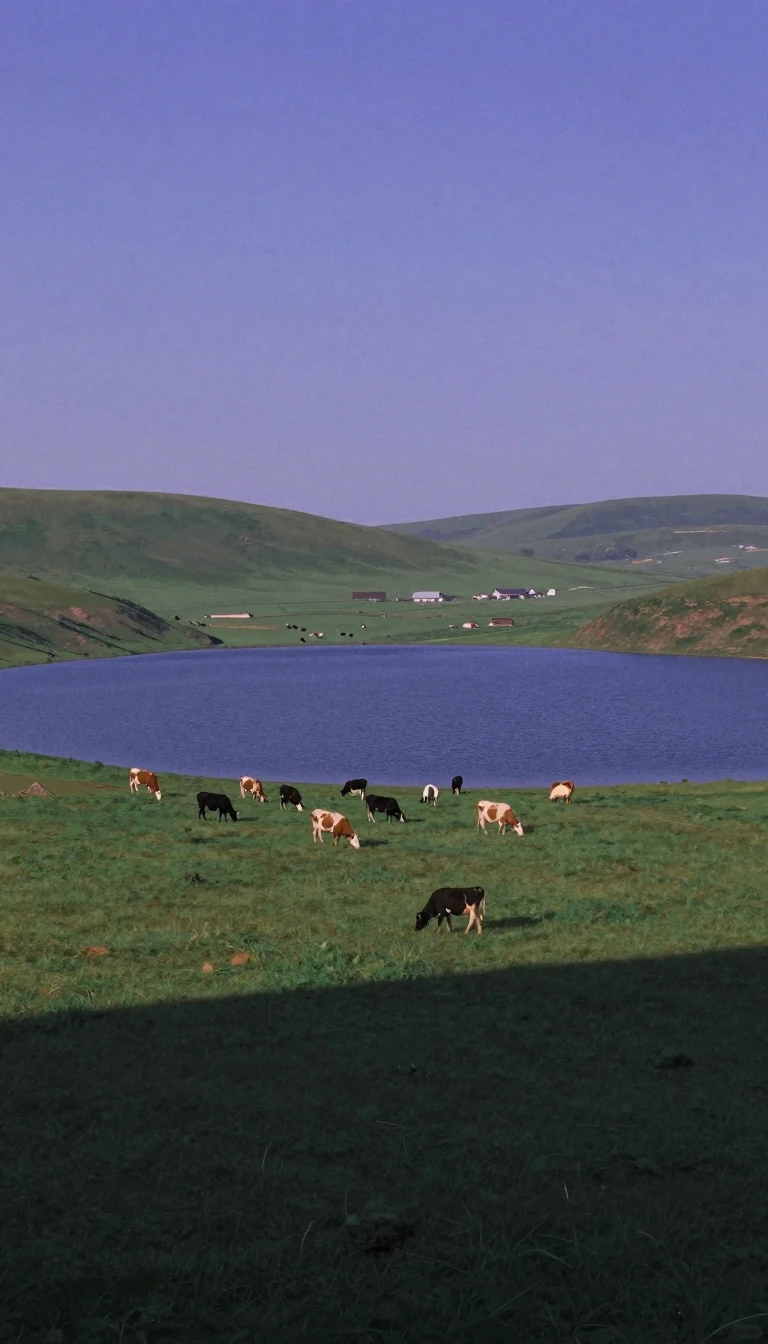 Genetics says the bison is really a kind of cattleTaxonomists long kept bison in a genus of their own, separate from cows, yaks and gaur. DNA studies in the 2010s broke that neat arrangement: both living bison species sit so deep…