 Intellect Plus
Nature
11,198 cards. Each one is a 40-second story with a five-minute read behind it. Page 80 of 187.
Subtopics: Ageing · Air · Animal behaviour · Animal breeds and hybrids · Animals · Arthropods · Atmosphere · Big cats · Bilateria, others · Birds · Botany · Cnidarians · Conservation · Coral reefs · Deep sea · Deserts · Dinosaurs · Earth science · Earth science and physical geography · Earth science basics · Earthquakes & tsunamis · Echinoderms · Ecology · Ecosystems · Endangered species · Extinct animals · Farming · Fish · Forests · Fungi · General classifications · Geology · Geomorphology · How Long Can It Live? · Ice · Individual animals · Insects · Lightning · Longevity · Mammals · Marsupials · Migration · Mollusks · Ocean · Organisms · Parasites · Physical geography · Plants · Porifera · Predators · Primates · Rainforest · Reptiles & amphibians · Researched · Sharks & rays · Spiders & arachnids · Symbiosis · Trees · UK & Ireland: nature · Vertebrates · Vision · Volcanoes · Water · Waves · Weather · Whales & dolphins · Zoology
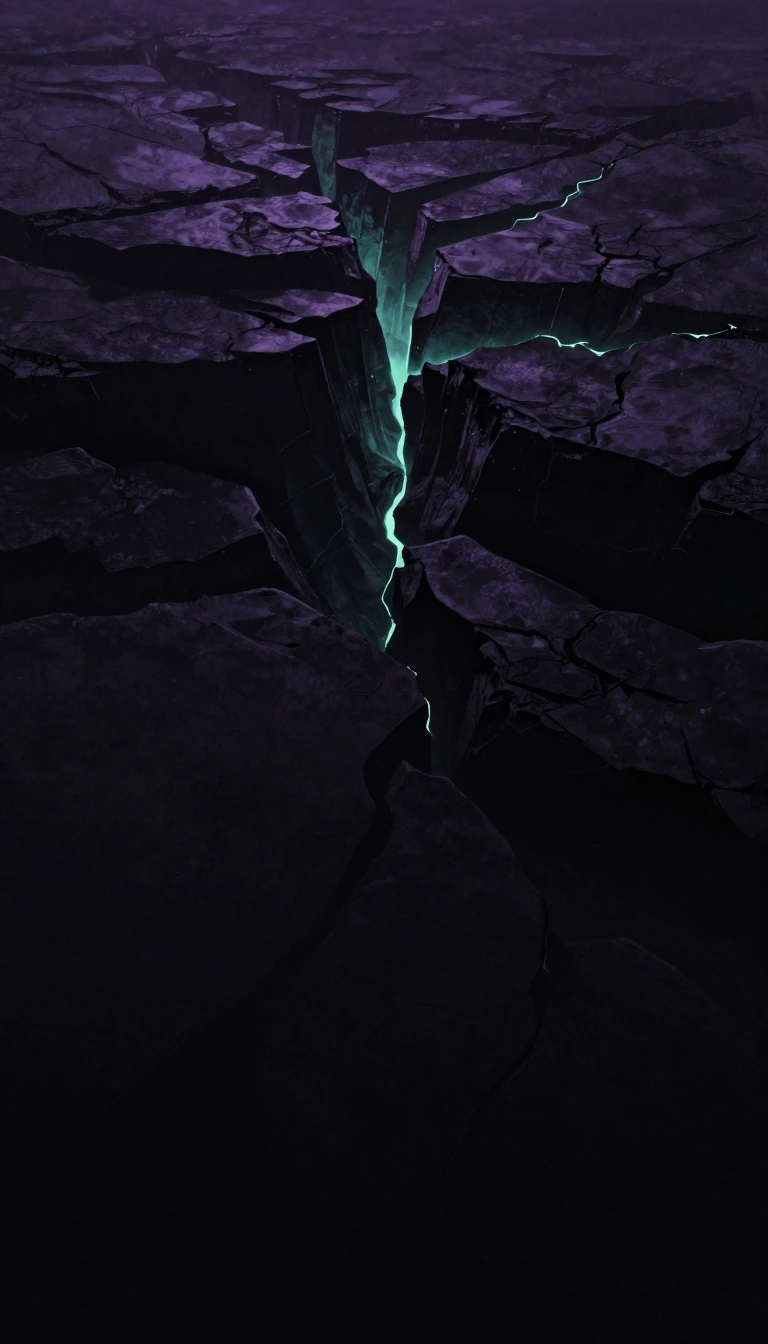 The forearc is the violent, churning engine room of our planet's tectonic plates.Tucked between deep-sea trenches and towering volcanic arcs, the forearc region is a geological crossroads. It is a place where oceanic crust is recycled, mountains are born, and …
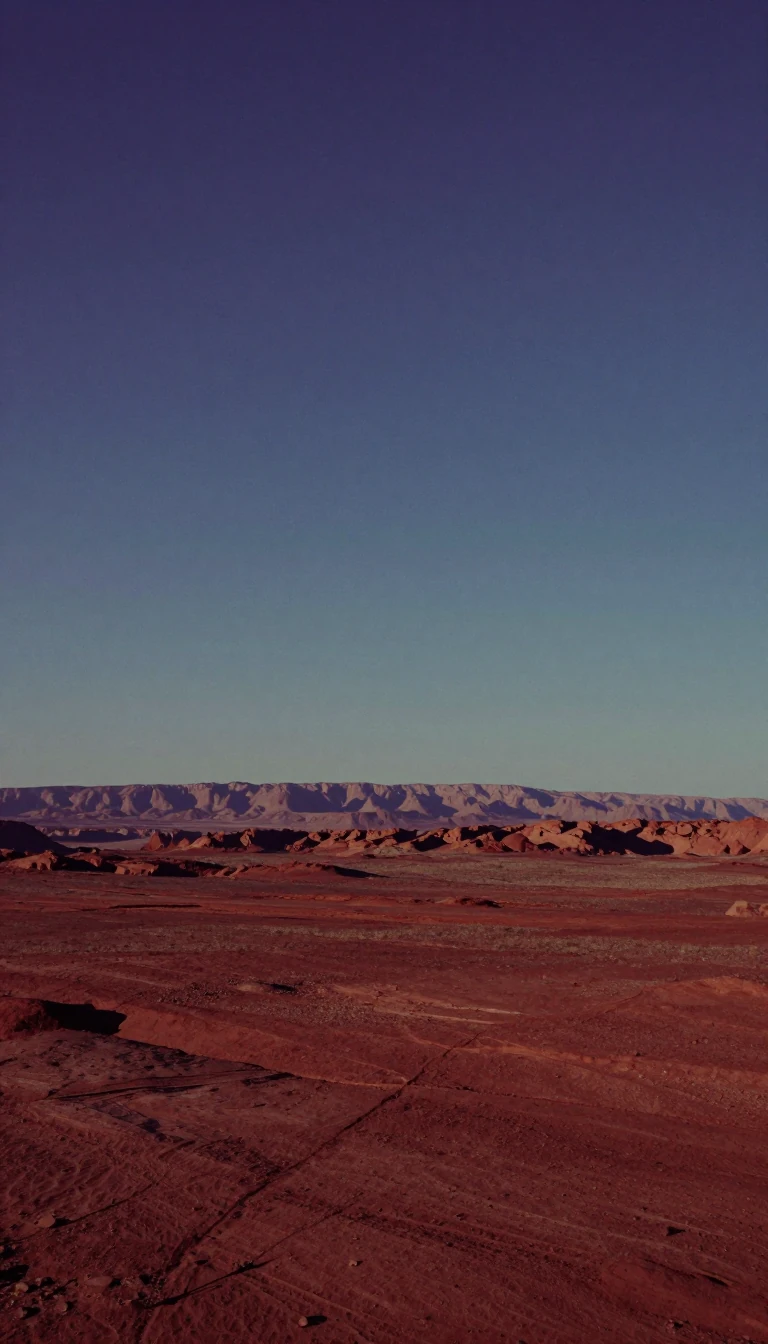 How the immense weight of mountains carves deep basins into the Earth's crustWhen mountain ranges rise, they do not just push upward; they force the Earth's lithosphere to bend downward. This flexure creates a massive trough known as a foreland basin. Thes…
 The magnesium-rich mineral that dominates the Earth's mantle and stars alikeDeep beneath our feet, a magnesium-based mineral forms the bulk of the planet's mantle. Known as forsterite, this crystalline substance is not just a terrestrial curiosity; it app…
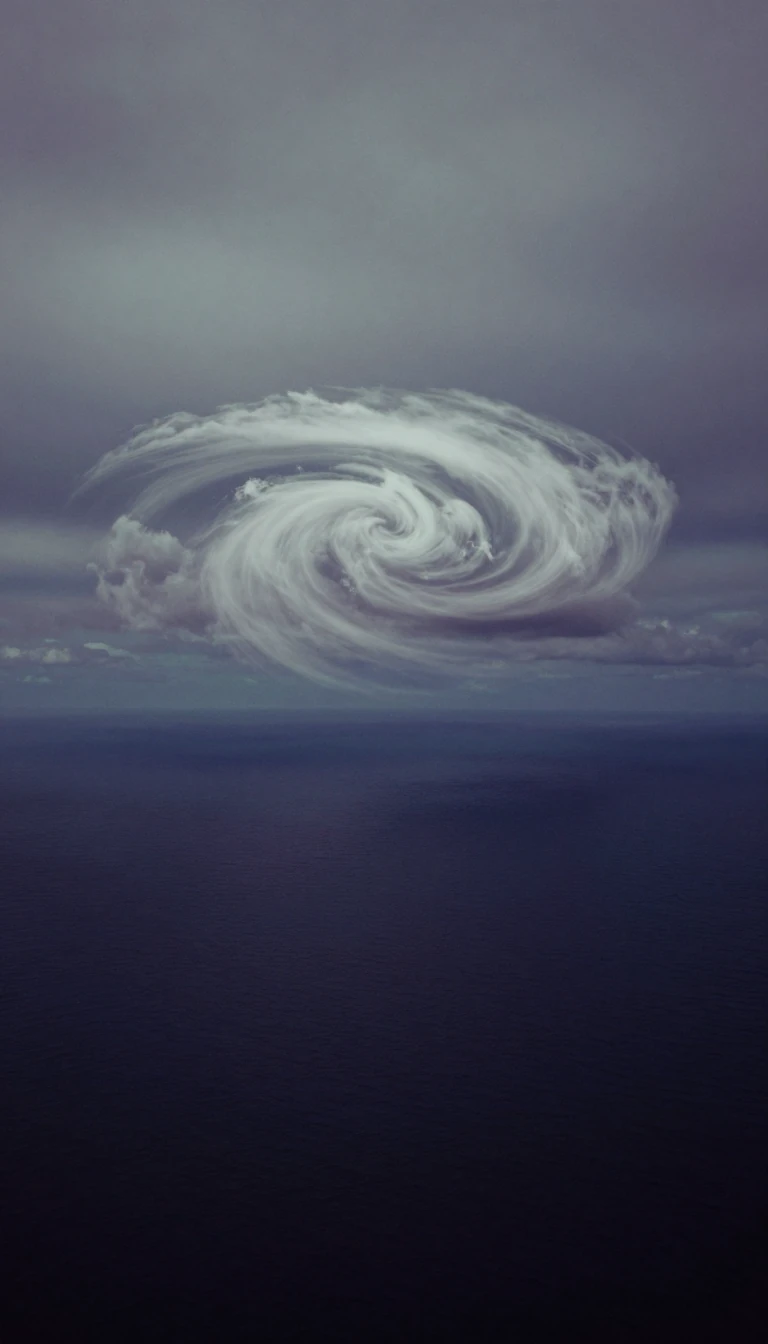 Why those ragged, shredded cloud fragments are the ultimate indicators of atmospheric motionOften mistaken for ominous storm precursors, fractus clouds are the shredded, irregular remnants of larger cloud systems. These fleeting, ragged formations—frequently called scud—…
 Why freezing rain turns the world into a dangerous, transparent ice rinkFreezing rain is a rare, deceptive weather phenomenon where liquid droplets remain unfrozen even at sub-zero temperatures. These supercooled drops strike surfaces and instantly sn…
 Freshwater ecosystems are in crisis, with extinction rates far outpacing those of land animals.Freshwater habitats hold 41% of known fish species, yet they are vanishing at an alarming speed. Between 1970 and 2014, populations of freshwater vertebrates plummeted by 83%. Fro…
 Why South Africa's Fynbos is the World's Smallest and Richest Floral KingdomCovering only 6% of southern Africa, the fynbos is a botanical powerhouse. It hosts over 9,000 plant species, nearly 6,200 of which are found nowhere else on Earth. This tiny coas…
 Gabbro is the hidden engine of the Earth, often sold as black granite.Beneath the surface, slow-cooling magma forms gabbro, the coarse-grained twin of basalt. While often dismissed as mere building stone, this rock is a geological powerhouse. It act…
 Galena is the ancient, shimmering mineral that built the modern world’s lead supply.This gray, cubic sulfide is the primary source of lead on Earth. Beyond its industrial utility, galena has a storied history, from ancient Egyptian cosmetics to the silver-rich ve…
 The Earth is a closed loop where ancient matter constantly migrates through deep geological cycles.While we often focus on the life-sustaining biogeochemical cycles of our atmosphere and biosphere, a much deeper, slower process governs the planet itself. Geochemical cycles move…
 Geochemistry is the silent language that explains how our entire planet actually functionsGeochemistry applies chemical principles to virtually every aspect of geology. By studying the elements that compose the Earth, scientists can track everything from the recycling …
 What defines a geologic province and why do these boundaries matter for our planet?A geologic province is a distinct spatial entity defined by shared physical characteristics. Whether shaped by a single dominant structure like a basin or a collection of related …
 Why geologists treat rock layers like a giant, mappable puzzle of the EarthA geological formation is the primary building block of how we understand the planet's history. By grouping rock layers based on their physical traits rather than their age or fos…
 Geological hazards are not just natural disasters; they are often human-made catastrophes.A geohazard is any geological condition capable of causing widespread damage to life and property. While natural processes like volcanic eruptions and earthquakes are inherently d…
- The Appalachian Mountains are ancient survivors, once as towering as the modern Himalayas.Far older than the Rockies, the Appalachians are a geological mosaic of billion-year-old crystalline rock and younger Paleozoic sediments. Sculpted by relentless water and ice, th…
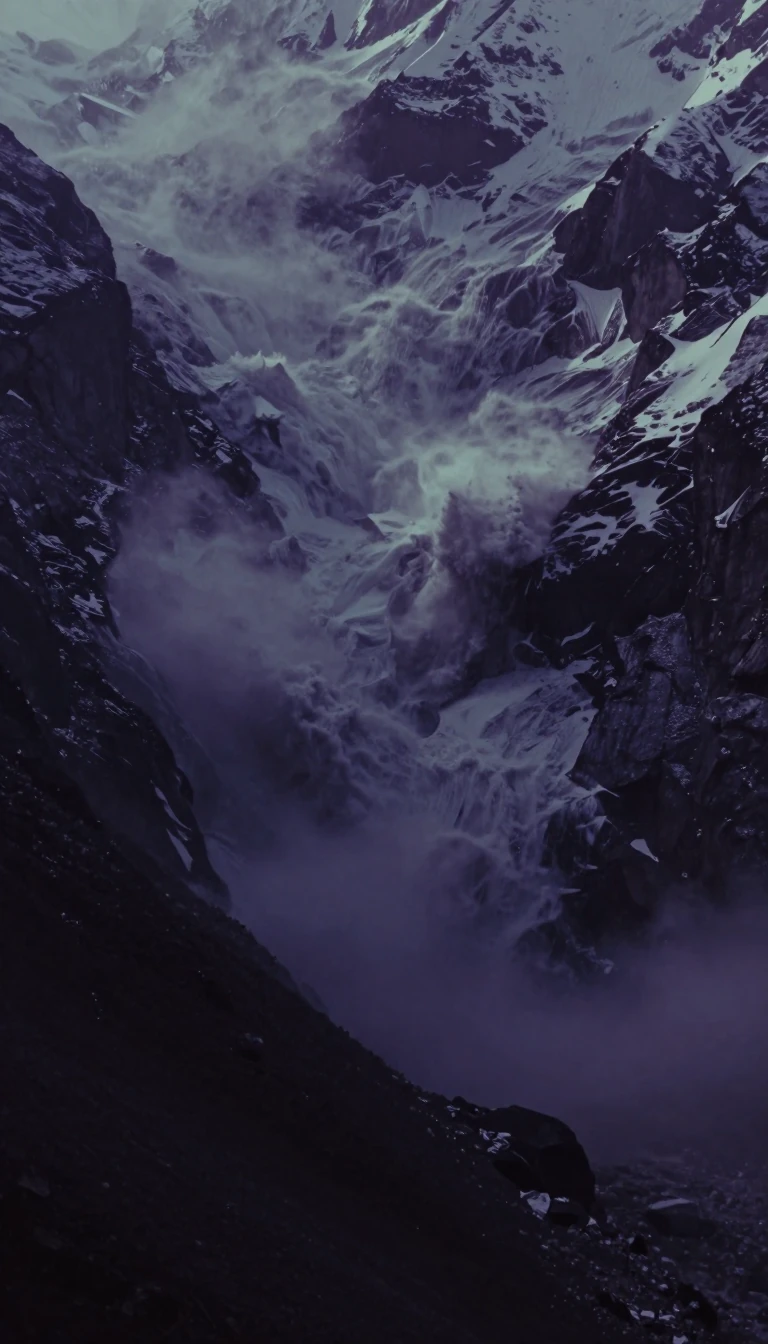 The Himalayas are a massive, ongoing collision between two of Earth's tectonic plates.Stretching 2400 km, the Himalayas are not just a static range but a violent, active geological collision. As the Indian Plate relentlessly thrusts into the Eurasian Plate, it crea…
 Why the Earth's magnetic poles are not where your compass actually pointsWe often imagine Earth as a simple bar magnet, but the reality is far more chaotic. While geomagnetic poles provide a useful, stable model for scientists, they are purely theoreti…
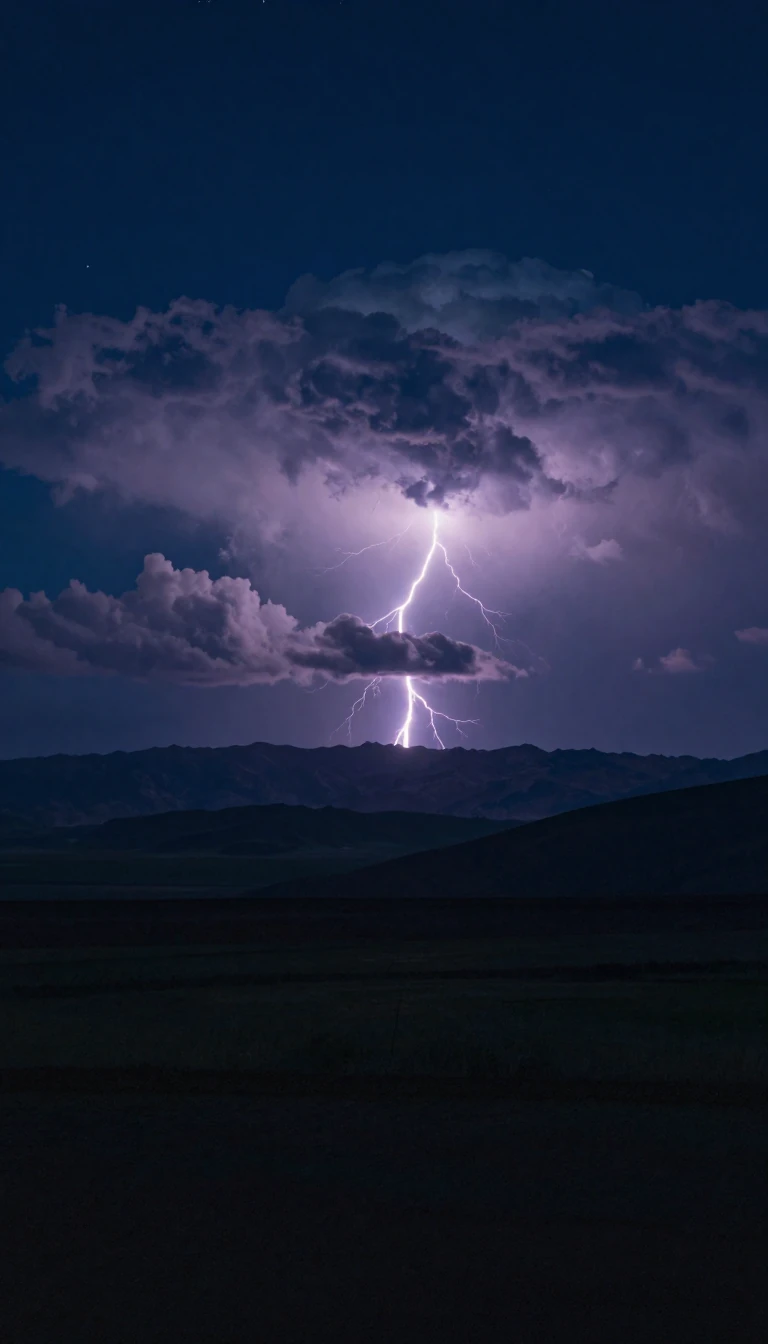 When the Sun erupts, Earth’s protective magnetic shield can buckle and collapse under pressure.A geomagnetic storm is a violent disturbance of our planet's magnetosphere, triggered by massive solar eruptions. These events send clouds of charged plasma hurtling toward Earth …
 Can we map the Earth's hidden interior using only surface measurements?Geomathematics applies rigorous quantitative methods to the Earth's most complex systems, from the flow of deep-mantle fluids to the mechanics of glaciers. By treating the planet …
 How do we predict the future of our oceans and atmosphere using fluid physics?Geophysical fluid dynamics applies the laws of motion to the Earth's atmosphere and oceans. By modeling complex interactions—from planetary-scale currents to turbulent eddies mere…
- Why the Earth beneath your feet is a massive, slow-moving heat engineThe temperature of the Earth rises as you descend, a phenomenon known as the geothermal gradient. While this heat is vital for plate tectonics and volcanic activity, it is not uni…
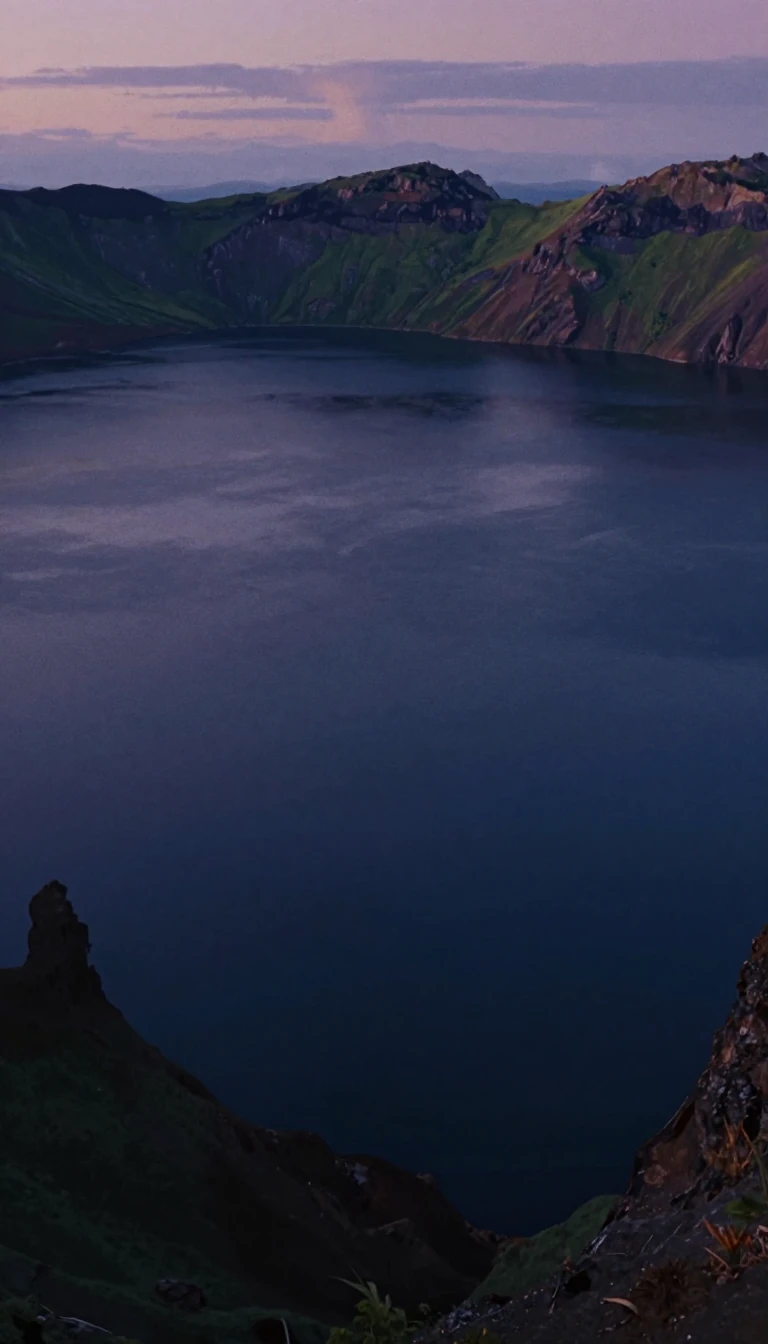 As glaciers retreat, they leave behind massive, dangerous, and sometimes sacred bodies of water.Glacial lakes are expanding worldwide as the planet warms, transforming frozen landscapes into vast reservoirs. While these lakes provide vital water storage and hydropower, they …
 Glaciers are not just frozen water; they are powerful, shifting engines of global climate.Glaciology is the study of ice on land, but these massive, flowing structures do more than sit still. They act as a delicate thermostat for the planet, reflecting solar radiation …
 Air pollution has been masking global warming for decades, but cleaning it up accelerates climate change.For years, industrial pollution acted as a hidden shield, reflecting sunlight and cooling the planet. As nations aggressively clean their air to protect public health, this protec…
 Why are some elements buried in the core while others float in our air?Developed by Victor Goldschmidt, this geochemical classification system explains why Earth’s elements are distributed the way they are. By grouping elements based on their affinit…
 Why geologists use a logarithmic scale to measure the size of tiny grainsFrom microscopic clay to massive boulders, the earth is built of granular materials. To make sense of this range, geologists rely on the Wentworth scale and the Krumbein phi scale…
 Granulites are deep-crustal rocks forged in the Earth's most intense metamorphic heat.These high-grade metamorphic rocks offer a rare window into the deep continental crust. Formed under extreme temperatures and pressures, granulites are defined by their anhydrous …
 Graupel is the fragile, ball-like winter precipitation you have likely mistaken for hailOften called soft hail or snow pellets, graupel forms when supercooled water droplets freeze onto falling snowflakes. This accretion process creates opaque, granular balls that lo…
 Why a gravimeter can detect snow being cleared from a laboratory roofGravimeters are far more than simple weighing scales. These ultra-sensitive instruments measure the subtle fluctuations in Earth's gravitational field caused by everything from sh…
 Greenockite is the rare, vibrant mineral that serves as our primary source of cadmium.This striking yellow-to-red crystal is the only mineral found in nature that holds significant amounts of cadmium. While it often appears as a thin coating on other ores, its disc…
- Greisen is the glittering, altered remains of granite that hides valuable metal deposits underground.When granite cools deep within the Earth, it releases gas-rich fluids that transform the rock into something entirely new. This process, known as greisenization, strips away felds…
 The hidden water cycle beneath our feet is a slow, ancient, and vital process.Groundwater recharge is the silent replenishment of Earth's underground aquifers. When rainfall exceeds evaporation, water trickles down to sustain our most critical freshwater re…
 Why these small clusters of trees are far more than just pretty sceneryA grove is more than a simple collection of trees. Historically, these small, open-canopy woodlands have served as sacred sanctuaries, agricultural hubs, and vital biodiversity ho…
- Beneath the Pacific waves lie massive, flat-topped volcanic mountains known as guyots.Far below the ocean surface, isolated volcanic peaks with strangely flat summits rise from the deep-sea floor. These submerged giants, called guyots, were once islands that breach…
 The hadal zone is Earth's final frontier, hidden in the deepest ocean trenches.Named for the Greek god of the underworld, the hadal zone exists in narrow, extreme trenches reaching 11,000 meters deep. Far from a barren wasteland, these dark, high-pressure ha…
- Earth's first eon was a hellish ocean world that may have hosted early lifeNamed for the Greek underworld, the Hadean eon began 4.6 billion years ago with a molten surface. Yet, despite the chaos of asteroid bombardments and a thick, toxic atmosphere, ev…
 Beyond the kitchen, salt is a geological force that flows like a glacierCommonly known as rock salt, halite is far more than a culinary staple. This mineral, formed from evaporated ancient seas, can create massive underground domes, flow downhill as s…
- That ring around the sun is actually a giant prism made of iceWhen a halo appears in the sky, you are witnessing light interacting with millions of tiny ice crystals suspended in the upper atmosphere. These crystals act as natural mirrors an…
- The Harmattan: Why West Africa’s invigorating 'doctor wind' is a double-edged swordSpanning from late November to mid-March, the Harmattan brings a dry, dust-laden northeasterly wind from the Sahara across West Africa. While its low humidity offers a refreshing …
- Hauyne is a rare, vibrant blue mineral born from silica-poor volcanic eruptionsOften mistaken for other blue stones, hauyne is a complex tectosilicate that hides a highly ordered atomic structure within its brilliant, vitreous crystals. Found in specific ign…
- Why the world's most dramatic coastlines are locked in a constant state of fluxHeadlands are more than just jagged points of land jutting into the sea. They are the resistant survivors of a relentless geological battle. While softer rock is carved away to cr…
 The heath is more than just a shrub; it is a global biodiversity powerhouse.While often dismissed as simple, low-growing vegetation, the heath genus Erica encompasses 800 species of resilient shrubs. From the fynbos of South Africa to the rugged landscape…
 This rare, greasy clay mineral could be the future of our lithium supplyHectorite is a soft, white, lithium-rich clay that feels greasy to the touch. While it has long been a staple ingredient in luxury cosmetics, its unique chemical structure and sig…
- Why this rare iron-rich mineral is a time capsule from the early solar systemHedenbergite is a rare, iron-rich mineral that rarely appears in its pure form in nature. While geologists prize it for its role in metamorphic processes, its presence in ancient …
 Why a glowing halo sometimes appears around the shadow of your own headHave you ever noticed a luminous glow surrounding your shadow while walking through dew-covered grass? This is Heiligenschein, an optical phenomenon where light is reflected back …
- The mineral that fooled 18th-century scientists into thinking it was just one substanceFor centuries, miners and scientists lumped two distinct zinc-bearing minerals under the single name calamine. It was not until the late 1700s that researchers realized they were …
 Why the Scottish Highlands are actually a masterclass in ancient, slow-motion geological erosionThe Scottish Highlands are not just rugged peaks; they are a complex, glacier-scoured landscape shaped by millions of years of structural shifts. From the rift valley of the Midla…
- Why did the Earth freeze during a period of record-high atmospheric carbon dioxide levels?The Ordovician Period is famous for its greenhouse climate and flooded continents, yet it ended with a sudden, brutal ice age. This Hirnantian glaciation triggered one of history'…
 How do we know the Earth is 4.6 billion years old?Historical geology reconstructs the deep past by treating the planet like a massive, layered archive. By combining the relative order of rock strata with precise numerical data fr…
 Why this common dark mineral is a master of geological deceptionHornblende is not a single mineral, but a complex, shape-shifting series of dark amphiboles. Found in everything from granite to basalt, it frequently tricks geologists by mimicki…
- When nature and humanity collide, who pays the price for our shared space?Human-wildlife conflict is a global phenomenon where animal behavior clashes with human goals, causing damage to crops, livestock, and infrastructure. As human populations expand …
 From volcanic landslides to frozen tundra, what exactly is a hummock?A hummock is a small, rounded mound or knoll, but its origins are surprisingly diverse. Whether formed by the violent collapse of a mountainside, the slow heave of arctic permafro…
 Did a sudden surge in oxygen trigger Earth's first and longest-lasting mass extinction?Around 2.4 billion years ago, the rise of oxygen-producing cyanobacteria fundamentally altered Earth's atmosphere. This Great Oxygenation Event decimated the planet's dominant ana…
 Why the Arctic Ocean is transforming into a self-reinforcing solar heat engineAs Arctic sea ice retreats, it exposes dark, heat-absorbing water. This shift triggers a powerful feedback loop: less ice means more solar energy absorbed by the ocean, which in t…
 Deep beneath polar ice sheets lies a frozen library of Earth's ancient climate history.By drilling miles into glaciers, scientists recover ice cores that function as time capsules. These cylinders of frozen history trap ancient air bubbles and atmospheric particles,…
 Why that rhythmic tapping on your windshield might be more than just rainIf you hear a sharp, high-pitched tap against your jacket instead of a dull splat, you are likely experiencing ice pellets. Often confused with sleet or freezing rain, these trans…
- Why a gentle rain can become a catastrophic, power-killing winter disasterAn ice storm is not a violent blizzard, but a deceptive, quiet event. It begins as rain that freezes instantly upon contact with cold surfaces. This thin, supercooled film accumul…
 This transparent crystal helped scientists decode the nature of light itselfIceland spar is a rare, transparent form of calcite that splits a single ray of light into two. This strange property, known as birefringence, was once the key to understanding th…
- The hidden physics of icicles: more than just frozen water hanging from a roofIcicles are not merely static spikes of ice; they are dynamic, hollow tubes that grow through complex interactions of wind, temperature, and water flow. While they appear simple, …
- Magma is not static: how cooling and contamination reshape the Earth's molten interiorMagma rarely stays in its original state. Through the FARM process—fractional crystallization, assimilation, replenishment, and magma mixing—molten rock undergoes constant chemica…