 Intellect Plus
Nature
11,198 cards. Each one is a 40-second story with a five-minute read behind it. Page 100 of 187.
Subtopics: Ageing · Air · Animal behaviour · Animal breeds and hybrids · Animals · Arthropods · Atmosphere · Big cats · Bilateria, others · Birds · Botany · Cnidarians · Conservation · Coral reefs · Deep sea · Deserts · Dinosaurs · Earth science · Earth science and physical geography · Earth science basics · Earthquakes & tsunamis · Echinoderms · Ecology · Ecosystems · Endangered species · Extinct animals · Farming · Fish · Forests · Fungi · General classifications · Geology · Geomorphology · How Long Can It Live? · Ice · Individual animals · Insects · Lightning · Longevity · Mammals · Marsupials · Migration · Mollusks · Ocean · Organisms · Parasites · Physical geography · Plants · Porifera · Predators · Primates · Rainforest · Reptiles & amphibians · Researched · Sharks & rays · Spiders & arachnids · Symbiosis · Trees · UK & Ireland: nature · Vertebrates · Vision · Volcanoes · Water · Waves · Weather · Whales & dolphins · Zoology
 Beyond the chest-pounding myth: the gentle, social life of the mountain gorillaForget the cinematic image of roaring, aggressive beasts. Researchers have found that mountain gorillas are primarily peaceful, social, and gentle creatures. These primates spend …
 Are the mountain zebras of Africa one species or two distinct populations?Mountain zebras inhabit the rugged, arid slopes of southwestern Africa, yet their classification remains a subject of scientific debate. While some researchers argue that the Cape…
 The Mourning Dove is North America's most hunted bird, yet it remains incredibly abundant.With a population estimated at 350 million, the Mourning Dove thrives despite being the most frequently harvested game bird on the continent. These graceful, slender-tailed birds …
 Why these African birds are the last survivors of a once global lineageMousebirds are the only bird order found exclusively in sub-Saharan Africa today, but their history is far more expansive. These acrobatic, rodent-like creatures were once widespr…
 These fish spend three-quarters of their lives on land, walking and climbing with fins.Mudskippers are small, amphibious gobies that defy the aquatic norm. Found across the Indo-Pacific, these remarkable creatures have evolved to thrive in swamps and estuaries. Inst…
 A tiny tooth from Argentina ends a decades-long debate about ancient mammal historyFor years, paleontologists argued whether multituberculates, a successful group of rodent-like mammals, ever inhabited South America. A newly discovered molar from Patagonia final…
- Why these small, barking deer carry sharp tusks instead of relying on antlers alone.Known as barking deer for their distinct alarm calls, muntjacs are solitary, nocturnal creatures native to Asian forests. Unlike most deer that rely solely on antlers for defense,…
 These predatory sea snails built empires with their vivid, royal purple secretionsMuricidae are more than just striking, spiny shells prized by collectors. These predatory marine gastropods, which first appeared in the Cretaceous period, were once the source of…
 The Murray cod is not a cod, but Australia's largest freshwater apex predatorDespite its name, this iconic Australian fish shares no relation to the marine cod of the Northern Hemisphere. As a long-lived apex predator, it once dominated the Murray-Darling …
 The Muscovy duck is not from Russia, but it is the world's largest duck.Despite its name, the Muscovy duck has no connection to Russia. This large, warty-faced bird is native to the Americas and was domesticated by Indigenous peoples long before Europ…
 Lanternfishes are the masters of the deep sea, manufacturing their own brilliant light.Myctophiformes, commonly known as lanternfishes, are small, deep-sea dwellers that thrive in the lightless depths of the ocean. These remarkable creatures possess specialized biol…
 Why the Myna is not a single species but a diverse avian categoryThe term myna is a linguistic umbrella, not a biological classification. These medium-sized passerines, native to the Indian subcontinent, belong to the starling family but encomp…
- The bulldog ant is a primitive, aggressive, and visually gifted master of the Australian bush.With eyes containing 3,000 facets and a sting among the most toxic in the insect world, Myrmecia ants are formidable predators. These primitive, solitary hunters navigate by sight…
 The smallest animals on Earth are actually highly evolved, microscopic jellyfish relativesMyxozoans are aquatic parasites that have undergone a radical transformation. Once free-swimming jellyfish-like creatures, they evolved into microscopic organisms by shedding comp…
 The Nairobi fly does not bite or sting, yet it can cause severe chemical burns.Known as the Nairobi fly or dragon bug, this East African rove beetle is harmless until crushed. It carries a potent toxin called pederin in its haemolymph, which triggers blister…
 The ancient snake Najash challenges everything we thought we knew about how snakes evolvedFor decades, scientists believed snakes descended from tiny, burrowing lizards. But the discovery of Najash rionegrina, a 95-million-year-old fossil from Argentina, tells a differ…
 Did Nanjing Man push back the timeline of human ancestors in East Asia?In 1993, a local worker digging in a limestone cave near Nanjing unearthed skull fragments that would challenge our understanding of human history. These fossils, belonging to Hom…
- The nautilus is a living relic, defying the short lives of its cephalopod cousins.While most cephalopods live fast and die young, the nautilus is a remarkable exception. These ancient creatures, which have survived for millions of years, can live up to 15 years…
 Why these slender, silvery fish are more dangerous to Pacific Islanders than sharksNeedlefish are sleek, predatory fish known for their long, tooth-filled beaks and impressive jumping ability. While they typically hunt small fish near the surface, their attracti…
 These parasitic worms hijack insect brains to force them into a watery graveNematomorphs, or horsehair worms, are masters of biological manipulation. These slender parasites infect arthropods, eventually compelling their hosts to seek out water and drown.…
 The longest animal on Earth is not a whale, but a slimy ribbon worm.Ribbon worms, or Nemertea, are masters of stealth and regeneration. While most are small, some reach staggering lengths, potentially exceeding the size of the largest blue whales.…
 The Hawaiian Goose: A Rare Bird That Traded Its Webbed Feet for LavaThe Nene is a goose that defies expectations. It prefers land over water, thrives on volcanic rock, and nearly vanished from the planet entirely. Once reduced to a mere 30 individ…
 The New World weasels are a distinct evolutionary lineage hiding in plain sightFor years, American weasels and minks were grouped with their Old World cousins. Recent genetic analysis has rewritten their family tree, revealing they belong to a unique genus c…
 The neon tetra uses light-reflecting crystals to vanish into the dark Amazonian night.This iconic aquarium fish is more than a splash of color. Its signature iridescent stripes are powered by guanine crystals that shift from blue-green to indigo depending on the li…
 The langoustine you eat today was once considered trash by British fishermen.Known as scampi or Norway lobster, this slim, coral-colored crustacean has transformed from a discarded byproduct into one of Europe's most economically vital fisheries. Despite i…
 True water bugs have thrived in aquatic environments for over 250 million yearsKnown as Nepomorpha, these insects have mastered life in freshwater across the globe. From tiny boatmen to giant predators capable of hunting fish, they have evolved specialized m…
 These common marine worms are vital to global ecosystems and human aquaculture industriesNereididae, or ragworms, are among the most familiar marine annelids, thriving in environments from freshwaters to the deep abyss. Beyond their ecological significance as food for…
 Beyond birds: how animals build complex, life-sustaining architecture across the natural worldNests are far more than simple twig cradles. From termite mounds that function as climate-controlled cities to wasp nests that serve as paper-walled nurseries, animals across the …
- Why these ancient net-winged insects are the ultimate masters of predatory camouflageKnown as net-winged insects, the order Neuroptera includes lacewings, antlions, and mantidflies. These soft-bodied predators have thrived since the Permian period, evolving ingeni…
 The New Mexico whiptail is a female-only species that reproduces without any male involvement.In the arid landscapes of the American Southwest, the New Mexico whiptail thrives as an all-female species. Through a unique biological process called parthenogenesis, these lizar…
 Why these plump, fruit-loving birds are essential architects of the tropical forest canopyWith their heavy, bristle-fringed bills and vibrant plumage, New World barbets are more than just colorful forest residents. These sedentary birds act as vital seed dispersers, sh…
 Why these ground-dwelling birds are not actually related to their Old World lookalikesNew World quail may resemble Old World quail, but they are members of an entirely distinct family, the Odontophoridae. While they share a distant ancestor, these birds have evolve…
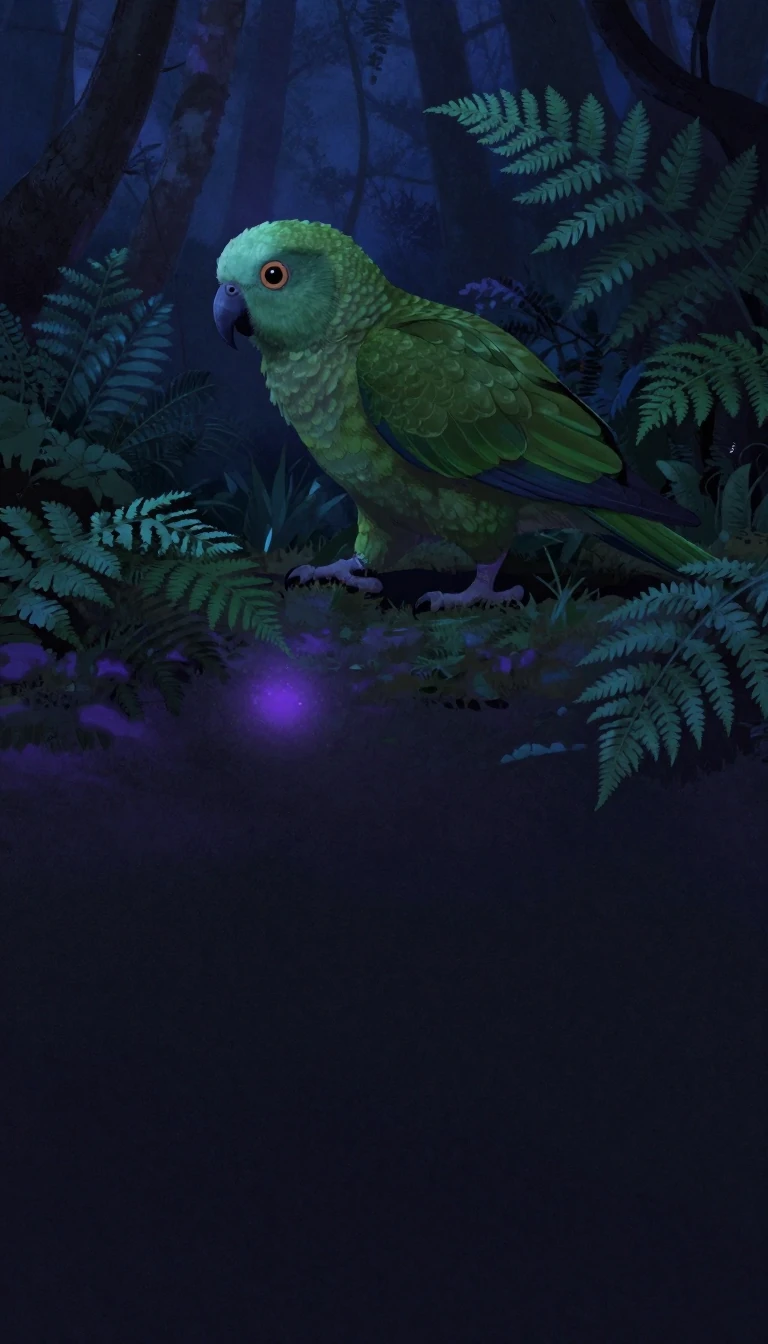 New Zealand’s flightless, nocturnal parrot is staging a remarkable recovery from near-total extinction.The world’s heaviest parrot, the kakapo, once dwindled to just 51 individuals. Thanks to a massive breeding season triggered by a rare fruiting event, the population has surged to…
 Are organisms passive victims of evolution, or are they the architects of their own survival?Standard evolutionary theory views species as passive objects shaped by their environment. Niche construction theory flips this, arguing that organisms actively modify their surro…
 The only truly nocturnal monkeys evolved from ancestors that were active during the day.Night monkeys are the sole primates in their suborder to embrace the dark. While their large eyes and heightened sense of smell make them masters of the night, their evolutionary …
 The Nile crocodile is a fearsome apex predator that doubles as a devoted parentWhile notorious for its aggressive reputation and hundreds of annual human attacks, the Nile crocodile defies typical reptilian behavior through complex parental care. These massi…
 The Nile monitor is a formidable, ancient predator now thriving in the Florida wild.Often sold as colorful pets, Nile monitors are aggressive, fast-growing carnivores that can reach seven feet in length. Escaped from captivity, these African lizards have establis…
 Are these ancient predators the true ancestors of the modern sabre-toothed cat?The Nimravidae were not true cats, yet they evolved remarkably similar bladelike teeth and predatory behaviors through parallel evolution. These false sabre-tooths dominated the l…
 Were these armored dinosaurs truly a single family or a misunderstood evolutionary grade?Nodosaurids were heavily armored, quadrupedal herbivores that roamed the Earth from the Late Jurassic to the Late Cretaceous. While traditionally viewed as a distinct family of di…
 The lost war elephants of Carthage: history's most famous, mysterious, and extinct pachydermsLong before the Roman Empire fell, the North African elephant served as a formidable weapon of war. These smaller, elusive creatures carried Hannibal across the Alps, yet their ex…
- The northern giraffe is a rare survivor of a once vast North African empireKnown as the three-horned giraffe, this species once roamed from Senegal to Egypt. Today, it is the most endangered of all four recognized giraffe species. Isolated in fragmented …
 The Northern Mockingbird is a master mimic that recognizes individual human facesThis slender gray bird is famous for an endless, complex song that often includes imitations of other species. Beyond their vocal talents, these territorial birds are surprisingly…
 Why the Northern Pintail is the most elegant silhouette in the wetlandsWith a slender, elongated profile and a signature pointed tail, the Northern Pintail is a master of the wetlands. These ducks are as comfortable waddling through agricultural fiel…
 The Northern Shoveler uses a specialized biological sieve to dominate shallow water habitats.With a bill shaped like a giant spoon, the Northern Shoveler is built for efficiency. These dabbling ducks use comb-like structures called lamellae to filter tiny crustaceans and …
- Why these tiny, water-walking seabirds became the ultimate symbol of revolutionary upheavalNorthern storm petrels are the smallest seabirds on Earth, known for their uncanny ability to walk on water. Sailors once feared these birds as harbingers of doom, but their assoc…
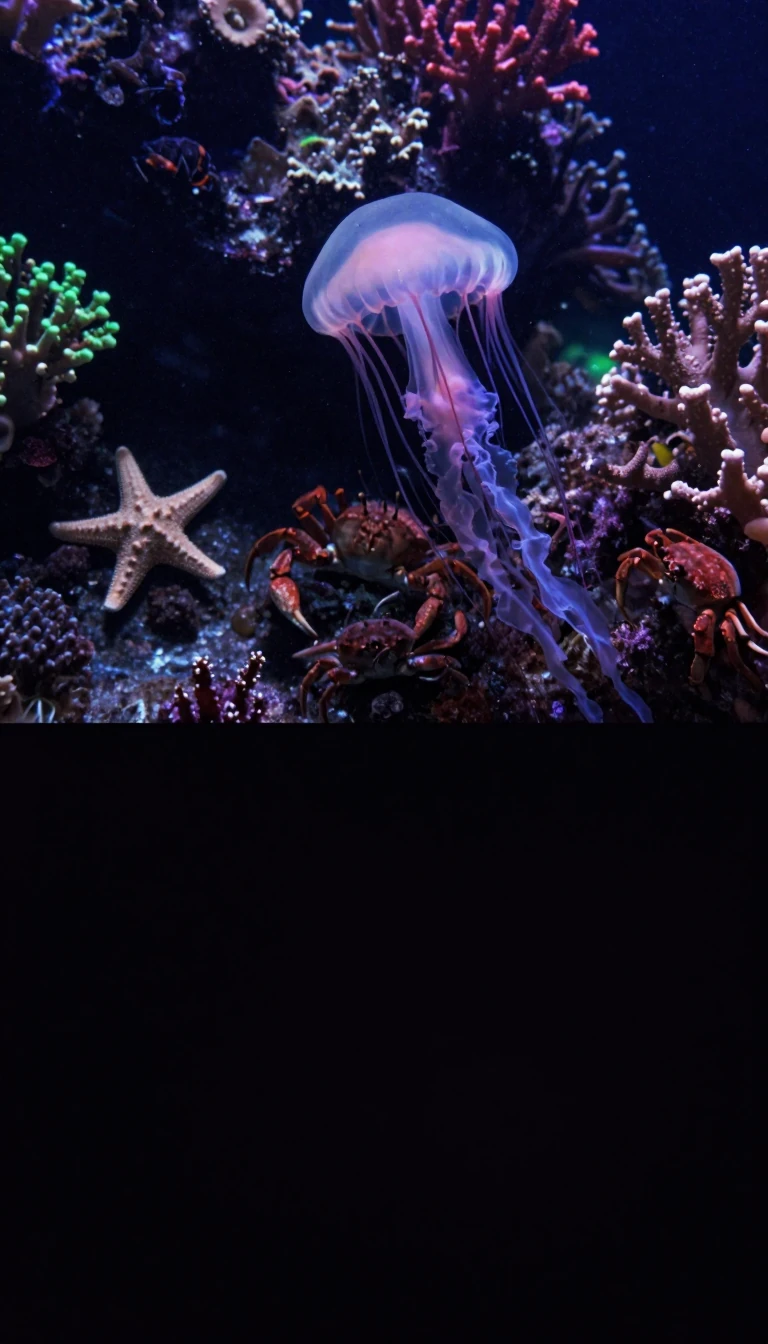 The Triassic predator that hunted like a seal but paved the way for plesiosaursLong before the ocean giants of the Jurassic, the Nothosaurus prowled the Tethys Sea. This semi-oceanic reptile, with its needle-toothed jaws and webbed limbs, lived much like a m…
 Why these ancient, air-breathing fish are masters of swimming both forward and backwardThe Notopteridae family, known as featherbacks or knifefishes, are masters of movement. By keeping their bodies rigid and rippling their long anal fins, these freshwater predators…
- Why these ancient crustaceans have barely changed in over 300 million yearsTadpole shrimp, or Notostraca, are living fossils that have maintained their distinct, shield-like appearance since the late Devonian period. These resilient omnivores thrive in t…
 Notosuchia: The bizarre, terrestrial crocodilians that evolved mammal-like teeth and armadillo-style armorForget the swamp-dwelling predators you know. Notosuchia was a diverse group of terrestrial crocodilians that roamed the earth during the Jurassic and Cretaceous periods. From pug…
- How South American mammals evolved to look like rabbits, rhinos, and wombatsFor millions of years, South America was an evolutionary laboratory. Isolated from the rest of the world, a unique order of hoofed mammals called Notoungulata thrived. They filled…
- The raccoon dog is an ancient Asian wanderer with a surprisingly modern, global impact.Known as the night wanderer, the genus Nyctereutes represents one of the oldest canine lineages in the Old World. Emerging millions of years ago, these opportunistic carnivores ha…
 The Ocellated Turkey: A Tropical Bird With a Bongo-Like SongUnlike its North American cousin, the ocellated turkey is a vibrant, iridescent bird native to the Yucatán Peninsula. It lacks the classic gobble, instead performing a rhythmic, b…
 The black house ant is a global traveler that bites but never stingsNative to Australia, the black house ant has quietly colonized the globe, from Hawaii to China. While it lacks a stinger, this persistent scavenger invades homes, trails across ce…
- Why these South American rodents are named after the number eightThe genus Octodon, native to the Chilean Andes, earns its name from a peculiar anatomical feature. Their molars and premolars are shaped precisely like the digit eight. These soci…
 This extinct whale grew a massive, fragile tusk that likely served no combat purposeOdobenocetops was a bizarre, suction-feeding whale from the late Miocene that evolved asymmetric tusks independently of narwhals. While these tusks resembled those of modern narwh…
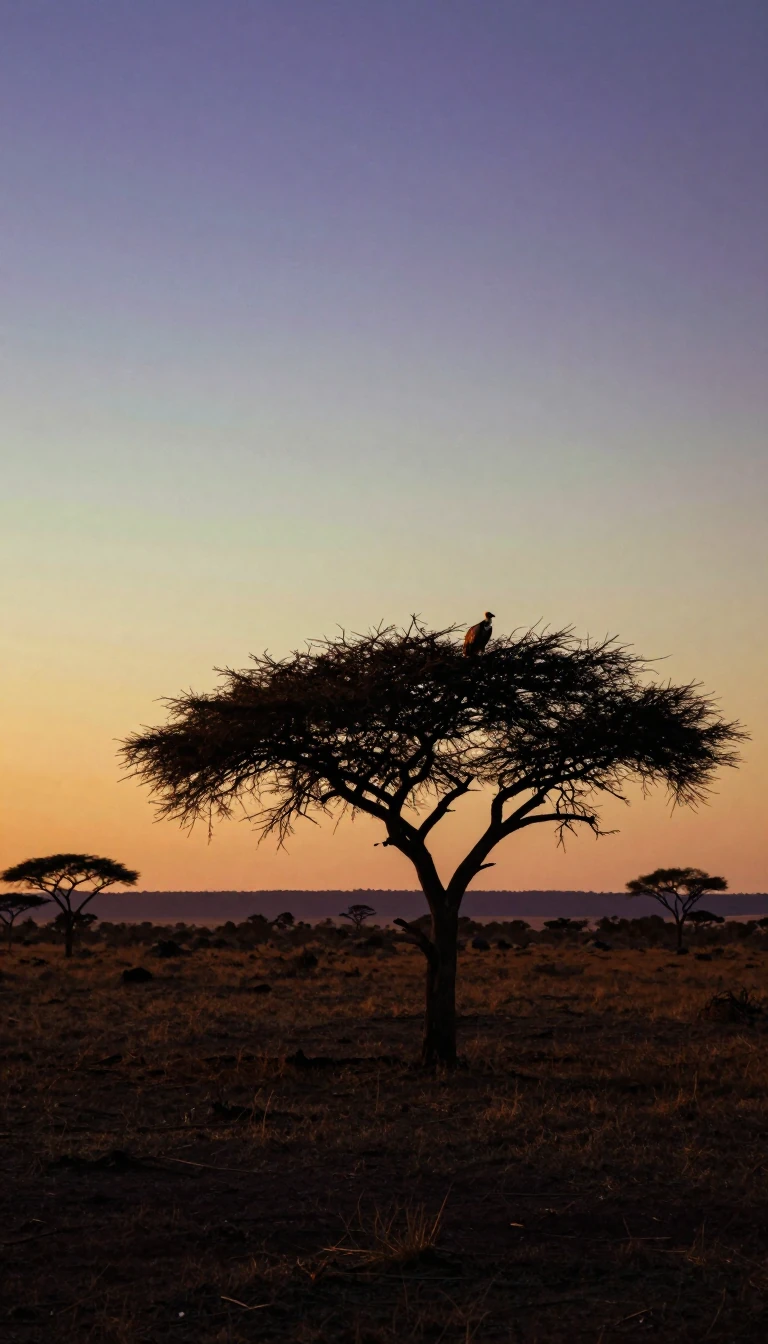 The nocturnal fruit-eater that navigates dark caves using high-pitched clicks like a bat.The oilbird is a biological anomaly: a nocturnal, fruit-eating bird that navigates pitch-black caves using echolocation. While most birds rely on sight, this South American specia…
 Why the Old World oriole is a master of evolutionary mimicry and survivalDo not let the name fool you. Despite sharing a name, size, and diet with New World orioles, the Old World family Oriolidae is a completely different lineage. These birds have evo…
 Old World porcupines are not just spiny rodents; they are masters of acoustic defense.While often confused with their New World cousins, Old World porcupines are distinct, heavily built rodents that rely on specialized quills and rattling tail displays to deter pre…
 The deceptive quail: why these small, plump birds are not what they seemOld World quail are not a single, unified group, but a collection of unrelated species sharing a name. While they resemble their New World counterparts, they belong to entirely di…
 The Old World warbler was a taxonomic wastebin that scientists are finally cleaning up.For decades, the family Sylviidae acted as a convenient dumping ground for hundreds of unrelated songbirds. Modern DNA analysis has shattered this classification, revealing that t…