 Intellect Plus
Nature
11,198 cards. Each one is a 40-second story with a five-minute read behind it. Page 110 of 187.
Subtopics: Ageing · Air · Animal behaviour · Animal breeds and hybrids · Animals · Arthropods · Atmosphere · Big cats · Bilateria, others · Birds · Botany · Cnidarians · Conservation · Coral reefs · Deep sea · Deserts · Dinosaurs · Earth science · Earth science and physical geography · Earth science basics · Earthquakes & tsunamis · Echinoderms · Ecology · Ecosystems · Endangered species · Extinct animals · Farming · Fish · Forests · Fungi · General classifications · Geology · Geomorphology · How Long Can It Live? · Ice · Individual animals · Insects · Lightning · Longevity · Mammals · Marsupials · Migration · Mollusks · Ocean · Organisms · Parasites · Physical geography · Plants · Porifera · Predators · Primates · Rainforest · Reptiles & amphibians · Researched · Sharks & rays · Spiders & arachnids · Symbiosis · Trees · UK & Ireland: nature · Vertebrates · Vision · Volcanoes · Water · Waves · Weather · Whales & dolphins · Zoology
 Why the smallest dairy cow produces the world's richest milkThe Jersey cow is a masterclass in efficiency. Despite being the smallest of the major dairy breeds, these fawn-colored animals produce milk with the highest butterfat and protein…
 How a 19th-century African elephant became the world's most famous linguistic giantBorn in Sudan and sold across continents, Jumbo the elephant became a global sensation in the 1880s. His massive stature captivated Victorian London and later American circus crow…
 The Labrador Retriever: From Newfoundland fishing companion to the world's most versatile working dogOriginally developed in the United Kingdom from Canadian water dogs, the Labrador Retriever has evolved from a specialized gun dog into a global icon of service and companionship.…
 The stray dog who became the first living creature to orbit the EarthIn 1957, a Moscow stray named Laika was launched into orbit aboard Sputnik 2. While the mission provided essential data for future human spaceflight, it was a one-way trip from th…
 The Laika is not a single breed, but a versatile northern barkerThe term Laika refers to a diverse group of primitive dogs from Russia and Siberia, historically prized for their adaptability in harsh climates. Literally meaning barker, these d…
 The global egg-laying powerhouse that began as a humble Tuscan farm birdThe Leghorn chicken is a worldwide icon of industrial egg production, yet its origins remain shrouded in mystery. Exported from the Italian port of Livorno in the 19th century, th…
 The 18th-century sheep breed that revolutionized modern livestock farming foreverRobert Bakewell transformed the slow-growing, coarse-boned sheep of the 1700s into the Leicester Longwool, a breed prized for its heavy fleece and meaty carcass. Once a pioneer of…
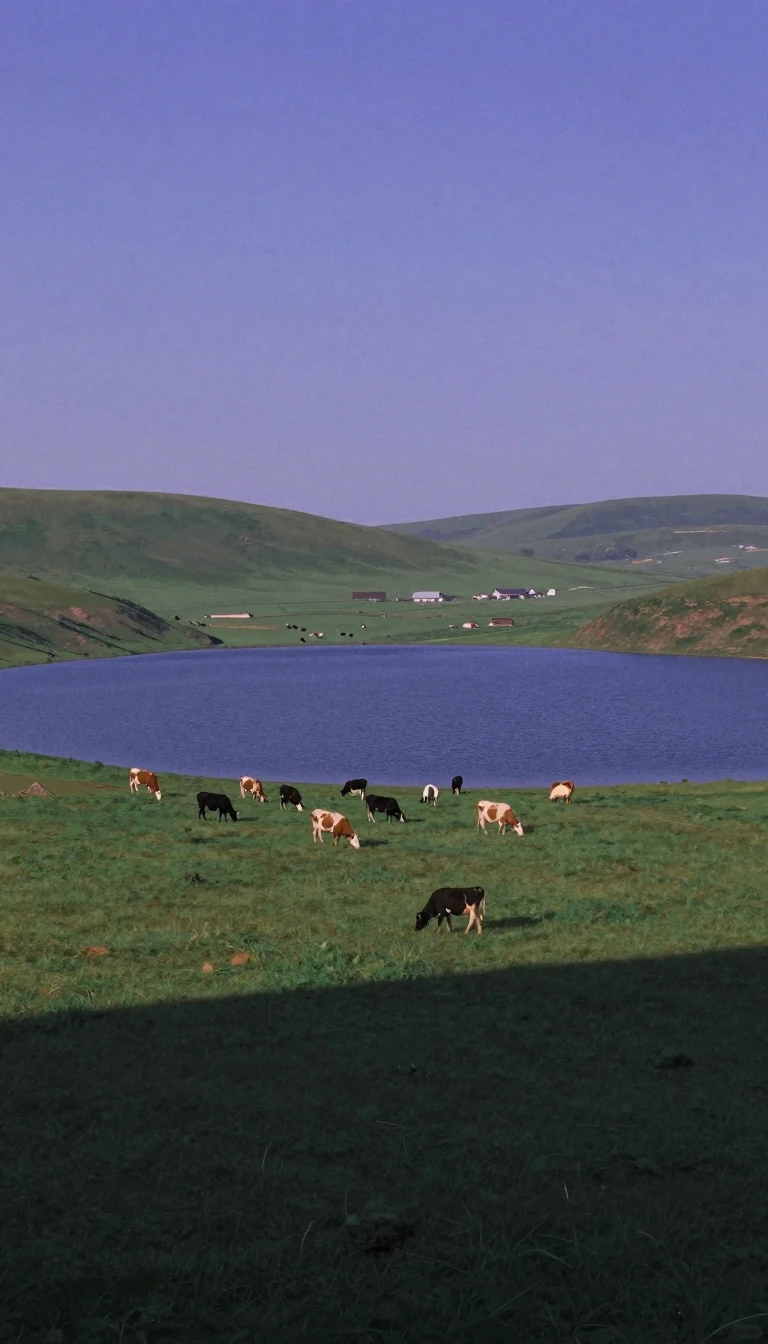 How a once-mediocre French draught animal became a global beef industry powerhouseOriginating as a robust worker in the Massif Central, the Limousin breed faced near-extinction in the 1960s when the French government attempted to merge it into a new breed. Bree…
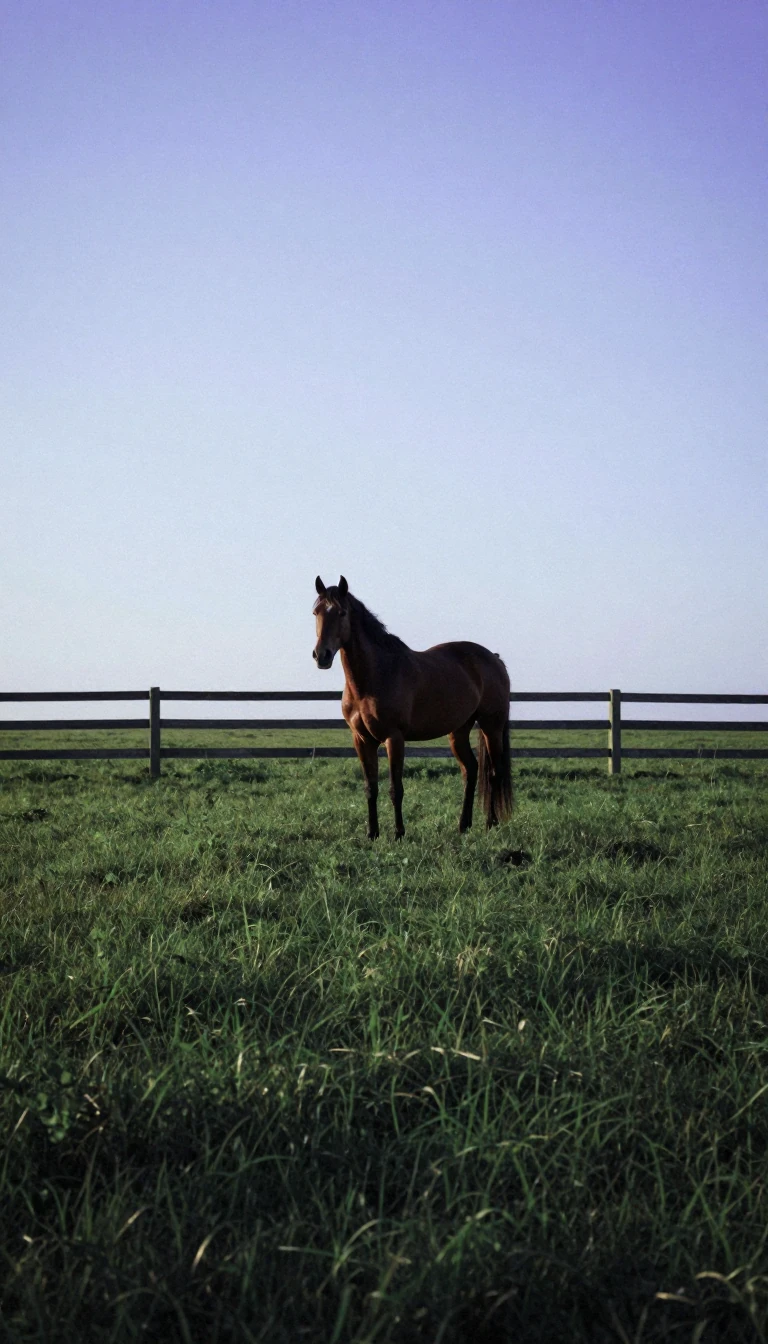 The Lipizzan horse is a living relic of Habsburg power and classical military strategy.Famous for their white coats and gravity-defying jumps at the Spanish Riding School, Lipizzans are not born white. These muscular horses are products of centuries of selective bre…
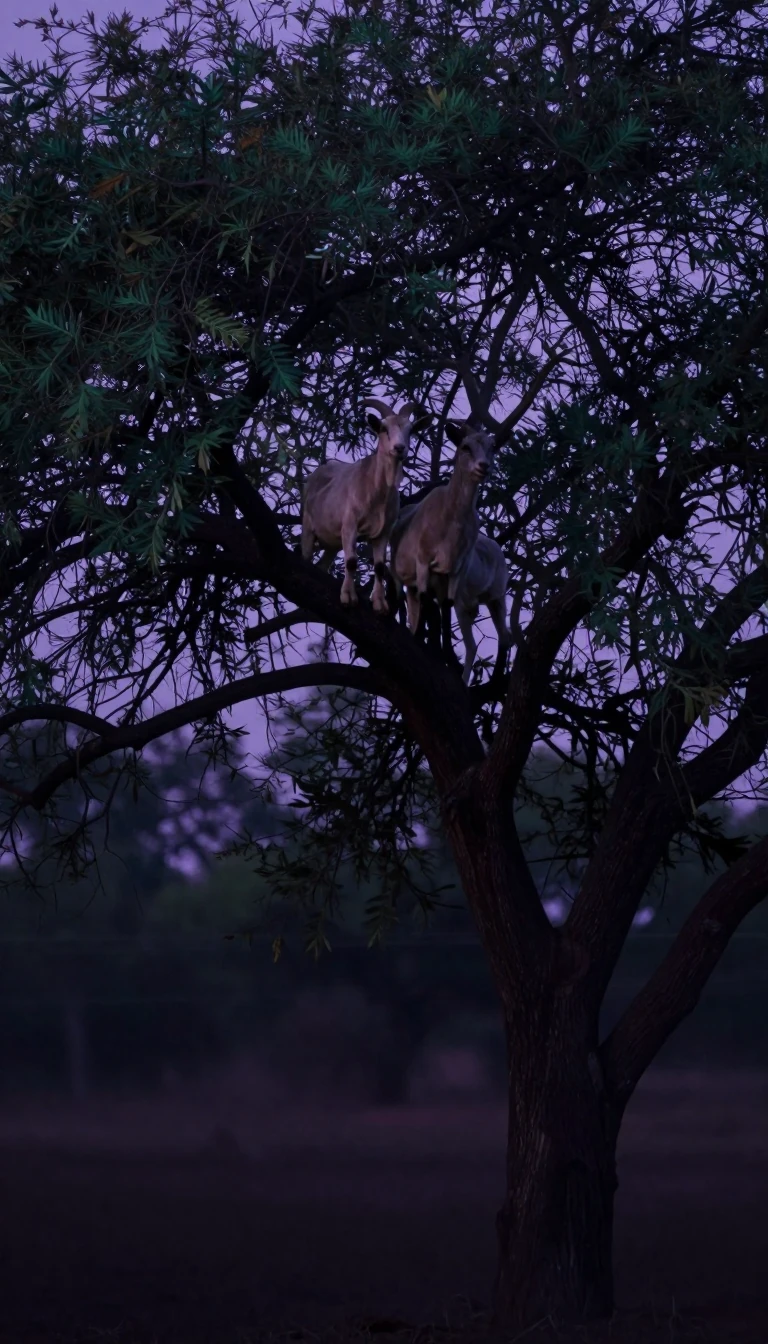 Livestock guardian dogs protect herds by blending in rather than herding them aroundUnlike traditional herding dogs that control animal movement, livestock guardian dogs live as full-time members of the flock. By bonding with sheep or goats from puppyhood, these …
 The Maine Coon is not a hybrid, but a master of cold-weather survival.Often called the gentle giant, the Maine Coon is a rugged, dog-like cat native to North America. Despite myths linking them to raccoons or Viking ships, these cats are simply mast…
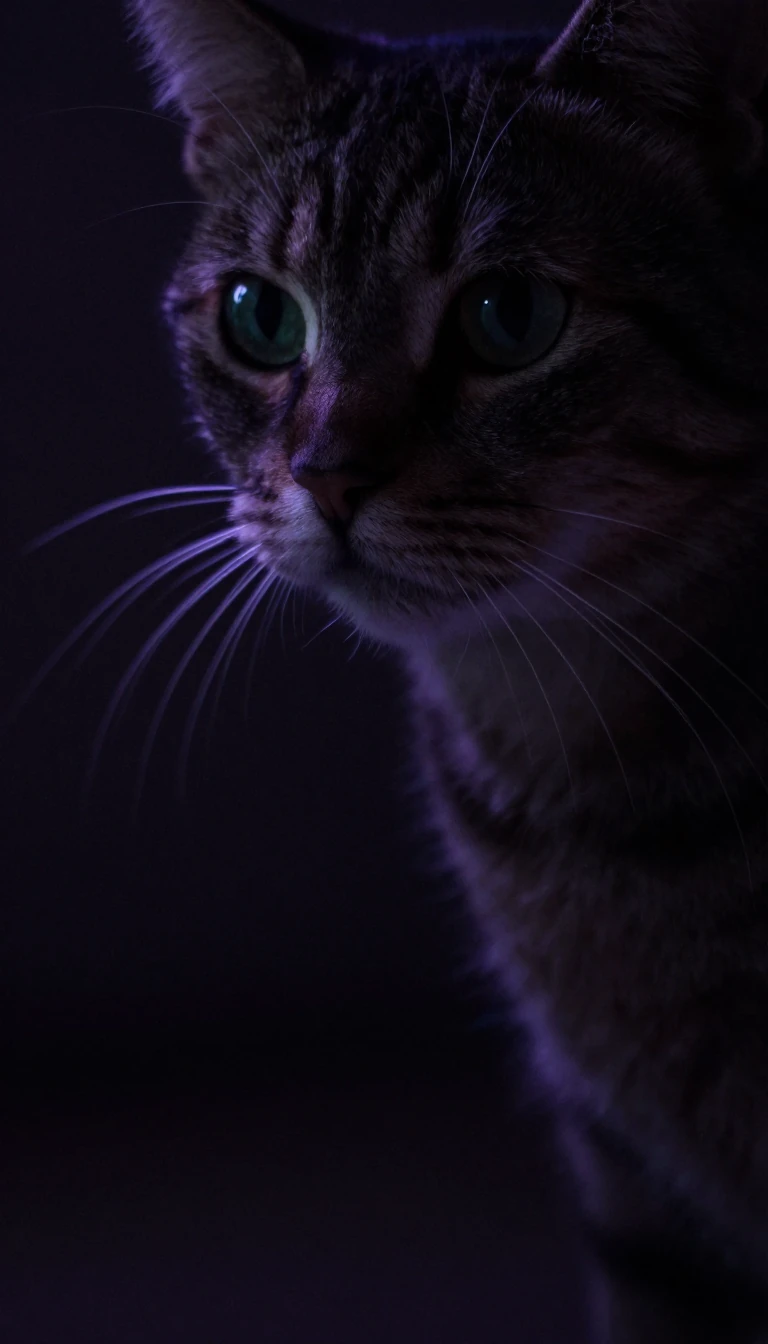 The Manx cat's iconic taillessness is a genetic mutation that can be fatalOriginating on the Isle of Man, the Manx cat is famous for its missing tail and rabbit-like gait. While this trait defines the breed, it is caused by a dominant gene that, when in…
- Why the miniature horse is a genetic pony masquerading as a full-sized horseMiniature horses are more than just pint-sized versions of their larger counterparts. While bred to mirror the physical traits of full-sized horses, these hardy animals are geneti…
 The vast majority of the world's cats are not actually a specific breedIf your cat lacks a formal pedigree, it is a moggy. While we often obsess over purebred lineages, these are a recent human invention. In reality, 98 to 99 percent of the global ca…
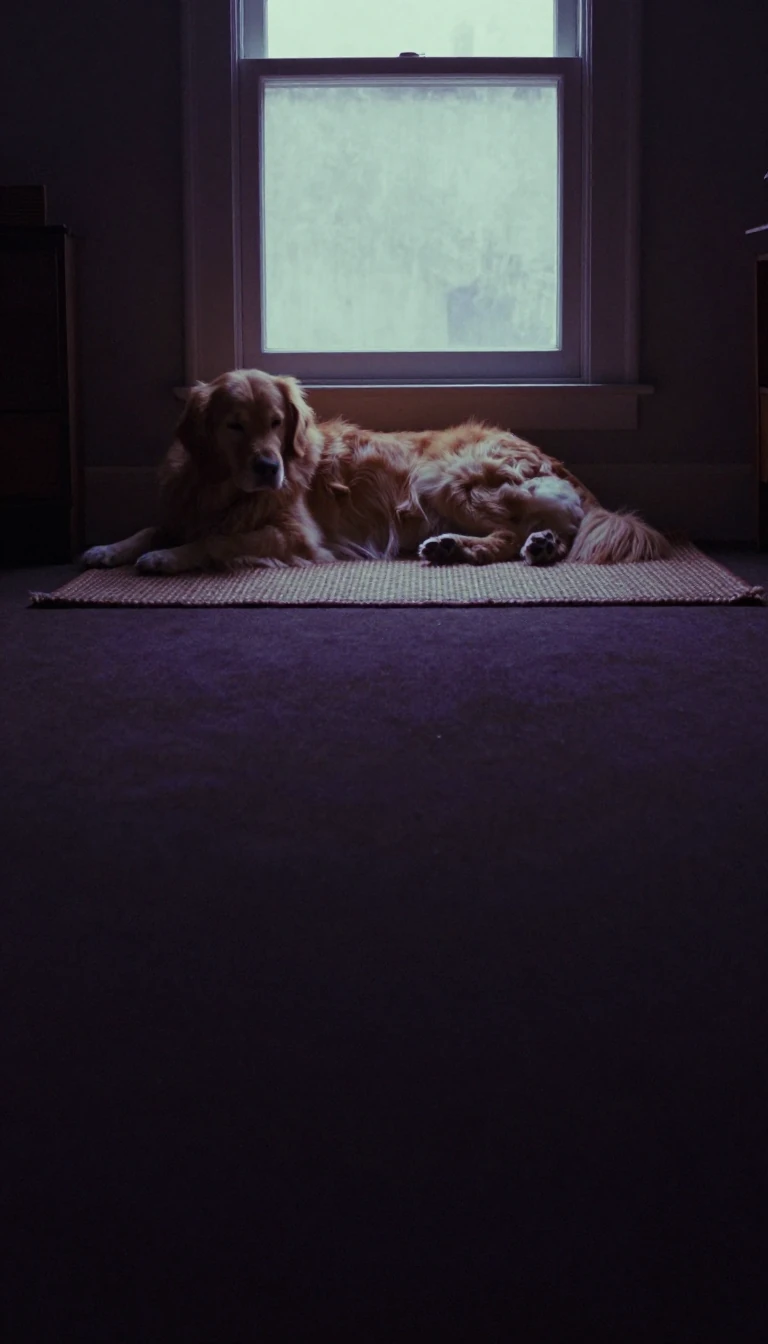 Why the humble mongrel often outlives and outsmarts the pedigree show dogWhile purebred dogs are prized for their predictable traits, they often pay a hidden price in genetic health. Mongrels, or mixed-breed dogs, benefit from greater genetic diversity…
- The Nigerian Dwarf: A Miniature Dairy Powerhouse With A Surprising African HeritageThough they look like charming companions, Nigerian Dwarf goats are a sophisticated breed of miniature dairy livestock. Originating from West African stock imported to American zo…
 The Norfolk Black turkey is a living relic of sixteenth-century transatlantic explorationAs the oldest turkey breed in the United Kingdom, the Norfolk Black has a history as rich as its plumage. Once a staple of East Anglian farming, this heritage bird nearly vanished…
- The Oriental Shorthair is a Siamese cat in over three hundred different outfitsDeveloped from the Siamese, the Oriental Shorthair shares its sleek, muscular build and inquisitive, vocal personality. While its ancestor is defined by pointed markings and blue …
- Why the golden palomino is a color, not a breedThe palomino horse is famous for its stunning gold coat and white mane, but it is not a true breed. Because the palomino color is created by an incomplete dominant gene, breeding …
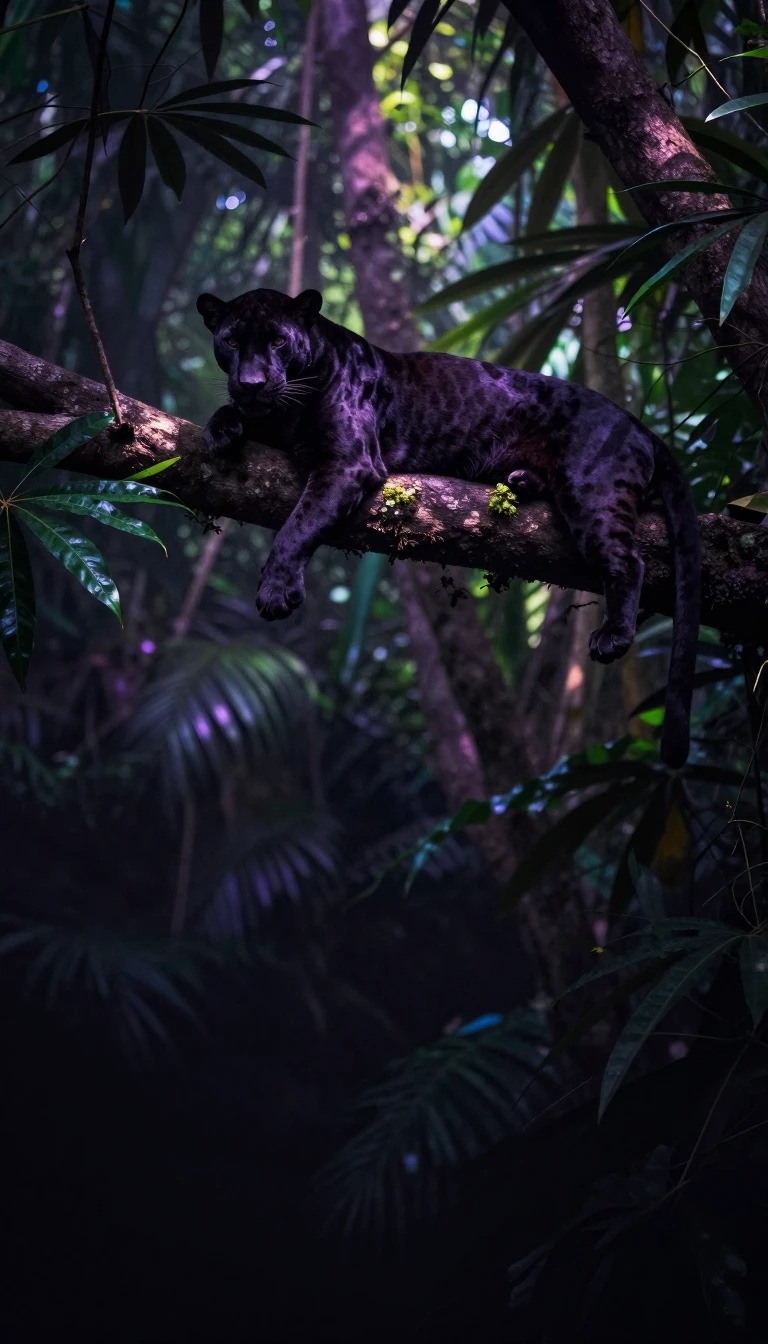 Why some hybrid big cats grow to massive sizes while others remain surprisingly smallPanthera hybrids like ligers and tigons reveal the complex genetic dance between lion and tiger DNA. While ligers can reach record-breaking weights exceeding 400 kilograms, their …
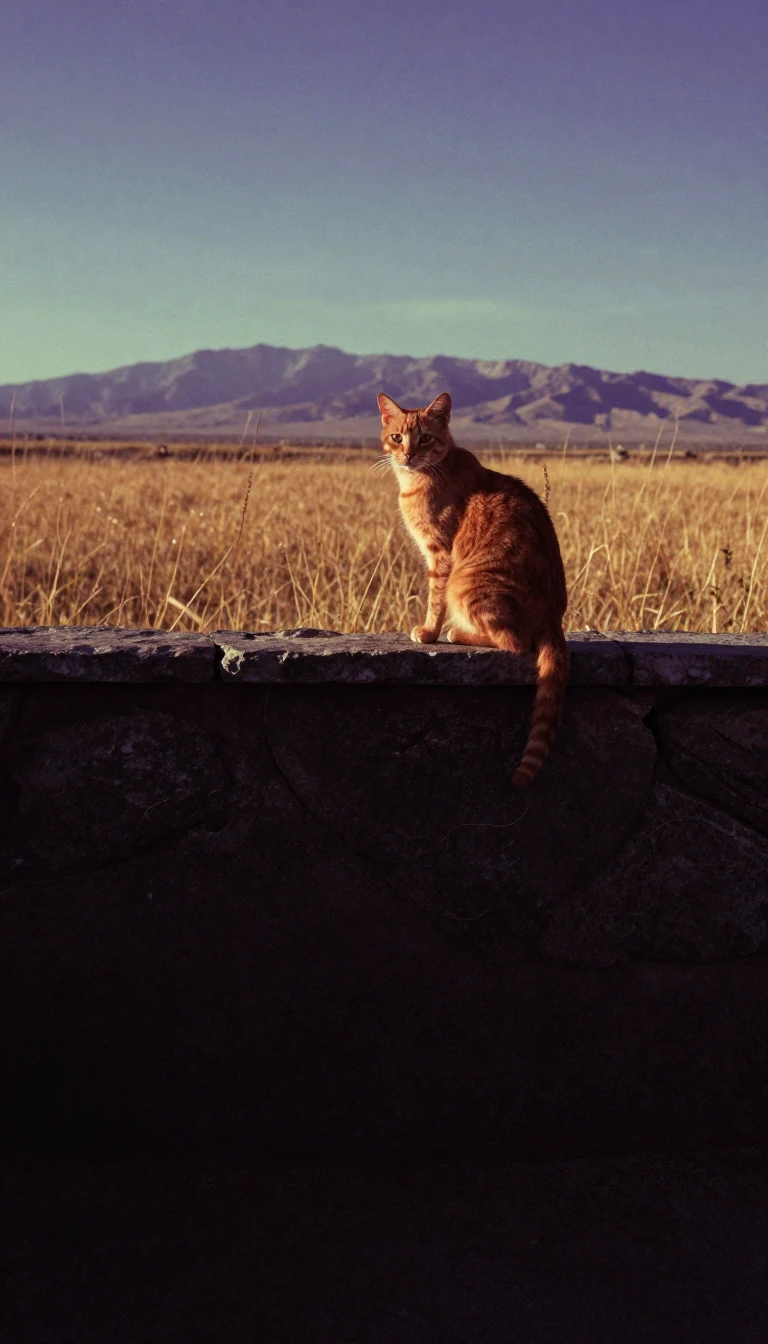 The modern Persian cat is a genetic stranger to its namesake's ancestral home.While the Persian cat carries a name suggesting an ancient Middle Eastern lineage, modern genetic research reveals its true heritage lies in Western Europe. This popular breed has…
 The American chicken that dominated the twentieth century and built the modern broiler industryBefore industrial farming changed our food, the Plymouth Rock was the most popular chicken in America. Renowned for its cold resistance and dual-purpose utility, this bird defined…
 Why the pointing dog freezes in its tracks to help the hunter succeedPointing dogs are specialized gundogs that instinctively stop and aim their muzzles toward game, signaling the quarry's location to the hunter. While British breeds focus on pure …
- Beyond the show ring, the Poodle is a versatile athlete with a complex history.Often dismissed as mere fashion accessories, Poodles are actually highly intelligent water retrievers with a legacy of military service and circus performance. While their iconic …
- The Pye-dog: An ancient, free-roaming survivor living on the fringes of human societyAcross vast stretches of Asia, Africa, and the Middle East, a unique category of dog thrives without owners. Known as pye-dogs or pariah dogs, these animals are not a single breed…
 The Ragamuffin cat was born from a rebellion against strict breeding trademark restrictions.The Ragamuffin is more than a fluffy companion; it is the result of a 1994 breakaway movement. Breeders seeking freedom from the rigid standards of the International Ragdoll Cat A…
 Why the perfect hunting dog is bred to have a soft mouthRetrievers are defined by their nonslip retrieval, a specialized function requiring a delicate touch. Bred for a soft mouth, these dogs must carry game without biting into it, ens…
 The Rex rabbit is defined by a genetic mutation that creates plush, velvety furThe Rex rabbit is not just a single breed, but a term for animals carrying a specific genetic mutation. This mutation causes their hair to stand outward rather than lying flat, cr…
 The Rhode Island Red: A Century-Old American Icon of Poultry BreedingDeveloped in the late nineteenth century, the Rhode Island Red transformed from a versatile dual-purpose farm bird into a global powerhouse of egg production. While modern industr…
 How a war-torn puppy became the most famous German Shepherd in Hollywood historyRescued from a bombed kennel in 1918, Rin Tin Tin rose from a battlefield survivor to a silent film icon. His massive success not only saved a struggling studio but sparked an end…
 How a hardy English sheep became the backbone of New Zealand's global meat tradeOriginating in the damp pastures of Kent, the Romney sheep transformed New Zealand into an agricultural powerhouse. Renowned for their resilience against foot rot and their heavy,…
- The Russian Blue cat is a living relic of a mysterious northern Russian port.With their shimmering silver-tipped coats and piercing emerald eyes, Russian Blues are more than just elegant companions. Originating from the port of Arkhangelsk, these intellige…
 Why scent hounds have long, drooping ears and a deep, booming baying voiceScent hounds are biological marvels engineered for endurance and tracking. Their signature physical traits—from long ears to large nasal cavities—are not merely aesthetic; they ar…
 How an undersized, discarded racehorse became a symbol of hope during the Great DepressionSeabiscuit was an unlikely champion, initially dismissed as lazy and unremarkable. Yet, under the guidance of trainer Tom Smith and owner Charles S. Howard, this small bay colt tr…
 The setter is a specialized hunting dog that freezes rather than chases its preyUnlike scenthounds that track a trail, the setter hunts by holding its head high to catch air scents. When it locates game like quail or pheasant, it does not chase. Instead, it m…
 Can a sheep and a goat produce offspring, or is the geep a myth?The geep, a hybrid of a sheep and a goat, is biologically possible but exceptionally rare. While these animals share pasture, their genetic distance—54 chromosomes in sheep versus…
 The Shetland pony is a tiny, powerful survivor of the harsh Scottish islandsStanding no taller than 107 centimeters, the Shetland pony is a masterclass in evolutionary adaptation. Bred by the unforgiving climate of the Shetland Islands, these small, dense…
 Why sighthounds are built for speed rather than the scent-based tracking of other dogsSighthounds are biological marvels engineered for high-speed pursuit. Unlike scent hounds that rely on endurance and smell, these dogs use keen vision and explosive agility to ove…
 The Silkie chicken is a biological anomaly with black bones and fur-like feathers.Known for their silk-like plumage and five-toed feet, Silkies are a unique Chinese breed with black skin and bones. Once mistaken for rabbit-chicken hybrids, these birds are now p…
- The Swiss cattle breed that once powered the Soviet Union's massive agricultural machineOriginating in the Simme valley, the Simmental is one of the world's most versatile cattle breeds. Renowned for their ability to provide both milk and meat, these animals became a…
- The Somali cat is a long-haired Abyssinian with a mysterious genetic originOften called the Fox Cat for its sleek body and bushy tail, the Somali is a pedigree breed descended from the Abyssinian. Though they appear as long-haired variants of their ances…
 The spaniel's ancient roots may trace back to Celtic hunters in 900 BCLong before they were polished gun dogs, spaniels were versatile hunters of the brush. Their name likely stems from the Latin Hispaniolus, meaning Spanish, yet their history is de…
- The Sphynx cat is not truly hairless, but a product of a genetic mutation.Often mistaken for a completely bald feline, the Sphynx is actually covered in fine down or chamois-like skin. This distinctive appearance stems from a specific mutation in the KR…
- A flat tire led to the discovery of the world's most famous T. rexIn 1990, a paleontologist named Sue Hendrickson was exploring South Dakota cliffs while her team repaired a truck. She stumbled upon bone fragments that turned out to be one of th…
- The tabby cat is not a breed, but a genetic coat pattern found globally.The iconic M-shaped forehead marking is the hallmark of the tabby, a pattern rooted in the genetics of our cats' wild ancestors. While often mistaken for a specific breed, the tab…
 The Texas Longhorn: From Feral Survivor to a Multi-Thousand Dollar Cultural IconOnce a semi-feral wanderer on the American frontier, the Texas Longhorn is now a symbol of state heritage and a high-stakes investment. Descended from Spanish colonial stock, thes…
 Why Slovenia's most famous lake is merely the gateway to a hidden alpine worldSlovenia is defined by its water, boasting over 60 rivers and 7,500 mineral-rich springs. While tourists flock to the iconic Lake Bled, locals suggest driving further into Triglav…
 The Inca Empire managed 12 million people without a single written wordThe Inca built vast road networks and organized cities across South America, yet they lacked hieroglyphic writing. Instead, they used quipus—intricate systems of knotted, colored …
- Why the term toy dog is a classification of convenience rather than biologyThe label toy dog is less about a specific breed and more about a show-ring category. These small companions range from ancient lapdogs to miniature versions of hunting breeds. Wh…
 Are the elegant Turkish Angora cats in your home actually Turkish at all?The Turkish Angora is an ancient, natural breed from central Anatolia, documented since the 17th century. Yet, modern genetic research suggests a startling divide: the pedigreed c…
 Are polar bears and grizzly bears actually the same species in disguise?While we often view bears as distinct, rigid species, the reality is far more fluid. From zoo enclosures to the wild Arctic, bears frequently crossbreed, producing fertile offspri…
- The I pig: From a symbol of Vietnamese prosperity to a global pet fadThe I pig, a traditional Vietnamese breed known for its sagging belly and wrinkled black skin, was once a cornerstone of rural life in the Red River Delta. While it once numbered …
- Why ancient mariners and hunters relied on the versatile, curly-coated water dogWater dogs are an ancient lineage of gundogs, prized for their waterproof coats and an innate, powerful urge to swim. Long before they became show-ring icons, these dogs served as…
 The term worm describes a vast, unrelated collection of creatures rather than a single species.If you think of a worm as a simple, legless tube, you are only seeing a fraction of the picture. From soil-dwelling earthworms that build our ecosystems to parasitic invaders that…
- The Great Tit: A bold, tool-using bird that adapted to modern human lifeWith their bright yellow breasts and inquisitive nature, Great Tits are a common sight in European gardens. These smart birds have learned to exploit human habits, from raiding mi…
 Identifying gaps in how we monitor chemicals in our water and soilA review of emerging contaminants found that current monitoring methods often overlook key pathways for pollutants like pharmaceuticals and personal care products. While these sub…
 Ten fundamental truths about the complexity of global land systemsResearchers synthesizing decades of land system science have identified ten fundamental truths about how we use Earth's surface. Their review highlights that land use is central t…
- A unified framework for modeling animal survival using capture-recapture dataResearchers who study wildlife populations often struggle to track exactly when an individual animal dies, as they cannot follow every marked creature constantly. To solve this, s…
 A new method for creating a more consistent global climate databaseResearchers developed an improved computational method to build a comprehensive database of monthly climate observations across the global land surface. By refining how they handl…
- New high-resolution global map provides detailed land-cover classification at 30 metersResearchers have developed a new global land-cover product, GLC_FCS30-2015, that combines high spatial resolution with a fine classification system. By utilizing time-series Lands…