 Intellect Plus
Health
6,621 cards. Each one is a 40-second story with a five-minute read behind it. Page 62 of 111.
Subtopics: Ageing & longevity · Anaesthesia · Anatomy and morphology · Bacteria · Biology · Blood · Bones & muscles · Brain · Clinical trials · Consciousness · Diabetes · Diagnosis · Digestion · Dreams · Drugs and medication · Epidemiology · Ethics · Exercise · Exercise & fitness · Eyes & vision · First aid · Future Frontier · Germ theory · Global health · Health and fitness · Health, medicine and disease · Heart & circulation · History of medicine · Hormones · Hygiene · Immunology · Infection · Medical basics · Medical history · Medical procedures · Medicine · Medicines · Memory · Mental health · Mind · Morbidity · Neuroscience · Nutrition · Pandemics & epidemics · Psychiatry · Public health · Researched · Skin & hair · Sleep · Surgery · Teeth & dentistry · Vaccines · Vitamins
 How your eyes physically reshape themselves to bring the world into sharp focusAccommodation is the remarkable process by which vertebrate eyes adjust their optical power to maintain clear vision across varying distances. While humans subtly reshape their el…
 Why ACE inhibitors are the gold standard for managing blood pressure and heart healthACE inhibitors are a cornerstone of modern cardiology, prized for their ability to relax blood vessels and lower blood pressure. While they are highly effective at preventing hear…
 Achromatopsia is a rare genetic disorder that renders the world in shades of gray.Affecting roughly 1 in 30,000 people, achromatopsia is a profound vision disorder characterized by an inability to perceive color. Beyond the loss of chromatic vision, those affec…
 Is your fear of heights a survival instinct gone wrong or a learned behavior?Acrophobia is more than just feeling shaky on a balcony. It is an intense, irrational anxiety that can turn everyday tasks like climbing stairs into paralyzing ordeals. While some…
 Acute medicine is the high-stakes frontline of hospital care for sudden, severe illnessWhen a patient arrives at a hospital with a life-threatening condition that has developed rapidly, they enter the world of acute internal medicine. These specialists manage the cr…
 Your fat cells are not just storage units; they are active, complex biological organs.Adipocytes do more than hold energy. These cells, categorized as white or brown, influence everything from systemic metabolism to hair follicle health. While often viewed as passi…
- Are your medications causing more harm than good? Understanding the reality of adverse effects.Every medical intervention carries a risk. While most side effects are mild and temporary, some reactions can be severe, permanent, or even life-threatening. Understanding the dif…
 Aerial roots are nature's versatile solution for support, breathing, and even nitrogen harvestingWhile most roots anchor plants in the dark earth, aerial roots emerge from stems or leaves to navigate the open air. These specialized structures allow plants to climb rocks, brea…
 Why your muscle-building workout might be failing your heart healthMany assume that intense muscle-building exercises are the ultimate path to fitness, but they often neglect the cardiovascular engine. Aerobic exercise, designed for sustained per…
 Can Africa's ancient healing traditions bridge the gap to universal modern healthcare?Traditional medicine remains a primary point of contact for millions across Africa, yet it is often misunderstood. Far from a relic of the past, this evolving system of knowledge …
 Why losing your sense of taste is more than just a culinary inconvenienceAgeusia is the total inability to detect sweetness, sourness, bitterness, saltiness, or umami. While often confused with smell loss, this gustatory failure disrupts the vital conn…
 Why health experts are abandoning the old distinction between aerosols and respiratory dropletsFor decades, public health policy relied on a rigid size cutoff to classify how respiratory pathogens travel. New consensus among global health agencies reveals this binary is sci…
 How a 1975 discovery became the world's most versatile weapon against parasitic wormsDeveloped in 1975, albendazole is a broad-spectrum powerhouse that disrupts the cellular machinery of parasites. By targeting tubulin polymerization, it starves worms of energy an…
 Beyond the bottle: How alcohol serves as a versatile tool in modern medicineAlcohol is far more than a recreational beverage. From disinfecting skin before surgery to acting as a vital antidote for toxic ingestion, its chemical properties make it an essen…
 Why your immune system mistakes harmless substances for dangerous parasitic invadersAn allergy is essentially a case of mistaken identity. Your immune system, designed to fight parasites, misidentifies harmless proteins like pollen or pet dander as threats. This …
 Why your sneezing fits might be more than just a common coldAllergic rhinitis, often called hay fever, triggers cold-like symptoms within minutes of allergen exposure. While frequently confused with viral infections, this condition stems f…
- Beyond doctors and nurses: the 14 essential roles powering modern healthcare systemsAllied health professionals are the backbone of modern medicine, providing diagnostic, therapeutic, and rehabilitative care that keeps healthcare systems functioning. Comprising 1…
 Why the absence of a menstrual period is often a signal, not a disorderAmenorrhea, the absence of menstruation, is frequently a natural response to life stages like pregnancy or breastfeeding. Yet, when it occurs unexpectedly, it serves as a vital di…
 Most people carrying this intestinal parasite never know they are infected at allAmoebiasis is a widespread gastrointestinal infection caused by the parasite Entamoeba histolytica. While it can trigger severe dysentery or liver abscesses, over 90% of those inf…
 Why anaerobic exercise is the high-intensity engine behind your body's most explosive movementsAnaerobic exercise breaks down glucose without oxygen to fuel short, intense bursts of activity. While often associated with muscle fatigue and lactic acid, this metabolic process…
 From ancient sponges to electronic bidets, how humanity cleans itself after using the toilet.Post-defecation hygiene is a universal necessity, yet it remains a social taboo rarely discussed in academic circles. From the Roman xylospongium to modern Japanese washlets, cult…
- Your body is not a textbook: why anatomical variation matters more than you thinkStandard anatomy textbooks describe a typical human body, but your internal structure is likely unique. From muscle attachments to blood vessel branching, these variations are nor…
 How Ancient Egyptian Medical Practices Shaped the Foundation of Modern Healthcare TraditionsEgyptian medical knowledge ranks among the oldest documented systems in human history. Spanning from the late fourth millennium BC until the Persian conquest in 525 BC, their appr…
- Ancient Greek medicine evolved from divine punishment to a sophisticated, albeit flawed, biological system.Before modern science, ancient Greeks transitioned from viewing illness as a divine curse to a physical imbalance. While they pioneered empirical observation and anatomical discov…
 How do doctors safely turn off your consciousness for surgery and bring you back?General anesthesia is a controlled, reversible state of unconsciousness, not sleep. By suppressing the brain’s sensory responsiveness, medical teams can perform complex surgeries …
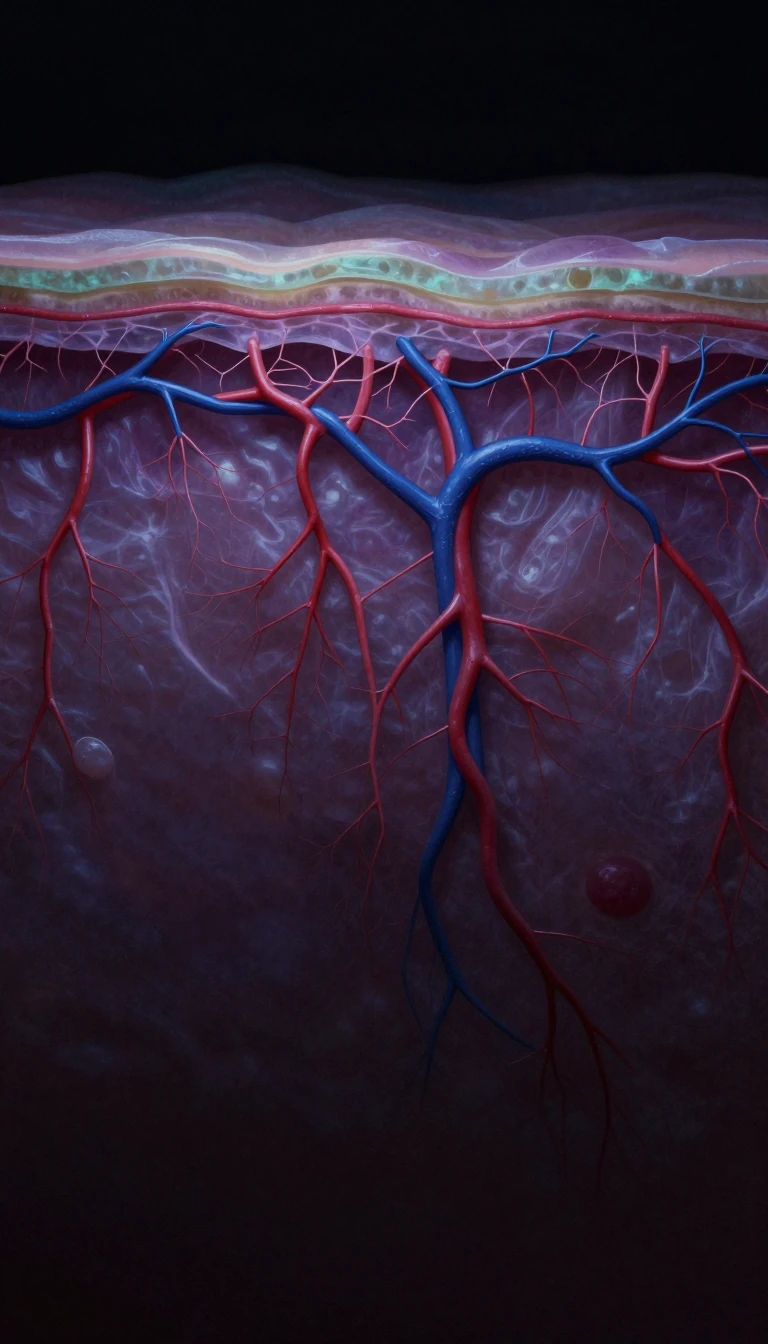 Angiology: The Medical Specialty Dedicated to Your Body's Entire Plumbing and Drainage SystemAngiology, often called vascular medicine in the United States, is the branch of medicine focused on the circulatory and lymphatic systems. It manages everything from the aorta an…
 A tiny balloon can clear a blocked heart artery and restore vital blood flow.When coronary arteries narrow due to plaque buildup, blood flow to the heart is restricted, causing chest pain or heart attacks. Angioplasty uses a catheter-guided balloon to stre…
 Beyond feelers: how arthropod antennae serve as sophisticated chemical and thermal navigation systemsAntennae are far more than simple feelers. These complex sensory appendages allow arthropods to detect chemical compounds, navigate via carbon dioxide, and even sense temperature.…
 The ACL is a tiny, complex band that dictates the stability of your entire body.The anterior cruciate ligament is a small, fibrous band connecting your femur to your tibia. Despite its modest size, it acts as the primary stabilizer for the knee joint. When it…
 Antiseizure medications effectively manage seizures for most, but finding the right fit takes time.Antiseizure medications are essential for preventing seizures, yet they are not a one-size-fits-all solution. While they successfully control seizures in roughly 70 percent of pat…
 Why the most effective medical antidotes are not always the safest clinical choiceAn antidote is a substance designed to counteract poisoning, yet its presence does not guarantee a simple recovery. While some treatments neutralize toxins directly, others face b…
 Antifungal medicines stop fungal growth, but they must be used with careful medical guidance.From common athlete's foot to rare, life-threatening systemic infections, antifungal medications are essential tools for health. These drugs work by either killing fungi directly …
 Your immune system reads your body like a library of nametags called antigens.Every cell in your body carries a unique molecular signature that tells your immune system whether you are a friend or a foe. These markers, known as antigens, act as biological n…
 Antimicrobials are not just one thing: they are a vast, complex chemical arsenal.We often conflate antibiotics with all germ-fighting agents, but the world of antimicrobials is far more diverse. From the antiseptics on your skin to the disinfectants cleaning o…
 Why the medicine that saved millions is now becoming our greatest global health threatAntibiotics once revolutionized medicine, but their indiscriminate use in humans, agriculture, and veterinary care has accelerated a dangerous evolution. Pathogens are learning to…
 Why treating parasitic infections is one of the most difficult challenges in modern medicineAntiparasitic drugs combat everything from helminths to protozoa, yet they remain notoriously difficult to develop. Because parasites often share biological similarities with thei…
 How do antipsychotic medications actually work to quiet the mind and manage reality?Antipsychotics are powerful tools for managing psychosis, but they are not magic bullets. By modulating brain chemistry, specifically dopamine, these medications help reduce hallu…
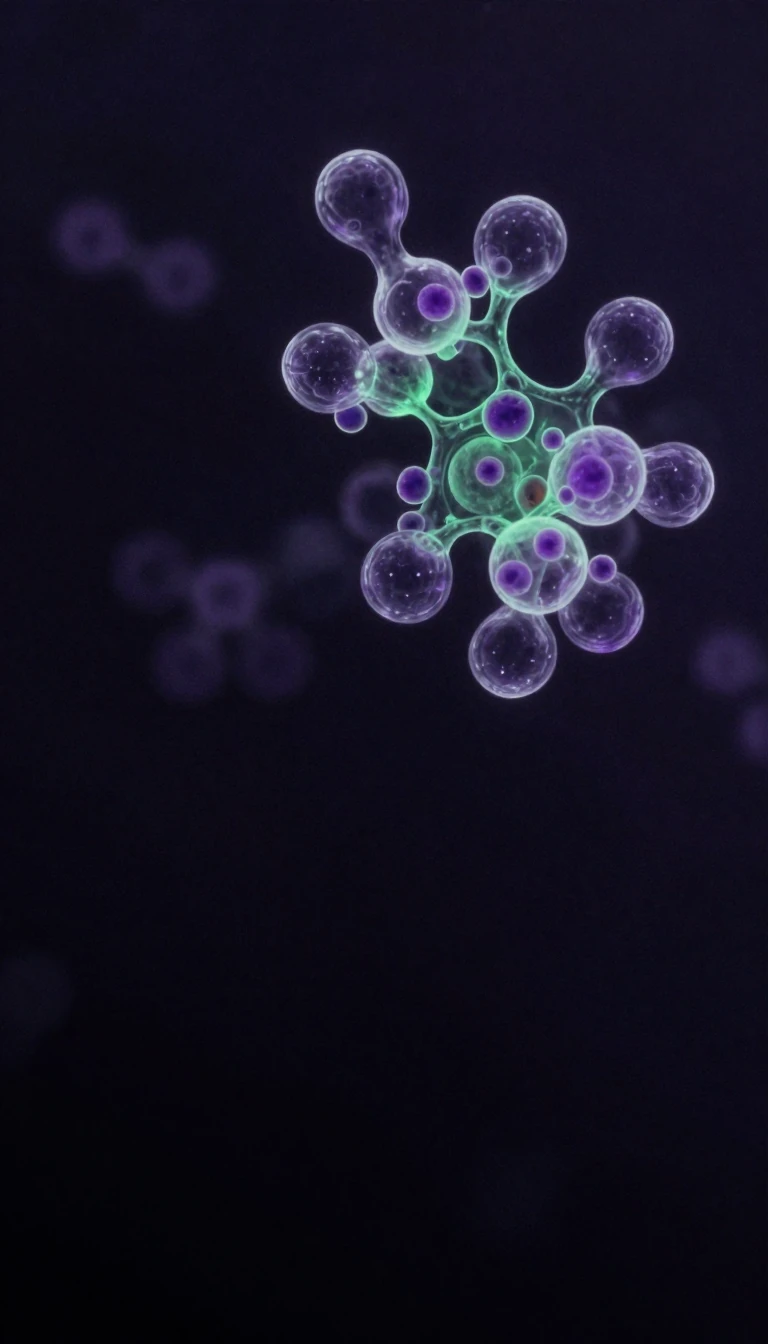 Antisense therapy uses synthetic genetic code to silence disease-causing messages within our cells.Antisense oligonucleotides act like molecular editors, intercepting the instructions our cells use to build proteins. By targeting specific RNA sequences, these synthetic chains c…
- Are your antiseptics actually helping, or are they training bacteria to become stronger?Antiseptics are essential for preventing infection, but they are not a universal cure-all. Recent research suggests that frequent exposure can cause bacteria to adapt, leading to …
 Why antiviral drugs are fundamentally different from the antibiotics in your medicine cabinetAntiviral drugs do not kill viruses like antibiotics kill bacteria. Because viruses are obligate parasites that hijack your own cells to replicate, these drugs must perform a deli…
- Why that sharp pain in your lower abdomen might be more than just indigestionAppendicitis begins with a dull ache near your belly button before migrating to your lower right side. While often dismissed as minor discomfort, this condition involves a dangero…
 A potent antimalarial compound derived from wormwood is now revealing surprising new medical potential.Artemisinin, a natural compound extracted from sweet wormwood, is the cornerstone of modern malaria treatment. Beyond its ability to rapidly eliminate parasites, researchers are n…
- Why your joint pain might be arthropathy, even if it is not arthritisArthropathy is a broad medical term for any joint disease, while arthritis is specifically a type of arthropathy involving inflammation. Understanding the distinction is vital bec…
- Why arthropod legs are marvels of engineering that require constant, rigid shedding to function.Arthropods dominate the planet thanks to their unique, jointed exoskeletons, but this armor creates a fundamental paradox: how do you grow or move inside a rigid suit? The answer …
- Asbestosis is a silent, decades-long lung injury caused by microscopic mineral fibers.Asbestosis is a chronic, incurable lung disease caused by inhaling asbestos fibers. Because symptoms often emerge 20 to 40 years after initial exposure, many patients are diagnose…
 The world's most common worm infection begins with a single, invisible swallowed egg.Ascariasis is a global health challenge caused by the roundworm Ascaris lumbricoides. While many infections are asymptomatic, these parasites can grow over a foot long inside the …
- The microscopic wineskin that launches fungal life into the worldThe ascus is a specialized cell in ascomycete fungi that acts as a biological pressure vessel. By orchestrating complex genetic divisions, these tiny structures produce spores and…
 Atorvastatin is a cornerstone of cardiovascular health, but its reach extends beyond cholesterol management.Widely prescribed to lower cholesterol and prevent heart-related complications, atorvastatin is a staple in modern medicine. While its primary role is managing lipid levels, resea…
- The heart's upper chambers are more than just simple entry halls for bloodWhile often viewed as mere holding tanks, the atria are sophisticated biological components. These upper heart chambers do not just receive blood; they act as critical pacemakers,…
 Atrophy is not just a disease; it is a fundamental mechanism of biological efficiency.Atrophy is the body’s way of downsizing when resources are scarce or functions are no longer required. While often associated with aging or illness, this process of cellular reduc…
 Why your hearing health is more than just a simple volume checkAudiology is a rapidly growing field that goes far beyond basic hearing tests. It encompasses the diagnosis and long-term management of hearing loss and complex balance disorders.…
 Your brain's auditory cortex is a complex, tonotopic map that decodes sound and language.The auditory cortex is the brain's primary processing unit for sound, organizing information through a sophisticated frequency map. It does more than just hear; it segregates audi…
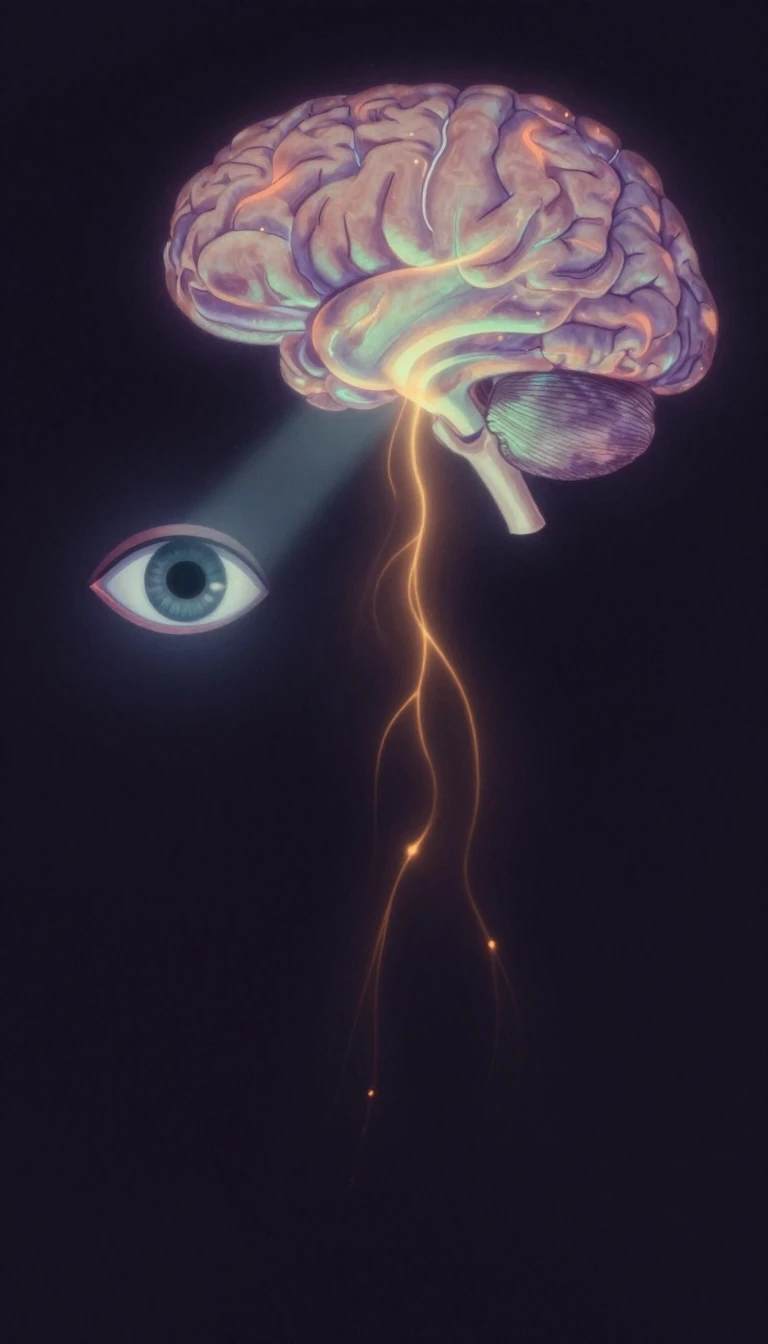 Why your brain might project phantom lights, tingling, or sounds before a migraine strikesAn aura is a sensory disturbance that often precedes a migraine headache. These temporary symptoms, ranging from shimmering lights to speech difficulties, are not mere hallucinati…
- Why doctors listen to your body: the ancient art of diagnostic auscultationAuscultation is the practice of listening to internal body sounds to detect health conditions. While it dates back to ancient times, the invention of the stethoscope in 1819 trans…
 Highly Pathogenic Avian Influenza is reshaping global wildlife populations and challenging our biosecurityBird flu has evolved from a poultry-focused concern into a global wildlife crisis. While human infections remain rare, the virus is now devastating wild bird populations and cross…
- Why avoidant personality disorder is more than just extreme shyness or social anxietyAvoidant personality disorder is defined by a deep-seated fear of rejection and a persistent sense of inadequacy. While many people experience social nerves, those with this condi…
 An avulsion injury occurs when body tissue is forcibly torn from its original attachment.Whether it is a piece of bone pulled away by a tendon, skin stripped from a limb, or a nerve detached from the spine, an avulsion is a traumatic separation. While some minor cases…
- Your B cells are highly specialized biological machines that recognize one specific foreign threat.B cells are the immune system's precision engineers. Each one is programmed to detect only a single type of antigen, using surface receptors that act like custom-fit puzzle pieces…
 Why the B vitamin alphabet has missing letters and why it matters for energy.You have likely heard of the B-complex vitamins, but the series is famously incomplete. There is no B4, B8, B10, or B11. These substances were once thought to be essential nutrien…
- Why your sense of balance is more than just an inner ear issueFeeling unsteady is not just about your ears. Balance is a complex symphony involving your eyes, ears, and body position sensors. When these systems miscommunicate, the result is …