 Intellect Plus
Health
6,621 cards. Each one is a 40-second story with a five-minute read behind it. Page 66 of 111.
Subtopics: Ageing & longevity · Anaesthesia · Anatomy and morphology · Bacteria · Biology · Blood · Bones & muscles · Brain · Clinical trials · Consciousness · Diabetes · Diagnosis · Digestion · Dreams · Drugs and medication · Epidemiology · Ethics · Exercise · Exercise & fitness · Eyes & vision · First aid · Future Frontier · Germ theory · Global health · Health and fitness · Health, medicine and disease · Heart & circulation · History of medicine · Hormones · Hygiene · Immunology · Infection · Medical basics · Medical history · Medical procedures · Medicine · Medicines · Memory · Mental health · Mind · Morbidity · Neuroscience · Nutrition · Pandemics & epidemics · Psychiatry · Public health · Researched · Skin & hair · Sleep · Surgery · Teeth & dentistry · Vaccines · Vitamins
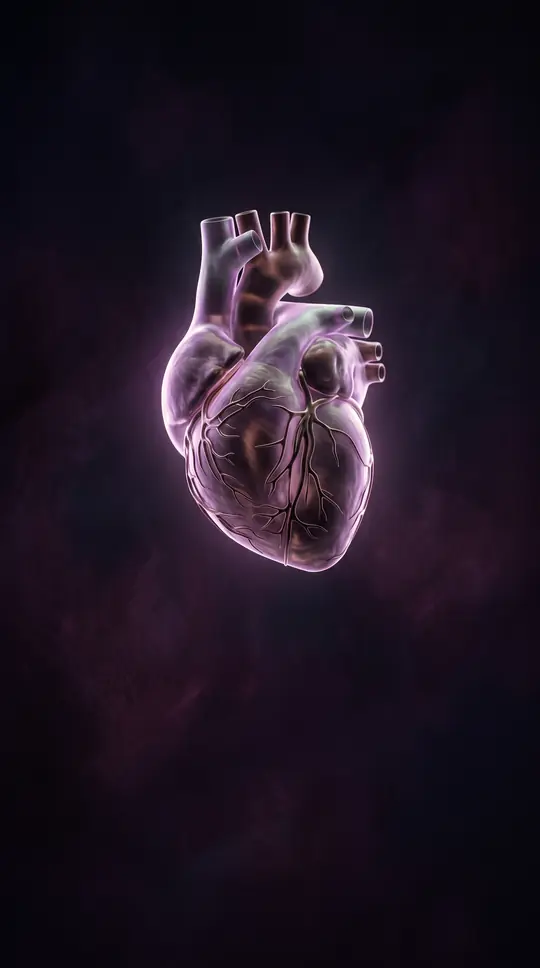 Your heart valves are biological one-way gates that keep your blood moving forwardThe human heart relies on four precision valves to maintain unidirectional flow. When these structures fail to open fully or close tightly, the heart must work significantly harde…
 Heartburn is not a heart condition, but a failure of your internal plumbingDespite the name, heartburn has nothing to do with your heart. It is a burning sensation in your esophagus caused by stomach acid backwashing through a faulty valve. While often m…
 When your body loses the ability to cool itself, heat stroke becomes a life-threatening emergency.Heat illness is a spectrum ranging from minor cramps to the fatal failure of your internal cooling system. When your body temperature spikes rapidly and sweating ceases, you are i…
 Heat stroke is a medical emergency that occurs when your body's cooling system fails.When your internal temperature climbs above 104 degrees Fahrenheit, your body's natural cooling mechanisms can become overwhelmed. This is not just physical discomfort; it is a li…
 Why soil-transmitted worms are a leading cause of intellectual and physical setbacks in childrenSoil-transmitted helminths affect over 880 million children globally, thriving in areas with inadequate sanitation. These parasitic roundworms, including whipworm and hookworm, do…
 Hemodialysis acts as an artificial kidney, but it is not a complete cure.Hemodialysis filters waste and excess fluid from your blood when your kidneys fail, but it only replaces a fraction of their natural function. While it is a life-sustaining treatm…
 Hepatitis A is a common liver infection that typically resolves without permanent organ damage.Unlike other forms of viral hepatitis, this contagious infection does not cause chronic liver disease. While it can trigger severe, acute illness in rare cases, most people recove…
- The hepatitis B vaccine is a highly effective shield against long-term liver damage.Hepatitis B is a serious infection that can cause sudden liver failure or cancer. Vaccination is the most effective way to prevent it, offering long-term protection that lasts for…
 Hepatitis D is a parasitic virus that can only survive by hijacking Hepatitis BHepatitis D is a unique, satellite virus that cannot replicate on its own. It requires the presence of the Hepatitis B virus to infect a host. While often overlooked, this co-infe…
 Hepatitis E is a global liver threat often hiding in plain sight within waterWhile many view hepatitis as a singular condition, the E variant is a distinct, waterborne virus affecting 20 million people annually. Often self-limiting, it can turn lethal in s…
 Why doctors now use painless flicking sensations to check the health of your liverHepatology, the study of the liver and its neighbors, has evolved from ancient speculation to precise modern diagnostics. Today, doctors can assess liver stiffness without surgery…
 Why a common cold sore virus can sometimes trigger severe esophageal distressWhile most people carry the herpes simplex virus without incident, it can occasionally migrate to the esophagus, causing painful swallowing and ulcers. Though typically associated…
 Herpes simplex encephalitis is a rare, life-threatening brain inflammation triggered by a common virus.While most people carry the herpes simplex virus without incident, it can occasionally migrate to the brain with devastating consequences. This condition, known as herpes simplex …
 The virus behind your cold sore can quietly hijack your vision for lifeMost people carry the herpes simplex virus, but few realize it can migrate from facial nerves to the cornea. This infection, known as herpes simplex keratitis, causes pain, light …
 Why a common childhood mouth infection can stay with you for a lifetimeHerpetic gingivostomatitis is a widespread viral condition that typically strikes children, causing high fever and painful oral ulcers. While often self-limiting, the virus never …
 Why do we hiccup? It might be an ancient reflex for drinking milk.Hiccups are more than just an annoying spasm. While transient bouts are often triggered by eating too fast or drinking carbonated beverages, persistent cases can signal serious un…
 A hip fracture is more than a broken bone; it is a life-altering event.For many older adults, a simple fall from standing height can trigger a cascade of health crises. Beyond the immediate pain and surgery, a hip fracture often marks the end of inde…
- Why the desire to be the center of attention can be a clinical diagnosis.Histrionic personality disorder is defined by a persistent, intense craving for attention and approval. Often beginning in early adulthood, this condition manifests through dramat…
 Hoarding disorder is more than just clutter; it is a complex, often dangerous, mental condition.Hoarding disorder involves an overwhelming, persistent inability to discard possessions, regardless of their actual value. Unlike organized collecting, this behavior often creates…
 Hospice care is not just for the final days of an incurable illnessMany believe hospice is only for the dying, but it is actually a flexible style of care focused on quality of life. It provides holistic support for medical, emotional, and spirit…
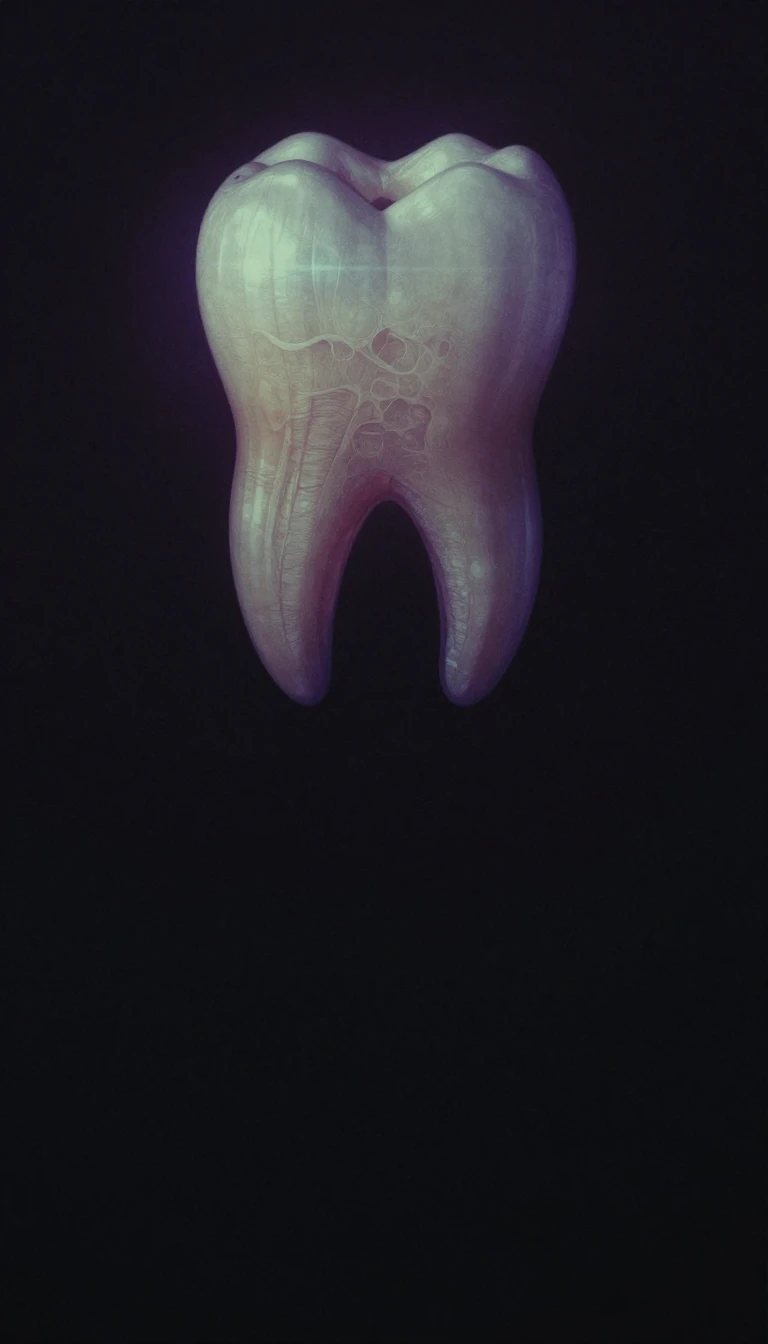 The human body is a complex, ancient machine built from repeated segmental patterns.Beneath the skin lies a sophisticated architecture of systems, organs, and tissues. While we share a vertebrate blueprint with other animals, our unique bipedal posture and highly…
 For centuries, humans and animals have shared the intimate, life-sustaining act of breastfeeding.Across history and cultures, the lines between human and animal nursing have blurred. From abandoned infants suckled by goats in European hospitals to women nursing puppies to mai…
 Why your hair color is more than just a simple pigment ratioHuman hair color is defined by the interplay of two distinct pigments, but the biological reality is far more complex. Beyond simple aesthetics, your hair's chemical composition i…
- The human mouth is a complex biological ecosystem and a vital sensory gateway.Beyond its role in digestion and speech, the human mouth serves as a dynamic habitat for diverse bacteria and a site for unique pathology. From the microbial communities that pers…
 Your musculoskeletal system is more than just a frame; it is a metabolic powerhouse.Beyond providing structure and enabling movement, your musculoskeletal system acts as a vital storage bank for minerals and a complex engine for energy metabolism. It is a dynamic…
 The human body is a complex engine that converts food into energy and tissue.Nutrition is more than just counting calories; it is a sophisticated biological process of breaking down and building up the body. While we often view food as fuel, the human body…
 Why your genetic blueprint is 99.9% identical to every other human on EarthDespite our vast physical and mental differences, humans share 99.9% of their nucleotide sequences. This tiny fraction of variation, driven by genetics, environment, and lifestyle…
 Why your brain forces you to eat even when your stomach is fullHunger is more than a simple empty stomach; it is a complex biological drive managed by your brain. While your body tracks energy needs to keep you fueled, separate mechanisms gov…
 Why your body's most common cartilage is a master of shock absorptionHyaline cartilage is the glossy, resilient tissue lining your joints, acting as a vital shock absorber. Despite its importance, it lacks nerves and blood vessels, making it notori…
 Why this decades-old antihistamine remains a go-to treatment for anxiety and sleepFirst synthesized in 1956, hydroxyzine is a first-generation antihistamine that has transcended its original purpose. While it effectively blocks histamine, its unique ability to …
- Why your heart thickens in silence to fight high blood pressureHypertensive heart disease is a silent, global health crisis that transforms your heart muscle in response to sustained arterial pressure. Often asymptomatic for years, this condi…
 Are sleeping pills actually helping you sleep, or just masking the problem?Hypnotics are designed to induce or sustain sleep, yet they often disrupt the very architecture of rest they aim to restore. While these drugs are widely prescribed for insomnia, …
 The hypocotyl is the unsung architect of a seedling's first journey toward the sun.Beneath the soil, a tiny embryonic stem works to push a plant’s first leaves into the light. This structure, known as the hypocotyl, is the primary engine of early growth. It does…
- When your favorite meal loses its spark, your body may be sending a warning.Hypogeusia is more than a diminished sense of taste; it is a clinical signal that something in your system is off balance. Whether triggered by illness, medication, or underlying …
 Hypomania is more than just feeling good; it is a distinct, high-energy state.Often mistaken for a simple mood boost, hypomania is a specific, sustained period of elevated energy and activity. While it may feel like a productive edge, it is a clinical state…
- Is low blood pressure a medical condition or just a sign of health?Low blood pressure, or hypotension, is often a sign of peak physical fitness, but it can also signal underlying health issues. While a reading below 90/60mmHg is technically hypot…
- Hypovolemic shock occurs when your body loses so much fluid that organs begin failing.When you lose more than 20 percent of your blood volume, your heart struggles to circulate enough oxygen to keep your organs functioning. This emergency state, known as hypovolemi…
 The ileum is the body's final, essential stop for nutrient recovery and immune defense.As the longest segment of your small intestine, the ileum serves as a critical checkpoint. It is the primary site for reclaiming bile salts and essential micronutrients like vitam…
 How a failed antipsychotic became the world's first tricyclic antidepressantOriginally synthesized in 1951 as a potential antihistamine, imipramine was later tested as an antipsychotic for schizophrenia. It failed that role, but a serendipitous observatio…
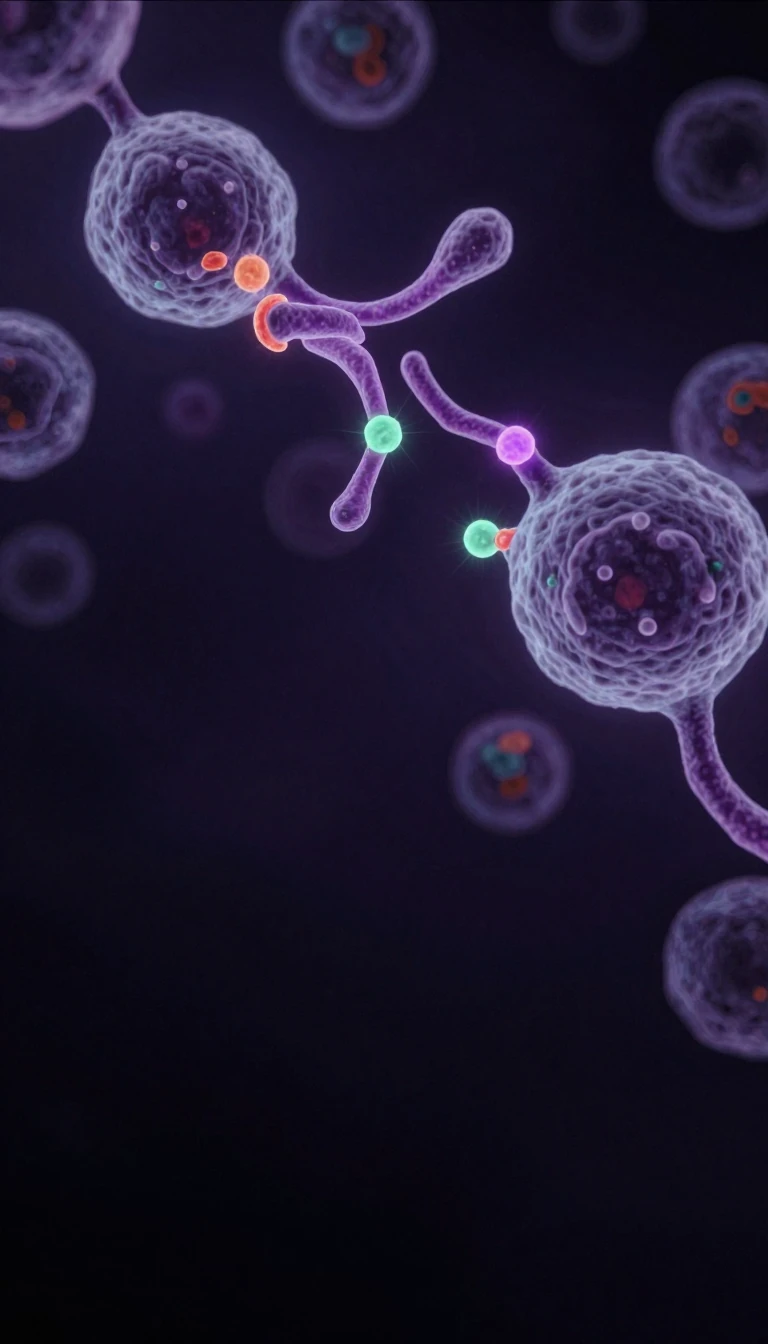 Why your body's first line of defense is a master of genetic recognitionImmunity is more than just fighting off germs; it is a sophisticated biological balancing act. Your body distinguishes between self and non-self, using both innate and adaptive sy…
- Vaccination is a global success story that saves millions of lives every single year.Immunization is one of the most effective health interventions ever created. By training your immune system to recognize and fight pathogens without the risk of severe illness, va…
 Immunosuppressants are essential for organ survival, but they carry a significant hidden cost.Your immune system is a powerful machine designed to destroy intruders. Sometimes, it malfunctions and attacks your own healthy tissues or rejects life-saving transplants. Immunos…
 Why your wisdom teeth are likely to cause trouble before you turn twenty-fiveWisdom teeth, or third molars, are the final teeth to emerge, typically appearing between ages 17 and 25. Often, they lack sufficient space to erupt properly, becoming trapped or …
 Why a simple skin incision is often the only cure for a stubborn abscessWhen a bacterial infection traps pus beneath your skin, antibiotics often fail because they cannot reach the site. The solution is a minor surgical procedure called incision and d…
 Why the index finger is the most important tool for human communication and thoughtThe index finger is more than just a digit; it is a bridge between our minds and the world. From the dawn of language in infancy to the complex cultural symbols of divinity and au…
 Why the first month of life remains the most dangerous period for human survivalGlobally, 2.3 million newborns die every year, accounting for nearly half of all deaths in children under five. While medical advances have significantly reduced mortality since 1…
 Why infectious disease specialists are the detectives of the modern medical worldInfectious disease specialists bridge the gap between clinical care and laboratory science. They tackle complex, often mysterious infections caused by bacteria, viruses, fungi, an…
 How tiny mites quietly sabotage the reproductive future of honeybee coloniesVarroa destructor mites are a known threat to honeybees, but their impact goes beyond simple survival. New research reveals these parasites subtly alter drone sperm quality and mo…
- Inflammatory bowel disease is a complex immune condition, not a simple digestive problem.Inflammatory bowel disease (IBD) is often confused with irritable bowel syndrome, but the two are fundamentally different. While IBD involves chronic inflammation and potential in…
- Why the flu vaccine is a moving target that requires annual updatesInfluenza viruses evolve so rapidly that yesterday's vaccine is often obsolete by tomorrow. Because protection wanes and viral strains shift, health authorities mandate yearly ref…
 An ingrown toenail is rarely just a nail problem; it is often a skin issue.While we blame the nail for digging into our skin, the root cause is often excessive soft tissue bulging around the nail plate. This common condition, known as onychocryptosis, is…
 Inhalers are medical marvels, but their effectiveness depends entirely on your techniqueInhalers deliver life-saving medication directly to the lungs, bypassing the systemic side effects of oral drugs. Yet, improper use is rampant, often leaving medicine in the throa…
- Why the most dangerous injuries are often the ones you cannot see immediatelyPhysical trauma is rarely as simple as a visible wound. From internal bleeding that remains masked for days to the delayed onset of systemic infection, the most severe damage ofte…
- Your body's ancient defense system is a sophisticated, modular network of biological sensorsBefore your adaptive immune system learns to fight specific threats, your innate immunity acts as the first line of defense. Using germline-encoded sensors, it monitors the body f…
- Why the word for a medical breakthrough actually means cow in LatinInoculation is the art of training your immune system to recognize pathogens before they strike. While modern science uses mRNA and complex proteins, the term itself traces back t…
 From crushing mandibles to liquid-sipping tubes, insect mouthparts are nature's most versatile tool kit.Insects dominate the planet largely because they have evolved a specialized array of mouthparts to exploit almost any food source. Whether they are chewing solid leaves, piercing …
 Insect wings are complex, multi-layered exoskeletal outgrowths engineered for extreme flight durability and performance.Beyond their role in flight, insect wings are marvels of biological engineering. These delicate membranes, supported by a system of rigid veins, utilize hierarchical composite str…
 Insulin is a precise tool, but its effectiveness depends entirely on timing and delivery.Insulin is not a one-size-fits-all treatment. Because different types work at varying speeds and durations, managing blood glucose requires a tailored approach. Whether using a sy…
- Why intensive care units rely on a delicate balance of technology and human presenceIntensive care units are high-stakes environments where specialized teams monitor the most vulnerable patients. Beyond the complex machinery and life-saving interventions, these u…
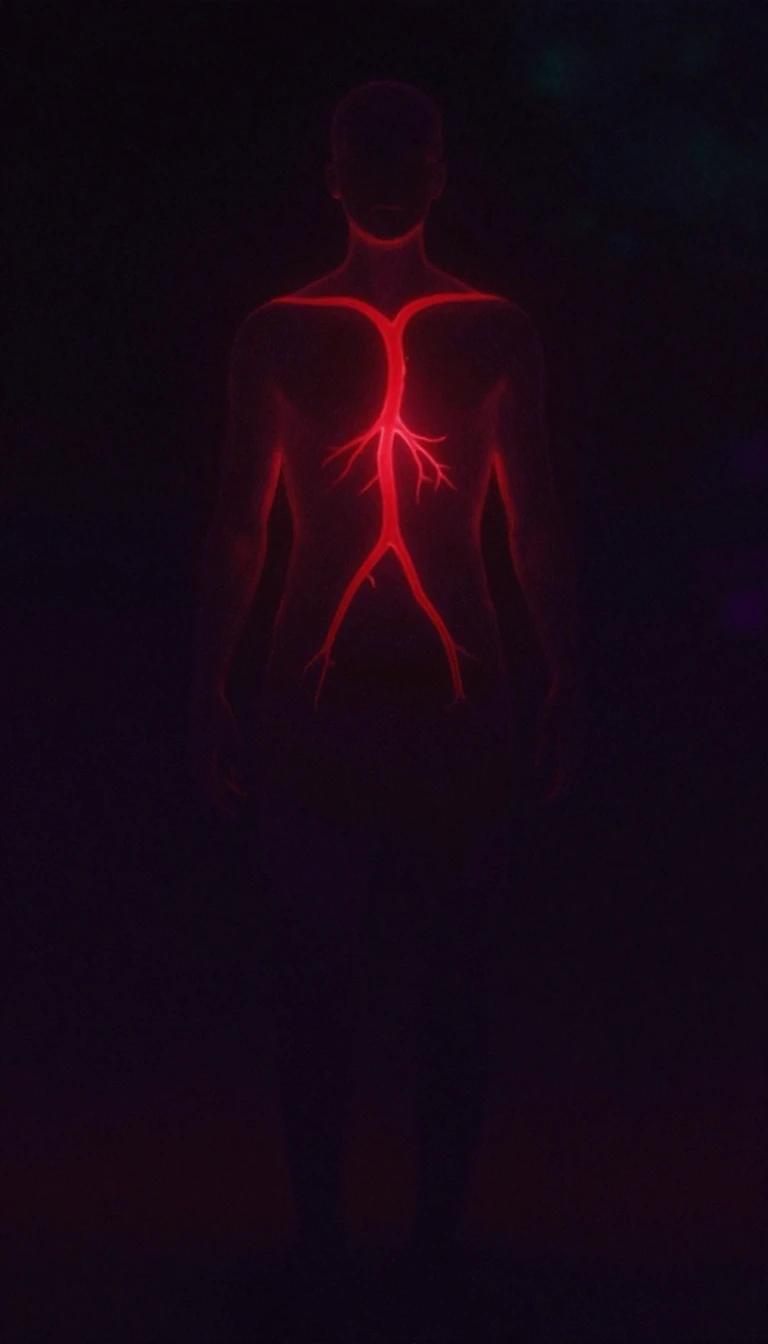 Internal bleeding is often invisible, yet it can rapidly compromise your vital organ systems.Internal bleeding occurs when blood escapes a vessel and collects within the body, remaining hidden from view. Because symptoms vary by location and severity, it is a dangerous me…