 Intellect Plus
Health
6,621 cards. Each one is a 40-second story with a five-minute read behind it. Page 67 of 111.
Subtopics: Ageing & longevity · Anaesthesia · Anatomy and morphology · Bacteria · Biology · Blood · Bones & muscles · Brain · Clinical trials · Consciousness · Diabetes · Diagnosis · Digestion · Dreams · Drugs and medication · Epidemiology · Ethics · Exercise · Exercise & fitness · Eyes & vision · First aid · Future Frontier · Germ theory · Global health · Health and fitness · Health, medicine and disease · Heart & circulation · History of medicine · Hormones · Hygiene · Immunology · Infection · Medical basics · Medical history · Medical procedures · Medicine · Medicines · Memory · Mental health · Mind · Morbidity · Neuroscience · Nutrition · Pandemics & epidemics · Psychiatry · Public health · Researched · Skin & hair · Sleep · Surgery · Teeth & dentistry · Vaccines · Vitamins
 How the world tracks every illness and death through a single digital languageThe International Classification of Diseases is the backbone of global health, mapping every human ailment to a standardized code. From tracking mortality to managing hospital res…
 This clear, colorless liquid is a cornerstone of modern surgery, yet its mechanism remains mysterious.Isoflurane is a widely used inhalational anesthetic that revolutionized surgical safety by replacing flammable ethers. While it is a staple in operating rooms and research labs, i…
 Why your brain demands you scratch, even when it causes you more harmAn itch is more than just a minor annoyance; it is a distinct sensory experience that triggers a specific reflex to remove potential threats. While pain signals the body to withdr…
 A mosquito-borne virus that turns the brain against itselfJapanese encephalitis is a rare but devastating viral infection that primarily affects children in Asia. While most infections cause only mild symptoms, the virus can trigger a se…
 The jejunum is named for its tendency to be found empty after death.Tucked into your abdomen, the jejunum is a specialized engine for nutrient absorption. Its name, derived from the Latin for fasting, reflects its intense activity; it moves food a…
 Why your body struggles to keep pace when you cross multiple time zonesJet lag is not just travel fatigue; it is a physiological mismatch between your internal clock and the external environment. When you fly across three or more time zones, your bod…
 Why you should never try to pop a dislocated joint back into placeA dislocated joint is more than just a bone out of alignment; it is a complex injury that can damage surrounding nerves, vessels, and ligaments. While the instinct to fix it yours…
 The surprising origin of the jumping jack, from military hazing to fitness stapleOften dismissed as a simple schoolyard drill, the jumping jack has a surprisingly complex history. While many believe it is named after a famous general, its true namesake is a cl…
 Why a common herpes virus triggers a rare and complex form of cancerKaposi sarcoma is a cancer of the blood and lymph vessel linings, driven by the human herpes virus 8. While healthy immune systems keep this virus dormant, it can trigger aggressi…
 That red, painful eye might be keratitis, a serious inflammation of your cornea.Keratitis is the inflammation of the cornea, the clear tissue covering your pupil and iris. While minor injuries can trigger it, infectious forms caused by bacteria, viruses, or p…
- A kidney transplant is not a permanent cure but a bridge to better livingFor patients with end-stage renal disease, a transplant offers a life-changing alternative to dialysis. While it significantly improves quality of life and survival rates, it is n…
 Why some people steal despite knowing it is wrong and risking everythingKleptomania is not a character flaw or a lack of willpower. It is a medical condition where the brain fails to inhibit the impulse to take items, regardless of their value. While …
 The labia are not just skin folds but highly dynamic, erectile structures of human anatomy.Often misunderstood, the labia are complex, sensitive components of the vulva that change significantly throughout a person's life. Far from uniform, these structures—comprising b…
 Most adults worldwide cannot digest milk, making lactose intolerance the human norm.If you feel unwell after a glass of milk, you are not broken; you are part of the global majority. While many assume dairy digestion is universal, it is actually a relatively rece…
 Is the permanent reshaping of your cornea worth the risk of chronic dry eyes?LASIK promises freedom from glasses by using lasers to reshape the cornea, a procedure performed millions of times globally. While satisfaction rates are high, the surgery is not …
- The lateral line is a sixth sense that lets fish feel their surroundingsAquatic vertebrates possess a specialized sensory system that detects pressure changes and water movement. This ancient mechanism, known as the lateral line, allows fish to naviga…
 A tiny, silent fly bite can trigger a life-threatening, neglected tropical disease.Leishmaniasis is a parasitic infection transmitted by the bite of female sand flies, which are often one-fourth the size of mosquitoes. While many cases cause only skin sores, oth…
 The vertebrate lens is a lifelong growth project that never sheds its oldest cells.Your eyes contain a unique, transparent organ that grows continuously from birth until death. Unlike other tissues, the lens lacks nerves and blood vessels, instead relying on a s…
 Lianas are not a species, but a parasitic growth habit that reshapes entire forests.Lianas are woody vines that climb trees to reach sunlight, acting as both forest bridges and silent killers. By strangling hosts and increasing mortality, these plants fundamental…
 Beyond Numbing: How a Common Anesthetic Rewires Biology from Humans to PlantsLidocaine is a household name for numbing pain, but its reach extends far beyond the dentist's chair. From stabilizing erratic heartbeats to disrupting the internal machinery of p…
 Can we engineer our way out of death or is aging an unavoidable entropy?For centuries, humanity has chased the dream of indefinite youth. While modern science explores everything from gene editing to nanorobotics, the biological reality remains stubbo…
 Why that sudden dizzy spell when you stand up is usually nothing to fearFeeling lightheaded or off-balance is a common experience that rarely signals a serious health crisis. While the sensation of spinning or fainting can be unsettling, it often reso…
 Why your arms and legs are essentially modified fish fins from the distant past.Every tetrapod, from humans to birds, shares a common blueprint for their limbs. These appendages are not just tools for movement but are evolutionary echoes of the pectoral and p…
- Is your lip balm actually moisturizing your lips or just creating a dependency?Lip balm is a global industry worth hundreds of millions, yet its efficacy and safety remain subjects of intense debate. While these products are designed to seal in moisture, som…
- Why your cholesterol report is often a mathematical estimate rather than a direct measurement.A standard lipid panel measures only three components: total cholesterol, HDL, and triglycerides. The LDL, or bad cholesterol, is typically calculated using the Friedewald equatio…
 Liver cancer is a complex disease driven by viral infections, metabolic issues, and toxinsLiver cancer is not a single condition but an umbrella term for various malignancies originating in the liver. While viral hepatitis remains a primary driver globally, rising rate…
 How local anesthesia silences pain without putting your brain to sleepLocal anesthesia allows you to remain conscious during surgery while blocking pain signals from reaching your brain. By targeting specific nerves, it offers a safer alternative to…
 How local anesthetics silence your nerves to keep you awake during surgeryLocal anesthesia allows you to remain conscious while surgeons operate, effectively blocking pain signals from reaching your brain. By using injections, creams, or sprays, medical…
 Long COVID is not a single illness, but a complex, fluctuating, and poorly understood condition.Long COVID affects millions, yet it remains a diagnostic puzzle without a definitive lab test. Symptoms can emerge, vanish, and return over years, often mimicking other chronic co…
 Why a common antidiarrheal drug is sometimes called the poor man's methadoneLoperamide is a widely used, over-the-counter medication designed to treat diarrhea by slowing intestinal movement. While safe at standard doses, it acts on opioid receptors. When…
 How a blockbuster allergy drug changed the way pharmaceutical companies market their productsLoratadine is a staple of modern allergy relief, but its history is defined by more than just medicine. It became a pioneer in direct-to-consumer advertising, using sunny imagery …
 Why the world's leading cause of disability is often a mystery to medicineLow back pain is the most common musculoskeletal condition globally, affecting an estimated 619 million people. Despite its prevalence, about 90 percent of cases are classified as…
- Your body relies on a silent, slow-moving river to keep you alive every day.Lymph is the clear, watery fluid that acts as your body's essential waste-management and defense system. Without this constant, slow circulation returning fluid to your bloodstrea…
- Your body has a secondary circulatory system that works without a central pumpWhile your heart tirelessly drives blood through your veins, a silent, secondary network of tubes performs the vital task of fluid management. This lymphatic system collects three…
 Can we accurately predict which injured patients require specialized trauma center care?Major trauma remains a primary driver of global mortality and long-term impairment. To improve survival, paramedics use triage tools to determine if a patient needs specialized ca…
 Two breakthrough vaccines are finally turning the tide against the world's deadliest childhood parasite.For decades, malaria defied every attempt at a vaccine due to its complex life cycle and genetic shape-shifting. Now, two WHO-approved vaccines are protecting millions of children…
 A broken jaw is more than just pain; it can threaten your ability to breathe.While often associated with sports or accidents, a mandibular fracture is a serious medical emergency. Beyond the obvious pain and swelling, these breaks can misalign your bite or…
 Mass psychogenic illness proves that physical symptoms can spread without any infectious pathogen present.Mass psychogenic illness, or mass hysteria, triggers physical symptoms across a group without a biological cause. From medieval dancing manias to modern factory outbreaks, these e…
 The maxilla is a complex, shape-shifting bone that anchors your entire upper face.More than just a jawbone, the maxilla is a pair of fused bones that shape your nose, palate, and eye sockets. It undergoes dramatic structural changes from birth to adulthood, evo…
- From Neolithic flint drills to artificial hearts, how do we define a medical device?A medical device is any tool intended for medical use, but the definition is surprisingly slippery. While modern regulations demand rigorous safety testing, the concept dates back…
- When a medical emergency strikes, your calm presence is as vital as professional help.A medical emergency is any acute condition threatening life or long-term health. While professional intervention is essential, the immediate actions of bystanders often dictate th…
- Is medical genetics the future of personalized medicine and complex disease management?Medical genetics bridges the gap between scientific research and clinical care. By analyzing DNA structure and gene expression, this field moves beyond studying hereditary disorde…
 The surprising history and hidden labor costs behind the humble medical gloveMedical gloves are essential tools for preventing cross-contamination, yet their journey from a 19th-century skin reaction to a multi-billion dollar global industry is fraught wit…
- Medical microbiology is the invisible science protecting humanity from a world of pathogens.Microbes—bacteria, viruses, fungi, and parasites—cause one-third of all human deaths. Medical microbiology is the field dedicated to understanding these organisms, from their gene…
- What defines a medical procedure beyond the simple act of treating a patient?A medical procedure is far more than just surgery or a doctor's visit. It is a structured sequence of actions designed to achieve a specific healthcare outcome. Whether you are un…
 Your garden might hide the next breakthrough in cancer treatment or pain managementMany common garden plants were originally cultivated for their healing properties rather than their aesthetics. From the willow bark that inspired aspirin to yew tree clippings no…
- How Medieval Islamic Scholars Preserved and Transformed the Foundations of Modern Medical ScienceBetween the eighth and fourteenth centuries, Islamic civilization became the world's medical powerhouse. By synthesizing ancient Greek, Roman, Persian, and Indian traditions, phys…
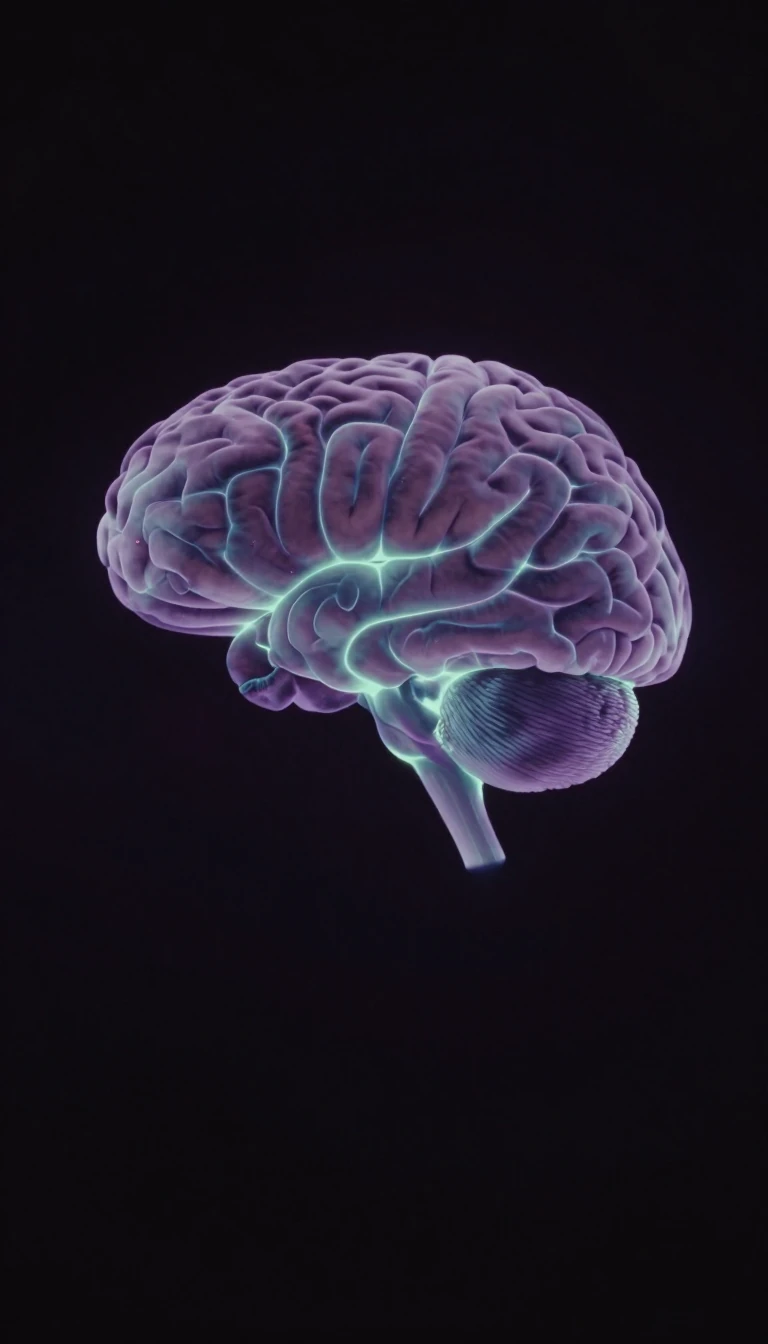 The medulla oblongata is the tiny, vital control center keeping you alive right now.Measuring only about 1.1 inches long, this small structure at the base of your brainstem acts as an automatic pilot for your body. It manages essential, involuntary life functions…
 Medulloblastoma is a fast-growing brain tumor that requires precise genetic classification for effective treatment.As the most common cancerous brain tumor in children, medulloblastoma originates in the cerebellum, the brain's center for balance and coordination. While once viewed as a single …
 Why traditional healthcare systems often fail to reach men effectivelyMen consistently experience worse health outcomes than women, yet they are notoriously difficult to recruit for traditional medical services. By leveraging community-based initiat…
- Why meningococcal vaccines are shifting from simple protection to complex, multi-strain defense systemsMeningococcal disease, caused by the bacterium Neisseria meningitidis, is a severe threat that has spurred decades of vaccine innovation. From early polysaccharide shots to modern…
 Can a reusable silicone cup replace traditional pads and tampons for menstrual hygiene?Menstrual cups offer a sustainable, cost-effective alternative to disposable products, yet adoption remains a hurdle for many. While initial use often involves discomfort or a ste…
 The surprising evolution of the menstrual pad from battlefield bandages to modern engineeringModern menstrual pads are marvels of petroleum-derived chemistry, but their origins are surprisingly humble. Born from wood-pulp bandages used by nurses, these products have trans…
 Why metabolic syndrome is a silent threat hiding in plain sightMetabolic syndrome is not a single illness, but a cluster of conditions that significantly elevate your risk for heart disease, stroke, and type 2 diabetes. Affecting up to one-th…
 Why the metals in your body are a double-edged sword for your healthMetals are essential for life, yet they can become lethal pollutants. When toxic metals like lead or cadmium accumulate, they hijack your cellular machinery, displace vital nutrie…
- The five metatarsal bones are the architectural secret behind your ability to walk upright.These tubular bones in your forefoot do more than just connect your toes to your ankle. They form essential arches that absorb shock and distribute your body weight with every ste…
 Why midazolam is the medical world’s preferred tool for rapid, short-term sedationMidazolam is a unique benzodiazepine that acts within minutes to induce sleep and reduce anxiety. Its rapid onset and short duration make it a staple in intensive care, dentistry,…
 Are minerals just rocks? Why these chemical elements are the silent architects of life.Minerals are essential chemical elements that power your body's metabolism, yet they are not just static building blocks. From the soil that feeds our crops to the complex physiol…
 The mollusc shell is a complex biological machine, not just a simple protective casing.Beyond its role as a sturdy home, the mollusc shell is a dynamic, living structure. Secreted by a specialized organ called the mantle, it acts as a record of the animal's life, do…
 Monochromacy is the rare condition where the world is seen only in shades of grey.Most humans perceive a vibrant spectrum of colors through three types of retinal cones. Monochromacy strips this experience away, leaving individuals with either no functional con…