 Intellect Plus
Health
6,621 cards. Each one is a 40-second story with a five-minute read behind it. Page 63 of 111.
Subtopics: Ageing & longevity · Anaesthesia · Anatomy and morphology · Bacteria · Biology · Blood · Bones & muscles · Brain · Clinical trials · Consciousness · Diabetes · Diagnosis · Digestion · Dreams · Drugs and medication · Epidemiology · Ethics · Exercise · Exercise & fitness · Eyes & vision · First aid · Future Frontier · Germ theory · Global health · Health and fitness · Health, medicine and disease · Heart & circulation · History of medicine · Hormones · Hygiene · Immunology · Infection · Medical basics · Medical history · Medical procedures · Medicine · Medicines · Memory · Mental health · Mind · Morbidity · Neuroscience · Nutrition · Pandemics & epidemics · Psychiatry · Public health · Researched · Skin & hair · Sleep · Surgery · Teeth & dentistry · Vaccines · Vitamins
 Fungi launch their spores with an acceleration of 10,000 times the force of gravityThe basidium is a microscopic pedestal that acts as a launchpad for fungal reproduction. By orchestrating a precise dance of water condensation and surface tension, these structur…
 The rarest white blood cell in your body is a master of allergic chaosBasophils make up less than one percent of your white blood cells, yet they act as powerful orchestrators of your immune system. These elusive cells store inflammatory chemicals l…
 From toothaches to illicit markets, the surprising versatility of the anesthetic benzocaineFirst synthesized in 1890, benzocaine is a ubiquitous local anesthetic found in everything from cough drops to condoms. While generally safe when used as directed, its ability to …
 The world's fourth most popular psychoactive substance is a hidden global health crisisUsed by 600 million people, betel nut is a potent stimulant that ranks just behind tobacco, alcohol, and caffeine. While deeply rooted in cultural traditions across the Asia-Pacif…
 The biceps is not just for flexing; it is a sophisticated forearm rotator.While often viewed as a simple symbol of strength, the biceps brachii is a complex two-headed muscle that performs far more than basic elbow curls. It is a powerful supinator, ess…
 Biotin is essential for energy, but those beauty supplement claims are mostly marketing hype.Biotin, or vitamin B7, is a vital co-factor that helps your body convert food into energy. While it has a massive reputation for transforming hair and nails, scientific evidence f…
 Bipolar I disorder is defined by the occurrence of at least one manic episode.Bipolar I disorder is a complex mental health condition characterized by extreme mood swings, ranging from severe mania to deep depression. While the exact cause remains unknown, …
 The bird wing is a masterclass in evolutionary engineering and structural adaptationBird wings are more than simple flight appendages; they are highly specialized forelimbs that have undergone dramatic transformations. From the high-speed maneuvers of falcons to …
 Why your tongue is a high-stakes chemical sensor evolved to keep you aliveBitter taste is not just a flavor preference; it is a critical survival mechanism. By detecting toxins in food, bitter taste receptors allow animals to avoid poisoning. These rece…
 Your body is a high-output factory producing billions of blood cells every single day.Blood cells are not just floating in your veins; they are manufactured in a continuous, high-speed process within your bones. From oxygen-carrying red cells to immune-defending wh…
 Why doctors draw blood into bottles to hunt for invisible, life-threatening infectionsWhen a patient shows signs of sepsis, every minute counts. Doctors use blood cultures to capture and grow microscopic pathogens, turning an invisible threat into a targetable enem…
 Why your blood donation might be more complex than a simple pint of redBlood donation is a global life-saving operation, yet it is far from uniform. From the specific anticoagulants used to preserve cells to the evolving eligibility criteria for dono…
 When common microbes turn deadly: the hidden mechanics of bloodstream infectionsBloodstream infections are more than just bacteria in the blood; they are a high-stakes battle between invading pathogens and your immune system. While transient microbes are usua…
 Blurred vision is more than just a need for glasses; it is a vital signal.When your vision loses its precision, it is rarely just a minor annoyance. While often linked to simple refractive errors, blurred sight can be a critical early warning sign for s…
 The human body is a complex biological machine built from trillions of specialized cells.Beyond our familiar anatomy lies a sophisticated architecture of water, proteins, and minerals. While we share a vertebrate blueprint with other animals, our unique bipedal postur…
 Your body is a collection of fluid-filled compartments designed to protect your internal organs.Human anatomy is organized into distinct, fluid-filled spaces called body cavities. These compartments do more than just house your organs; they provide the necessary room for you…
 You are mostly water, but where exactly is all that fluid hiding inside you?The human body is a complex landscape of liquid compartments, with water accounting for over half of your total weight. While we often think of blood as our primary fluid, it repr…
- Your body is a forest of five million follicles, most of them invisible.Beyond the hair on your head, your skin is covered in millions of tiny, often unseen follicles. While we obsess over scalp growth, these hidden structures follow precise biologica…
 Why your brain may struggle to accurately perceive the shape of your own bodyBody image disturbance is more than just dissatisfaction; it is a complex, multifaceted condition where perception of one's own size and shape becomes distorted. While often linke…
 Are bone tumors always cancer, or is there more to the story?Bone tumors are often misunderstood as a singular, inevitable diagnosis. While they can be malignant, many are benign, and others are actually secondary growths from cancers elsew…
 Why the architecture of a branch dictates the survival strategy of a shrubBranches are more than just woody appendages; they are complex hierarchical systems that dictate how a plant allocates resources. By analyzing the branching order of mountain shru…
 How do bronchodilators actually work to keep your airways open and breathing easy?Bronchodilators are essential tools for managing lung conditions like asthma and COPD, but they are not all the same. By targeting specific receptors in your airway muscles, these…
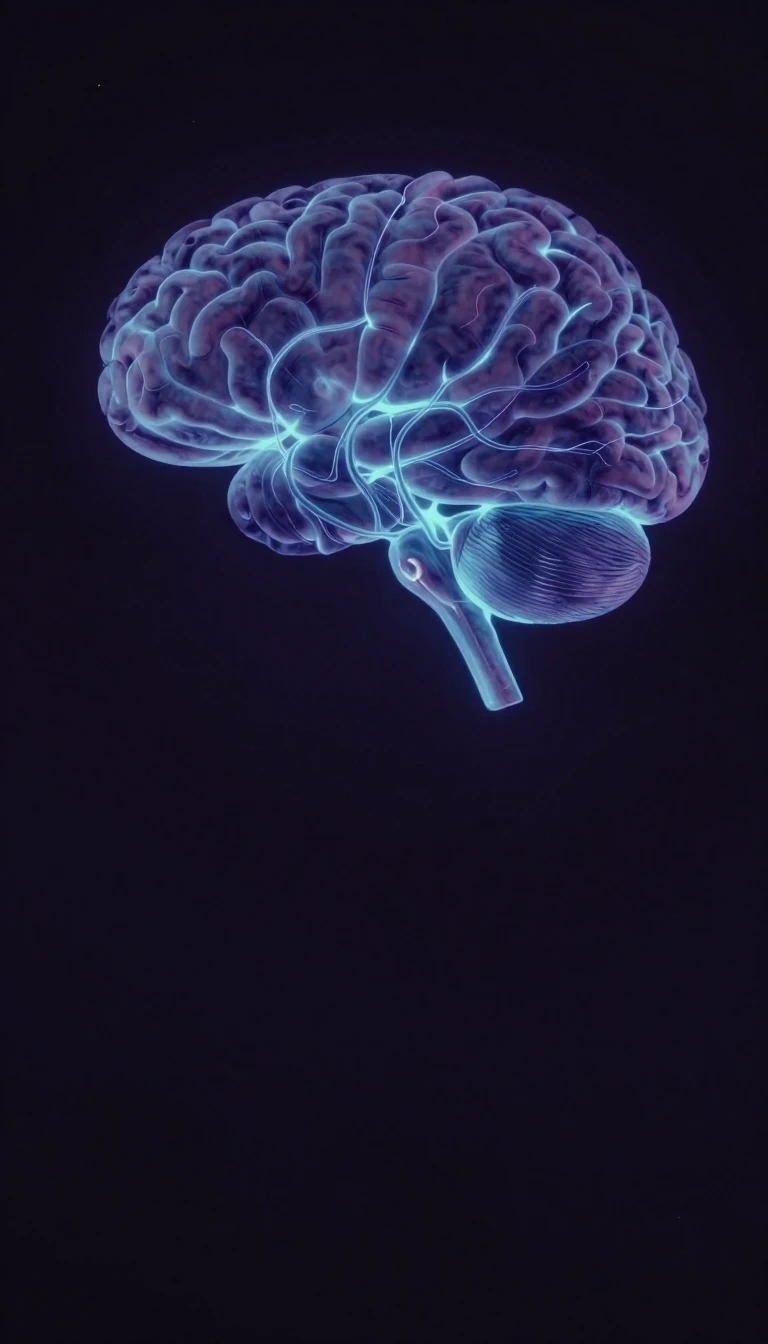 Why do humans have brow ridges and what do they actually do for us?The bony ridge above your eyes is a remnant of our primate past, but its purpose remains a subject of intense scientific debate. While once thought to be a simple protective shiel…
 Beyond the Garden: How Buds Shape Both Botanical Growth and Cellular ArchitectureA bud is more than a dormant flower waiting for spring. In botany, these embryonic shoots serve as the blueprint for a plant's entire structure. Simultaneously, in the microscopic…
 Beyond the garden, the term bulb describes everything from plant organs to brain structures.In botany, a bulb is a specialized underground stem designed for survival. Yet, the term also appears in neuroscience and medicine, describing distinct anatomical structures in th…
 Why your glutes are the secret to sitting comfortably without needing specialized callositiesHumans lack the specialized ischial callosities found in primates, which allow them to sleep on thin branches. Instead, we rely on our massive gluteal muscles and subcutaneous fat…
 Beyond the itch: The surprising history and modern evolution of calamine lotionFor centuries, this pink staple has been the go-to remedy for everything from insect bites to poison ivy. While you likely know it as a simple soothing lotion, its origins trace b…
 Your calf is more than just a muscle; it is a complex biological engine.The calf is a powerhouse of the lower leg, composed of two primary muscles that drive your ability to walk, run, and jump. While often overlooked until a cramp strikes, this anato…
 Why your medicine cabinet is filled with two distinct types of gel shellsPharmaceutical capsules are more than just pill coatings; they are sophisticated delivery systems. Whether hard-shelled or soft-gel, these containers use precise chemistry to prot…
 When the heart fails to pump, cardiogenic shock turns a heart attack deadly.Cardiogenic shock is a rare but life-threatening complication where the heart suddenly loses its ability to circulate enough blood to sustain the body. Often triggered by a severe…
 From hot iron to electric current: the evolution of burning tissue to healFor millennia, healers used fire to seal wounds and stop bleeding. Today, we have replaced the branding iron with precise electrical currents and chemical agents. While modern met…
 The cecum is a blind-ended pouch that marks the start of your large intestine.Often overshadowed by its famous attachment, the appendix, the cecum is a vital anatomical junction. This pouch receives undigested material from the small intestine, acting as a …
 Can a decades-old antibiotic outperform modern standards for treating stubborn bone and joint infections?Cefazolin, a first-generation antibiotic patented in 1967, is gaining renewed attention as a primary treatment for methicillin-susceptible Staphylococcus aureus. While traditional…
 The solar plexus is a nerve hub that can be silenced to stop painDeep in your abdomen lies the celiac plexus, a complex network of nerves relaying sensory signals from your pancreas and liver to your brain. When chronic pain from conditions lik…
 The Indestructible Beak: How Cephalopods Use Chitin to Dominate the Ocean's Food ChainCephalopods possess a unique, scissor-like beak made of chitin and cross-linked proteins. These structures are so durable that they often remain as the only identifiable trace of …
 From a Sardinian sewer to global medicine: the accidental history of cephalosporin antibioticsDiscovered in a Sardinian sewer in 1945, cephalosporins revolutionized medicine by offering a potent alternative to penicillin. These beta-lactam antibiotics disrupt bacterial cel…
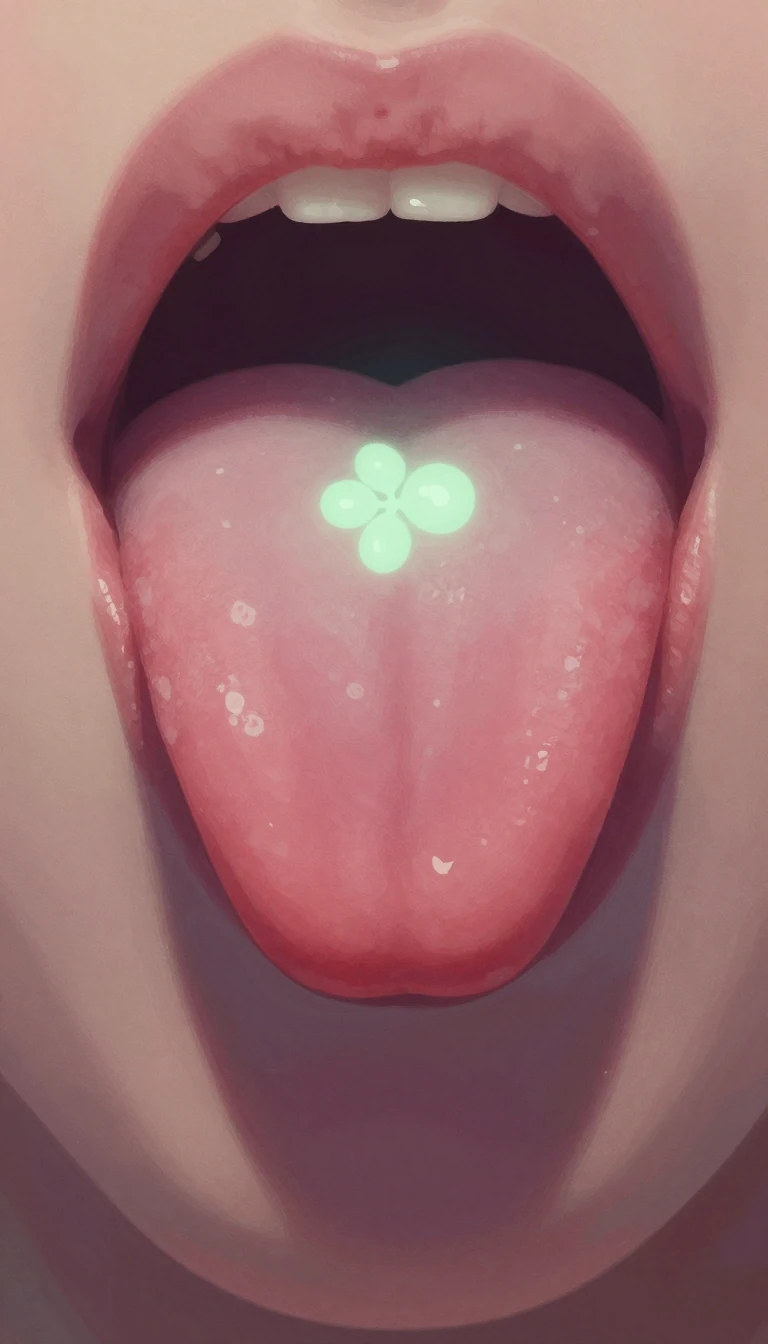 Beyond the smile: Why your cheeks are more than just a facial featureThe human cheek is a complex anatomical structure that does far more than hold a smile. From acting as a critical barrier during chewing to serving as the primary site for modern …
 Why are humans the only animals on Earth to possess a bony chin?The human chin is a biological anomaly. While our closest primate relatives, such as chimpanzees and gorillas, have jaws that slope backward, humans possess a distinct bony protru…
 Chinese herbology is a vast, ancient system that often defies modern scientific scrutiny.Far from just plants, Chinese materia medica encompasses minerals, animal parts, and even human-derived substances. While these traditions date back millennia, modern researchers …
 A 1934 discovery remains a cornerstone of medicine, despite its complex and toxic history.Discovered in 1934, chloroquine revolutionized malaria treatment before finding a second life in managing autoimmune conditions like lupus and rheumatoid arthritis. Yet, this synt…
 When someone is choking, your instinct to reach into their mouth is usually wrong.A sudden airway blockage can turn a meal into a life-threatening emergency in seconds. While panic is the natural response, effective intervention requires specific, calm actions.…
 Chronic pain is a complex, persistent condition that affects more people than heart disease.Chronic pain is defined as pain lasting beyond three months, often persisting long after an initial injury has healed. It is a pervasive, multifactorial challenge that impacts wor…
 Why some pigs survive classical swine fever while others succumb to the virusClassical swine fever is a highly contagious, often fatal disease that threatens global pork production. While traditional control relies on slaughter and biosecurity, new researc…
 Claustrophobia is more than just a fear of small, enclosed spaces.While often dismissed as a simple dislike of tight spots, claustrophobia is a complex anxiety disorder affecting about 10% of the UK population. It can trigger severe panic attack…
 Beyond the Pincer: The Complex Biology and Engineering of the Animal ClawA claw is more than a simple hook; it is a sophisticated biological tool made of keratin, engineered for climbing, hunting, and defense. From the retractile blades of a cat to the…
 The clinic is a medical chameleon, evolving from bedside care to global health infrastructure.The word clinic traces back to the Greek term for a bed, originally describing physicians who visited patients in their homes. Today, the term encompasses everything from rural mo…
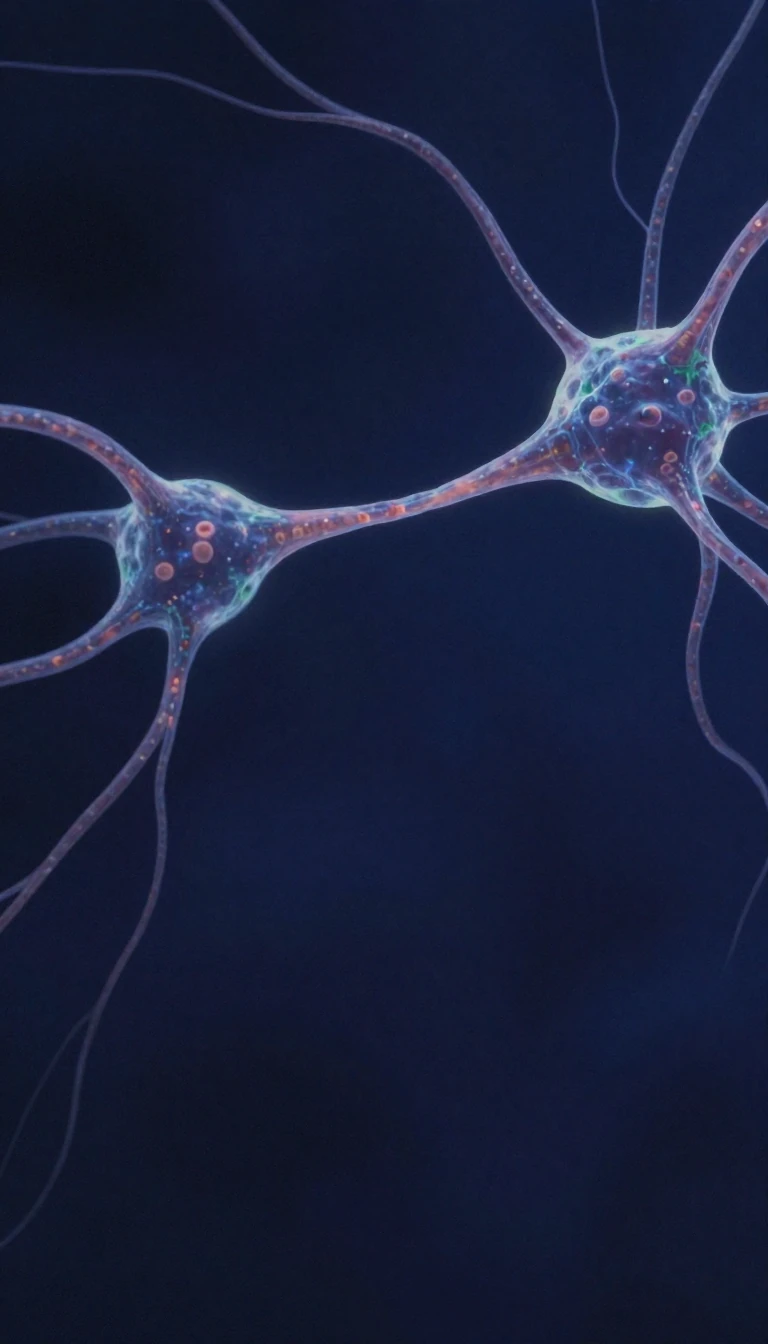 Clinical neuroscience bridges the gap between laboratory discovery and patient care at the bedside.Clinical neuroscience is an interdisciplinary field dedicated to understanding the nervous system in both health and disease. By uniting basic scientists, neurologists, and psychi…
- Clomipramine is a potent psychiatric tool with a complex, often misunderstood biological mechanismDiscovered in 1964, clomipramine remains a cornerstone treatment for obsessive-compulsive disorder. While it is often more effective than modern alternatives, its broad impact on …
- Your inner ear contains a tiny, snail-shaped biological machine that translates sound into electricity.Deep inside your skull lies the cochlea, a spiral-shaped bone structure that acts as the body's primary sound processor. By converting mechanical vibrations into electrical signal…
 Beyond grooming, the humble comb has shaped human history, music, and forensic science.From Neolithic tools to the inspiration for the kazoo, the comb is far more than a bathroom accessory. While we use them to style hair, these ancient instruments have served as in…
 That stubborn blackhead is not dirt; it is a complex biological plug in your skin.Often dismissed as a hygiene failure, a comedo is actually a clogged hair follicle where oil and skin debris have trapped themselves. Whether open to the air as a blackhead or sea…
- A complete blood count is the most common medical test for your internal health.A simple blood draw provides a comprehensive snapshot of your body's cellular health. By measuring red cells, white cells, and platelets, this routine test reveals everything from…
- Is complex PTSD a distinct condition or a severe form of standard trauma?While standard PTSD often follows a single, acute event, complex post-traumatic stress disorder emerges from prolonged, repetitive trauma. This condition, which experts estimate m…
- Why your doctor orders a comprehensive metabolic panel during your routine physical examA comprehensive metabolic panel is a standard blood test that measures 14 different substances to provide a snapshot of your internal health. By analyzing electrolytes, proteins, …
 Is conduct disorder a mental illness or just extreme adolescent rebellion?Conduct disorder involves a persistent pattern of aggression, rule-breaking, and a lack of empathy that goes beyond typical teenage defiance. While researchers are still debating …
 Beyond the pine tree: the complex, ancient, and often hidden lives of botanical cones.Botanical cones are far more than simple woody ornaments. These seed-bearing organs, or strobili, are sophisticated reproductive structures that have evolved over hundreds of mill…
- Congenital heart defects are the most common birth defect, affecting nearly 1% of all infants.A congenital heart defect is a structural problem present at birth, occurring when the heart or blood vessels fail to form correctly in utero. While some cases are simple and reso…
- You inhale at least 40 fungal spores every hour, but most are harmless.Conidia are asexual, non-motile fungal spores designed for dispersal. While they are constantly present in the air we breathe, these microscopic travelers are usually benign. Howe…
- Is your red eye contagious or just an allergy? Here is how to tell.Conjunctivitis, or pink eye, turns your eyes red and gritty, but not all cases are the same. While some forms spread easily through touch, others are merely allergic reactions to …
 Constipation is rarely a disease itself, but it can signal deeper health issues.While often dismissed as a minor inconvenience, constipation is a common, complex condition that affects people of all ages. Whether caused by lifestyle habits or underlying medic…