 Intellect Plus
Health
6,621 cards. Each one is a 40-second story with a five-minute read behind it. Page 64 of 111.
Subtopics: Ageing & longevity · Anaesthesia · Anatomy and morphology · Bacteria · Biology · Blood · Bones & muscles · Brain · Clinical trials · Consciousness · Diabetes · Diagnosis · Digestion · Dreams · Drugs and medication · Epidemiology · Ethics · Exercise · Exercise & fitness · Eyes & vision · First aid · Future Frontier · Germ theory · Global health · Health and fitness · Health, medicine and disease · Heart & circulation · History of medicine · Hormones · Hygiene · Immunology · Infection · Medical basics · Medical history · Medical procedures · Medicine · Medicines · Memory · Mental health · Mind · Morbidity · Neuroscience · Nutrition · Pandemics & epidemics · Psychiatry · Public health · Researched · Skin & hair · Sleep · Surgery · Teeth & dentistry · Vaccines · Vitamins
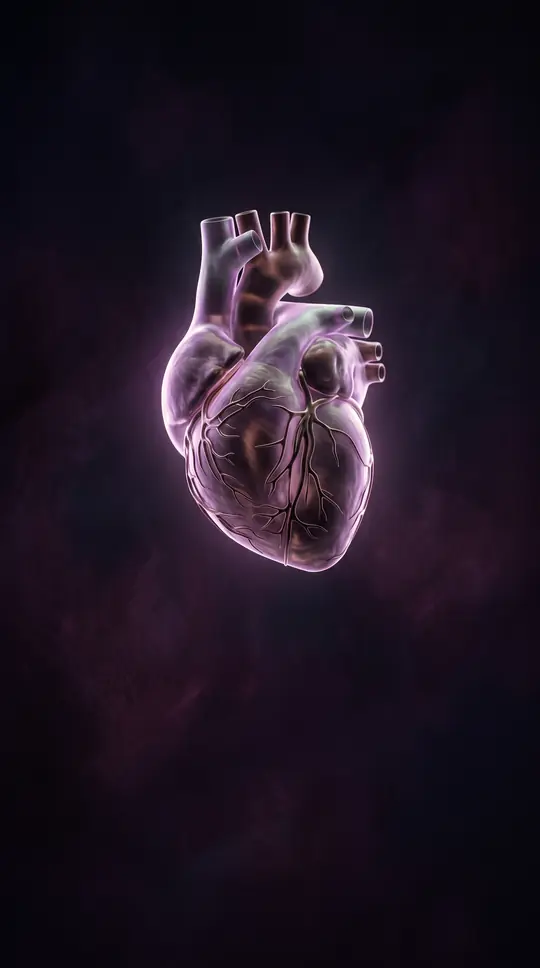 Coronary artery bypass surgery reroutes blood flow to save heart muscle from permanent damage.When coronary arteries narrow due to fatty buildup, the heart struggles to receive essential oxygen. Coronary artery bypass graft surgery, or CABG, creates a new path for blood by…
 The plant cortex is far more than just a simple layer of cells.Tucked between a plant's outer skin and its internal plumbing lies the cortex, a versatile tissue that does everything from storing starch to powering photosynthesis. Far from bei…
 Why your body forces you to cough and when you should actually worryThat persistent tickle in your throat is not just an annoyance; it is a sophisticated protective reflex designed to clear your airways of irritants and pathogens. While most cough…
- The virus that saved humanity from smallpox is not actually what we think it isCowpox is famous for its role in the eradication of smallpox, yet the virus used in vaccines today is not cowpox at all. This zoonotic disease, typically carried by woodland roden…
 Twelve pairs of nerves connect your brain directly to the world around youYour cranial nerves are the essential bridge between your brain and your senses. These twelve paired structures control everything from your ability to smell and see to the moveme…
 A dental crown is a protective cap designed to restore a damaged tooth's function.When a tooth is broken, decayed, or weakened by root canal treatment, a crown acts as a permanent shield. By completely covering the natural tooth structure, this custom-made rest…
 Why the classic crunch might be doing more harm than good for your coreThe crunch is a staple of home workouts, praised for its simplicity and accessibility. Yet, biomechanics experts and recent clinical research suggest this popular movement is ofte…
 What does it actually mean to be cured of a disease?We often use the word cure as if it were a simple binary switch, but medicine treats it as a complex statistical goal. A cure is not always a total biological reset; it is often a…
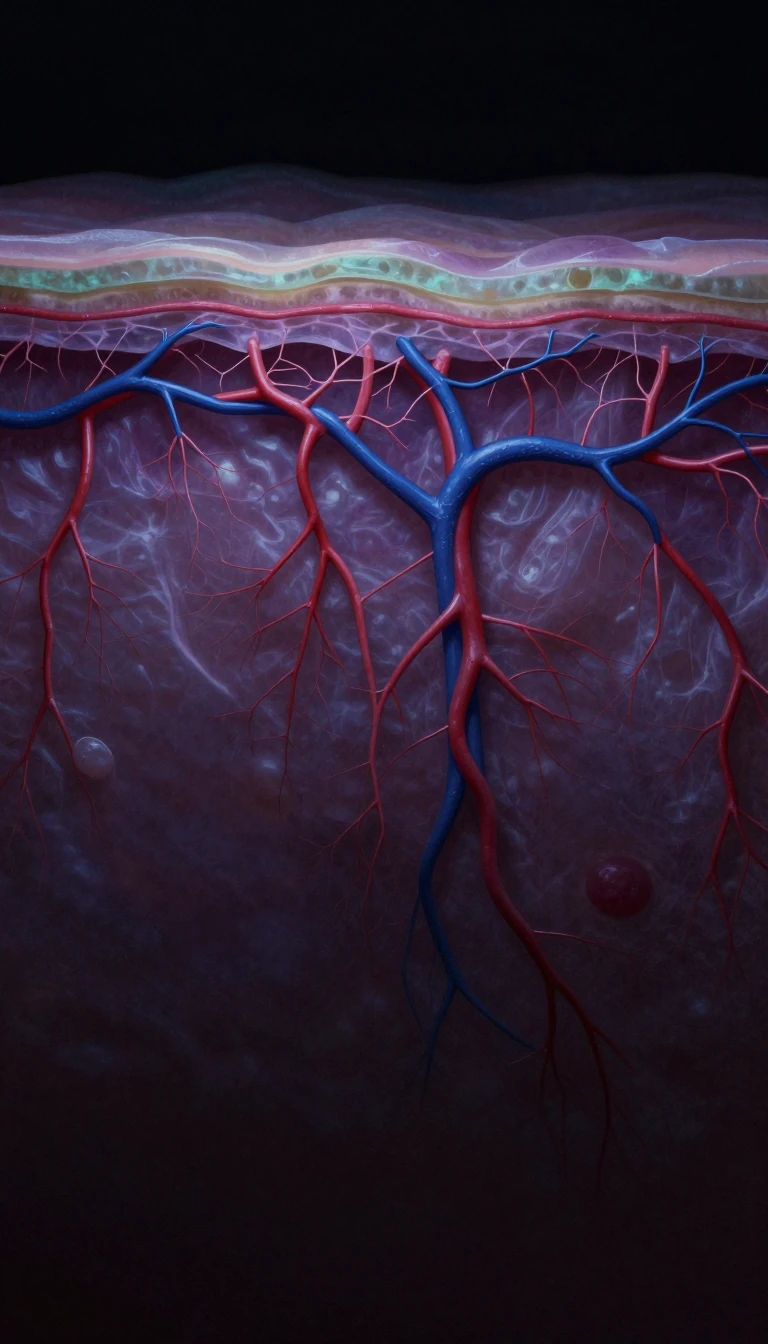 Why your skin turns blue and when that color change signals a medical emergencyCyanosis is the medical term for a blue or grey tint to your skin, lips, or nails. While sometimes caused by cold weather, it often signals that your blood lacks sufficient oxygen…
 Cysticercosis is a leading cause of preventable epilepsy, yet it remains widely misunderstood.You cannot catch cysticercosis from eating undercooked pork. Instead, this parasitic infection arises when you accidentally ingest eggs from the tapeworm Taenia solium, often via …
 The deadlift is more than just picking up heavy things from the floor.Mastering the deadlift requires precise biomechanical coordination, from the initial setup to the final lockout. Whether you are a powerlifter or a strongman competitor, the movem…
 Why nearly 2.5 billion people are projected to experience hearing loss by 2050Hearing loss is a global health challenge affecting over 430 million people today. While often viewed through a medical lens, it spans a spectrum from mild difficulty to profound …
 Beyond the scalpel: how medicine clears away dead tissue to spark healingDebridement is the essential medical practice of clearing away compromised or necrotic tissue to allow healthy cells to regenerate. While surgeons often use sharp instruments, the…
 Thirst is a deceptive signal, often failing to warn you of dangerous fluid loss.Dehydration is not merely feeling thirsty; it is a physiological state where your body loses more fluid than it replaces, disrupting essential functions. While often dismissed as …
 Your deltoid muscles are the powerhouse behind every overhead movement you make daily.The deltoid is the prominent muscle forming your shoulder's rounded contour, essential for lifting, rotating, and stabilizing your arm. While often taken for granted, this complex…
 Dendritic cells are the immune system's master messengers, bridging innate and adaptive defenses.Named for their tree-like branches, dendritic cells act as the body's sentinels. They constantly sample their environment for pathogens, process the information, and migrate to ly…
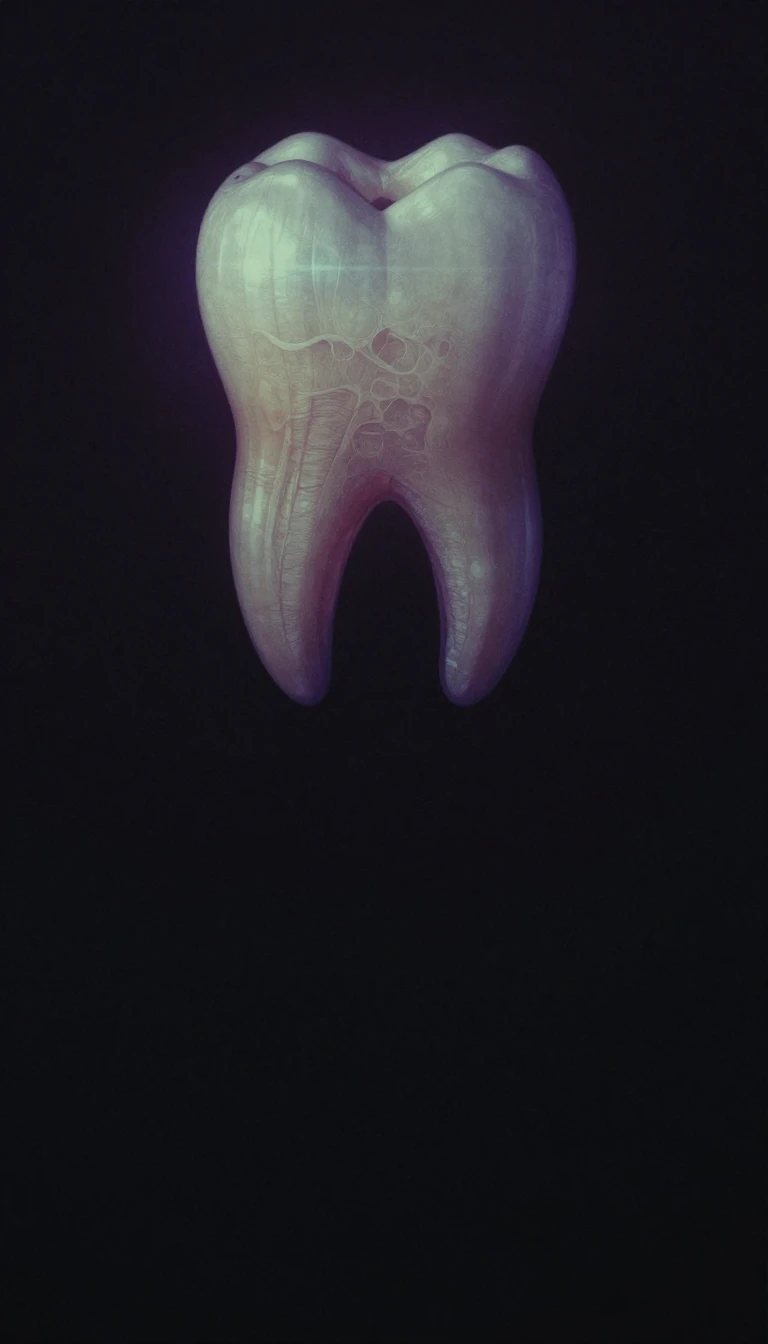 A knocked-out tooth is a race against time to save the periodontal ligament.When a permanent tooth is fully displaced from its socket, every minute counts. The survival of the periodontal ligament cells on the root surface determines whether the tooth can…
- How tiny amounts of pressure can physically reshape your jaw and teeth over timeDental braces do more than just straighten a smile; they trigger a complex biological process called bone remodeling. By applying constant, calculated pressure, these devices forc…
- Why dental extraction is more than just pulling a tooth from its socketRemoving a tooth is a precise mechanical process involving specialized instruments, local anesthesia, and careful tissue management. While often routine, the procedure requires a …
 Is daily flossing actually necessary for your oral health or just a persistent myth?For decades, dental professionals have urged us to floss daily to prevent gum disease. Yet, recent systematic reviews suggest the scientific evidence supporting this habit is surp…
 Can ceramic dental implants match the reliability of traditional titanium fixtures in your jaw?Dental implants rely on osseointegration, a biological process where bone fuses to materials like titanium or zirconia. While titanium is the standard, recent research into two-pi…
- Dental plaque is a living, breathing, and highly organized community inside your mouthYou might think of plaque as simple grime, but it is actually a complex, structured biofilm. Within minutes of brushing, a microscopic ecosystem begins to colonize your teeth, eve…
 When a tooth is knocked out, your immediate response determines its long-term survival.Dental trauma is a global public health concern, yet most people lack the guidance to manage it effectively. Whether dealing with a child's primary tooth or a permanent adult toot…
 From Barber-Surgeons to Modern Specialists: The Evolution of Dental CareDentistry began with barbers performing tooth extractions, but it has evolved into a highly specialized medical field. Today, dentists manage everything from complex oral surgery …
 Why your deodorant does not cause cancer, despite what that 1999 email claimed.Deodorants and antiperspirants are often targets of health myths, particularly regarding breast cancer and toxin buildup. Yet, science shows these concerns are largely unfounded. …
 Dependent personality disorder is defined by a pervasive, life-altering need for external validation.Individuals with dependent personality disorder struggle to make independent decisions, often prioritizing the needs of others to avoid abandonment. This condition, rooted in both…
 Are you confusing antidepressants with depressants? They are fundamentally different chemical tools.While antidepressants are designed to lift mood by modulating brain neurotransmitters, depressants are a distinct class of substances that slow down central nervous system activit…
 Is a chronic, gloomy outlook a distinct personality trait or a mood disorder?Depressive personality disorder, once a formal psychiatric diagnosis, remains a subject of intense debate. While it shares symptoms with conditions like dysthymia, researchers arg…
- Your dermis is more than just skin; it is the structural foundation of you.Beneath the thin surface of your epidermis lies the dermis, a thick, complex layer that acts as your body's structural anchor. From the leather-like reticular base to the finger-l…
 Developmental disorders are complex conditions that often persist from early childhood into adult life.Developmental disorders encompass a wide range of conditions, from physical coordination challenges like dyspraxia to rare genetic syndromes. While these impairments originate in …
 Beyond diet and exercise: how modern medicine manages type 2 diabetesManaging type 2 diabetes often begins with lifestyle adjustments, but when medication becomes necessary, doctors employ a sophisticated toolkit. From improving insulin sensitivity…
 From petri dishes to mass spectrometry, how do we identify the invisible killers?Diagnostic microbiology has evolved from traditional, time-consuming culture methods to rapid molecular diagnostics. While growing bacteria in a lab remains a cost-effective stapl…
 Why most mammals see the world in only two primary colorsWhile humans generally rely on three types of cone cells to perceive a full spectrum of color, most placental mammals are naturally dichromatic. This limitation, which reduces col…
 From fins to fingers: how the anatomy of digits reveals our deep evolutionary historyDigits are more than just fingers and toes. These skeletal structures, composed of phalanges, have been radically reshaped by millions of years of evolution. From the elongated wi…
 Why your 'slipped disc' is actually a structural failure of your spine's anatomyDespite the common name, spinal discs never actually slip out of place. Instead, they suffer from structural tears that allow internal material to bulge outward. While this often …
 How blood-sucking insects act as living transit hubs for deadly global pathogensDisease vectors are more than just pests; they are biological vessels that ingest, harbor, and transmit pathogens between hosts. From mosquitoes to ticks, these organisms account …
 Dissociation is a mental defense mechanism that can become a persistent, life-altering condition.Dissociation acts as a psychological shield, allowing the mind to mentally retreat from overwhelming trauma. While this response is a normal survival tactic in the short term, it …
 Why your blood vessels can suddenly stop holding the pressure needed for lifeDistributive shock is the most common form of circulatory collapse, yet it remains a complex medical emergency. It occurs when blood vessels lose their tone and become excessively…
 Why your brain struggles to map the world when you feel dizzyDizziness is often dismissed as a minor nuisance, but it is a complex neurological event. Recent research reveals that post-stroke vertigo is linked to a specific network involvin…
 Why the doctor's office remains the primary gateway for your personal health journeyThe doctor's office is more than just a room with a table; it is the fundamental hub for ambulatory care. While emergency departments handle crises, the office serves as the first…
- How to navigate your next GP appointment and make the most of limited timeDoctor consultations are often brief and asymmetric, leaving patients with unanswered questions. Preparing for your visit is essential to ensure you are heard. By understanding ho…
 Why the DPT vaccine remains a cornerstone of global public health and childhood safetyThe DPT vaccine protects against three severe illnesses: diphtheria, tetanus, and pertussis. While modern variations like acellular DTaP have reduced side effects, the vaccine con…
- Why do we group medicines into classes, and how do these categories actually work?A drug class is more than a simple label. It is a sophisticated system of categorization based on chemical structure, biological targets, or therapeutic intent. By grouping medica…
 Why the most potent medicine in the world is useless if it misses its markEven the most powerful drug fails if it cannot navigate the body's complex biochemical barriers to reach its target. Modern medicine is shifting focus from discovering new compoun…
 Why the most advanced drug discovery process is still an expensive, inefficient gambleModern medicine relies on a complex, capital-intensive hunt for new treatments. Despite massive investments and cutting-edge technology, the path from a laboratory concept to a ph…
 Why your morning coffee or avocado toast might change how your medication worksDrug interactions occur when food, supplements, or other medications alter how a drug behaves in your body. Whether by changing absorption rates or interfering with metabolism, th…
 Can legal CBD products trigger a positive result on a workplace drug test?The rapid rise of CBD and hemp oil has created a complex problem for drug testing. While these products are often marketed as THC-free, manufacturing inconsistencies and contamina…
 Why some people struggle with basic math despite having high intelligence and capability.Dyscalculia is a neurodivergent learning disorder that disrupts how the brain processes numerical concepts. While often mistaken for a lack of intelligence, it is a specific diffi…
 Why your favorite meal might suddenly taste like a mouthful of dirty penniesDysgeusia is a distortion of taste that turns familiar flavors into metallic, sour, or otherwise unpleasant experiences. While often dismissed, this condition can lead to severe m…
 Why Writing Is More Than Just Putting Pen to Paper for Some PeopleWriting is a complex neurological feat requiring fine motor control, spatial awareness, and language processing. For those with dysgraphia, this process is significantly impaired.…
 Your eardrum is a delicate biological barrier that often heals itself without medical intervention.This thin, cone-shaped membrane separates your outer ear from the middle ear, acting as a vital transducer for sound. While injuries or infections can cause it to tear, the body i…
 The elbow is a complex hinge joint designed to position your hand in space.More than just a simple hinge, the elbow is a sophisticated mechanical system connecting the humerus to the radius and ulna. It balances stability with a wide range of motion, usi…
- An embolism is a traveling blockage that can strike anywhere in your bodyAn embolism occurs when a foreign object, such as a blood clot or air bubble, lodges inside a blood vessel. While often associated with the lungs, these traveling blockages can af…
- Beyond the siren: what does it actually take to be an emergency medical technician?Emergency medical technicians are the frontline of urgent care, balancing high-speed driving with life-saving medical interventions. While often confused with paramedics, these pr…
 End-of-life care is about honoring personal values as much as managing physical symptoms.End-of-life care encompasses the final months, days, or hours of life, focusing on physical, emotional, and spiritual needs. While medical advances have created new ways to extend…
 Your body is a chemical network, not just a collection of organs and bones.The endocrine system is a silent, ductless network that regulates your existence through hormones. These chemical messengers travel directly into your blood, controlling everythin…
 The endodermis acts as a microscopic gatekeeper for everything a plant drinks.Deep within a plant's roots lies the endodermis, a tightly packed layer of cells that functions as a biological filter. By utilizing a waterproof barrier known as the Casparian st…
- Your body's hidden inner lining is a master of rapid, microscopic self-repairThe endothelium is a vast, single-cell layer lining every blood vessel in your body. While it acts as a resilient barrier, it is also surprisingly dynamic. When immune cells need …
- Your skin is a living, breathing, and constantly shedding architectural masterpiece of five layers.The epidermis is the body's thinnest layer, yet it serves as our primary shield against the outside world. This complex structure is not just a static covering; it is a dynamic, s…
 Does chronic medication use undermine the life-saving potential of emergency epinephrine during cardiac arrest?Epinephrine is the cornerstone of advanced cardiac life support, yet new research suggests that patients on chronic alpha-1 blocker therapy may face significantly worse outcomes. …