 Intellect Plus
Health
6,621 cards. Each one is a 40-second story with a five-minute read behind it. Page 71 of 111.
Subtopics: Ageing & longevity · Anaesthesia · Anatomy and morphology · Bacteria · Biology · Blood · Bones & muscles · Brain · Clinical trials · Consciousness · Diabetes · Diagnosis · Digestion · Dreams · Drugs and medication · Epidemiology · Ethics · Exercise · Exercise & fitness · Eyes & vision · First aid · Future Frontier · Germ theory · Global health · Health and fitness · Health, medicine and disease · Heart & circulation · History of medicine · Hormones · Hygiene · Immunology · Infection · Medical basics · Medical history · Medical procedures · Medicine · Medicines · Memory · Mental health · Mind · Morbidity · Neuroscience · Nutrition · Pandemics & epidemics · Psychiatry · Public health · Researched · Skin & hair · Sleep · Surgery · Teeth & dentistry · Vaccines · Vitamins
 Are tampons just simple cotton plugs, or complex medical devices with hidden risks?Tampons are more than just menstrual products; they are classified as Class II medical devices in the United States. While they offer convenience, they carry rare but serious heal…
 Beyond the emotional release, tears serve as a vital, complex biomechanical shield for vision.Tears are far more than a byproduct of feeling. They are a sophisticated, three-layered fluid system essential for optical clarity and ocular health. While we often associate them…
 Can remote monitoring replace the hospital bed for patients with chronic conditions?Telehealth is transforming home care by using digital tools to track vital signs and manage long-term conditions. By connecting patients with clinical teams through smartphones an…
 Why your hair might be falling out in handfuls after a major life stressorTelogen effluvium is a common form of temporary hair loss that forces hair follicles into a premature resting phase. While it can be alarming to lose hundreds of strands daily, th…
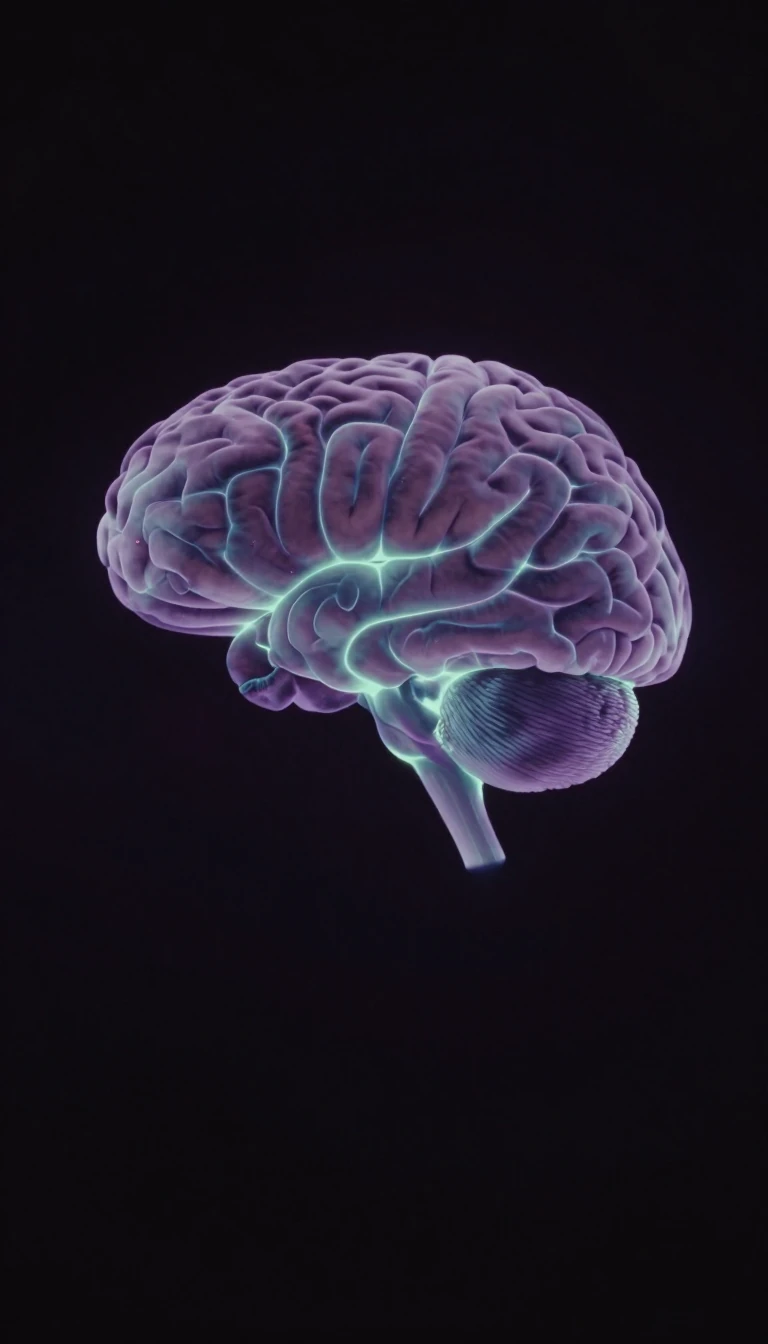 Your temporal lobes are the brain's library, emotional center, and face-recognition engine.Tucked behind your temples, the temporal lobes are the second-largest of your five brain lobes. These paired structures manage everything from the memories you can describe to the…
 Plants use sophisticated chemical sensors to avoid strangling their own kindTendrils are not just simple coils; they are highly sensitive biological machines. By combining touch-sensitive thigmotropism with complex chemical signaling, these climbing organ…
 Why your 'tennis elbow' might not be tennis-related or even an inflammationDespite the name, you do not need a racket to develop tennis elbow. This painful condition, which affects the outer elbow, is often misnamed; clinical evidence suggests it is typi…
 Why does your head feel like it is being squeezed in a tight vise?The sensation of a tightening band around your head is the hallmark of a tension headache. While often dismissed as a minor stress response, these episodes can last for days. Unde…
 Can some people see millions of colors invisible to the rest of us?Tetrachromacy is a rare condition where individuals possess a fourth type of cone cell in their retinas. While most humans rely on three color channels to perceive the world, thes…
 Why this classic antibiotic can permanently stain your teeth and why it mattersTetracycline is a powerful tool against bacterial infections, from acne to Lyme disease. Yet, this common medication comes with peculiar rules: it must be taken on an empty stomac…
- Tetracyclines are powerful antibiotics, but they can permanently change your teeth and gut health.Tetracyclines have been a medical staple since the 1940s, offering a broad-spectrum defense against various bacterial infections. Yet, these drugs come with unique caveats, from s…
 The thallus is a biological body that defies the standard definition of plant anatomy.Unlike trees or flowers, a thallus lacks true roots, stems, and leaves. Found in algae, fungi, and certain liverworts, this simple, undifferentiated structure challenges our tradi…
 Thiamine deficiency is a complex metabolic crisis that extends far beyond simple malnutrition.Often associated with alcoholism, thiamine deficiency—or beriberi—is a multifaceted condition that can strike anyone, from infants to children with digestive issues. While it hist…
 The thigh is more than just muscle; it is a complex, high-stakes biological machine.Spanning from hip to knee, the thigh is the body's powerhouse for locomotion and stability. It houses the femur, the strongest bone in existence, alongside a dense network of nerv…
 The insect thorax is a high-performance engine powering everything from flight to leaping.Far from a simple midsection, the insect thorax is a sophisticated mechanical hub. It houses the specialized muscles and skeletal structures that allow insects to achieve flight, …
- Why your throat is the most critical intersection in your entire bodyYour throat is a high-stakes junction where the paths for air and food diverge. While it is built to sustain life, it is also uniquely vulnerable to viruses, inflammation, and env…
 The diamond-shaped remedy: tracing the evolution of the modern throat lozengeOriginally diamond-shaped, the throat lozenge has evolved from ancient Egyptian honey-based remedies to complex pharmaceutical tablets. While modern versions use anesthetics and a…
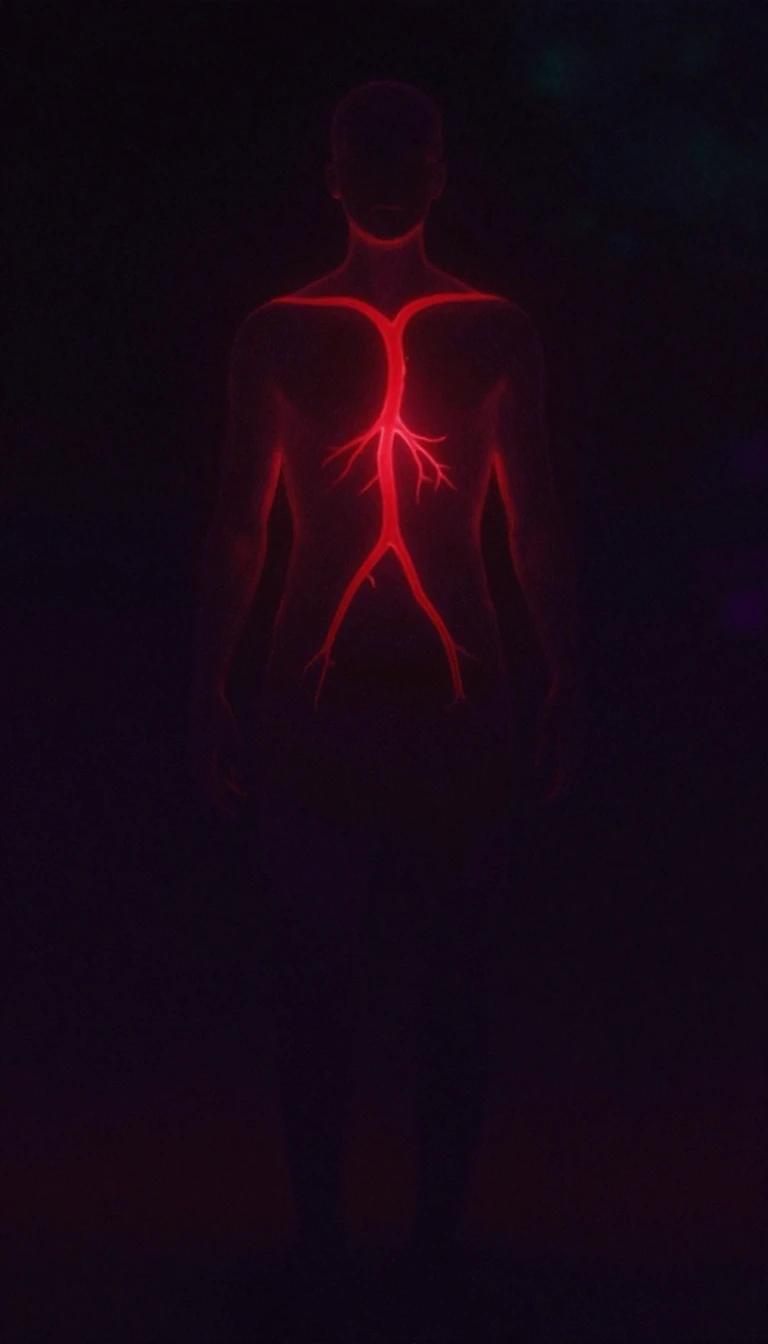 Thrombosis is the silent blockage of your circulatory system by internal blood clotsThrombosis occurs when blood clots obstruct your veins or arteries, potentially triggering life-threatening events like strokes or heart attacks. While often linked to injury or i…
 Ticks are masters of stealth, but you can outsmart them with simple habits.Ticks do not jump or fly; they wait on grass, sensing your heat and breath to hitch a ride. While most bites are painless and harmless, these parasites can transmit serious pathog…
 Tigecycline: A powerful antibiotic that fights resistant bacteria but carries a hidden riskDeveloped to combat the rise of multi-drug resistant bacteria, tigecycline is a potent glycylcycline antibiotic. While it effectively targets a broad spectrum of pathogens that de…
 Why the world fixated on toilet paper during the height of the pandemicWhen COVID-19 triggered global panic, toilet paper became the unlikely symbol of scarcity. Beyond simple necessity, this hoarding behavior was driven by a complex mix of social co…
 Why your toothpaste might be working against your teeth's natural mineral absorptionToothpaste is a complex chemical cocktail designed to polish, foam, and protect. While fluoride is the gold standard for preventing decay, recent research suggests that the very a…
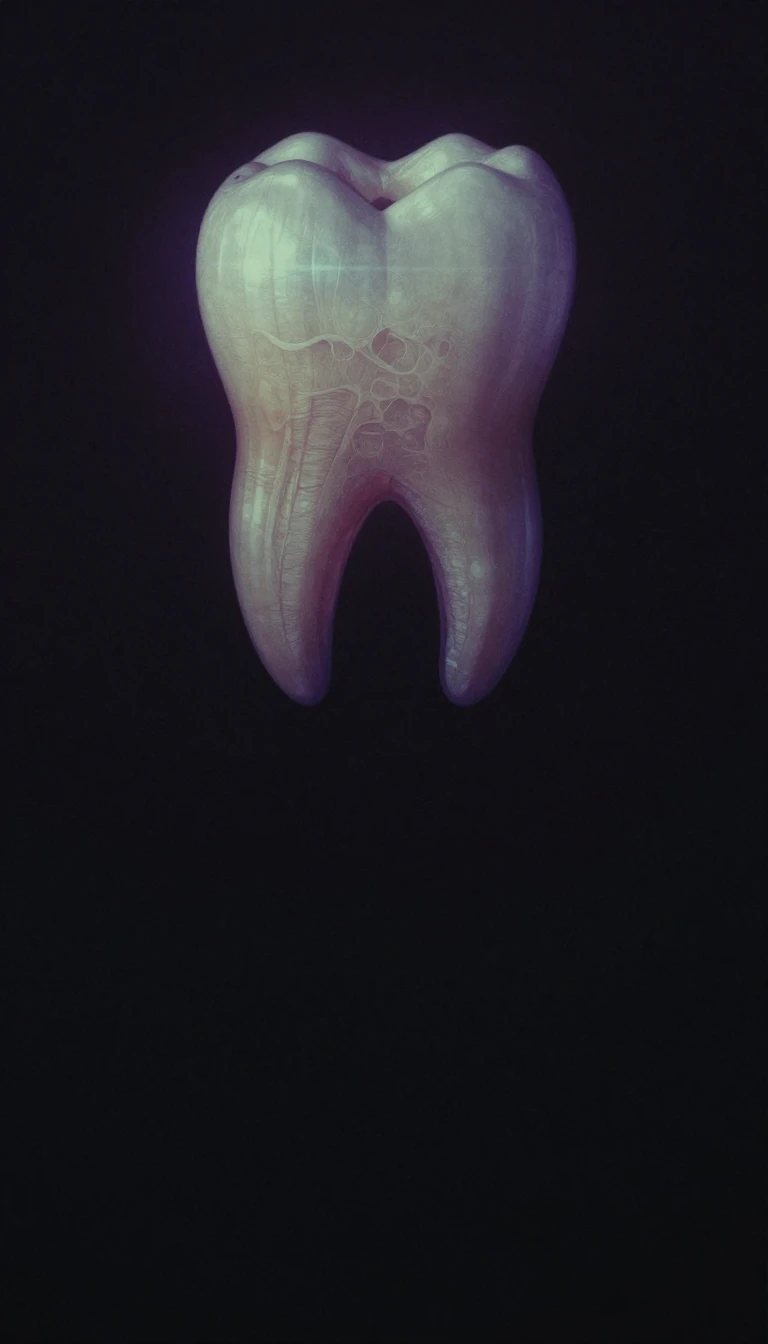 The toothpick is humanity's oldest dental tool, dating back nearly two million years.Long before modern dentistry, our ancestors were already obsessively cleaning their teeth. From prehistoric hominins to 17th-century aristocrats who wore toothpicks as jewelry, th…
 Topical medication: Why applying drugs directly to the body is more than skin deepTopical medicine is defined by its application to a specific site, but its journey into your system is complex. While these treatments offer targeted relief for conditions ranging…
- Beyond the limbs, your torso is the biological engine room of human survival.The torso is more than just a central anchor for your head and limbs. It is a complex, segmented vessel housing nearly every critical organ required for life. From the rib cage pr…
 Tourette syndrome is often misunderstood as a rare condition defined by involuntary swearing.While pop culture fixates on rare, disruptive outbursts, Tourette syndrome is a common neurodevelopmental disorder characterized by repetitive movements and sounds. Most cases are…
 Toxic injury is not just a single event but a complex biological cascadeA toxic injury occurs when you come into contact with harmful substances, but the damage is rarely uniform. From respiratory irritation to long-term neurological impairment, the e…
 The roundworm infection you catch from soil, not from other peopleToxocariasis is a parasitic infection caused by roundworms found in dog and cat feces. While many people carry the parasite without ever feeling sick, it can occasionally cause se…
- Tracheal intubation is a critical medical intervention that keeps the airway open for breathing.When illness or injury prevents a person from maintaining a clear airway, tracheal intubation provides a reliable path for oxygenation. This invasive procedure involves passing a …
- Prion diseases are fatal, mysterious brain disorders caused by misfolded proteins, not viruses or bacteria.Unlike conventional infections driven by DNA or RNA, prion diseases propagate through a bizarre, crystallization-like process where misshapen proteins force healthy ones to adopt …
 Why a trauma center is not just a busy emergency departmentA trauma center is a specialized facility designed to handle life-threatening injuries, distinct from a standard emergency room. By maintaining constant readiness for surgery, the…
- The hidden toll of healing: understanding the burnout crisis in orthopedic and trauma medicineTraumatology is more than just repairing physical wounds; it is a high-stakes field that demands immense resilience. Recent research into the lives of orthopedic and trauma physic…
 Triage is the art of sorting the wounded when resources cannot save everyone.When a disaster strikes, medical professionals must make impossible choices. Triage is the systematic process of prioritizing care to maximize survival, often under extreme scarci…
- Why your eyes need three different color sensors to see the full spectrumHumans perceive millions of colors through a complex interplay of three specific cone cell types in the retina. While most mammals rely on only two, primates evolved this trichrom…
 Are you eating a stem or a root? The hidden biology of tubersFrom the humble potato to the prized truffle, tubers are nature's ultimate survival kits. While they all serve as nutrient-dense storage organs, they are not all the same. Some ar…
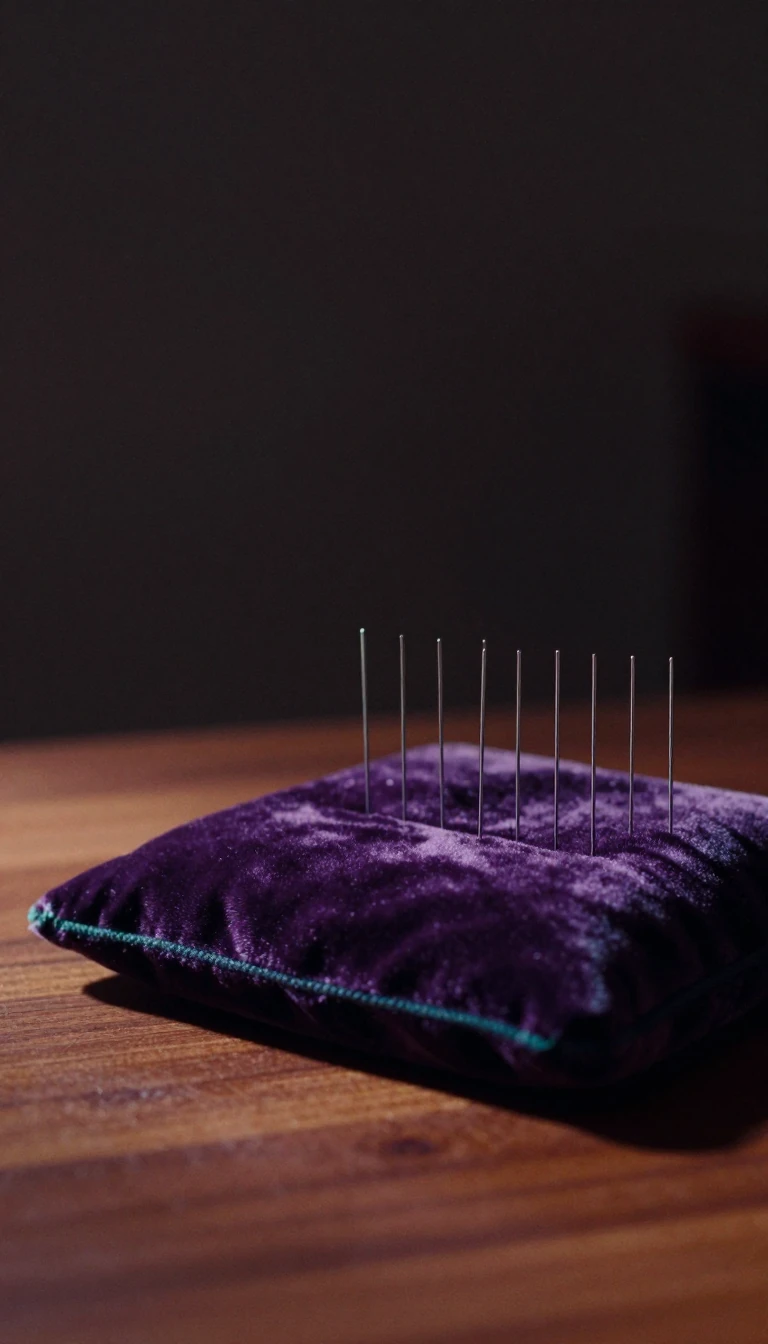 Tui na: The ancient Chinese bodywork technique that balances energy through touchRooted in Daoist principles, Tui na is a traditional Chinese body treatment that uses pushing, lifting, and squeezing to move energy through the body. While often associated with …
 The tumbleweed is not a single plant but a clever, wind-driven survival strategy.Often dismissed as a cinematic cliché for emptiness, the tumbleweed is actually a sophisticated biological mechanism. These structures are typically dead, dried-out plant parts th…
 Why do some mammals grow teeth that protrude far beyond their own mouths?Tusks are not just oversized teeth; they are specialized, continuously growing tools that serve as weapons, digging implements, and social signals. From the helical ivory of the n…
 Beyond simple branches: how twigs reveal the hidden survival strategies of coastal plantsTwigs are more than just thin branches; they are vital indicators of how plants adapt to extreme environments. By analyzing structural traits like wood density, researchers can un…
- Why a typhoid vaccine is essential for travelers visiting high-risk regions globallyTyphoid fever remains a significant health risk in specific regions across Asia, Africa, and the Americas. While vaccination provides a crucial layer of defense, it is not a total…
 The udder is a complex biological factory that transforms blood into essential milk components.An udder is far more than a simple storage vessel. It is a highly specialized organ that processes hundreds of pounds of blood to synthesize milk. From its evolutionary origins as…
 Ulcerative colitis is a lifelong condition that turns your immune system against your colon.Ulcerative colitis is a chronic inflammatory bowel disease that causes sores and swelling in the lining of the large intestine. While the exact cause remains unknown, it is widely…
 Why your tongue and stomach are both wired to crave the savory taste of umami.Umami is more than just a flavor; it is a sophisticated biological signal. Beyond the tongue, these savory receptors exist in the stomach, forming a gut-brain axis that regulates …
- Universal health care is not a single system, but a global goal for access.Universal health care is often mistaken for a single-payer model, yet most nations achieve it through diverse methods. From mandatory private insurance in Switzerland to tax-funde…
 The hidden tubes that keep your body running: a deep dive into the uretersThese two slender, muscular conduits are the unsung heroes of your urinary system. Spanning roughly 20 to 30 centimeters, they perform a rhythmic, wave-like dance called peristals…
- That dangling ball in your throat is more than just a random anatomical quirk.Your uvula is a surprisingly functional piece of anatomy, serving as a saliva factory, a speech aid, and a gatekeeper that prevents food from entering your nasal cavity. While oft…
- Why two doses of the chickenpox vaccine are better than one for lasting protectionWhile chickenpox is often dismissed as a mild childhood rite of passage, it can pose severe risks to vulnerable groups. Modern vaccination strategies have shifted toward a two-dos…
- A vasectomy is a permanent choice, but is it truly irreversible for every man?Vasectomy is a routine, minimally invasive surgery designed to block sperm, yet it remains a permanent method of contraception that is not easily reversed. While the procedure is …
- Why the left side of your heart is significantly more muscular than the rightYour heart is a double pump, but its two ventricles are not created equal. While the right ventricle handles the low-pressure task of sending blood to the lungs, the left ventricl…
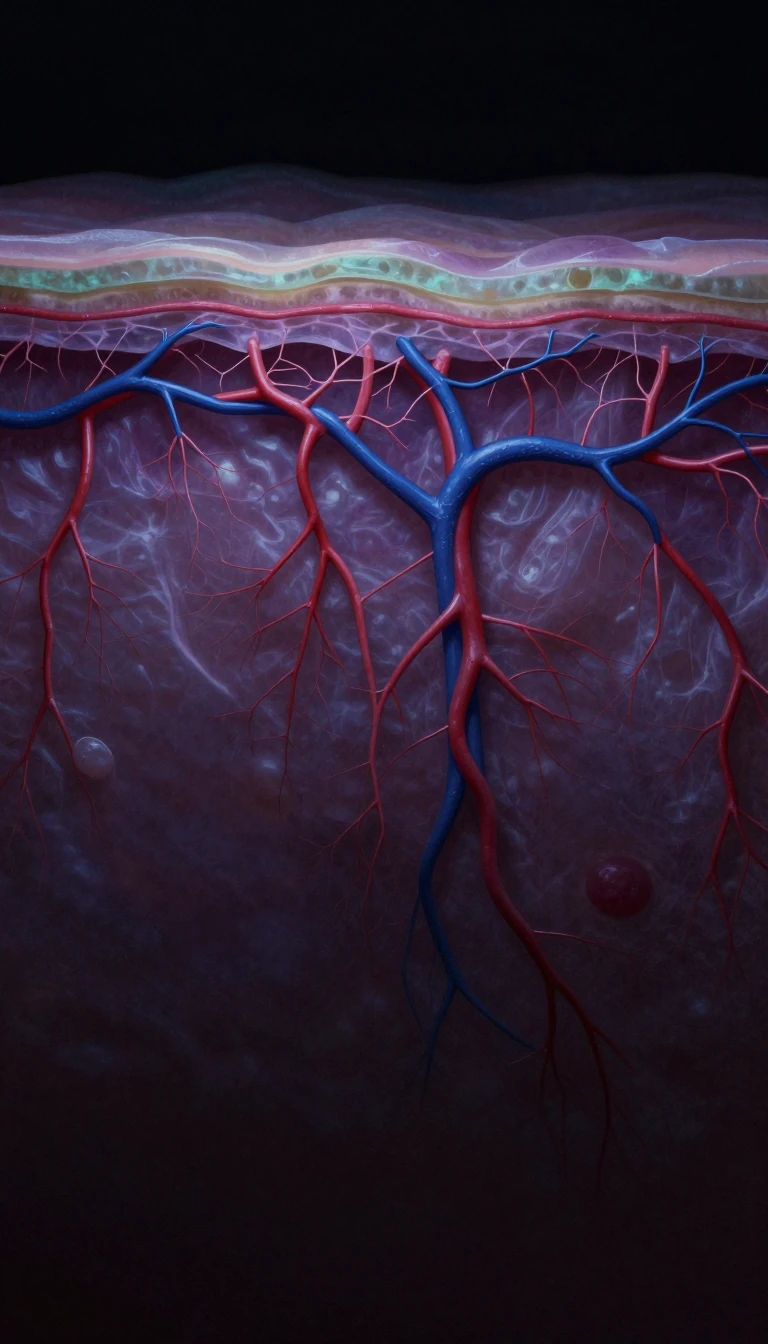 Venules are the microscopic gateways that bridge your capillary beds to the venous system.While veins are often visualized as the body's primary plumbing, they rely on a vast, microscopic network of venules to collect oxygen-depleted blood. These tiny vessels act as th…
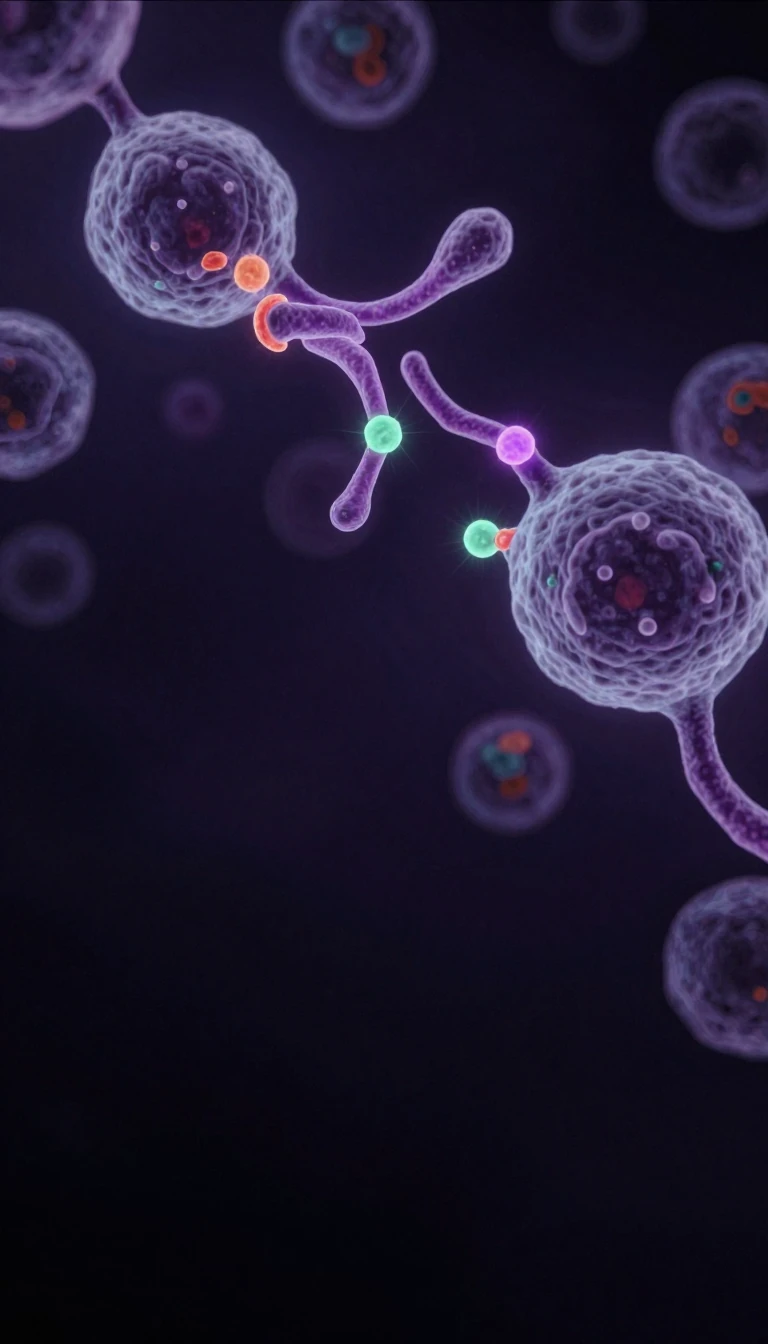 Viruses are tiny biological hijackers that turn your own cells into replication factories.A virus is not a living cell but a microscopic envelope of genetic instructions. To survive, it must break into your body, hijack your cellular machinery, and force it to mass-pro…
- Why 20/20 vision is not actually the limit of human visual performanceWe often treat 20/20 vision as the gold standard for perfect eyesight, but it is merely a baseline for normal function. In reality, many healthy individuals possess superior acuit…
 Why Vitamin B3 is essential for your cells to communicate and function properlyVitamin B3, or niacin, is a powerhouse nutrient required for over 400 distinct bodily functions. By converting into the coenzymes NAD and NADP, it helps your body turn food into e…
 Why your body only cares about one specific form of vitamin EVitamin E is not a single substance but a family of eight distinct compounds. While all share antioxidant properties, your liver is remarkably selective. It prioritizes one specif…
- Why do some people develop white patches on their skin that never go away?Vitiligo is a long-term condition where the body loses its ability to produce skin pigment. While the resulting white patches are typically permanent, the condition is not infecti…
- The vitreous body is a transparent, jelly-like structure that occupies most of your eye.This clear, semisolid gel fills the large cavity behind your lens, accounting for four-fifths of your eyeball's volume. Composed almost entirely of water, it maintains the eye's s…
 How male frogs use inflatable skin pouches to project their voices across vast distancesMost male frogs possess a flexible membrane called a vocal sac, which acts as a natural amplifier for their mating calls. By recycling air between their lungs and this elastic pou…
 Why basic water, sanitation, and hygiene are the bedrock of global public healthWASH—an acronym for water, sanitation, and hygiene—is more than a development buzzword. It is a critical infrastructure requirement for human health, school attendance, and dignit…
- Why 1.5 million people die annually from the simple act of drinking waterWaterborne diseases are not just a relic of history but a persistent global crisis. Driven by pathogens, chemical pollutants, and crumbling infrastructure, these illnesses claim 1…
 Is Wernicke's area a single brain region or a complex, shifting language network?Long considered the brain's primary center for speech comprehension, Wernicke's area is proving far more elusive than textbooks suggest. Modern imaging reveals it is not a fixed, …