 Intellect Plus
Health
6,621 cards. Each one is a 40-second story with a five-minute read behind it. Page 68 of 111.
Subtopics: Ageing & longevity · Anaesthesia · Anatomy and morphology · Bacteria · Biology · Blood · Bones & muscles · Brain · Clinical trials · Consciousness · Diabetes · Diagnosis · Digestion · Dreams · Drugs and medication · Epidemiology · Ethics · Exercise · Exercise & fitness · Eyes & vision · First aid · Future Frontier · Germ theory · Global health · Health and fitness · Health, medicine and disease · Heart & circulation · History of medicine · Hormones · Hygiene · Immunology · Infection · Medical basics · Medical history · Medical procedures · Medicine · Medicines · Memory · Mental health · Mind · Morbidity · Neuroscience · Nutrition · Pandemics & epidemics · Psychiatry · Public health · Researched · Skin & hair · Sleep · Surgery · Teeth & dentistry · Vaccines · Vitamins
 Why a mood disorder is far more than just feeling sad or blueA mood disorder is a significant mental health condition where your internal state disconnects from your actual life circumstances. Unlike fleeting sadness, these disorders are in…
 Mood stabilizers are defined by their clinical effect rather than a single biological mechanismMood stabilizers are a diverse group of medications used to manage the intense highs and lows of bipolar disorder. While they share the goal of preventing relapses and reducing sy…
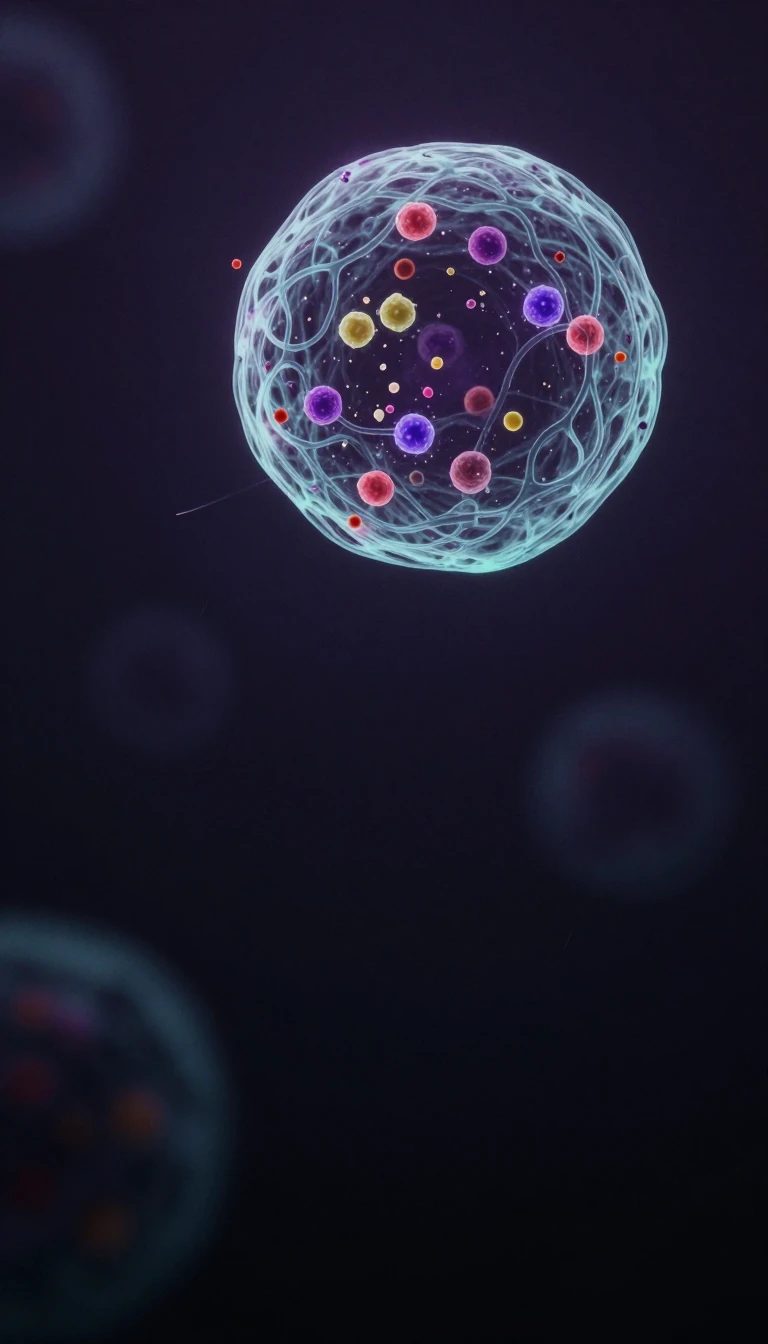 Morphology is the study of biological form, from macroscopic structures to molecular complexity.Morphology examines the size, shape, and structure of all living things. While once limited to the bones and muscles visible to the naked eye, modern morphology now uses electron …
 Why the world's deadliest animal is a tiny, buzzing, blood-seeking biological machineMosquitoes are responsible for over 700,000 deaths annually, accounting for 17% of all infectious diseases. These insects act as biological vectors, carrying viruses, bacteria, an…
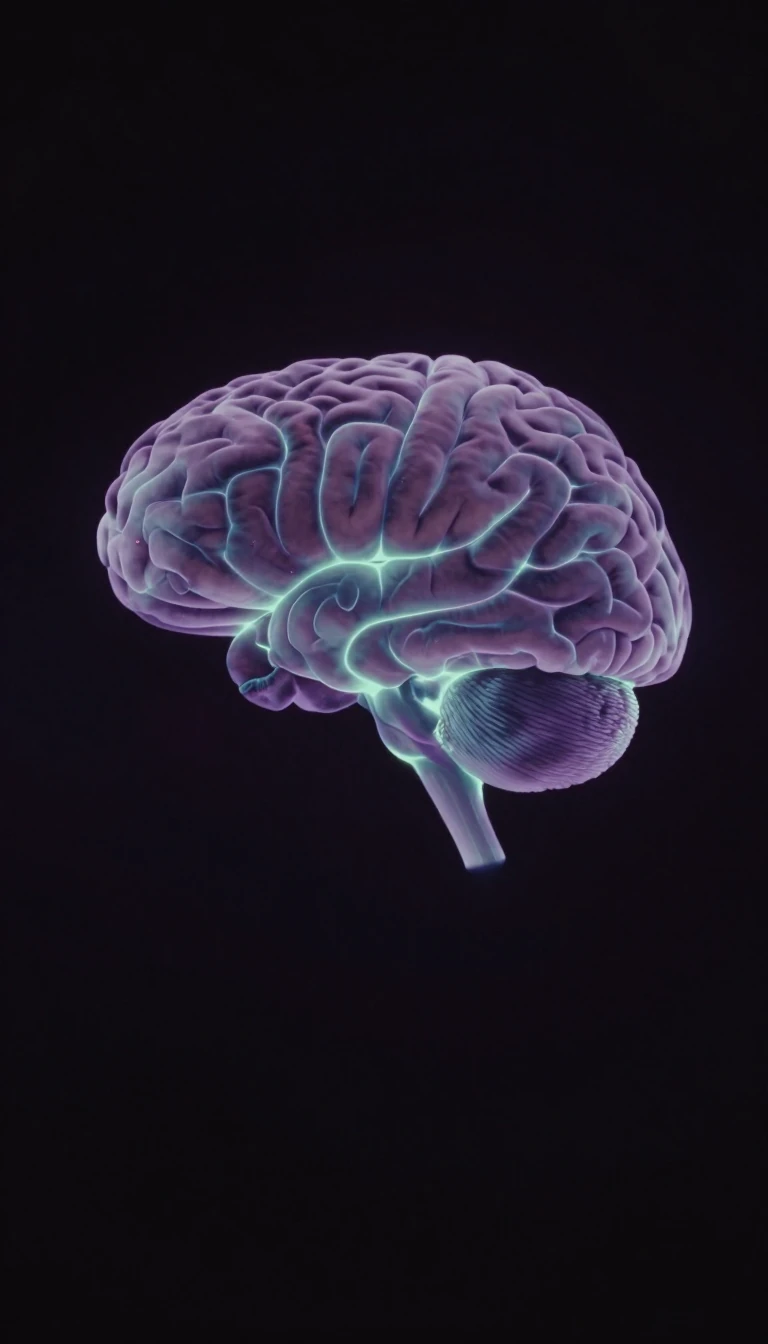 The brain's motor cortex is not just a simple command center for muscle movement.For a century, we believed the motor cortex was a linear map of the body. New research reveals a more complex, concentric organization that includes a hidden network for planning …
 Why your morning mouthwash routine might be undermining your dental healthMost people use mouthwash immediately after brushing, but this common habit actually washes away the protective fluoride your teeth desperately need. To maximize the benefits of y…
 Why some children are physically unable to speak in specific social situationsSelective mutism is not a choice or an act of defiance. It is an anxiety-driven freeze response that renders speech impossible in certain environments. While often mistaken for sh…
 Muscle pain is rarely just about muscles, often signaling deeper systemic or lifestyle issues.Myalgia, or muscle pain, is a universal human experience, yet its origins range from simple exercise strain to complex neurological and metabolic conditions. While most cases reso…
 Why the brain fails to drive muscle activity in patients with ME/CFSMyalgic encephalomyelitis/chronic fatigue syndrome is a debilitating condition defined by extreme exhaustion and post-exertional malaise. While the exact cause remains unknown, re…
 Myiasis: When Fly Larvae Turn Human and Animal Tissue Into a Living HostMyiasis is the parasitic infestation of live tissue by fly larvae. While often associated with livestock, it frequently affects humans in tropical regions. Whether through open wo…
 That sudden twitch as you drift off is usually harmless, but why does it happen?Myoclonus is a sudden, involuntary muscle movement that ranges from common hiccups to complex neurological symptoms. While most people experience these jerks while falling asleep,…
 From Ancient Tea Rituals to Modern Medical Imaging, the Napkin Has Evolved DramaticallyThe napkin is a dining staple, but its history spans from ancient Chinese tea service to a 15th-century prank about Leonardo da Vinci. Today, the term even describes a specific, h…
 Naproxen: The Versatile Painkiller That Can Also Unmask Hidden Cancerous FeversBeyond its common use for joint pain and menstrual cramps, naproxen is a powerful non-steroidal anti-inflammatory drug. Its ability to suppress inflammation is so precise that doc…
 A broken nose is rarely an emergency, but timing is everything for proper healing.Most nasal fractures heal independently within three weeks, but ignoring a crooked nose or breathing difficulties can lead to permanent changes. While home care with ice and rest …
- Natural killer cells are the immune system's rapid response team against hidden threats.Natural killer cells are innate immune warriors that patrol your body, scanning for signs of viral infection or malignancy. Unlike other immune cells that require prior sensitizat…
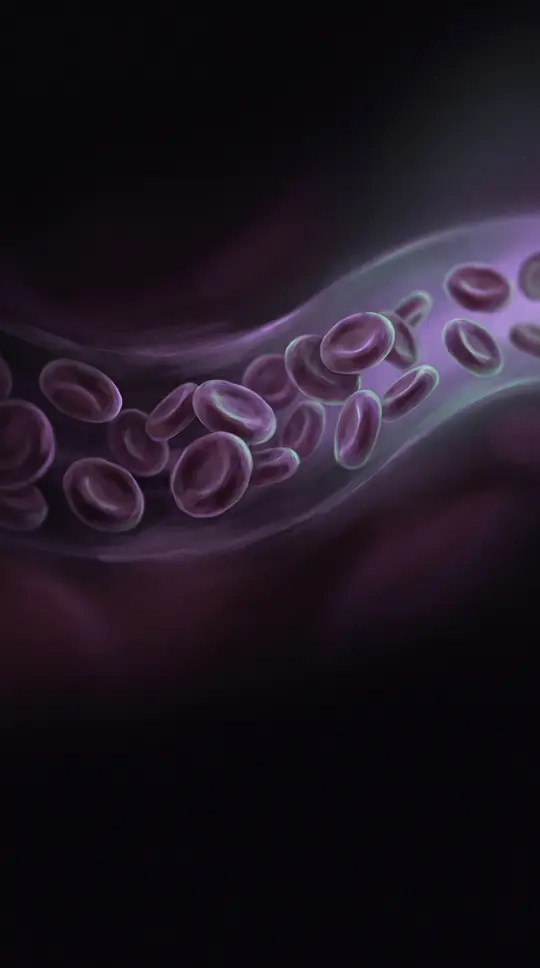 A natural reservoir is not just a place for water, but a biological sanctuary.In civil engineering, a reservoir is a man-made basin for water storage. In epidemiology, it is a living host or environment where a pathogen persists. Both concepts involve conta…
 Naturopathy: A Controversial Blend of Ancient Vitalism and Modern Medical AspirationsNaturopathy promises holistic, self-healing care, yet it remains a lightning rod for criticism. While some practitioners integrate conventional medicine, others rely on pseudoscie…
- Why do over a billion people suffer from diseases we can easily cure?Neglected tropical diseases affect more than 1.6 billion people, yet they remain sidelined by global funding agencies. While these conditions are often preventable and treatable a…
 How a Nashville physician turned an iron lung into a life-saving neonatal miracle.Before 1961, premature infants gasping for air had few options. Mildred Stahlman changed everything by adapting polio-era technology for the smallest patients. Her pioneering work…
 Most moles are harmless, but your skin's history holds vital clues about cancer riskA nevus, or mole, is simply a cluster of pigment cells. While most adults carry dozens of these spots, they are rarely cancerous. However, certain atypical moles act as markers fo…
 Why a vital nutrient was rebranded to avoid the stigma of tobaccoNicotinic acid is an essential vitamin that prevents pellagra, yet its name once caused public alarm. When flour enrichment began in 1942, headlines warned of tobacco in bread. To…
- Nipah virus is a lethal, bat-borne pathogen with a high mortality rate and pandemic potential.First identified in Malaysia in 1998, Nipah virus is a zoonotic pathogen that causes severe neurological and respiratory disease. With no licensed treatment or vaccine, it remains…
 Nitazoxanide is a versatile broad-spectrum drug that targets parasites, viruses, and potentially cancer cells.Originally discovered in the 1980s as an antiparasitic, nitazoxanide has evolved into a multi-purpose tool. Beyond treating common infections like giardiasis, this thiazolide deri…
 Why that sudden nosebleed is rarely a cause for genuine medical alarmNosebleeds, or epistaxis, are common, dramatic, and almost always harmless. While they can look frightening, the vast majority resolve without professional intervention. Understan…
- Why your nostrils take turns breathing and how they influence your mental state.Your nostrils are not just passive air vents. They operate in a rhythmic cycle, prioritizing either breathing or smelling at any given moment. This nasal cycle does more than filt…
- Why the most common personality disorder is often mistaken for a simple work ethicObsessive–compulsive personality disorder is the most prevalent personality disorder in the United States, yet it is frequently misunderstood. Unlike the anxiety-driven, intrusive…
- Obstructive shock is a mechanical emergency where the heart is fine but trapped.Obstructive shock occurs when something physically blocks blood from entering or leaving the heart. Unlike cardiogenic shock, where the heart muscle itself fails, obstructive shoc…
- Your occipital lobe is the brain's visual processor, but it does much more than see.Located at the back of your skull, the occipital lobe acts as the primary hub for visual processing. When this region malfunctions, the consequences range from total blindness to …
 Why the modern workplace requires a specialized medical guardian to protect your healthOccupational medicine is more than just workplace safety. It is a specialized field where physicians bridge the gap between clinical care and public health. By understanding both …
 Why an open fracture is a medical emergency requiring urgent multidisciplinary interventionAn open fracture is more than a broken bone; it is a high-acuity injury where the bone pierces the skin, creating a direct pathway for infection. Because these injuries often invo…
- Why the modern operating theater is a misnomer for a sterile, high-tech environmentOnce a public amphitheater where spectators watched surgeons operate in street clothes, the operating room has evolved into a highly controlled, aseptic sanctuary. Today, it is a …
 Why some germs only become dangerous when your immune system stops fighting backOpportunistic infections are pathogens that typically cause little harm to healthy people but turn life-threatening when the immune system is compromised. Whether triggered by HIV…
 Is Oppositional Defiant Disorder a medical condition or a mismatch with the environment?Oppositional defiant disorder is a recognized diagnosis defined by persistent anger, argumentativeness, and vindictiveness toward authority figures. Yet, some experts argue these …
 Why swallowing a pill is a complex journey through your digestive systemOral administration is the most common way to take medicine, but it is far from simple. While swallowing a tablet seems straightforward, the drug must survive digestive enzymes an…
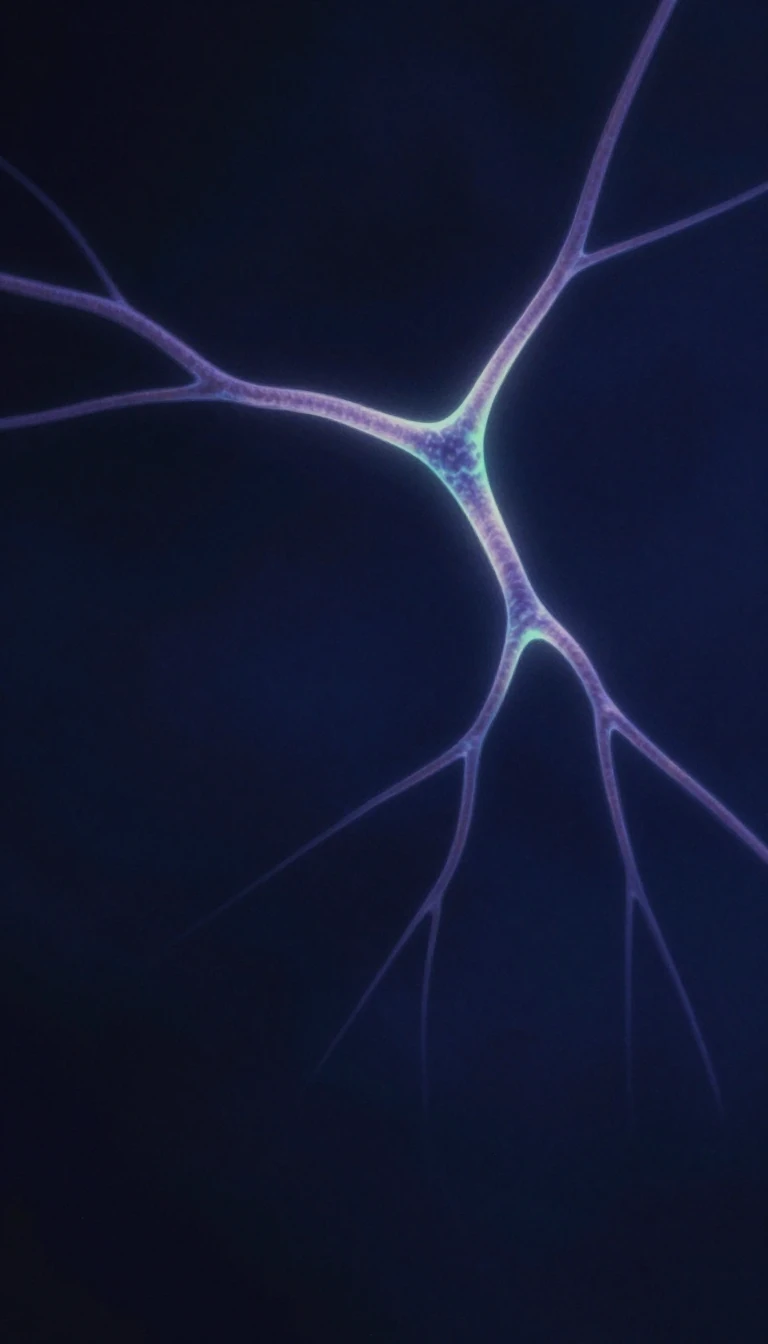 Your body is a collection of eleven specialized systems working in perfect, complex harmonyAn organ system is a biological team of organs collaborating to perform vital bodily functions. While we often think of our bodies as singular units, they are actually composed of…
 Why modern orthodontics is less about brute force and more about precise engineering.Orthodontics has evolved from primitive 1000 BC appliances to sophisticated systems that manipulate teeth in three dimensions. While once reliant on painful, manual wire-bending, …
 Can we store flu medicine longer? New research suggests a simple solution for pandemics.Oseltamivir is a cornerstone of pandemic preparedness, but its shelf life in liquid form has historically been limited. A recent study reveals that a specific 15 mg/mL oral soluti…
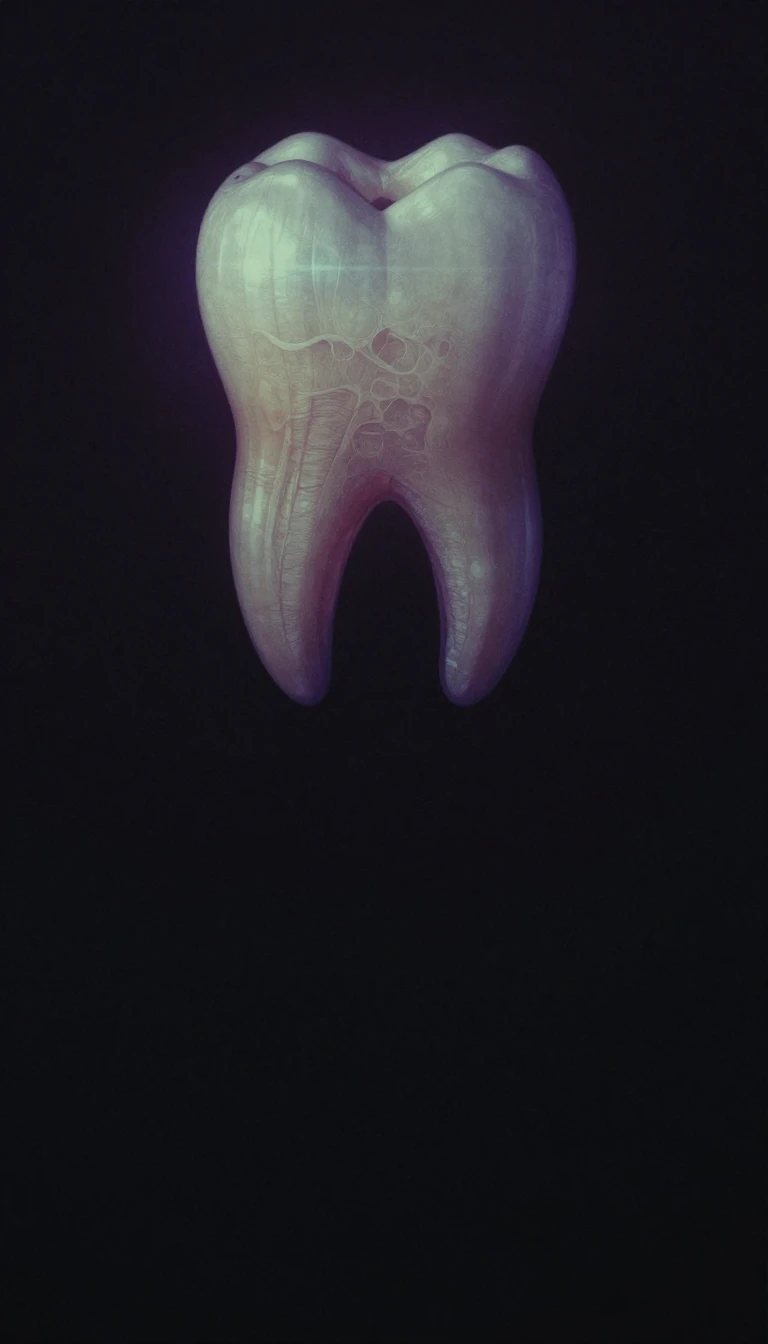 The smallest bones in your body were once part of your prehistoric jaw.Deep inside your ear, three tiny bones—the hammer, anvil, and stirrup—act as a mechanical lever system to translate air vibrations into sound. Surprisingly, these delicate structu…
- Is osteopathy a medical discipline or a controversial system of physical manipulation?Osteopathy began in 1874 as a reformist challenge to the harsh medical practices of the 19th century. Today, it exists in two distinct worlds: a branch of medical practice in the …
 Swimmer's ear is often a self-inflicted injury caused by cleaning the ear canal.While commonly associated with swimming, otitis externa is frequently triggered by the use of cotton swabs or other implements. These tools create microscopic abrasions in the pap…
 Why your child’s ear infection is often a plumbing problem, not just a germAn ear infection is rarely just about bacteria. It is a mechanical failure of the eustachian tubes, which struggle to drain fluid from the middle ear. Because these tubes are narr…
 Is your BMI misleading you? Why weight alone fails to capture your true healthBody Mass Index is the standard tool for assessing weight, but it cannot distinguish between muscle and fat. While a high BMI often signals health risks, it may misclassify muscul…
- Oxygen therapy is a life-saving medical intervention that requires strict professional oversight to function.Supplemental oxygen is essential for patients with chronic lung or heart conditions, yet it is not a benign treatment. When used without a prescription, it can lead to dangerous t…
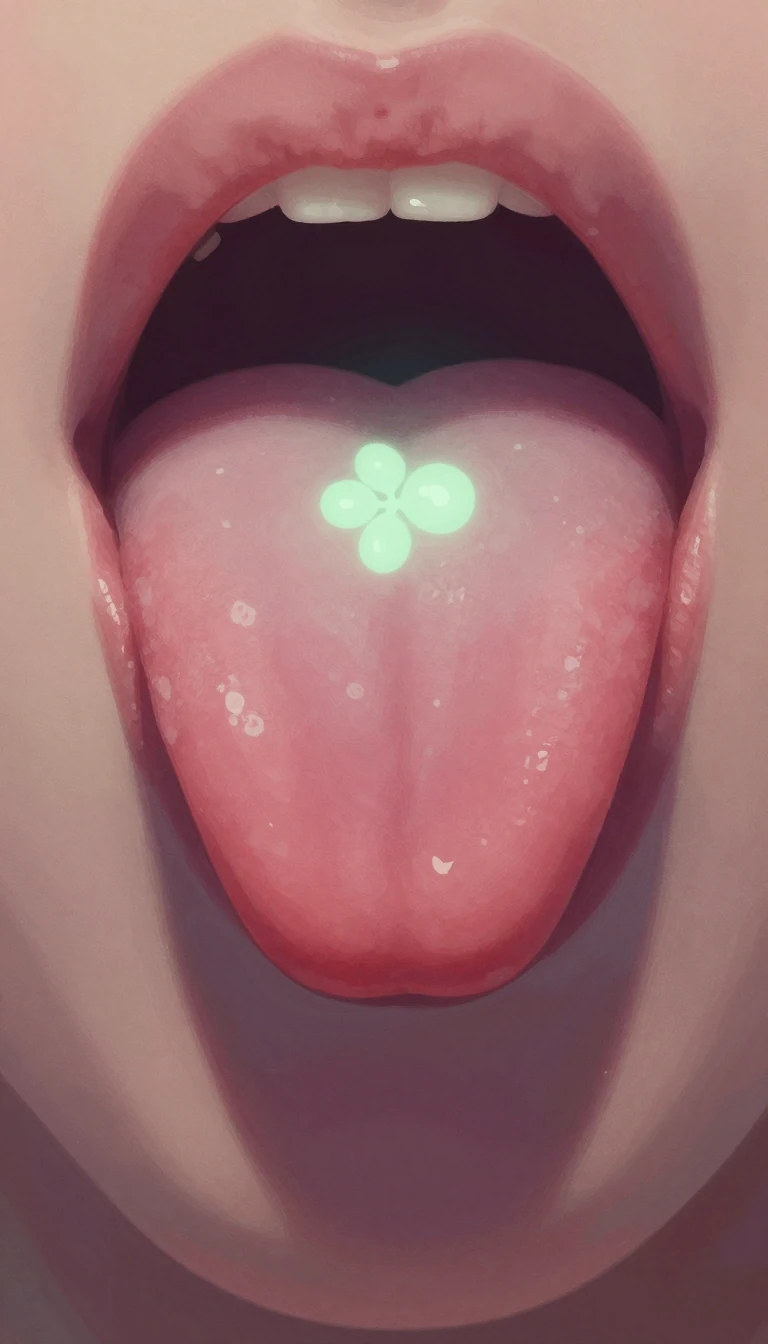 The roof of your mouth is an evolutionary marvel that separates air from food.The palate is more than just the roof of your mouth. This sophisticated anatomical structure divides your oral and nasal cavities, allowing you to breathe and eat simultaneously. …
 Why your doctor's hands are still one of the most powerful diagnostic tools availablePalpation is the art of using touch to decode the body. By feeling for temperature, texture, and structural landmarks, healthcare providers can locate injuries, identify swelling,…
- Panic disorder is a cycle of fear where the body triggers false alarms.Panic disorder is more than just occasional anxiety; it is a recurring, often unpredictable experience of intense fear. While panic attacks can feel like a life-threatening medica…
 Why vitamin B5 is named after the Greek word for everywherePantothenic acid, or vitamin B5, is essential for life, yet deficiency is virtually unheard of in humans. Its name, derived from the Greek word panto, reflects its ubiquity in the…
 Why the humble paper towel is a global titan of hygiene and consumptionPaper towels are more than kitchen staples; they are a massive industry built on the promise of superior hygiene. While Americans lead the world in consumption, the product’s domi…
- Paralysis is not just a loss of movement but a disruption of neural communication.Paralysis occurs when the vital messaging system between your brain and muscles breaks down. Whether caused by trauma, disease, or metabolic shifts, the condition ranges from loca…
- Why your brain might mistake a simple coincidence for a calculated personal attackParanoia is more than just feeling watched; it is a specific, persistent pattern of distrust without evidence. While occasional suspicion is normal, severe paranoia can signal und…
- Why do some people constantly scan their environment for hidden threats and malevolent intent?Paranoid personality disorder is defined by a pervasive, deep-seated mistrust of others. Those affected often interpret neutral actions as hostile, leading to a life of hypervigil…
 Parasites are not just distant threats; they are complex organisms living off our biology.Parasites are living entities that exploit human bodies for sustenance and shelter. Ranging from microscopic protozoa to visible worms, these organisms cause infections through co…
- The parasympathetic nervous system is the quiet architect of your body's long-term survivalWhile the sympathetic system handles fight-or-flight, the parasympathetic nervous system works in the background to manage rest-and-digest processes. It operates constantly, wheth…
- Infection does not always equal disease: understanding the hidden mechanics of pathogen transmissionAn infectious disease is more than just a germ meeting a host. It is a complex cascade involving environmental factors, agent properties, and immune responses. While we often focu…
 Most bacteria are harmless, but a select few have evolved to hijack your biology.While thousands of bacterial species reside within you, fewer than a hundred are truly pathogenic. These specialized microbes have developed sophisticated mechanisms to bypass you…
- Escherichia coli is not just a gut resident; it is a master of genetic theft.While most E. coli are harmless members of our intestinal flora, pathogenic strains have evolved into dangerous opportunists. By hijacking genetic elements like plasmids and bacte…
 Why your hair follicles are sensitive to hormones while your body hair thrivesAndrogenetic alopecia is a paradoxical condition where the same hormones that stimulate facial hair growth trigger scalp hair loss. While often dismissed as a simple cosmetic conc…
- Pelvic inflammatory disease is a silent threat that can permanently damage reproductive health.Often causing no symptoms, pelvic inflammatory disease (PID) is an infection of the upper reproductive organs that can lead to infertility, chronic pain, and life-threatening ecto…
- Why the velocity of a projectile matters more than its mass in penetrating traumaPenetrating trauma occurs when an object pierces the skin, creating a deep, narrow wound. While the type of weapon dictates the initial path, the severity of the injury depends he…
 How a simple change in medical equipment can save precious minutes for asphyxiated newbornsPerinatal asphyxia occurs when a newborn is deprived of oxygen during birth, risking severe brain injury. Therapeutic hypothermia is a critical treatment, but it must be started w…