 Intellect Plus
Health
6,621 cards. Each one is a 40-second story with a five-minute read behind it. Page 28 of 111.
Subtopics: Ageing & longevity · Anaesthesia · Anatomy and morphology · Bacteria · Biology · Blood · Bones & muscles · Brain · Clinical trials · Consciousness · Diabetes · Diagnosis · Digestion · Dreams · Drugs and medication · Epidemiology · Ethics · Exercise · Exercise & fitness · Eyes & vision · First aid · Future Frontier · Germ theory · Global health · Health and fitness · Health, medicine and disease · Heart & circulation · History of medicine · Hormones · Hygiene · Immunology · Infection · Medical basics · Medical history · Medical procedures · Medicine · Medicines · Memory · Mental health · Mind · Morbidity · Neuroscience · Nutrition · Pandemics & epidemics · Psychiatry · Public health · Researched · Skin & hair · Sleep · Surgery · Teeth & dentistry · Vaccines · Vitamins
 How a mathematical model of magnetism unlocked the secrets of human memoryCan a system of interconnected magnets help us understand how the brain recalls a face from a blurry image? The Hopfield network uses the physics of spin glasses to reconstruct co…
 The Invisible Language: Exploring Human Survival and Connection via TouchAlthough we frequently view it as a minor mode of interaction, touch emerges as the initial sense during prenatal growth. From the way we navigate a crowded elevator to the subtle…
 Can the brain act as a simulator for future possibilities?In machine learning, a generative model doesn't just classify data; it creates new, synthetic samples. New research suggests our hippocampus may function similarly, modeling the h…
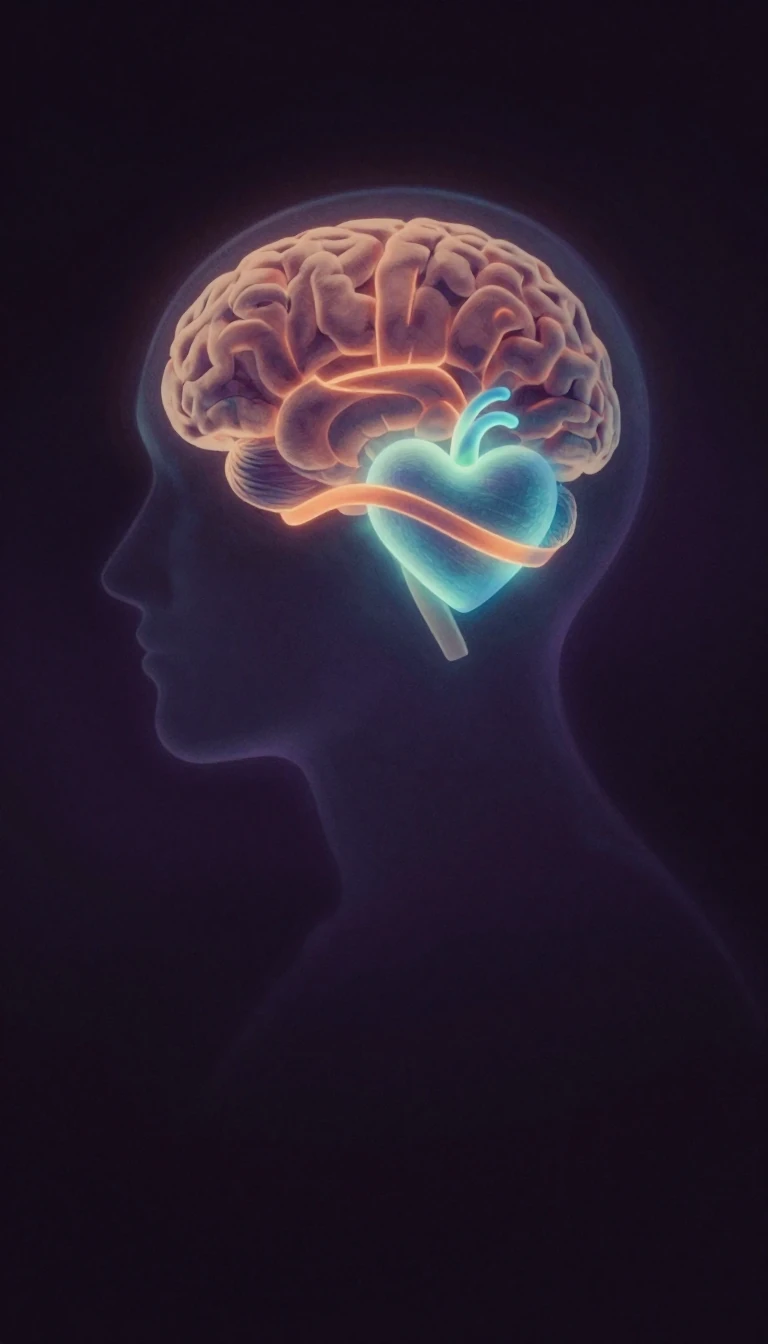 Beyond Emotions: Decoding the Precise Mechanics of Every Facial TwitchMost people see a smile or a frown as a single emotion. However, scientists use a system to decode faces into a complex choreography of muscle contractions. By breaking down movem…
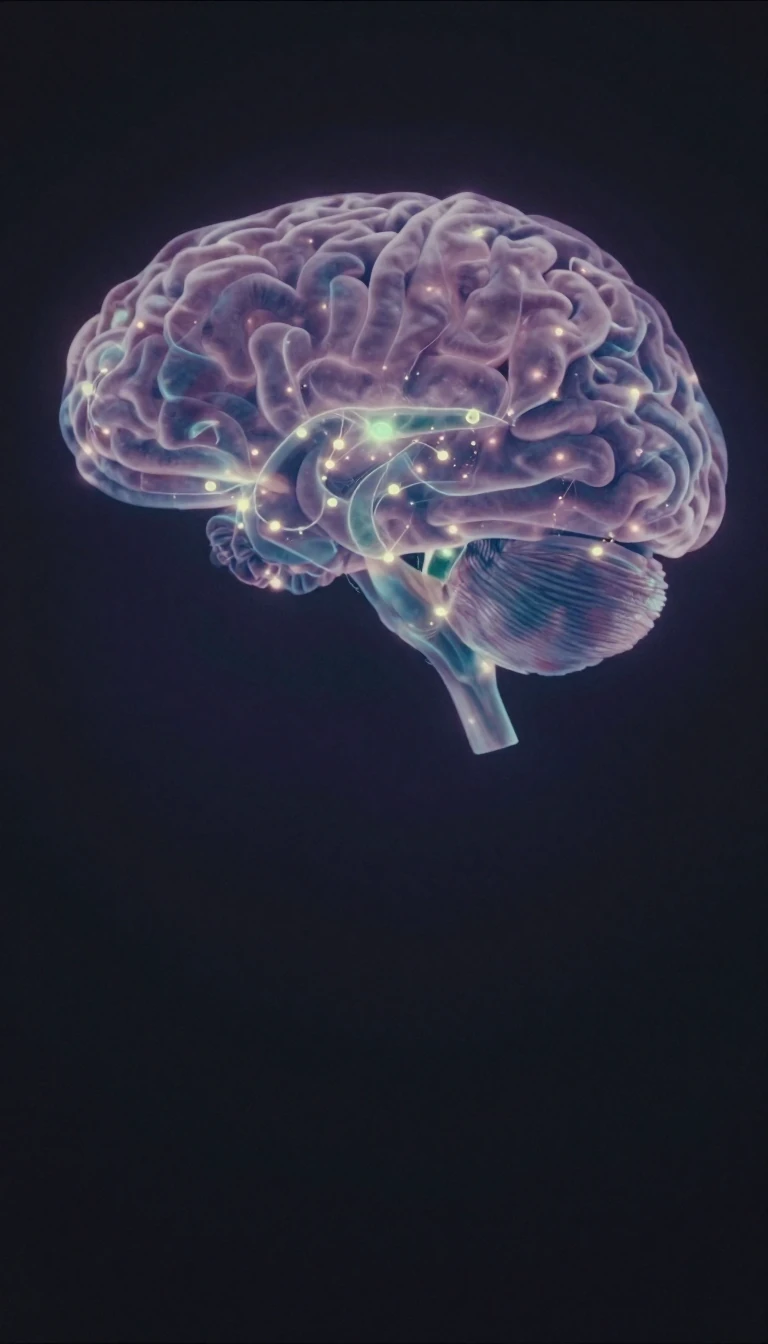 It takes only one-tenth of a second to judge a strangerBefore you have even finished a single blink, your brain has already begun constructing a mental image of the person standing before you. While we like to think we are deep, analy…
 Is podoconiosis still hiding in the mountains of Idukki?In the rugged terrain of Kerala's largest district, researchers recently set out to solve a medical mystery. Could a neglected tropical disease, known for causing severe limb swel…
 The hidden geography of health: how your postcode shapes your lifespanIn the Norfolk and Waveney Integrated Care System, health is not distributed equally. A recent study reveals that life expectancy can swing by decades between neighboring areas, d…
 The UK is creating its first smoke-free generationStarting April 2026, the UK will legally prevent children from ever purchasing cigarettes. This historic shift aims to break a decades-old cycle of addiction by ensuring that anyo…
 The genetic mutations that fueled a global pandemicIn 1961, a new strain of cholera emerged in Indonesia, triggering a wave of disease that has lasted decades. Recent genomic sequencing reveals that specific mutations in regulator…
 The 99 percent drop: how the world is chasing the end of polioSince 1988, a massive global effort has slashed polio cases by over 99 percent. While we have successfully eradicated two strains of the wild virus, the final stretch remains a co…
 The ancient plague that may have cleared Europe for new settlersFor centuries, the sudden demographic collapse of Neolithic farmers was a mystery. Was it crop failure or social strife? New genomic evidence suggests a more lethal culprit: an ea…
 The science of breaking the individual to build the unitMilitary boot camp is more than physical endurance; it is a deliberate psychological re-engineering. By systematically suppressing individuality and inducing continuous stress, th…
 Before the physician, there was the priest and the family healerIn early Rome, disease was often viewed as divine punishment. Healing was the domain of priests and the pater familias, using magic formulas and vegetables. It took centuries of c…
 The Spanish fly: a toxic aphrodisiac that causes literal blisteringFor centuries, this emerald-green beetle sat on apothecary shelves as a remedy for skin diseases and a notorious aphrodisiac. While its name suggests a martial rage, its true powe…
 The high cost of chiropractic education and its debt-to-income realityLife University has grown from a small gold mine site into a global chiropractic powerhouse. However, this expansion comes with significant financial weight: recent data reveals a…
 The law that turned workplace safety from a choice into a dutyBefore 1974, workplace safety in the UK was a fragmented, confusing mess of rules. The Health and Safety at Work etc. Act changed the DNA of labor by establishing a unified framew…
- Can we engineer viruses to predict the next pandemic?To stop a future pandemic, scientists sometimes intentionally make viruses more dangerous in a lab. This 'gain-of-function' research aims to find weaknesses before a virus hits th…
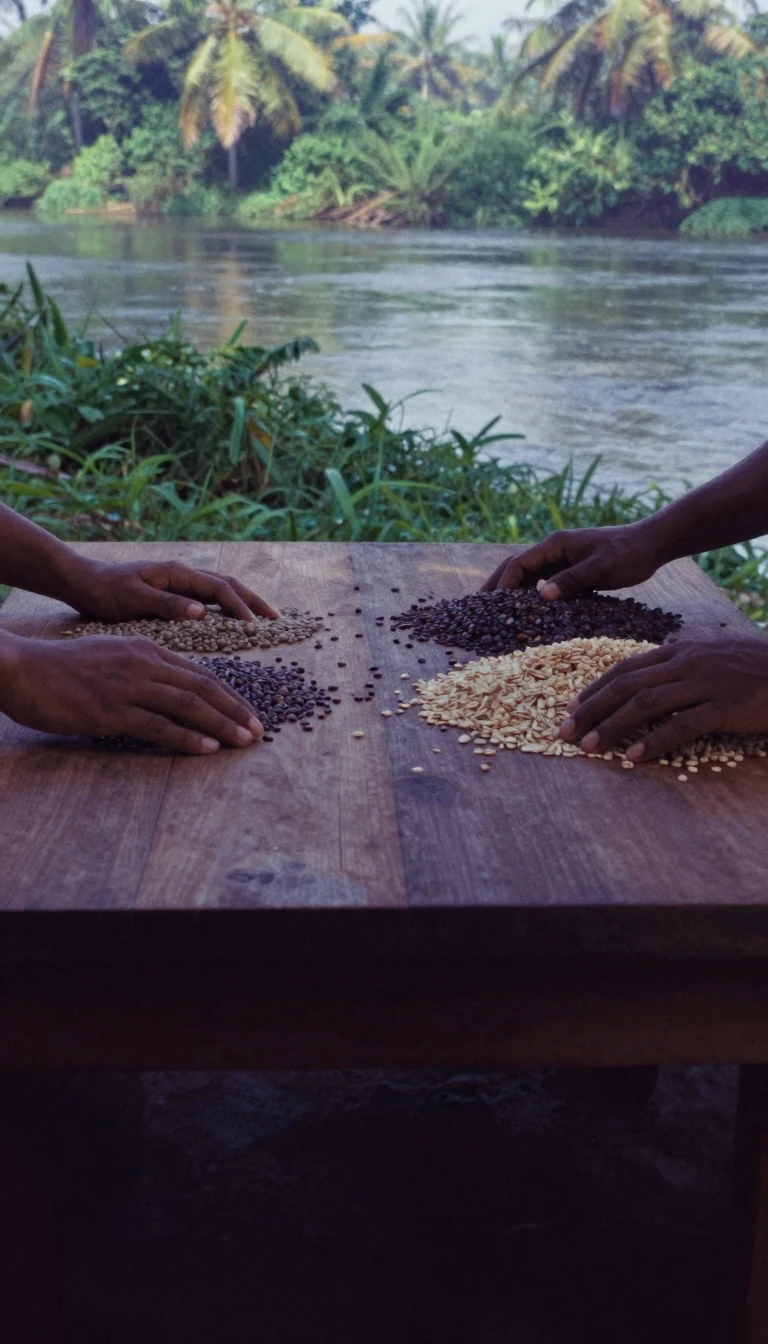 Beyond Western Medicine: The Indigenous Frameworks of Holistic WellbeingWestern healthcare often treats health as a series of isolated symptoms to be managed individually. However, Indigenous models from Turtle Island and Moananuiākea suggest a differ…
 How a single medical error sparked a national health crisisIn 2018, two infants in Samoa died after receiving a measles vaccine prepared with an expired sedative instead of sterile water. This tragedy didn't just cause grief; it triggered…
 The man who caught smallpox became a shield against polioIn 1977, Ali Maow Maalin became the last person on Earth to contract naturally occurring smallpox. Instead of retreating from his experience with disease, he spent the next three …
 How a passing ambulance crew prevented a London catastropheIn the early hours of June 29, 2007, a routine medical call in London led to the discovery of two massive car bombs. What began as an ambulance crew attending to a minor illness e…
 How a peacekeeping mission introduced a century-old disease to HaitiIn 2010, months after a devastating earthquake, Haiti was struck by a catastrophic cholera epidemic. The disease had not been seen in the country for over a hundred years until it…
 The 2024 mpox surge marks a shift toward higher transmissibilityWhile the 2022 global mpox outbreak was largely contained, a new variant is rewriting the rules of transmission. Emerging in Central Africa, this strain is moving faster and hitti…
- The 19th-century plague that forced the birth of modern epidemiologyCholera was the defining disease of the 1800s, a terrifying infection that could waste a human body in mere hours. While many blamed 'bad air,' a single water pump in London revea…
 A capital paralyzed by a ghost: the 1793 Philadelphia feverIn 1793, the young American capital was besieged by a silent killer. Without knowing the cause, doctors watched as 10% of the population perished in months. It was a crisis where …
- The TATA box: a modular docking station for life's instructionsMost genes are regulated by a complex web of proteins, but they often share a common starting point. The TATA box acts as a critical docking site for the machinery that reads our …
 Beyond the Blueprint: Why RNA Sequencing Reveals Secrets DNA CannotDNA is your body's instruction manual, but RNA is the actual work order being executed in real-time. While DNA sequencing shows what might happen, RNA-Seq captures what is happeni…
 The chemical defense of a garden favoriteSome popular garden shrubs can cause skin rashes similar to poison ivy. While many Grevillea species are prized for their vibrant blooms and nectar, certain varieties contain comp…
 From Victorian ivory disks to digital archives: the evolution of the microscope slideBefore the standardized glass we use today, scientists slid specimens between disks of transparent mica held in ivory or bone. Today, these fragile artifacts are undergoing a high…
 Why some data points are secretly linked to each otherStandard statistics often assume every data point is an independent island. But in biology and social science, this is rarely true. If you measure the same person twice, or study …
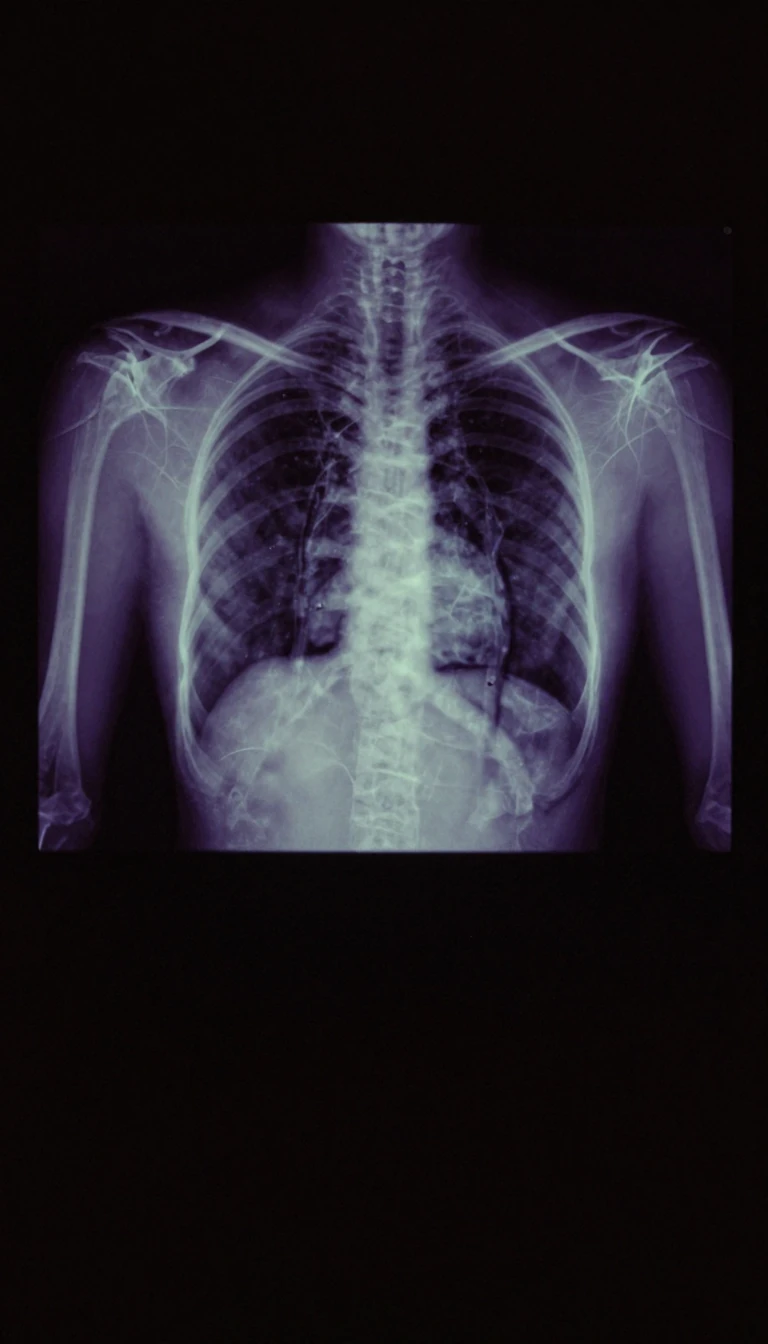 How a 1990 algorithm traces the evolutionary footprints of ancient humansWhen scientists discover a new gene, they face a massive puzzle: where does it fit in the tree of life? The answer lies in BLAST, a high-speed heuristic algorithm that scans vast …
 The glowing chemical that reveals DNA but risks human healthIn molecular biology, ethidium bromide is a staple for visualizing DNA. It glows intensely under ultraviolet light, but this visual clarity comes at a cost. Because it binds direc…
 From Buddhist roots to a powerhouse of Korean cinemaDongguk University is more than just a prestigious Seoul campus; it is a historical landmark that survived Japanese occupation and Korean war displacement. Today, it serves as a p…
- The Chilean recluse spider carries venom that mimics pathogenic bacteriaOften found in dark, undisturbed corners, the Chilean recluse is considered the most dangerous of its family. A unique enzyme, sphingomyelinase D, is present in its venom; this su…
- The complex mechanics of how life transmits its instructionsGenetics is more than just inherited traits like eye color; it is the study of biological information—how it is stored, replicated, and used. From the pioneering laws of Mendel to…
- From a Dublin pub to a global medical leaderIn 1780, a group of surgeons met in the Elephant public house to change medical history. What began as a local effort to separate surgeons from barbers has evolved into a world-ra…
- The 'Fourth R' of surgery: moving from repair to regenerationTraditional surgery relies on three 'R's: resection, repair, and replacement. But as donor shortages grow and aging populations rise, medicine is shifting toward a fourth 'R'—rege…
 The invisible danger lurking in manual drug compoundingWhile pharmacists use precision to create custom medicines, a hidden risk remains. Recent studies show that manual preparation of cytotoxic drugs leaves significant chemical resid…
- The invisible protein coat that dictates how gold enters your bodyWhen colloidal gold enters the human bloodstream, it doesn't stay 'naked.' It is instantly coated by serum proteins, creating a biological identity that determines how long it sur…
 How 'Satanic Panic' and flawed psychology dismantled a man's lifeIn 1993, Peter Ellis was sentenced to ten years for horrific crimes involving children in his care. He maintained his innocence until death. Decades later, the legal system admitt…
 The secret science of hiding aliens in plain sightWhat if the mundane objects and people around you were actually cosmic refugees? The Men in Black franchise reimagined science fiction by replacing world-ending invasions with a m…
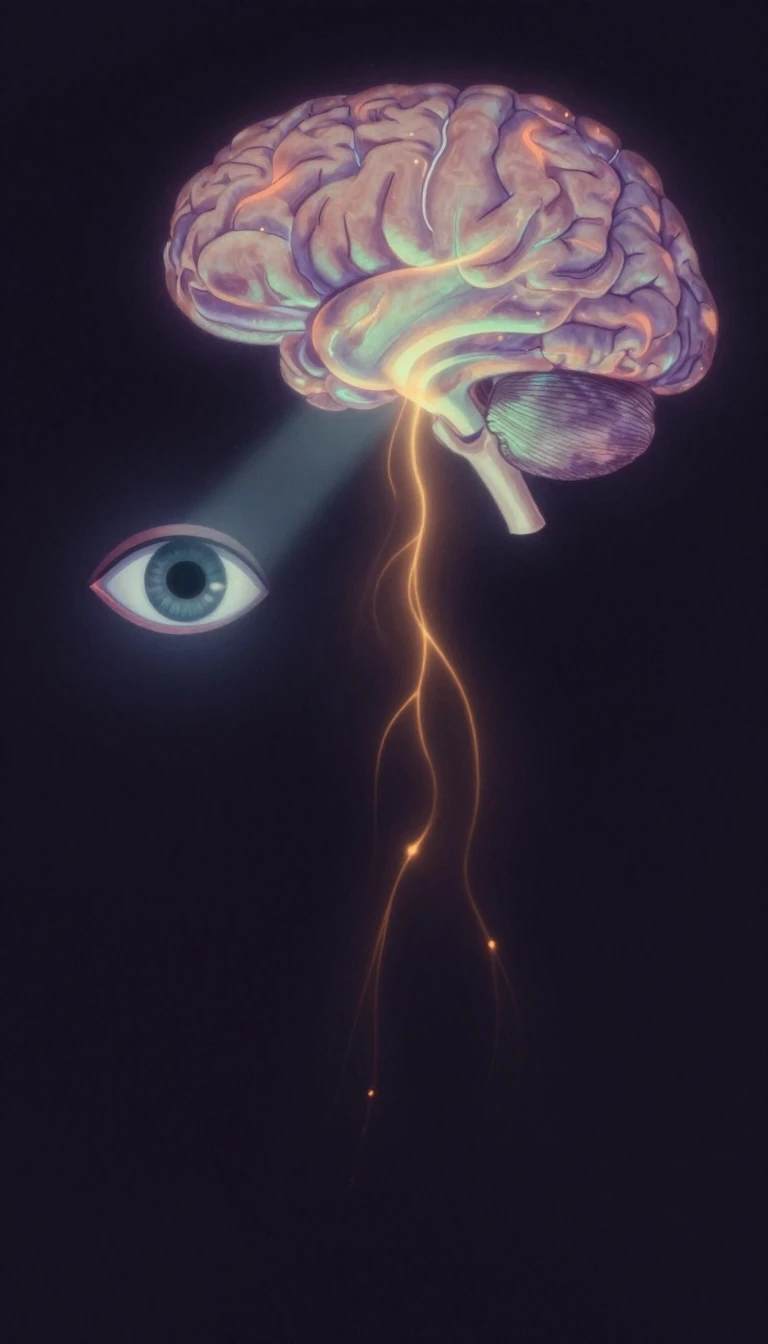 Your brain uses 'good enough' shortcuts that can lead to systematic errorsWhy do we make predictable mistakes in judgment? It is often because our brains prioritize speed over perfection. By using mental shortcuts called heuristics, our minds reduce cog…
 The dangerous legacy of a best-selling memoir with no evidenceIn 1980, a book claimed a woman recovered memories of horrific satanic rituals. It became a global sensation, sparking a massive moral panic. Yet, every investigation failed to fi…
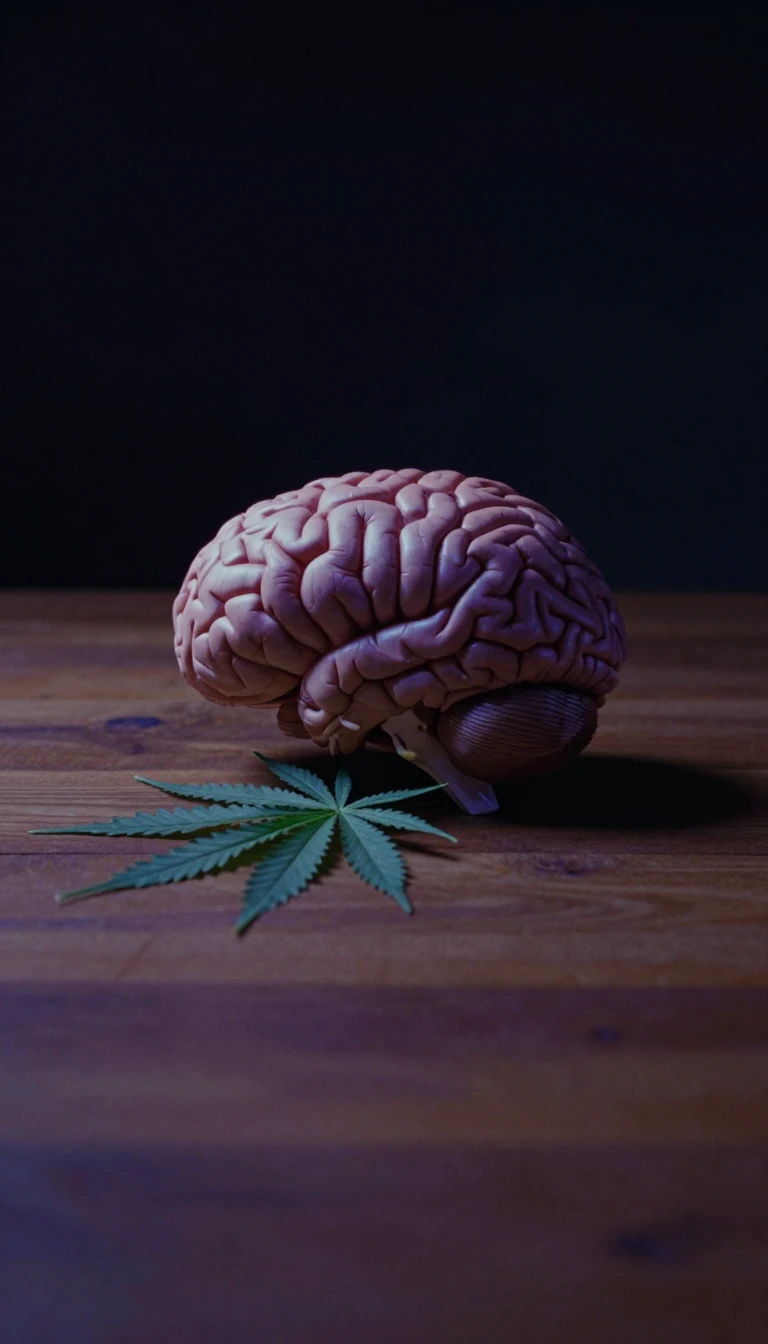 Can your non-psychoactive CBD supplement secretly turn into THC?While many consumers seek out CBD for its non-intoxicating properties, the chemical reality is more fluid. Under specific environmental conditions, CBD can undergo a structural tr…
- Why the Dutch medical cannabis system faces a 'real-world' disconnectDespite having one of the world's oldest medical cannabis programs, most Dutch patients bypass prescriptions. They turn to coffeeshops to manage chronic pain and mental health, cr…
- Could an injection in your arm replace brain surgery?Traditional brain implants often require high-risk surgery and cost hundreds of thousands of dollars. New research into "circulatronics" suggests a future where microscopic bioele…
 How much energy can a material truly block?Whether it is X-rays, ultrasound, or light, every substance has a signature ability to reduce the intensity of a passing beam. This property, known as the attenuation coefficient,…
 Why Ghana rejected a regional university to build its ownIn 1948, a pivotal decision shaped West African education. Rather than accepting a shared colonial university in Nigeria, the people of the Gold Coast demanded their own instituti…
 The Cambridge college that traded tradition for radical equalityWhile many historic universities are defined by rigid hierarchies and exclusive traditions, Wolfson College was founded on a different principle: egalitarianism. By removing the '…
 Why the world's largest Pride festival is facing a sudden declineAfter reaching 5 million attendees in New York in 2019, WorldPride is facing a crisis of participation. As the international festival arrives in Washington, D.C., shifting politic…
 Why your boss values your grit over your degreeIn a competitive job market, high grades are often secondary to a specific internal engine: your work ethic. It is the invisible relationship you have with your tasks, determining…
 Can a business be successful if it only makes a profit?Traditional accounting views the 'bottom line' as the final profit figure. But what if that number ignores the true cost of doing business? The Triple Bottom Line framework argues…
 In Ancient Rome, true virtue was never a private matterWe often think of character as an internal, personal quality. But for the Roman elite, virtue—or virtus—was strictly a public performance. It was not found in private wealth or fa…
 Is your sense of morality just a modern form of religious possession?In 1844, Max Stirner proposed a radical idea: that our most cherished values—like humanity, justice, and even liberty—are merely 'spooks' or fixed ideas. He argued that modern pro…
- A narrow majority preserves the core of Israeli democracyThe Supreme Court of Israel recently struck down a contentious law aimed at overhauling the nation's judiciary. In a high-stakes move, the justices ruled that the proposed changes…
 The moral weight of anatomy: balancing student learning with human remainsMedical education often relies on a delicate ethical balance between practical mastery and the dignity of the deceased. At St George's, University of London, researchers explored …
 The high price of double morality in global politicsWhen a world leader advocates for a fair share of societal contribution while secretly holding offshore assets, the resulting fallout can topple a government. The story of Sigmund…
- Beyond the shareholder: why modern corporations must answer to more than just ownersFor decades, the primary goal of a corporation was simple: maximize profit for shareholders. But a shifting paradigm suggests that a company’s survival depends on a much wider web…
 Is a business for human beings, or just for a few?For decades, the prevailing wisdom held that a corporation's only reason to exist was to generate profit for its shareholders. But a shift in management theory suggests that compa…
 Can AI solve the crisis of unread scientific literature?Every year, three million new scientific papers are published, but it is estimated that only half of them ever get read. Semantic Scholar aims to bridge this gap by using artifici…