 Intellect Plus
History
21,004 cards. Each one is a 40-second story with a five-minute read behind it. Page 267 of 351.
Subtopics: 19th century · 20th century · Africa · Age of Exploration · Ages & eras · Ancient · Ancient China · Ancient egypt · Ancient greece · Ancient rome · Ancient trade · Archaeological discoveries · Archaeology · Astronomy · Australia · Auxiliary historical sciences · Babylon · Basics · Born on this day · Bronze age · Buddhism · Case studies · Chefs, bartenders and winemakers · China · Cities · Climate · Columbus · Contemporary (1945-) · Cosmetics people · Crime · Criminals · Decipherment · Deep time · Disasters · Early modern · Education · Egypt · Empires · Empires & civilisations · Exploration · Explorers · Extinction · Fandom, conventions and festivals · History by continent and large region · History by continent and region · History by country · History by country, small region and city · History by ethnicity · History by subject matter · History by topic · Inca · India · Industrial Revolution · Japan · Kings & queens · London · Mass hysteria · Medicine · Medieval kingdoms · Medieval life · Mediterranean · Mercedes-Benz History · Mesopotamia · Middle ages · Military leaders and theorists · Military leaders, personnel, and theorists · Ming dynasty · Misconceptions · Modern · Modern (1800-1945) · Napoleon · Navigation · North africa · Other · Pacific · Pharaohs · Philippines · Pirates · Post-classical · Prehistory · Propaganda · Public health · Rebels, revolutionaries and activists · Renaissance · Researched · Second world war · Shipwrecks · Silk Road · South america · Tradespeople · UK & Ireland: history · United states · Vikings · Volcanoes · Women in history
 How a nineteenth-century museum became a sanctuary for art, science, and the publicCommissioned by King Frederick William III, Berlin's Altes Museum was built to grant citizens access to cultural education. Designed by Karl Friedrich Schinkel, this Neoclassical …
 A silent T-shaped monument stands where American soldiers once fought in Northern FranceSpanning 42 acres in Belleau, the Aisne-Marne American Cemetery serves as a final resting place for soldiers who died during the Great War. This site, maintained by the American B…
 Hidden in a jungle gorge, these ancient Buddhist caves reveal a lost golden age.Carved into a 75-metre cliff, the thirty Ajanta Caves served as monsoon retreats for monks and pilgrims. Rediscovered by a tiger-hunting British officer in 1819, these rock-cut mo…
 Why did the ancient Macedonian capital vanish beneath a landslide for nearly two millennia?Aegae was the original capital of the Argead dynasty, serving as the sacred heart of the Macedonian kingdom. Long before Alexander the Great was proclaimed king there, the city fl…
 The lost fire of the Sasanian kings: a sacred flame of ancient IranAdur Gushnasp was one of the three most sacred Zoroastrian fires of pre-Islamic Iran. Linked to the warrior class, this high-grade flame drew pilgrims to the city of Shiz for cent…
 How a medieval treasure trove survived wars, revolutions, and the threat of total destructionAachen Cathedral Treasury holds Europe's most significant collection of medieval church art. From Charlemagne's burial sarcophagus to imperial coronation regalia, these artifacts …
- Why did medieval Hungarian pilgrims travel over 1,200 kilometres to reach Aachen?For centuries, thousands of Hungarian pilgrims trekked across Europe to visit the Aachen Cathedral, drawn by holy relics donated by Charlemagne. This deep connection eventually le…
 Why a 12th-century French abbey rejected decoration to focus on the divineFounded in 1118 by Saint Bernard of Clairvaux, the Abbey of Fontenay stands as a masterpiece of Cistercian austerity. By stripping away ornamentation and focusing on light and pro…
- The Abbey of Saint Gall: A Carolingian Powerhouse That Shaped Medieval European CultureFounded on a hermit's cell in the eighth century, the Abbey of Saint Gall evolved into a formidable principality and a beacon of intellectual life. Its library, one of the world's…
 How a devastating yellow fever outbreak reshaped the future of Memphis, TennesseeMemphis was once a booming river hub, but a catastrophic yellow fever epidemic in 1878 nearly wiped the city off the map. The crisis forced a total collapse of its social order, b…
 How a Welsh port city became the world's copper-smelting capital in the nineteenth centuryOnce known as Copperopolis, Swansea transformed from a quiet coastal settlement into a global industrial powerhouse. By leveraging local coal and international trade routes, this …
 How a medieval monastery became the world's greatest shipbuilding powerhouse and then reinvented itself.Sunderland began as a cluster of Anglo-Saxon settlements, including a monastery where the father of English history once studied. It evolved into a global industrial titan, produc…
 How a landlocked English town became the unlikely engine of the industrial ageDerby is a city defined by its relentless mechanical ingenuity. From pioneering the first water-powered silk mill to becoming a global hub for rail and aero-engine manufacturing, …
 How a small Essex town became the temporary capital of England in 1381Chelmsford is known as the birthplace of radio, but its history holds stranger secrets. From serving as the seat of government during the Peasants' Revolt to being labelled the du…
 How a remote mountain city became the political heart of modern ChinaPerched between the Yunnan-Guizhou Plateau and the Sichuan Basin, Zunyi is far more than a regional hub. Once the center of the ancient Yelang kingdom, this city transformed into …
 How a humble salt-producing town became the birthplace of the modern Chinese navySituated along the Yangtze River, Taizhou evolved from a salt-processing hub into a significant industrial and cultural center. Beyond its economic transformation, the city holds …
 How a remote railway junction became a pivotal battlefield in China's civil warSiping, a prefecture-level city in Jilin province, evolved from a quiet agricultural outpost into a major commercial hub and a critical strategic point. Its history is marked by t…
 How a secret act of rebellion became a cherished annual tradition in ShaoxingBeneath the surface of Shaoxing's modern, thriving economy lies a centuries-old ritual born from fear. What began as a clandestine way to mourn fallen martyrs under the oppressive…
 How a city of silk and canals became the cradle of Chinese communism.Jiaxing, a historic prefecture-level city in Zhejiang province, is defined by its deep roots in Neolithic agriculture and its status as a global textile hub. Yet, this canal-side …
- How a prefecture-level city in Hubei became the cradle of Chinese intellectual historyHuanggang is more than a major Hubei city; it is a historical powerhouse. From the inventor of movable type to the founders of Neo-Confucianism and Zen Buddhism, this region has s…
 How a Song Dynasty Poet Transformed a City's Landscape and Its Cultural IdentityExiled to Huizhou in the 11th century, the poet Su Shi found beauty in a local lake and reshaped the city's infrastructure. Today, this prefecture-level city in Guangdong has evol…
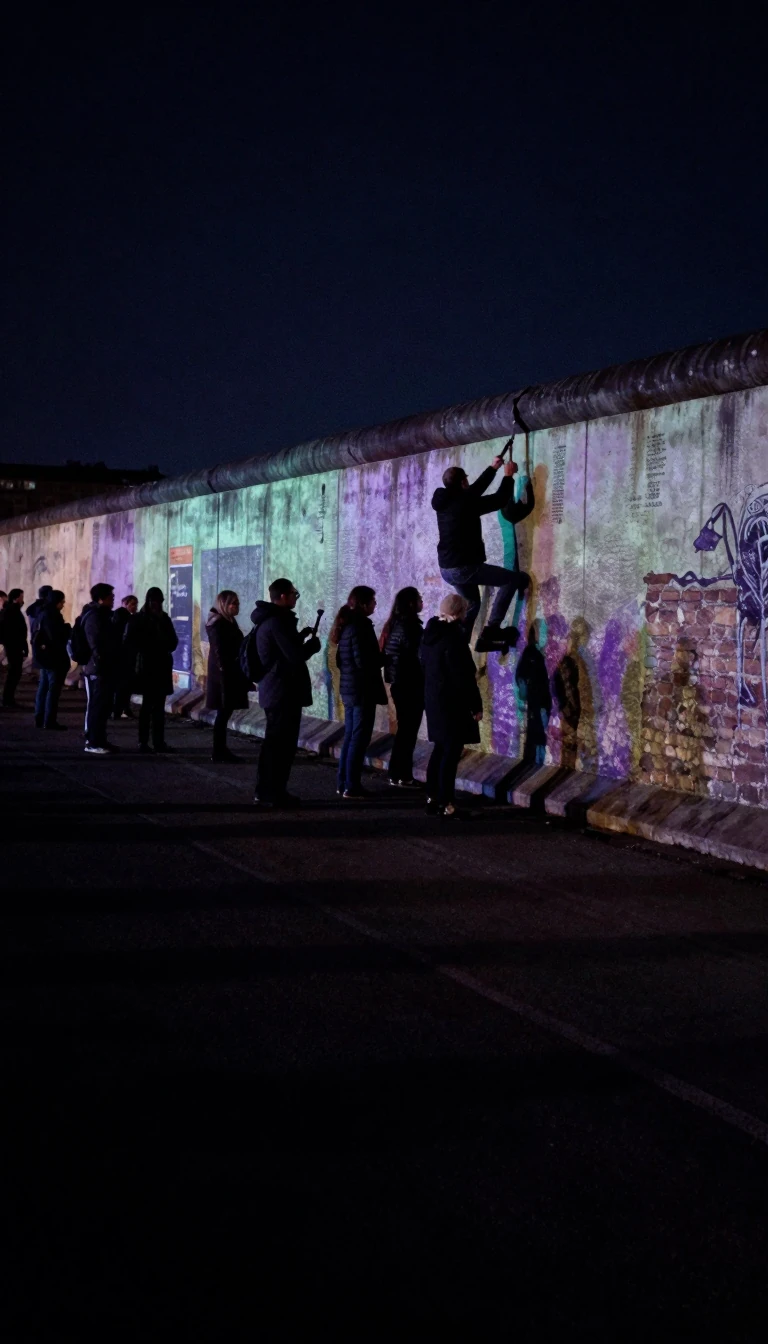 Why the Western Allies refused to recognize East Berlin as a sovereign capital cityFor decades, East Berlin existed in a geopolitical limbo. While the German Democratic Republic claimed it as their capital, the Western Allies maintained that only the Soviet Unio…
 The blond conqueror whom the Aztecs called a sun godHe was a man of dazzling manners and terrifying brutality. Pedro de Alvarado, a key figure in the conquest of the Americas, possessed a charisma that charmed empires and a temper …
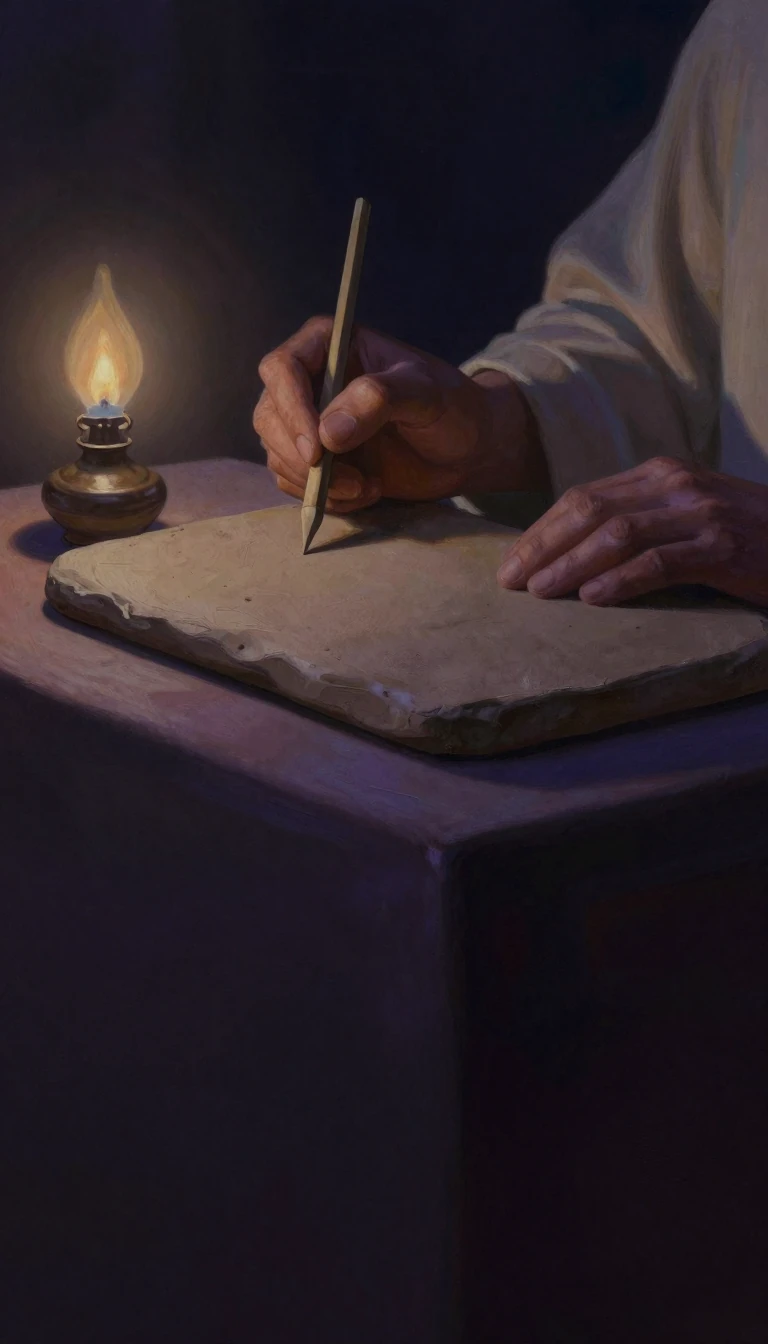 The Uruk period: How 4th-millennium Mesopotamia invented the city and the stateDuring the 4th millennium BC, Lower Mesopotamia underwent an urban revolution that birthed the world's first true cities. This era, named after the site of Uruk, introduced standa…
 Was Theodosius II a weak puppet or a sophisticated architect of the Roman state?Proclaimed emperor as an infant, Theodosius II reigned for nearly half a century. While ancient critics dismissed him as a spineless figure manipulated by his sister, wife, and eu…
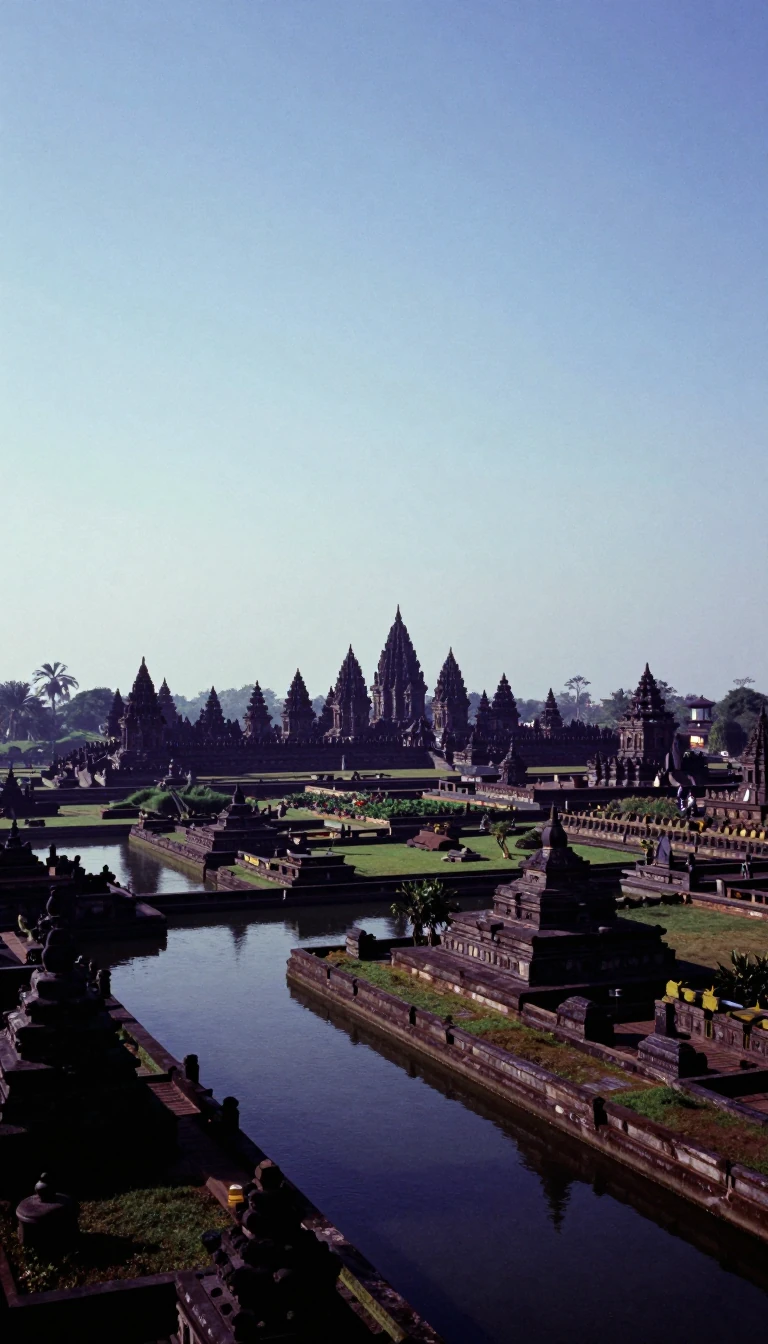 Was Tikal the most powerful kingdom of the ancient Maya civilization?Hidden deep within the rainforests of Guatemala lies Tikal, an expansive urban center that once dominated the Maya region. As the capital of a formidable state, this ancient metro…
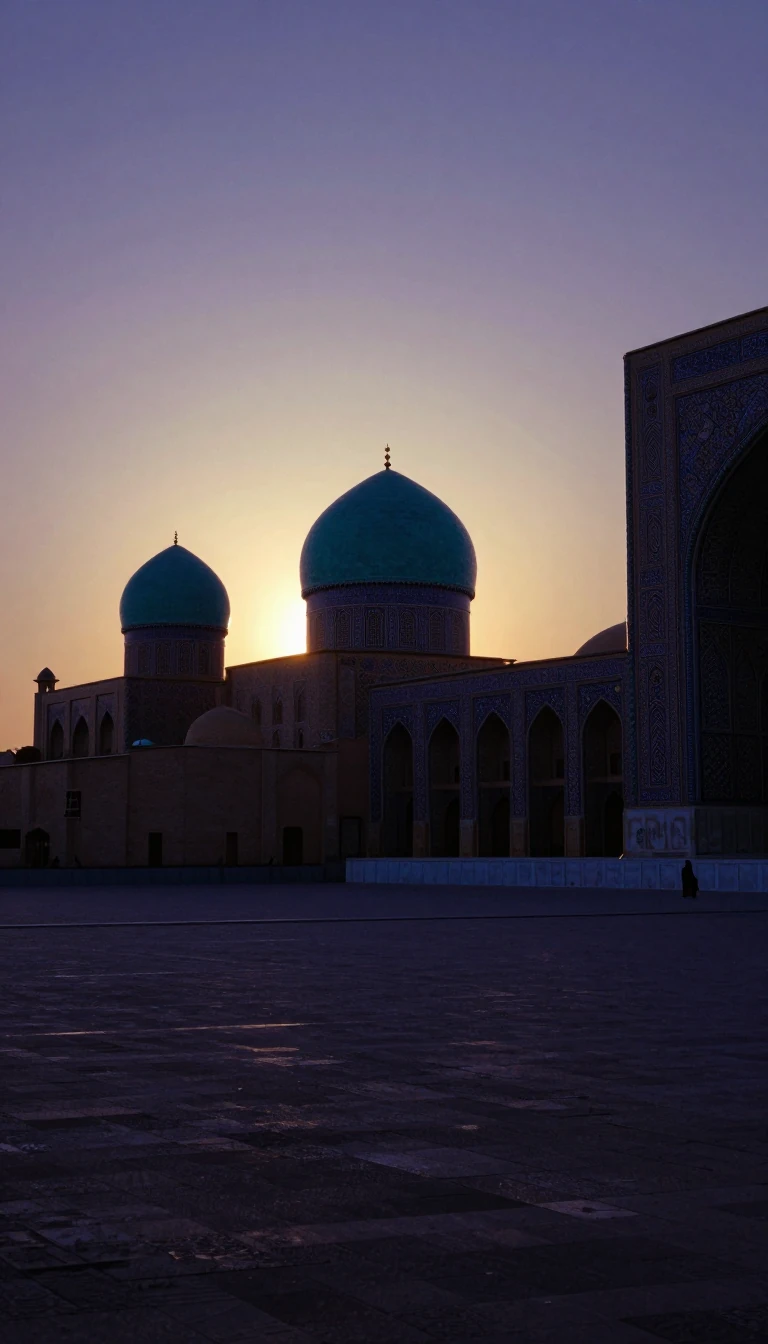 The Umayyads were once Muhammad's fiercest enemies before becoming Islam's first hereditary ruling dynasty.The Umayyads began as a powerful Meccan clan that staunchly opposed the Prophet Muhammad. Yet, within decades of his death, they transformed into the architects of the largest emp…
 Did the early Church really steal December 25 from the Roman sun god?For decades, historians have debated whether Christmas was placed on December 25 to co-opt the birthday of Sol Invictus. While the theory is popular, recent scholarship suggests t…
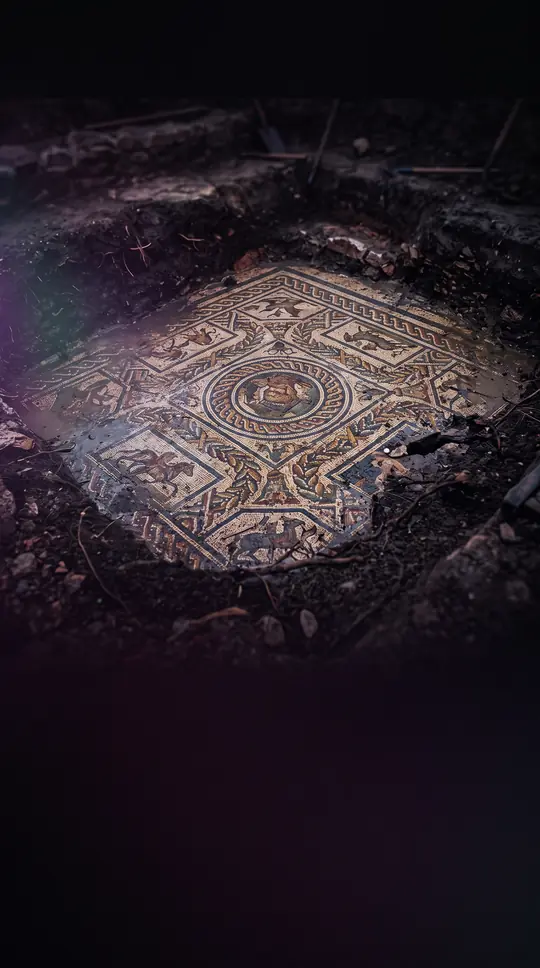 Why did the King of Spain choose to become an invisible, distant monarch?Philip III of Spain redefined kingship by retreating from public life, delegating his authority to a royal favorite. While his father was known as the empire's chief clerk, Philip…
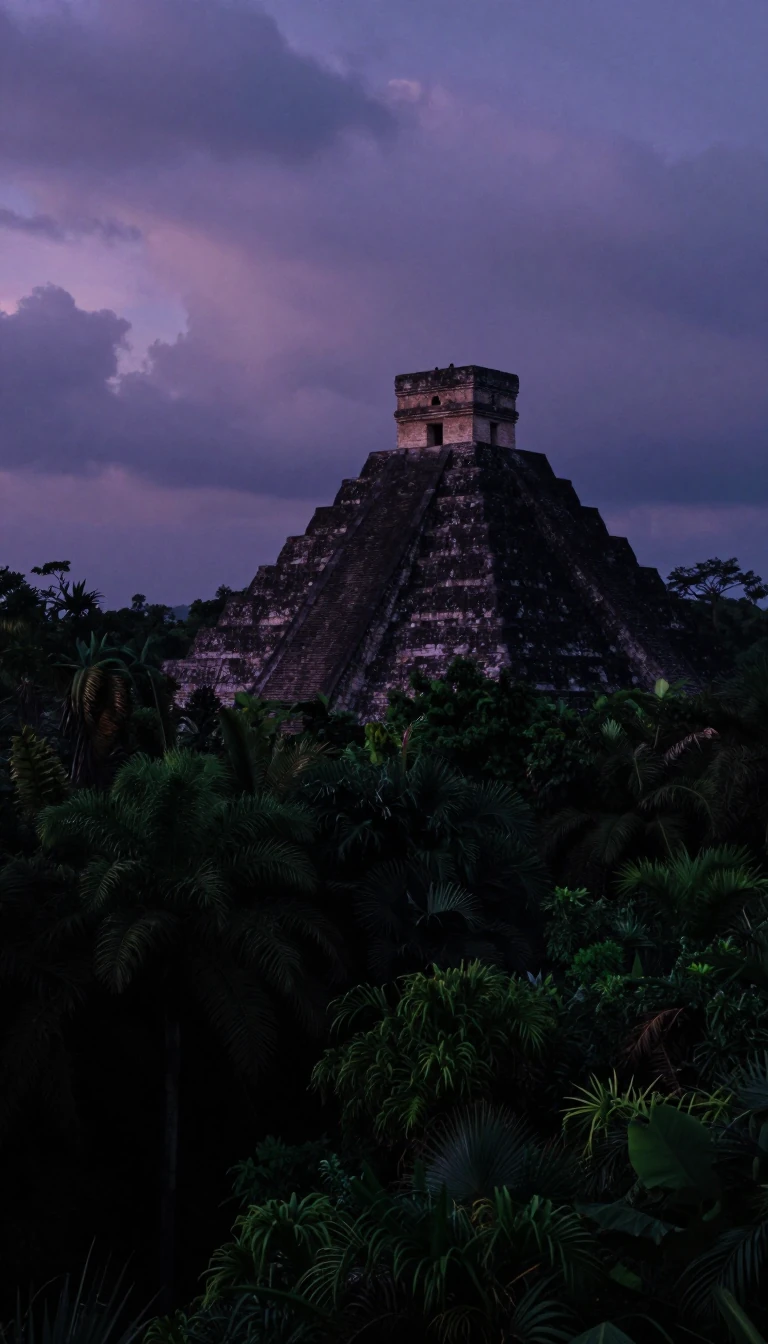 Why did the ancient people of Teotihuacan build a massive pyramid over a cave?Rising 75 meters above the Avenue of the Dead, the Pyramid of the Sun remains one of Mesoamerica's most imposing structures. While its name comes from later Aztec visitors, the tr…
 Was the biblical land of Midian a real kingdom or a nomadic confederation?Midian appears in ancient texts as a mysterious desert power, yet historians struggle to pin it to a single map. Was it a settled nation, a wandering tribal alliance, or perhaps a…
 The Mexica were the last nomadic tribe to settle in the Valley of Mexico.Long before they were known as the Aztec Empire, the Mexica were late arrivals to the Valley of Mexico. Searching for a divine sign, they built a grand island metropolis that even…
- Ancient trash heaps are actually the most detailed archives of human history ever foundWe often dismiss ancient waste as mere garbage, but middens—massive, intentional mounds of discarded shells, bones, and tools—are goldmines for archaeologists. By preserving organ…
- How the Muscogee Confederacy Mastered the Balance of Power Between Three Colonial EmpiresLong before their forced removal in the 1830s, the Muscogee people built a sophisticated confederacy across the American Southeast. By playing British, French, and Spanish interes…
- Why Shakespeare confused the ancient Egyptian obelisk with the pyramidThe obelisk is a singular, tapered stone monument topped with a pyramid, a design perfected by the Egyptians. While the term originated from the Greek word for a pointed spit, his…
- Was King Hezekiah a pious reformer or a pragmatic ruler consolidating his power?Hezekiah, the thirteenth king of Judah, is one of the best-attested figures in biblical history. His reign, marked by a dramatic revolt against the Assyrian Empire and the surviva…
 Were the medieval Kipchaks a fair-haired, blue-eyed people or a nomadic Asian confederation?The Kipchaks were a sprawling medieval Turkic confederation that spanned from Siberia to Egypt. While historical records often describe them as fair-skinned with red hair and gree…
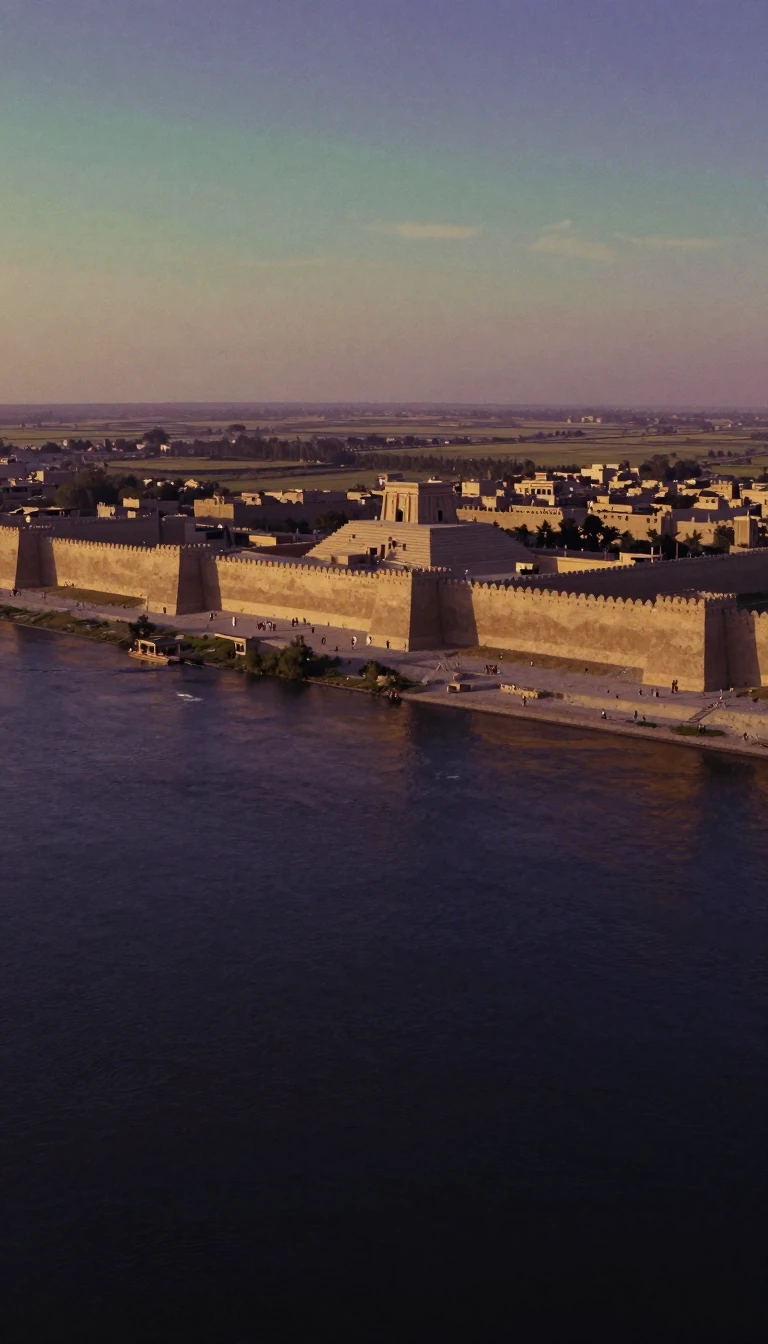 The Ancient African Capital That Once Rivaled the Great Powers of the NileDeep in the Sudanese desert lies Meroë, a once-thriving capital of the Kingdom of Kush. Flourishing for nearly a millennium, this sophisticated state left behind a sprawling lands…
 The sudden collapse of Syria's hereditary dictatorship reshaped the Middle East in late 2024After decades of totalitarian rule, the Assad family's grip on Syria dissolved in a matter of days. Following a swift military offensive, Bashar al-Assad fled to Russia, ending a …
- Dagan was the ancient father of gods, not a fish-like water deity.Long before modern fiction reimagined him as a sea monster, Dagan was a supreme figure in ancient Syria. Revered as a source of royal legitimacy and prosperity, he was the archety…
- How a tiny Byzantine rump state became a legendary symbol of imperial wealthFormed in 1204 with Georgian support, the Empire of Trebizond survived as the longest-lasting Byzantine successor state. Nestled on the Black Sea coast, this remote polity leverag…
 Why ancient Near Eastern history remains a floating puzzle of contested datesEstablishing a precise timeline for the ancient Near East is notoriously difficult. While thousands of cuneiform tablets exist, they are often damaged, biased, or looted. Scholars…
 The Nazi submarine that became a top-secret American trophy and a Chicago museum icon.Captured by the US Navy in 1944, U-505 was a high-stakes intelligence prize. To protect the secret of Enigma code-breaking, the crew was held in total isolation for years. Today, …
 The Anunnaki: From Ancient Sumerian Deities to Modern Extraterrestrial Conspiracy TheoriesThe Anunnaki were once the powerful, fate-decreeing deities of ancient Mesopotamia, yet today they are frequently misidentified as extraterrestrial visitors. While modern conspira…
 Is the Book of Daniel a historical record or a coded political prophecy?Set in the 6th century BC, the Book of Daniel chronicles the visions of a Jewish exile in Babylon. While it appears to be a historical narrative, scholars argue it was actually wr…
- A stone monument on Mount Herzl challenges the boundaries of national collective memory.The Victims of Acts of Terror Memorial in Jerusalem honors civilian lives lost to violence since 1851. While it serves as a site of national mourning, its inclusion criteria—manag…
 How a legendary mountain fortress was captured without a single drop of blood spilled.Perched high in Iran's Alborz mountains, Alamut Castle was considered impregnable. Yet, in 1090, Hassan-i Sabbah seized this strategic stronghold from its lord without violence. B…
 The capital of the world's first empire remains a ghost on the mapAkkad was the heart of the Akkadian Empire, a dominant Mesopotamian power for 150 years. Despite its historical significance and mentions in the Hebrew Bible, its exact location r…
 The Kremlin's massive Tsar Cannon was a symbolic display that likely never saw battle.Cast in 1586 by master bronze caster Andrey Chokhov, the Tsar Cannon is a legendary piece of Russian artillery. While it holds the Guinness World Record for the largest bombard by…
 The frugal caliph who built Baghdad and founded the Abbasid Empire's enduring powerAl-Mansur, the second Abbasid caliph, transformed a revolutionary movement into a stable, centralized imperial power. Known as the Father of Small Change for his extreme fiscal di…
 The world's only stadium carved entirely from marble remains a living piece of history.Nestled in an Athenian ravine, the Panathenaic Stadium is a unique architectural marvel constructed solely from Pentelic marble. From its ancient origins as a racecourse to its ro…
 How Spain’s premier archaeological vault preserves the deep history of the Iberian PeninsulaFounded by royal decree in 1867, Madrid’s National Museum of Archaeology serves as the primary repository for Spain’s historical treasures. From prehistoric artifacts to the intri…
 Why Segovia Cathedral was built in a completely different location than its predecessorThe original cathedral of Segovia was destroyed during the Revolt of the Comuneros, serving as a strategic casualty of a failed siege. To prevent such a disaster from recurring, a…
 How a royal Asturian basilica evolved into a centuries-long architectural workshop of stoneOviedo Cathedral began as a modest pre-Romanesque royal chapel in the 8th century. Over the next seven hundred years, it transformed into a sprawling complex of Gothic, Renaissanc…
 The Hollywood Walk of Fame was a desperate attempt to save a dying district.Conceived in 1953, the Walk of Fame was not just a tribute to stars, but a strategic urban renewal project. Facing revenue drops from suburbanization and the Paramount Decree, Hol…
- How the Roman Empire used hydraulic power to tear down entire mountains for goldIn the province of León, Spain, the jagged, spectacular landscape of Las Médulas stands as a testament to Roman ambition. Once the largest open-pit gold mine in the empire, it was…
 Why did a mysterious granite monument in Georgia demand humanity limit its own population?Standing for decades in rural Elbert County, the Georgia Guidestones were a massive, enigmatic granite structure designed to survive global catastrophe. Commissioned by an anonymo…
 Why did a 16th-century ruler build a massive monument in the heart of Hyderabad?Constructed in 1591, the Charminar is a masterpiece of Indo-Islamic architecture that served as both a mosque and a madrasa. While it stands as a symbol of Hyderabad today, its or…
 A Taipei landmark once built for a dictator now chronicles Taiwan's democratic evolution.The Chiang Kai-shek Memorial Hall was erected to honor a former president, but its meaning has shifted dramatically. Once a site of authoritarian reverence, the plaza has become a…
- How a 42-metre monument to freedom survived decades of Soviet occupation in RigaUnveiled in 1935, Riga's Freedom Monument stands as a towering symbol of Latvian sovereignty. Despite multiple attempts by Soviet authorities to demolish the structure, it remaine…