 Intellect Plus
Nature
11,198 cards. Each one is a 40-second story with a five-minute read behind it. Page 156 of 187.
Subtopics: Ageing · Air · Animal behaviour · Animal breeds and hybrids · Animals · Arthropods · Atmosphere · Big cats · Bilateria, others · Birds · Botany · Cnidarians · Conservation · Coral reefs · Deep sea · Deserts · Dinosaurs · Earth science · Earth science and physical geography · Earth science basics · Earthquakes & tsunamis · Echinoderms · Ecology · Ecosystems · Endangered species · Extinct animals · Farming · Fish · Forests · Fungi · General classifications · Geology · Geomorphology · How Long Can It Live? · Ice · Individual animals · Insects · Lightning · Longevity · Mammals · Marsupials · Migration · Mollusks · Ocean · Organisms · Parasites · Physical geography · Plants · Porifera · Predators · Primates · Rainforest · Reptiles & amphibians · Researched · Sharks & rays · Spiders & arachnids · Symbiosis · Trees · UK & Ireland: nature · Vertebrates · Vision · Volcanoes · Water · Waves · Weather · Whales & dolphins · Zoology
 How a tiny fly survives the lethal trap of the La Brea Tar PitsIn the sticky, black asphalt of Los Angeles, life seems impossible. Most creatures are doomed the moment they touch the ooze. Yet, the petroleum fly has mastered this toxic landsc…
 How a tiny amphibian masters the art of midair skydivingHigh in the canopy of California's redwoods, a small predator faces a vertical crisis. To escape hungry birds, the wandering salamander performs a daring feat of aerial acrobatics…
 Nature’s undertakers use tiny hitchhikers to protect their nurseryBurying beetles perform a gruesome feat of parental care, dragging small carcasses underground to feed their young. But they don't work alone. A specialized group of microscopic m…
 The miniature predators hiding in plain sight around your homeFrom the sawing mouthparts of mosquitoes to the harpoon-like hooks of ticks, tiny bloodsuckers use specialized biological tools to feed. Some carry deadly parasites, while others …
 The solar-tracking secret behind the sunflower's massive bloomSunflowers are more than just bright garden ornaments; they are masters of timing. By tracking the sun's path across the sky, these plants prepare themselves to attract the bees e…
 Beyond the sting: the diverse, specialized lives of the world's unique beesWhile honeybees are famous for their honey, they are far from the only specialists in the insect world. From bees that wear pollen pants to those that build mud fortresses, discov…
 The hidden world beneath our feet is far more vulnerable than we imaginedDeep within the Earth's crust, an estimated 100,000 extraordinary species thrive in total isolation. From blind salamanders to superstrong spiders, these troglobites have evolved …
 A deep-water invisible barrier separates the wildlife of Asia from AustraliaIn the narrow Lombok Strait, just 35 kilometers of ocean separates two entirely different biological worlds. On one side, elephants and apes roam; on the other, marsupials dominat…
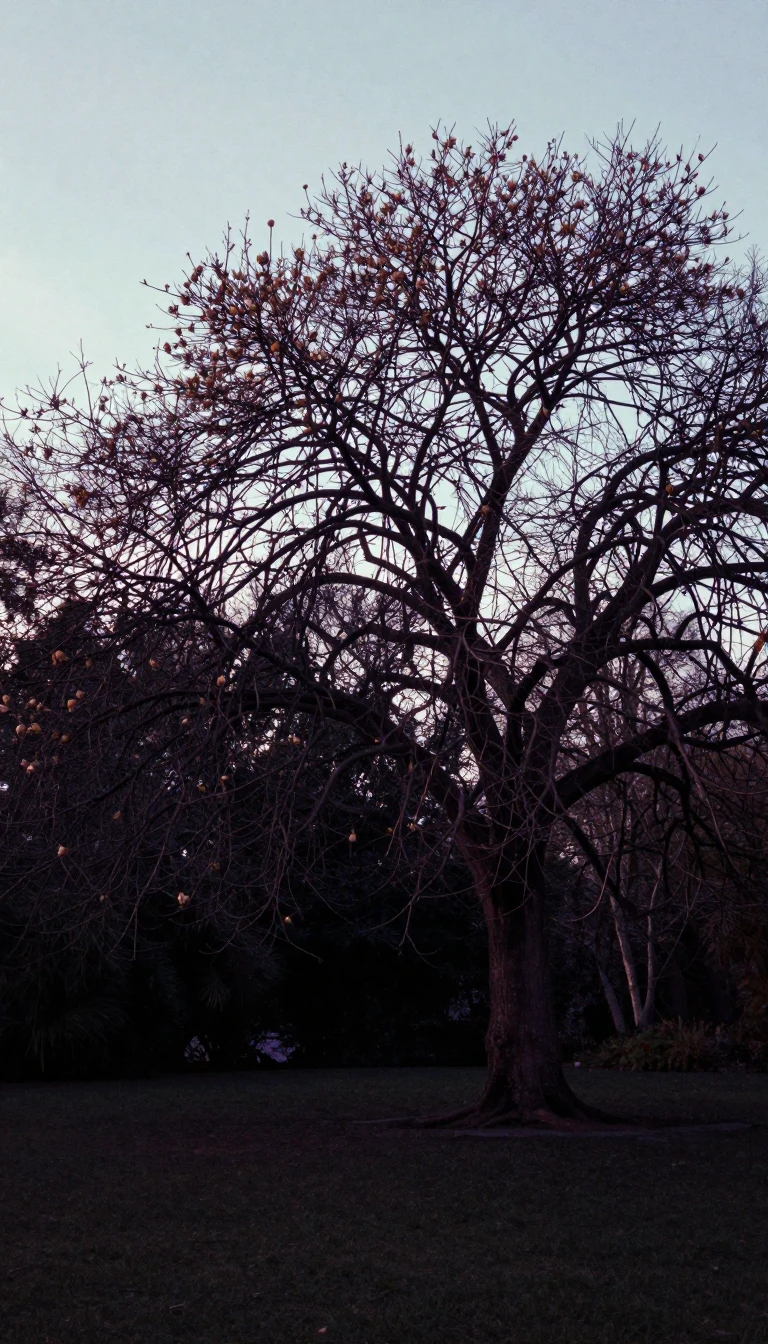 The invisible boundary where forests end and the alpine world beginsIt is not just a line on a map, but a biological frontier. Driven by temperature, wind, and even the tilt of the earth, the tree line marks the absolute limit of where woody plant…
 The matriarchal clan that outmuscles the lionForget the image of a cowardly scavenger. The spotted hyena is a sophisticated, female-led powerhouse. With a bite force that exceeds a leopard's and a social structure more like …
 The white plumage of the snowy owl is a masterpiece of evolutionary adaptationWhile most owls are masters of the night, the snowy owl thrives in the 24-hour daylight of the Arctic summer. But its iconic white feathers are more than just camouflage; they rep…
 The cactus that bears a resemblance to an Ottoman fezThe Turks and Caicos Islands are often defined by their turquoise waters and luxury tourism. Yet, the very name of the archipelago hides a botanical curiosity: a scarlet cactus to…
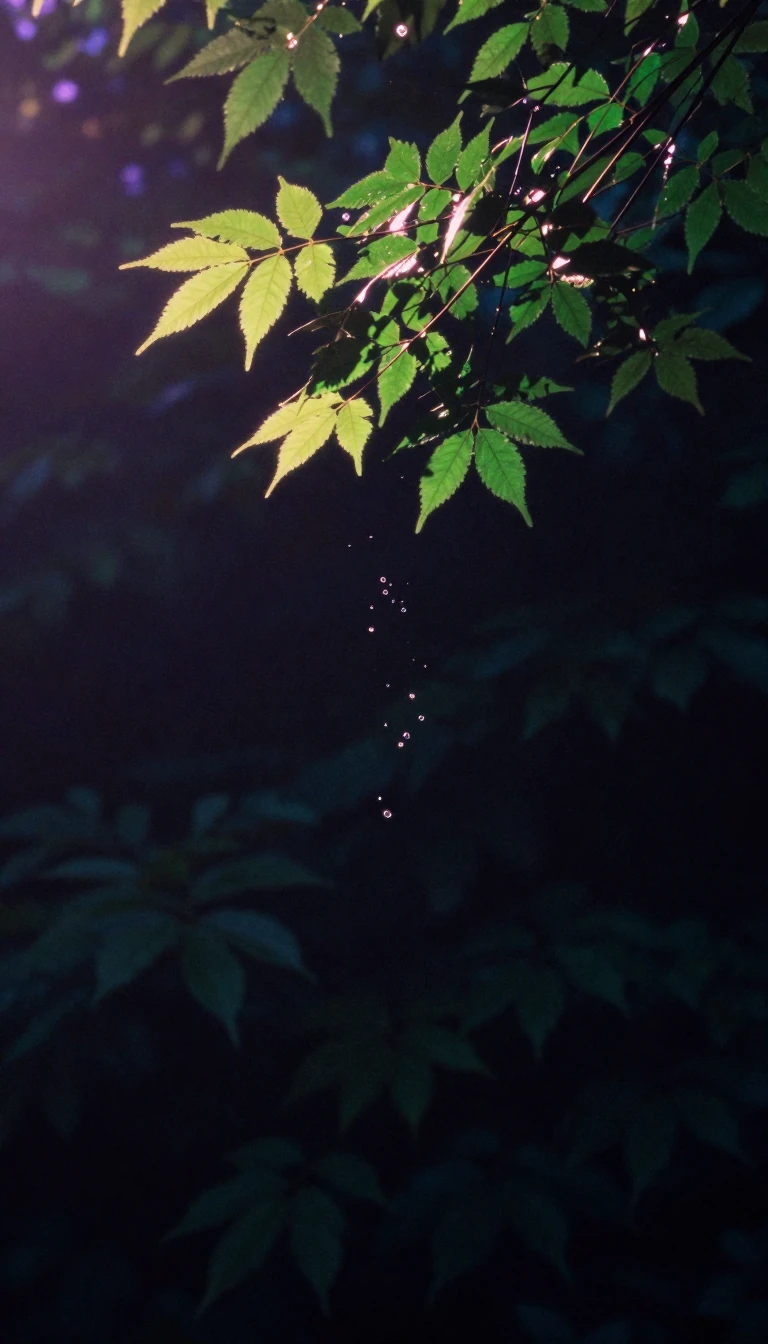 Plumbing made of dead cells let plants grow tall and conquer landA tree lifts water tens of metres without a pump, spending almost no energy, through pipes built from cells that are already dead. That internal plumbing defines the vascular plan…
 Western gorillas snack on caffeine-laced nuts and throw sticks at intrudersWestern gorillas eat kola fruits and seeds that offer little protein but plenty of caffeine, and in Gabon some chew a shrub containing a hallucinogen. They usually flee from peopl…
 South Korea respelled its road signs so the internet could stop mangling KoreanThe older way of writing Korean in Latin letters relied on apostrophes and curved accent marks, which early internet users routinely dropped, making different sounds look identica…
 Rhyolite, the stickiest lava on Earth, tends to explode rather than flowRhyolite holds more silica than any other volcanic rock, and that makes its molten form thick enough to trap gas until it bursts. So it usually leaves the ground as ash and pumice…
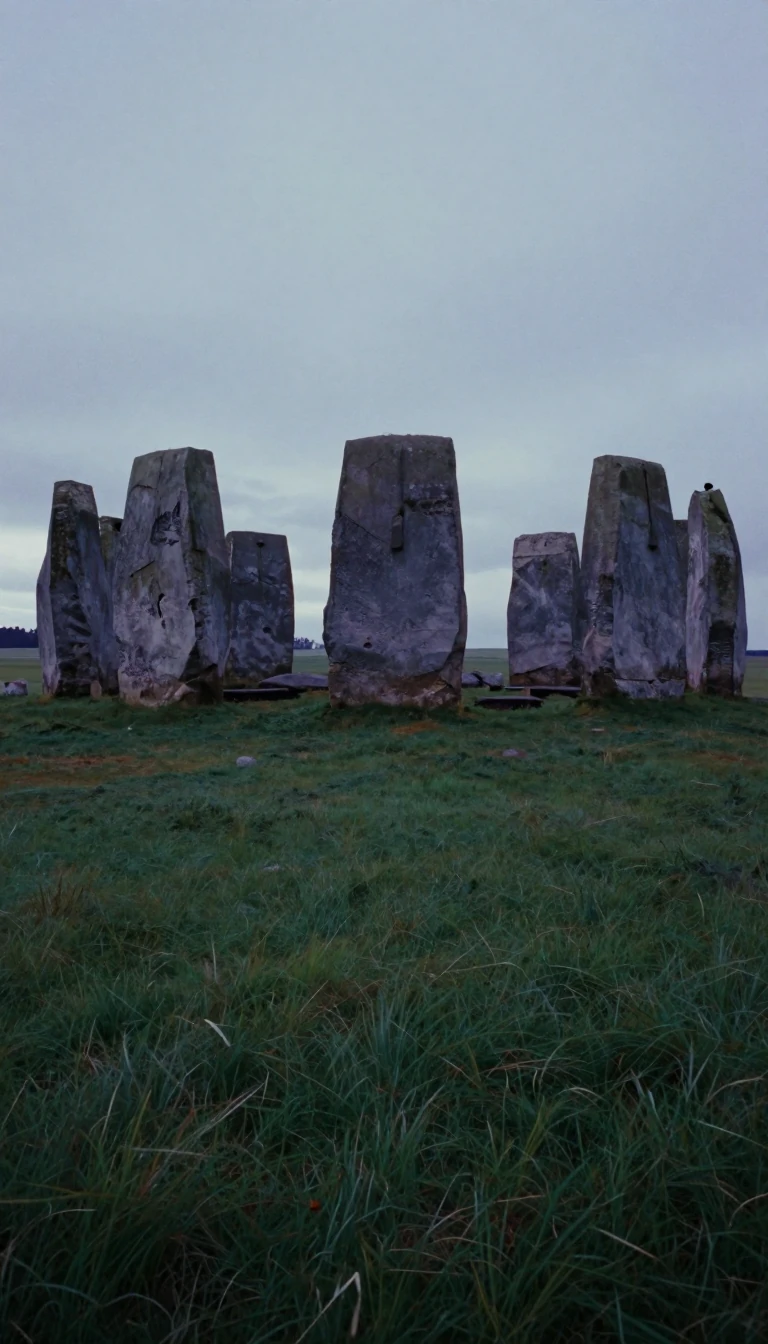 The Rock of Gibraltar is an upside-down slab of Jurassic seabedAncient sailors treated this limestone mountain as one of the Pillars of Hercules, the edge of the known world. Geologists see something stranger: layers of seabed laid down some …
 Reinhold Messner climbed Everest without bottled oxygen when doctors said it was impossibleIn 1978 Reinhold Messner and Peter Habeler stood on the summit of Everest breathing only the thin air around them, something several doctors and climbers had declared beyond human…
 Indonesia has no state religion, yet for decades every ID card named oneThe country with the world's biggest Muslim population also built Borobudur, the largest Buddhist monument anywhere. Indonesia's founding philosophy asks citizens to believe in on…
 South Korea's churches and temples multiplied after 1960, then began emptyingIn 1962 barely one South Korean in twenty called themselves Christian. By 2005 almost three in ten did, and Protestant churches had multiplied more than eightfold in under four de…
- A wild orangutan named Rakus treated a facial wound with chewed leavesIn 2024, a wild Sumatran orangutan called Rakus was seen chewing leaves of the plant Fibraurea tinctoria and smearing the paste onto a wound on its face. Weeks later it appeared h…
 Hippos once wallowed in lakes in the middle of Arabia's Empty QuarterArabia's Empty Quarter is one of the driest places on Earth, with dunes reaching 250 metres. Yet hardened lake beds along its middle hold fossils of hippopotamus, water buffalo an…
 Most cars in Russia's Far East have the steering wheel on the wrong sideIn Russia's Far East, 73 percent of cars have right-hand drive, something unique within Russia, even though traffic keeps to the right. It suits a region that had no highway link …
 Africa's snowy Mountains of the Moon are losing their glaciers fastStraddling the equator between Uganda and Congo, the Rwenzori carry permanent snow and ice, and explorers once matched them to Ptolemy's legendary Mountains of the Moon at the Nil…
 Russian passports have used four different ways to spell names in Latin lettersA Russian traveller could have held passports spelling the same surname in several different ways. Soviet documents used French-style spelling, a new English-leaning scheme arrive…
- The saltwater crocodile hatches at 71 grams and can end up past a tonneA newly hatched saltwater crocodile is about 28 cm long and weighs roughly 71 grams, less than a chocolate bar. A big male can grow past 6 metres and 1,000 kg, making this species…
 Los Angeles is slowly sliding north along the San Andreas Fault toward San FranciscoWest of the San Andreas Fault, California rides the Pacific plate northwest by a few centimetres each year. Keep that up for perhaps twenty million years and Los Angeles will glid…
 Santorini's famous cliffs are the rim of a drowned, still restless volcanoThe whitewashed villages tourists photograph on Santorini cling to 300-metre cliffs that are really the inner wall of a collapsed volcano. The sea now fills its crater, about 12 b…
 Heaps of broken rock can hide permafrost in surprisingly mild climatesThe loose rubble piled beneath cliffs looks like nothing more than debris. Yet cold air sinking through the gaps can keep the inside of a scree slope several degrees colder than i…
 The biggest gibbon sings through a throat pouch as large as its headSiamangs, the largest gibbons, carry an inflatable throat sac that swells to the size of their heads and turns their calls into booming songs. Their singing rings out across Sumat…
 In one creation story, a muskrat's muddy nose built North AmericaSeveral Northeastern Woodlands peoples tell of a world resting on a turtle's back. After a great flood, animals dove for mud; the beaver and loon failed, but the muskrat surfaced …
 Hawaii's favourite instrument arrived aboard a ship full of Madeiran cabinet makersThe ukulele is a Hawaiian name for a Portuguese idea. Madeiran immigrants who stepped off the SS Ravenscrag in 1879 were soon giving nightly street concerts, and three cabinet mak…
 India runs eight of its regions straight from New Delhi rather than through statesMost of India governs itself through elected state governments, but eight union territories answer directly to the centre, usually through a lieutenant governor or administrator t…
 USC got the name Trojans during a disastrous detour into rugbyBetween 1911 and 1913, USC dropped American football for rugby and was thrashed by more experienced teams while the school's finances wobbled. A Los Angeles Times writer, admiring…
 The world's smallest monkey babbles like a human baby and taps trees for gumWeighing just over 100 grams, the pygmy marmoset is the smallest monkey on Earth. It chews holes in Amazon tree bark and laps up the gum that oozes out. Its infants babble their w…
 U.S. News stopped printing its magazine but kept printing its rankingsFor decades U.S. News & World Report trailed Time and Newsweek as America's third news weekly. Then its college rankings, launched in 1983, grew more influential than its journali…
 Why America's Interior Department has nothing to do with policeIn most countries an interior ministry means police and internal security. America's version manages national parks, dams, wildlife refuges and relations with Native nations, whic…
- Why Taiwan still writes Kaohsiung while mainland China switched to PinyinFor most of the 20th century, English readers met Chinese names through Wade–Giles, the system behind spellings like Kaohsiung and Chiang Ching-kuo. Mainland China adopted Pinyin …
 Wallace Stegner, the Dean of Western Writers, and his famous Stanford studentsWallace Stegner said he had lived in twenty places in eight states and Canada, then spent his career explaining the American West. He won a Pulitzer for Angle of Repose, founded S…
 How the Welland Canal lets ships climb around Niagara FallsLake Erie sits 99.5 metres above Lake Ontario, and the only natural link between them plunges over Niagara Falls. Since November 30, 1829, the Welland Canal has carried ships up a…
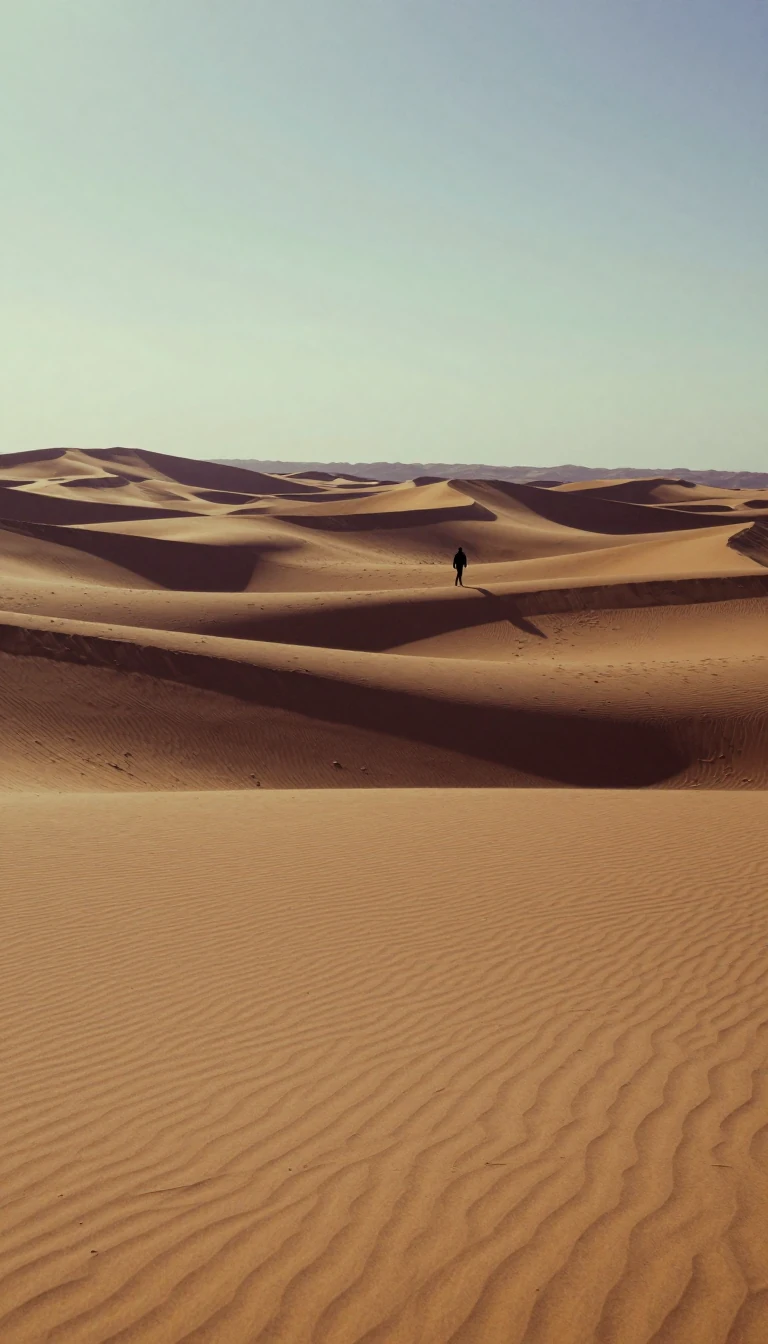 Hot deserts cover about 14 percent of Earth's land, the biggest climate zoneThe hot desert is the most widespread climate on land, covering roughly 14.2% of Earth's land area and found on every continent except Antarctica. What makes a desert isn't heat, …
- Vervet monkeys shout different warnings for leopards, eagles and snakesA vervet monkey that spots a leopard gives one call; an eagle or a python triggers another, each sound distinct. Infants pick up these alarms just by watching, and the monkeys eve…
- The Hungarian Vizsla nearly vanished twice before winning Crufts in 2010After the Second World War, a search across Hungary turned up only about a dozen purebred Vizslas. From that tiny remnant the copper-coated pointer bounced back, reaching American…
 Volcanic ash is really shattered magma, glass and crystal smaller than 2 mmVolcanic ash is not soot. Each grain, smaller than 2 mm, is a shard of rock, crystal or glass, formed when gas bubbles rip rising magma apart or when magma meets water and flashes…
- From lava fountains to exploding gas slugs, how volcanoes choose their styleVolcanologists name eruption styles after the mountains that made them famous. Hawaii's volcanoes ooze runny basalt in fountains and curtains of fire, Stromboli pops like a burst …
 Wildlife once meant game for hunters; now it includes the rats downtownThe word wildlife used to be close to a synonym for game, the birds and mammals people shot for sport. Today it covers anything living wild that people did not introduce, from dee…
 Religion split the Slavs by alphabet: Latin letters west, Cyrillic eastPoles, Czechs, Slovaks, Sorbs and Kashubians share West Slavic languages and, since the ninth century, mostly Roman Catholicism. That conversion brought the Latin alphabet and tie…
- The white rhino is grey, and nobody really knows where its name came fromWhite rhinos range from yellowish brown to slate grey, so the name clearly has nothing to do with colour. A popular tale blames English settlers mishearing the Dutch word for wide…
 White storks fly around the Mediterranean because warm air will not lift them over waterA white stork flying from Europe to Africa for winter will not take the short route across the Mediterranean. It relies on rising thermals to soar with little effort, and those co…
 From 21 wild birds to over 800: the whooping crane's narrow escapeBy 1941 hunting and habitat loss had left just 21 wild whooping cranes, plus two in captivity. North America's tallest bird was a whisker from vanishing. Decades of protection and…
 Antarctica's land is nearly lifeless, but its seafloor teems with giantsAntarctica has no native land mammals, reptiles or amphibians at all, and its frozen interior is among the emptiest places on Earth. Yet a single square metre of its seabed can ho…
- A covered bowl of parrot eggs could tell a Yoruba king to abdicateYoruba monarchs ruled only while their people approved. If a king turned tyrannical or incompetent, the order to leave the throne might arrive as a symbolic message: parrot eggs i…
 Zermatt bans combustion-engine cars to protect its view of the MatterhornIn Zermatt, cars with combustion engines are banned so that exhaust haze never dims the view of the Matterhorn. Visitors arrive by train, then ride almost silent electric taxis, b…
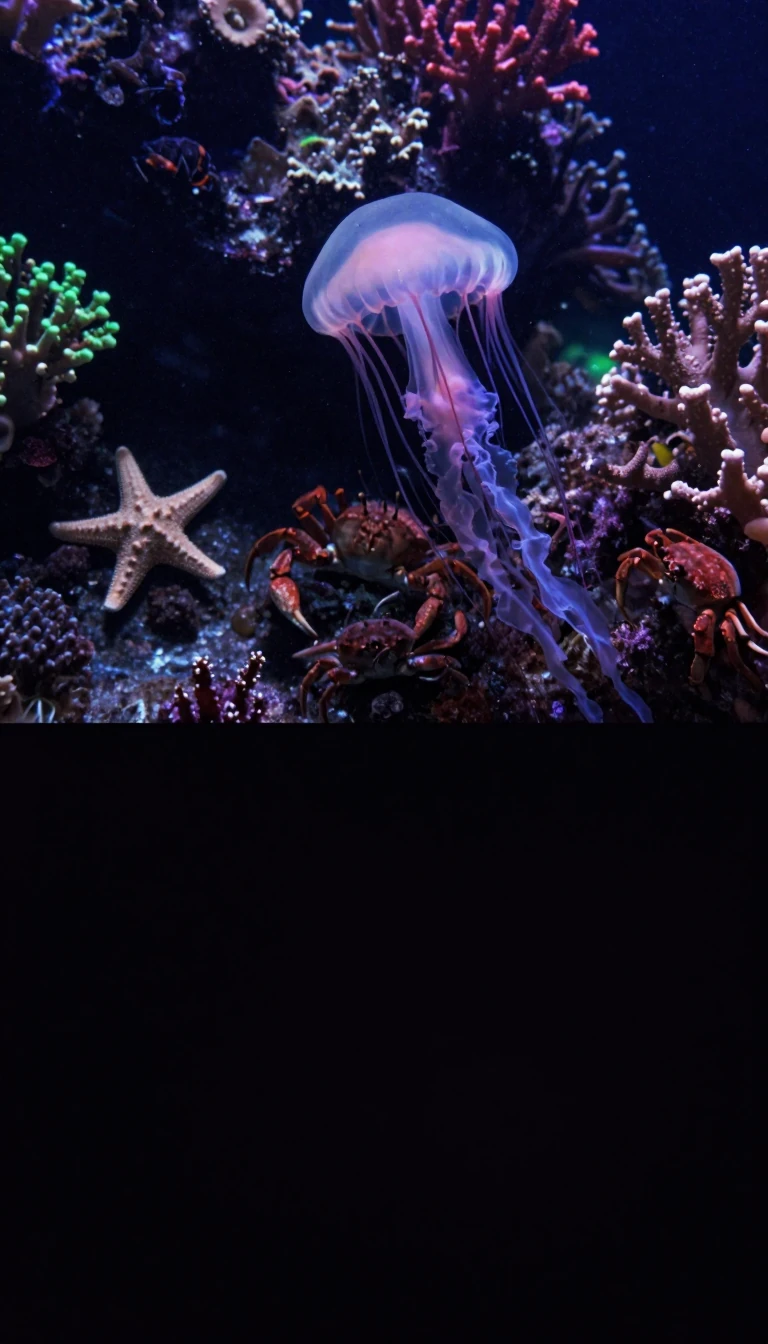 Tiny zooplankton graze most of the ocean's daily plant growthThe biggest grazers in the sea are not whales or fish. Microscopic zooplankton, mostly single-celled hunters, eat an estimated 59 to 75 percent of the ocean's fresh plant producti…
 WWF's panda logo was modelled on Chi Chi, a lone panda in LondonIn 1961 the new World Wildlife Fund needed a symbol that crossed language barriers and printed well in black and white. The answer was Chi Chi, a giant panda moved from Beijing Zo…
- Among China's Yi, weather is said to change within a few milesNearly all of China's nine million Yi live in mountains, often farming steep slopes far from any city. Altitude varies so sharply across their lands that an old saying holds that …
 The agency that inherited America's leftover land now oversees an eighth of itIts holdings were once dismissed as land nobody wanted, the ground homesteaders passed over. Today the Bureau of Land Management looks after more than 247.3 million acres, about o…
 Carrying capacity began as a shipping term before ecologists made it their KEvery environment has a ceiling: the largest population of a species it can sustain with the food, water and space available. Ecologists write that ceiling as K, from the German f…
 Anthropologists now work far beyond the university, from crime labs to cyberspaceThe classic image is a scholar living in a remote village taking notes. By 2014, though, most American anthropologists and archaeologists worked in research jobs, consulting or go…
- Top predators reshape whole landscapes, and scientists still argue whether humans countWhen gray wolves returned to Yellowstone in 1995, elk grew scarcer and warier, and streamside willows, aspens and cottonwoods sprang back. That is the reach of an apex predator. W…