 Intellect Plus
Nature
11,198 cards. Each one is a 40-second story with a five-minute read behind it. Page 161 of 187.
Subtopics: Ageing · Air · Animal behaviour · Animal breeds and hybrids · Animals · Arthropods · Atmosphere · Big cats · Bilateria, others · Birds · Botany · Cnidarians · Conservation · Coral reefs · Deep sea · Deserts · Dinosaurs · Earth science · Earth science and physical geography · Earth science basics · Earthquakes & tsunamis · Echinoderms · Ecology · Ecosystems · Endangered species · Extinct animals · Farming · Fish · Forests · Fungi · General classifications · Geology · Geomorphology · How Long Can It Live? · Ice · Individual animals · Insects · Lightning · Longevity · Mammals · Marsupials · Migration · Mollusks · Ocean · Organisms · Parasites · Physical geography · Plants · Porifera · Predators · Primates · Rainforest · Reptiles & amphibians · Researched · Sharks & rays · Spiders & arachnids · Symbiosis · Trees · UK & Ireland: nature · Vertebrates · Vision · Volcanoes · Water · Waves · Weather · Whales & dolphins · Zoology
 Male bowerbirds use forced perspective to win a mateSome male bowerbirds lay out objects in front of their bower from smallest to largest. Seen from where a visiting female stands, the arrangement creates an optical illusion that k…
 A blue-footed booby's feet are a health report its mate reads dailyThose famous turquoise feet are not just for show. Their colour depends on how well a booby has eaten in the past day or two, and potential partners watch closely. When researcher…
 Blue sharks steer straight for days, seemingly guided by Earth's magnetismOff the northeastern United States, tagged blue sharks have held a dead-straight course for hundreds of kilometres over several days, far out in open ocean with no landmarks. The …
 Bluefish keep attacking prey long after they seem to have eaten enoughThe bluefish is the last surviving member of its entire family, and it hunts like it has something to prove. Schools tear into baitfish in frenzies that carry on past the point of…
 The black-footed ferret was declared extinct in 1979, then found alive on a Wyoming ranchIn 1979 the black-footed ferret was written off as extinct. Two years later a small surviving population turned up near Meeteetse, Wyoming. Captive breeding from those few animals…
 The black mamba is neither black nor as fast or aggressive as legend claimsLook at a black mamba and you will see olive, khaki, gunmetal or brown, almost never black. The name comes from the inside of its mouth, a bluish-black lining it flashes when alar…
 Black rhinos are not black, and white rhinos may owe their name to a mistranslationNeither of Africa's rhinos is the colour its name suggests. The black rhino ranges from brown to grey, and the white rhino's name is often traced to a Dutch-derived word for wide,…
 Black vultures cool off, stay clean and find dinner with surprising tricksThe American black vulture has no voice box, so it can only grunt and hiss. It has a poor sense of smell, so it tails turkey vultures, whose noses are keen, to find carcasses. And…
 Termites are, genetically speaking, a branch of the cockroach family treeTermites once had an insect order all to themselves. DNA changed that: they evolved from inside the cockroach lineage, so biologists now file both in one order, Blattodea. Their c…
- Baby elephants and koalas must eat dung before they can digest plantsA newborn elephant, panda, koala or hippo arrives with a sterile gut, unable to extract any goodness from leaves. The fix is unappetising but vital: the young eat their mothers' d…
 A bored military policeman built the first maximum-containment lab cabinetLabs that handle dangerous microbes are graded from biosafety level 1, where handwashing may suffice, to level 4, with sealed suits and airlocks. The first maximum-containment cab…
 A bird's entire skeleton makes up only about 5 percent of its weightFlight demands a body that is both feather-light and tough enough to survive take-offs and landings. Birds manage it with hollow, strut-braced bones, fused bone clusters and a too…
 Fishing cormorants in China refused to work after their seventh fishOn the Li River, fishermen let their cormorants eat every eighth catch. Once a bird had delivered seven, it simply stopped, ignoring commands and even shoves until its neck ring w…
 Twitchers are named after one nervous British birdwatcher from the 1950sSerious rare-bird chasers in Britain are called twitchers, a word coined in the 1950s for the jittery behaviour of a birdwatcher named Howard Medhurst. Their world has its own sla…
 Africa's smallest wild cat can kill 14 animals in a single nightThe black-footed cat weighs barely two kilograms and stands under 25 centimetres at the shoulder, yet it is a formidable night hunter. Radio-tracked individuals roam up to 16 kilo…
 India's blackbuck survives on Texas ranches and Argentine plains tooThe blackbuck, a striking Indian antelope with spiralling horns and a two-tone coat, crashed in numbers during the 20th century and vanished from Pakistan and Bangladesh. Yet ranc…
 Almonds, cherries, peaches and plums all grow from one ancient genusAlmonds, apricots, cherries, peaches and plums all belong to one genus, Prunus, a branch of the rose family with about 340 accepted species. Each produces a drupe: soft flesh wrap…
 Rosewood earned its name from a scent that lingers for yearsBrazilian rosewood gives off a strong, sweet smell that hangs on in the timber for years, and that fragrance explains the name. The dense, dark-veined wood takes a glassy polish, …
- Four big cats can roar, but the snow leopard lacks the vocal equipmentA lion's roar can carry 8 to 10 kilometres on a good night, thanks to the longest larynx of any cat. Its relatives the tiger, leopard and jaguar roar too. The snow leopard shares …
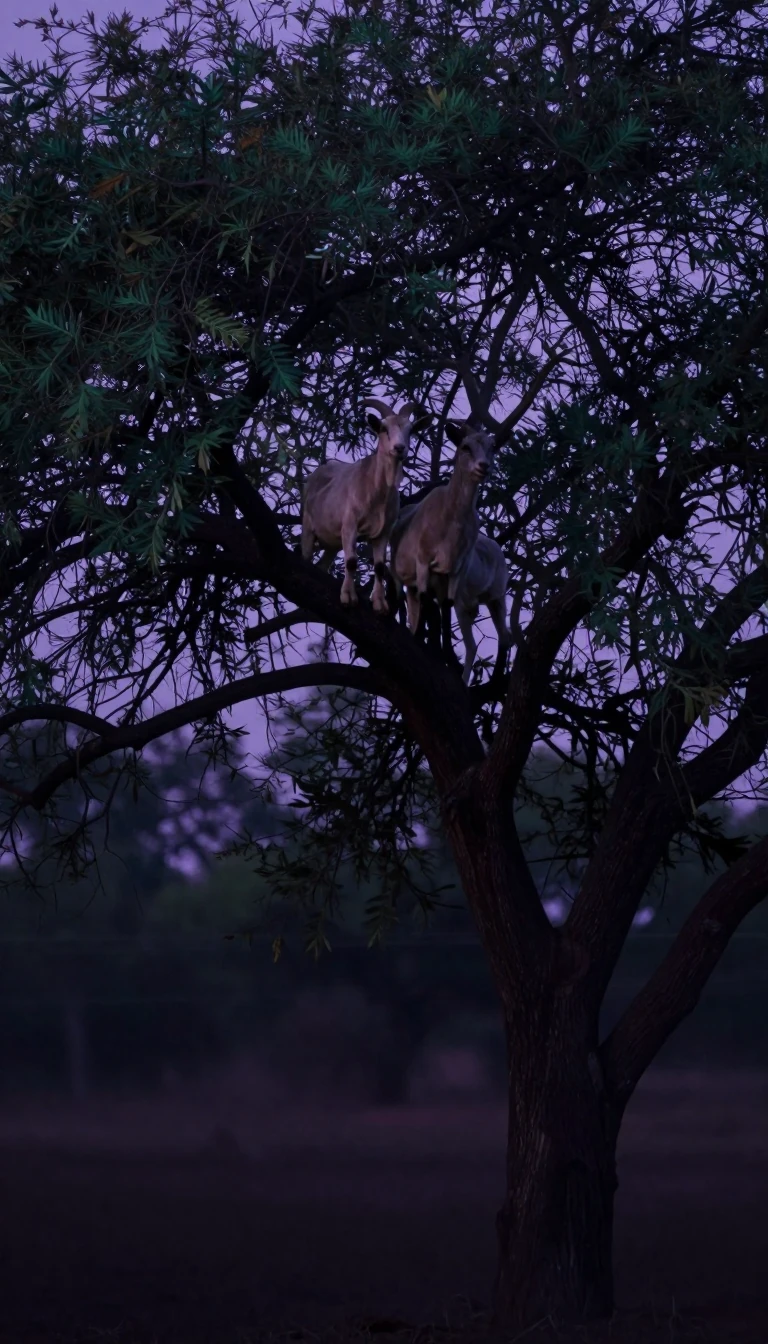 A bighorn ram's horns can weigh as much as all its bonesTwo bighorn rams walk apart, turn, rear up and crash their heads together, again and again, before the autumn rut. Their curled horns can weigh 14 kilograms, as much as the rest o…
 Billfish slash through fish schools with bills, then circle back to feedA sailfish has been clocked at 110 kilometres an hour in a short burst, close to a cheetah's top speed and the fastest ever recorded for a fish. Its relatives the marlins and the …
 The binturong marks its forest trails with the smell of buttered popcornWalk beneath a binturong's tree in a Southeast Asian forest and you might catch a whiff of hot buttered popcorn. The shaggy, tree-dwelling bearcat leaves that scent on branches, a…
- The beluga sturgeon can outweigh a small car and live over a centuryIn 1827 fishermen in the Volga estuary landed a female beluga sturgeon weighing 1,571 kilograms and stretching 7.2 metres. Nothing close to that size swims today. The world's larg…
 The Mekong catfish that America's law says cannot be called a catfishBasa is a catfish from the Mekong, but in American shops it cannot legally carry that word. After a trade fight in the early 2000s, Congress reserved the catfish label for one Nor…
 Every living species sits equally far from the root of lifeBiologists often call a lineage basal when it branches off near the bottom of an evolutionary tree, and people hear primitive. But every species alive today has been evolving for …
- The basking shark strains an ocean's worth of water through a metre-wide mouthA basking shark cruises with its jaws gaping open, at walking pace, sieving plankton from the sea. A five-metre individual has been calculated to push some 450 tonnes of water thr…
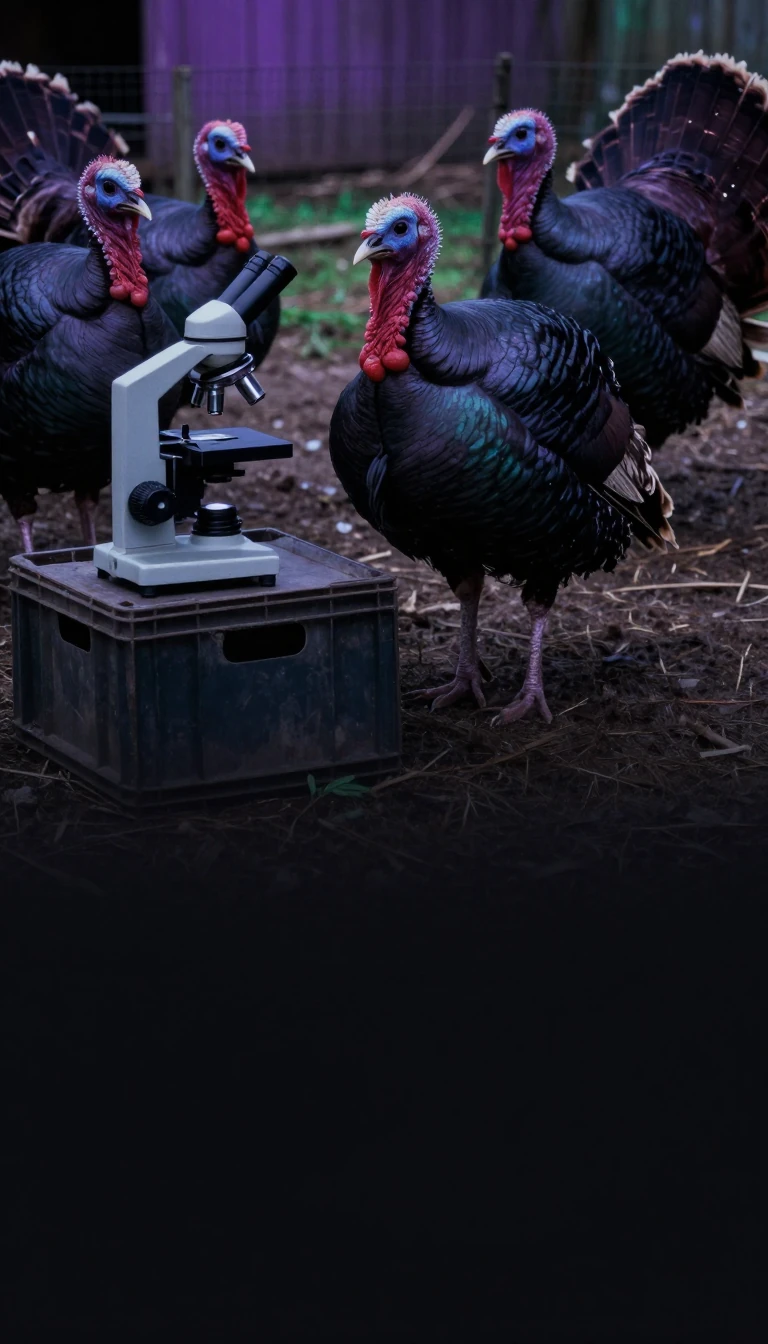 Harmless animals that bluff their way to safety by dressing as poisonHenry Walter Bates spent over a decade collecting butterflies along the Amazon and found some he could not tell apart by their wings, even though closer study showed they were not…
- A bird's beak is bone wrapped in ever-growing keratin, with hidden tricksA kiwi breathes through nostrils at the very tip of its bill, sniffing out food in the soil. Gannets have no outer nostrils at all and breathe through their mouths. Beaks look sim…
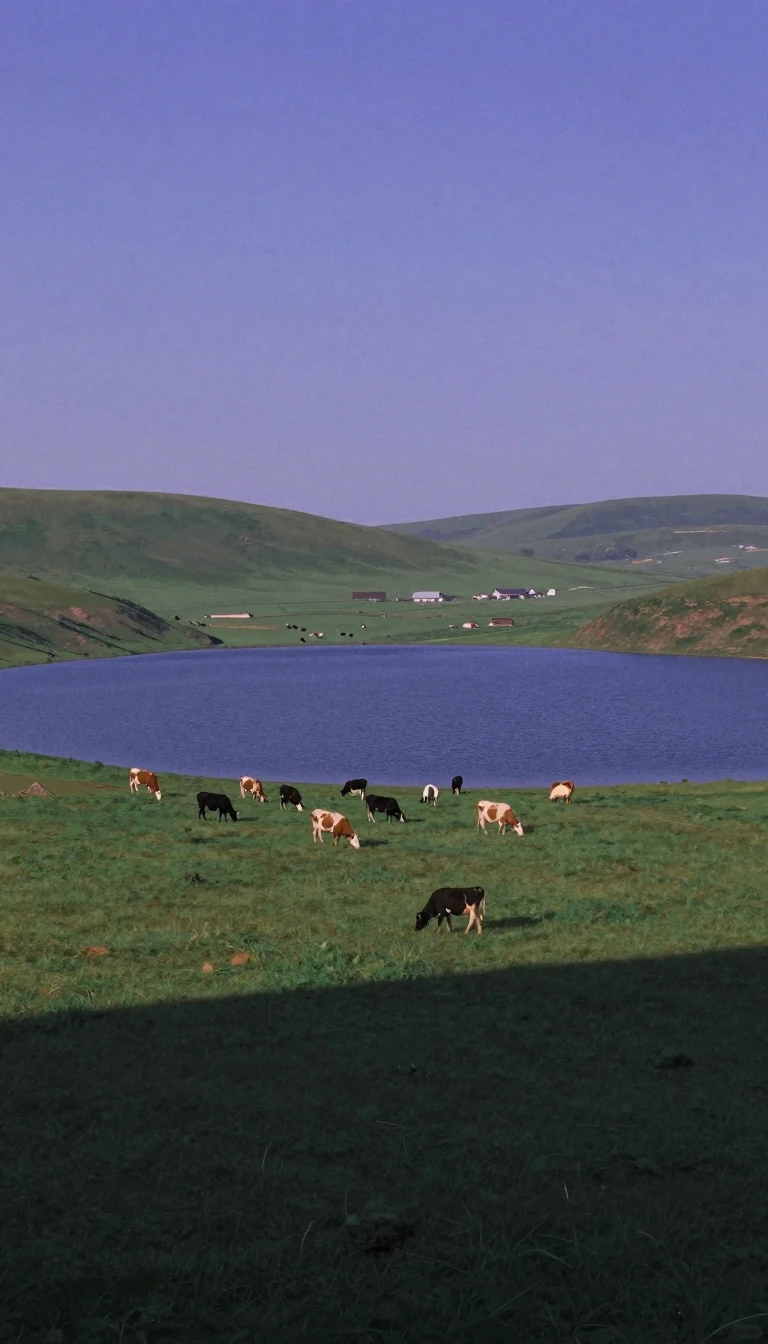 DNA tests found most beefalo contain no detectable buffalo at allBeefalo is sold as a cattle-bison hybrid, officially three-eighths bison. Yet when geneticists sequenced 47 animals in 2024, including samples from the founding herd, 39 showed no…
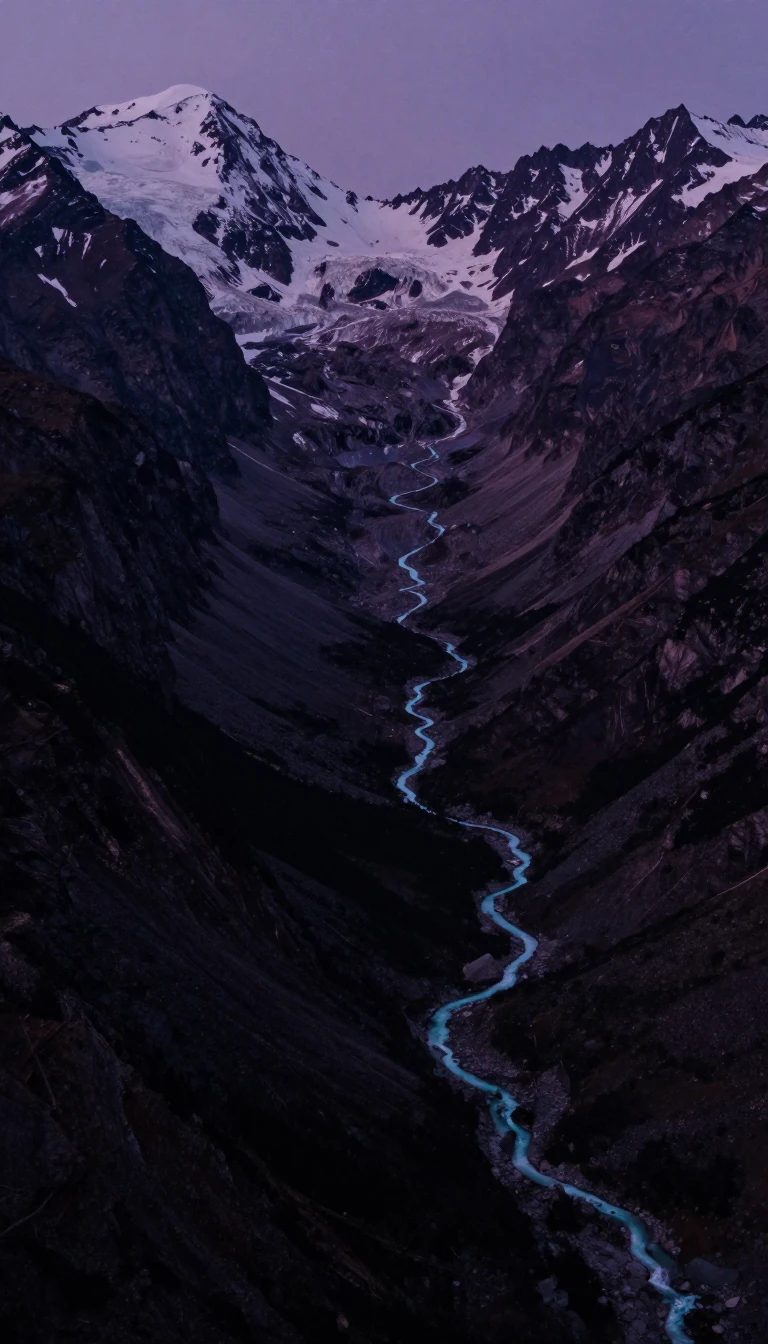 The Kosi, a river older than the Himalayas that keeps jumping its banksThe Kosi flowed before the Himalayas rose, and it has cut its gorge deeper as the mountains lifted around it. Downstream it drags so much silt onto the plains of Bihar that it aba…
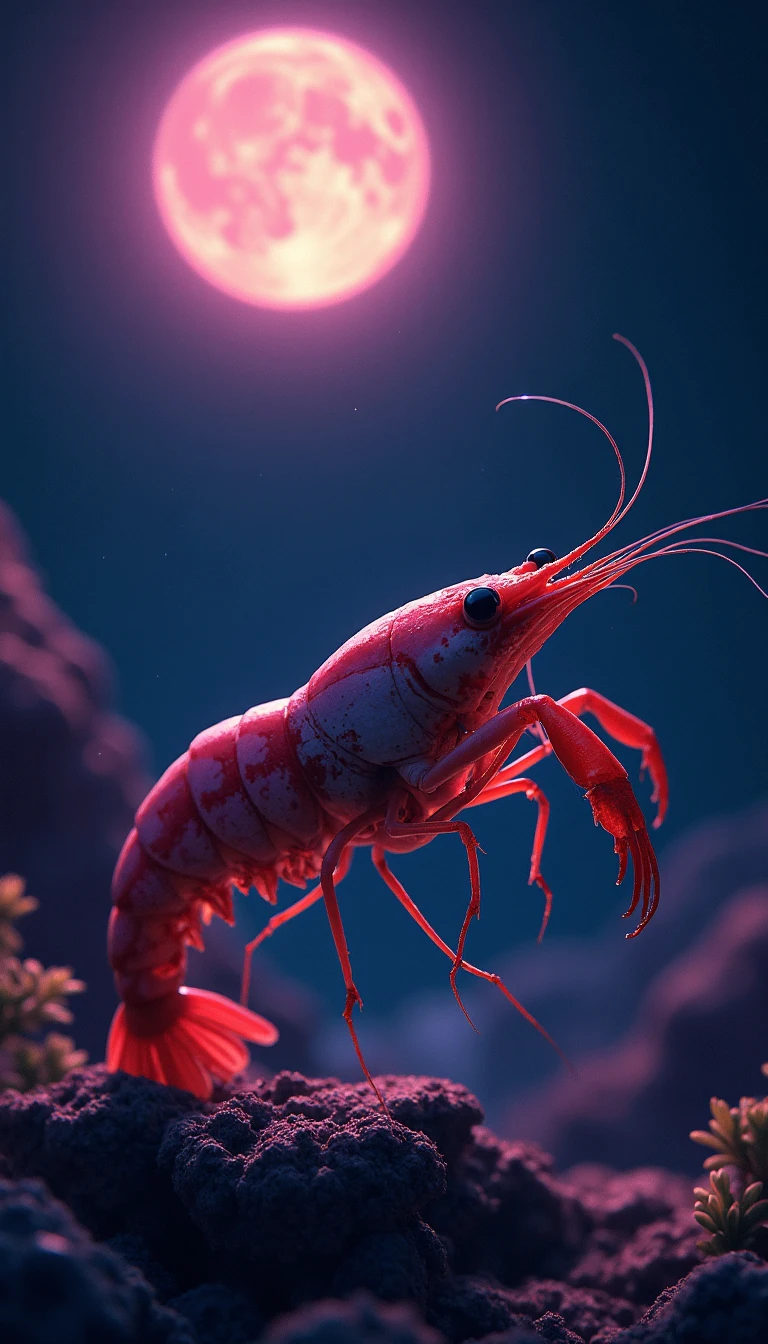 A barnacle is a crustacean glued head-first to a rock, kicking food into its mouthLinnaeus filed barnacles with snails and clams. It took an Irish naturalist watching their larvae in 1830 to show they are crustaceans, cousins of crabs, that spend adult life cem…
 Hornbeam wood is so hard it earned the nickname ironwoodRun a hand over a mature hornbeam and the smooth grey trunk ripples like flexed muscle. The wood beneath is so tough that carpenters rarely bother with it for everyday work. Inste…
- Whalebone is not bone at all, but the stuff of fingernailsSome whales feed through a curtain of plates hanging from the upper jaw, each up to 3.5 metres long and fringed with bristles. People called it whalebone, but it is keratin, the s…
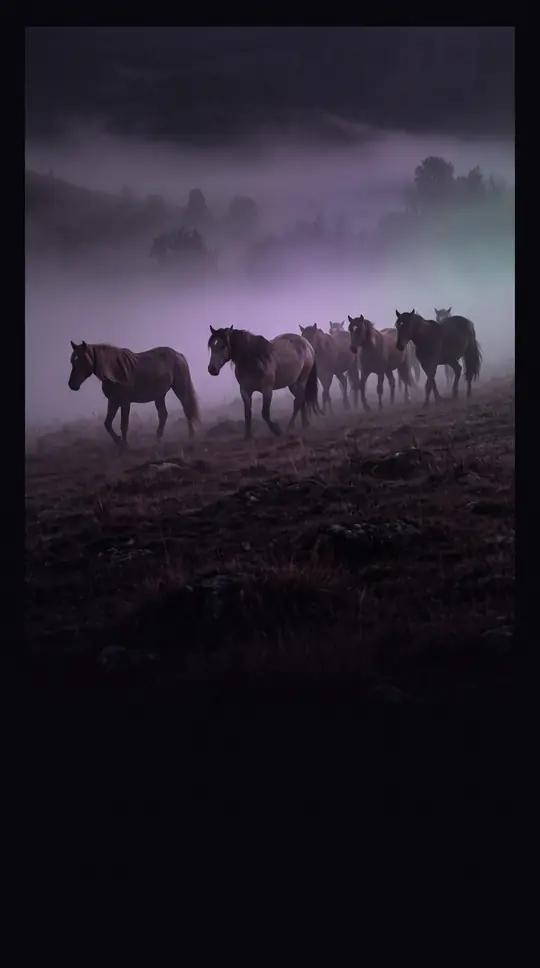 The banteng is a critically endangered wild ox that also lives on as Bali cattleIn the forests of Java and Cambodia roams a wild ox with a white rump patch, where bulls turn nearly black and cows stay chestnut. Its wild numbers have more than halved in recent…
 Why some lizards snap off their own tails, and what it costs themGrab a skink by the tail and you may be left holding a twitching decoy while its owner scuttles away. Dropping a body part to escape a predator, called autotomy, has evolved at le…
 Badgers are not really one kind of animal, just a body plan built for diggingThe European badger, the honey badger and the American badger look like close cousins, but biologists say the name describes a lifestyle rather than a family tree. Badgers are squ…
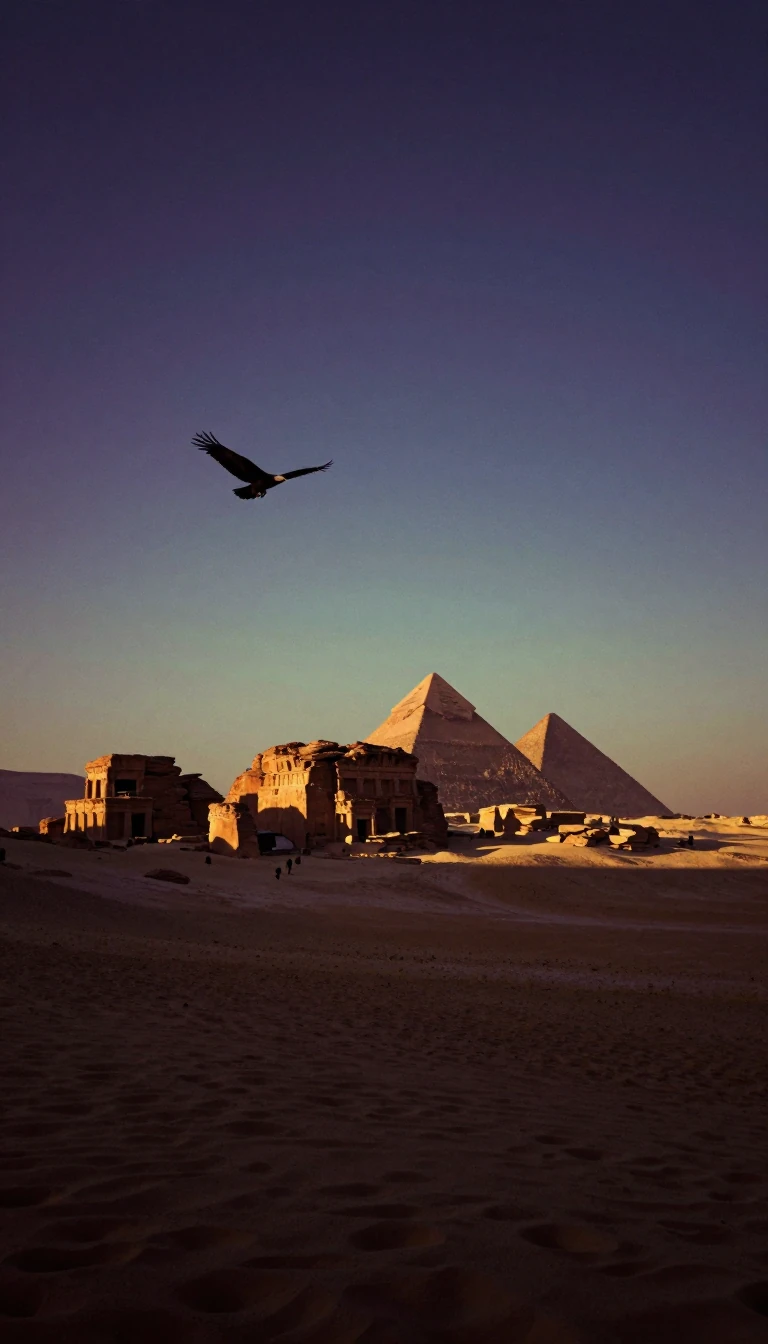 The bald eagle has a full head of feathers, and builds a one-ton nestAmerica's national bird is not bald at all. Its name uses an old sense of the word meaning white-headed, the same idea behind its scientific name, which translates as white-headed…
 Baldr's death was the first domino in the Norse end of the worldBaldr, son of Odin and Frigg, owned the finest ship ever built and a hall more beautiful than any other. Yet the Norse remembered him chiefly for dying. Icelandic poems treat his …
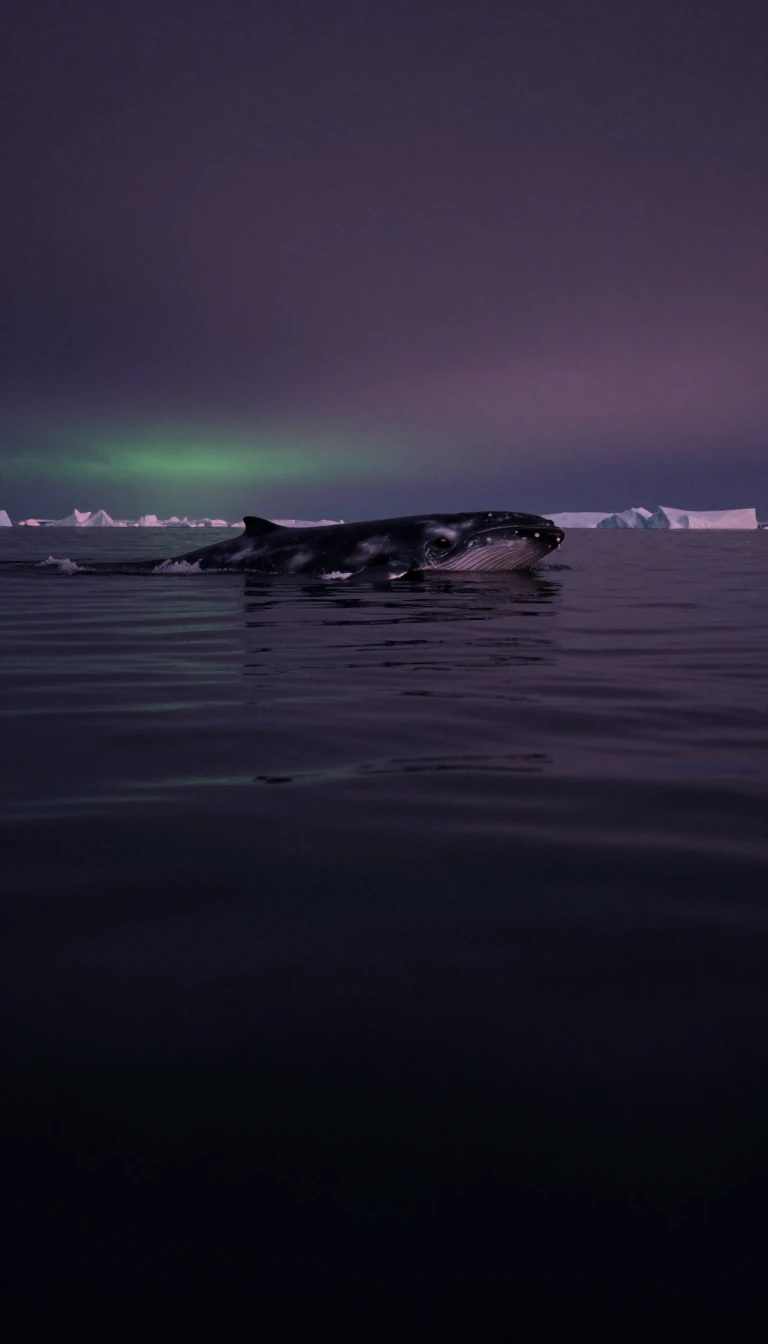 The biggest animals ever to live eat by straining the sea through their mouthsThe blue whale can reach 31 metres and 190 tonnes, larger than any animal known to have existed, and it lives on some of the smallest prey in the ocean. Like the other 15 baleen w…
 Deadly nightshade's poison, atropine, became a nerve agent antidoteThe same compound that makes deadly nightshade dangerous is carried by soldiers in autoinjectors to survive nerve gas. Atropine, first isolated in 1833 and now counted by the WHO …
- Australia holds the world's only wild herds of one-humped camelsThe world's only dromedary camels living truly wild are not in Arabia but in the Australian outback. Brought in during the 1800s to haul goods across the desert, they were turned …
- Funnel-web venom devastates primates yet barely troubles many other animalsAustralian funnel-web spiders rank among the most medically dangerous spiders on Earth, yet their venom seems fairly harmless to many animals. Primates, humans included, are the u…
- Australian magpies remember faces, and may spare the people they knowEvery spring a small number of Australian magpies, nearly always males, swoop at anyone who strays near their nests. Yet the same birds can recognise at least 100 individual peopl…
- Atlantic bluefin tuna heat their own muscles to hunt in cold seasFew fish run warm, but the Atlantic bluefin tuna controls its body temperature better than any other. A heat-trading web of blood vessels keeps its swimming muscles warm, letting …
 When Atlantic cod vanished, lobsters, crabs and shrimp took over the seafloorIn 1992 Canada banned cod fishing after a thousand years of Europeans chasing the fish across the Atlantic. Several stocks had crashed by more than 95 per cent, and even without f…
 The horseshoe crab is no crab, has nine eyes and bleeds blueIts species name honours Polyphemus, the one-eyed giant, because early naturalists thought it had a single eye. The Atlantic horseshoe crab actually has nine, plus light sensors a…
 Atlantic salmon surf ocean currents home rather than swimming marathonsThe image of salmon swimming thousands of kilometres across the ocean is largely a myth. Atlantic salmon ride sea surface currents in a loop that carries them back toward the rive…
 Sea squirt larvae swim like tadpoles, then glue themselves down for lifeA young sea squirt has a muscular tail, a nerve cord and a notochord, the hallmarks that link it to animals with backbones. Within a day or so it presses its head to a rock, secre…
- Microbes named after Norse gods may hold the origin of complex cellsMud near an Arctic hydrothermal vent called Loki's Castle yielded genomes of microbes carrying proteins once thought unique to cells with nuclei. Named for Loki, then joined by re…
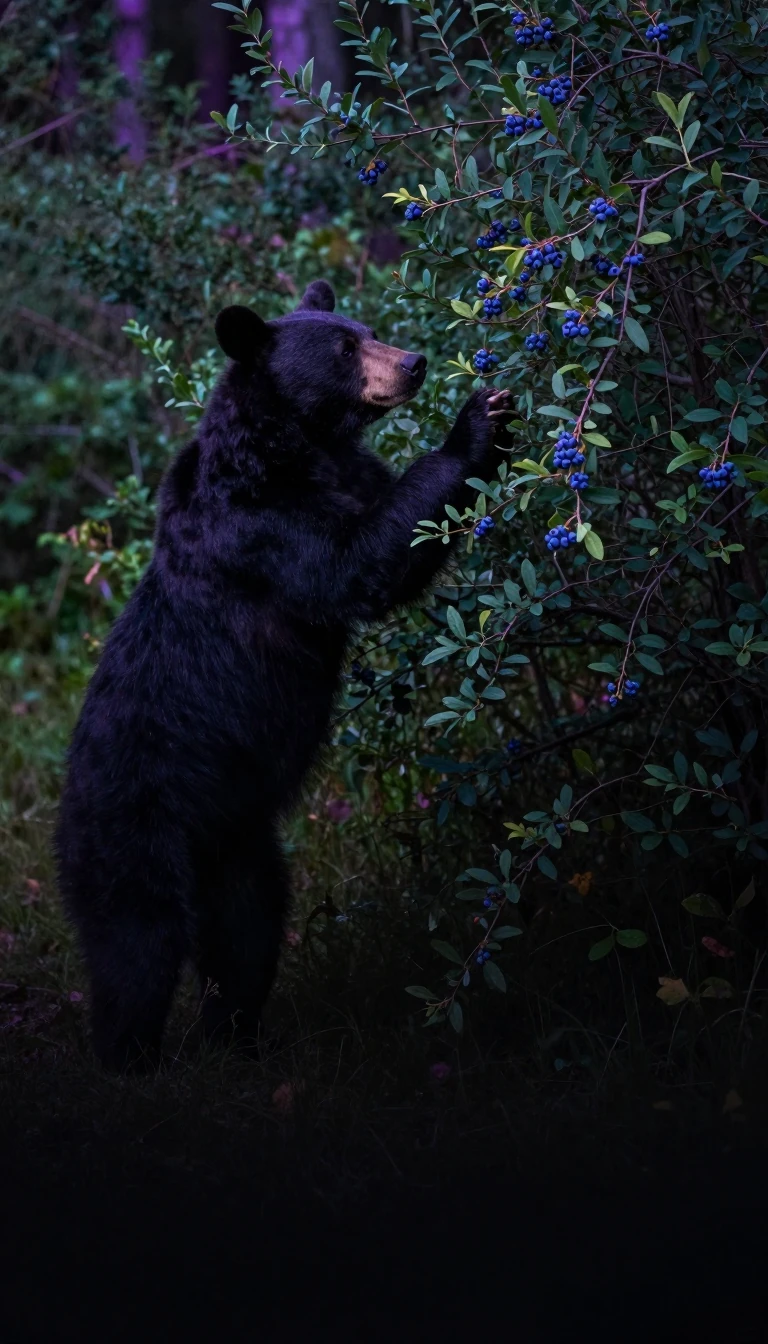 The moon bear is the most upright walker in the whole bear familyNamed for the pale crescent on its chest, the Asian black bear can stroll on its hind legs for more than 400 metres, farther than any other bear. Its upper body is so strong that …
 North America hunted down the world's largest hornet and declared it eradicatedWhen the world's biggest hornet turned up near the Canada–US border in 2019, identification centres in the eastern United States were flooded with photos and samples. Not one was …
 Robber flies grow a bristly moustache to shield their faces from struggling preyEvery one of the 7,000-plus robber fly species is a predator. They perch at lookout points, launch at passing insects, grab them in midair and tackle dragonflies, grasshoppers and…
 Why lobsters turn red in the pot and farmed salmon flesh looks pinkA live lobster is dull because its red pigment, astaxanthin, is locked onto shell proteins. Heat unravels those proteins, the pigment breaks free, and the shell blushes. The same …
 Atavisms are ancestral traits that resurface after silent genes switch back onBabies are occasionally born with a small tail, wingless stick insects sometimes sprout wings again, and chicken embryos have been coaxed into growing teeth. These throwbacks, cal…
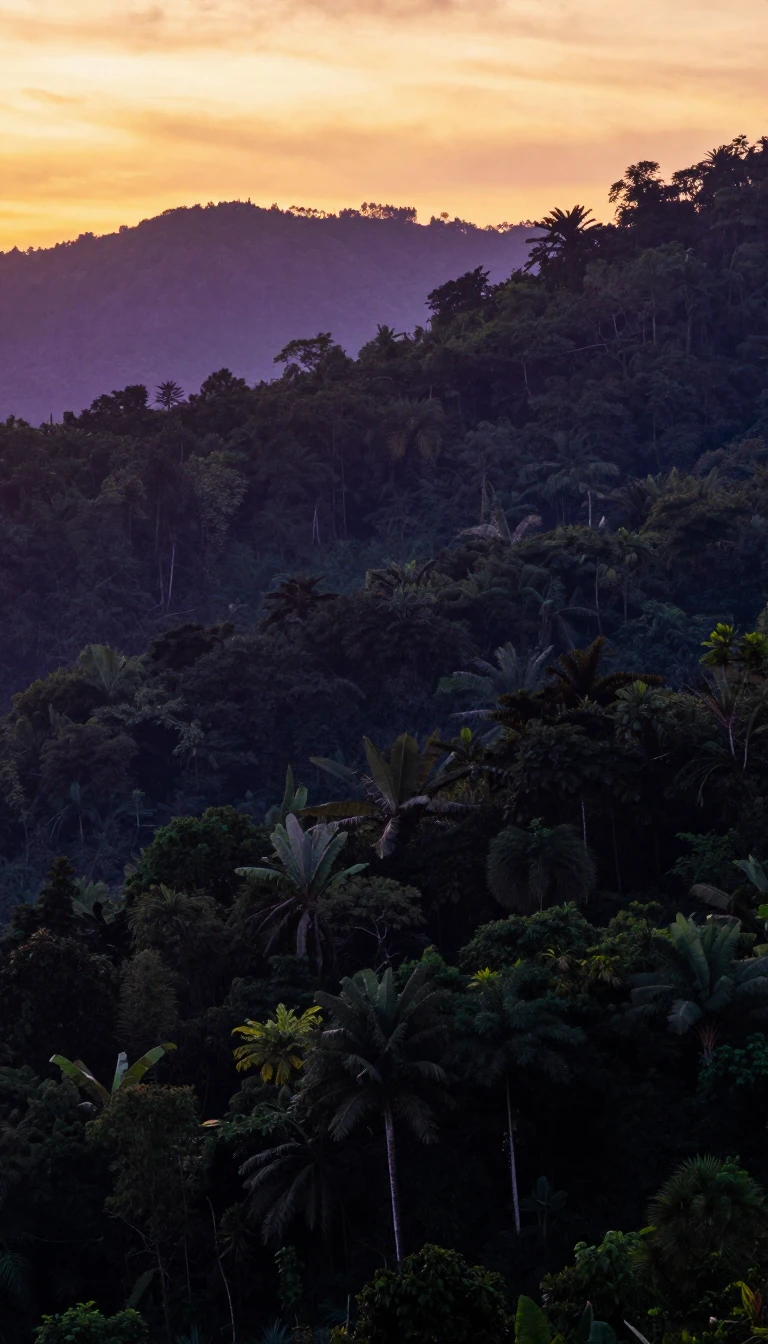 Ascension Island's cloud forest was planted on a cinder at Darwin's urgingWhen Charles Darwin landed in 1836, Ascension was a treeless volcanic island that St Helena's residents mocked as a cinder. A decade later Joseph Hooker, spurred by Darwin, persua…
- An Andean condor once soared 171 kilometres without a single wingbeatCondors lack the large breastbone needed to anchor big flight muscles, so they flap only to take off, then ride rising air from one thermal to the next. One Andean condor held tha…
- The first recorded artificial insemination, in 1784, was performed on a dogIn 1784 the Italian scientist Lazzaro Spallanzani achieved a pregnancy in a dog without mating, the first recorded artificial insemination. Six years later the Scottish surgeon Jo…
 Turtles are closer kin to birds and crocodiles than to lizardsGenetic studies keep reaching the same surprising verdict: a turtle's nearest living relatives are birds and crocodilians, not lizards and snakes. Biologists named that grouping A…
- This fish shoots insects off leaves and corrects for light bendingArcherfish knock insects off overhanging plants with a jet of water spat from a grooved mouth, reaching prey up to about 3 metres above the surface. Adults nearly always hit on th…
- Crocodiles and birds are the last survivors of the ruling reptilesA pigeon and a crocodile look nothing alike, yet they are each other's closest living relatives. Both belong to the archosaurs, the group that also produced dinosaurs and pterosau…