 Intellect Plus
Nature
11,198 cards. Each one is a 40-second story with a five-minute read behind it. Page 157 of 187.
Subtopics: Ageing · Air · Animal behaviour · Animal breeds and hybrids · Animals · Arthropods · Atmosphere · Big cats · Bilateria, others · Birds · Botany · Cnidarians · Conservation · Coral reefs · Deep sea · Deserts · Dinosaurs · Earth science · Earth science and physical geography · Earth science basics · Earthquakes & tsunamis · Echinoderms · Ecology · Ecosystems · Endangered species · Extinct animals · Farming · Fish · Forests · Fungi · General classifications · Geology · Geomorphology · How Long Can It Live? · Ice · Individual animals · Insects · Lightning · Longevity · Mammals · Marsupials · Migration · Mollusks · Ocean · Organisms · Parasites · Physical geography · Plants · Porifera · Predators · Primates · Rainforest · Reptiles & amphibians · Researched · Sharks & rays · Spiders & arachnids · Symbiosis · Trees · UK & Ireland: nature · Vertebrates · Vision · Volcanoes · Water · Waves · Weather · Whales & dolphins · Zoology
 Living light has evolved dozens of times, and once guided a lost pilot homeLow on options after his instruments failed, future Apollo 13 astronaut Jim Lovell switched off his cockpit lights and spotted the glowing wake of his aircraft carrier, then follo…
 Bottlenose dolphins carry sponges as tools and sense electric fields with baby whisker pitsSome bottlenose dolphins forage with marine sponges held on their snouts, a skill passed down through generations. Their brain-to-body measure beats chimpanzees', calves are born …
 Zulu, South Africa's most common home language, only got written down in the 1800sAbout 13.56 million people speak Zulu as a first language, and over half of South Africans understand it. Yet its first grammar was printed in Norway, its click sounds are unknown…
 Inbreeding changes no gene frequencies, yet it can doom a populationA common assumption holds that inbreeding makes harmful genes more common. It does not, at least not directly. What it changes is how often those genes pair up. Wolves on an isola…
 Ithaca gave the world the sundae and an early dancing-skeleton filmIn 1892 an Ithaca fountain owner topped vanilla ice cream with cherry syrup for a local minister, who suggested naming it after the day of the week. The spelling was later altered…
 The giant African land snail will eat cardboard, stucco and its siblings' shellsIt grows to 20 centimetres long, lays around 200 eggs at a time several times a year, and will eat crops, trash, cardboard and occasionally the stucco off walls. Starting from Eas…
 Monarch butterflies reach Mexican mountains their great-grandparents leftEvery autumn, monarchs from southern Canada and the northern United States fly thousands of kilometres to fir-clad volcanic peaks in central Mexico. None of them has made the trip…
 Why omnivore is a slippery label, from alligators eating fruit to seed-eating squirrelsAlligators have been caught eating fruit, perhaps on purpose. Squirrels, supposedly seed eaters, raid birds' nests for eggs and chicks. Geese eat animals young and plants later. B…
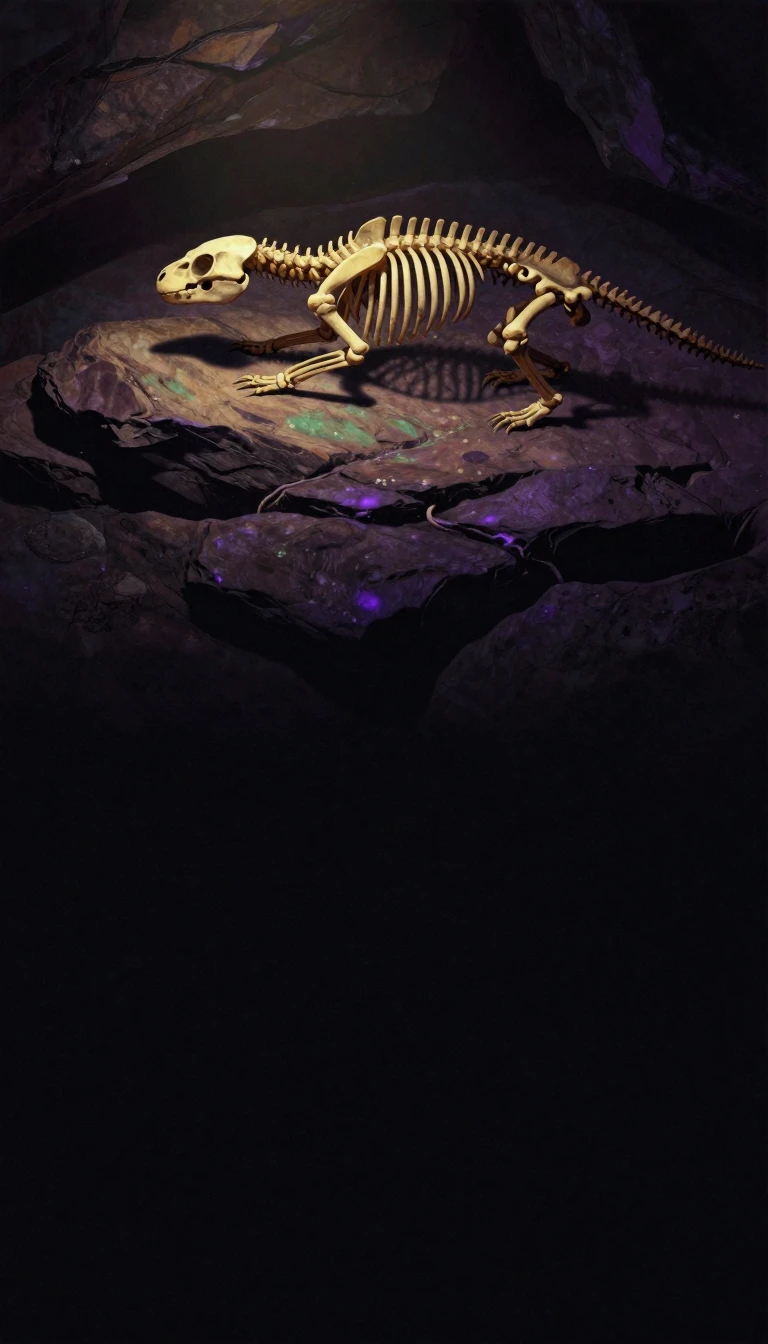 Eutherians, the true beasts, lost a pair of bones to make room for pregnancyMarsupials and monotremes, every living mammal outside the placentals, carry a pair of small epipubic bones. You do not. Losing them let the belly expand during pregnancy, one of …
 Blood feeding evolved again and again, from finches to mothsBlood is rich in protein and fat and easy to take, so evolution keeps inventing ways to drink it. Leeches, lampreys, vampire bats and roughly 14,000 kinds of arthropods do it. So …
 Humus, the dark soil layer whose backbone can outlast centuriesUnder the leaf litter lies a dark, spongy layer that soil scientists still cannot fully define. Humus is decomposed plant and animal matter, yet it is far from dead, teeming with …
 The hyacinth macaw's survival depends on a toucan that also eats its eggsIn Brazil's Pantanal, 90 per cent of hyacinth macaw nests sit in manduvi trees, and toco toucans spread 83 per cent of that tree's seeds. The same toucans account for 53 per cent …
 Horseshoe crabs are not crabs, and their blood helps detect bacterial contaminationDespite the name, horseshoe crabs are closer kin to spiders, ticks and scorpions than to any crab or lobster. They have barely changed in some 250 million years, and people now ha…
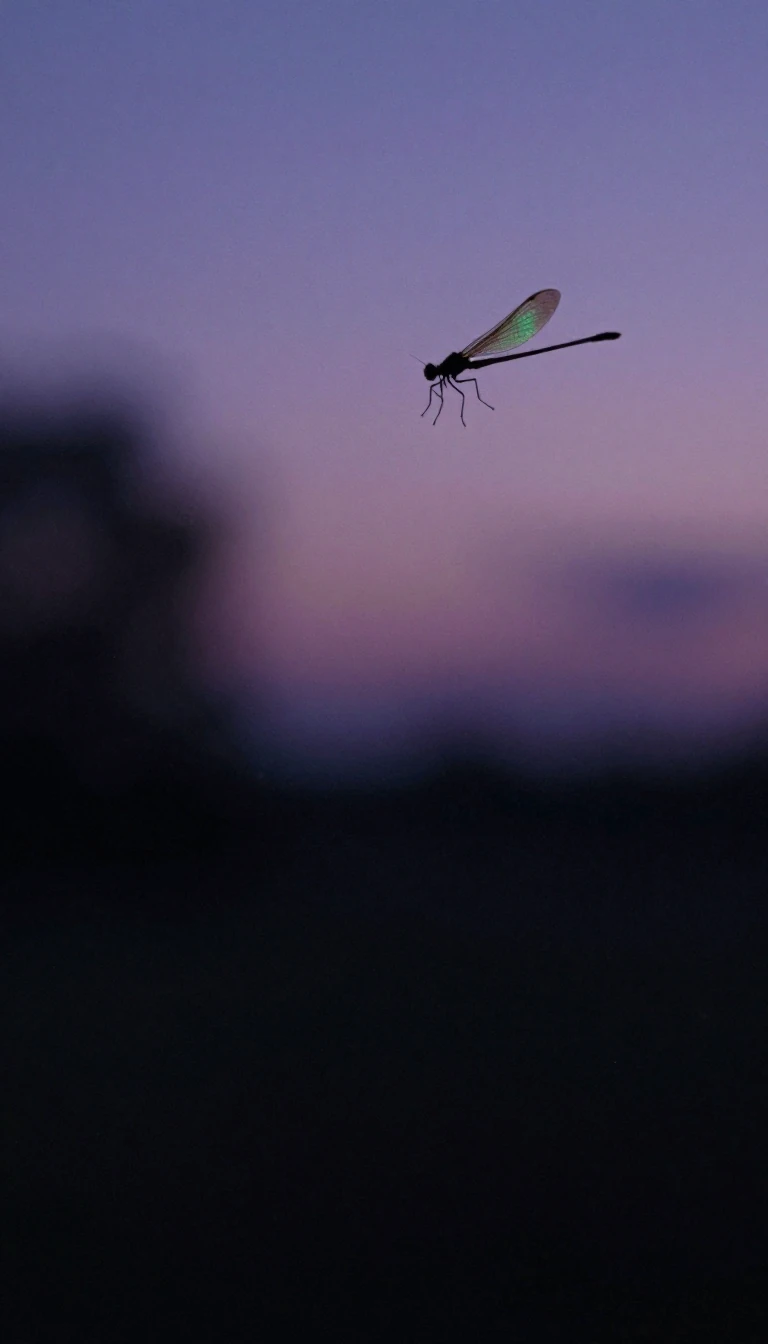 Hoverflies dress like wasps but spend their days pollinating flowers and eating aphidsThat striped insect hanging motionless over your garden is probably no wasp at all. Many of the roughly 6,000 hoverfly species copy the colours of stinging bees and wasps, a bluff…
 The Aztec sun god whose name contains a hummingbird, and whose dead became hummingbirdsHuitzilopochtli, patron of the Aztecs and their capital Tenochtitlan, carries a hummingbird in his name. Believers held that warriors killed in battle and women who died giving bi…
 The Humboldt penguin reacts to people 150 metres away, the shyest penguin studiedWalk within 150 metres of a nesting Humboldt penguin and it notices, the greatest reaction distance recorded for any penguin. Its heart can take up to half an hour to settle after…
- A moth that hovers and hums like a hummingbird, yet evolved entirely separatelySpot what looks like a tiny hummingbird sipping from honeysuckle in Europe and you have probably seen a moth. The hummingbird hawk-moth hovers audibly in front of tubular flowers,…
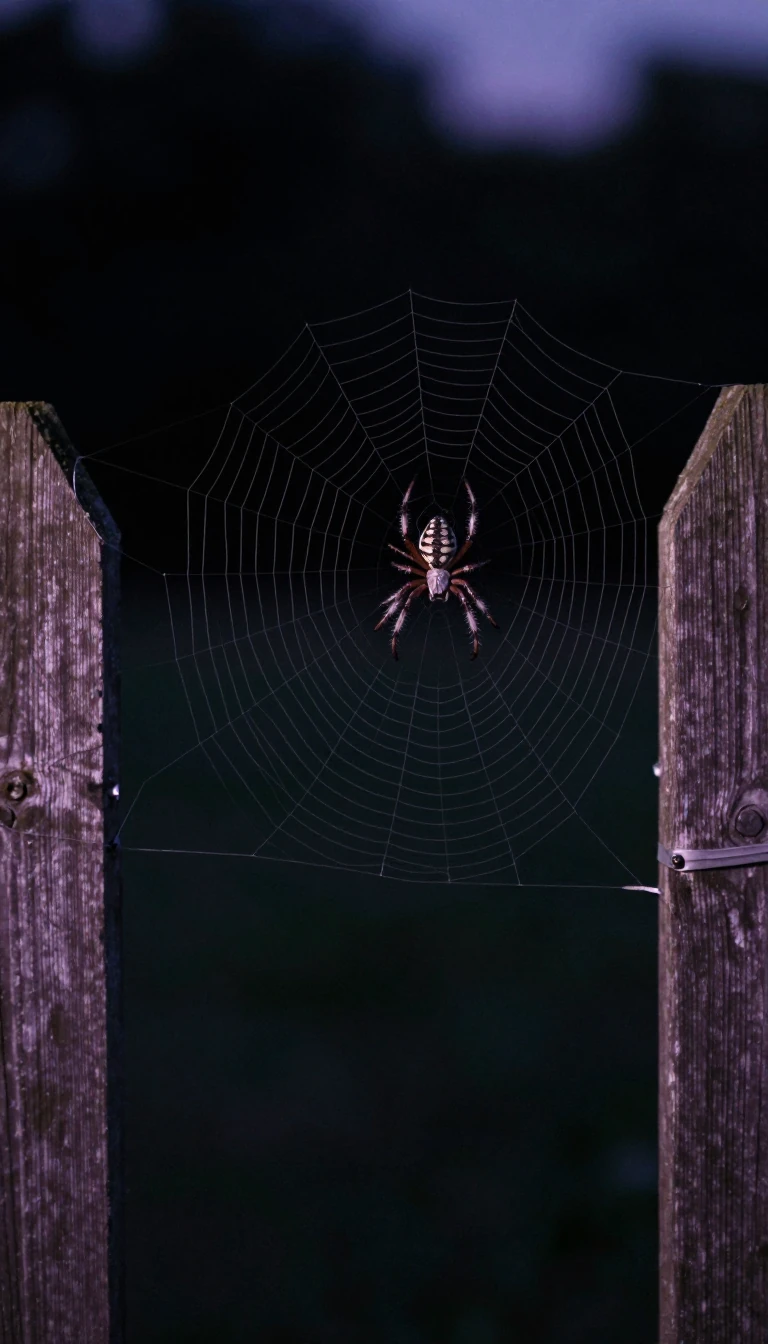 Some huntsman spiders cartwheel down dunes, and one tick like a quartz clockIn Namibia's Namib desert, the wheel spider escapes by curling up and cartwheeling across the sand, while a relative, Cebrennus rechenbergi, flees using handsprings. Both belong t…
 Sable antelopes fight back against lions, sometimes fatallyFaced with lions, the sable antelope does not simply run. It confronts its attackers, swinging scimitar-shaped horns that can reach back to guard its vulnerable rump, the spot pre…
 Muslim-majority Indonesia still has one of the world's largest Hindu populationsHinduism shaped the Indonesian islands for over a thousand years before Islam spread along trade routes. Today it survives most strongly on Bali, where nearly 87 percent of people…
 Before Europeans arrived, the Americas had no honey bees at allHoney bees now buzz on every continent except Antarctica, but the Americas had none in human times until European colonists brought them in the 16th century. Of roughly 20,000 kno…
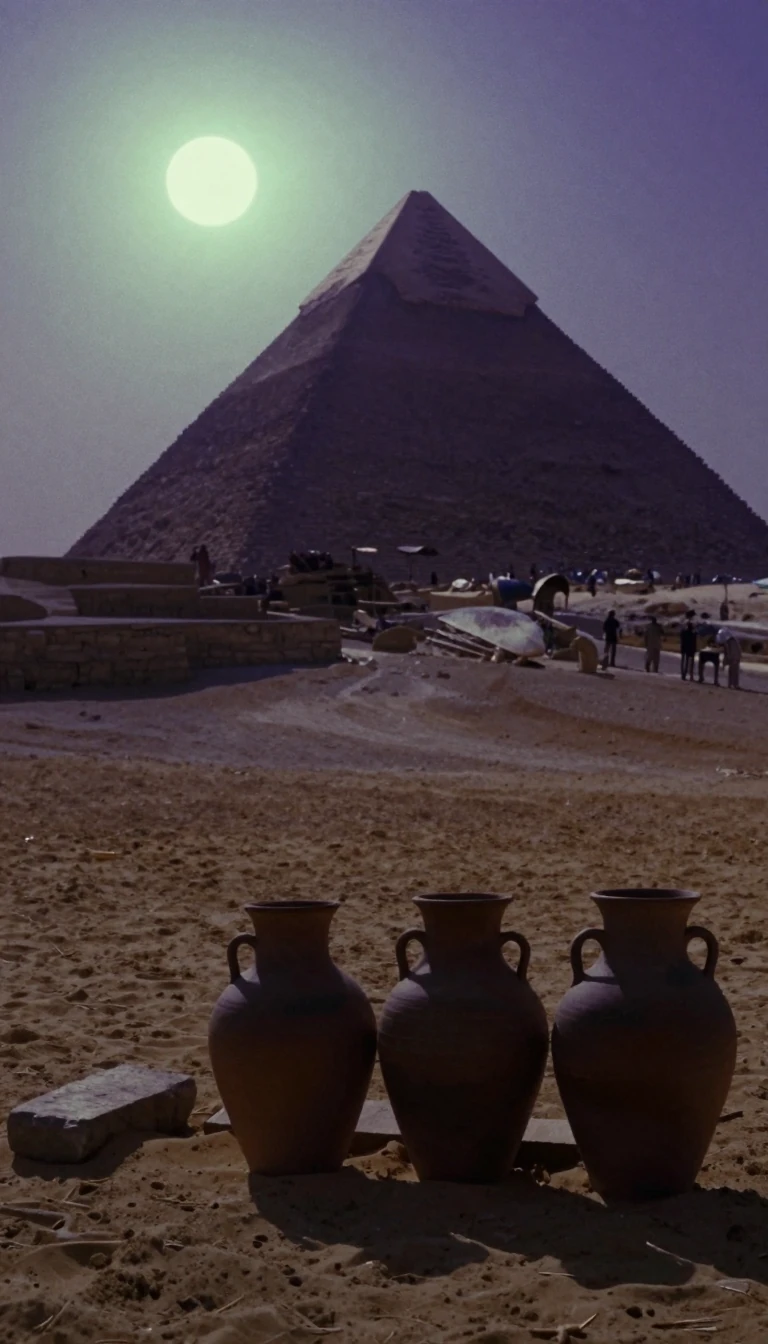 Honeypot ants turn some of their workers into living food jarsIn honeypot ant colonies, certain workers are fed until their abdomens balloon to the size of grapes. Too swollen to move, they hang from the ceilings of underground chambers as a…
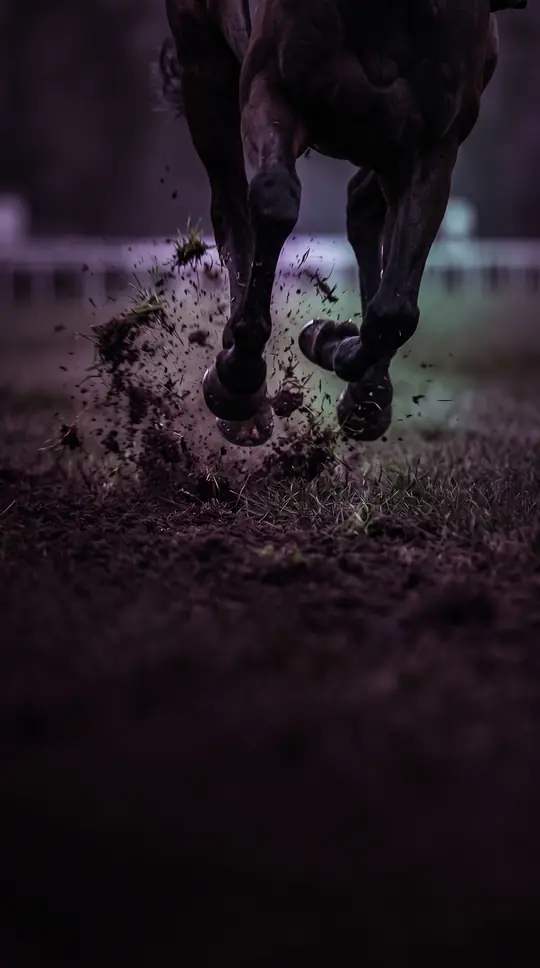 A camel's hoof is not really a hoof at allA hoof is a toe tip armoured in thick keratin, worn by horses, cattle, deer and even some dinosaurs. Camels only look the part: their feet end in soft toes with nails. Real hooves…
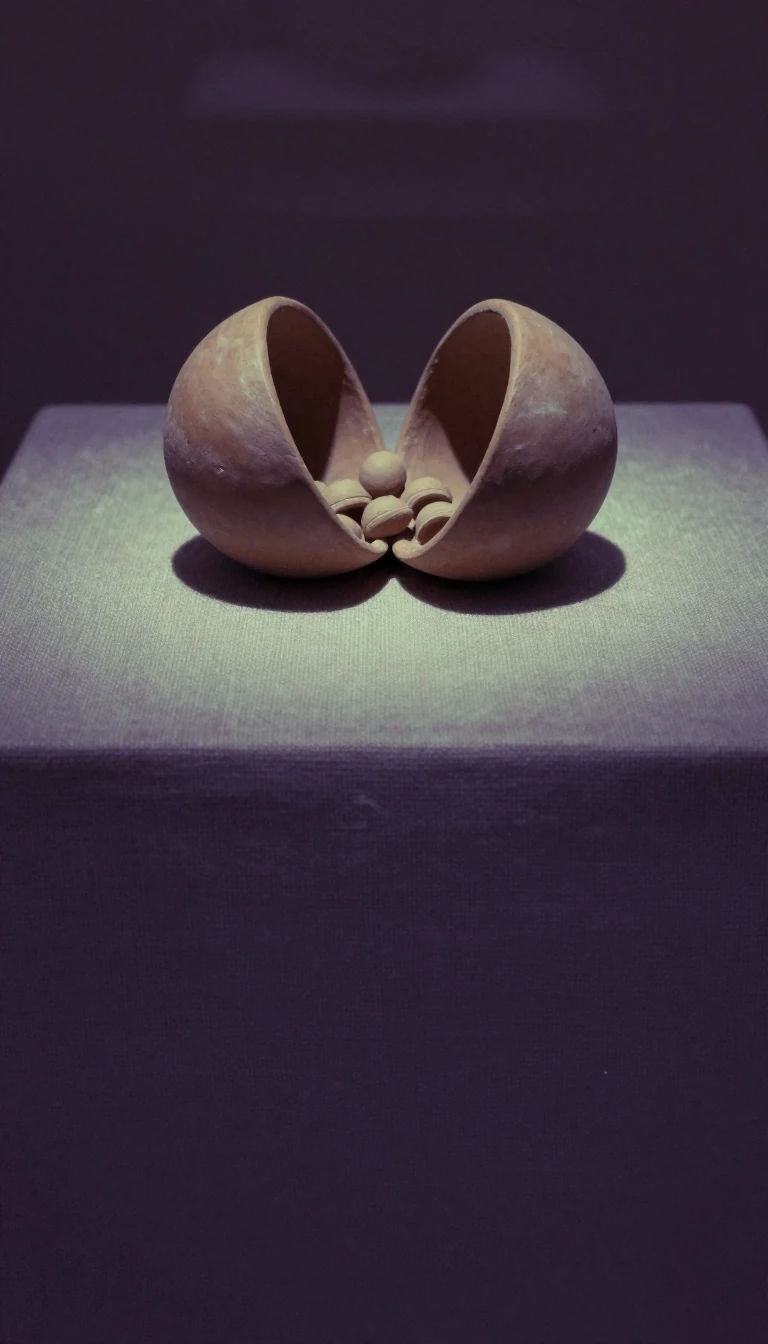 Glass sponges may be the longest-lived animals on EarthDeep in the ocean, sponges built from glassy silica may live for millennia. Some marine biologists tentatively put their maximum age at up to 15,000 years. These strange animals h…
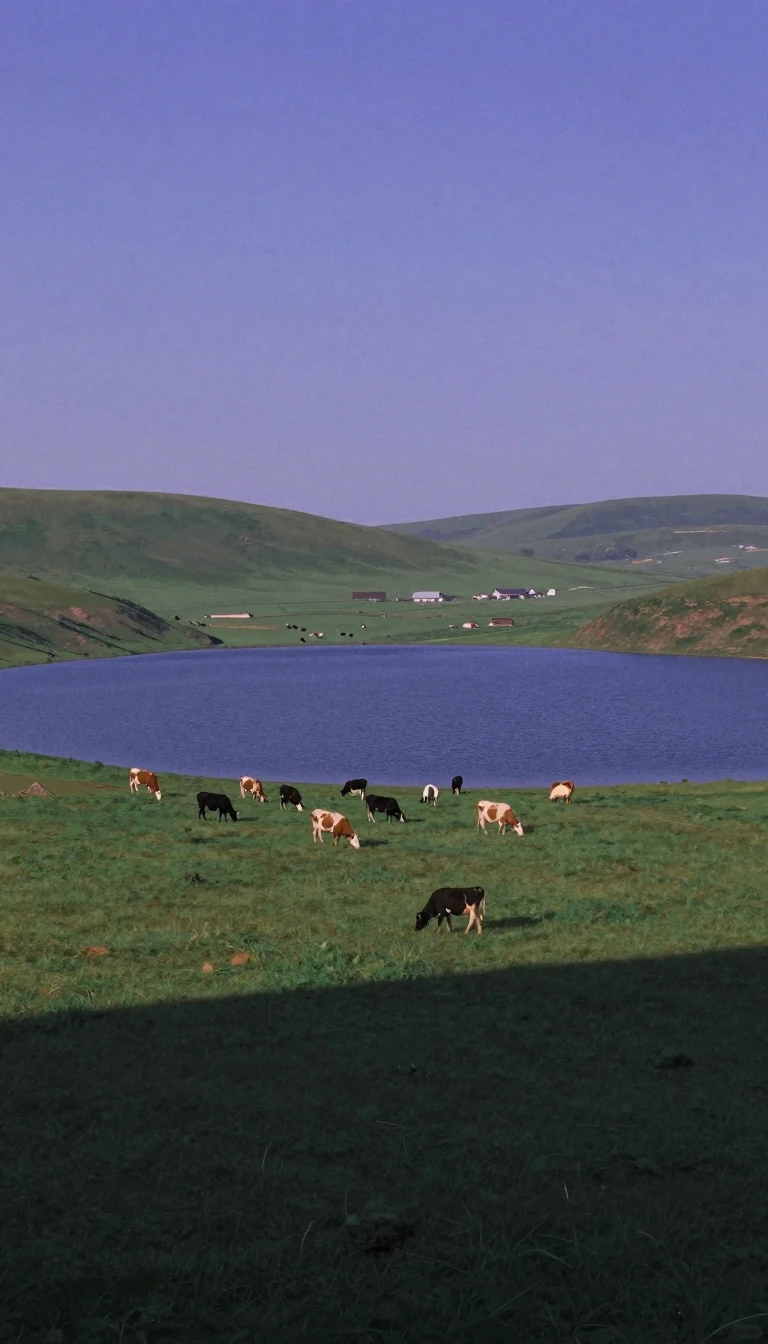 A group of Highland cattle is called a fold, not a herdShaggy, long-horned Highland cattle gather in folds, named after the open stone shelters where they once spent winter nights out of the weather. The breed was bred to survive the …
 Heme puts iron at the centre of a ring and life runs on itBlood is red because of heme, a flat ring of four pyrrole units holding a single iron atom. That tiny structure ferries oxygen, detoxifies drugs, senses gases and shuttles electro…
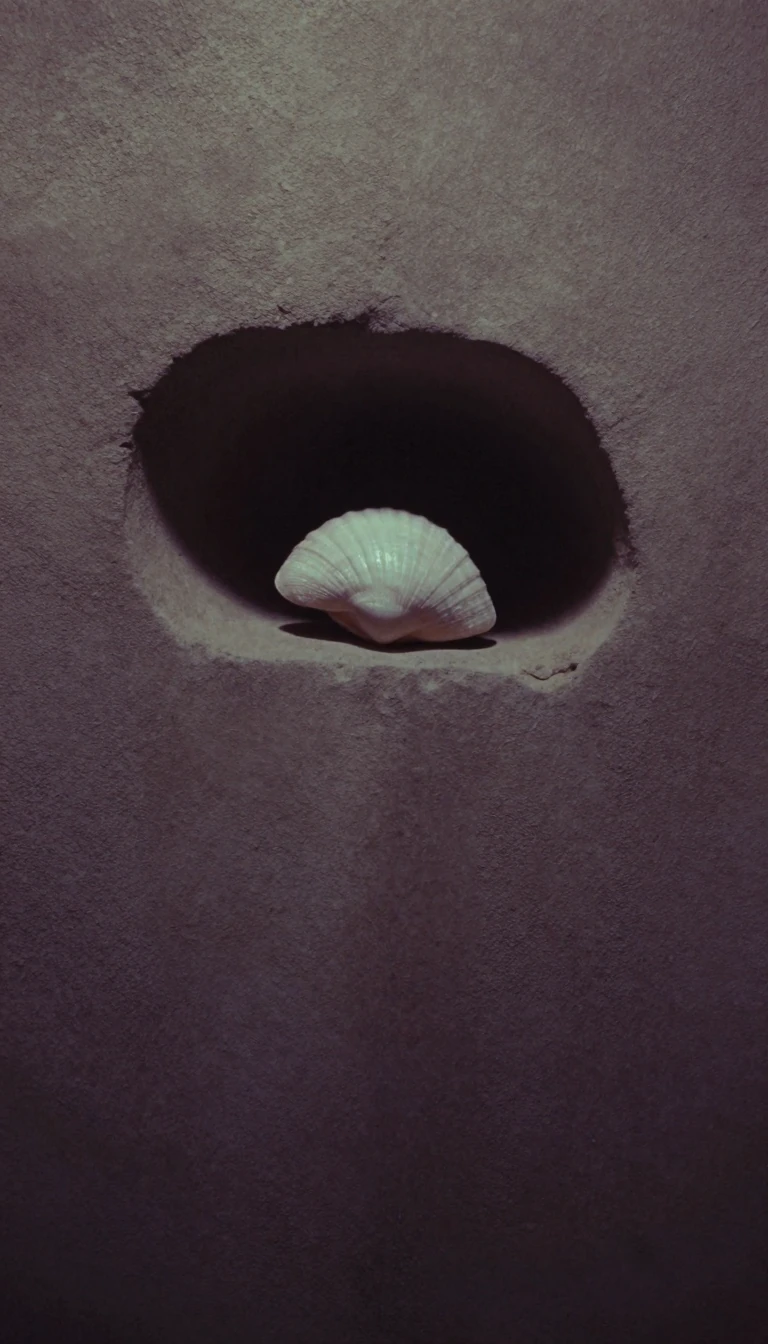 Hermit crabs live in secondhand homes, and a shortage turns deadlyA hermit crab's soft, curled abdomen has no armour of its own, so it borrows a snail's empty shell and carries it everywhere. As the crab grows it must find a bigger one. That con…
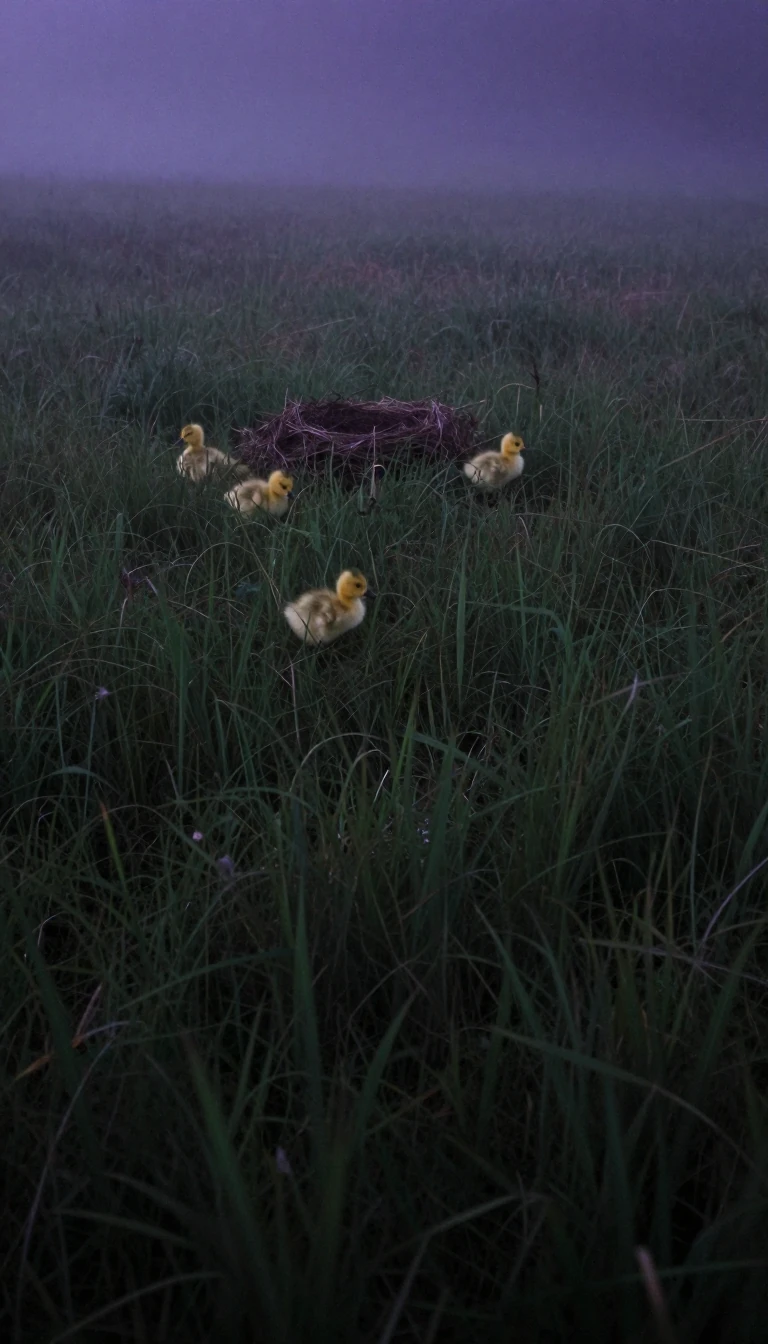 The world's biggest falcon spends Arctic winters out on the sea iceThe gyrfalcon is the largest falcon alive, with some females outweighing the males by nearly double. Scientists long assumed it stuck to tundra and mountains, until 2011 revealed …
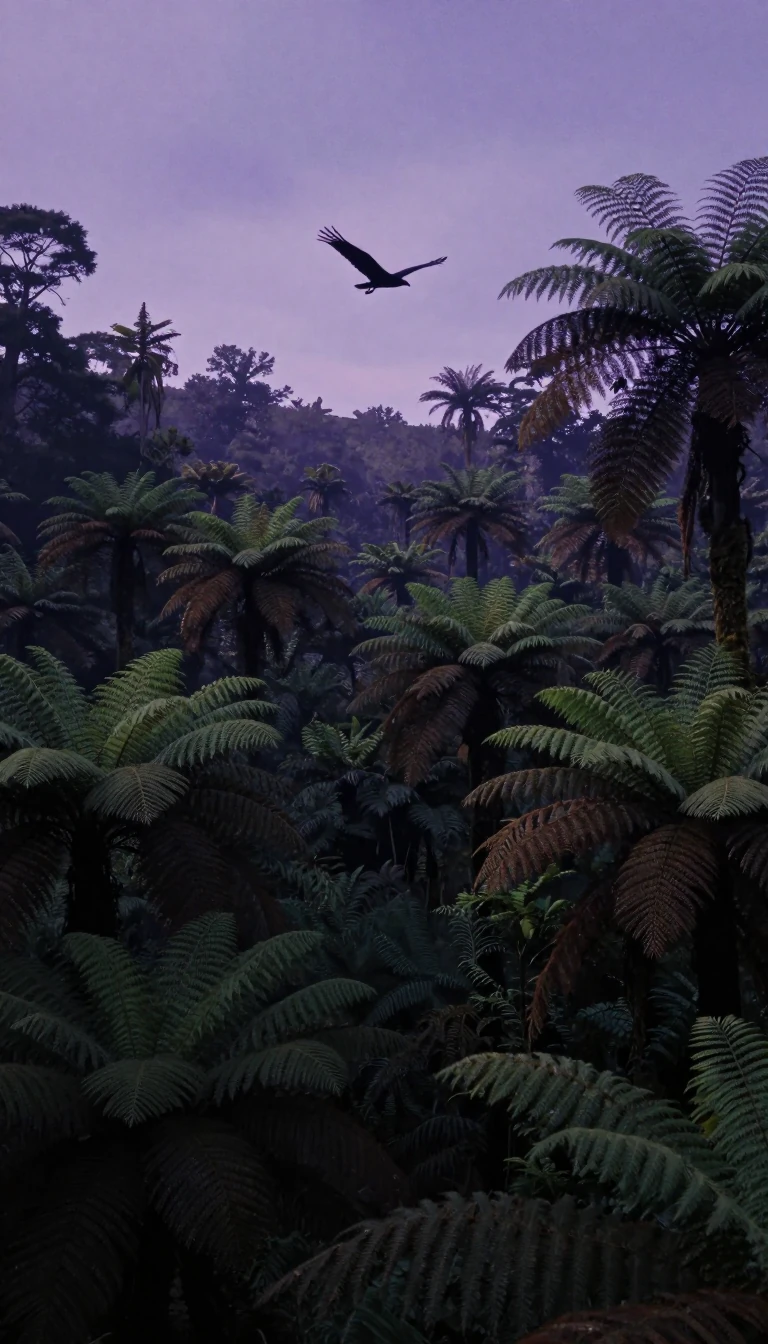 For a century, scientists wrongly pictured duck-billed dinosaurs wading in swampsDuck-billed dinosaurs were among the most successful plant-eaters of the Late Cretaceous, grinding their food with stacked batteries of teeth. Yet from the 1850s until 1964, exper…
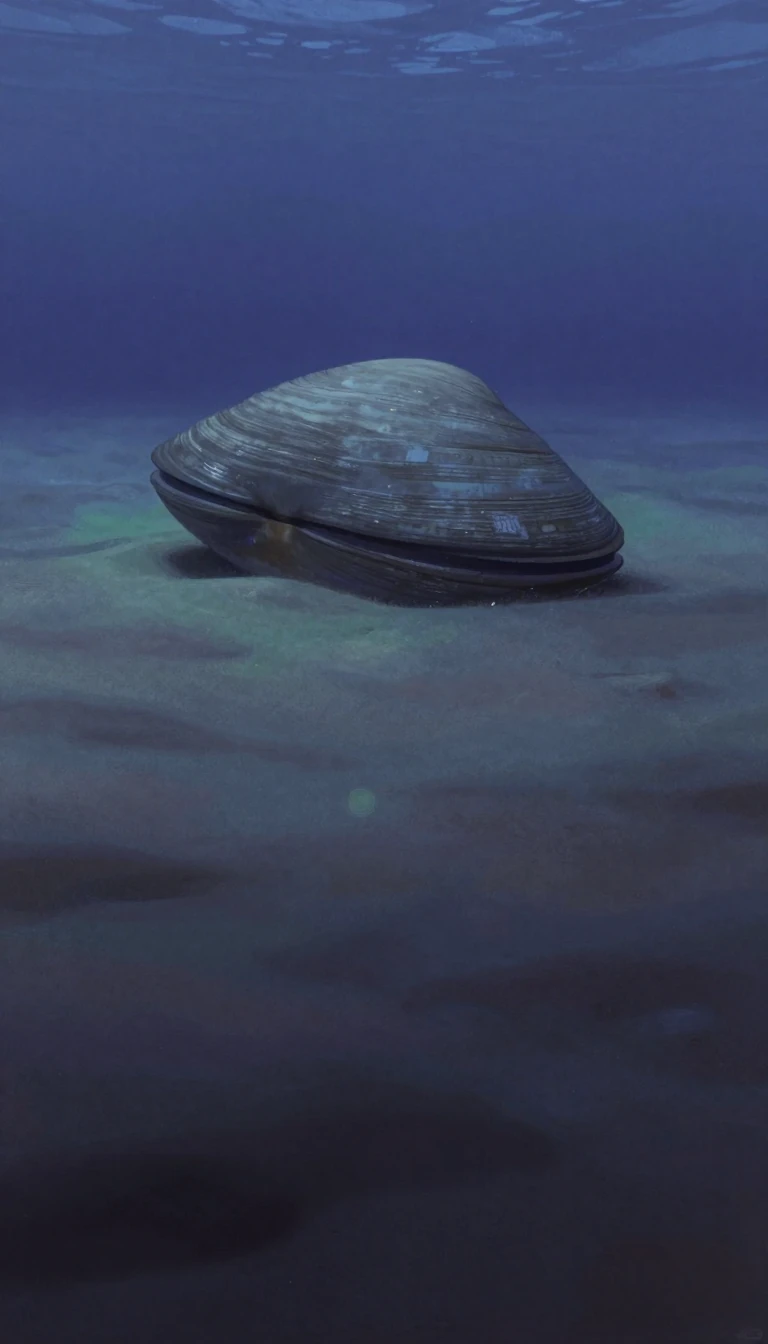 Baby halibut are born symmetrical, then one eye travels across the headA young halibut looks like an ordinary fish, with an eye on each side. At about six months old, one eye migrates over the skull to join the other, and the fish settles into life l…
- Hallucigenia was drawn upside down and backwards before anyone got it rightWhen Simon Conway Morris named a tiny Cambrian fossil in 1977, he pictured it tottering on stiff spines with tentacles waving from its back. The name he chose, Hallucigenia, honou…
 The harlequin ladybird was hired to eat aphids and then conquered continentsFarmers released the harlequin ladybird to devour aphids, and it did its job. Then it kept going. Native to eastern Asia, it now thrives across North America, Europe, South Americ…
 The hawksbill turtle lives on sponges and glows under the right lightMost reptiles would never touch a sea sponge, but for the hawksbill turtle sponges make up 70 to 95 percent of the menu. It is the only reptile that specialises in them. It was al…
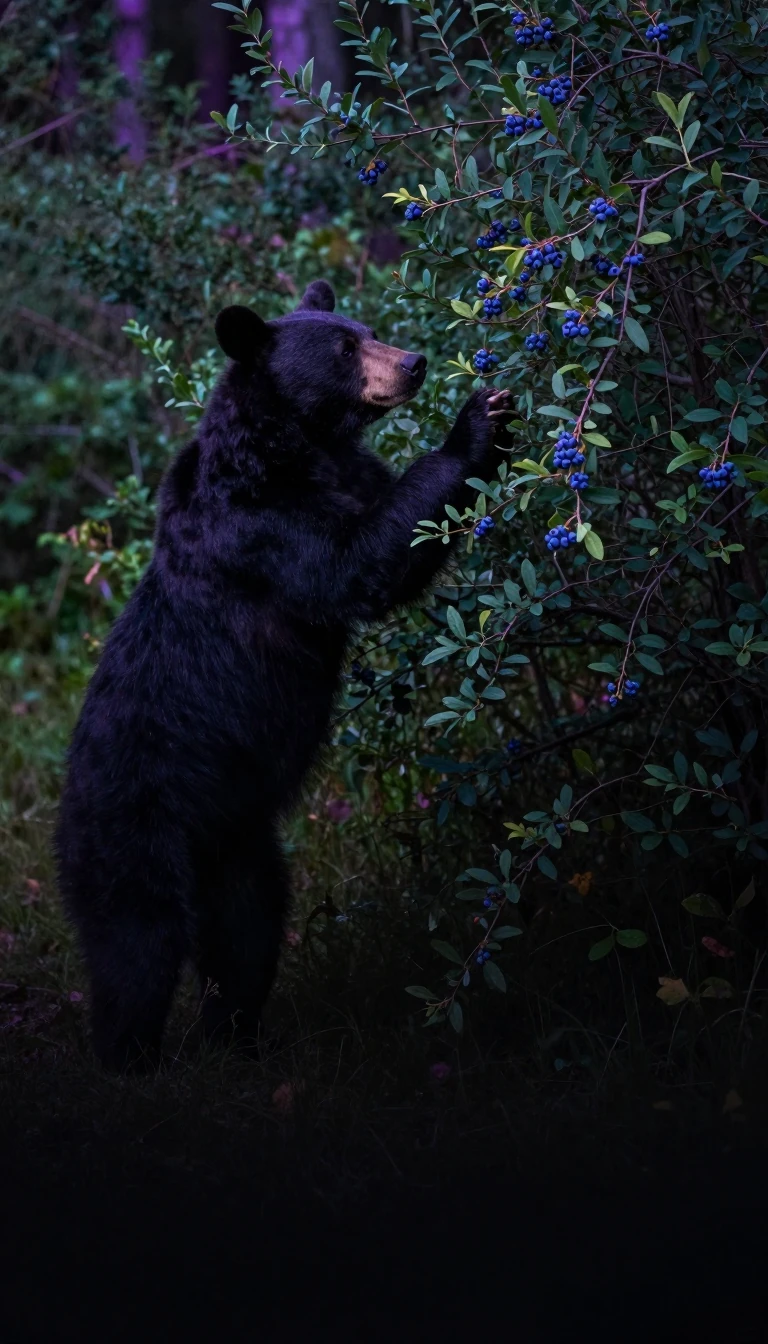 Nineteenth-century naturalists split the grizzly into 86 species; genetics made it oneIn the 1800s, naturalists carved grizzly bears into 86 separate species. By 1928 the count was seven, and by 1953 just one. Modern genetics goes further: the grizzly is simply Nor…
 North America's biggest heron hunts fish, frogs, voles and even rabbitsThe great blue heron stands taller than a metre, yet usually weighs little more than two kilograms. Fish are its staple, but this patient wader of North American wetlands will spe…
 The great bustard is a flying heavyweight whose males dwarf the femalesA male great bustard collected in Manchuria weighed about 21 kg, a verified record for any flying bird. Its mate might weigh a fraction of that: in Spain, males averaged nearly tw…
- A great hornbill mother walls herself inside a tree for monthsWhen a female great hornbill nests, she seals herself into a hollow tree trunk with a plaster made largely of droppings. For weeks her mate feeds her through a narrow slit while s…
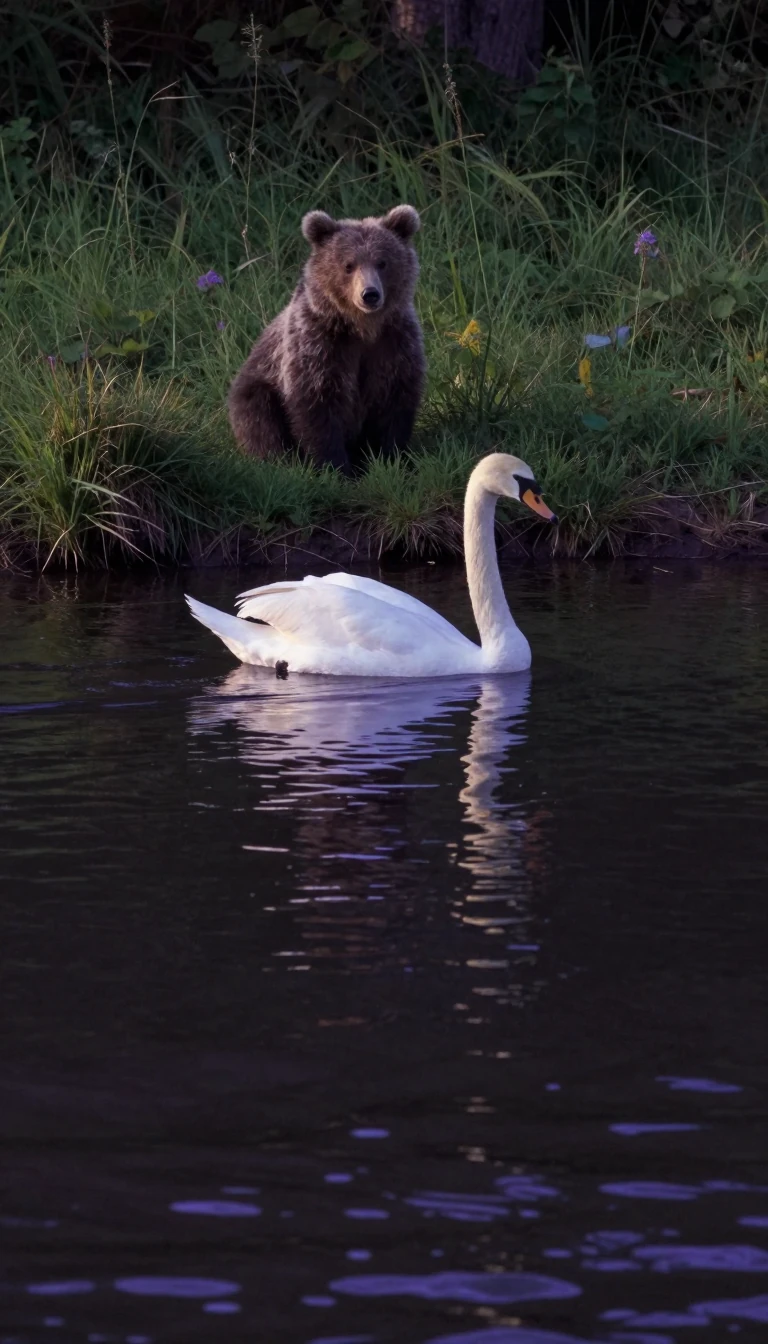 The great white pelican's name means a bird that brays like a donkeyLinnaeus named the great white pelican onocrotalus, from a Greek word for something that brays like a donkey, after its harsh calls at breeding time. The bird itself is far from c…
 A greater kudu bull needs six years to finish twisting its hornsA greater kudu bull's horns start sprouting in his first year, complete one spiral by about age two, and reach their full two and a half turns only around six. Straightened out, t…
- Grebes look like ducks and loons but their nearest kin are flamingosGrebes swim low, dive for food and resemble loons, so for a long time scientists grouped the two together. That turned out to be convergent evolution. Molecular studies, backed by…
 The Grinch was not green until a 1966 cartoon made him soIn Dr. Seuss's 1957 book, the Grinch was drawn without his famous colour. Green arrived only with Chuck Jones's 1966 television special, when Jones and Seuss agreed it was the one…
- Godzilla almost began life as a giant octopus rather than a dinosaurToho's 1954 Godzilla rose from the wreck of a cancelled co-production, and its effects chief first pitched an enormous octopus. The finished film, a sombre story of a monster born…
- Godzilla's name blends the Japanese words for gorilla and whaleGojira fuses gorira, gorilla, with kujira, whale, hinting at a creature of vast size and ocean origins. Since 1954 that monster has starred in 38 films, 33 of them from Toho, and …
- Mervyn Peake's Gormenghast is classed as fantasy without containing any magicGormenghast has no wizards, dragons or spells in its first two books, yet it is ranked among the twentieth century's great fantasies. Mervyn Peake's crumbling castle, ruled by end…
 Canada's prime minister holds an office no constitutional document ever createdCanada's government formally belongs to the King, who holds every power of state yet takes no political role. The prime minister, who actually steers the country, exists only thro…
 The gray fox climbs bare tree trunks and sometimes dens high in treesWith hooked claws, the gray fox can scramble up a branchless trunk to 18 metres, leap between limbs and come down backwards like a house cat. It belongs to an ancient lineage that…
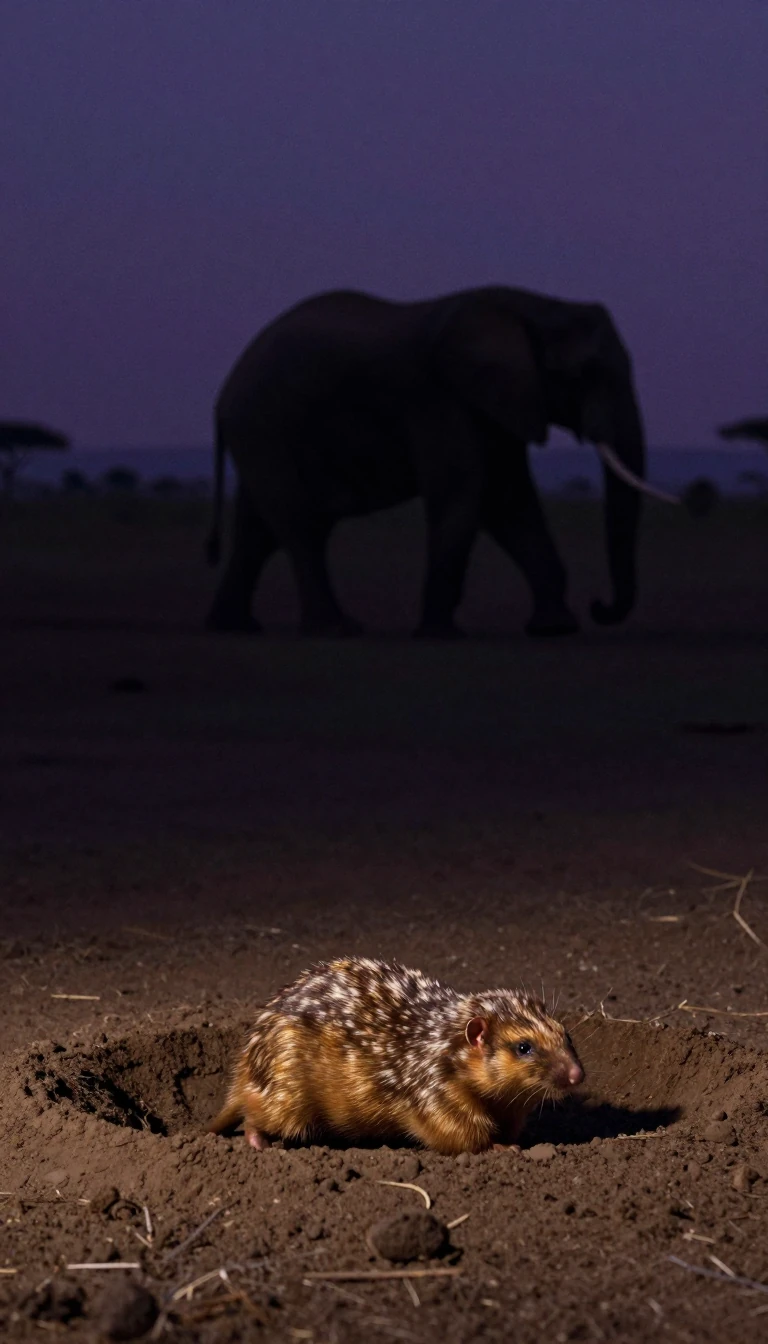 Rodents and monkeys rafting from Africa reshaped South America's mammalsLong before Panama joined the Americas, a few rodents and monkeys drifted from Africa to South America on mats of flotsam. Their descendants now number 372 species, more than twic…
- The giraffe's only living relative is a shy forest animal, the okapiGiraffes stalk open savanna while okapis hide in the Congo rainforest, and at first glance they look nothing alike. Yet both have long dark tongues, lobed canine teeth and skin-co…
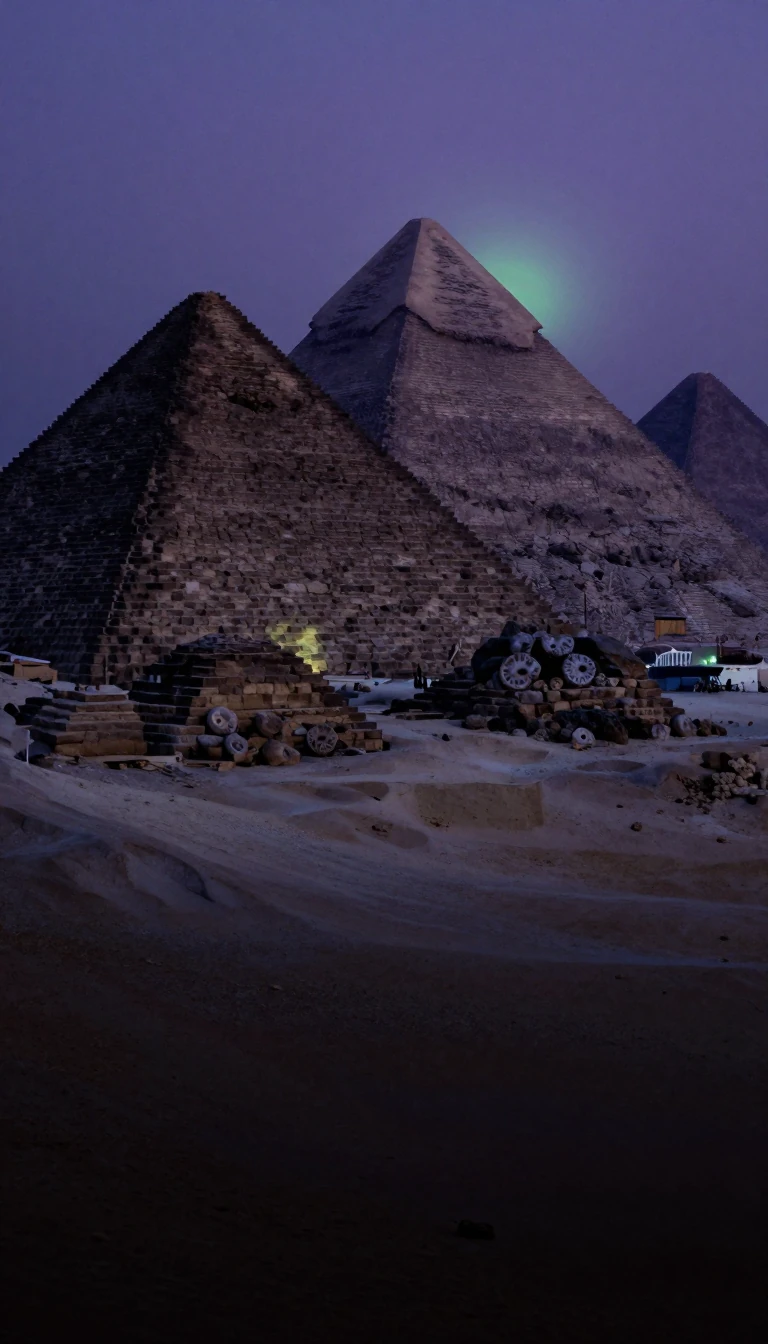 Car-sized armoured glyptodonts turned out to be true armadillosGlyptodonts were armadillos the size of a small car, up to 4 metres long and over two tonnes, sealed inside a rigid shell of hundreds of bony plates. Some swung spiked tail clubs …
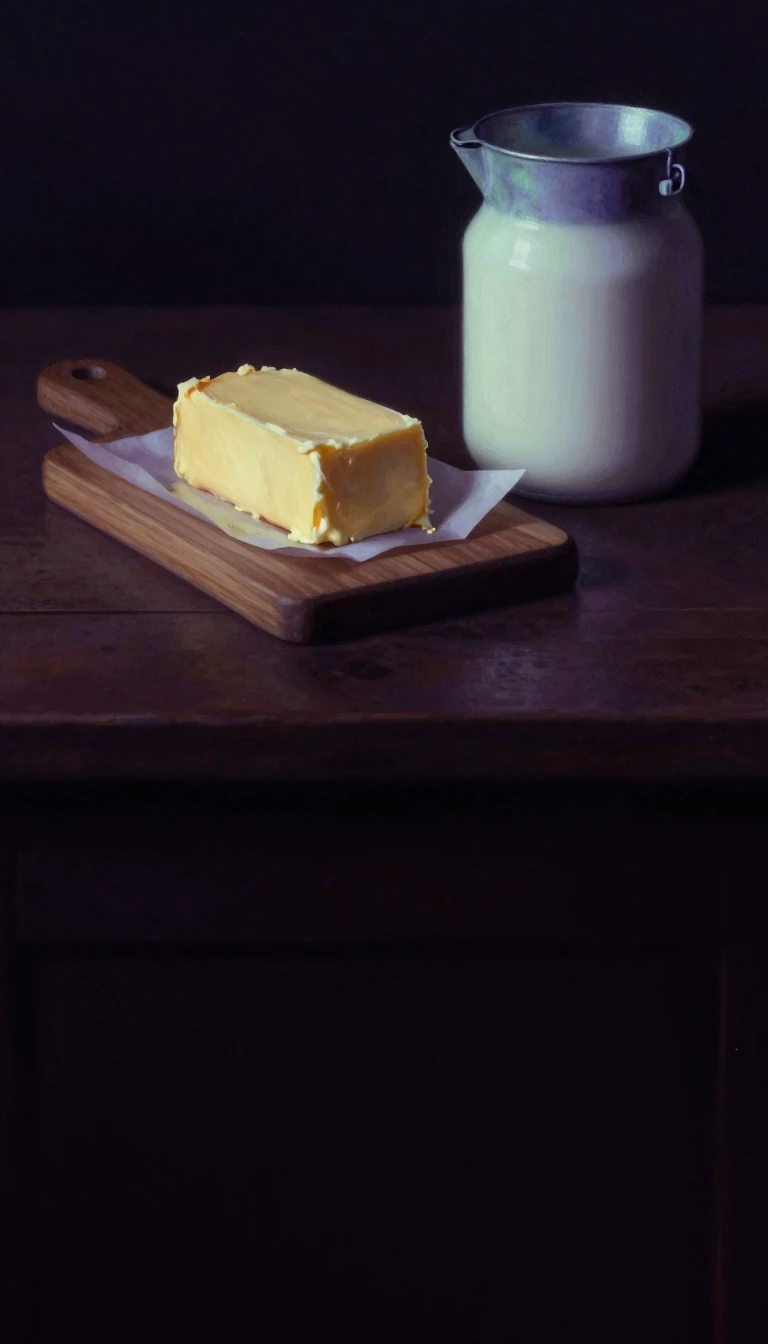 The word ghee shares an ancient root with the English word ChristGhee comes from the Sanskrit ghṛta, clarified butter, traditionally linked to a root meaning to sprinkle. That makes it a linguistic cousin of the Greek khristós, anointed, source…
 A Philippine fruit bat has the longest forearms of any bat aliveThe giant golden-crowned flying fox of the Philippines can weigh 1.4 kilograms and spread its wings up to 1.7 metres, and its forearm, at up to 215 millimetres, is the longest rec…
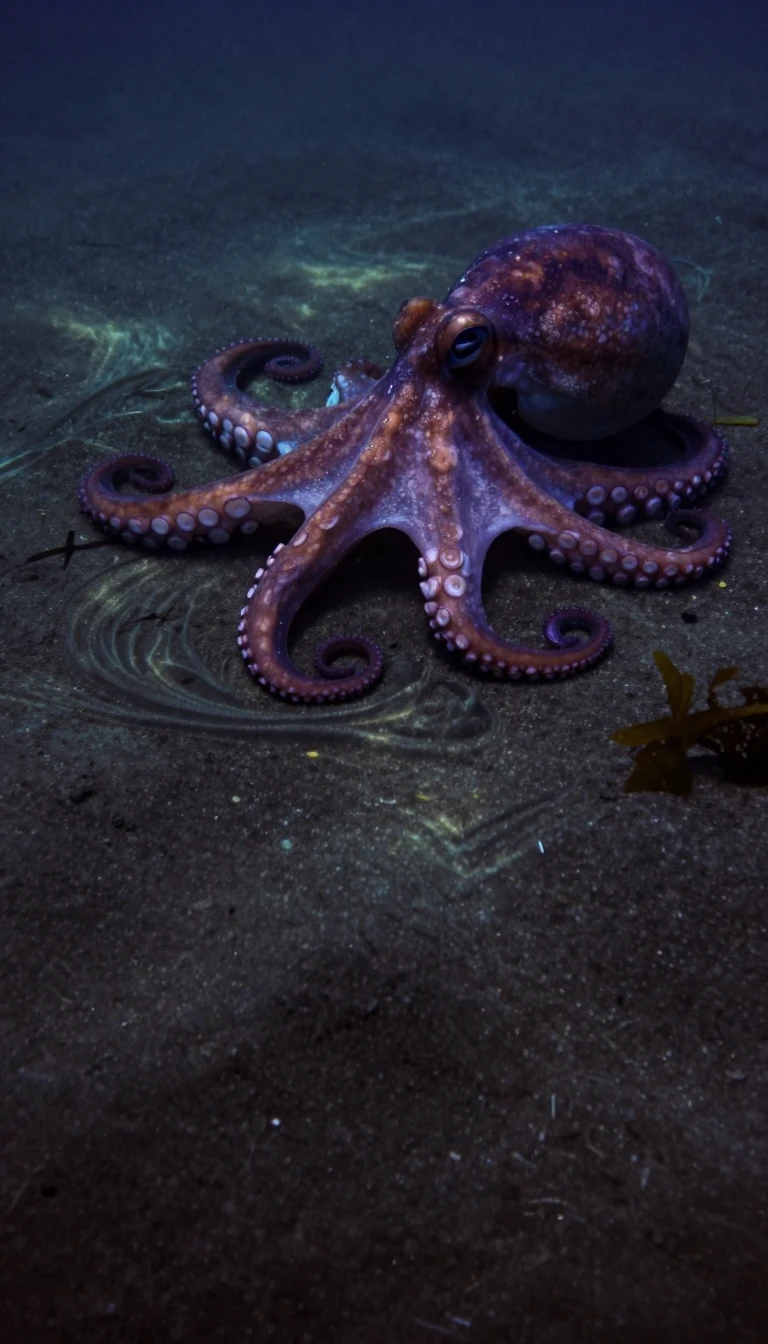 The longest bony fish in the sea may explain old sea serpent sightingsThe giant oarfish is a silver ribbon with a crimson fin running its whole length, and it can reach 7 or 8 metres, perhaps even 11. Its snakelike body and rippling swimming style h…
 The world's largest ray can be told apart by a T on its backThe giant oceanic manta ray can span 7 metres across and weigh around 3,000 kilograms. Divers distinguish it from its smaller reef cousin by the pale patches on its shoulders: on …
- An amateur in a dune buggy found a rival to TyrannosaurusIn 1993 Rubén Carolini was driving a dune buggy through the Patagonian badlands when he spotted a huge leg bone. It belonged to Giganotosaurus, a predator up to about 13 metres lo…
- Every gilt-head bream starts life male, and some later become femaleThe gilt-head bream, a Mediterranean favourite on restaurant menus, matures as a male by age two. Later, some individuals grow ovaries and lose their testes. Today far more of the…
 Water striders row across ponds by pushing against waves they makeA water strider does not swim; it stands on the surface film of a pond, held up by water-repelling hairs and long splayed legs. To move, it presses its middle legs down and back, …
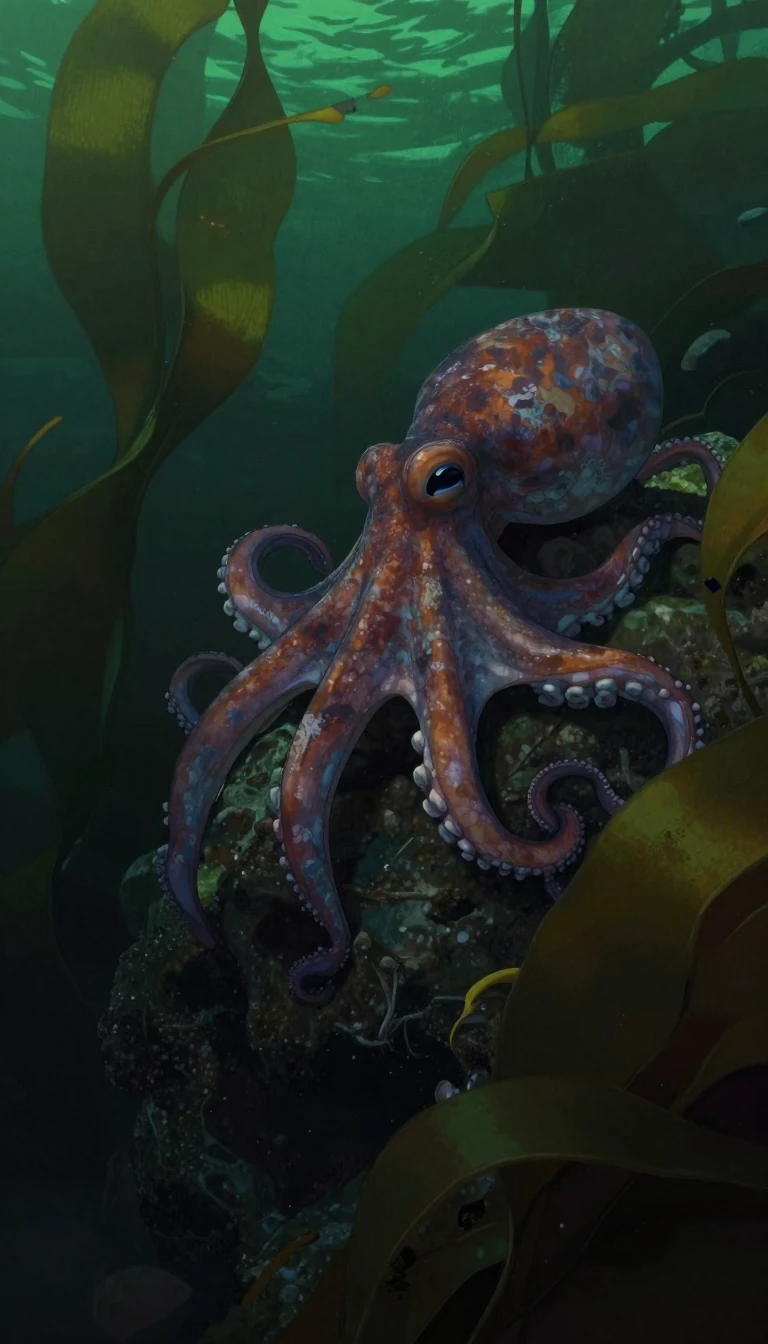 Seahorses are the only animals where males are said to get pregnantIn seahorses, pipefish and sea dragons, the female deposits her eggs into a pouch on the male's chest, and he carries them until they hatch. It is the only animal family for which…
 The gharial is named for the pot-shaped bulb on a male's noseAdult male gharials grow a hollow knob at the tip of their snouts shaped like a ghara, a clay pot, and use it to make a hiss audible 75 metres away. No other living crocodilian sh…
 Gelatin melts below body temperature, which is why jelly dissolves on your tongueGelatin is broken-down collagen from animal skin and bones, and it has a neat trick: its gel melts at a temperature lower than the human body. That is why a spoonful of jelly turn…
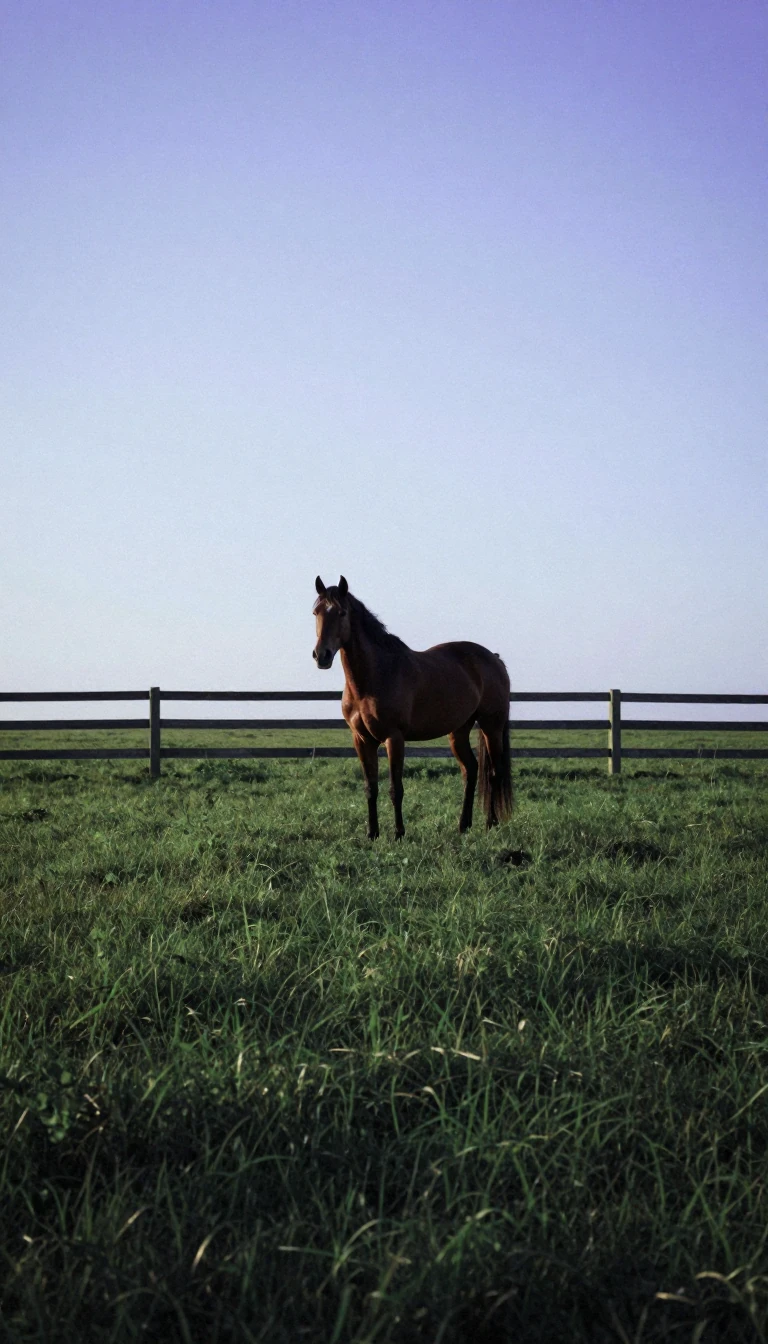 Why most male horses become geldings, and why some races ban themHorse breeders have long reckoned that only about one male in ten should stay a stallion. The rest are usually gelded, turned into calmer, more trainable animals that riders prefe…