 Intellect Plus
Nature
11,198 cards. Each one is a 40-second story with a five-minute read behind it. Page 159 of 187.
Subtopics: Ageing · Air · Animal behaviour · Animal breeds and hybrids · Animals · Arthropods · Atmosphere · Big cats · Bilateria, others · Birds · Botany · Cnidarians · Conservation · Coral reefs · Deep sea · Deserts · Dinosaurs · Earth science · Earth science and physical geography · Earth science basics · Earthquakes & tsunamis · Echinoderms · Ecology · Ecosystems · Endangered species · Extinct animals · Farming · Fish · Forests · Fungi · General classifications · Geology · Geomorphology · How Long Can It Live? · Ice · Individual animals · Insects · Lightning · Longevity · Mammals · Marsupials · Migration · Mollusks · Ocean · Organisms · Parasites · Physical geography · Plants · Porifera · Predators · Primates · Rainforest · Reptiles & amphibians · Researched · Sharks & rays · Spiders & arachnids · Symbiosis · Trees · UK & Ireland: nature · Vertebrates · Vision · Volcanoes · Water · Waves · Weather · Whales & dolphins · Zoology
 Species are vanishing 100 to 1,000 times faster than nature's usual paceExtinction is normal; species have always come and gone at a slow background rate. What biologists call the Holocene extinction is different. Today's losses are estimated to run 1…
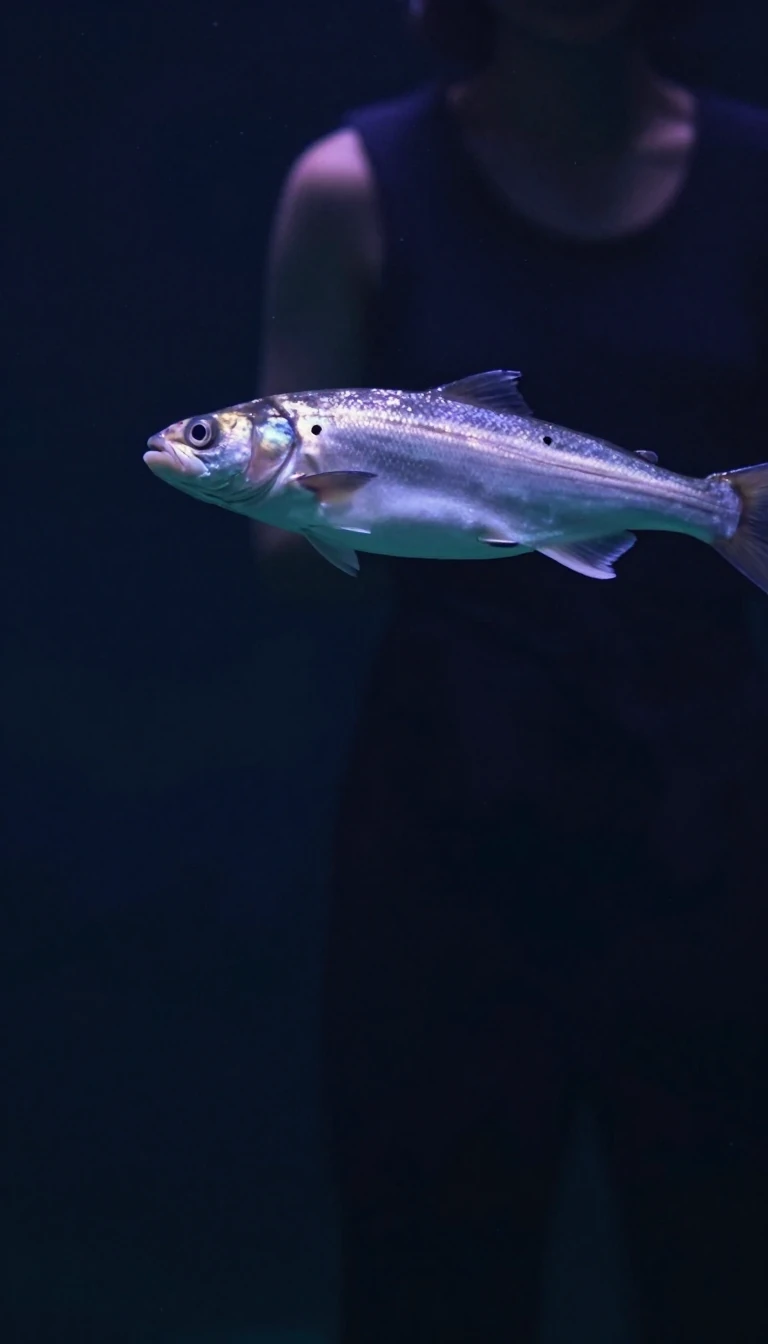 The perch is Finland's national fish and an Australian pestIn Finland the striped, red-finned perch is the national fish, and it even grows fat on Baltic herring in the country's brackish coastal waters. In Australia, where it was introdu…
 Pine martens are helping red squirrels by eating their grey rivalsWhere pine martens return, grey squirrels tend to disappear, and red squirrels bounce back. In Ireland the recovering marten has been credited with pushing back the invasive greys…
- Every pet ferret descends from the smelly European polecatThe European polecat's scientific name comes from the Latin for stench, the same root as putrid, because it marks territory with a foul liquid. Yet this unloved animal gave us a h…
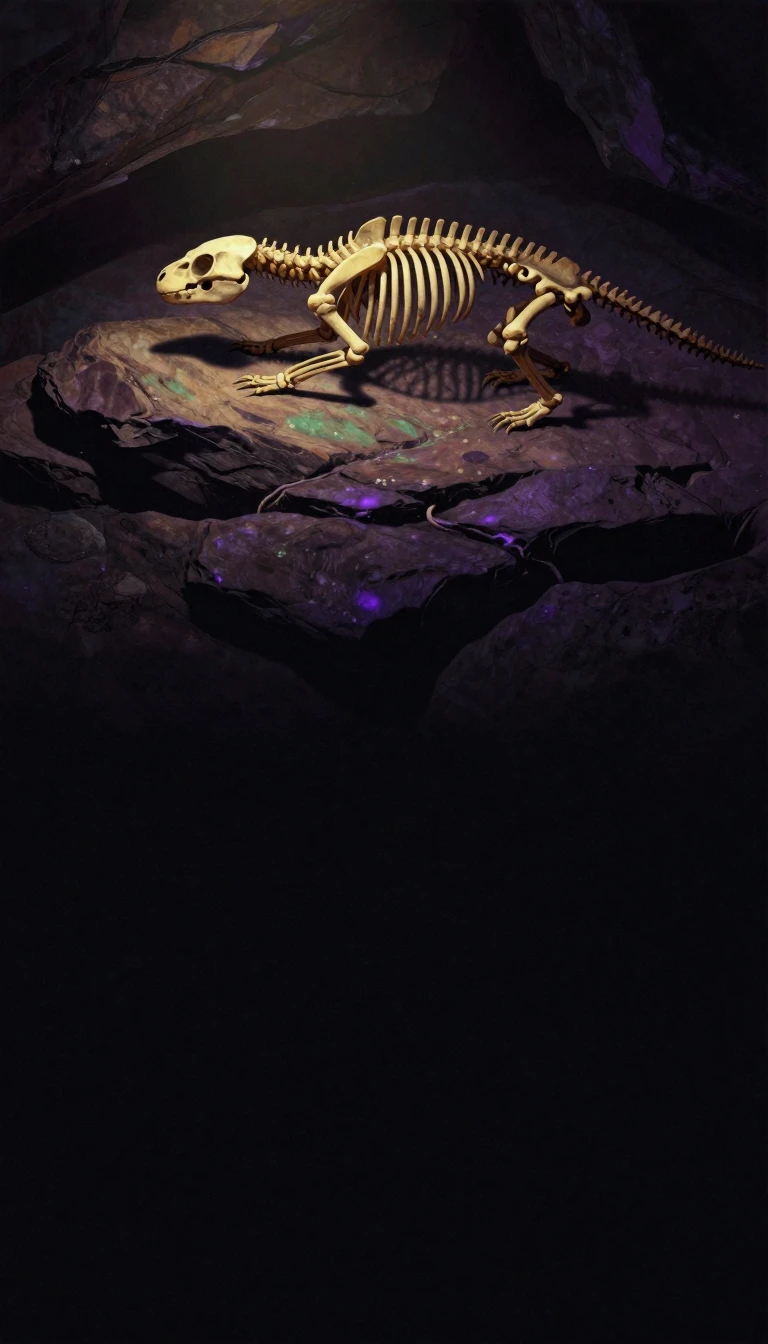 Two bones you hear with were once part of your ancestors' jawEvery lizard, crocodile and bird hinges its jaw on two small bones, the articular and the quadrate. Mammals don't. During the Jurassic those two bones shrank and migrated into the…
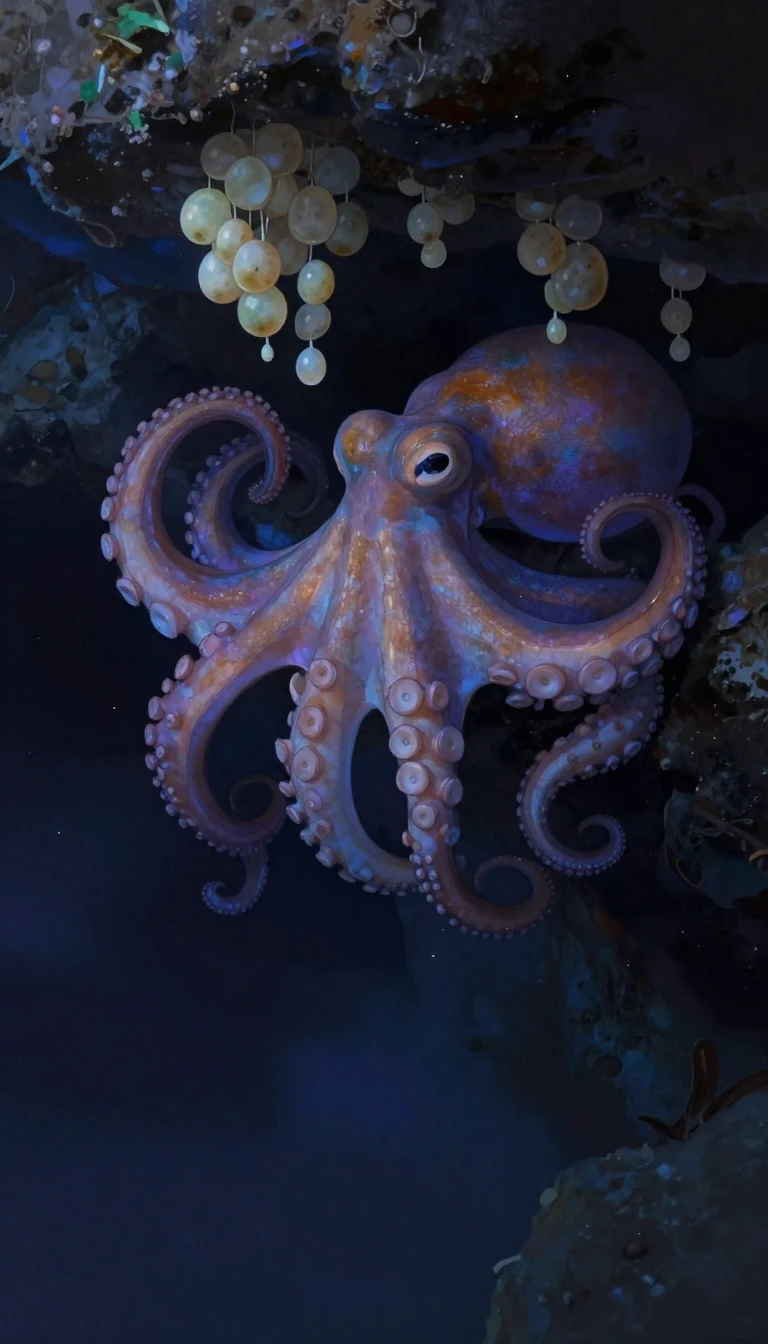 Wearing your skeleton outside means you have to crawl out of itA crab or insect cannot simply grow bigger. Its skeleton is a rigid outer case, so to grow it must build a soft new one underneath, split the old one and climb out, then pump itse…
 Blue tits learned to raid milk bottles and taught each other howIn the 1920s British householders noticed something odd on their doorsteps: blue tits pecking through the foil caps of delivered milk bottles to drink the cream. The trick spread …
 Skylarks vanished from British fields because farmers started sowing in autumnPesticides were the obvious suspect when British skylarks declined. The RSPB found the bigger culprit was the calendar. Cereals once sown in spring are now planted in autumn, so b…
 Female sparrowhawks can weigh twice as much as their matesIn most mammals the male is the bigger sex. Sparrowhawks flip that. A female can be a quarter larger than her partner and up to twice as heavy, one of the widest gaps between the …
 Europe's fallow deer are mostly Turkish imports moved by Roman tradeFallow deer graze in parks across Britain and Europe as if they had always been there. Genetics tells another story. A 2024 study found most descend from a population that survive…
 Herring gulls hardly eat herring, but they do fish with breadDespite the name, herring gulls show no special taste for herring. Their stomachs hold more crabs and sea urchins than fish, and refuse can make up half their diet. They are also …
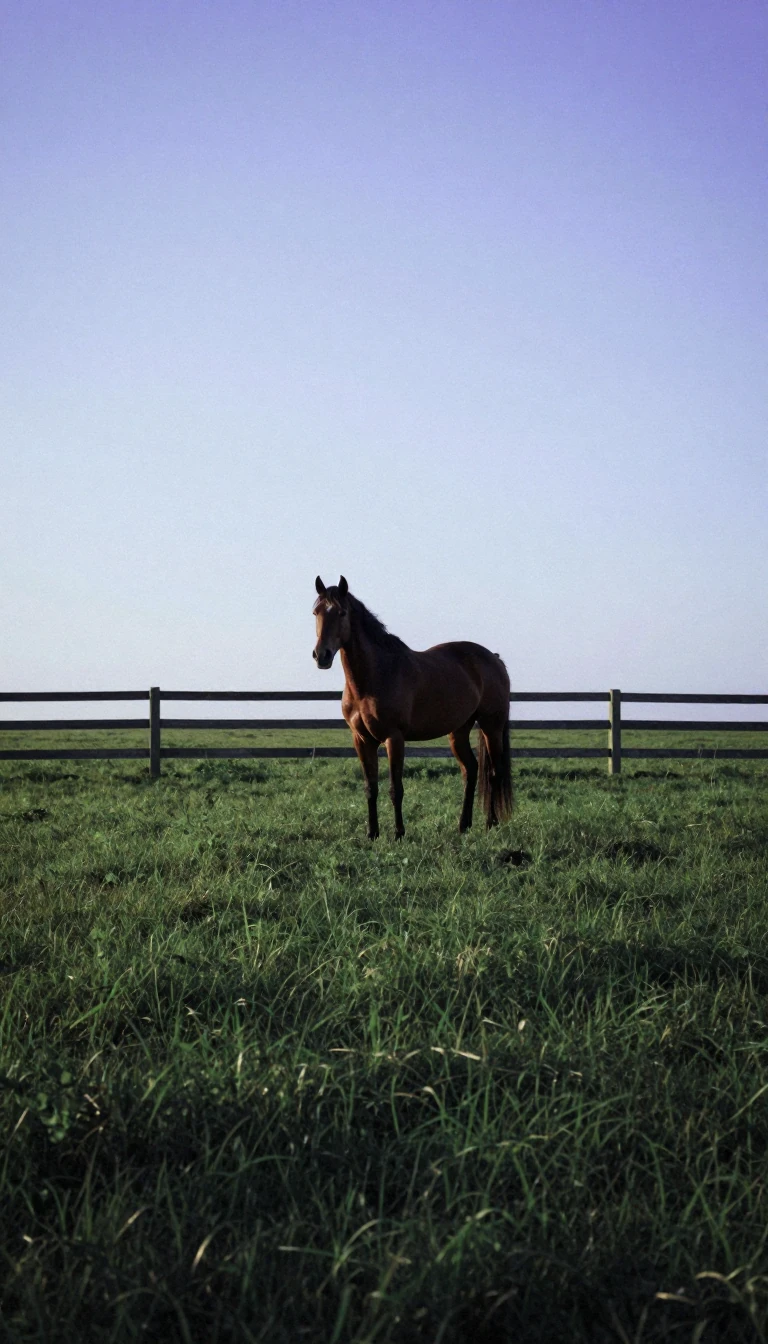 Horses evolved in North America, vanished there, and returned with the conquistadorsEvery living horse, donkey and zebra belongs to one genus, Equus, which arose in North America and spread across the Old World. Then, around 12,000 years ago, horses disappeared f…
 The word estrus comes from the gadfly Hera sent to torment IoIn Greek myth, Hera sent a stinging gadfly to chase Io, whom Zeus had turned into a heifer. The insect's name, oistros, came to mean frenzy, and biologists borrowed it for the hor…
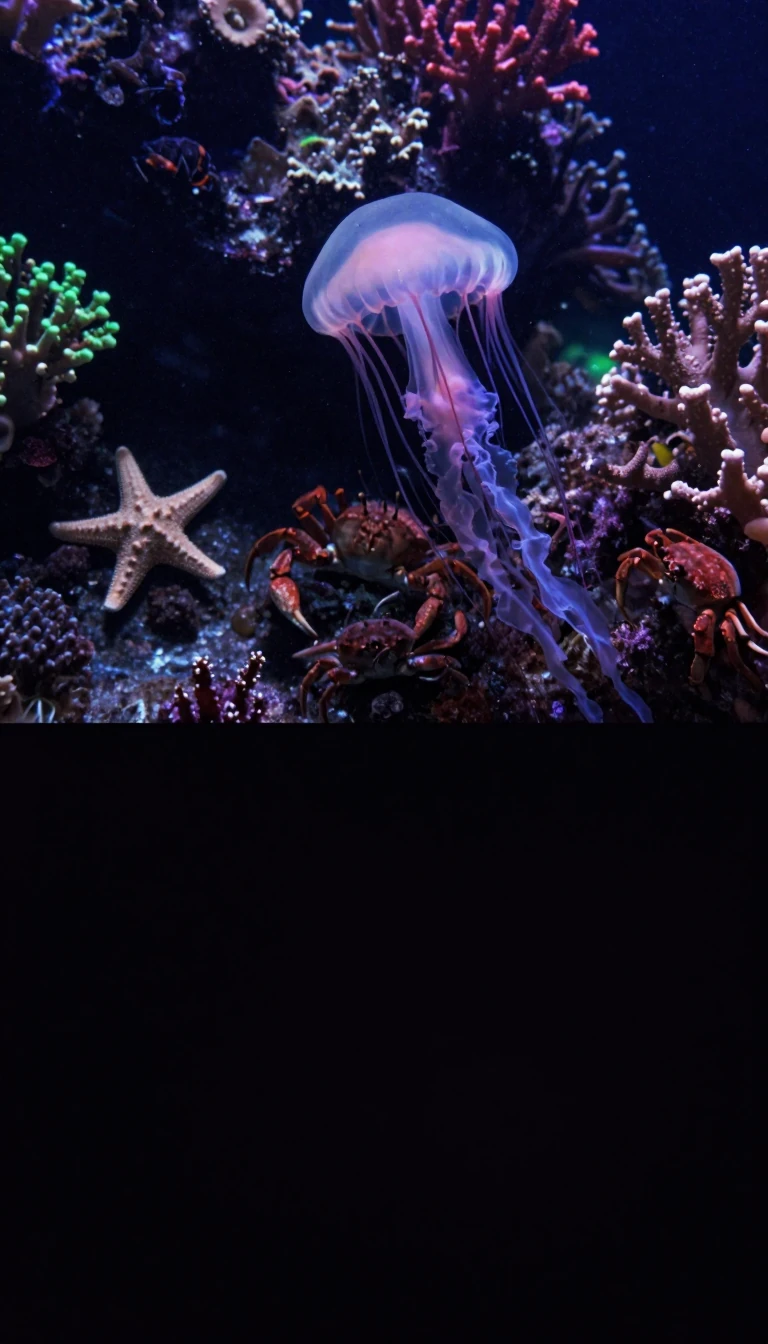 Nerves, muscles and true tissues split most animals from the humble spongeNearly every animal, from jellyfish to humans, belongs to a proposed group called Eumetazoa, meaning roughly true animals. What unites them is organised tissue, nerve-like cells a…
 Electric organs evolved eight separate times, mostly from ordinary muscleSome 350 fish species can generate electric fields, and they did not inherit the trick from one ancestor. Electric organs arose independently eight times, built mostly from modifi…
 An elephant seal's giant nose works as a water-recycling rebreatherA bull elephant seal can weigh 4,000 kilograms, ten times a female, and sports a drooping trunk-like nose. That nose was long thought to amplify threats. It actually recaptures mo…
 Technically, every living thing is endemic to Earth; biologists mean something narrowerA species is endemic when it lives naturally in one defined place and nowhere else, like the Cape sugarbird of southwestern South Africa. Charles Darwin first used the word that w…
 With over 330,000 beetle species alone, even experts struggle to name an insectScientists have described more than 1.3 million insect species, and beetles account for over 330,000 of them. Sorting a bug into its order is easy; pinning down its species often …
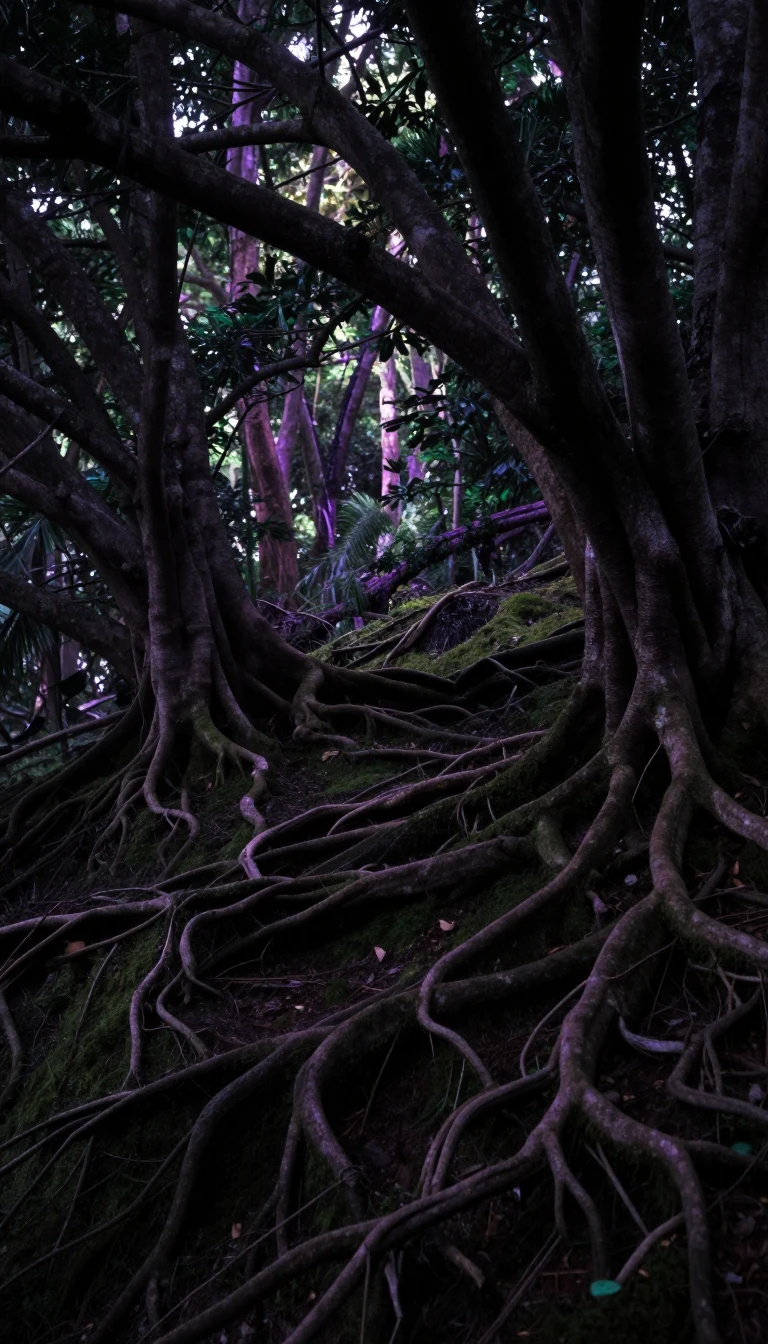 The plants living on a single rainforest tree can weigh several tonnesOrchids, bromeliads and ferns perched high in a rainforest canopy never touch soil, drinking from rain, fog and mist instead. These epiphytes use trees only as scaffolding, not fo…
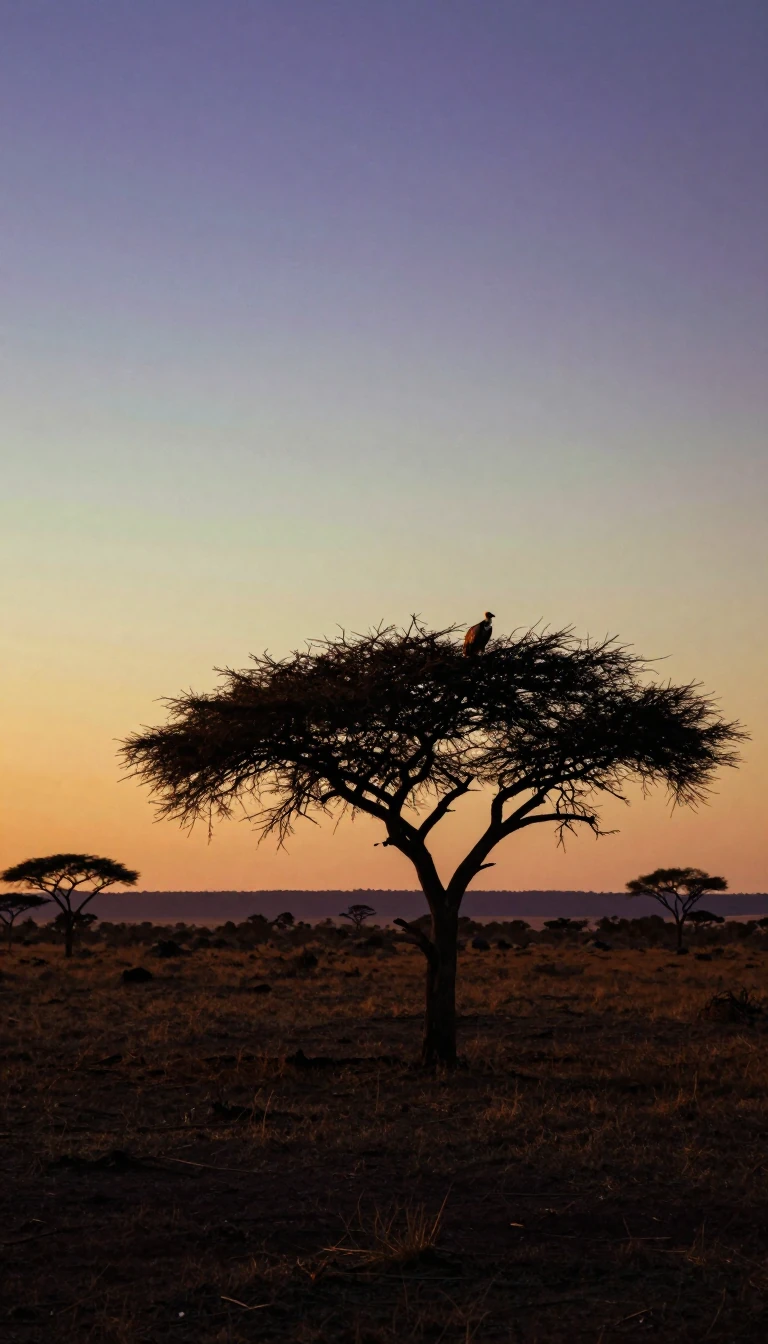 Cobras, mambas, sea snakes and one fish-egg eater that gave up venomThe elapid family runs from an 18-centimetre white-lipped snake to the king cobra, the longest venomous snake on Earth at up to 5.85 metres. Its roughly 360 species share fixed ho…
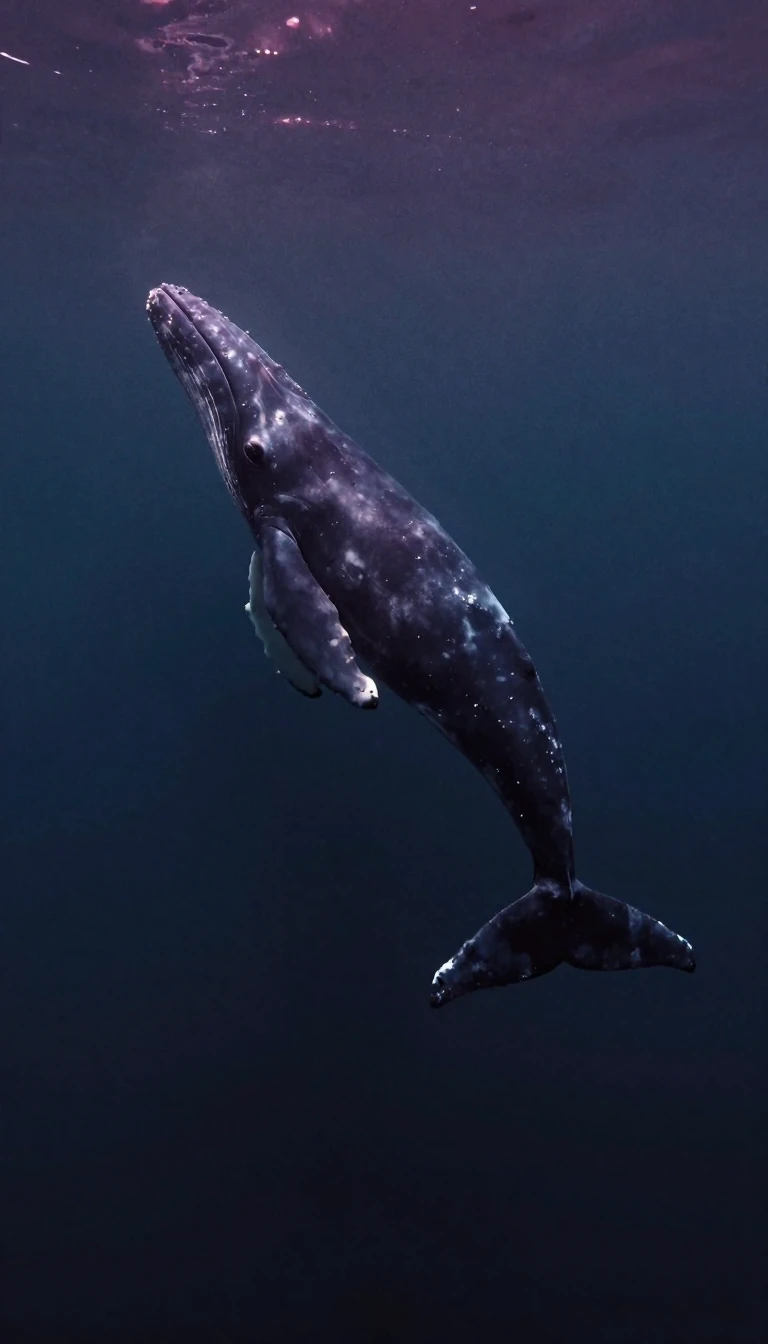 Sharks and rays float without a swim bladder by carrying an oily liverMost bony fish stay buoyant with a gas-filled swim bladder. Sharks, rays, skates and sawfish have none. Instead they carry enormous livers packed with oil, which keeps them from s…
 The fastest kangaroo ever clocked was a female eastern grey at 64 km/hRed kangaroos get the fame, but the one most Australians actually meet is the eastern grey. It lives close to the big eastern and southern cities, numbers in the millions, and hol…
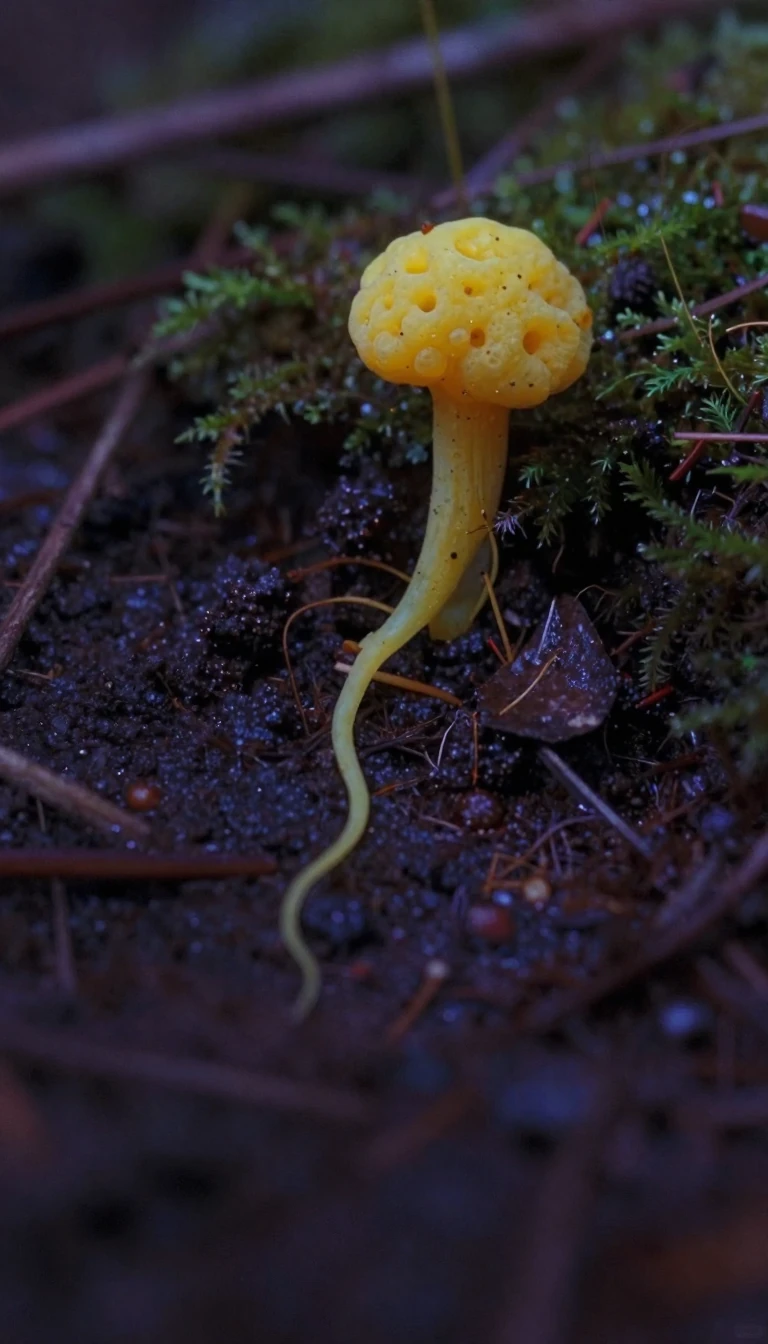 Insects, roundworms and tardigrades share one habit: they grow by shedding skinA beetle, a nematode and a water bear look like they have nothing in common. Yet all belong to Ecdysozoa, a huge branch of the animal family tree defined by one habit: growing up …
 From 1,000% inflation to a G20 seat: Indonesia's bumpy economic centuryWhen Sukarno fell in the mid-1960s, prices in Indonesia were rising about 1,000 percent a year and factories barely ran. Within decades the country had become Southeast Asia's lar…
 A failed pencil-sharpener salesman read pulp magazines and decided to invent TarzanBy 36, Edgar Rice Burroughs had flopped as a soldier, gold miner and railway clerk and was selling pencil sharpeners wholesale. Reading pulp magazines in his idle hours, he conclu…
- Before the Cambrian, Earth's first big organisms looked like quilted mattressesAround 600 million years ago, seafloors filled with strange soft creatures shaped like fronds, discs, tubes and padded mattresses. They were the earliest known complex multicellul…
 Edmontosaurus, the duck-billed giant that grazed beside Tyrannosaurus until the asteroidOne of the very last non-avian dinosaurs was a flat-snouted plant eater up to 12 metres long. Edmontosaurus roamed from Colorado to Alaska's north slope in herds, shared its world…
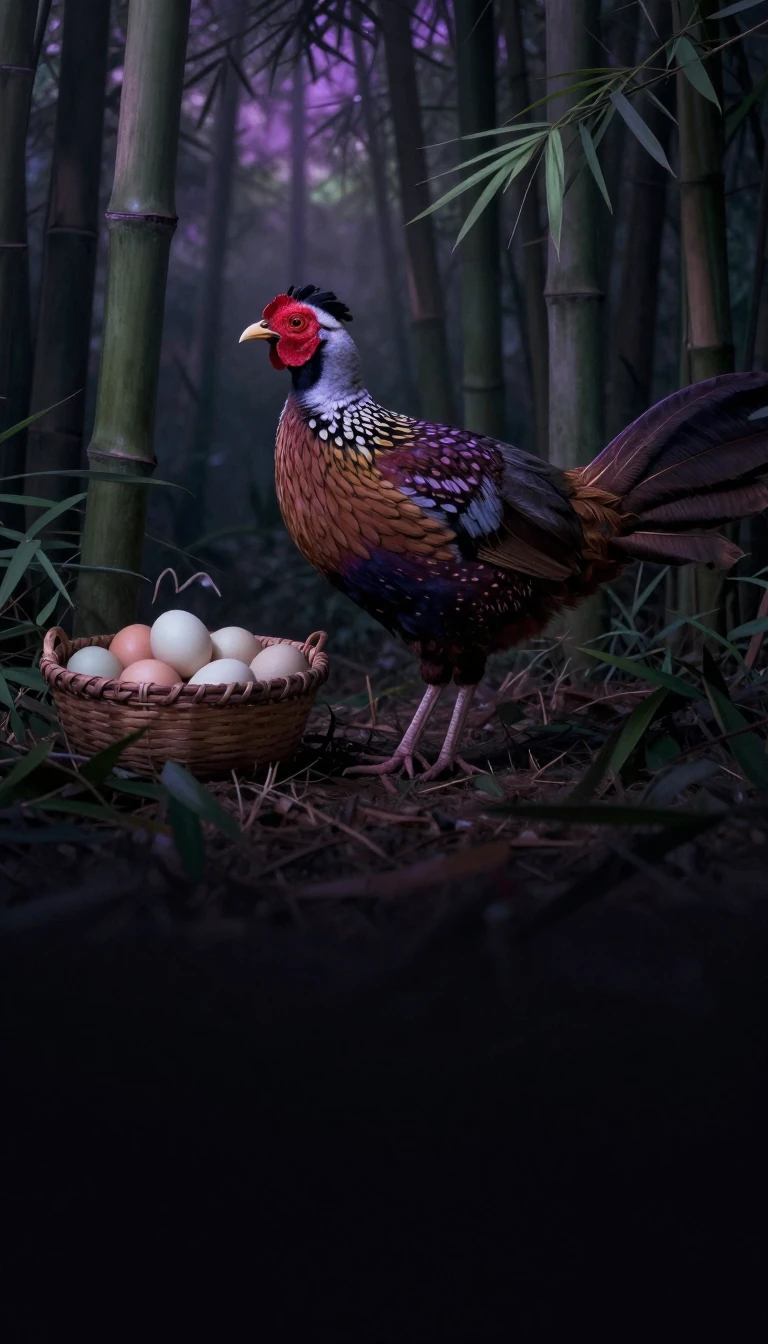 Feathered-foot pigeons grow wing genes in their legsSome fancy pigeons sprout feathers on their feet because a gene that normally builds wings switches on in the legs, while a leg-building gene quiets down. The quirk lies in DNA sw…
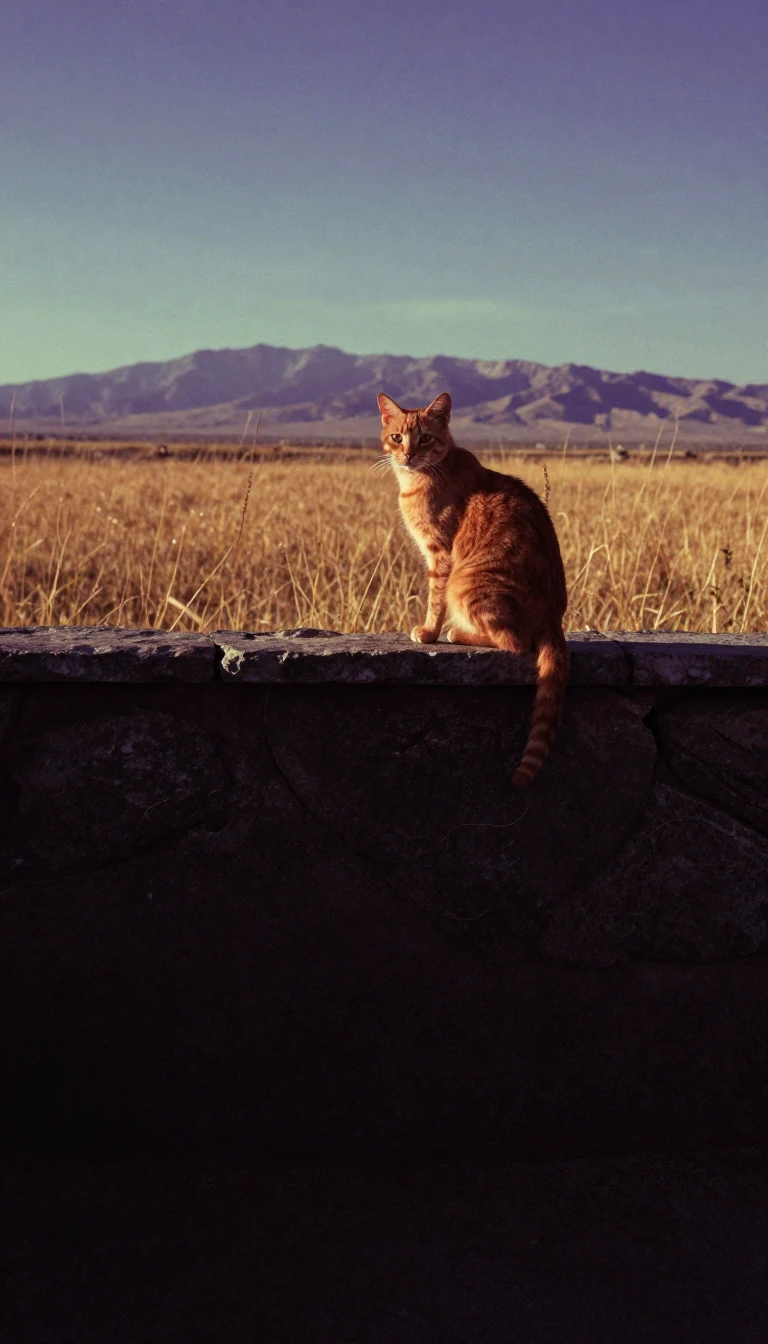 Cats largely tamed themselves, and their genes still show itUnlike dogs or cattle, cats were never heavily bred for work, so they stayed close to their wild African ancestors and kept their hunting instincts. A typical house cat carries ab…
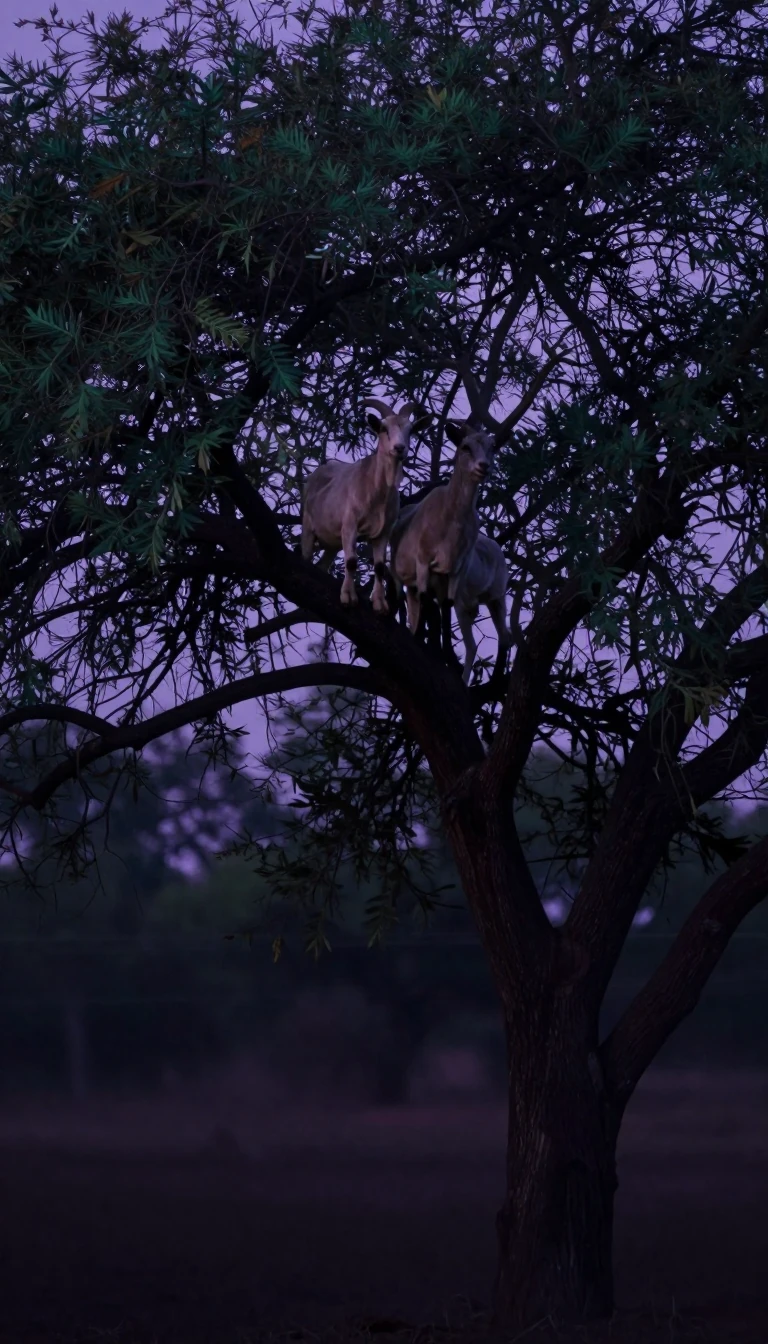 Domestic cattle now outweigh every wild mammal on Earth combinedTaming an animal and domesticating it are different things. A hand-raised cheetah can be tame yet wild, while a Spanish fighting bull is domestic but far from docile. Domesticatio…
 The seagrass-grazing dugong is a closer cousin of elephants than whalesDugongs look like plump dolphins with a drooping snout, yet their nearest living relatives on land are elephants, hyraxes and the aardvark. These gentle grazers are the last survi…
 Life on Earth may have started within a few hundred million yearsEarth formed about 4.54 billion years ago, and a speck of carbon trapped inside one Australian zircon crystal hints that life was present by 4.1 billion years ago. The oldest foss…
 The Early Cretaceous tore continents apart and gave the world its first flowersBetween roughly 143.1 and 100.5 million years ago, the Atlantic unzipped, India drifted loose, and the largest volcanic outpouring Earth has ever known flooded the South Pacific f…
- Gray squirrels climb down trees head-first by reversing their hind feetFew mammals can run down a tree trunk head-first, but the eastern gray squirrel manages it by swivelling its hind feet so the claws point backward and hook into the bark. That agi…
- Domestic ducks weed rice paddies, forget how to brood, and outnumber geeseAlmost every farmyard duck descends from wild mallards tamed in southern China around 2000 BC, probably by rice farmers. Ducks still earn their keep in Asian paddies, gobbling pes…
 The real Dilophosaurus was bigger than Jurassic Park's and never spat venomMoviegoers remember Dilophosaurus as a small, frilled dinosaur that sprays venom. Neither the frill nor the spit has any fossil support, and the real animal was about 7 metres lon…
 Terry Pratchett's flat world rides on four elephants and a turtleDiscworld is a flat planet balanced on four elephants, who stand on the shell of a giant turtle swimming through space. Terry Pratchett used that absurd premise for 41 novels betw…
 Why so many mammals see fewer colours than birds doEarly mammals escaped predators and competition by switching to night-time activity, and paid for it with their eyes: they lost two of four colour-sensing cone pigments. Most mamm…
 Mudflat snails eat the same dung again and again, days apartOn tidal mudflats, snails swallow decaying debris, digest the protein-rich microbes living on it, and pass the rest out almost untouched. A few days later, fresh microbes have col…
 The Devonian, when forests first rose and fish began crawling ashoreAround 400 million years ago the land was mostly bare, and the seas belonged to armoured fish. Over the next 60.7 million years, the Devonian saw the first forests, the first seed…
 The dhole, Asia's whistling red dog, once roamed as far as EuropeThe dhole hunts by day in clans of about a dozen, sometimes more than 40, and brings down deer in forests shared with tigers and leopards. It is the only living member of its genu…
 Diamondback terrapins drink rain straight from the skyA diamondback terrapin lives where rivers meet the sea, in water too salty for most freshwater turtles. To get a fresh drink, it sips the thin layer of rainwater that floats on to…
- The Abyssinian cat's name points to Ethiopia, but its genes point elsewhereThe first Abyssinians shown in England arrived from Abyssinia, today's Ethiopia, and the breed kept the name. Yet genetic studies trace its ancestry to Southeast Asia and Europe. …
 Eighty years on, nobody is sure exactly why DEET repels mosquitoesDEET was created in 1944 for American soldiers fighting in jungles, and it remains the oldest and one of the most effective ingredients in insect repellents. After some 8 billion …
 One sickle-clawed predator turned plodding dinosaurs into agile, bird-like huntersUntil the late 1960s most people pictured dinosaurs as sluggish, oversized reptiles. Then John Ostrom described Deinonychus, a slim Montana predator with a hooked claw on each foo…
 Life on the seabed gives fish migrating eyes and oil-filled liversA young flounder hatches with an eye on each side of its head, like any ordinary fish. As it grows, one eye travels across its skull until both stare upward from the same side, le…
- A common muscle relaxer is one double bond away from an antidepressantCyclobenzaprine, long sold as Flexeril, was prescribed more than 13 million times in the United States in 2023. Chemically it is almost identical to the antidepressant amitriptyli…
 Digital cash was dreamed up a quarter century before bitcoin arrivedIn 1983, long before bitcoin, cryptographer David Chaum conceived of ecash, a form of encrypted electronic money that third parties could not trace. He launched it through a compa…
 Comb jellies may be the oldest surviving branch of the animal family treeComb jellies row through the sea on beating bands of tiny hairs, and at up to 1.5 metres long they are the biggest animals to swim that way. Some biologists argue that their linea…
 Pink curing salt is dyed so nobody mistakes it for table saltCuring salt, a mix of ordinary salt with nitrates or nitrites, is often coloured pink on purpose. None of its ingredients is naturally pink; the dye simply keeps it from being con…
 The curlew's scientific name means new moon, after its crescent billCurlews probe mud with long, slender bills that curve downward, and their genus name, Numenius, seems to come from the Greek words for new and moon, a nod to that crescent shape. …
- Cuttlefish start watching the world, and possibly picking prey, before they hatchA cuttlefish's eyes appear to be fully formed before it leaves the egg, and the embryo starts looking around from inside. Hatchlings may then prefer to hunt whatever prey they saw…
 Evolution has invented the crab more than once, from different starting pointsCrabs are not one family tree. The crab shape, with a flat armoured shell, the tail tucked under the body and a knack for scuttling sideways, has arisen independently in several l…
 Crinoids are animals shaped like lilies that eat with their mouths facing upA crinoid looks like a flower on a stalk, and its name comes from the Greek word for lily. It is really an echinoderm, a cousin of starfish and sea urchins, but turned the other w…
 Most of the world's critically endangered species are plants, not animalsAs of March 2026, the IUCN Red List classed 10,774 species as critically endangered, about 6.2% of everything it assesses. Plants make up 6,445 of them, nearly 60%, far outnumberi…
 Some animals hide by smell or sound, not only by colourTrained dogs and meerkats, both of which hunt by scent, struggle to find puff adders. The snake ambushes its meals and must stay hidden from its own enemies too, so it seems to ma…
 A twining vine's spin has nothing to do with the sun or the hemisphereSome climbing plants always twist clockwise and others always anticlockwise, whichever hemisphere they grow in. Runner beans and bindweed turn one way, honeysuckle and black bryon…
- The slow worm is neither slow, nor a worm, nor a snakeEurope's slow worm looks like a small snake, yet it is a legless lizard that blinks with movable eyelids. Even its name misleads: the slow part comes from an Old English word for …
- Vampire bats share meals with roost mates who have fed them beforeA vampire bat that returns hungry can be saved by a roost mate regurgitating blood for it. Studies in Costa Rica found this sharing depends on long friendships and repayment: the …
 If evolution's tape were rewound, would it reinvent eyes, wings and intelligence?Stephen Jay Gould argued in 1989 that replaying the history of life would produce a very different result. Simon Conway Morris disagrees, pointing to how often unrelated creatures…