 Intellect Plus
Nature
11,198 cards. Each one is a 40-second story with a five-minute read behind it. Page 166 of 187.
Subtopics: Ageing · Air · Animal behaviour · Animal breeds and hybrids · Animals · Arthropods · Atmosphere · Big cats · Bilateria, others · Birds · Botany · Cnidarians · Conservation · Coral reefs · Deep sea · Deserts · Dinosaurs · Earth science · Earth science and physical geography · Earth science basics · Earthquakes & tsunamis · Echinoderms · Ecology · Ecosystems · Endangered species · Extinct animals · Farming · Fish · Forests · Fungi · General classifications · Geology · Geomorphology · How Long Can It Live? · Ice · Individual animals · Insects · Lightning · Longevity · Mammals · Marsupials · Migration · Mollusks · Ocean · Organisms · Parasites · Physical geography · Plants · Porifera · Predators · Primates · Rainforest · Reptiles & amphibians · Researched · Sharks & rays · Spiders & arachnids · Symbiosis · Trees · UK & Ireland: nature · Vertebrates · Vision · Volcanoes · Water · Waves · Weather · Whales & dolphins · Zoology
 The German verb for hoarding comes straight from the hamsterHamsters stuff food into cheek pouches reaching back to their shoulders, sometimes swelling their heads to double or triple normal size, then haul it home to underground larders. …
 Microscopic algae in armoured plates helped build the world's chalkMost haptophytes are coccolithophores, single-celled algae that wrap themselves in tiny plates of calcium carbonate. They rank among the most abundant plankton in the open ocean, …
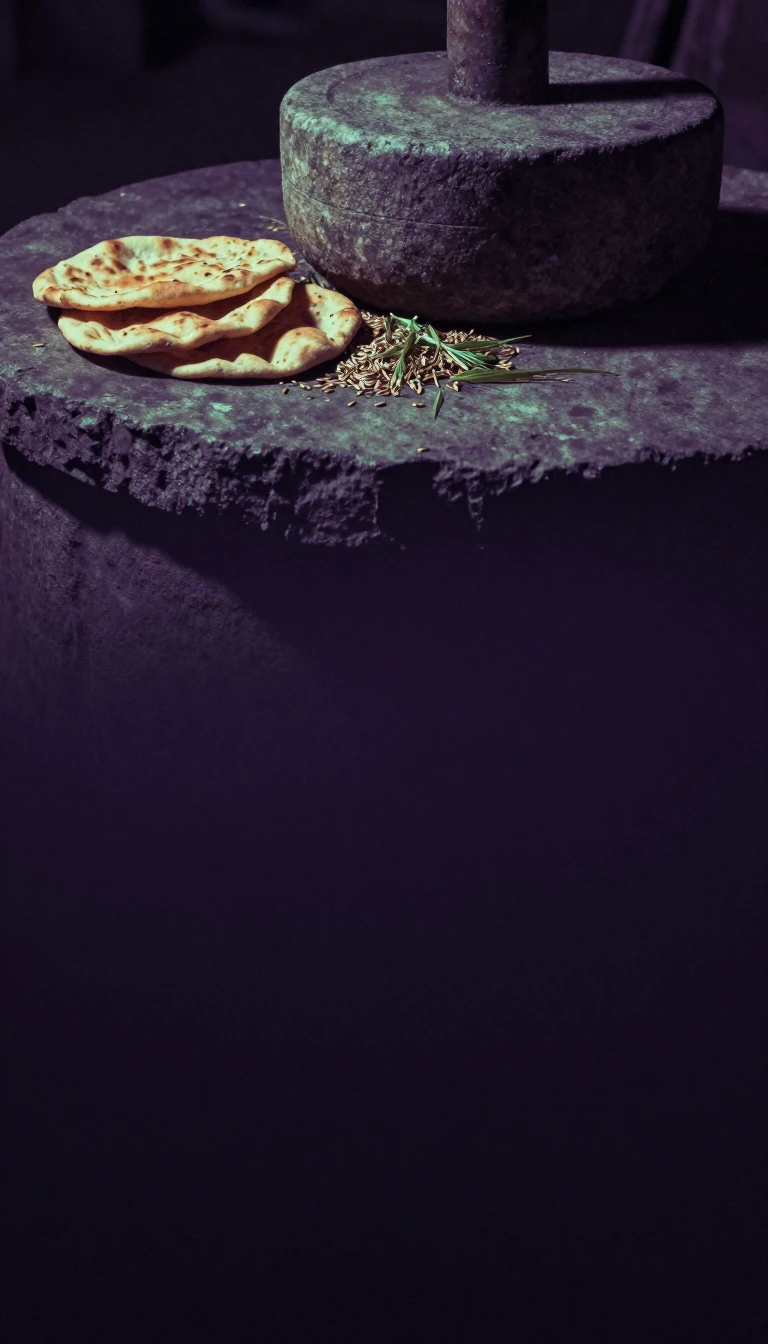 Eight thousand years ago, Scottish islanders roasted hazelnuts on an industrial scaleOn Colonsay, a small Scottish island, archaeologists found a shallow pit holding hundreds of thousands of burned hazelnut shells, dated to about 6000 BCE. Every nut was gathered i…
 Ginseng sells billions of dollars a year despite no proven health benefitIts Chinese name means 'person root', after the forked, body-like shape of the plant. Ginseng has been prized in Korean and Chinese tradition for centuries and topped $2 billion i…
 The word that won America's first spelling bee was 'gladiolus'In 1925 Frank Neuhauser won the first National Spelling Bee by correctly spelling gladiolus, Latin for 'little sword' after its blade-shaped leaves. Those leaves hide a neat trick…
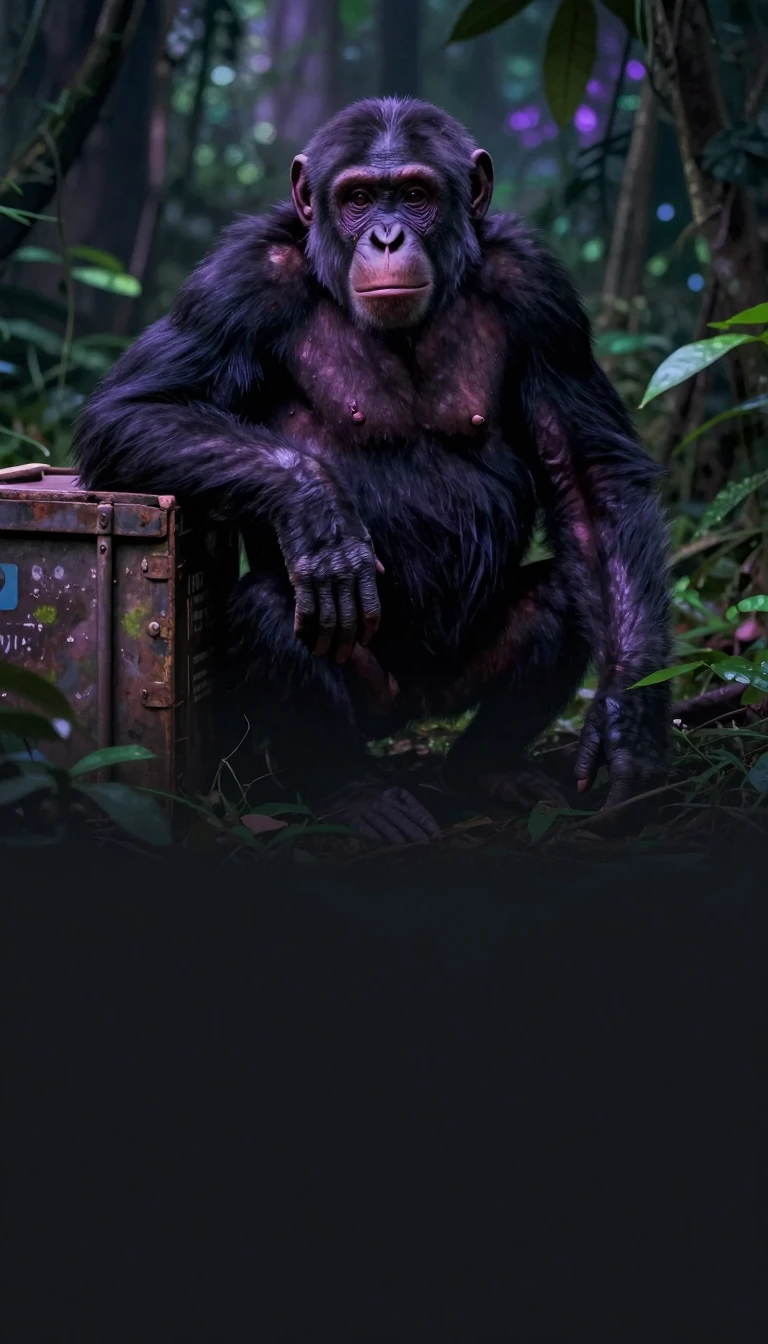 The word 'gorilla' comes from a Carthaginian voyage around 500 BCA Carthaginian explorer named Hanno sailed down West Africa around 500 BC and met hairy beings his interpreters called Gorillae. Nobody knows whether they were apes, monkeys or pe…
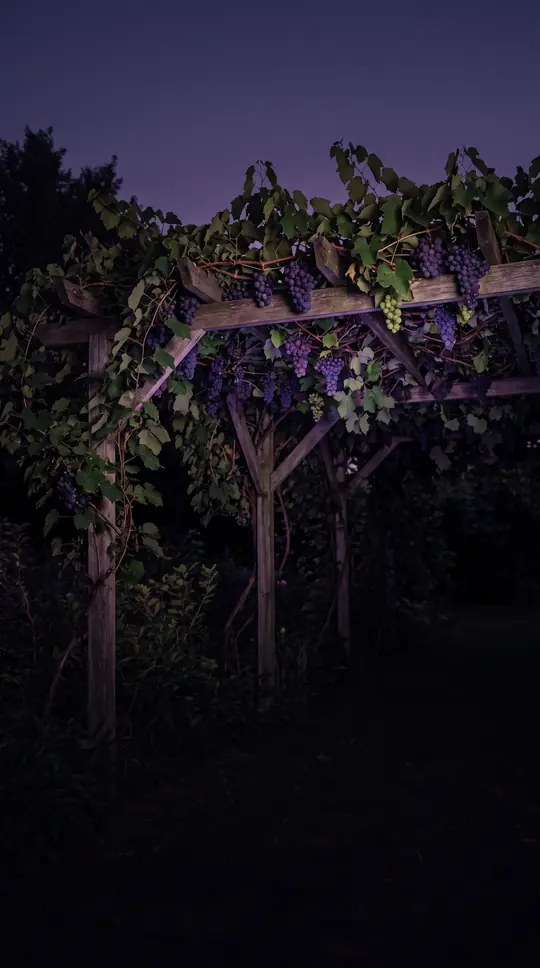 White grapes are really purple grapes with two genes switched offEvery green 'white' grape descends from a purple ancestor. Mutations in two regulatory genes shut down the pigments that colour red wine, leaving pale fruit behind. That is just o…
 Grapefruit was an eighteenth-century accident on Barbados, once called 'forbidden fruit'The grapefruit did not come from ancient Asia. It arose in Barbados in the 1700s as a chance cross between a sweet orange and a pomelo, both newly brought from Asia. Its scientifi…
 Every tree and flower on land is technically a branch of green algaeLand plants did not evolve alongside green algae; they grew out of them. Genetic evidence places the first land plants deep inside one algal group, as sisters of a family of pond-…
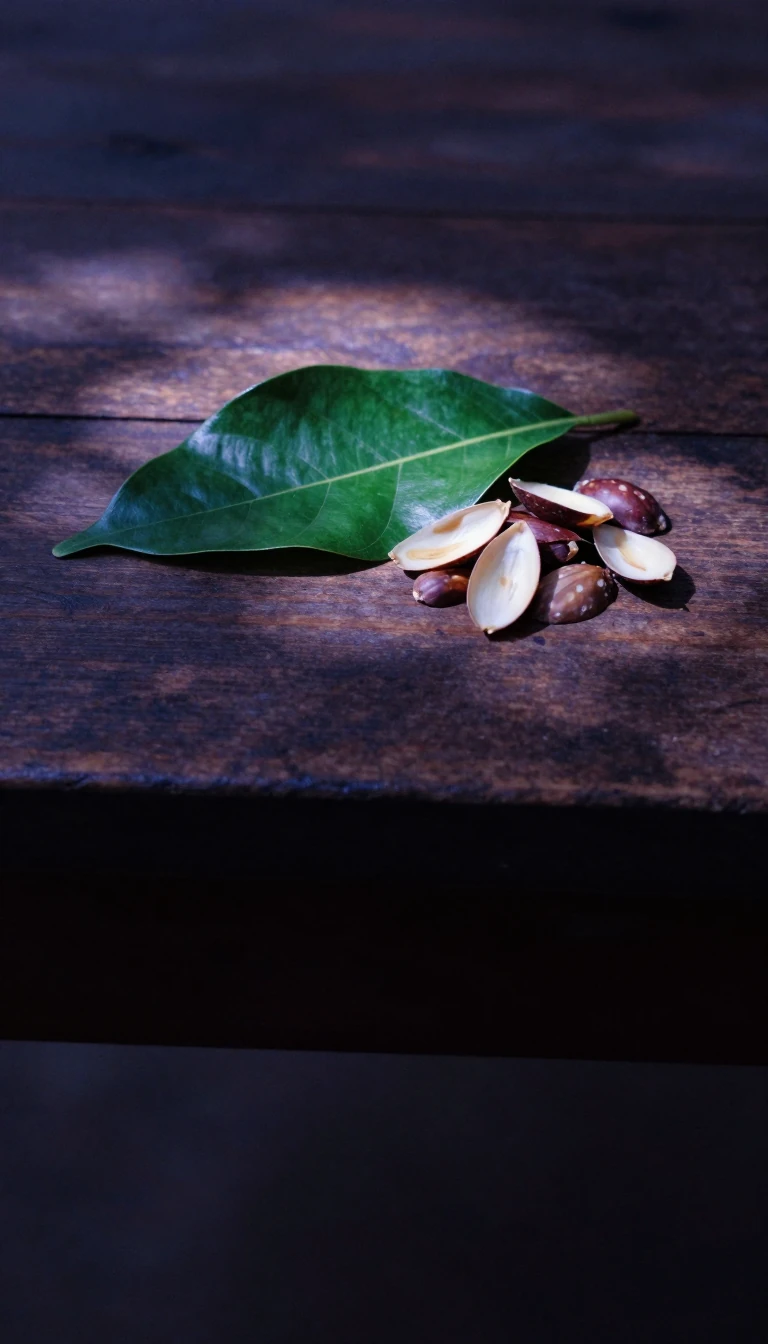 Green beans lost their strings thanks to one New York breeder in 1894Older cooks called them string beans for good reason: a tough fibre ran down every pod and had to be peeled away. In 1894 Calvin Keeney of Le Roy, New York, bred the first stringl…
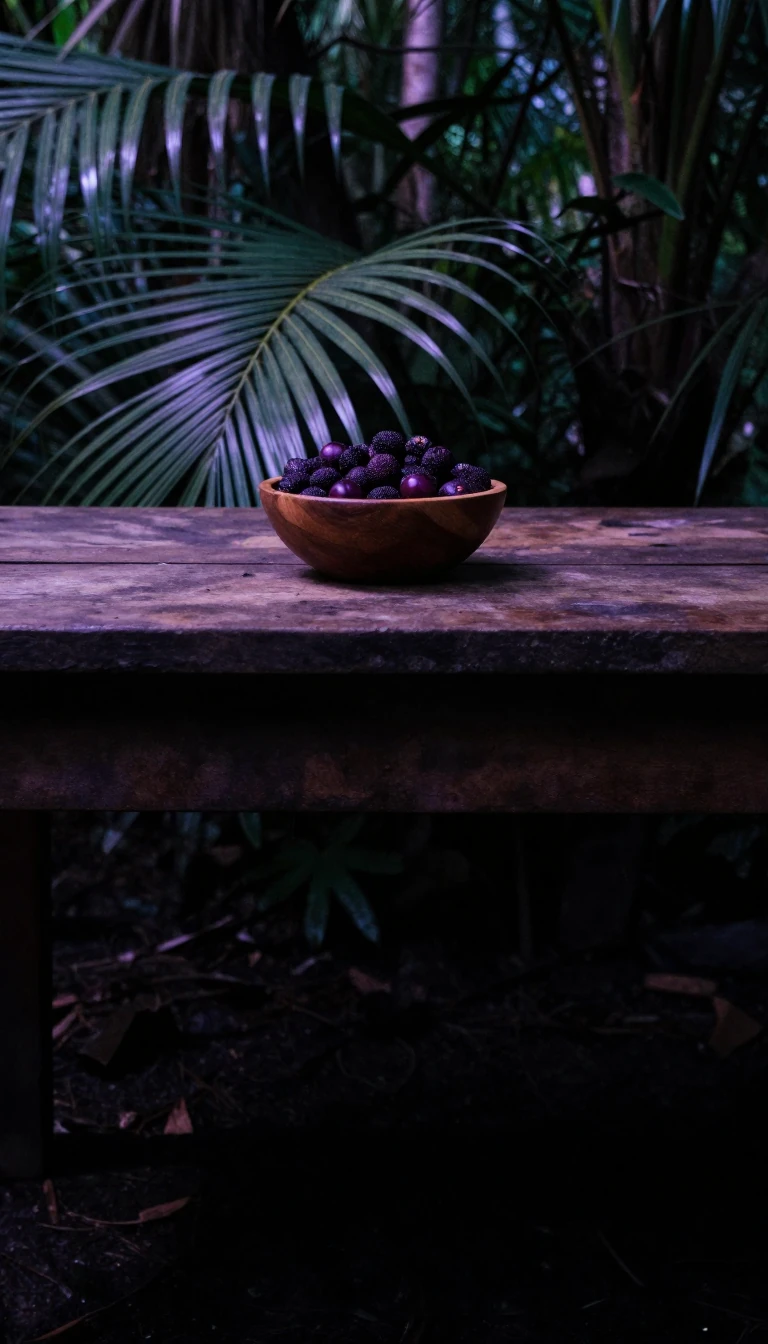 One guava delivers more than twice a day's vitamin CA 100-gram serving of raw guava supplies about 254 percent of the daily value for vitamin C. The fruit has been grown in Peru since at least 2500 BC, its name comes from the Taíno…
 Guinea pigs are neither from Guinea nor related to pigsThe guinea pig is a South American rodent, first domesticated for food in the Andes as early as 5000 BC. How it got its misleading name nobody knows for sure. One popular story, t…
 A bush baby's legs outperform a frog's by up to nine timesGalagos, Africa's bush babies, can leap more than two metres from a standstill. A Royal Society study found their jumping muscles perform six to nine times better than a frog's sh…
 The gardenia is a coffee relative that Freud named his favourite flowerGardenias belong to the same plant family as coffee. Their heavy night-time perfume evolved to lure moths, yet it has also adorned Parisian evening suits, Gilded Age buttonholes a…
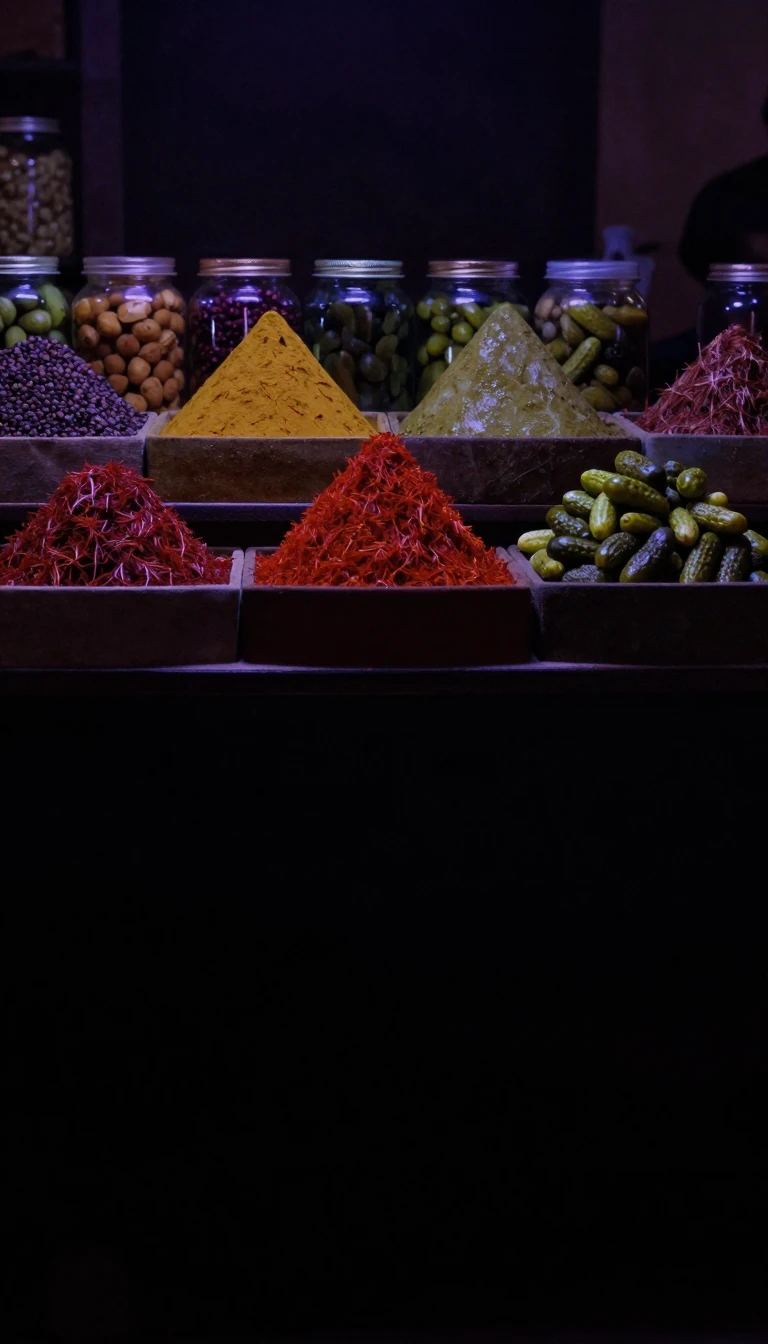 Garlic's bite is a chemical weapon that only fires when you crush itAn intact garlic clove barely smells. Break its cells by chopping or chewing and stored enzymes set off a chain of sulfur reactions, producing the heat and stink that probably evo…
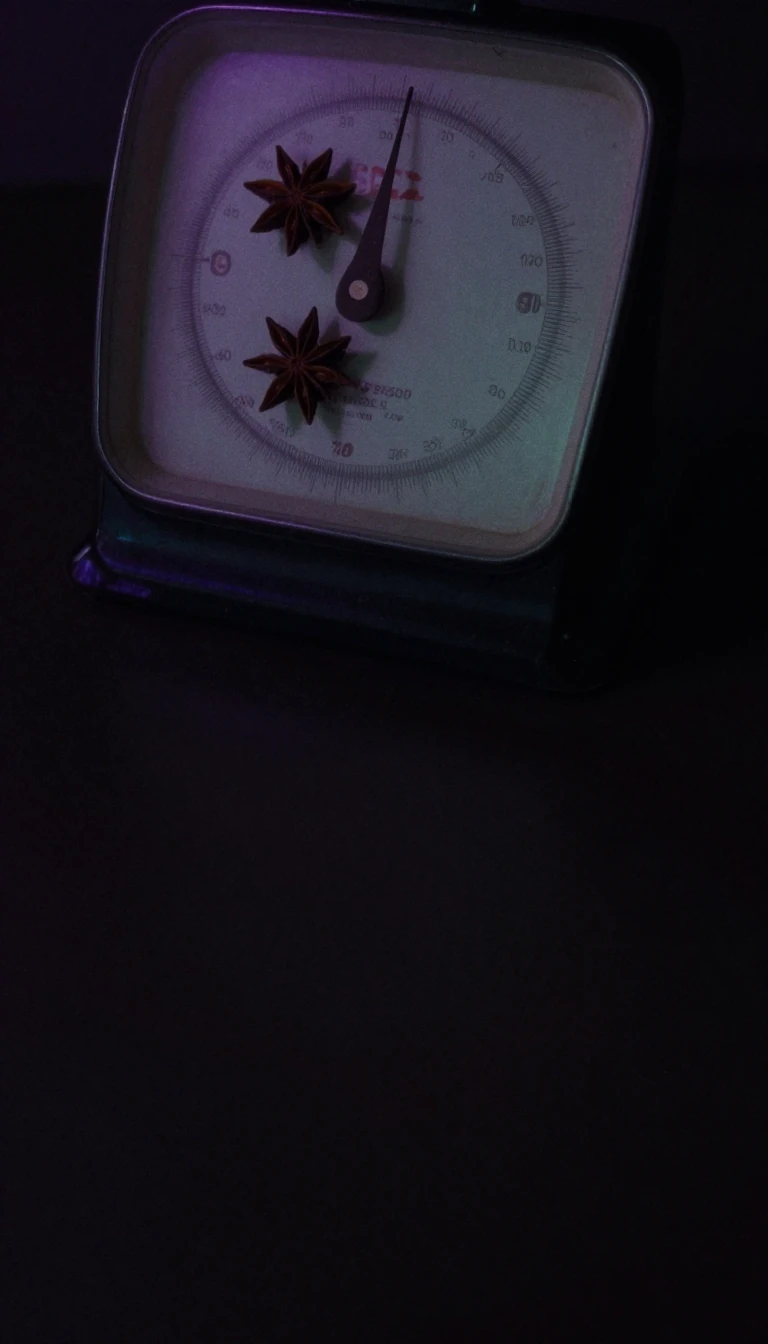 Medieval English shoppers paid a whole sheep's worth for one pound of gingerGinger no longer exists in the wild. It survives only because people keep planting it, and seafaring Austronesians carried it by canoe across the Pacific as far as Hawaii some 5,0…
 The ginkgo has swimming sperm and survived the Hiroshima bombThe ginkgo is the last survivor of a plant order that appeared more than 290 million years ago. It fertilises its seeds with sperm that swim using thousands of tiny hairs, some tr…
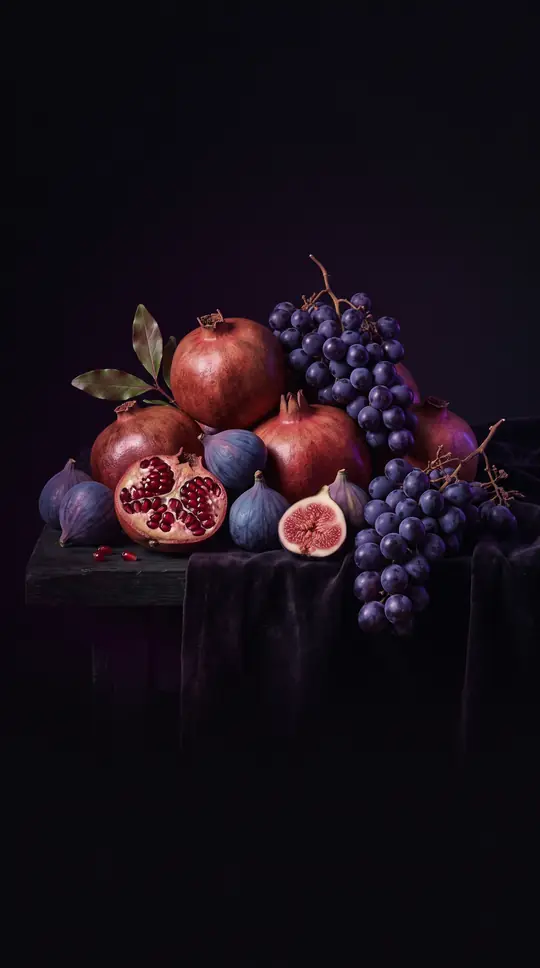 The fig may have been humanity's first crop, planted before wheatIn a Jordan Valley village called Gilgal I, archaeologists found nine figs roughly 11,000 years old. They belonged to a seedless variety that can only spread if people plant cutti…
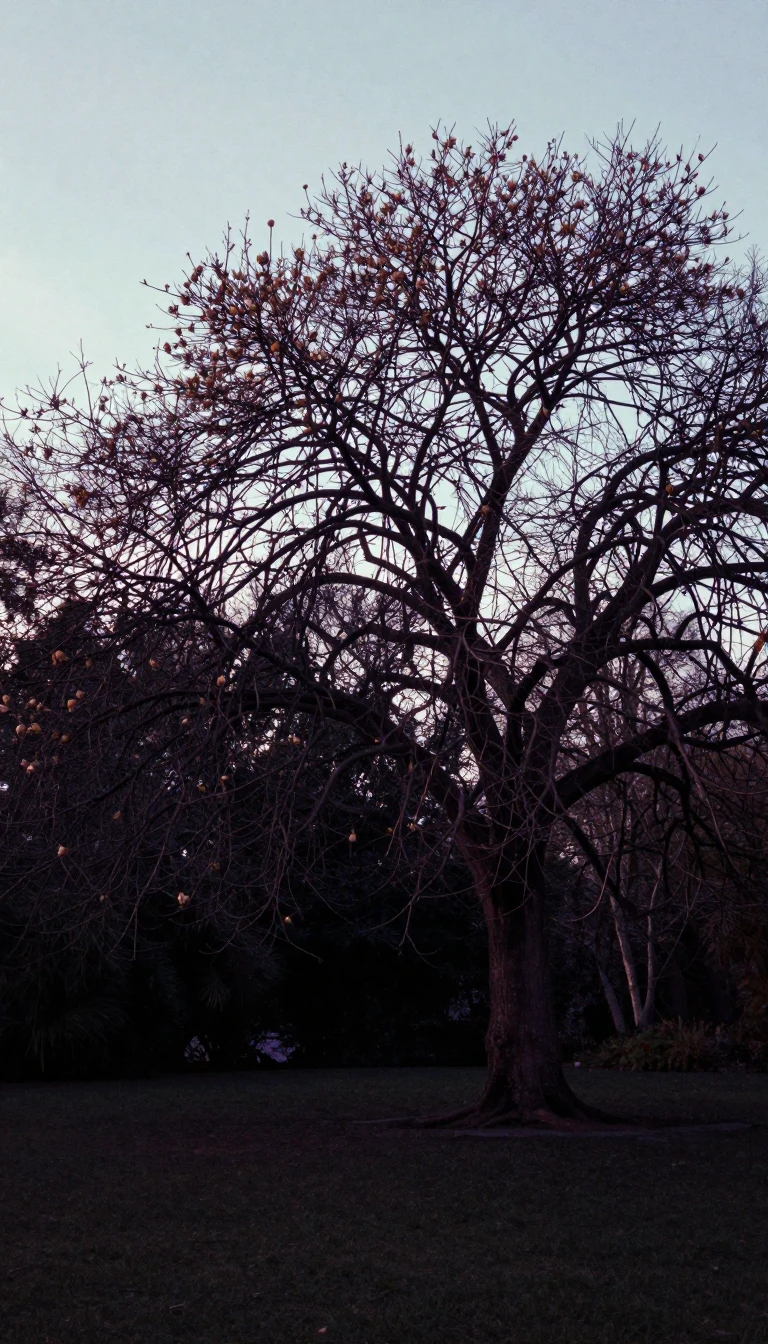 Fir cones stand up like candles and fall apart on the branchLook up at a fir and you will never find a whole cone on the ground beneath it. Unlike spruce cones, which dangle, fir cones sit upright on the branches and crumble in place when …
 Dyed flax threads from a Georgian cave are some 30,000 years oldLong before farming, people in what is now Georgia were spinning, dyeing and knotting wild flax fibres in Dzudzuana Cave, around 30,000 years ago. The plant they later domesticate…
 Flowering plants fertilise twice: one sperm makes the embryo, the other its lunchEvery seed of a flowering plant is the product of a double act. A pollen tube delivers two sperm cells; one fertilises the egg, while the other fuses with two more nuclei to build…
 Strabo mistook the fossil shells in the pyramids for workers' leftover lentilsIn the 1st century BCE the geographer Strabo noticed coin-like objects packed into the stone of the Great Pyramid and guessed they were petrified lentils dropped by the builders. …
 Ash wood still frames Morgan sports cars, yet the trees face a double threatAsh is tough and springy enough for tool handles, Fender guitar bodies and even the frames of Morgan sports cars. That same wood is now under siege: a beetle from Asia threatens s…
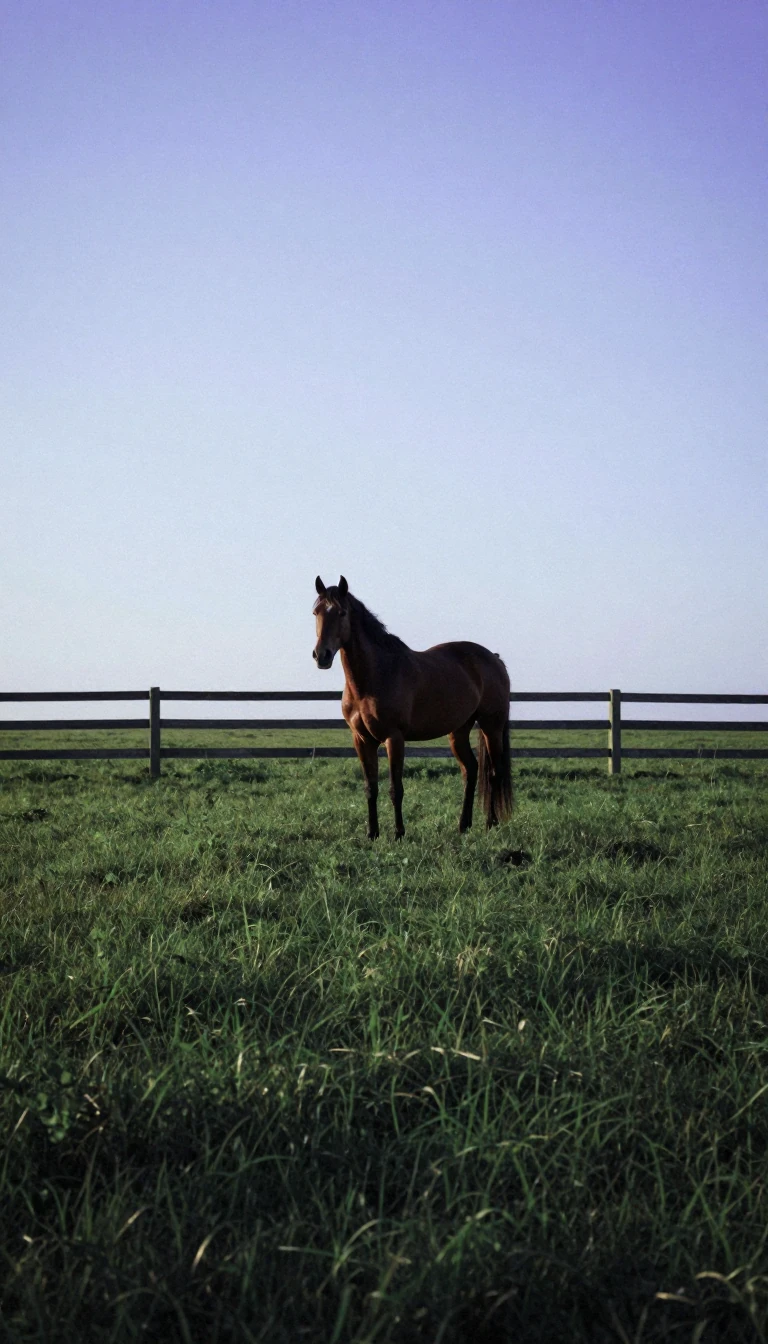 By the early 1900s the Friesian horse was down to three breeding stallionsThe jet-black Friesian, with its flowing mane, feathered legs and high-stepping trot, is a favourite of fantasy films. It nearly vanished more than once: at one point only three s…
 Mushrooms are closer kin to you than to the plants they grow besideFor centuries botanists filed fungi alongside mosses and ferns. DNA told another story: the kingdom that gives us bread yeast, penicillin and truffles split from animals and plant…
- Rocket's name traces back to a Latin word for caterpillarRocket, arugula, rucola: one peppery Mediterranean salad leaf wears a dozen names. The English one comes via French and Italian from Latin eruca, meaning caterpillar, while arugul…
 E. coli is so genetically varied that strains share only a fifth of their genesEscherichia coli is biology's favourite lab workhorse, able to double in about 20 minutes. It is also a species in name only: a typical genome shares just 20 percent of its genes …
- Eucalyptus flowers have no petals, just a lid that pops offThe name eucalyptus means well covered, after the woody cap that seals each flower bud until the swelling stamens shove it off. Behind that little lid sits a genus of more than 70…
 Three tiny grooves on a pollen grain mark out most of the world's flowering plantsSunflowers, apples, cabbages, maples and dandelions share a secret visible only under a microscope: pollen with three furrows. That trait defines the eudicots, the true dicots, a …
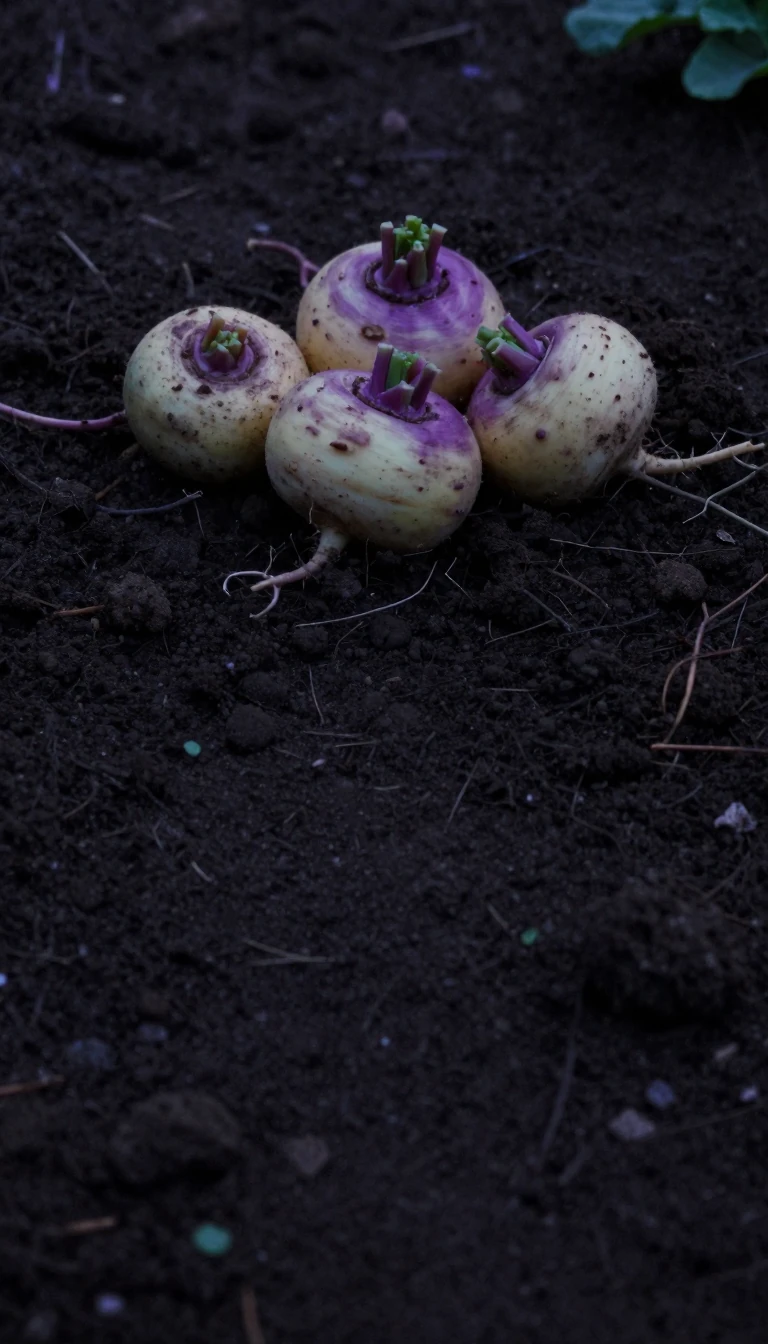 Rubber, cassava, castor oil and poinsettias all come from the spurge familyThe spurge family gives us natural rubber, the staple root cassava and the Christmas poinsettia, yet it is also stocked with poisons, from the ricin in castor seeds to a mangrove …
 The microbes once lumped as Excavata may hold clues to how complex cells beganExcavata was named for a scooped-out feeding groove on the underside of many single-celled organisms, including the parasites Giardia and Trichomonas. Genetics has since shattered…
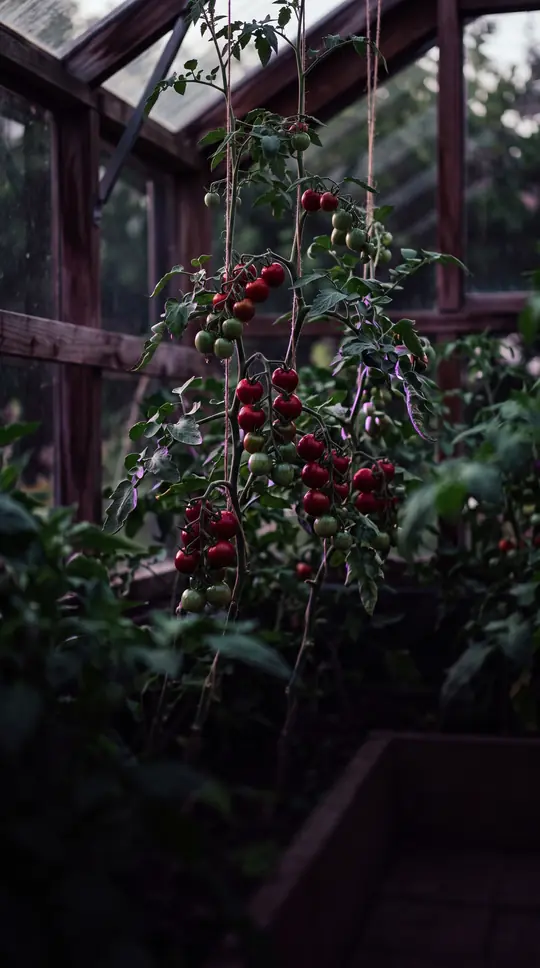 The bean family pulls its own fertiliser out of thin airPeas, peanuts, soybeans, chickpeas, liquorice and tamarind all belong to one family of nearly 20,000 species. Many of them house bacteria in root nodules that grab nitrogen gas fr…
 The battlefield of Marathon was named for fennel, and so was Madeira's capitalIn Greek, fennel is marathon, so the famous battle was fought on a fennel plain. In myth Prometheus smuggled fire from Olympus inside a hollow fennel stalk, and Portuguese settler…
 Every fern lives two lives, and one is a tiny green heartThe leafy fern you know is only half the story. Its spores grow into a separate, free-living plant just millimetres across, shaped like a heart, whose sperm must swim through wate…
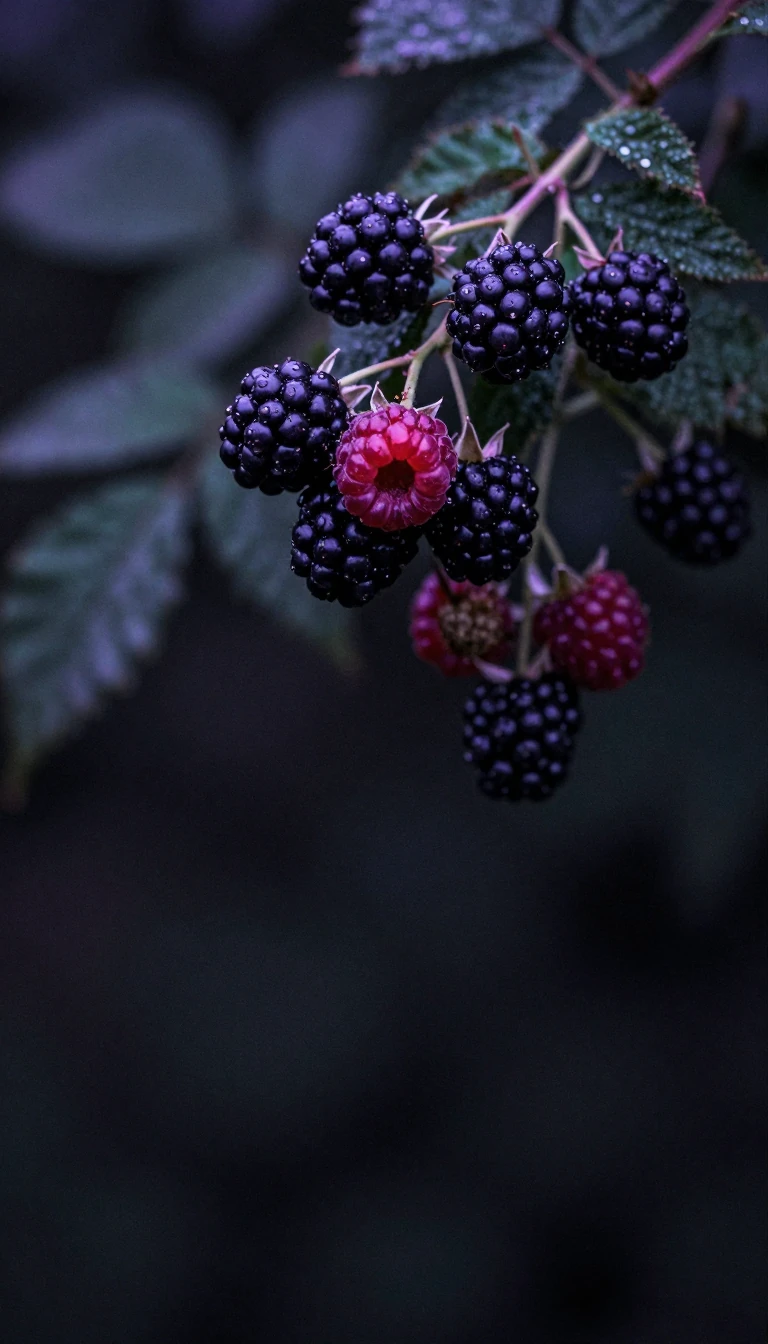 Blueberries, cranberries and rhododendrons are cousins that thrive where soil is poorThe heather family, Ericaceae, holds about 4,250 species, from creeping heaths to rhododendron trees, and many of them flourish in acidic, nutrient-starved ground that defeats oth…
- The word aubergine travelled from Tamil country through Persia, Arabia and SpainEggplant, aubergine, brinjal, melanzana: one vegetable, a tangle of names that all but one trace to a single ancient Dravidian word from southern India. Along the way the Sanskrit…
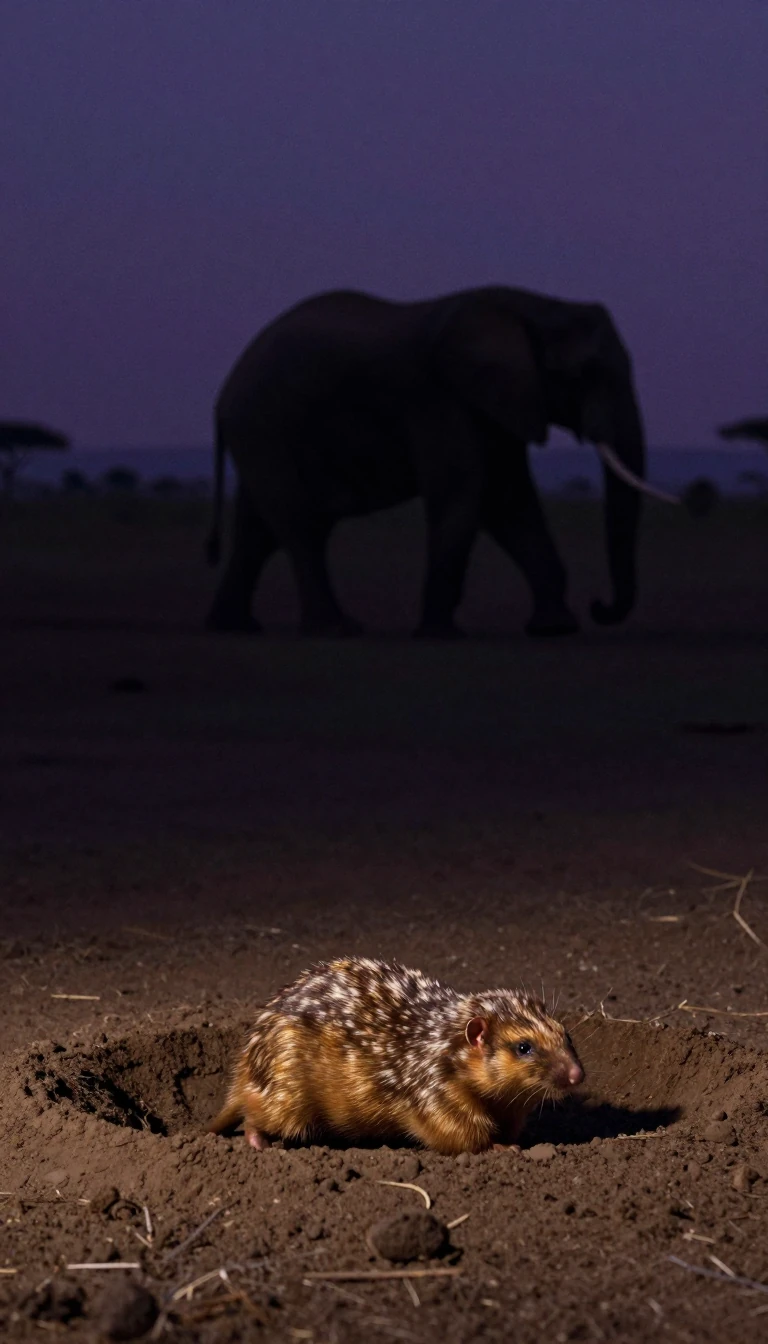 An elephant's trunk has up to 150,000 muscle bundles and no boneThe largest land animals descend from a creature weighing just 3 to 8 kilograms that lived in Africa 60 million years ago. Today's elephants pick up food with a boneless trunk of …
 A beetle-borne fungus wiped out most of the West's mature elmsElms once lined the streets of Europe and North America and filled English hedgerows at densities above 1,000 trees per square kilometre. Then Dutch elm disease, a microfungus car…
 Horsetails are the last survivors of plants that once grew 30 metres tallThe humble horsetail in a damp ditch is the only living genus of a plant group that dominated late Paleozoic forest floors for over 100 million years. Some of its extinct relative…
- Cycads look like palms but split from them hundreds of millions of years agoWith stout trunks and crowns of stiff feathery leaves, cycads pass easily for palms. They are not even close relatives. These slow-growing seed plants date back roughly 300 millio…
 The dahlia reached Europe thanks partly to a spy sent to steal dye bugsDahlias come in nearly every colour except blue, from 5-centimetre buttons to dinner plates a foot across. That dazzling range comes from genetics: garden dahlias carry eight sets…
- In North America, the humble daikon is mostly planted to be left in the groundAcross Asia the long white radish goes into kimchi, pickles, turnip cake and bánh mì. In North America farmers mostly never harvest it: they sow it so its giant taproot can drill …
 Microscopic algae in glass shells make a huge share of Earth's oxygenDiatoms are single cells encased in intricately patterned walls of silica, glassy enough to earn the nickname living opals. They produce an estimated 20 to 50 percent of the plane…
- The plankton behind glowing waves and red tides spins as it swimsNamed for their whirling swim, dinoflagellates are single cells that can make the sea sparkle blue-green at night or turn it red with toxic blooms. Some live inside corals, some h…
- Ebony and persimmons come from the same genus of 'divine fruit'The jet-black wood of fine ebony and the sweet orange persimmon both come from Diospyros, a genus of over 700 trees and shrubs. Its Greek name means roughly Zeus's wheat, or divin…
- Romans fattened dormice in special jars and served them dipped in honeyDormice can sleep through half the year, fattening up in summer and hibernating six months or more. That habit made them a Roman delicacy, raised in special enclosures and eaten a…
- The Douglas fir is not a fir, a pine or a spruceWestern North America's giant conifer has been called Oregon pine, Douglas spruce and red fir, yet it is none of those. Its genus name means false hemlock, and it is not a hemlock…
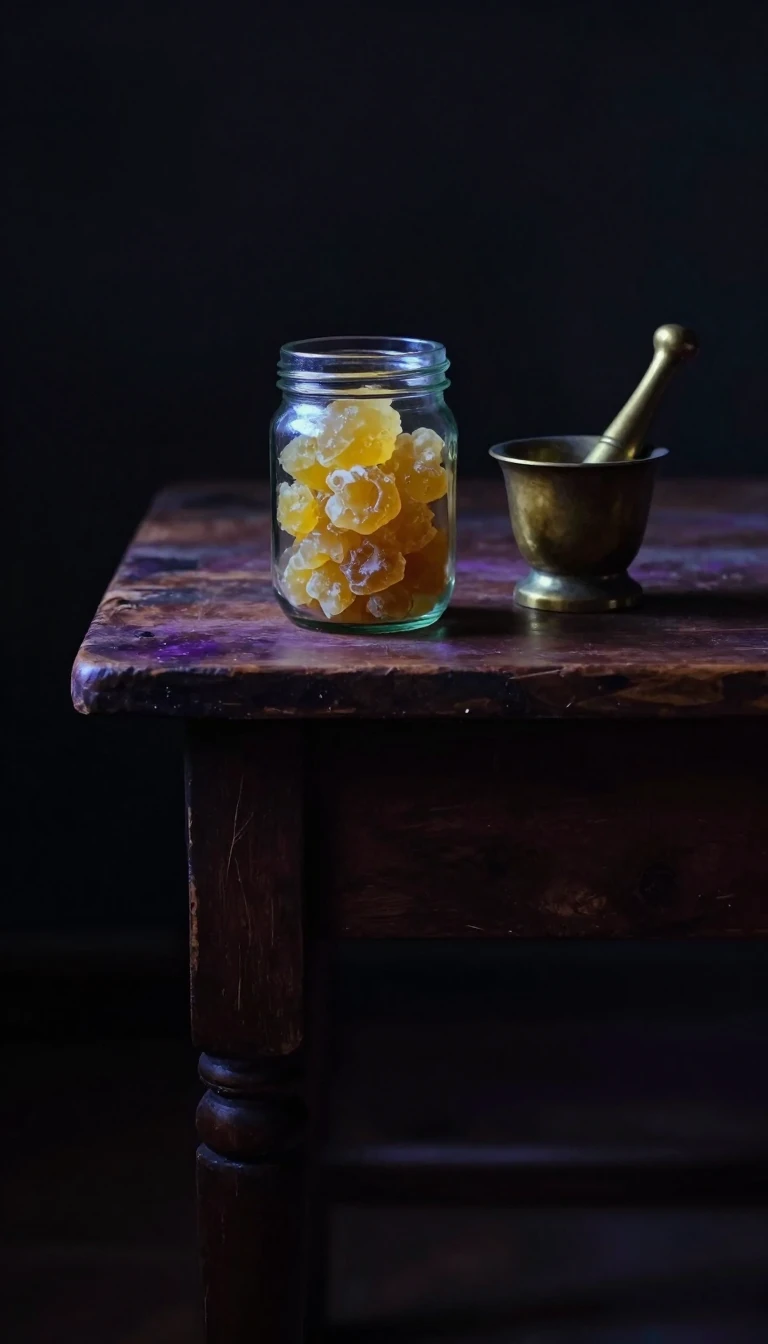 Durian smells so strong that hotels and trains ban itThe spiky durian can weigh three kilograms, tastes of custard with savoury undertones and gives off an odour that may linger for days. Some find it sweet, others find it revolting…
 Sea lions can walk on all fours, and true seals cannotLook for the ears. Sea lions and fur seals have small visible ear flaps, and they can swing their hind flippers forward to walk on land. Males can outweigh females sixfold, making…
 Some cypresses wait for fire before they let their seeds goMany cypress species keep their seeds sealed inside cones for years, releasing them only after a fire kills the parent tree and clears the ground. One Tibetan species reaches abou…
 Every breath you take owes something to blue-green bacteriaCyanobacteria were the first living things known to release oxygen, and over billions of years they turned Earth's air from oxygen-free to breathable, literally rusting the planet…
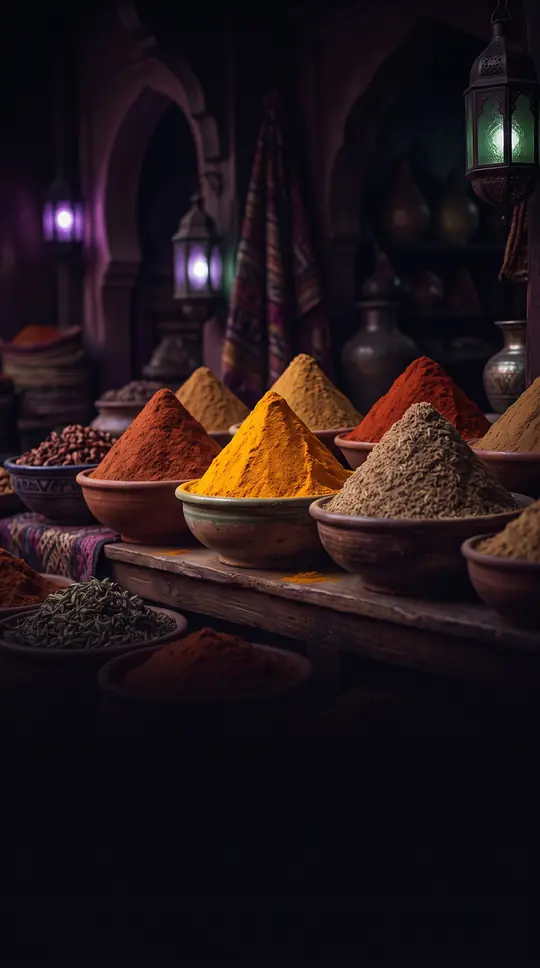 Cumin's name has passed from Sumerian clay tablets to modern kitchensSay cumin and you are repeating a word roughly as old as writing. It runs back through Latin cuminum and Greek kuminon to Akkadian kamunu and finally Sumerian gamun. The seeds the…
- Bread wheat carries six chromosome sets inherited from three different grassesThe wheat in nearly every loaf is an accidental hybrid. About 8,000 years ago, a farmed wheat crossed with a wild goatgrass near the Caspian Sea, producing a plant with six sets o…
- The tallest and oldest living trees on Earth are both conifersA coast redwood stands 116.07 metres tall, and a Great Basin bristlecone pine has lived about 4,700 years. Both are conifers, a group with only a little over 600 living species th…
- Plantains rank as the world's tenth most important staple foodPlantains and other cooking bananas feed a huge share of the tropics, ranking tenth among the world's staple foods. In Africa, plantains and bananas supply over a quarter of the c…
 Nobody is sure why the dogwood is named after dogsEnglish speakers called it the dog-tree before 1548, and by 1614 it was the dogwood. One old theory says the word was really dag, a skewer, because butchers made skewers from its …
- Cranberries don't grow underwater; farmers flood the beds only at harvestThose photos of farmers wading through seas of floating red berries give a misleading impression. Cranberry beds are not kept flooded; through the growing season they are simply i…
 Europe's first lasting modern humans were named after a railway roadworks findIn 1868, workers cutting a road toward a railway station in the Dordogne stumbled on a rock shelter. Inside, Louis Lartet found five skeletons, and the spot's name, Cro-Magnon, be…
- A Roman emperor wheeled his cucumbers into the sun every dayTiberius wanted cucumbers at every meal, winter included. According to Pliny the Elder, his gardeners planted them in raised beds mounted on wheels, rolled them out into full suns…
- Honeydew, cantaloupe and snake melon are all one species, tamed four separate timesA smooth pale honeydew, a netted cantaloupe and a long, cucumber-flavoured snake melon look like three different crops. They all belong to Cucumis melo, a single species that peop…