 Intellect Plus
Nature
11,198 cards. Each one is a 40-second story with a five-minute read behind it. Page 168 of 187.
Subtopics: Ageing · Air · Animal behaviour · Animal breeds and hybrids · Animals · Arthropods · Atmosphere · Big cats · Bilateria, others · Birds · Botany · Cnidarians · Conservation · Coral reefs · Deep sea · Deserts · Dinosaurs · Earth science · Earth science and physical geography · Earth science basics · Earthquakes & tsunamis · Echinoderms · Ecology · Ecosystems · Endangered species · Extinct animals · Farming · Fish · Forests · Fungi · General classifications · Geology · Geomorphology · How Long Can It Live? · Ice · Individual animals · Insects · Lightning · Longevity · Mammals · Marsupials · Migration · Mollusks · Ocean · Organisms · Parasites · Physical geography · Plants · Porifera · Predators · Primates · Rainforest · Reptiles & amphibians · Researched · Sharks & rays · Spiders & arachnids · Symbiosis · Trees · UK & Ireland: nature · Vertebrates · Vision · Volcanoes · Water · Waves · Weather · Whales & dolphins · Zoology
 A daisy is not one flower but hundreds packed into a disguisePluck a daisy or sunflower and you are holding a crowd. Each head is a capitulum of tiny florets pretending to be a single bloom, with the petals themselves being separate flowers…
 A South African quarry skull put Africa at the centre of human originsIn 1924 lime-quarry workers at Taung unearthed the skull of a three-year-old who had walked upright. Raymond Dart named it Australopithecus africanus, the southern ape, and argued…
 No, avocado did not originally mean testicle, despite the popular storyA favourite bit of food trivia says the Aztec word for avocado meant testicle. The reconstructed original meaning is simply avocado; the word was later borrowed as a euphemism. Th…
 Azaleas in a black vase once served as a death threatBehind the springtime show, azaleas are poisonous down to their nectar. Their reputation was grim enough that a bouquet delivered in a black vase was understood as a threat to kil…
 Baboons can work out who outranks whom just by eavesdroppingAmong the biggest monkeys alive, baboons live in troops of up to 250 animals with strict pecking orders. Listening to vocal exchanges is enough for them to judge dominance between…
 These parasites carry a leftover algal plastid they can no longer use for sunlightApicomplexans are single-celled parasites that break into animal cells using a specialised toolkit at their tip. Most also carry the apicoplast, a relic plastid probably inherited…
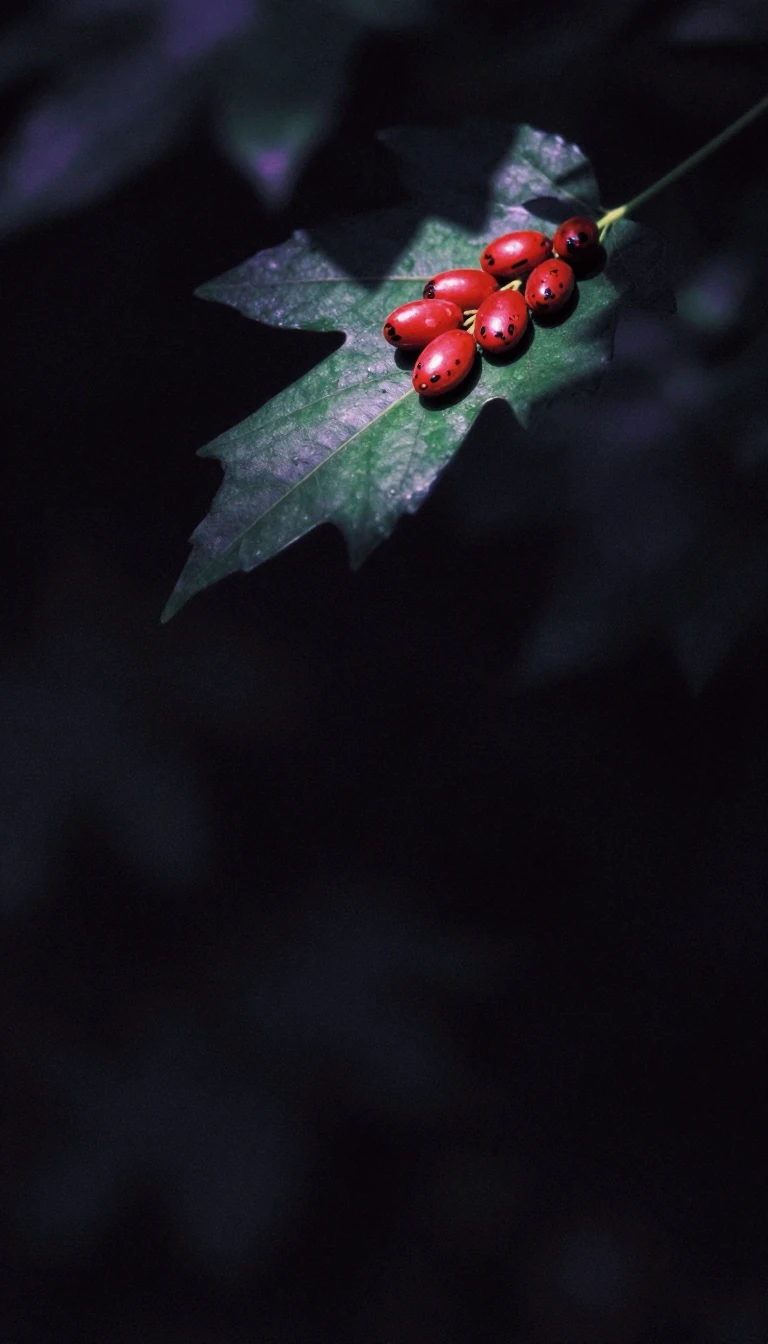 The dogbane family's name literally means away, dogApocynaceae takes its name from Greek words meaning away and dog, because some of its plants served as dog poison. The same family gives us frangipani, milkweed and oleander, arro…
 The apricot's scientific name honours Armenia, but genetics points to ChinaBotanists named the common apricot Prunus armeniaca because it had grown in Armenia for so long that it seemed native there. Genetic studies instead back Nikolai Vavilov's idea th…
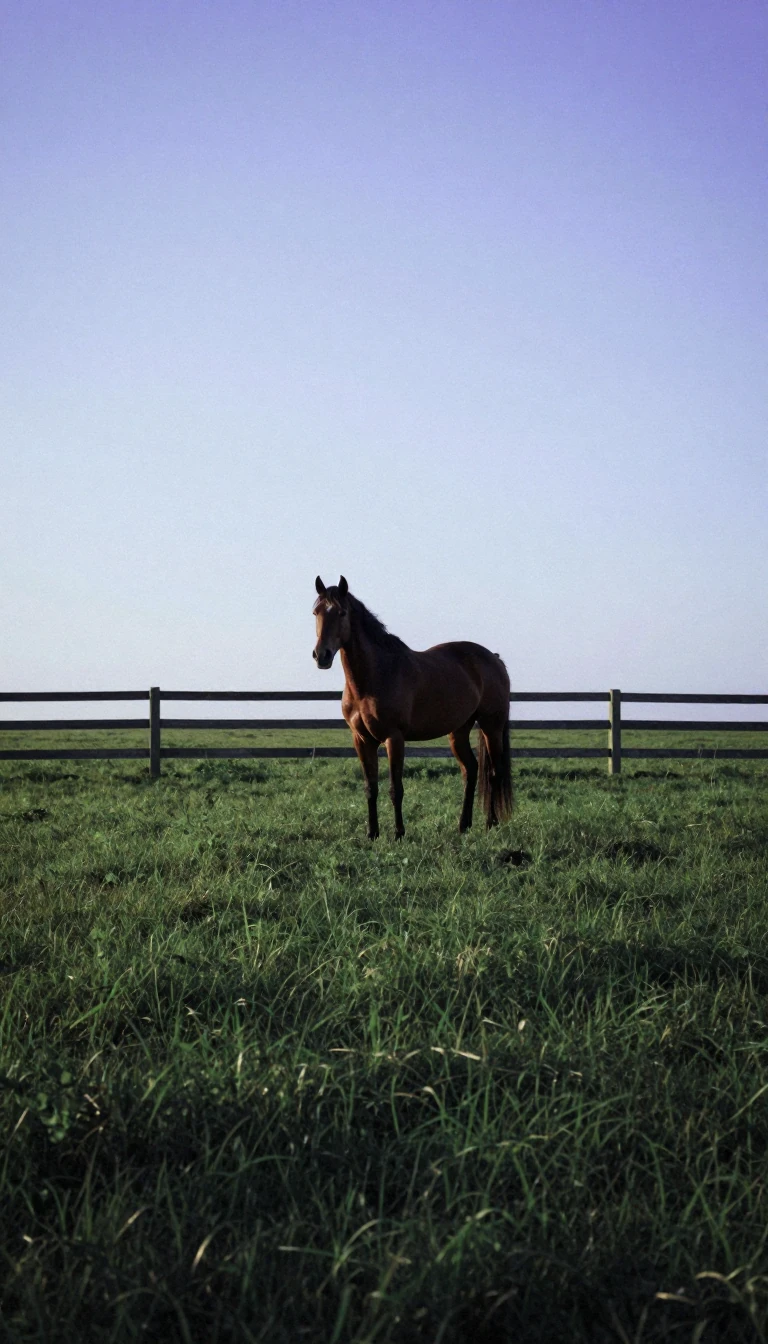 Bedouin families sheltered their best Arabian mares inside the family tentDesert nomads kept prized war mares beside their children to guard them from thieves, and bred only from calm, cooperative animals. The result is a horse that can be small yet car…
 The arum family spans the titan arum and the world's smallest flowering plantOne plant family holds both the largest unbranched flower spike on Earth, the titan arum, and the tiniest flowering plant, the duckweed Wolffia. Some members heat their blooms to …
 Microbes once filed as bacteria turned out to be our distant ancestorsArchaea look like bacteria under a microscope, yet their machinery for reading genes resembles ours, and complex cells, including human ones, appear to have evolved from them. Fir…
 Palms hold plant records for the biggest seed, leaf and flower clusterThe coco de mer grows seeds weighing up to 30 kg. Raffia palms unfurl leaves 25 metres long, Corypha palms raise flower spikes holding millions of blossoms, and Colombia's wax pal…
 A starch from St. Vincent once earned nearly half the island's exportsFrom the 1930s to the 1960s, arrowroot starch supplied close to 50 percent of St. Vincent's foreign earnings and most rural jobs. It also went into early carbonless copy paper. Th…
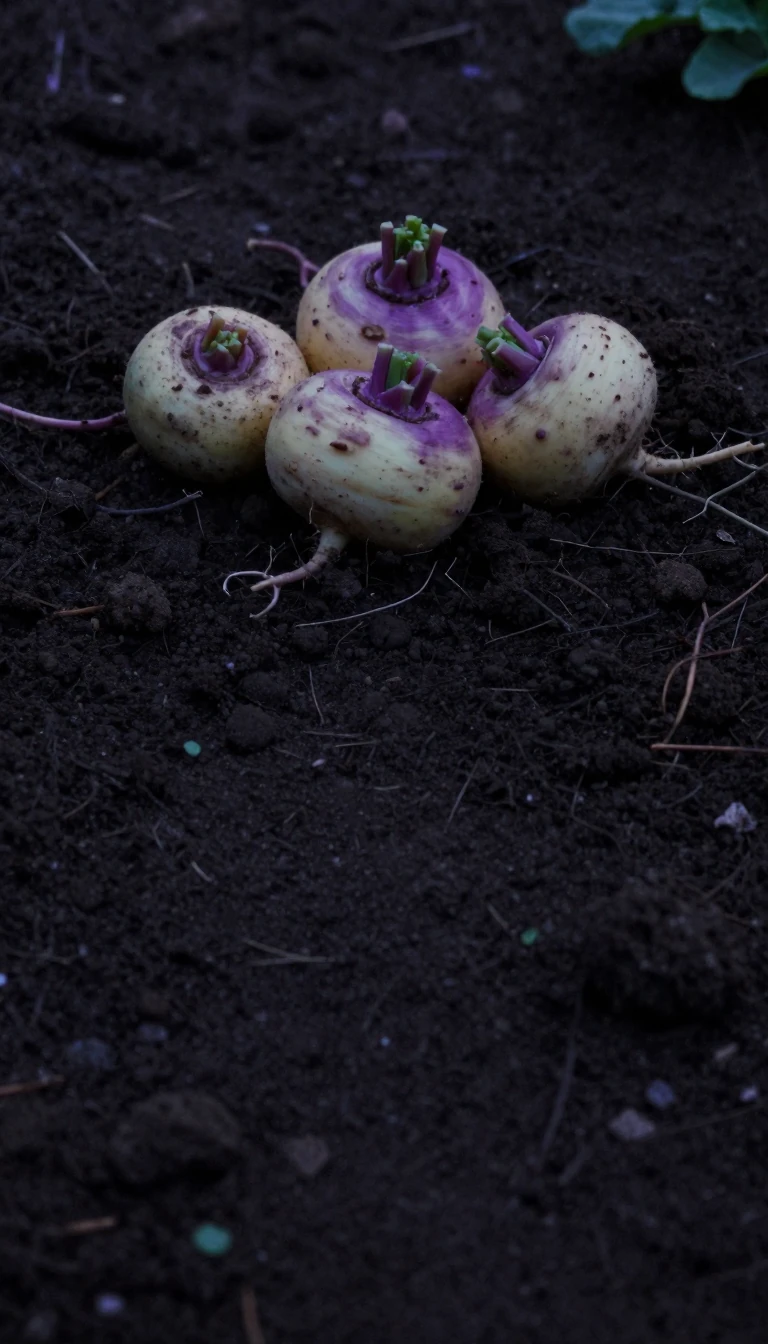 The artichoke is a thistle bud, and its name comes from an Arabic word for scaleAn artichoke is an unopened thistle flower, eaten before it blooms into purple florets. Its English name passed from Arabic through Spanish and Italian, and speakers kept twisting…
 Amaranth's name means unfading, and its h is a spelling mistakeAmaranth plants can tower 2.5 metres, glow maroon to crimson and yield thousands of tiny seeds per gram. The Greek name meant unfading. The h in the Latin spelling crept in throug…
 The amaryllis sold every winter is usually not an Amaryllis at allThose big bulbs that bloom indoors at Christmas are mostly Hippeastrum, a South American genus. True Amaryllis has just two species, both from South Africa's Cape. Botanists argue…
 Forty-nine Brahman cattle shipped to Australia became over a million in QueenslandBetween 1933 and 1954 Australia imported just 49 American Brahman cattle. Their heat-proof, parasite-resistant descendants multiplied until, by century's end, no breed in the coun…
 Amoeba is a way of moving, not a single branch of lifeThere is no amoeba family on the tree of life. Shape-shifting cells that crawl on pseudopods turn up in every major group of complex organisms, from fungi to algae to animals. The…
 Blobby amoebae are closer kin to you than plants areAmoebozoa, a supergroup of about 2,400 described species, includes classroom amoebae, parasites and slime moulds that can spread across several square metres. Genetic trees place …
- Spain's royal war horse was once too precious to exportFor centuries European kings rode Spanish horses, and Spain handed them out as diplomatic gifts. The Andalusian, or Pure Spanish Horse, has barely changed shape since the 15th cen…
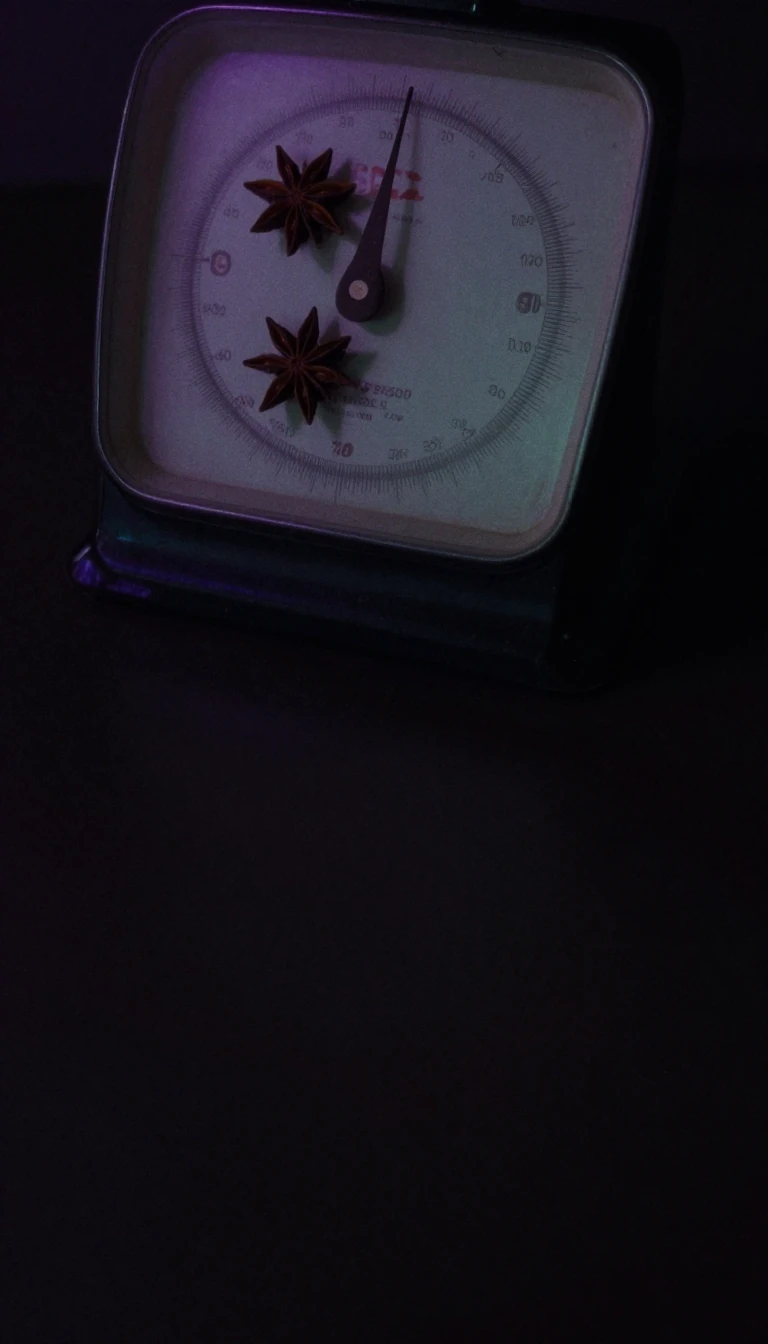 Star anise has nearly pushed true anise out of Western kitchensThe liquorice note in ouzo, sambuca and pastis comes from anethole, a compound shared by Mediterranean anise and a Chinese spice from a completely unrelated plant. Star anise is c…
- The glossy red 'flower' of an anthurium is really a modified leafAnthurium is the biggest genus in the arum family, with about 1,000 species from Mexico to Argentina. What looks like a shiny red petal is a bract called the spathe, and the true …
 By modern biology's definition, you are an apeApes lack tails because of a mutation in a single gene, TBXT. Biologists once used the word for every hominoid except humans, but a consistent family tree cannot leave us out, so …
- The carrot family feeds kitchens worldwide and also includes poison hemlockCarrots, celery, parsley, cumin, coriander and dill all belong to one family, recognisable by flat umbrella-shaped flower heads. So do giant hogweed, whose sap reacts with sunligh…
 Half a death cap mushroom may hold enough toxin to kill an adultThe death cap causes about 90 percent of the world's fatal mushroom poisonings. Cooking and freezing do nothing to its toxins, it resembles prized edible species, and its smell st…
 The strings in celery are living cells built for stretchy supportPull a string from a celery stalk and you are holding collenchyma, plant cells with walls thickened at the corners yet free of rigid lignin. They hold young stems upright while st…
 The malaria parasite's ancestors may once have lived on sunlightAlveolates are a huge group of single-celled organisms that includes pond ciliates, glowing marine dinoflagellates and parasites such as Toxoplasma. What unites them is a layer of…
- The fly agaric earned its name by being crumbled into milk to kill fliesThe red, white-spotted toadstool of fairy tales and Super Mario is a real and poisonous fungus. Its common name probably records an old household trick, sprinkling it into milk as…
- Baobab flowers open so fast you can watch them moveBaobabs, the 'upside down trees', rank among the longest-lived vascular plants, yet their flowers are fertile for at most 15 hours. They unfurl around dusk quickly enough to see, …
- The humble button mushroom belongs to a genus taxonomists still fight overAgaricus gives the West its everyday supermarket mushroom and the wild field mushroom, but the genus is anything but simple. It holds more than 400 species, perhaps as many again …
 Some agaves wait 60 years to flower, then dieThe 'century plant' does not really take a century, but some agave varieties live 60 years before blooming. Then they throw up a flowering mast that can top 12 metres, set seed an…
- Much of Venice stands on pilings cut from alder treesAlder wood holds up remarkably well underwater, which is why builders have used it for pier and wharf pilings for thousands of years, and why most of the piles beneath Venice came…
- An almond is not a nut, and California grows most of themBotanically, the almond is the seed of a drupe, a cousin of the peach whose fleshy layer has shrunk into a leathery hull. About 80 percent of the world's supply comes from Califor…
- Aloe's healing fame outruns the evidence behind itAncient Greeks and Romans dressed wounds with Aloe vera, and it now fills soaps and supplements. Yet clinical evidence is limited. The US Food and Drug Administration ruled in 200…
 Florists' year-round Peruvian lilies come from crossing Chile with BrazilWild alstroemerias keep to seasons: Patagonian species grow in winter, Brazilian ones in summer. Breeders crossed the two groups, starting with American trials in the 1980s, and p…
 Your cells' power plants were once free-living bacteriaSymbiosis is not just clownfish and anemones. Biologists think it built the complex cell itself, when ancient bacteria were absorbed and became mitochondria and chloroplasts. Part…
 More than 80 percent of the world's species live in forestsForests shelter the great majority of known species, so clearing them wipes out homes on a vast scale while also feeding climate change. Deforestation is only one of many pressure…
 The word 'ecosystem' was coined on request, for a mentor, in 1935Ecosystem feels like an ancient idea, but the word first appeared in print in 1935. The British ecologist Arthur Tansley wanted a term for the traffic of materials between living …
 What exactly makes a species 'endangered'? The IUCN has hard numbersEndangered is not a vague alarm word. The IUCN Red List applies specific thresholds: a population down 20 percent in five years with fewer than 2,500 breeding adults qualifies, an…
 More than five billion species have already vanished from EarthExtinction is the normal fate of life: a typical species disappears within about 10 million years of first appearing, and over five billion have died out. What is unusual now is t…
 Bacterial spores survived being heated to 420 degrees CelsiusMicrobes turn up in sediment at 120 degrees Celsius more than a kilometre beneath the seabed, in a lake sealed half a mile under Antarctic ice, and at the bottom of the Mariana Tr…
 One butterfly lives on every continent but Antarctica; another needs antsA habitat is not just a place but a specific set of conditions one species needs. The small white butterfly thrives almost anywhere with mixed plants. The large blue butterfly is …
 Are wild horses in North America native or invaders? Scientists arguedHorses evolved in North America, spread into Eurasia, then died out in their homeland. When Spanish conquistadors brought them back, they returned to the continent of their ancest…
- A parasite, originally, was someone who ate at another person's tableThe Greek parasitos meant a dinner guest who fed at someone else's expense, a social insult long before it became biology. Today the word covers malaria protozoa, hookworms, lice,…
- Biologists use at least 30 words for a group of animalsPopulation sounds like the simplest idea in biology: a bunch of the same species living in one place. In practice, biologists disagree on the definition so often that more than 30…
- No country meets its people's needs within the planet's limits, experts saySustainability is everywhere in policy talk, yet some experts point out an awkward finding: no nation currently delivers what its citizens need without breaching the planet's biop…
- An ecological niche was named after the alcove that holds a statueNiche originally meant a recess in a wall where a statue stands, probably from a French verb meaning to nest. Ecologists borrowed it to describe a species' place in nature, and ha…
- Tomatoes, potatoes and deadly belladonna all belong to one plant familyThe nightshade family gives the world some of its favourite foods, including tomatoes, potatoes and chilli peppers, alongside tobacco and Atropa belladonna, among the most toxic p…
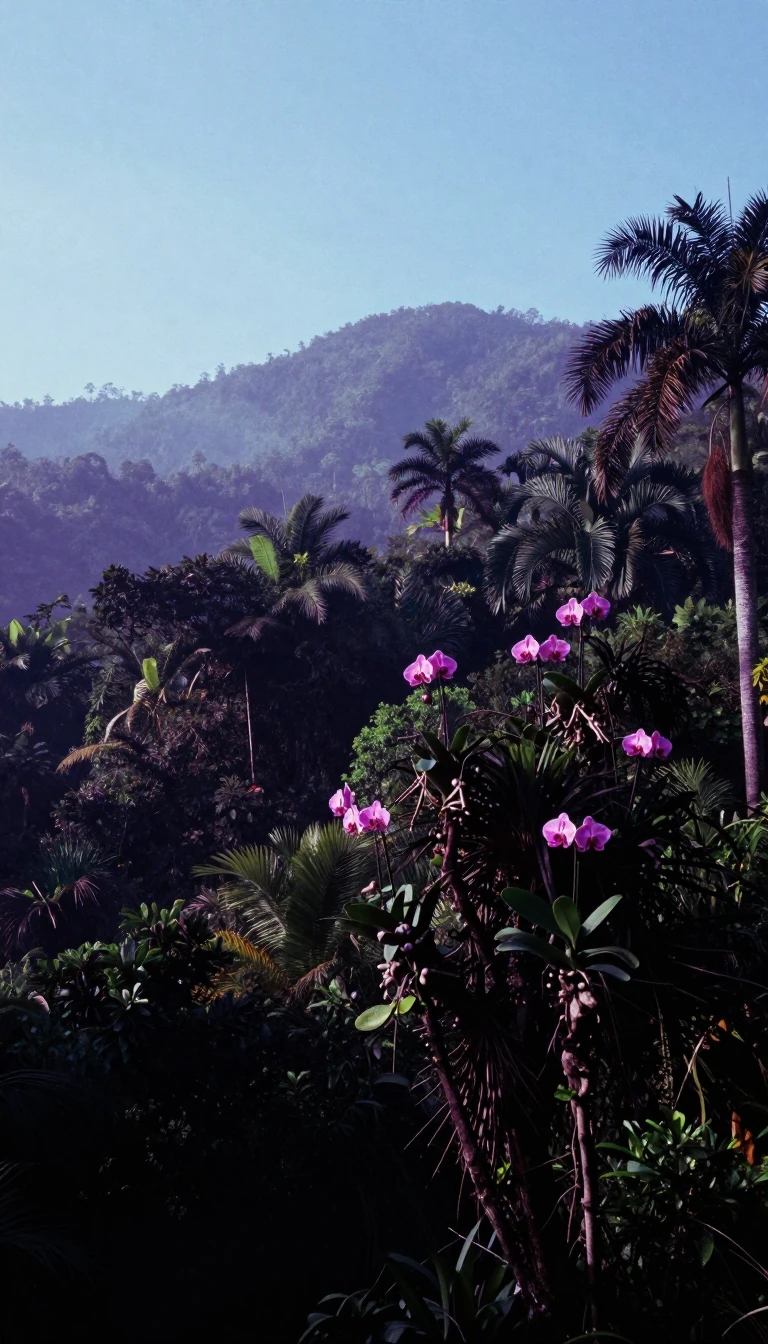 Tropical forests cover under a fifth of land but hold half of all speciesLife is spread very unevenly. Warm, productive tropical forests occupy less than one-fifth of Earth's land yet shelter roughly half its species. Scientists estimate around 8.7 mil…
 Biome boundaries are drawn arbitrarily, because nature refuses sharp edgesMaps show deserts, grasslands and forests as neat coloured patches, but real landscapes blend gradually from one to the next, with small-scale variation everywhere. Ecologists adm…
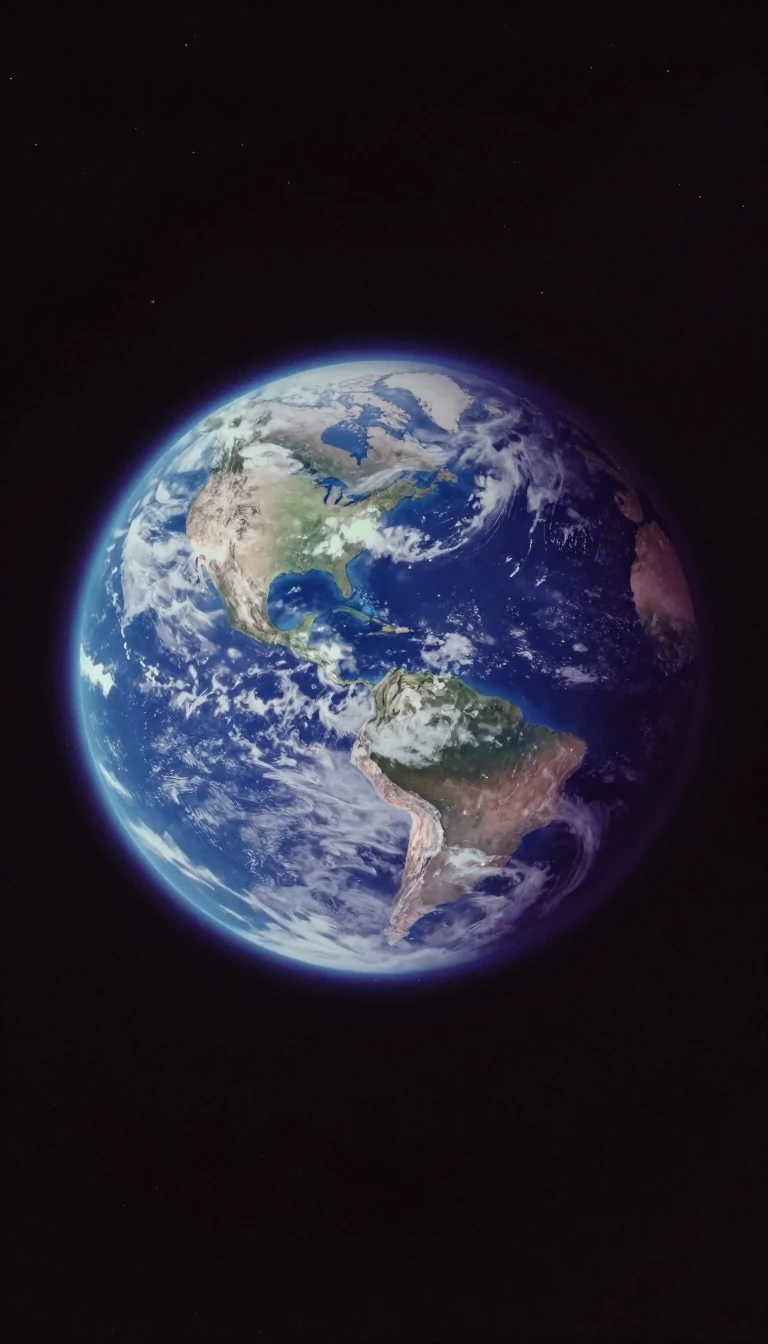 Earth holds more living cells than there are stars in the observable universeRoughly ten to the power of 30 cells are alive on Earth right now, a million times more than the estimated stars in the observable universe. Life fills this thin shell almost ever…
 Some ants win by blocking rivals' nest entrances with pebblesCompetition in nature is not always a head-on fight. The ant Novomessor cockerelli plugs the entrances of red harvester ant colonies with small rocks to stop them foraging, and ma…
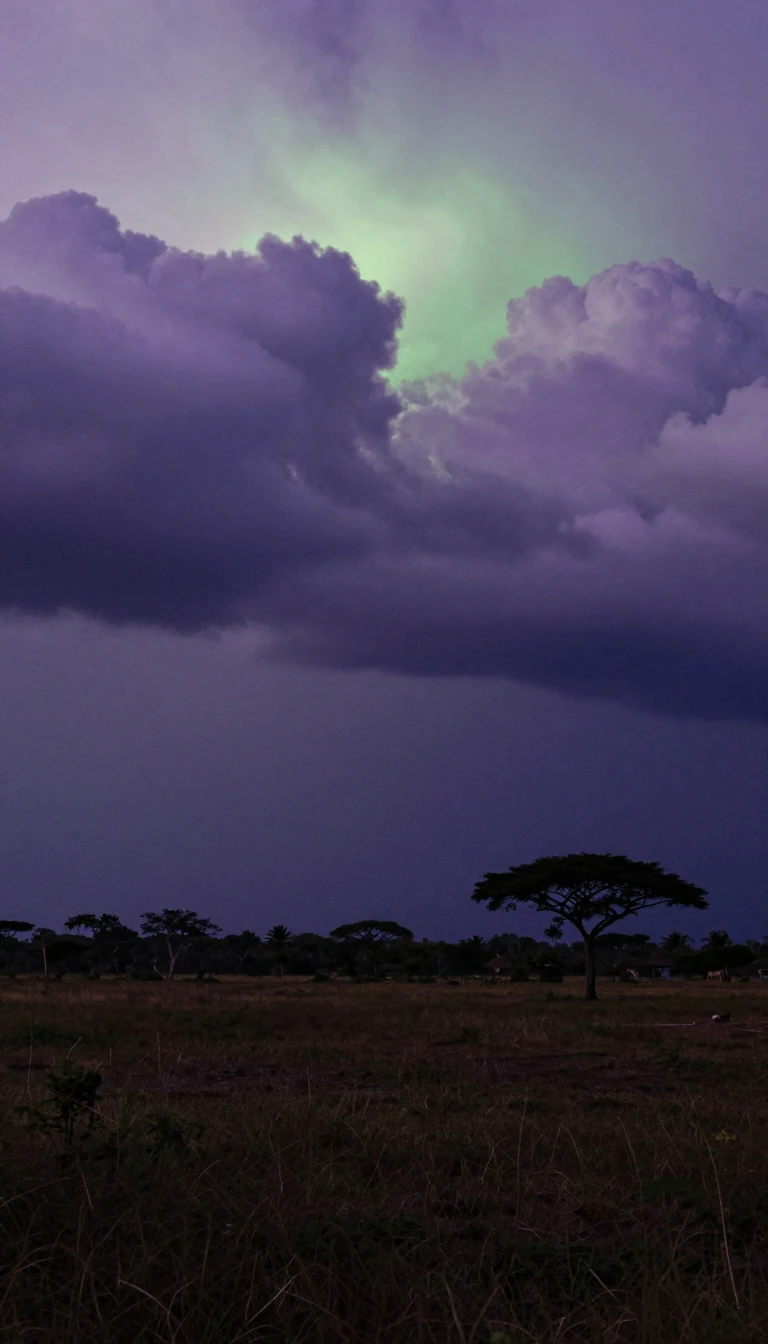 Some tropical places get two rainy seasons, and rainforests get noneA rainforest never has a wet season, because its rain arrives evenly all year. Yet parts of the tropics enjoy two, as the band of storms called the Intertropical Convergence Zone …
- Wetlands are the most threatened ecosystems on Earth, and among the richestSwamps and marshes were long seen as wasteland to drain. In fact they filter water, soften storms, store carbon and teem with life. A 2005 global assessment found wetlands under m…
 Some wildfires smoulder underground for months without a visible flameNot every wildfire roars through treetops. Ground fires creep through buried roots, peat and forest duff, smouldering for days or months. In Indonesia, a scheme to create rice fie…
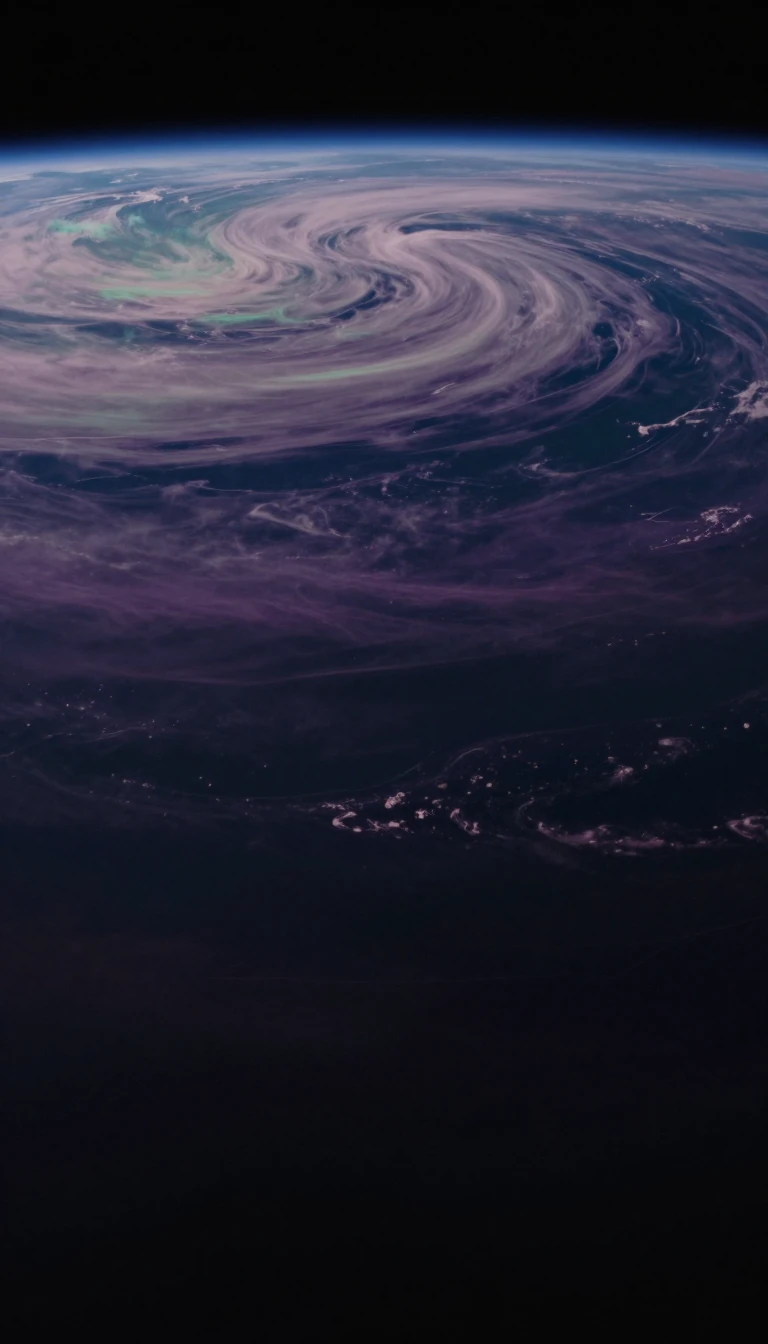 A westerly wind blows eastward, because winds are named for their sourceMeteorologists label wind by where it comes from, not where it goes, so a northerly pushes south and a westerly heads east. It trips people up constantly. Behind the naming sits s…
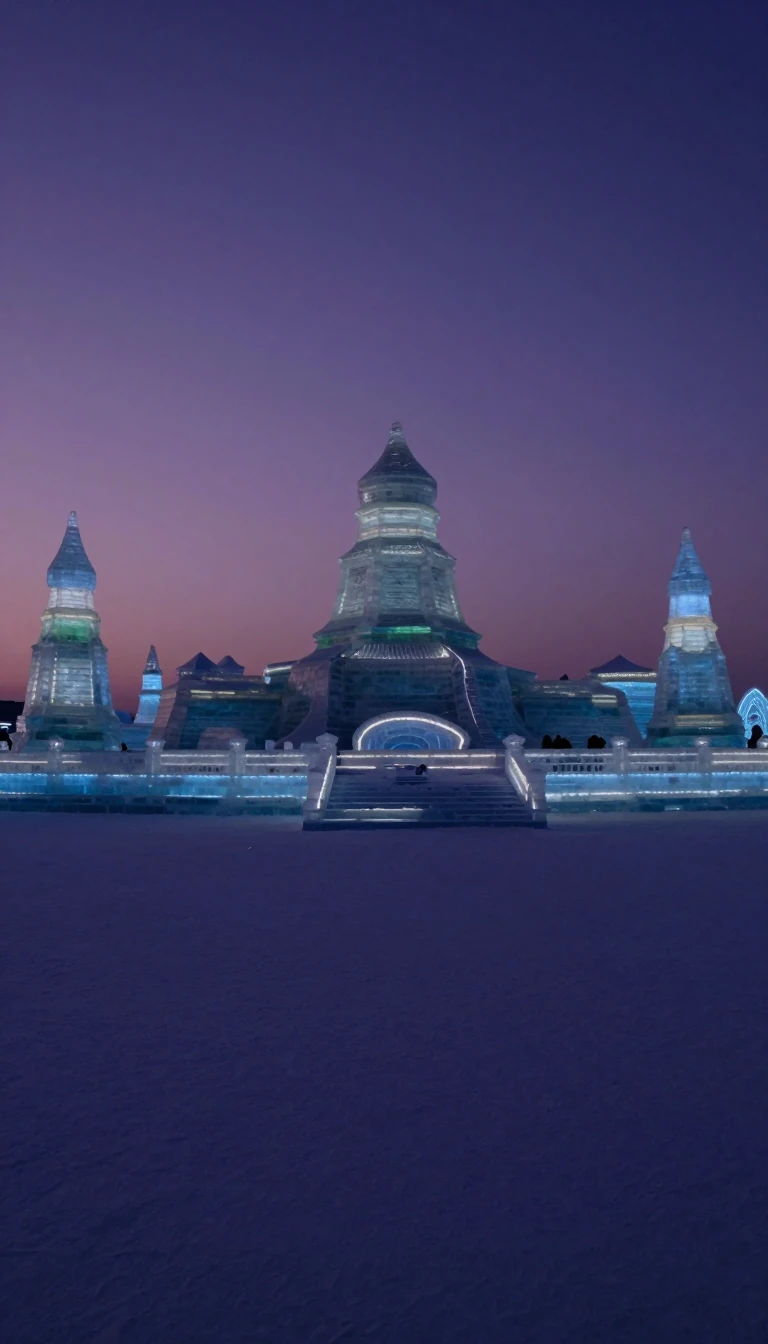 Two Canadian cities on the same latitude have wildly different JanuariesWinnipeg and Vancouver both sit at 49 degrees north. Winnipeg's January days peak around minus 11 Celsius, with nights near minus 21. Vancouver, bathed by mild Pacific winds, stay…
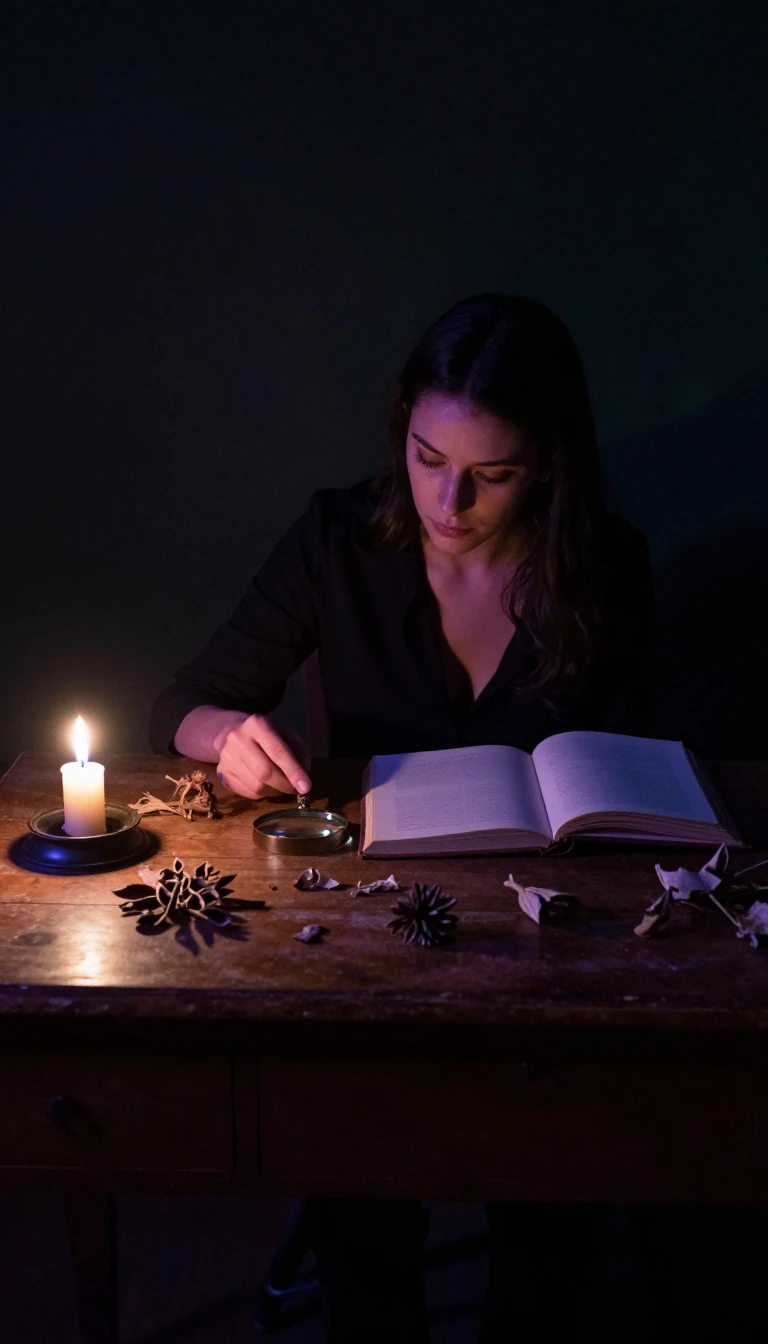 Botany began as a hunt for plants that heal, feed or killThe science of plants grew out of prehistoric herbalism, the urgent business of telling edible from poisonous from medicinal. Its name comes from a Greek word for pasture or fodde…
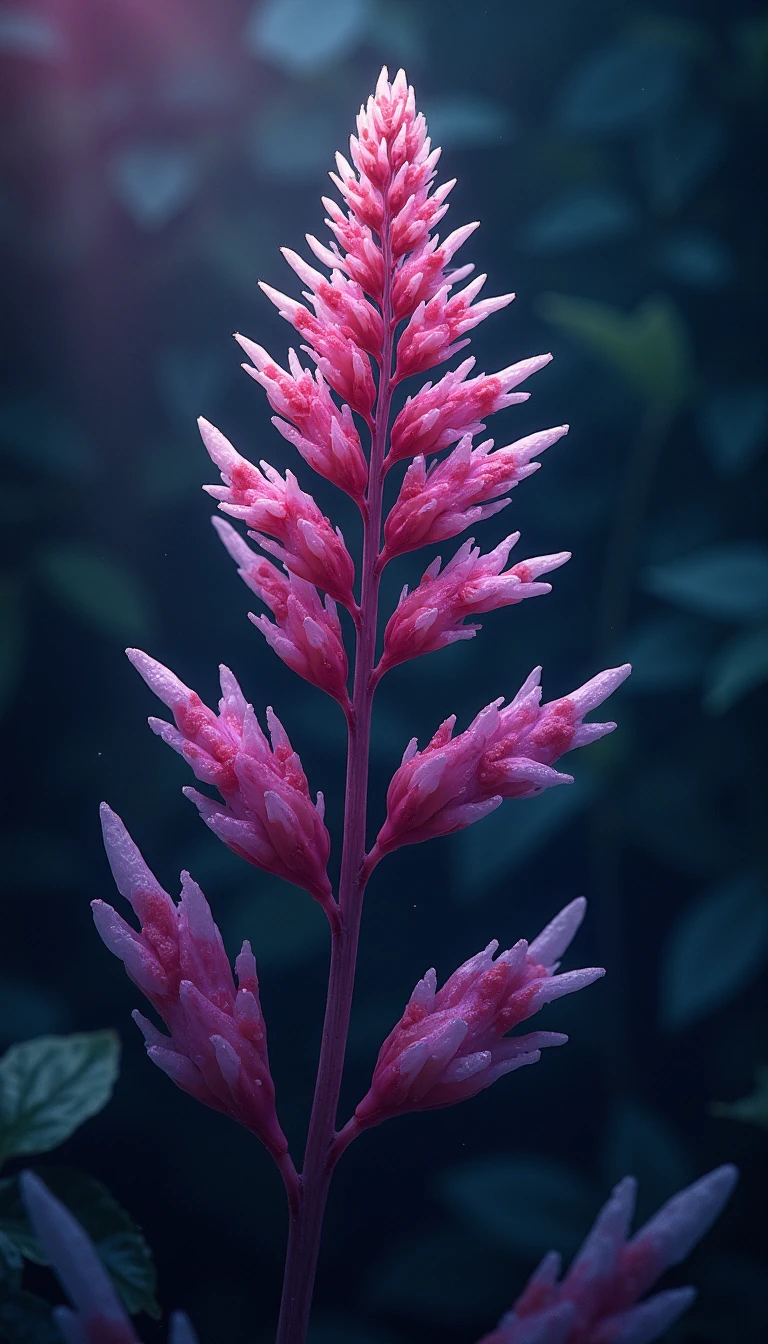 Plants learned to eat animals at least twelve separate timesMeat-eating plants are not one odd family but a solution evolution reached repeatedly. True carnivory arose independently at least 12 times across five orders of flowering plants.…
 Evaporation is nature's desalination plant, and the ocean runs most of itWhen seawater evaporates, salts and particles stay behind, so every cloud is freshly distilled water. The ocean holds about 97 per cent of Earth's water, supplies 86 per cent of g…